
BIM — The Value of BIM Technology in Construction
The adoption of
BIM
technology is revolutionizing construction projects, providing a variety of significant advantages:
1. Collision Detection: Integrating CAD design drawings with
BIM Technology
allows for collision checks on models before construction begins. For instance, when designing drainage systems, models are created according to design requirements and elevations are adjusted in advance. This approach helps eliminate costly dismantling and reinstallation during the construction phase.
2. Efficient Quantity Calculation: BIM technology, combined with tools such as Luban calculation software, enables fast electronic calculation and verification of project quantities. This replaces traditional manual methods, significantly improving efficiency and supporting informed decision-making throughout the project lifecycle.
3. Accurate Cost Management: By establishing an information-driven cost accounting model, budgeting becomes faster and more precise. Traditional budgeting relies heavily on manual analysis, which often leads to fragmented and delayed results. BIM reduces manual workload, allowing budget managers to concentrate on higher-value tasks.
4. Optimizing Construction Plans: BIM technology optimizes construction planning, especially in complex areas. For example, when constructing model floors or housing units, traditional methods require inspection and possible reinstallation, which wastes resources if errors are discovered. BIM enables layouts to be simulated and refined ahead of time, leading to reduced costs, time savings, and improved construction quality.
Key Steps for Implementing BIM Technology in Construction
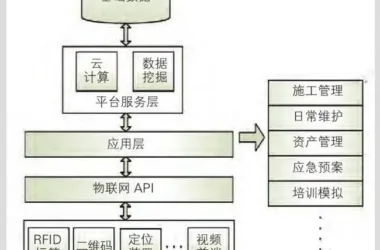
2.1 Data Collection and Framework Development: BIM technology is used to survey construction sites, collect essential data, and establish the BIM framework. This process supports data interaction, including the import and export of IFC files. Tools like AutoCAD and CATIA are used to build BIM models. By integrating platform layers and database technology, construction data can be analyzed, processed, and verified to create sub-information models, enabling dynamic project management.
2.2 System Structure Adjustment and Main Function Implementation: The BIM management system consists of a comprehensive project management system (B/S architecture) and a software engineering management system (C/S architecture), connected through data management and model parameters. AutoCAD serves as the development platform, supporting technical data creation and editing via CIF software. This enables efficient data querying and attribute management within the BIM environment.
2.3 Data Analysis and Dynamic System Establishment: BIM technology utilizes editors and process templates to develop a project progress management system. Using 3D models to visualize construction progress, planned outcomes can be compared to actual progress, providing guidance for site operations. The BIM management system enables dynamic resource management, calculating and analyzing project nodes, quantities, and allocations at each stage. The safety management system records, displays, and prints quality inspection data, offering vital support for construction teams.
2.4 Safety Conflict Analysis System: Prior to construction, BIM software is used to simulate processes with a focus on safety. Teams can simulate construction in both forward and reverse sequences to identify functional and safety conflicts, streamlining activities. Any structural or system changes require safety performance evaluation and dynamic calculations to ensure smooth implementation. Equipment and materials are checked to minimize potential conflicts.
To further enhance the accuracy of BIM simulations, site data should be discretized and analyzed for improved progress control and resource optimization. Ongoing verification and simulation of construction processes help refine project execution. Integrating BIM functions with system frameworks ensures seamless coordination between software and hardware, supporting efficient project management and design.
Conclusion
As the construction industry evolves and information technology becomes more prevalent, the value of BIM is increasingly recognized. The continuous development and application of BIM in China highlight its widespread benefits. Construction companies are encouraged to actively adopt BIM, explore its application potential, and leverage its advantages to enhance project outcomes.
BIM technology requires substantial investment to ensure timely software updates and ongoing innovation. Developed after CAD, BIM technology has immense potential for future growth. Both construction enterprises and government agencies should promote and develop BIM and related software. By continuously improving BIM standards and exploring new applications, China’s construction industry can fully realize the advantages of BIM technology.
Author: Fei Yingjun
Organization: Anhui Second Construction Engineering Company














Must log in before commenting!
Sign Up