
1. Project Overview
1. Project Overview
The Third People’s Hospital project in Guizhou Province spans a total land area of 23,367.92 square meters. The first phase of construction covers 31,448 square meters, including a building footprint of 1,372 square meters, 8,101 square meters underground, and 24,699 square meters above ground. The structure features 2 basement levels and 18 floors above ground, rising to a height of 76.45 meters.
This hospital houses various departments such as emergency services, outpatient care, medical imaging, clinical and nuclear biological laboratories, support systems, administrative offices, staff accommodations, single-row buildings, preventive health centers, research facilities, and essential infrastructure including waste collection and sewage treatment stations. It is designed to accommodate 500 inpatient beds.
The underground geological conditions are complex, with karst caves found at the east side anti-slip pile location and several mud pits scattered across the site. To date, the foundation design has been revised three times, all adopting independent column foundations with drilled piles.
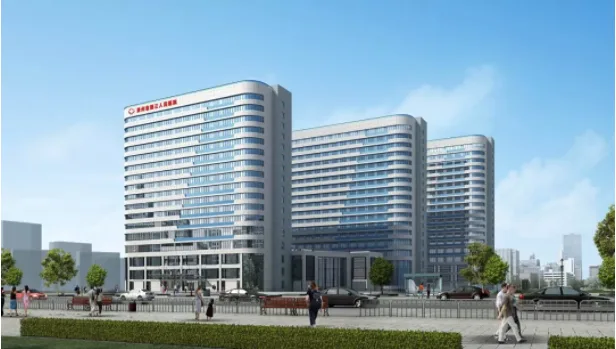
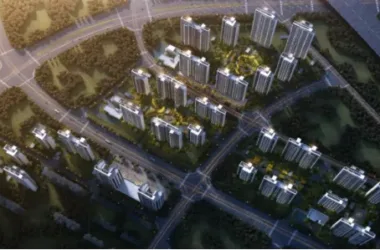
Figure 1. Project Rendering
2. Analysis of Key Challenges in the Project
2.1 Site Constraints: The project involves reconstructing after demolishing the original structure. It is tightly surrounded by multi-story buildings on the north, east, and south sides, with a municipal drainage ditch to the west. The south boundary is roughly 10 meters from the existing outpatient building, while residential buildings lie about 15 meters to the north and east. The foundation pit’s east slope is stabilized using double rows of anti-slip piles with reinforced mesh and sprayed concrete, whereas the other sides employ anchored reinforced mesh. Following a collapse on the west side caused by rain and machinery, a rubble retaining wall was installed. The site is extremely narrow, with no movable board houses allowed, and hospital operations must continue uninterrupted during construction.
2.2 Excavation Challenges: Initially, the foundation pit slopes were designed at a ratio of 1:2. However, due to proximity to residential areas, outpatient facilities, and reserved offices, this slope had to be steepened on the north, northwest, and south sides, increasing construction complexity.
2.3 Specialized Laboratory Floor: The 18th floor houses a nuclear, biological, and chemical laboratory. Given the scarcity of similar projects and limited experience among the design and construction teams, this represents the most significant challenge in the current phase.
2.4 Air Conditioning System: The primary HVAC system features two direct-fired units in the basement. These units are larger and heavier than traditional compressors, requiring dedicated installation channels reserved during construction.
2.5 Complex Underground Facilities: The B1 basement level contains diverse functions including the power distribution room, air conditioning host room, medical imaging department, cafeteria, and hospital supply facilities. The cooling tower is located at the northwest corner of the site.
2.6 Dense Pipeline Networks: Corridors on each floor accommodate numerous systems: fresh air ducts, water pipes, smoke exhaust ducts, fire protection pipes, electrical cable trays (both strong and weak currents), medical oxygen lines, and negative pressure pipelines. The sheer volume and intersection of these pipelines complicate installation and affect ceiling heights.
2.7 Pipeline Coordination: From the 6th floor upwards, sewage, rainwater, water supply, hot water, and fire sprinkler pipelines converge at the MF floor, making comprehensive planning essential before installation.
2. Project BIM Implementation Architecture
1. Objectives of BIM Application
1.1 Pipeline Coordination: BIM technology optimizes pipeline routing by minimizing bends and ensuring a minimum ceiling height of 2.6 meters. The layout of pipelines in the air conditioning equipment room is rationalized to balance functionality and aesthetics, maximizing project value.
1.2 Safety Management: BIM supports stringent on-site safety supervision, reducing construction risks. It clearly defines safety responsibilities and facilitates timely correction of issues.
1.3 Progress Monitoring: BIM enables precise progress tracking with daily monitoring aligned to weekly plans, ensuring monthly targets are met. It promptly collects and analyzes factors affecting progress for timely adjustments.
2. BIM Project Organizational Structure
The project management company leads BIM implementation on behalf of the owner (Party A), overseeing all parties to ensure roles are fulfilled. The objective is to leverage BIM for pipeline optimization, safety oversight, and progress control to tackle project challenges effectively.
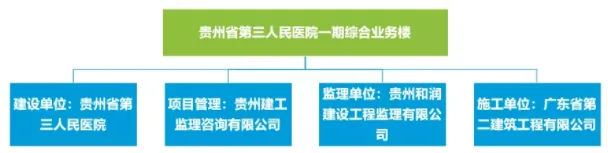
Figure 2. BIM Organizational Structure
3. Responsibilities of BIM Project Members
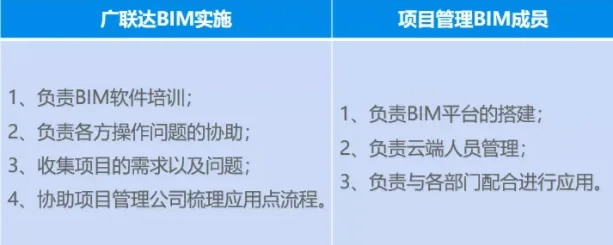
Figure 3. BIM Project Member Responsibilities
3. Key Applications and Benefits of BIM in the Project
1. BIM Pipeline Integration
1.1 Traditional Process and Limitations: Except for air conditioning and weak current systems, all mechanical, electrical, and plumbing (MEP) works are handled by the general contractor.
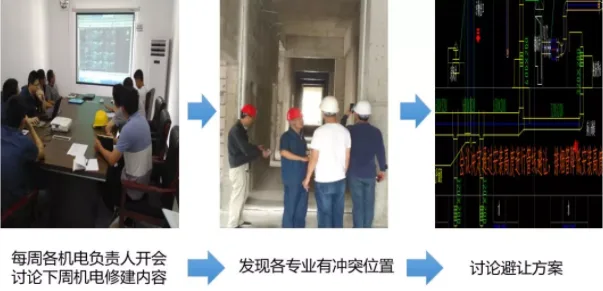
Figure 4. Traditional Pipeline Integration Process
Limitations: Only major, obvious conflicts are detected, resulting in low efficiency.
1.2 BIM-Integrated Construction Process:
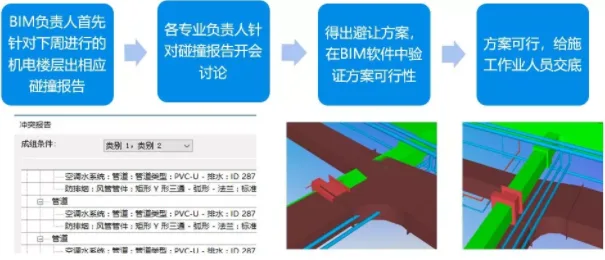
Figure 5. BIM-Integrated Construction Process
1.2.1 On-site construction strictly follows the BIM model, ensuring pipeline routing accuracy and minimizing rework.
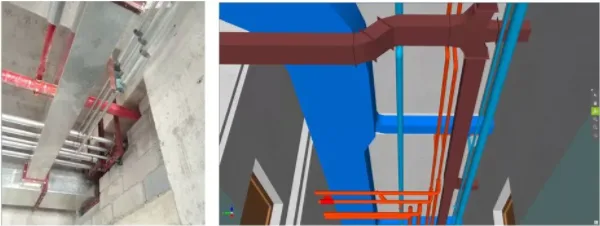
Figure 6. Model-Based On-site Construction
1.2.2 Given the hospital’s dense and complex pipeline networks in every corridor—including fresh air ducts, HVAC water pipes, smoke exhaust, fire protection, electrical and communication trays, medical oxygen, and negative pressure systems—installation is highly challenging. BIM enables comprehensive pipeline coordination to optimize spacing and intersections. After multiple iterations, corridor ceiling heights were optimized to a minimum of 2.6 meters, ensuring an open and functional space.
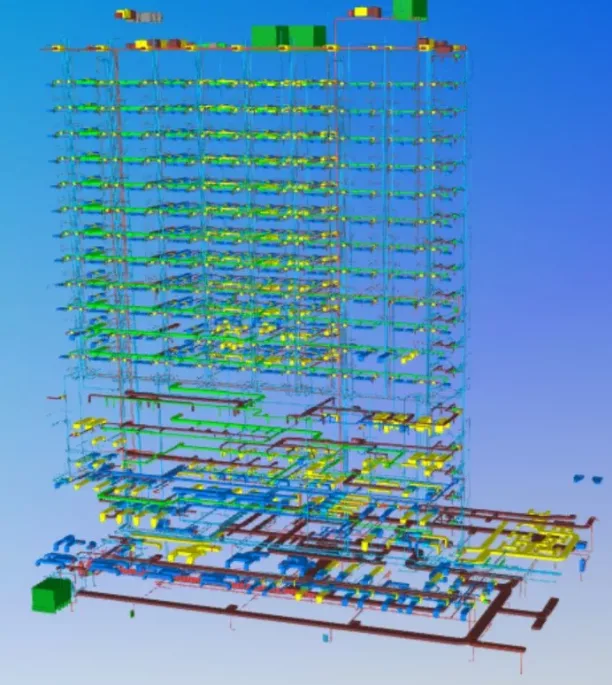
Figure 7. Models of Various MEP Systems
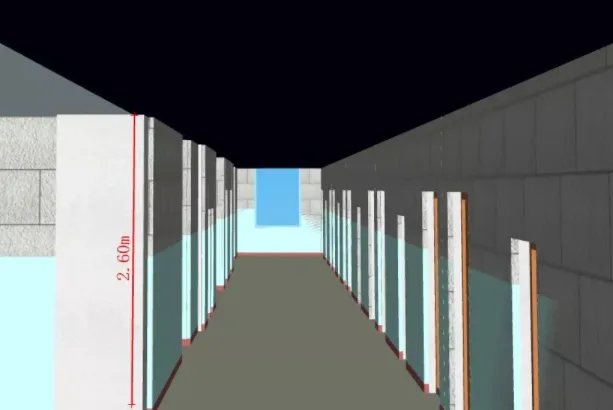
Figure 8. Ceiling Height Optimization to 2.6m
1.3 Benefits of BIM Pipeline Management: Through iterative optimization, corridors from the 9th to 17th floors (standard wards) achieved a net ceiling height of 2.6 meters. This saved time and enhanced installation efficiency compared to traditional methods.
2. BIM Safety Supervision
2.1 Traditional Safety Inspection Process:

Figure 9. Traditional Safety Inspection Process
Limitations:
- Limited control by construction teams over safety issues;
- Project management lacks real-time monitoring of safety officers;
- Key safety points are not clearly highlighted;
- Safety inspection quality depends heavily on staff knowledge and responsibility.
2.2 BIM-Based Safety Inspection:

Figure 10. BIM Safety Inspection Process
2.2.1 The BIM manager configures safety inspection points at critical locations based on actual site conditions.
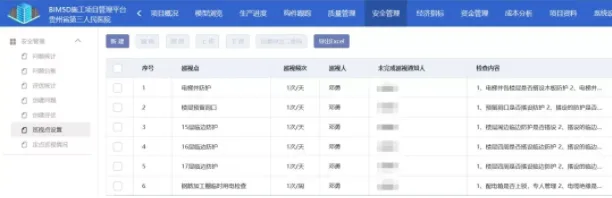
Figure 11. Web-Based Security Vulnerability Setup
2.2.2 Safety officers conduct regular inspections with BIM mobile reminders guiding them to designated areas.
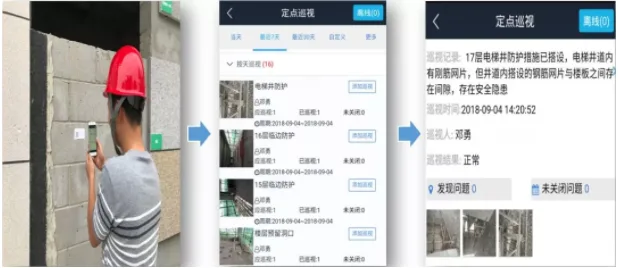
Figure 12. Safety Officer Conducting Inspections
2.2.3 Upon identifying safety issues, the safety officer immediately notifies the responsible construction team for prompt correction.
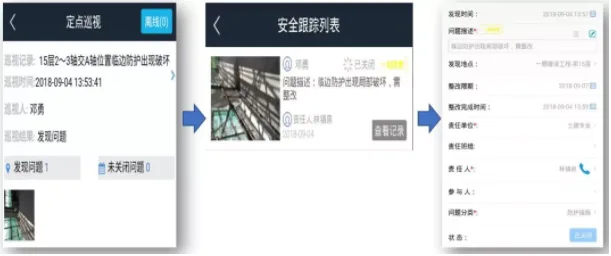
Figure 13. Notification for Rectification
If rectification is incomplete, reminders are sent to responsible personnel and supervisors, and team performance is tracked over time.
2.2.4 If inspections are missed, the BIM mobile system sends reminders requiring designated personnel to complete them. All inspections are logged and objectively evaluated, replacing subjective assessments.
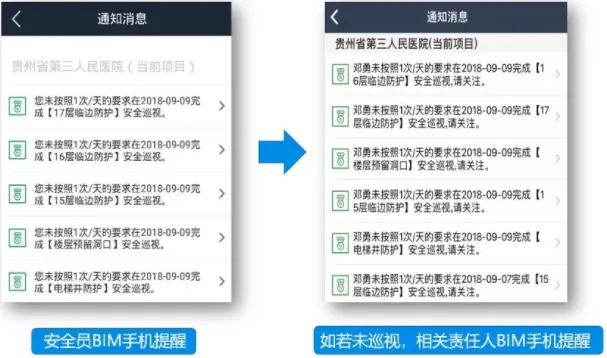
Figure 14. BIM Message Reminders
2.2.5 Safety status and individual performance are analyzed using photos captured during inspections.
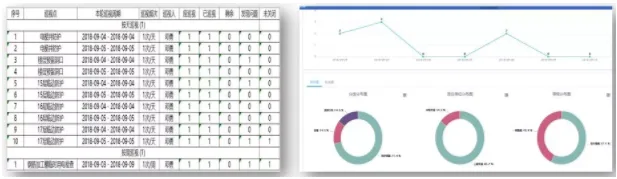
Figure 15. BIM Webpage Safety Analysis
With BIM, supervisors can easily verify if safety inspections have been completed and monitor overall site safety. Inspection points focus on key locations and hazards, enhancing safety management effectiveness.
2.3 Benefits of BIM Safety Supervision:
- Pre-Control: Key safety areas are preset with BIM5D, enabling proactive and regular inspections. Missed inspections trigger automated reminders to personnel and supervisors.
- In-Process Control: Identified hazards must be rectified within designated timeframes. Failure to comply results in reminders, ensuring timely hazard resolution.
- Post-Control: Safety hazards are objectively evaluated and analyzed. Weaknesses in safety management are identified for targeted improvements, with accountability assigned.
- BIM facilitates comprehensive safety management throughout the project lifecycle.
3. BIM Progress Control
3.1 Traditional Progress Control Process:
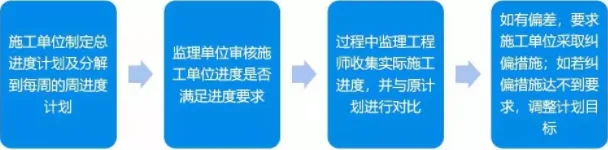
Figure 16. Traditional Progress Control Process
Limitations:
- Difficulty identifying and addressing schedule delays promptly;
- Complex coordination challenges due to multiple subcontractors.
3.2 BIM Progress Control Process:
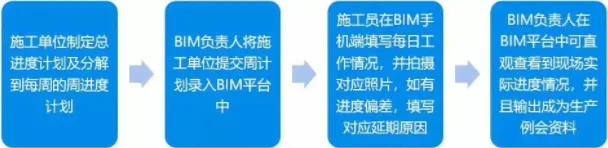
Figure 17. BIM Progress Control Process
3.2.1 The construction team develops an overall schedule, breaking it into weekly plans, which the BIM manager inputs into the BIM platform.
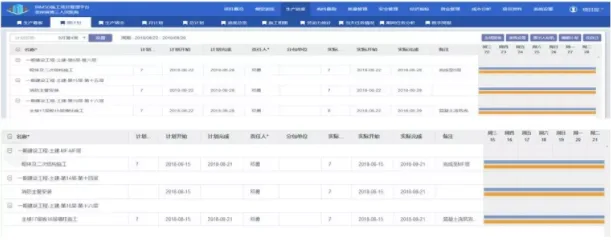
Figure 18. Weekly Plan Entry on Web Platform
3.2.2 Construction workers report daily progress and upload photos via BIM mobile terminals. Any deviations from the schedule are explained.
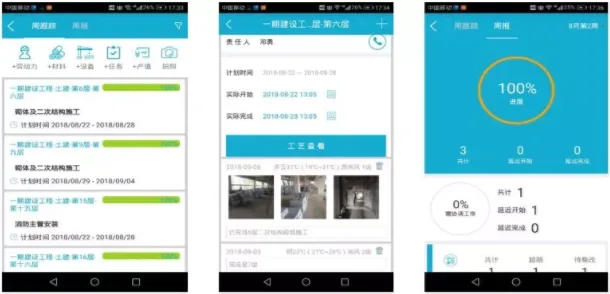
Figure 19. Daily Progress Reporting
3.2.3 The BIM manager visualizes on-site progress through the BIM platform and uses this information in production meetings.
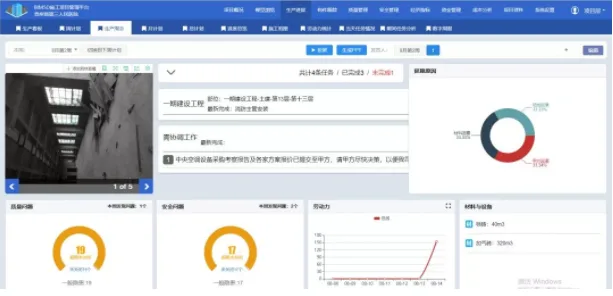
Figure 20. Weekly Production Meetings
3.3 Benefits of BIM Progress Control: BIM5D assigns schedule tasks to specific responsible individuals and automatically sends notifications. Given the involvement of many subcontractors and frequent cross-team coordination, BIM5D enhances communication and management efficiency. Notifications include detailed information on work areas, standards, and deadlines. Late tasks trigger alerts and may incur penalties. Data is analyzed in the cloud to identify factors impacting quality, safety, and progress, supporting informed decision-making.
4. User Feedback
BIM technology was extensively employed for project management and detailed technical design. Due to the hospital’s complexity and the numerous specialized pipelines—including air conditioning, fire protection, electrical, communication, medical oxygen, and negative pressure systems—BIM enabled meticulous planning of installation sequences and layouts, ensuring ceiling heights were preserved.
Prior to construction, thorough simulations identified key pipeline bends and relationships, with 3D axonometric views guiding on-site work. During construction, the BIM model was continually compared to actual conditions. For example, when the air conditioning team deviated from the BIM model for the fresh air duct in a corridor, causing a conflict with cable tray installation, immediate notification and correction minimized rework and helped maintain quality and schedule.
Using the BIM5D platform facilitated effective management of quality, safety, progress, and coordination. Documentation was comprehensive and easily accessible, with clear goals and responsibilities. Tasks were tracked with automated reminders. Analysis of operational data uncovered shortcomings in construction management, making supervision more data-driven and scientific, moving beyond reliance on intuition or experience.
Overall, BIM enhanced communication and efficiency among all construction teams, ensuring smoother project delivery.













Why can’t I see the pictures?
The image has been updated and can now be viewed.