
0 Introduction
Building Information Modeling (BIM) is a technical concept that spans the entire lifecycle of a construction project—including design, construction, and operation & maintenance management—and can be considered the project’s DNA. According to the U.S. National BIM Standards Committee, 75% of a building’s lifecycle cost is incurred during the operation and maintenance phase (usage phase), while the construction phase (design and construction) accounts for 25% of the total lifecycle cost. Within the construction phase, construction costs are significantly higher than design costs.
Currently, BIM applications tend to focus primarily on design, emphasizing the BIM model itself. Typical uses include pipeline synthesis, clash detection, calculations, and simulations. However, BIM technology is rarely extended into construction and operation management stages for a comprehensive application. Since construction and operation phases have longer lifecycles and involve more complex tasks than design, expanding BIM use into these stages promises greater value.
Analysis of BIM and IoT Integration
BIM is a digital information model of buildings, serving as a virtual representation of real-world structures. The BIM modeling process digitizes building facilities, using BIM technology for pipeline integration, clash detection, simulation, and collaborative design among all stakeholders. Industry Foundation Classes (IFC) serve as the standard medium for information exchange throughout BIM’s lifecycle in construction projects.
During construction, operation, and maintenance, participants’ activities are dispersed, mobile, and dynamic, creating new demands for BIM such as on-site, mobile, and real-time capabilities. Unlike the design phase—where BIM use centers around offices, designers, and desktop PCs—the construction and operation phases involve the site environment, people, mobile devices, and crucially, physical assets like buildings, equipment, and facilities. Relying solely on IFC as the exchange medium cannot fully address information silos that arise among different parties in these stages.
To bridge this gap, emerging technologies must link “things” directly to BIM models and people. The Internet of Things (IoT) offers this connection, linking devices such as RFID tags, QR codes, intelligent sensors, video front ends, and positioning systems with the BIM model’s real environment, personnel, objects, and data. Integrating BIM with IoT connects the real and virtual worlds, merges entities and data, enables behavior monitoring and data collection in construction and operation, and facilitates effective on-site management and operational oversight. This integration extends BIM’s application scope and value, as illustrated in Figure 1.
In the integration of BIM and IoT, each technology fulfills distinct roles: BIM enables information transmission, interaction, and sharing, establishing a central database, while IoT links collected, transmitted, and received data to the physical entities represented in the BIM database.
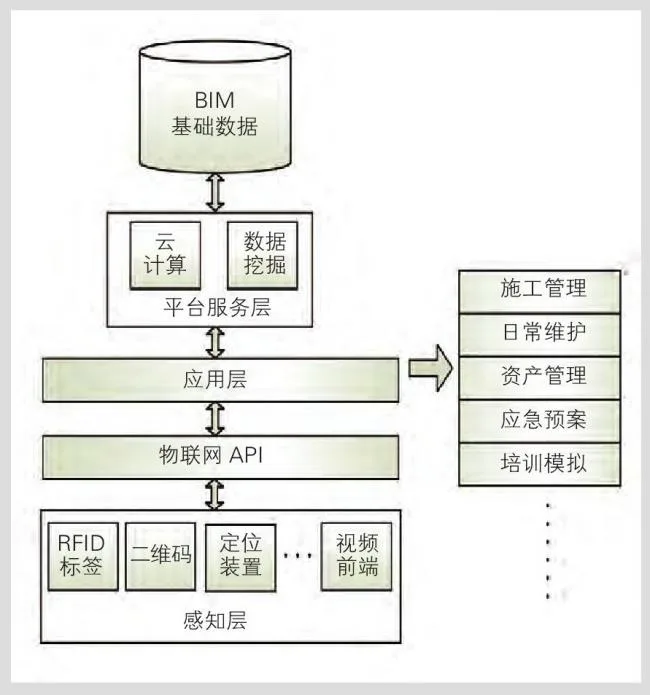
Figure 1: BIM and IoT Integration Application Structure
2. Application Prospects and Value Analysis
2.1 Construction Site Management
2.1.1 Safety Management
To address safety risks on construction sites, RFID technology can assist in monitoring, with feedback data linked to BIM databases and collected uniformly on BIM-enabled monitoring platforms. This approach provides intuitive warning displays and centralized site management.
(1) Personnel location monitoring: RFID readers installed in critical site areas (e.g., mixing plants, hazardous crane zones) identify workers’ safety helmets or badges, enabling real-time personnel positioning, tracking, and management. This facilitates timely interventions to prevent accidents.
(2) Monitoring key asset zones: On sites with abundant equipment, materials, and frequent personnel movement, RFID tags, positioning devices, or video front ends can be attached to vital assets. These technologies enable online monitoring and trigger warnings if assets leave designated areas, reducing theft and loss.
2.1.2 Progress and Quality Management
(1) Video surveillance on-site (see Figure 2): Construction progress can be remotely monitored using video front-end devices. Coupled with BIM data on components and materials, this enables remote management and scheduling. Video surveillance also clarifies employee attendance and labor distribution, while recording key processes and operations for quality inspection and issue tracing by linking video with BIM components.
(2) Material tracking: For prefabricated materials, RFID tags or QR codes integrated with BIM data during production allow tracking throughout transportation, receipt, requisition, and inventory. This supports quality traceability, on-demand material production, storage cost reduction, and prevents delays in component orders.
2.2 Daily Maintenance and Asset Management
A BIM model alone can visually represent parameterized information such as structure, composition, location, design parameters, construction techniques, and maintenance procedures—including testing, repair processes, required tools, and materials—facilitating daily operation and maintenance of buildings, equipment, and facilities.
By combining BIM and IoT, each facility or equipment item on-site can be assigned an RFID tag or QR code. During maintenance, intelligent devices scan these tags to access corresponding BIM data, displaying the model in a visual environment. This allows users to query attributes, status, and operational details, enabling more accurate maintenance planning, avoiding over- or under-maintenance, reducing costs, and improving quality. Figure 3 shows the interface for scanning and viewing equipment during maintenance.
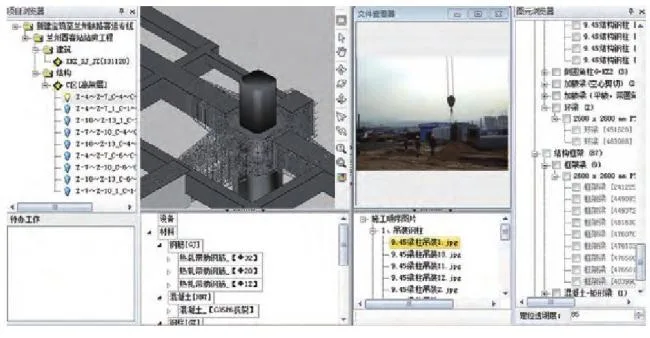
Figure 2: On-site Video Surveillance Interface During Construction Phase
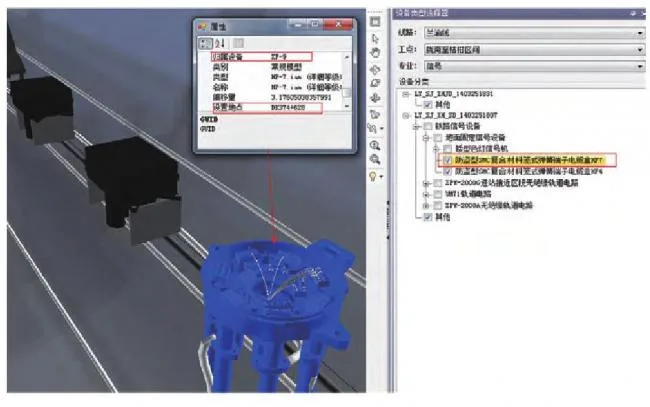
Figure 3: Device Scanning and Viewing Interface During Maintenance Phase
2.3 Emergency Management and Simulation Training
One of BIM’s major strengths is 3D visualization. Using BIM for emergency management reduces blind spots, enhances response and rescue capabilities, and provides clearer, more concise information during emergencies. A BIM- and IoT-based emergency management platform eliminates repetitive tasks like searching and analyzing drawings by using RFID tags or QR codes for rapid location and information queries. This platform enables operation and maintenance personnel to quickly access detailed equipment status, locate faulty equipment information, and support emergency decision-making.
For simulation training (see Figure 4), construction and operation personnel can access BIM simulation platforms through RFID tags and QR codes on facilities and equipment. They can retrieve equipment information and access knowledge bases—including operating procedures and training materials—allowing on-site personnel to quickly find answers and learn when issues arise.
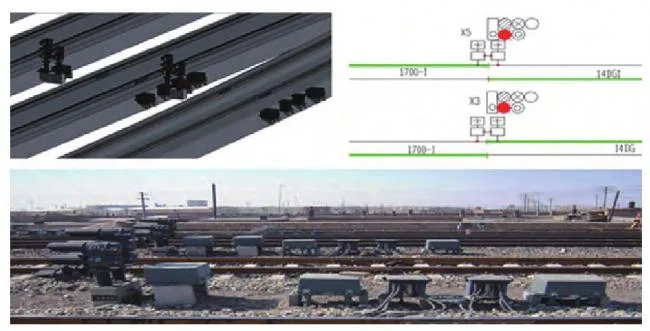
Figure 4: Rapid Localization for Simulation Training Sites, Models, and Drawings
3 Application Barriers
Although integrating BIM and IoT expands comprehensive application possibilities, its practical use remains exploratory, facing several challenges that require further study and resolution.
3.1 BIM Challenges
(1) Standards: Domestic application standards need improvement, along with synchronous enhancement of industry management systems and regulatory frameworks.
(2) Technical aspects: Data compatibility and interoperability among various BIM software, as well as their support for IFC, require verification and enhancement.
3.2 IoT Challenges
(1) Front-end perception devices: Apart from the low-cost QR codes, large-scale deployment of RFID tags, positioning devices, and video front ends incurs significant additional costs not present in traditional models. Further research is needed to assess applicable scenarios, project characteristics, and input-output ratios for BIM-IoT integration.
(2) Security and privacy: RFID tags, QR codes, and other IoT devices provide entry points into BIM data, necessitating robust mechanisms for secure data transmission and privacy protection, which require further development.
(3) Reliability: The performance and applicability of IoT perception devices like RFID tags and QR codes under complex, harsh construction and operation site conditions need additional investigation.
(4) Power management: RFID tags include active and passive types; further research is necessary on the battery life and power consumption of active tags.
4 Conclusion
Currently, the comprehensive application of BIM and IoT integration remains in its early stages, requiring deeper exploration of its value, especially combined with advanced technologies like cloud computing and big data. As technology advances and management systems improve, integrating these new technologies will inevitably enhance quality, safety, efficiency, and overall progress within the construction industry.














Must log in before commenting!
Sign Up