
1. Concept of Building Informatization
The concept of building informatization was first introduced in the United States in 1975. However, due to technological limitations at that time, its development was restricted. In 2003, the Ministry of Construction of China released the “Outline of the National Plan for the Development of Information Technology in the Construction Industry from 2003 to 2008,” which emphasized leveraging information technology to achieve significant progress in the construction sector. Building informatization refers to applying computer, communication, control, network, system integration, and information security technologies to upgrade the technical, production, management, and service levels within the construction industry.
The evolution of building informatization can be divided into several stages: manual operation, automation, informatization, and networking. Around the year 2000, the transition from manual drafting to automated CAD technology marked a significant breakthrough. In 2008, the construction of the “Water Cube” utilized BIM technology, initiating the shift from automation to informatization in China. Currently, China is in the stage of promoting and applying BIM technology. This period marks the transition from automation to informatization and the emergence of network-based platforms and e-commerce, advancing in parallel with the informatization phase.
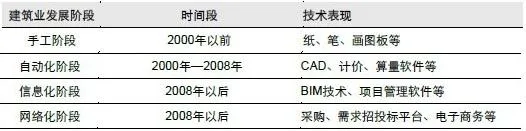
Table 1: The Four Stages of Building Informatization Development in China
2. Content of Building Informatization
Building informatization encompasses e-government informatization in the construction industry, informatization of engineering project construction, and informatization of construction enterprise management. All these areas aim to enhance communication and management between government and enterprises, project stakeholders, and within organizations by using software, network, and other information technologies.
3. E-Government Informatization in the Construction Industry
E-government informatization in the construction sector involves establishing a comprehensive government information network that covers the entire industry, including bidding platforms, urban planning supervision, management information systems, and construction markets. By utilizing this network, government functions can be integrated with enterprises and the market, thus improving work efficiency and service levels. The applications of e-government in the construction process include:
Firstly, before a project starts, construction units can apply for project approval online, submit materials via bidding platforms, and have the entire process monitored remotely through electronic systems, ensuring transparency. Secondly, during construction, internet technology enables real-time monitoring and effective control of processes, quality, and site safety, enhancing government supervision. Finally, upon project completion, online electronic filing can be used for project closure, and the collection and organization of archival and audio-visual materials can be managed efficiently.
4. Informatization of Engineering Project Construction
Engineering projects are the core of the construction industry. Their informatization mainly relies on tool software (like cost estimation and measurement programs) and management software (such as cost management systems, bidding knowledge management, and construction project management solutions). BIM Technology supports the informatization of engineering projects, enabling collaborative planning, design, construction, and operations through visualization technology. It also facilitates full lifecycle management, especially in areas such as design, progress, cost, quality, safety, and environmental protection, improving project predictability and control.
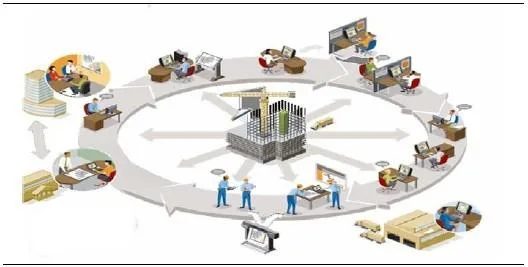
Figure 1: Application of Information Technology Throughout the Project Lifecycle
5. Informatization of Construction Enterprise Management
Informatization in construction enterprise management mainly manifests as follows: For construction business, companies can use networks and software to integrate project management, material procurement, and construction operations for centralized management. In terms of operations, informatization supports rapid and effective communication and collaboration among headquarters, subsidiaries, and project branches. For decision-making, it enables timely and effective data collection, analysis, and sharing, making internal discussions and exchanges more convenient and efficient.
6. Trends in Building Informatization: Integration, Simulation, and Sustainability
Over the next decade, the construction industry will move toward Integrated Project Delivery (IPD), Virtual Design & Construction (VDC), and green, sustainable buildings. Information technology will serve as the foundation for these developments.
First, IPD (Integrated Project Delivery): The current model in China is DBB (Design-Bid-Build), which is fragmented. IPD encourages collaborative participation, sharing of profits and risks, and maximizes overall benefits. Information technology is essential for implementing IPD.
Second, VDC (Virtual Design & Construction): VDC includes feasibility analysis, cost budgeting, and project planning, all of which are supported by advanced, multi-dimensional modeling technology.
Third, green and sustainable buildings: Information technology can simulate and integrate building ecosystems, such as energy modeling, airflow analysis, and sunlight studies. This supports circular project analysis and lean construction, helping to reduce waste and improve building energy efficiency.
7. The Vast Market Potential of Building Informatization in China
Compared to industries like finance, telecommunications, and manufacturing, the informatization level of China’s construction industry remains low and is still in its early stages. However, the construction sector’s GDP and fixed investments continue to grow annually. With increased technological investment and greater recognition of informatization among construction enterprises, the potential market for building information technology in China is set to expand.
1. Acceleration of Fixed Investment in the Construction Industry
China is currently experiencing a peak period of infrastructure construction, with high demand for residential, office, and public facilities driving overall industry growth. The construction industry’s GDP has steadily increased each year, rising from 4.6% of GDP in 1990 to 6.8% in 2012, signifying a period of accelerated development.
This growth is closely linked to the rapid increase in fixed assets investment. Between 1990 and 2012, the compound annual growth rate (CAGR) for fixed assets investment in construction reached 18.9%. Notably, after the introduction of building informatization and BIM Technology in 2008, the CAGR for new fixed investments surged to 29.31%, illustrating how information technology drives faster industry development.
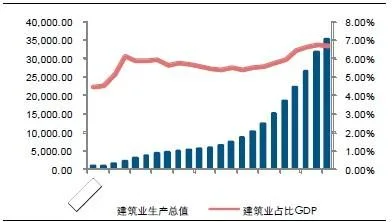
Figure 2: Construction Industry GDP and Its Share of China’s Total GDP Over the Years (Unit: Billion Yuan)
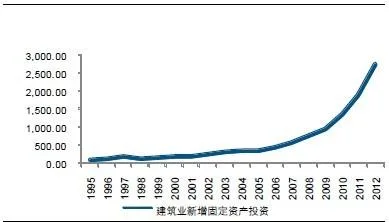
Figure 3: Annual New Fixed Asset Investment in China’s Construction Industry (Unit: 100 Million Yuan)
2. Increased Investment in Construction Technology and Greater Acceptance of Informatization by Enterprises
Rising technology investment and the rapid adoption of new technologies by enterprises will accelerate the integration of information technology in the construction industry. The proportion of technology investment in China’s construction sector increased from 50% in 2006 to 80% in 2012, highlighting a significant rise in technological focus. Furthermore, a 2012 China Construction Industry Association survey found that 92% of domestic construction companies planned to implement information technology within the next 1-4 years, reflecting a high level of awareness and acceptance of informatization in the industry.
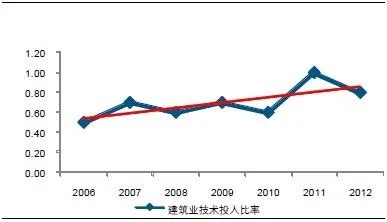
Figure 4: Proportion and Total Investment in Construction Technology Over the Years
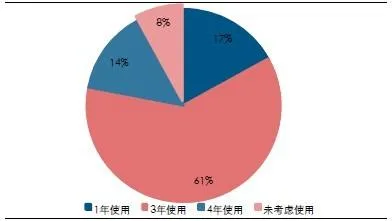
Figure 5: Percentage of Construction Companies Planning to Adopt Information Technology in the Coming Years
Additionally, major national strategies such as urbanization, smart cities, and safe cities are gaining momentum. These initiatives will greatly accelerate the pace of informatization in China’s construction industry, broadening the future development space for building information technology.













Must log in before commenting!
Sign Up