
Tianjin Architectural Design Institute BIM Design Center
Xiang Min, Executive Technical Director /
Feng Jia, Director of the Application Department of Consulting /
Zhang Zhaowu, Technical Director of the Application Department of Consulting
The use of BIM during the design phase is increasingly becoming standard practice. As one of the added values of BIM design models, its application to cost management is gaining more attention from construction stakeholders.
Previously, we primarily used REVIT to assist with quantity calculations. Through REVIT’s schedule functionality, we could filter, summarize, and organize model components based on their attribute information. However, the construction within the REVIT model is pure and relies entirely on the modeling approach and precision. Therefore, the quantities generated in the schedules represent “Net Quantity,” which means there can be a notable discrepancy between the geometric volumes of model components and the quantities calculated according to national standards.
To maximize the value of design models, we have not only established modeling rules, unified standards, and standardized workflows, but also worked to integrate with various mainstream software tools, both domestic and international—including quantity takeoff applications. Our aim is to enable seamless transfer of design models to deeper applications, such as computational models, thereby increasing the value of these models. Recently, with support from Guanglianda headquarters and Tianjin technical teams, we combined our BIM models with Guanglianda BIM civil engineering calculation software and tested the integration on real projects. We identified common modeling rules between REVIT and Guanglianda, achieving 100% conversion of structural models into calculation models. This allows for consistent models between REVIT and Guanglianda software, accurate transfer of model information, and compliance with national standard calculations.
The following is an introduction to our practical application process. We hope this will encourage further discussion and lead to similar advances for electromechanical calculation in the near future.
1. Software Preparation

2. Personnel Preparation
BIM Engineers from the BIM Design Center, Tianjin Architectural Design Institute
Cost Engineers from Jingte Cost Consulting Company, Tianjin Architectural Design Institute
Technical staff from Guanglianda headquarters and Tianjin branch
3. Pilot Project Details
Building area: 10,000 square meters
One underground floor, four floors above ground, with partial fifth floor
Frame structure
Basic interior finishing
Function: University Training Center
4. BIM Model
This project is a live production case for BIM consulting services provided by the BIM Design Center, focusing on the construction phase of BIM application. The model was constructed according to the requirements of the general contractor prior to this calculation practice.
Before modeling, we defined component naming standards following our BIM Modeling Manual and civil construction management requirements.
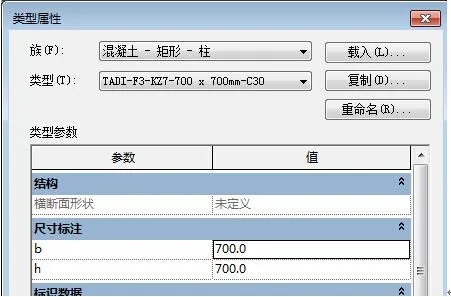
Component names in this project follow a five-part structure. For example, the concrete column model is labeled as TADI-F3-KZ7-700X700-C30 (see Figure 1).
All other architectural and structural components are named in a similar manner (see Figure 2).
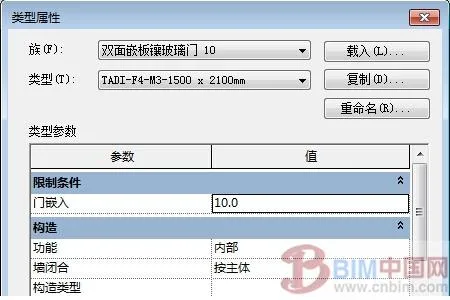
Since many architectural and structural components have unique features, the naming principles are generally based on the five-segment system, but not limited to it. The overall principle includes: Modeling Unit — Floor Information — Component Type — Specification — Strength Information, and more as necessary.
5. Exporting Computational Model Files via GFC Plugin
Open the model in REVIT and use the “Export GFC” button in the Add-in to export the REVIT model as a *.GFC computational model file.
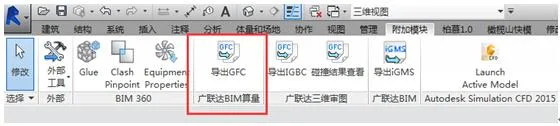
After exporting, you will find the GFC file in your folder. Its file size is reduced from 38.09MB in REVIT format to just 3.58MB in GFC format—a 90% reduction.

When the *.GFC model is imported into the Guanglianda civil engineering calculation software, the following information appears:

Opening the file reveals the following content:
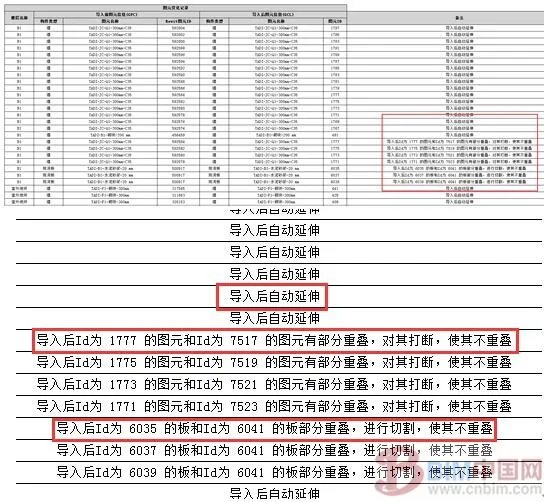
As shown in Figure 5, after import into GFC, the BIM model is intelligently matched and automatically processed according to computational rules, making it more suitable for calculation requirements.
If errors exist, they can be located in REVIT via the component ID, corrected, and re-imported; alternatively, the model can be directly modified within Guanglianda software.
During the import/export process, computer adaptation and matching play the main roles, with minimal manual adjustment required—less than the inspection and adjustment work needed for conventional Guanglianda modeling projects. Our practice confirms that transferring BIM models from REVIT to Guanglianda civil engineering calculation software is technically feasible.
6. Model Comparison
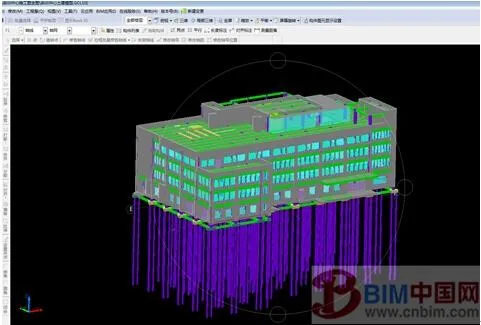
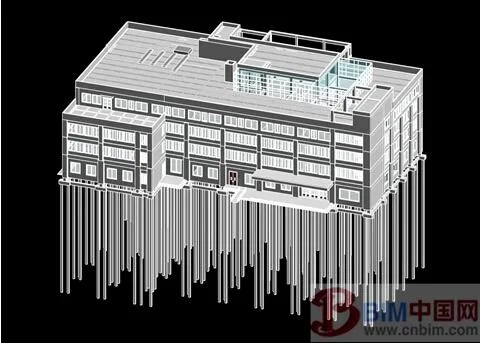
After importing the model into Guanglianda’s GFC civil engineering calculation software, a comparison with the original REVIT model (see Figure 7) shows some differences in model detail. For example, in REVIT, the curtain wall’s grid, the material and specifications of vertical braces, and panels are all detailed, while in Guanglianda, the curtain wall is recognized simply as a sheet with area information. However, this level of detail is sufficient for cost calculation.
The reason appears to be that the two software solutions serve different audiences and purposes: REVIT aims to provide complete model information, while Guanglianda focuses on expressing models according to calculation rules. Although they share the same model as a data source, their outputs differ.
7. Guanglianda Civil Engineering National Standard Quantity Calculation
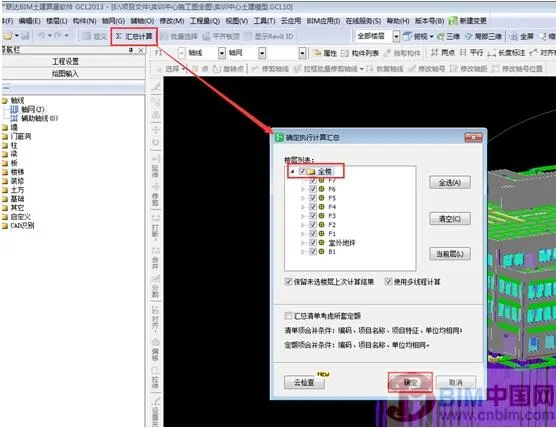
Using the summary function in Guanglianda civil engineering calculation software, project quantities can be automatically generated from the model.
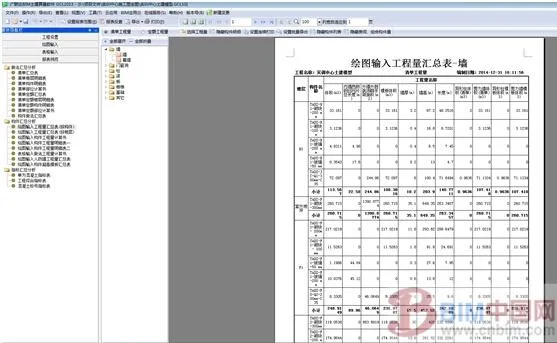
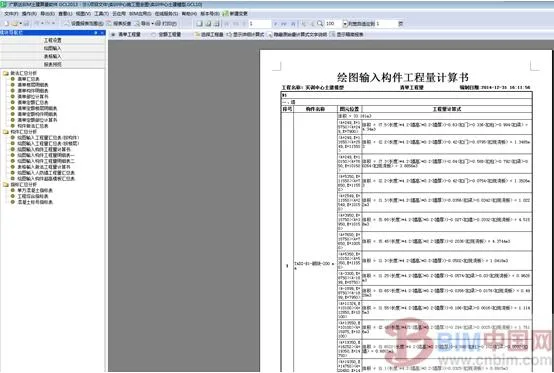
If no adjustments are made during import, errors may occur before summarizing and calculating quantities—mainly due to model overlaps or interleaving, which require manual correction.
Our workflow habit is to adjust models during import. Based on this project’s experience, together with the Tianjin Architectural Design Institute’s BIM Implementation Standards for Design Models, we have also developed the “Interaction Specification between Guanglianda Calculation Model and REVIT Civil Engineering 3D Design Model.” These standards have been revised, allowing models to be imported and summarized without errors—significantly improving the efficiency of bill of quantity calculations after BIM model import.
8. Analysis and Comparison
We summarized project quantities from the same source model using both REVIT and Guanglianda civil engineering calculation software, and compared the main structural components.
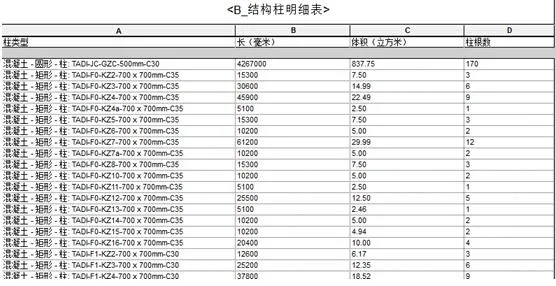
(1) In REVIT, the built-in schedule function was used to generate the component detail list (see Figure 10):
(2) After importing the model into Guanglianda, the software was used to calculate quantities according to the national standard bill of quantities (see Figure 11):
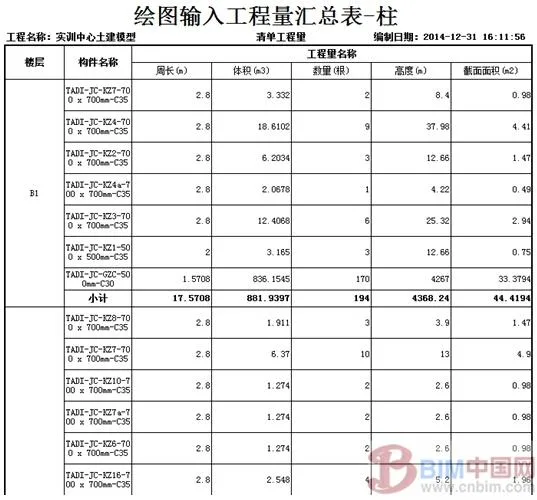
(3) A comparison was made between two main civil engineering components, with the following results for structural columns:
1. Total quantity from the REVIT component detail table:
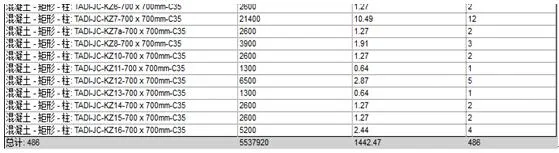
2. Total quantity from the GFC Bill of Quantities:
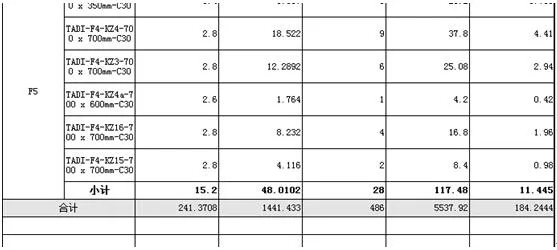
In both quantity summaries, the count of columns is identical at 486. The concrete volumes are 1442.47m³ in REVIT and 1441.43m³ in GFC, with the REVIT value slightly higher. This difference is likely due to Guanglianda deducting the overlap between structural columns and slabs.
Summary
Practice has shown that BIM models are versatile and can be used for multiple purposes. Technically, it is feasible to achieve mutual utilization between the initial design model and calculation models.
In practical applications, model interoperability requires a high degree of standardization. It is crucial to summarize a set of methodological rules through experimentation and continuous refinement. Current challenges include the need for further project validation and rule adjustment. At the same time, BIM models offer many value points. Whether the rule set summarized for model interoperability can support multiple application scenarios—meaning, whether BIM models built to these standards can be applied to other use cases—is a question worth further exploration and practice. Moving forward, we will continue to test other domestic quantity calculation software and application scenarios, refine methods for importing BIM models into quantity calculation software for projects with large scale and complex forms, and summarize more common modeling rules and standards.















Must log in before commenting!
Sign Up