
Today, construction site management is evolving towards greater intelligence. To maximize management efficiency while minimizing costs, the implementation of intelligent management systems is essential. But what preparations are necessary at the construction site?
Effective project construction management involves overseeing construction progress, personnel, quality, and safety during phases such as detailed design, material procurement, and subproject execution. How can these aspects be managed efficiently?

Construction Progress
(1) Reliability Principle: The construction site must ensure accurate data collection, prompt error correction, and thorough data review. Focus should be placed on gathering information from critical locations, enabling dynamic data management. Regular updates guarantee data planning and management remain reliable and timely.
(2) Safety Principle: Data security is vital for on-site management. Construction progress management systems require stringent confidentiality measures to protect sensitive information. Multiple layers of defense should be implemented to ensure that only authorized personnel within the enterprise LAN have access, while preventing intrusion from external networks.
(3) Progressiveness Principle: The design of construction progress management systems should incorporate advanced and proven prefabricated residential technologies. Selecting mainstream software products is essential. Additionally, resources such as network communication, hardware, and system architecture should be durable and forward-looking to support long-term use.
(4) Scalability Principle: The construction progress management platform must be scalable. This ensures the system architecture remains open and flexible, allowing for variability and expansion of system interfaces as needed.
(5) Portability Principle: Since multiple users with varying software, hardware, and environments participate in the system, it must be highly portable. The management system should adapt to different construction projects and situations, supporting multiple sites with a single system, which tests its portability capabilities.
(6) Practicality Principle: The system should comply with relevant national regulations and meet the practical operational needs of construction progress management. It must provide comprehensive data analysis, statistics, and management tools for enterprise leaders and system operators.
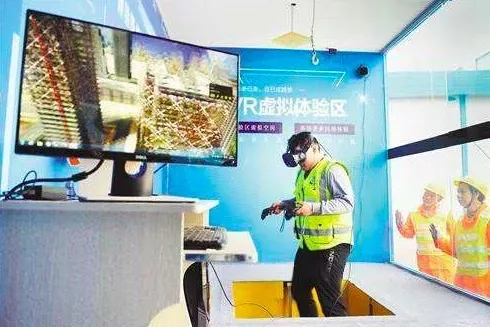
On-site Organization
It is crucial to establish and improve organizational guarantee systems. First, management objectives must be clearly broken down, assigning project responsibilities to each team and developing reasonable measures to ensure construction quality goals are met.
Second, quality control procedures and information feedback systems should be established for each subproject. Conducting quality statistical analysis allows comprehensive control over construction quality.
Third, adopting advanced management methods and concepts enables dynamic and comprehensive quality management throughout the construction process.
Finally, continuously optimizing construction plans, controlling the processes, implementing construction technology disclosures, thoroughly reviewing construction drawings, maintaining machinery and equipment, and adhering to a prevention-first principle are all essential to ensure smooth construction progress.
Material Management
Upon arrival at the construction site, materials must undergo strict inspection to verify compliance with construction requirements and standards. Inspection records should be meticulously maintained.
Qualified materials and equipment must be documented using a “Comprehensive Acceptance Form” in accordance with regulations. This form should include contract details, material consumption, production dates, quantities, quality, and accessories.

Management System
Establishing a technical disclosure system during construction is essential. This improves the relevance and effectiveness of design and organizational plans throughout the project.
New technologies, processes, and materials should be continuously integrated, with strict technical disclosures conducted for each construction stage and task.
Additionally, a model guidance system must be set up. This involves continuous optimization of construction processes, enhancement of construction technologies, ensuring standardization, and performing necessary demonstrations and research on subprojects. Such measures unify operational requirements and uphold construction quality.
Article source: Architectural Technology Magazine













Must log in before commenting!
Sign Up