
The project utilizes aluminum alloy formwork, with the manufacturer optimizing the corresponding nodes. Feedback from the construction team and design institute is solicited to refine the detailed node schemes, particularly regarding work procedures. The design institute is responsible for verifying structural safety under increased loads and performing energy-saving assembly design calculations before implementation.
Today, we share 16 practical optimization tips for aluminum alloy formwork nodes for your reference.
1. To meet the design requirement of no plastering on both interior and exterior walls, the exterior wall structure of BIM buildings should be designed as reinforced concrete shear walls. After waterproofing the bolt holes, subsequent construction can proceed. If decorative finishes are required on exterior walls, thin plastering may be applied. Whenever possible, use internal insulation for thermal efficiency.
2. Avoid short masonry segments between structural columns and the main structure. Minimize secondary component construction by casting them simultaneously with the main structure.
3. Structural dimensions should be based on a 50mm modulus as much as possible to prevent minor concave or convex components caused by small structural clearances.
4. Doors, windows, beams, and wall piers should preferably be cast integrally with the primary structure.
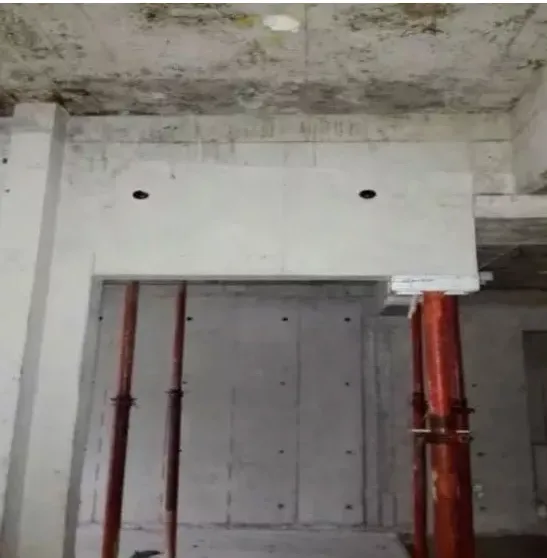
5. At the junction between concrete and infill walls, reserve a groove 10mm deep and 150mm wide on the concrete surface for later reinforcement treatment. This involves hanging alkali-resistant fiberglass mesh and applying polymer mortar to prevent cracking.
For concrete components without plaster and thinly plastered masonry structures, the masonry thickness should be the concrete wall thickness minus 20mm.
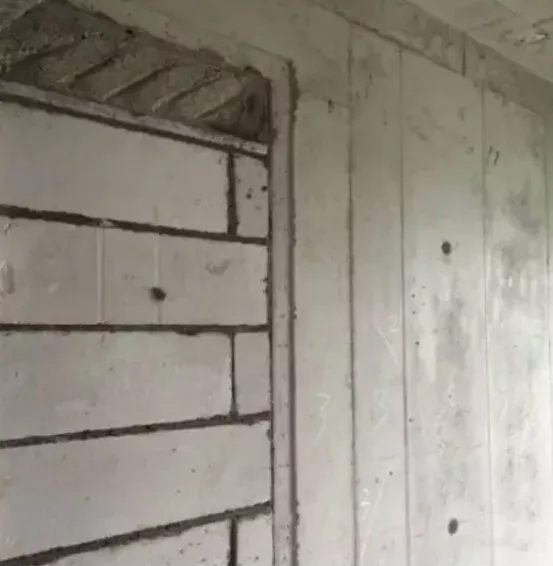
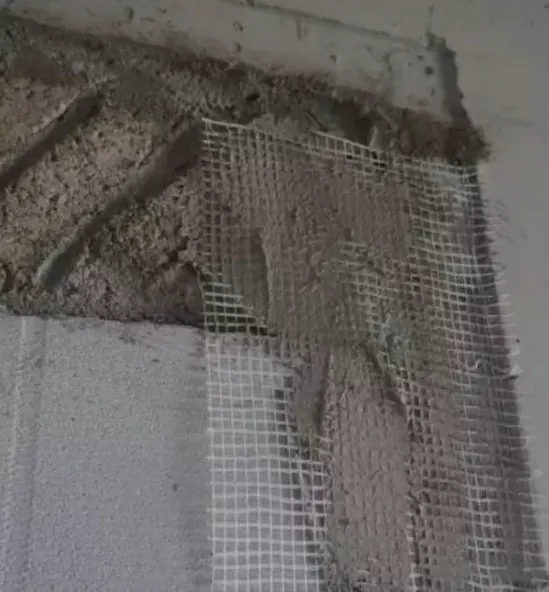
6. When both interior and exterior walls are left unplastered, optimizing the design of structural openings is crucial to ensure waterproofing around exterior doors and windows. Design grooves around openings for easy installation of fixing plates and improve the structure of fixed parts such as external fence posts.
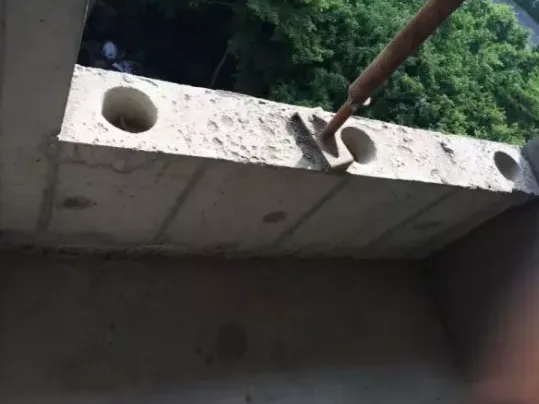
7. Due to the reduced plastering process, all door and window openings have been decreased by approximately 20mm on each side.
8. Minimize exterior wall grooves and lines whenever possible. If unavoidable, consider using lightweight materials instead.
9. The shear wall at expansion joints tends to be long, which complicates aluminum formwork installation. Reserve a construction hole at the expansion joint to facilitate reinforcement when dividing the formwork into two sections during construction.
10. Elevator shafts and stairwell walls should be designed as full shear wall structures wherever possible. Make sure to provide advance information about stop layer indicator boxes.
11. Finalize decoration and plumbing plans early to avoid arbitrary changes that might affect plastering quality due to slotting. Install indoor plumbing primarily on ceilings, and use same-floor drainage in bathrooms to reduce backflow in sunken boxes.
12. Use box-type templates for openings such as pipeline wells and flue ducts, incorporating inclined openings at corner connections to facilitate demolding.
13. Reinforce and position lowered sections like balconies and bathrooms using hanging formwork methods, with corner aluminum installed for tie reinforcement.
14. Staircases should use fixed enclosed formwork with inspection holes on steps, covered by movable boards to allow exhaust and concrete inspection.
15. Design reserved openings for material transport with edges that slope—wider at the top and narrower at the bottom—for easier sealing later. This setup facilitates material transfer, reduces reliance on tower cranes, and eliminates the need for onsite unloading platforms, improving safety.
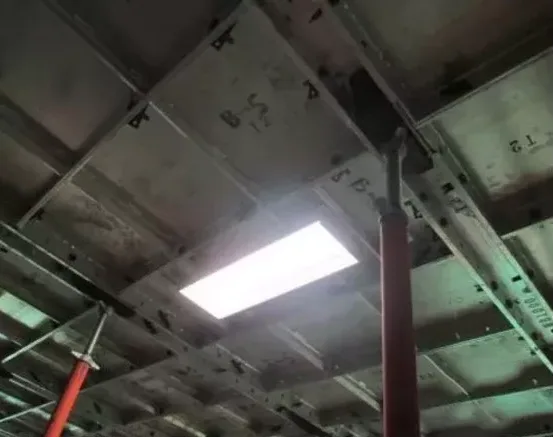
16. When certain components cannot comply with the modulus requirements of aluminum alloy formwork due to design, cost, or other constraints, combining with other formwork types is acceptable. Options include wooden templates, plastic templates, or multi-level decorative moldings, as long as quality standards are maintained.














Must log in before commenting!
Sign Up