
Industrial engineering projects typically feature standardized structures, prefabricated components, and on-site assembly. These characteristics are highly compatible with BIM technology. BIM enables efficient parametric modeling of standard parts and streamlines assembly processes using the “family” concept.
This article presents an overview of BIM technology applications within industrial engineering. By utilizing BIM Technology, it is possible to achieve parametric and visual component design, automate 2D drawing creation, perform quantity calculations, conduct clash detection, and optimize designs to minimize errors and omissions. Additionally, BIM enhances information transfer, supports scientific site planning, enables automatic component information queries, allows for 4D construction simulations, and improves the scheduling of production and logistics. The solutions discussed here, based on current industry practices, provide valuable references for further BIM integration in industrial projects.
Keywords: Industrialization; Prefabricated Components; BIM; Parametric Design; Clash Detection
This article is excerpted from the paper “Application and Prospects of BIM Technology in Industrial Engineering,” originally published at the 4th China Prefabricated Concrete Technology Forum. Authors: Tian Shuai and Wang Jian, Research Center of Beijing Residential Design Institute.
Implementing BIM for the parametric design of prefabricated components in industrial projects is highly impactful. It offers enhanced visualization of components, enables collision detection, supports design and site simulations, and helps optimize construction site layouts. BIM increases design efficiency and drawing quality, facilitates scientific monitoring of construction progress, and provides necessary guidance to ensure quality execution by construction teams.
1. Parametric and Visualized Design with BIM
BIM’s parametric design capabilities enable rapid creation and editing of detailed drawings for prefabricated components. Its visualization tools help ensure component designs are accurate and error-free.
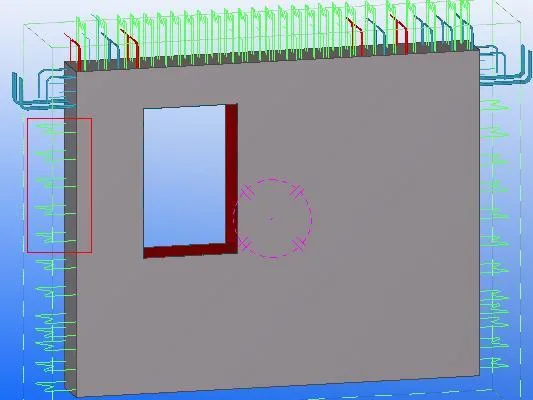
Figure 1: Parameter-controlled 3D steel reinforcement

Figure 2: Parameter controls for steel reinforcement groups
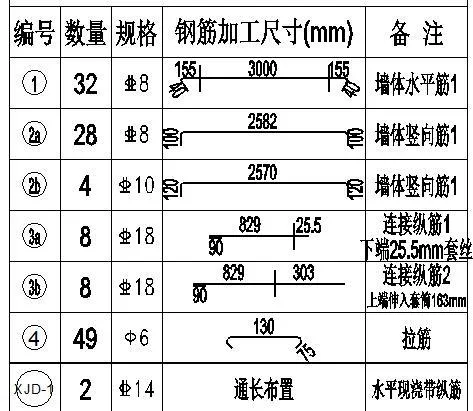
Figure 4: Reinforcement specification table for wall panels
2. BIM Clash Detection and Simulation
BIM’s parametric models allow for comprehensive parameter checking, integrated pipeline management, construction space analysis, and clash detection among physical components. The visualization aspect of BIM enables multiple disciplines to share the same model, making inconsistencies easy to spot and resolve.
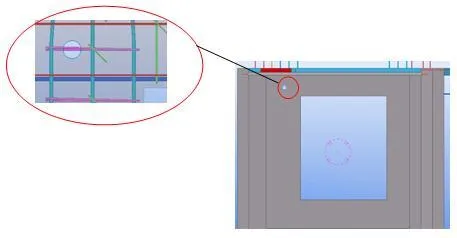
Figure 5: Clash between air conditioning opening and steel reinforcement
3. BIM-Driven Component Identification
Manual identification of prefabricated components is often error-prone and limited in the information it can convey. With BIM, large amounts of component data can be efficiently exported, improving material tracking and supporting high-quality and efficient construction management.
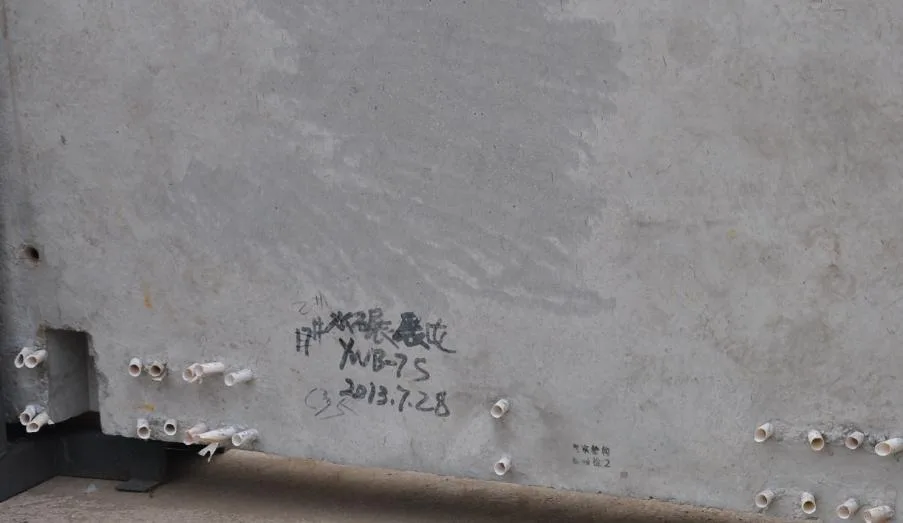
Figure 7: Traditional identification codes for prefabricated construction components
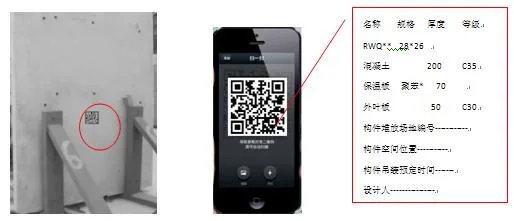
Figure 8: QR code showing prefabricated component information
4. Site Simulation Using BIM
BIM visualization tools can simulate the on-site arrangement of major equipment, formwork, and prefabricated components. By following the project schedule, BIM can simulate vehicle movements, component lifting, and formwork setup—accounting for loading, transportation, unloading, lifting, and support times. These simulations help determine optimal site locations, required storage spaces, and the staging of components at each phase. Spatial conflicts can be detected and resolved in advance, ensuring smooth construction workflows, improving project outcomes, and maximizing cost efficiency.
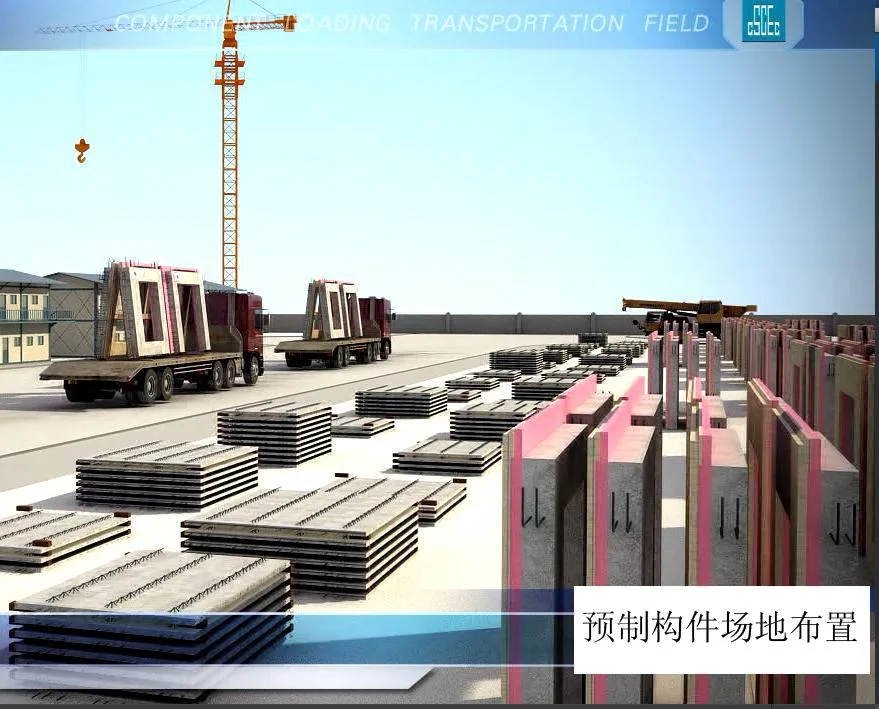
Figure 9: Site simulation with BIM technology
5. 4D Construction Simulation
BIM technology supports detailed construction simulations and rehearsals of key steps such as the installation of prefabricated components and connection nodes. This allows for the anticipation and resolution of potential problems before on-site installation begins.
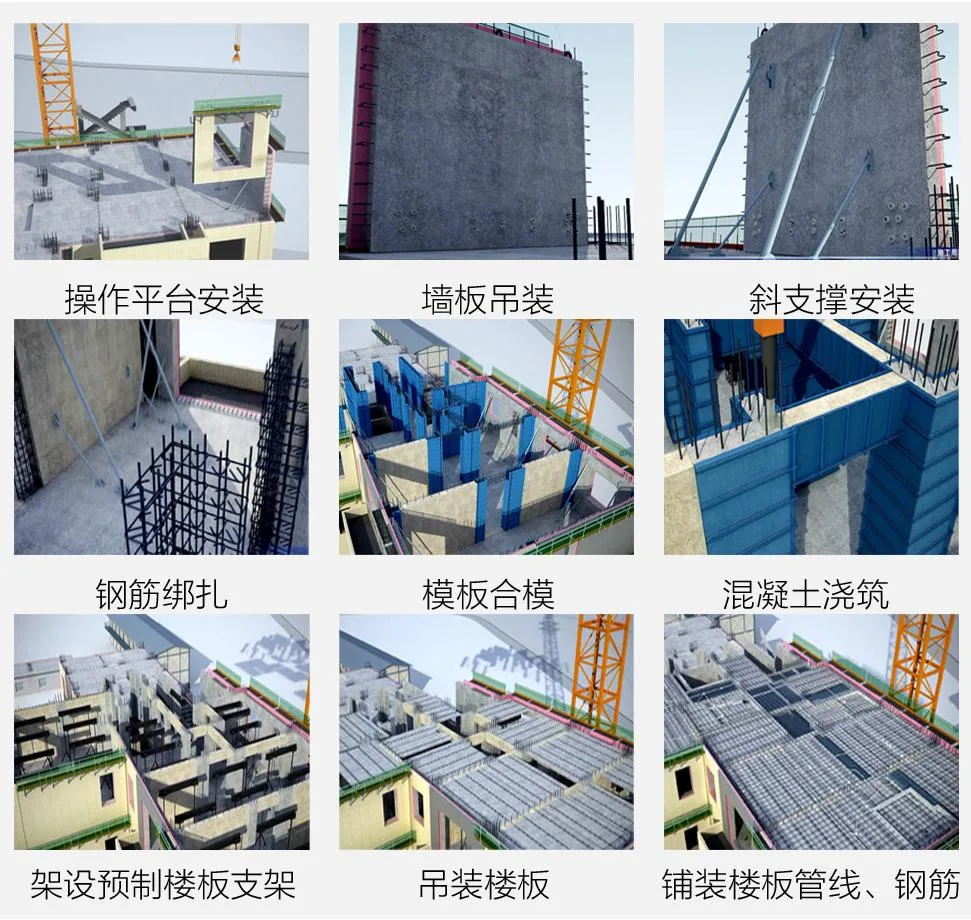
Figure 10: On-site construction simulation
In conclusion, the dynamic linking capabilities of BIM models—enabling fast information retrieval, queries, and integrated management—have a significant impact on industrialized projects. These advancements greatly enhance the economic feasibility and management quality of industrial engineering.














Must log in before commenting!
Sign Up