
One of the main reasons for the high cost of prefabricated buildings is the lack of standardization, which leads to expensive mold amortization. Without true mass production, components cannot be industrially manufactured at scale, resulting in elevated production and management costs in factories. However, with the official launch of national prefabricated construction initiatives, efforts to standardize the construction industry are intensifying across various departments and enterprises.
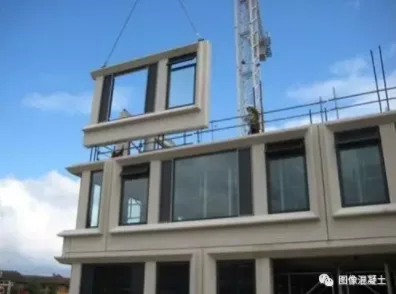
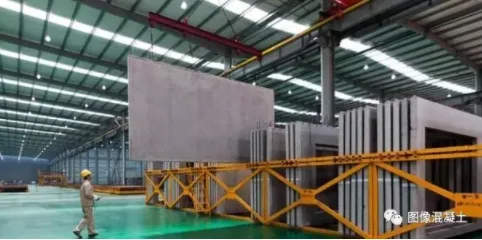
While standardized design helps reduce costs, it raises concerns about the loss of architectural individuality. Some fear that excessive standardization could lead to monotonous and uniform buildings, lacking unique character in Chinese architecture. This concern is valid, but the progress toward standardization cannot be halted. The challenge now is how to achieve personalized prefabricated buildings during these early stages of standardization.
In his government work report on May 5th last year, Premier Li Keqiang emphasized the need to encourage enterprises to pursue personalized customization and flexible production. He called for fostering a craftsmanship spirit focused on excellence, increasing variety, improving quality, and creating strong brands.
This raises important questions: Can industrialized buildings really achieve personalized customization? How can personalized customization and flexible production be realized? And will customization impact product quality and construction efficiency?
Shenzhen Weikai Zhongrun Building Materials Technology has developed personalized decorative concrete products tailored to China’s unique conditions, based on advanced international technologies and processes. These products align well with the characteristics of architectural industrialization.
Below are the pricing details for these decorative concrete processes optimized for industrialization:
Key Features of Concrete Formed by Elastic Molding Molds
1. Highly efficient and structurally decorative. Components are completed in a single process, matching the characteristics of industrial architectural production. Even building signage can be manufactured inside the factory.
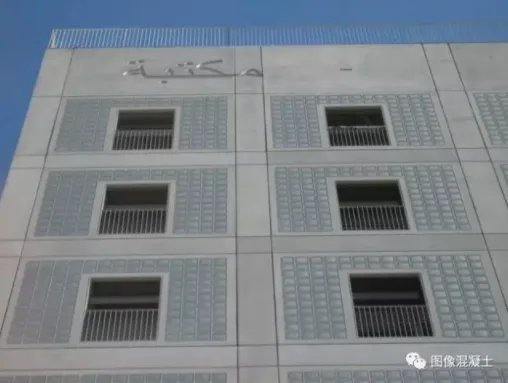
2. Safety is enhanced since all shapes and textures are formed from concrete, eliminating risks related to secondary decorative materials falling off (such as tiles or stone). Factory completion also avoids the risks and challenges of high-altitude site work.
3. Environmentally friendly and low carbon. Compared to materials like ceramics, this method significantly reduces energy consumption.
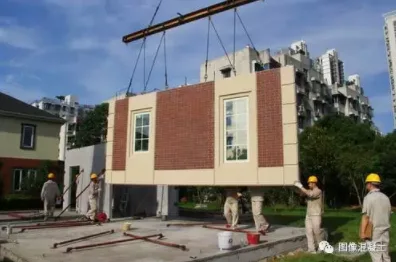
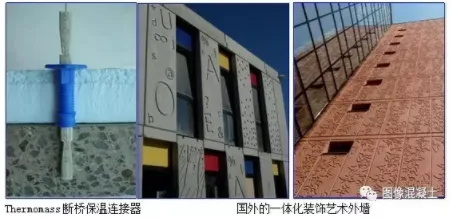
4. Weather resistant. Concrete’s design life generally ranges from 60 to 100 years, and the decorative elements are integral to the main structure. This avoids aging issues common with organic bonding materials. Compared to decorative wood, concrete decoration prevents wood deterioration and conserves forest resources.
5. Personalization potential. By combining different molds, the same shape can produce endless design variations. Post-coloring further expands these possibilities, enabling buildings to have unique appearances. Additionally, the use of light and shadow imaging molds adds dynamic architectural personality without increasing costs. The widespread application of digital technologies ensures precision and efficiency in producing personalized molds.
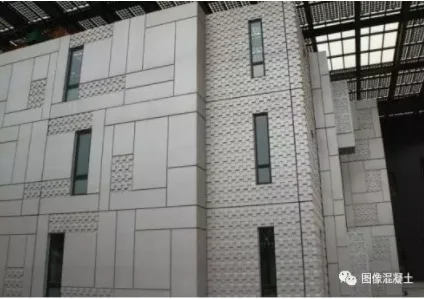
The working principle is as follows: first, CNC technology is used to create the prototype according to design specifications. Then, appropriate soft mold materials are selected to produce flexible molds as needed. These flexible molds are placed onto steel molds for precast concrete (PC) production. Concrete is poured, demolded, sealed, and the personalized PC block products are finalized.
Imaging Film Concrete
The process of concrete graphic imaging involves integrating patterns directly into the concrete itself, rather than applying decorative materials onto the surface. Specifically, about 1 millimeter of the concrete surface is selectively removed from graphic areas. The minimal removal does not affect the durability of the concrete slab or component, nor does it compromise the steel reinforcement during assembly and development.














Must log in before commenting!
Sign Up