
While we were still constructing traditional red brick houses for self-built villas in rural areas, other countries had already embraced lightweight and practical wooden structural systems. In southern regions, wooden structures are well-known, with the stilt house being a classic example of this architectural style. However, with the advancement of industrial modernization, these wooden structures have largely disappeared from rural landscapes.
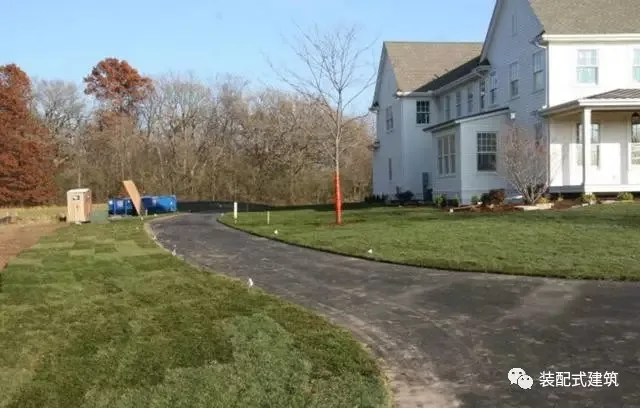
Is wooden construction truly unsuitable for rural areas? Not at all. The benefits of wooden structures often go unnoticed. Beyond excellent insulation and earthquake resistance, wood offers fast and environmentally friendly building solutions. Today, we will showcase a foreign wooden structure assembly process and explore how this technology scores in modern home construction.
Basement Construction
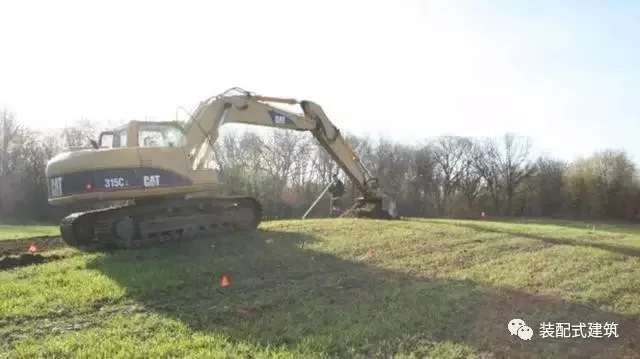
Once all preparations are complete, construction begins with a large excavator digging the villa’s basement.
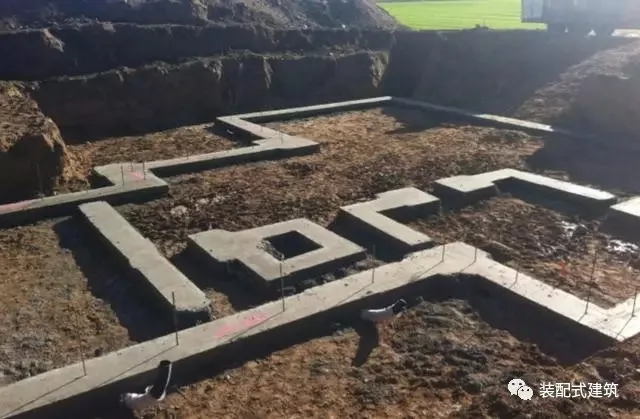
After excavation, the foundation pit is compacted and leveled. Then, a reinforced concrete strip foundation cushion layer is poured in place.
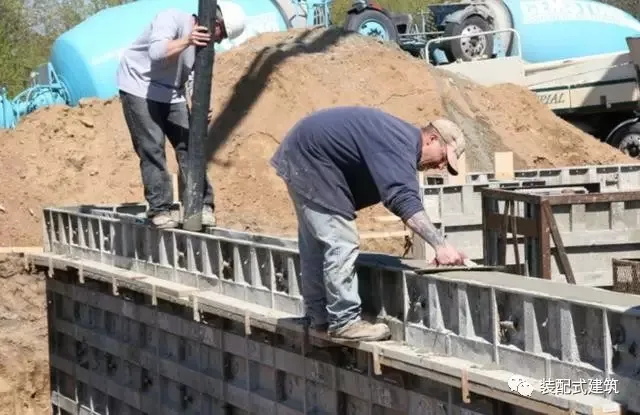
Following the blueprints, masonry work on the basement’s exterior walls begins. After securing steel reinforcements and enclosing the steel formwork, concrete is poured on site.
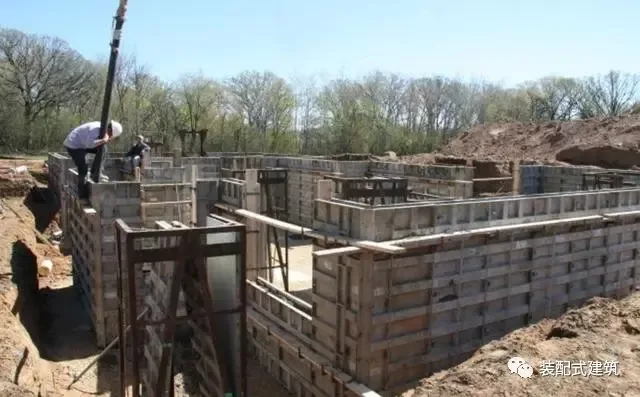
The construction team is actively pouring the basement exterior walls.
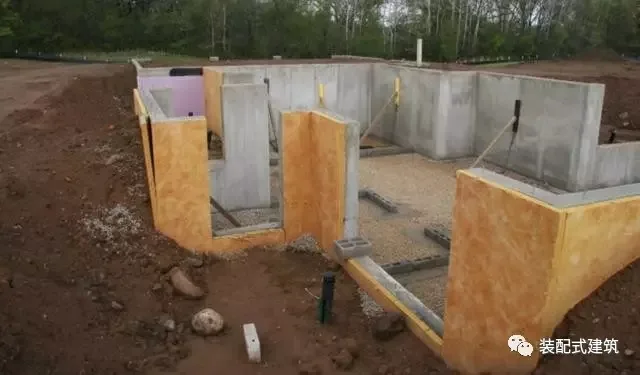
After 28 days of curing, the external formwork is removed. Then, a yellowish waterproof foam insulation material is smoothly applied to the exterior walls.
Construction of the underground interior walls begins next, featuring a lightweight wooden load-bearing frame. Large-span steel beams with H-shaped cross-sections are installed at the top.
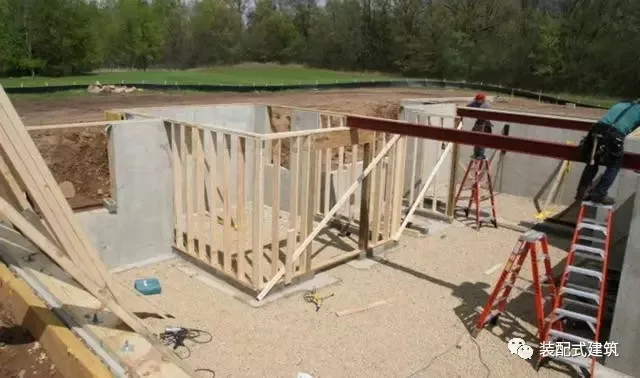
Once the indoor wooden structure is complete, work begins on the floor, which serves as the first floor’s indoor ground. Wooden trusses are assembled, followed by laying structural plywood.
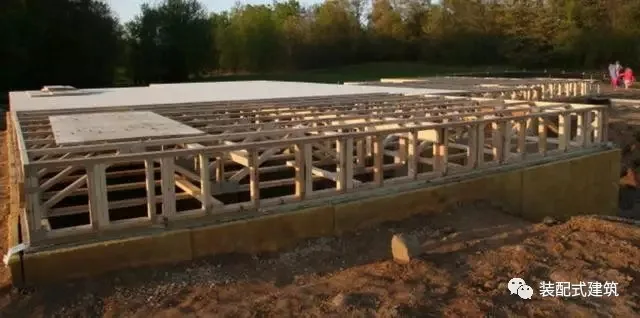
The structural plywood has now been laid.
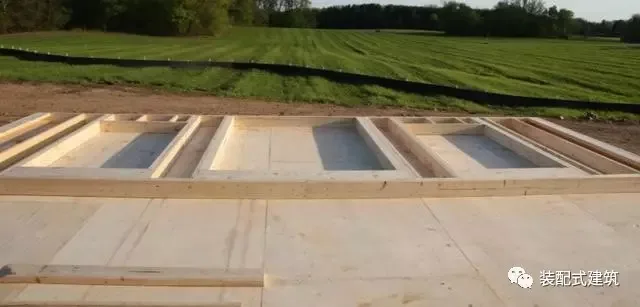
Main Structure Construction
With the basement completed, the main structure construction begins, including installing exterior wooden wall panels.
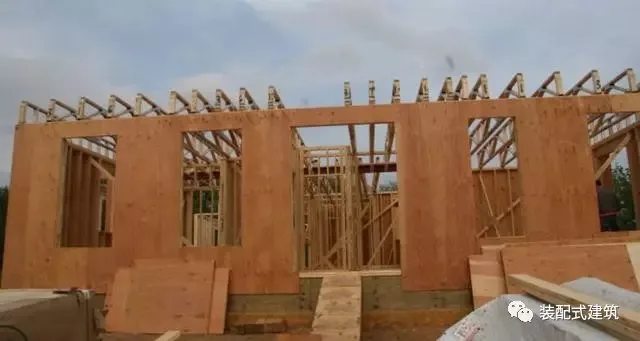
Details of the first floor interior:
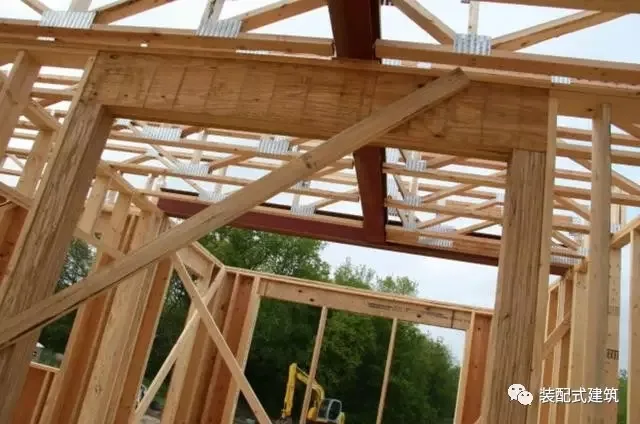
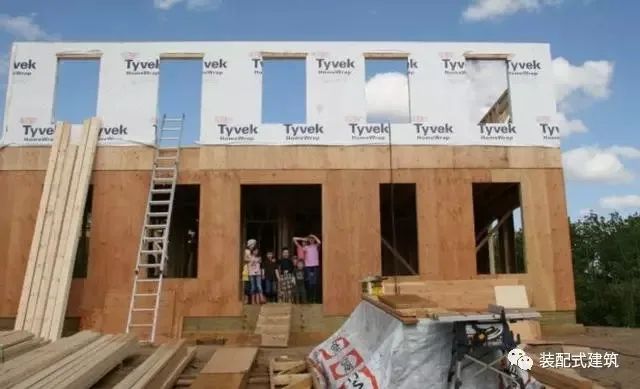
After finishing the first floor, construction on the second floor’s main structure starts. This includes installing structural panels on the exterior walls and applying one-way breathable membrane.
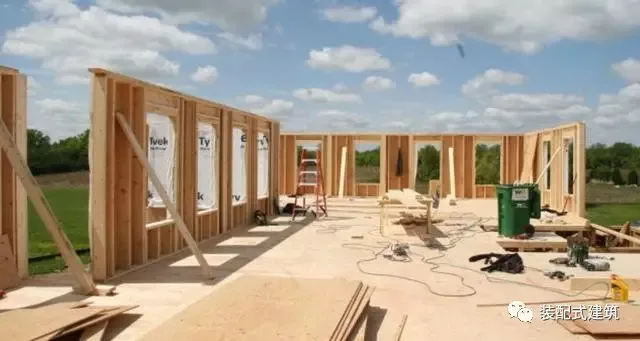
The second floor interior is currently spacious, with no interior walls installed yet.
Installation of Water and Electrical Systems
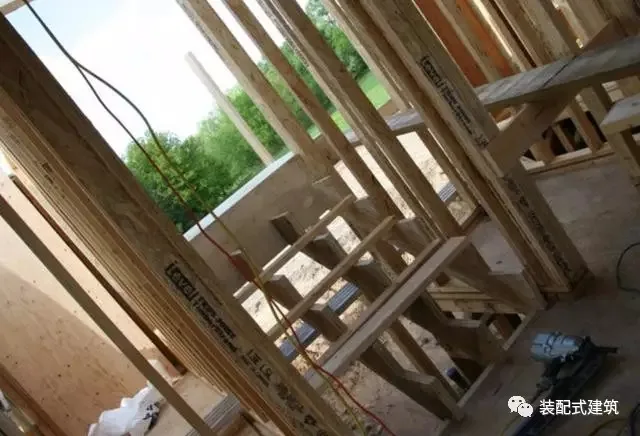
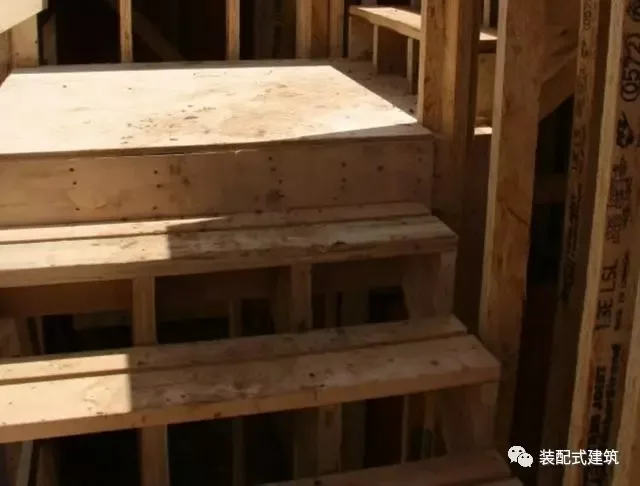
Wooden double-flight stairs are installed, saving time compared to on-site pouring. The step distances and heights have been carefully calculated, offering great value.
Next, roof structure work proceeds, including the installation and hoisting of wooden truss roof frames.
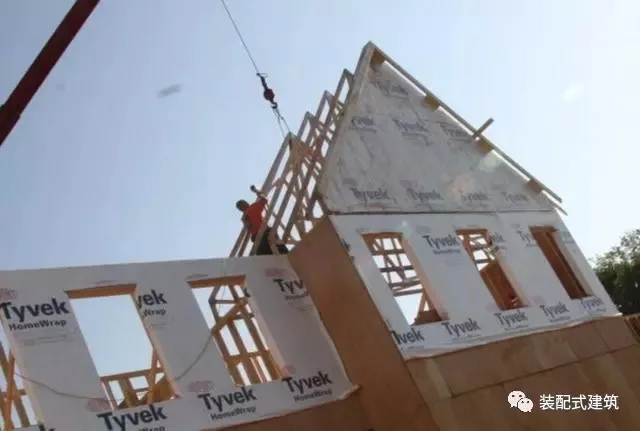
After the wooden roof trusses are lifted into place, plywood roof panels are installed.
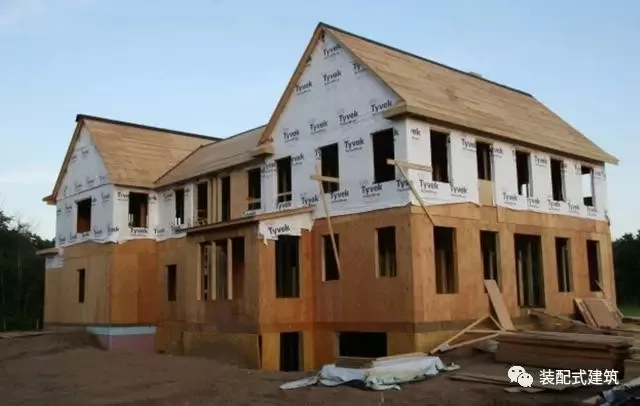
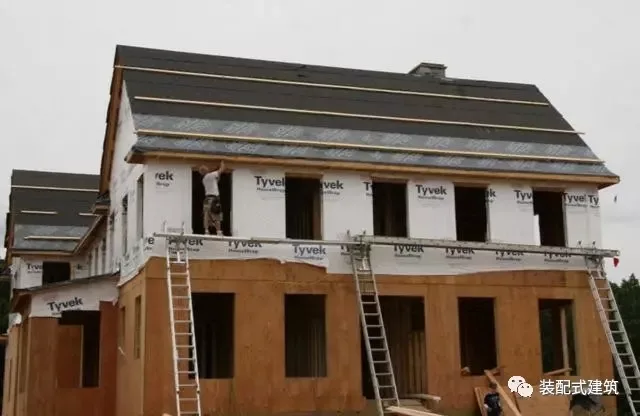
Finally, waterproof and moisture-proof membranes are laid on the roof panels, followed by the careful installation of asphalt felt tile layers in two stages to ensure proper waterproofing.
Indoor Detail Work
Here, a real wood-burning fireplace is being installed indoors.
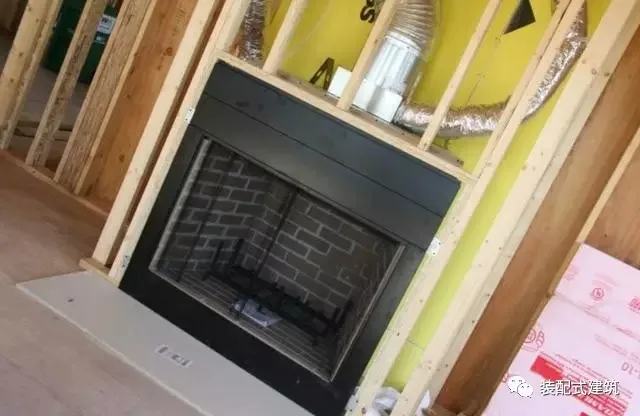
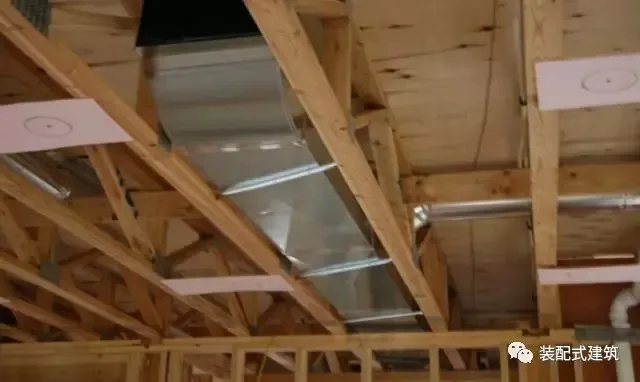
Metal ventilation ducts are installed in the upper basement interior to support the fresh air system, helping regulate indoor and outdoor humidity differences and maintain stable air quality.
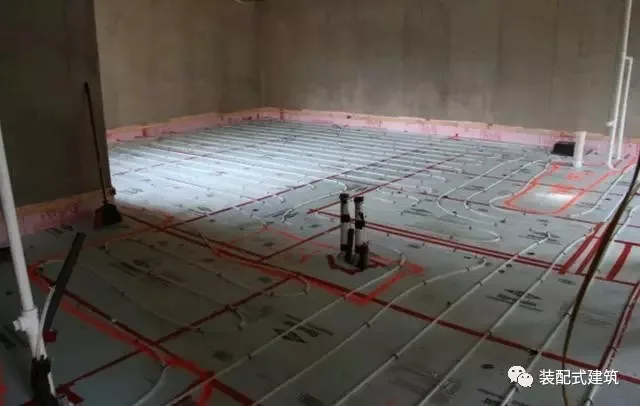
Underfloor heating pipelines are also being installed indoors.
Villa in Real Life
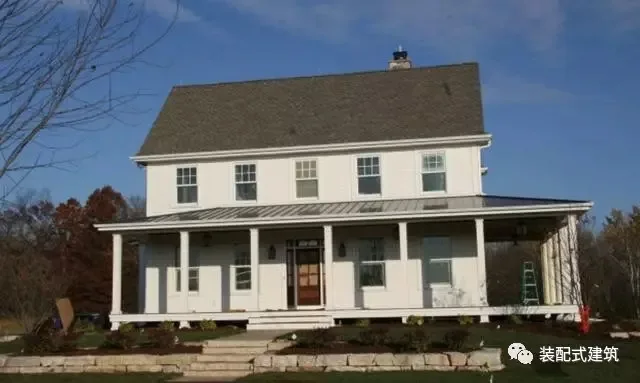
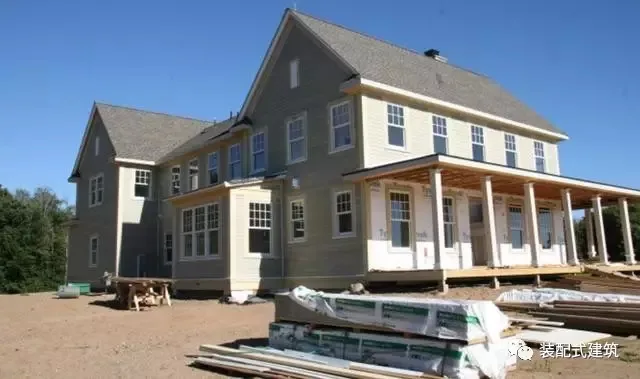
At this stage, the villa is essentially complete. Interior layouts and household appliances will be gradually added based on prefabrication research and users’ needs. From the exterior, the house looks excellent.
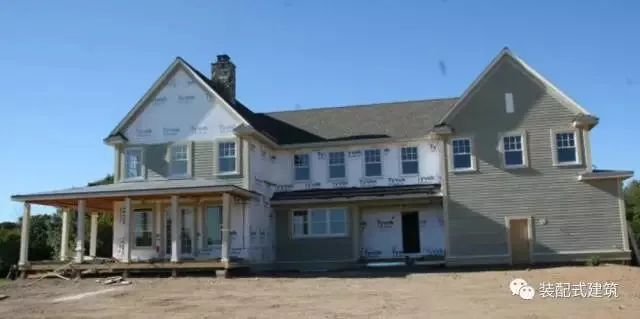
Viewed from the side, the villa’s surroundings are stunning—the blue sky, clear air, and perfect lighting create a beautiful atmosphere. Yet, there are even more breathtaking locations within our own country, so this is by no means enviable.
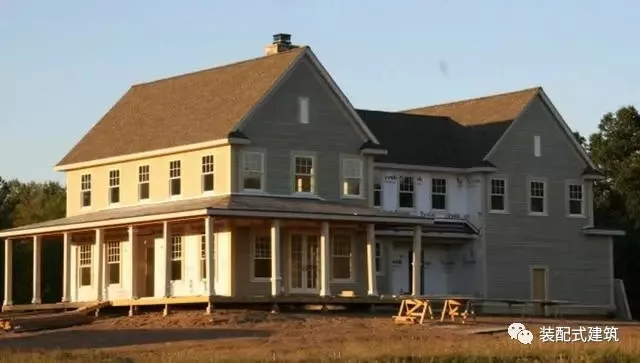
That concludes our overview of American timber architecture. Compared to traditional brick houses, this wooden structure offers multiple sophisticated advantages. Wood’s durability is proven by history—ancient wooden homes have stood the test of time, much like the resilience of the Chinese people. In the next three to five years, we expect wooden villas to flourish across the Central Plains.














Must log in before commenting!
Sign Up