
Analysis of Efficiency Improvements in Steel Truss Composite Floor Slabs*
Fan Hua1, Ding Hong2
(1. Shanghai Baoyue Real Estate Development Co., Ltd., Shanghai 201107, China; 2. Shanghai Zibao Residential Industry Co., Ltd., Shanghai 201107, China)
Abstract: With the rapid development of prefabricated buildings, steel truss composite floor slabs have become essential horizontal components in prefabricated concrete structures. However, various challenges have emerged during their application. This study focuses on improving the design, production, and installation efficiency of steel truss composite floor slabs while maintaining construction quality. Through detailed analysis of joint types, construction methods, production modes, and installation optimizations, a high-efficiency standardized design, industrial production, and mechanized construction system for steel truss composite floor slabs has been developed.
Keywords: Construction industrialization; Prefabricated buildings; Composite floor slabs; Steel bar truss; Dense docking; Efficient construction; Large-span; Support-free
0. Introduction
In recent years, China’s prefabricated building sector has rapidly expanded, with structural systems becoming increasingly mature. Nevertheless, challenges related to construction quality and safety have occasionally arisen, hindering further growth. Improving installation efficiency, construction quality, and safety across all stages—while reducing costs—is crucial for the next phase of industry development.
Current challenges in prefabricated building development include:
- Outdated Design Tools: Traditional 2D CAD predominates, lacking standardized design concepts. Designs often rely on referencing previous projects without innovation, complicating and slowing down production.
- Component Production Processes: Compared to international standards, many domestic factories still use outdated equipment with low levels of digitalization and automation. The lack of integrated design tools prevents seamless data transfer from design to production, resulting in reliance on manual and semi-mechanized methods.
- Incomplete Support Systems During Construction: Traditional full-house scaffolding remains common, which is inefficient and diminishes the advantages of rapid prefabricated assembly. Insufficient temporary support calculations often lead to excessive and unsafe material usage, contributing to recent safety incidents in prefabricated construction.
1. Analysis of Inefficiencies and Proposed Solutions
1.1 Design Analysis
The prevailing design for composite floor slabs involves post-cast prefabricated assembled composite slabs, with reinforcement based on cast-in-place calculation principles. The typical design employs post-pouring connection nodes, as illustrated in Figure 1.
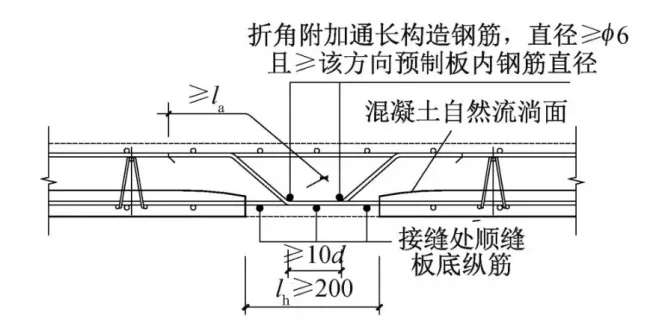
Figure 1: Connection nodes of post-poured composite floor slabs
Designs typically rely on traditional CAD or information-based software, but their differences are minor. Even with modern software and equipment, production cannot fully automate due to limitations such as the inability to handle edge formwork mechanically, resulting in manual formwork installation. Without improvement at the design stage, backend production equipment and construction technologies cannot be fully utilized, rendering advanced machinery ineffective.
1.2 Production Analysis
Abroad, automated assembly lines dominate composite floor slab production, largely enabled by dense splicing design without protruding steel bars. This design allows mechanical arms to efficiently handle magnetic edge formwork (see Figure 2). Combined with steel mesh processing, truss bar laying, and embedded part positioning equipment, fully automated slab production is achievable.
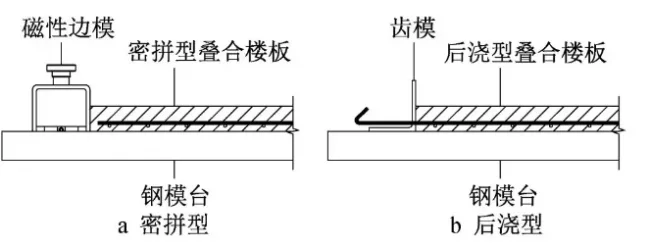
Figure 2: Formwork erection methods for stacked floors
Currently, most composite slabs use post-pouring connections with protruding steel bars, preventing the use of mechanical arms for side mold placement. Workers must manually select and fix suitable tooth molds, which significantly lowers automated production efficiency. Automated production has been shown to be over four times more efficient than manual methods, directly impacting construction efficiency through component supply.
Additionally, transportation constraints limit component width; protruding steel bars reduce effective slab width, decreasing the number of components transported per vehicle and lowering transport efficiency.
1.3 Construction Analysis
Prefabricated construction efficiency is influenced mainly by tower cranes, supports, and formwork. Efficient use of tower cranes, convenient supports, and minimal formwork usage enhance construction speed.
Current floor slab designs cause steel bar collisions with surrounding beams, wall reinforcement, and floor reinforcement during lifting, requiring time-consuming adjustments and reducing crane utilization. Post-poured slabs generate numerous joints requiring on-site formwork, typically supported either by bottom brackets (similar to cast-in-place methods) or by suspended formwork, which uses the floor slab itself for support (see Figure 3). Insufficient accuracy in embedded templates can cause uneven joints, sagging, bolt misalignment, honeycombing, and rough surfaces. Pull-through formwork requires welding and cutting of steel bars after pouring, complicating construction and compromising quality.
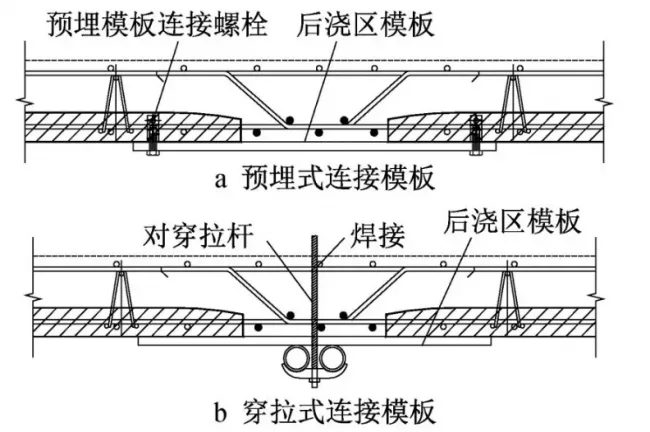
Figure 3: Suspended formwork support method in post-pouring areas
1.4 Proposed Countermeasures
Recent experimental research and practical projects in China have demonstrated the feasibility of dense splicing composite floor slabs. Institutions such as Tongji University, Zhejiang University, China Academy of Building Research, and Baoye Group have conducted systematic studies supporting this. Projects like Building 23 in Shanghai Baoye Huinan New Town, Hefei Youth City Underground Garage, and Jiangxi Nanchang Hangxin Building have successfully implemented dense splicing nodes, as shown in Figure 4, demonstrating excellent structural and waterproof performance along with improved efficiency. Figure 5 compares joints of post-pouring and dense splicing slabs.
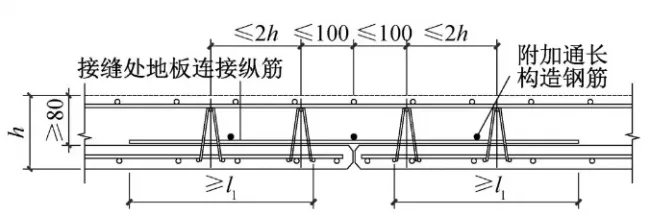
Figure 4: Connection nodes of dense laminated floor slabs
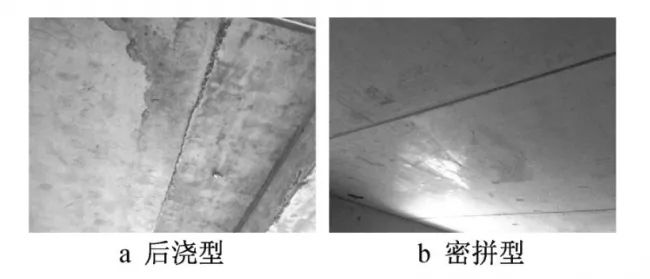
Figure 5: Comparison of post-pouring and dense splicing floor slab joints
Drawing on experience from a 5 million square meter prefabricated building project and recent experiments, it is critical to establish a standardized design, industrial production, and mechanized construction system for efficient steel truss composite floor slabs to achieve high construction efficiency.
2. Efficient Design, Production, and Construction System
2.1 Standardized Design
Efficient standardization is not simply about modular design based on existing codes but involves selecting specifications and dimensions tailored to project layout, production capabilities, and transportation constraints. Parametric design tools powered by information technology enable this optimization.
The Shanghai Qingpu New City 63A03A plot, a national demonstration project, employs a fully automated German assembly line with a formwork size of 12.50m × 3.20m and 80mm side formwork width. Two stacked floor design methods are used: “full board,” with a 2.5m width meeting transport limits (Figure 6a), and “half board,” sized to formwork width at 1.56m (Figure 6b).
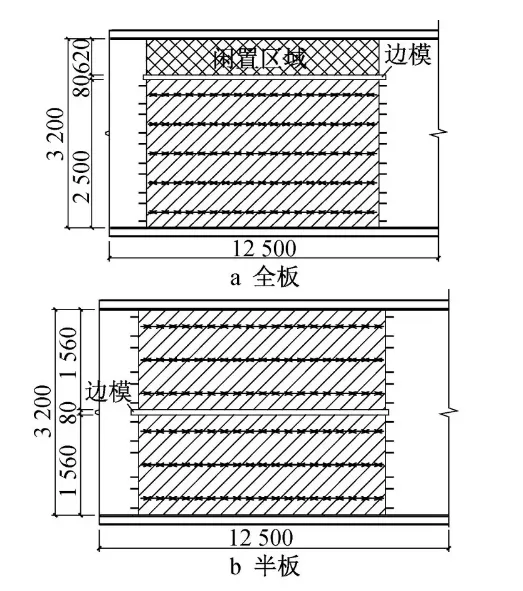
Figure 6: Assembly line stacked floor slab laying methods
The “half board” method maximizes formwork use and reduces idle space but increases the number of components requiring lifting during construction. Therefore, “full board” is recommended for standardization, with flexible use of “half board” based on unit size to support efficient production.
2.2 Industrial Production
Efficient industrial production requires seamless data transmission; without it, material control, stacking, storage, and production organization are compromised. Manual operations dominate current production, partly due to insufficient design-stage data and high initial costs for imported automated equipment. Cooperation between software developers and equipment manufacturers is improving data transmission.
Production units should engage early in the design phase to align design with mold production. Controlling concrete volume, preventing mold slurry leakage, applying steel meshes, and adopting four-sided reinforced composite floors (see Figure 7) can enhance production efficiency.
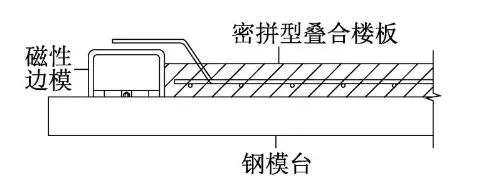
Figure 7: Four-sided composite floor slab without protruding steel bars
Stacking and storage also require improvement. Figure 8 contrasts two storage methods: the traditional “random stacking” leads to disorganized lifting and time-consuming component selection. In contrast, packaged storage organizes components by number and lifting sequence, dispatched according to construction progress, significantly improving storage, transport, and lifting efficiency.
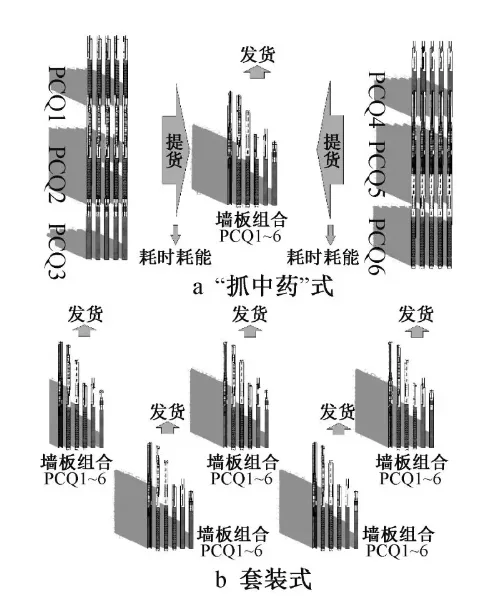
Figure 8: Stacking and storage methods for floor slabs
2.3 Mechanized Construction
Mechanized construction employs systematic tools such as templates, support systems, and climbing scaffolds to enhance efficiency, reduce costs, and lower energy consumption.
The single-point triangular support system, supplemented by wooden beams, offers simple installation, stable support, controllable elevation, and minimal site occupation compared to full scaffolding. Properly designed continuous beams ensure correct support spacing, preventing deformation or cracking during construction. This method doubles construction efficiency compared to full support systems.
In the Nanchang Hangxin Building demonstration project, the design adopts a large-span concept, eliminates secondary prefabricated beams, increases slab thickness, and optimizes structural layout. This results in large composite slabs, fewer components, and reduced lifting work on-site. Component numbers decreased by 41% due to design optimization (see Figure 9). Notably, 326 slabs cover areas ≥ 15m² (about 59%), facilitating efficient production and construction.
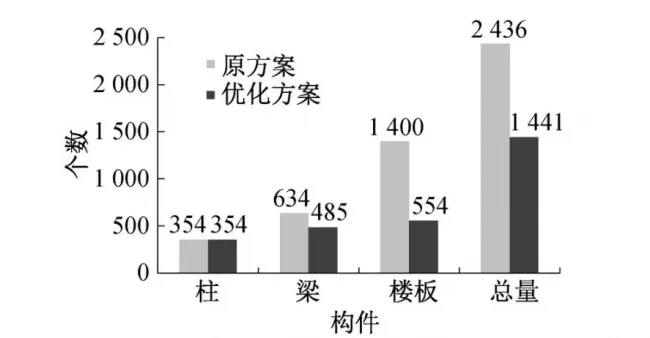
Figure 9: Comparison of prefabricated component quantities
During construction, slabs ≤ 6m use a 4-point lifting method, while larger slabs employ 8-point lifting. Slabs rest on single-point triangular supports spaced 1.0–1.5m, supplemented by wooden beams, ensuring no cracking during pouring (see Figure 10). Additionally, dense splicing connections are filled with special cement mortar offering shrinkage resistance, crack resistance, and waterproofing to guarantee smooth joints and avoid later repairs.
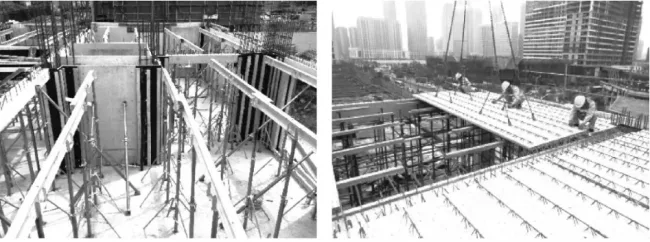
Figure 10: Installation of stacked floor slabs
3. EPC System Engineering
Prefabricated buildings represent EPC system engineering comprising multiple subsystems such as main structure, interior decoration, curtain walls, and electromechanical systems. The main structural subsystem includes floor systems, wall panels, and beam-column systems.
This article focuses on the floor system’s design, production, and construction, acknowledging significant potential for optimization in wall panel structures, sleeve grouting, curtain wall connections, and related design and production methods. To enhance prefabrication efficiency, all subsystems require attention, with improvements in standards and technical systems necessary to advance overall EPC development in prefabricated buildings.
4. Conclusion
This study analyzes the challenges and solutions in designing, producing, and constructing steel truss composite floor slabs, supported by extensive project experience. The key recommendations are:
- 1) Prioritize production and construction processes in design, allowing flexible adjustment of component dimensions and connection methods to enhance efficiency.
- 2) Develop a comprehensive standard system for composite floor slabs tailored to project characteristics and production capabilities, as one standard cannot fit all scenarios.
- 3) Establish integrated and efficient design, production, and construction systems that coordinate various subsystems to boost industrialized construction efficiency through an EPC approach.
References:
China Academy of Building Standards Design and Research, China Academy of Building Sciences. Technical Specification for Prefabricated Concrete Structures: JGJ1-2014. Beijing: China Architecture & Building Press, 2014.
Hua Yanchun, Chen Peng, Wang Baisheng, et al. Research on the Stress Performance of Dense Splicing Composite Floor Slabs. Construction Technology, 2018, 47(12): 75-79.
Lei Jie, Zhu Huajun, Xu Ziran. Finite Element Analysis of Composite Floor Slabs: Case Study of Building 23, Plot 17-11-05 and 17-11-08, Huinan New Town, Pudong New Area, Shanghai. Residential Technology, 2014, 34(6): 62-64.
East China Architectural Design and Research Institute Co., Ltd., Baoye Group Co., Ltd. Technical Specification for Assembled Integral Laminated Shear Wall Structure: DG/TJ08-2266-2018. Shanghai: Tongji University Press, 2018.
*National Key Research and Development Program (2016YFC070170107)
Fan Hua, Senior Engineer
Article source: Construction Technology















Must log in before commenting!
Sign Up