
1. The Modernization Journey of Japanese Architecture
In March 1885, Yuzuru Fukuzawa, the founder of modern Japanese civilization (see Figure 3-1), published the “Anti-Asiatic Theory” in the Current Affairs News. He advocated for Europe and America to serve as models for Japan to learn from. This work provided clear, practical operational frameworks and strategic directions for the three fundamental national policies established during the Meiji Restoration: enriching the country and strengthening the military, advancing civilization, and developing industry.
Within the realm of architecture, Japanese architects swiftly accelerated their adaptation and adoption of Western European modern architectural styles, gradually ushering in the era of modern architecture on Japan’s Eastern stage.
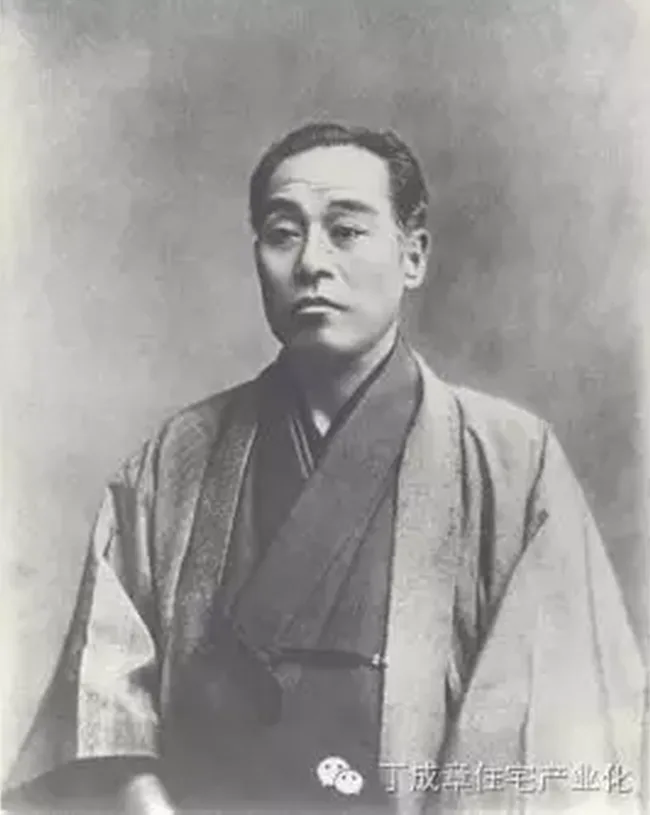
Figure 3-1
The history of Japan’s engagement with Western classical architecture dates back to the Meiji Restoration (1867–1868). In 1854, under the pressure of several gunboats led by Captain Perry of the U.S. fleet, Japan was forced to open its borders. From this point onward, it became almost compulsory for Japan to learn from the West at all levels. The Japanese government hired foreign architects to introduce Western architectural knowledge and to train the country’s first generation of architects.
During the Meiji and Taisho periods, numerous Western classical buildings were constructed across Japan. It was not until after World War II that Japan ceased the practice of copying Western classical architecture. By then, Japan’s architectural technology had reached parity with developed nations, eliminating the need for imitation. Today, nearly all high-rise buildings in Japan are constructed with steel structures. Besides traditional wooden houses, most low-rise residences also use steel frameworks.
Figure 3-2 shows the Osaka Mint, built in 1871, designed by a foreign expert employed by the Japanese government.
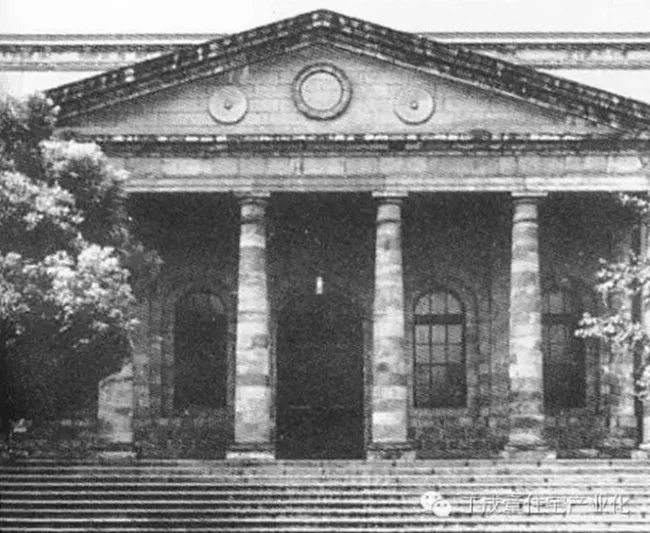
Figure 3-2
Figure 3-3 presents the Hokkaido City Hall, designed by Seijiro Hirai in 1888.
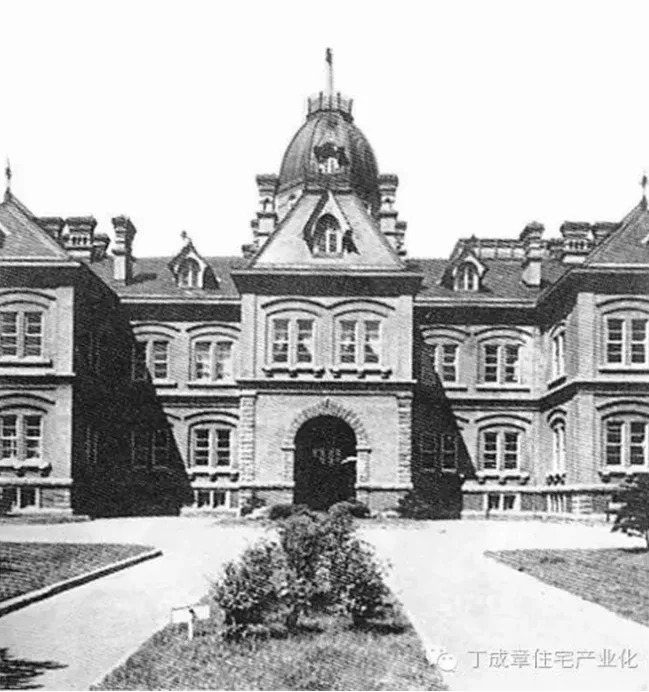
Figure 3-3
It is worth noting that Seijiro Hirai was the first student selected by the Japanese Ministry of Education to study in the United States. Upon returning, he worked as a railway engineer. He was a colleague of Gustave Eiffel, the French designer famous for the Eiffel Tower.
Figure 3-4 depicts the Nara National Museum, designed by Shandong Bear in 1894. The Corinthian columns at the front—representative of the fourth type of ancient Silurian columns—are clearly visible.
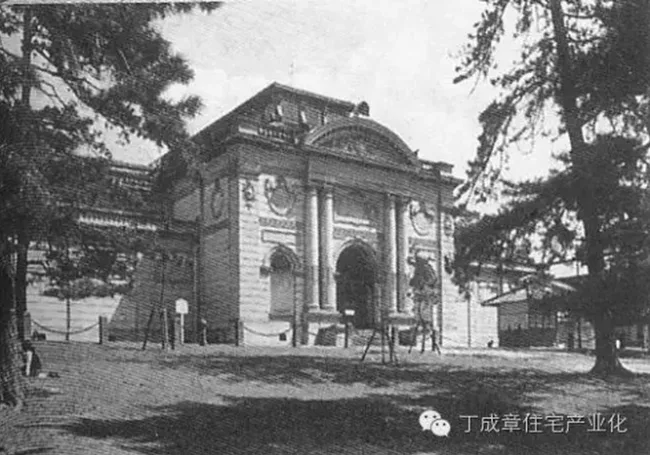
Figure 3-4
Katayama Toshio was the first graduate of the Japanese Ministry of Works University, and his mentor was a British architect named Kandel.
Figure 3-5 shows the Okayama Branch of the Bank of Japan, completed in 1922. The Corinthian columns are lifelike, resembling a Japanese rendition of the Parthenon.
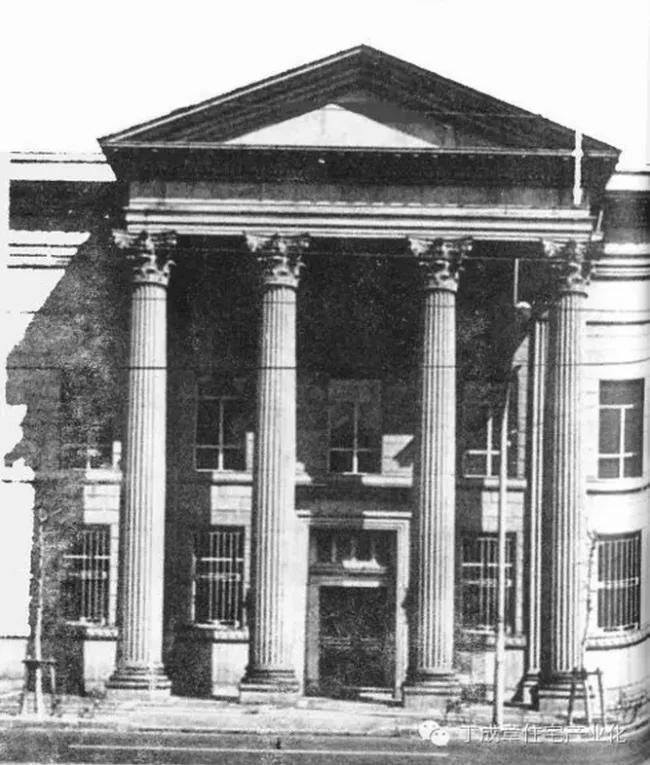
Figure 3-5
Figure 3-6 features the Okura Institute of Spiritual and Cultural Studies, designed in the Tajigan column style by Uheiji Nagano. It was completed in 1932.
Uheiji Nagano was particularly skilled at using reinforced concrete to construct Western classical architecture and had a precise understanding of ancient Western column styles.
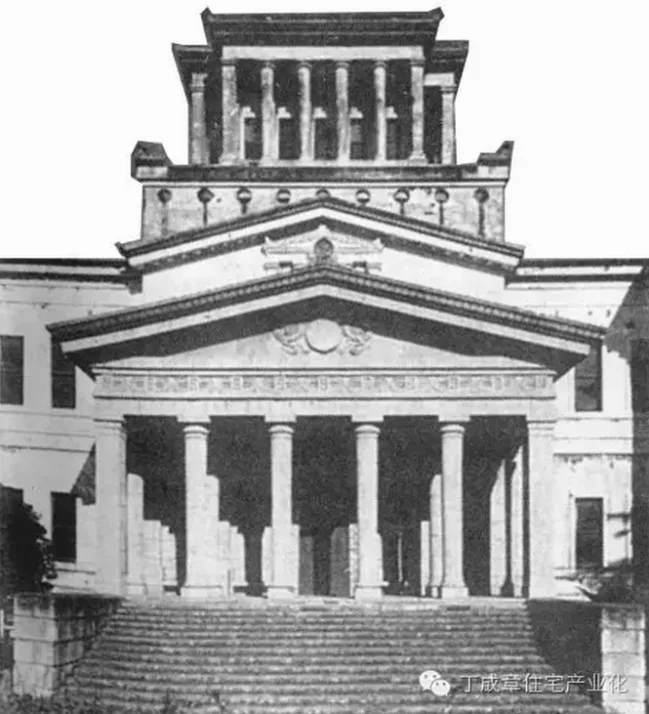
Figure 3-6













Must log in before commenting!
Sign Up