
When discussing prefabricated buildings, Japan’s innovations stand out as some of the most advanced globally, particularly with the widespread use of Sakaki prefabricated technology.
Prefabricated construction involves manufacturing the walls, beams, and slabs of a house in a factory, which are then assembled directly on-site. This method offers significant benefits, such as high mechanization, precise component accuracy, and efficient production processes.
In this article, we will explore several examples of Japanese prefabricated buildings, highlighting their unique construction techniques.
01
Kanagawa M Mansion
Project Details
Design firm: I.R.A
Location: Japan
Type: Prefabricated residential building
Material: Wood
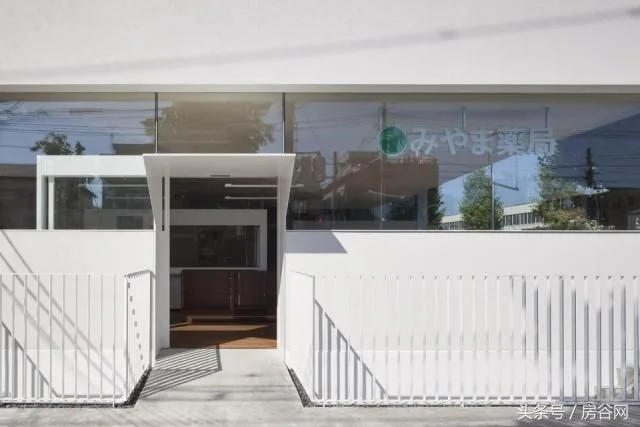
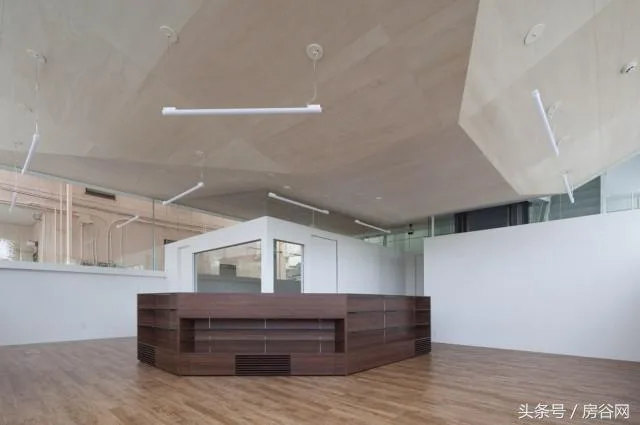
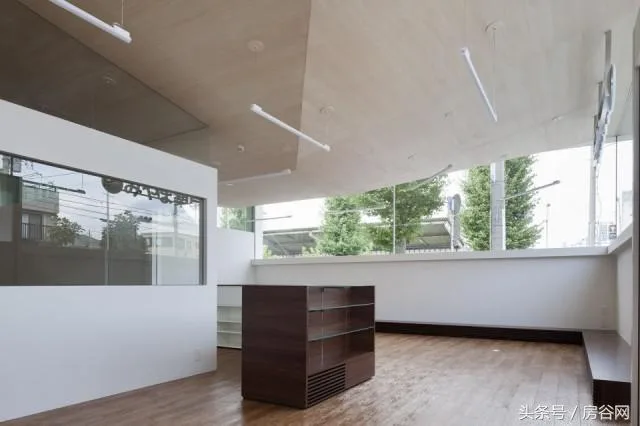
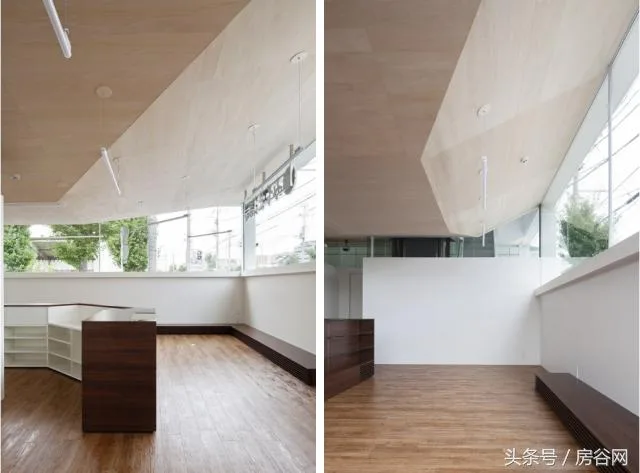
This four-story mixed-use building is located in Hiratsuka, Kanagawa Prefecture, near the sea. The ground floor along the street houses a pharmacy, while the basement, second, and third floors serve as residential spaces.
▼ Architectural Exterior
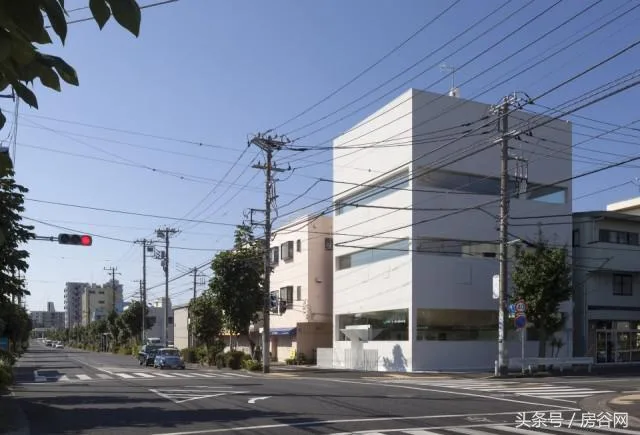
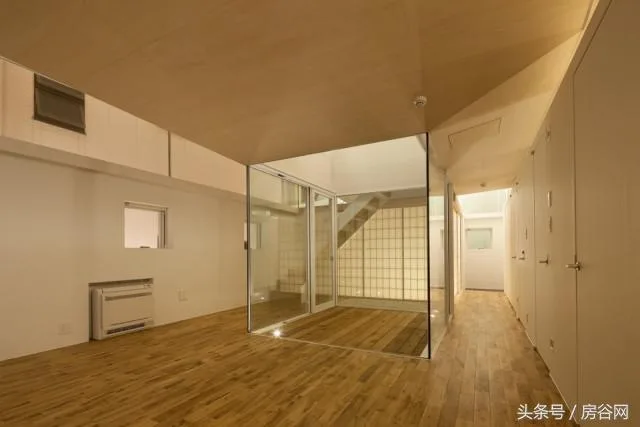
The facade is supported by seven slender columns that hold up each floor slab. The use of truss structures creates open and flexible interior spaces without the need for additional supports, allowing for future changes in layout. At the center, a slightly sloped roof features a square opening that balances privacy with ample natural light for the lower levels.
The sloping roof enhances the depth and texture of the building’s facade.
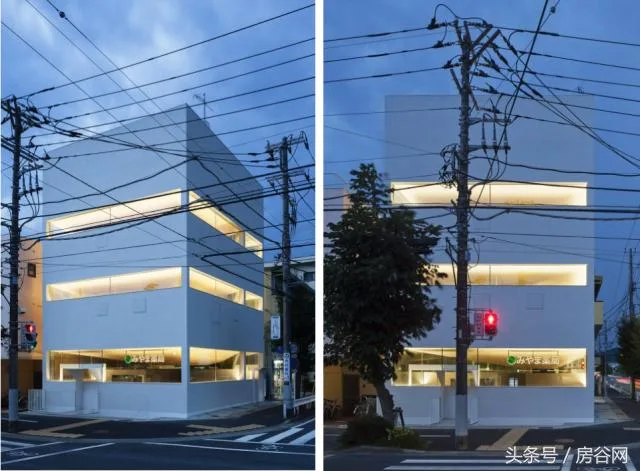
The strip windows along the roofline emphasize the roof’s inward slope, adding visual layers to the facade and making the building a distinctive landmark in this charming town.
▼ First Floor Pharmacy Space
▼ Second Floor Residential Space
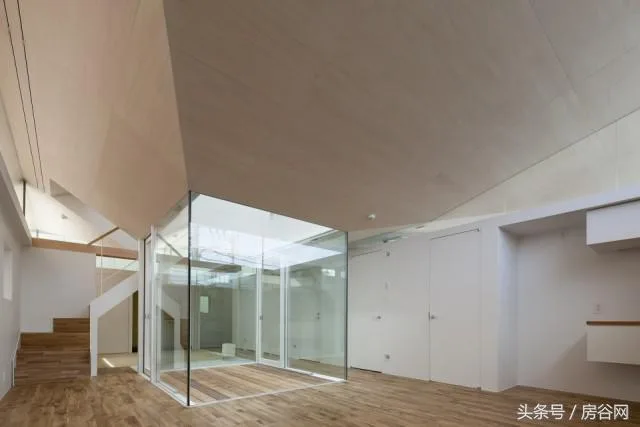
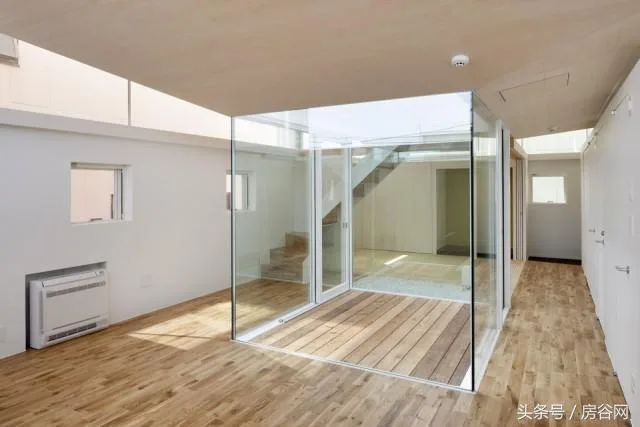
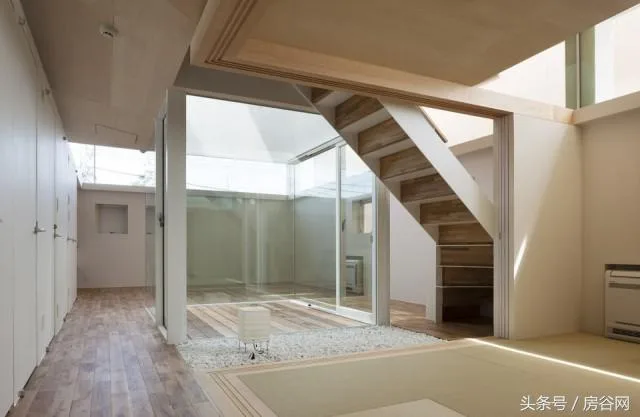
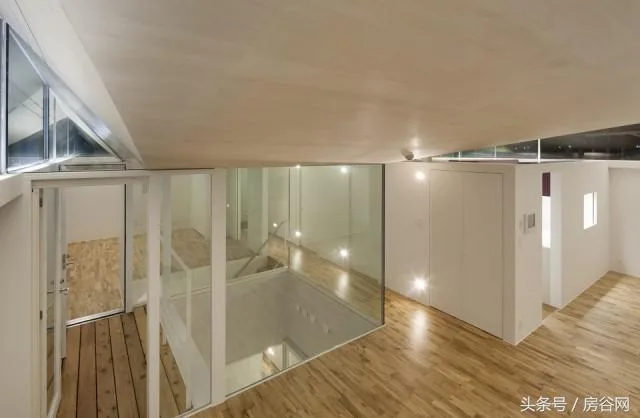
Glass panels seamlessly connect the room walls with the sloped roof, creating an airy and open atmosphere.
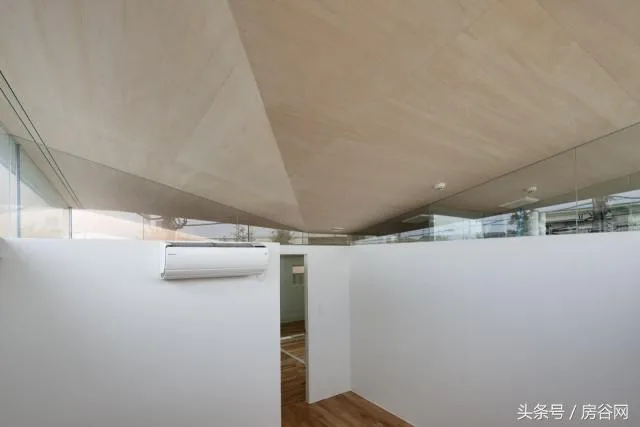
▼ Third Floor Residential Space
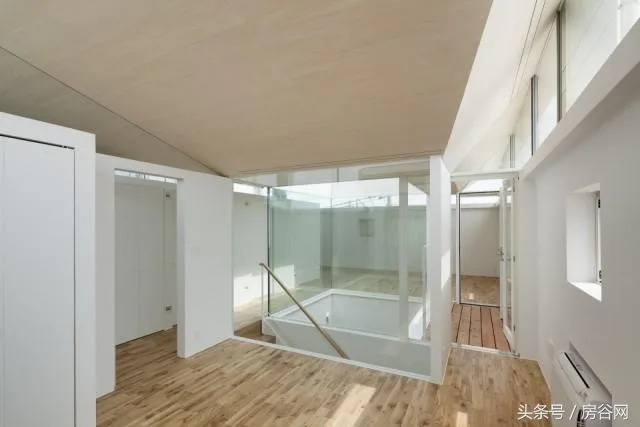
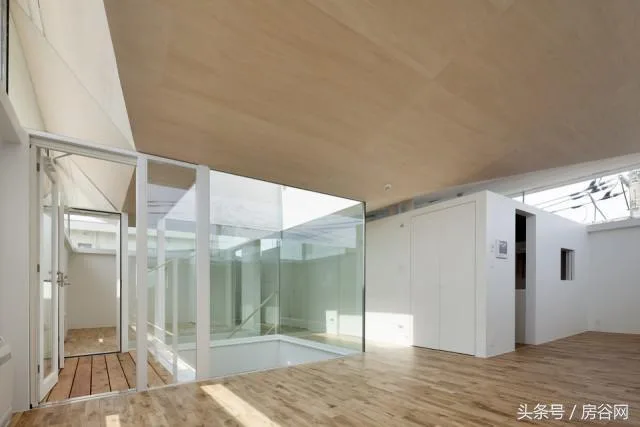
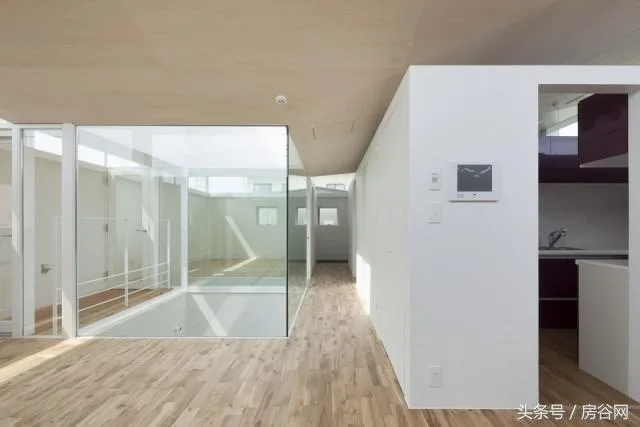
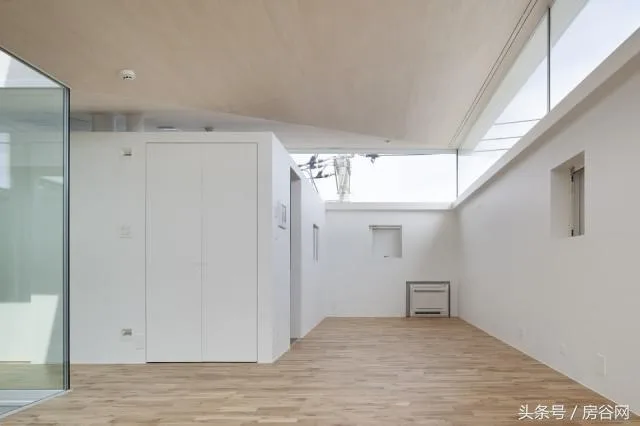
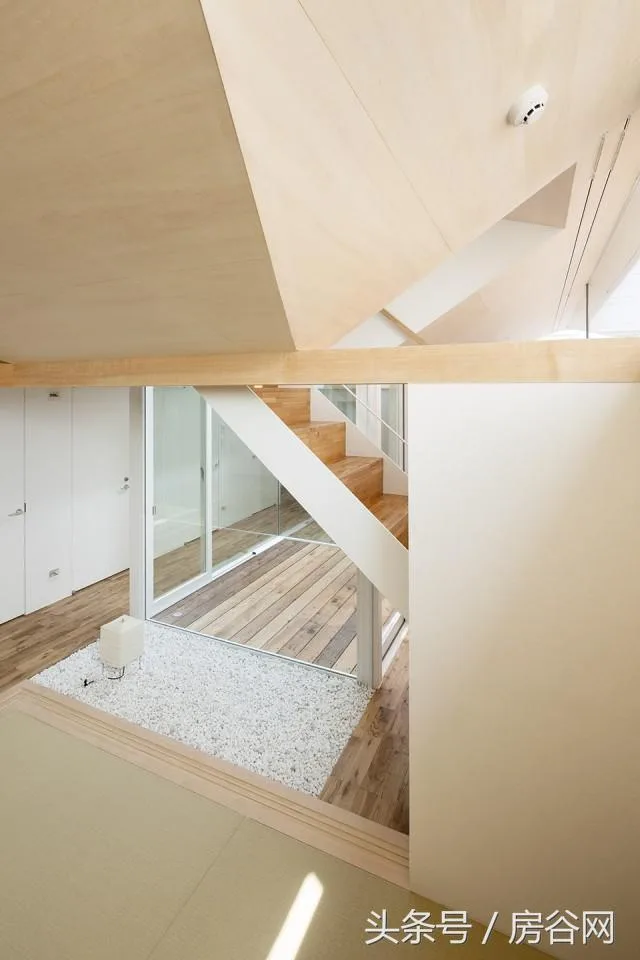
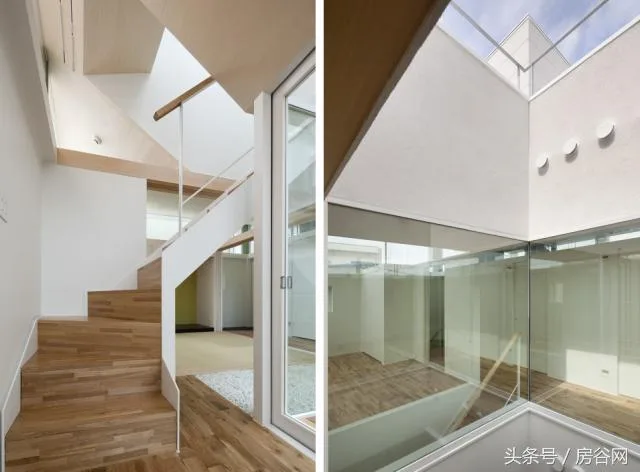
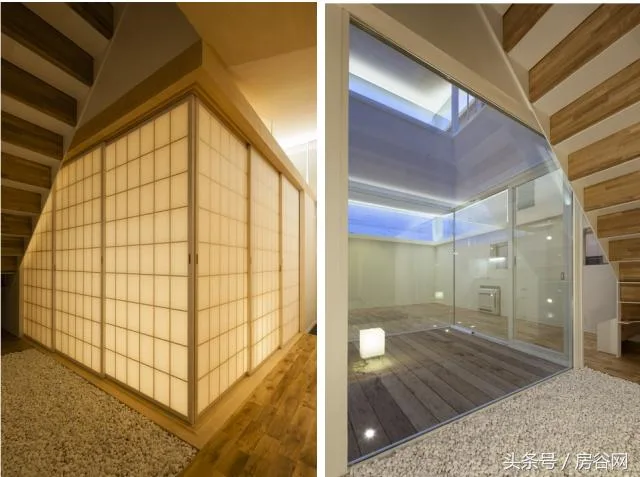
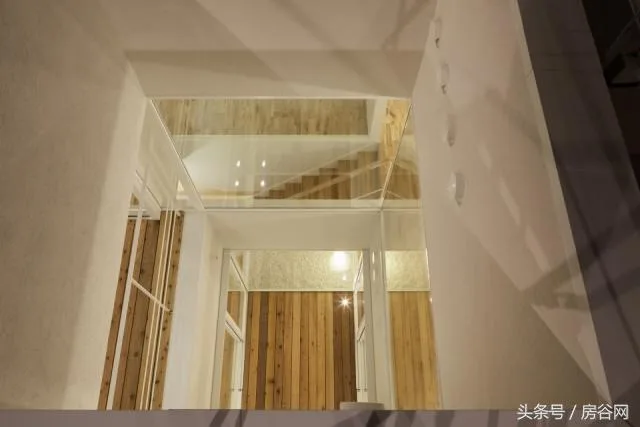
Courtyard and stairwell areas provide an inviting transition between spaces.
Night View
Architectural Drawings
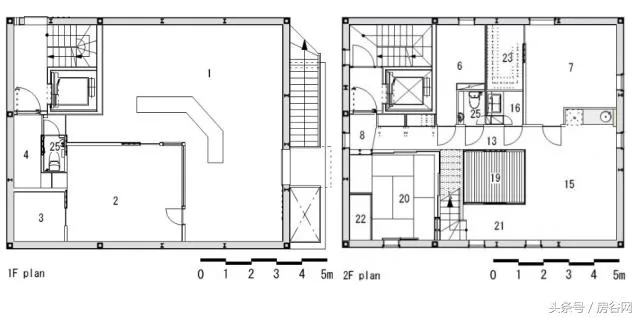
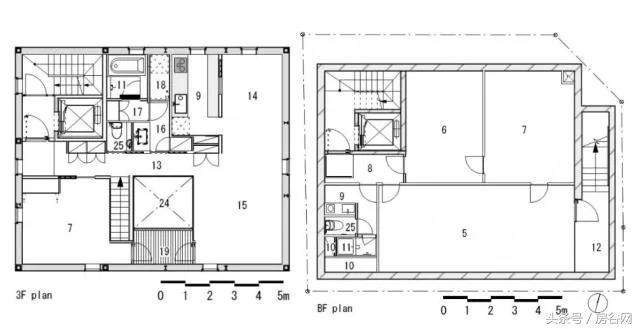
02
Tokyo KKZ Staggered Residence
Project Details
Design firm: I.R.A
Location: Japan
Type: Prefabricated residential building
Materials: Wood, Concrete, Glass
Year: 2013
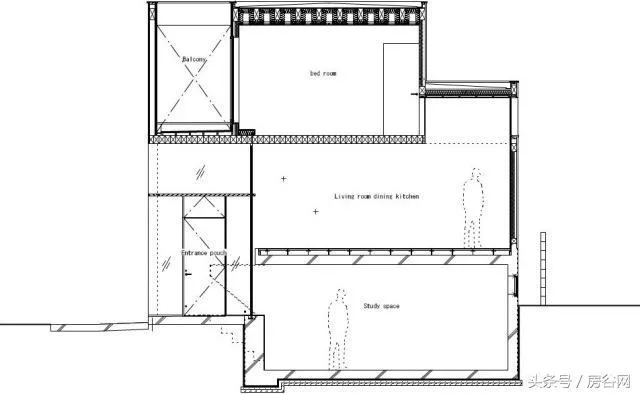
This compact three-story residence is situated in Setagaya-ku, a well-connected district in Tokyo. It includes one basement level and two floors above ground.
▼ Architectural Exterior
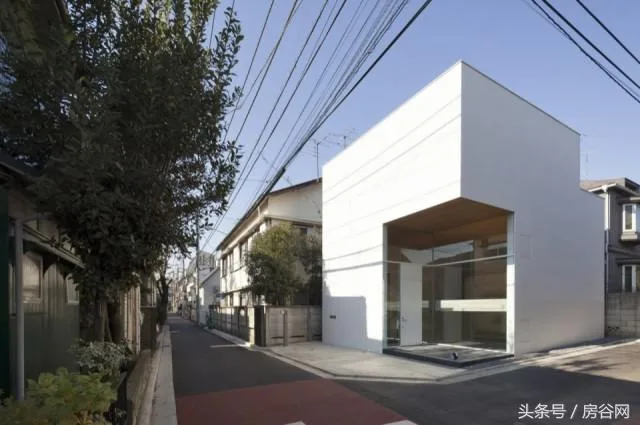
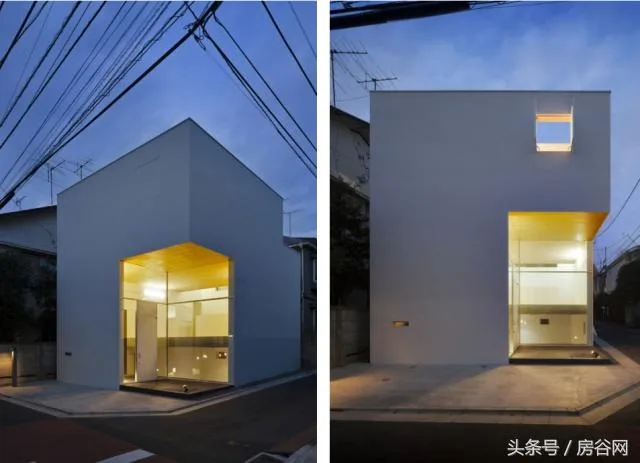
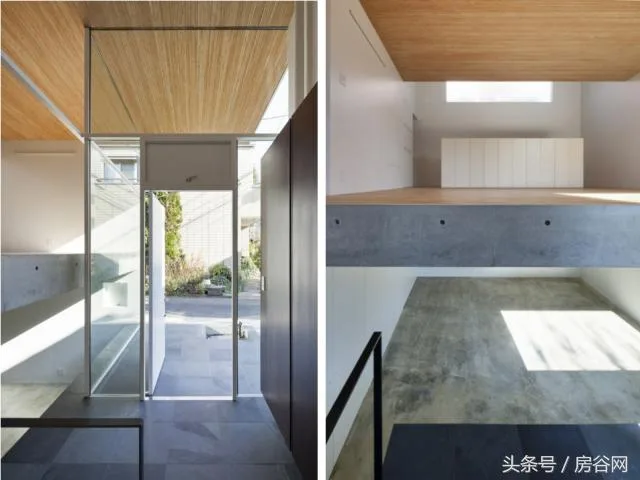
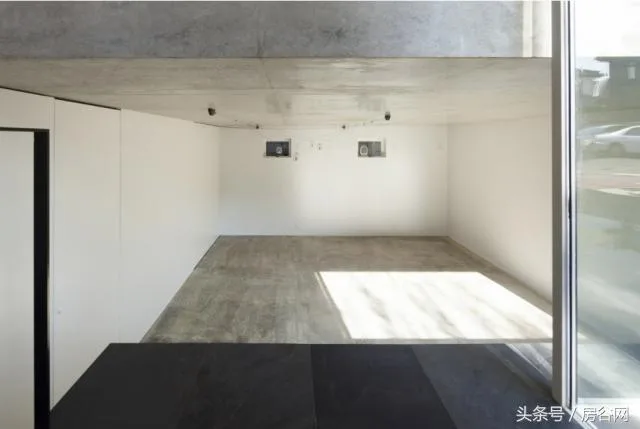
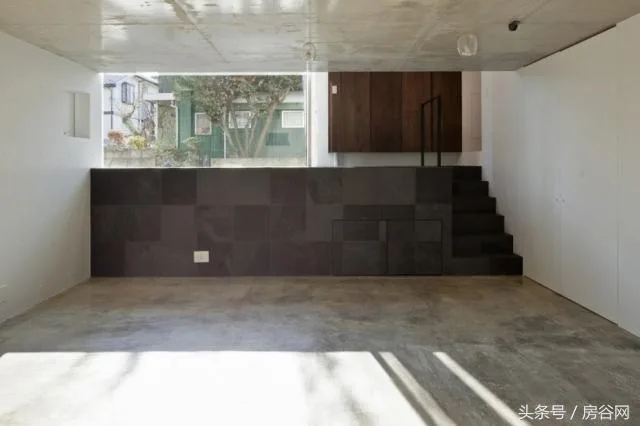
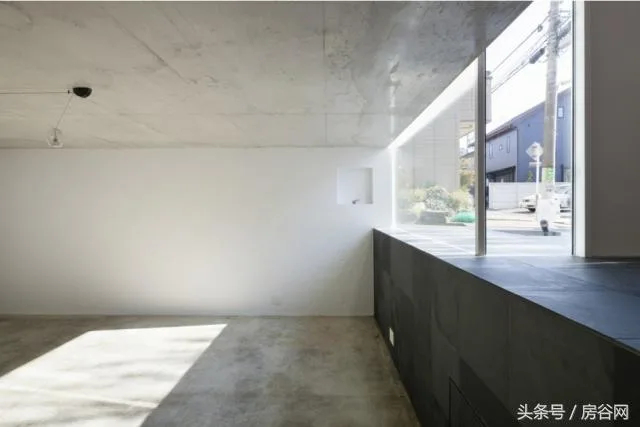
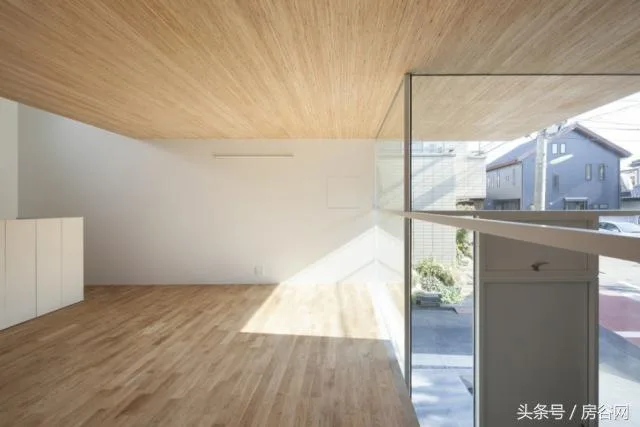
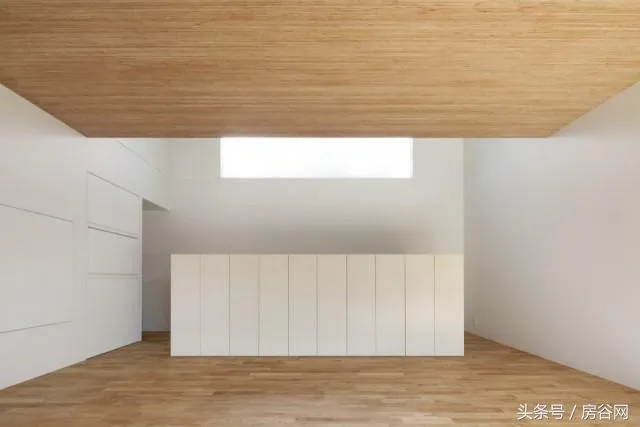
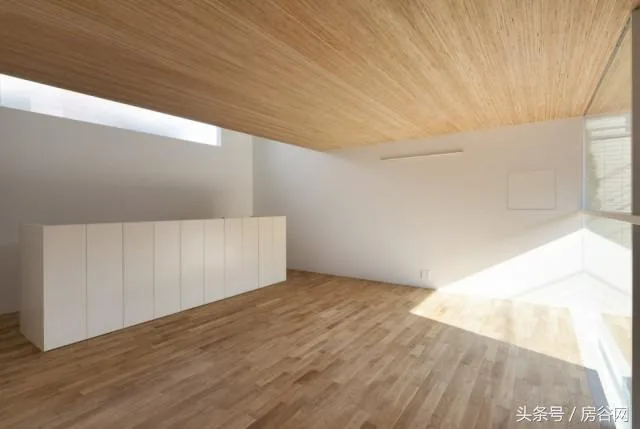
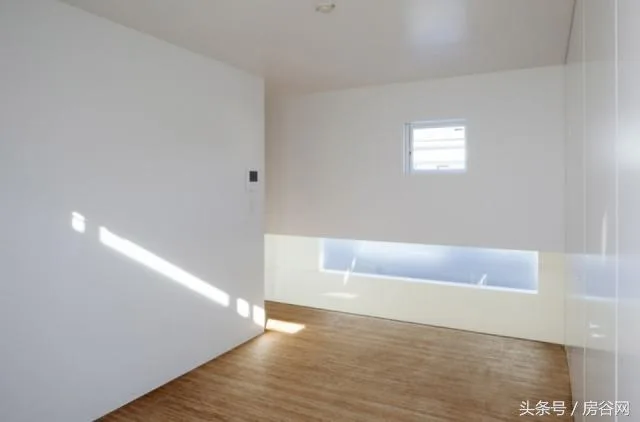
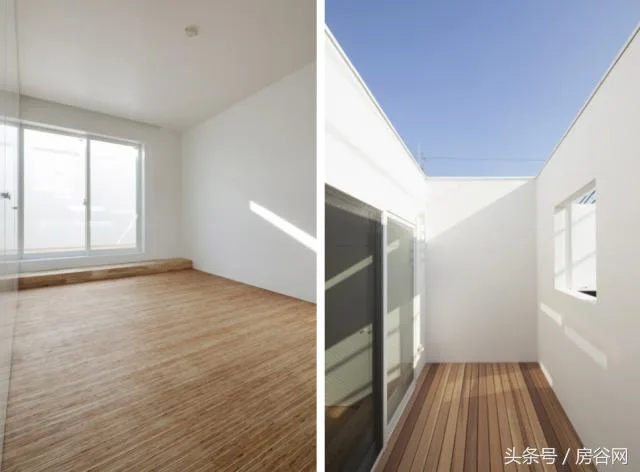
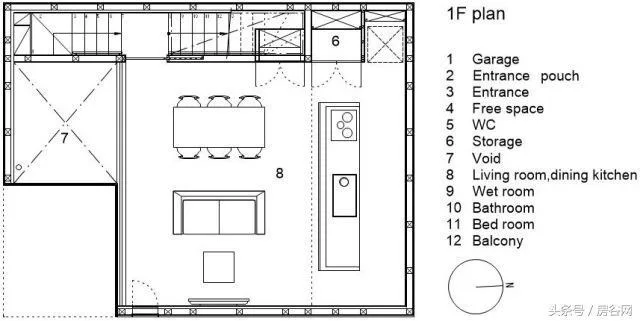
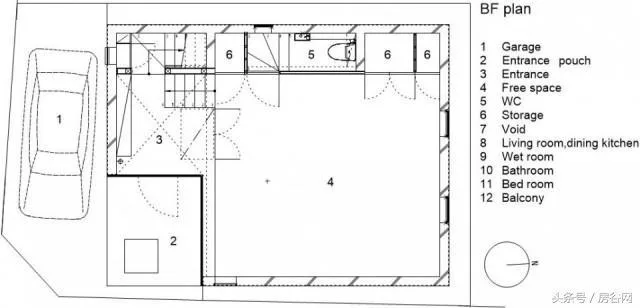
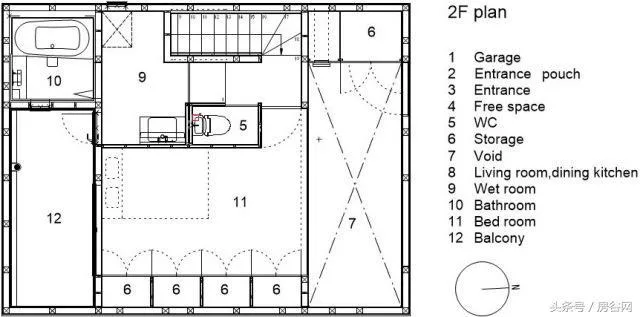
The semi-basement open area is adaptable for future use as a children’s room. The middle floor accommodates the living room, kitchen, and dining area, while the top floor serves as the owner’s private quarters.
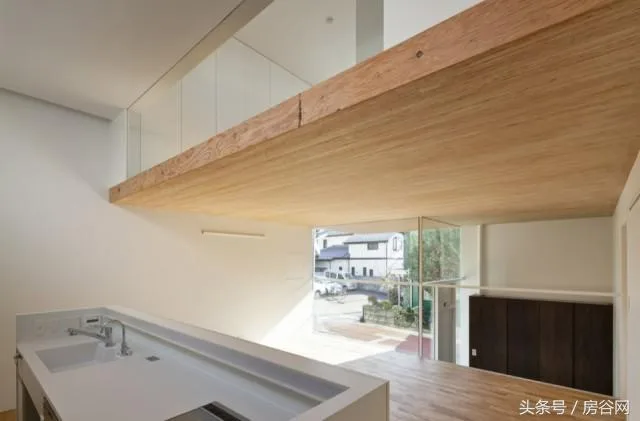
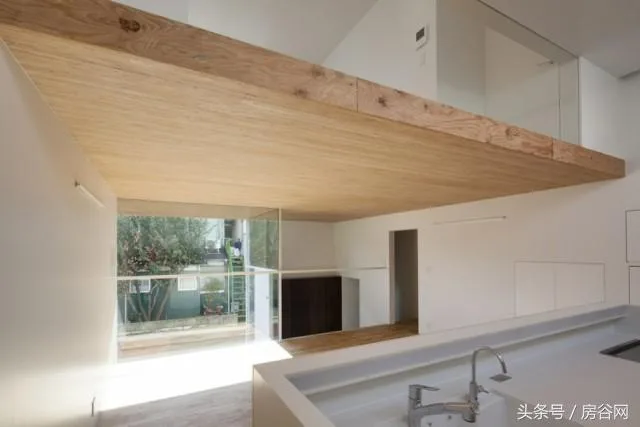
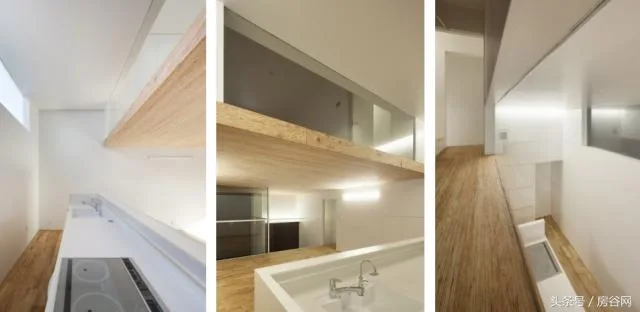
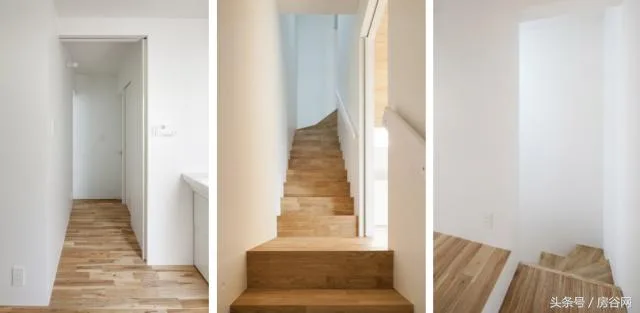
Despite the limited site size, the elevated space above the entrance hall and kitchen connects the floors, creating a bright, open interior. Additionally, a 180mm thick LVL single beam embedded in the floor slab supports a 6-meter span on the second floor without the need for extra columns, resulting in a spacious column-free area.
▼ Entrance Area Connecting Basement and First Floor














Must log in before commenting!
Sign Up