
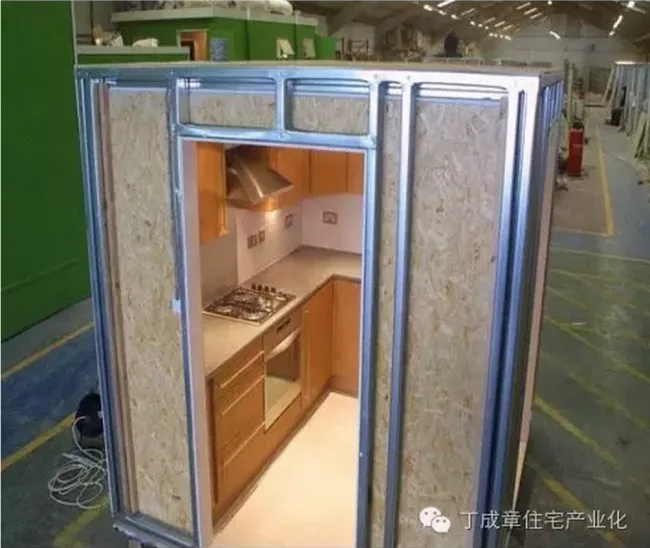
4. 3D (Box Type) Modular Architecture
(1) 3D (Box Type) Unit Manufacturing
3D (box type) units are produced entirely in the factory, assembled before transportation to the construction site, and then lifted onto pre-built foundations.
This method, often called modular manufacturing, typically uses cold-rolled steel frames, wooden frames, concrete, and other components to fabricate the units.
For projects requiring a large number of identical units, volumetric construction proves to be the most efficient approach.
Historically, the concept of housing industrialization was built around the idea of “mass replication”—essentially, “building houses like cars.” This was an early 20th-century dream for the construction industry. It wasn’t until the early 21st century that the Chinese construction sector realized that developed countries had pursued this vision. Many Chinese companies then hastily adopted the concept of “building houses like cars.”
This vision was inspired by the second industrial revolution—emphasizing large-scale replication and production of housing (Industrial 2.0 era). However, experience has shown that “mass replicating” residential properties is an overly simplistic idea and challenging to implement in practice.
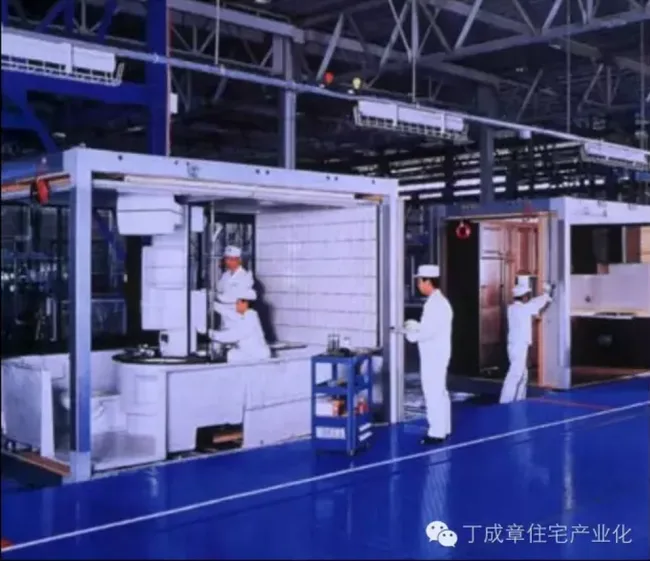
3D (box type) units being manufactured on a factory production line.
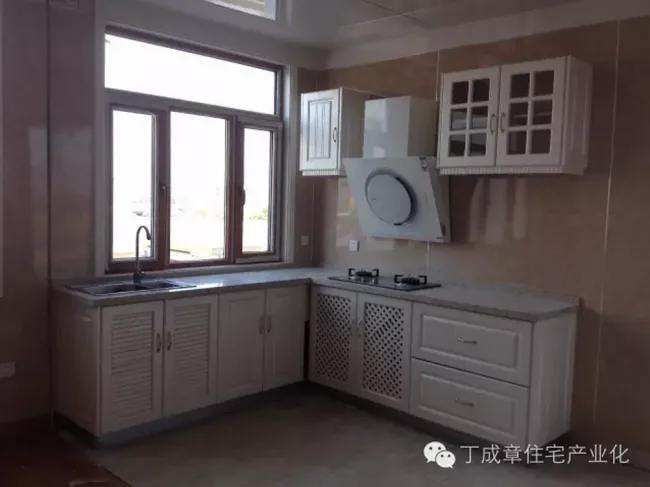
Interior finish of a 3D (box type) unit delivered to the construction site — kitchen.
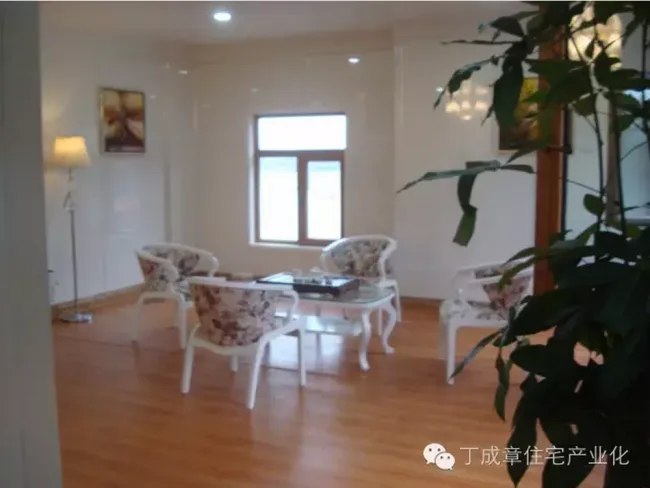
Interior finish of a 3D (box type) unit delivered to the construction site — tea room.
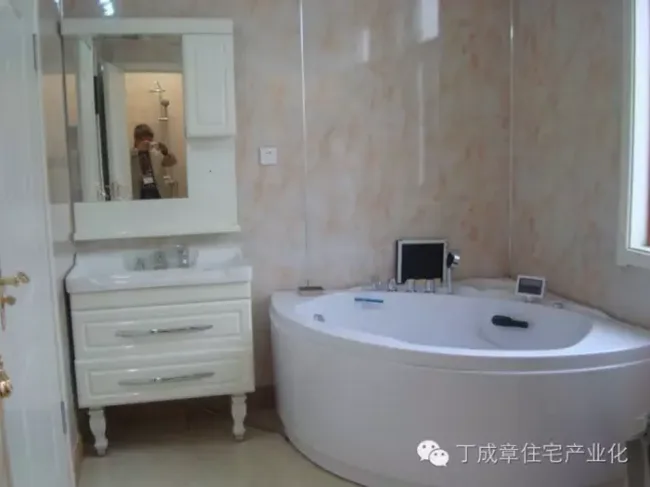
Interior finish of a 3D (box type) unit delivered to the construction site — bathroom.
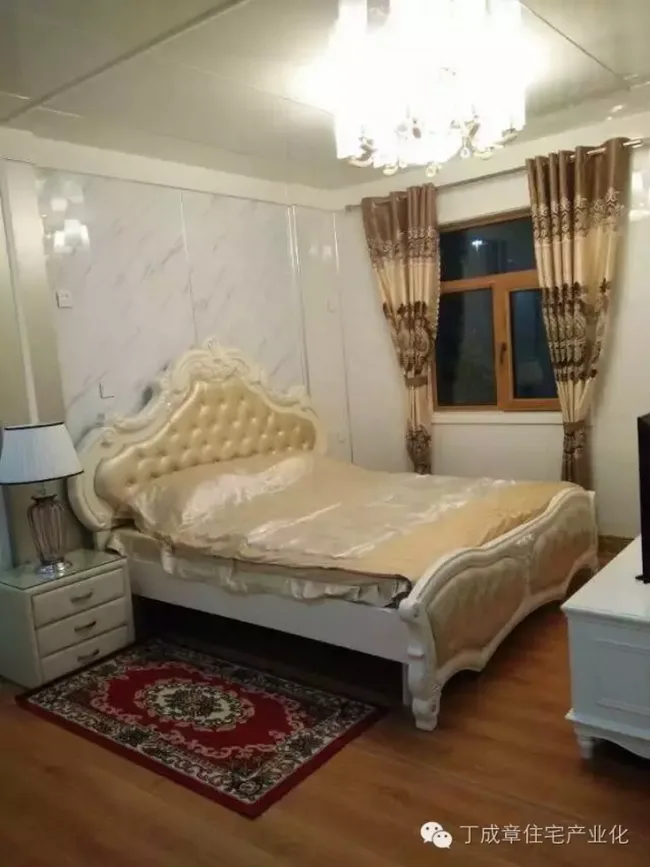
Interior finish of a 3D (box type) unit delivered to the construction site — bedroom.
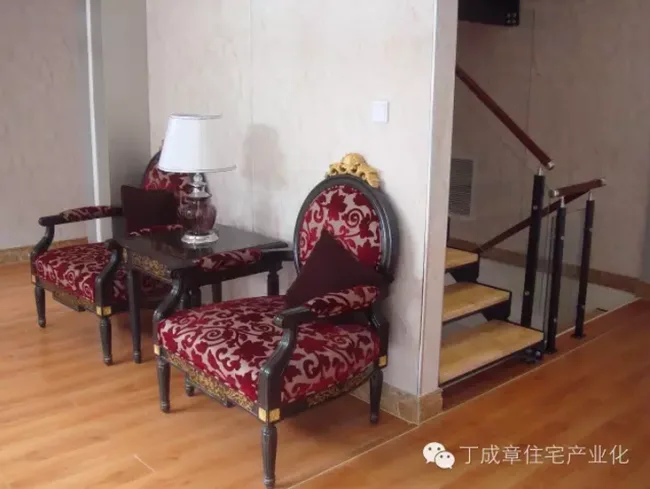
Interior finish of a 3D (box type) unit delivered to the construction site — second-floor corridor.
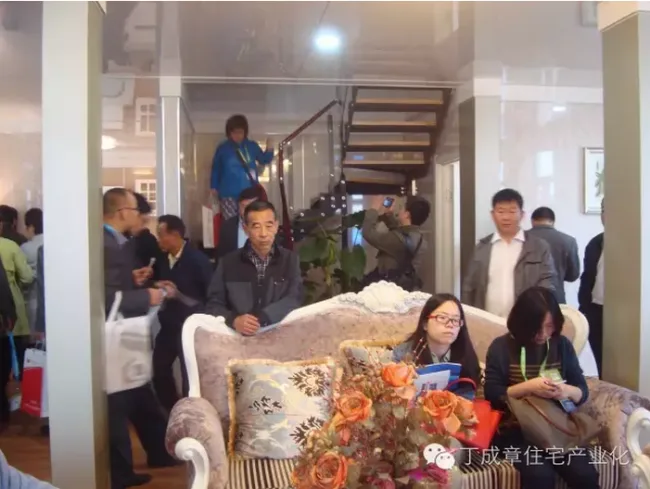
Interior finish of a 3D (box type) unit delivered to the construction site — first-floor living room.
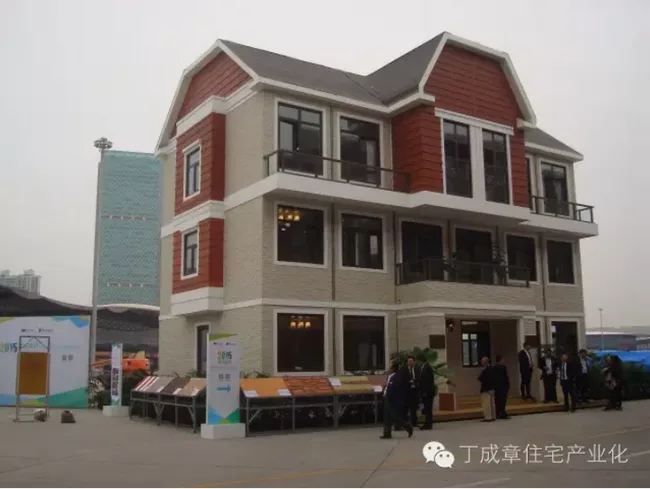
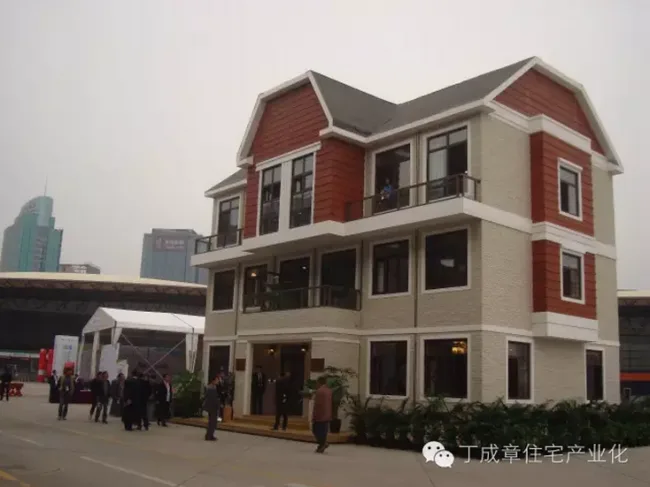
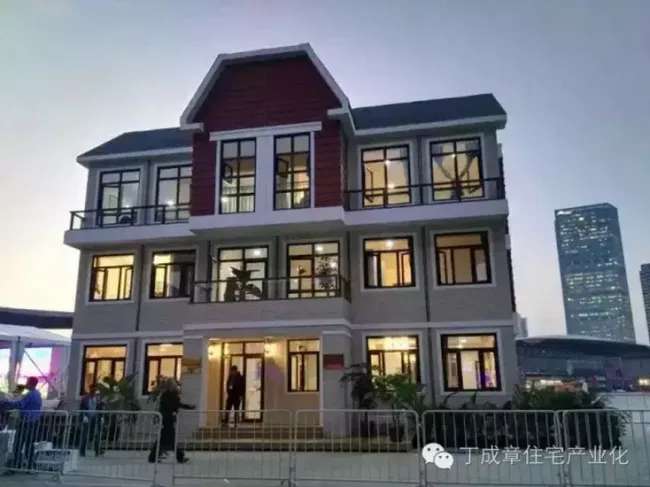
A 3D (box type) building assembled within four hours — exterior view.
5. 3D (Box Type) Box Architecture
(1) Manufacturing kitchen and bathroom boxes separately in the workshop.
The box building approach targets hotel and student apartment markets and has recently expanded into apartments and residential buildings. Typically, these boxes are non-load-bearing and are integrated into load-bearing structures.
The enclosure may consist of light steel frames, wooden frames, concrete, or hybrid structures.
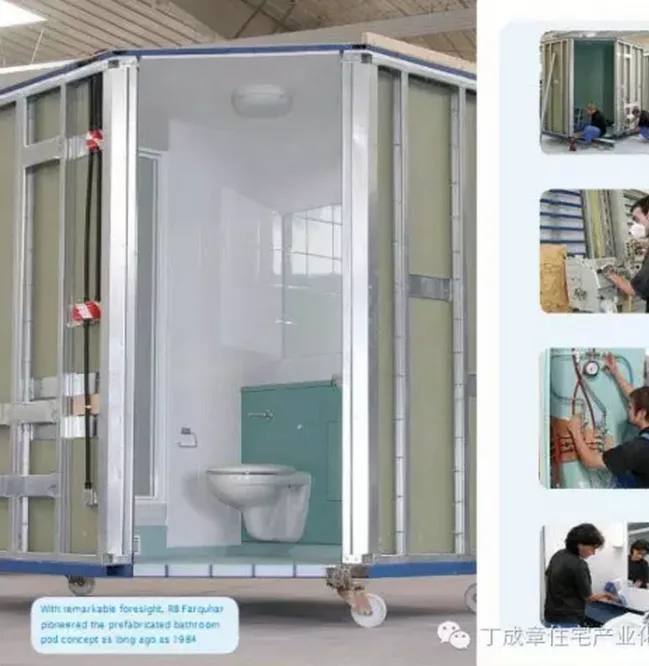
Assembling bathroom boxes in the factory.
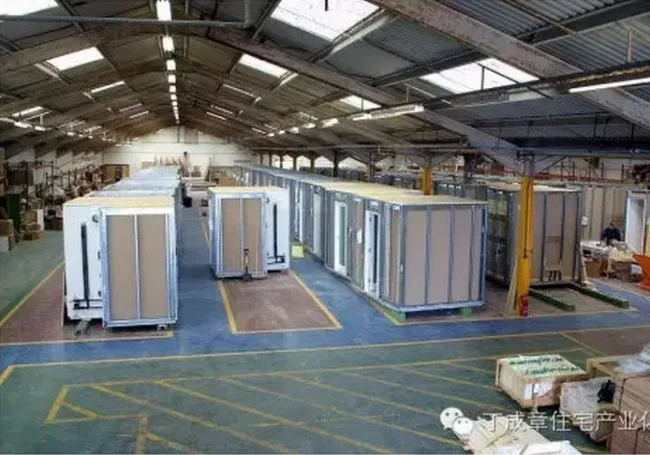
Panoramic view of the box building assembly workshop.
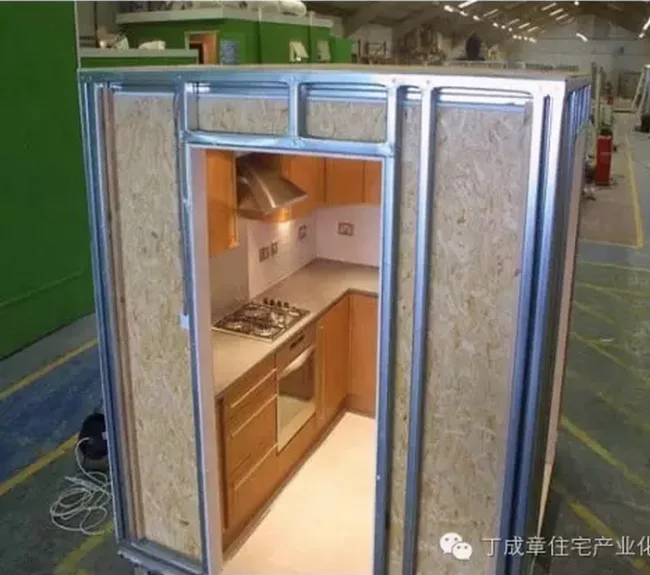
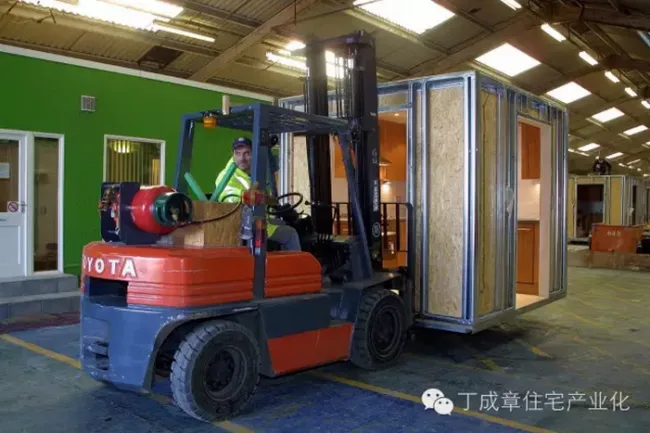
Assembling kitchen boxes in the factory.
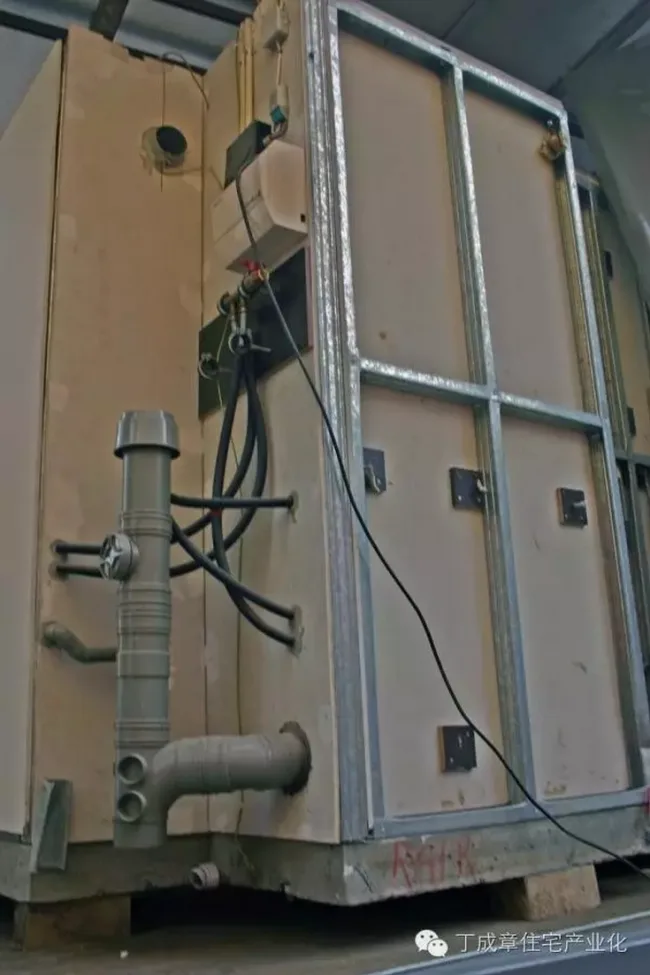
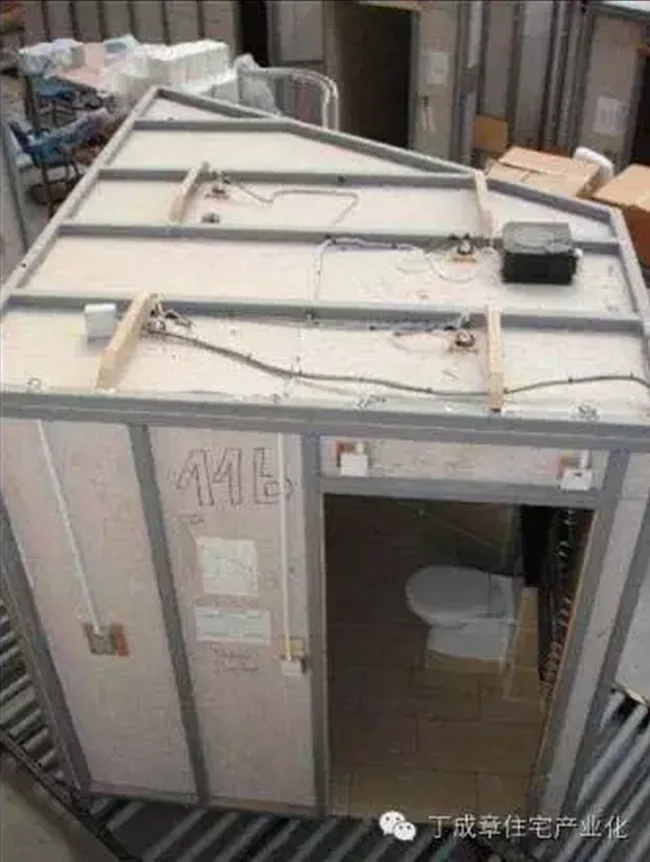
Box toilet unit.
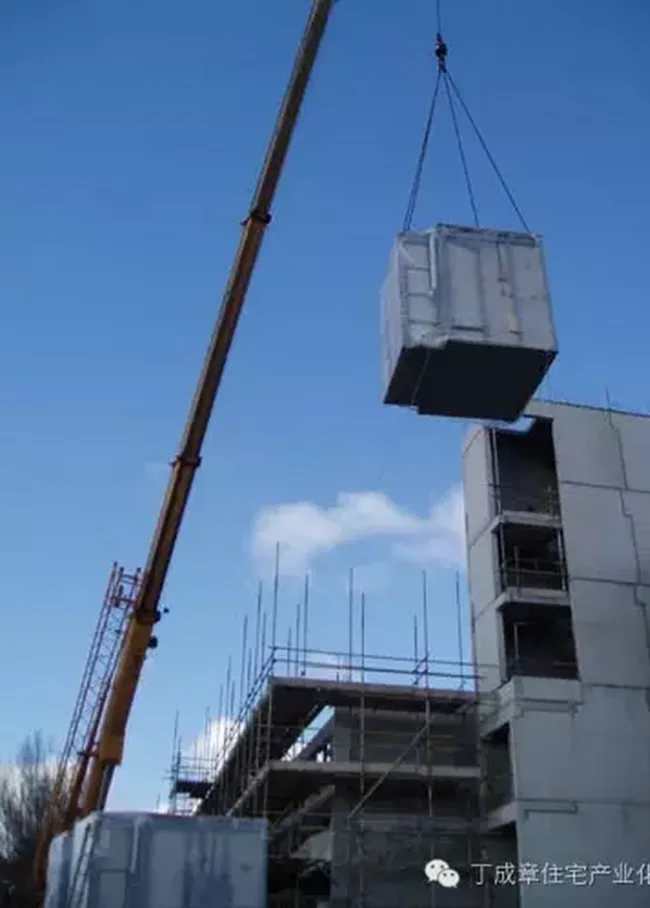
Lifting, installing, and assembling the box bathroom on-site.
(2) Manufacturing integrated communication base station shelters separately in the workshop.
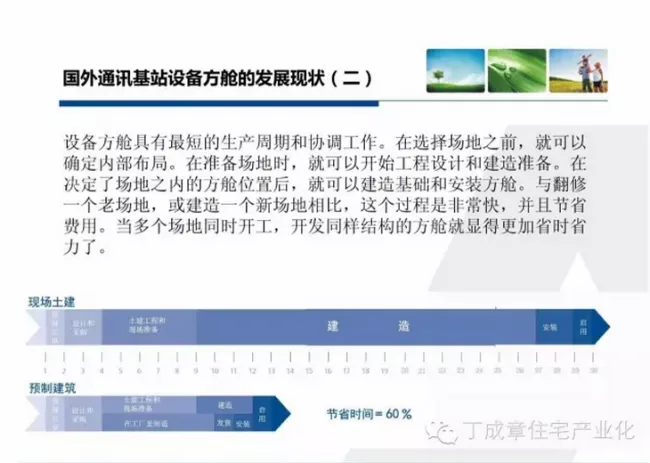
These integrated communication base station cabins are designed for direct outdoor use, eliminating the need for fixed shelters. They offer flexible relocation, convenient transportation, rapid construction, and operate reliably under various climatic conditions.
These cabins are ideal along transportation routes, scenic areas, commercial centers, and remote locations. They significantly reduce construction and maintenance costs for base station shelters and shorten network deployment timelines, making them an excellent choice for communication network infrastructure.
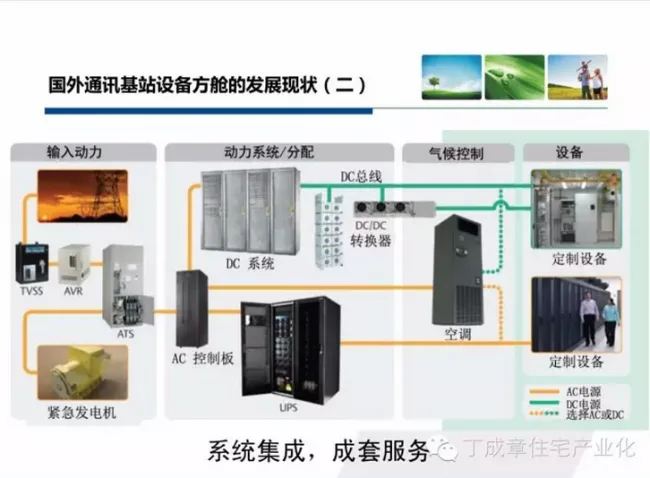
The development of integrated communication base station cabins focuses on high security, reliability, flexibility, rack-based designs, intelligence, and energy efficiency.
Furthermore, military applications such as medical shelters, kitchen shelters, command centers, and communication shelters can also be designed as 3D (box type) units manufactured in factories.
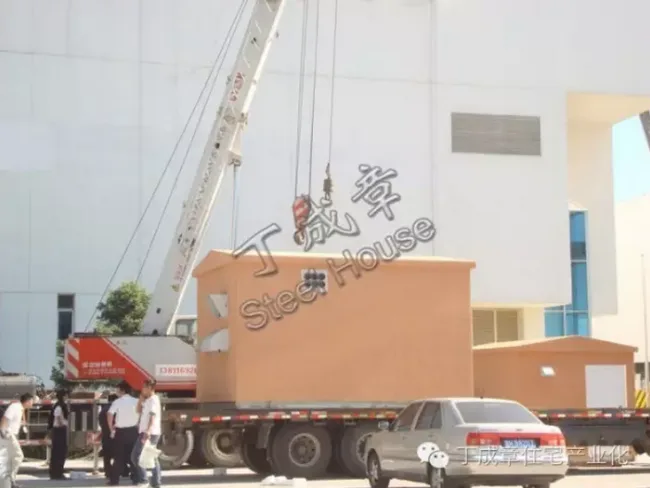
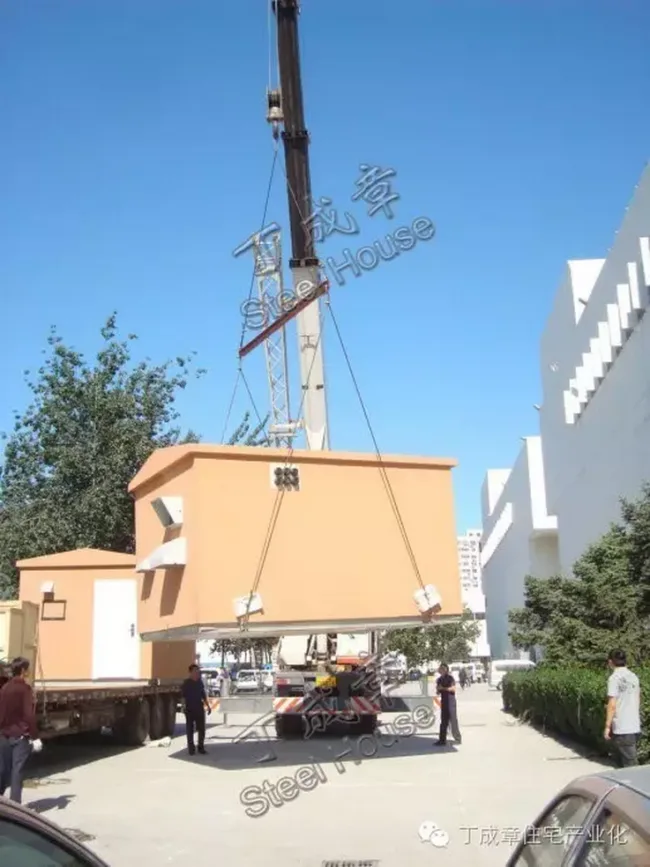
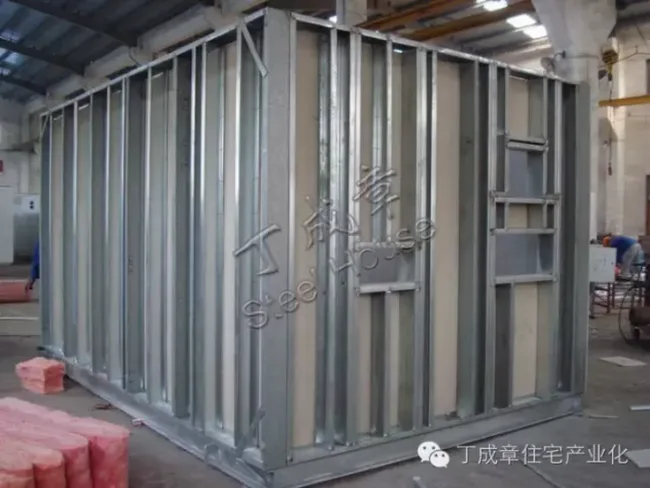
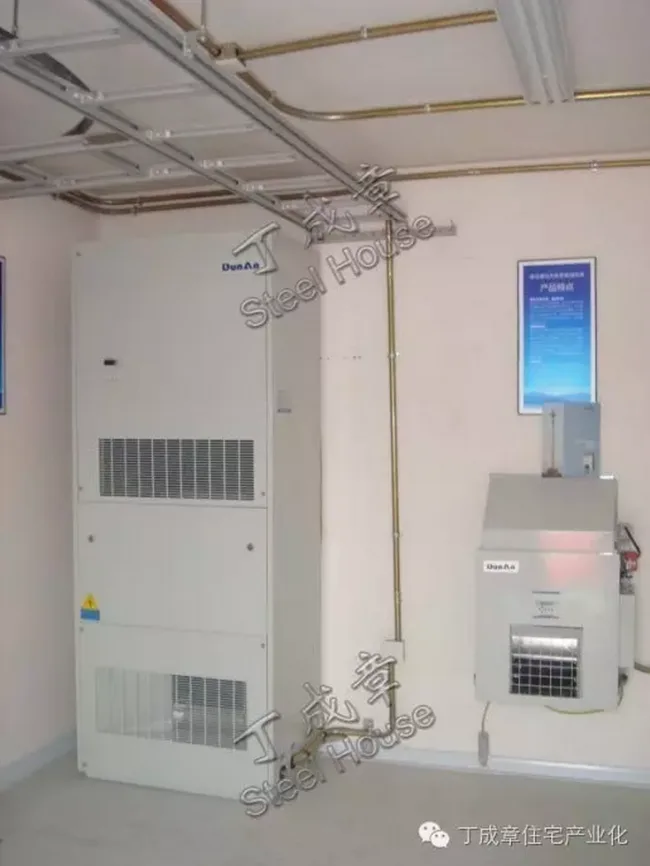
The base station’s air conditioning, ventilation, wiring racks, and lighting systems are all pre-manufactured within the cabin factory.












Must log in before commenting!
Sign Up