
1. Aluminum Alloy Template Node Photos
1. Template Connection: This tool offers simplicity, easy assembly, convenient operation, and low technical requirements. It ensures tight splicing, preventing leakage and misalignment.
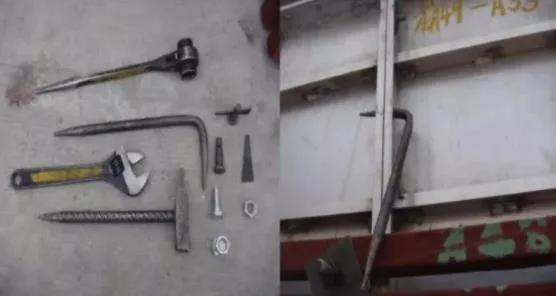
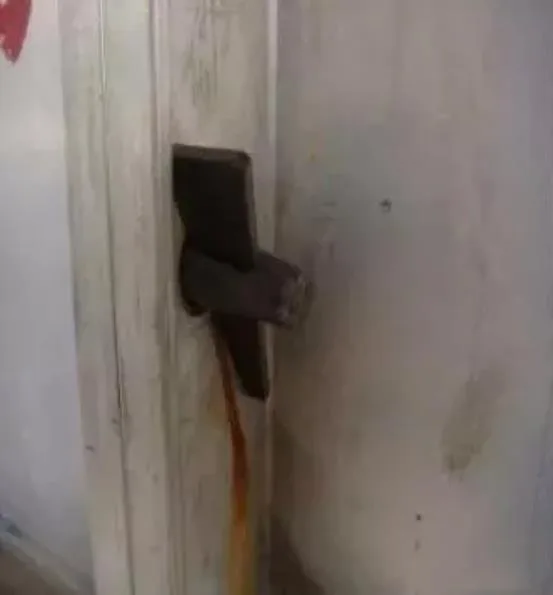
2. Adjustable Upright Pole: The adjustment mechanism is positioned mid-pole for easy operation, allowing both coarse and fine tuning.
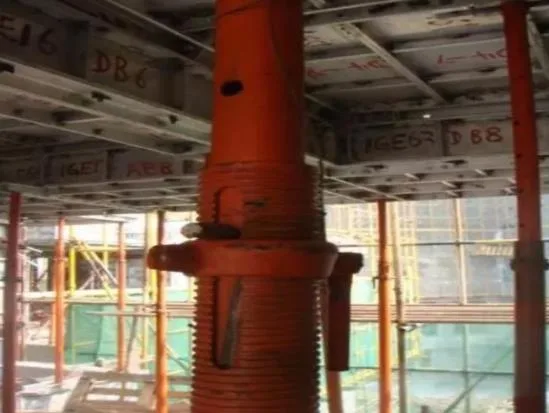
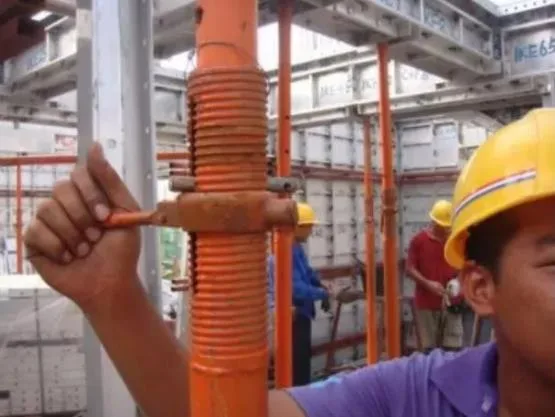
3. Early Dismantling System: Aluminum alloy templates can be dismantled earlier than usual, significantly improving template turnover rates.
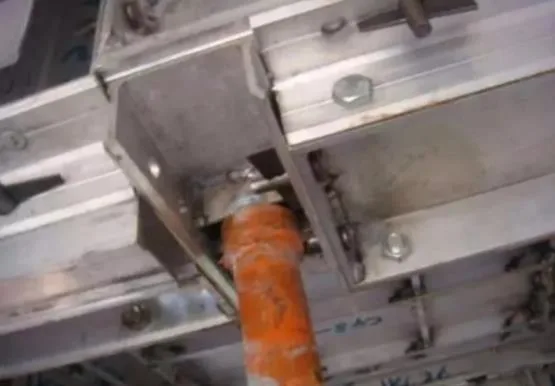
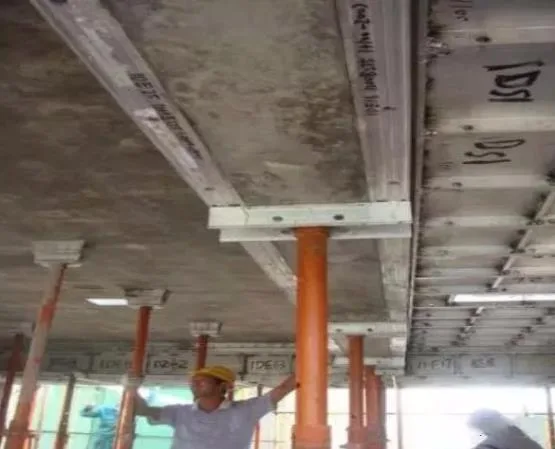
4. Slant Support: Slant supports effectively prevent displacement of wall columns during pouring. They are secured to the floor with expansion bolts, providing stability and convenience. The central screw device allows precise vertical adjustment of the wall column.
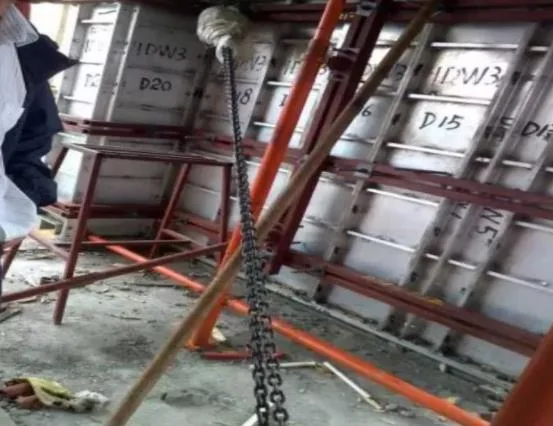
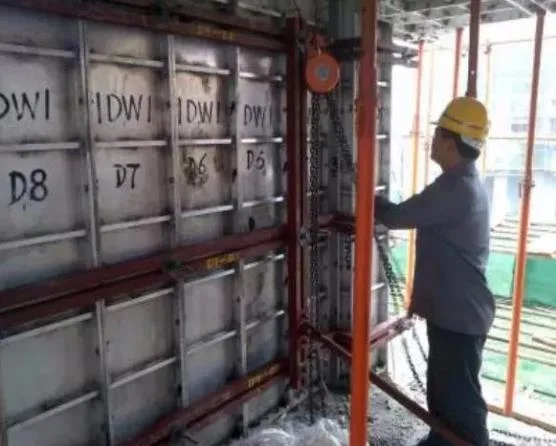
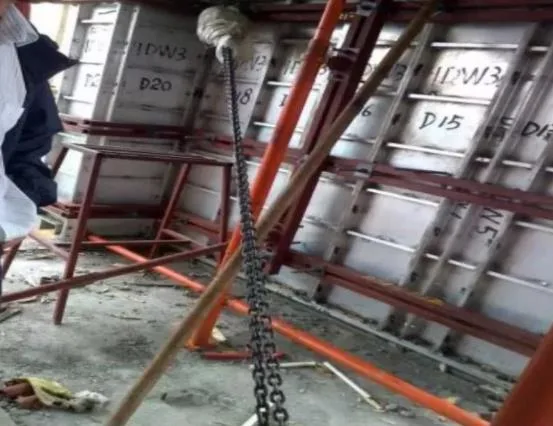
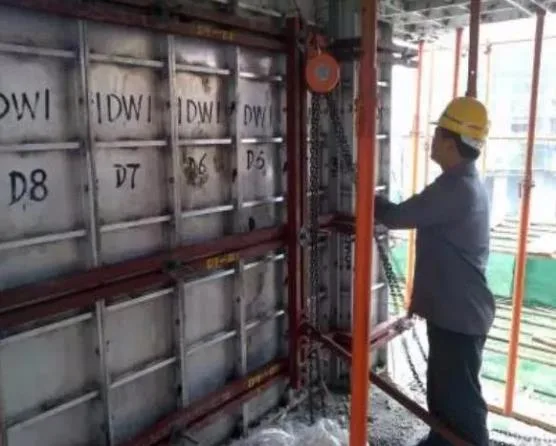
5. External Wall Tying: Gourd iron chains are used for tying, enabling a top-pull combination that effectively controls the verticality and flatness of wall columns. This system allows for simple and convenient operation by workers.
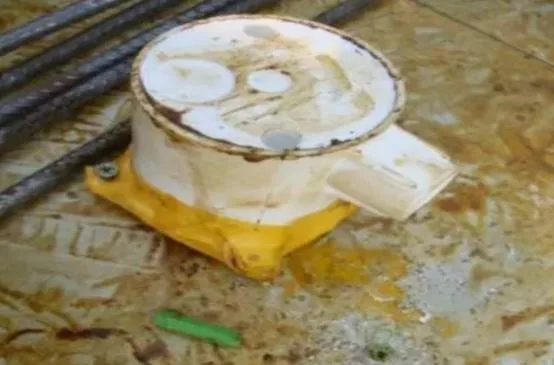
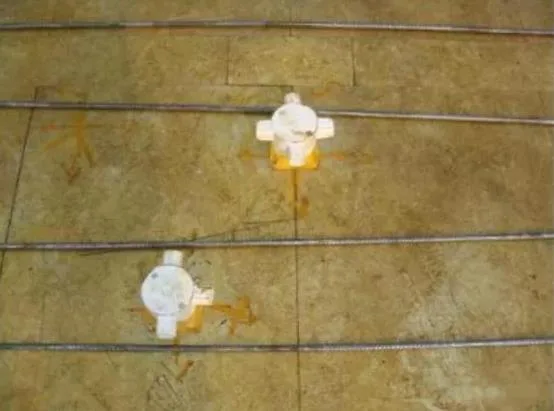
6. Wire Box and Conduit Fixation and Positioning: The wire box is secured with an expansion cap, and the water pipe opening is fastened with screws for easy removal. Initial positioning of the wire box and conduit is precise, ensuring consistent upper positioning.
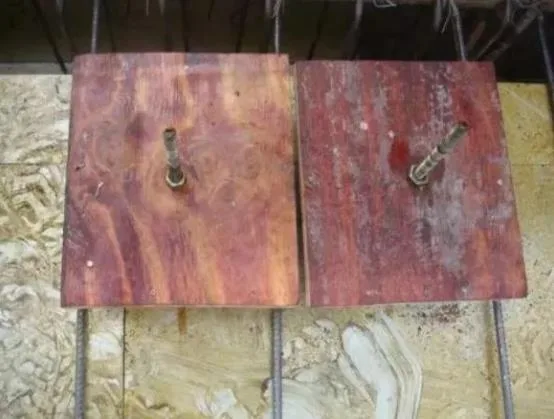
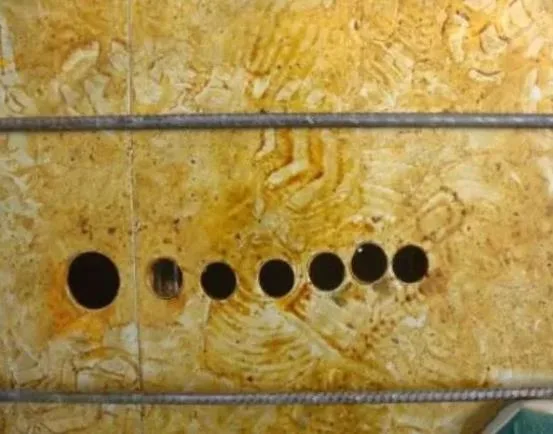
7. Lower Plate Template: This uses a recessed template connected by bolts, facilitating easy removal and effectively reducing damage to the external corners of the lower plate.
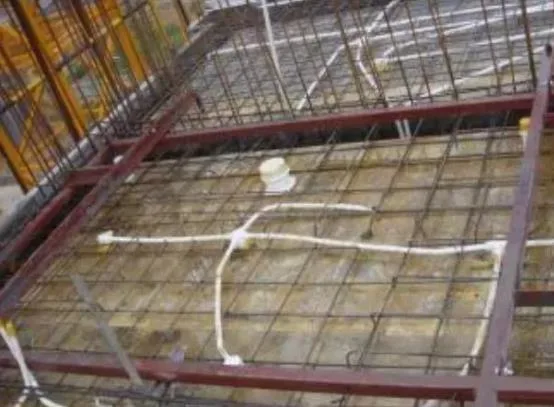
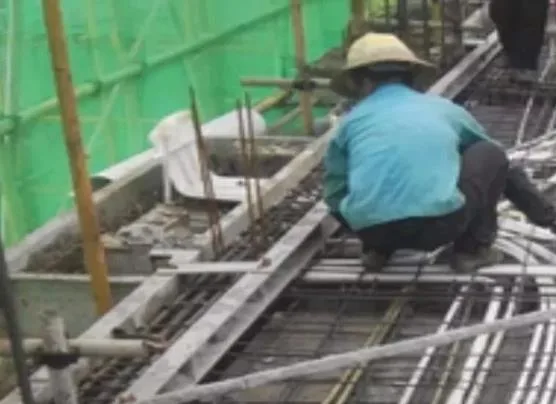
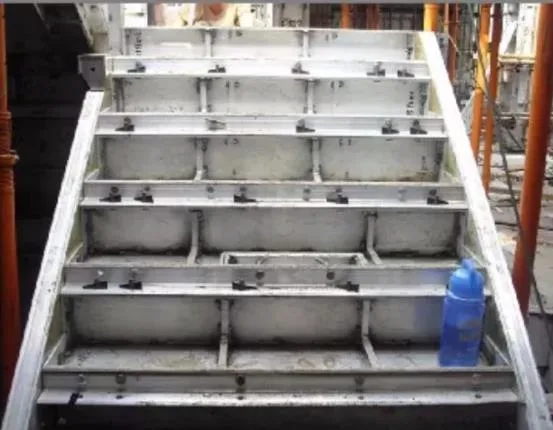
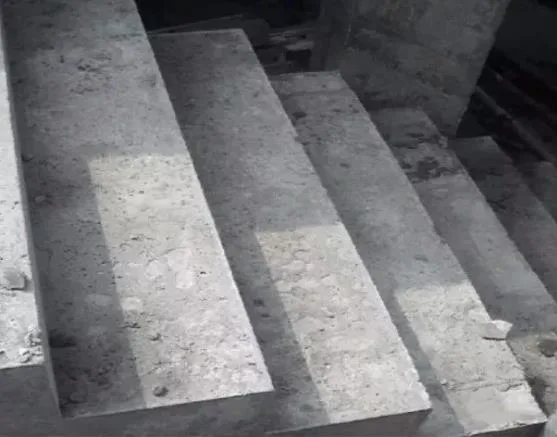
8. Stair Template: Fully enclosed with aluminum alloy templates, with an observation port at the bottom to ensure overall integrity and consistent stair dimensions, resulting in an excellent visual effect.
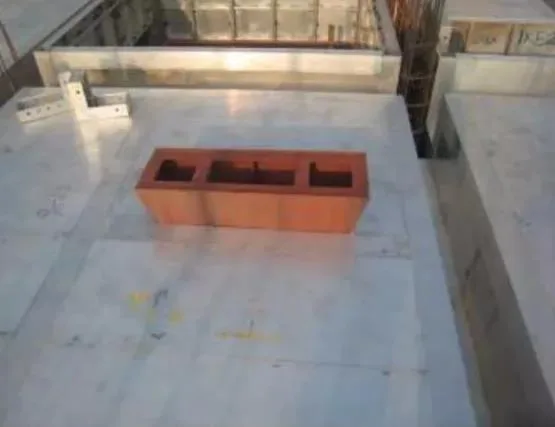
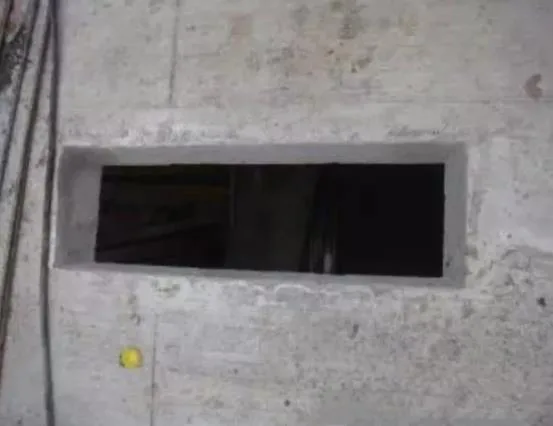
9. Reserved Transfer Hole: Primarily used for material transfer, the hole’s edge features a sloping design with a wider top and narrower bottom to facilitate subsequent sealing.
10. Release Agent: Vegetable oil is used as a release agent to reduce mold sticking and industrialize construction, ensuring the visual quality of the concrete surface.

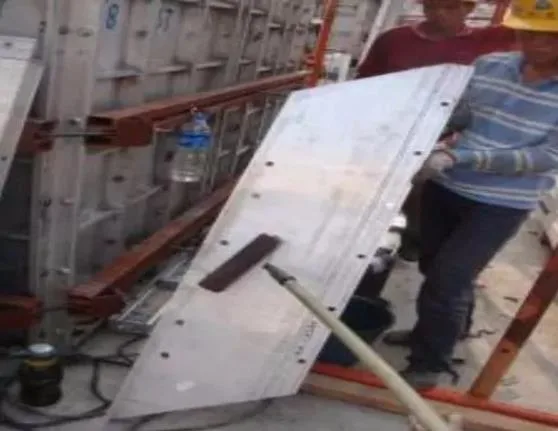
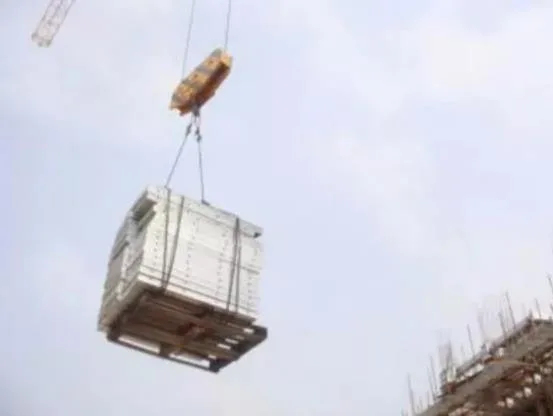
11. Transportation of Aluminum Alloy Formwork: After initial use with a tower crane, manual transfer is employed. The maximum formwork size is 0.4 × 2.7 meters, weighing less than 20 kg.
2. Special On-Site Precautions
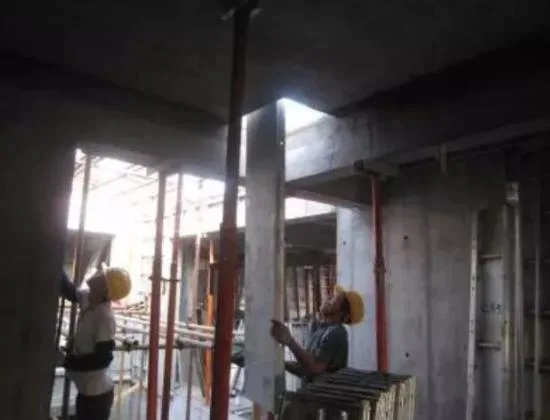
1. For elevator shafts, stairwells, and peripheral wall columns, the formwork must extend at least 200mm into the lower structure. Ensure the base of the wall column formwork is tightly sealed to prevent leakage and root rot. After steel bar installation, clean out any debris inside the formwork.
2. When supporting the formwork, thoroughly clean the aluminum alloy templates (including anti-slope hanging formwork) and apply a water-based release agent. Using other compounds is strictly prohibited to avoid concrete surface contamination and mold sticking.
3. Aluminum alloy templates should be supported according to their numbering sequence. Any redundant screw holes must be sealed with special covers or repaired by the manufacturer to prevent leakage and maintain appearance.
4. Properly retain plastering strips for door and window openings (including window sills) and wall columns.
5. For electric meter rooms in buildings #5, #7, and #8 of the 3BIM design, hanging boards under floor locations should be updated per document number 2016DPXSJ32, retaining the structural column positions accordingly.
6. Assign a dedicated inspector during concrete pouring. A masonry team member should clean the formwork. If any formwork displacement or defects are detected, address them promptly to ensure quality. Clean any formwork leakage immediately to prevent material wastage.
7. Floor formwork elevation must comply with the technical specifications for floor elevation control.
8. Conduct thorough inspections: self-inspection, mutual inspection, and handover inspection. After correcting and reinforcing the aluminum alloy formwork, perform self-inspection to verify bolts, pins (spaced at 300mm), wedges, and spacing compliance. Focus on wall columns and beam areas, checking verticality, top plate flatness, and cross-sectional dimensions. Document the inspection results and report to the building leader and quality inspector. Proceed only after passing the quality inspection.
9. If building issues arise, the building manager should promptly issue a written rectification notice detailing the site, problems, completion deadlines, and corrective measures. A penalty notice should also be issued if necessary.
10. Construction teams that adhere to management, innovate processes, accelerate schedules, and deliver excellent engineering quality should be duly rewarded.
Article source: Template Scaffolding Exhibition













Must log in before commenting!
Sign Up