
Industry experts recognize polyurethane insulation as the top-performing organic insulation material. Many consider rigid polyurethane foam to be the most ideal energy-saving material for buildings, suitable for applications such as wall, roof, and floor insulation.
Polyurethane insulation holds a vital place in building energy conservation due to several key properties:
1. Low Density, Low Thermal Conductivity, and Wide Temperature Range
Rigid polyurethane foam typically has a density of 30-50 kg/m³, comparable to other foam insulation materials like EPS, XPS, and phenolic foam boards. However, to achieve the same thermal insulation, rigid polyurethane foam is noticeably lighter, making transportation and installation easier. It also offers superior thermal performance; for example, a 3 cm thick polyurethane board provides insulation equivalent to 4 cm of XPS board or 5 cm of EPS board. This efficiency saves valuable space, especially where insulation thickness counts towards building floor area ratios. Additionally, rigid polyurethane foam performs well across a broad temperature range, from -200 ℃ to 100 ℃.
2. High Strength
Rigid polyurethane foam boasts excellent compressive strength, cohesion, and shear resistance, allowing it to withstand wind and mechanical stresses that materials like glass wool cannot. Insulation materials such as rock wool and EPS often suffer from settling and thinning, which can reduce their insulating value by 10% to 20%. As a result, glass wool is unsuitable for thin plastered walls, and rock wool or EPS boards cannot be directly used for load-bearing roofs or floor insulation. The inherent strength of polyurethane can be further enhanced by combining it with metal facings to create composite panels.
3. Low Moisture Absorption and Airtightness
Rigid polyurethane foam absorbs very little moisture, giving it a longer lifespan and maintaining its insulation properties better than materials like glass wool. Studies show that glass wool’s insulating effectiveness drops by 86% with just 1% water absorption. Moreover, rigid polyurethane foam offers excellent airtightness due to its high density and closed-cell structure, an advantage not shared by materials such as glass wool.
4. Good Fire Resistance
By adjusting its formulation, rigid polyurethane can meet various international fire safety standards. Unlike EPS or XPS, it does not melt or drip when exposed to fire. Instead, rigid polyurethane forms a protective char layer that suppresses flame spread. The addition of metal facings can further improve its flame retardancy. In contrast, polystyrene foam softens at around 74 ℃ and melts near 96 ℃, which compromises its insulation over time, especially when used in walls and roofs where temperatures may approach these levels.
Today, we share these insights about polyurethane insulation materials based on observations from our European passive house inspection tour, showcasing how this technology is applied abroad. Below are some illustrative photos:
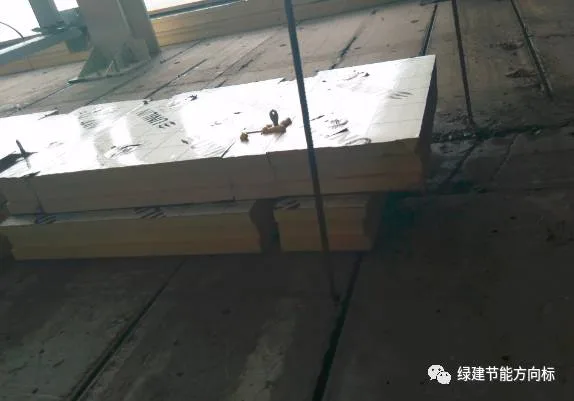
This is a double-layer polyurethane board clad with metal.
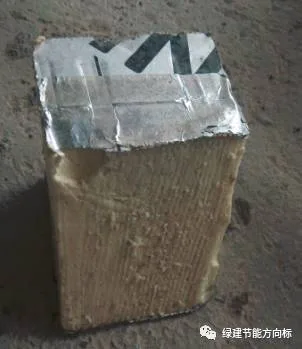
Here is a disassembled sample of the board.
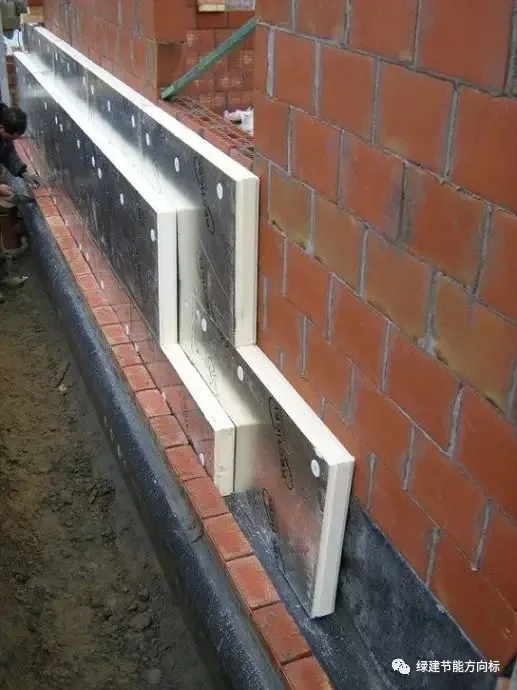
Applying polyurethane composite boards in construction.
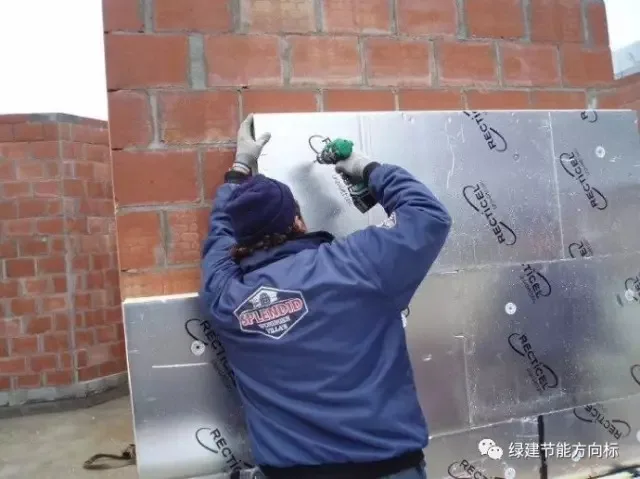
Workers anchoring polyurethane composite panels.
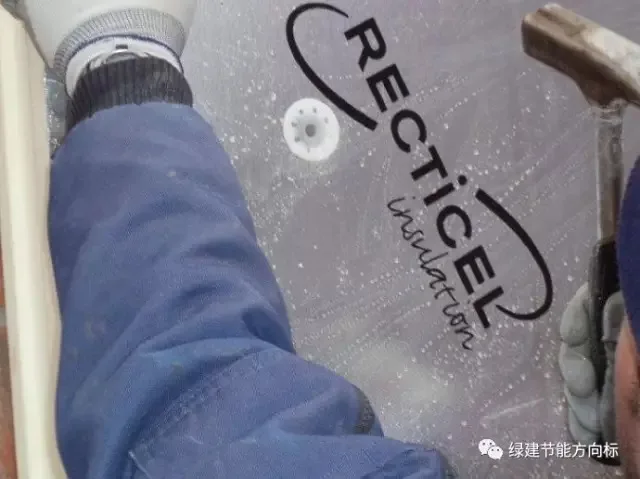
Workers anchoring polyurethane composite panels.
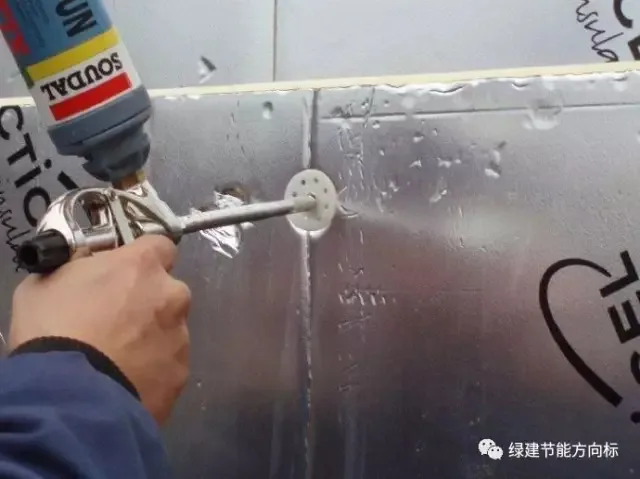
Workers anchoring polyurethane composite panels.
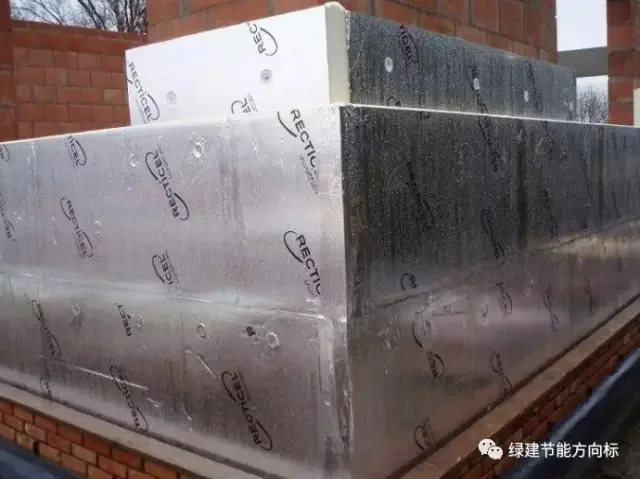
Workers anchoring polyurethane composite panels.
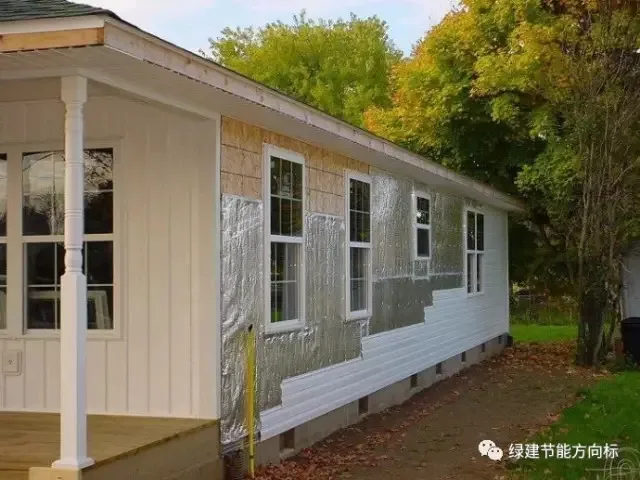
Many may wonder how polyurethane insulation boards can have a smooth metal aluminum foil surface and still be coated with plaster mortar. The cases we observed involve not thin plaster-based external insulation systems, but rather dry-hanging curtain wall systems and sandwich insulation panels. For example, the polyurethane composite board with a metal surface is installed between two structural walls, as shown below.
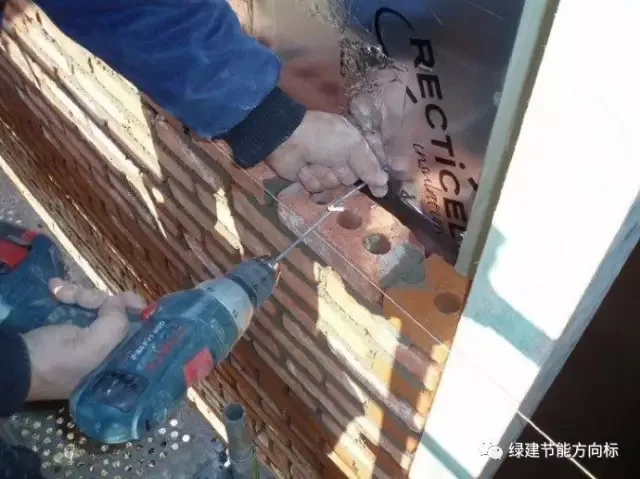
Many international projects use metal-faced polyurethane composite panels. Why is metal preferred over mortar-covered polyurethane? The metal surface serves as a heat reflector, enhancing summer insulation. While polyurethane board itself provides excellent insulation, the metal foil adds reflective properties that improve energy efficiency.
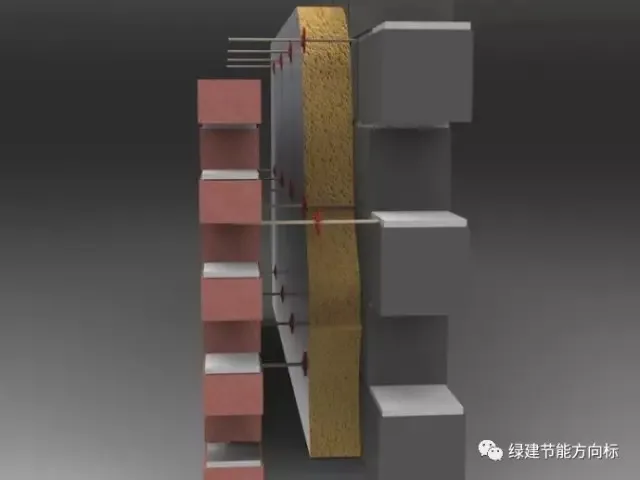
This diagram illustrates the structure of sandwich insulation panels.













Must log in before commenting!
Sign Up