
Windows play a crucial role in architectural design. In cast-in-place structures, windows are typically installed after the main construction. However, in prefabricated components, window installation methods vary and primarily include embedding window frames, embedding steel sub-frames (installed onsite with R&D aluminum alloy frames), and installation after reserving window openings.
Generally, pre-embedded window frames help avoid gaps between the frame and wall opening, enhancing sealing, waterproofing, and overall adaptability.
This article provides a brief overview of key considerations for embedded windows in prefabricated concrete buildings.
According to the “Several Provisions of Shanghai Municipality on Further Strengthening the Promotion of Green Building Development and Improving Building Performance,” newly constructed civil buildings must ensure that the heat transfer coefficient (K value) of exterior doors and windows does not exceed 2.2 W/m²·K. Additionally, the air tightness classification of doors and windows should be at least level 6.
To promote efficient production and the use of integrated professional components, prefabricated building projects (excluding external wall and internal insulation works) should incorporate prefabricated elements such as external walls, insulation, windows, and wall tile finishes. Furthermore, the stiffness of external window frames must meet deformation resistance standards.
Windows can be categorized by material into aluminum alloy windows, uPVC (plastic steel) windows, and strip steel sub-frame windows. uPVC windows are cost-effective but prone to aging, discoloration, and have low strength. They are generally unsuitable for pre-embedded frames in steam-cured prefabricated components and are mostly used for post-installation openings.
Strip steel sub-frame windows involve embedding a steel secondary frame during component production, with the aluminum alloy outer frame installed after external wall construction. This approach saves time on material preparation and reduces insulation layer pressure on the window frame. However, it is more expensive overall, and without adequate anti-rust treatment, rusting can occur, leading to issues such as water leakage.
Aluminum alloy windows are the most widely used due to their advantages: lightweight, sturdy, resistant to deformation, metallic appearance, ease of processing, and surface treatments like spraying or electrophoresis. They can be customized in various colors to complement building exteriors and interiors. Therefore, aluminum alloy window frames are recommended for embedded window applications.
Using prefabricated components with embedded window frames significantly improves the waterproofing of window joints, reduces on-site labor, shortens construction time, and minimizes construction waste.
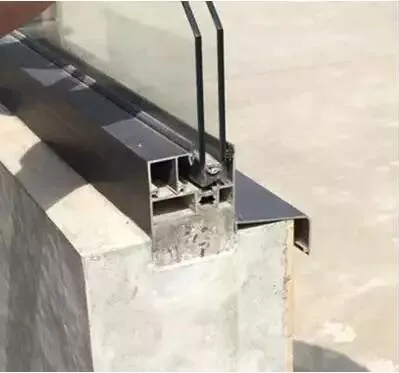
The width of embedded window frames in prefabricated components should be controlled between 50-80 mm, with the window sill embedded at least 20 mm deep, and drainage holes exposed to ensure proper water management.
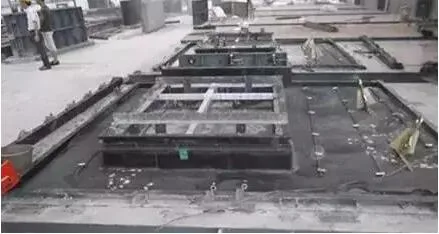
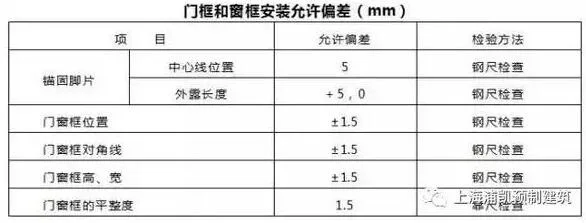
During component production, window frames must be installed directly in the steel molds of prefabricated components, secured with reliable limit frames or stops to maintain position according to design specifications. Protective measures such as wrapping and covering should be applied to prevent contamination, scratches, or damage to the frames.
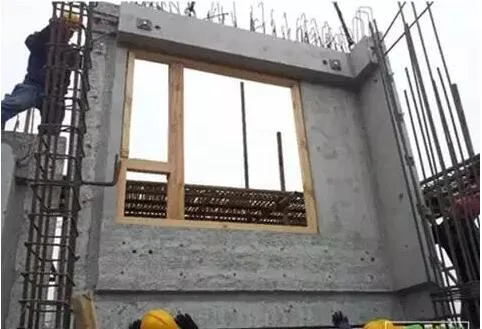
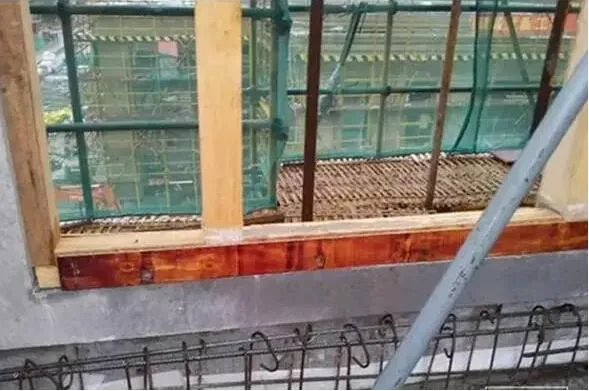
During construction, protective measures are essential for window frames on exterior wall panels. Wooden templates are commonly used to create protective covers that clamp onto the frames, preventing accidental damage during handling and installation.













Must log in before commenting!
Sign Up