
The “Chengdu Jinfeng New City” project is situated in Dafeng, the new capital of Chengdu. It features a total construction area comprising 52 industrialized buildings spanning 10,000 square meters. The development includes 23 high-rise residential buildings, each ranging from 26 to 32 floors.
This project stands out as Chengdu’s first industrialized high-rise residential complex and ranks among the largest of its kind in Southwest China and across the country. It employs an assembled integral shear wall structure, achieving a prefabricated assembly rate of approximately 49%. Notably, the project is characterized by its high prefabrication rate, stringent design standards, and significant technical challenges.
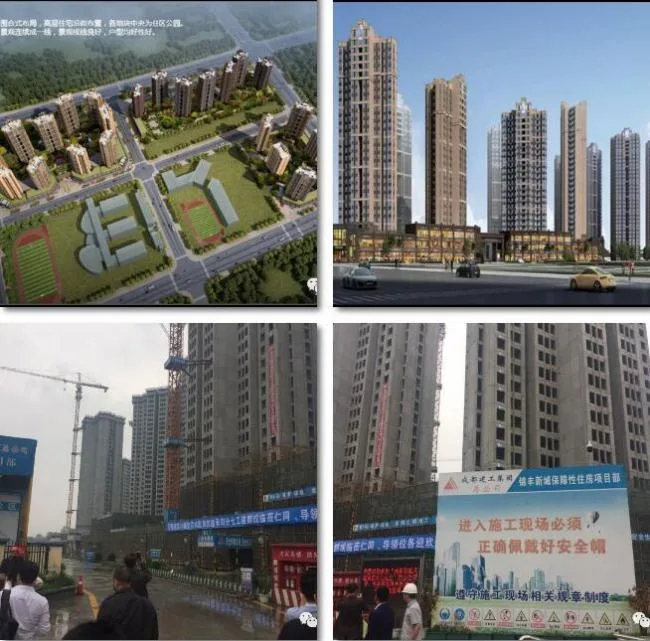
Prefabricated Project Construction Site
1. Detailed Project Overview
House Types
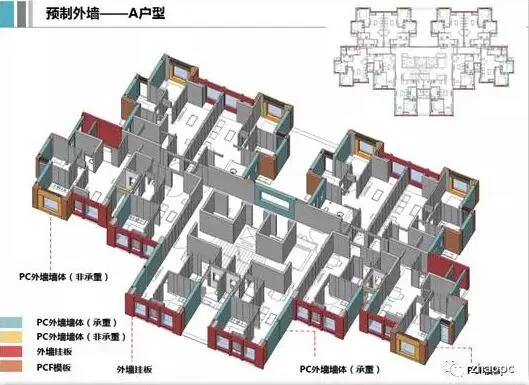
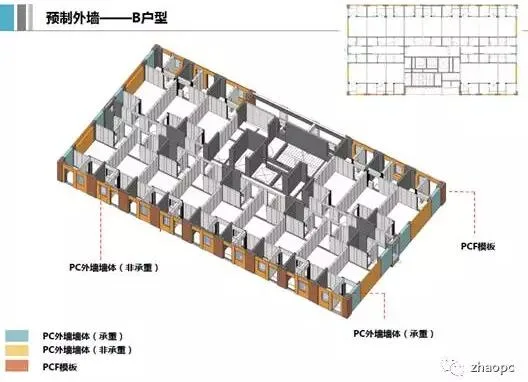
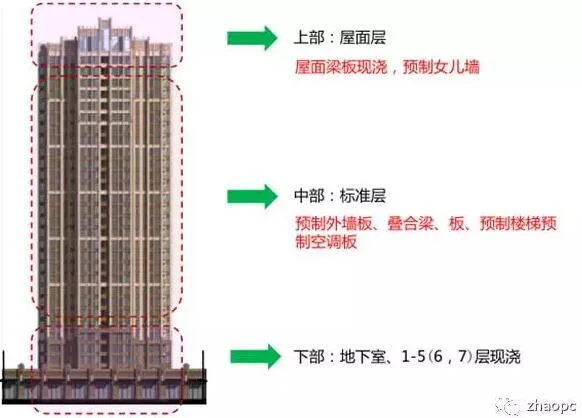
The project consists of 23 high-rise residential buildings with heights between 26 and 32 floors, utilizing two standard layouts: Type A and Type B. There are 21 Type A buildings with a prefabrication rate of 49%, and 2 Type B buildings with a prefabrication rate of 54%. Throughout the entire development, more than 200 types of prefabricated components are used, totaling over 83,000 units and more than 60,000 cubic meters in volume. The project features a complex and diverse structural design, making it one of the most challenging in terms of production and construction nationwide.
2. Challenges Faced During Project Implementation
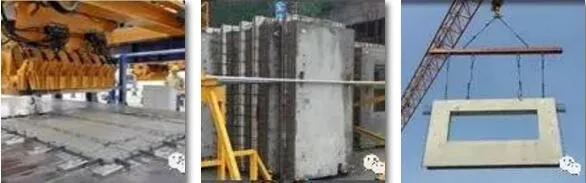
Design Phase:
- Seamless integration of prefabricated components with cast-in-place structures and electromechanical systems.
- Coordination across design, production, and construction processes.
Construction Phase:
- Management of prefabricated component production.
- Efficient layout planning of the construction site.
- On-site installation of prefabricated components.
3. BIM Organizational Structure for the Project
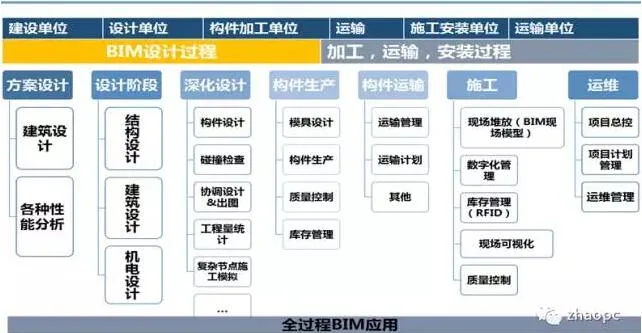
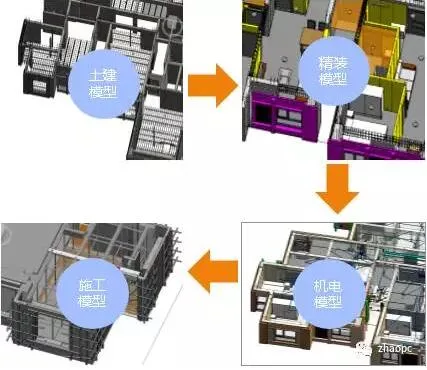
The core principle behind prefabricated buildings is integration, with BIM (Building Information Modeling) serving as the central method for achieving this. BIM connects every stage of the process—from design and production to construction, finishing, and management—supporting the full lifecycle of the building including design, construction, operation, and eventual demolition.
Design: BIM is utilized throughout the entire process.
Construction: Active involvement with BIM enables advanced planning and organization of construction activities.
Component Factory: Deep integration of BIM facilitates early production planning.
Owner: Provides requirements and approves equipment and materials.
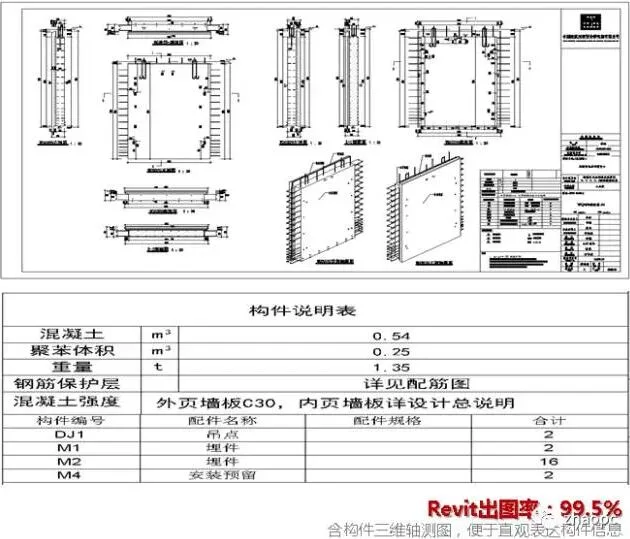
▲ BIM component template drawing
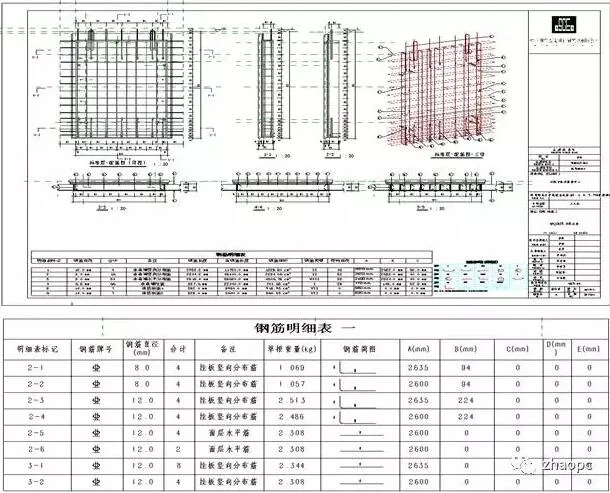
▲ BIM component model generating steel reinforcement diagrams
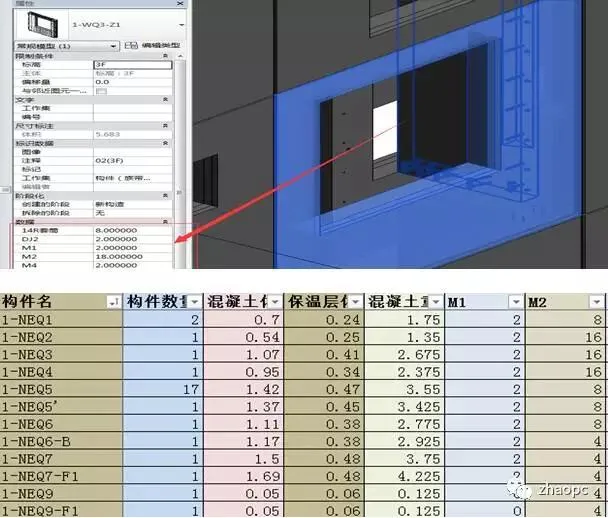
▲ BIM final assembly model with quantity statistics
4. PCIS Prefabricated Component Information Management System
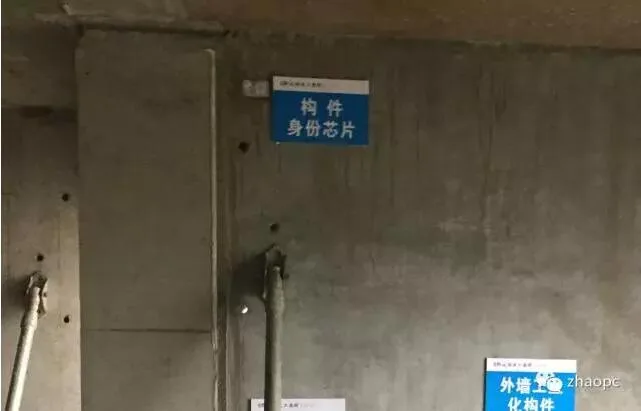
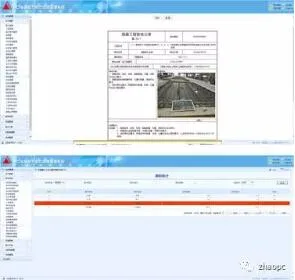
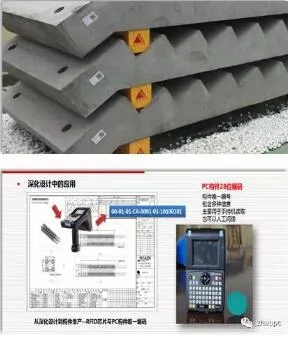
The project has implemented the PCIS Prefabricated Component Information Management System at both the component factory and project management offices. This system enables visualization of prefabricated component engineering data, intelligent order generation, and streamlines the processes of component receipt and dispatch.
It also supports dynamic, intelligent monitoring of progress coordination between the component factories and project sites. Additionally, the system provides online management capabilities for contract administration, raw material tracking, quality inspection, inventory control, accounts payable, production task management, progress tracking, and component shipping.













Must log in before commenting!
Sign Up