
Jinyu Lingfeng Garden Industrial BIM Animation Demonstration
Jinyu Lingfeng Garden Industrialization Project
Project Overview
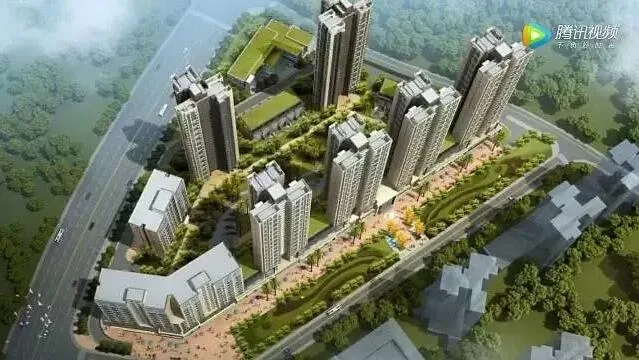
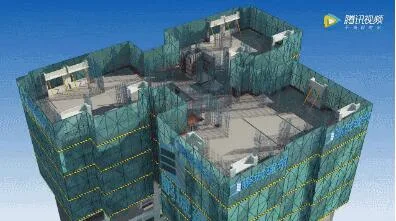
Jinyu Lingfeng Garden is a mixed commercial and residential development, part of the fourth phase of Vanke Road City. The site covers 34,996.48 square meters, with a total construction area of 152,168.50 square meters and a maximum building height of 99.8 meters. The project includes six high-rise residential buildings and two high-rise commercial-residential towers. Notably, prefabricated construction technology is applied to Towers 1, 2, and 4.
Construction Site Layout
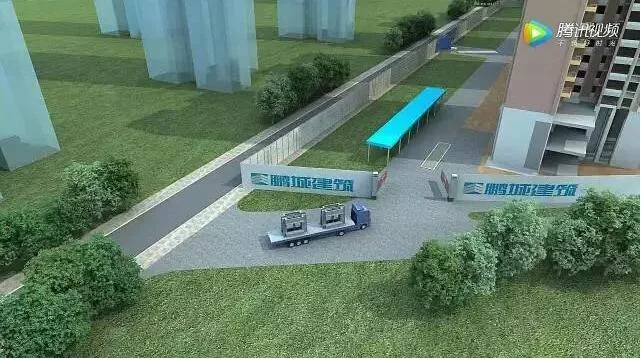
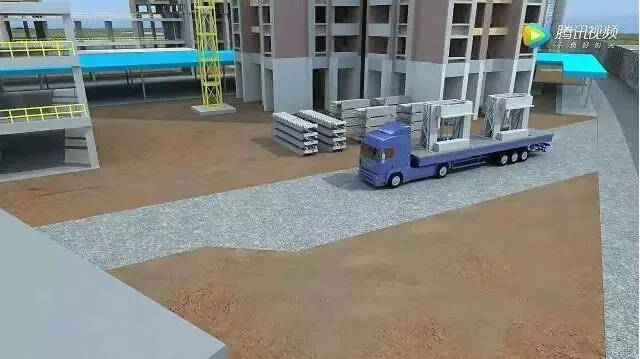
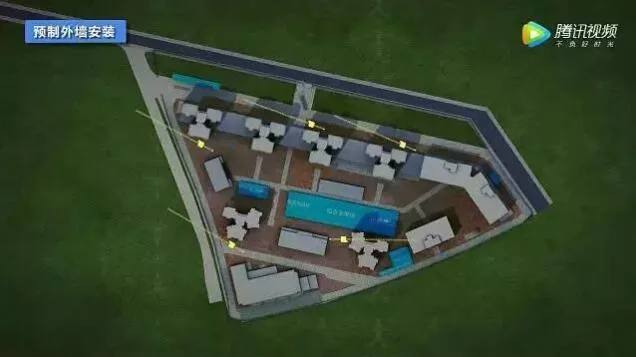
The site features two access points located on the north side of Park Road and the northwest side, respectively. Prefabricated components are transported into the site via the northern road and follow the perimeter park road. Components are lifted directly through the PC lifting parking area established on Park Road.
Prefabricated Building Technology
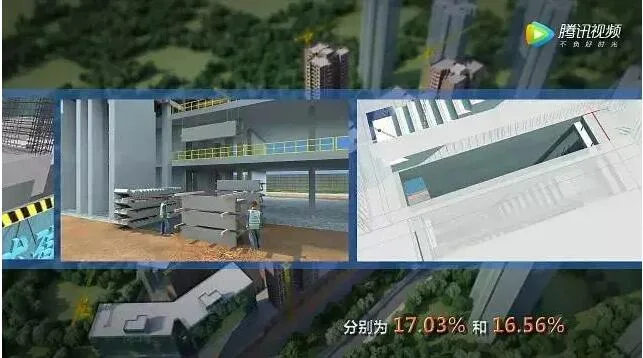
This project combines mature internal pouring and external hanging composite wall panel technology with an aluminum film cast-in-place process to establish a unique prefabricated assembly system for both interior and exterior walls. The prefabricated components include various elements integral to the building’s structure.
The project has achieved a prefabrication rate of 17.03% and an assembly rate of 16.56%.
Standardized Design
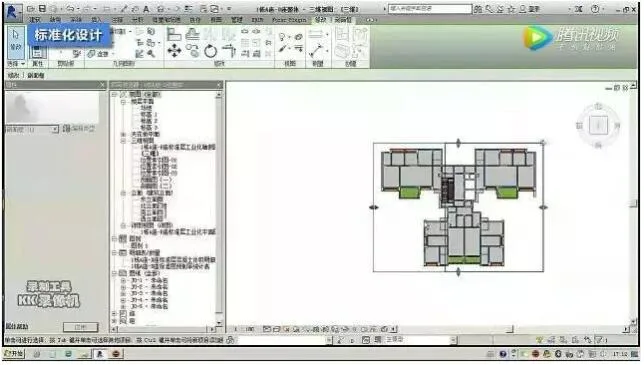
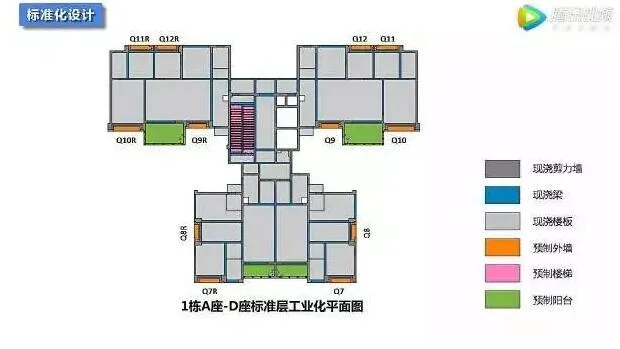
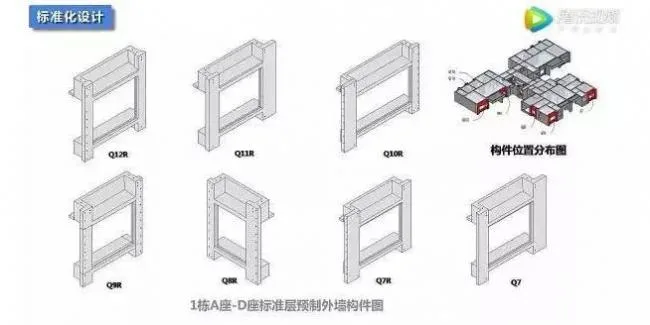
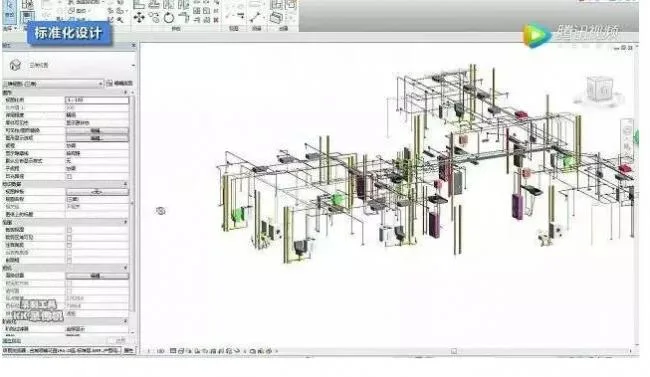
From the project’s inception, BIM technology was leveraged for design using Vanke’s standardized layouts. A comprehensive BIM component model library was created to facilitate component breakdowns, calculate prefabrication and assembly rates, perform collision detection across disciplines, accurately quantify materials, and conduct virtual simulations and walkthroughs.
Industrialized Production
BIM design delivers precise drawing data to the factory for component manufacturing. This information is imported directly into production machinery to enable automated cutting, positioning, marking, embedding, and process-oriented fabrication.
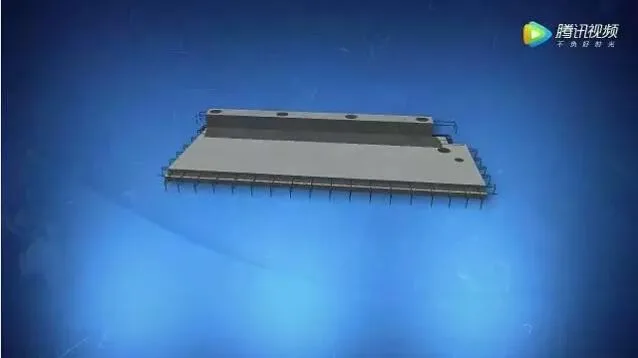
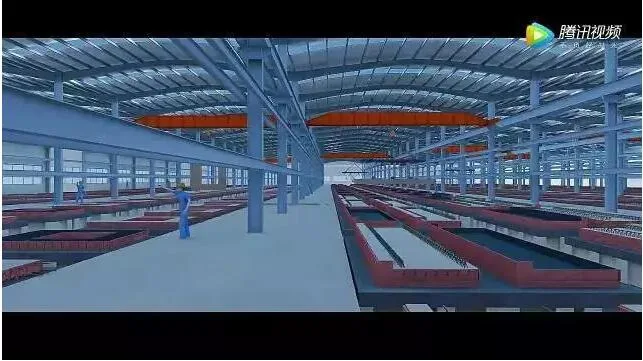
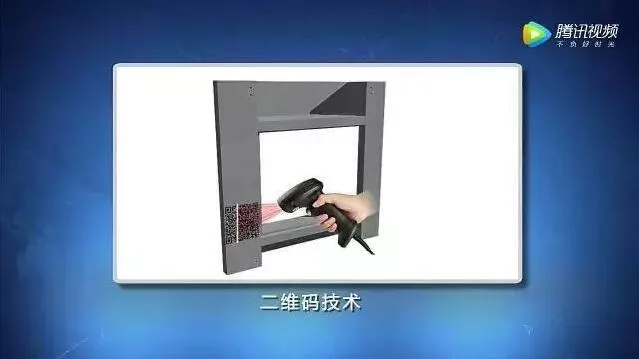
After inspection and approval, component information is uploaded to the BIM platform using coding and QR code technologies. Components are then transported to the construction site following designated routes and are only installed after passing thorough quality checks.

Prefabricated Construction Technology
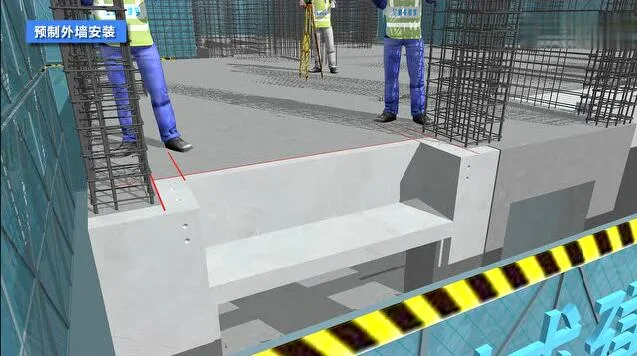
Installation of Prefabricated Exterior Walls
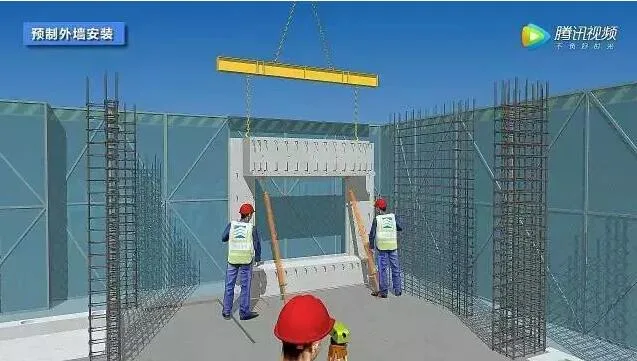
The project utilizes five tower cranes to install all components. The installation process for prefabricated exterior walls is as follows:
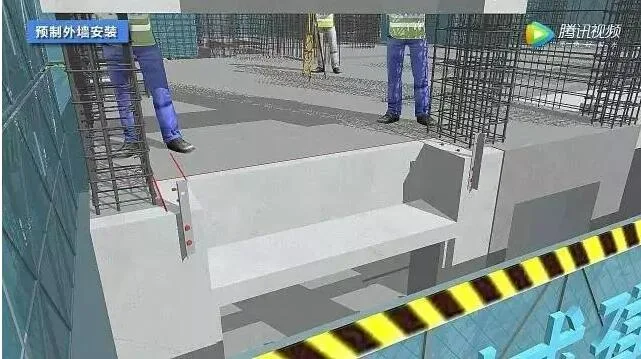
- Mark the positioning lines for the prefabricated exterior walls on the floor slab according to the positioning axis;
- Level the components, screw bolts into the embedded sleeves of the lower prefabricated parts, and adjust the elevation to the correct level;
- Before lifting the upper prefabricated component, workers install connecting elements on the lower PC components;
- Lift the upper PC component into position, insert the upper bolts of the connectors between the upper and lower PCs, and preliminarily adjust the horizontal position;
- Install diagonal braces and adjust the wall’s verticality to meet design specifications;
- Secure with PE rods to prevent grout leakage;
- Verify the wall’s positioning and verticality, then remove the lifting equipment;
- Continue installing remaining wall panels sequentially;
- During panel lifting, steel reinforcement is tied with the cast-in-place sections, and aluminum alloy formwork is installed and reinforced accordingly.
▼ Cable Laying
▼ Leveling
Prefabricated Balcony Installation
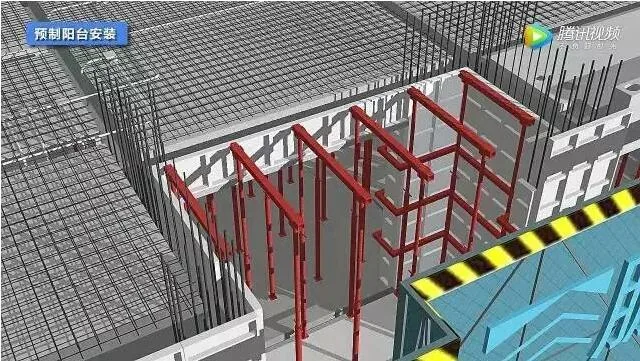
- Set and adjust horizontal supports to the required elevation;
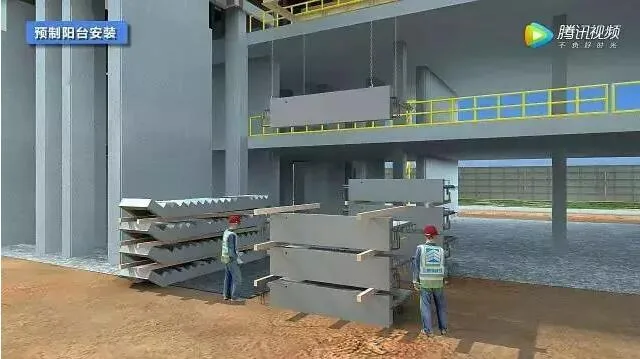
- Use professional lifting equipment to maintain components in the correct position;
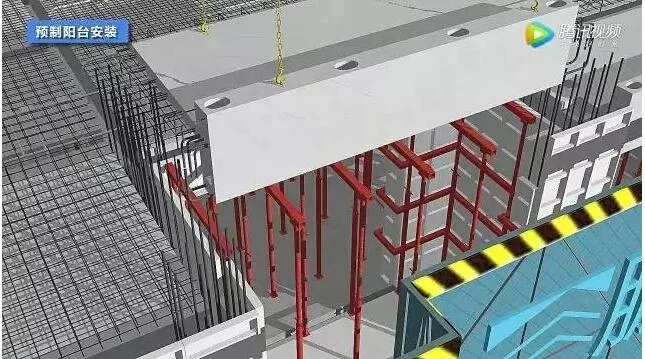
- Lift components to 30-50 cm above the installation site;
- Slowly lower and precisely position the components;
- After installing balconies on the standard floor, uniformly tie the bottom steel bars;
- Reserve and embed water and electrical pipelines;
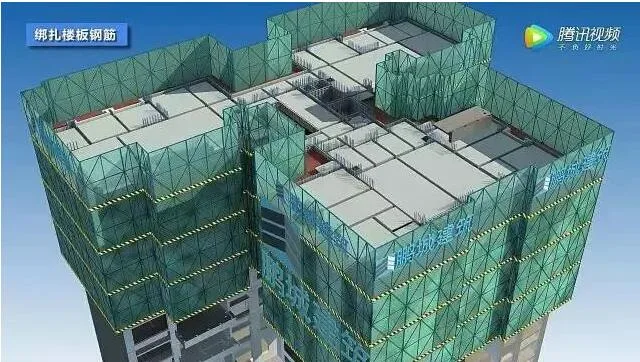
- Tie steel bars on the balcony surface;
- Pour concrete to complete the installation.
▼ Positioning and adjustment of horizontal supports
▼ Professional lifting equipment maintaining correct component position
▼ Component lifted 30-50 cm above installation position
▼ Steel bars binding on floor
Fine Leveling of Cast-in-Place Floors
After pouring, the cast-in-place floor undergoes initial evaluation, followed by mechanical smoothing and calendering to achieve precise leveling with a maximum error of 3 mm. This reduces the need for secondary leveling.
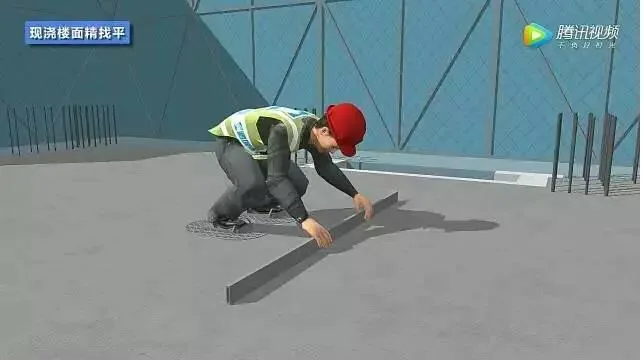
The detailed construction process includes:
Elevation Control – Aluminum Mold Control – Reinforcement Control – Floor Thickness Control – Concrete Pouring – Secondary Leveling of Aluminum Mold Ceiling – Initial Leveling – Mechanical Polishing – Multiple Passes with Polishing Machine – Curing and Protection of Finished Surface
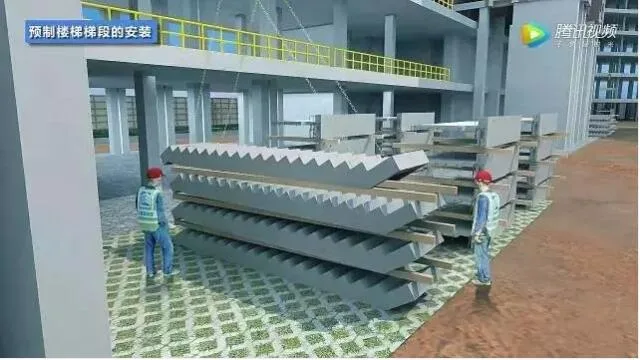
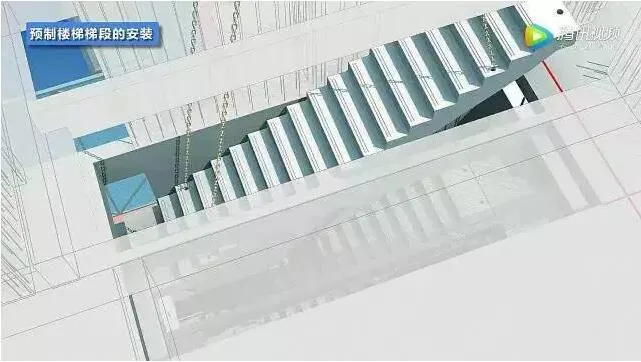
Installation of Prefabricated Staircase Segments
- Lift staircase sections using professional lifting equipment to ensure proper positioning;
- Mark positioning lines and place the staircase sections according to the axis, inserting steel gaskets;
- When lifted about 1 meter above installation height, adjust the alignment between stairs and embedded steel bars, then carefully set the section in place;
- Remove hooks and calibrate;
- Grout and seal the staircase cavity;
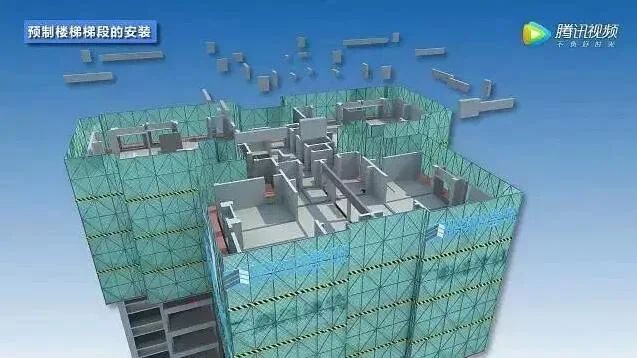
- Repeat the same installation method for the upper main structures.
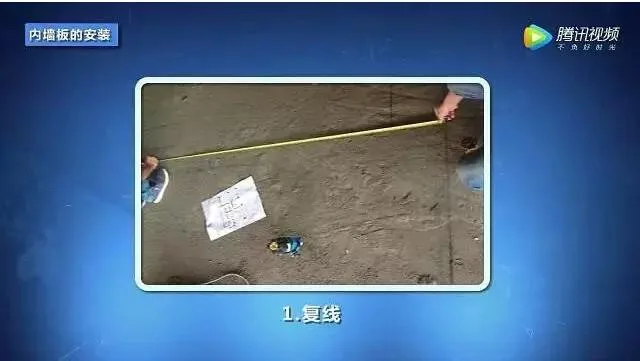
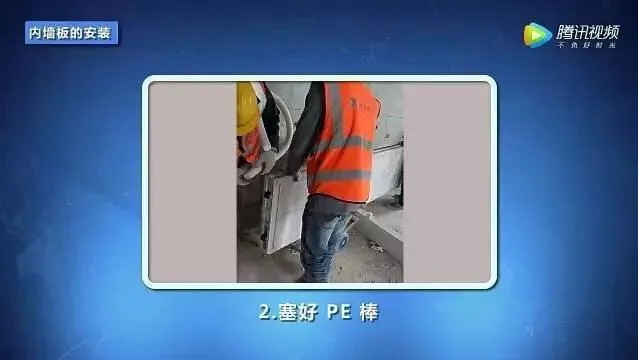
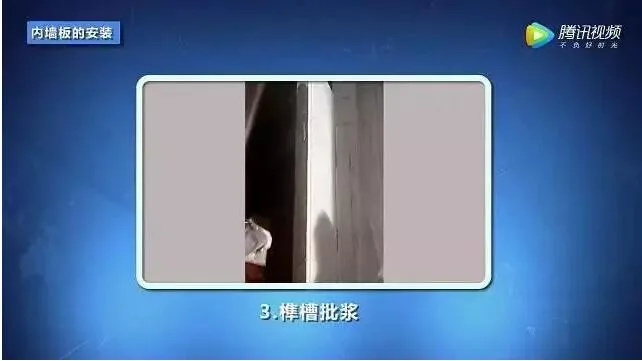
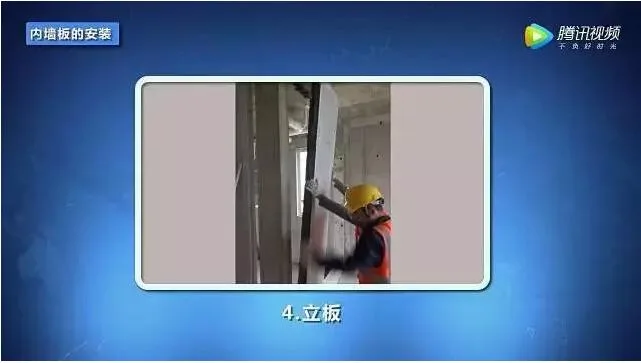
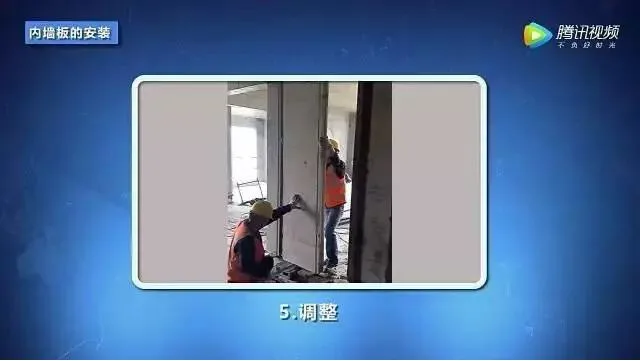
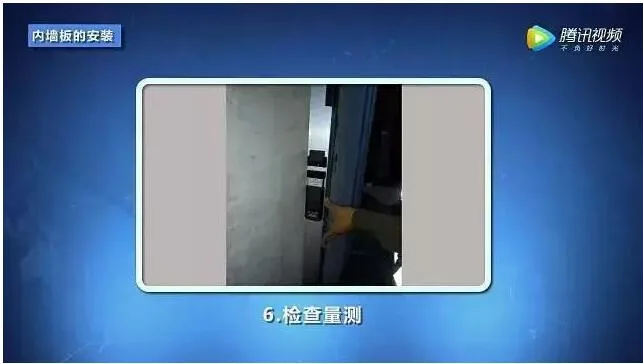
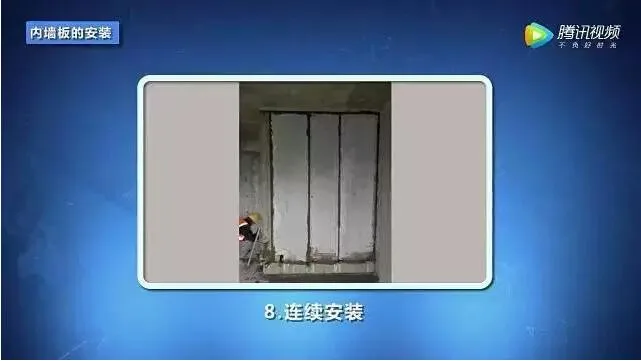
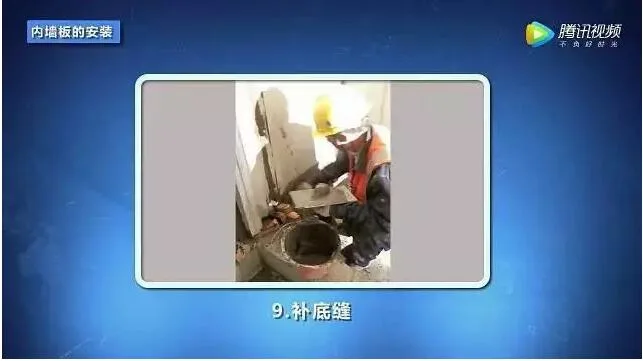
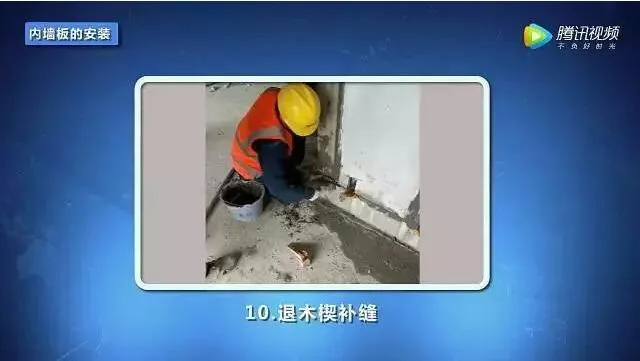
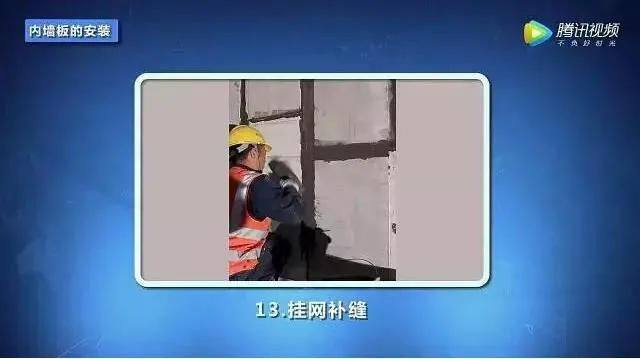
Installation of Interior Wall Panels
Integrated Mechanical and Electrical Installations
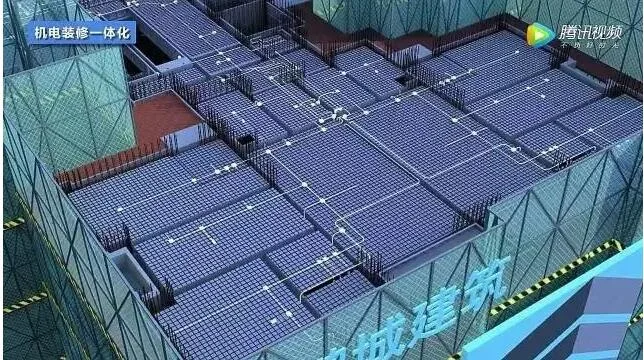
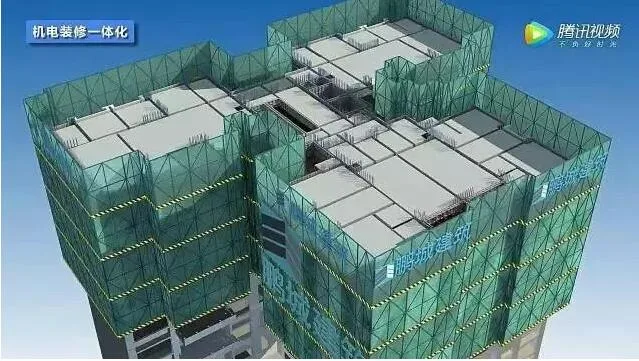
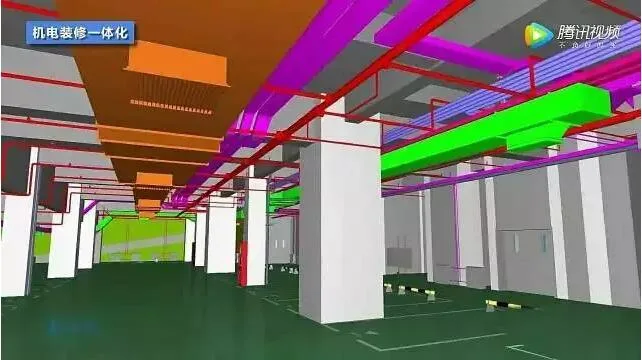
During the fabrication of prefabricated components and cast-in-place construction, pipelines and bottom boxes are pre-embedded according to design plans. This prevents the need for re-excavation during later pipeline installations, improving the efficiency of mechanical and electrical work. Using BIM visualization, the installation sequence of pipes in the basement is simulated, reducing cross-disciplinary conflicts on-site.
BIM Information Management
By integrating BIM and mobile internet technologies, a lean construction information collaboration platform (developed by Beijing Aibo Jiesi Information Technology) has been established. This platform supports design, construction simulation, collision detection, and guides component construction and installation via mobile devices. It enables real-time tracking of the entire lifecycle of components—design, production, transport, and installation.
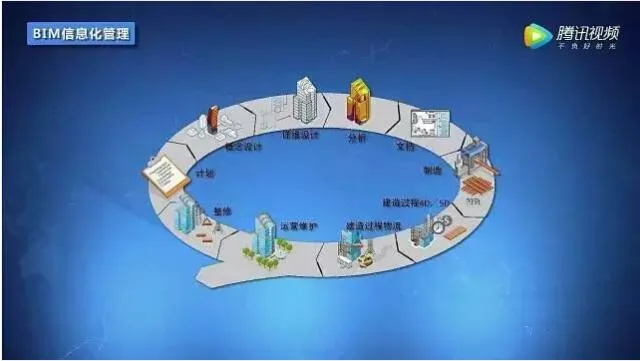
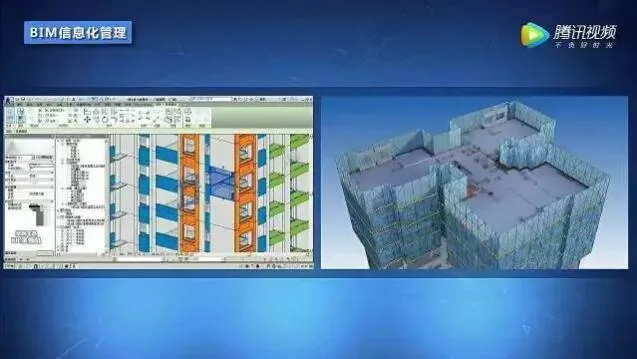
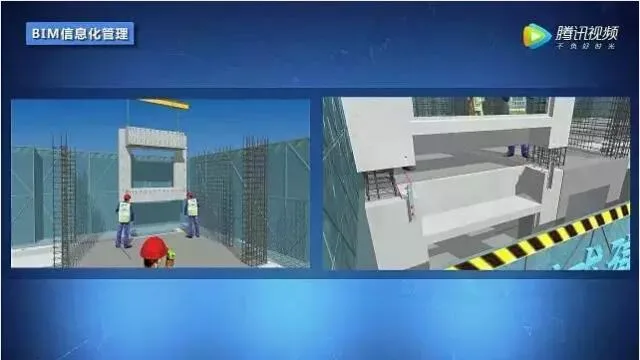
This project actively applies BIM and mobile internet technologies to achieve standardized design, factory production, assembly, integrated decoration, and information management. It supports the implementation of “two improvements and two reductions” policies, promoting the advancement of prefabricated building development.












Must log in before commenting!
Sign Up