
BIM (Building Information Modeling) represents a transformative shift from two-dimensional to three-dimensional modeling. More importantly, it changes the traditional construction approach from a reactive “problem-solving” mindset to a proactive “problem-discovery and resolution” process. This makes BIM essential for developing “smart construction sites.”
Traditionally, the construction industry is labor-intensive, often characterized by inefficient management that leads to significant waste of labor, materials, and equipment. According to research by the American Industry Research Institute, non-value-added activities—such as ineffective work and waste—account for up to 57% in engineering construction, compared to just 26% in manufacturing. Both international experience and domestic industry trends show that building “smart construction sites” is the most effective way to achieve refined management. In essence, these smart sites serve as a means to an end: refined site management aimed at completing projects on time, ensuring quality, reducing costs, and protecting the environment.
1. Construction Site Layout
The foundation of a “smart construction site” lies in the early planning of the site layout using BIM modeling. This approach models functional zones, tower crane positions, and site road networks. Through simulation, it optimizes tower crane reach, lifting capacity, and utilization while managing staff and vehicle traffic to ensure safety and efficiency. This allows for clear separation of zones and segregation of pedestrian and vehicle pathways, enabling orderly site operations even during peak hours.
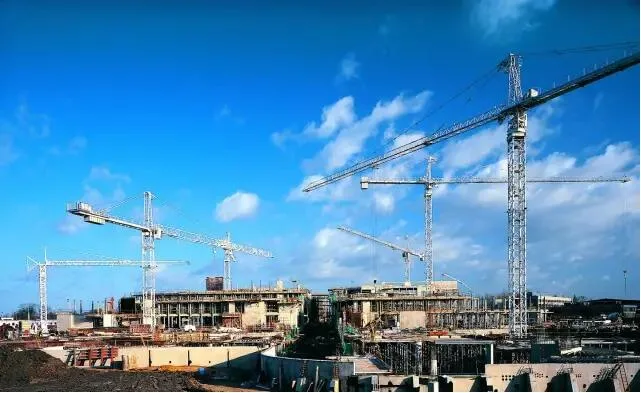
Safety is prioritized by integrating technical measures during site layout. For example, anti-collision systems installed on tower cranes set warning thresholds for lifting loads and collision distances, preventing overloads and collisions to maintain safety.
Water conservation is also integrated into smart site design. Water storage tanks collect rainwater and construction runoff, which is filtered through rainwater wells and sedimentation tanks before being reused in firefighting, irrigation, dust control, and construction processes. This not only saves water but also reduces dust pollution.
2. BIM Model Applications
Smart construction sites rely heavily on an integrated management platform fed primarily by BIM models. The accuracy of these models is critical to the site’s level of sophistication. Key BIM applications include:
- Quantity Takeoff: BIM allows precise material quantity calculations for each construction phase. For example, in Beijing’s B4 project, concrete quantities derived from BIM stayed within 1% of actual usage. Steel components are directly processed from the model, improving accuracy and efficiency.
- Construction Simulation: By linking construction schedules with BIM models, project progress can be visually simulated and compared against actual progress. This helps identify delays early and analyze their causes to keep the project on track.
- Visualization and Communication: BIM’s 3D visualization and animation enhance the clarity and feasibility of construction plans when shared with workers.
- Node Analysis: Complex design nodes, such as steel reinforcement intersections, are modeled and analyzed to detect clashes and optimize arrangements. Stress simulations ensure the safety of temporary structures like formwork supports.
- Comprehensive Pipeline Clash Detection: Traditional construction often faces pipeline collisions due to missing reserved holes or overlapping installations, causing costly rework. Smart sites model the entire building—including structural, architectural, mechanical, and electrical systems—to identify and resolve clashes early through design coordination, saving time and avoiding conflicts.
3. Labor Management
Labor management on a smart construction site begins with controlled access. Entry gates and monitoring equipment prevent unauthorized personnel, enhancing site security.
Real-name labor management systems track workers’ identities, enabling detailed analysis of workforce composition—including age, gender, and skill levels—to optimize team quality. Real-time data on attendance, team distribution, and job roles help managers forecast labor demand, balance workloads, and reduce idle time, ultimately lowering labor costs.

Workers swipe identification cards upon entry and exit, with records logged in real time. This allows contractors to verify attendance with labor suppliers, providing an accurate basis for wage settlements and preventing disputes.
4. Material and Equipment Management
Smart construction sites enable real-time tracking and management of materials and equipment.
Traditional material management often suffers from poor control: the technical department proposes a plan, the materials department procures and confirms delivery times, but delays or shortages are common.
In contrast, smart sites integrate IoT, big data, and BIM technologies with electronic tags such as RFID and QR codes to monitor materials—from bulk supplies to specialized components—and equipment throughout the supply chain. Managers gain real-time insights into material locations, manufacturer inventory, component processing status, and delivery timelines, enabling precise control aligned with project progress.
Equipment management is similarly enhanced. Construction schedules guide equipment arrival and departure planning. QR codes attached to machinery provide instant information about location and usage. Upon removal, equipment can be quickly tracked to avoid loss or damage.
5. Remote Monitoring
Video surveillance has become a standard requirement for construction sites across many regions.
However, remote monitoring on smart construction sites goes beyond simply installing cameras. Using internet-connected devices, all stakeholders—including contractors, supervisors, and regulatory authorities—can access real-time site progress via mobile apps or desktop platforms, ensuring transparency.
By leveraging cutting-edge technologies like BIM, cloud computing, IoT, smart devices, and big data, the construction industry is rapidly advancing toward smart construction sites. Leading companies such as Beijing Aibo Jiesi are at the forefront of this transformation. The traditional construction approach is evolving into a new era marked by green, intelligent, lean, and intensive management, paving the way for sustainable, intelligent, and livable buildings.














Must log in before commenting!
Sign Up