
In September 2016, the General Office of the State Council issued the “Guiding Opinions on Vigorously Developing Prefabricated Buildings.” This policy highlighted the Beijing-Tianjin-Hebei, Yangtze River Delta, and Pearl River Delta urban clusters as key promotion areas. Cities with populations exceeding 3 million should actively advance prefabricated construction, while other cities are encouraged to develop prefabricated concrete, steel, and modern wood structures based on local conditions. The goal is to achieve 30% of new construction area using prefabricated buildings within about 10 years.
What is a Prefabricated Building?
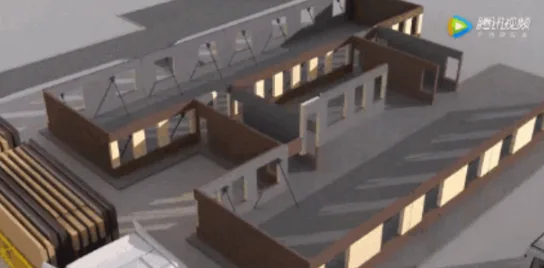
A prefabricated building is one assembled on-site using prefabricated components. Based on the form and construction method, prefabricated buildings can be categorized into five types: block building, panel building, box building, skeleton panel building, and raised floor building.
Key Characteristics of Prefabricated Buildings:
- Many components are produced and processed in workshops.
- On-site assembly is significantly reduced compared to traditional cast-in-place construction.
- Integrated architectural and interior design allows decoration to proceed simultaneously with main construction.
- Standardized design and digital management increase production efficiency and reduce costs.
- They align with green building requirements.
Benefits of Prefabricated Buildings:
1. Improved Construction Quality
Factory-prefabricated components minimize common issues like wall cracking and leaks, enhancing overall safety, fire resistance, and durability of residential buildings.
2. Accelerated Project Timeline
Prefabricated construction is about 30% faster than traditional methods, boosting efficiency and project delivery.
3. Safer and Cleaner Construction Sites
By shifting many construction tasks to factories, on-site workers are reduced, significantly lowering on-site safety incidents.
4. Environmental Protection and Resource Conservation
Minimal on-site pouring reduces pollution and disturbance. The reuse rate of aluminum formwork has increased, cutting waste and losses by over half, supporting energy conservation and environmental sustainability.

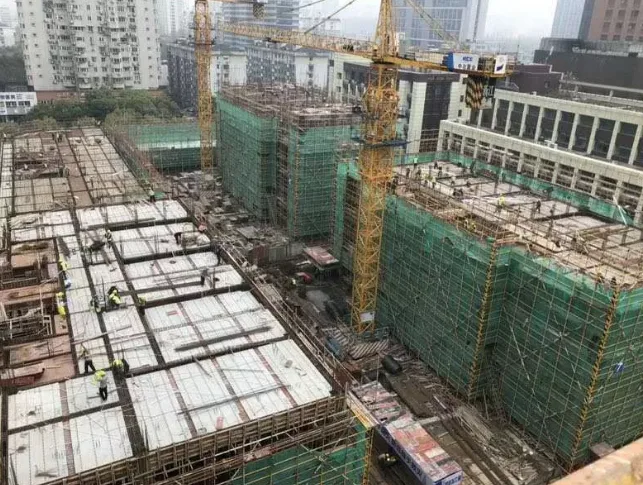
Many stylish and beautiful buildings around us are actually prefabricated, but due to limited understanding, they often go unnoticed. Many people are aware of the concept but unclear about the construction process. Today, we visit the scenic West Lake area and explore the construction site of the Hangzhou Cuiyuan project by China 19th Metallurgical Group Corporation to gain insight into this fascinating and commonly seen prefabricated building.
Project Overview
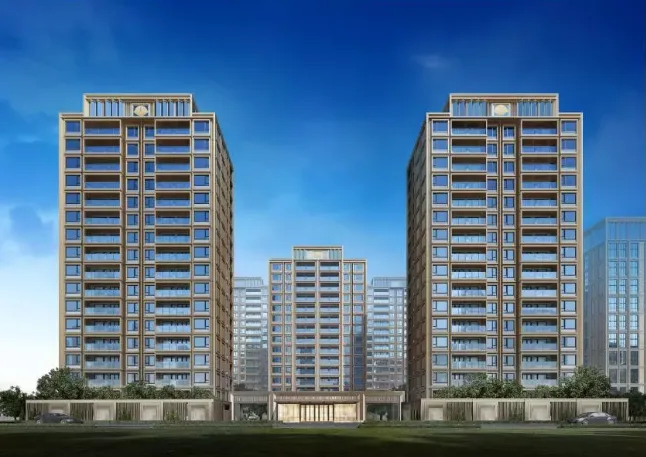
Located in the cultural and educational district of downtown Hangzhou, the Hangzhou Cuiyuan project covers over 80,000 square meters. It benefits from the world-renowned natural landscapes of West Lake and Xixi, alongside the region’s rich cultural heritage. Positioned as a high-end residential complex, it targets upscale buyers from Hangzhou, Zhejiang, and the greater Yangtze River Delta. The project offers wide-view mansions ranging from 139 to 179 square meters and loft villa apartments between 115 and 155 square meters. Upon completion, it will become a prestigious villa community in Hangzhou and a flagship high-end residential development by China 19th Metallurgical Group Corporation.
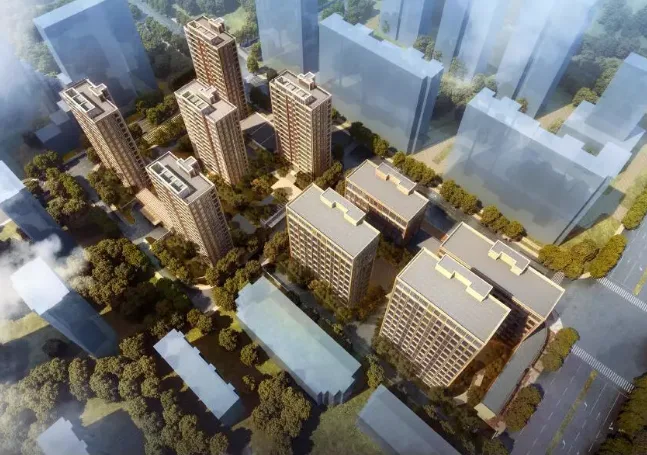
Project Renderings
Construction Process
1. Installation of exterior wall panels (sandwich insulation panels)
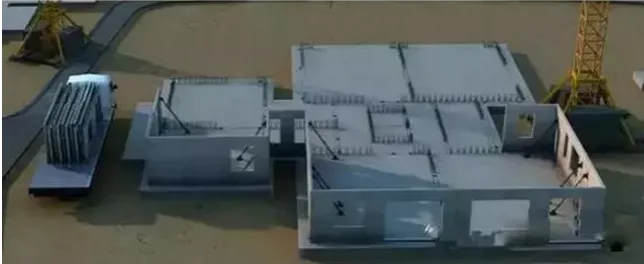
2. Installation of wall panel connectors and joint treatment
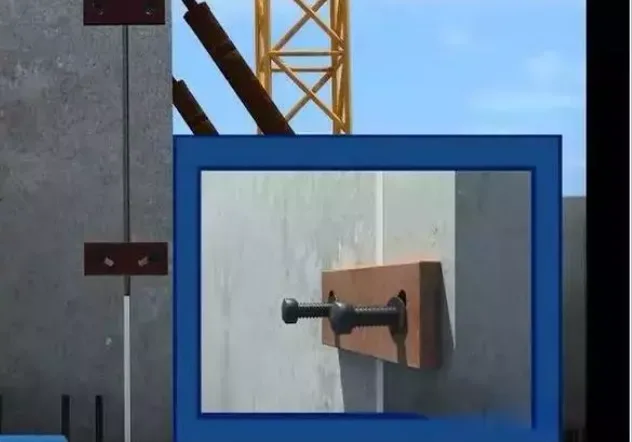
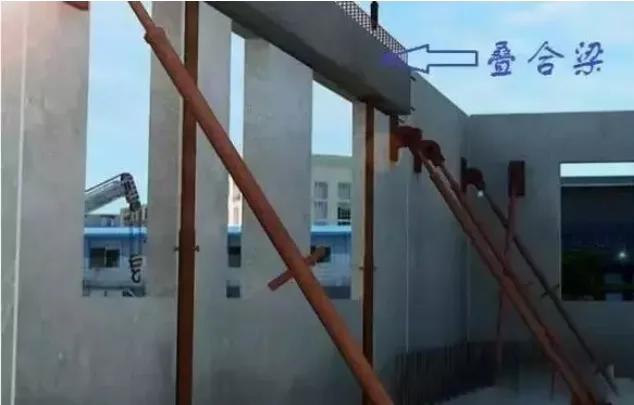
3. Installation of composite beams
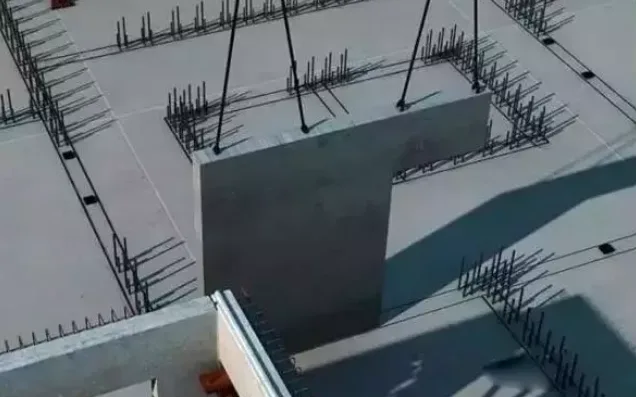
4. Installation of interior wall panels
5. Reinforcement binding for columns and shear walls
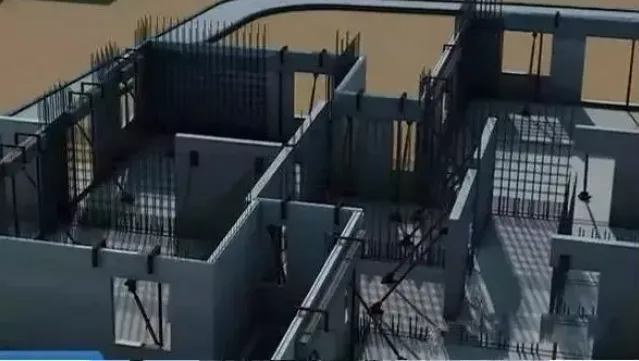
6. Formwork installation in elevator shaft

7. Shear wall and column formwork installation
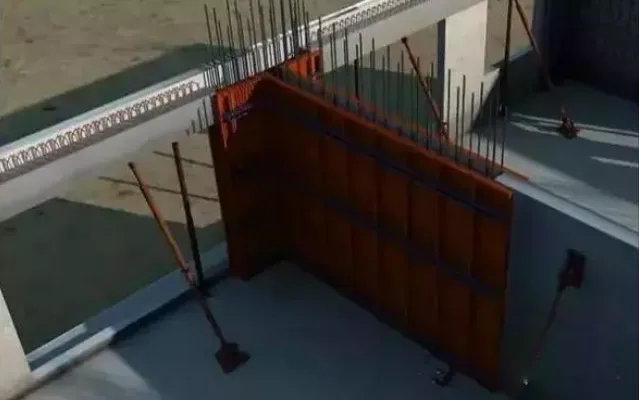
8. Concrete pouring into walls and columns
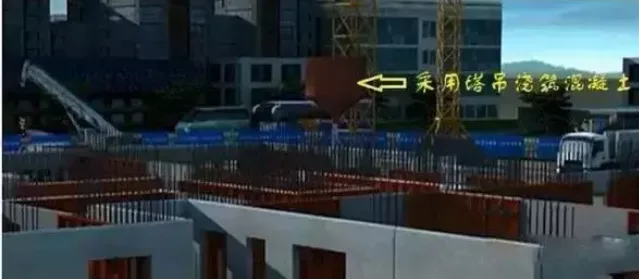
9. Removal of wall and column formwork, installation of floor supports, and composite floor slab installation
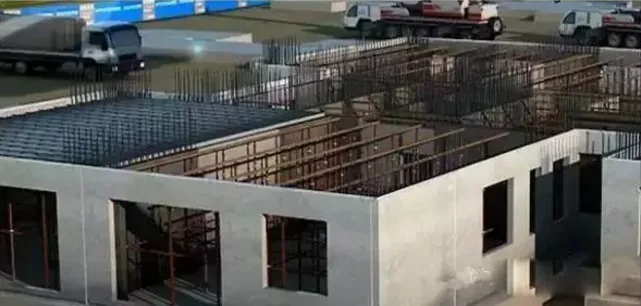
10. Lifting of staircase sections
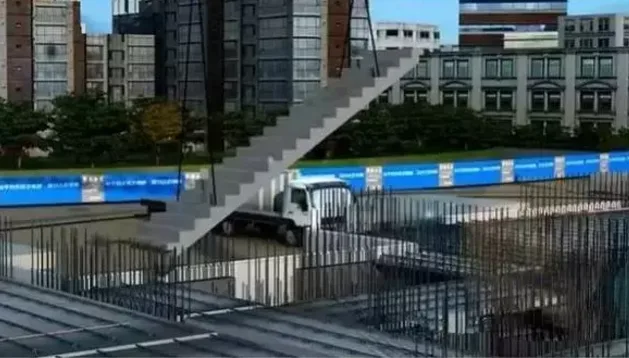
11. Installation of safety protection measures on the working surface
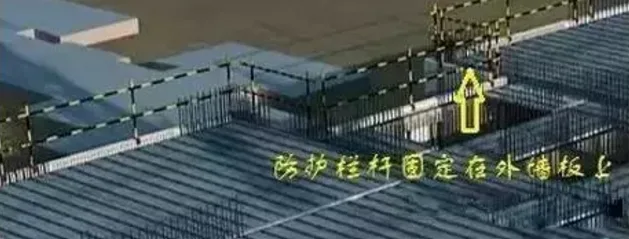
12. Installation of crack-resistant steel bars at floor slab joints
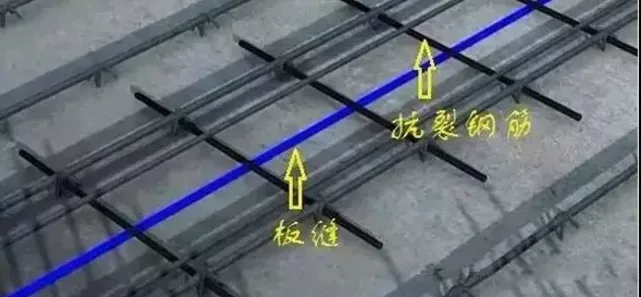
13. Installation of pre-embedded pipelines in floor slabs and binding of surface reinforcement
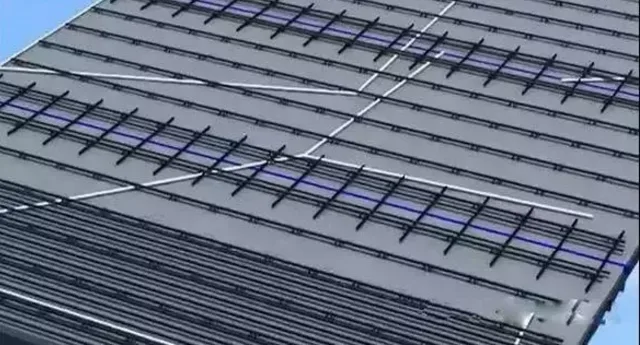
14. Concrete pouring for floor slabs
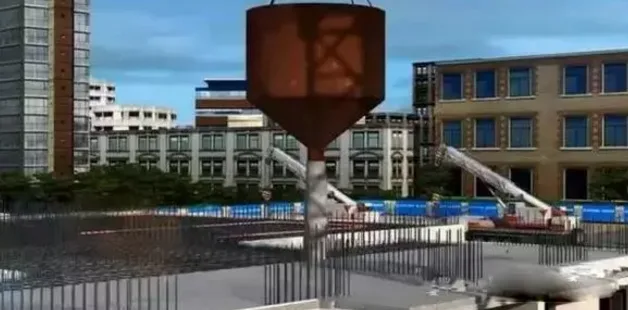
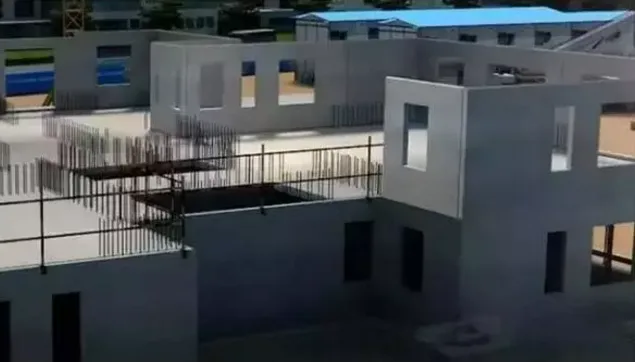
15. Construction of the floor below, removal of railings, and hoisting of exterior wall panels
Project Highlights
1. Use of Aluminum Alloy Formwork
Compared to traditional wooden formwork, aluminum alloy formwork achieves precision within 4mm. Wooden formwork often causes issues like mold expansion, leakage, honeycombing, and rough surfaces, with only an 80% pass rate. In contrast, aluminum formwork improves quality with a 95% pass rate and offers much higher reuse—up to 67 times more than wood—making it cost-effective for high-rise buildings.
2. Application of BIM Technology
BIM-based pipeline design ensures an orderly, efficient, and aesthetically pleasing layout that maximizes space. Using BIM models instead of traditional 2D drawings mitigates errors during construction. The integration of remote video monitoring, dust and noise monitoring, and real-name attendance systems elevates site management informatization, fulfilling green and ecological construction goals.
During this project, 17 new construction technologies were implemented, earning it the demonstration project status for MCC’s new technology applications. Additionally, two projects and three patents are currently in application.
BIM Rendering
Conclusion
On May 17, 2019, Guo Wenqing, General Manager and Deputy Secretary of the Party Group of China Minmetals Corporation and Chairman of MCC Group, visited the Cuiyuan project in Hangzhou. He emphasized the importance of raising awareness and fully appreciating the significance of developing prefabricated buildings.
Visionaries foresee opportunities in emerging fields, and prudent leaders avoid risks during challenges. When prefabricated construction was still nascent, China 19th Metallurgical Construction Corporation proactively contributed to its advancement. The Hangzhou Cuiyuan project marks a significant breakthrough in prefabricated construction for the company.














Must log in before commenting!
Sign Up