
There are various types of steel bars, typically categorized based on their chemical composition, manufacturing process, rolling shape, supply form, diameter, and structural application:
1. Classification by Diameter Size:
Steel wire (diameter 3-5 mm), fine steel bars (diameter 6-10 mm), and coarse steel bars (diameter greater than 22 mm).
2. Classification by Mechanical Properties:
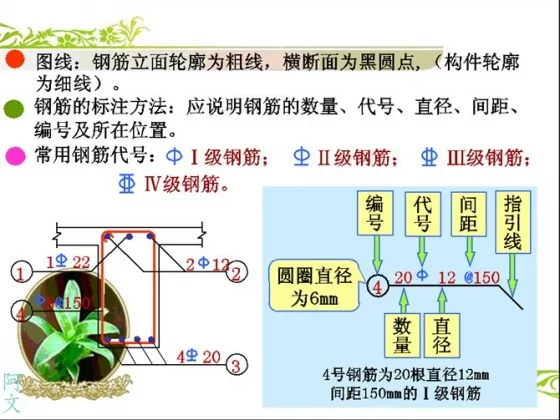
Grade I steel bars (300/420 grade), Grade II steel bars (335/455 grade), Grade III steel bars (400/540 grade), and Grade IV steel bars (500/630 grade).
3. Classification by Production Process:
Hot rolled, cold-rolled, cold drawn steel bars, and heat-treated steel bars made from Grade IV steel bars, which offer higher strength compared to the others.
4. Classification by Structural Role:
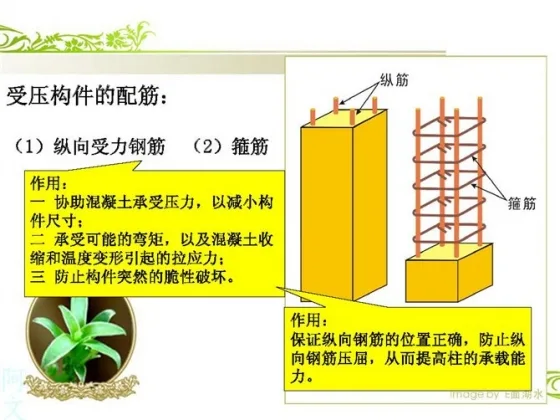
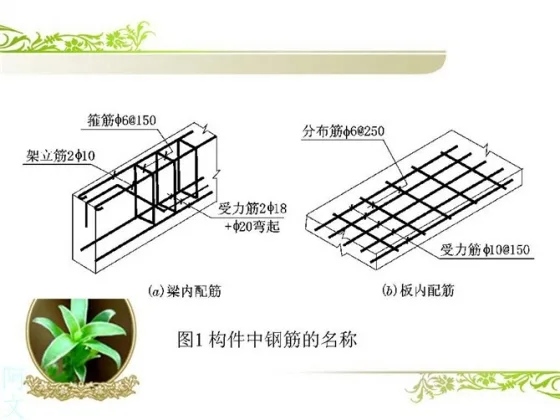
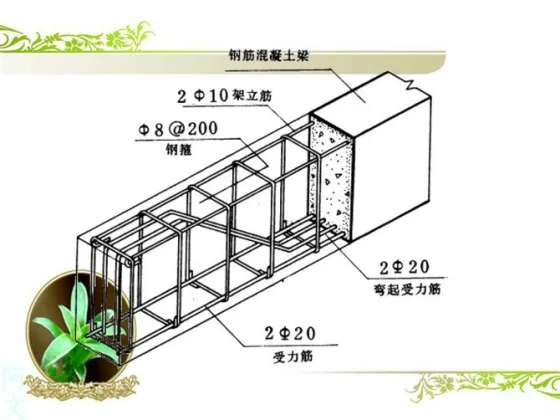
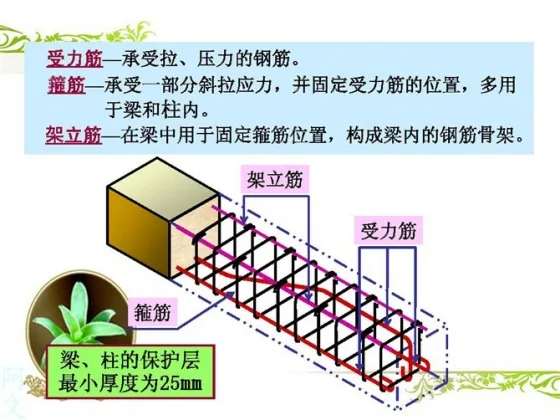
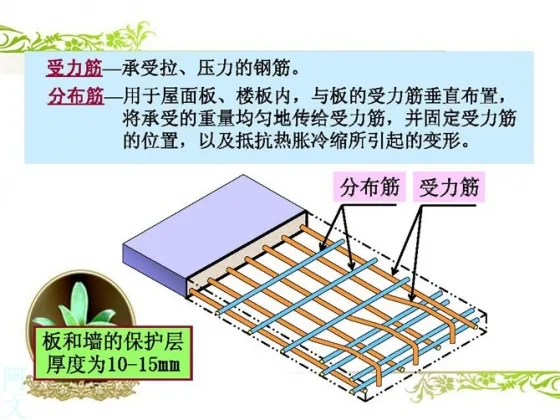
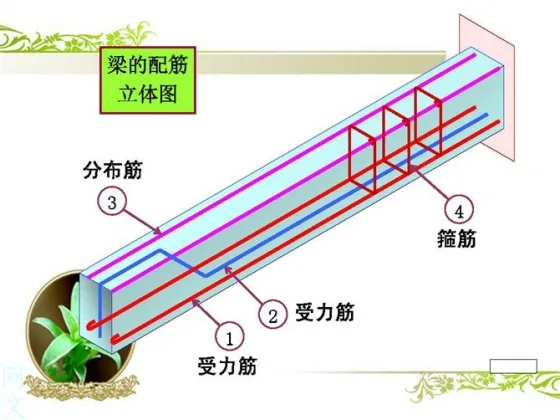
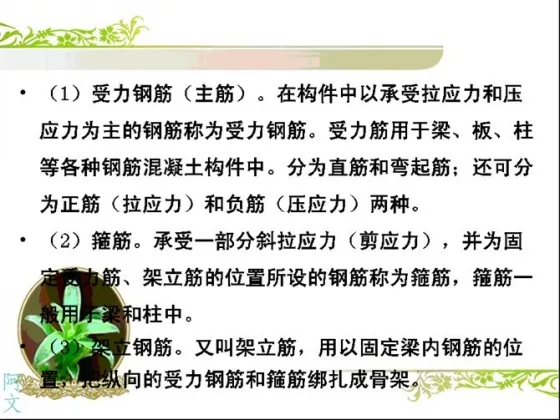
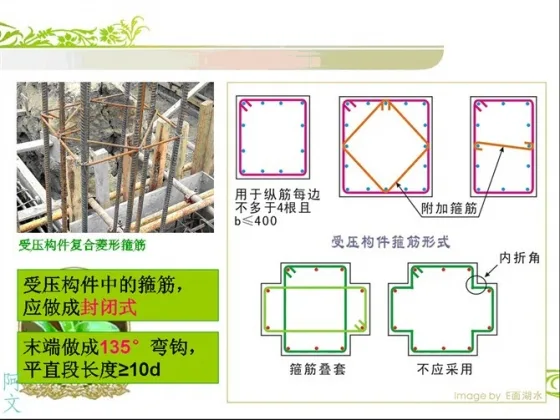
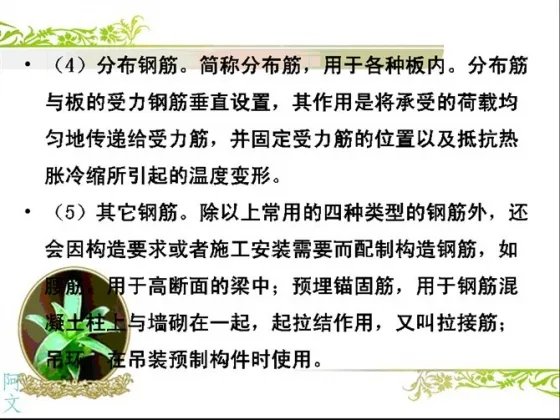
Compressed steel bars, tensile steel bars, erection steel bars, distributed steel bars, stirrups, and more.
Understanding Steel Reinforcement Diagrams Is Essential in Engineering, Regardless of Your Position!
Mnemonic for Calculating Steel Bar Weight per Meter:
First, square the diameter of the steel bar (in centimeters).
Next, multiply by 0.617.
This gives the weight of the steel bar per meter.
Theoretical Steel Weight Calculation Methods:
Angle Steel:
Weight per meter (kg) = 0.00785 × (edge width + edge thickness – edge thickness) × edge thickness
Round Steel:
Weight per meter (kg) = 0.00617 × diameter × diameter
(Note: Threaded steel and round steel share the same formula.)
Flat Steel:
Weight per meter (kg) = 0.00785 × thickness × edge width
Pipe Material:
Weight per meter (kg) = 0.02466 × wall thickness × (outer diameter – wall thickness)
Steel Plate:
Weight per square meter (kg) = 0.785 × thickness
Non-Ferrous Metal Sheet Weight Calculation:
Weight per square meter (kg) = specific gravity × thickness
The specific gravity of common non-ferrous metals is as follows:
- Purple copper plate: 8.9
- Yellow copper plate: 8.5
- Zinc plate: 7.2
- Lead plate: 11.37
- Aluminum plate: 2.8
Aluminum Patterned Plate:
Weight per square meter (kg) = 2.96 × thickness
Copper Tube:
Weight per meter (kg) = 0.02796 × wall thickness × (outer diameter – wall thickness)
Yellow Copper Tube:
Weight per meter (kg) = 0.02670 × wall thickness × (outer diameter – wall thickness)
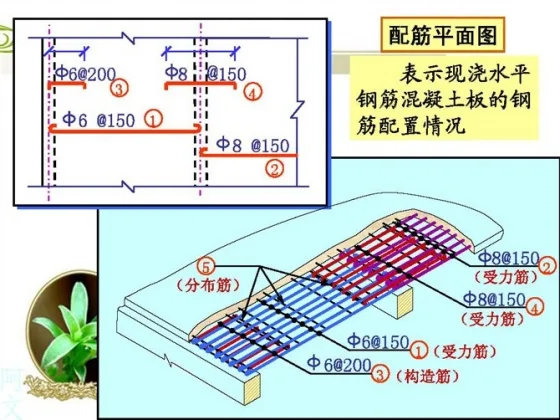
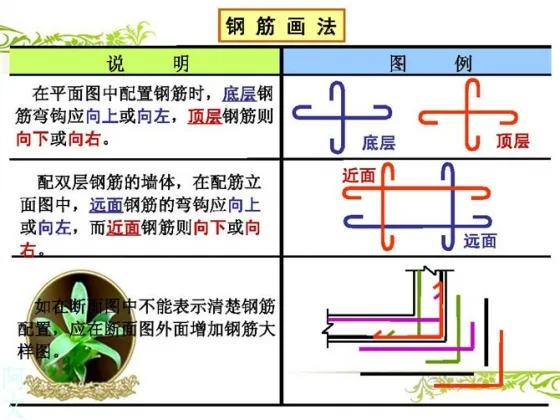
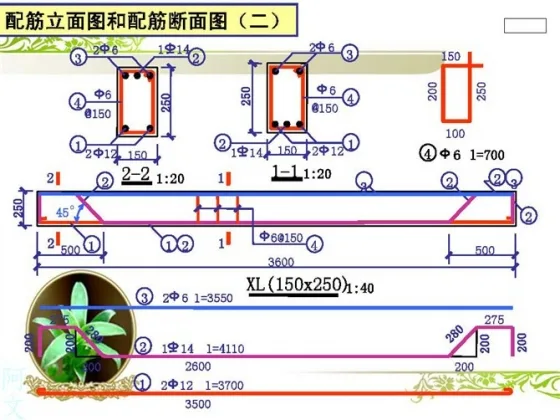
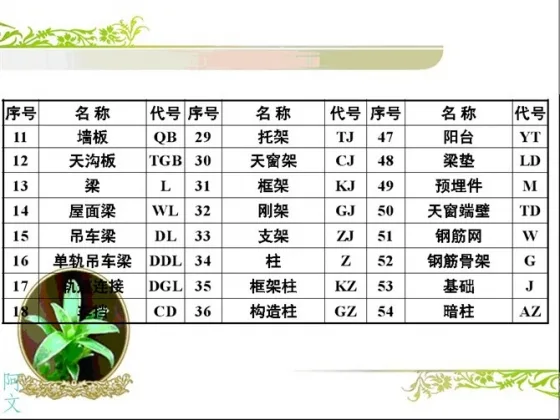
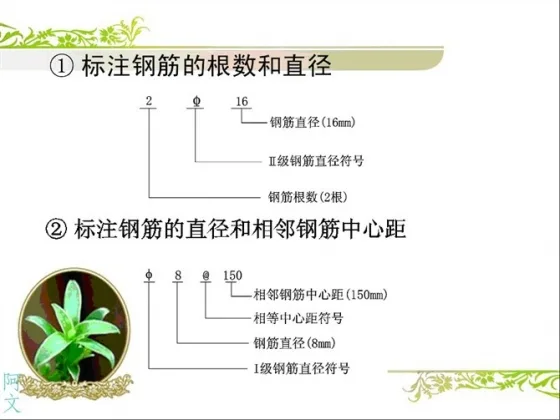
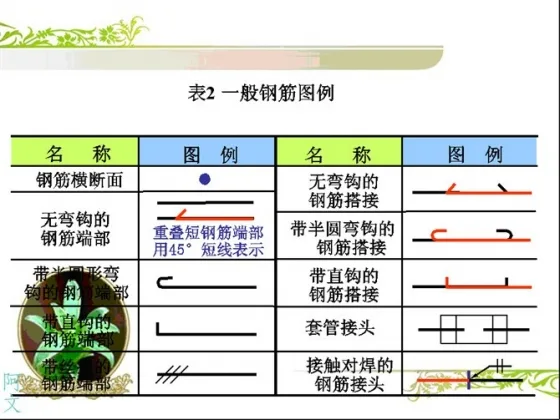
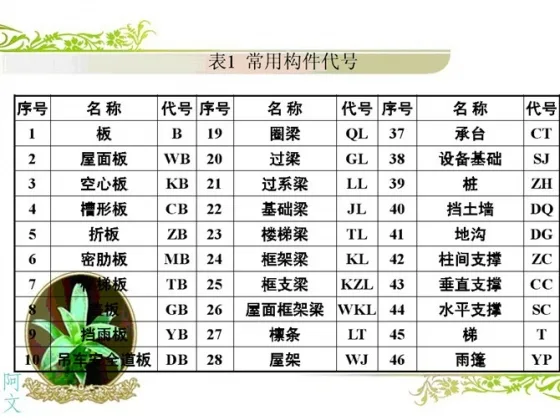
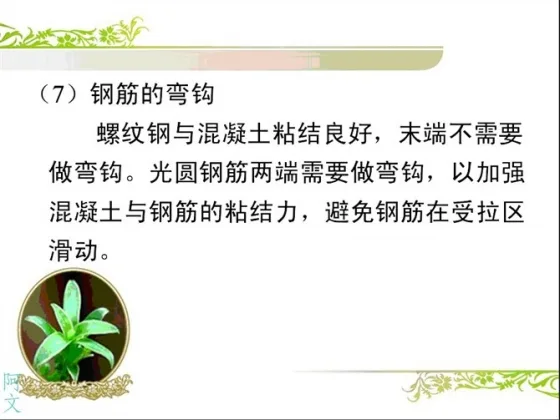
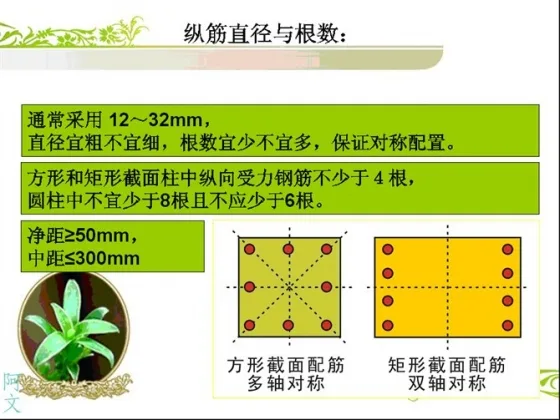
How to Read a Reinforcement Diagram:














Must log in before commenting!
Sign Up