

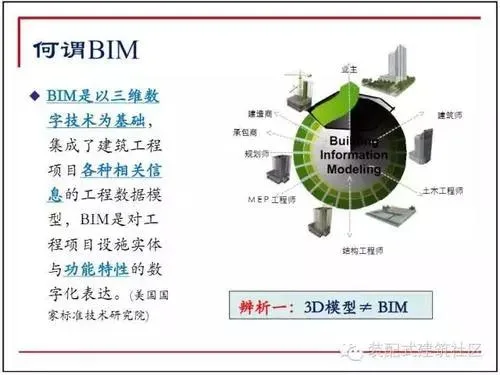
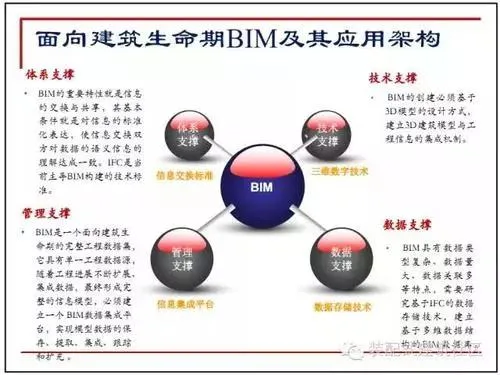
BIM stands for Building Information Modeling, a comprehensive engineering data model based on three-dimensional digital technology. It integrates various relevant information related to construction projects, serving as a digital representation of the physical and functional characteristics of engineering facilities.
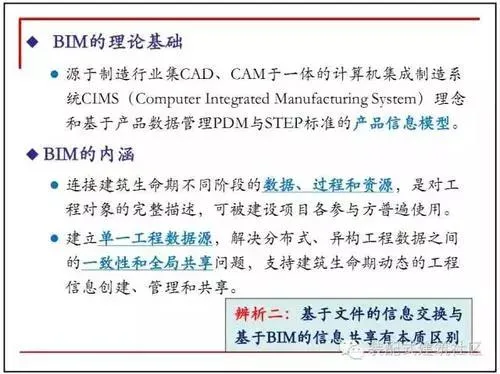
This detailed information model connects data, processes, and resources across different stages of a construction project’s lifecycle. It offers a complete description of the engineering object, making it accessible and useful to all parties involved in the project. BIM provides a single source of engineering data that supports the dynamic creation, management, and sharing of information throughout the entire lifecycle of construction projects.
Building Information Modeling is not only a data model but also a digital method applied to design, construction, and management. This approach fosters an integrated management environment, significantly improving efficiency and reducing risks throughout the entire construction process.

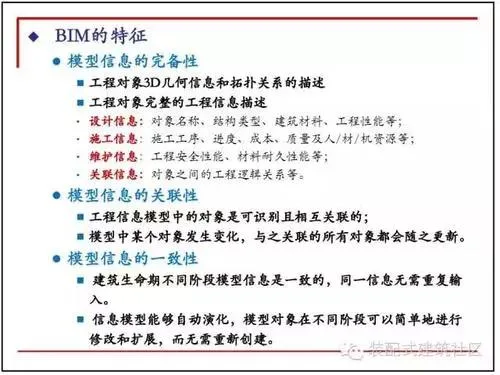
Key Characteristics of BIM
1. Completeness of Model Information:
Beyond representing 3D geometric information and spatial relationships of engineering objects, BIM includes a comprehensive description of engineering data. This covers object names, structural types, building materials, engineering performance, and other design details. It also encompasses construction processes, schedules, costs, quality control, as well as resources like labor, machinery, and materials. Moreover, BIM contains maintenance information such as safety performance and material durability, alongside the logical relationships between engineering objects.
2. Correlation of Model Information:
Objects within the BIM model are identifiable and interrelated. The system can analyze the model data and generate corresponding graphics and documents. When any object is modified, all related objects update automatically to maintain the model’s integrity and coherence.
3. Consistency of Model Information:
Information within the BIM model remains consistent throughout the building lifecycle. This eliminates redundant data entry. The model can evolve automatically, allowing easy modifications and expansions at different stages without recreating objects from scratch, thus minimizing errors caused by inconsistent data.
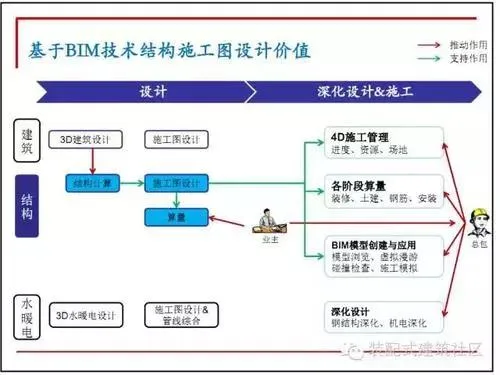
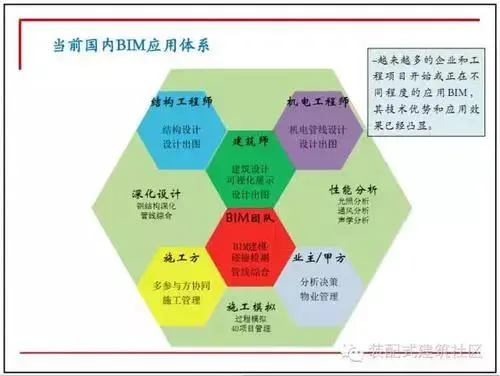
Source: Prefabricated Building Community, with additional information provided by Professor Zhang Jianping of Tsinghua University.













Must log in before commenting!
Sign Up