
Welcome to the era of “BIM Construction.” If you’re still designing construction plans using traditional methods—working overtime and struggling without clear results—this article is for you.
After reading this, you’ll transform from a mere follower into a master of BIM implementation in construction plan design. Discover how BIM opens a new window to efficient and effective plan design. Curious about what makes a great BIM construction plan? Let’s explore.
BIM (Building Information Modeling) represents a powerful application of information technology in the construction industry. But what sets a BIM-based design apart from a traditional construction plan?
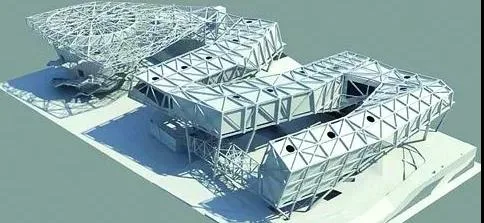
BIM design solutions provide a more immersive, three-dimensional visual experience.
In contrast, traditional plans rely on flat 2D graphics. Interpreting these requires strong professional expertise to mentally visualize spatial layouts.
Thanks to 3D multi-perspective modeling, BIM allows users to explore every corner of a space, bridging the imagination gap between stakeholders. This leads to more efficient communication and easier consensus.

BIM scheme VS Traditional solution
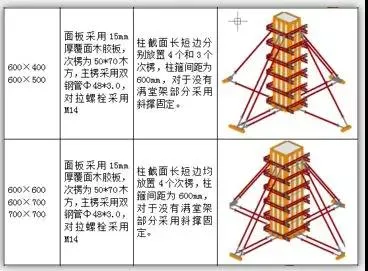
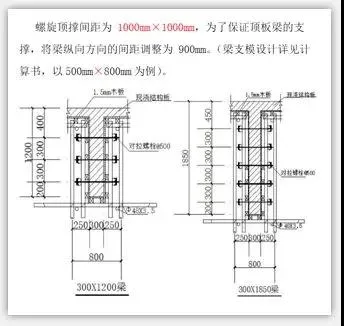
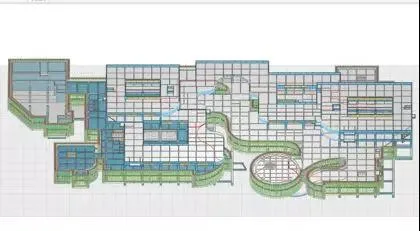
Managing large-scale projects such as multi-level basements and hundred-story shopping malls can be overwhelming. Traditional methods depend heavily on the designer’s experience to consider every detail meticulously.
BIM empowers builders with a comprehensive overview, allowing them to oversee the entire construction process. It provides detailed model designs and precise construction calculations.
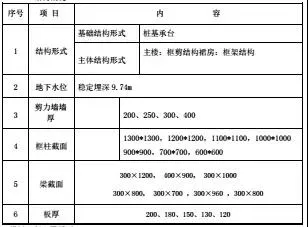
BIM scheme VS Traditional solution
3. Accurate Quantity, Energy Saving, and Environmental Protection through BIM Design
Traditional methods rely on designers’ experience and manual calculations, which often result in overestimations of material quantities.
By contrast, BIM uses building information technology models to precisely calculate material usage. It generates detailed material reports directly, improving accuracy and efficiency.
This approach enhances material reuse, better controls material consumption, and offers an intuitive understanding of resource allocation.
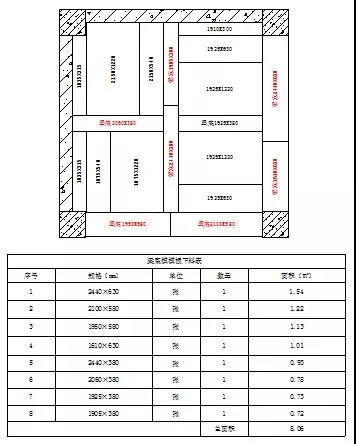
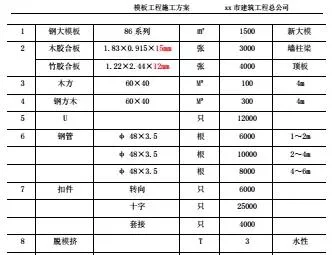
BIM scheme VS Traditional solution
4. Efficiency and Convenience of BIM Design
Traditional solutions require designers with extensive professional experience and knowledge. Usually, a team takes one to two months to complete a design.
BIM leverages intelligent algorithms to streamline the design process, reducing the typical timeframe to just 1–2 weeks. This aligns with the industry’s shift toward artificial intelligence-driven workflows.
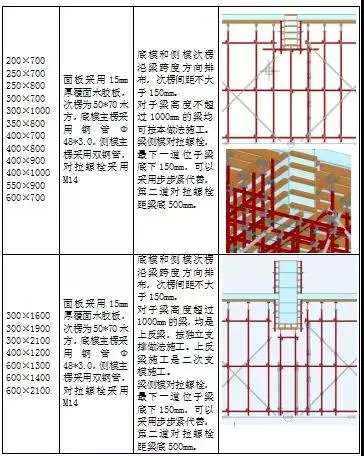
Traditional solutions tend to be complex and difficult to interpret.
BIM scheme VS Traditional solution
Additional Benefits of BIM Solutions:
- Immersive Construction Simulation: Use VR, AR, and other model interfaces to transport workers into the BIM model environment.
- Efficient Collaboration: BIM enables remote teamwork, allowing colleagues to work together seamlessly on project design.
- Streamlined Review Process: Scheme reviews become more intuitive, supported by machine calculations that simplify expert approval.













Must log in before commenting!
Sign Up