
In the near future, no one will need to envy the construction sites in Japan and Europe, known for their dust-free environments and minimal construction waste. Shanghai has recently launched its first industrialized residential project built on an assembly line. This project is located on the 23rd floor of Plots 17-11-05 and 17-11-08 in Huinan New Town, Pudong New Area. What sets these construction sites apart? Let’s explore the details together.
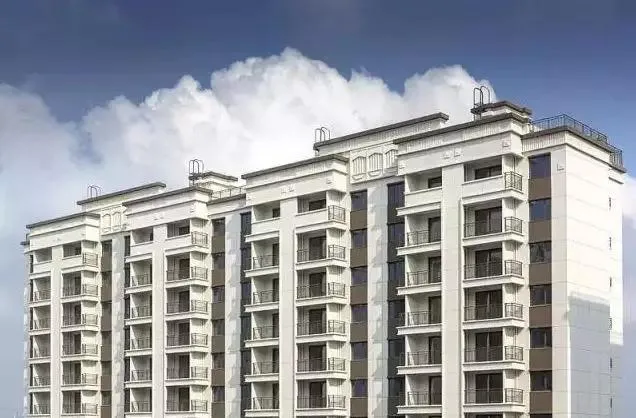
▲ Industrialization practice at Building 23, Plots 17-11-05 and 17-11-08, Huinan New Town, Pudong New Area, Shanghai
A small number of installation workers can complete the entire building construction on this site.
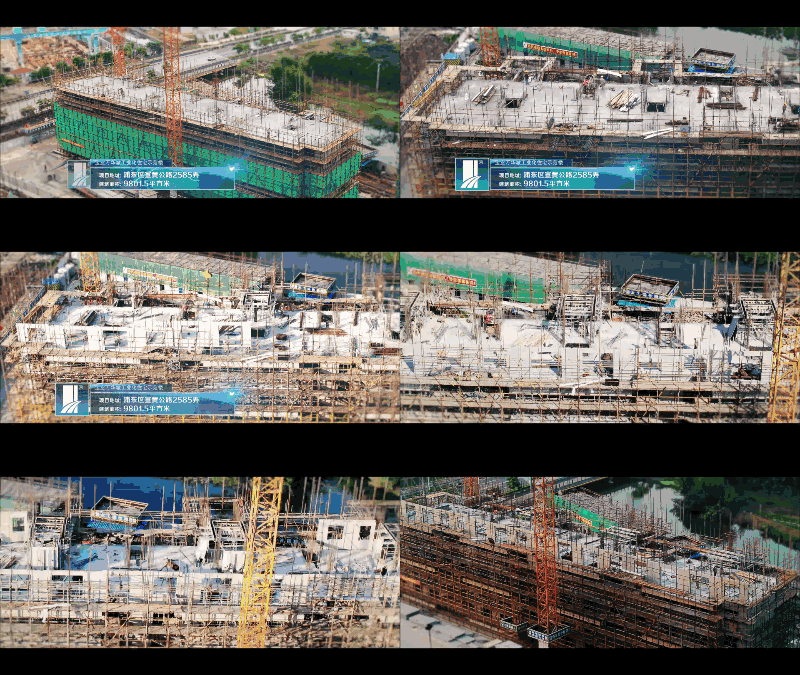
▲ Construction process of Building 23, Industrial Demonstration Project in Huinan New Town
Building 23, located on Plots 17-11-05 and 17-11-08 in Huinan New Town, Pudong New Area, Shanghai, serves as a demonstration project for industrial residential development. It is a joint effort by Huajian Group and Baoye Group.
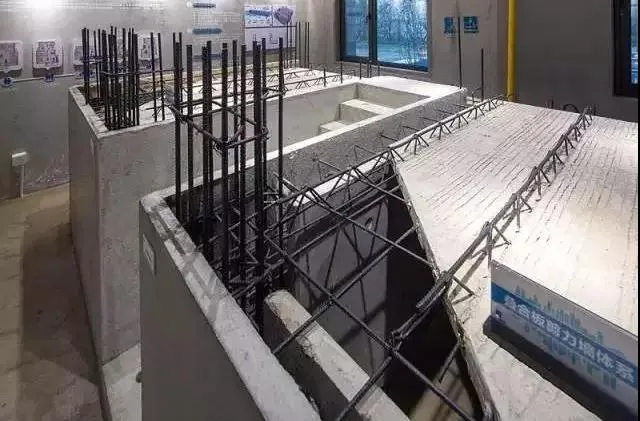
The renovation started only after the project design and planning were approved, meaning all upgrades had to be based on the original design. This created certain constraints and challenges for the industrial renovation design. Ultimately, Building 23 adopts a double-sided composite slab concrete shear wall system, with a single prefabrication rate of 30%. The project uses BIM technology to design the building structure and integrate electromechanical systems, allowing for complete control over the entire construction process.
In summary, this project offers significant advantages over traditional construction methods:
Efficiency

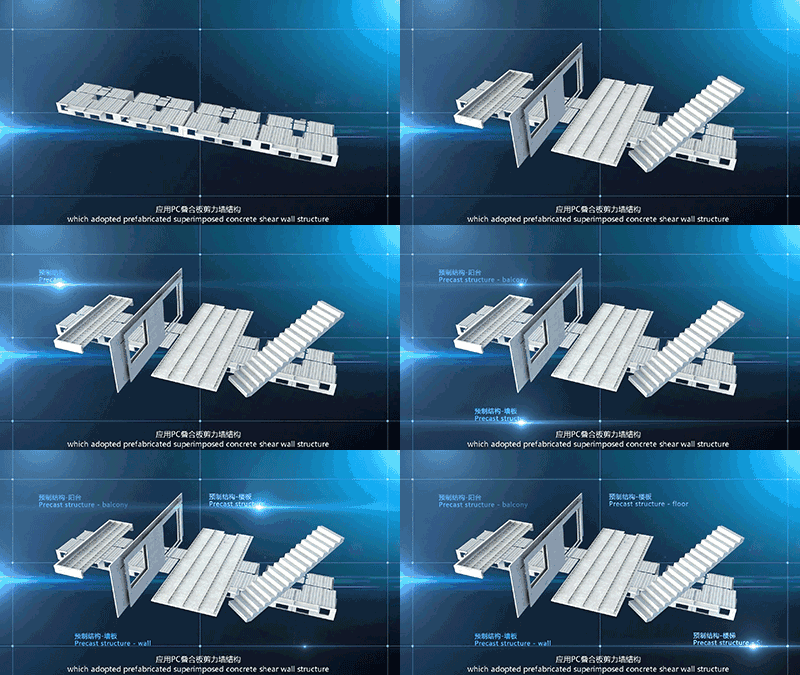
▲ Standardized components include balconies, wall panels, floor slabs, and stairs
The fewer the component types, the lower the construction costs. This project produces only one type of layout module.
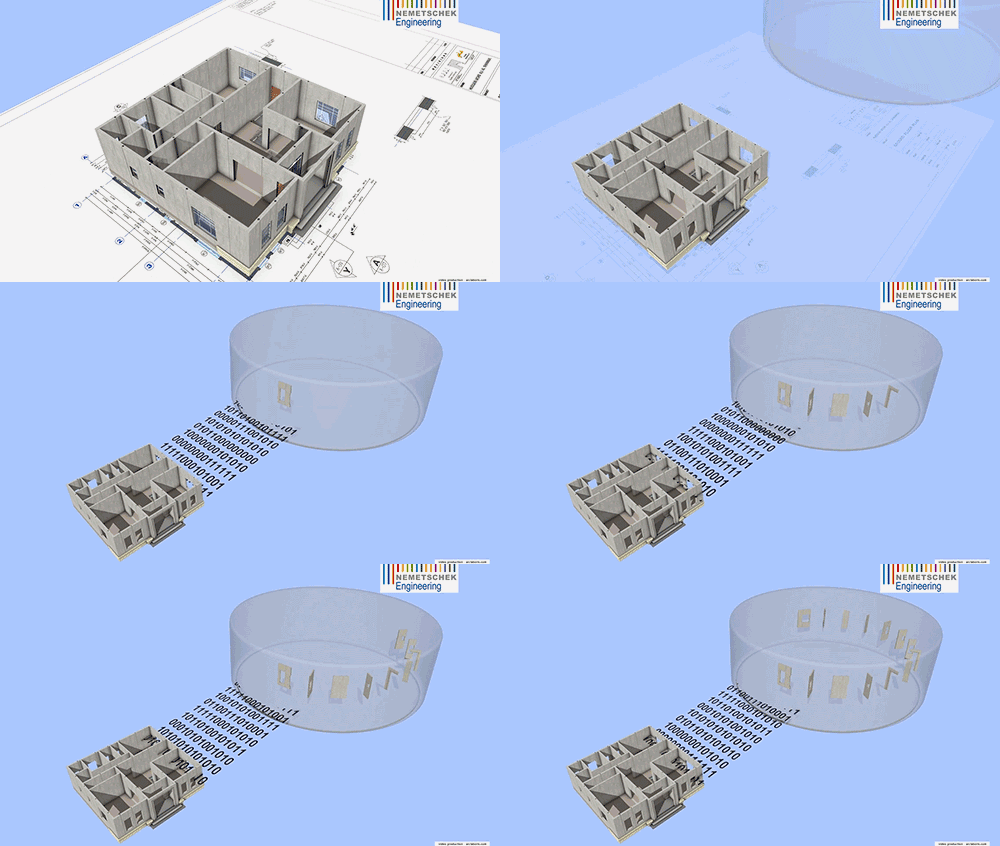
▲ Component design implemented using BIM technology
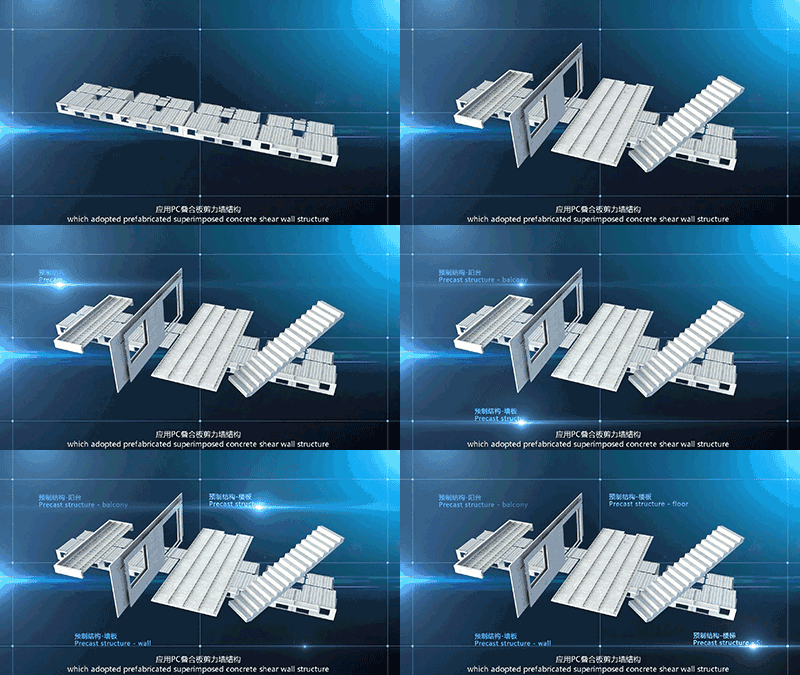
Components are standardized at multiple levels: unit standardization, component standardization, and construction node standardization. Kitchen, bathroom, and balcony templates are also standardized.
Speed
This approach saves construction time by reducing wet work, standardizing factory production of components, and enabling on-site “building block” style assembly. This not only saves labor but also shortens the construction schedule. Below is a glimpse of the efficient component production process.

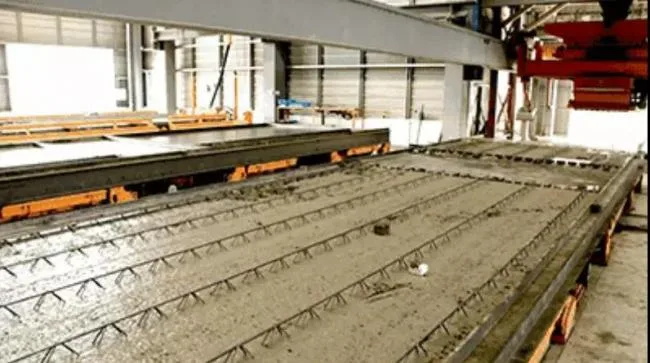
▲ Fully automated robotic arm mold support in the factory
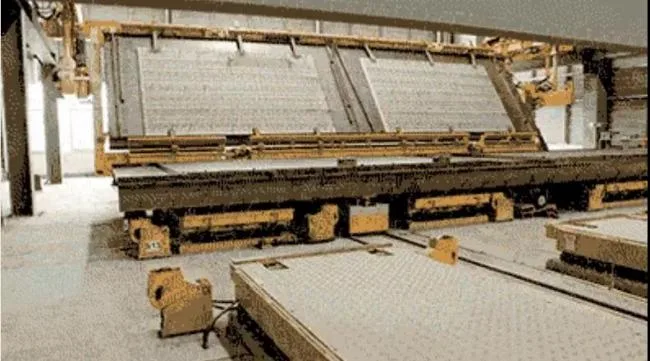
▲ Vibration smoothing of laminated inner panel concrete
▲ Flipping and stacking of outer panels
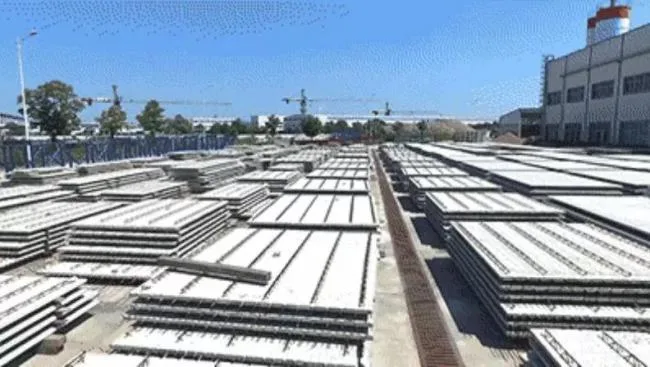
▲ Prefabricated double-sided composite panels
Quality
The essence of prefabricated buildings lies in integration. The design team uses Revit and Allplan to integrate mechanical and electrical systems with building structures. From initial concepts to construction drawings, factory production, transportation, on-site assembly, and even future building demolition, the entire lifecycle of the building is fully planned and controlled.
▲ BIM technology allows pre-checking for steel bar clashes and conflicts
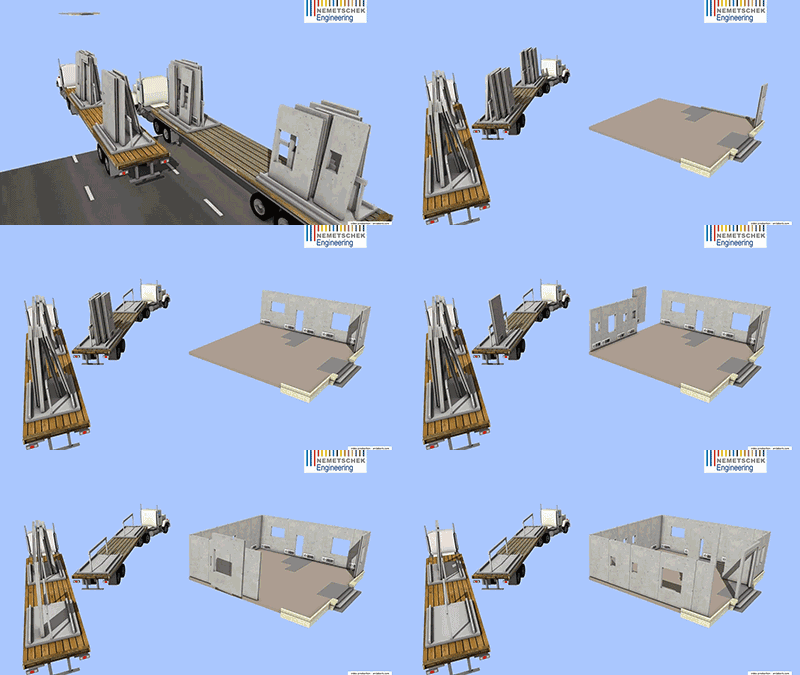
BIM technology coordinates component production and construction progress, prevents on-site stacking, and promotes efficient industrialized construction to ensure both quality and speed.
Consistent connection methods: These reduce construction difficulty, improve efficiency, and offer excellent waterproof performance. Common quality issues in traditional construction, such as exterior wall detachment and roof water leakage, are greatly minimized.













Must log in before commenting!
Sign Up