
Fan coil units combined with fresh air systems are currently a popular air conditioning solution. They are widely used in hotels, guesthouses, office buildings, hospitals, and other facilities due to their flexible layout and independent room-by-room control. However, construction and design errors often lead to common issues, the most frequent being water leakage.
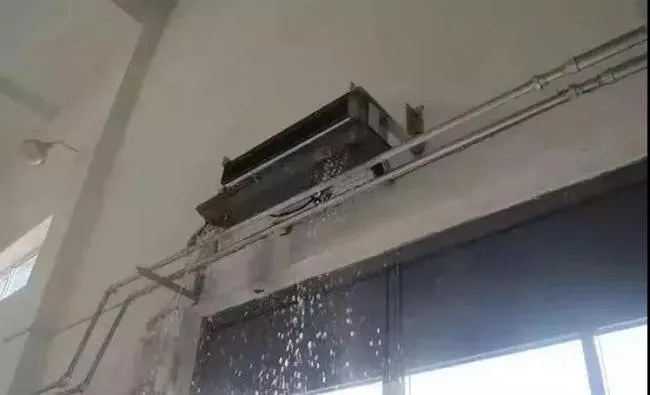
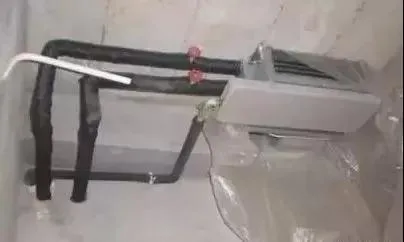
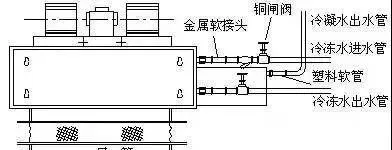
In general engineering projects, the pipelines connected to fan coil systems include irregular fittings such as valves, filters, and hoses. These components make it difficult to achieve compact insulation, and frequent disassembly during maintenance can easily cause condensation water leakage. A practical approach is to slope the local supply and return water pipelines toward the coil side to prevent and address this issue.
Poor condensate drainage typically manifests as overflow from the fan coil unit’s condensate collection tray. During operation, excessive forces or failure of support hangers can change the slope or cause water to accumulate locally, leading to overflow. To prevent this, strict control over pipe slope during installation is essential. Additionally, drainage pipelines must be kept clear, and a reasonable distance should be maintained between pipelines to avoid deformation caused by stress. Regular inspections of support and hanger fixings are also crucial to prevent loosening or detachment.
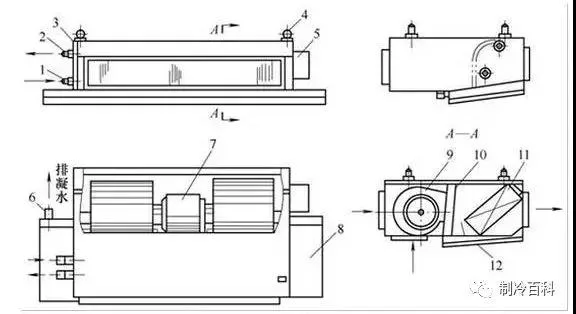
During installation, some believe that ensuring water flows from the highest to the lowest point of the condensate pipe network is sufficient. However, it is equally important to ensure the volume of water entering and exiting remains balanced to prevent local water accumulation. Fan coil air conditioners are prone to collecting impurities, which promote bacteria and moss growth, leading to long-term pipe blockages. This issue requires strict construction management since blockages become difficult to detect and resolve once the condensate pipe insulation is in place.
Every piece of equipment has its limitations, but these do not diminish its value. When used properly, fan coil units can perform efficiently. Similarly, axial flow fans, commonly used in various applications, require users to understand their strengths and weaknesses to maximize their effectiveness. How can we ensure the proper and reasonable use of fan coil units?
Proper use depends heavily on regular maintenance and care. Establishing a comprehensive maintenance management system is crucial. Routine maintenance plays a vital role in improving the reliability of axial flow fans. Users’ experience shows that adopting tailored approaches for different faults significantly reduces unplanned fan shutdowns. This requires reliable and thorough technical support.
When operating fans, it is also important to be prepared to address common faults such as surge, stall, and wind grab. Handling these issues demands professional skill and swift judgment. Maintenance personnel must understand equipment operating conditions, analyze fault causes and frequency, and respond quickly to issues like oil pressure fluctuations that affect fan operation. They should also be familiar with how the adjustment of the fan’s moving and stationary blades influences performance.
Additionally, vibration or other factors can loosen the nut securing the feedback bearing, causing the feedback rod to malfunction. This prevents the feedback rod from moving the outer sleeve of the oil control valve, failing to seal the regulating system inlet. Consequently, fan blades may only slide to fully open or fully closed positions, ultimately stabilizing mechanically at a limit position.
Although axial flow fans have some inherent drawbacks, avoiding these issues during use ensures their effectiveness and significantly reduces the frequency of malfunctions.
### Causes and Solutions for Water Leakage in Fan Coil Units:
1. **Water leaking outside the water collection tray**
This is usually caused by inadequate insulation material. Strengthening the insulation is necessary to resolve this issue.
2. **Water leaking into the collection tray**
This indicates a blockage in the condensate pipe causing overflow. To clear the pipe, prepare a 4-5 meter-long plastic tube. Insert one end into the condensate discharge pipe and connect the other end to a bathroom faucet using a small threaded joint. Use water pressure or a carbon dioxide cylinder to flush the pipe.
Blockages in condensate pipes are common because water inside the fan coil unit, combined with suitable temperatures, promotes algae growth. This creates a slippery residue that clogs pipes. It is recommended to place algaecide in the fan coil unit’s collection tray to reduce this problem.
3. **Persistent blockages in condensate discharge pipes of central air conditioning fan coils**
Frequent blockages result in water leaking from above. These blockages often contain biological sludge and are quite dirty. In addition to regular cleaning, thorough flushing and descaling of the system are advised. Check whether the fan coil return air outlet has a filter screen and verify that the pipeline slope meets installation standards.
Cleaning is only a temporary fix and does not address the root cause. Frequent condensate blockages are mainly due to excessive dust in the equipment’s environment, contaminating the drip tray. This biological fouling is essentially environmental pollution. Alongside cleaning, regular equipment maintenance is of utmost importance.













Must log in before commenting!
Sign Up