
1. Project Introduction
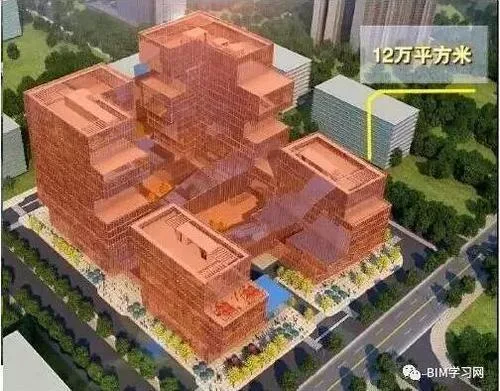
The Alibaba International Operations Headquarters and Business Cloud Computing R&D Center are located in Shenzhen. The complex consists of three basement levels and four towers, with the tallest building reaching 17 floors above ground. The total construction area spans 120,000 square meters. Architecturally, the entire structure forms a block shape that resembles a “cloud” floating over Shenzhen Bay.
2. BIM Team Resources
To effectively incorporate BIM technology into the various management activities of general contracting, a dedicated BIM management department was established within the project’s general contracting management structure.
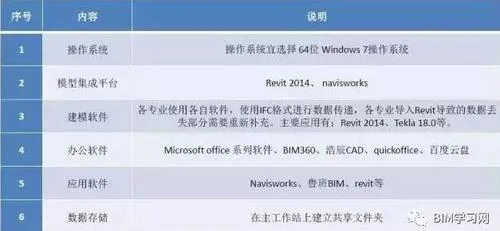
3. BIM Software Usage Instructions
4. BIM Application
Key Technical Features:
1. This project emphasizes exploring how BIM can be integrated into the day-to-day tasks of project management.
2. After clarifying project requirements and application objectives, efforts were made to embed BIM into various processes and tasks within general contracting management.
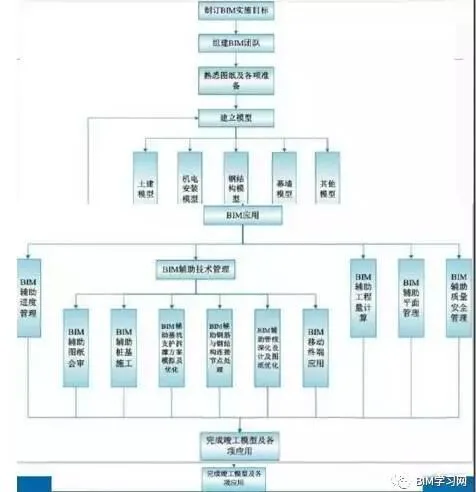
3. The following figure illustrates the BIM application workflow for the project.
5. BIM Application Achievements
1. BIM Management System
Establishment of BIM management documentation including:
(1) BIM Staff Responsibilities Table
(2) Entry requirements for professional subcontracting BIM teams
(3) Subcontracting Assessment Scoring Form
(4) BIM Model Delivery Standards
(5) BIM Model Delivery Schedule
(6) BIM Meeting System
2. BIM-assisted Technical Management
A. Model Creation Based on CAD Drawings
(1) Development of civil engineering, electromechanical, and curtain wall models
(2) Importing steel structure models
(3) Integrating all professional models into Navisworks
B. BIM-assisted Drawing Review
(1) Identification of drawing issues through modeling
(2) Collision detection for drawing issues
(3) Conducting drawing review meetings
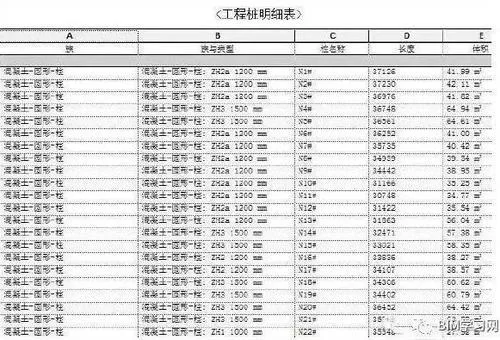
C. BIM-assisted Pile Foundation Construction
(1) Visual representation of strength layers
(2) Modeling using attachment functions
(3) Quick statistics for pile length and quantities
D. Optimization and Disclosure of BIM-assisted Excavation Support and Demolition Scheme
(1) Construction simulation to aid plan determination
(2) Force calculations and verification of construction plans
(3) Implementation of construction simulation disclosure and guarantee plans
(4) Dynamic monitoring to ensure proper dismantling steps
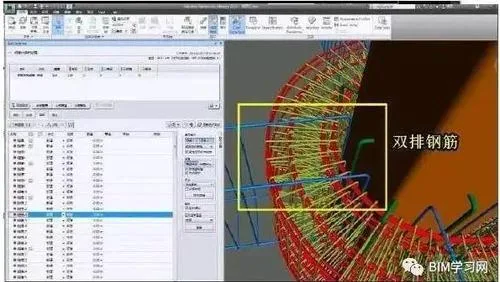
E. BIM-assisted Reinforcement and Steel Structure Connection Node Processing
(1) Node modeling
(2) Gap and collision analysis
(3) Optimization planning
F. BIM-assisted Mechanical and Electrical Deepening Design
(1) Collision checks
(2) Collision optimization
(3) Coordination and optimization of net height
(4) Process simulation
(5) Virtual walkthrough inspections
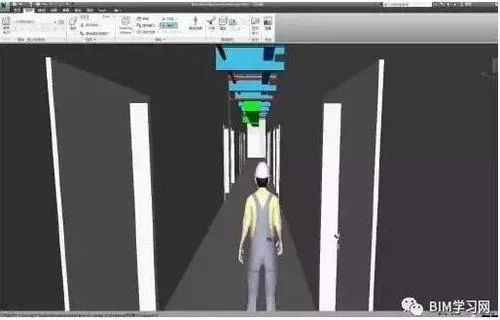
G. BIM-assisted Steel Structure Deepening Design
(1) Export of IFC models
(2) Simplified steel structure modeling
(3) Collaborative steel structure design
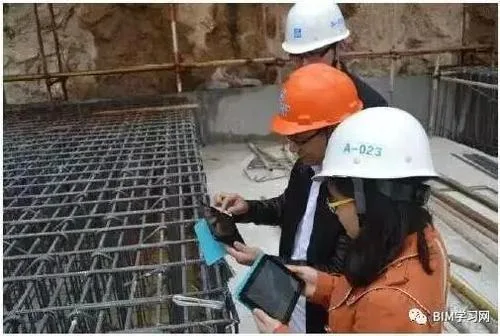
H. Mobile Terminal On-site Paperless Query Application
(1) Viewing drawings on-site via tablet devices
(2) Checking specifications on-site using tablets

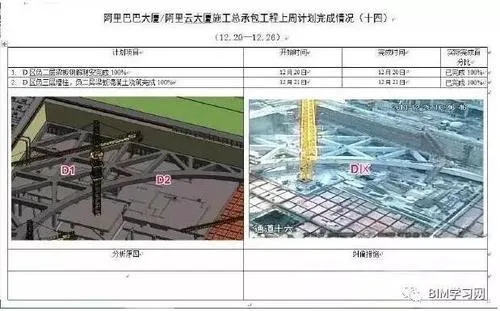
3. BIM-assisted Progress Management
(1) BIM-based schedule planning
(2) Simulation setup
(3) Construction simulation animations
(4) Progress monitoring and control
(5) Meeting system
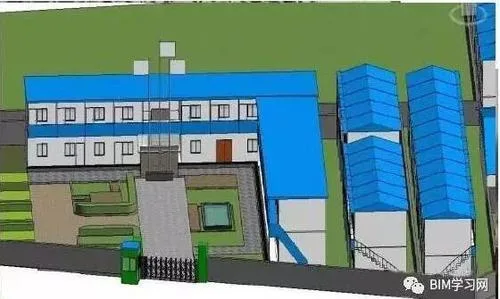
4. BIM-assisted Plan Management
(1) 3D layout planning
(2) Design of temporary construction zones
(3) Standardized design of board houses
5. BIM-assisted Business Management
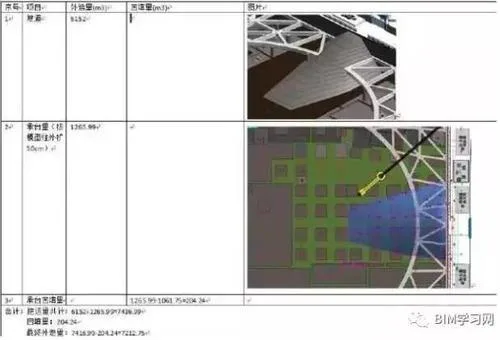
(1) Component statistics
(2) Quantity estimation
(3) Comparison and application of Luban-calculated quantities with business-calculated quantities
6. BIM-assisted Quality Management
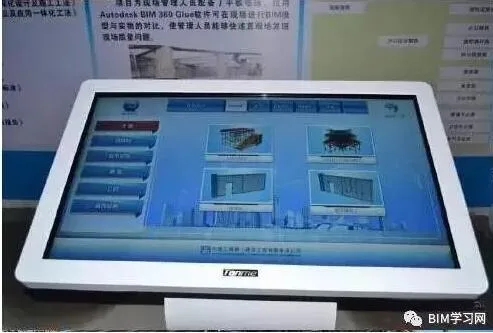
(1) Comparison between BIM models and on-site conditions
(2) Prompt reporting of on-site issues
(3) Dynamic template guidance system
(4) System interfaces and on-site images
7. BIM-assisted Safety Management
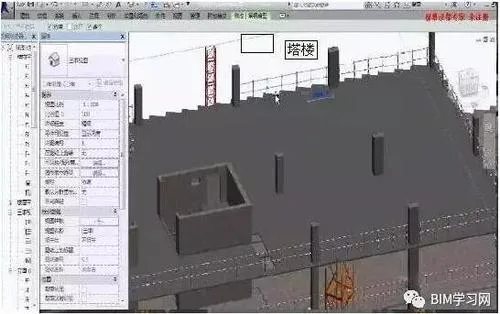
(1) Edge protection monitoring
(2) Tracking safety hazards alongside project progress using imagery
(3) Safety standard families
(4) Virtual walkthrough discussions
6. Benefits and Summary
1. Economic Benefits
(1) Early detection of drawing issues allows the owner to receive the best detailed design solutions.
(2) Modeling and simulating complex nodes and schemes enables more intuitive and effective project communication, reducing information loss.
(3) Quick tracking of on-site work quantities and changes reduces the workload for management in quantity calculation.
(4) The 3D design of site layouts and construction imagery offers clear advantages in spatial planning.
(5) Using BIM as a communication foundation in meetings lowers communication costs and improves efficiency.
(6) The ability to compare BIM models with onsite entities intuitively and access electronic drawings on-site enhances management efficiency.
2. Social Benefits
The Alibaba project successfully hosted a national BIM observation conference focused on promoting BIM technology applications, attracting over 500 participants.
3. Experience Summary
a. Develop a comprehensive plan
b. Assemble a dedicated team
c. Implement early interventions
d. Establish safeguard measures
e. Conduct timely reviews and summaries














Must log in before commenting!
Sign Up