
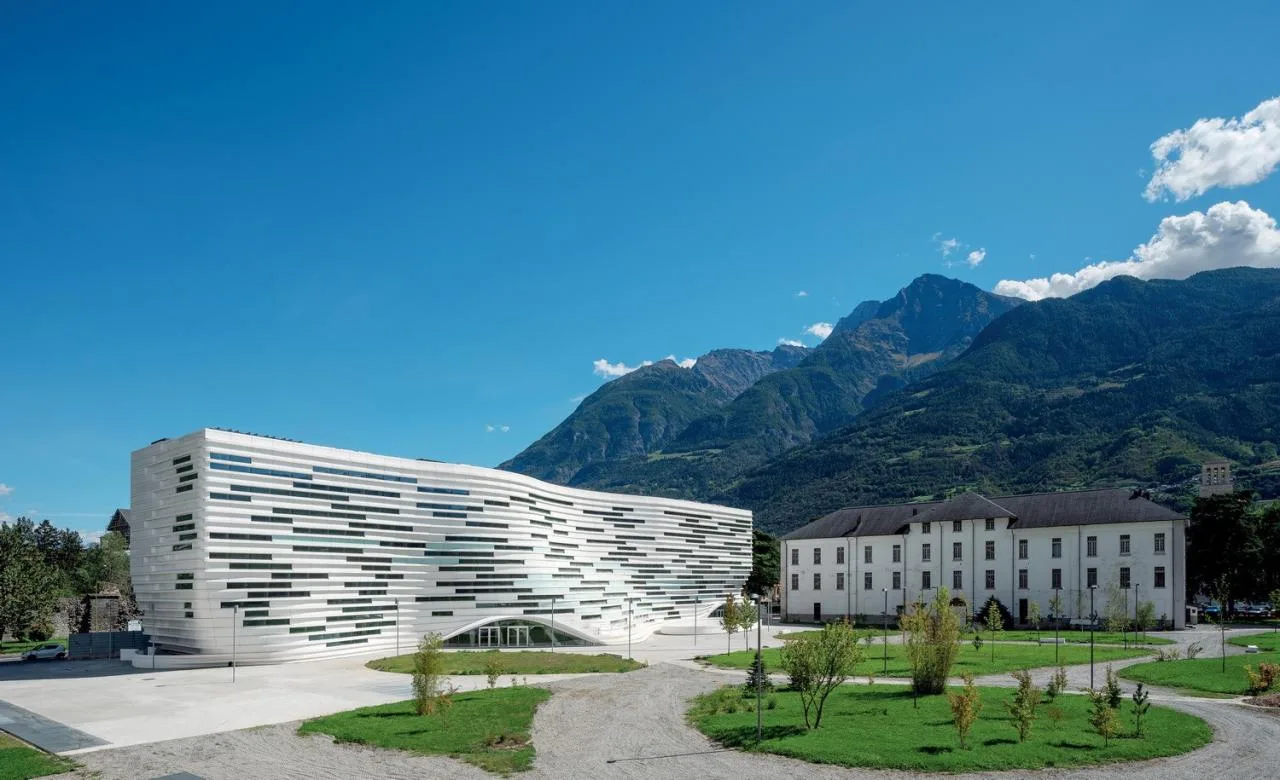
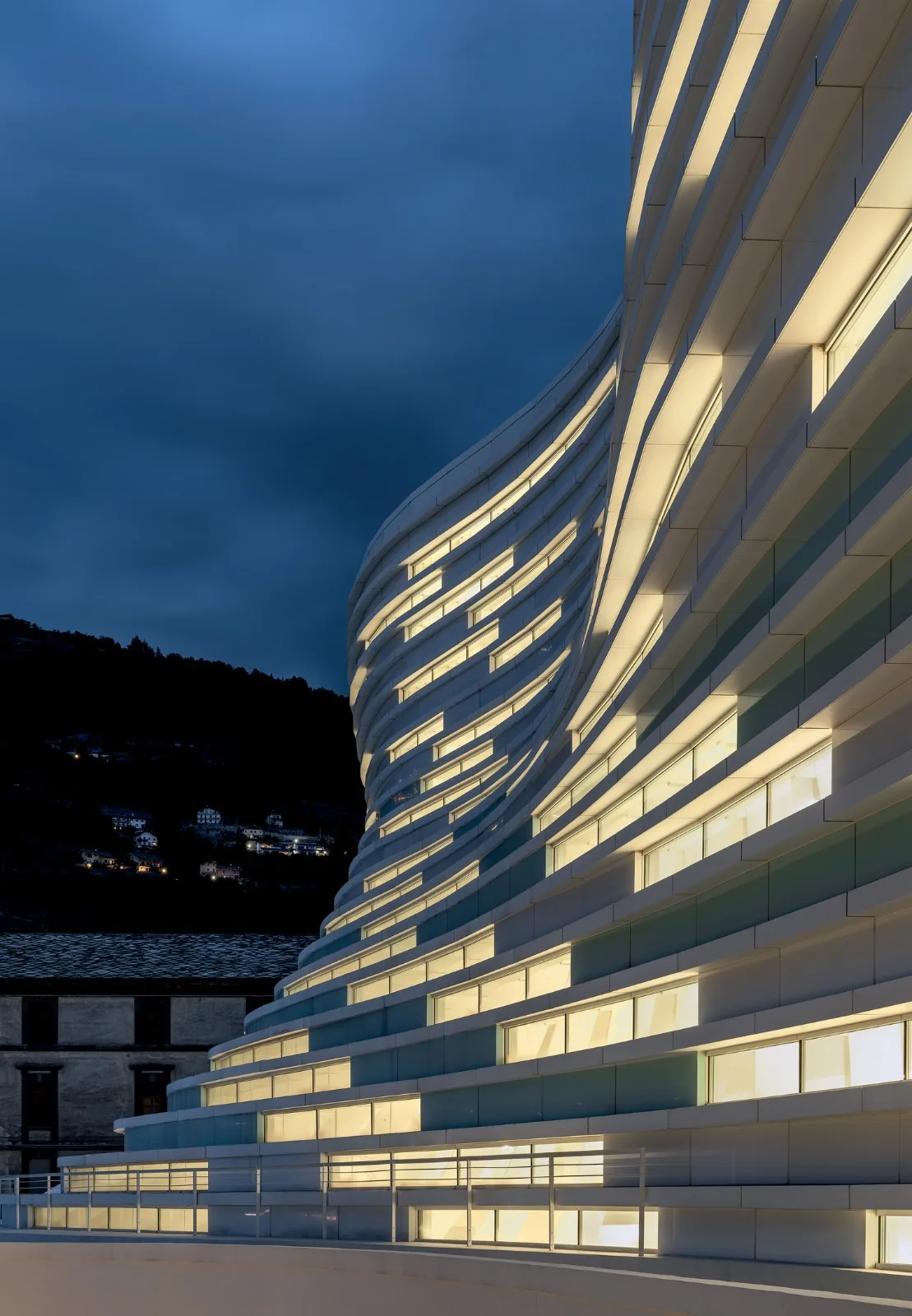
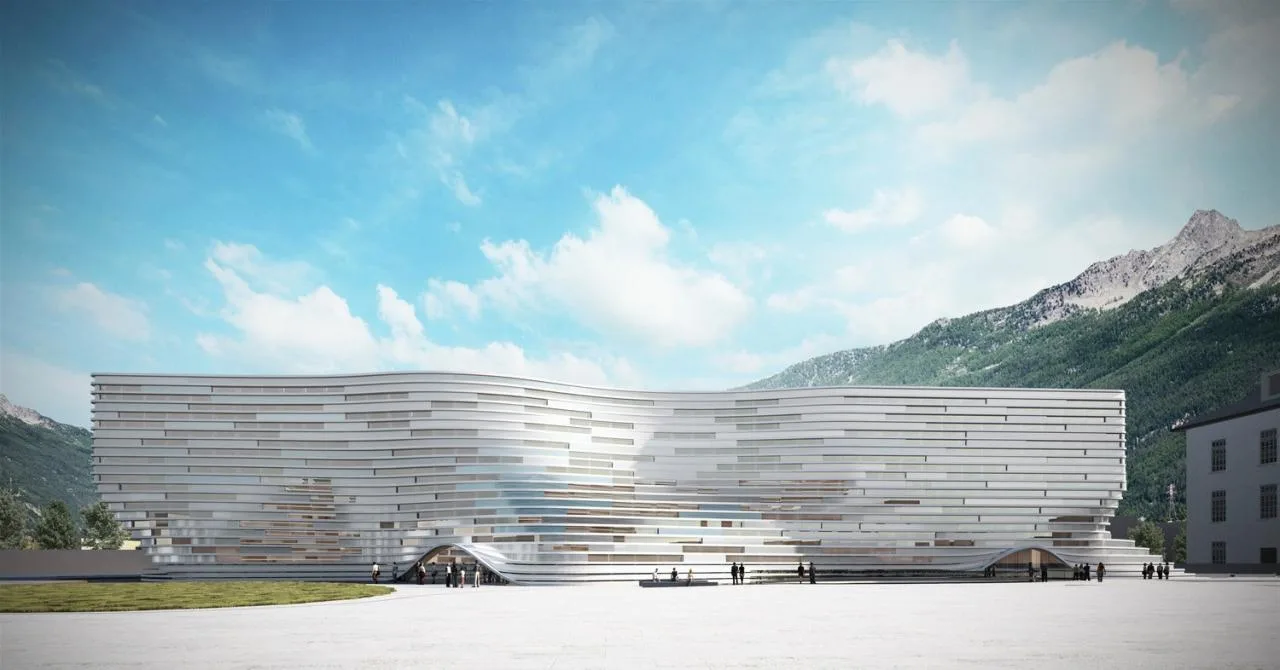
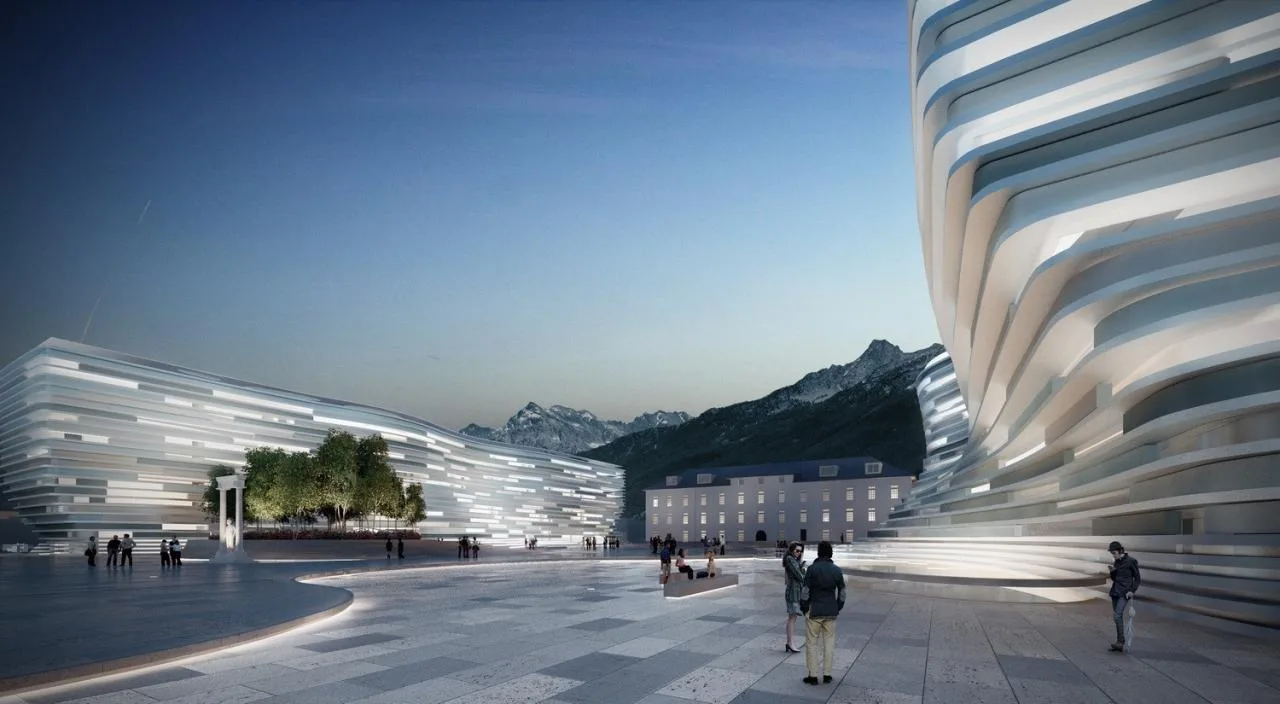
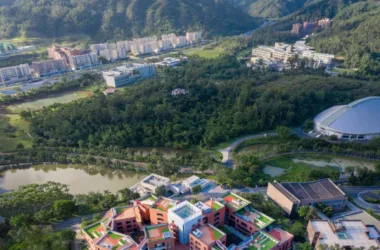
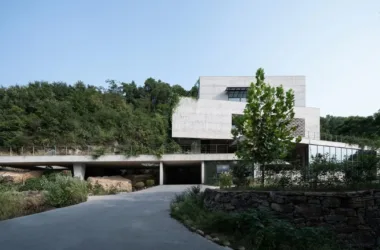
Situated at the foot of the Alps, the campus buildings are designed with layered forms inspired by glaciers, seamlessly echoing the snow-capped mountains and blending harmoniously into the natural ecological landscape.
This new campus for the University of Valleda Osta transforms the old military barracks into a vibrant cultural and educational landmark in Osta city. It proudly stands as Italy’s first zero-energy building.
Designed with a focus on environmental and cultural sustainability, the project fully respects the local natural environment and climate while highlighting regional cultural identity. The innovative architecture minimizes environmental and urban impact, cutting energy consumption by at least 38% compared to similar structures.
Organic Renewal of the Site
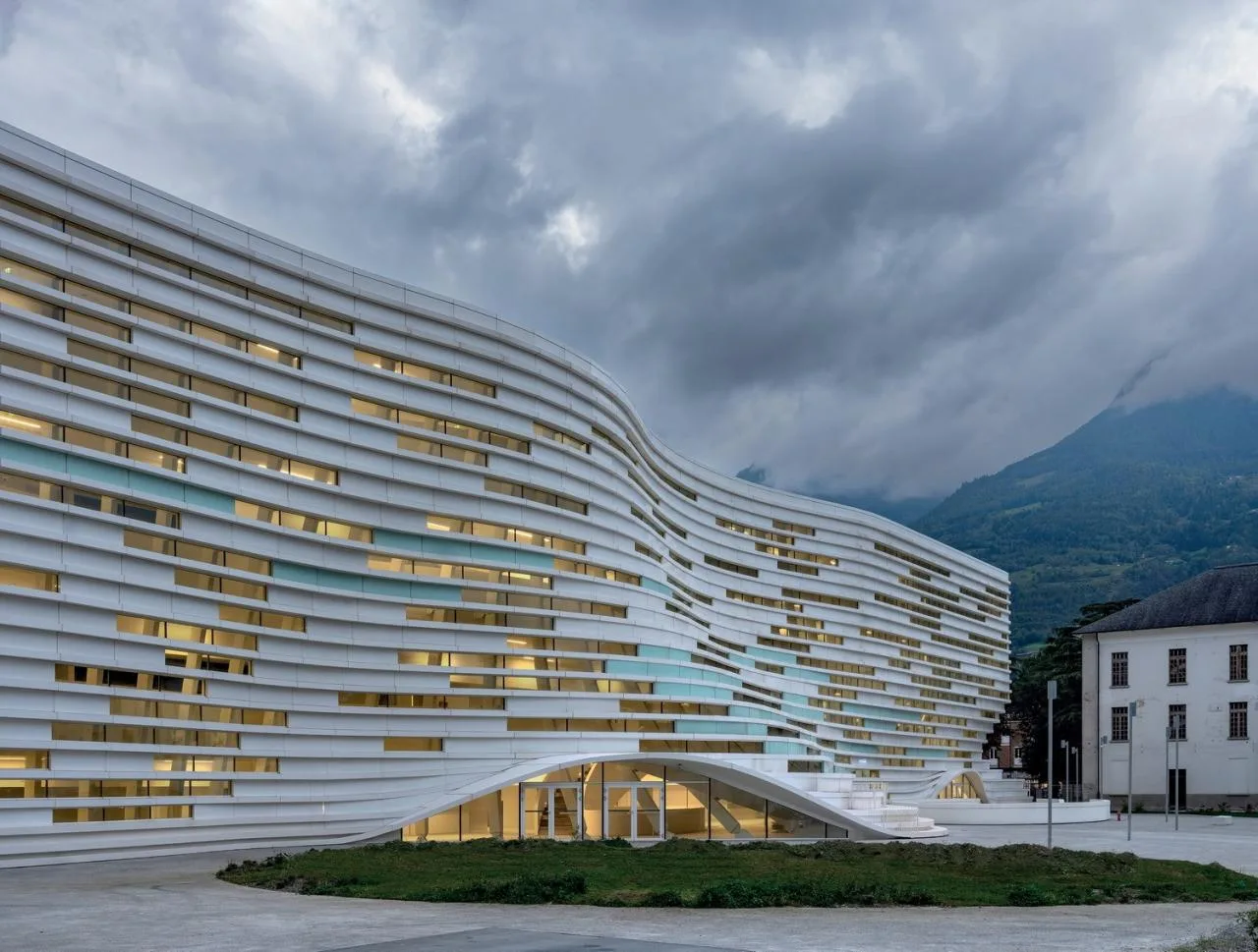
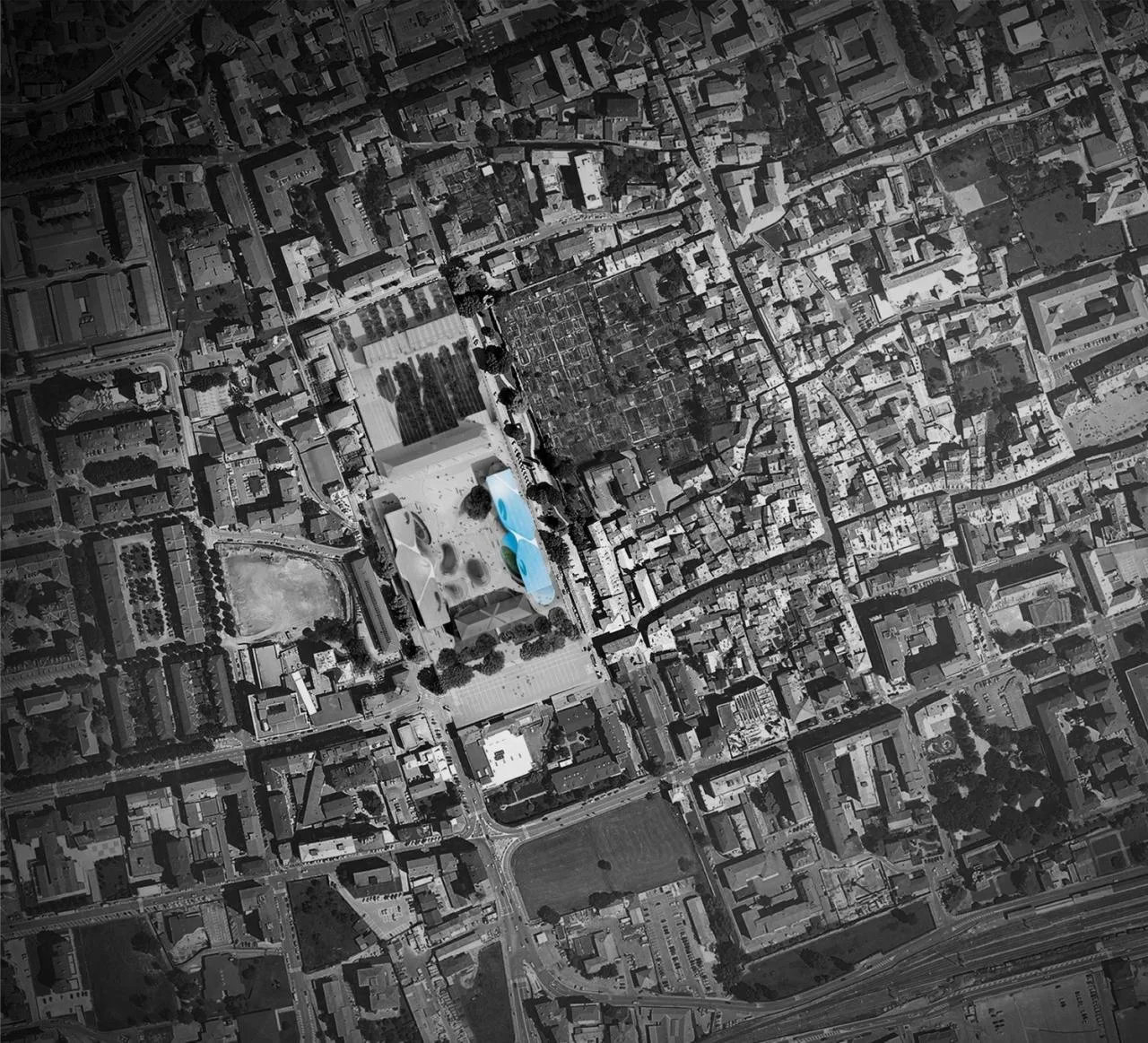
Located in the regional capital, Osta, the campus redesign honors the original layout while creating a new, open campus integrated with the city.
The project preserves and renovates the historically significant military camp structures, complemented by the addition of three new representative buildings.
Contemporary Architecture in Harmony with Landscape and Climate
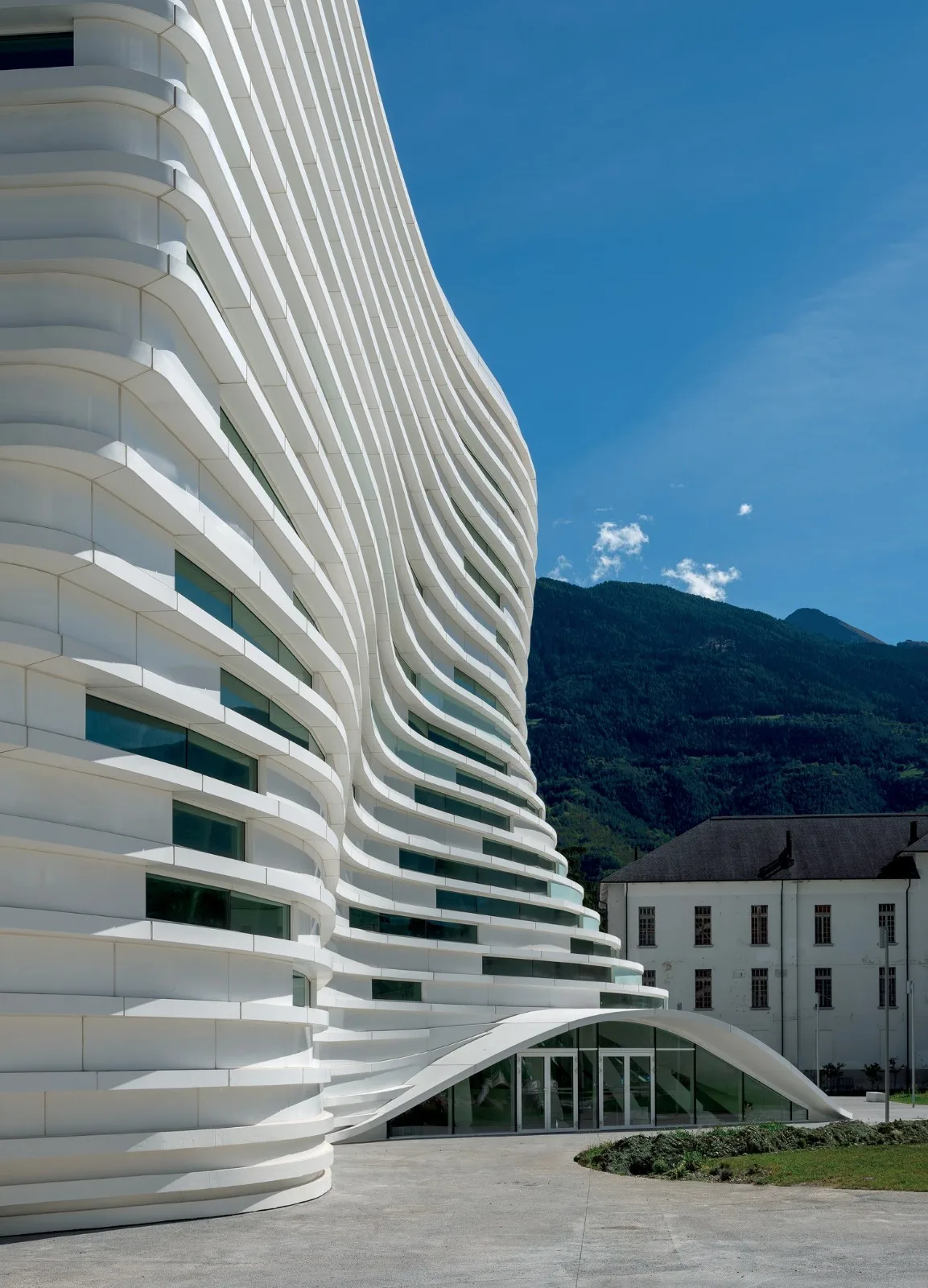
The design showcases how modern architecture can collaborate with natural landscape and climatic conditions. Inspired by glaciers, the buildings reflect the Alpine snow-capped mountains, breaking away from the rigidity of the original military structures. This approach respects historic architecture while preserving the city’s urban memory.
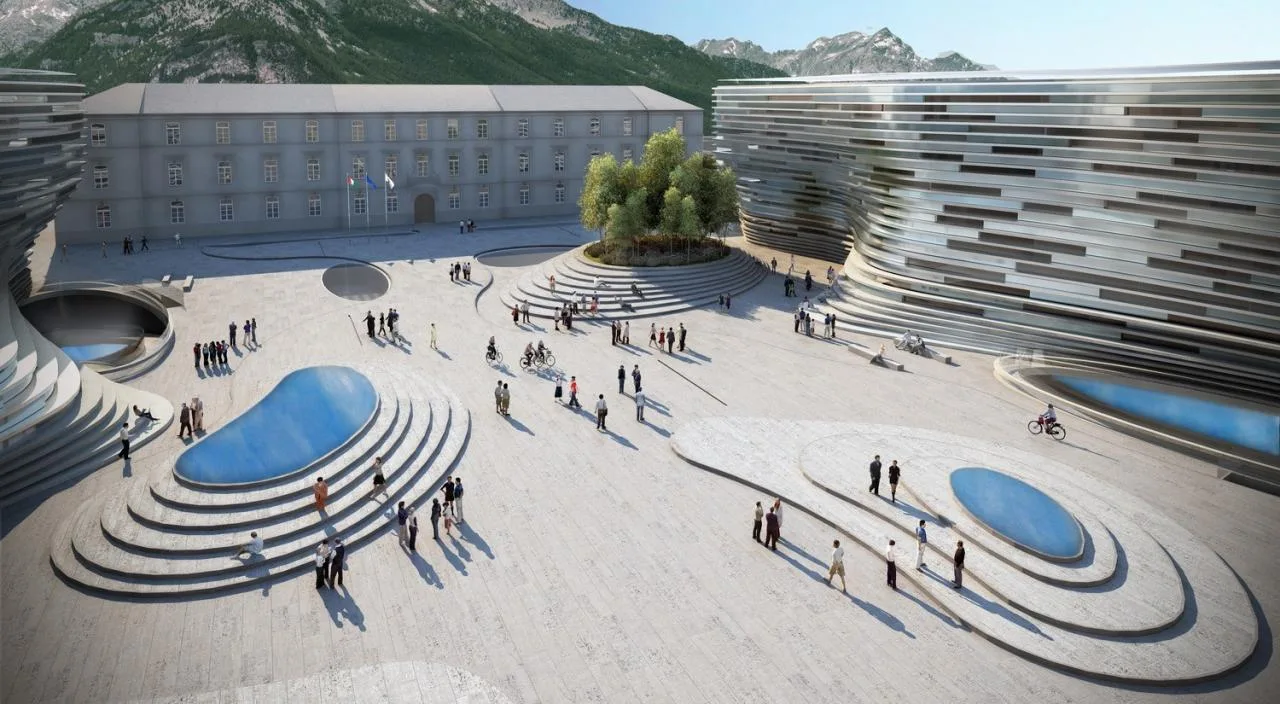
The campus layout draws inspiration from organic relationships found in nature, particularly the plant kingdom, balancing independence with interconnectedness. Numerous public spaces open onto the city flexibly, supporting academic activities and meeting public needs to enhance social welfare.
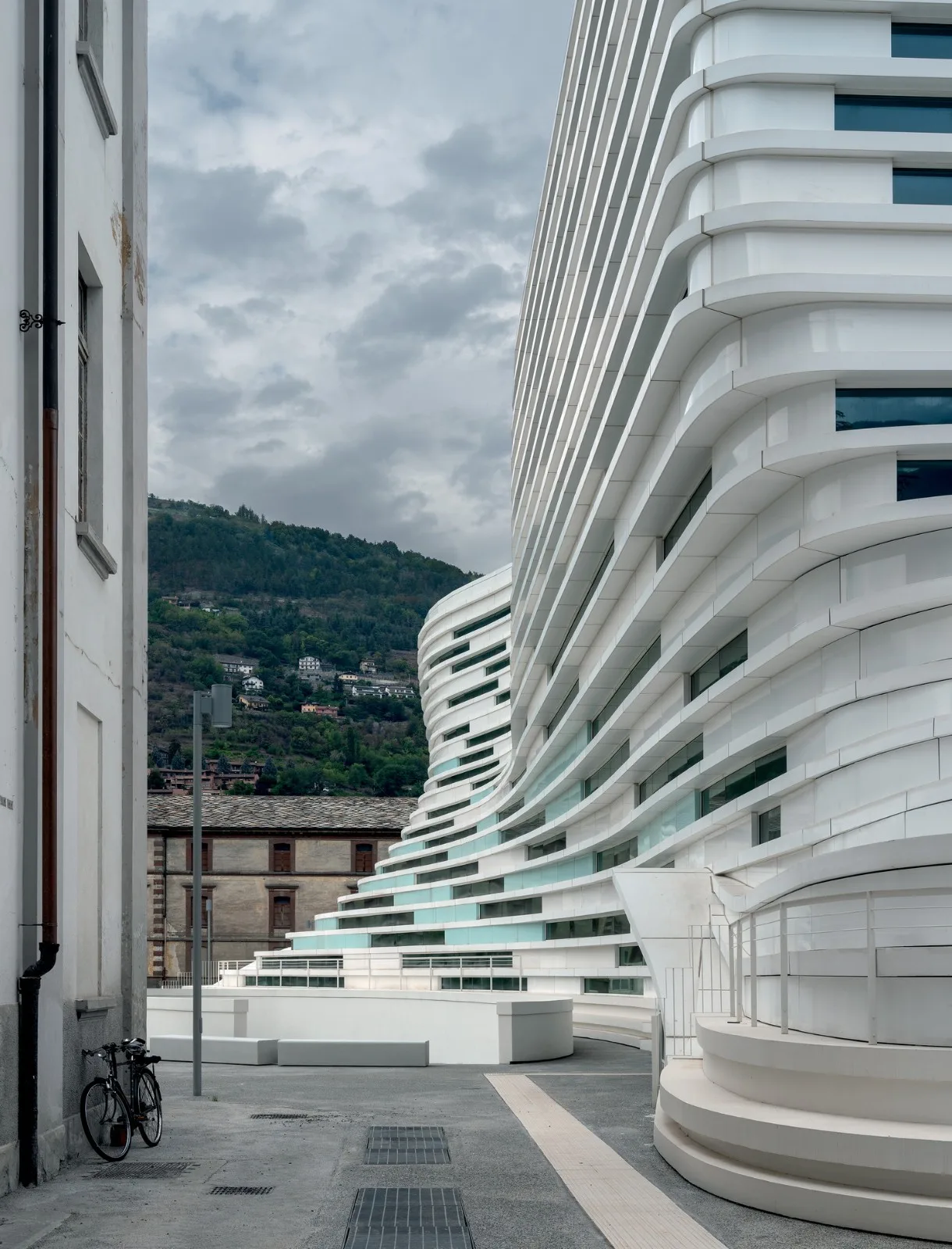
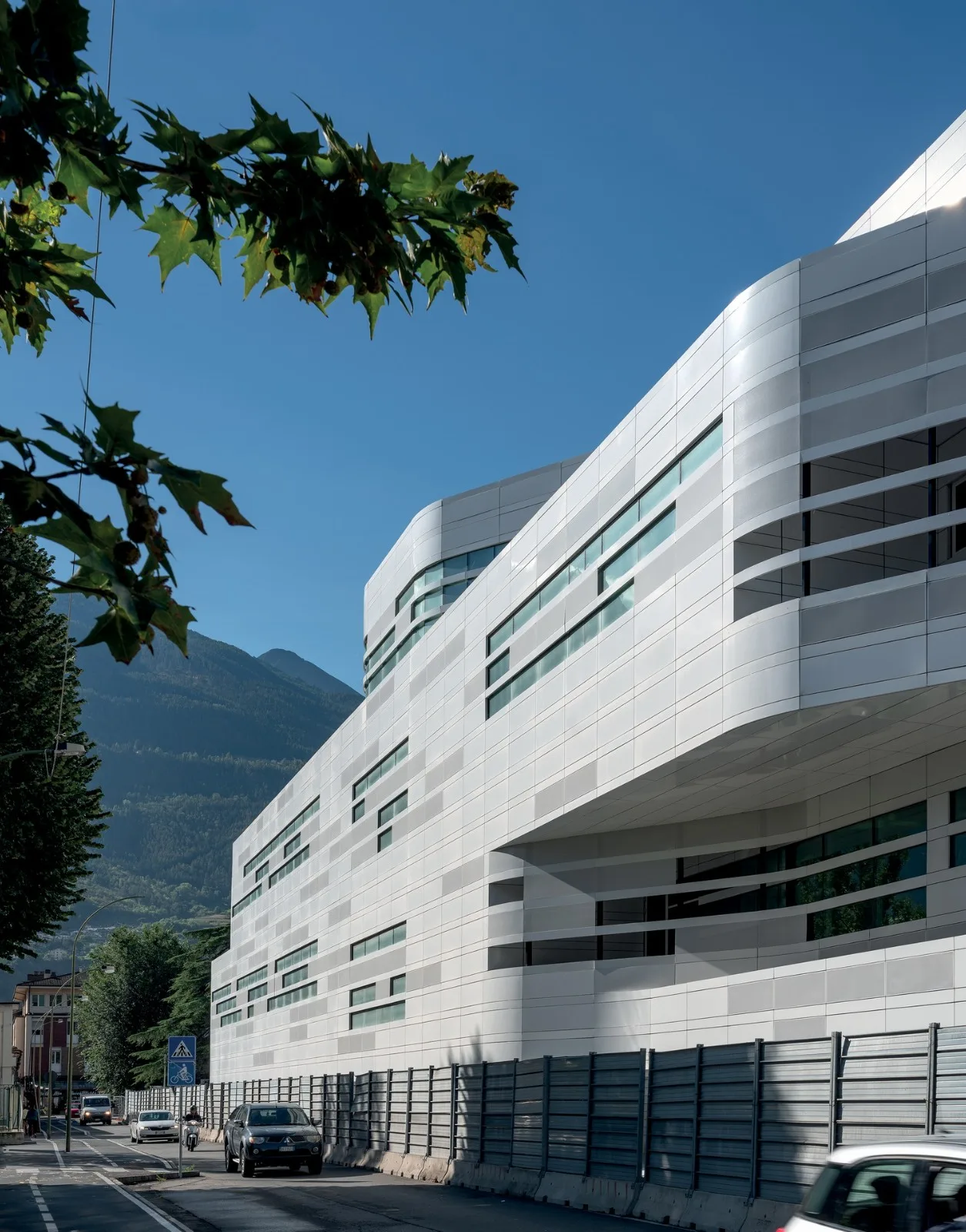
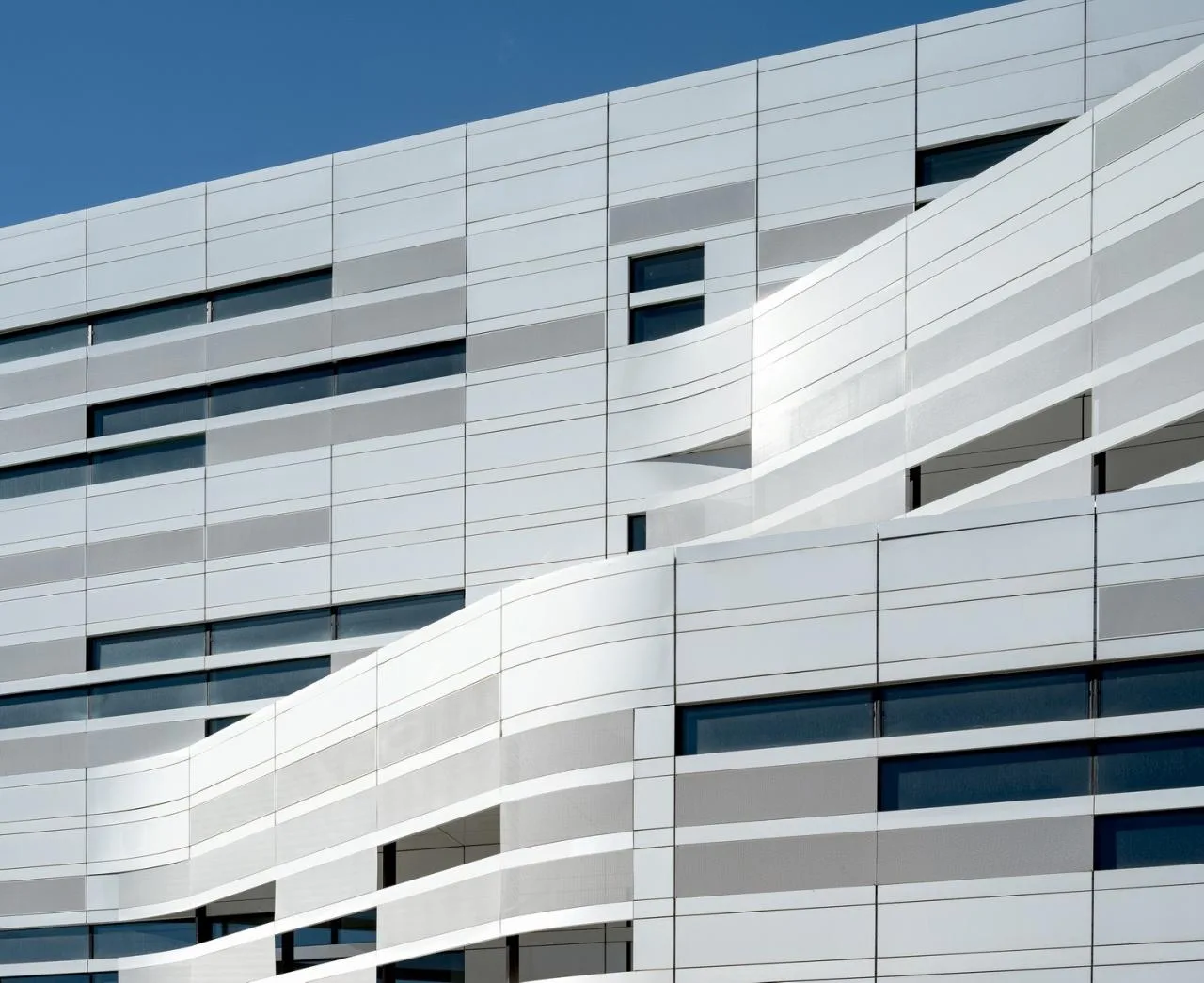
Functionality and Openness
The building features four above-ground floors and two underground levels, organizing campus activities by privacy while opening various spaces to the city at different levels.
The cafeteria, bookstore, and conference hall entrances at the ground level increase accessibility from the plaza. The basement accommodates computer rooms, pipework, maintenance areas, and most workshops, which are directly accessible from the underground parking.
A large courtyard within the plaza provides ample natural light and ventilation. The spacious conference hall in the second basement serves both university events and public gatherings.
This openness not only reveals the campus’s military heritage but also maximizes educational facility usage, enriching the community and revitalizing the urban center.
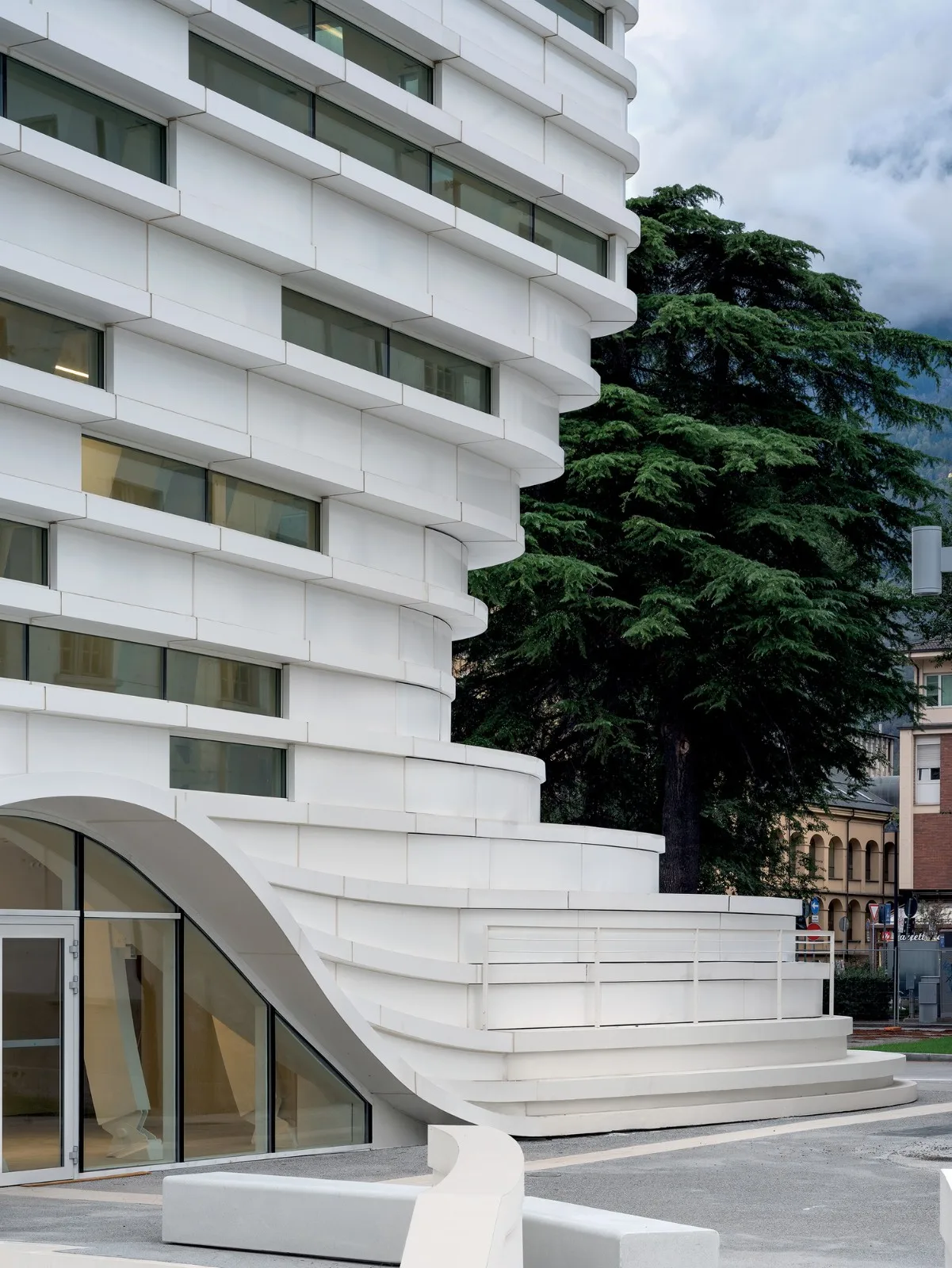
Facade System
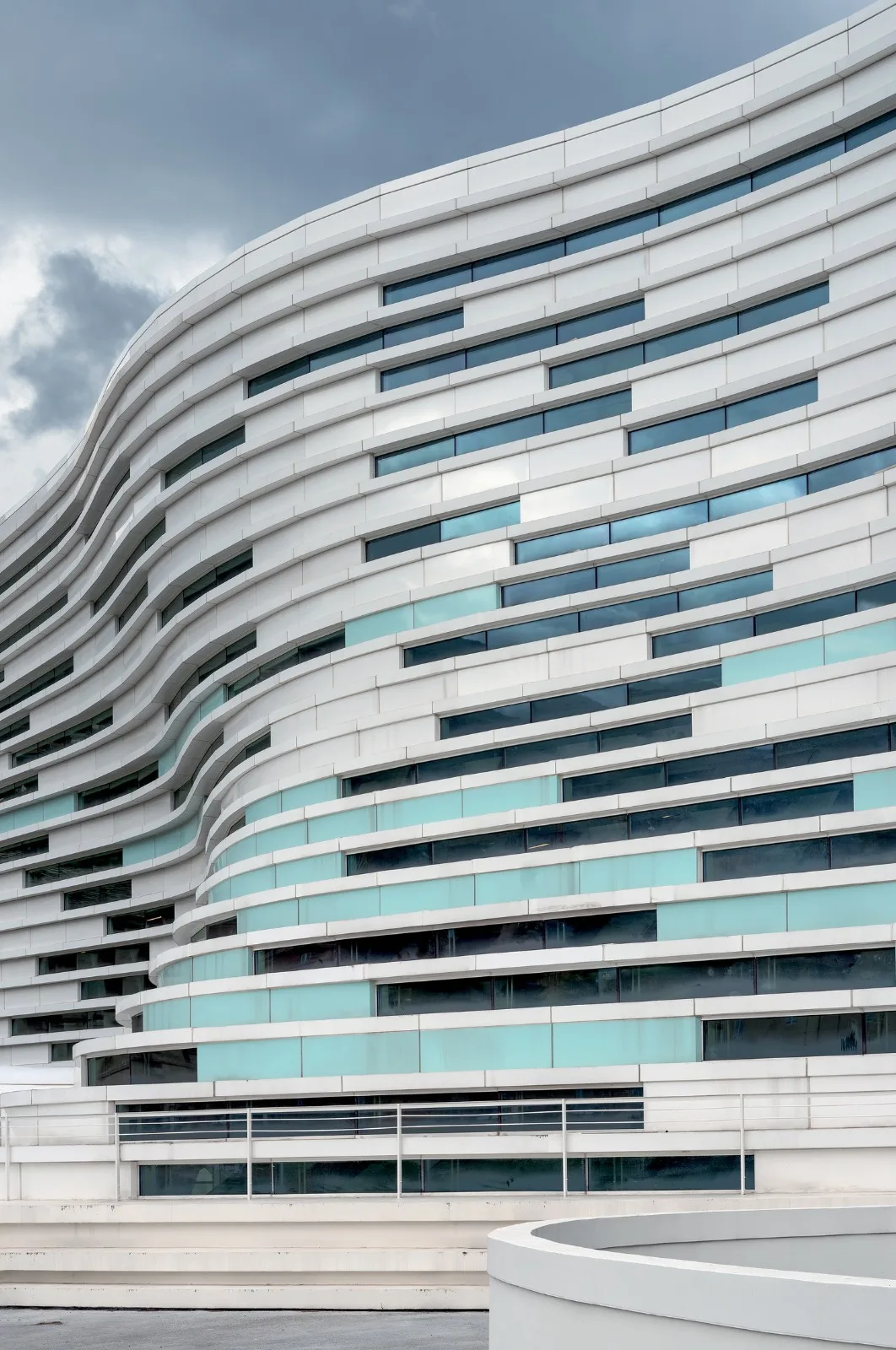
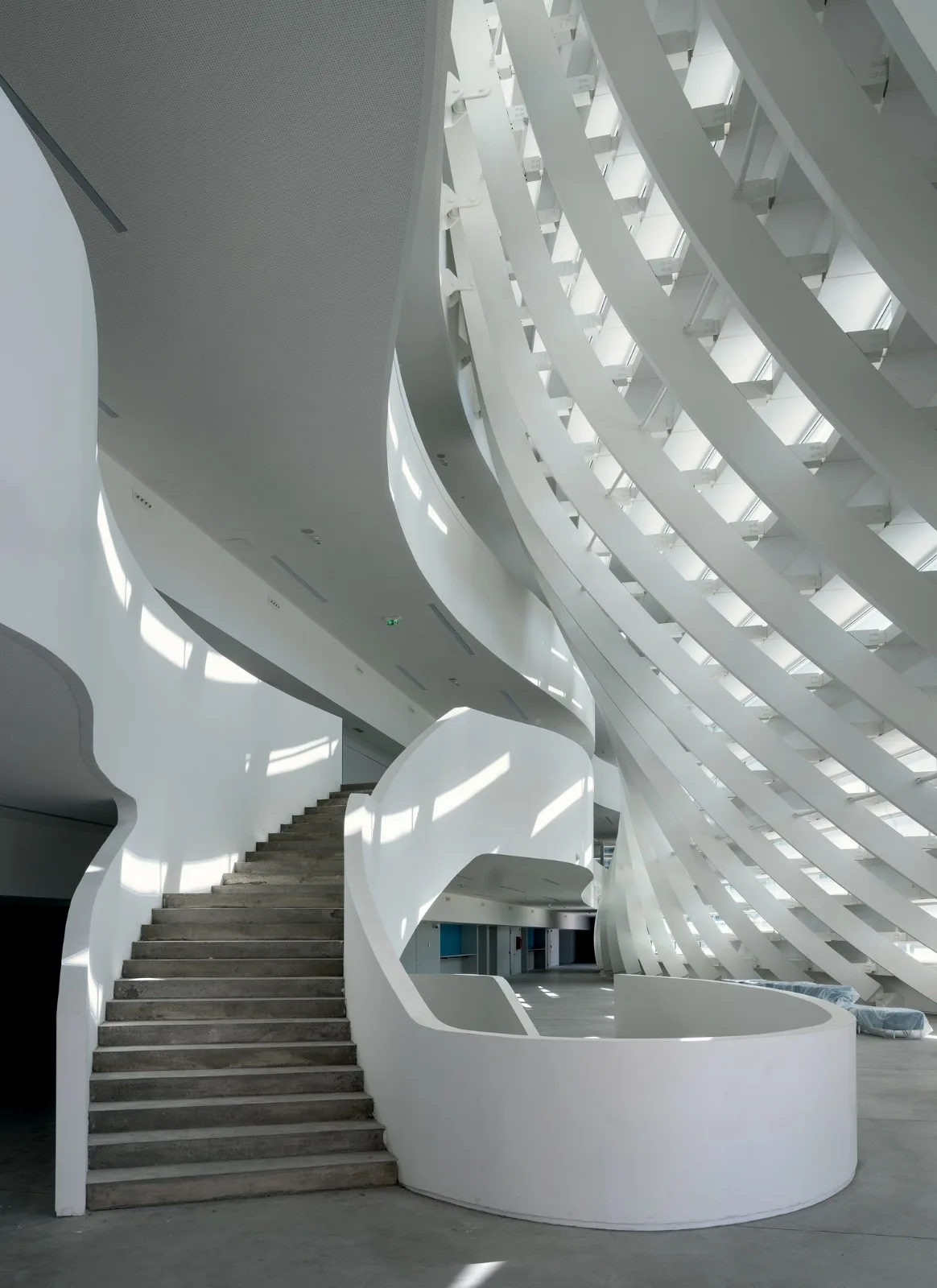
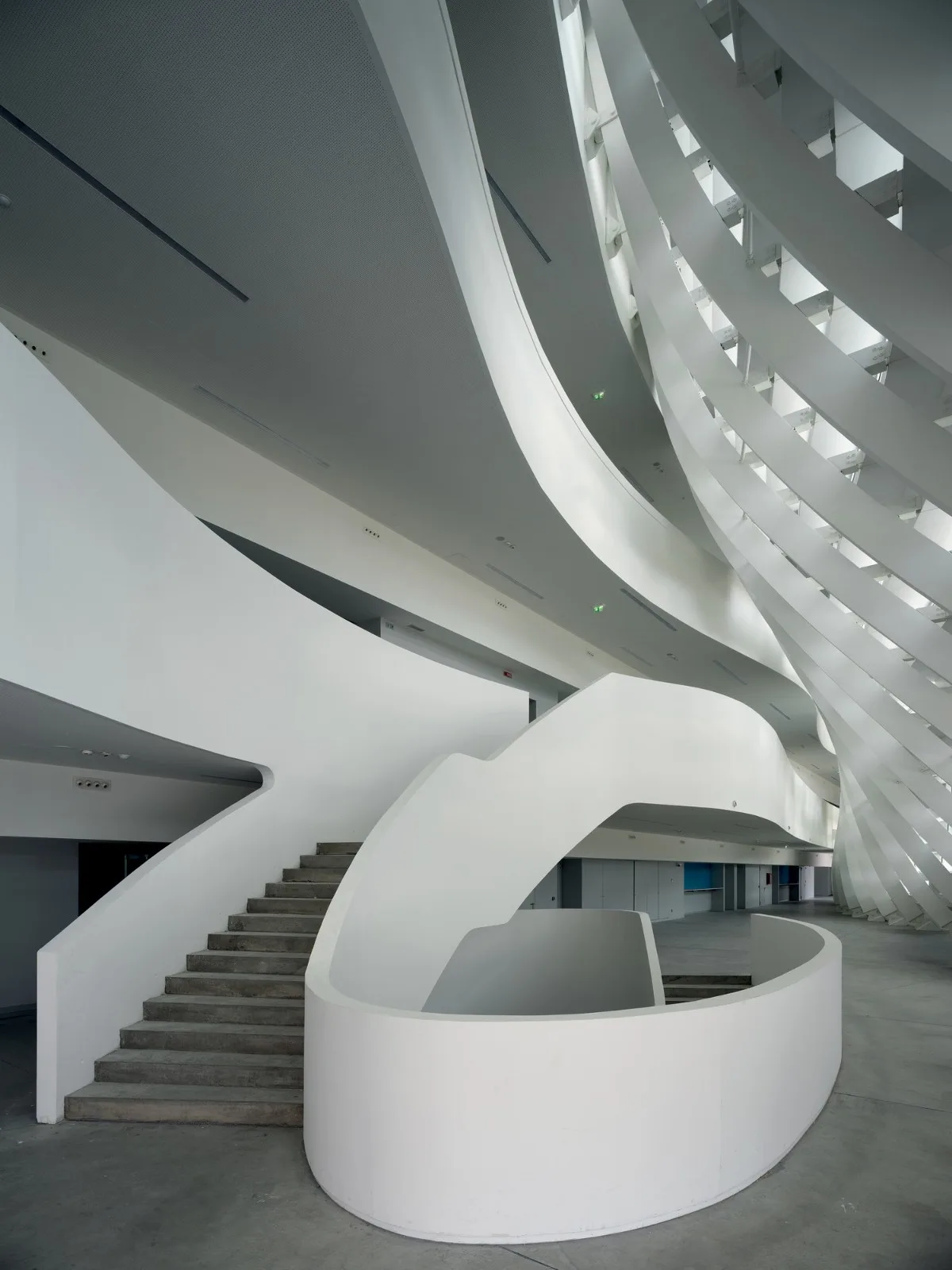
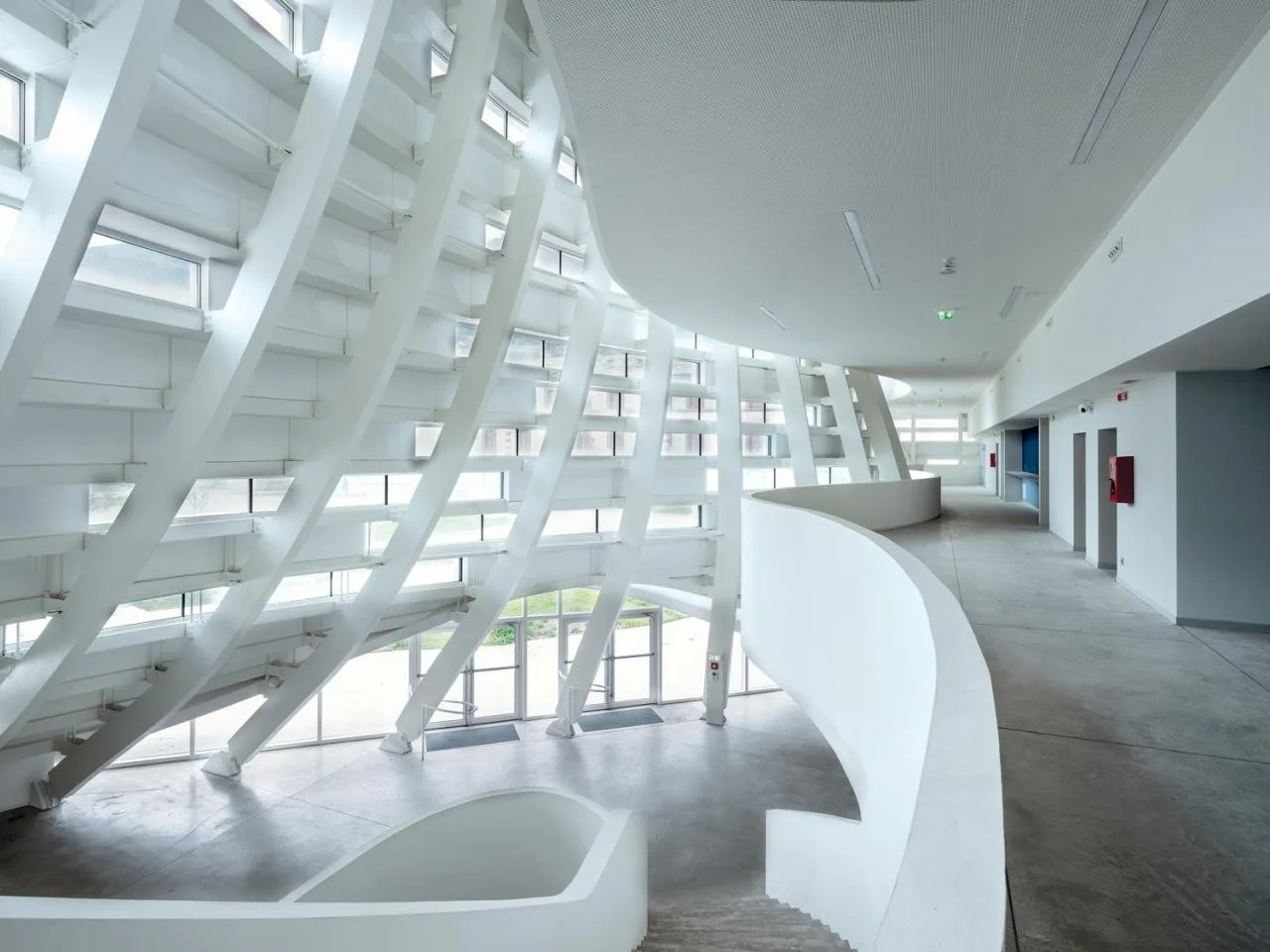
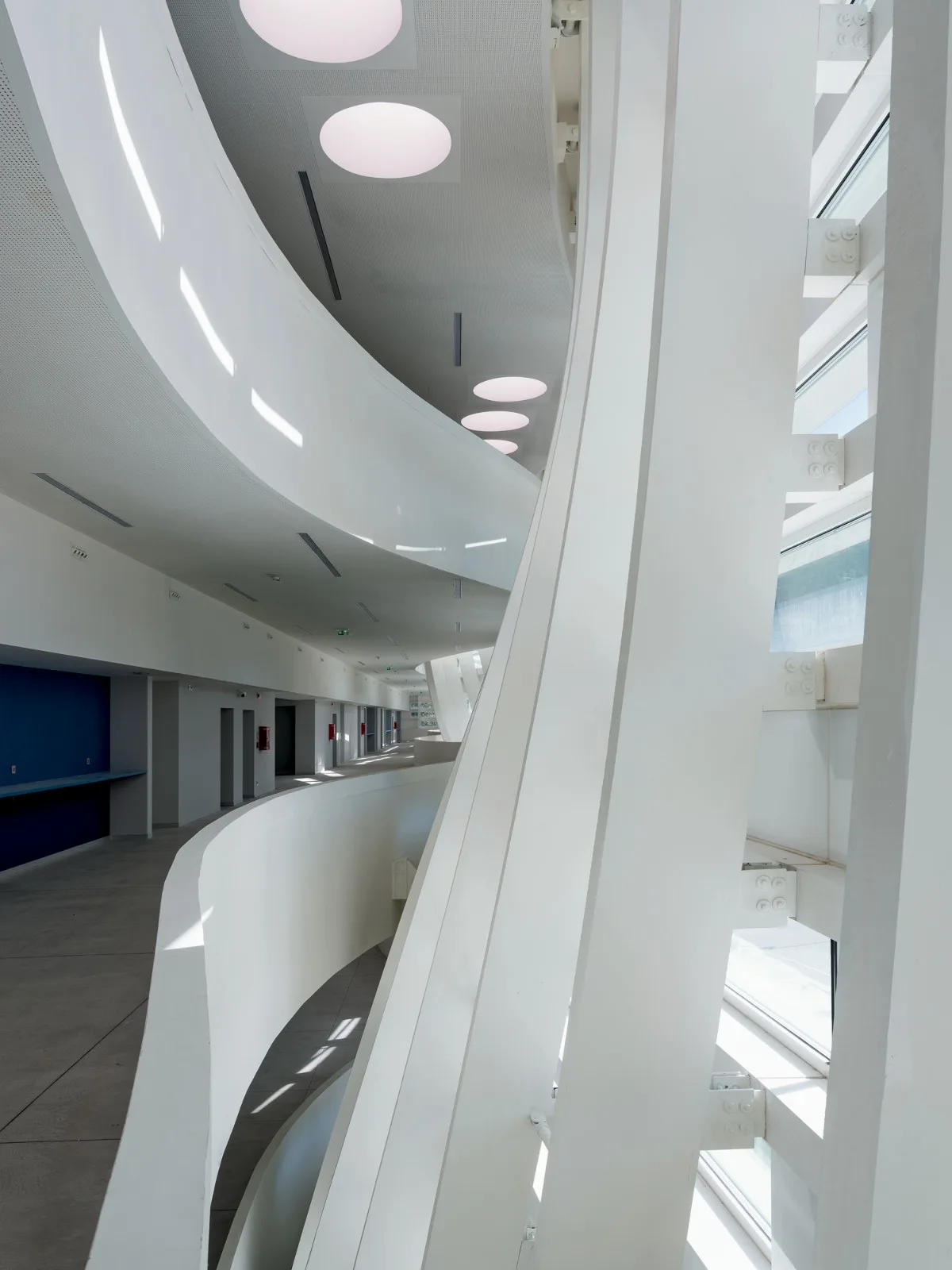
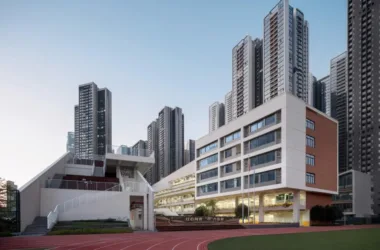
The exterior facades facing the city and plaza utilize multiple facade systems. One side features a combination of glass outer panels and opaque sections, allowing natural light to enter while providing active shading. This design fosters a comfortable indoor environment and gives the building a distinctive exterior identity.
The structural system comprises large reinforced concrete floors supported by a series of reinforced concrete walls. This approach creates spacious, column-free interiors that offer great flexibility for classroom layouts.
Environmental Policy
The design is based on a thorough study of the local environment and climate, including solar paths, shadow patterns, and prevailing winds. This strategy ensures the campus is resilient against extreme weather while optimizing natural resources to operate with near-zero energy consumption.
Solar radiation analysis reveals that winter sunlight is increasingly obstructed by the southern valley slopes and that the area experiences significant daily and seasonal temperature swings. To address this, the building’s compact, well-insulated, and aesthetically refined volumes minimize impact on surrounding sunlight exposure.
The integrated building envelope supports ultra-low energy consumption, leveraging renewable energy sources such as groundwater heat pumps, condensing boilers, and photovoltaic panels. This approach guarantees cost-effectiveness, optimal building performance, and high environmental quality standards.
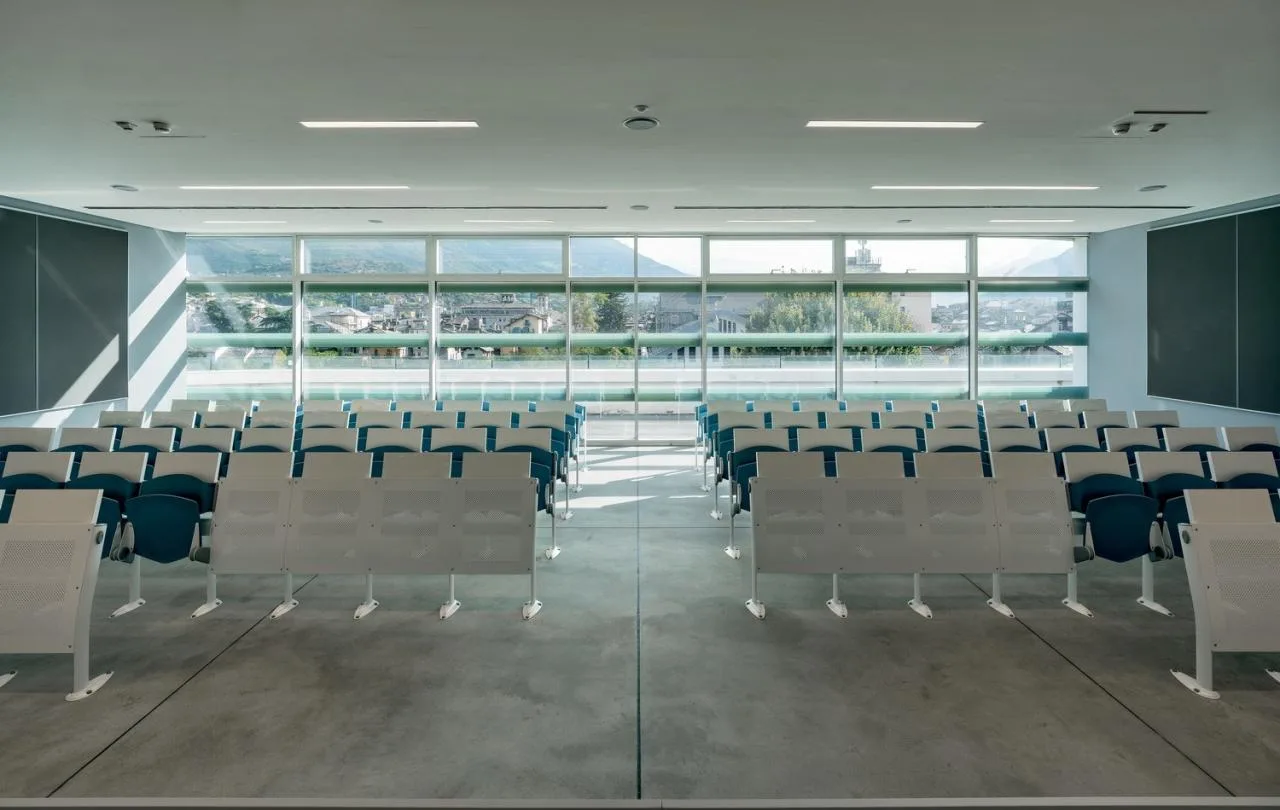
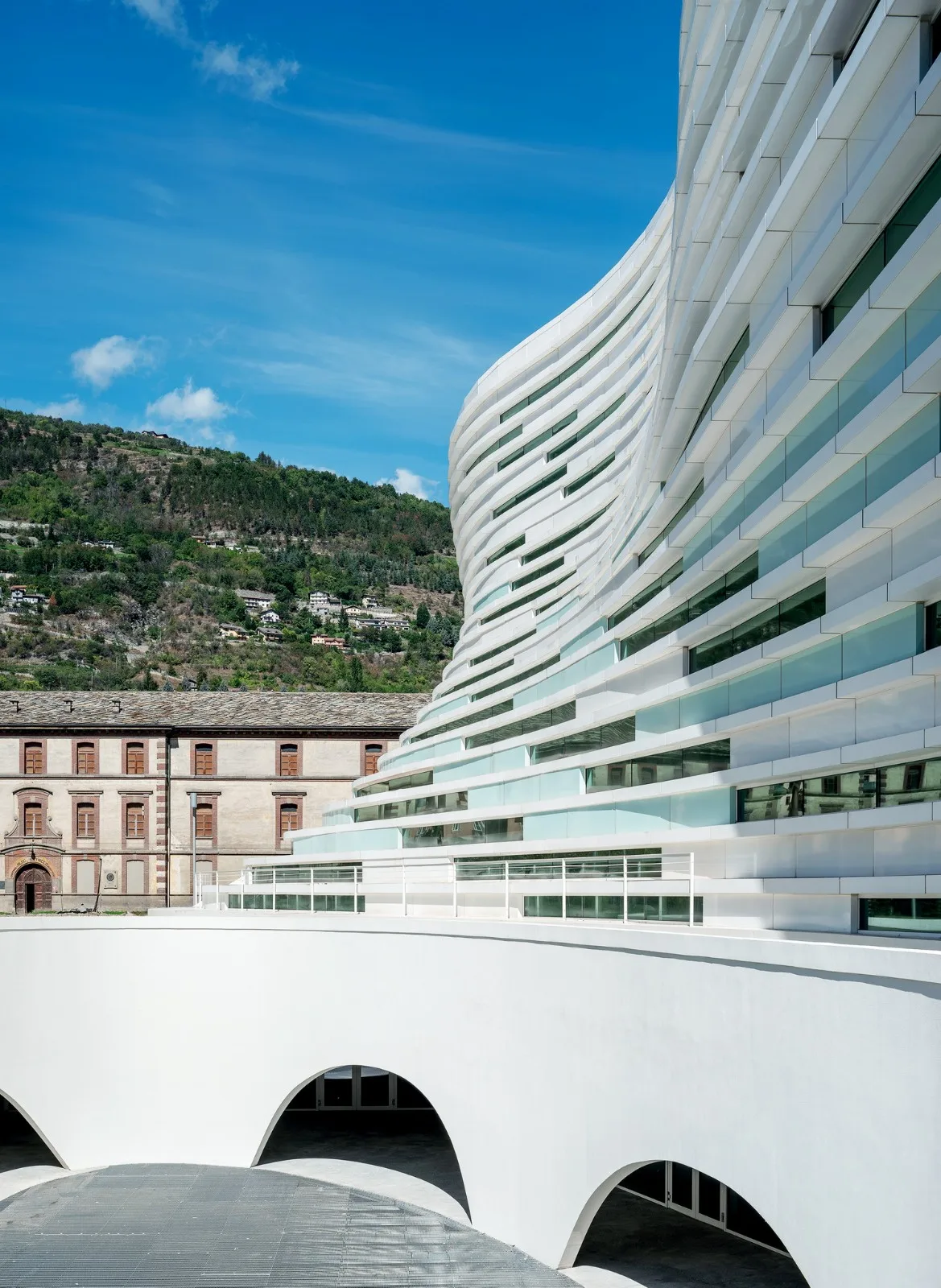
The Valleda Osta University campus is a model of sustainable development rooted in regional climate and cultural values. Through thoughtful architectural design, it balances history and modernity, giving environment a powerful voice.
By opening the campus to the city, the project enhances well-being, revitalizes the historical core, and optimizes urban structure—setting a new standard for sustainable development in Osta city and society.
Project Drawings
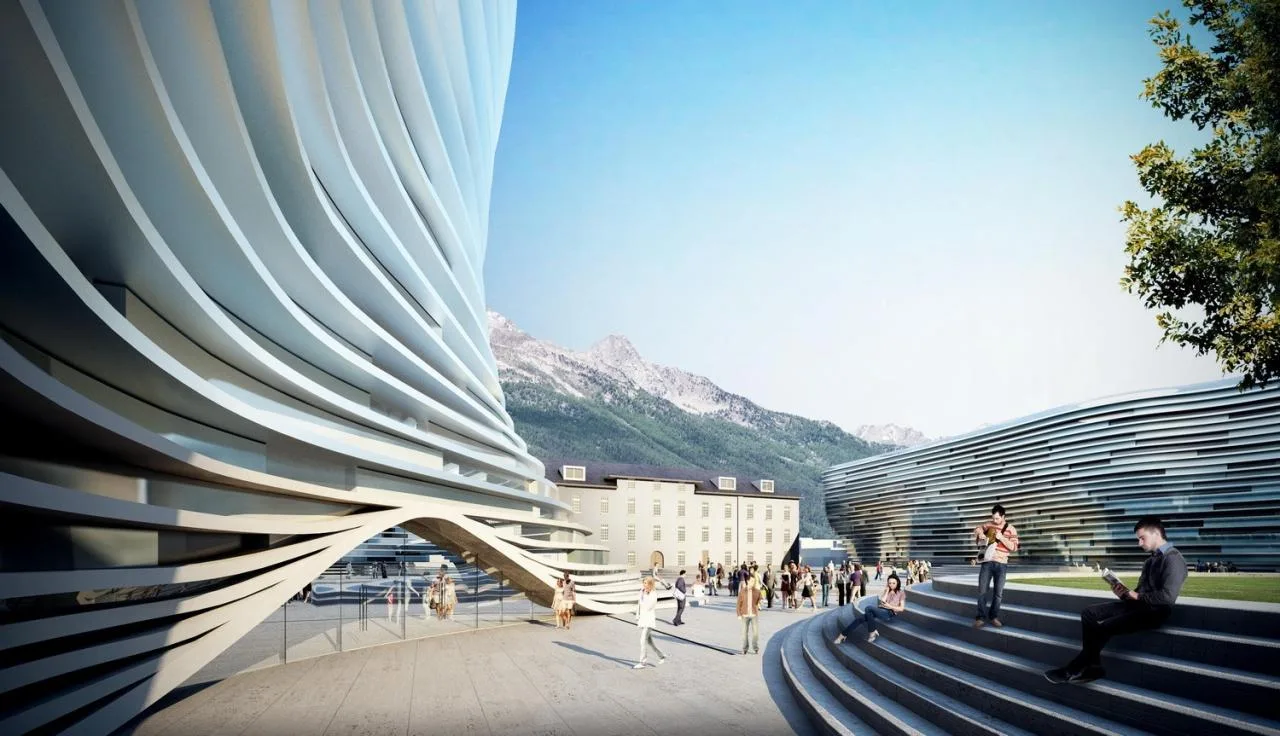
△ Rendering
△ Rendering
△ Rendering
△ Rendering
△ Base schematic diagram
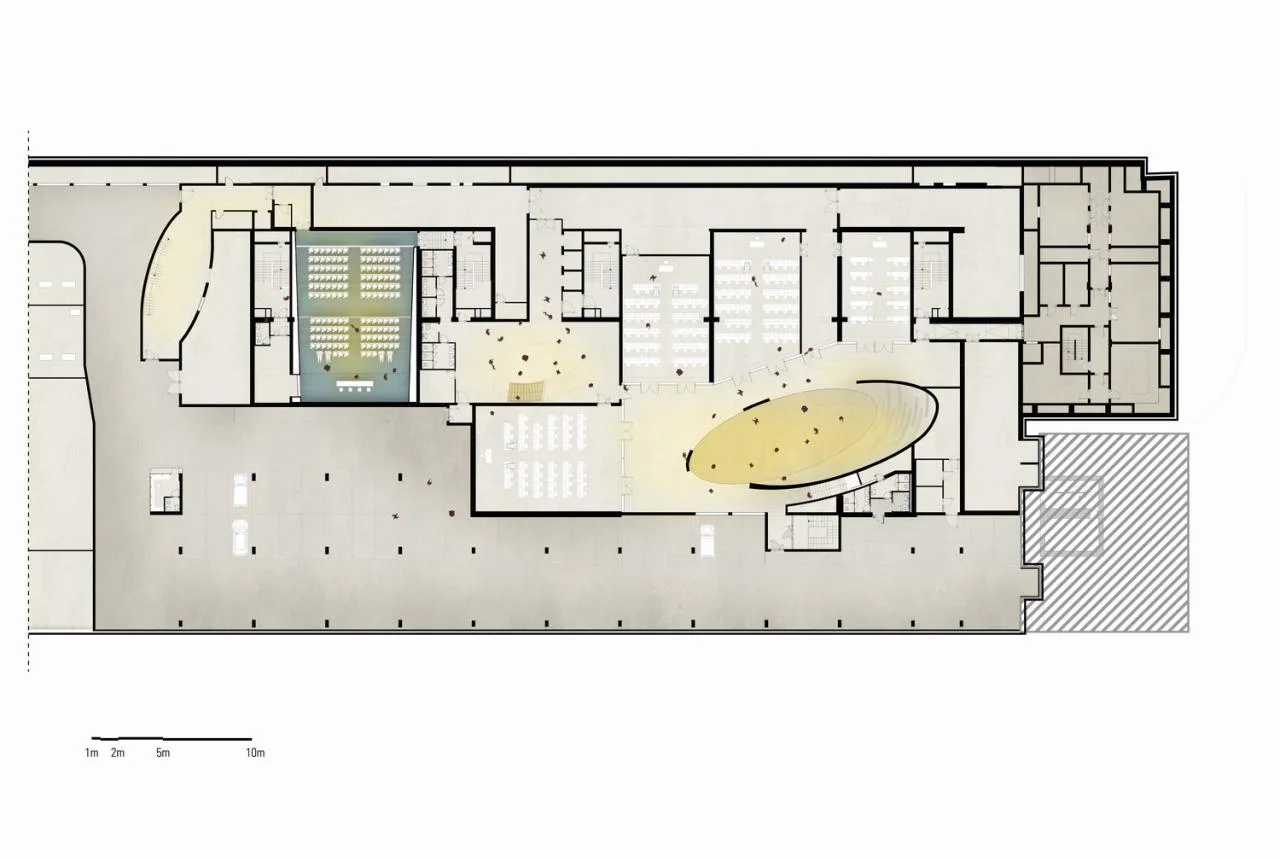
△ Underground Floor Plan
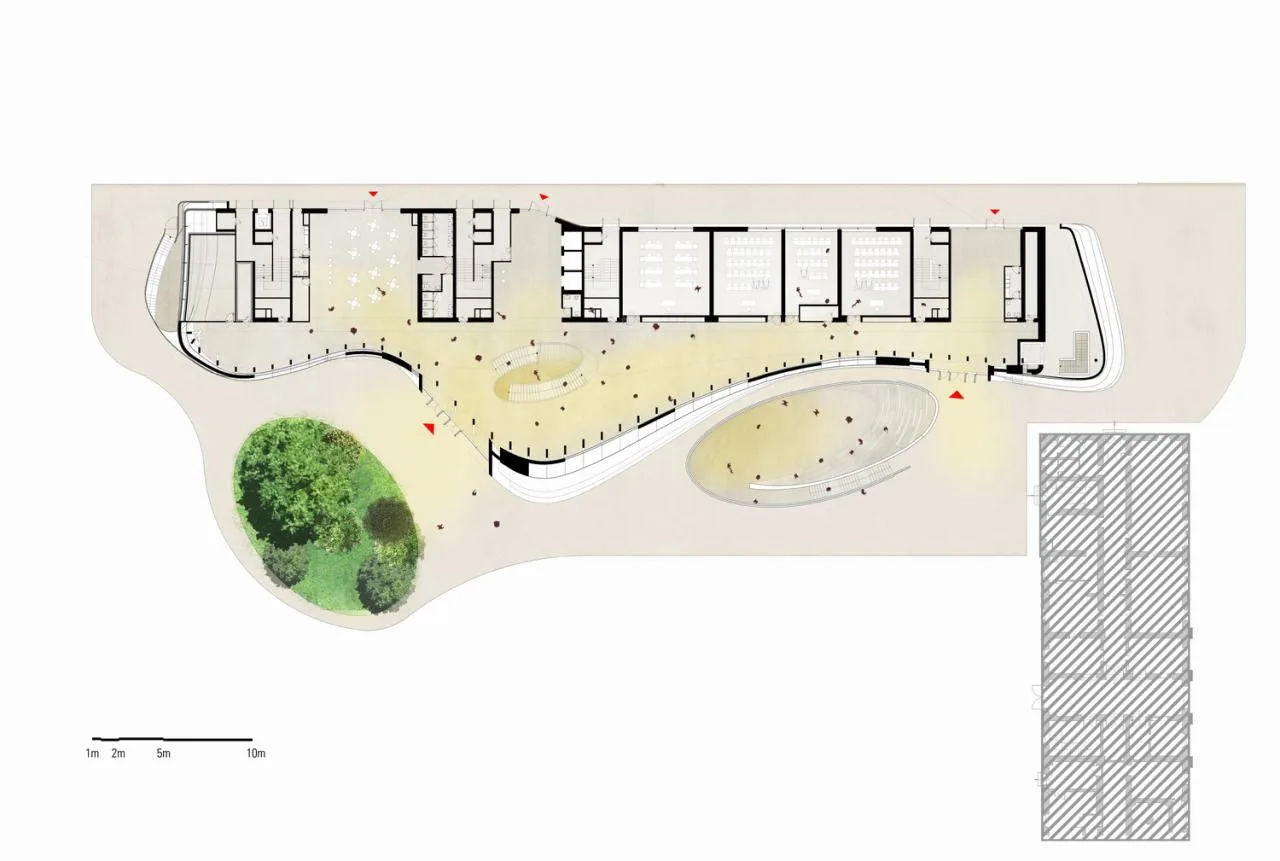
△ First Floor Plan
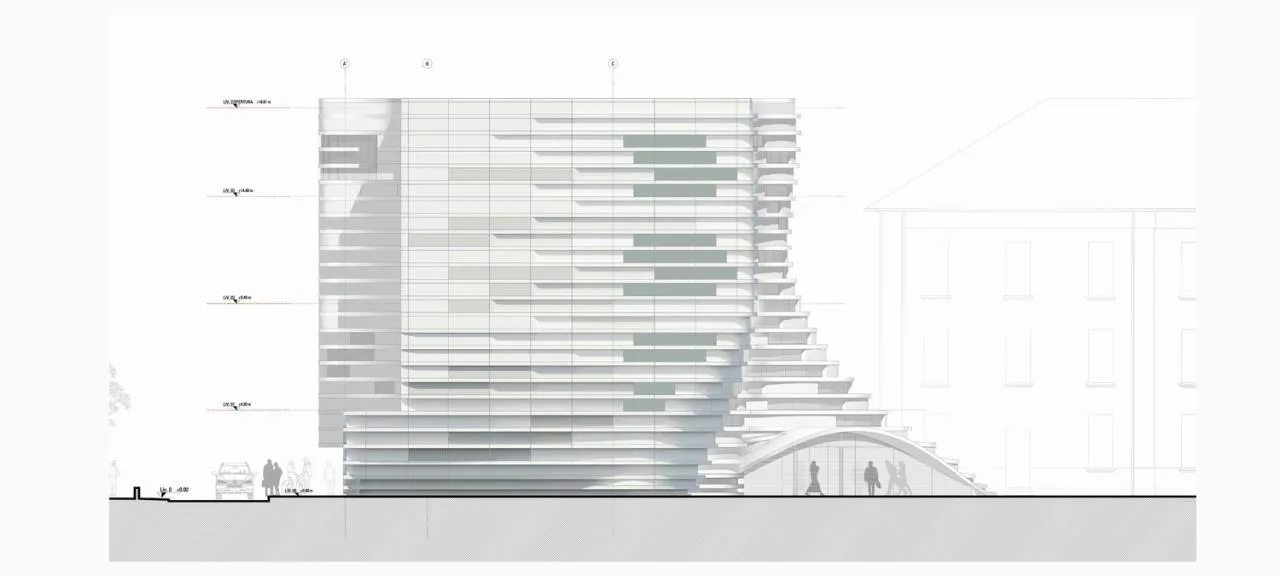
△ North Elevation View
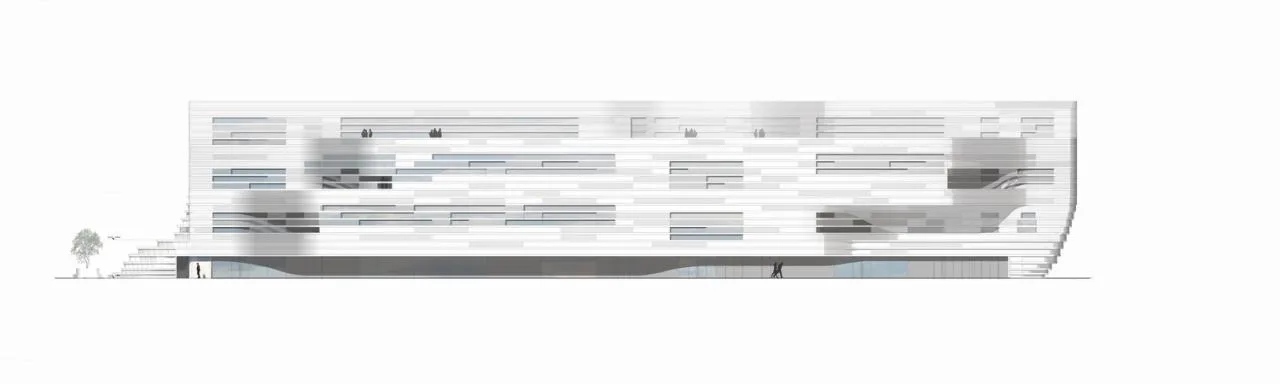
△ East Elevation View
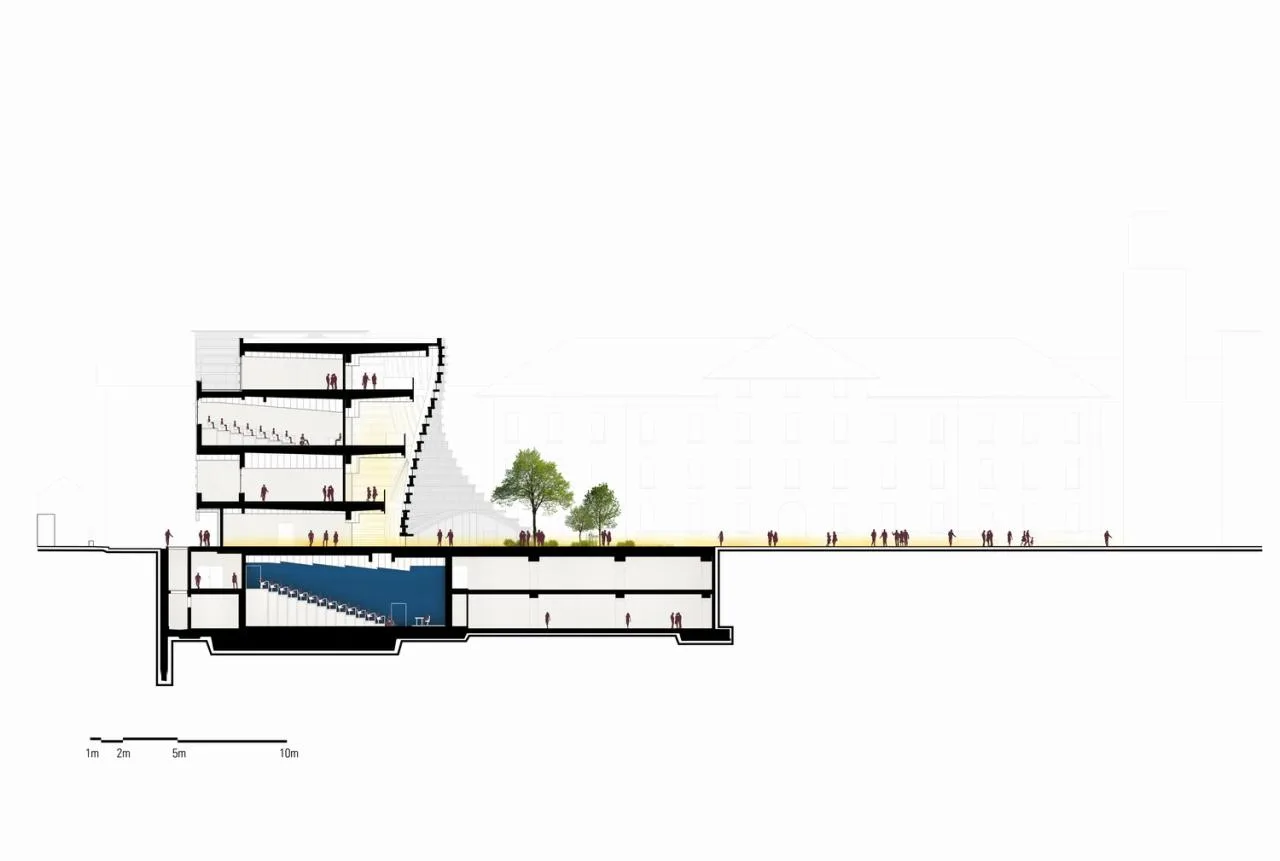
△ Section Diagram
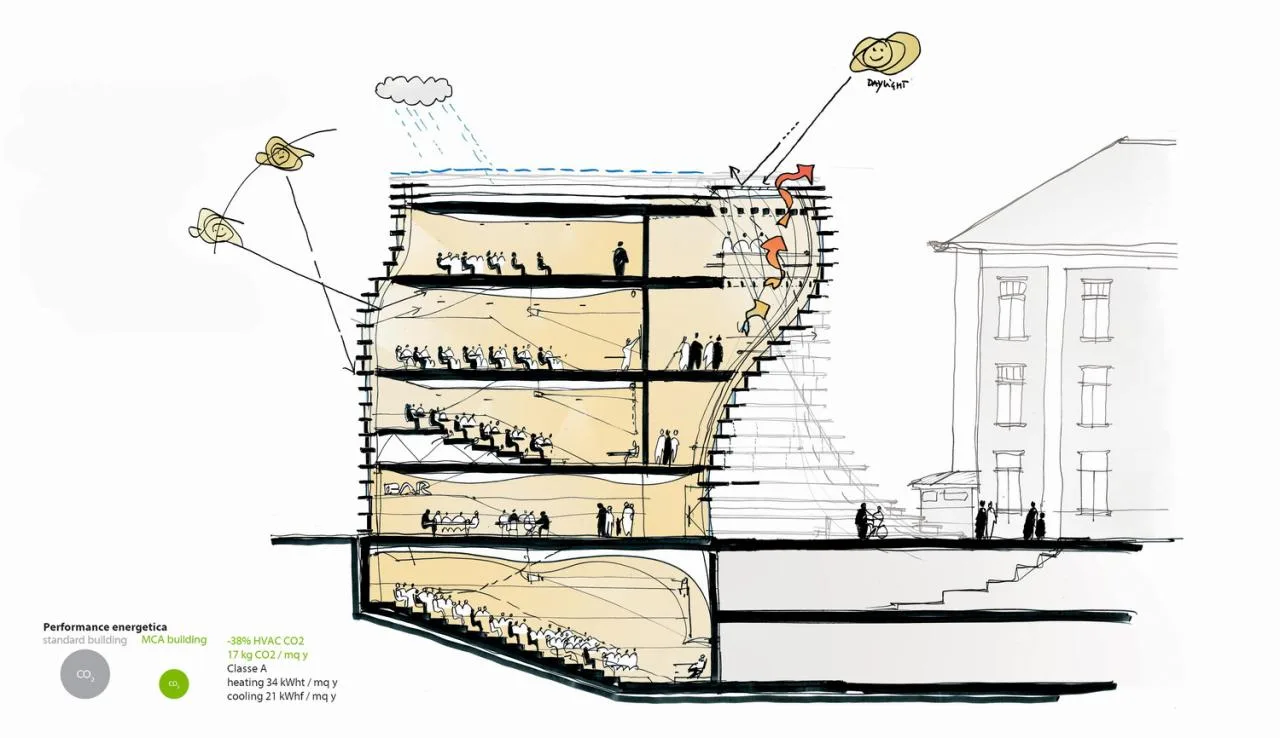
△ Analysis Chart
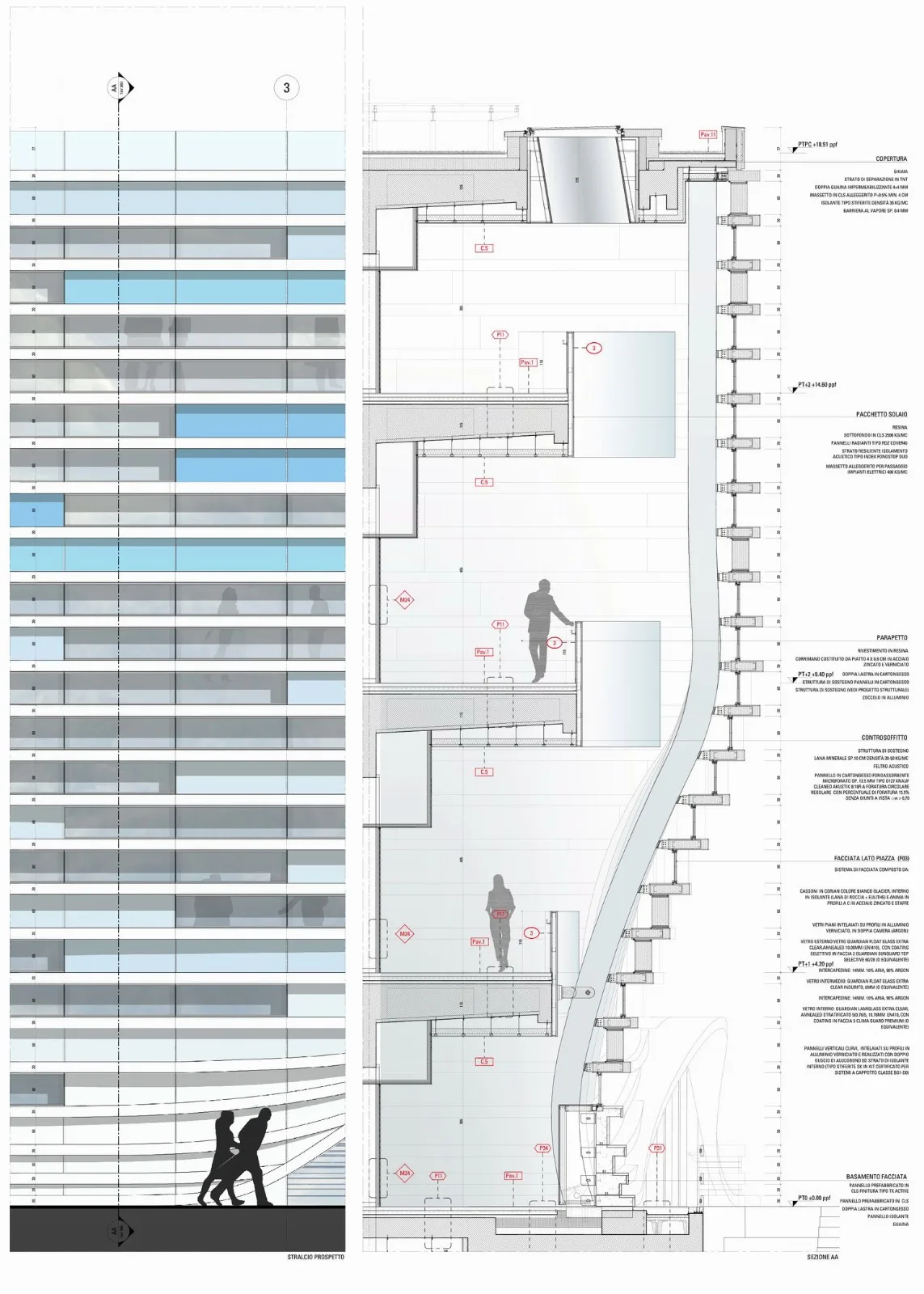
△ Detailed Structural Drawing
Project Information
Location: Osta, Italy
Year: 2023
Area: 52,000 square meters
Team: Mario Cucinella, Giulio Desiderio, Donato Labella, Michele Olivieri, Fabrizio Bonatti, Lucrezia Rendace, Julissa Gutarra, Nada Balestri, David Hirsh, Rigoberto Arambula, Luca Stramigioli, Davide Stolfi, Giulia Pentella, Alberto Bruno, Yuri Costantini
Architectural Project Collaboration: Studio Pession Associate, Tetrastudio, Studio Rosset e Associate
Rendering: Engram Studio
Structural Engineering: Sintecna Srl
Equipment Engineering: Golder Associates, Metec & Saggese, Energy Services
Fire and Safety Design: Engineer Giuseppe Amaro
Photography: Duccio Malagamba












Must log in before commenting!
Sign Up