
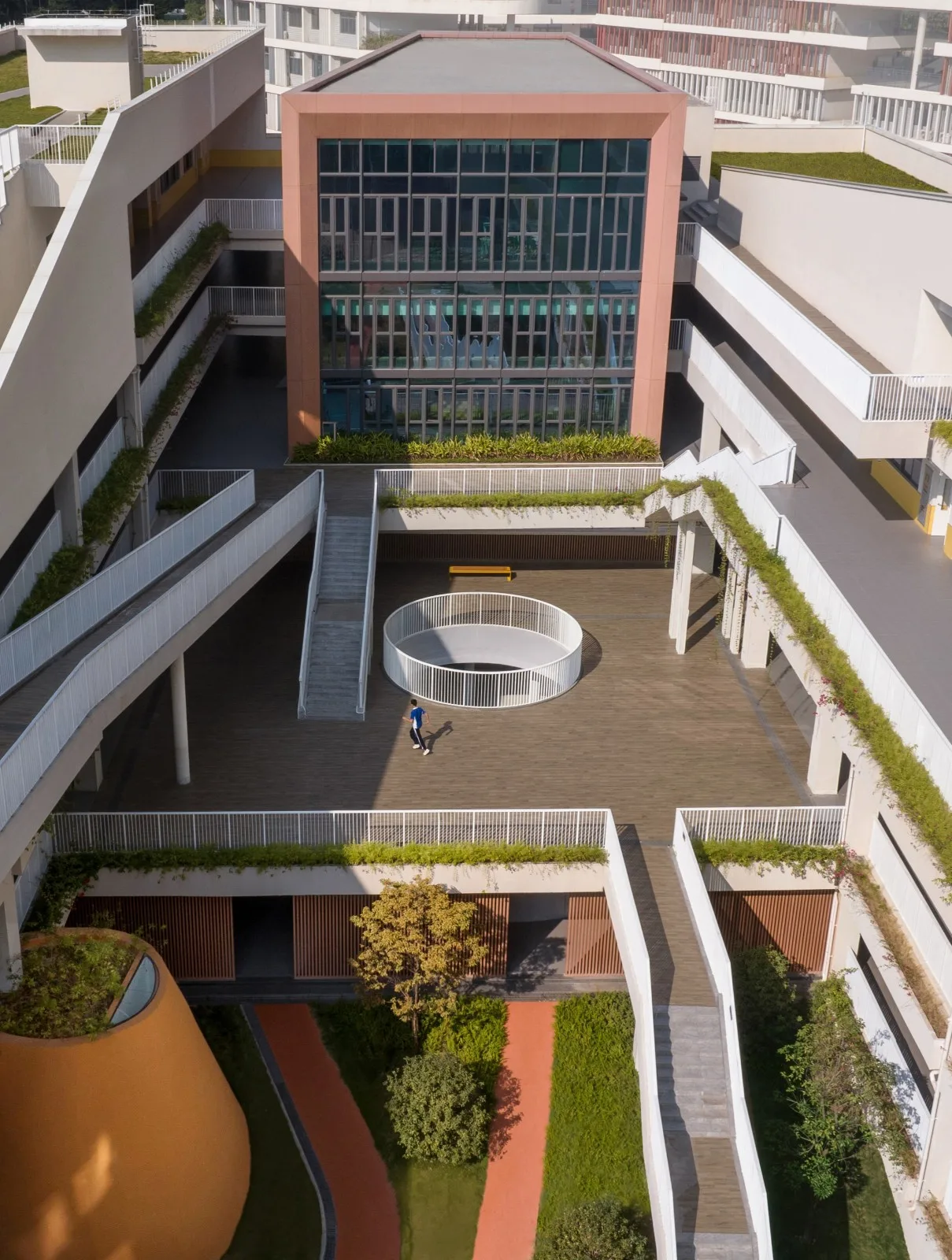
As Shenzhen rapidly expands in population and urban development, available land for construction and growth is becoming increasingly limited. This scarcity poses significant challenges in providing enough school and kindergarten places. To address these constraints, designers face the challenge of creating high-density campuses that not only maximize land use but also cater to future educational needs with engaging and aesthetically pleasing environments.
In response, the design team has developed an innovative “campus valley” concept, offering children spaces to lie on rooftops and gaze at the stars. Through clever graphic layouts, a balance of dense yet open activity areas, and a “valley garden” that harmonizes with nature, the campus subtly encourages imagination and creativity among students.
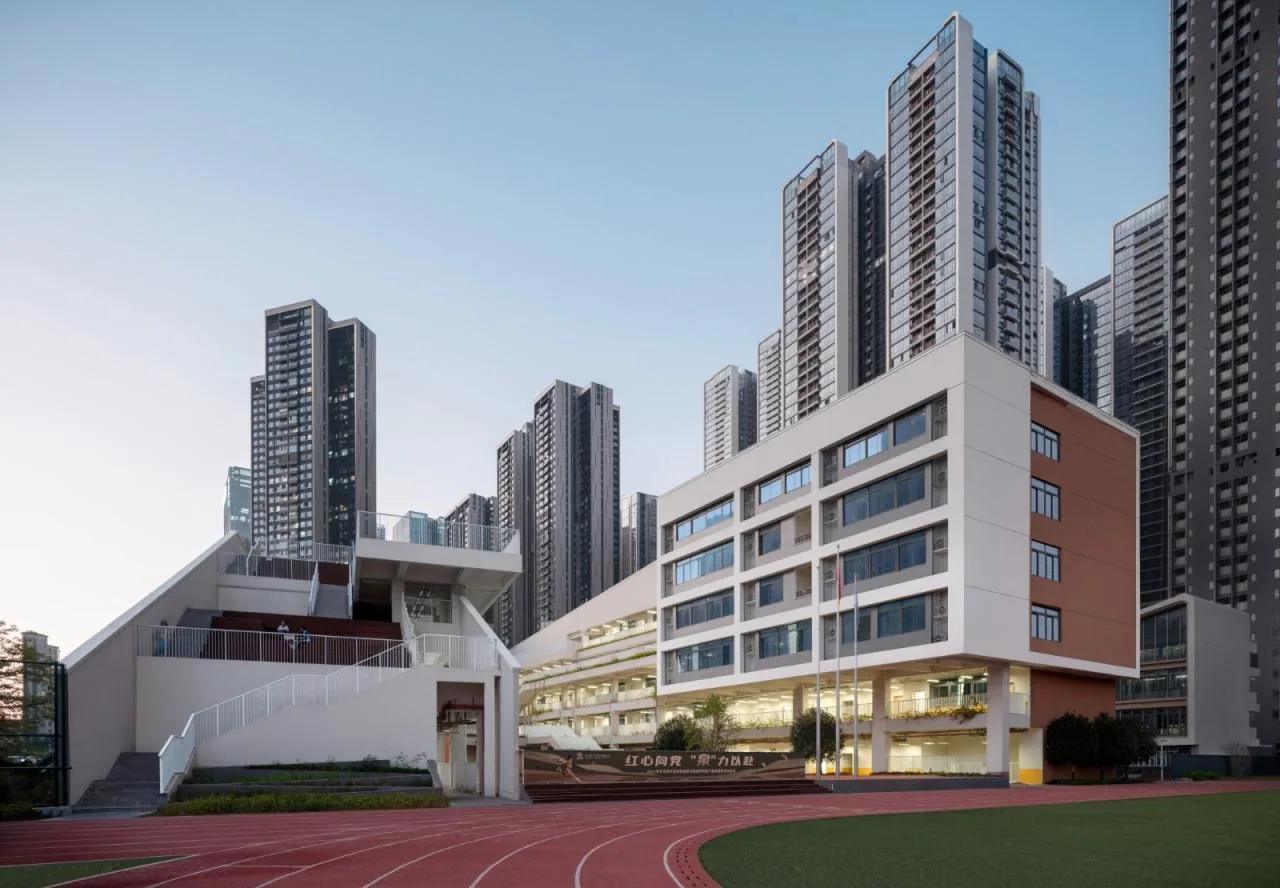
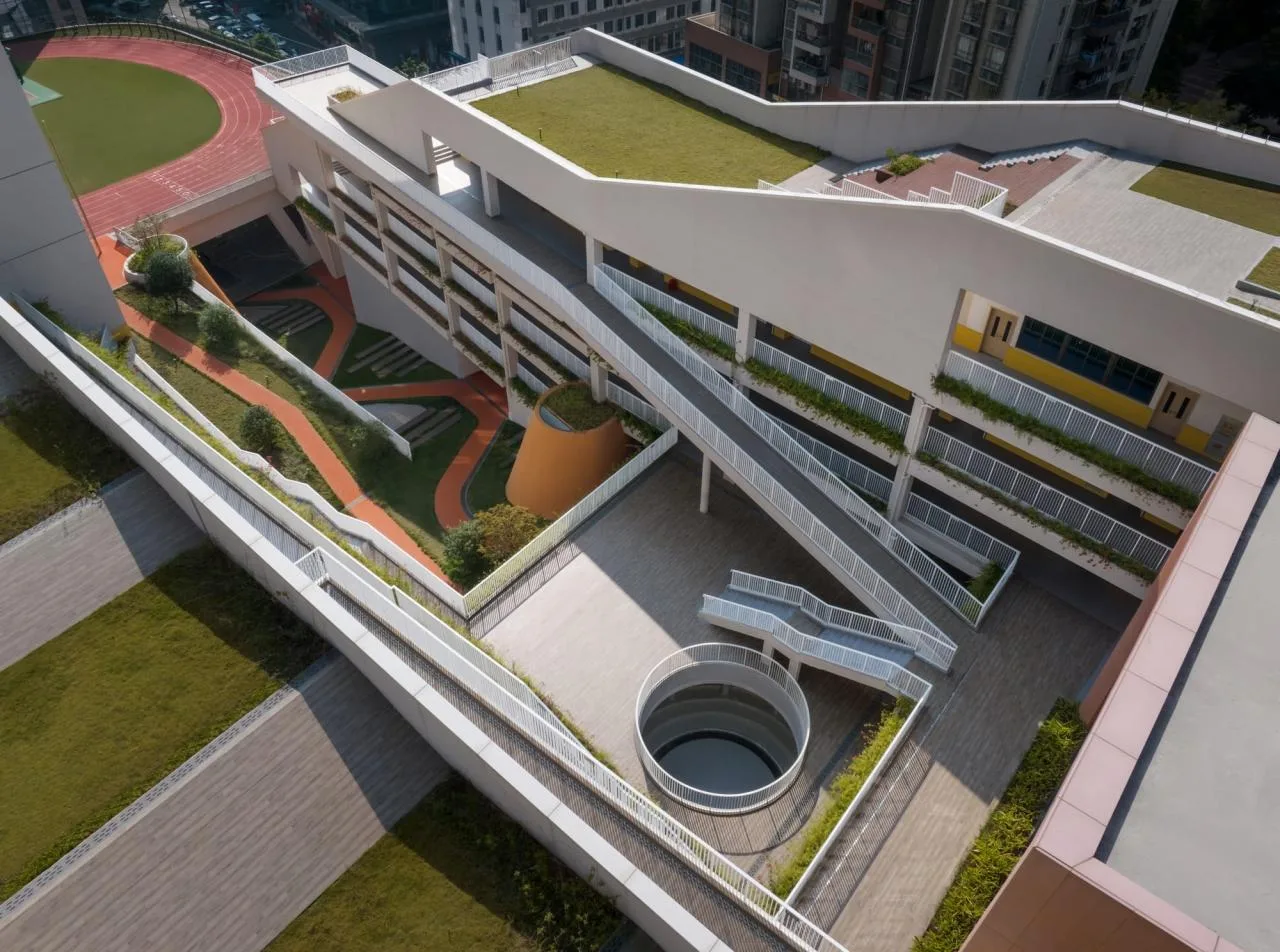
The Junior High Department of Qingquan Foreign Language School, located in Longhua District, Shenzhen, accommodates 24 classes within a total built-up area of approximately 29,266 square meters. Situated on Qingquan Street, the school embraces spring culture and follows the educational philosophy of “cleanliness and vitality”. Its mission is to foster a campus culture grounded in truth-seeking, knowledge, elegance, and virtue.
However, Shenzhen’s rapid urbanization has gradually replaced natural landscapes—mountains, rivers, and forests—with concrete structures, weakening the connection between humans and nature. While striving for educational excellence, children’s spiritual development and mental well-being often receive insufficient attention.
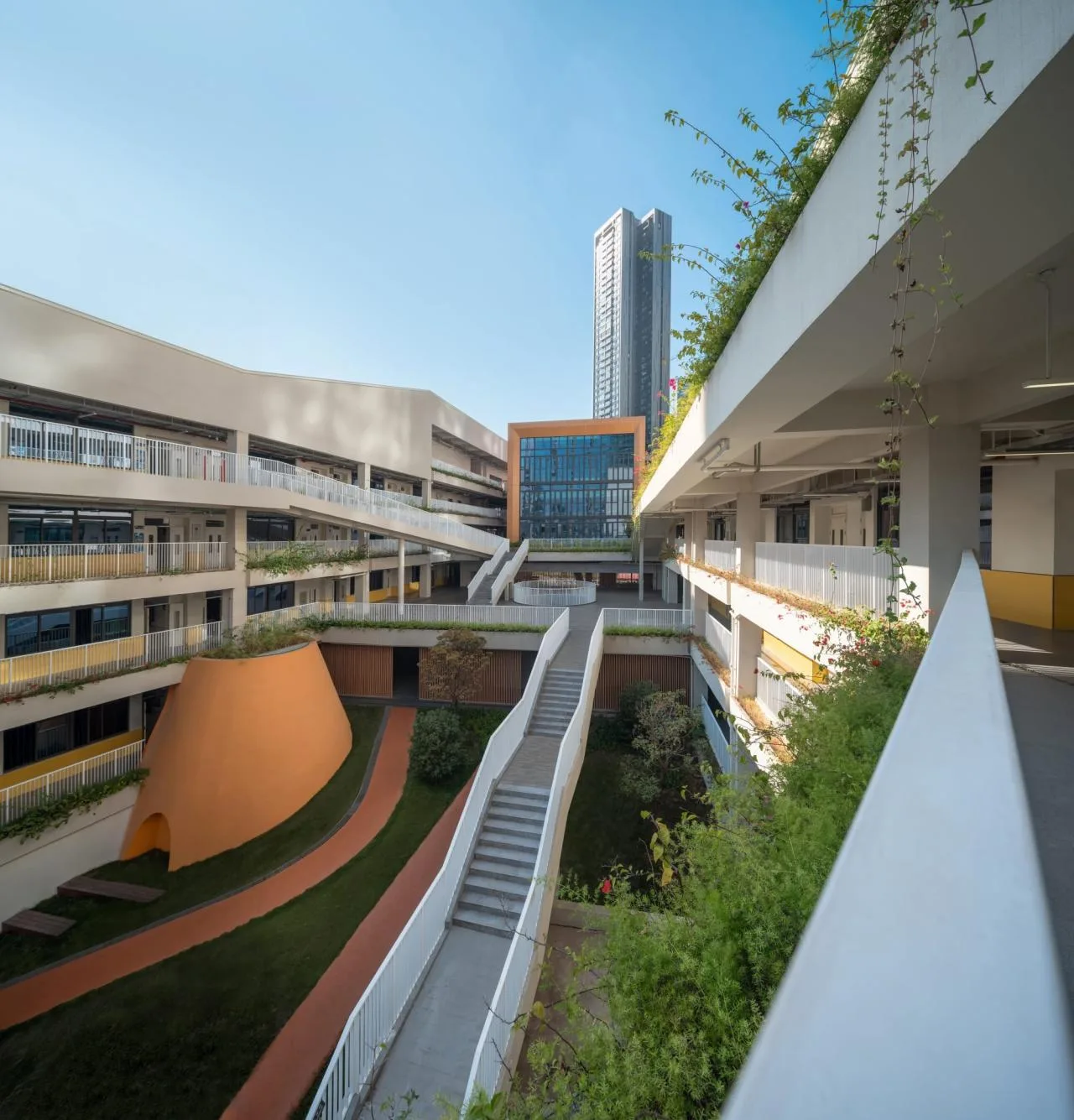
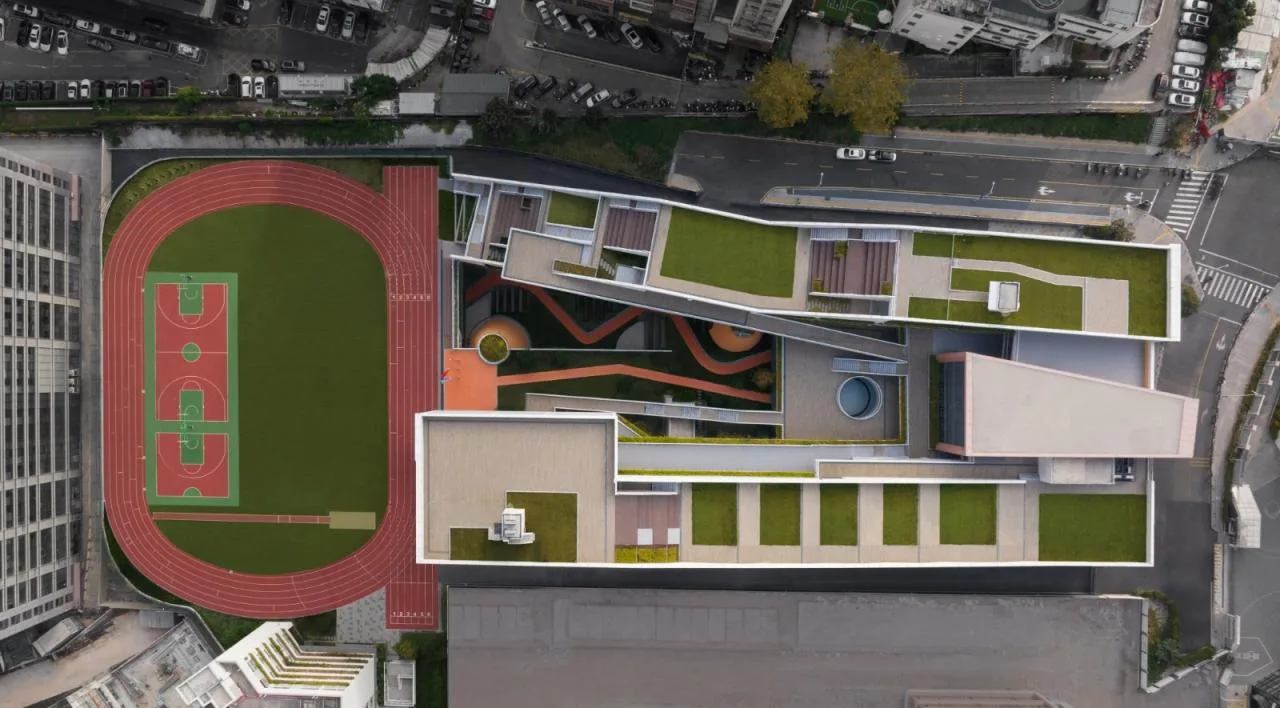
To align with the school’s philosophy, the design emphasizes natural elements throughout the campus, creating engaging spaces that reduce learning pressure and foster joyful growth in an open, sunny environment. The site itself is an irregular trapezoid covering 14,589.7 square meters, bordered by Linqing Long Road to the north, Yongchun Road to the south, Longhua Avenue to the east, and Heping Road to the west.
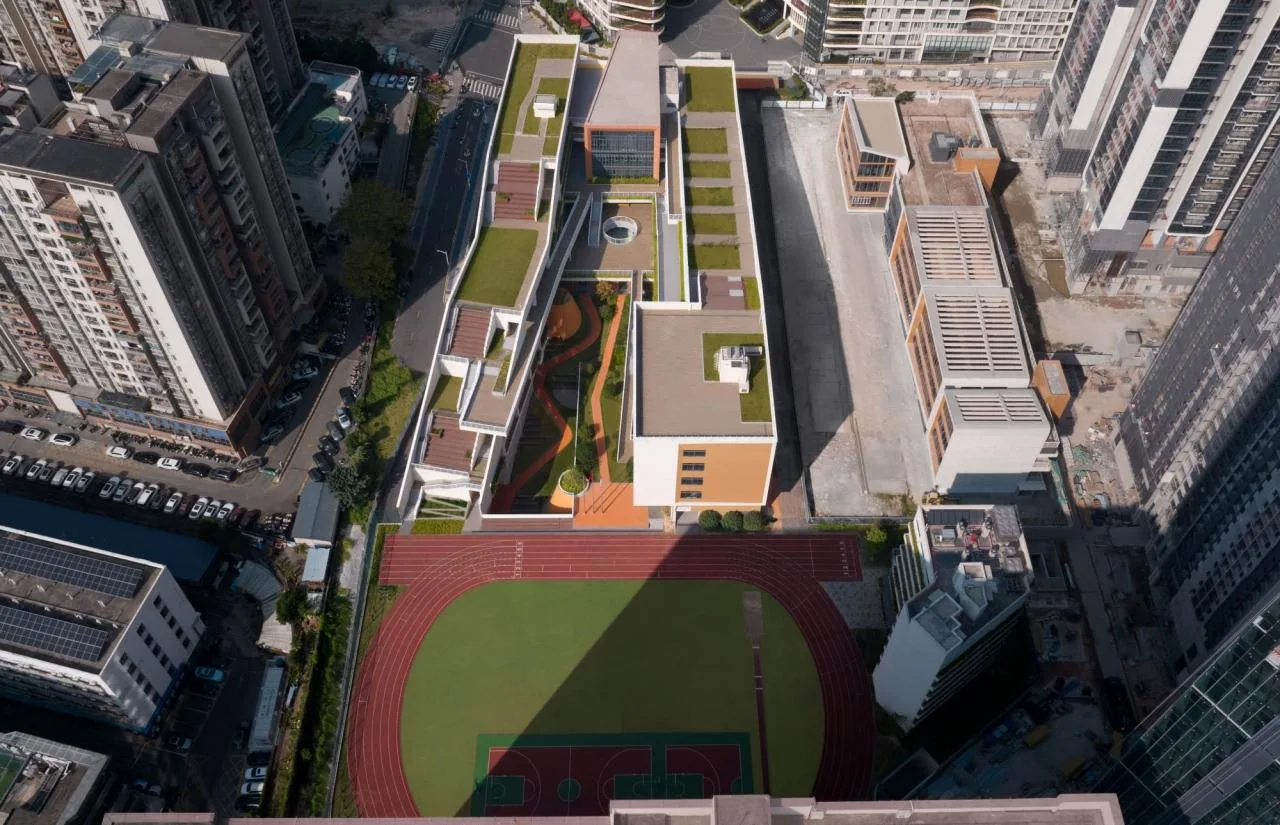
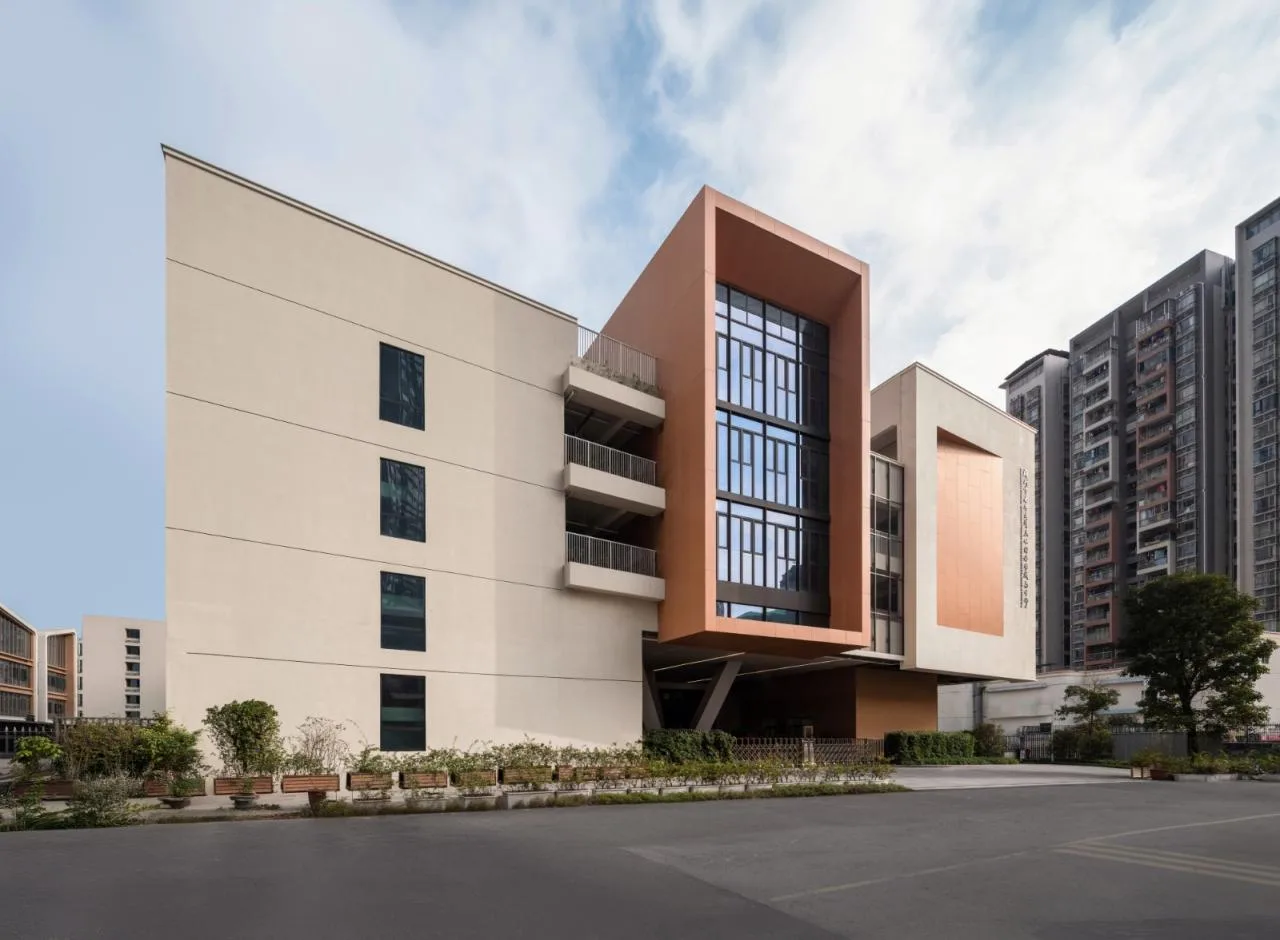
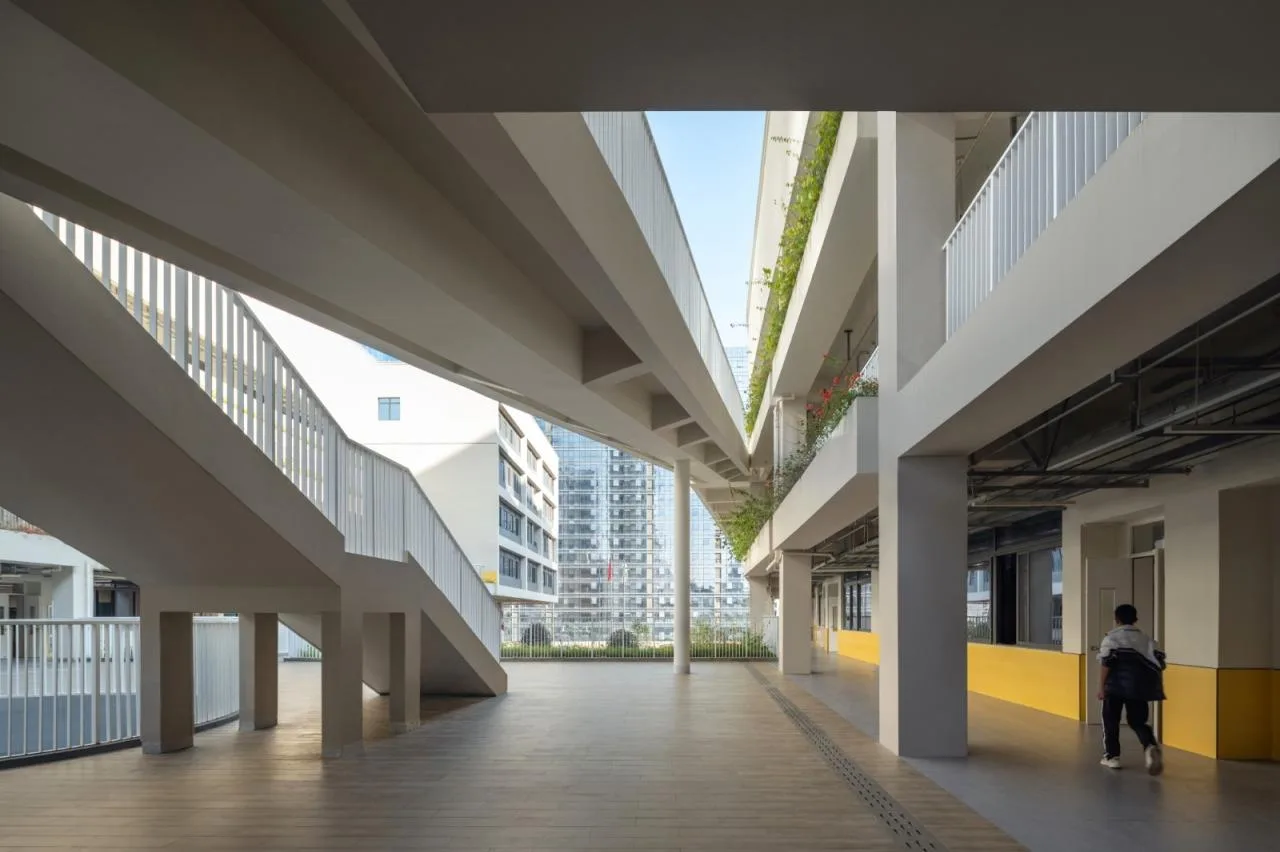
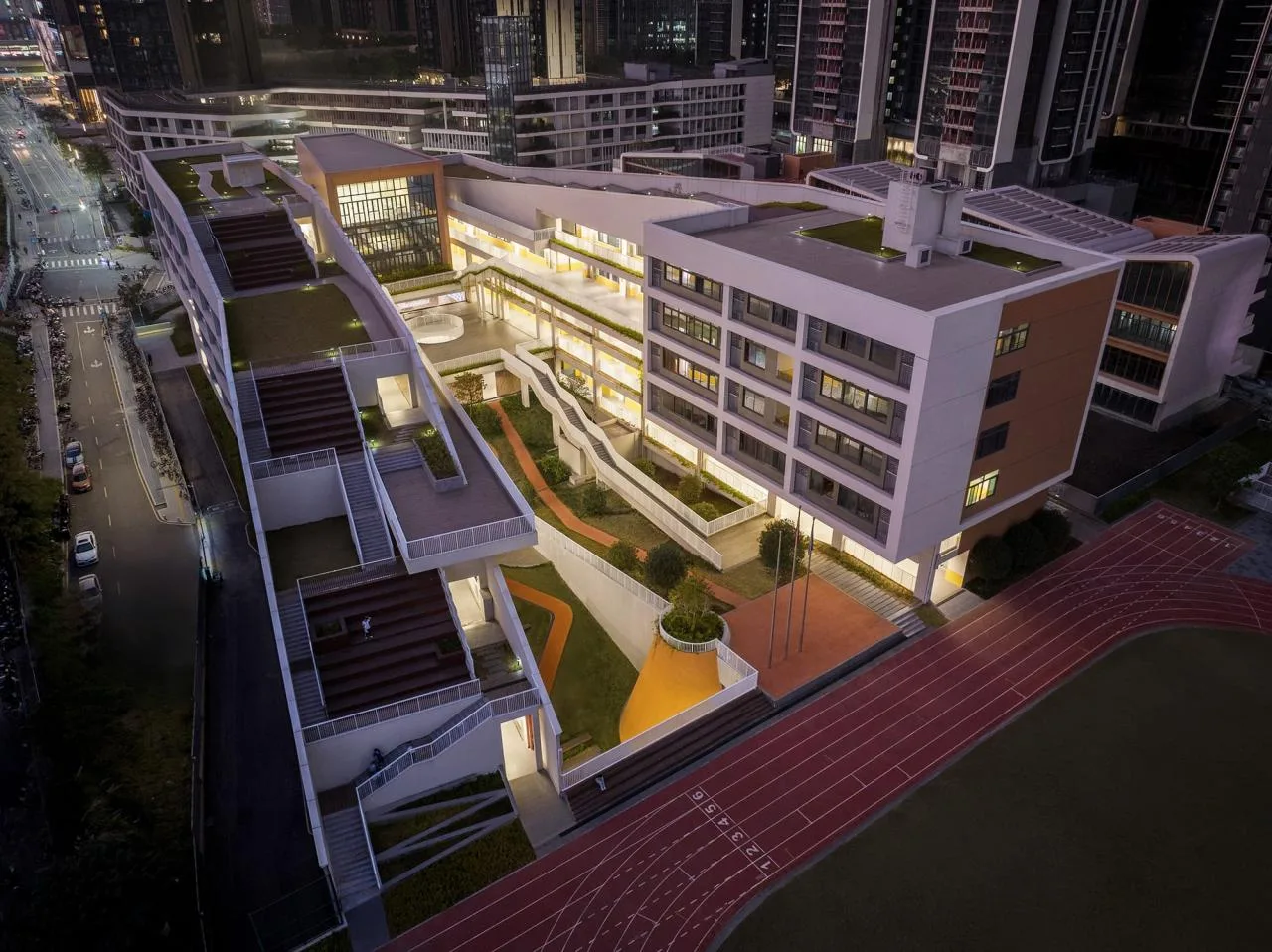
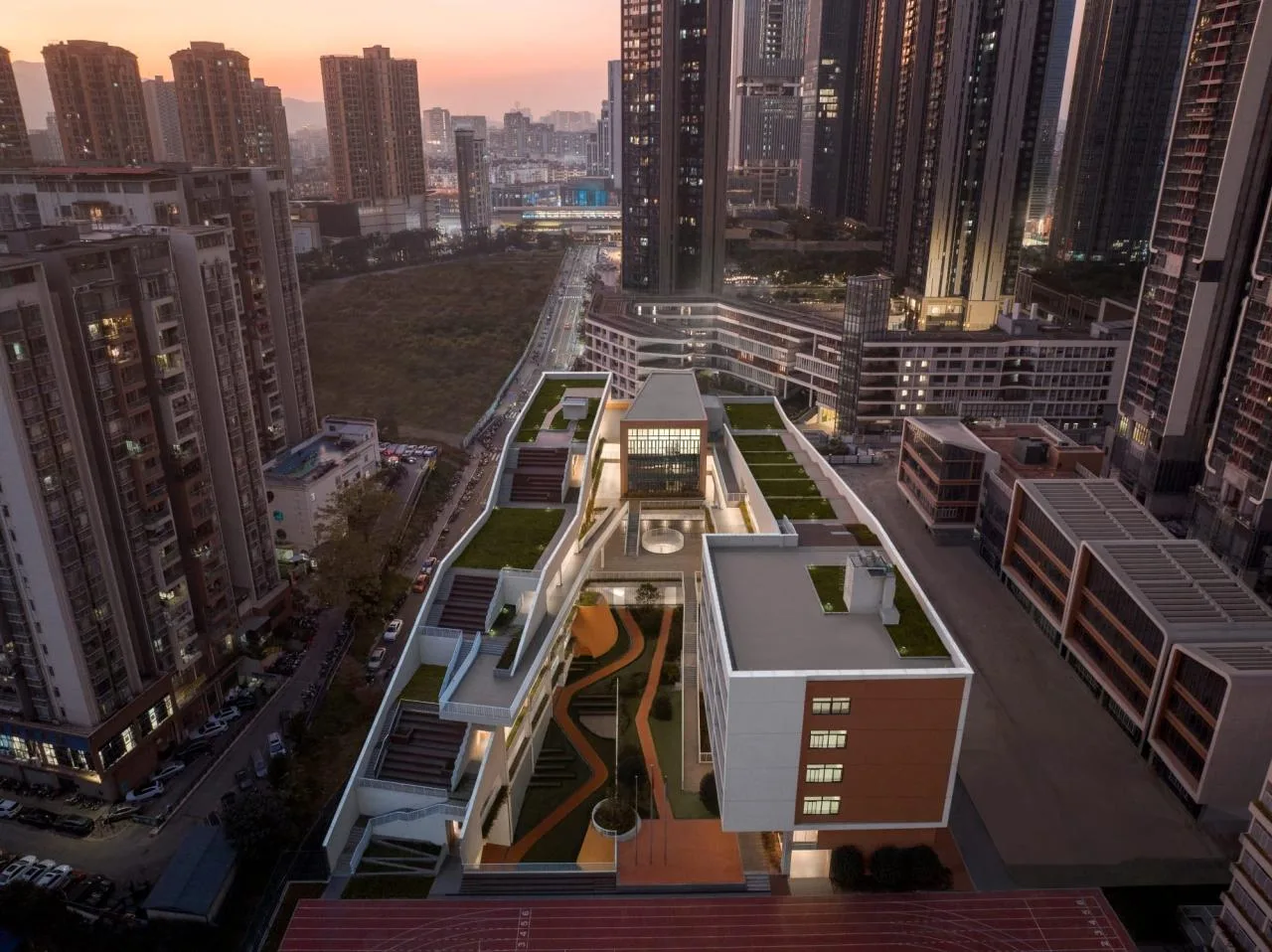
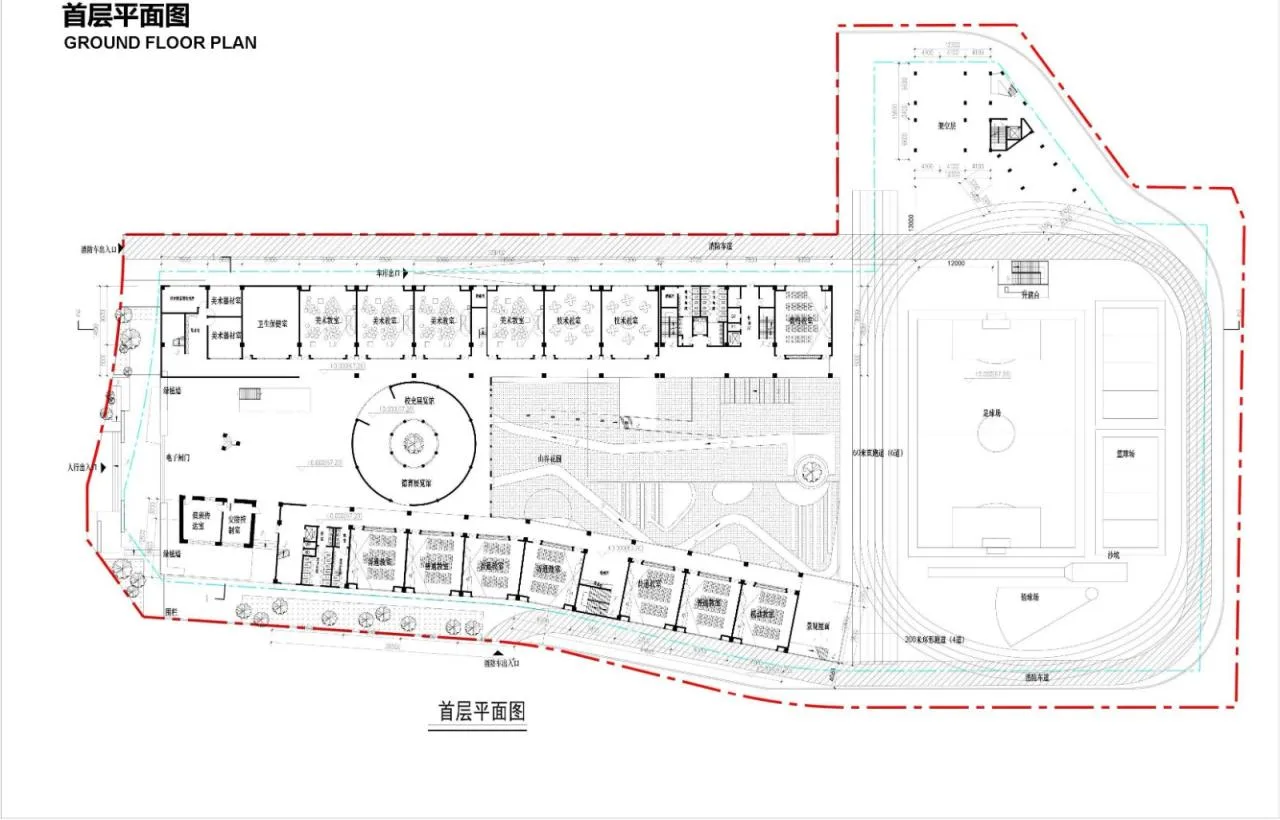
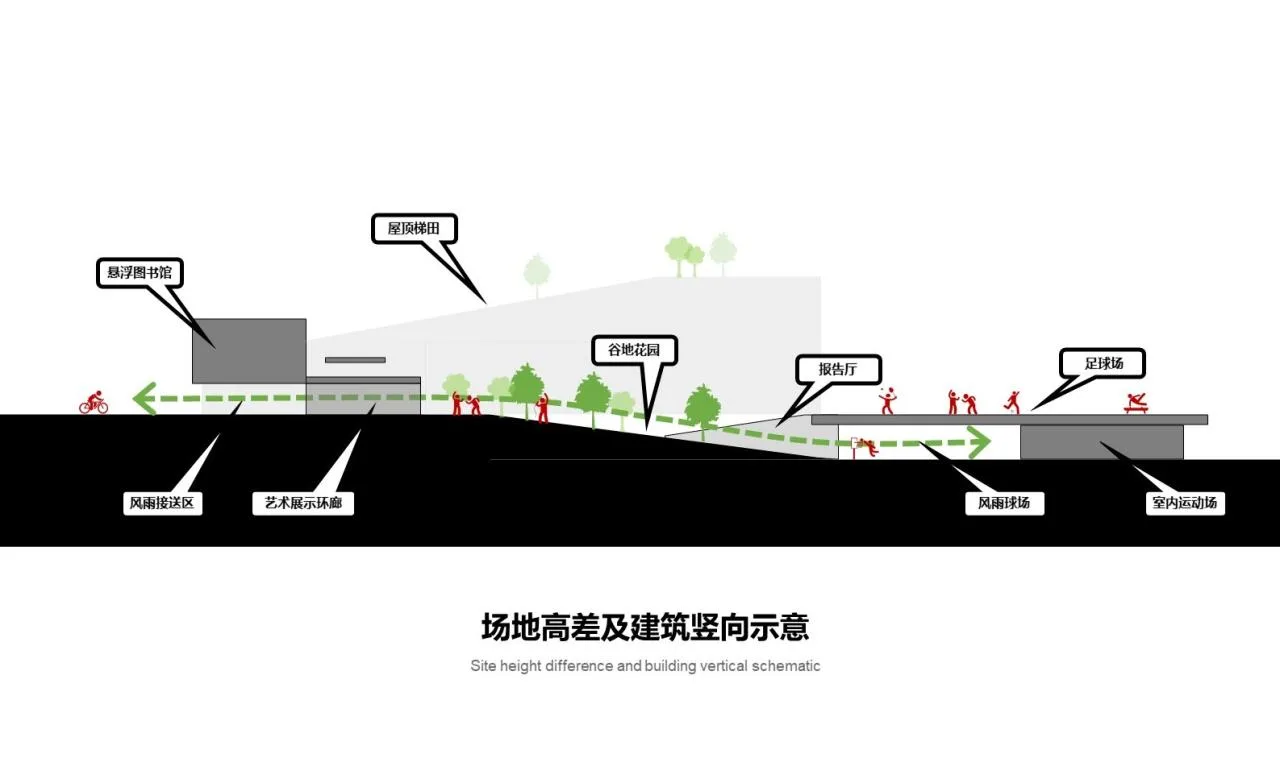
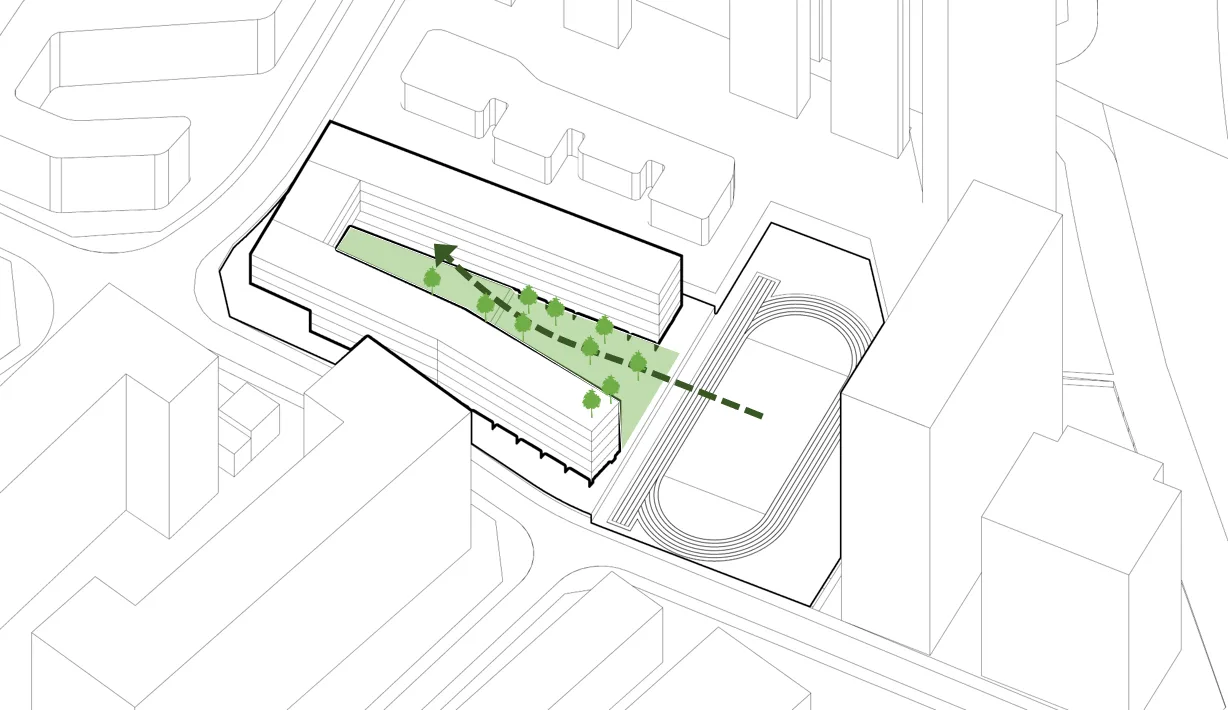
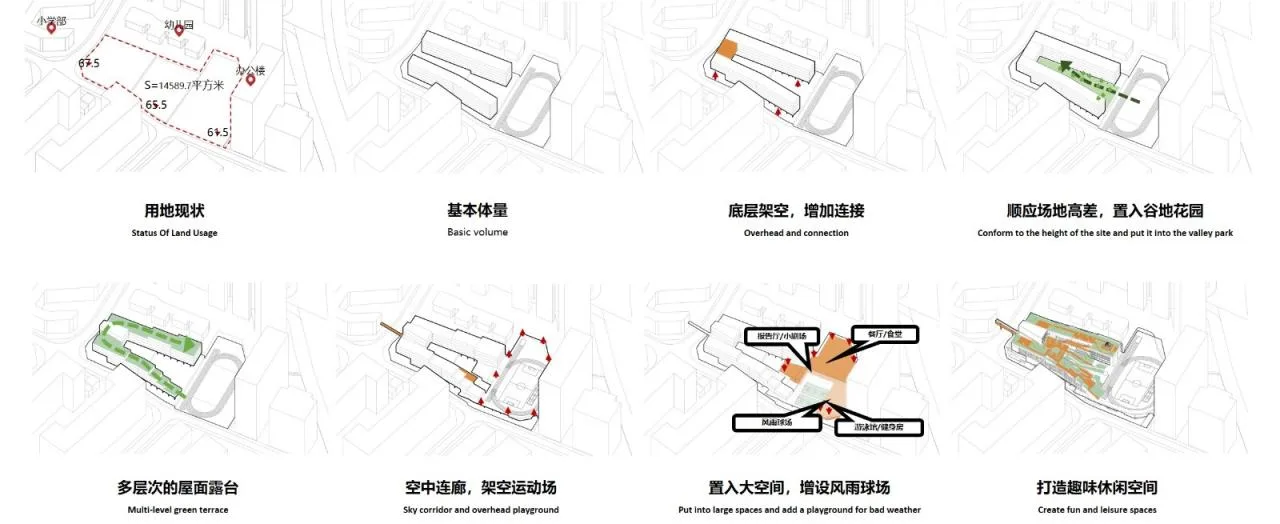
The terrain varies in elevation with a maximum height difference of 7.1 meters, sloping from northwest (higher) to southeast (lower). Capitalizing on this, two six-story teaching buildings are positioned along the site edges, solving basic volume requirements. Elevating the ground floor broadens first-floor views and enriches the spatial experience within the campus architecture.
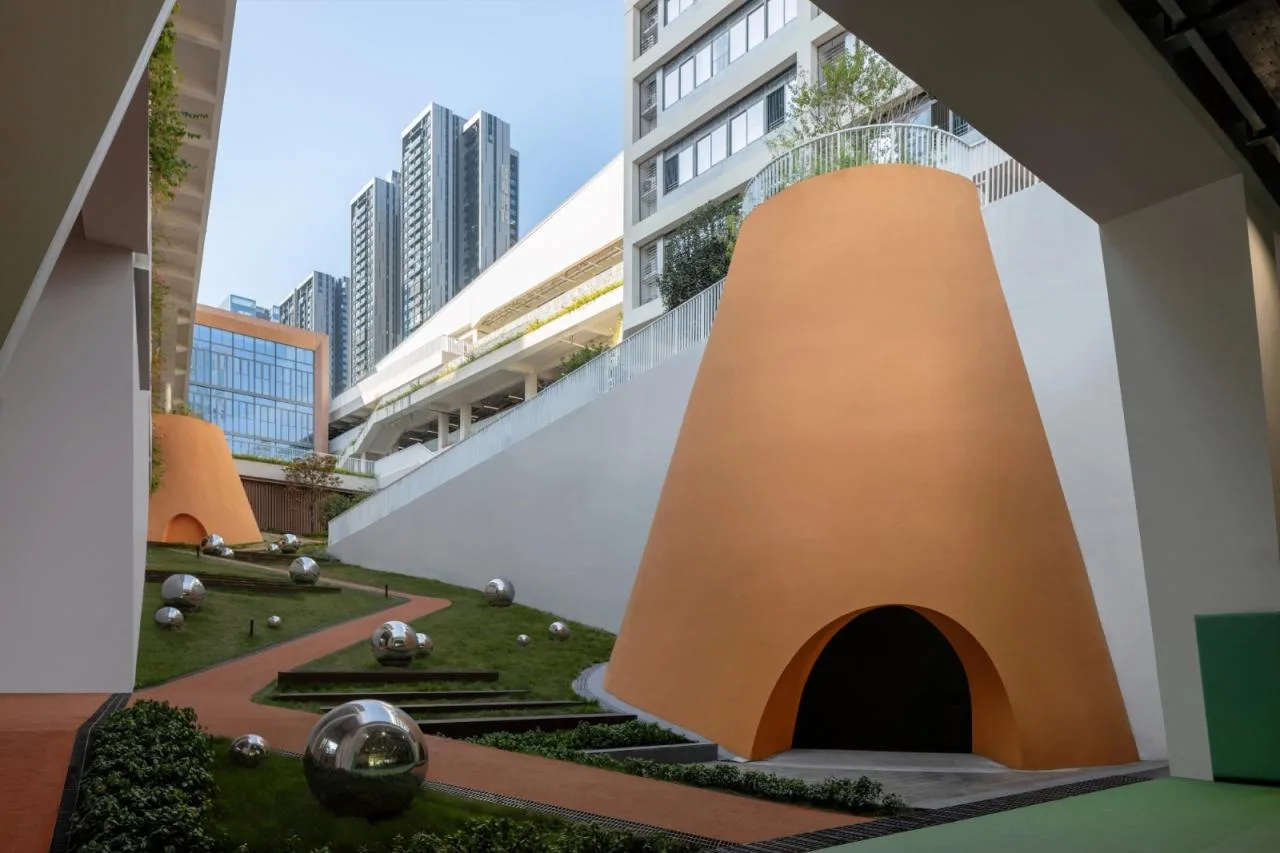
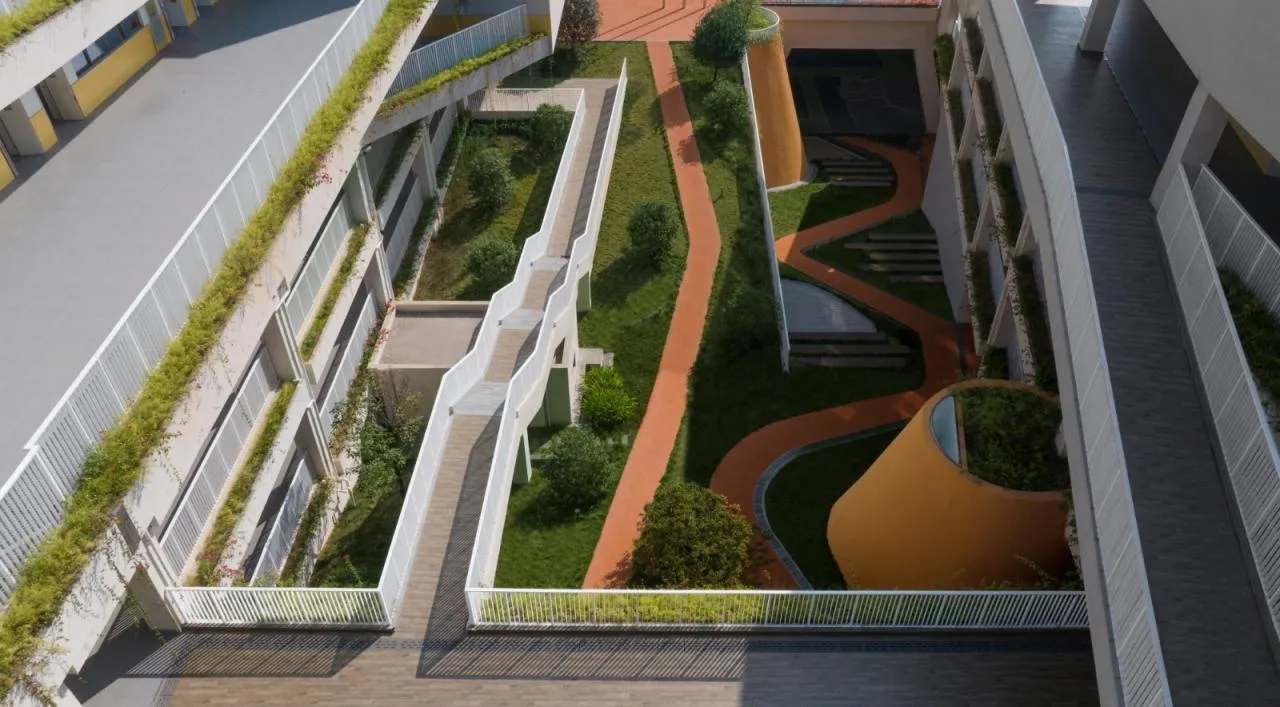
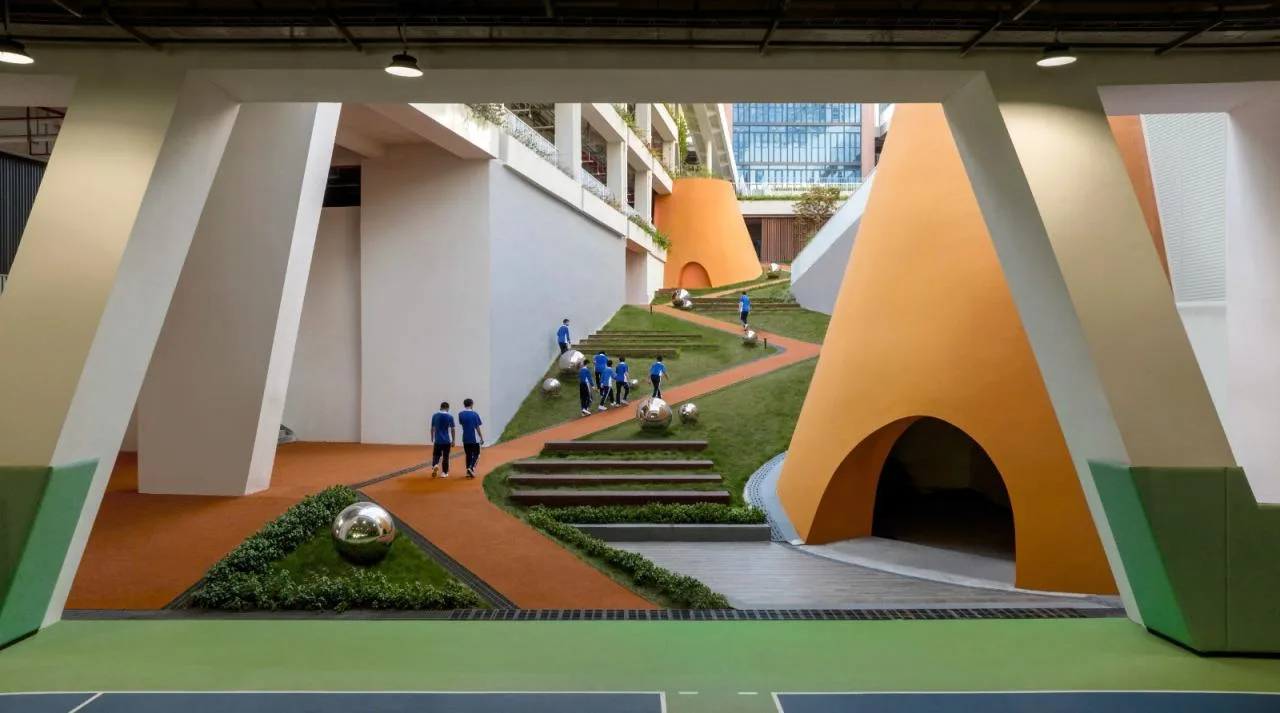
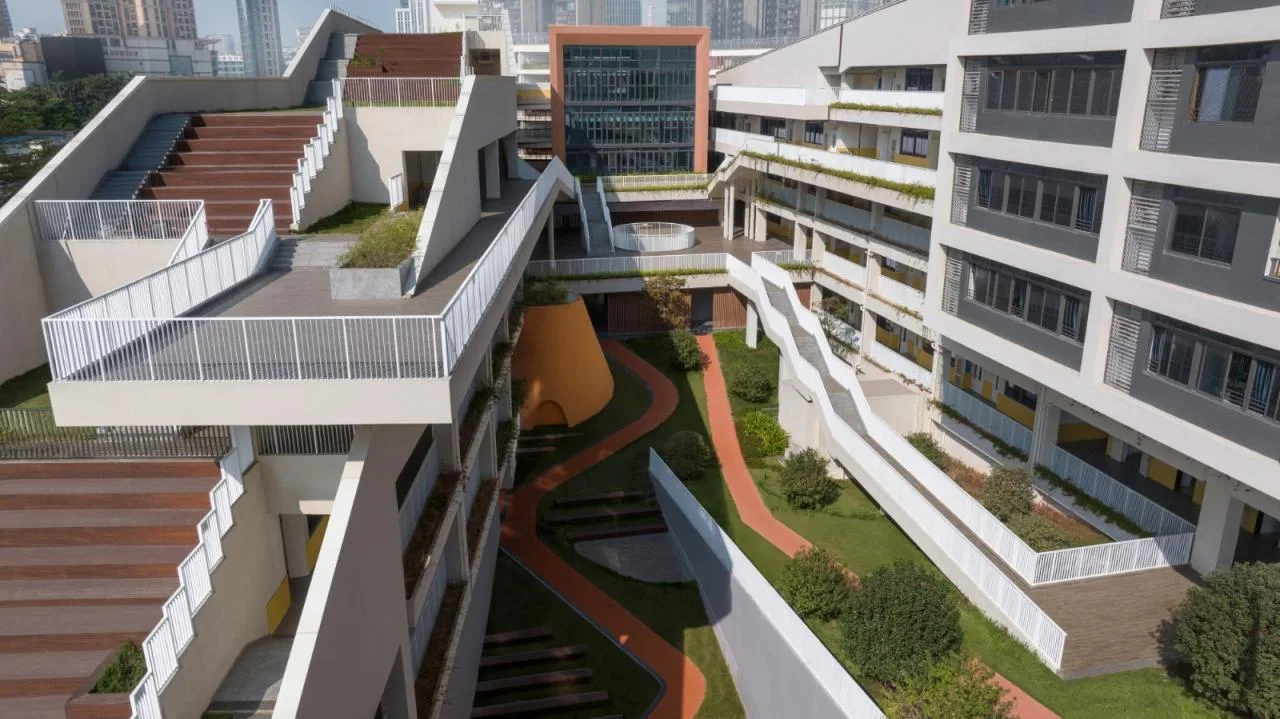
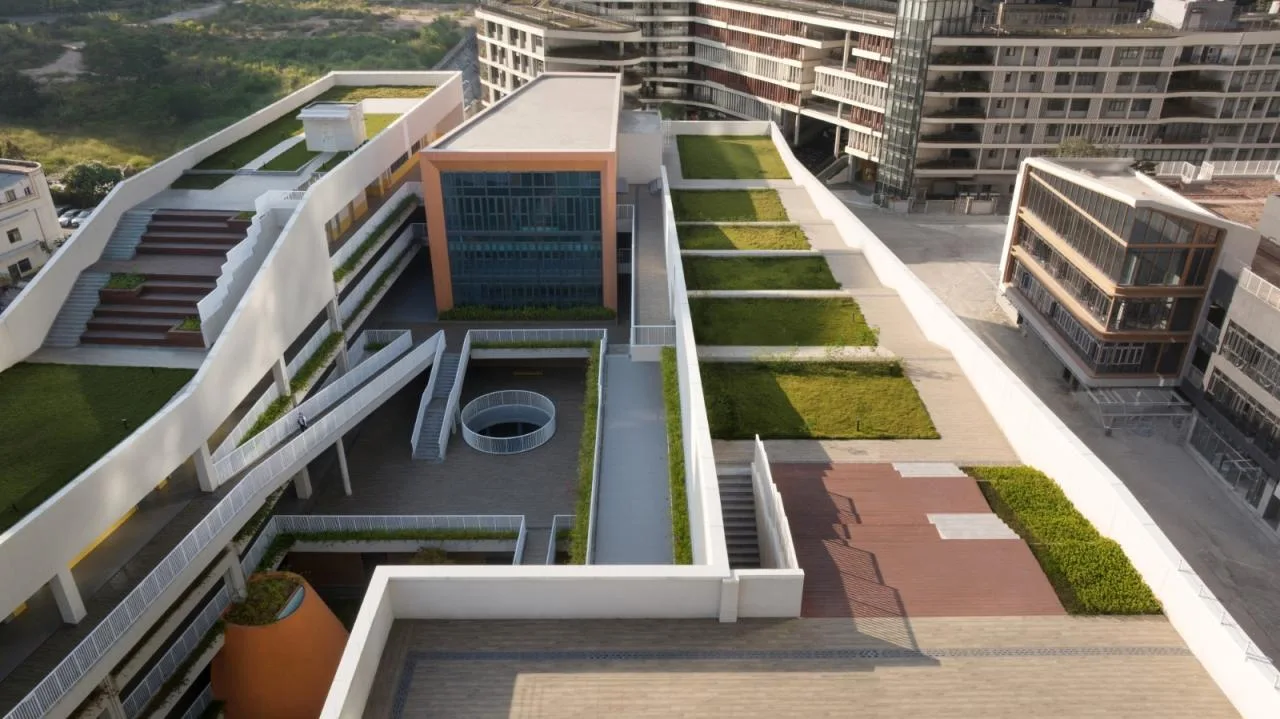
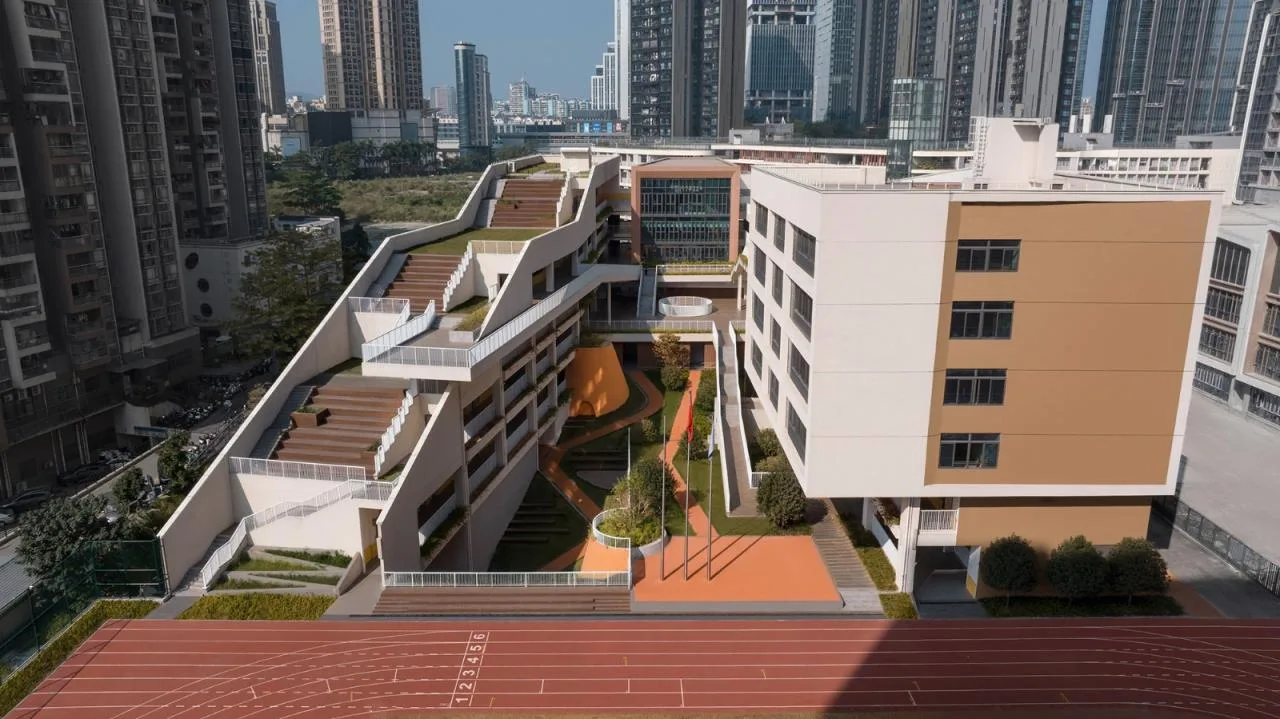
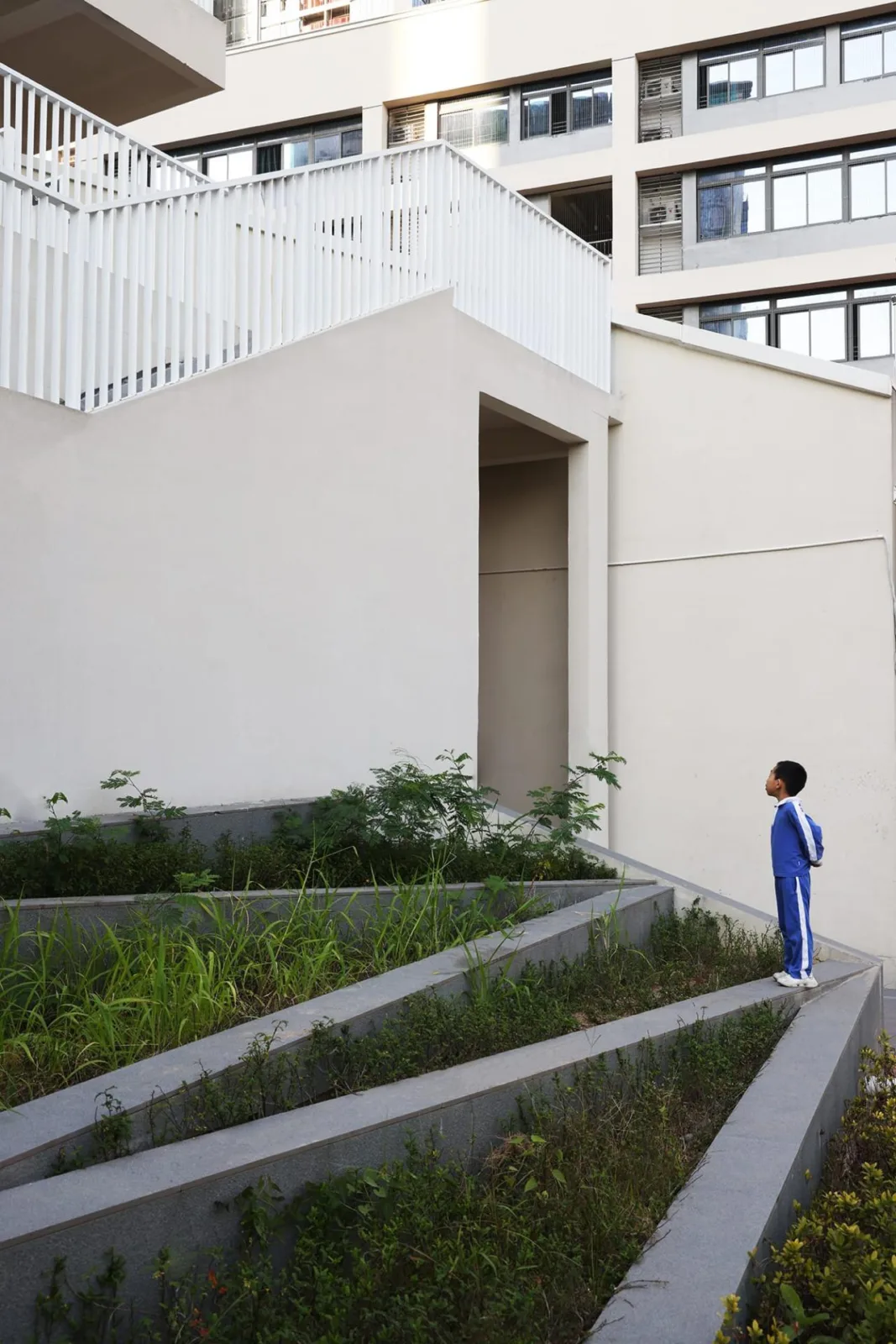
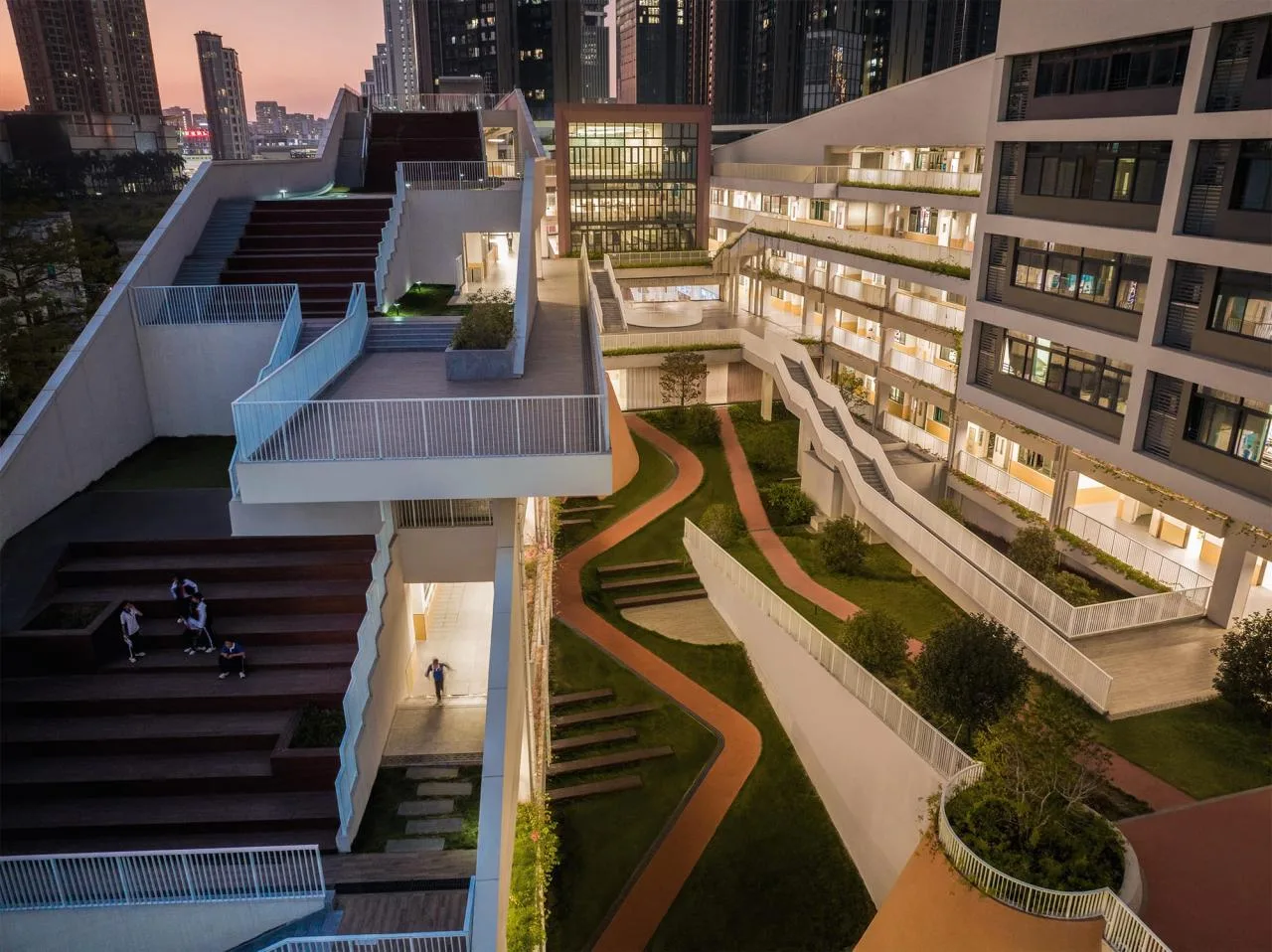
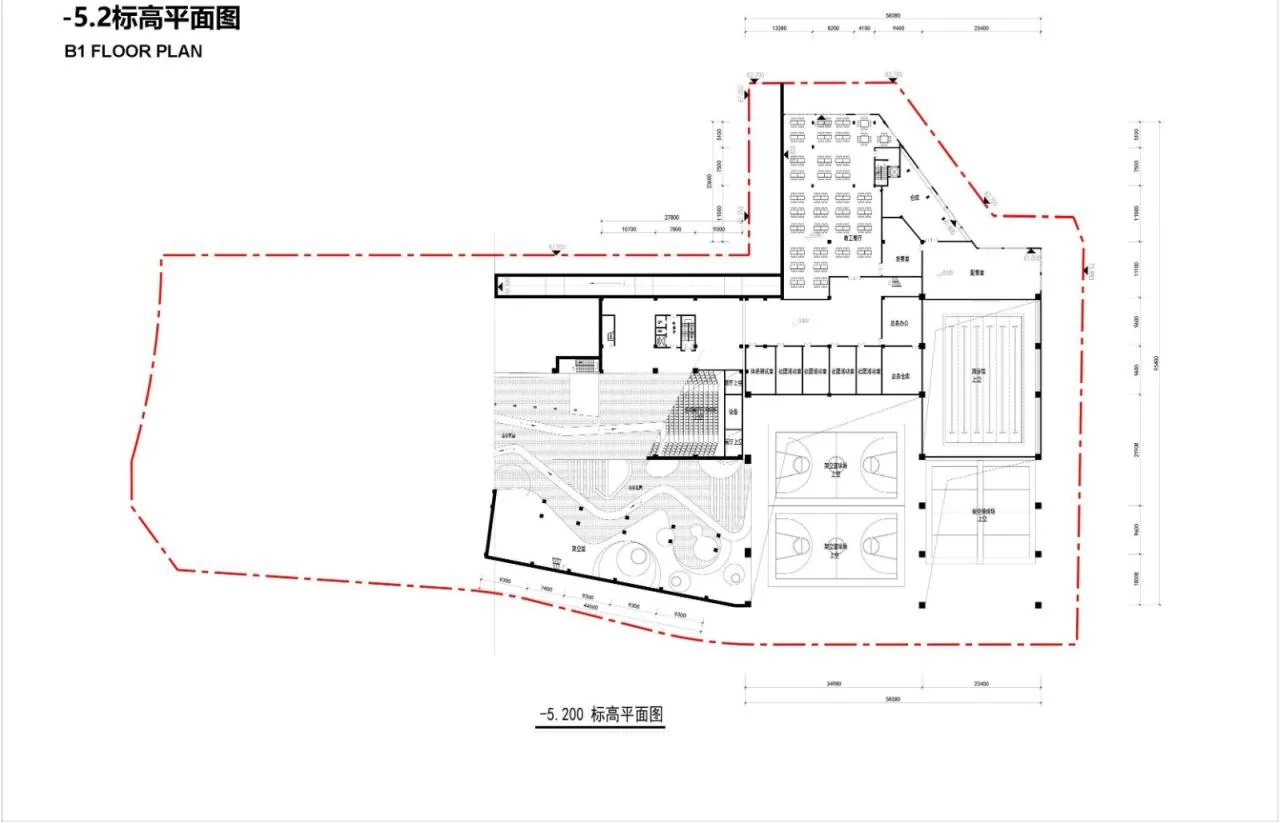
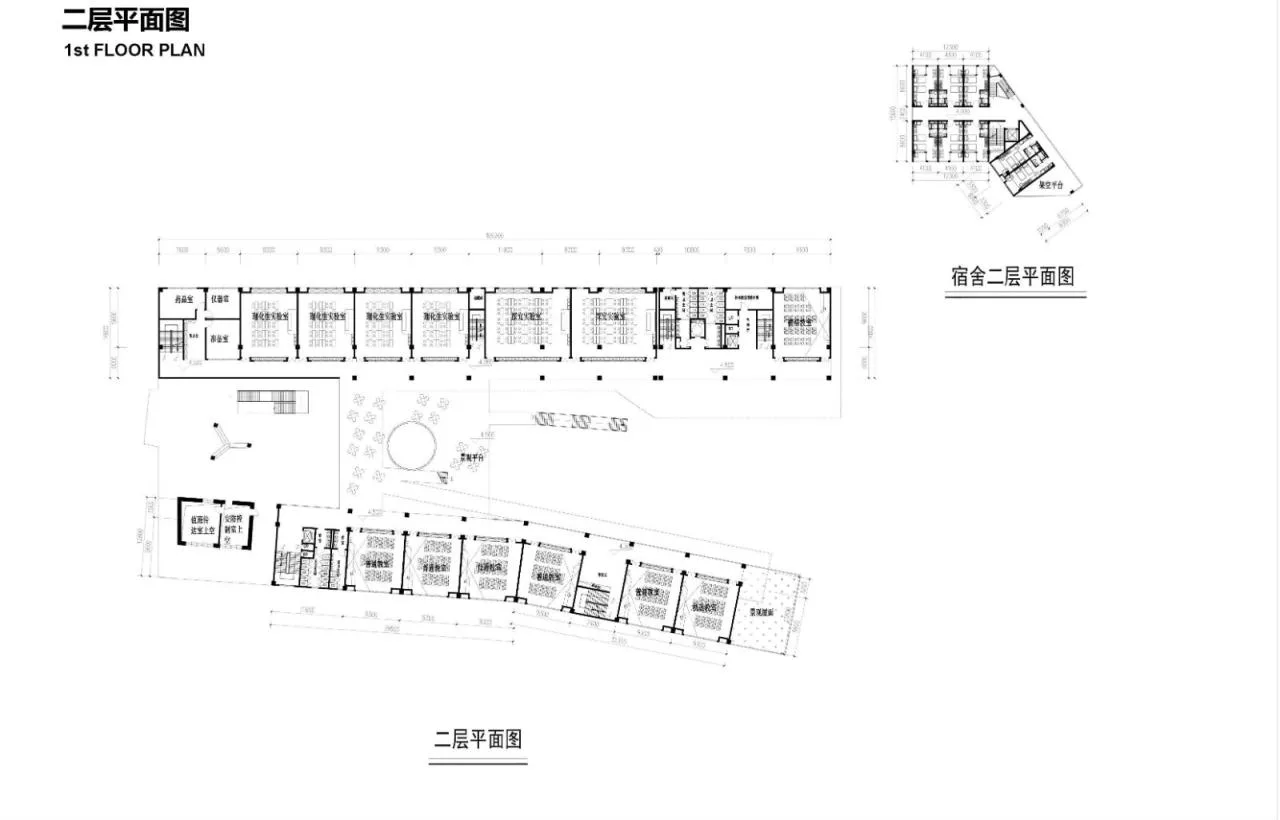
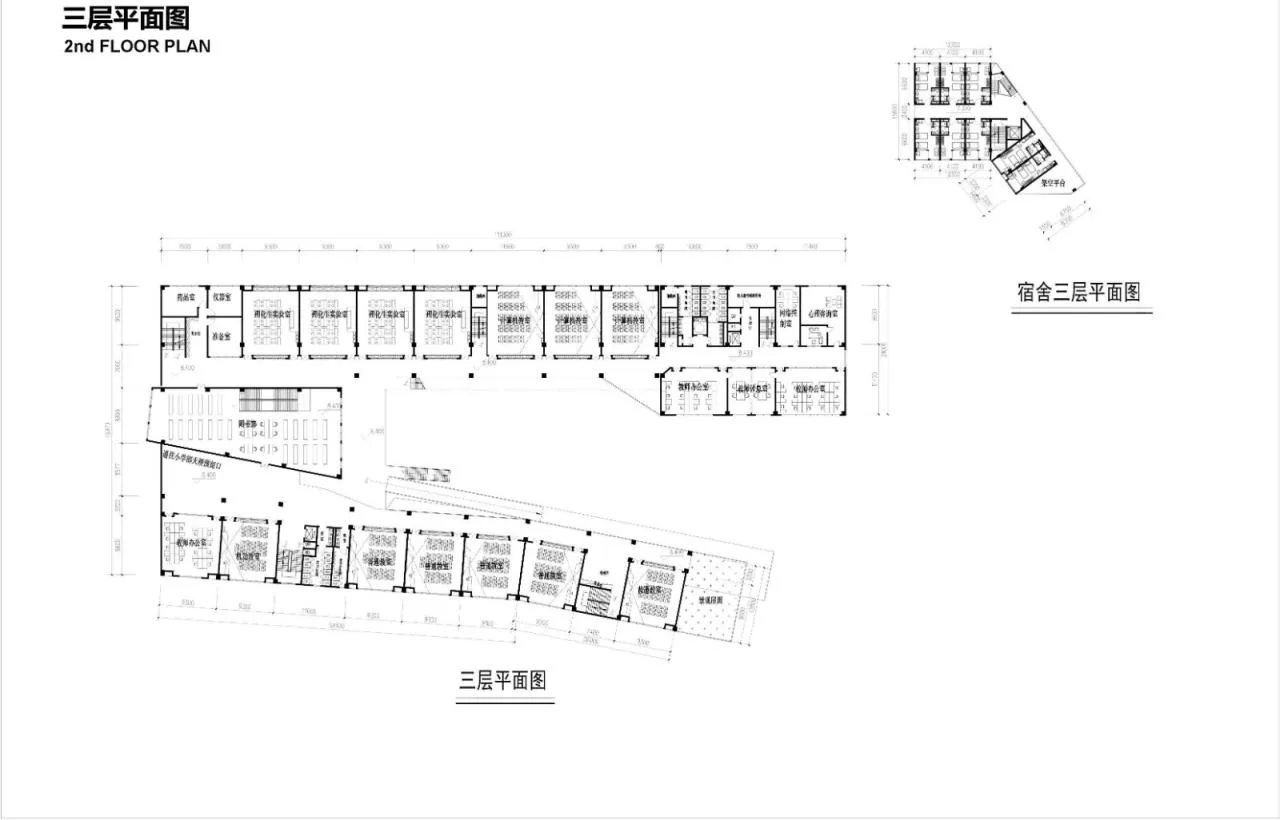
An aerial library bridges the two teaching buildings, connecting their educational functions seamlessly. The rooftop garden extends continuously through building setbacks, integrating organically with the playground below. Taking advantage of the site’s elevation difference, a “valley garden” nestles between the northern and southern volumes, creating a lush, playful slope landscape.
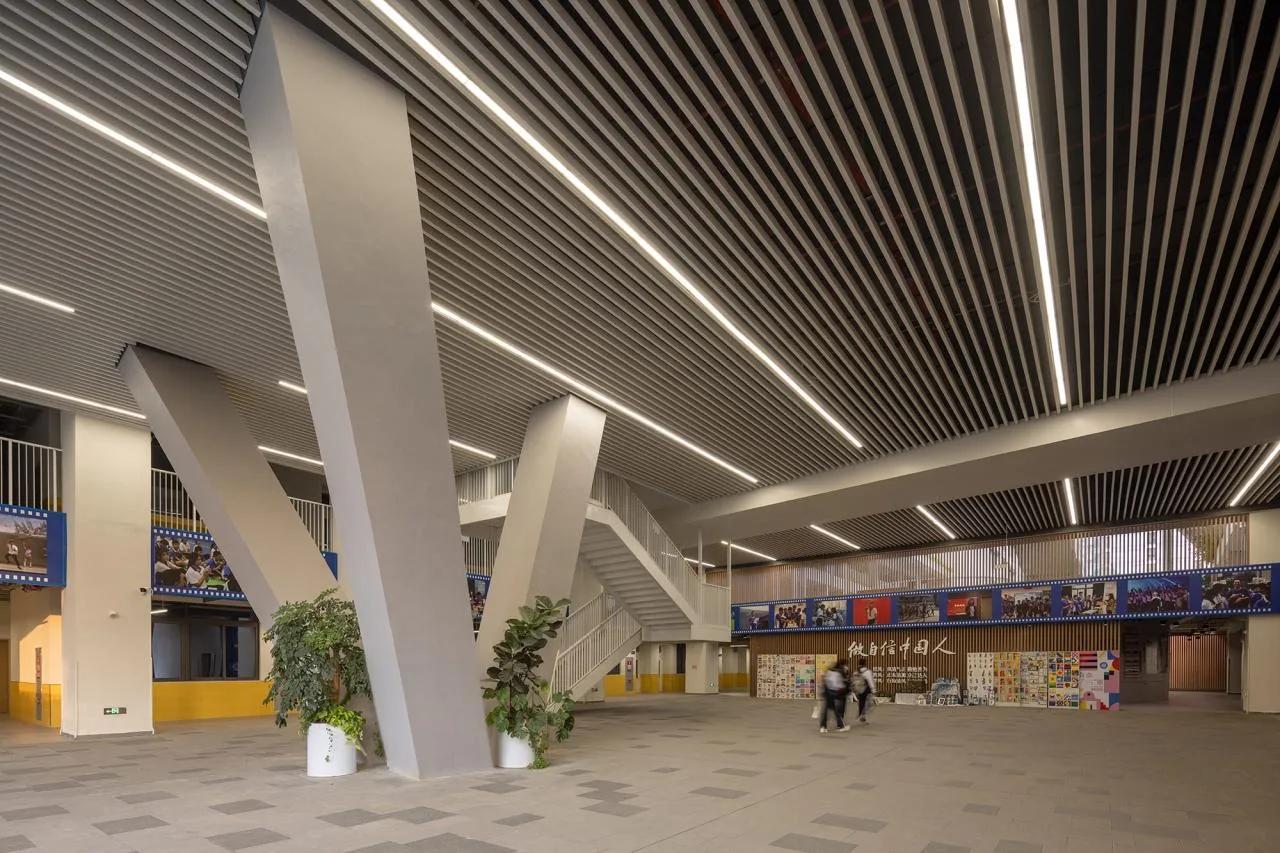
Thoughtfully designed corridors, platforms, cabins, and exploration caves evoke a valley-like world where children can freely play during school activities. The twin teaching buildings resemble two mountains converging at the entrance, forming a semi-enclosed open space that serves as a welcoming façade along the street and a convenient waiting area for parents during pick-up and drop-off times.
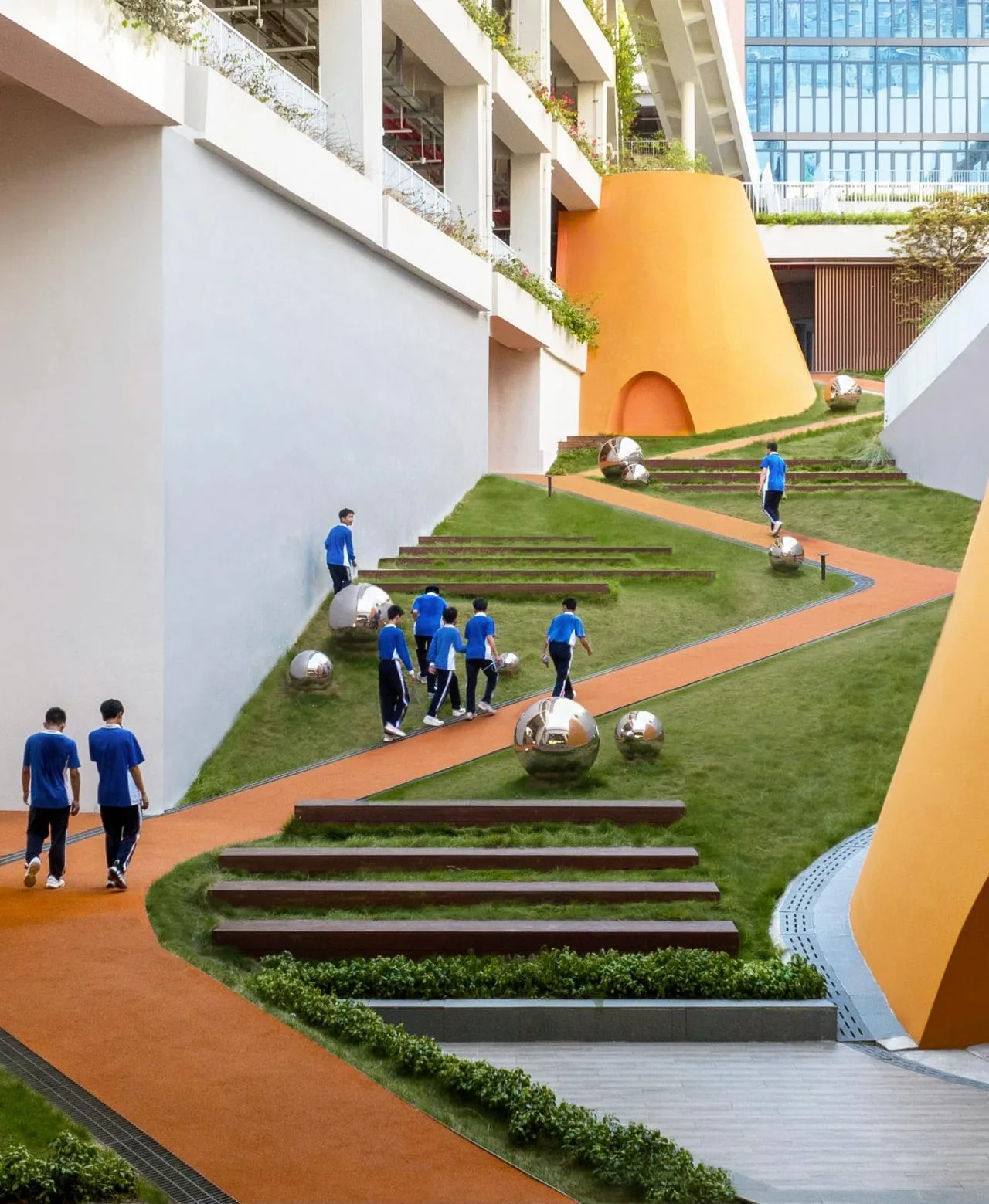
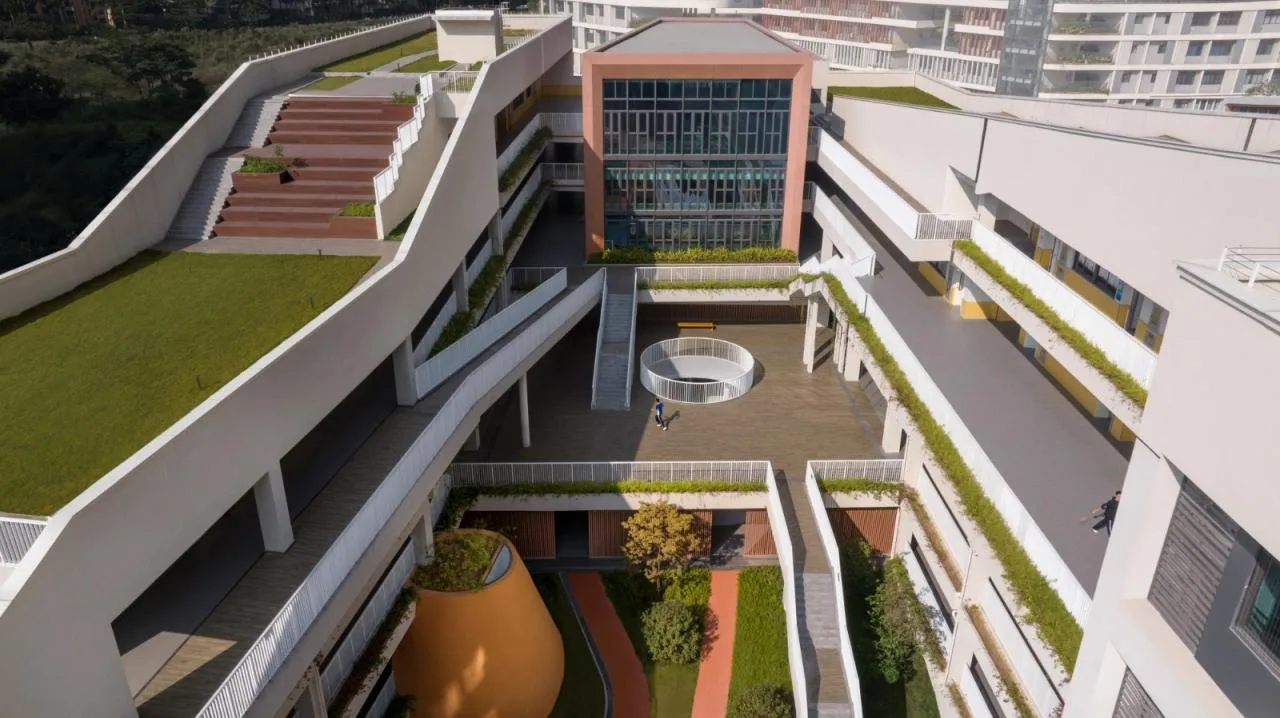
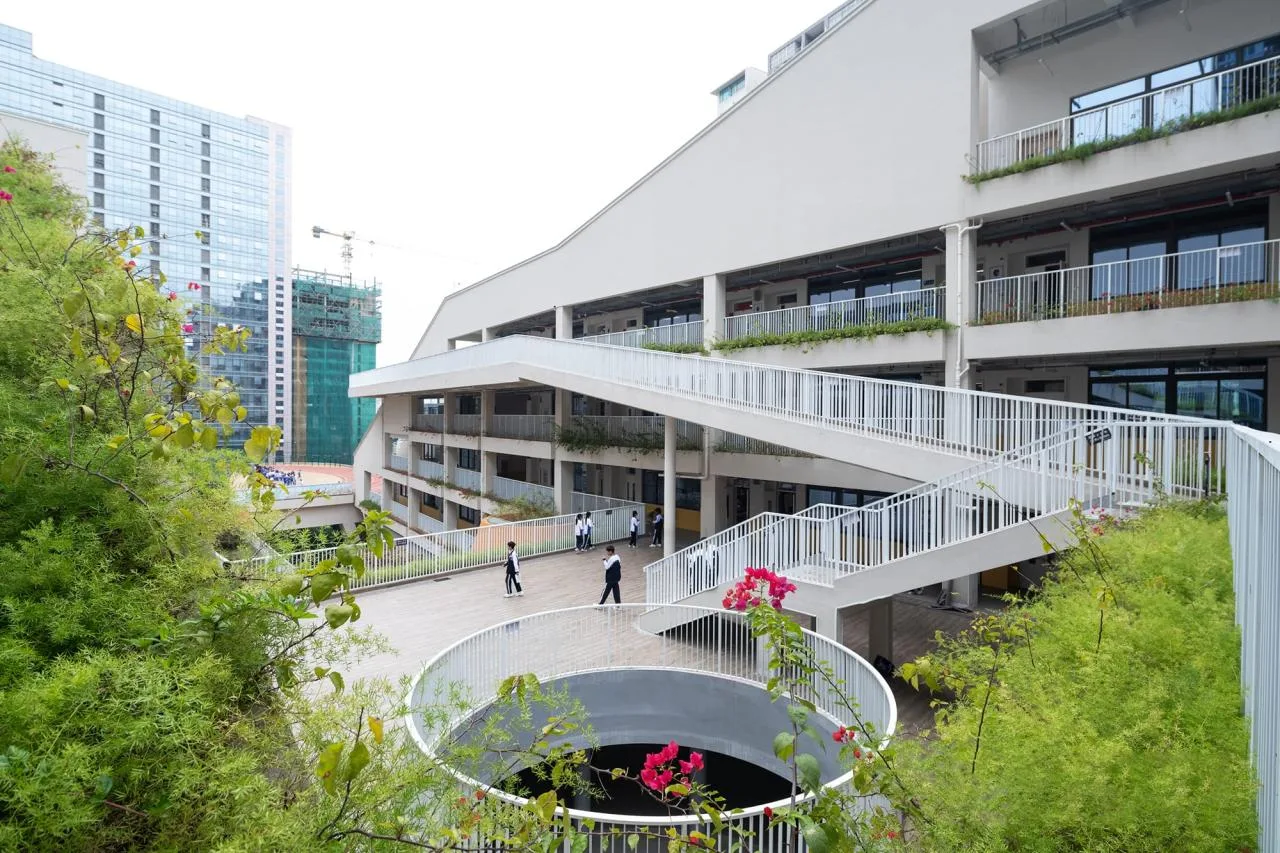
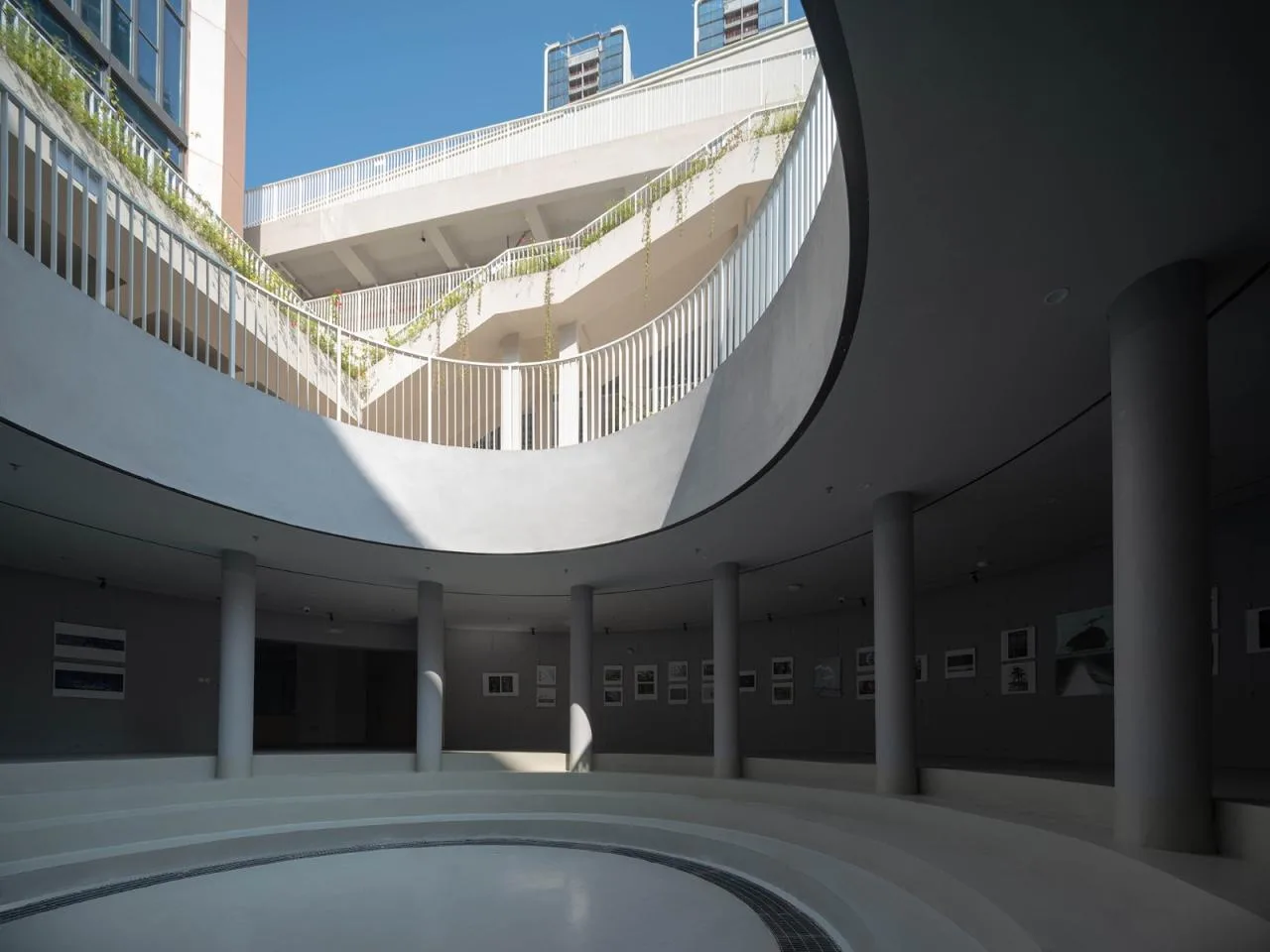
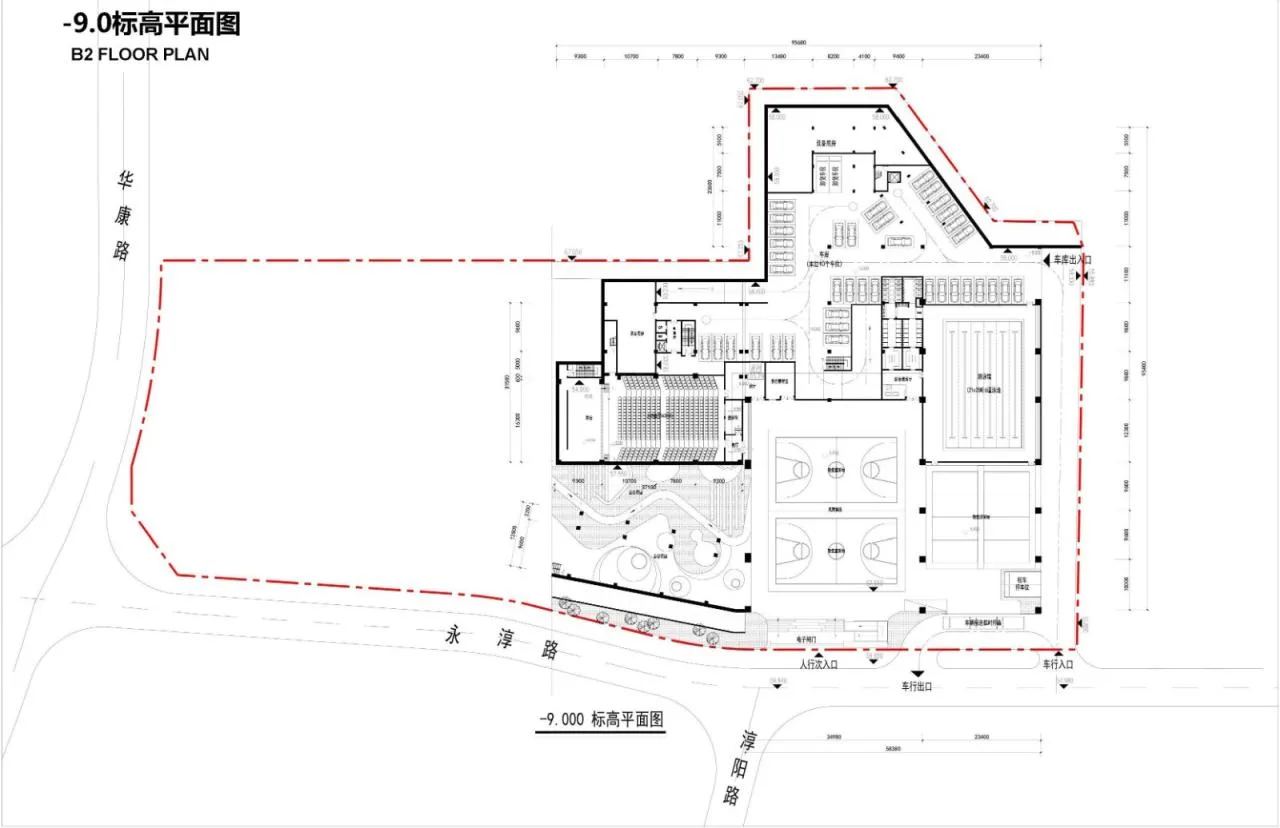
The sports field is elevated to continue the valley garden, expanding the children’s play area. A sheltered wind and rain court ensures a functional sports venue even during adverse weather. The lecture hall entrance is cleverly concealed within a cave adjacent to the indoor sports field, reimagining the unique cave world in a manner that resonates with children’s imagination.
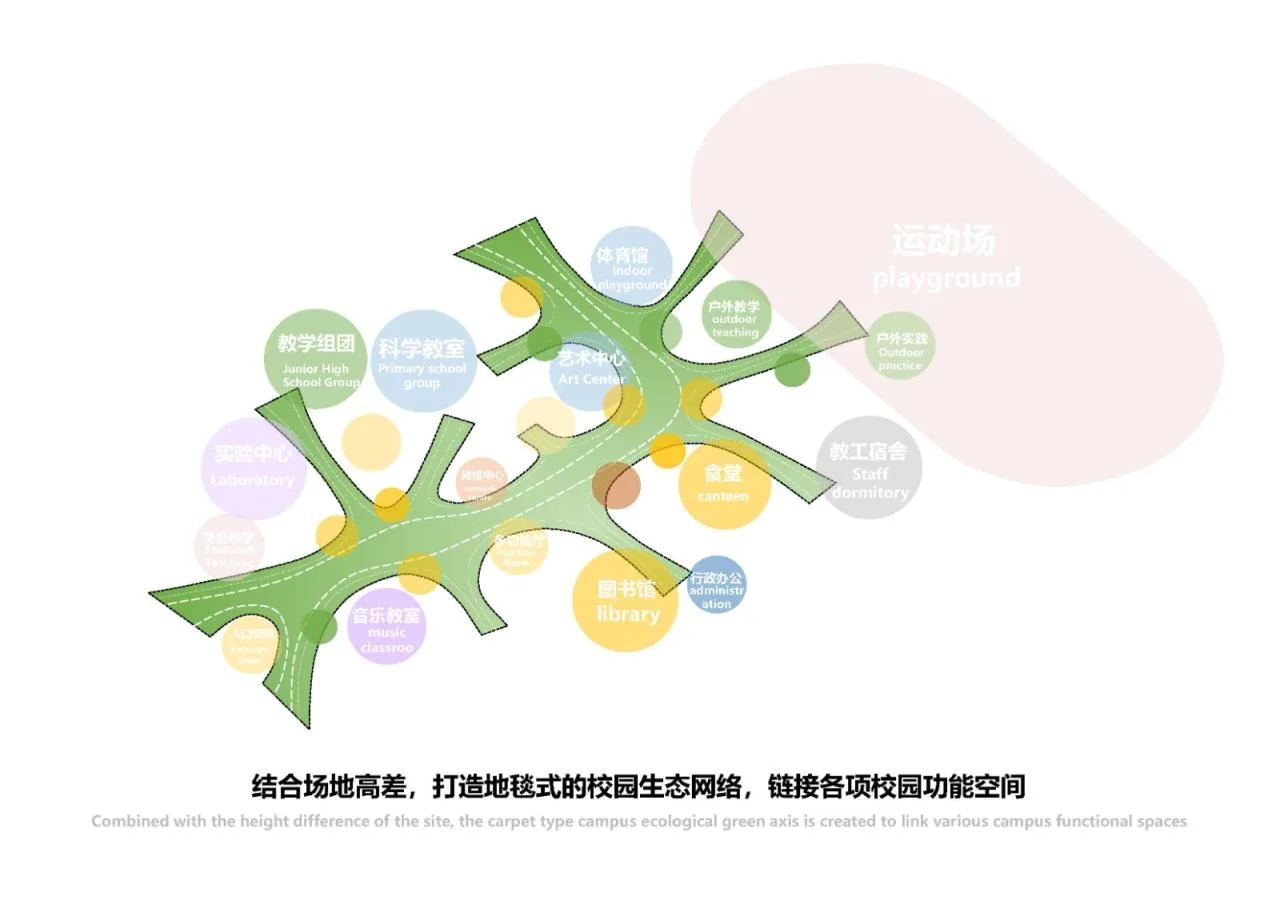
Additional features include a green sky observation deck extending from the roof, intricate aerial walkways, engaging valley gardens, and diverse multifunctional spaces that connect the campus into a cohesive ecological network, resembling a carpet weaving nature and education together.
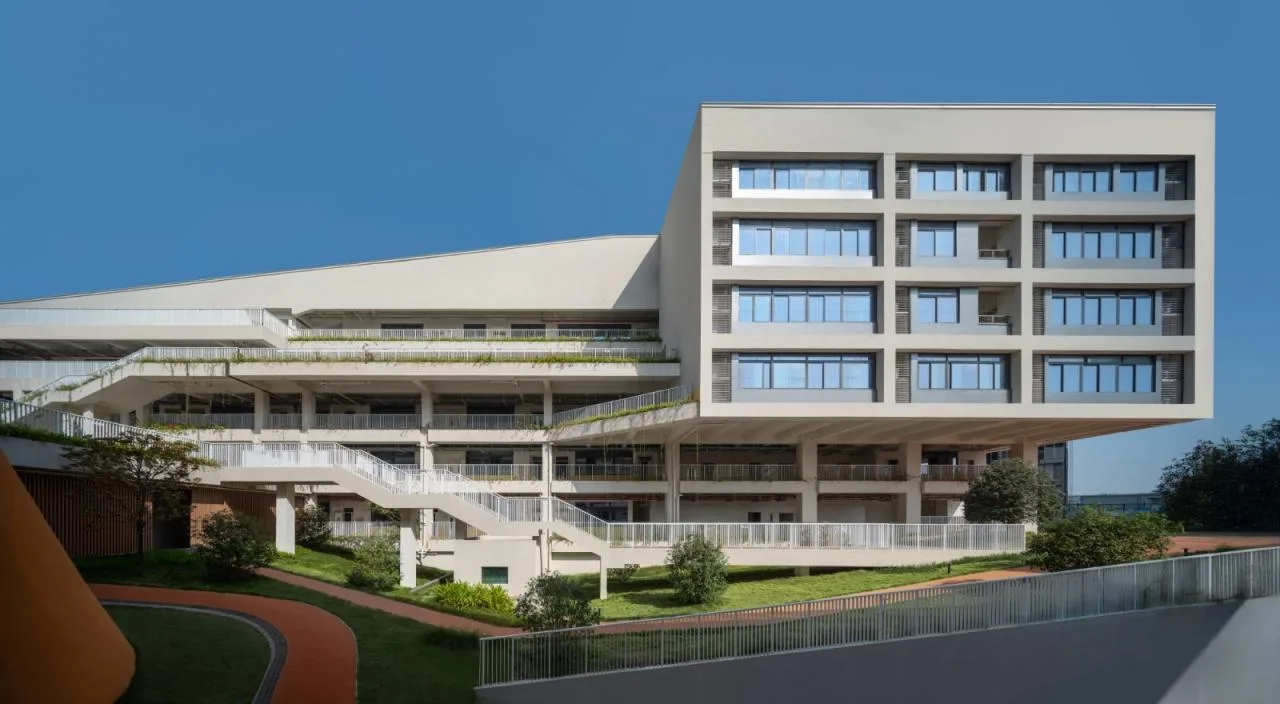
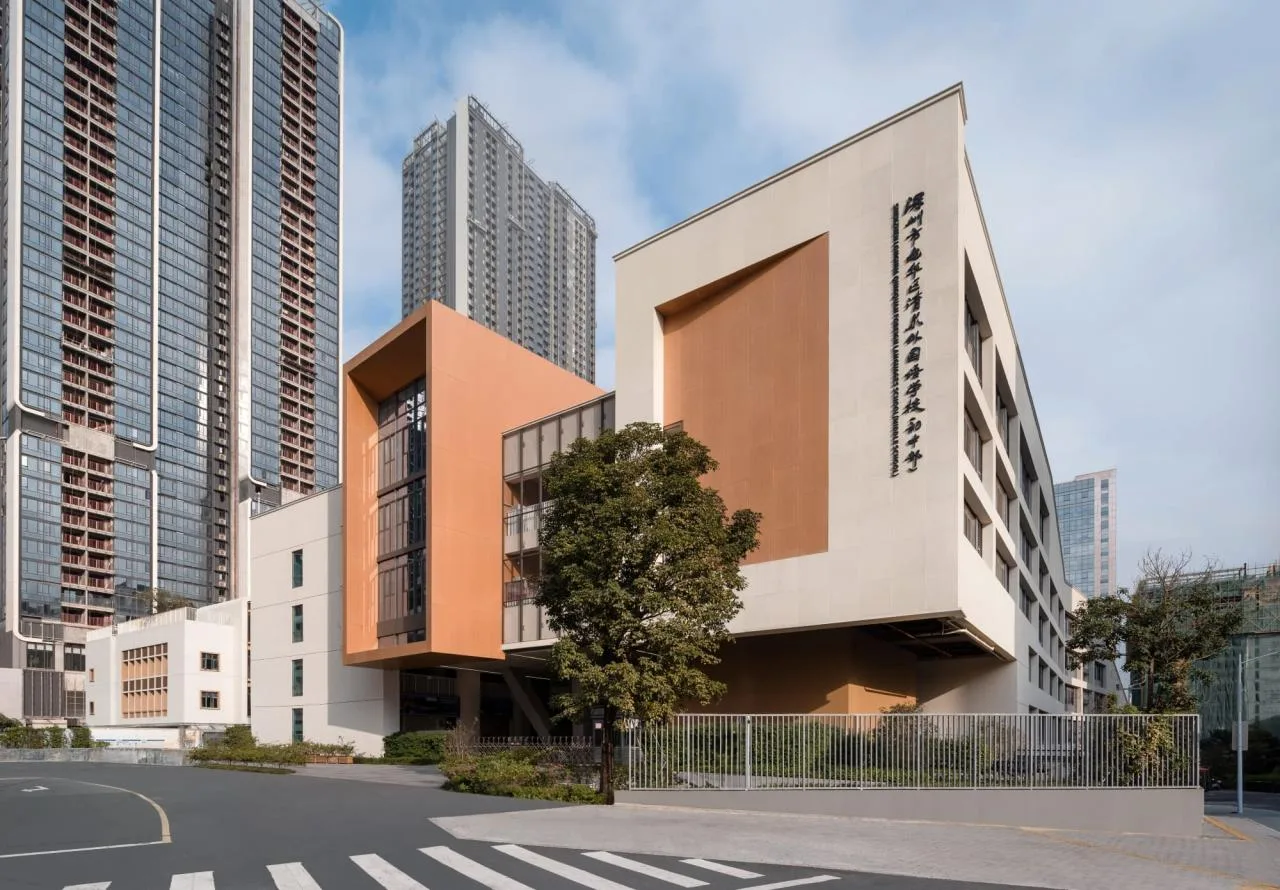
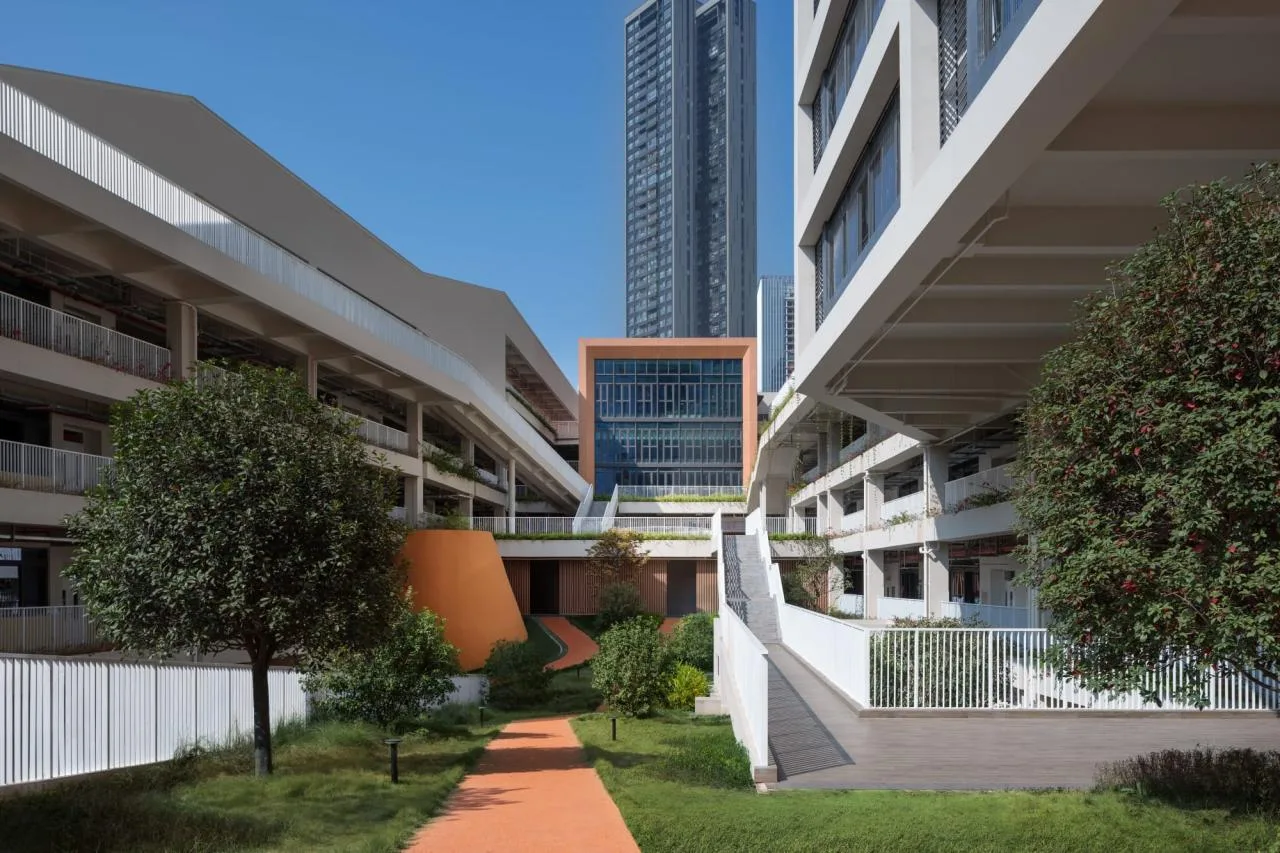
During lunchtime, students can enjoy strolls and picnics in the rooftop garden. After school, they can admire the rosy skies from the observation deck. Elevated floors, slopes, steps, balconies, roofs, and platforms serve as versatile spaces for learning and play, offering students a joyful campus experience.
Yijing Hope Campus transcends traditional schooling by nurturing children’s diverse interests and hobbies. The sounds of children’s reading and laughter echo through the “Green Valley” park, creating a campus that grows in harmony with nature—engaging, fun, and educational.
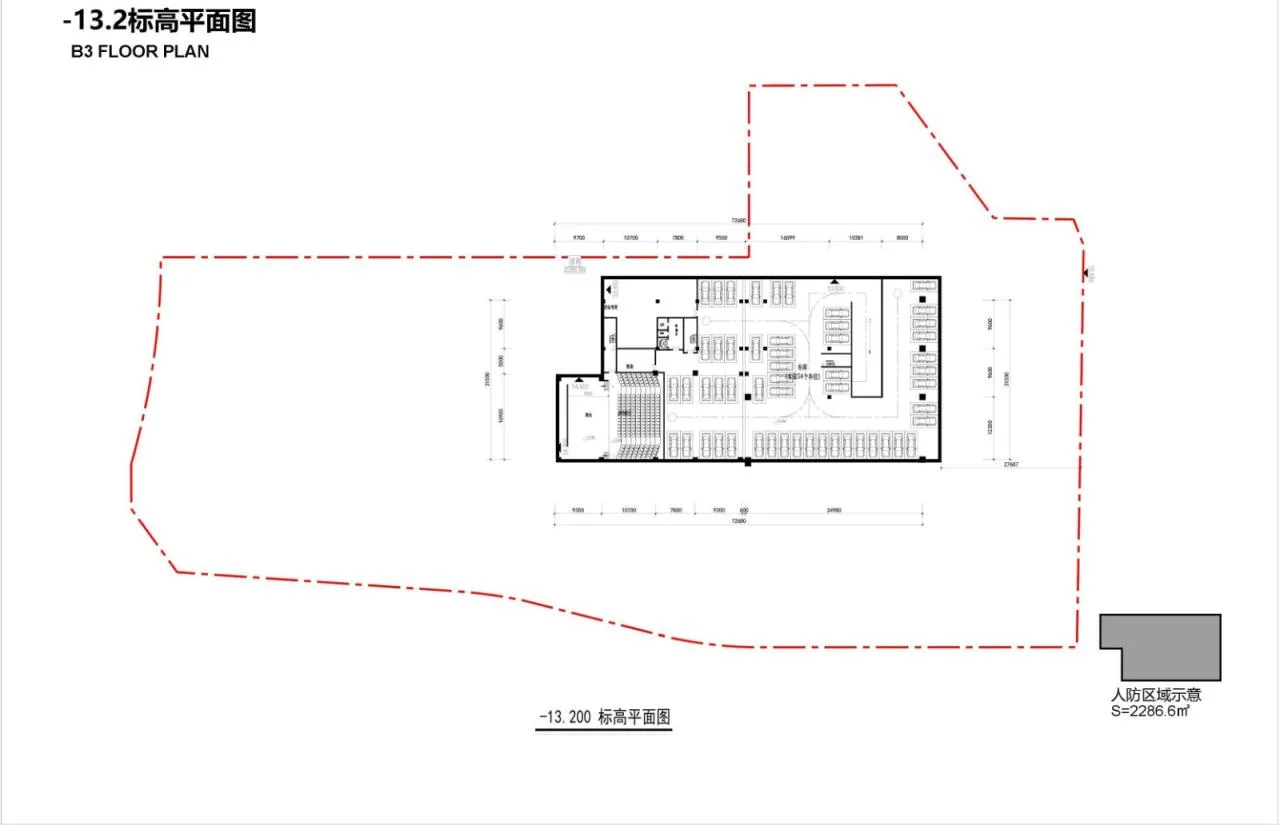
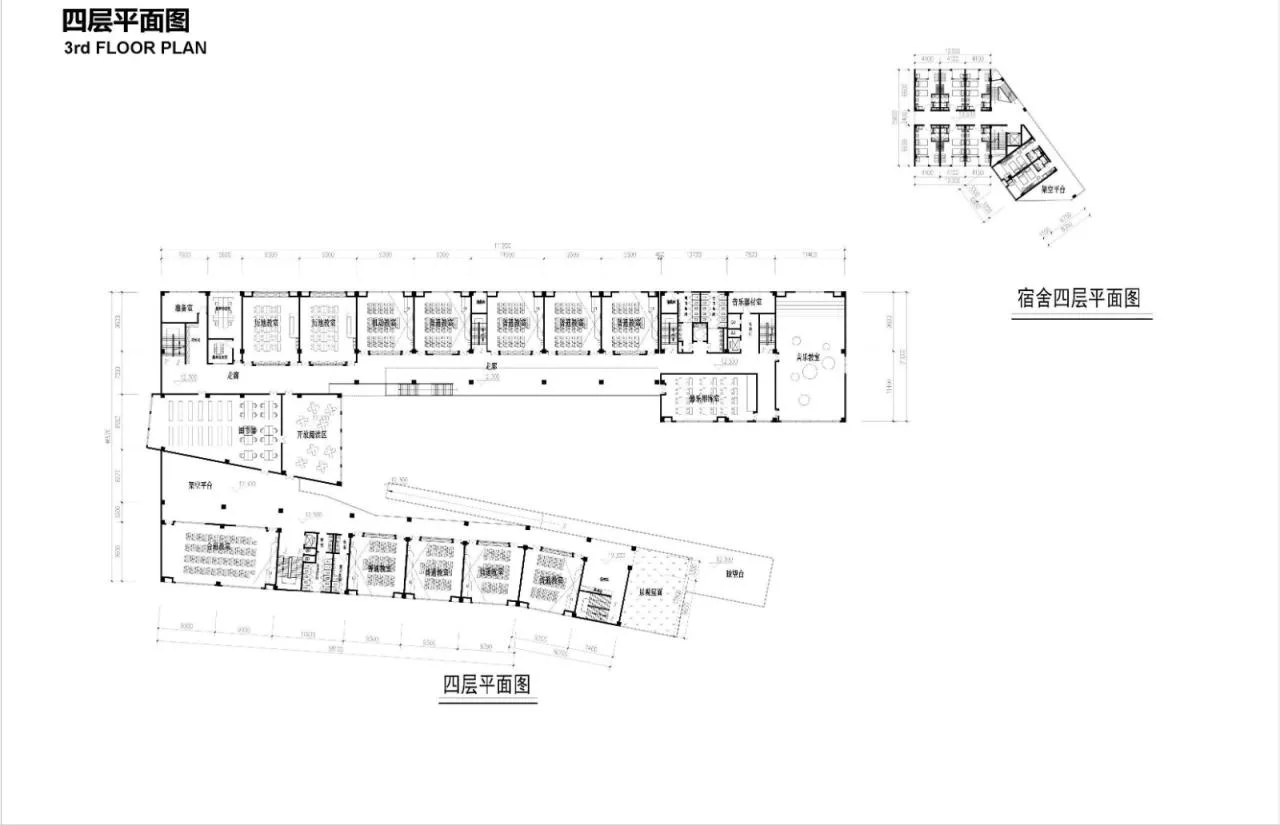
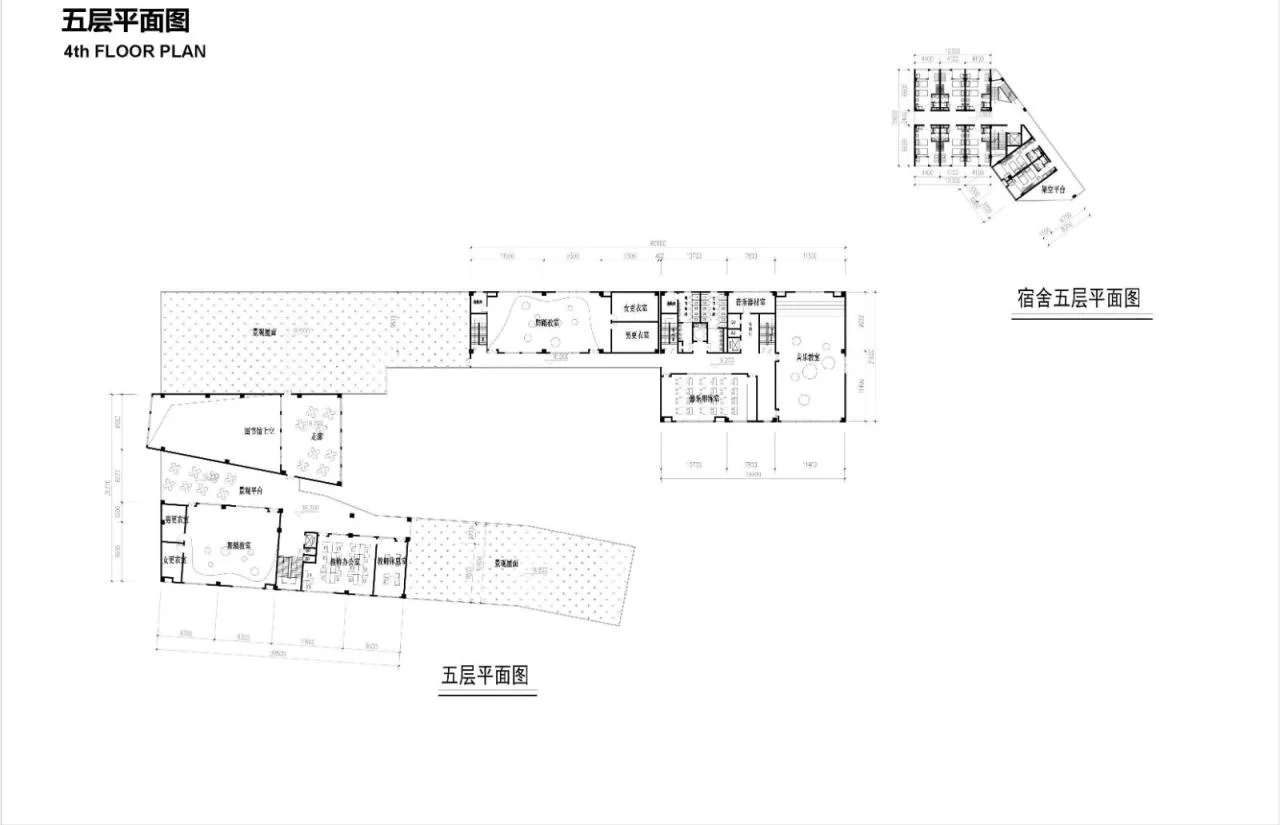
Project Drawings
Project Information
Project Name: Junior High School Department of Qingquan Foreign Language School, Longhua District, Shenzhen
Project Type: Architecture
Project Location: Yongchun Road, Longhua District, Shenzhen (Exit D of Qinghu Metro Station)
Status: Completed
Design Period: 2021
Construction Period: 2023
Land Area: 14,589.7 m²
Building Area: 29,266 m²
Design Firm: Shenzhen Yijing Architectural Design Co., Ltd
Lead Architect: He Mincong
Design Team: Xiao Lijun, Xie Yi, Chen Riming, Liu Yu
Landscape Design: Shenzhen Yijing Architectural Design Co., Ltd
Construction Drawing Design: Shenzhen Huayang International Engineering Design Co., Ltd. / Shenzhen Municipal Engineering Corporation
Feasibility Study: Shenzhen Academy of Building Sciences Co., Ltd
Engineering Consulting: Sichuan Yuanfeng Construction Project Management Co., Ltd. (main unit), Beijing Urban Construction Design and Development Group Co., Ltd. (member unit)
Survey Units: Shenzhen Survey and Research Institute Co., Ltd. / China Electric Power Construction Group East China Survey and Design Research Co., Ltd
Client: Longhua District Construction and Engineering Bureau, Shenzhen
Photographer: Lin Lv













Must log in before commenting!
Sign Up