
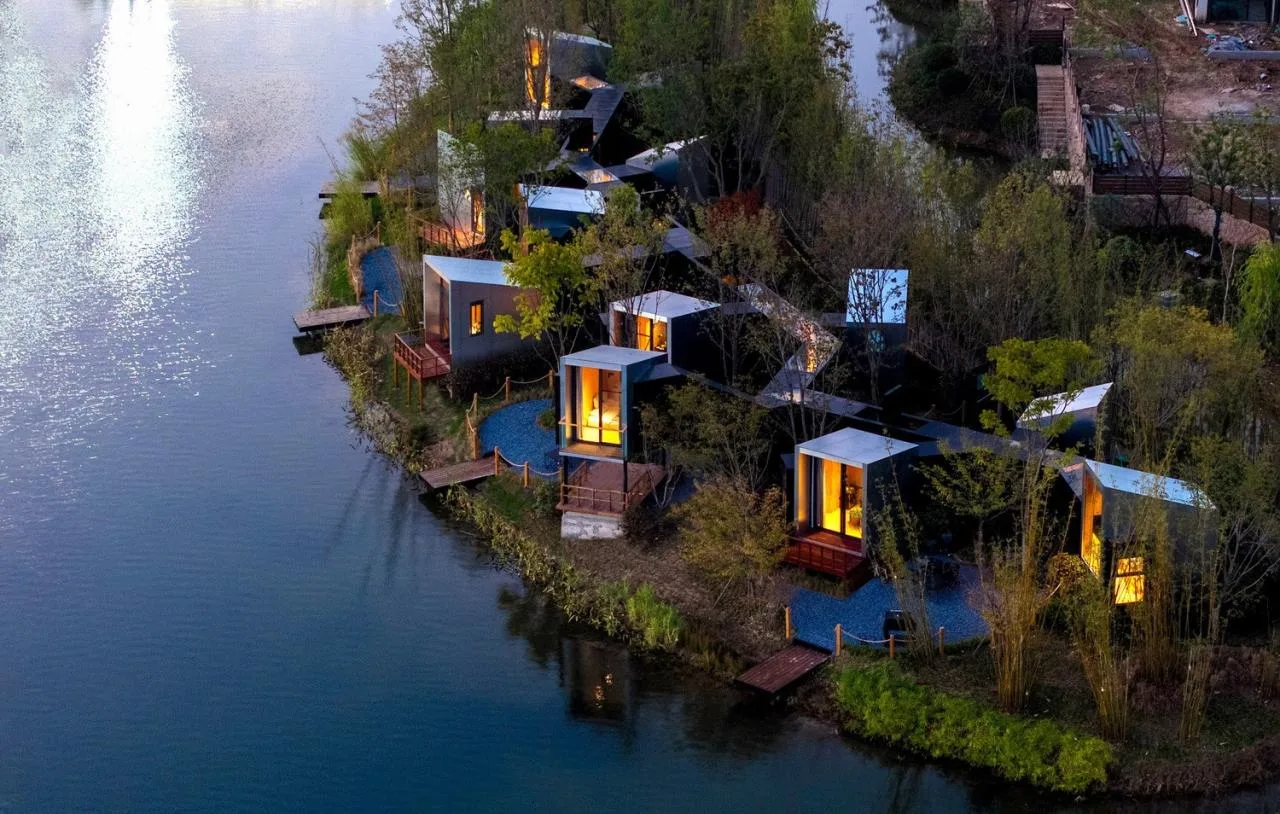
The Maze Home project is situated within the Ganlu Mountain Cultural and Creative City in Wuhan. It represents Central China’s first large-scale “Ice and Snow+” cultural and tourism complex, financed and developed by Wuhan Urban Construction Group. This project marks our initial departure from pure wilderness design, integrating a rich cultural and tourism complex.
Amidst this innovative backdrop, we aimed to craft a secluded spatial experience. Collaborating closely with homeowners and local communities, we launched the “Island Residence Plan,” which introduces a collection of small island wooden houses. This initiative explores the possibility of reconnecting with nature through diverse spatial forms. The ‘Maze House’ is a core component of the Nature Co-construction Plan and serves as an experimental exploration of varied residential spaces.
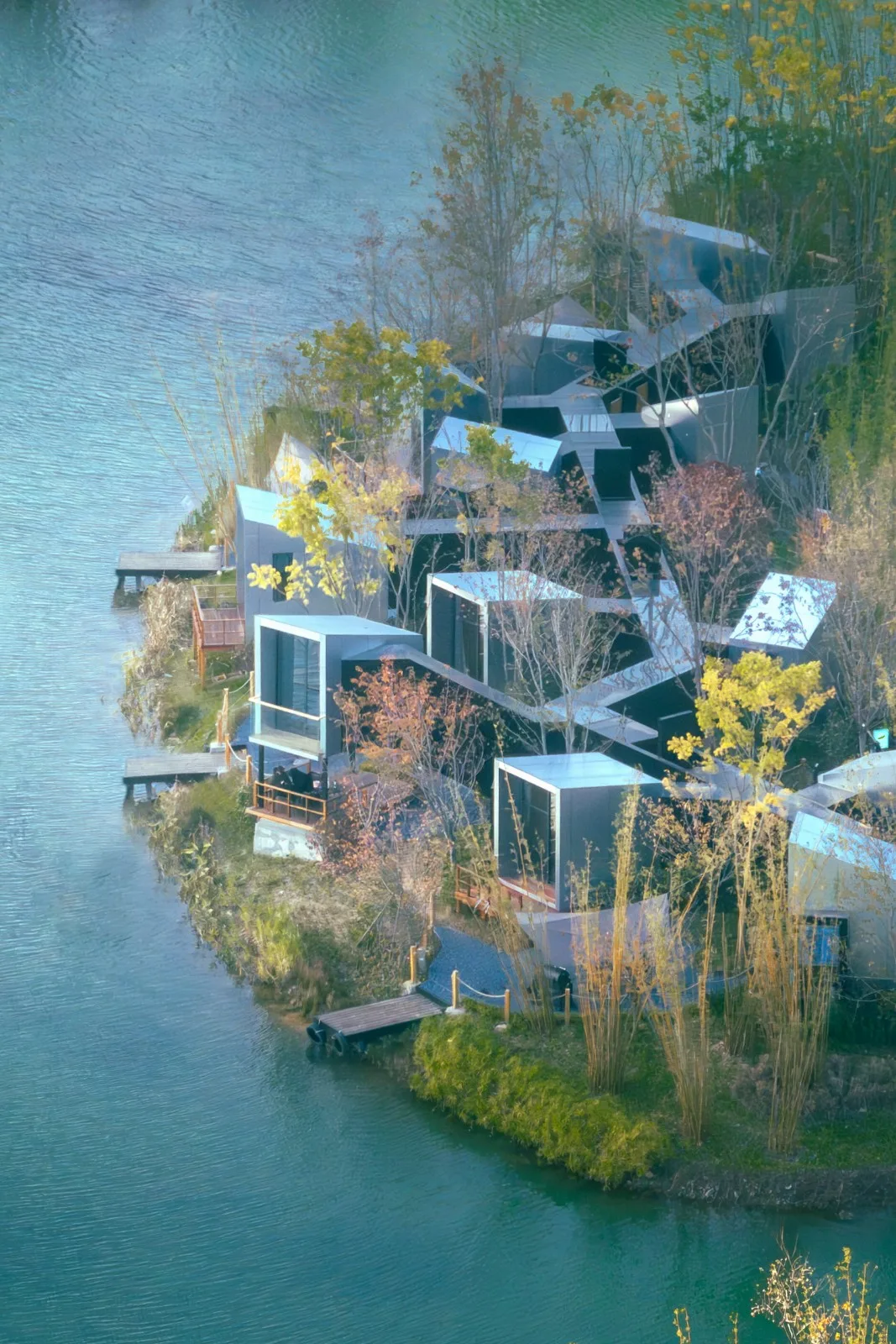
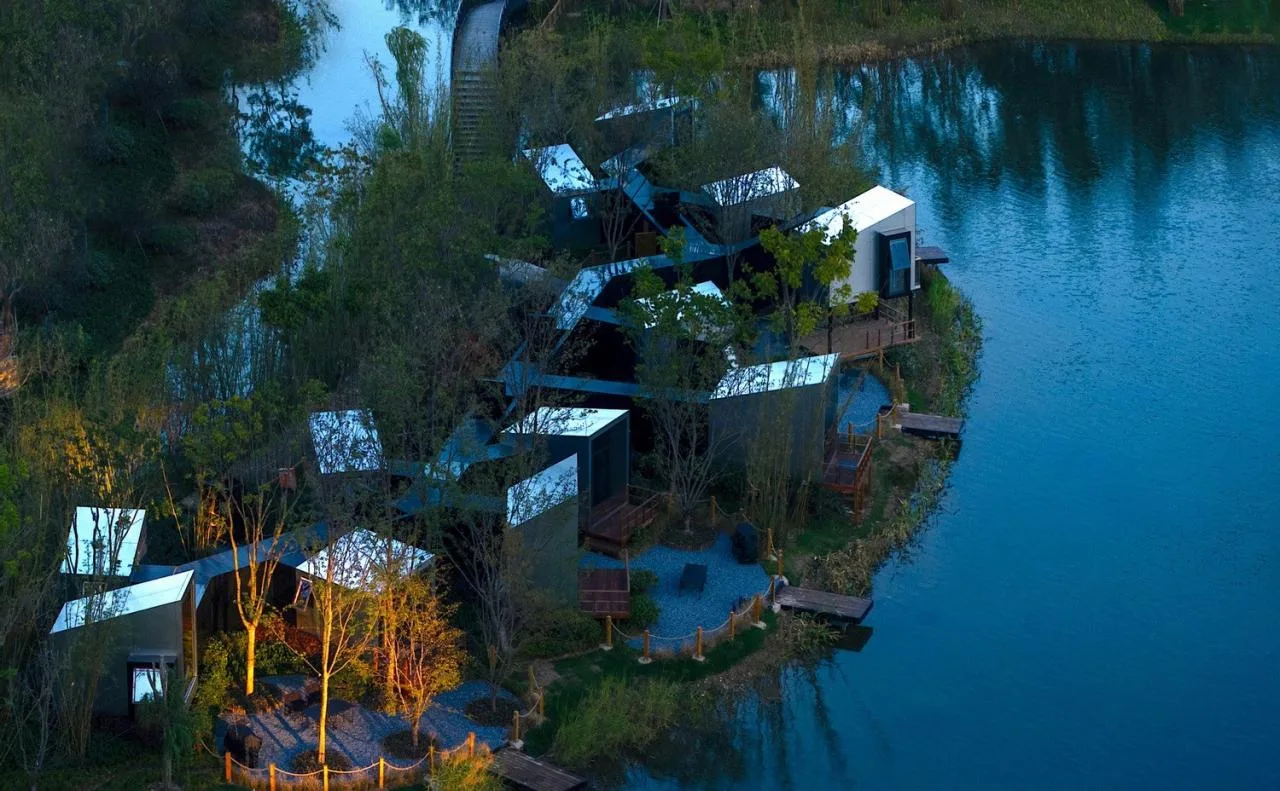
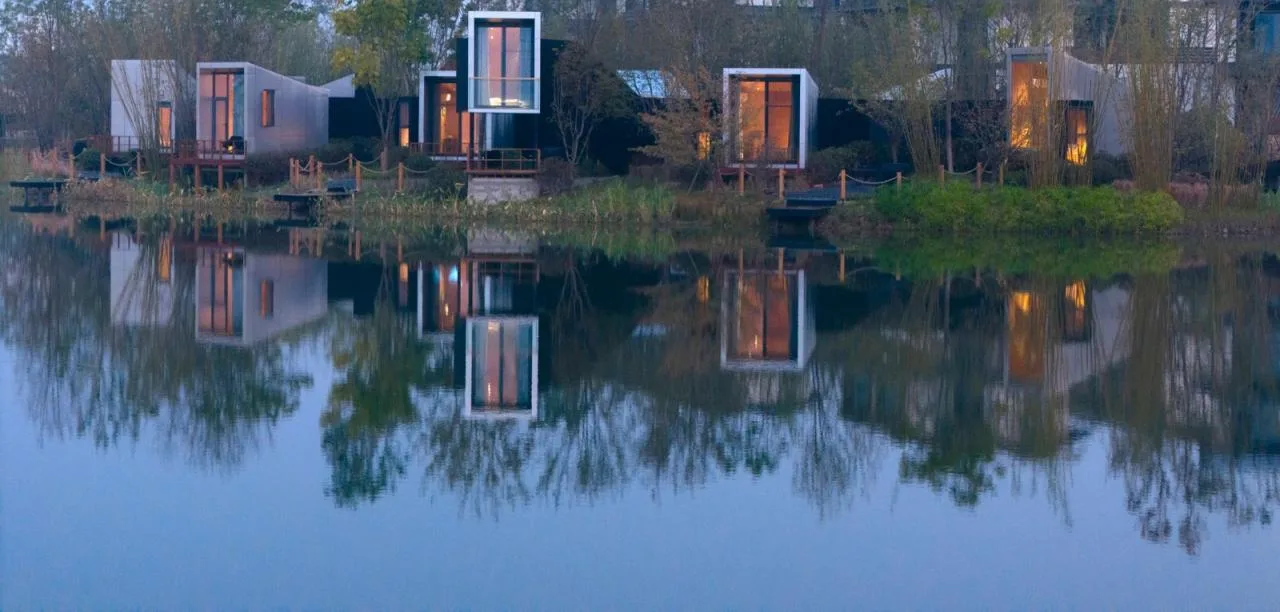
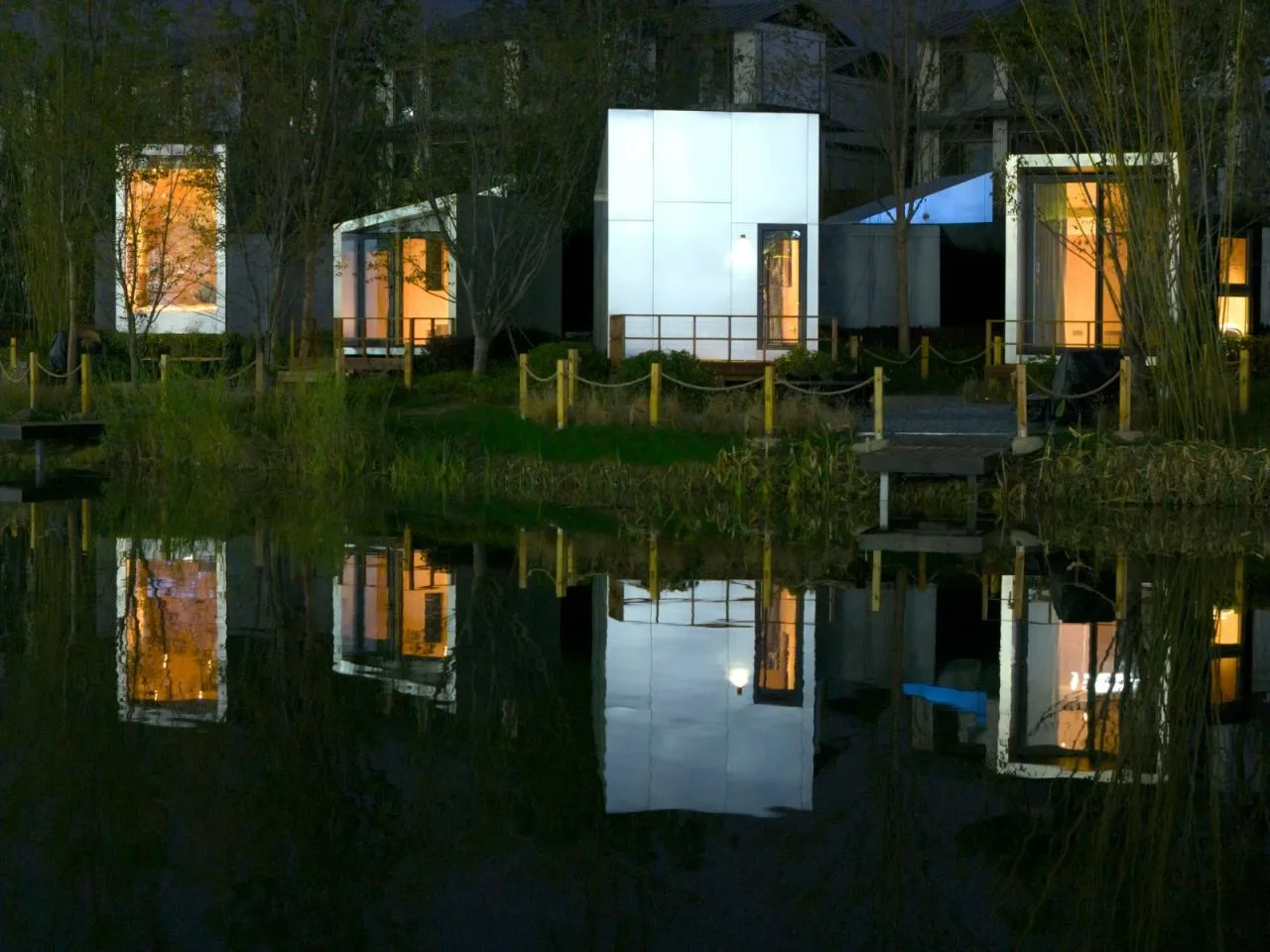
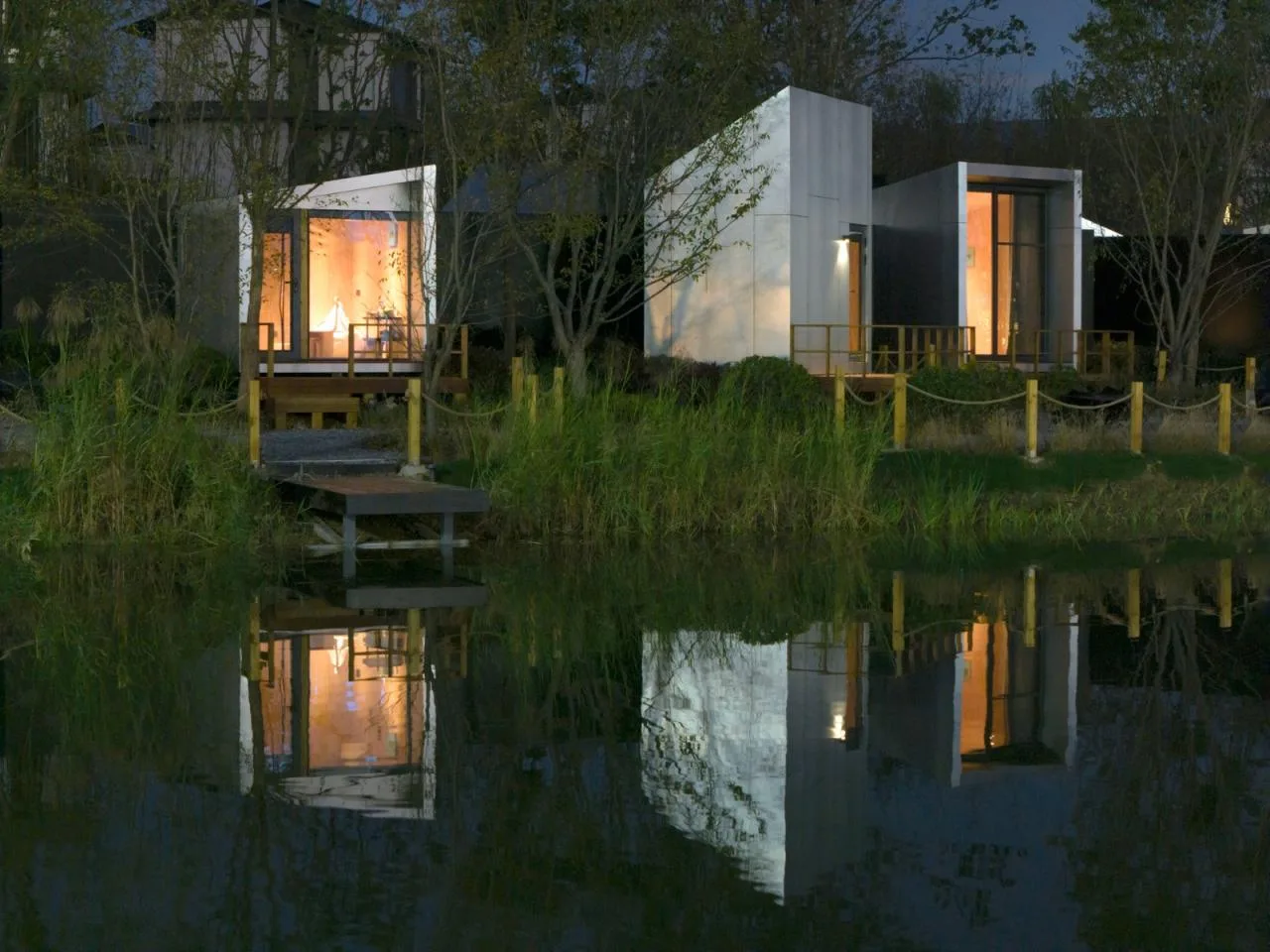
The connected houses create a sense of being lost at home. Located on a narrow island, the plan includes building five wilderness homes. Unlike traditional, standalone wooden houses with predictable flat layouts, the local community members desired to “live vaguely.” Perhaps they longed for less rigid spatial relationships, craving the experience of hiking or even getting lost within their own homes.
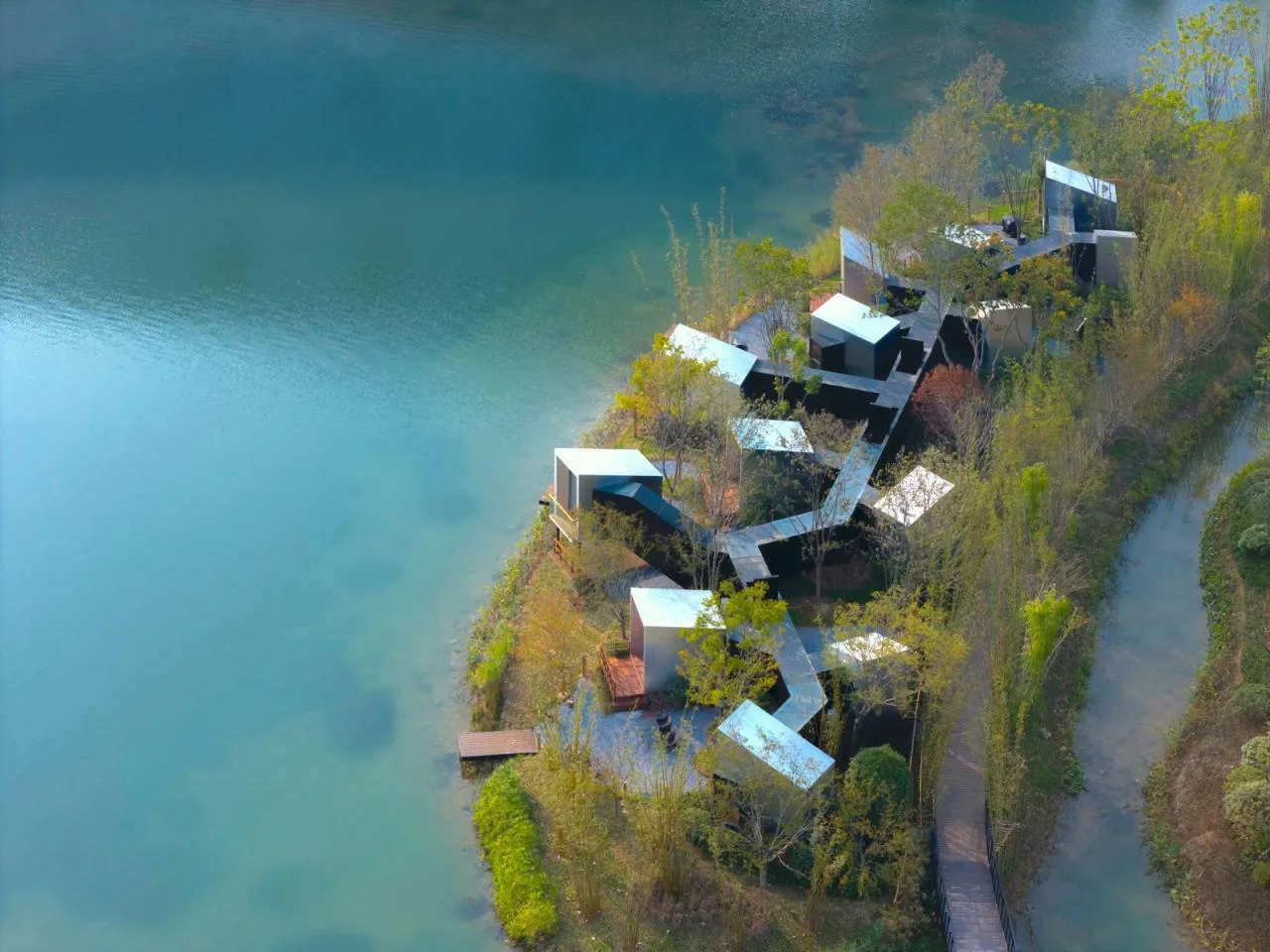
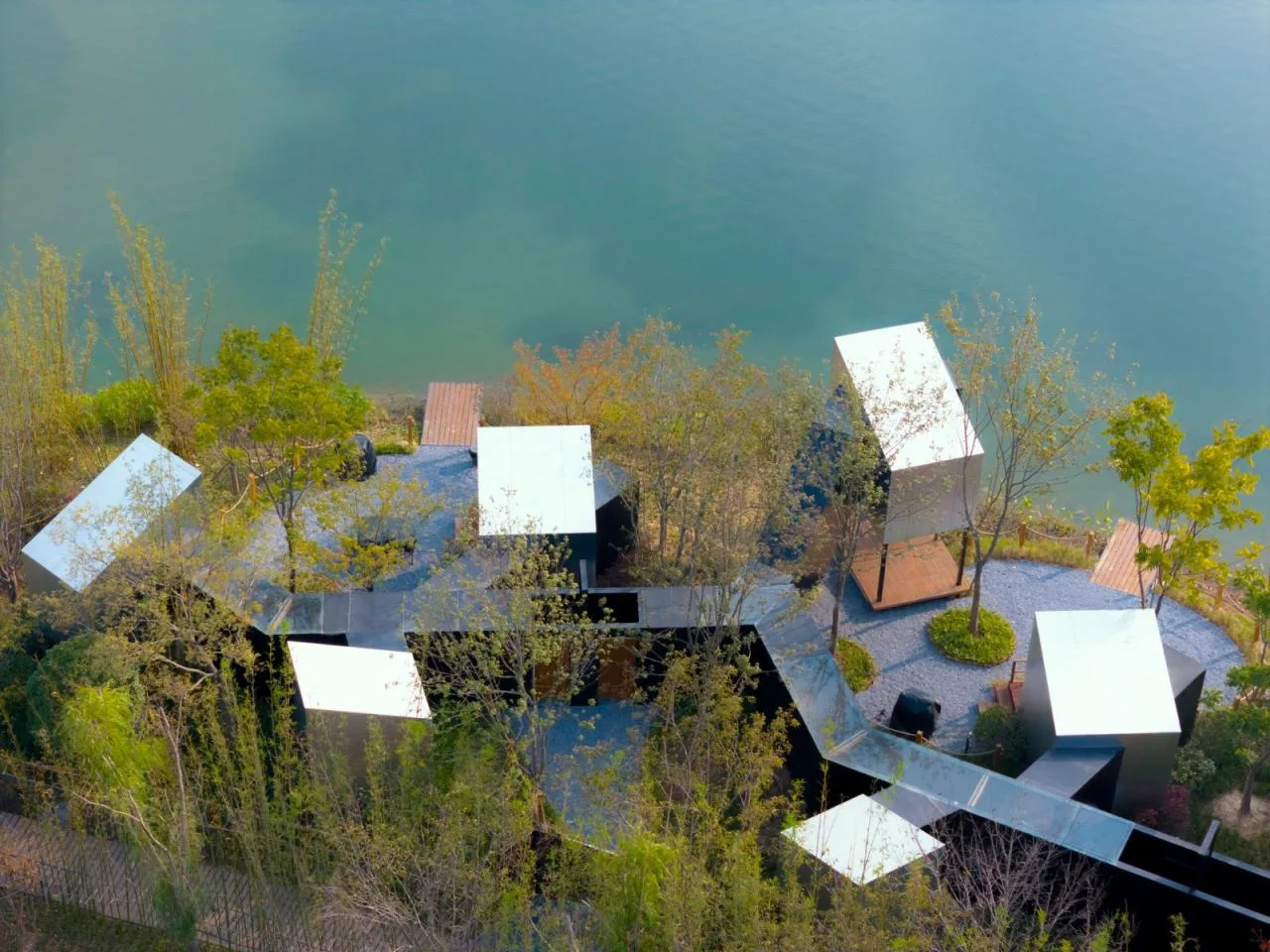
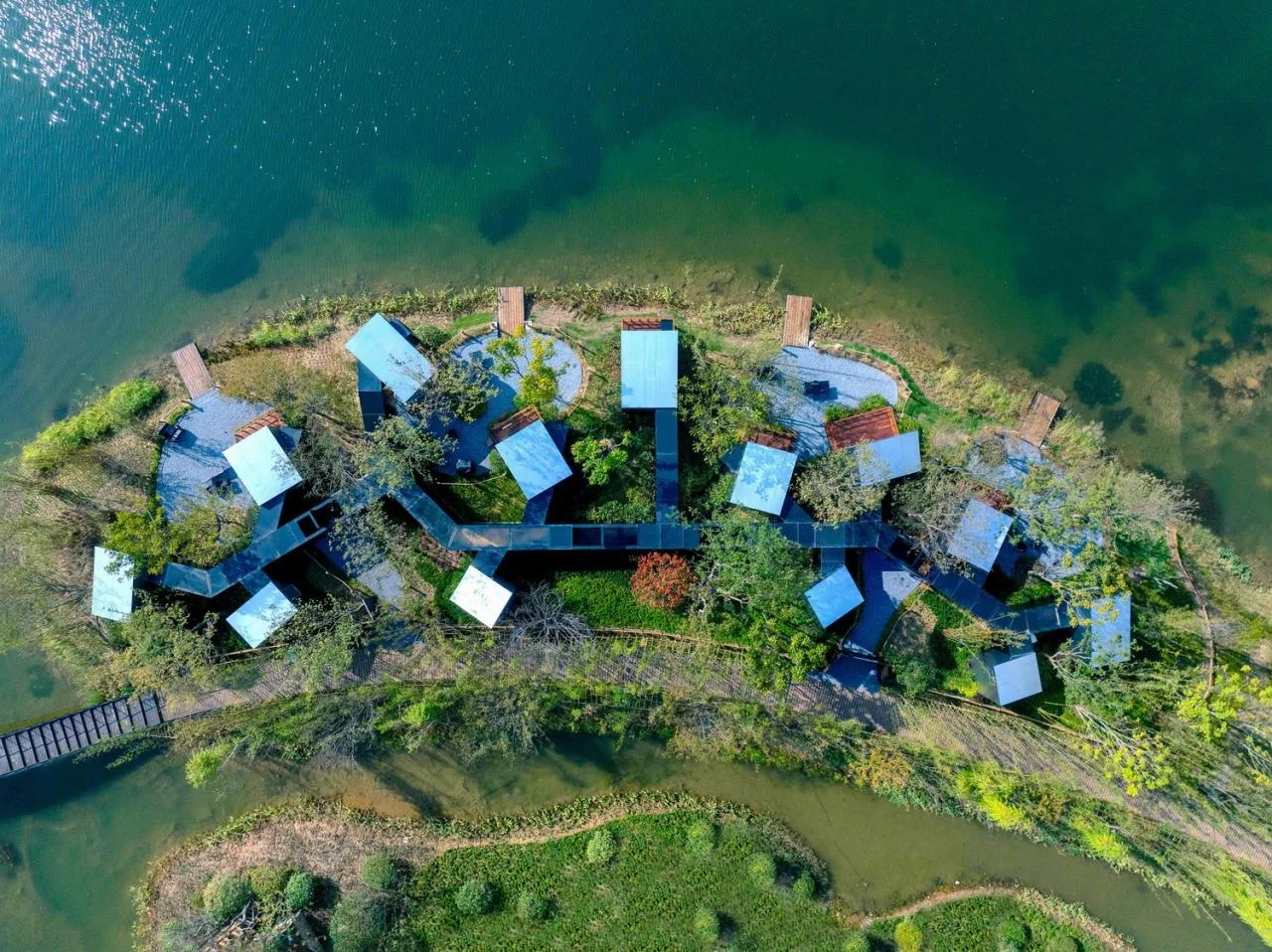
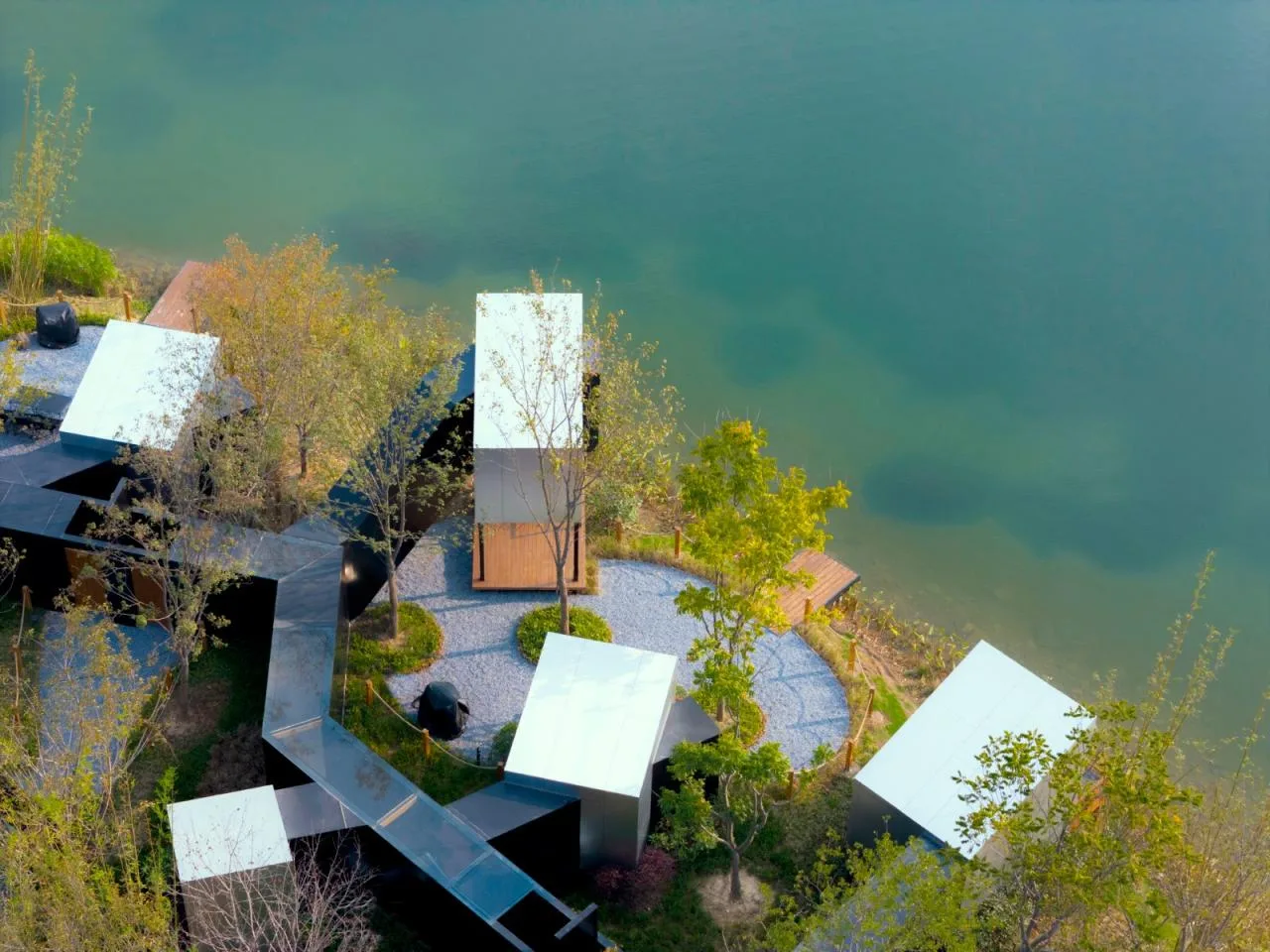
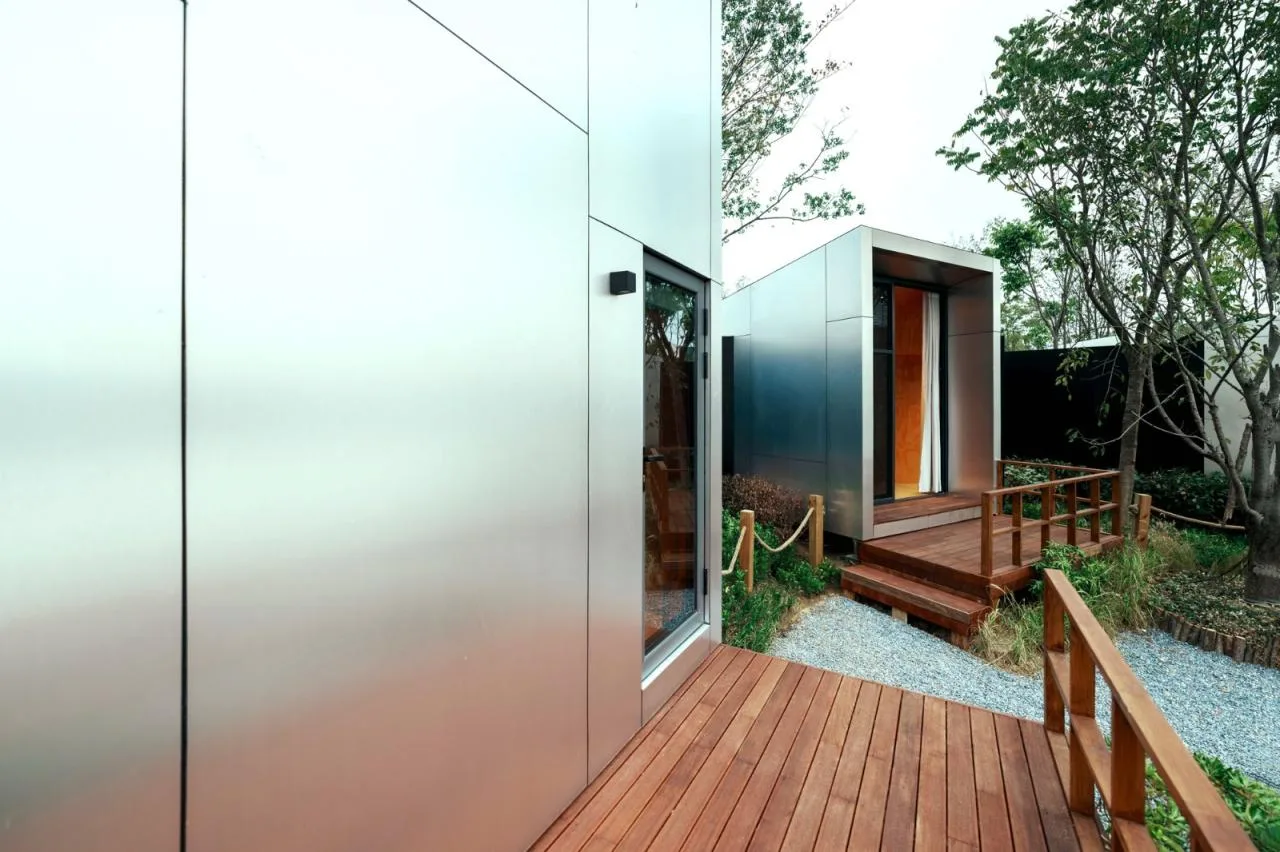
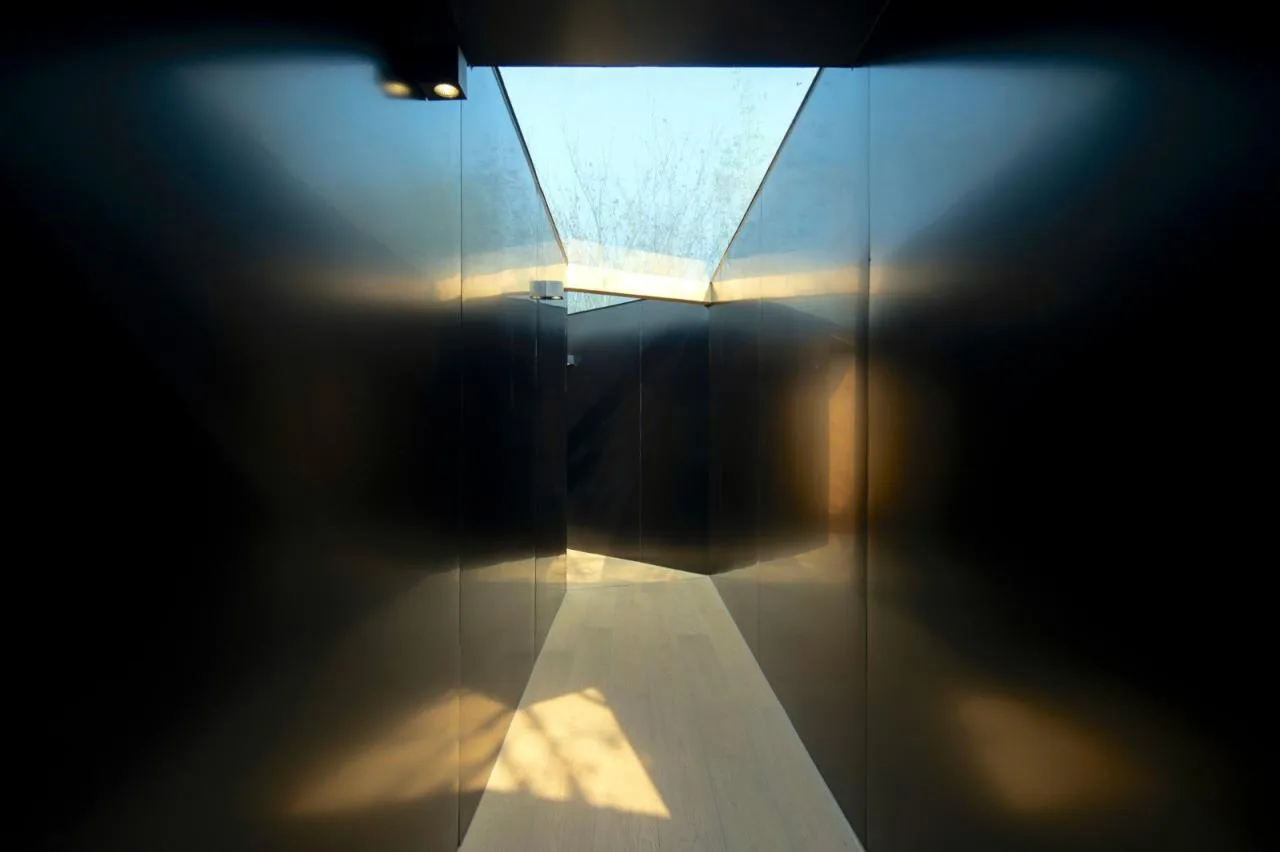
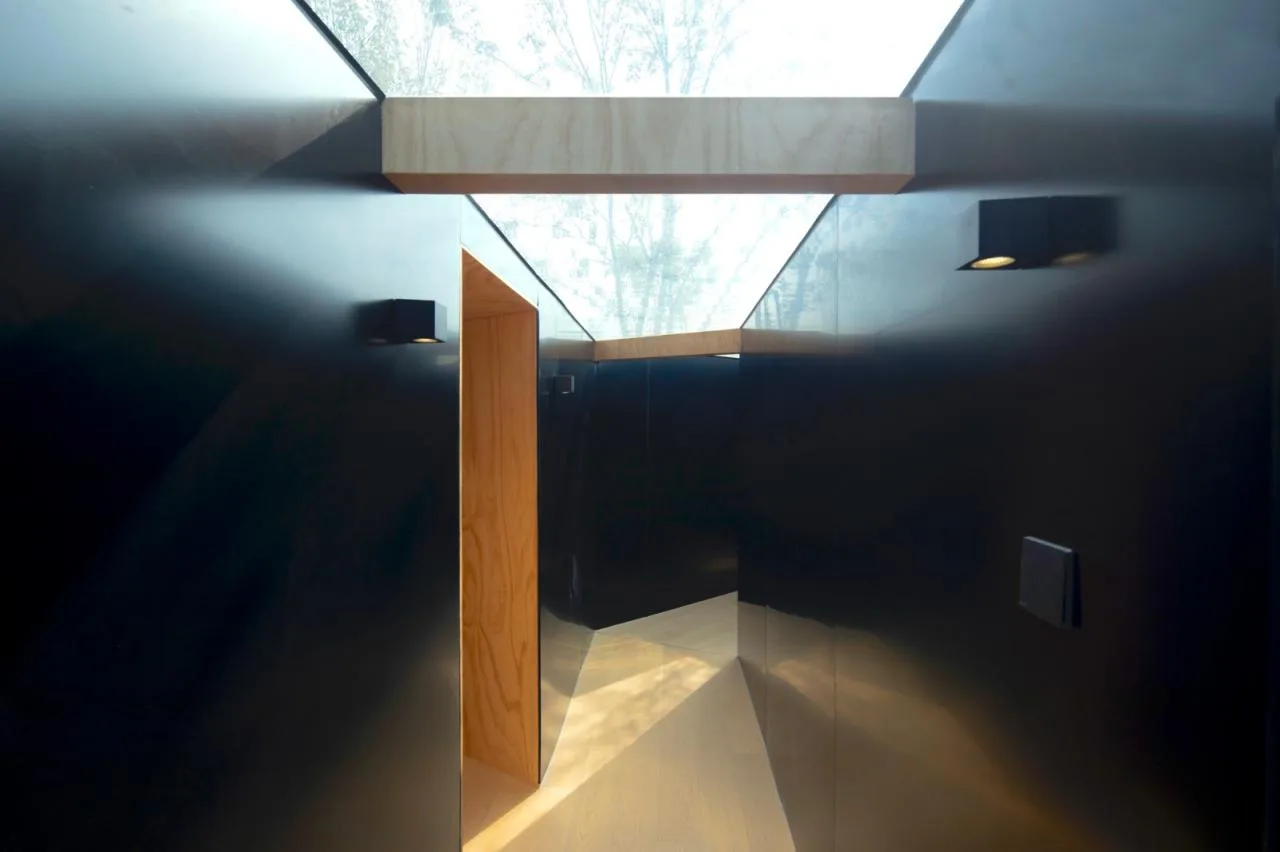
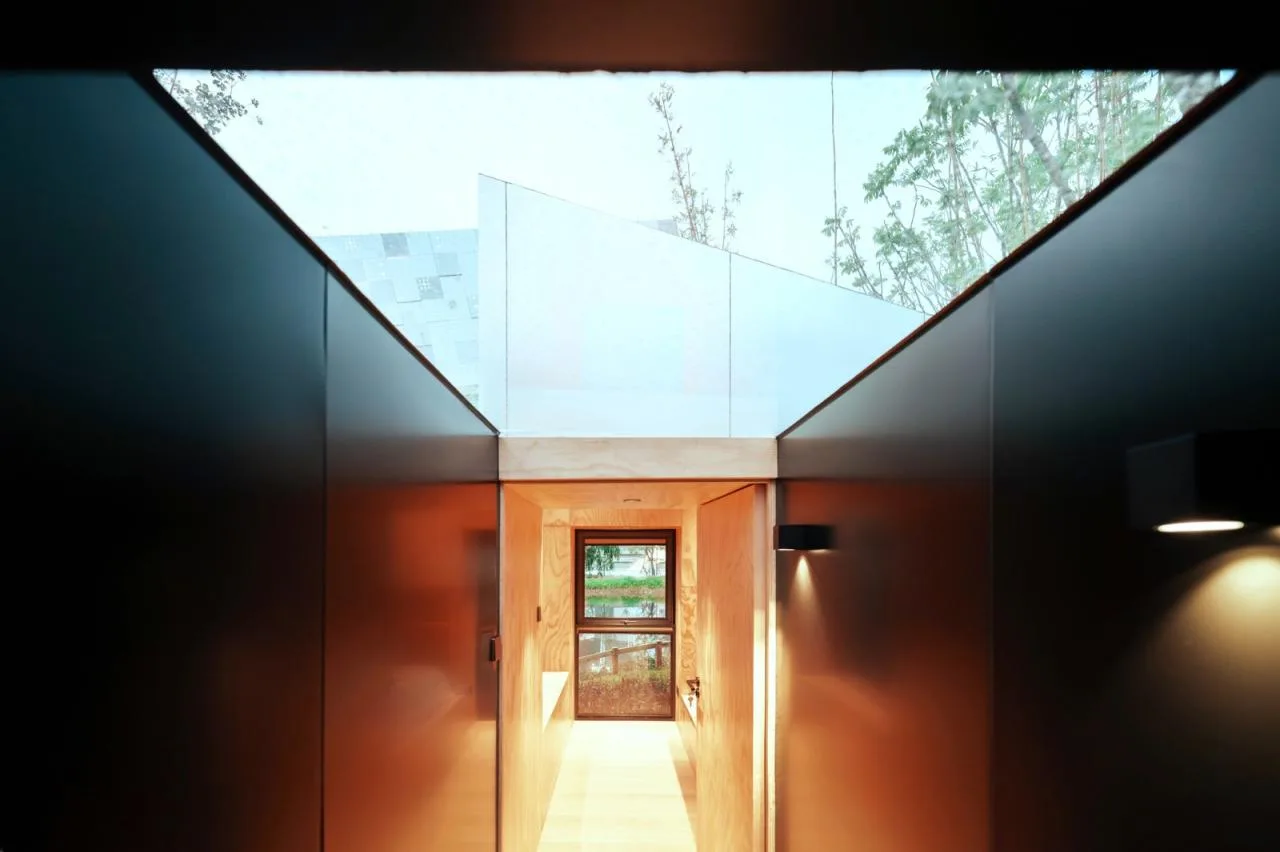
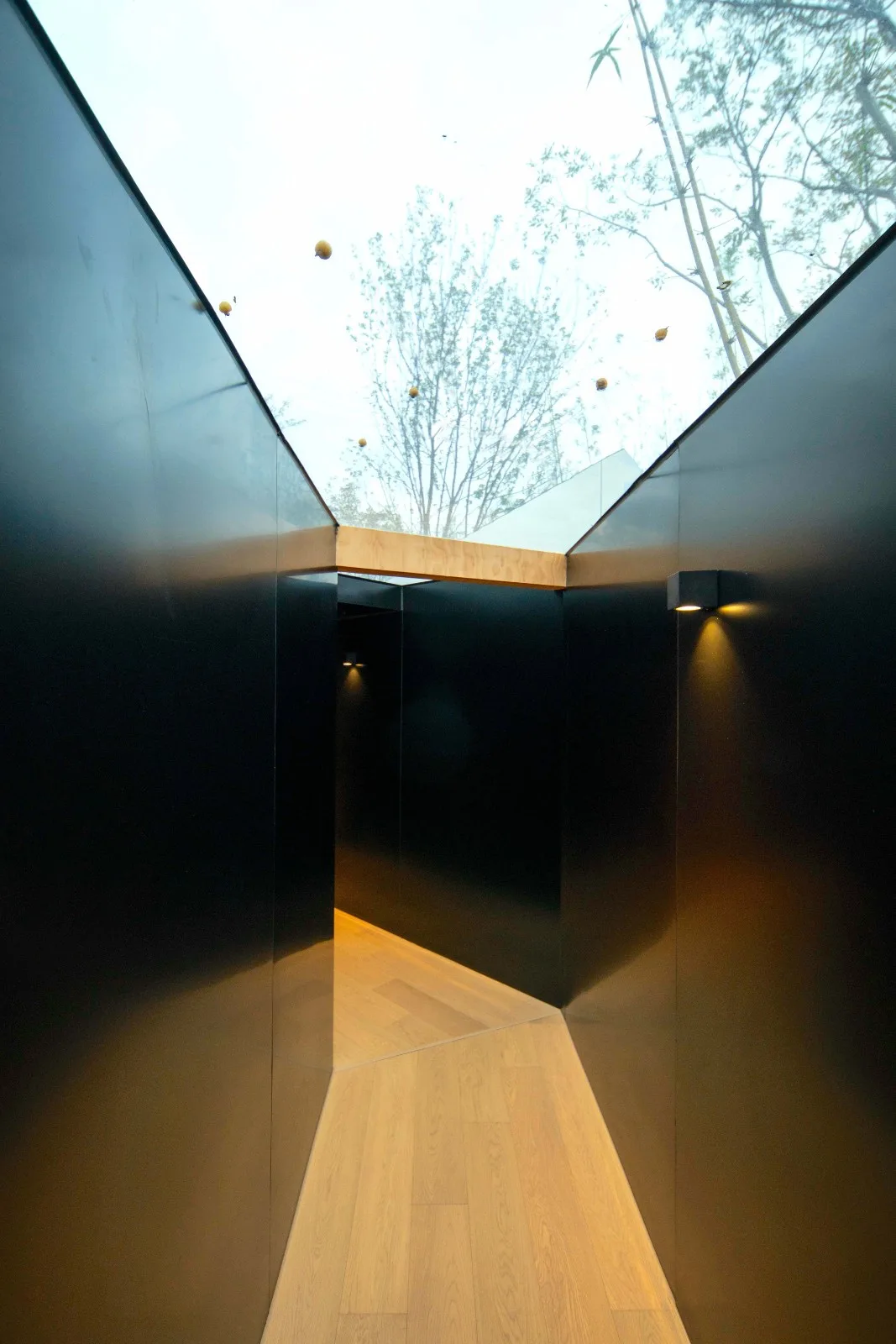
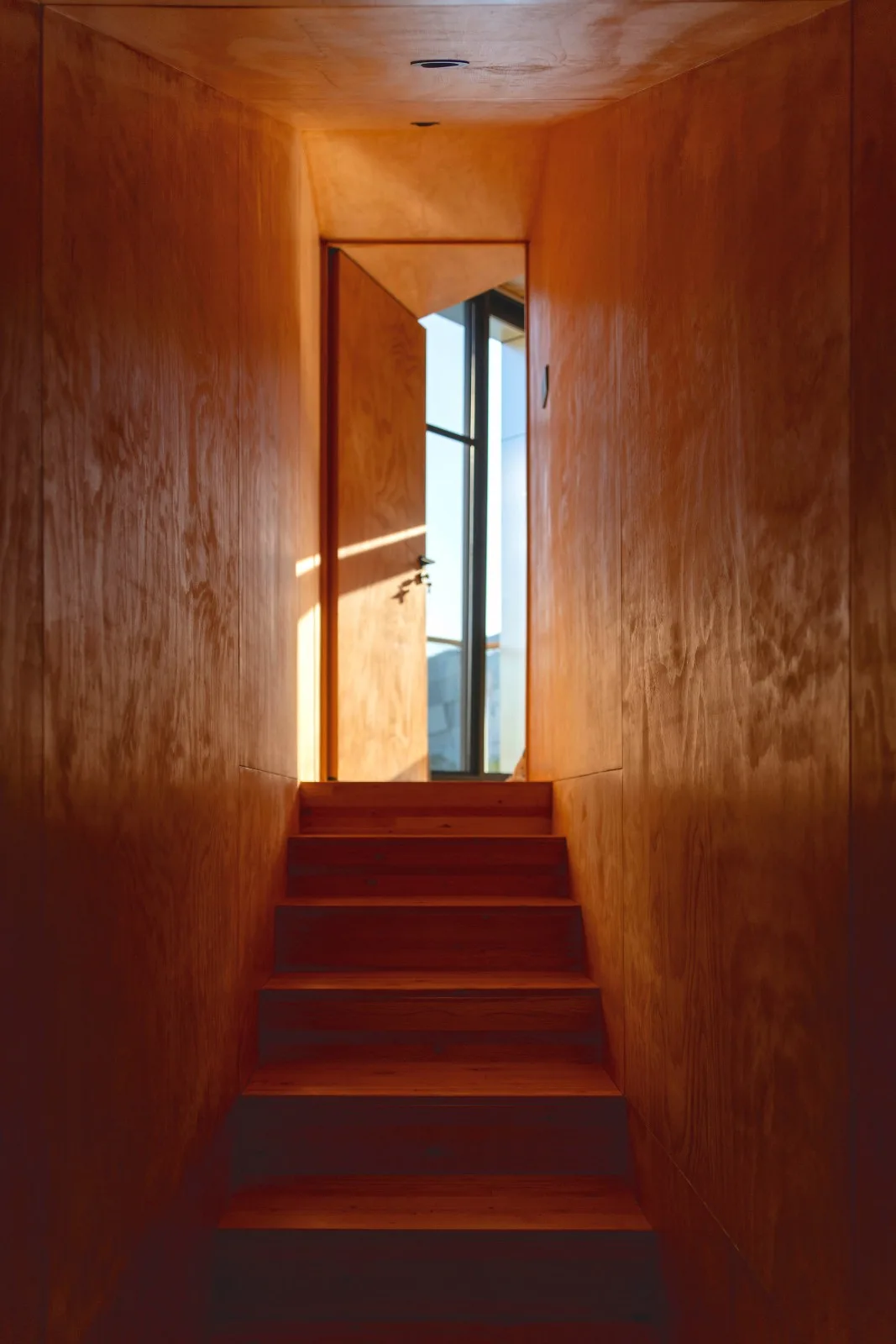
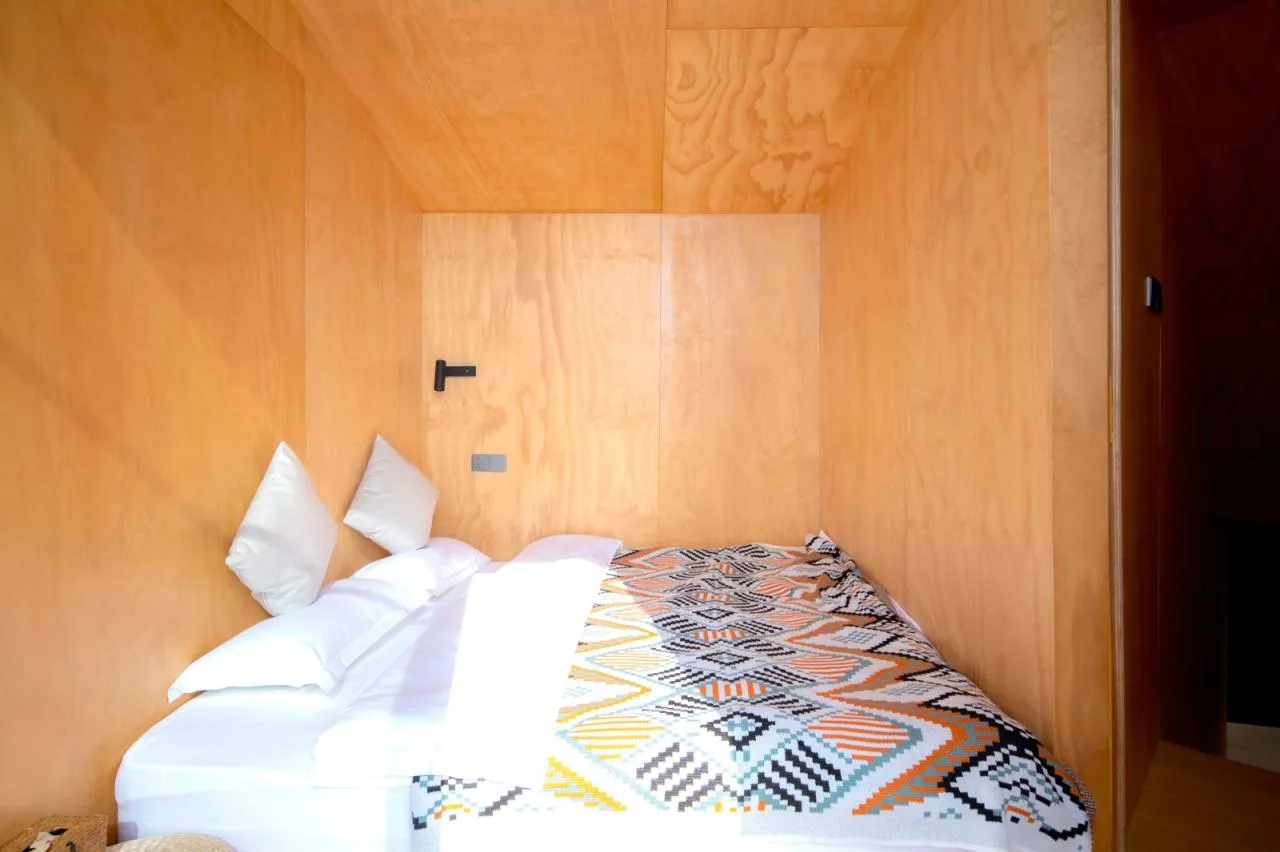
The design evolved into a game of “finding a house,” featuring 13 modules—including bedrooms, living rooms, and bathrooms—dispersed across the island and linked by a 100-meter-long, 80-centimeter-wide black corridor. This corridor serves multiple roles: sometimes acting as a mini courtyard, other times as an open-air indoor sky. Its irregular angles align with the island’s terrain, connecting all rooms while providing privacy.
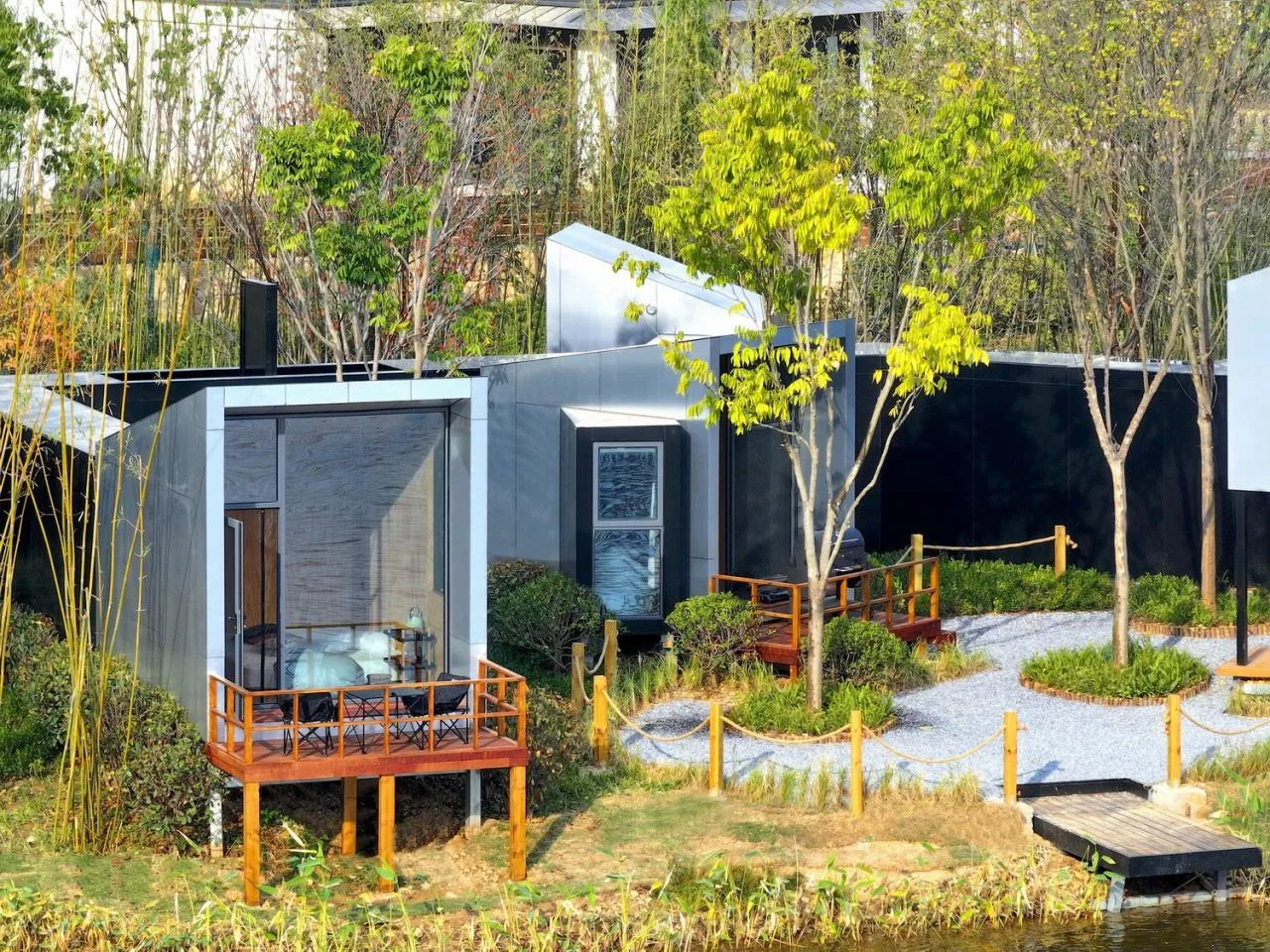
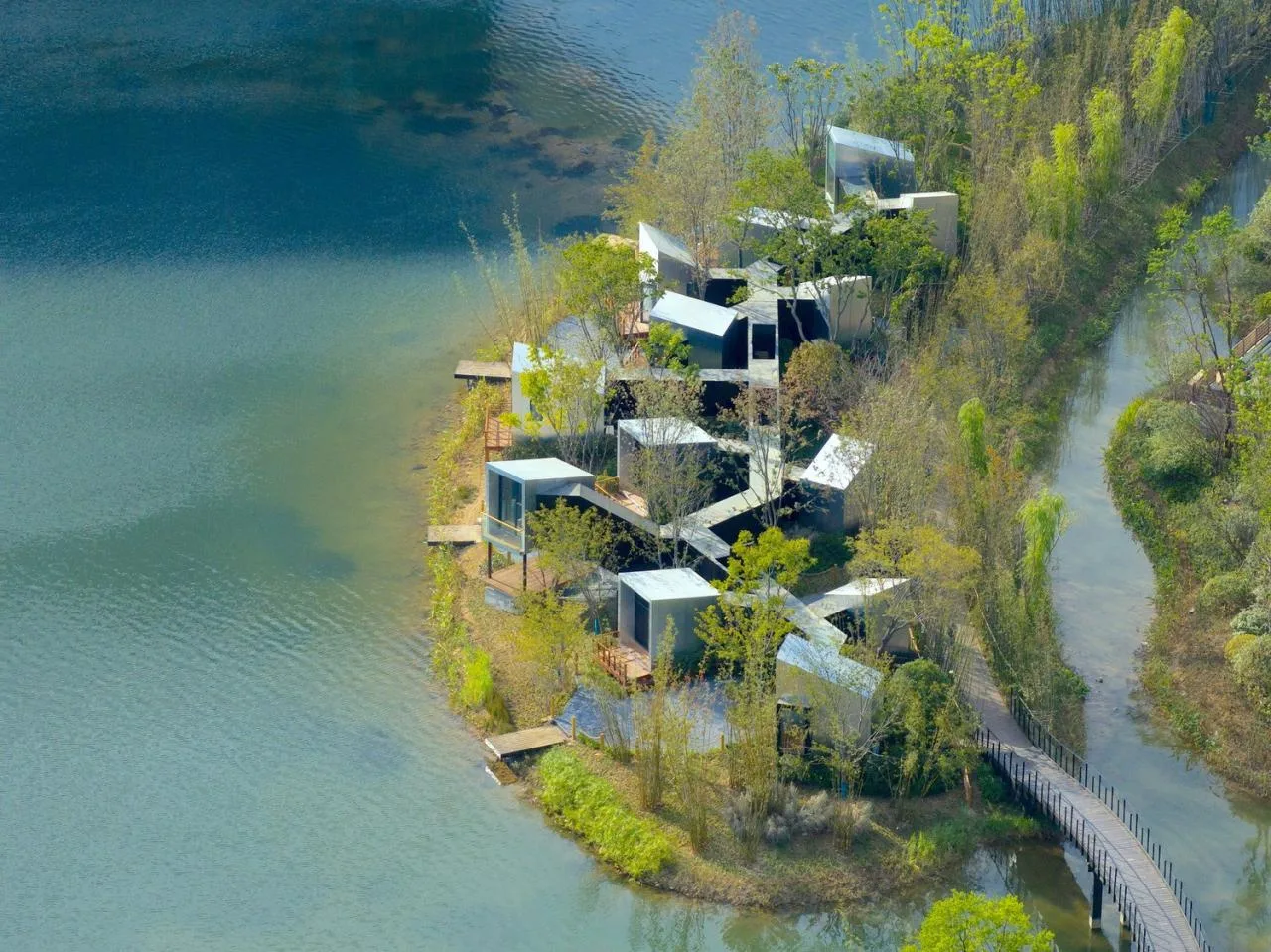
Walking through the black corridor, with the sky visible above, feels like wandering through nature. The corridor’s irregular angles induce a sense of spatial disorientation, offering surprises at every turn. Children especially adore the Maze Home, joyfully running back and forth with their friends. Perhaps children have the greatest freedom to get lost and explore.
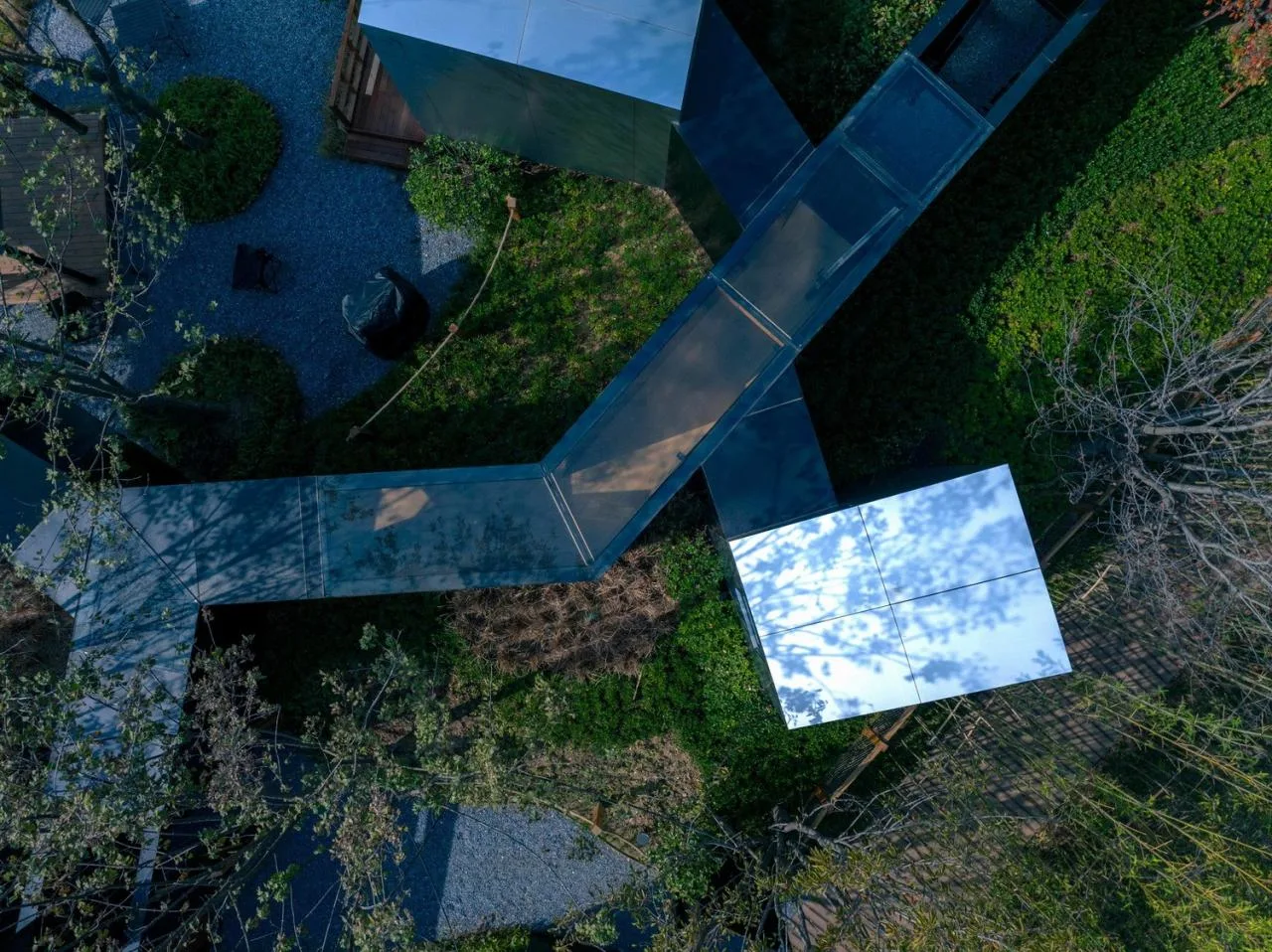
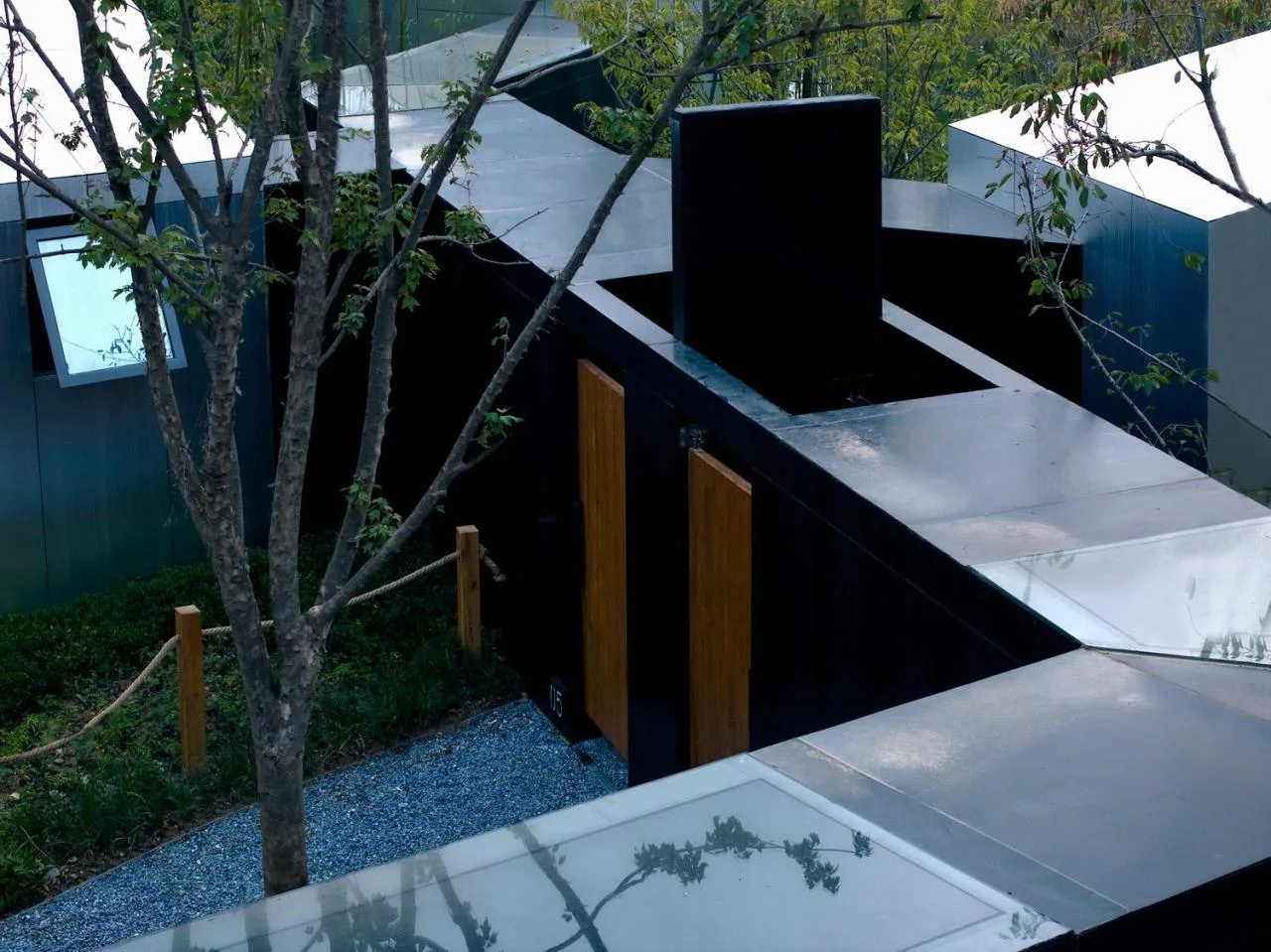
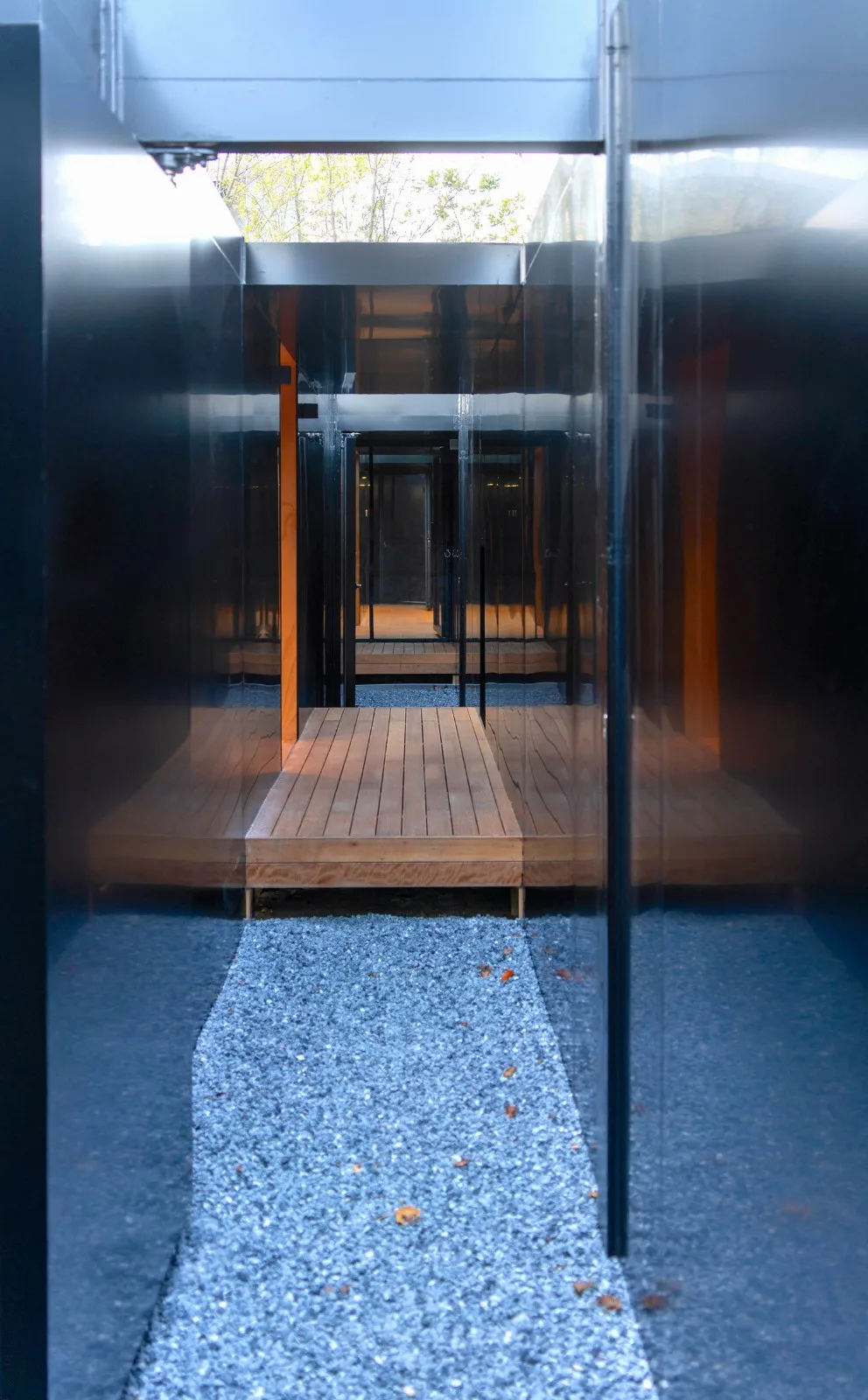
The Maze Home is a large structure composed of five smaller houses. The 100-meter-long black corridor includes flexible partitions that allow independent separation of groups. By opening or closing these partitions, the space can be divided into five fully functional, self-contained living units.
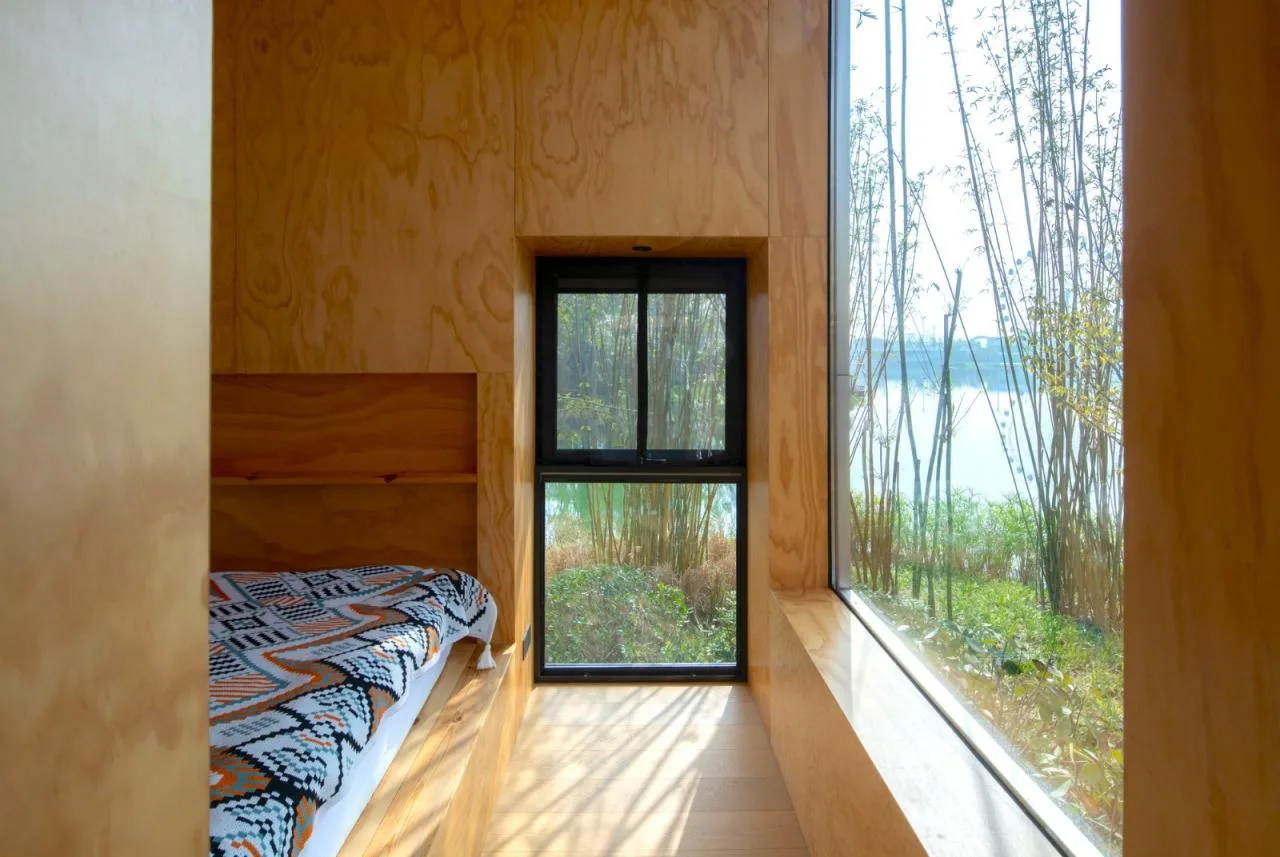
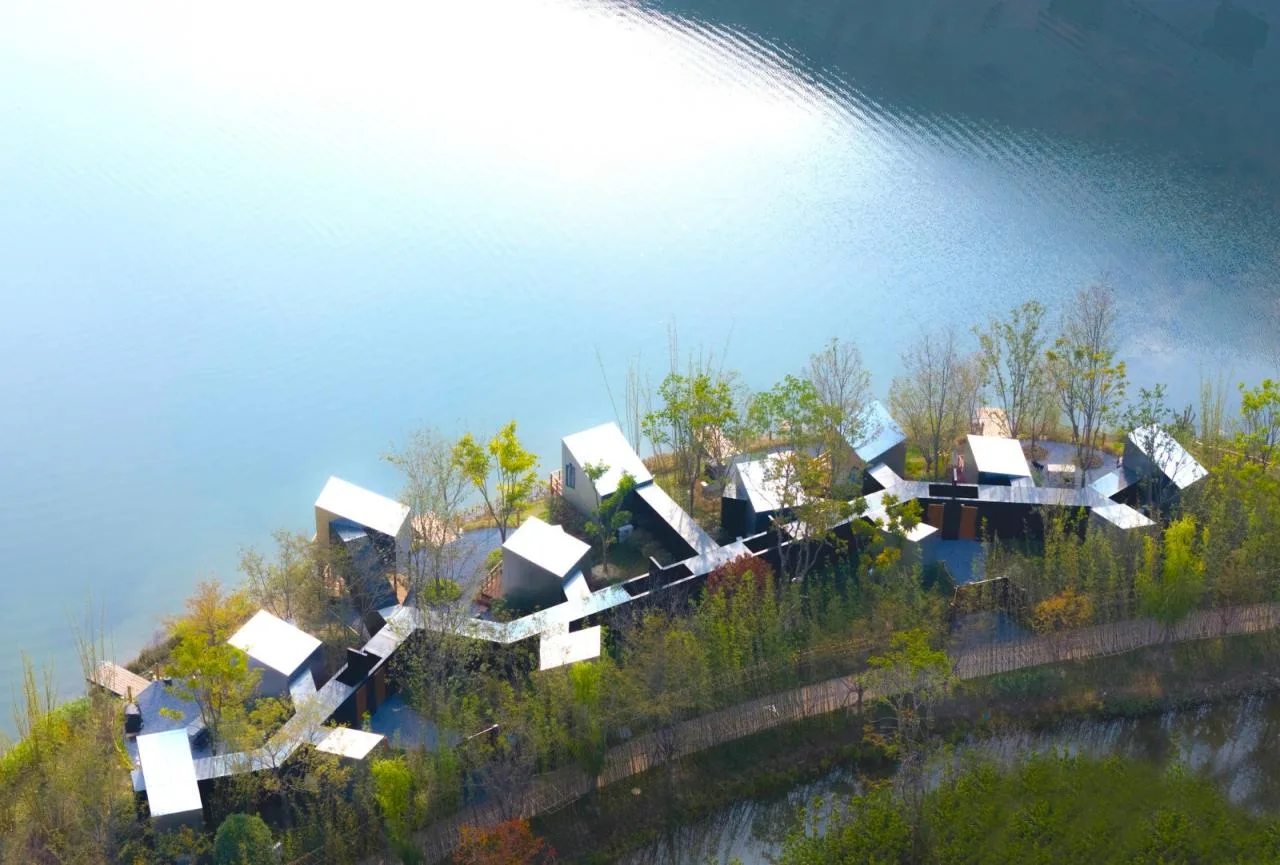
The residents live at a comfortable distance from each other. At the corridor’s end, you might find your friends’ homes, and along the way, you could encounter familiar family members—reflecting the nostalgic feel of a childhood neighborhood community. Unlike other wilderness homes worldwide, which often emphasize solitude, the Maze Home aims to recreate an original settlement relationship—balancing independence with community.
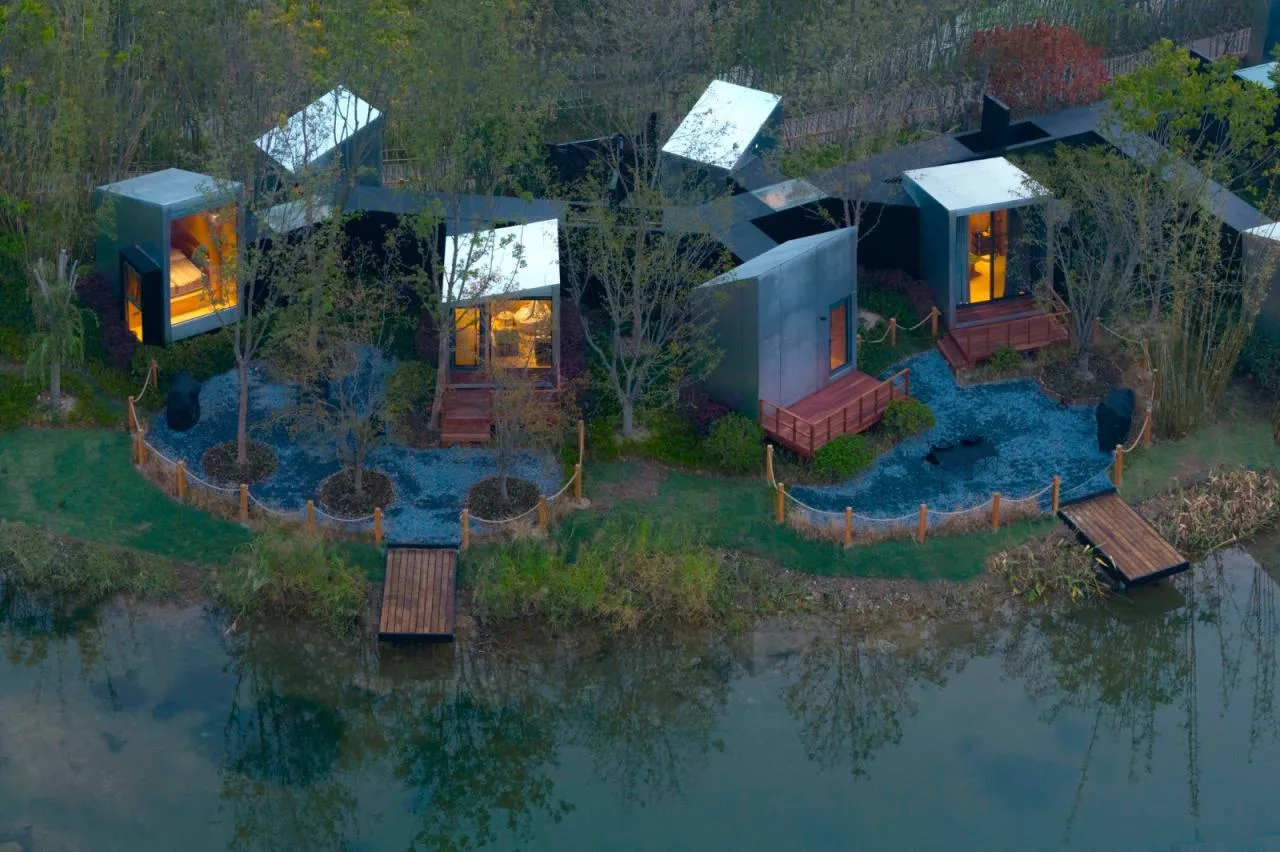
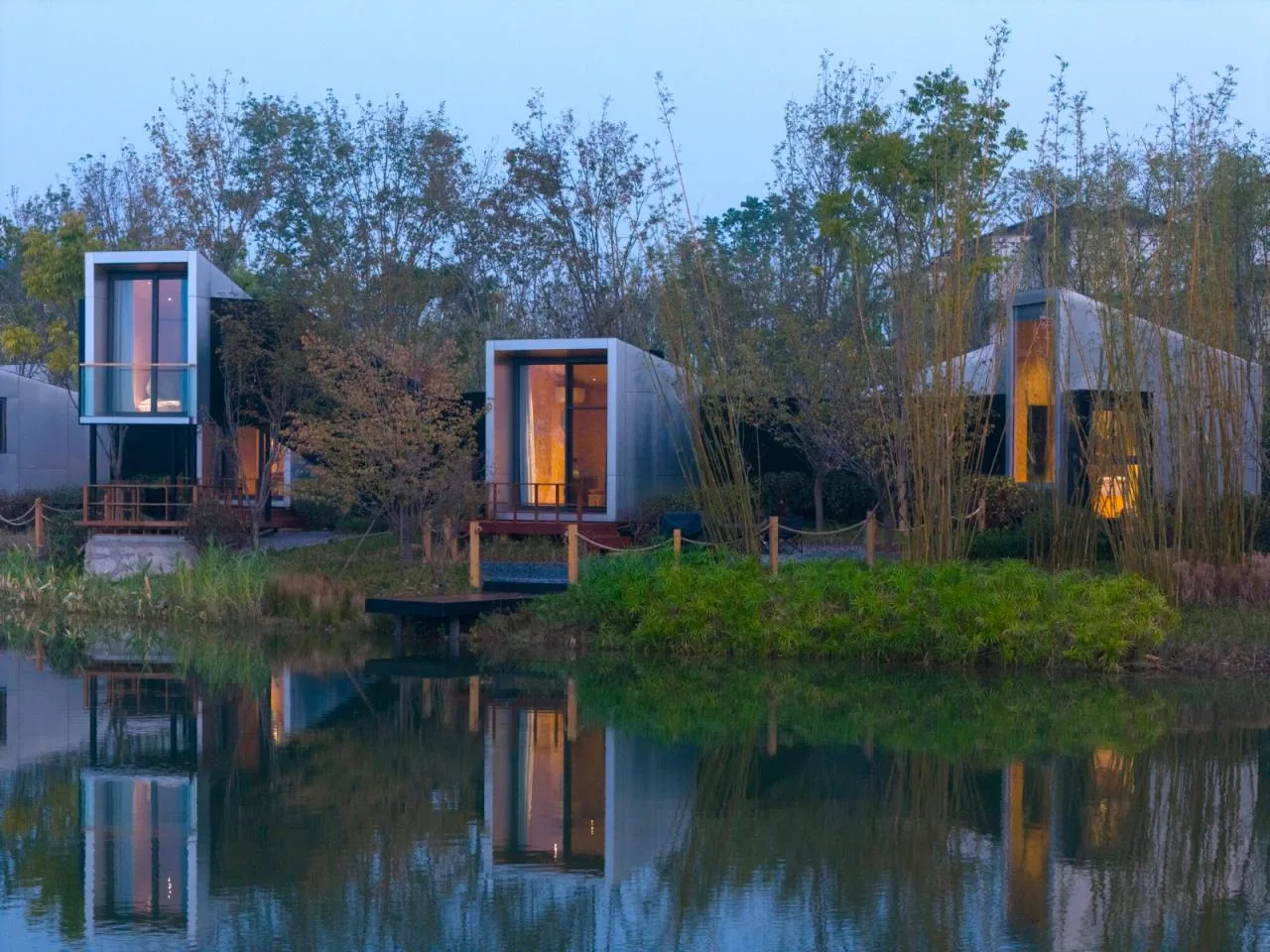
Access to each house requires a boat ride to individual docks. You can enjoy gazing at the sky from your own maze or simply knock on your neighbor’s door to say hello.
Every World – Small House, Big Dream
Every World is dedicated to reconnecting with natural living through sustainable construction methods. The Maze House continues this experiment in natural wilderness living by breaking away from conventional ideas about size and focusing on the relationship between lifestyle and environment.
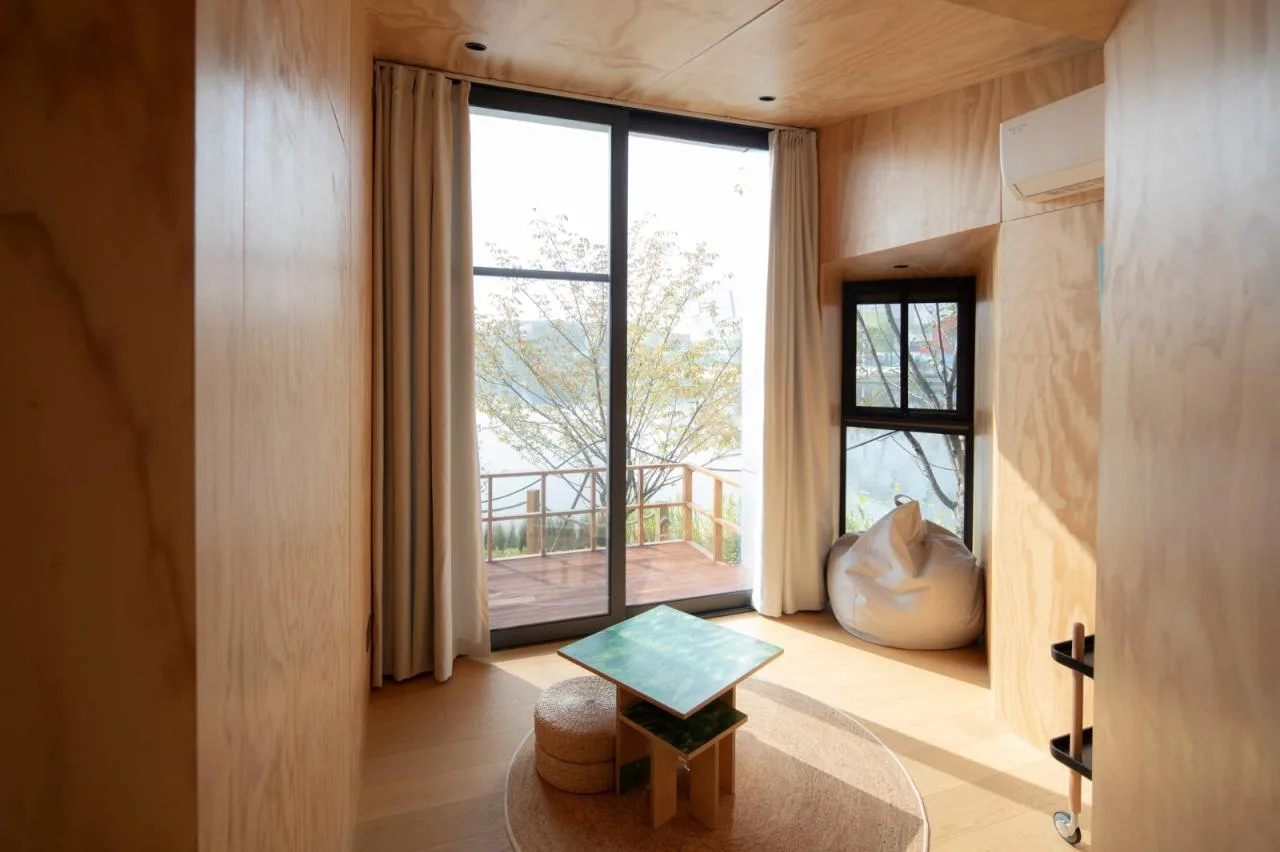
The spatial design intentionally distances itself from everyday experiences, bordering on the unconventional. The Maze “blurs the boundaries of home,” while its “small” scale brings occupants closer to natural materials, heightening their sensitivity to the surroundings. Having arrived in the forest, why not spend a day barefoot, listening to the crunch of dried leaves underfoot on the terrace?
The structures employ glued laminated timber, with every irregular component and joint digitally designed and custom-made to ensure 100% prefabrication. There is no single answer to what living means; everyone wishes their home to reflect their personal understanding of life, which is why we encourage “getting lost at home once.”
We uphold the traditional philosophy of natural construction by preserving every tree and bamboo on site, maintaining the original forest and path textures. The houses are elevated above the ground, each independently constructed from prefabricated wooden modules developed collaboratively by the team and residents.
Natural architecture here is assembled much like Lego blocks. The small houses sit amid the forest like building blocks, built using primitive wooden techniques. We personally fired the carbonized wooden boards used for the exterior facades. All connections use small metal components designed for repeated assembly and disassembly. This approach carefully balances the house’s relationship with its natural surroundings.
Every wooden house is elevated, with no contact with the ground, and without walls or artificial landscaping—the natural environment serves as its best enclosure.
Project Drawings
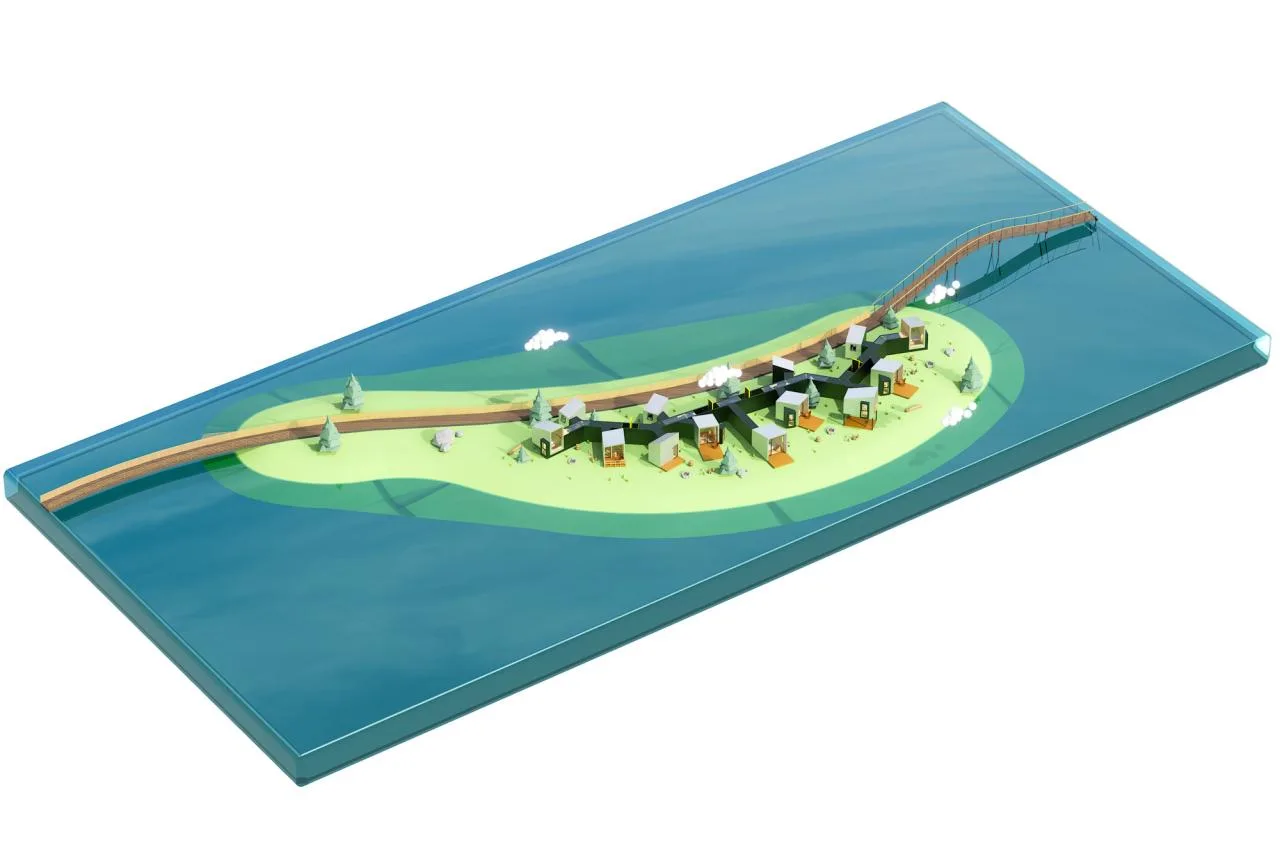
△ Model Diagram
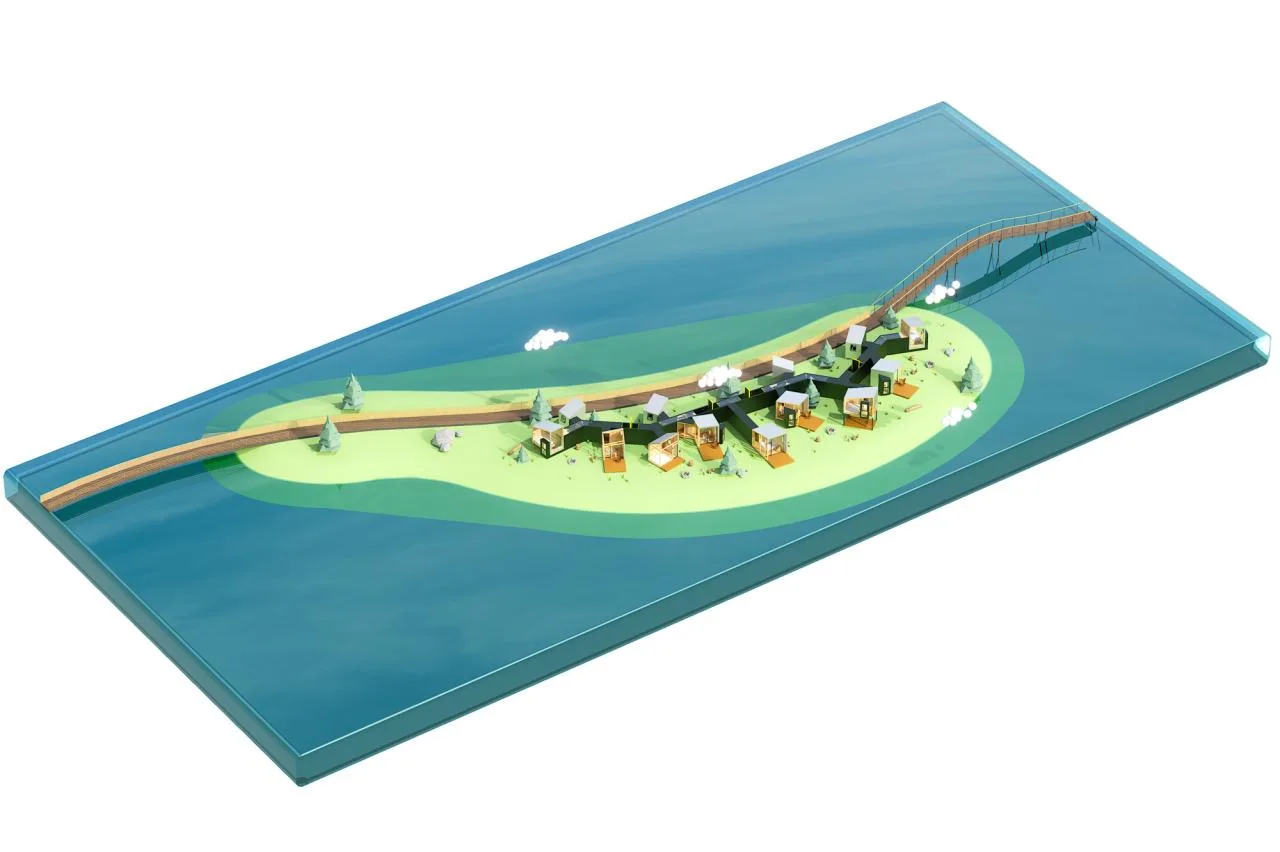
△ Model Diagram
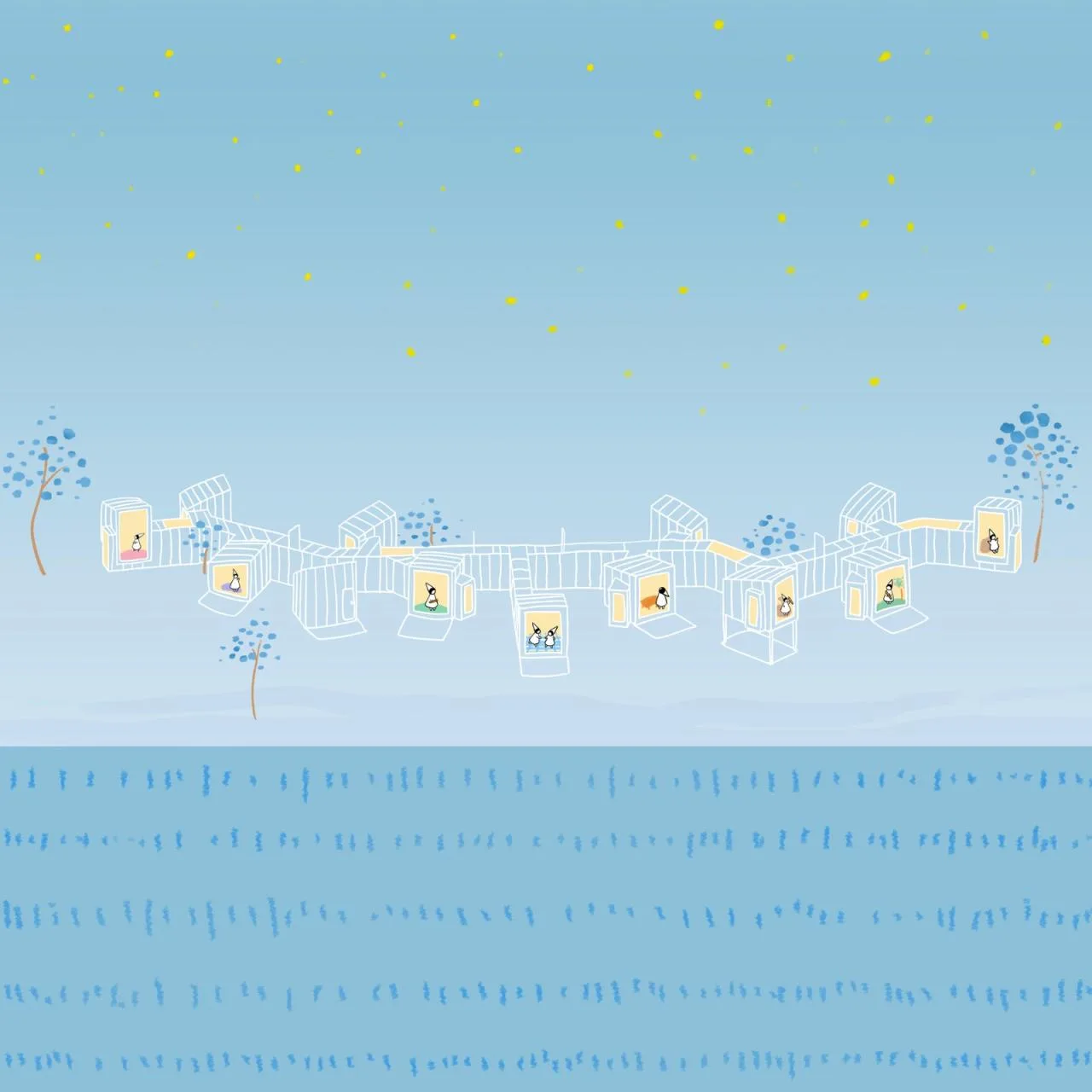
△ Hand-drawn Sketch
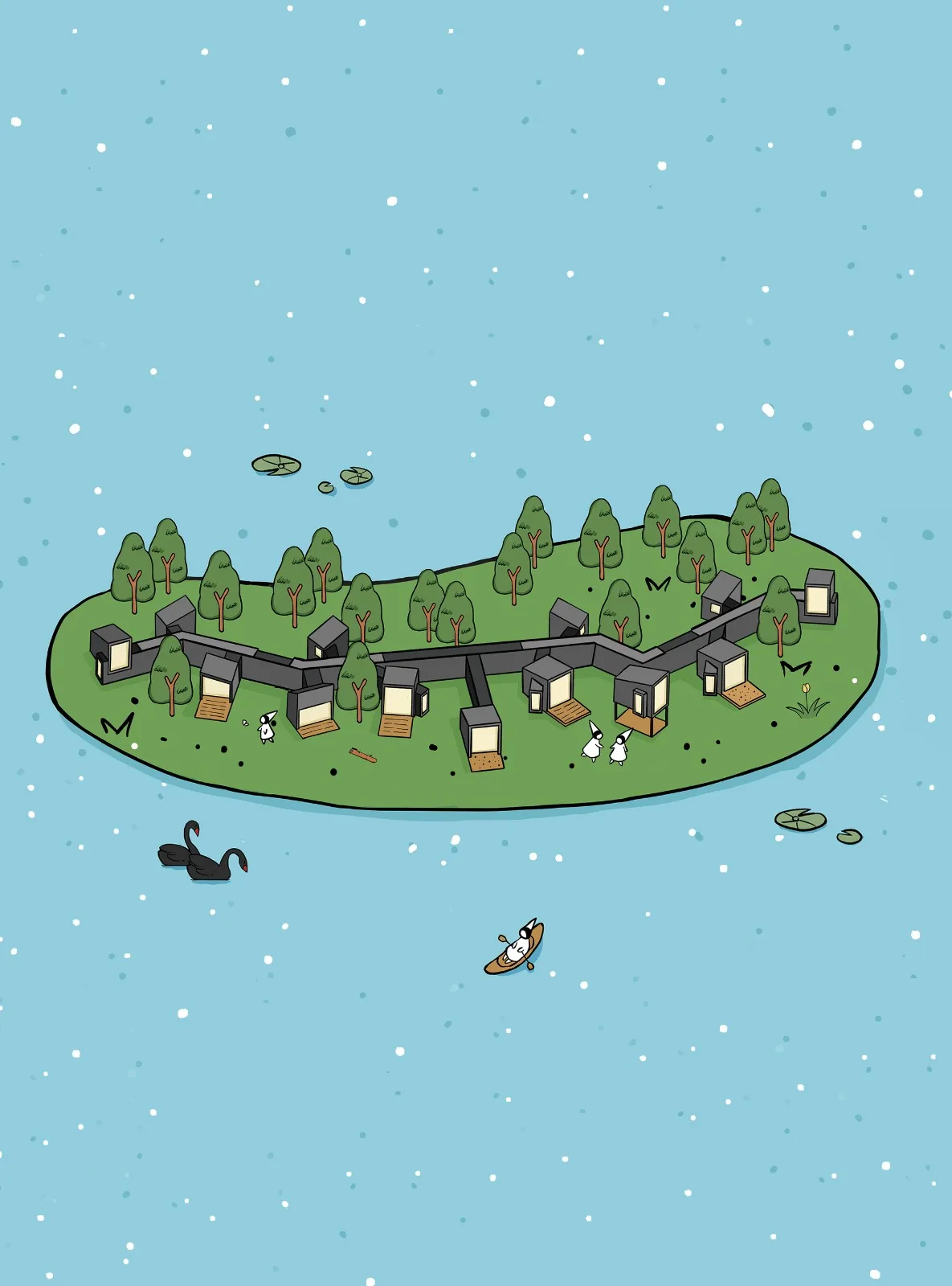
△ Hand-drawn Sketch
Project Information
Architect: Advanced Architecture Laboratory, Every World
Area: 207 m²
Year: 2024
Photographers: Pan Yanjun, Architecture – Architecture Photography, Every World, Cai Mucan
Suppliers: Bach, Isoplam, Rothoblaas
Architects: Mu Wei, Feng Zhaoxian, Wu Baorong, He Wen, Liao Xiaotian, Wang Yuanying
Construction: Wiki World
Illustration: Wang Yuanying
Principal: Wuhan Urban Construction Group
Location: Wuhan













Must log in before commenting!
Sign Up