

BIM technology significantly reduces construction costs while enhancing efficiency. In the coming years, China’s electromechanical installation industry will adopt BIM software technology that aligns with international standards, sparking a “new revolution” in this sector.
Mechanical and electrical installation companies face unique challenges compared to other construction firms, primarily due to the complexity of detailed pipeline designs. Traditional two-dimensional designs often lead to pipe clashes and high rework rates. Additionally, modifying scattered 2D drawings is cumbersome, and design changes requested by owners require extensive revisions. This results in wasted manpower, financial resources, and project delays.
Other challenges in managing mechanical and electrical installations include difficulties monitoring project progress, managing materials efficiently, and facilitating effective collaboration among multiple stakeholders. Furthermore, after project completion, the absence of a comprehensive as-built model complicates maintenance and control.
Recently, the promotion of BIM technology in China, both in theory and practice, has accelerated. Its application in project execution has become increasingly common, helping enterprises address numerous construction management issues and delivering substantial value. This article summarizes the current applications of BIM in mechanical and electrical installation engineering.
The Application of BIM Technology in Tendering and Bidding
Currently, bidding documents are primarily paper-based, supplemented by electronic files created with Microsoft Word, Excel, and similar software. Evaluators and bidders rely heavily on their experience to assess these extensive documents, which is a complex and time-consuming process.
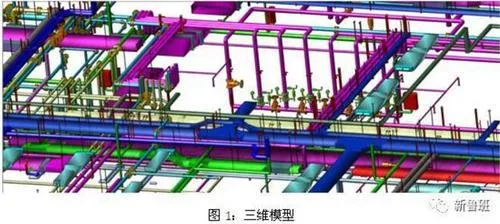
With BIM-based bidding, a 3D model visually presents the entire construction and installation project. This allows clients and evaluators to intuitively understand the project’s implementation plan and expected outcomes. Additionally, BIM enables early detection of construction issues such as clashes and clearance problems, clearly demonstrating the bidder’s capabilities.
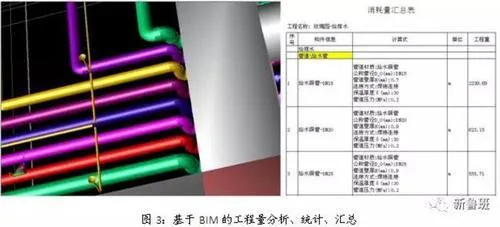
Bidding participants can access quantity take-offs through BIM models, enabling them to quickly retrieve relevant project data. This data supports strategic bid pricing, providing companies a competitive edge.

BIM-Based Quantity Budgeting
BIM technology facilitates collaborative work, allowing computers to rapidly calculate component quantities based on customized rules while accounting for spatial relationships and deductions. This greatly improves efficiency and supports effective project management through accurate data acquisition.
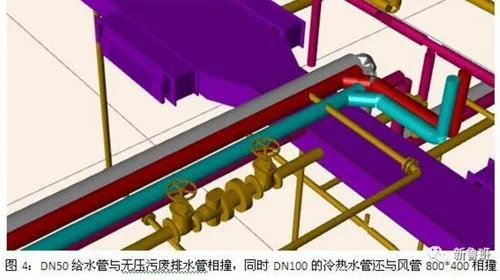
Collision Detection of Pipelines Using BIM During Construction
Mechanical and electrical projects involve complex, intertwined pipelines for water, heating, electricity, intelligence, and communication systems. Discovering clashes between these pipelines during construction often leads to large-scale dismantling, rework, or even plan revisions, wasting materials and causing significant delays.
Before construction begins, BIM technology is used to perform on-site structural measurements. It integrates mechanical, electrical, and structural specialties on a unified platform to detect collisions early. This includes identifying conflicts involving insulation layers, work areas, and maintenance spaces. Early detection reduces design changes and substantially improves construction site productivity.
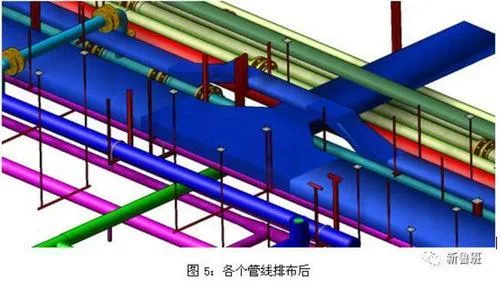
Advancing BIM for Mechanical and Electrical Construction Design
Traditional mechanical and electrical design drawings represent prefabricated pipelines linearly, often sharing the same elevation across specialties. Typically, site samples are created for iterative comparison and modification, which consumes significant labor and time.
BIM technology simulates the positions, elevations, connections, and construction processes of various pipelines in 3D. Plans are adjusted based on potential work areas and collision points, ensuring feasibility. This virtual approach replaces physical dismantling, reducing time, cost, and material waste.
Additionally, finalized plans are presented to construction workers through 3D sectional views and dynamic walkthroughs, enhancing their understanding, ensuring quality, and shortening project timelines.
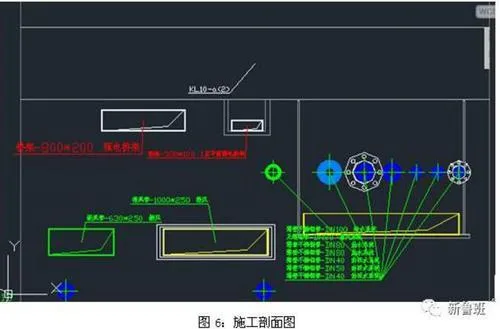
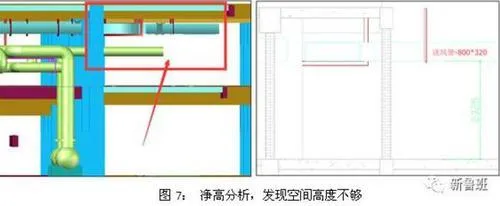
BIM-Based Net Height Analysis
By integrating primary and secondary civil engineering structures with multiple professional installation models, BIM enables comprehensive optimization and pipeline layout. The system automatically identifies spatial areas where net heights fail to meet design standards and assists in optimization using automatic profile drawings. This prevents clearance issues during later construction phases.
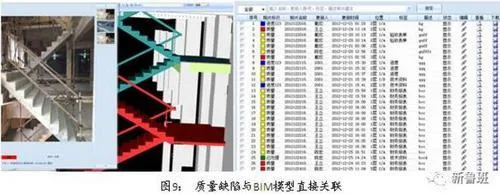
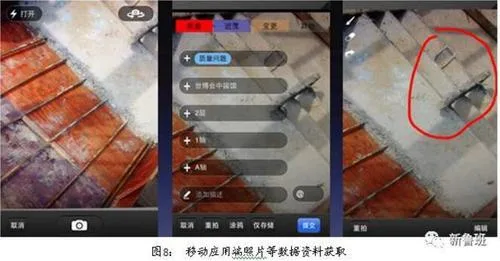
On-Site Management Based on BIM
Using mobile devices such as smartphones and tablets, on-site data collection becomes seamless. Quality defects, safety risks, and other issues are documented and linked directly to BIM models for efficient statistical management during and after construction. Key features include:
- Visual issue tracking: Defects are recorded with photos for clear, immediate understanding.
- Precise defect localization: BIM model positioning allows accurate tracking of problem areas.
- Real-time information sharing: Managers can monitor quality and safety data remotely from the office.
- Improved collaboration: Stakeholders can view relevant issues based on their permissions, enhancing communication efficiency.
- Multi-device support: Compatible with iPhone, iPad, Android, and other smart devices, enabling issue reporting anytime, anywhere.
- User-friendly interface: Quick implementation, easy maintenance, and straightforward training promote adoption.
- Cloud-based management: Fast system performance with comprehensive access to engineering data.
Simulation Control and Progress Updating Using BIM
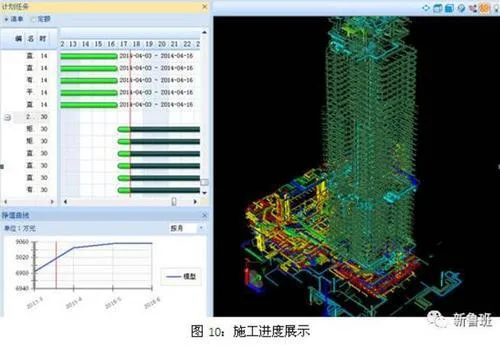
Currently, construction schedule management in China relies on software like P6 and Microsoft Project, which operate in two dimensions. For complex projects with multiple phases, this approach limits comprehensive and coordinated schedule management.
BIM technology, combined with 3D laser scanning and high-resolution panoramic imaging, captures spatial and temporal construction data. This data enables 3D or 4D visual simulations of project progress, facilitating rational and scientific schedule planning.
Such visualizations provide intuitive and accurate progress tracking, unify management across various construction phases, and improve communication and coordination. Ultimately, this approach helps shorten construction timelines and reduce costs.
BIM Technology for Equipment Operation and Maintenance Data Management
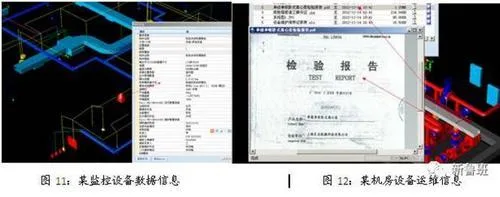
A BIM-based collaborative management platform integrates essential operation and maintenance data—including maintenance plans, inspection reports, work orders, and equipment failure records—into the BIM model for efficient management and cooperation.
Upon project handover, the construction team delivers not only the physical building but also the BIM model containing extensive operation and maintenance information. The team is responsible for compiling and inputting this data throughout the project lifecycle.
This enables BIM to manage the entire lifecycle, providing timely, intuitive, and relevant project information and decision support. It ensures consistency between the virtual BIM model and the actual building.
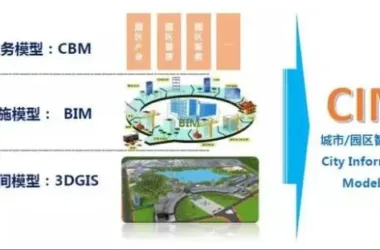
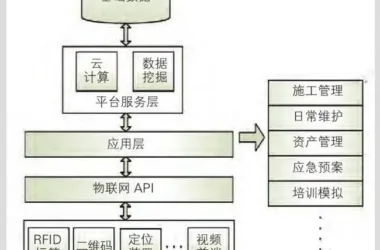
In later stages, the BIM model embeds logical relationships of equipment pipelines, forming an emergency operation and maintenance system. The model’s equipment reminder function schedules regular maintenance and inspections, contributing to the development of smart cities.
While BIM software technology offers many applications, these represent the core uses currently driving innovation. BIM will be essential for revitalizing the mechanical and electrical installation industry, becoming a key competitive advantage for companies.
By enabling collaboration across various disciplines, BIM effectively reduces costs, improves accuracy, enhances quality, and shortens project timelines. It strengthens the competitiveness of mechanical and electrical construction firms in the market.
In the next few years, BIM software in China’s electromechanical installation sector is expected to evolve into 4D scheduling, 5D cost management, and even 6D lifecycle management, aligning with international standards and leading a transformative revolution in the industry.














Must log in before commenting!
Sign Up