

This project involves a hotel brand under the Marriott Group, known for its high star ratings and stringent quality standards. The podium levels consist entirely of functional spaces such as banquet halls and dining rooms, featuring numerous mechanical and electrical pipelines. The HVAC systems, in particular, present significant complexity. Due to the high-end decoration requirements, the ceiling heights are relatively tall, posing challenges for both design and construction to meet aesthetic and functional demands.
Furthermore, there is no general mechanical and electrical contractor overseeing the construction phase. To ensure smooth execution, the owner has decided to implement Building Information Modeling (BIM) throughout the project.
The key roles BIM plays in this project include:
1. Creating comprehensive models for all disciplines to detect errors, omissions, and deficiencies in the construction drawings. On-site corrections are then made based on these models. For example, it was discovered that the final civil engineering construction drawings did not align with actual site conditions.

Specifically, beams in the bathroom floor areas were not lowered as planned, preventing the embedding of pre-installed pipes. Additionally, the civil engineering team failed to pre-embed drainage pipes in advance.
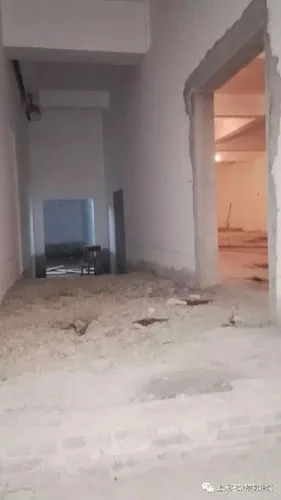
Discrepancies were also noted in the lowering and lifting of slabs and equipment foundation positions compared to the drawings. Site changes had occurred but were not reflected in the design and construction documentation.
2. Utilizing accurate as-built models to perform preliminary management tasks. During modeling and management, numerous design issues were identified, primarily stemming from mismatches between construction drawings and fine decoration designs. Construction drawings often neglected pipeline routing requirements, making on-site installation impossible. Furthermore, after civil engineering modifications on site, the original mechanical and electrical designs were not updated accordingly, causing issues such as insufficient installation height or misaligned pipelines.
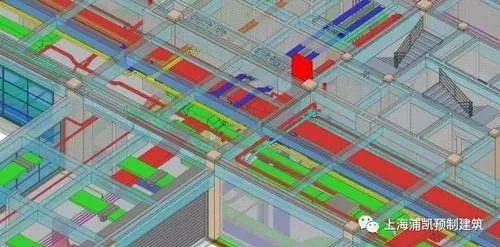
Here is a comprehensive local pipeline diagram combining civil engineering and electromechanical models.
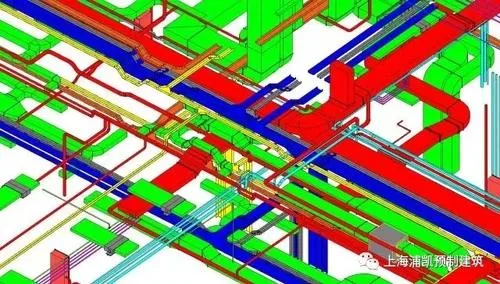
This is a detailed local pipeline diagram focusing on the electromechanical model.
3. Refining and optimizing systems that fail to meet the fine decoration requirements for overall clear height. BIM helps identify design issues early, establish installation plans, coordinate various concerns within a 3D model, and finalize pipeline routes, heights, and precise locations before exporting drawings.
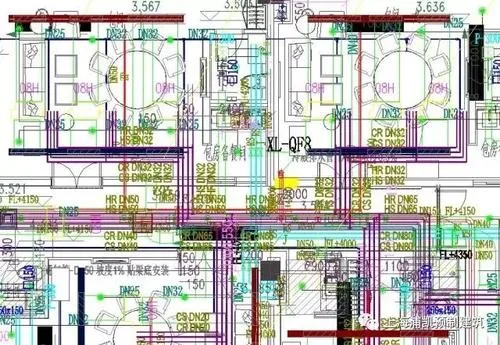
Pipeline Comprehensive Diagram
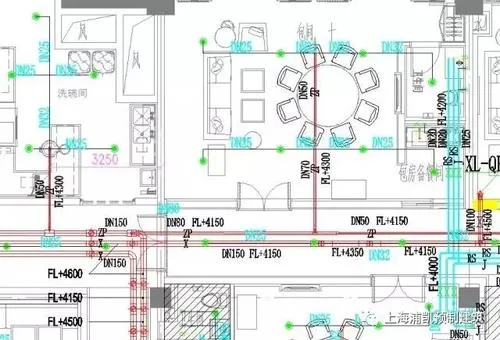
Exported drawings for individual specialties such as water supply, drainage, and fire protection.
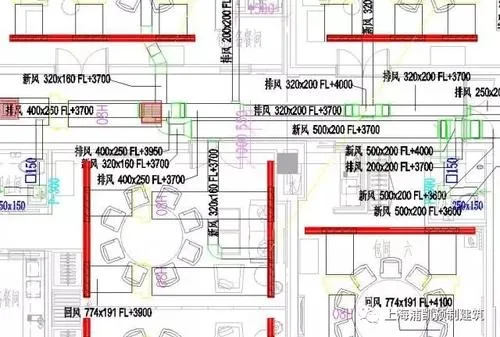
Exported drawings for major specialties including heating and ventilation.
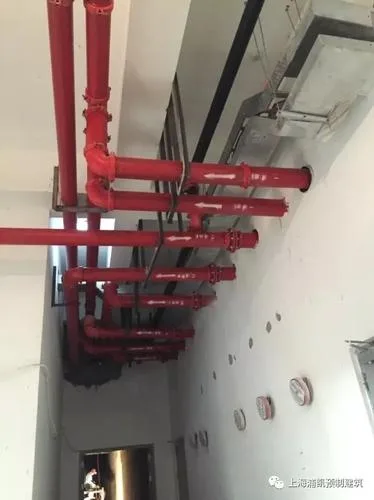
4. Supporting the installation and inspection of fire protection pipelines. Fire protection acceptance deadlines are tight, and at the time of this report, installation of mechanical and electrical pipelines other than fire protection had only recently begun. BIM is tasked with deepening mechanical and electrical designs while managing and comparing the installation of fire protection pipelines on-site. Any deviations must be promptly reported to the owner. Despite these efforts, numerous on-site issues persist.
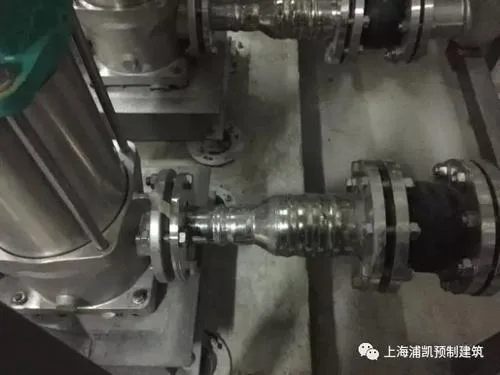
(1) The domestic water pump connections should utilize top flat joint connections (concentric size heads) to facilitate gas collection.
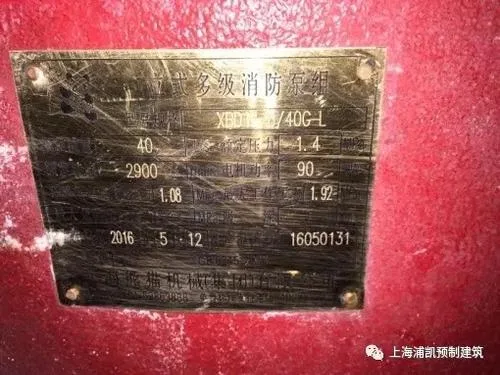
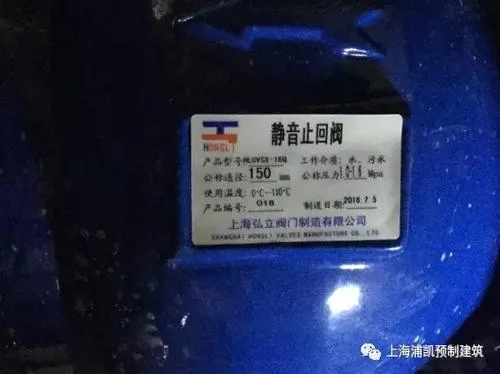
(2) There is a mismatch between the nominal and design pressures of water pumps and valve accessories.















Must log in before commenting!
Sign Up