
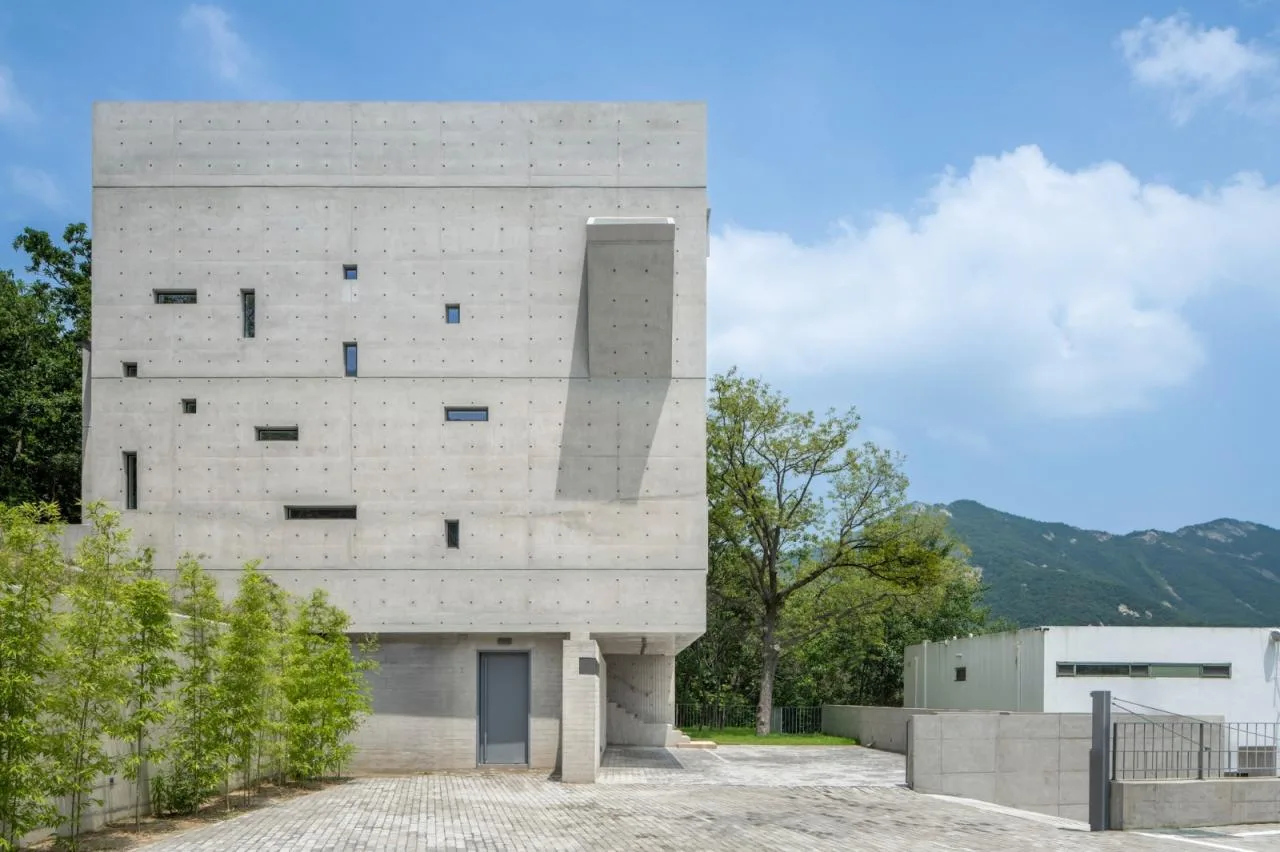
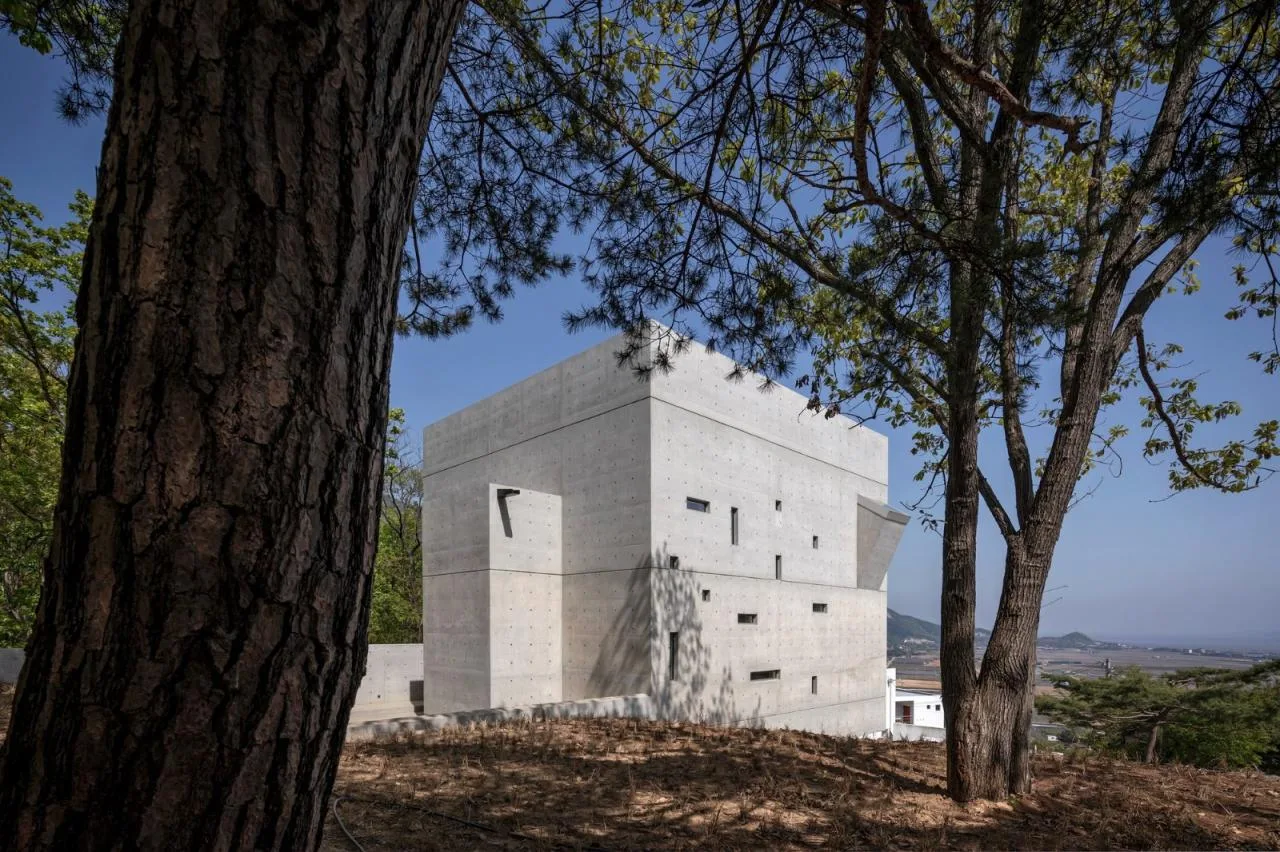
The Meditation Chapel serves as an existential pilgrimage space—not a traditional urban place of worship, but rather a sacred retreat for solitary individuals to experience their existence amidst the sanctity of nature. Located far from the city, this secluded chapel was designed to provide a small prayer space for pilgrims. Instead of embracing minimalist architecture by stripping away all elements, the architects opted for functional simplicity, creating a container that faithfully accommodates visitors’ presence.
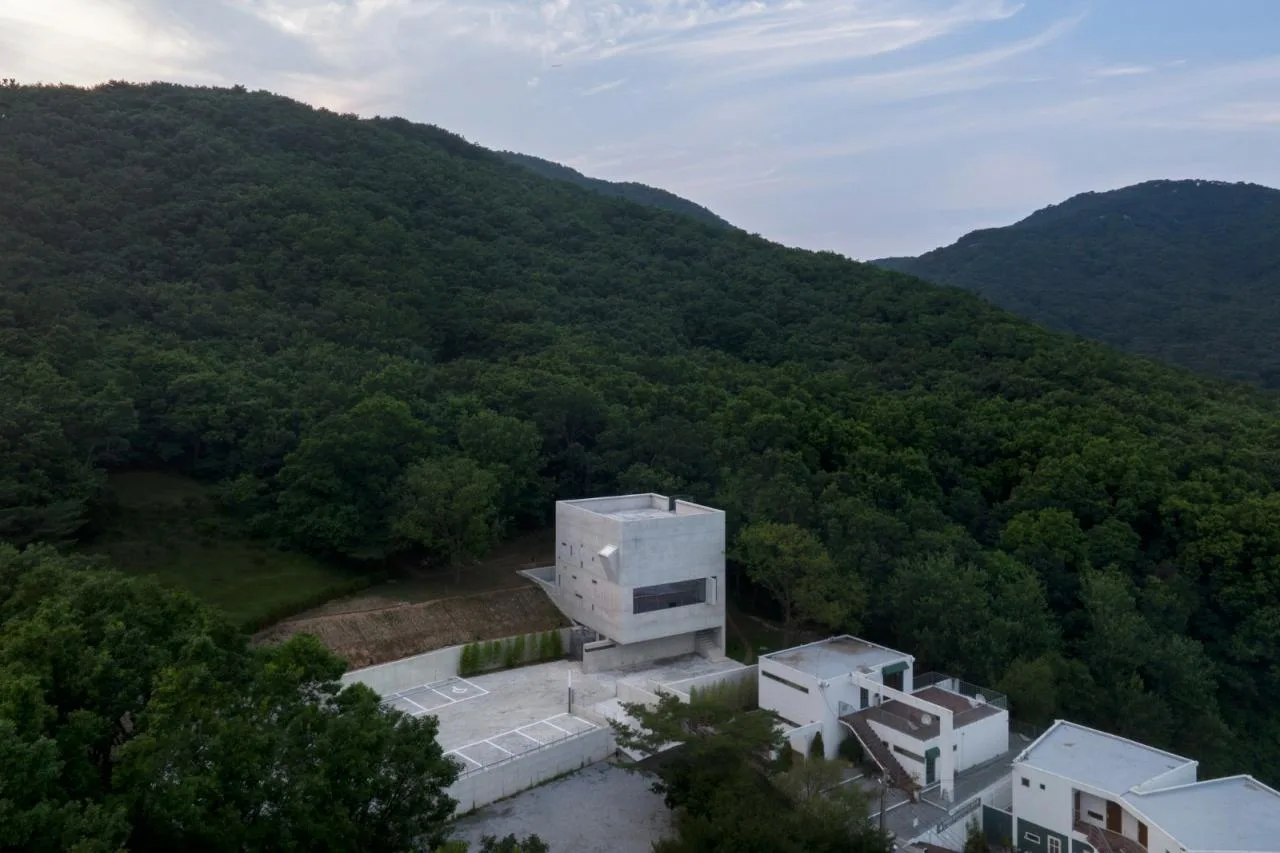
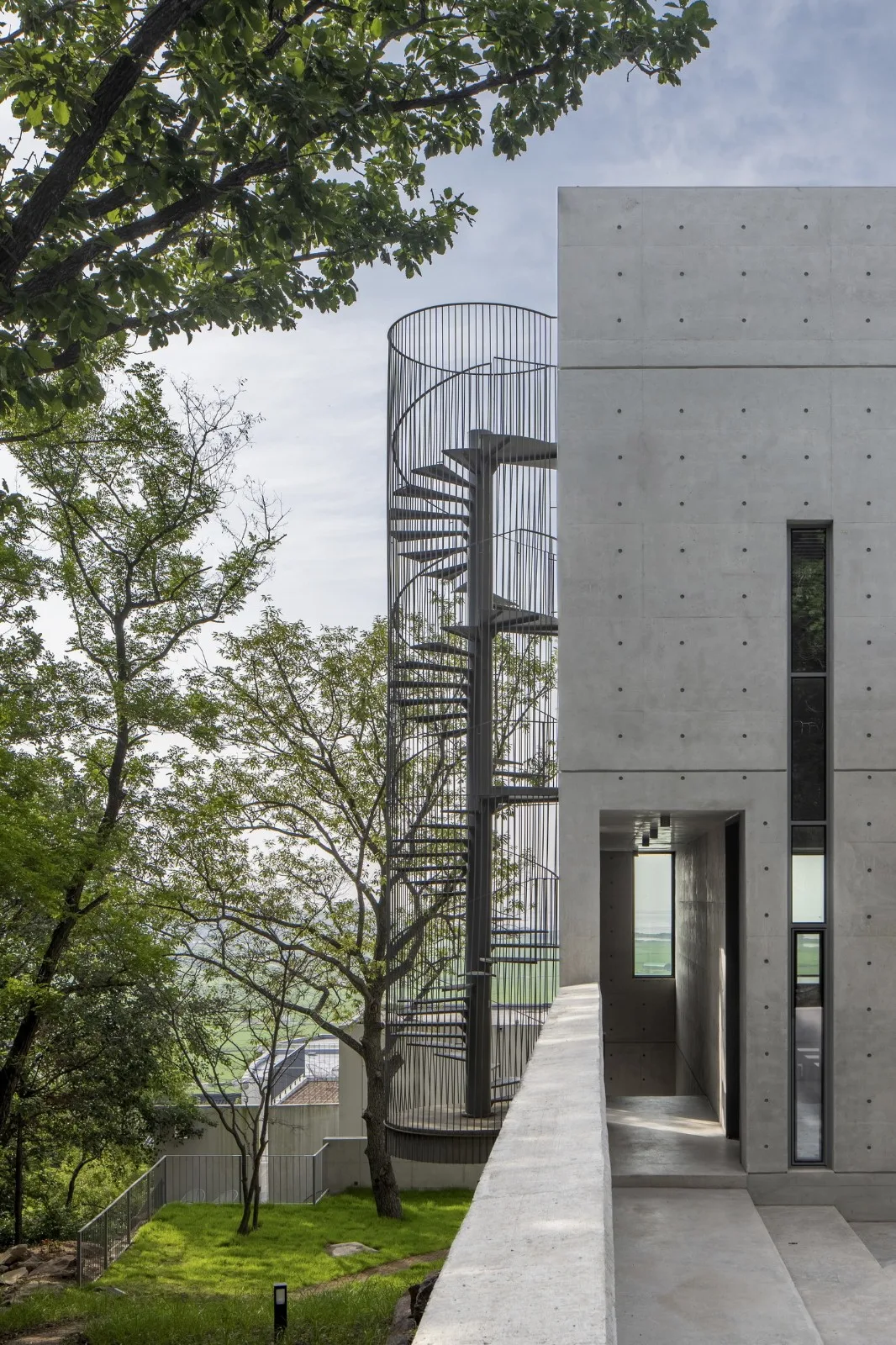
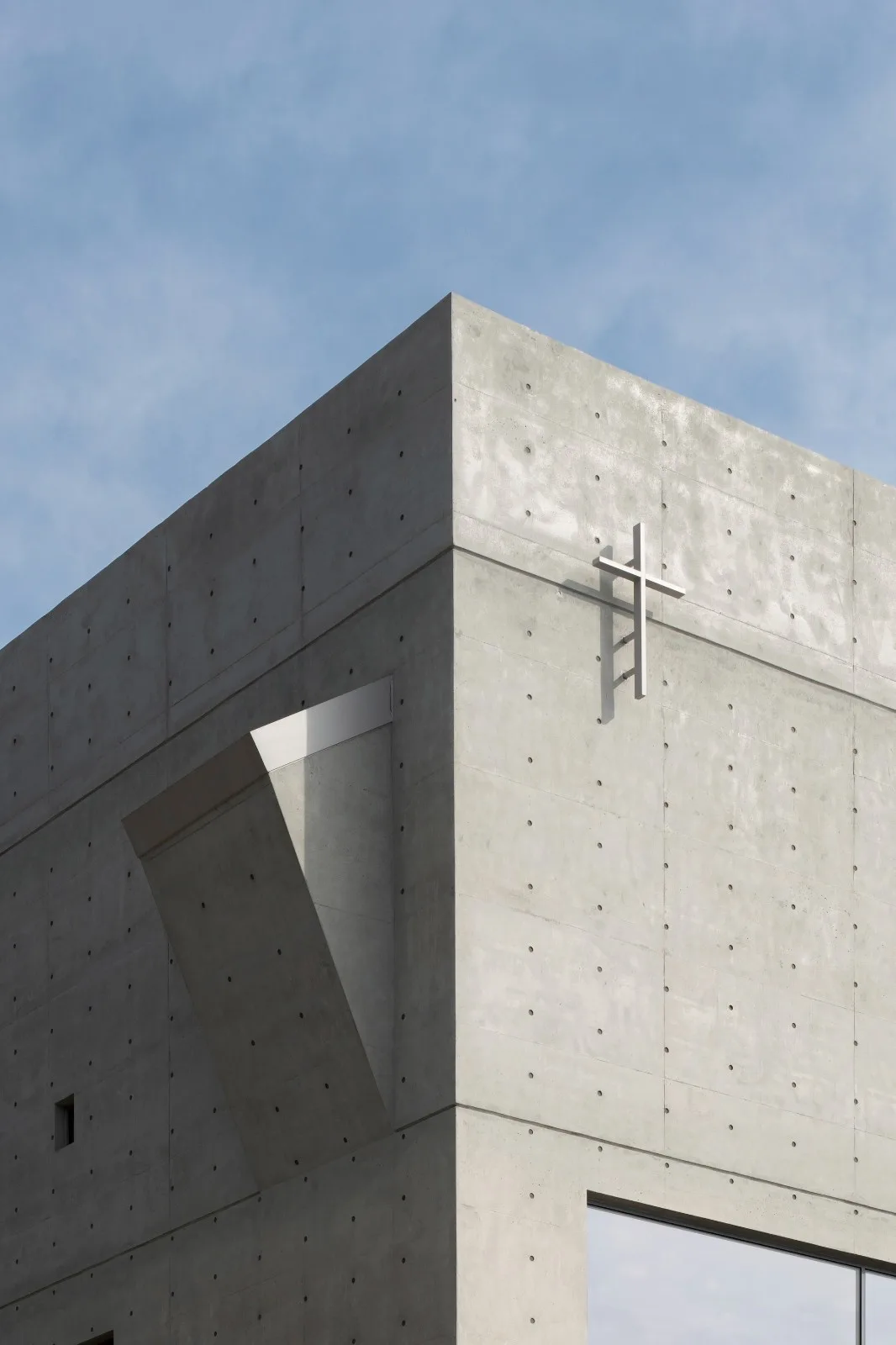
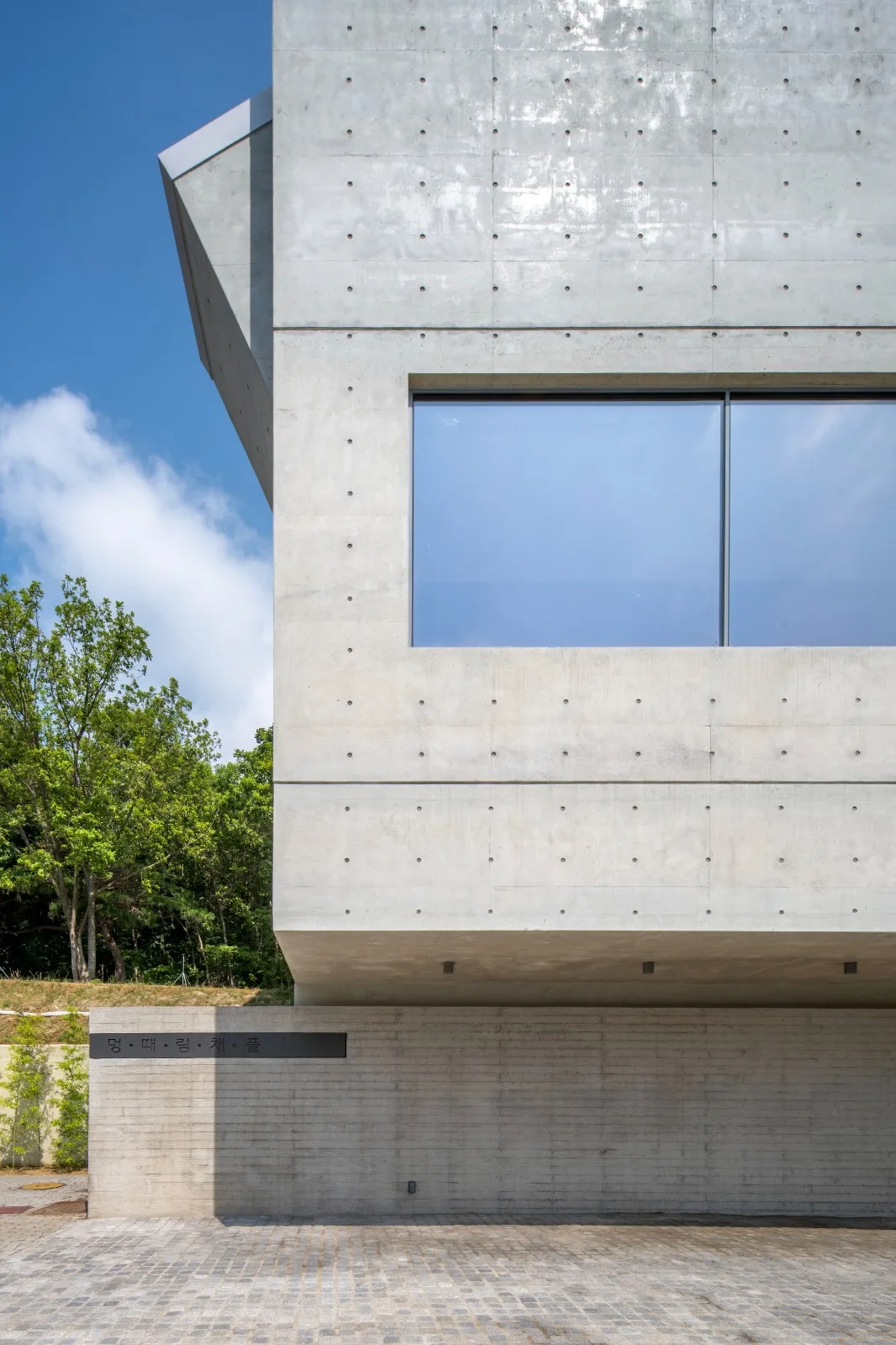
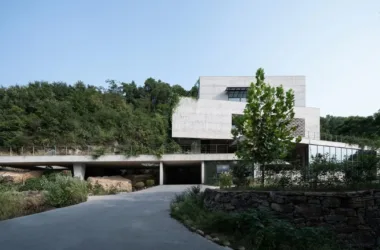
The chapel is designed as a rising box, a simple structure nestled within the vast natural landscape that symbolizes a separation from the secular world. Its minimal sequence and vertical expansion create an awe-inspiring space. Unlike traditional walkways that extend the visitor’s path to enjoy nature, this design allows visitors to quickly and directly reach the open sky, standing as solitary individuals before the divine.
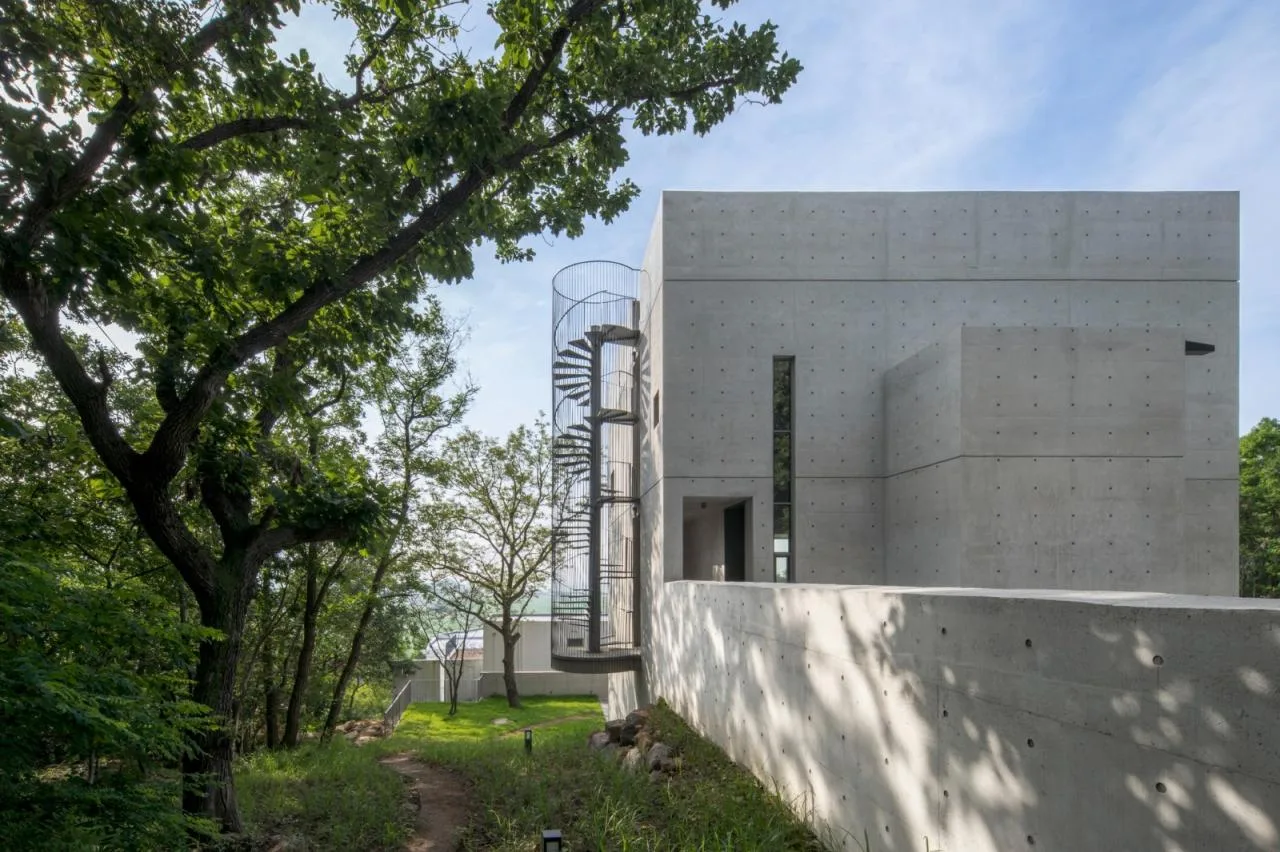
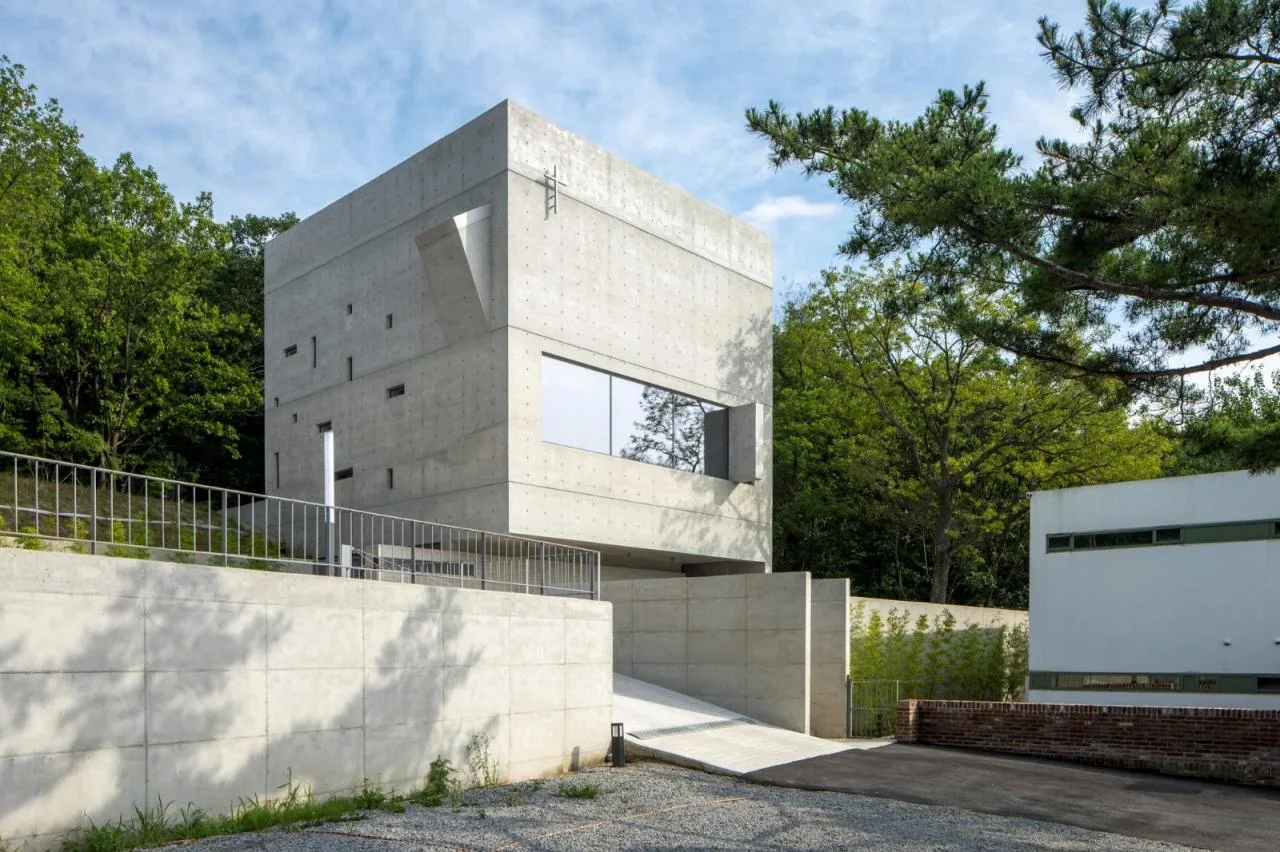
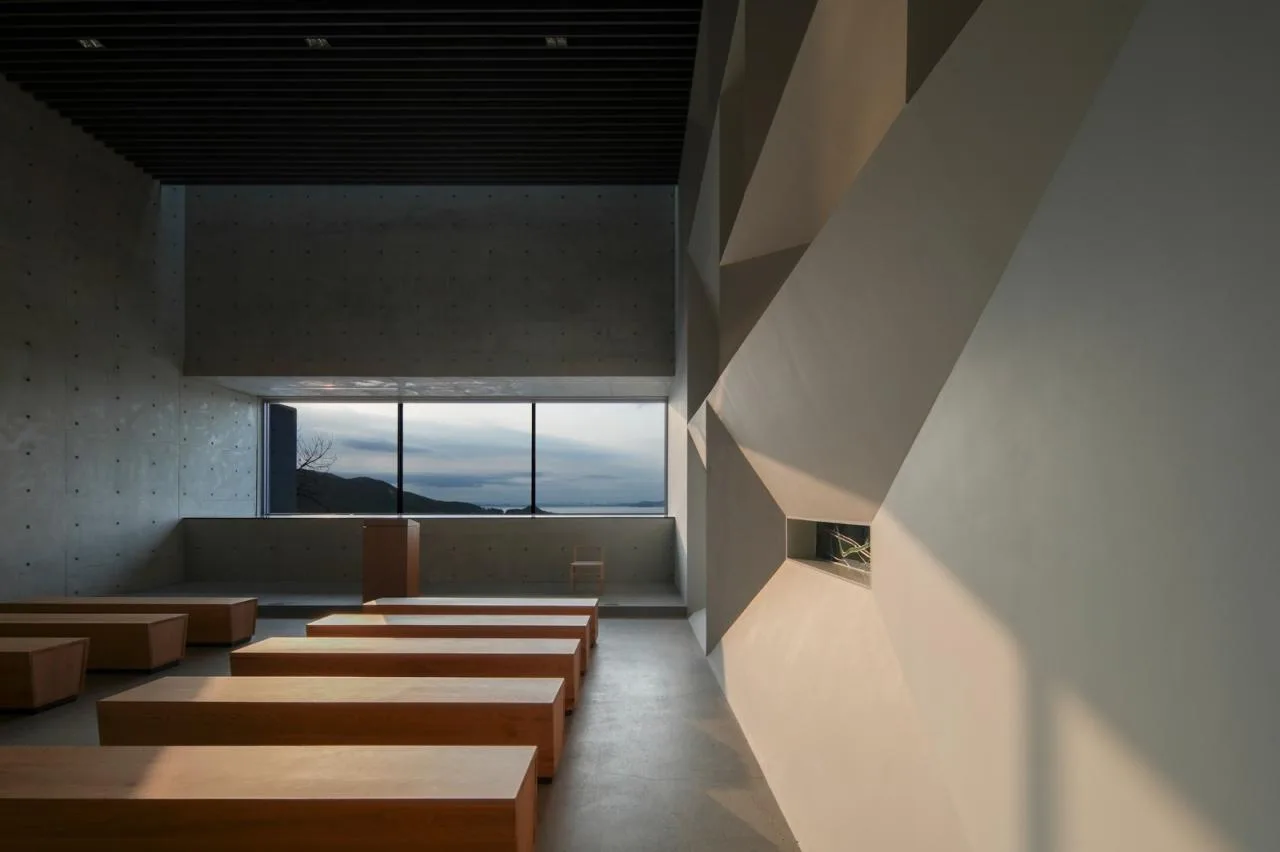
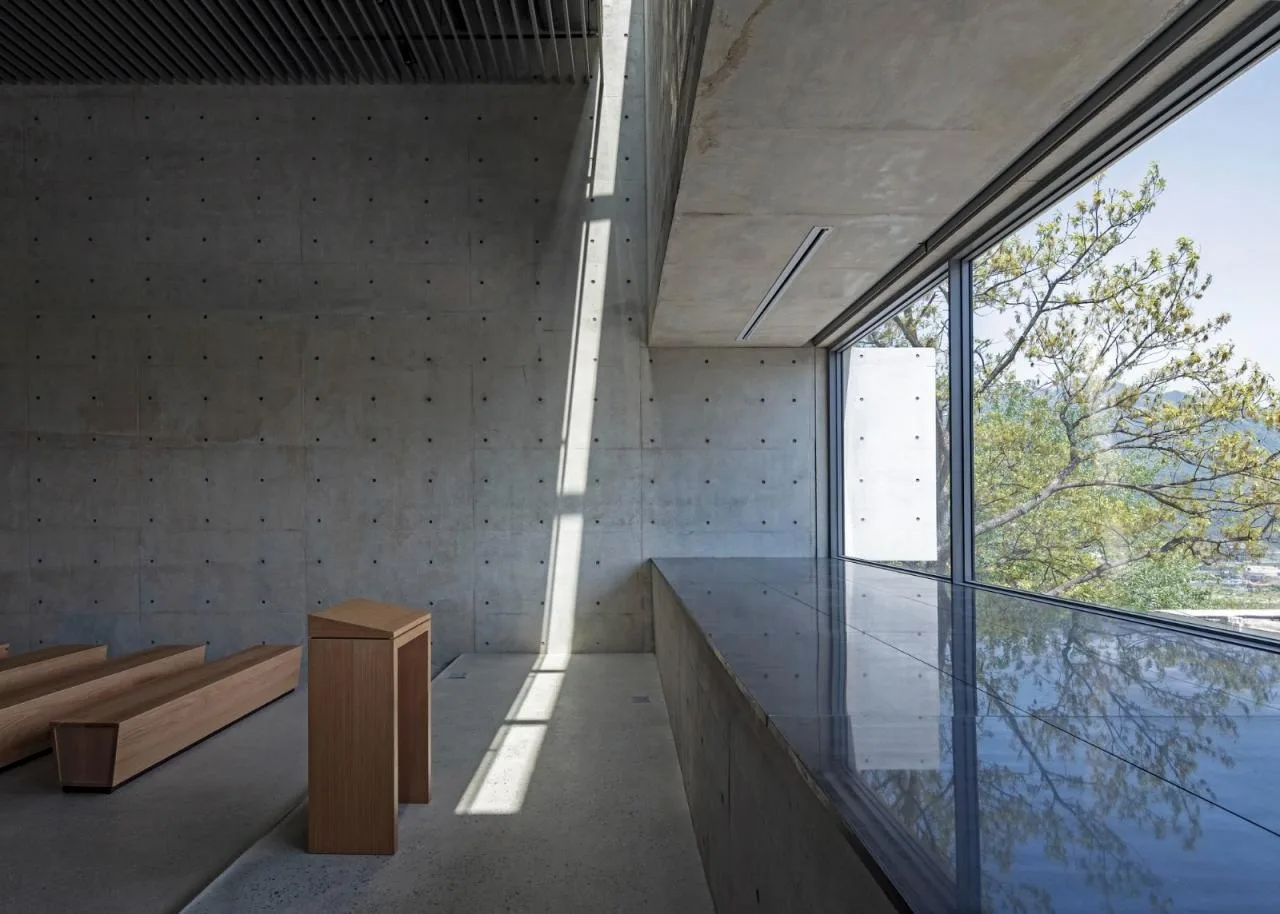
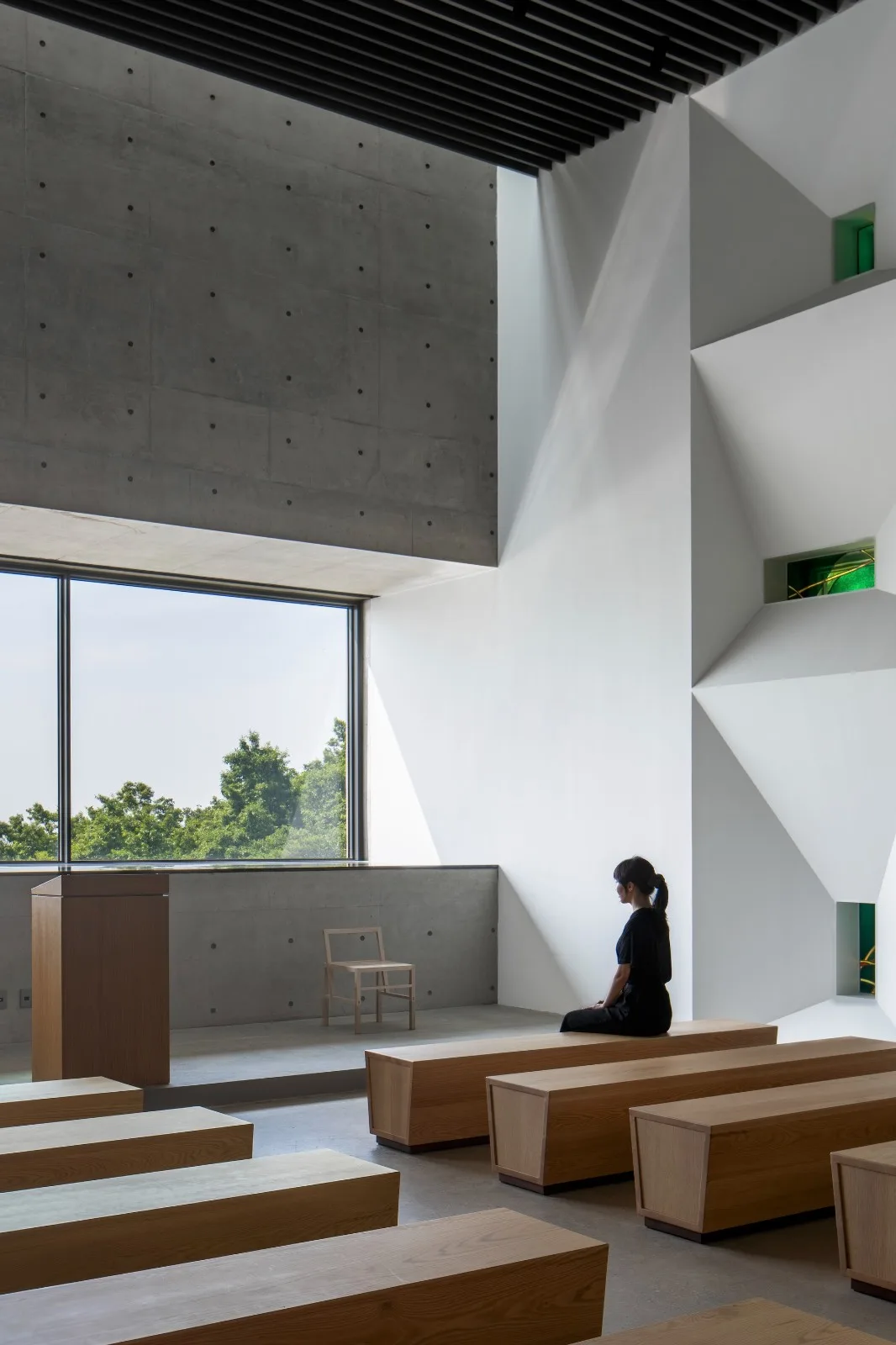
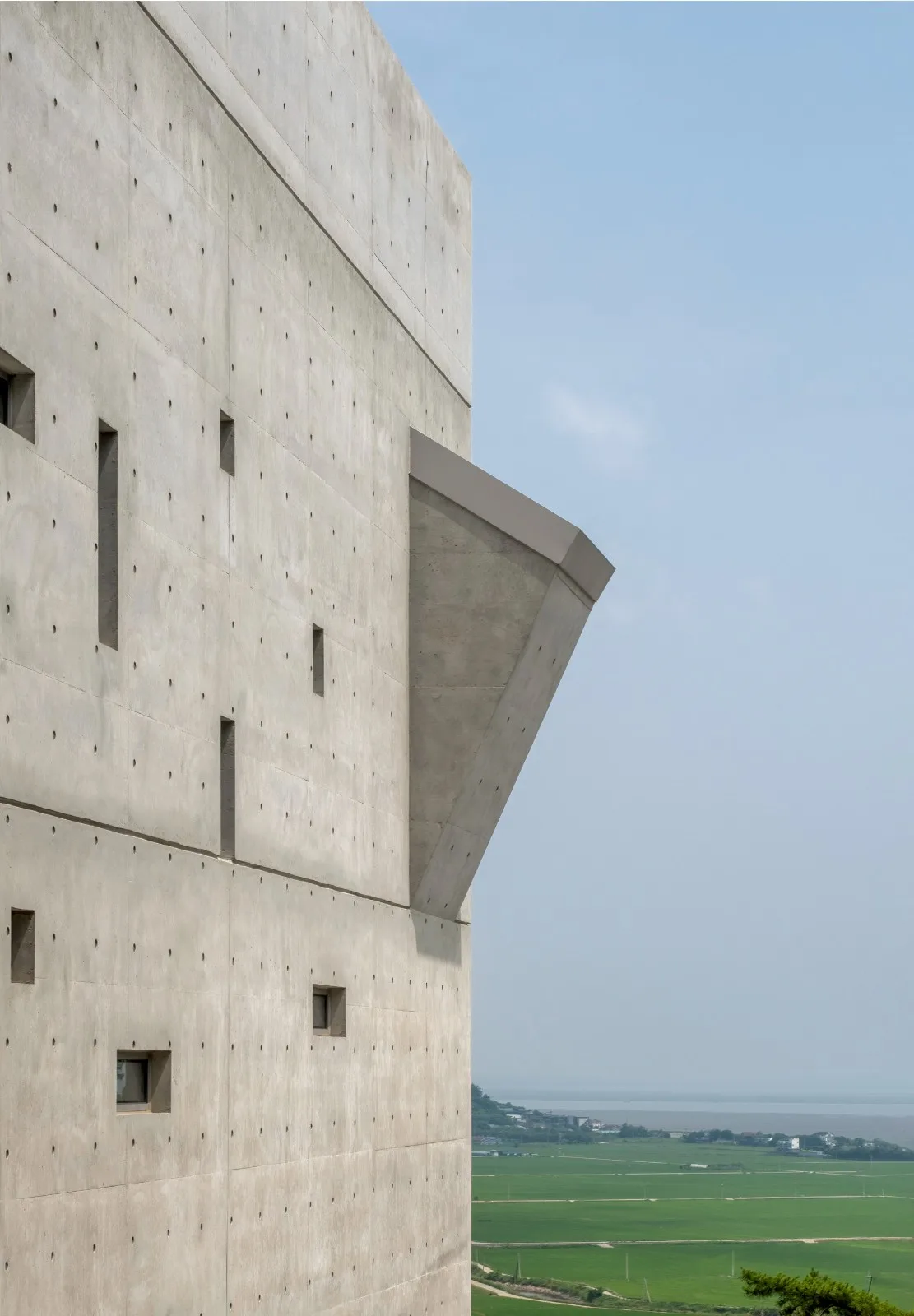
The chapel’s interior is defined by four distinct surfaces, each carrying its own theme: sea, sound, light, and the surrounding backdrop. The front features a concrete wall that embraces the unconscious landscape, framing the hazy West Sea and filtering natural light. Rather than showcasing the typical vibrant sea with rolling waves, this wall faces the dark, solemn West Sea, creating a space of dignity and quiet reflection that requires no traditional pulpit or religious sermon.
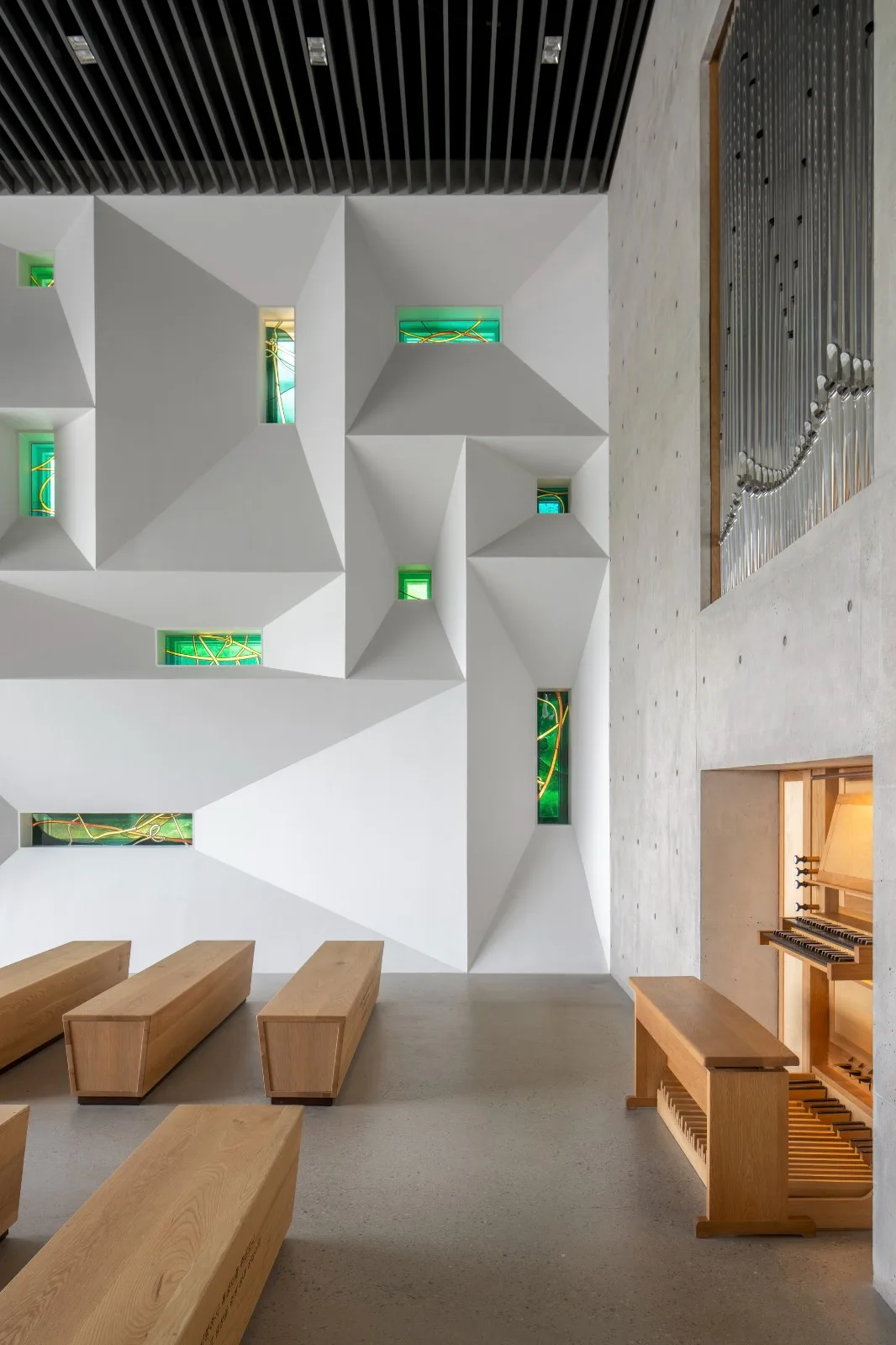
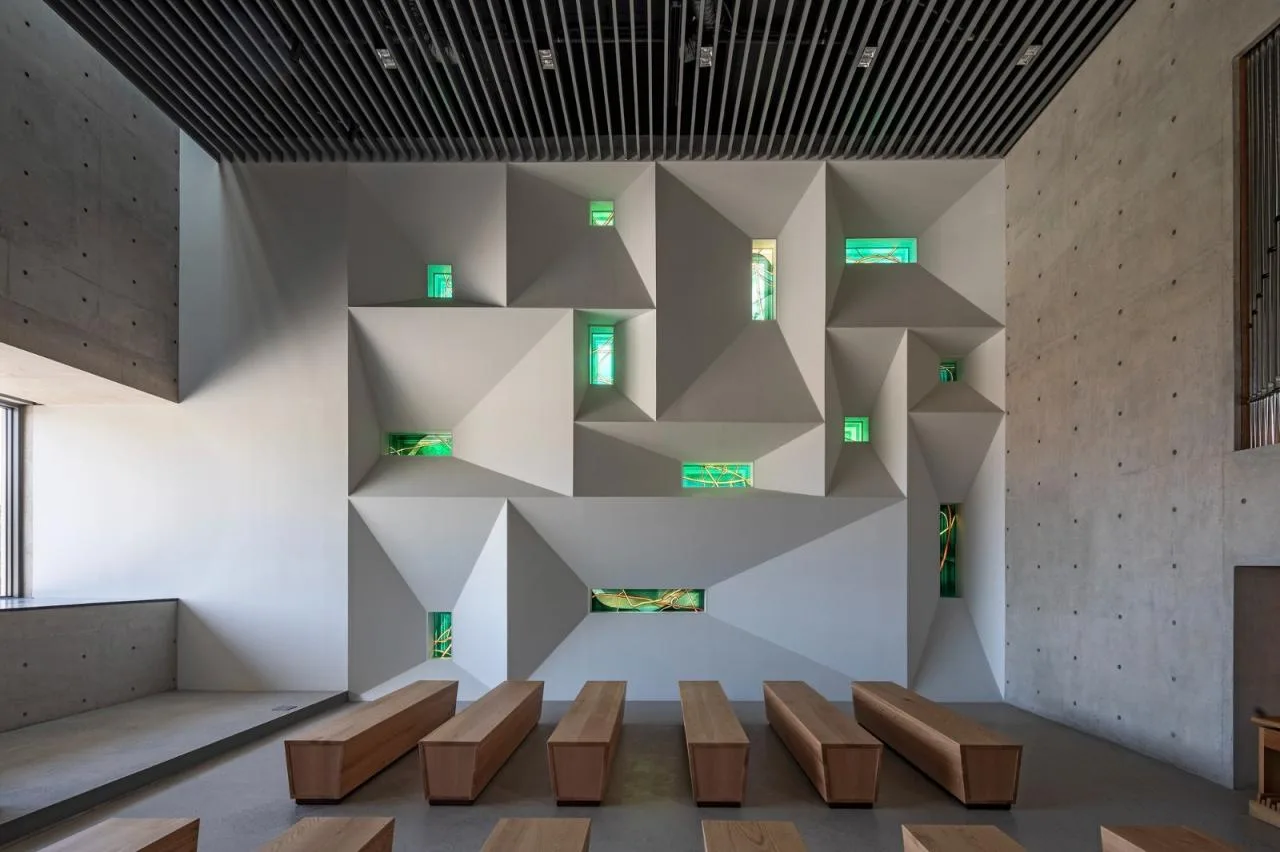
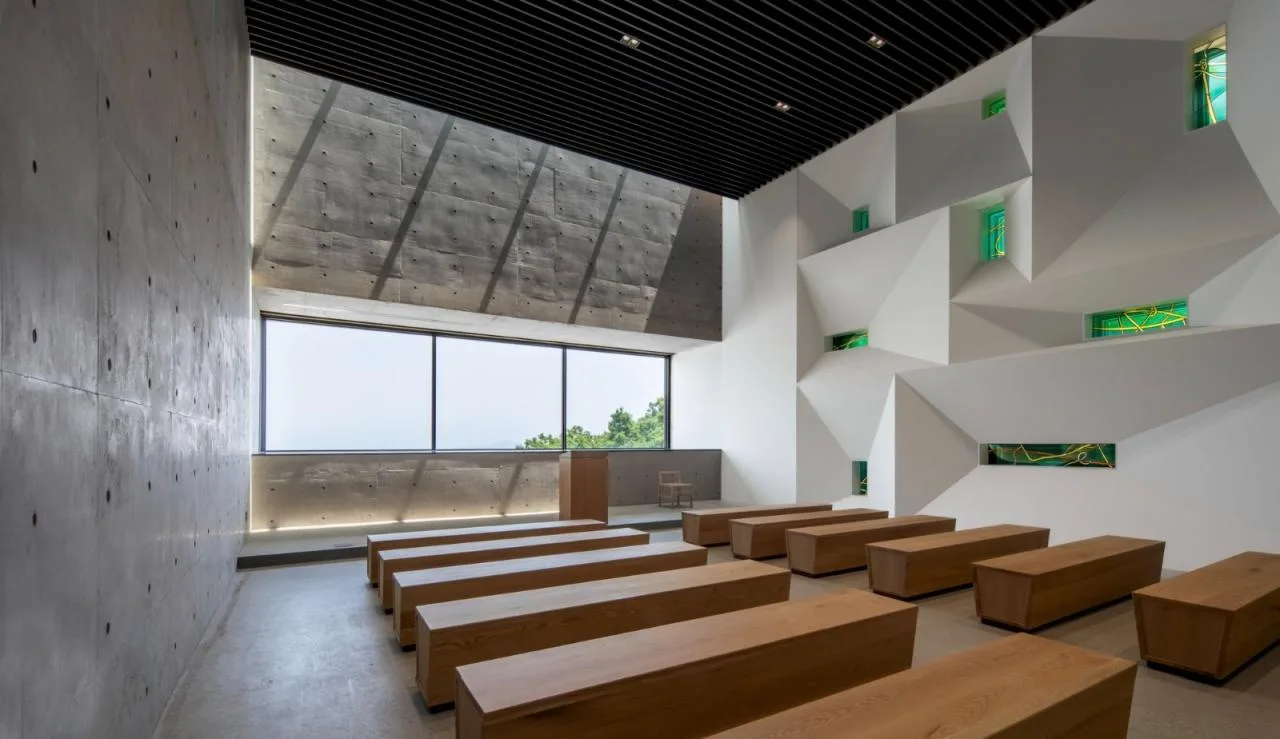
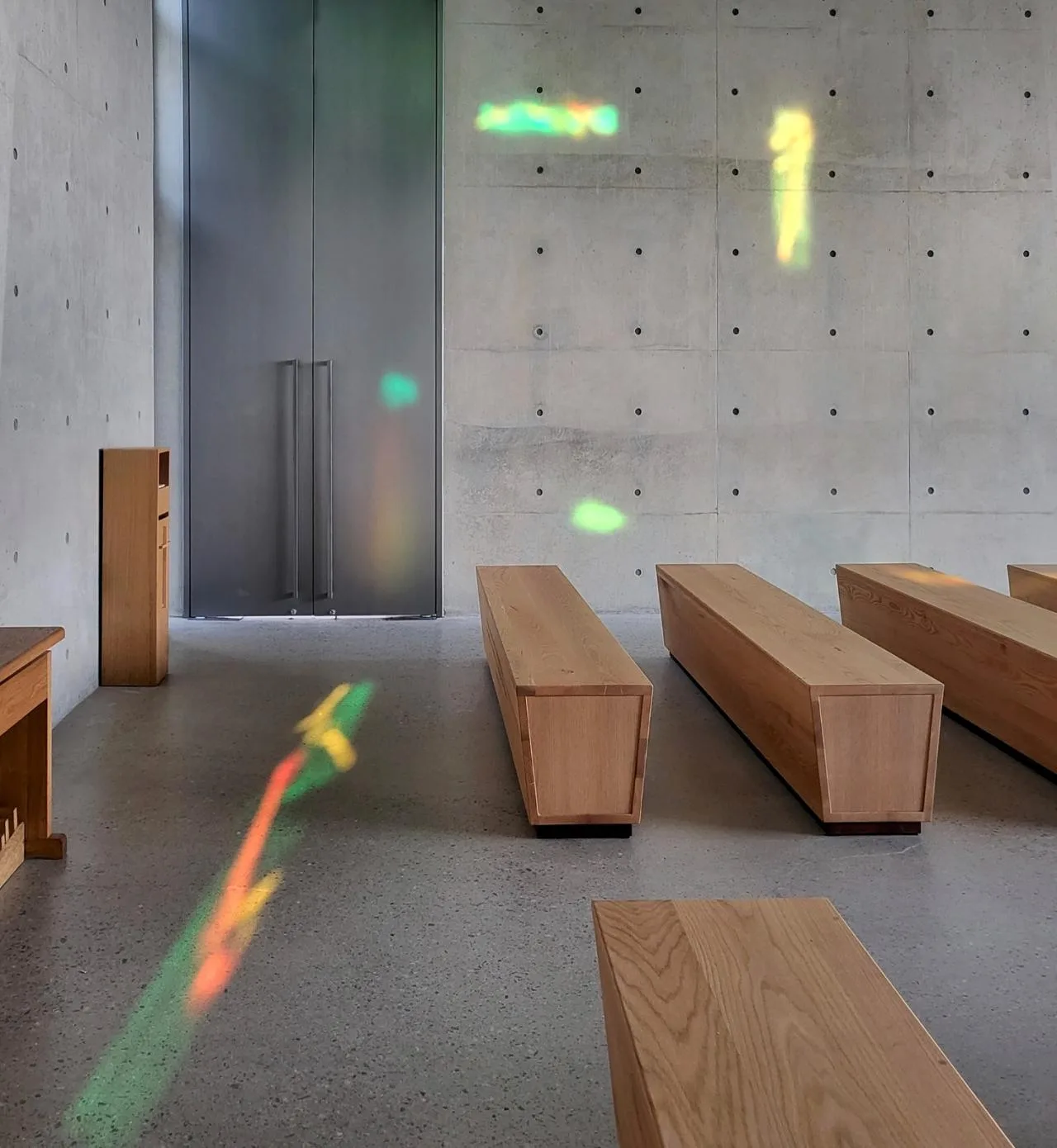
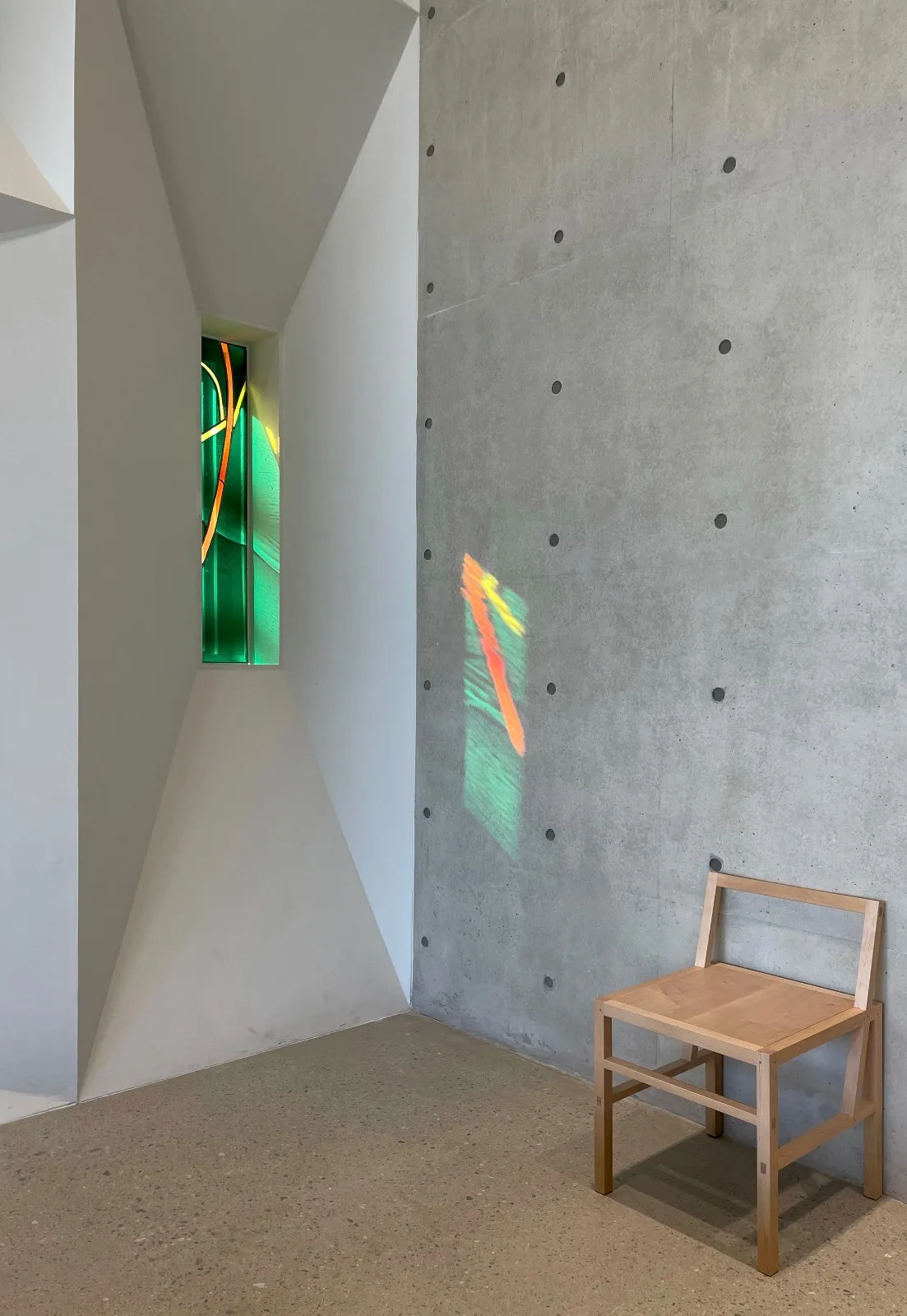
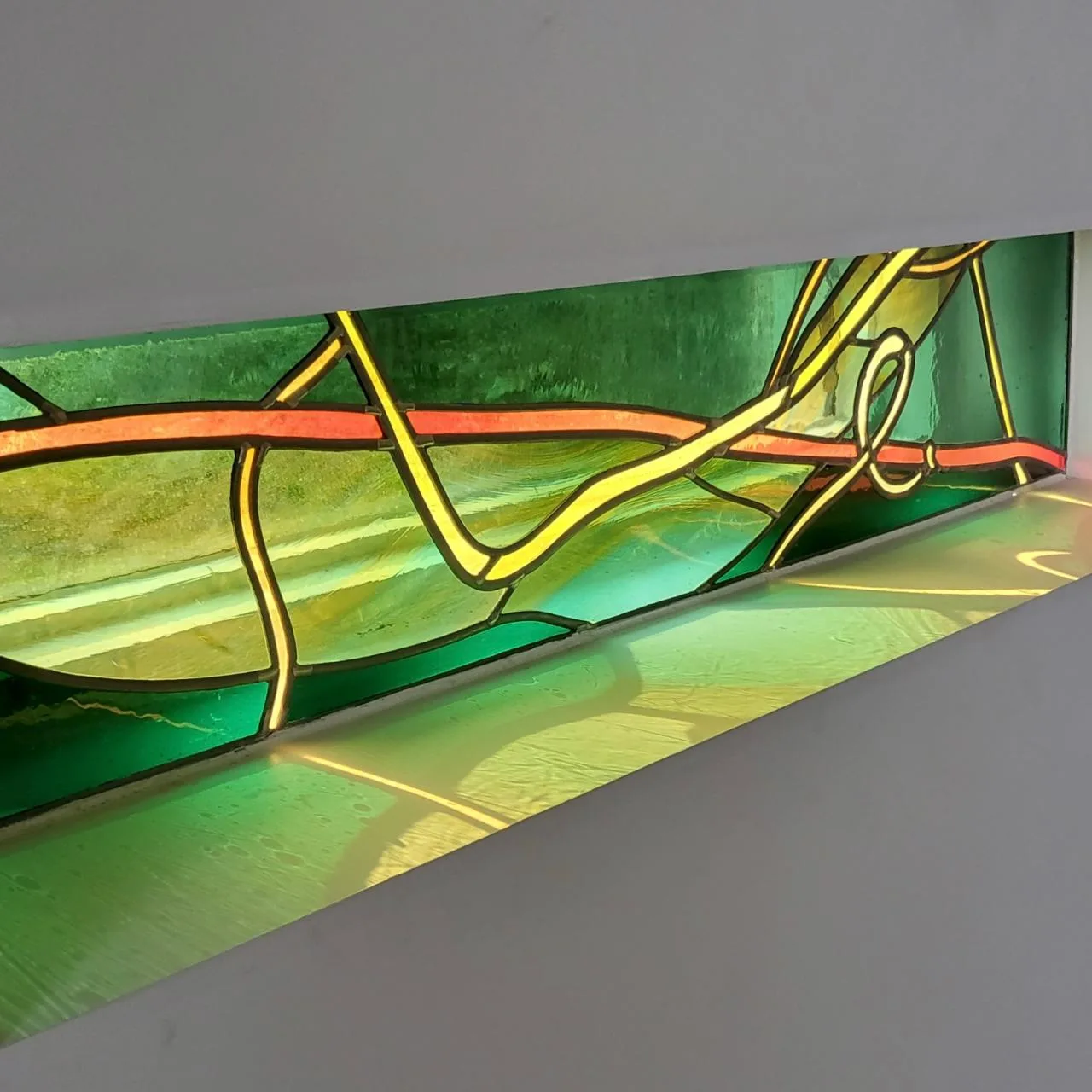
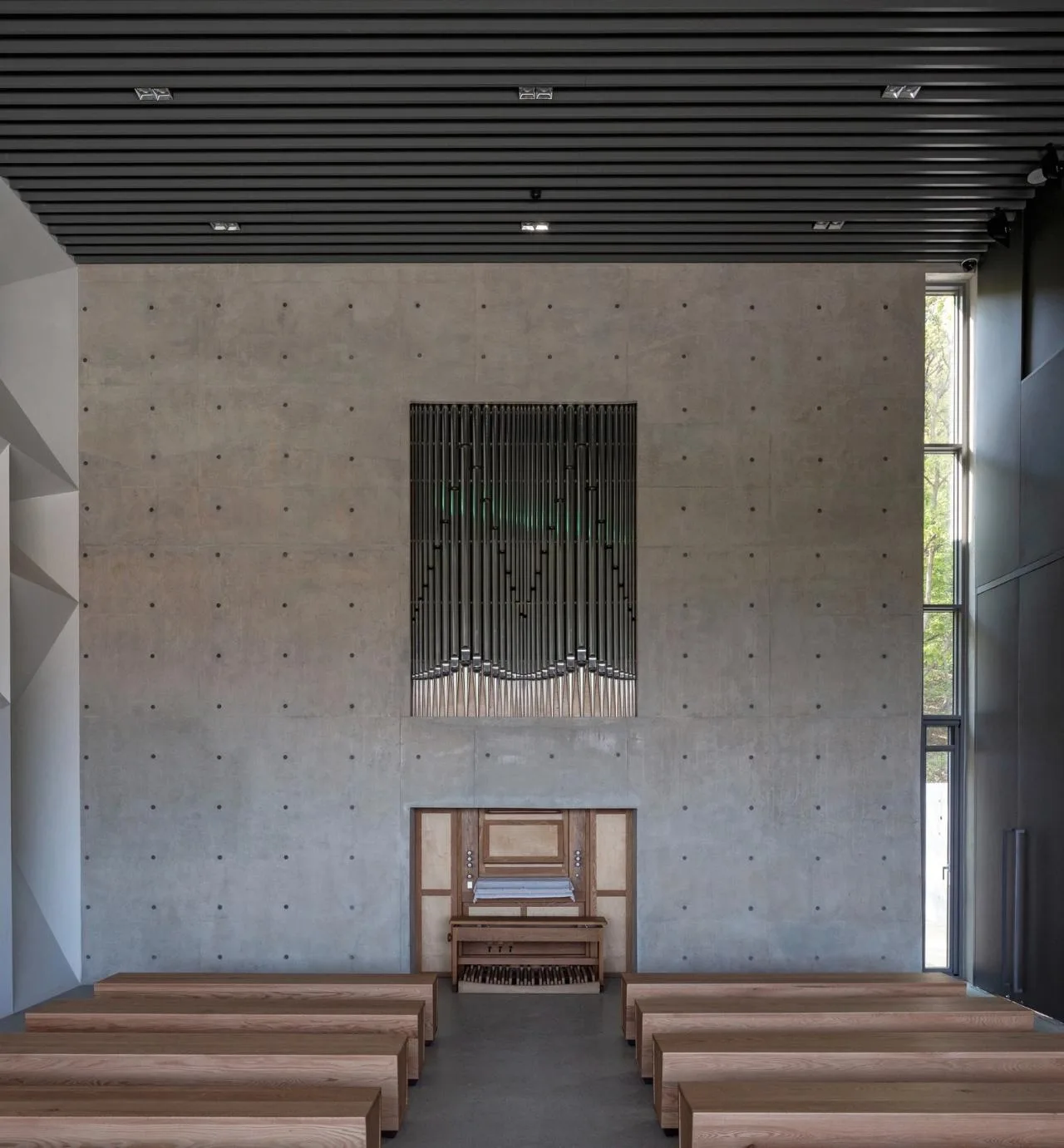
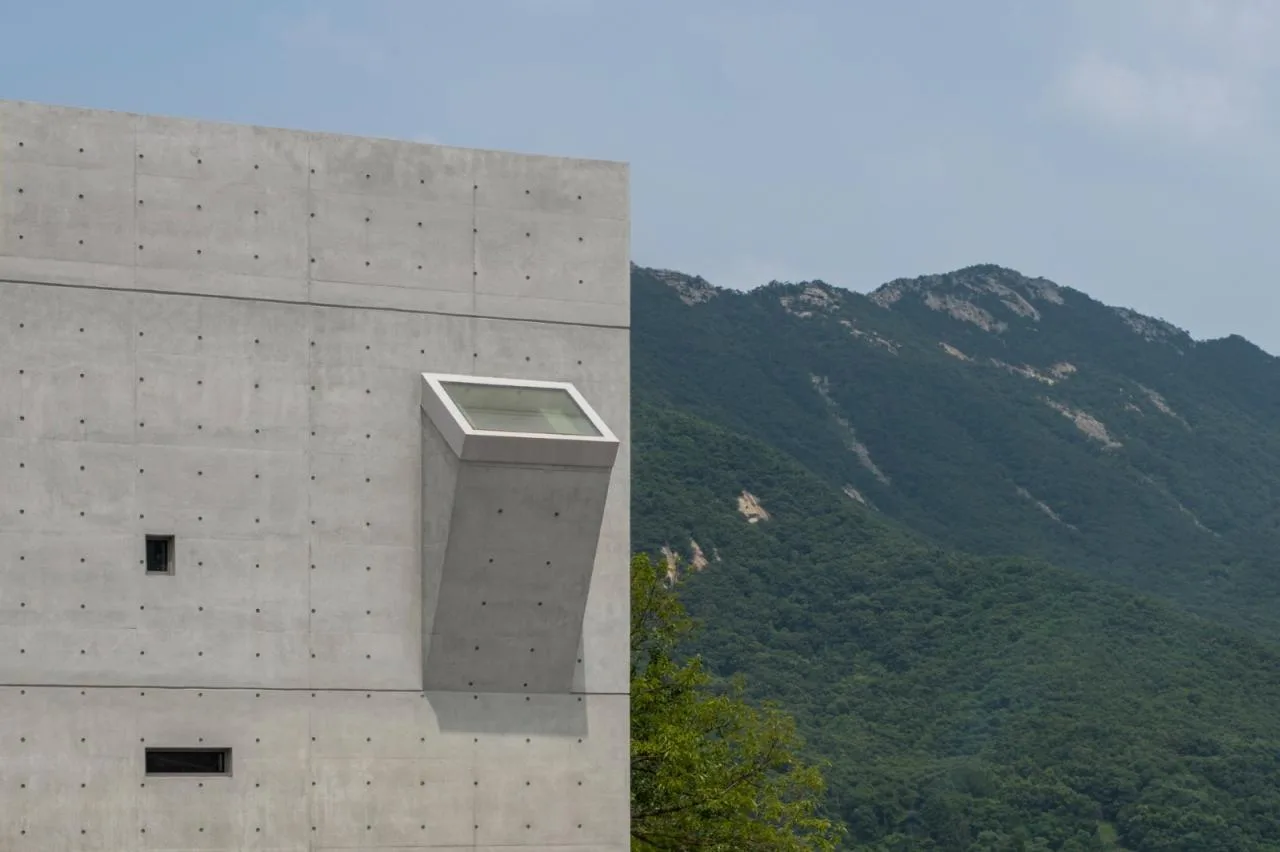
The rear wall houses an organ, serving as an occasional instrument to express the unity between heaven and humanity through collaborative aesthetics. This wall exemplifies simplicity without austerity—vibrant yet unpretentious. It is adorned with green plants and monochrome finishes, balanced in proportion. Twelve funnel-shaped stained glass windows symbolize nature itself. Unlike medieval stained glass that depicted Biblical stories, these abstract green windows envelop both the interior and exterior with a sense of greenery, constantly reminding visitors of nature’s presence. The entrance wall, by contrast, is a blank canvas that faces the other three themed walls, inviting visitors to observe the outside world from within. At sunset, this wall transforms into a screen, illuminated by the colored light passing through the stained glass.
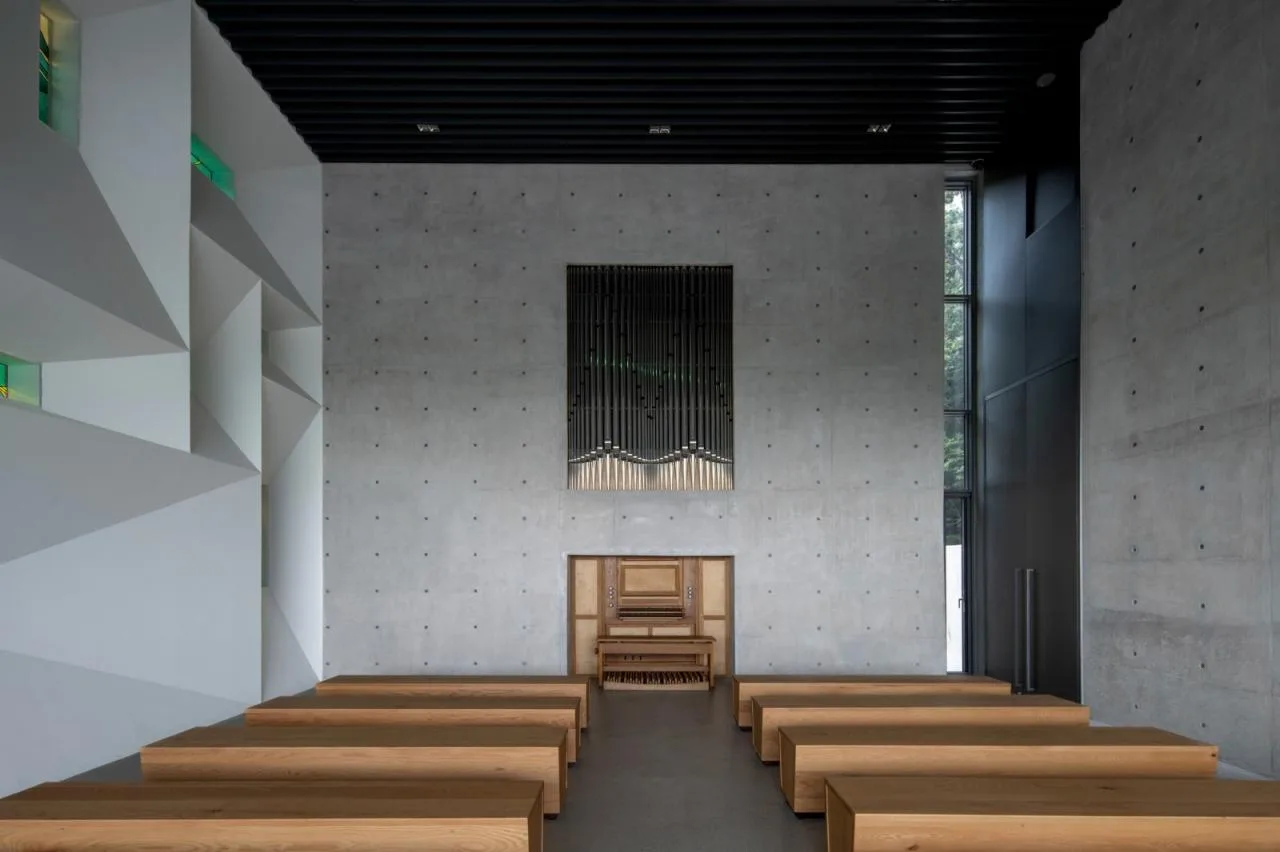
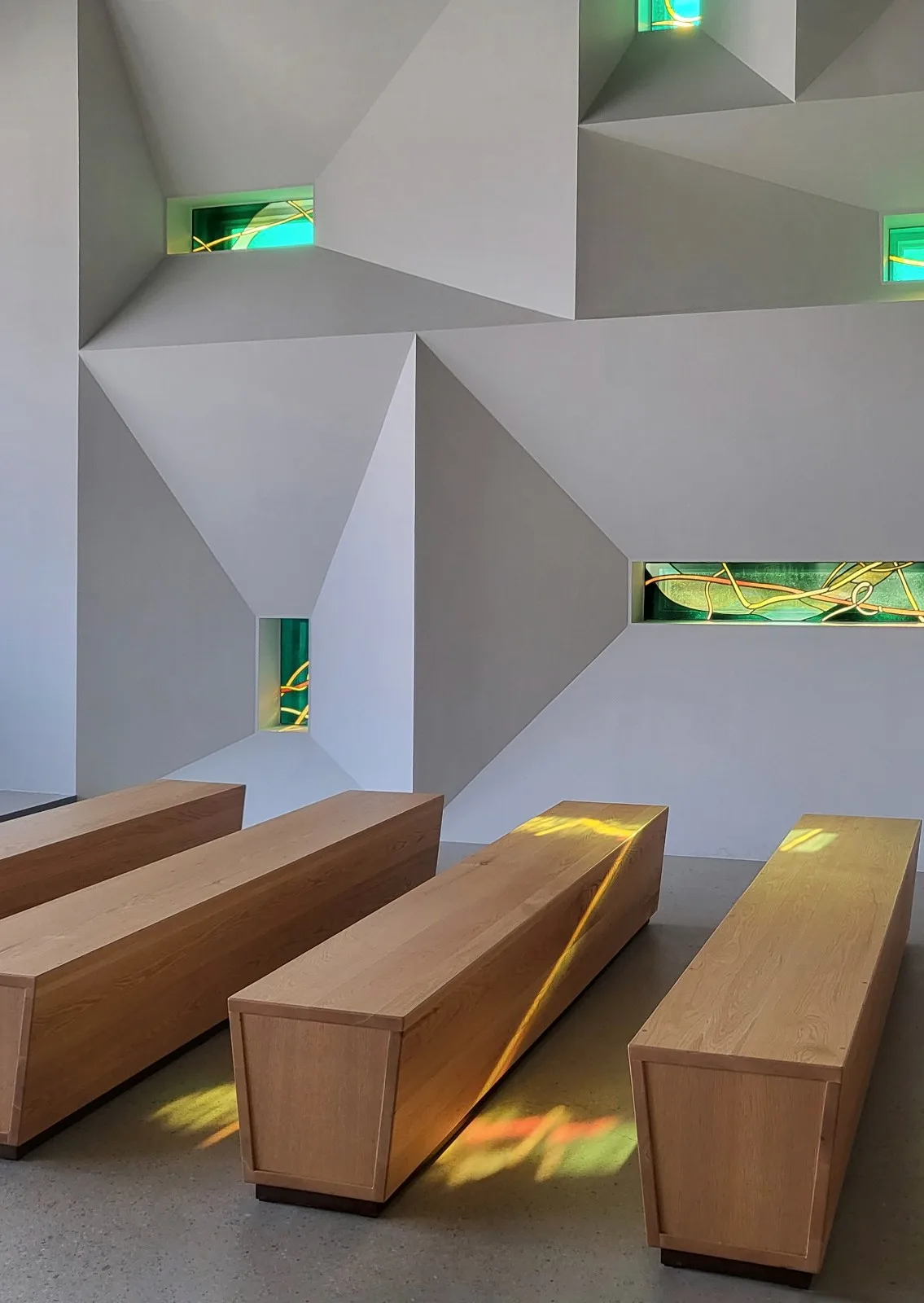
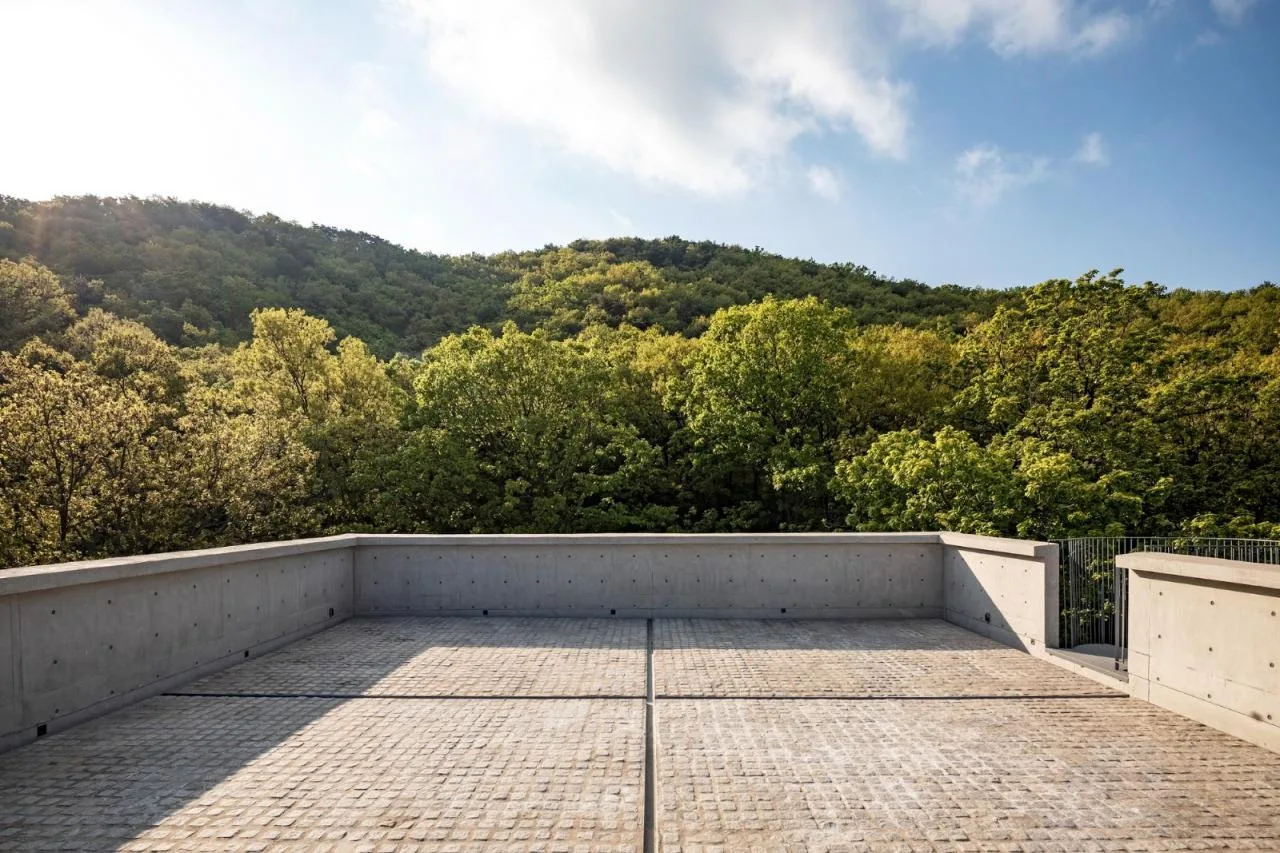
The chapel comprises three distinct spaces, each designed to foster concentration and calmness. First, the ‘Ocean Chapel’ offers a view of the endless, muted horizon, reminiscent of James Turrell’s installation art. Then, the ‘Closet Chapel’ provides a quiet sanctuary focused on a single source of light. Lastly, the ‘Sky Chapel,’ located on the roof, opens up to the sky surrounded by greenery. This simple volume creates a diverse and sustainable spatial experience. The ‘Church on the Sea’ invites visitors to contemplate the distant horizon and neutral sky over the West Sea, serving as a public spiritual space that enriches artistic experience.
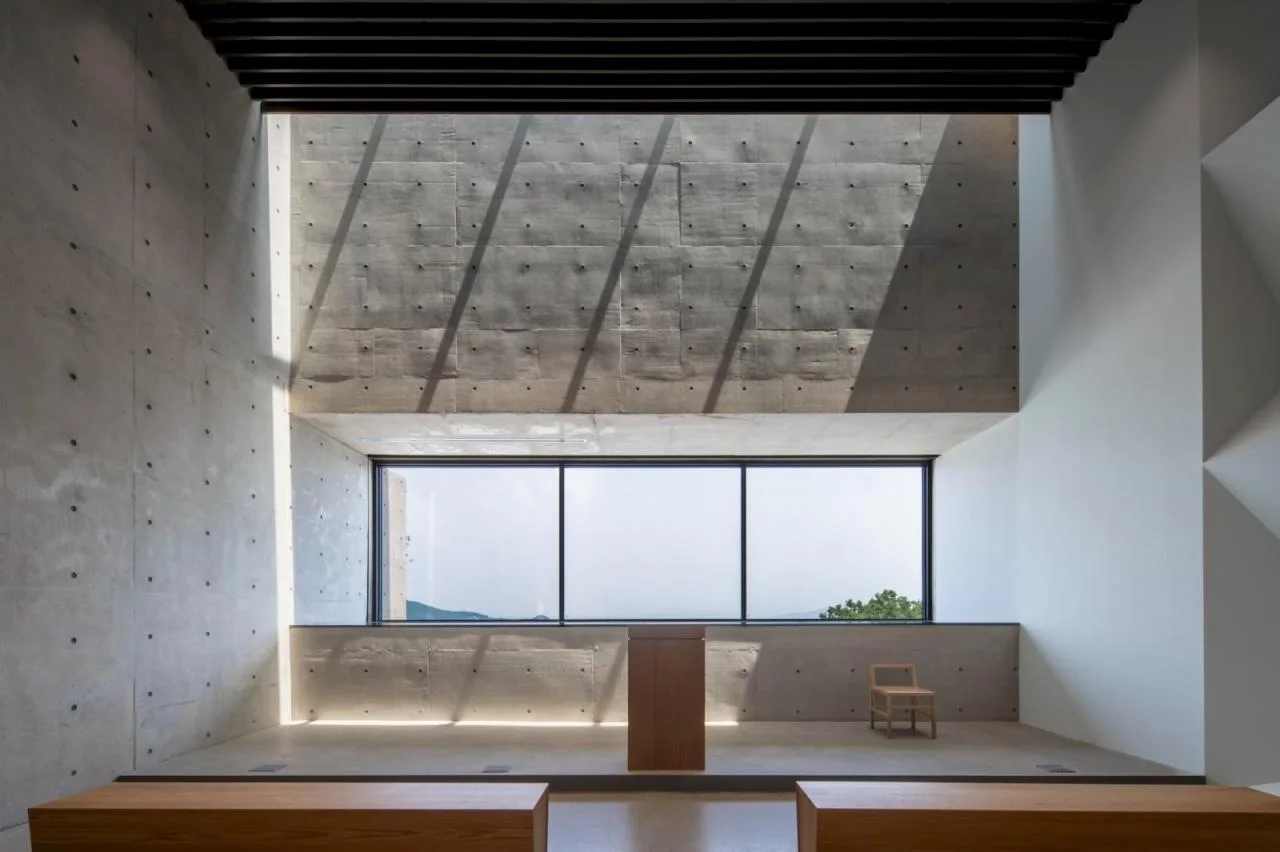
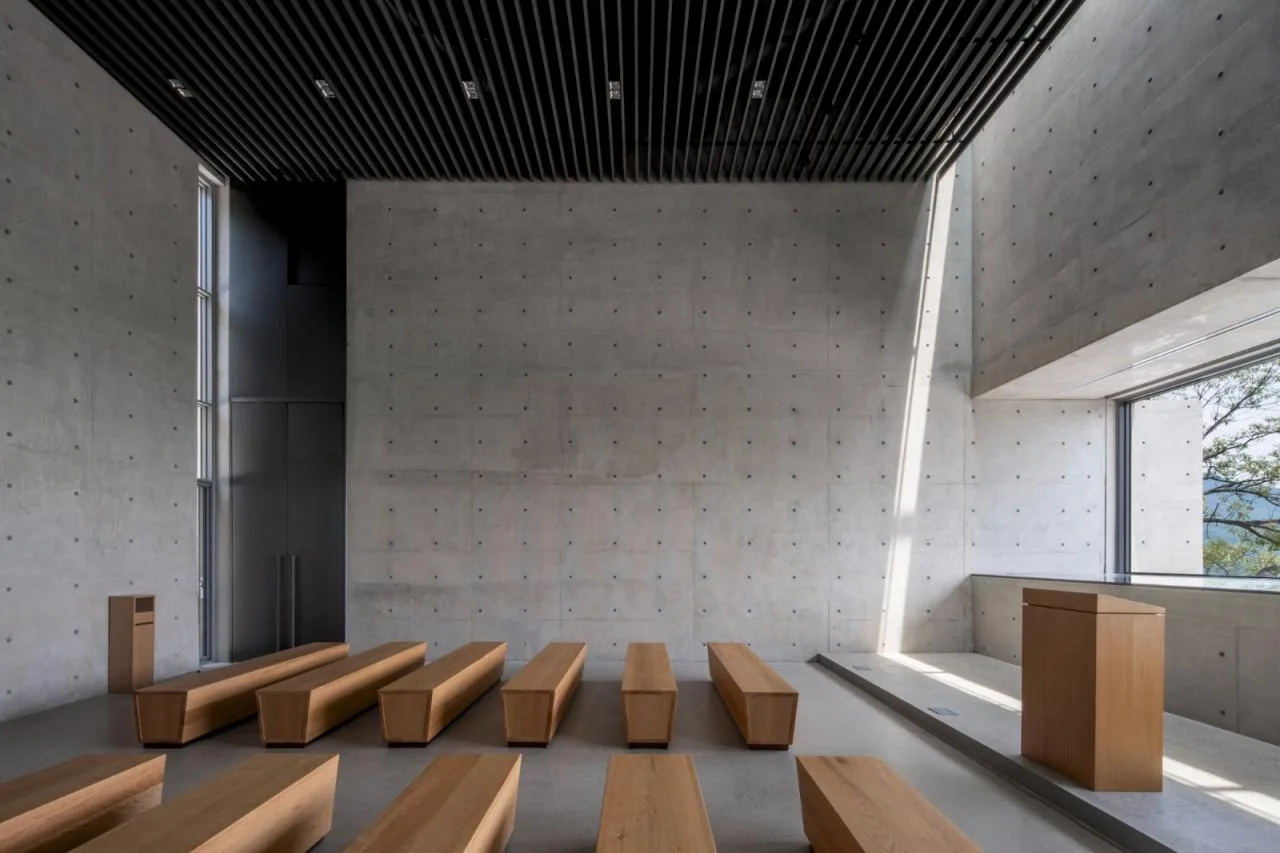
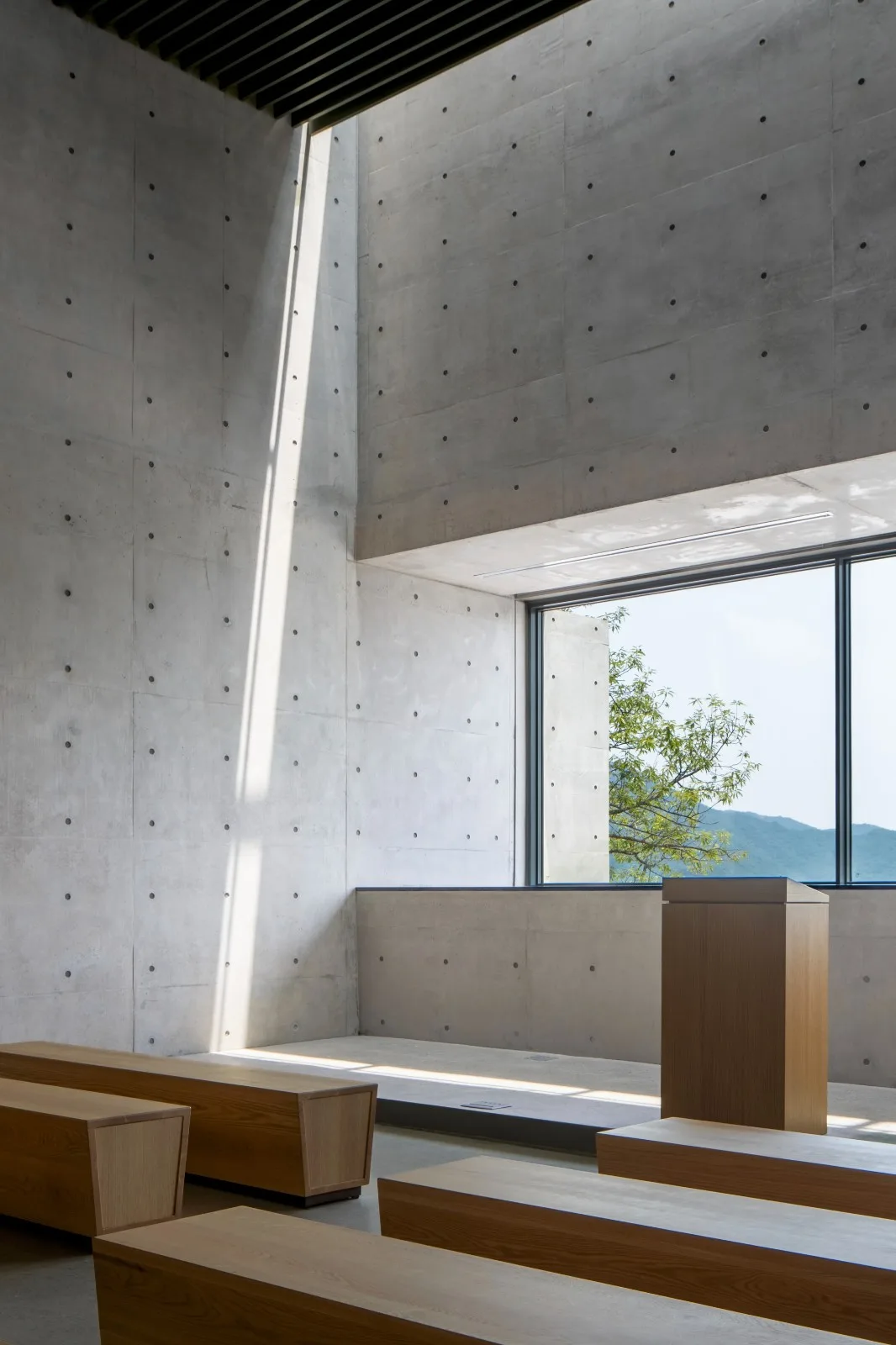
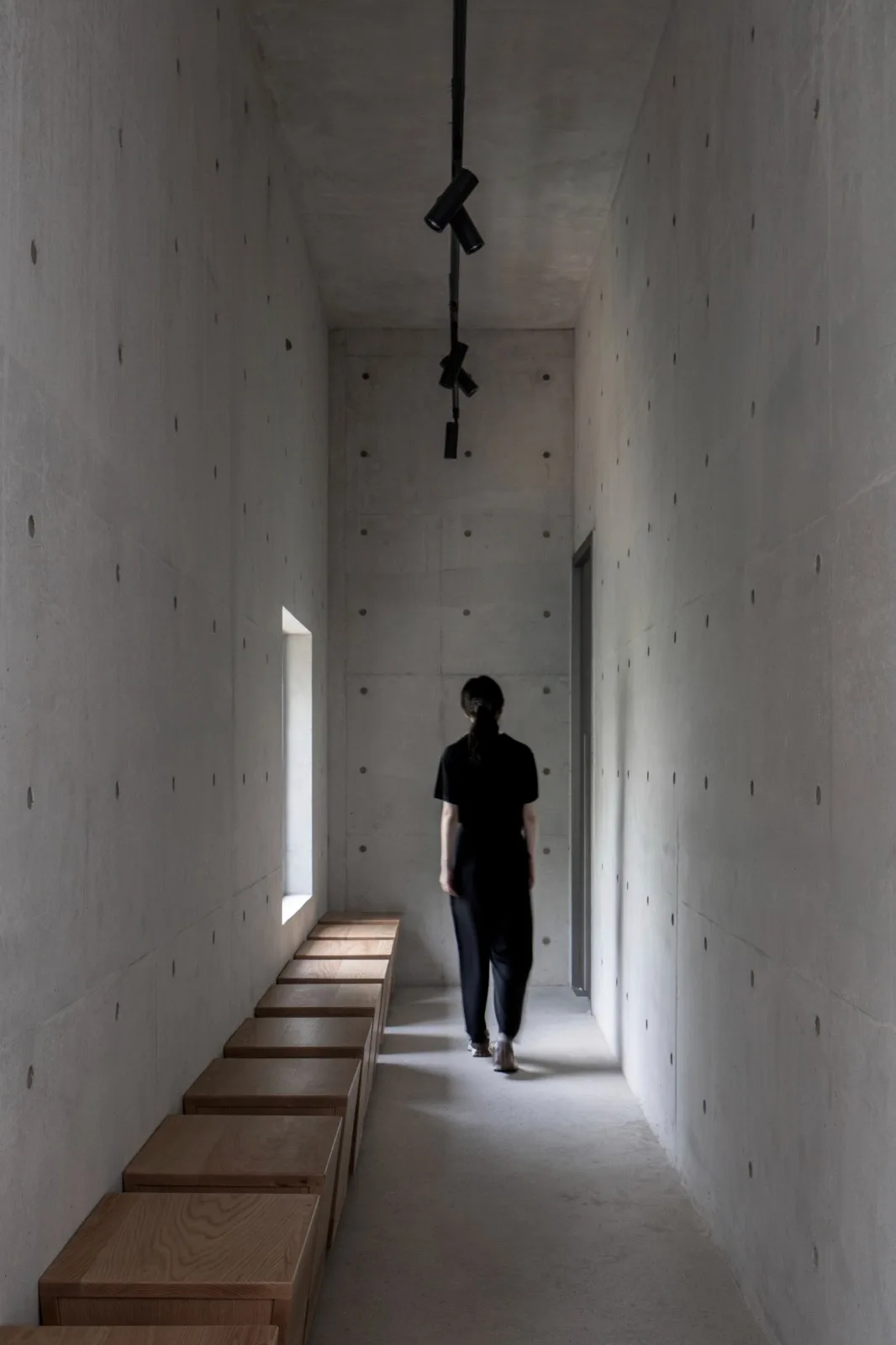
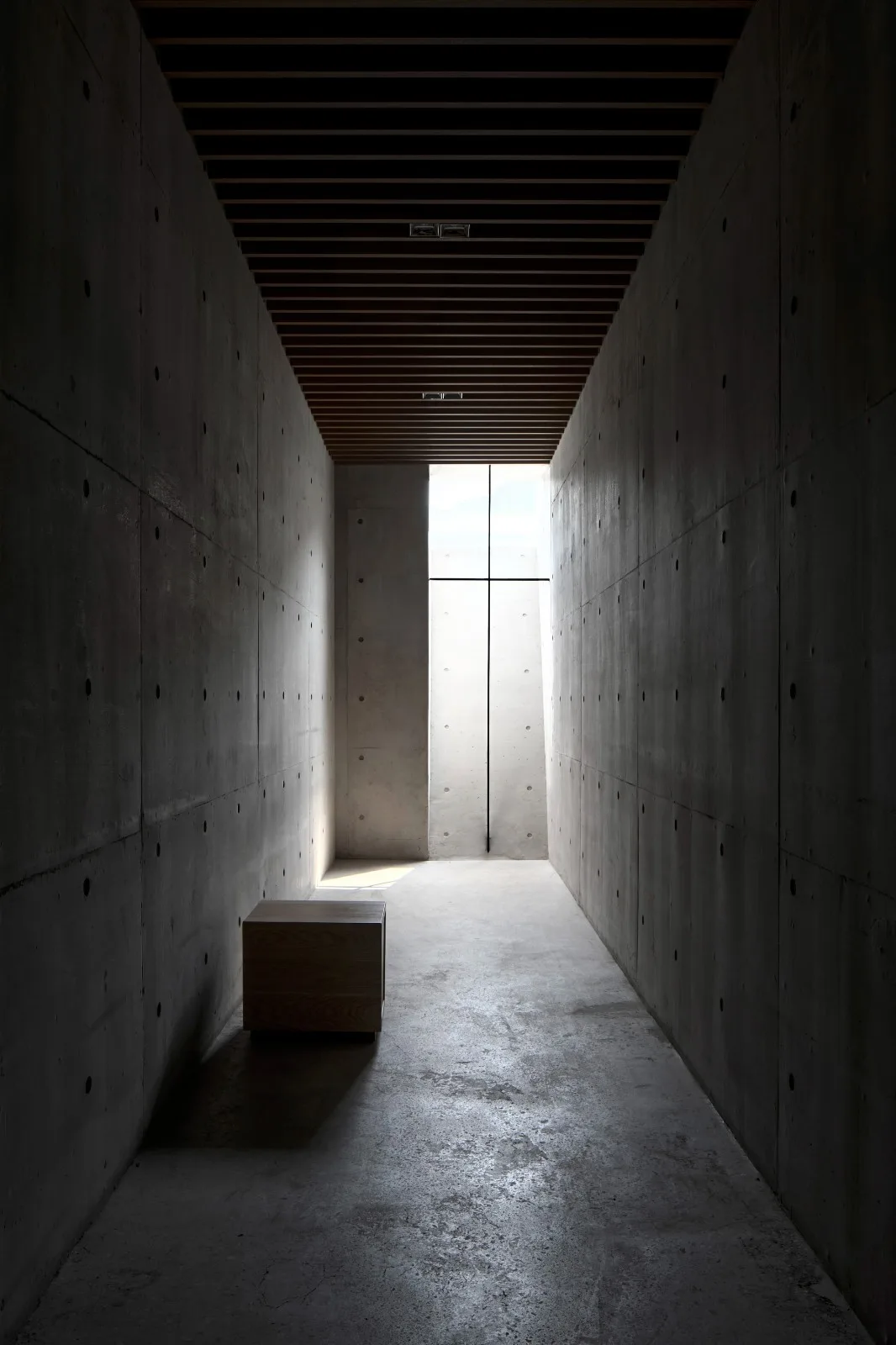
The Closet Chapel is a narrow, elongated space where natural light streams through the front wall, illuminating the floor along the side and enhancing a sense of devotion. This intimate spiritual space encourages quiet contemplation and sits independently above and in front of the Ocean Chapel. The Sky Chapel, a rectangular rooftop space enclosed by concrete walls, conceals the faint ridges and buildings beyond, intensifying a profound sense of awe. Vertically, it directs focus toward the sky’s vastness; horizontally, it evokes boundless emotions.
Project Information
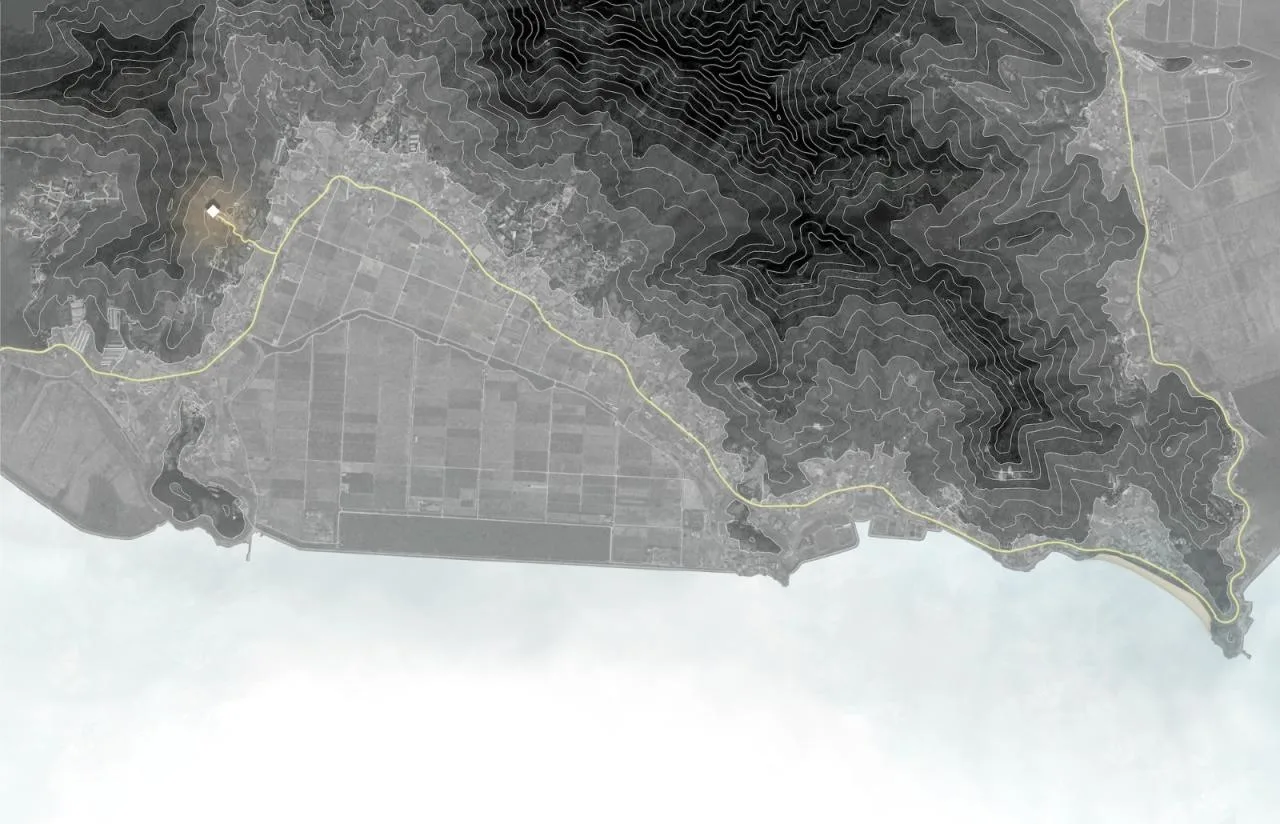
△ Project Location Diagram
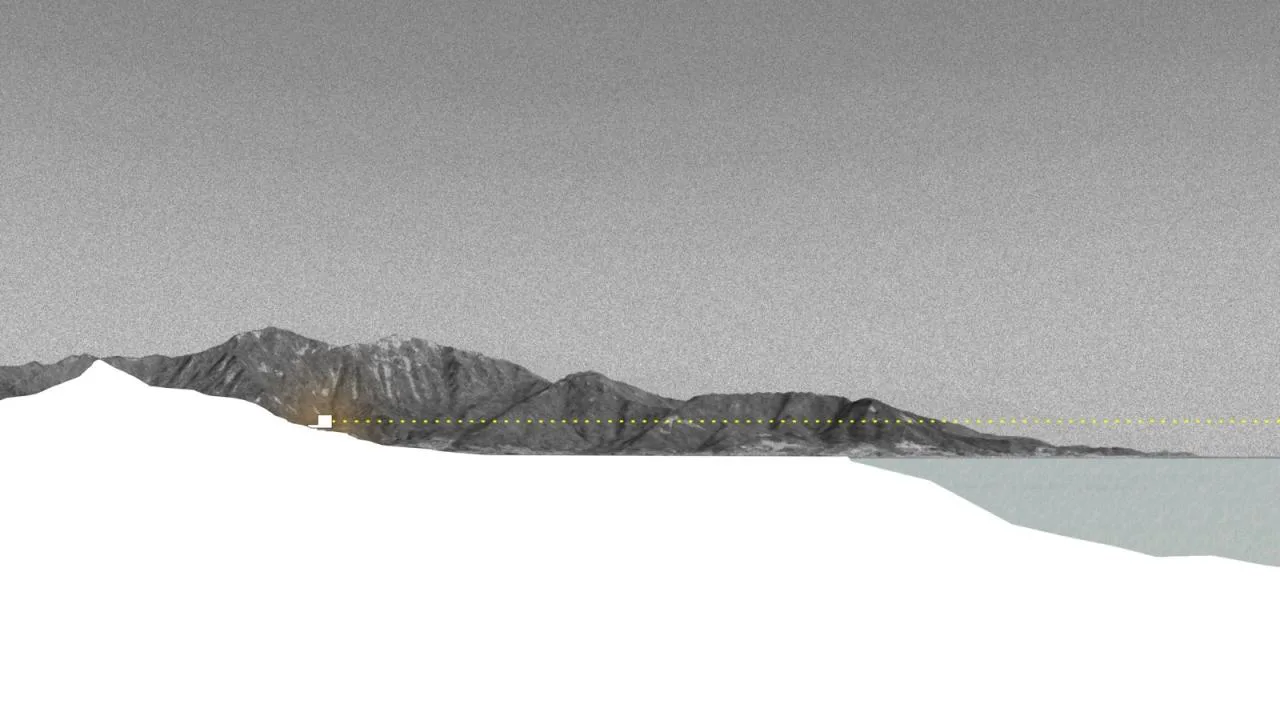
△ Project Location Diagram
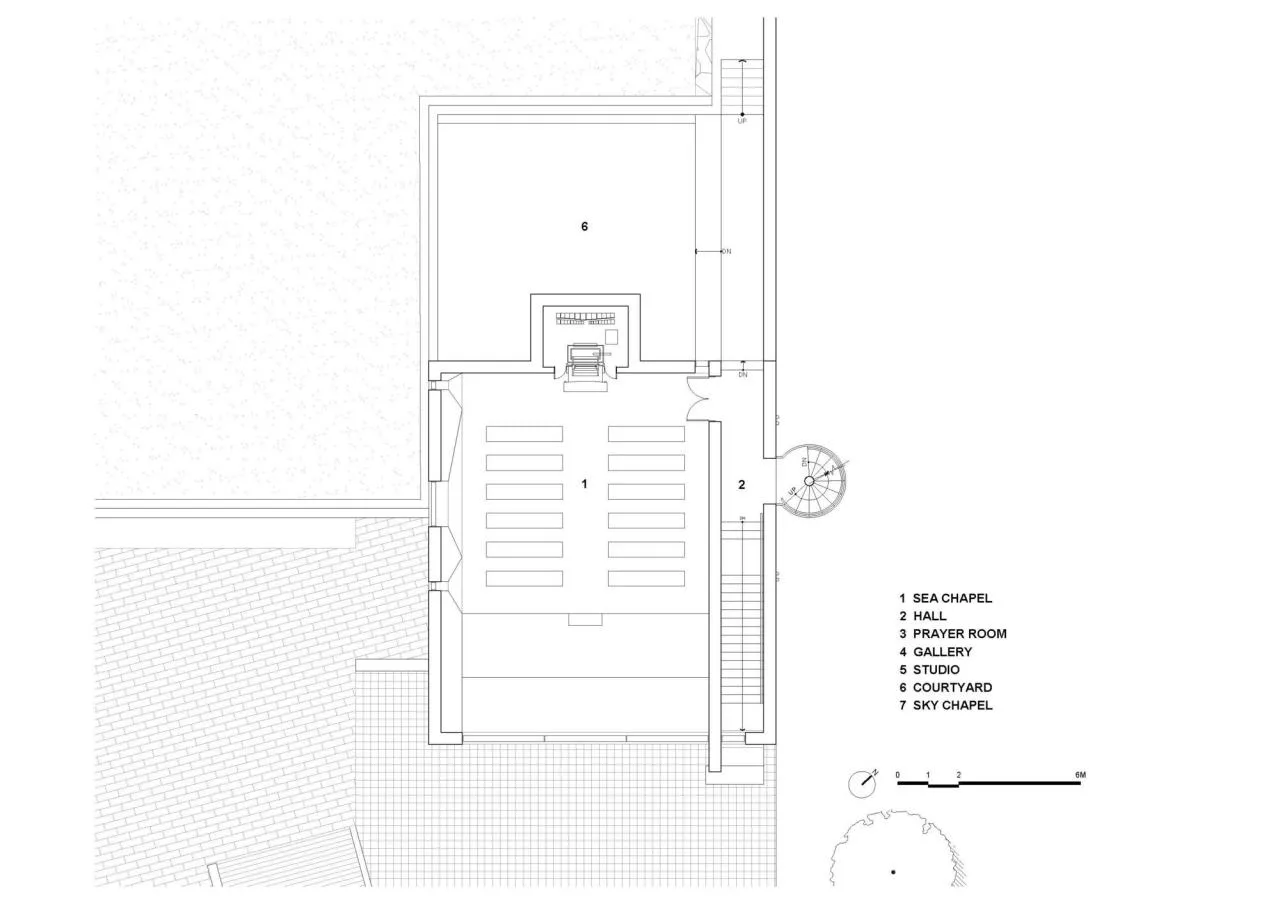
△ First Floor Plan
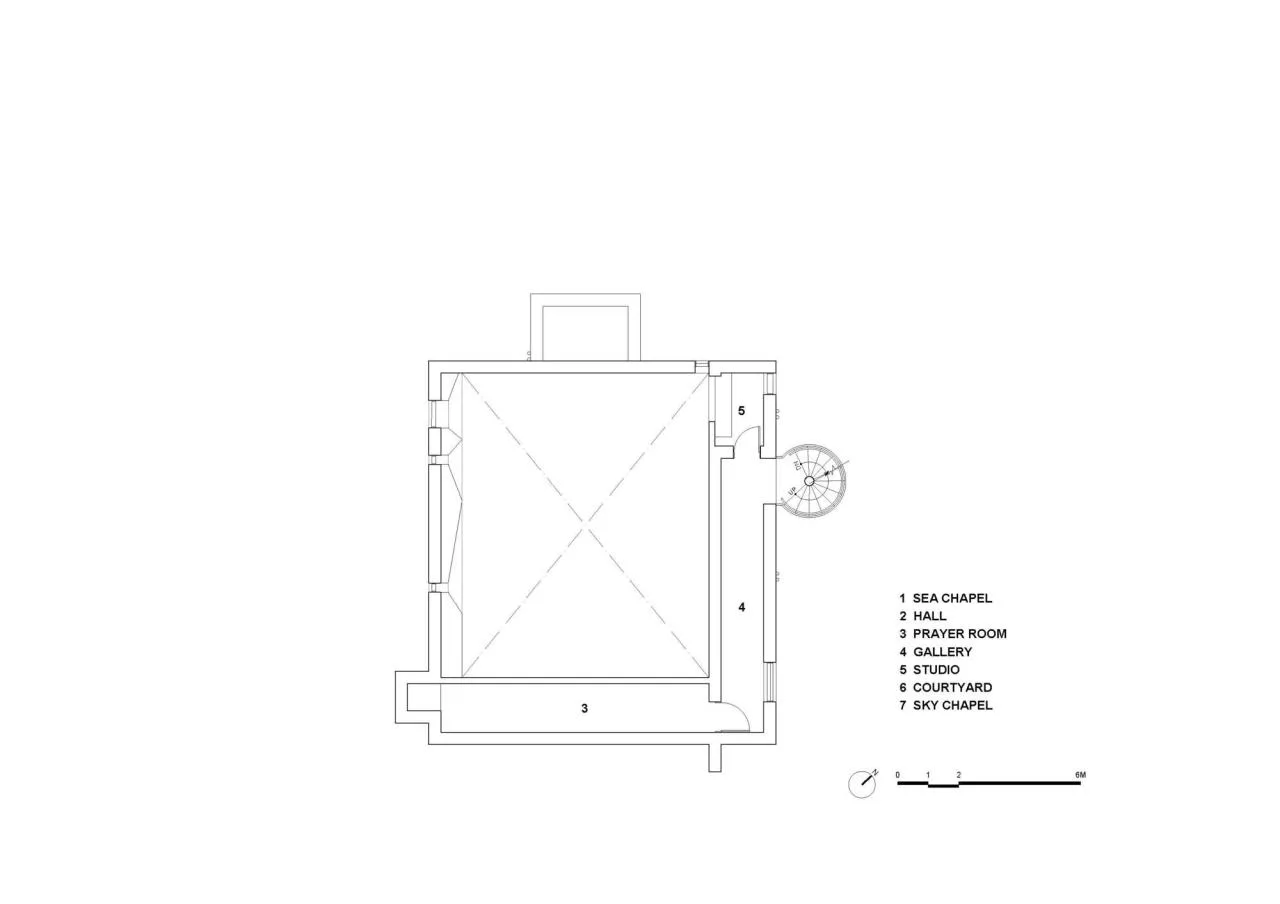
△ Second Floor Plan
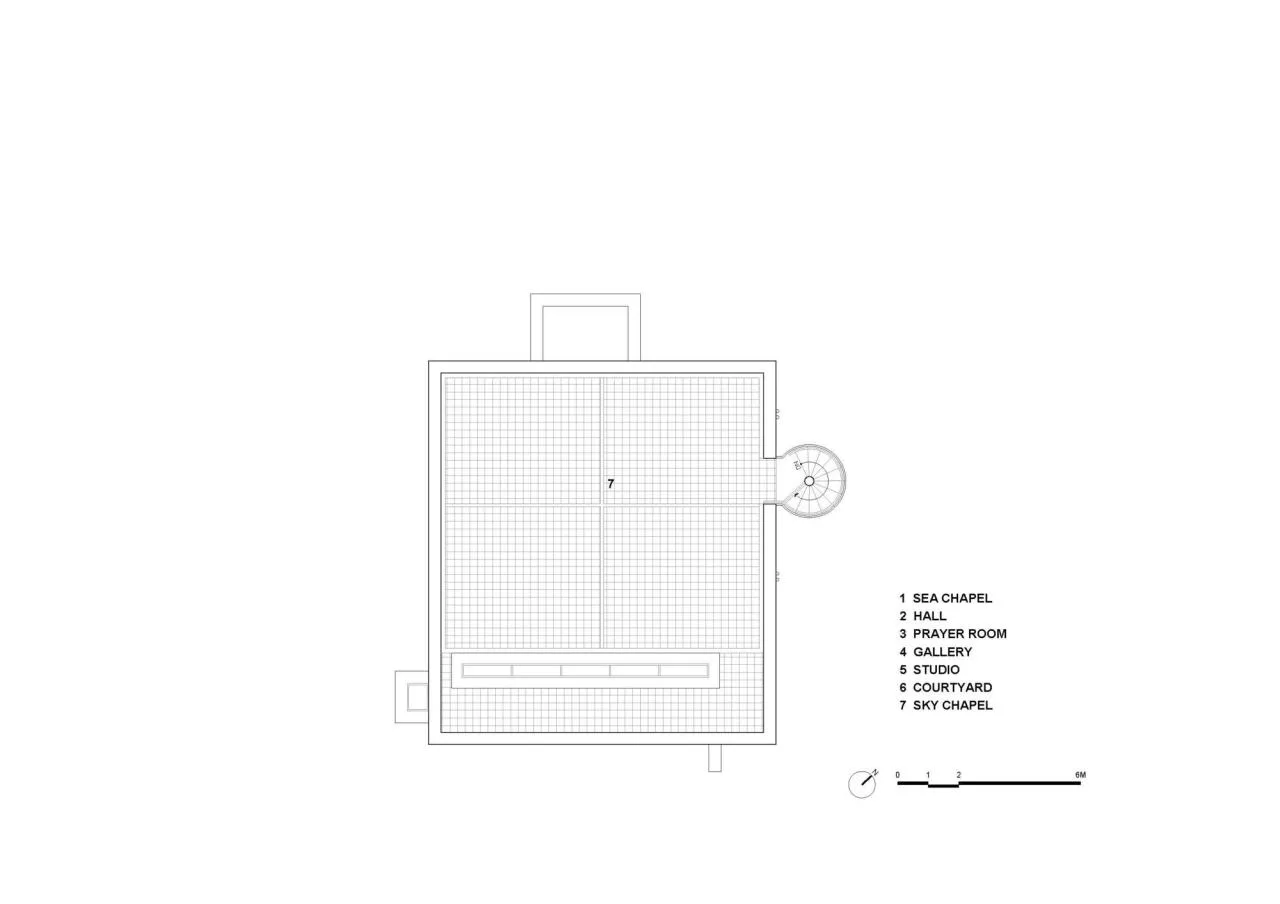
△ Third Floor Plan
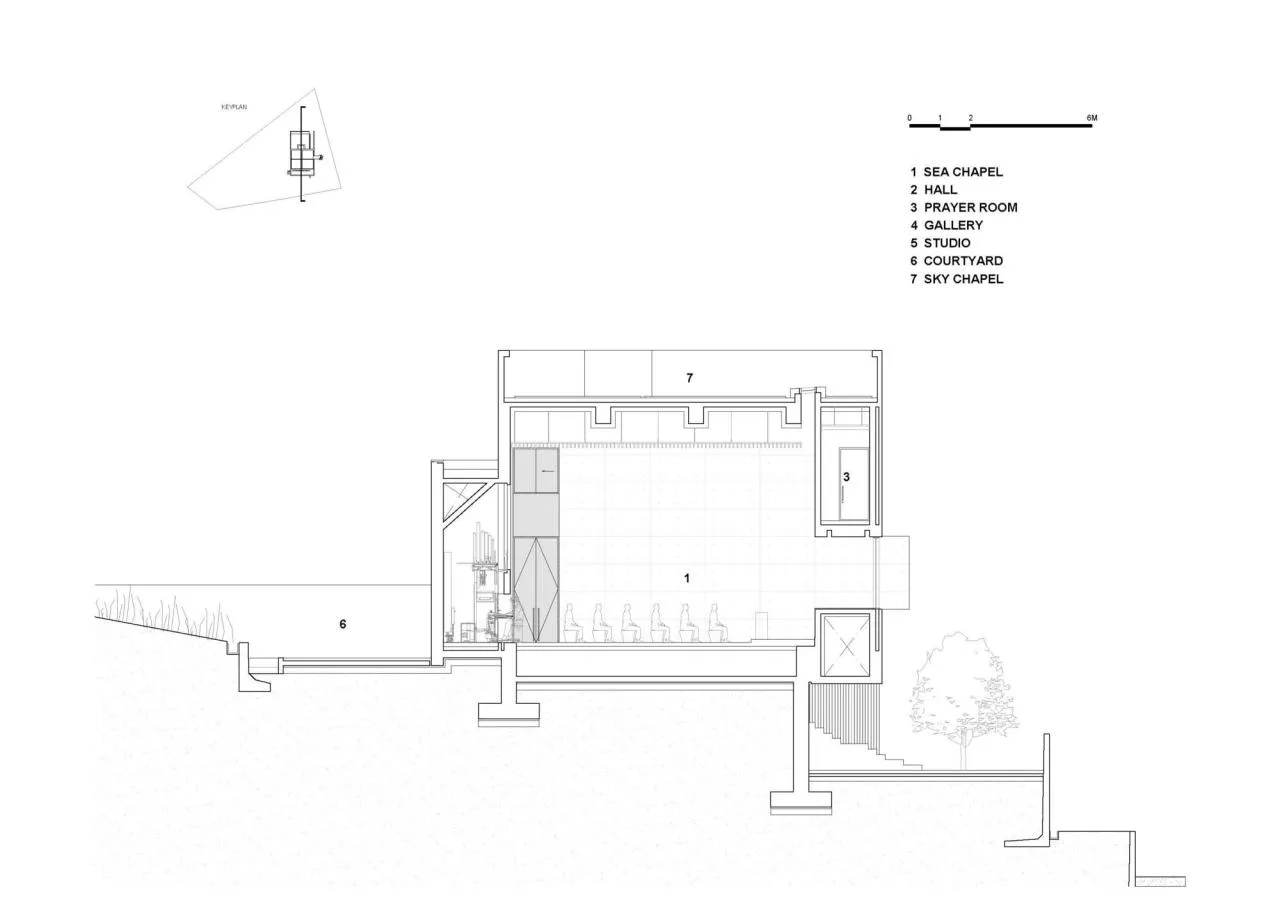
△ Section Diagram
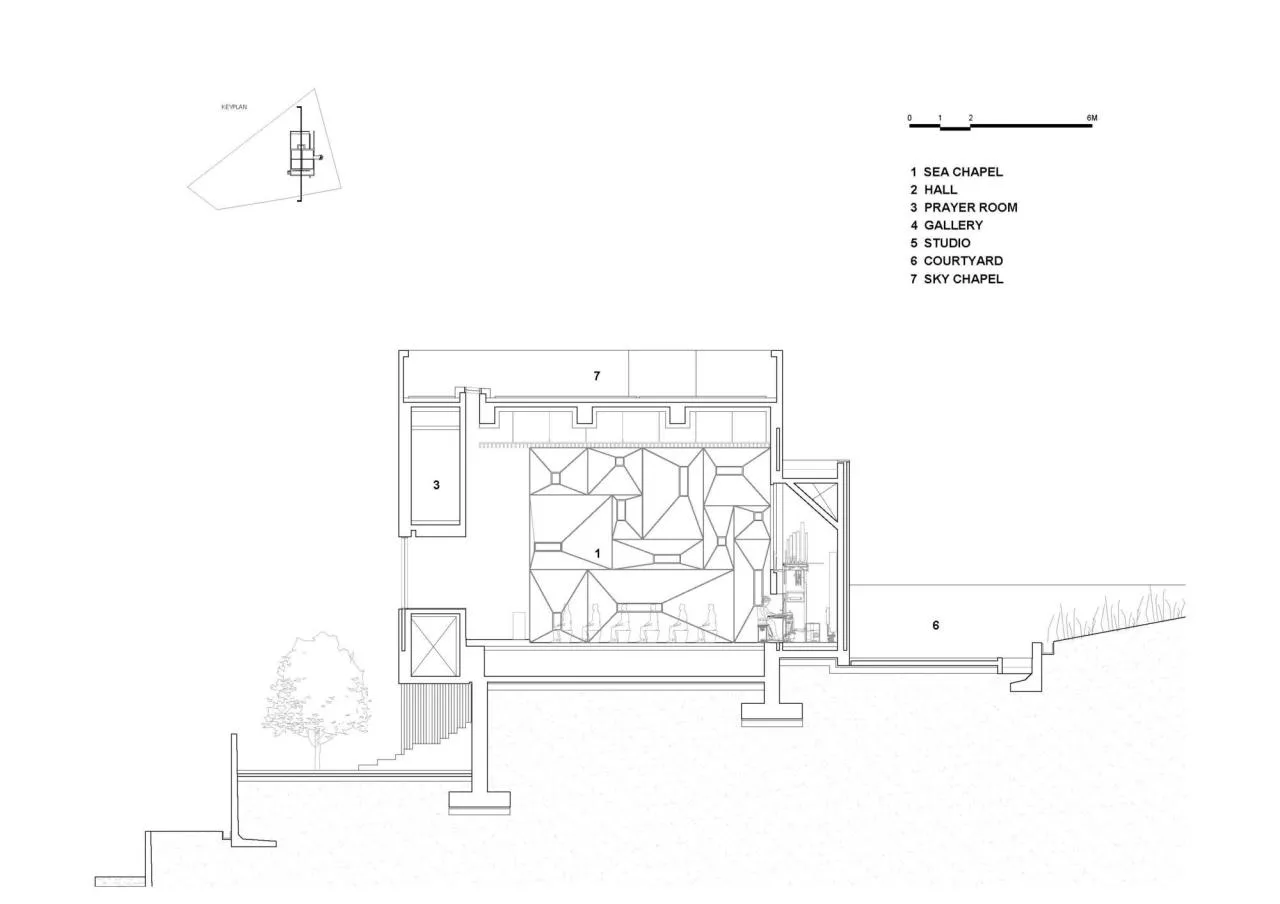
△ Section Diagram
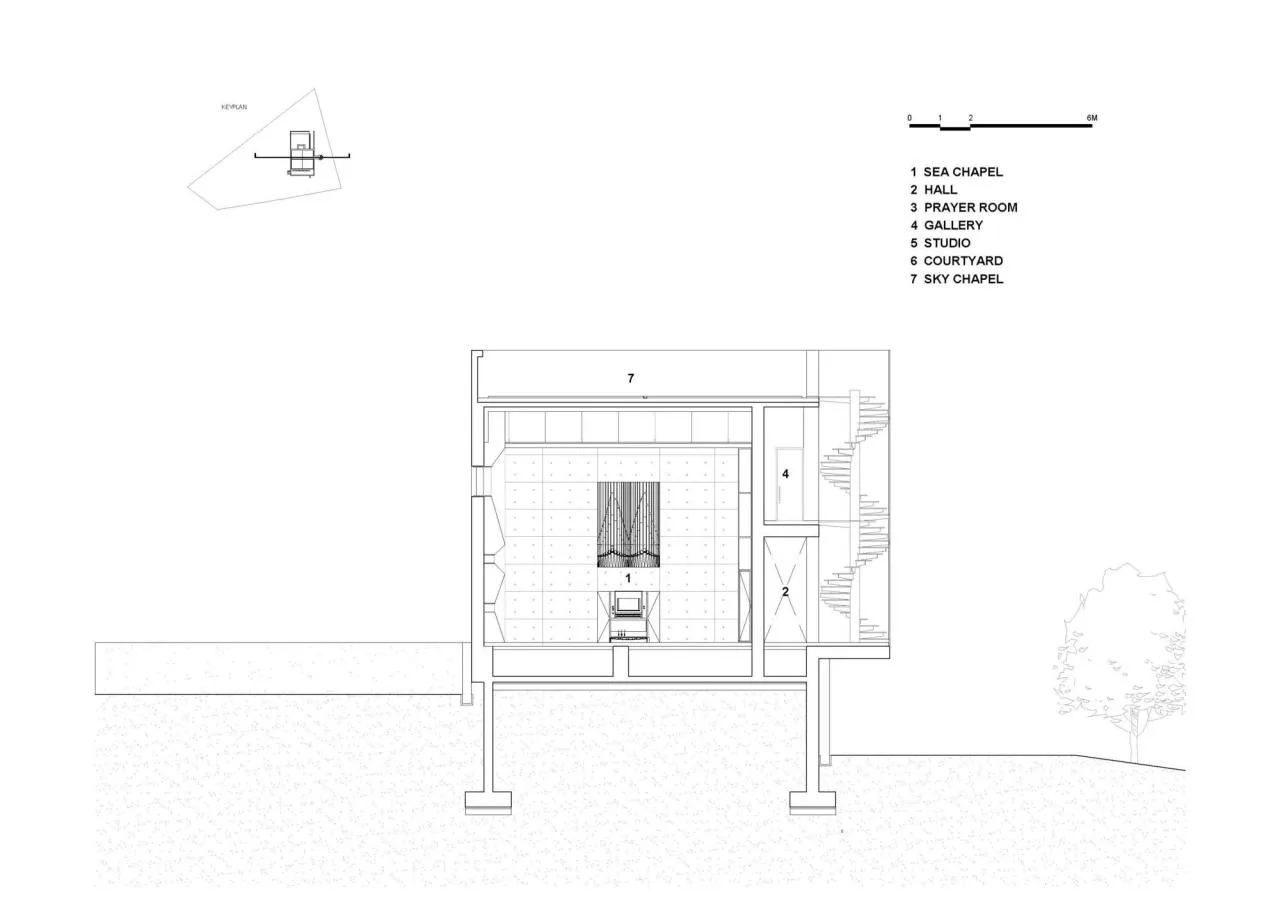
△ Section Diagram
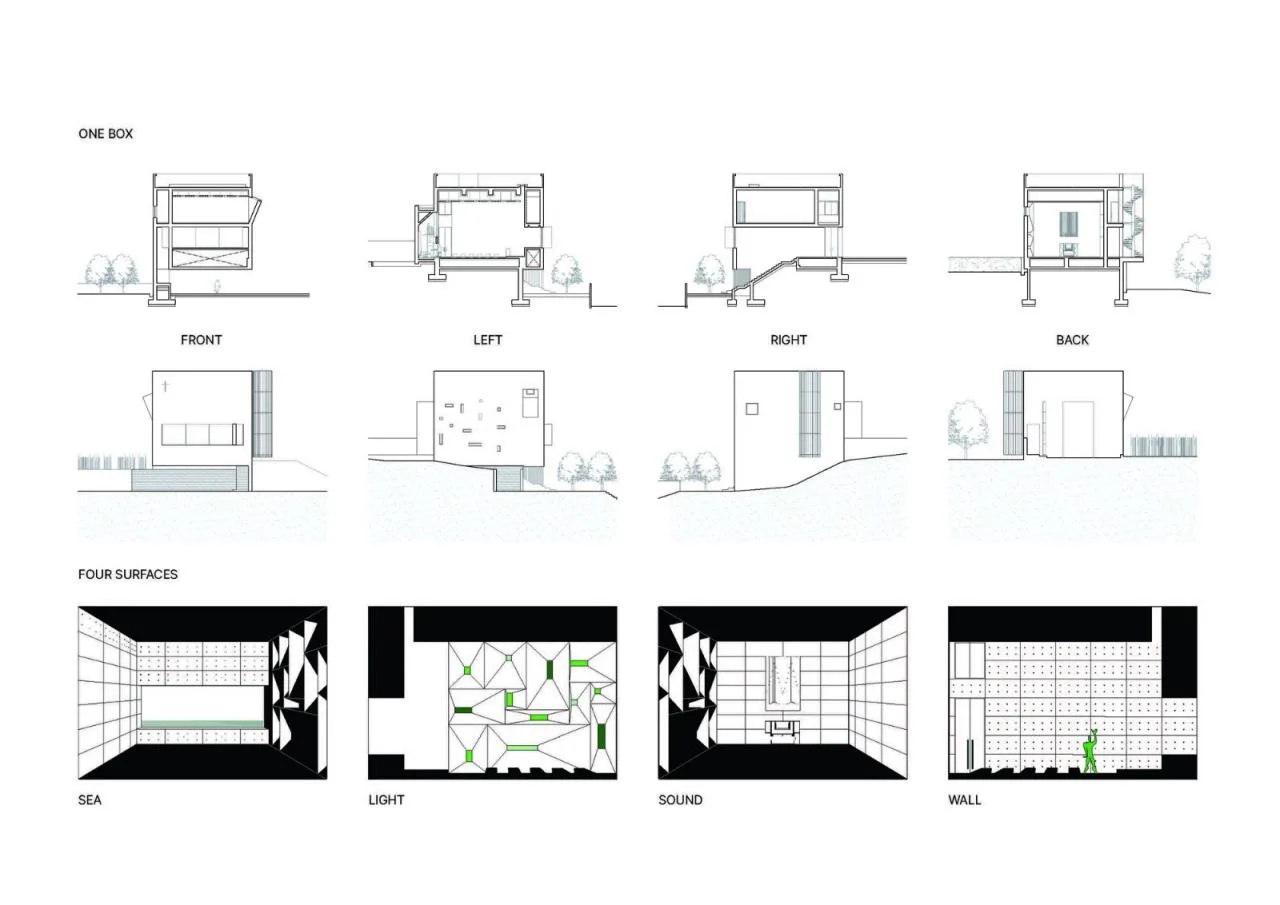
△ Analysis Chart
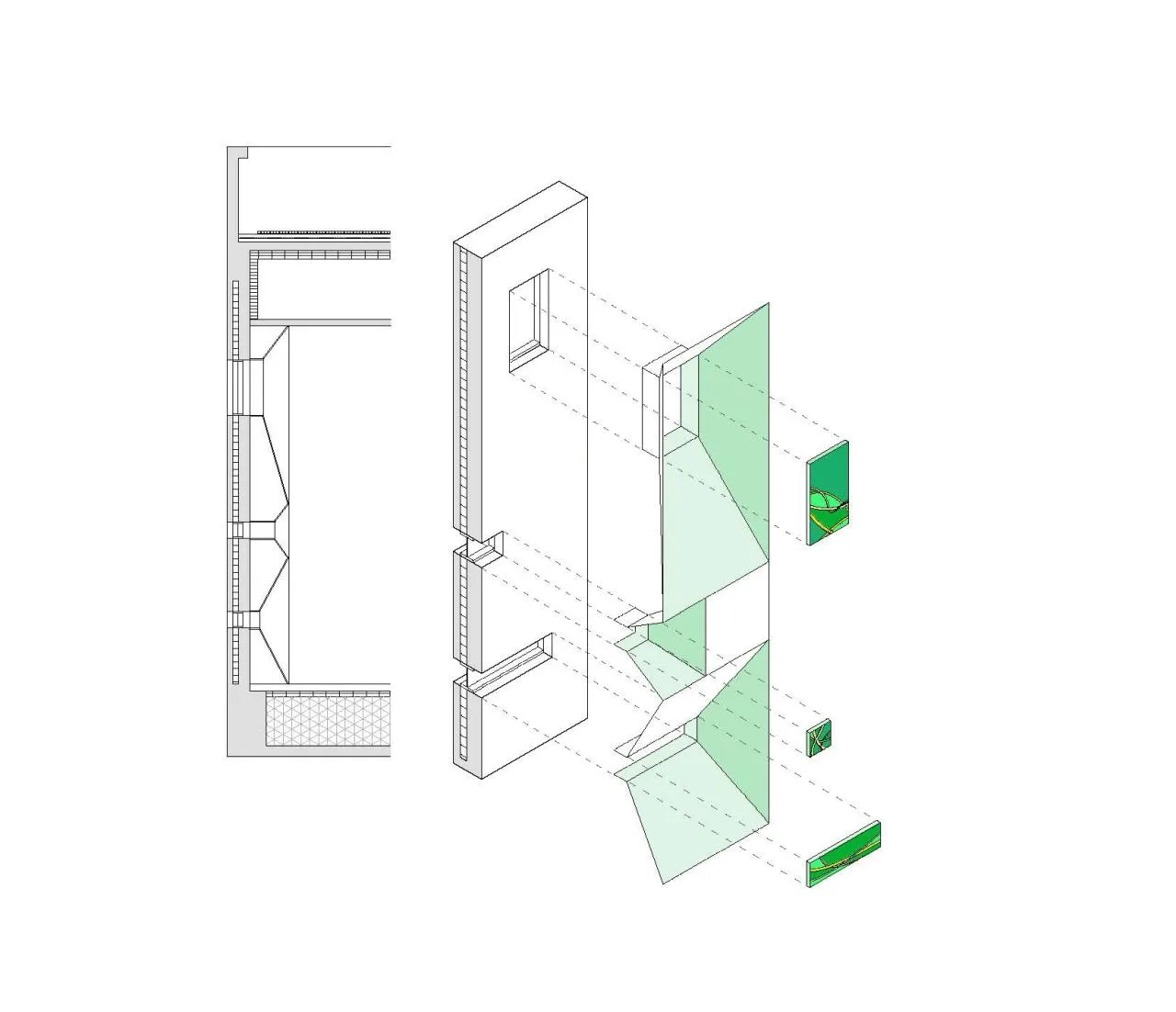
△ Detailed Window Drawing
Project Details
Architect: ATELIER KOMA, Lee Eunseok
Area: 142 m²
Year: 2023
Photographers: Kim Yongseong, Urban Azit
Colored Glass Artist: Chung Kyungmi
Organ Maker: Hong Seonghun
Equipment Engineer: Jusung ENC
Structural Engineer: Edun Structural
Electrical Engineer: Hangil Engineering
General Contractor: Eldream Construction
Location: Kanghwa, South Korea












Must log in before commenting!
Sign Up