
© Roland Halbe
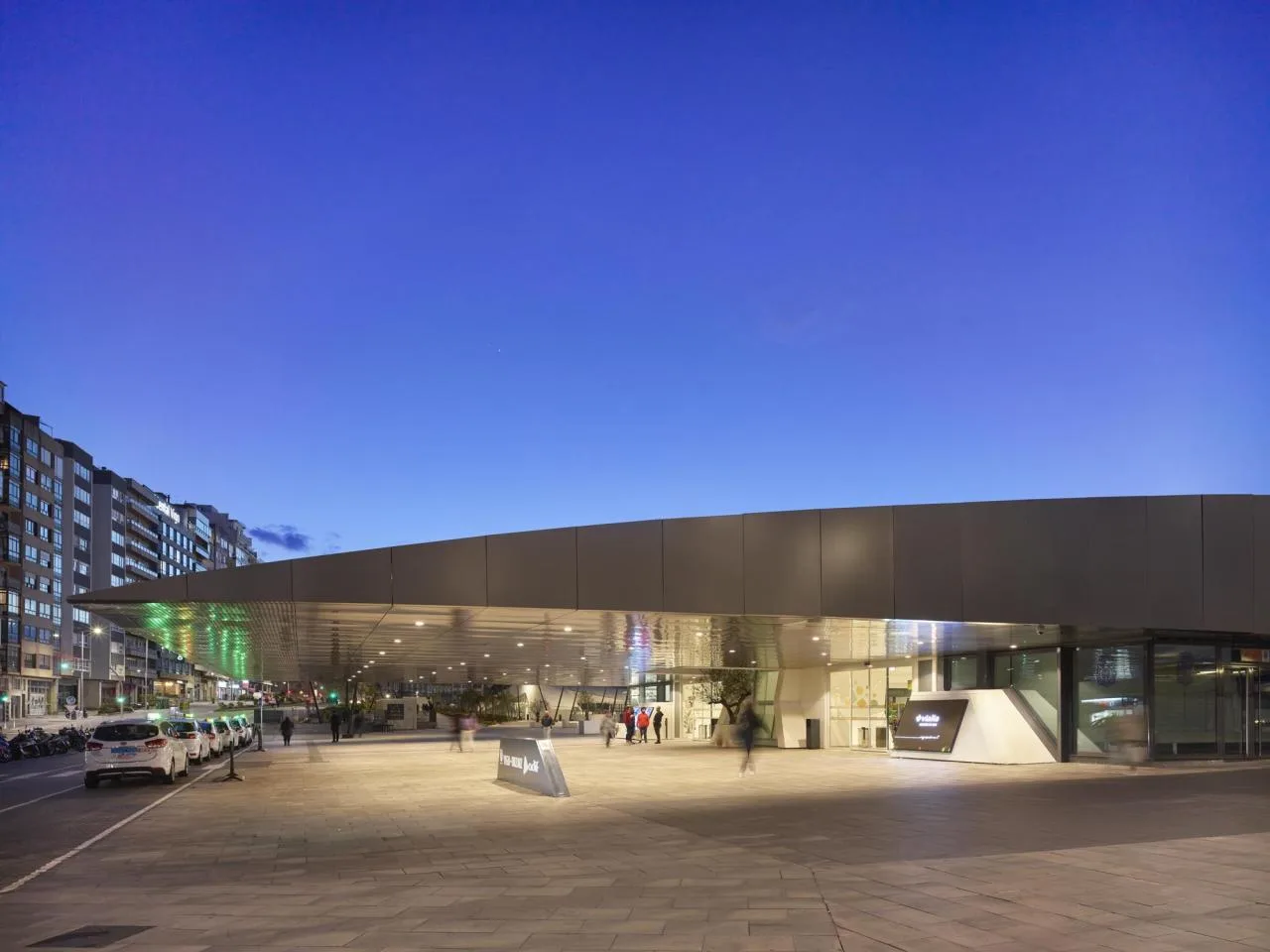
The Vialia Vigo Intermodal Station, designed by Morphosis Architects, is a newly completed transportation complex that serves as a vital connection point in the city.
It links geographic spaces and social hubs by connecting high-speed rail terminals, commercial centers, and the city’s largest public square.
Located on Spain’s west coast, this project revitalizes an old train station to create a dynamic urban hub that integrates multiple transportation modes—including high-speed rail, buses, cycling, and pedestrian pathways—promoting regional renewal and urban transformation.
The design supports the extensive renovation of the station and its public areas, while also contributing significantly to the future growth of Vigo.
Project Overview
© Roland Halbe
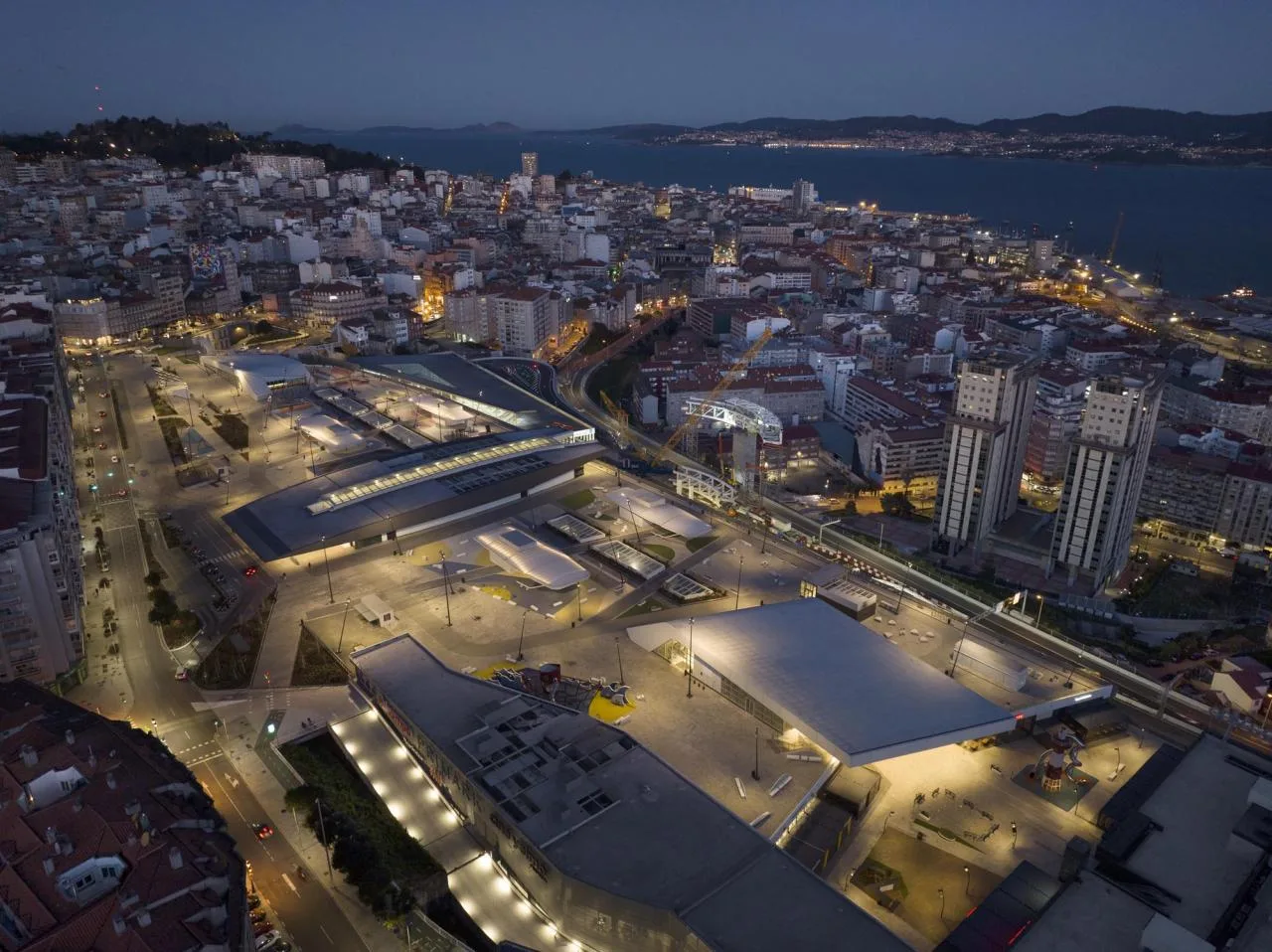
The Vialia Vigo Comprehensive Transportation Hub Station, also known as Vigo High Speed Railway Station, is a key infrastructure project for Galicia’s revitalization and a centerpiece in the urban renewal of Vigo, a prominent port city.
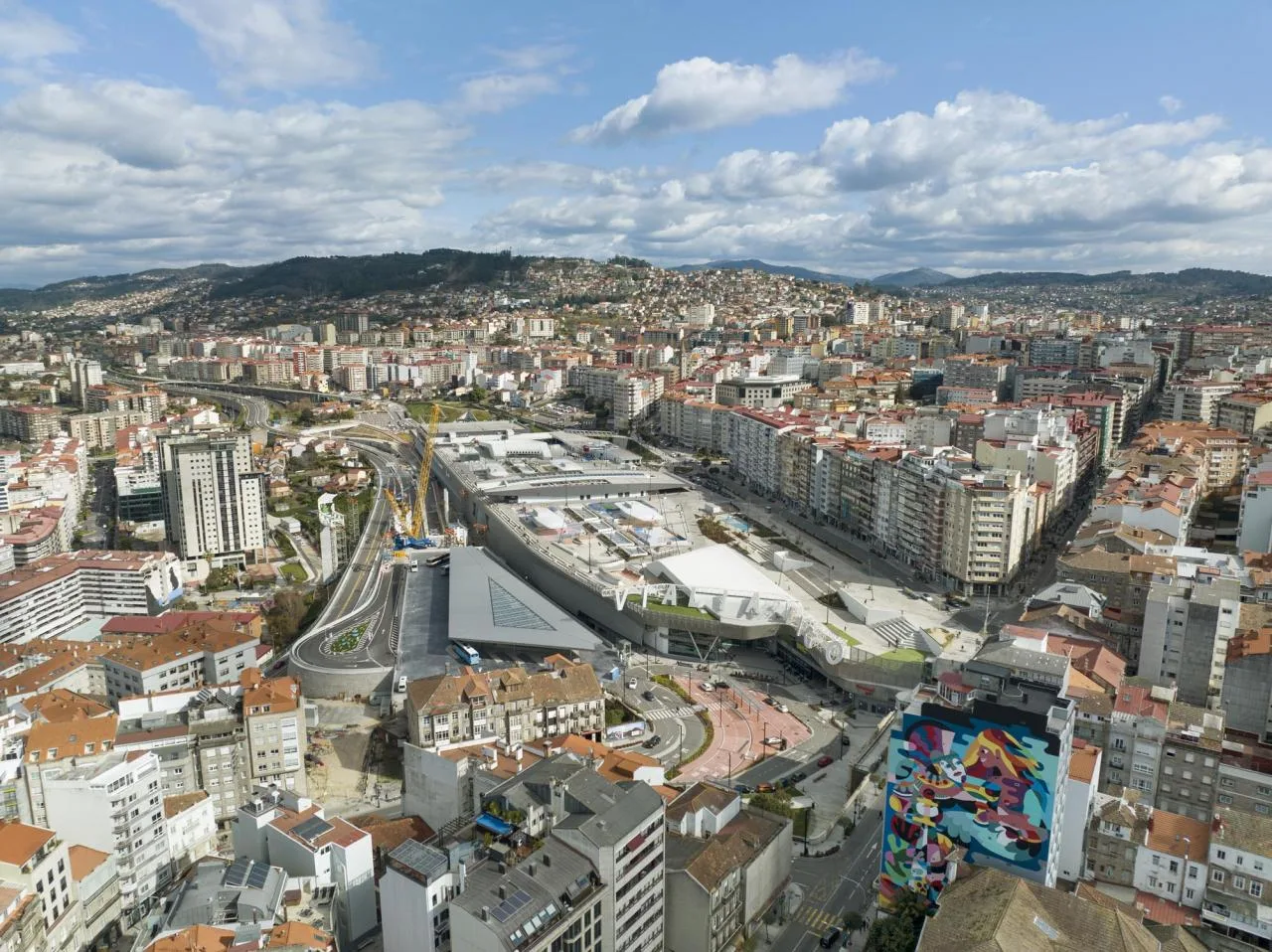
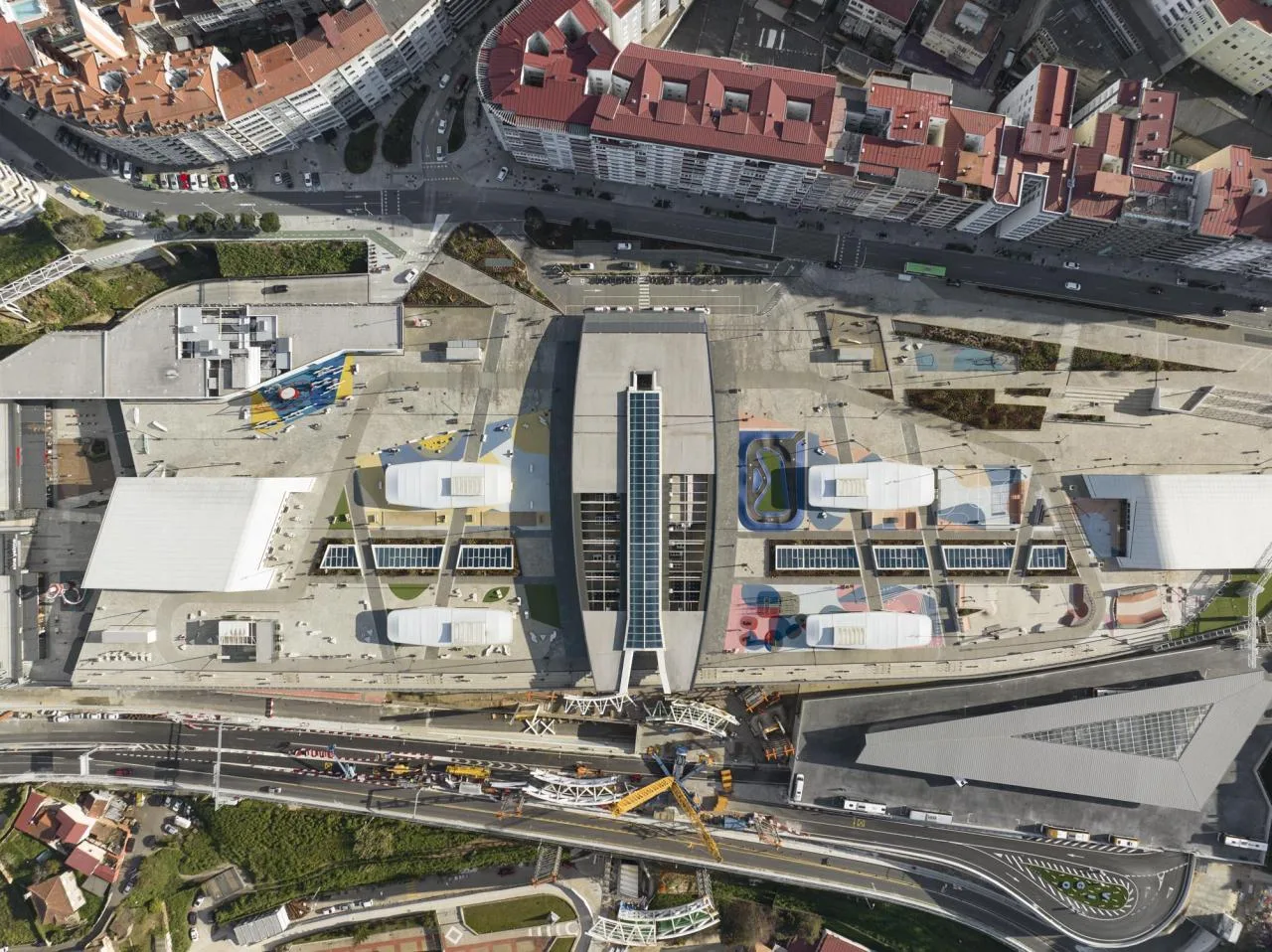
As a multimodal transport hub, Vigo High Speed Railway Station offers extensive transit options. It connects the new high-speed rail line running between Madrid, Spain and Porto, Portugal, providing convenient city access.
Additionally, it integrates with nearby bus stops, parking facilities with over 1,500 spaces, bike lanes, and pedestrian walkways, forming a seamless urban transportation network.
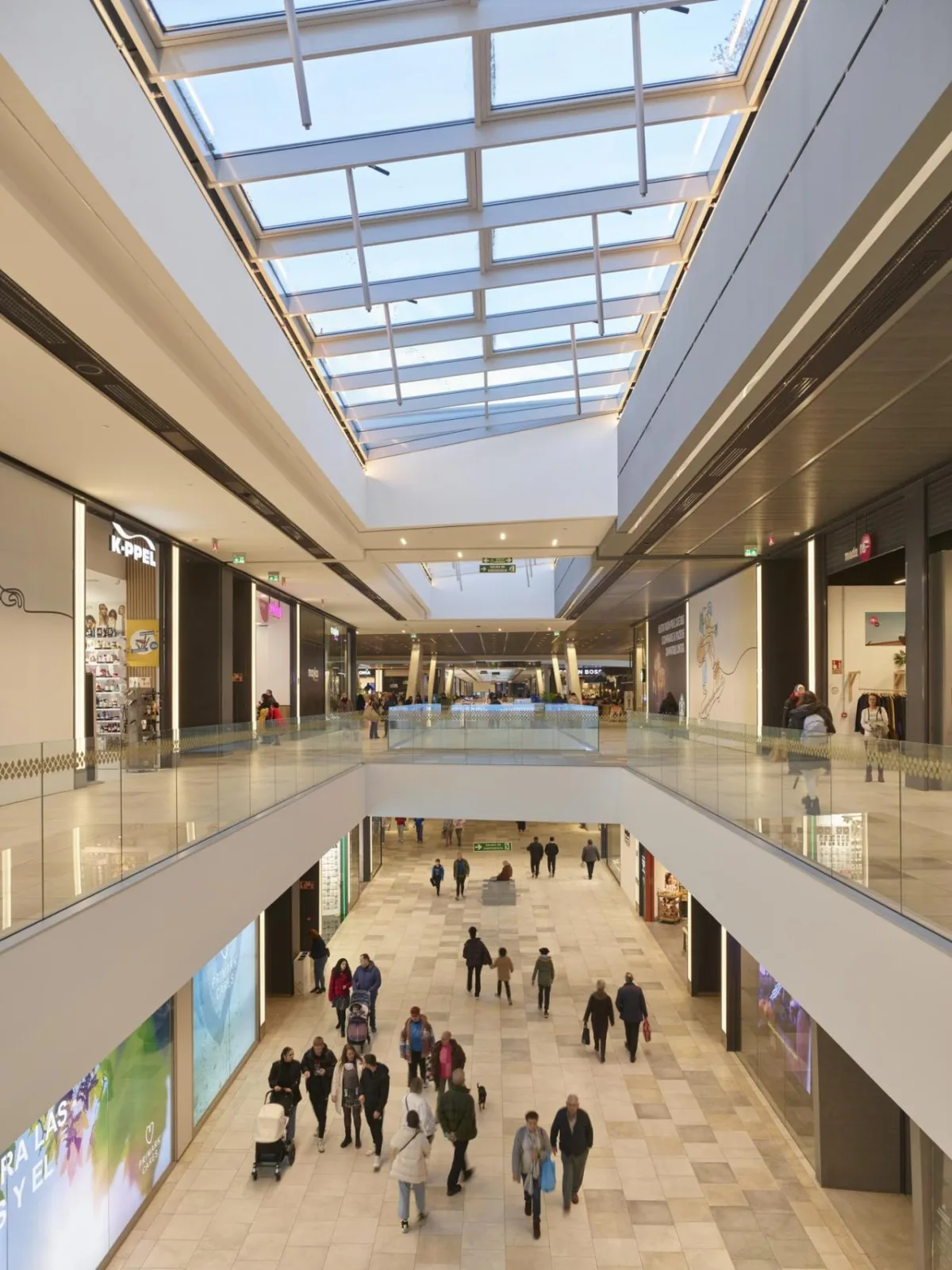
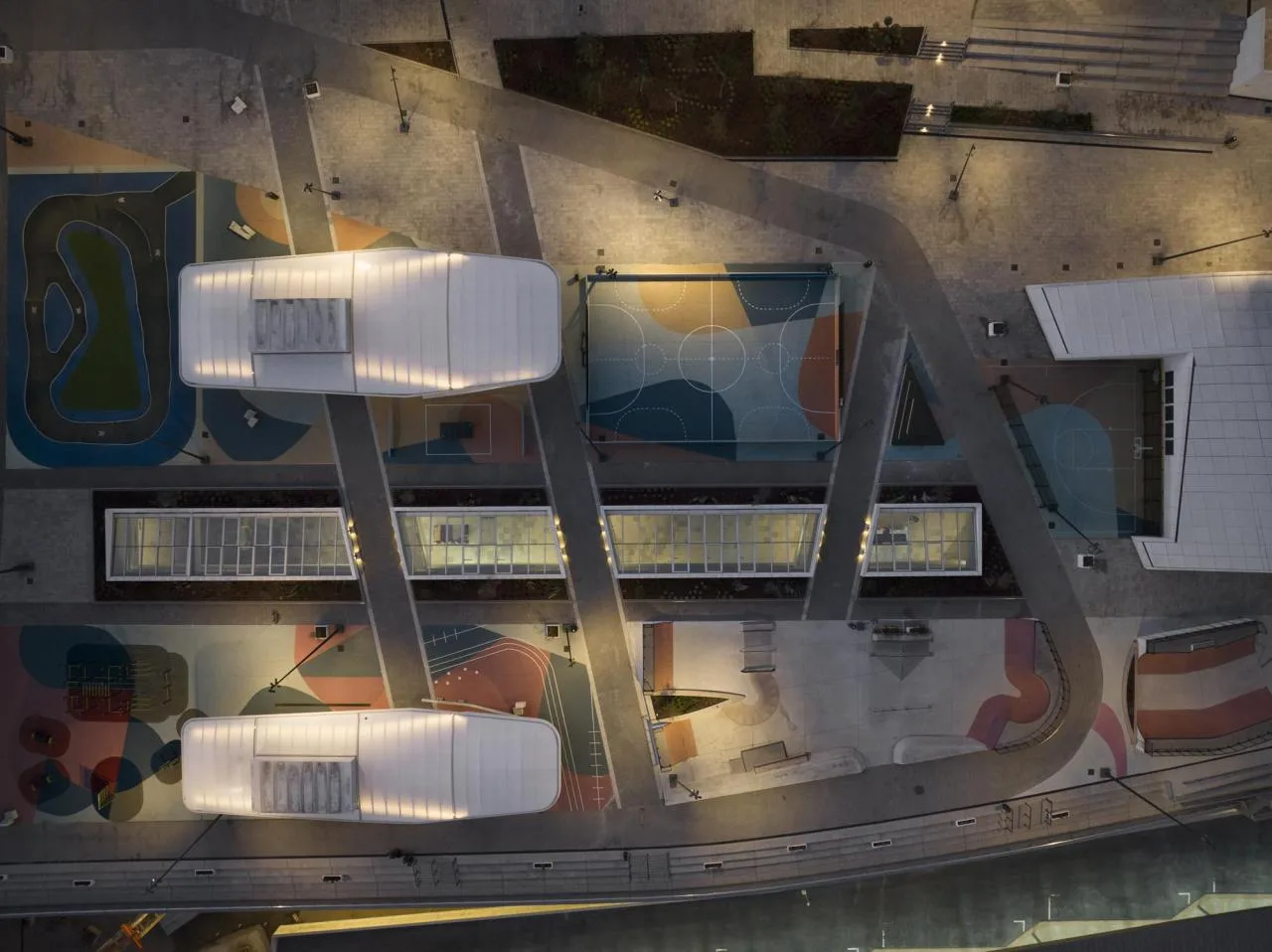
Moreover, the project includes a 30,000 square meter public plaza featuring a skateboard park and sports fields. The commercial component hosts over 125 businesses, including restaurants, retail outlets, and cinemas, fostering socio-economic development.
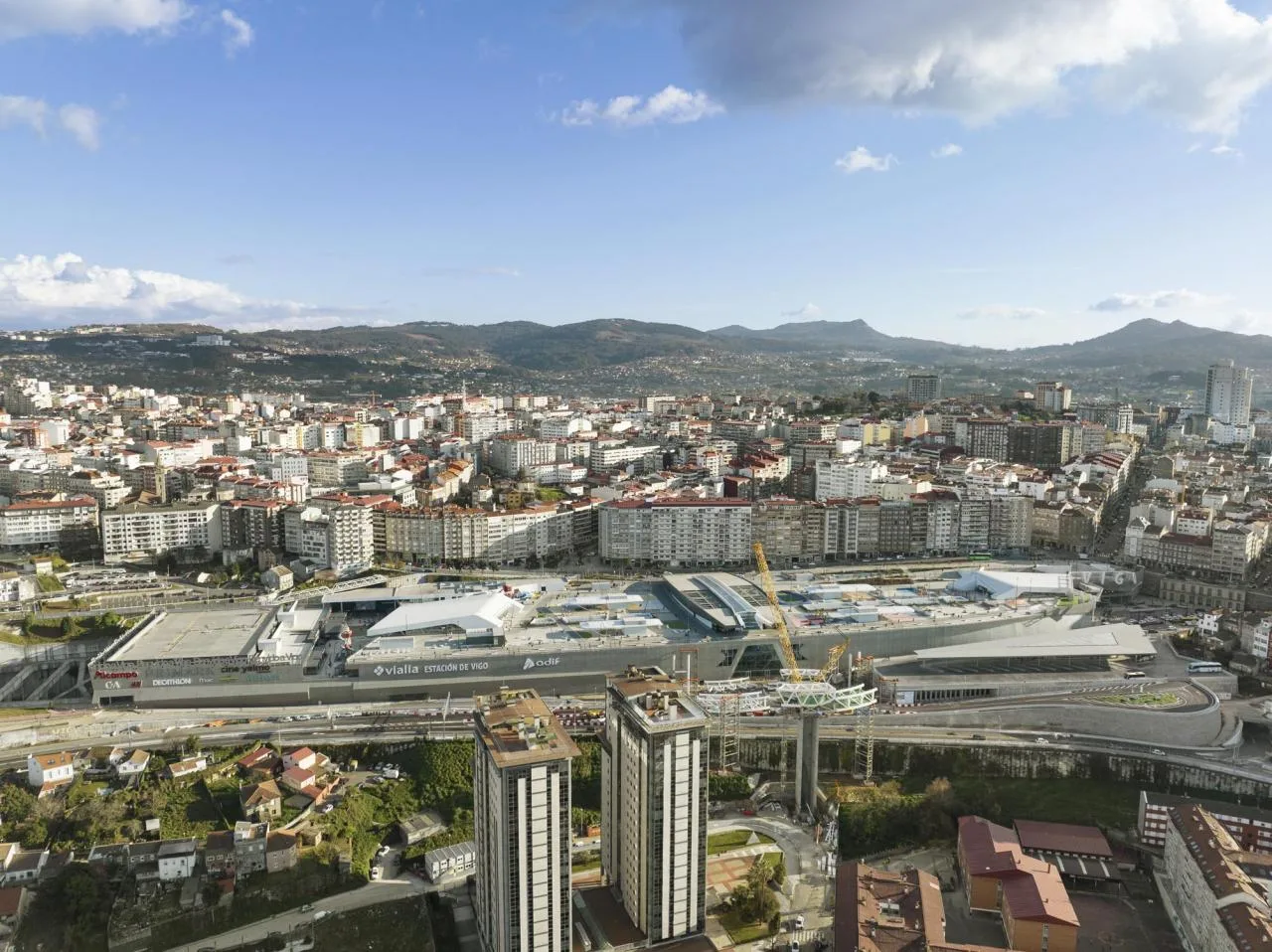
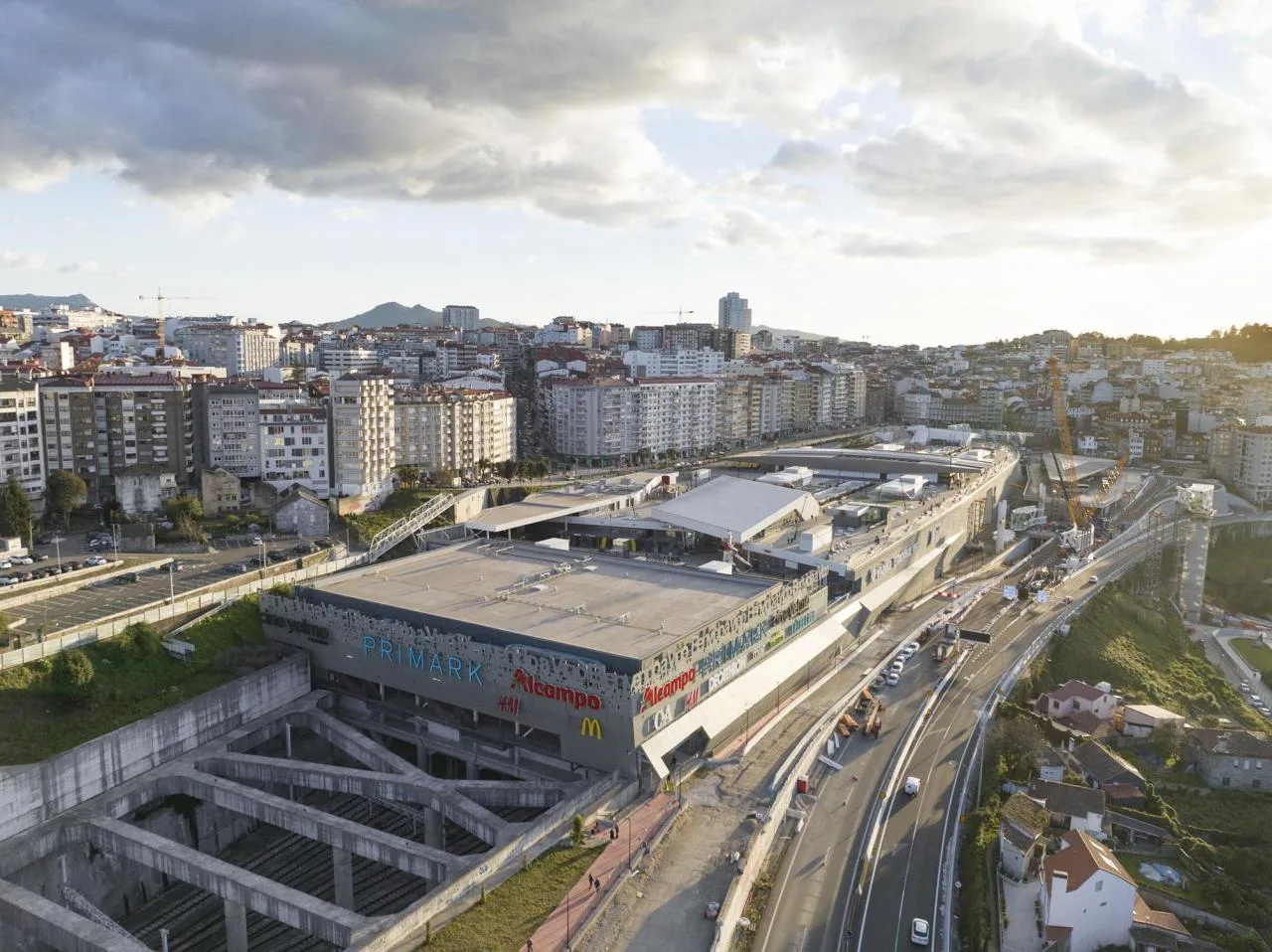
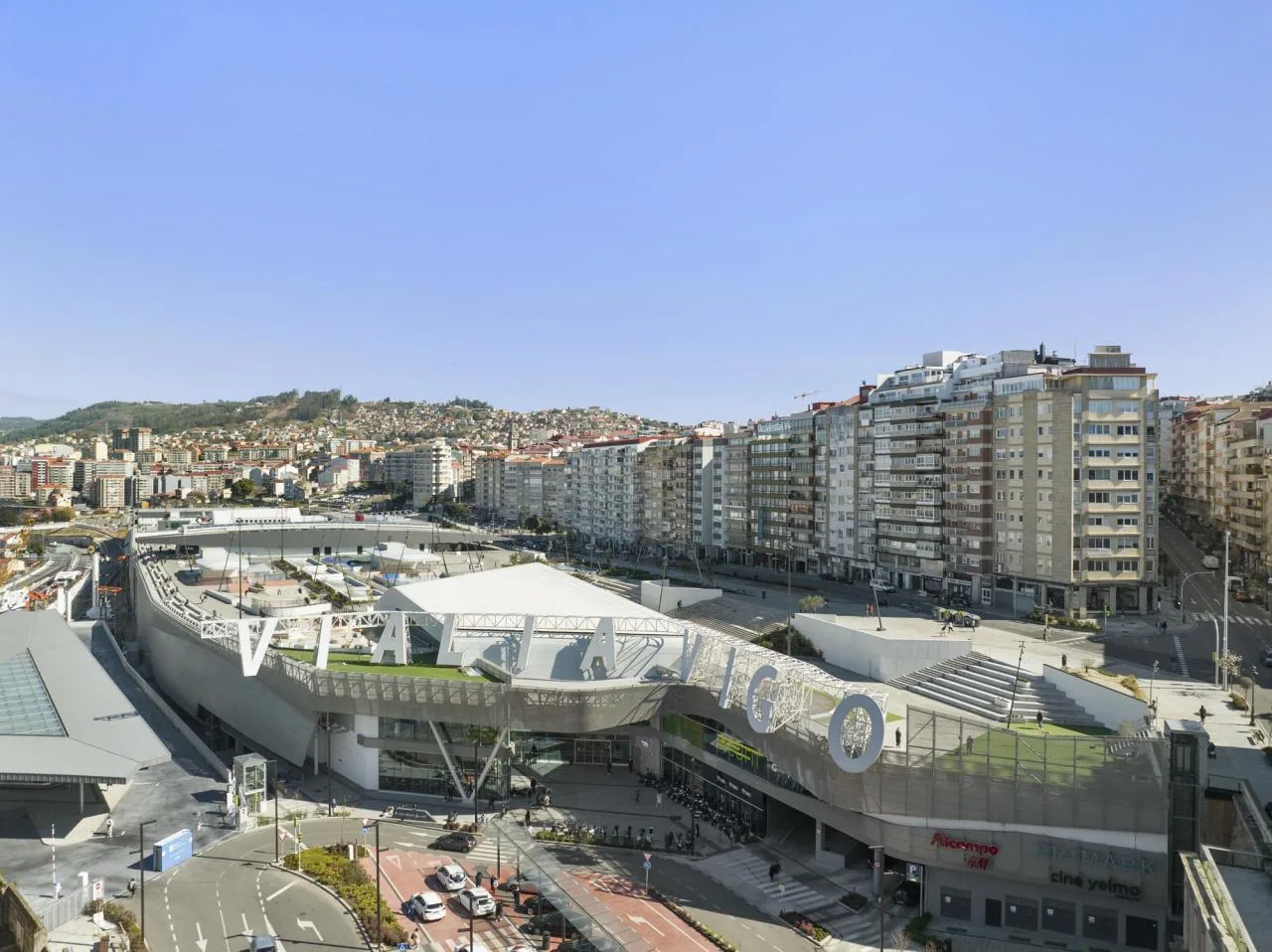
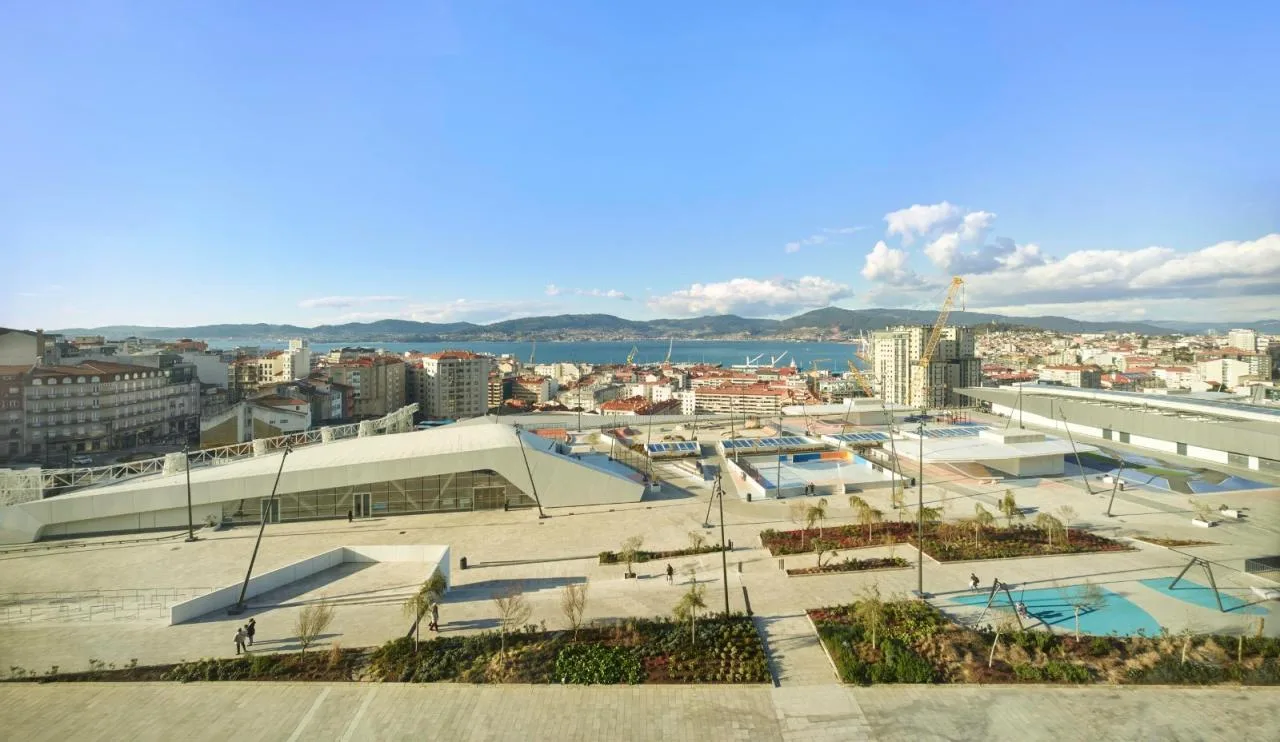
With the introduction of the high-speed rail line, Vigo’s station has become the city’s new urban center, acting as a gateway that connects the bay area with surrounding towns. Utilizing the site’s topography, the rooftop platform serves as an elevated plaza offering open space and panoramic views, ideal for commercial and social activities.
“This station redesigns the city and enhances the role of buildings as urban connectors.” – Thom Mayne, Founder of Mephistos
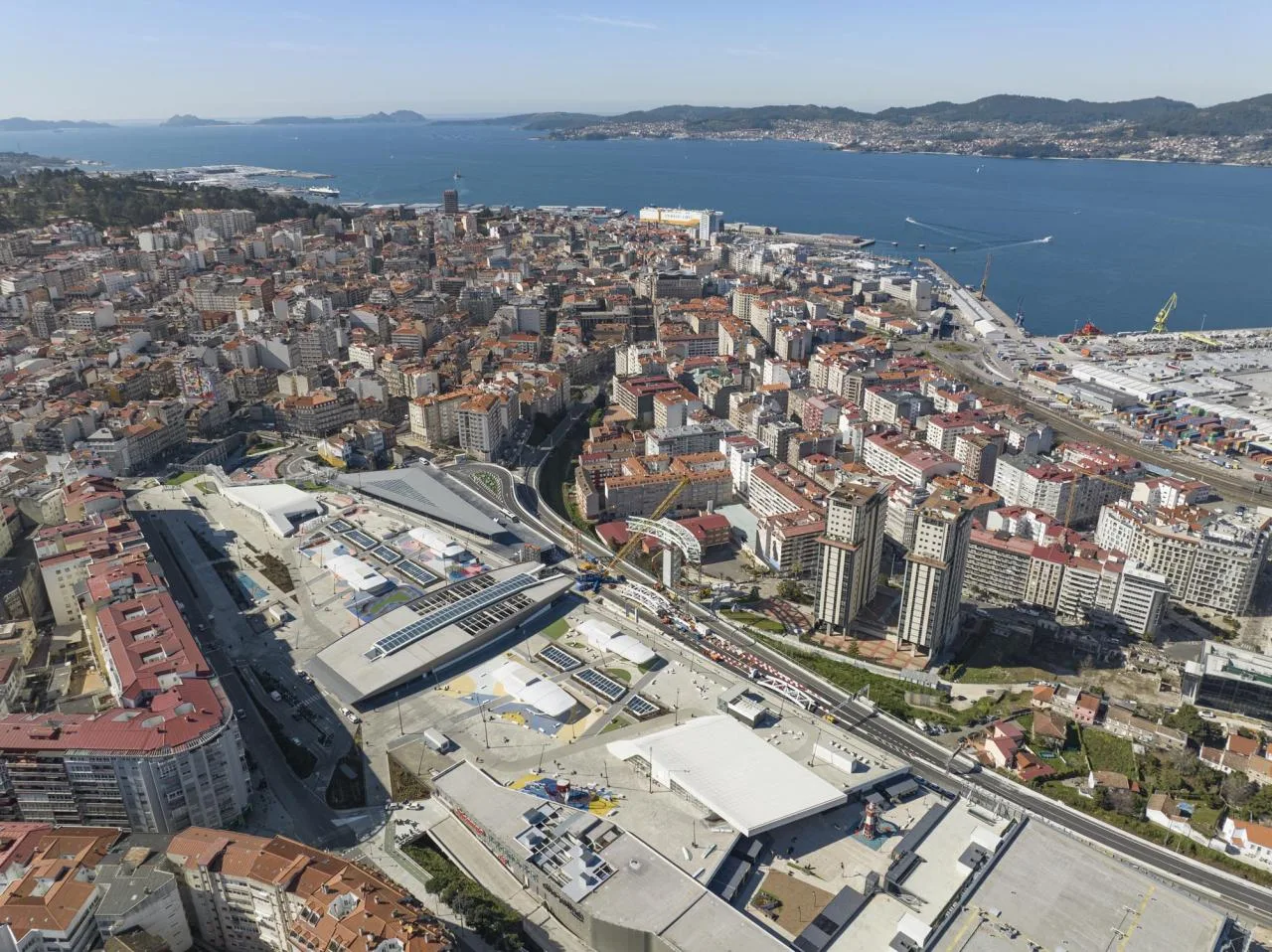
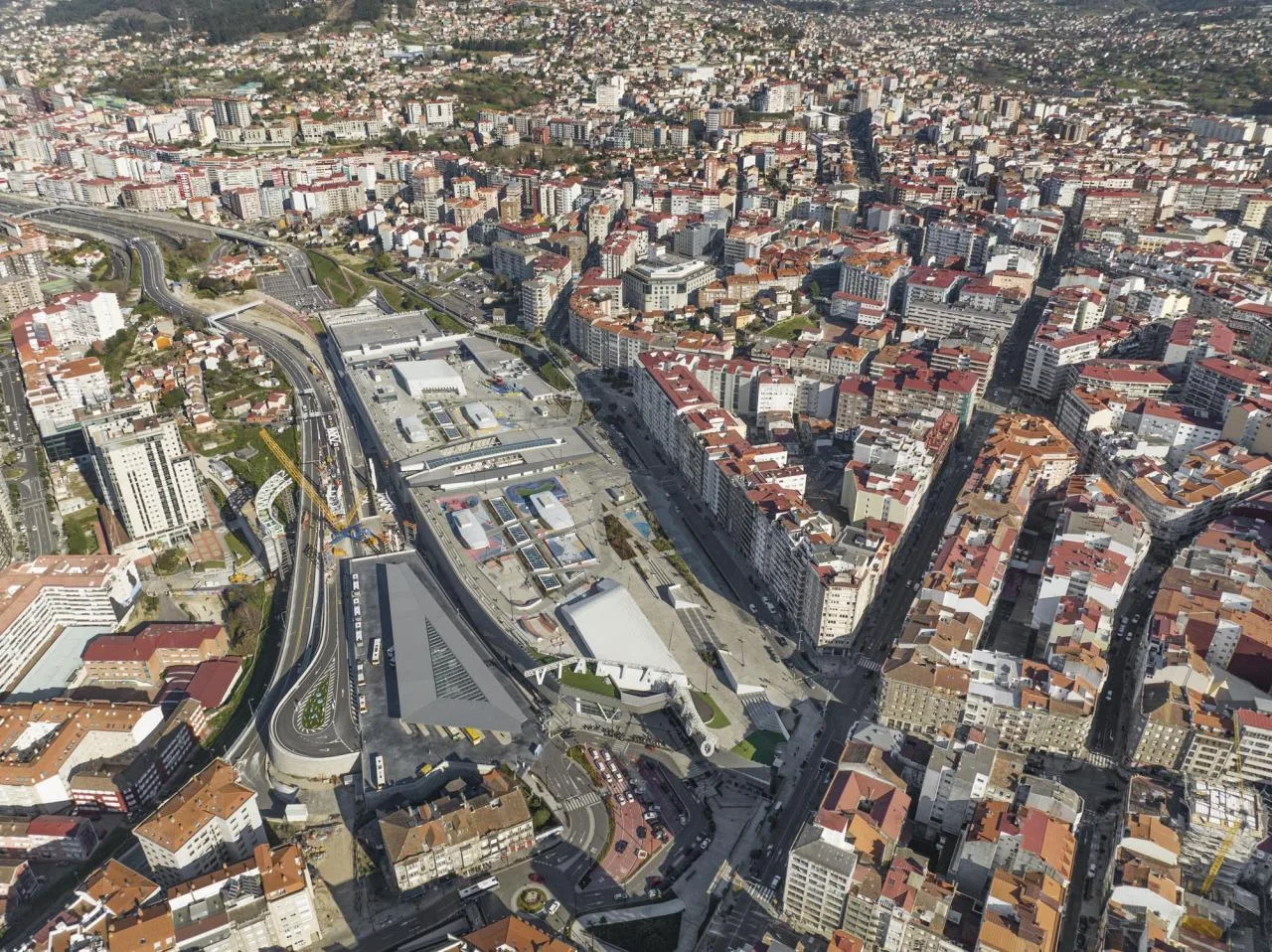
Situated in a coastal mountainous area, the Vigo station occupies a narrow site with a 17-meter elevation difference. The upper part of the building is near residential zones, while the lower section borders the northern city center.
The six-story structure is designed to follow the terrain, featuring a spacious rooftop transformed into an open public square overlooking the sea. This plaza is paved with diverse patterns and landscaped with native plants, offering multiple activity and relaxation areas that serve as entrances to the levels below.
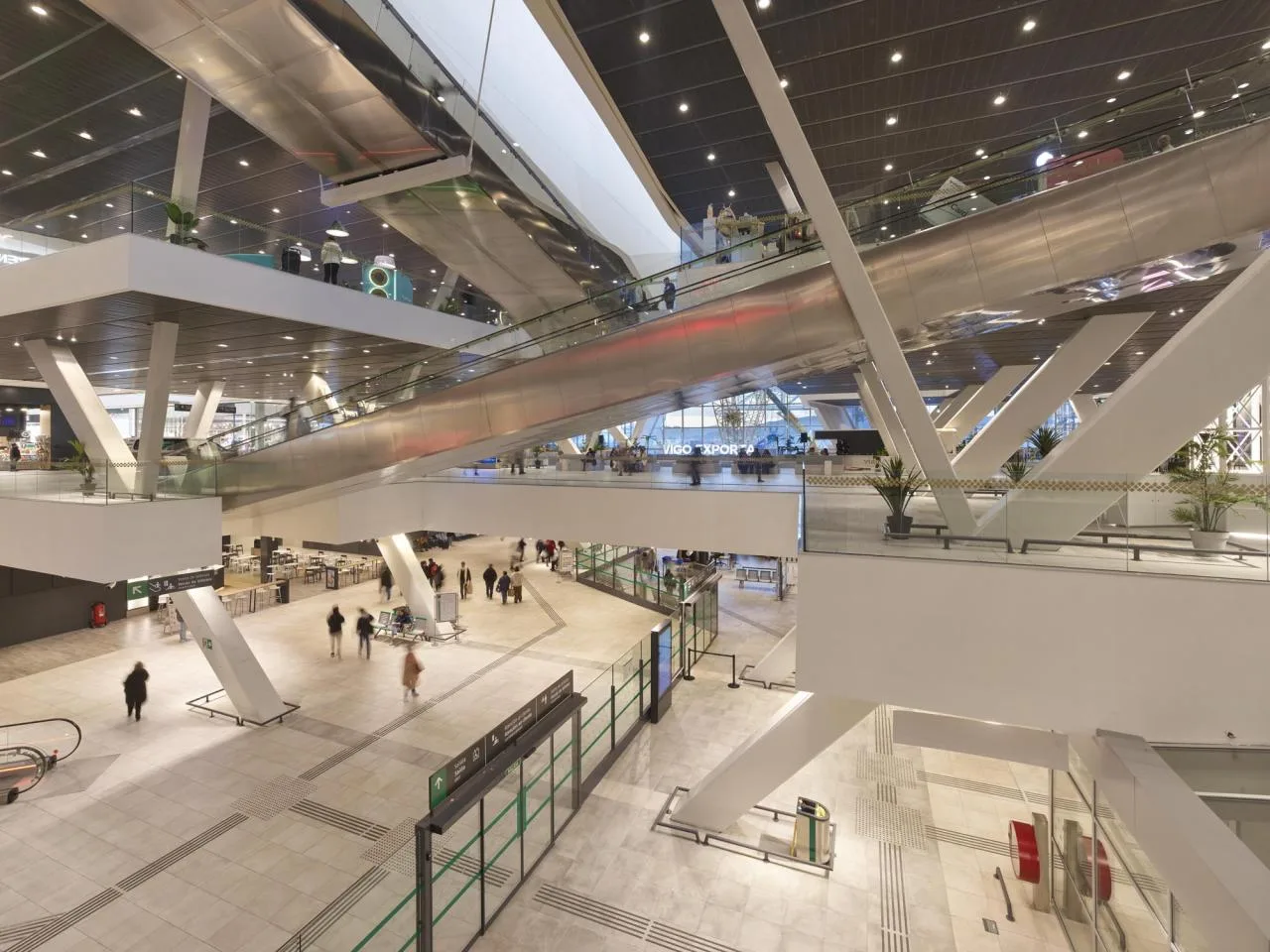
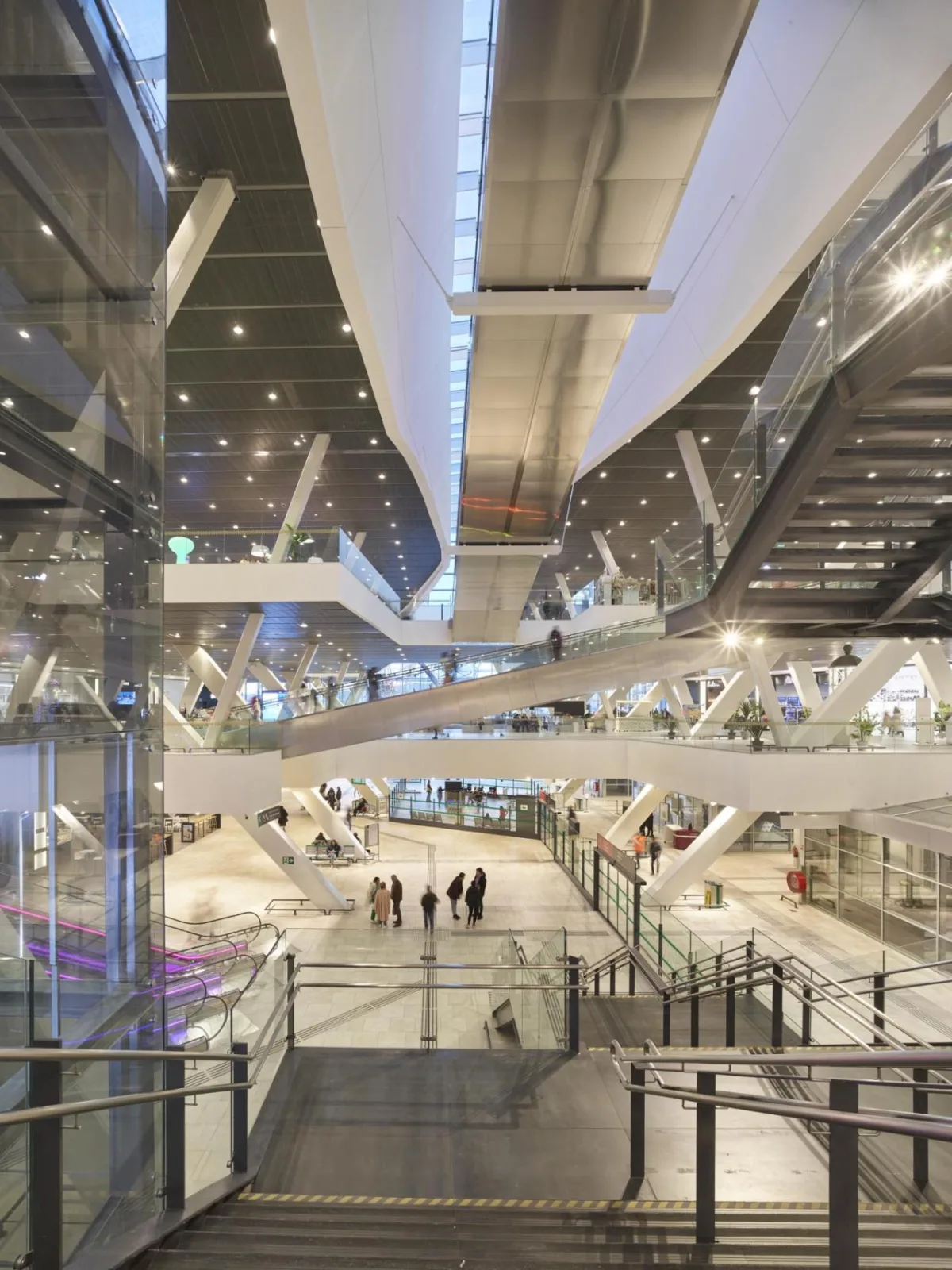
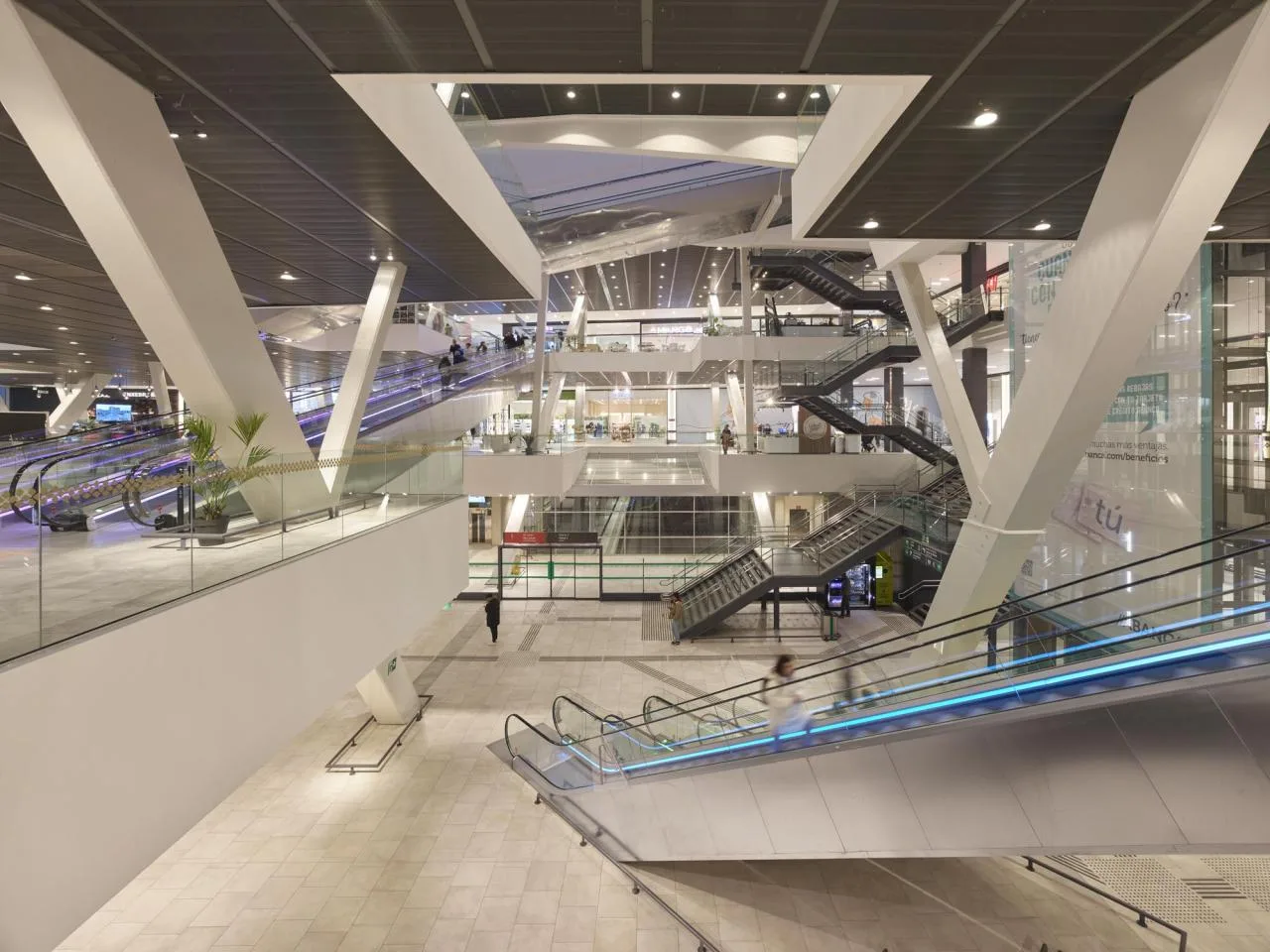
Underneath the rooftop plaza lies the commercial center, organized around a large atrium illuminated by skylights that connect to the plaza above. The multi-layered glass curtain wall on the facade frames stunning harbor views.
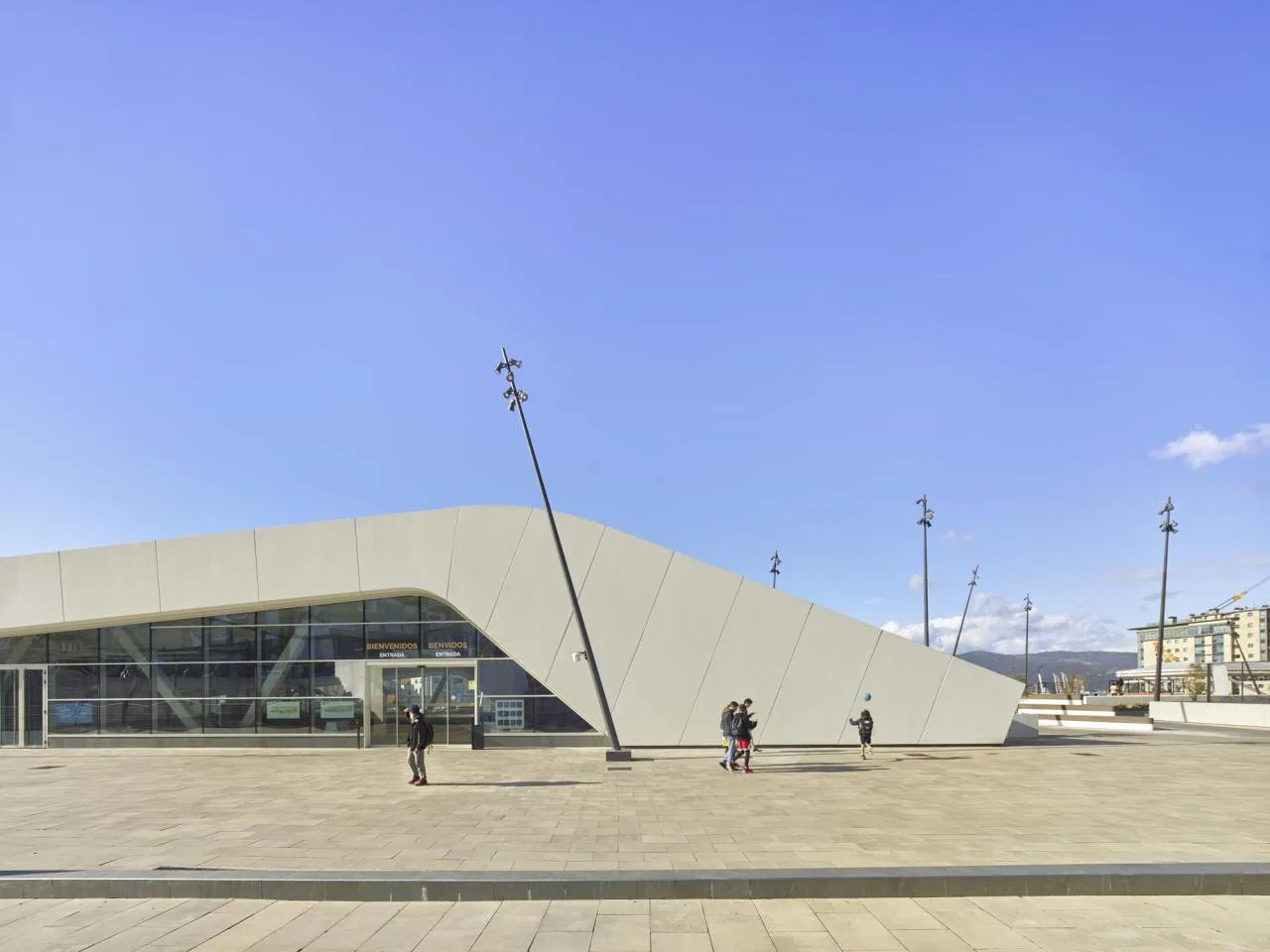
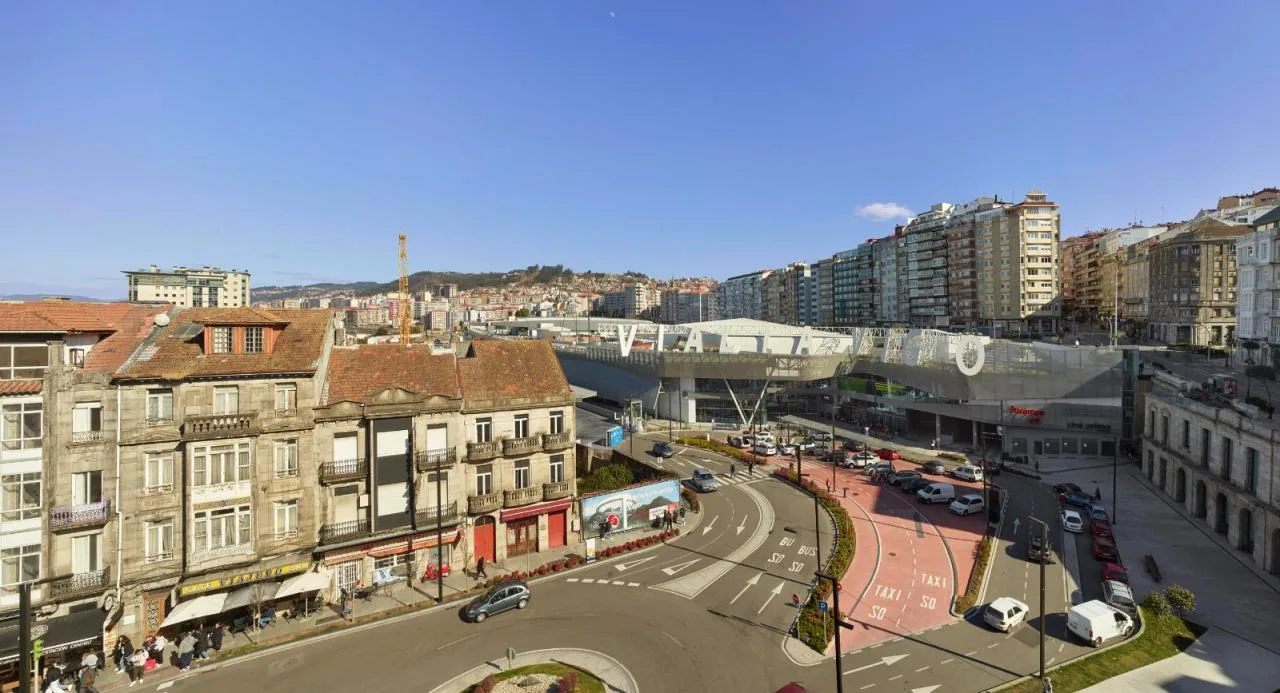
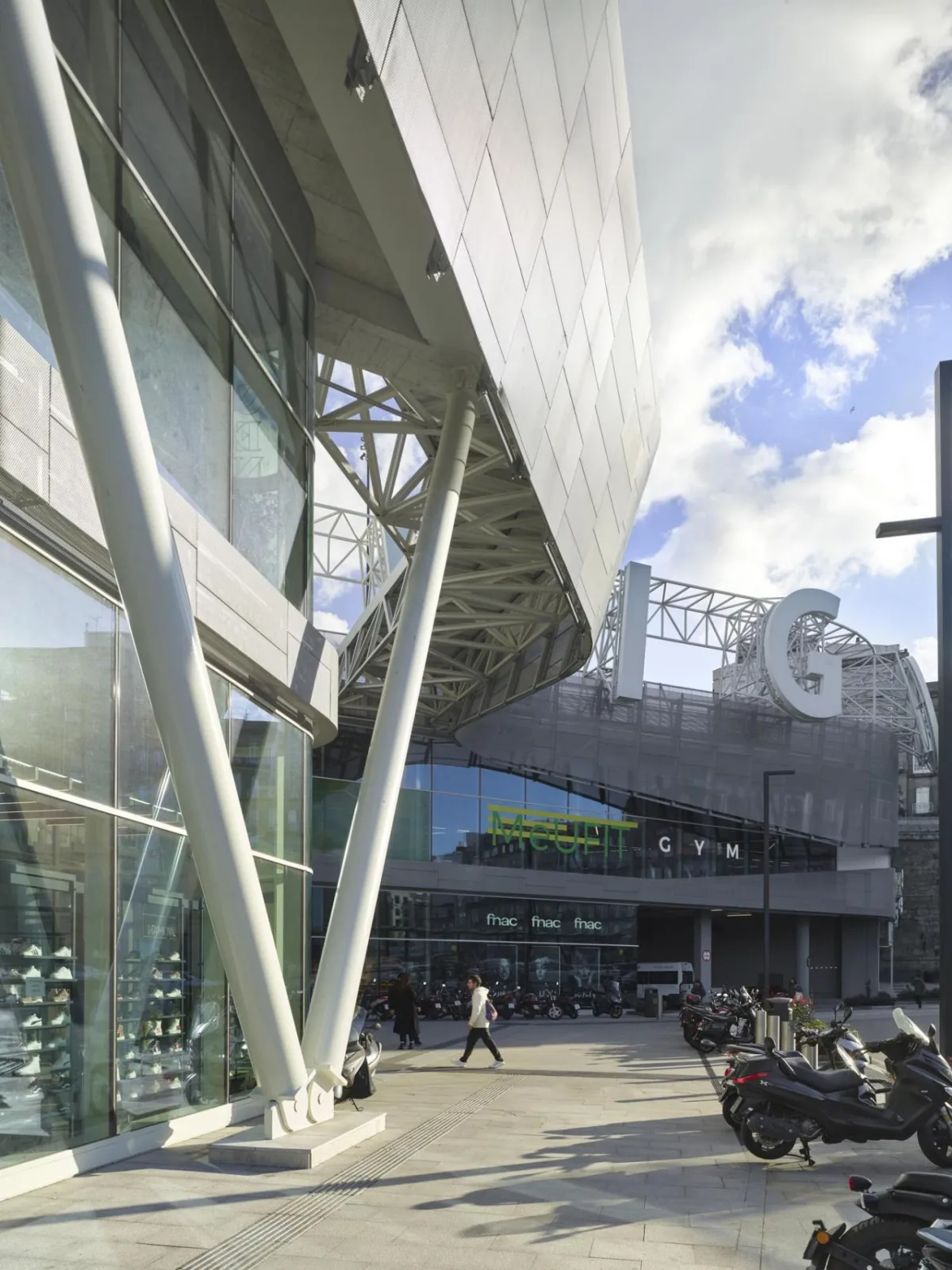
The main entrances and drop-off zones for high-speed trains, buses, and the commercial center are located on the lower levels beneath a striking city signage wall. Adjacent to this is the preserved facade of the original train station, honoring the city’s historical heritage and warmly welcoming visitors.
The building’s three sides are embedded into the urban fabric, while the northern facade, facing the main highway to Vigo, is clad with perforated steel panels, presenting a bold and dynamic frontage.
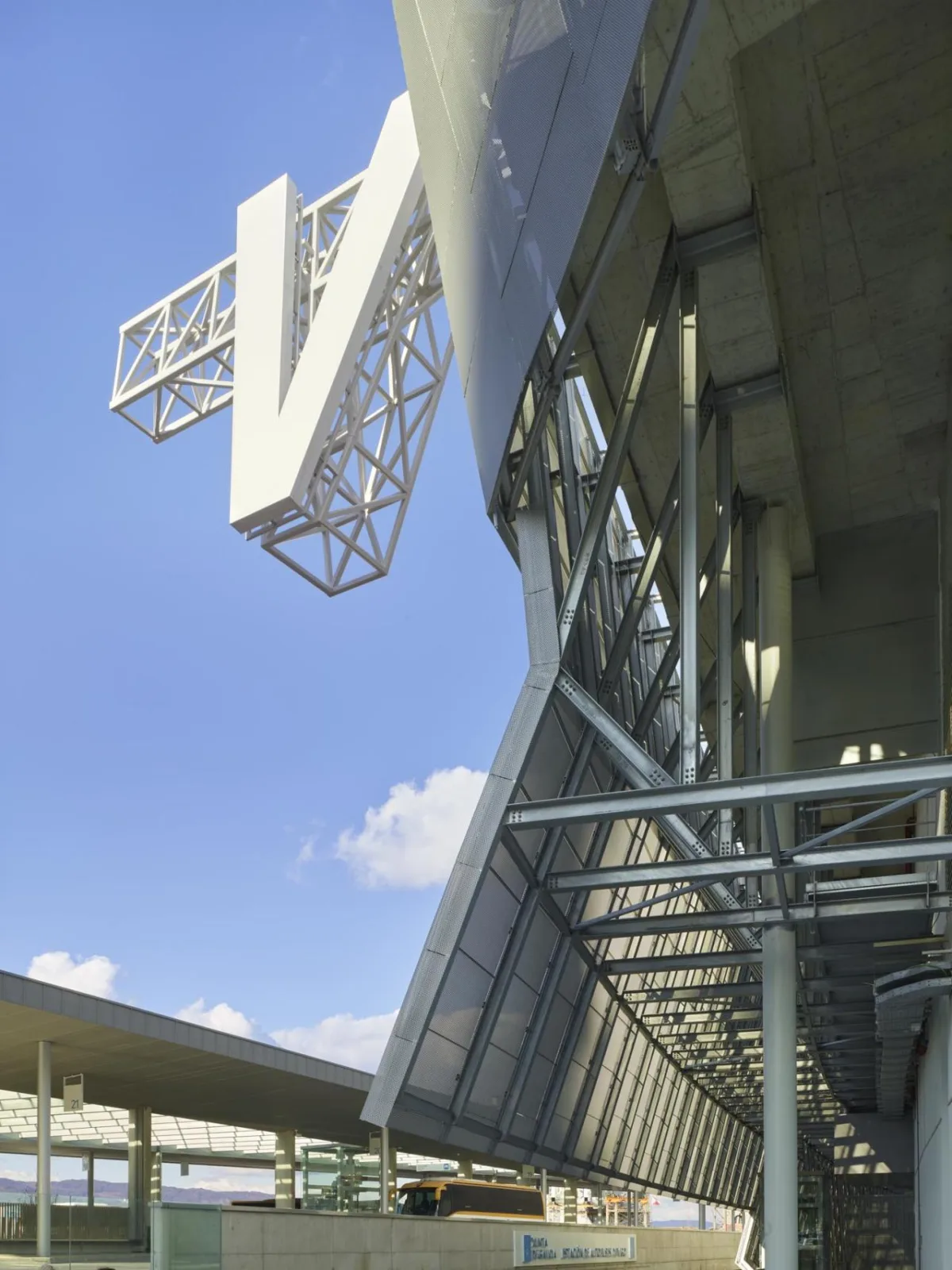
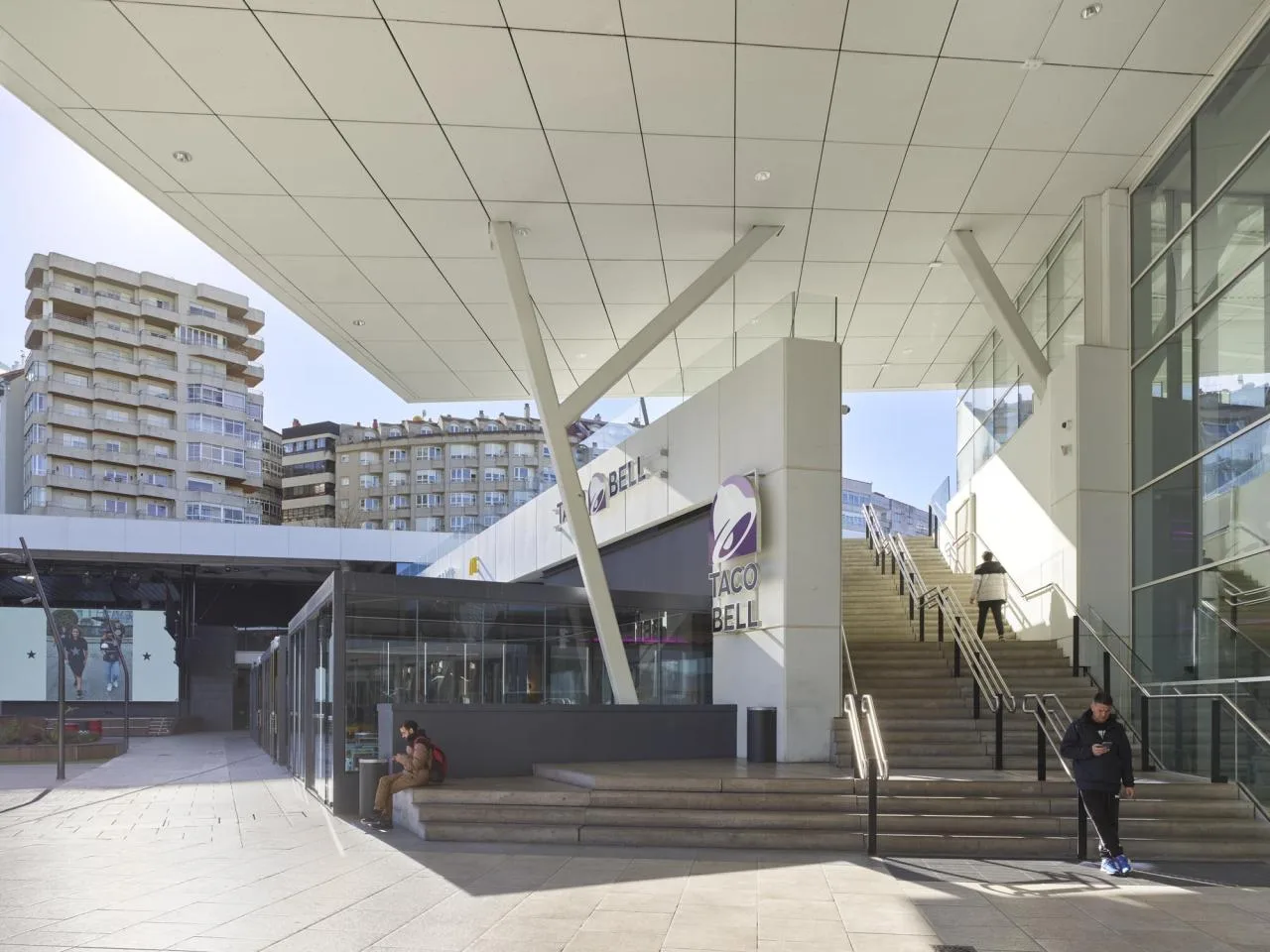
“The Vialia Vigo High-Speed Railway Station embodies our philosophy of working with and designing for the city. We aim to enhance urban connectivity through design, making it an integral part of everyday life for residents. This station not only delivers essential infrastructure but also serves as a new urban gateway fostering social and commercial growth.” – Brandon Welling, Partner at Morphosis, Head of the Vigo High Speed Rail Station Project
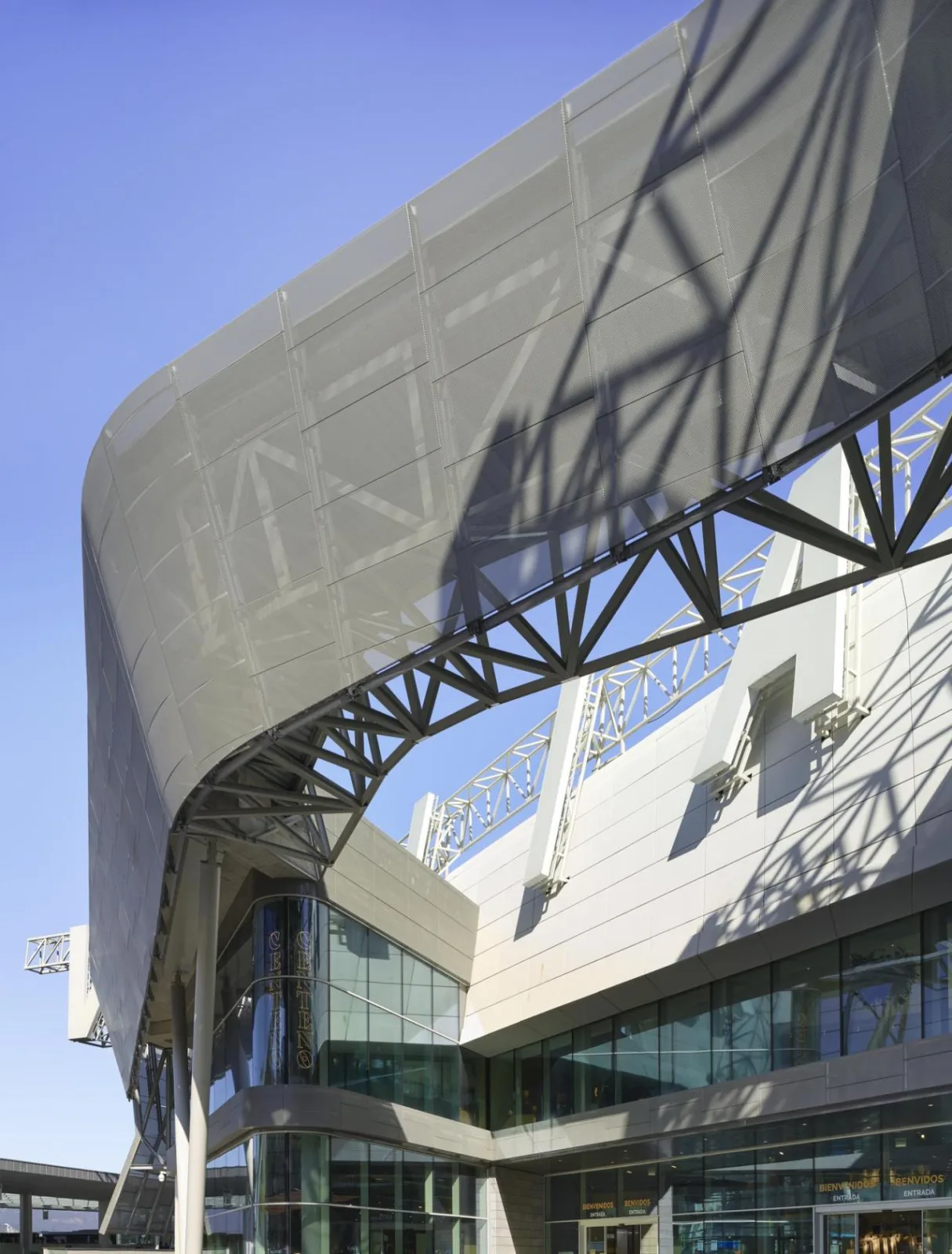
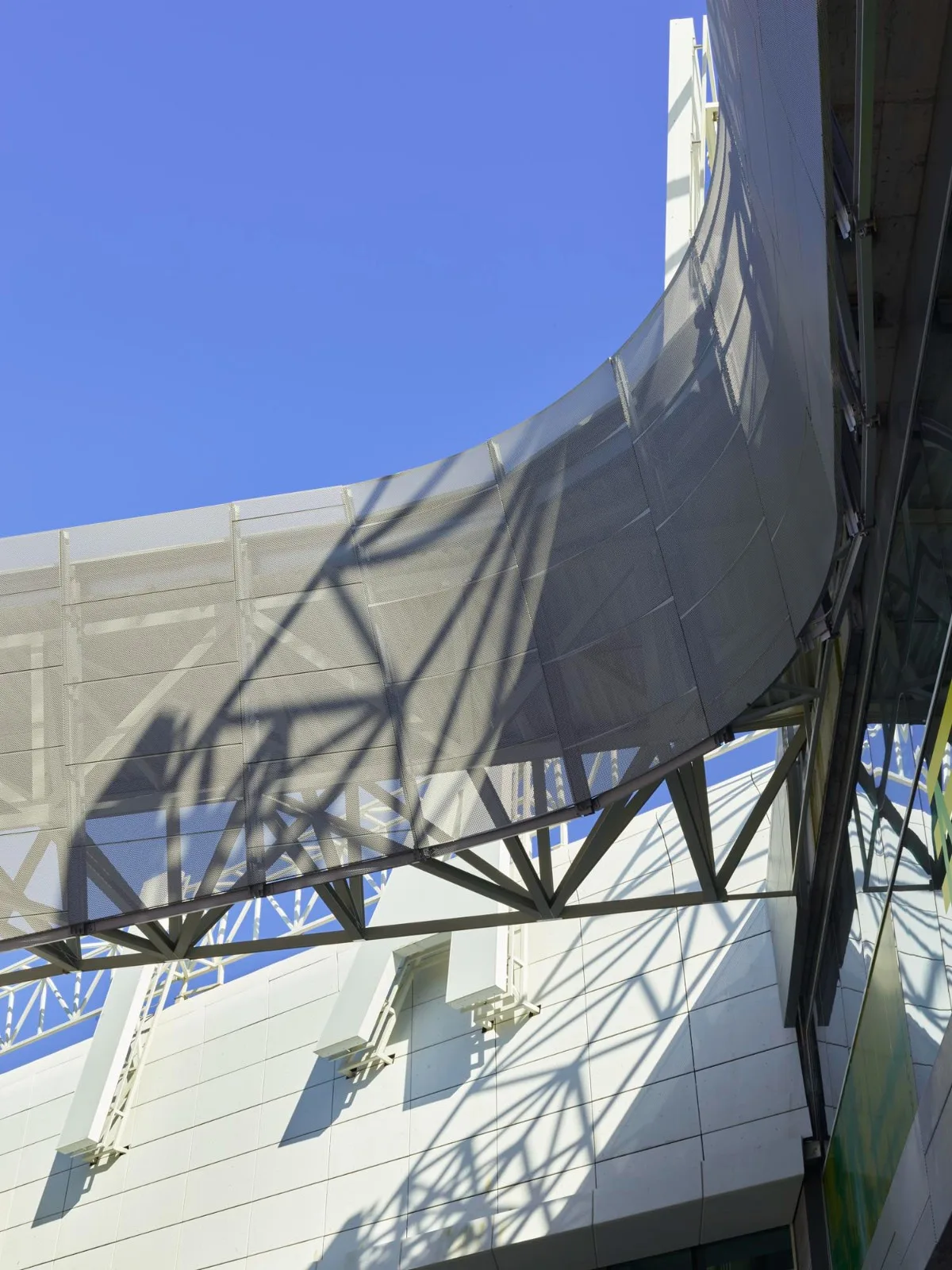
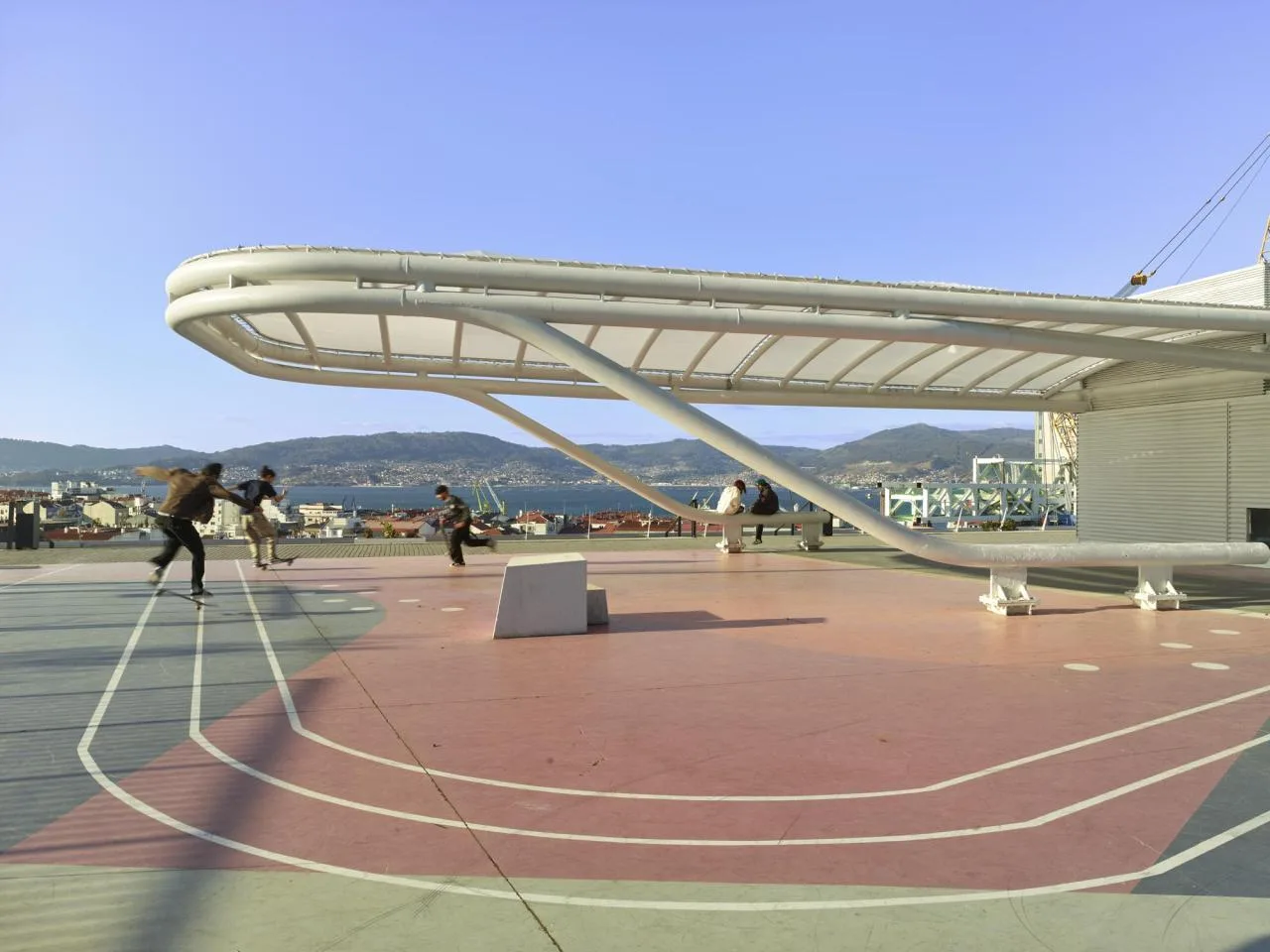
Looking ahead, the project plans to establish a public hub on the east side of the plaza and construct a pedestrian overpass to connect broader urban areas. This revitalized train station creates a new gateway for the city, driving Vigo’s economic growth and setting a course for the surrounding region’s future development.
The project was realized through collaboration between Mephistos, BDU Arquitectura, L35, and commercial operator NHood.
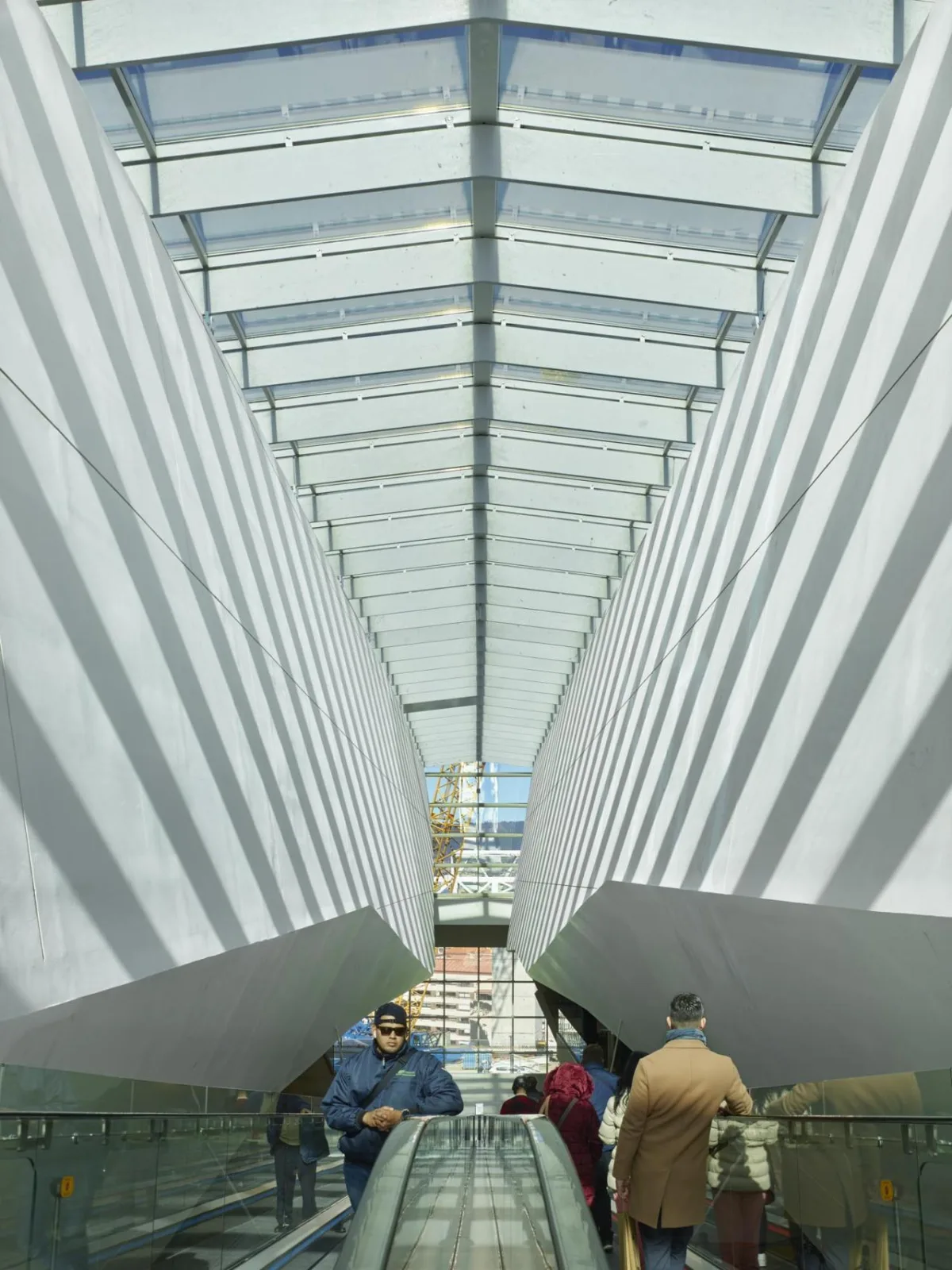
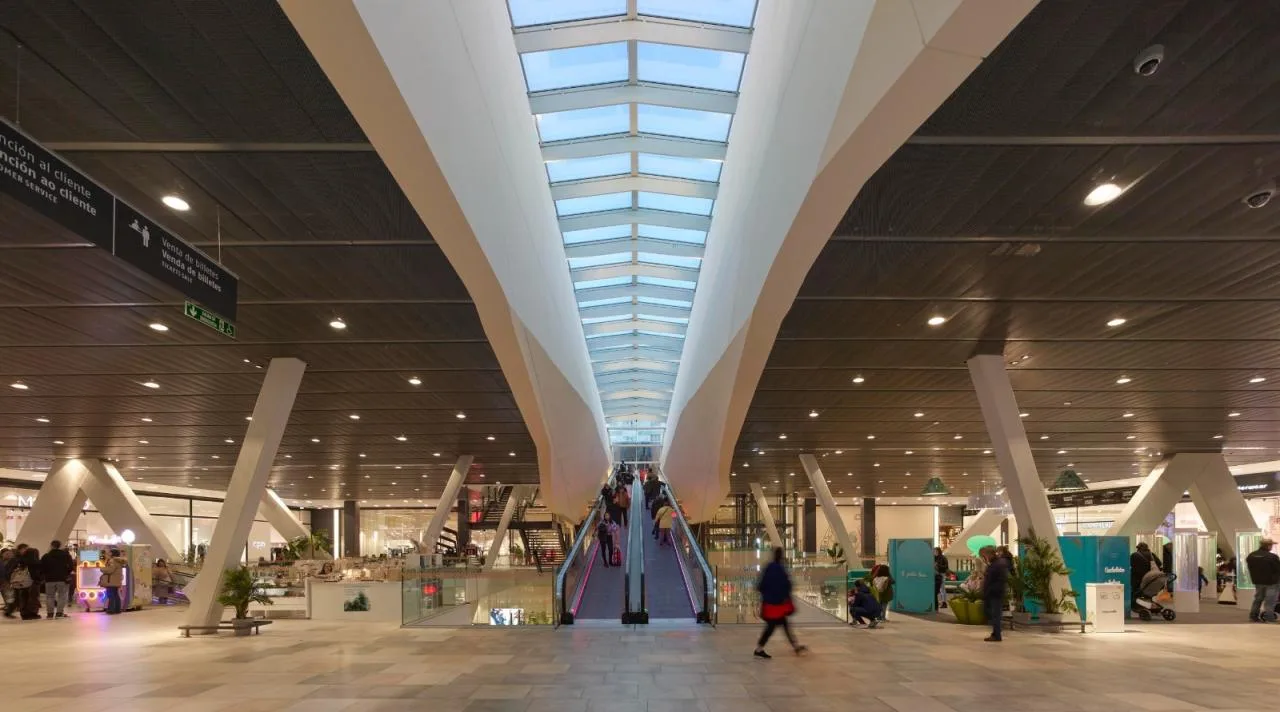
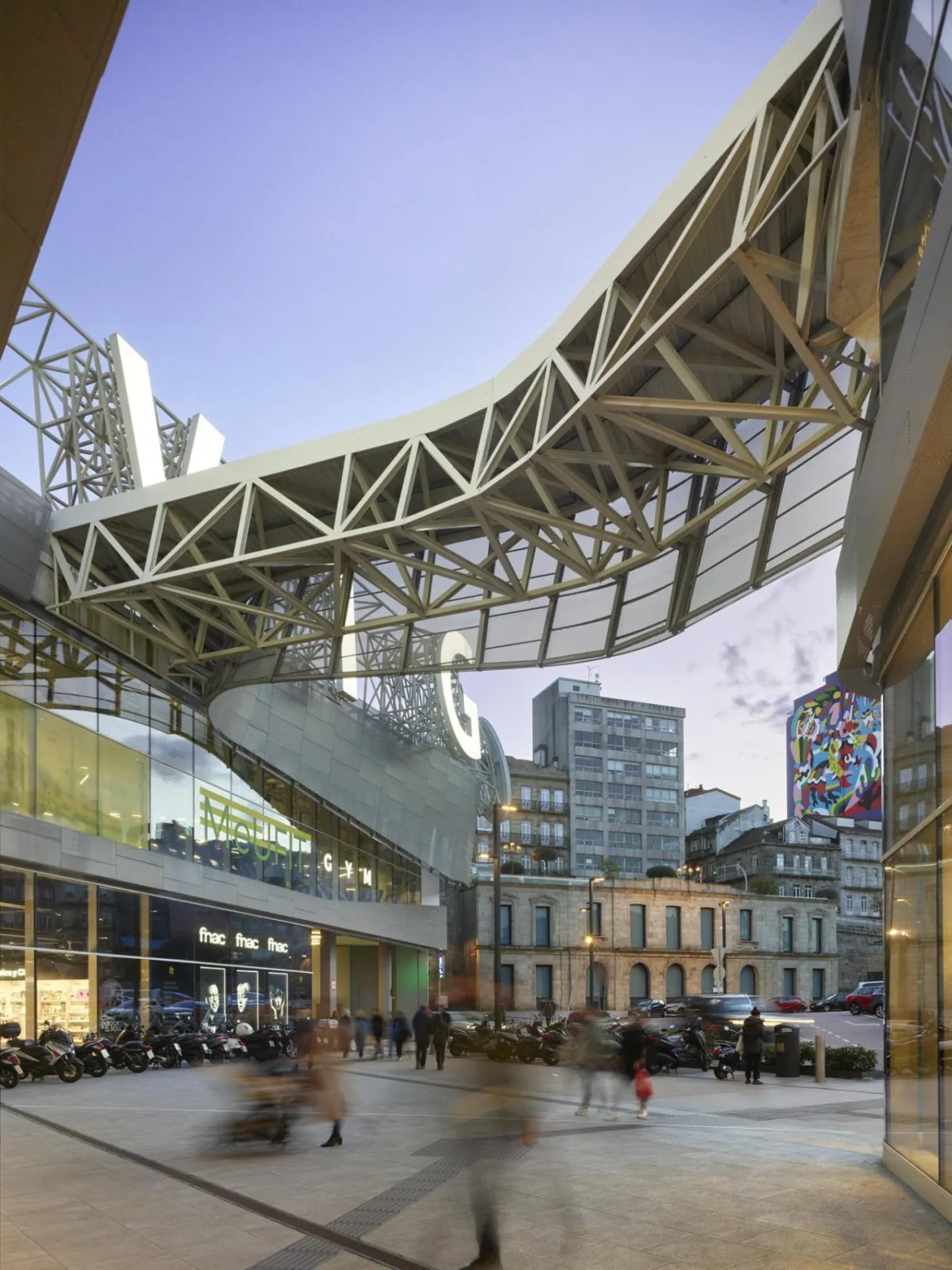
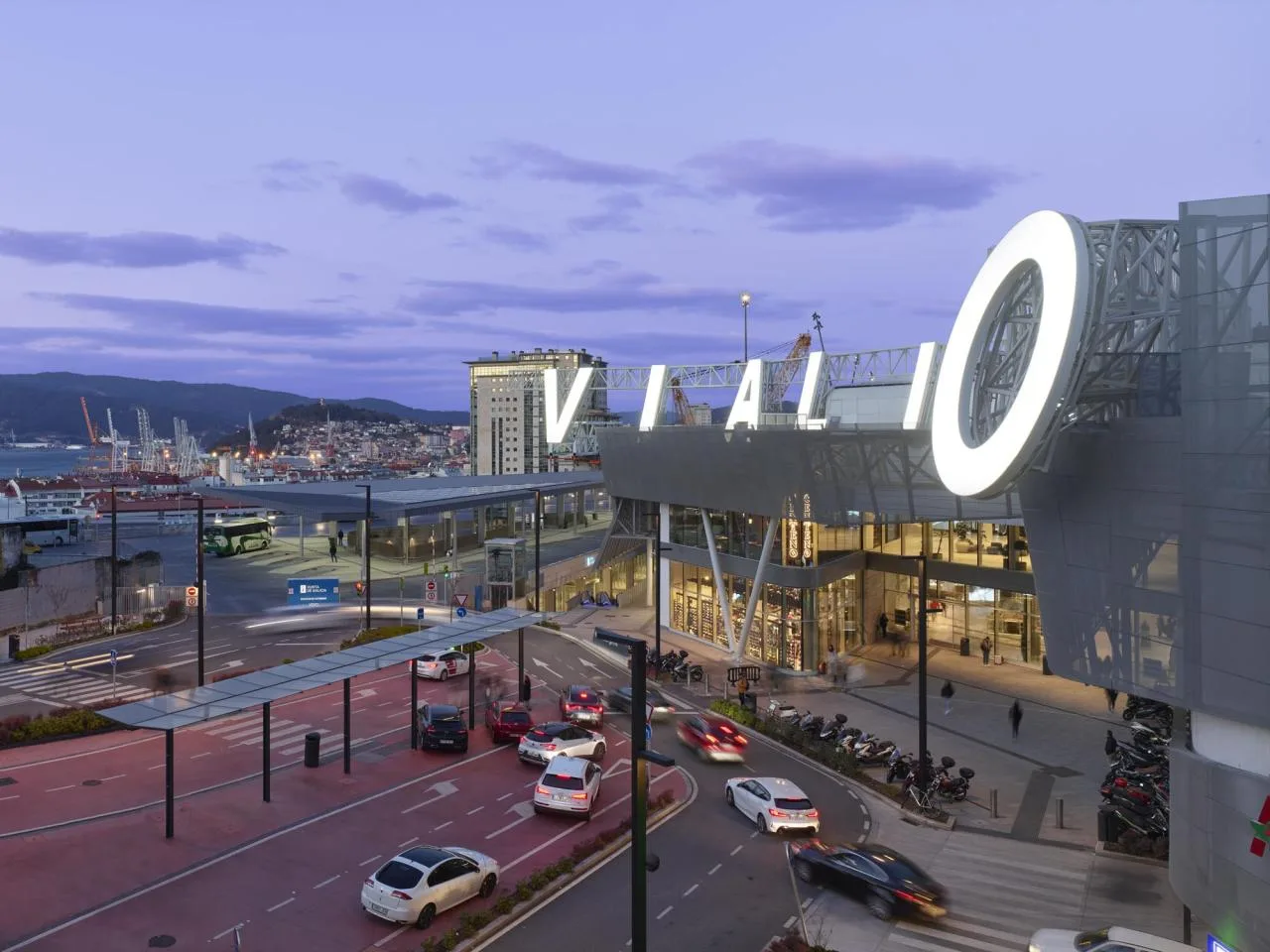
Project Drawings
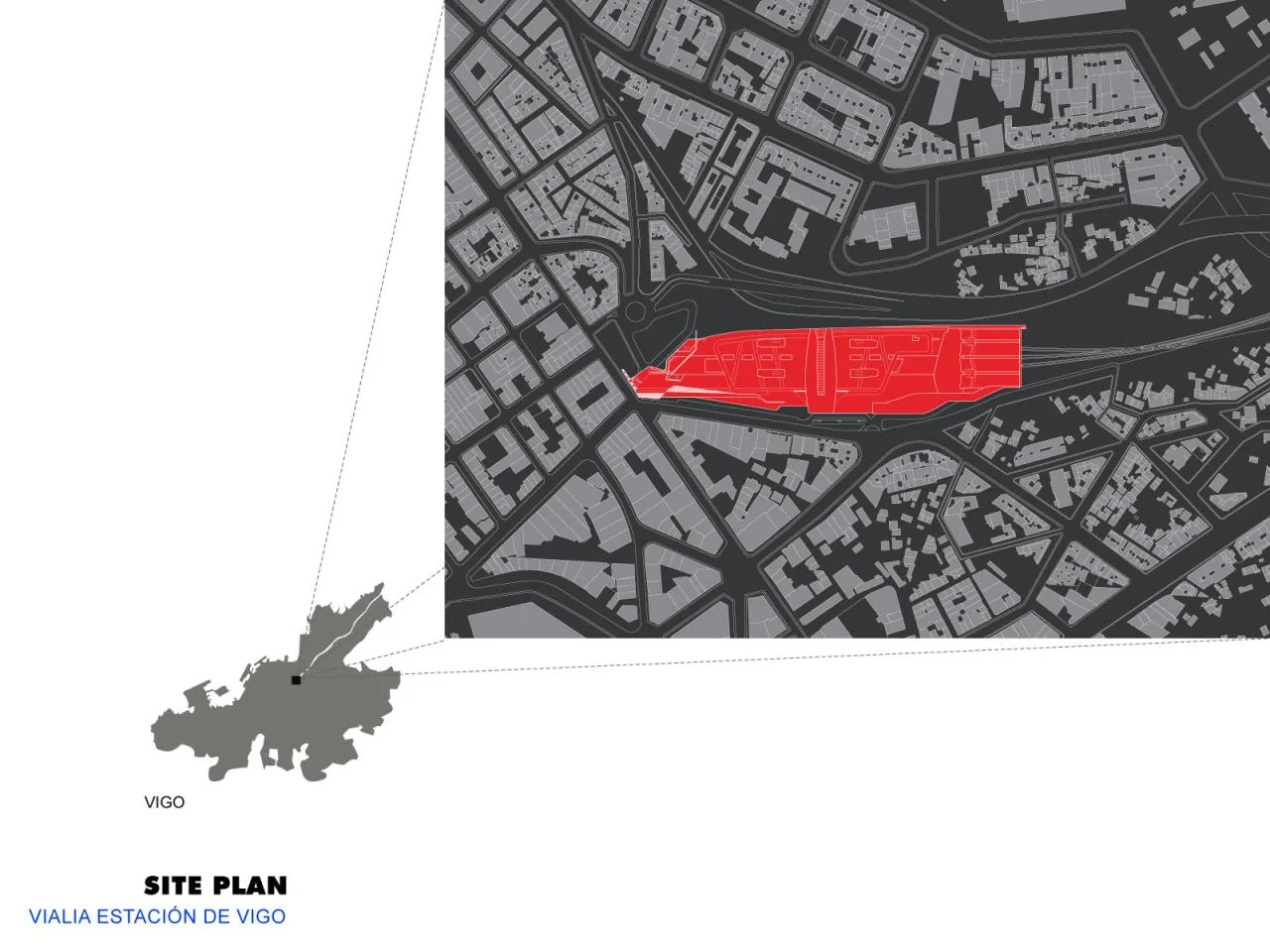
△ Base schematic diagram
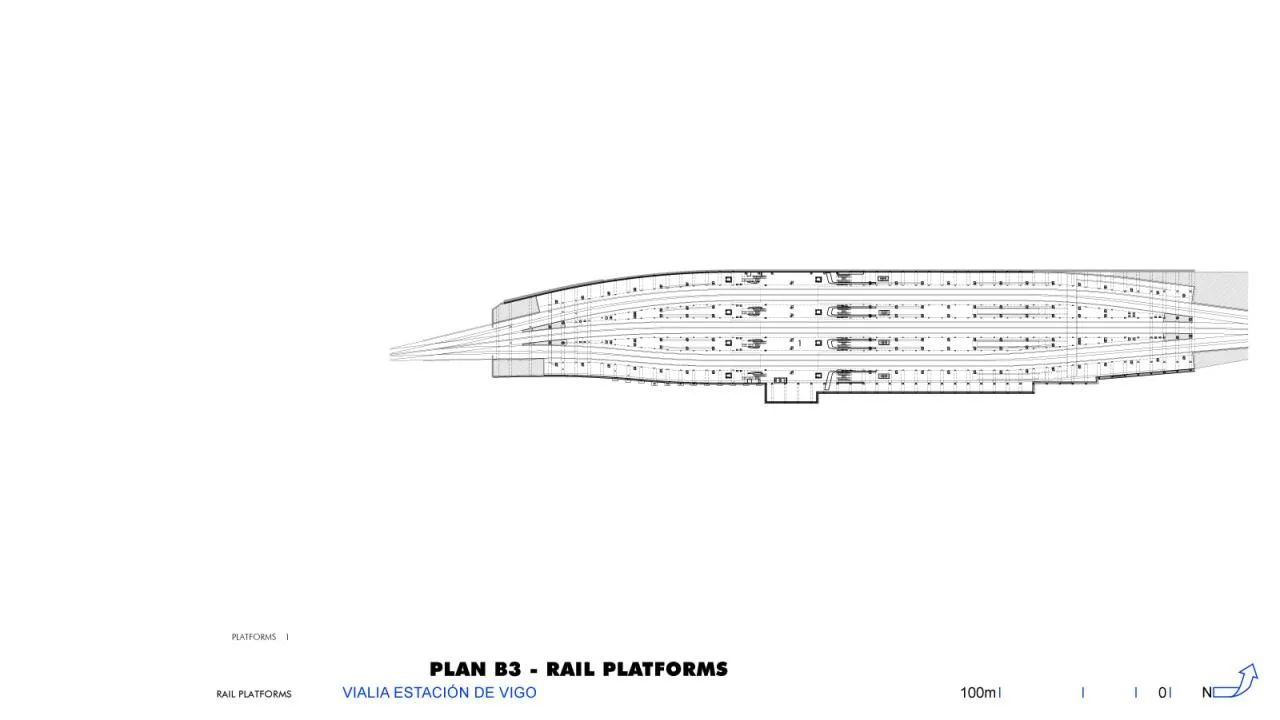
△ Underground third floor plan
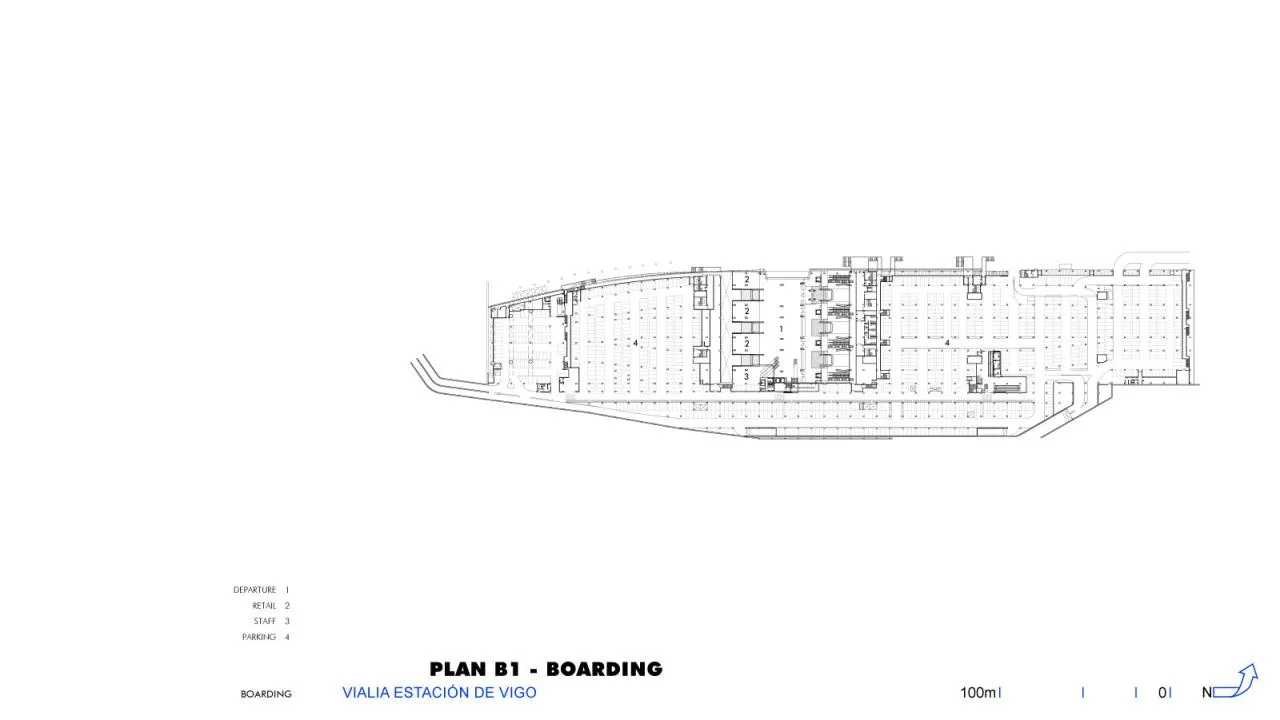
△ Underground floor plan
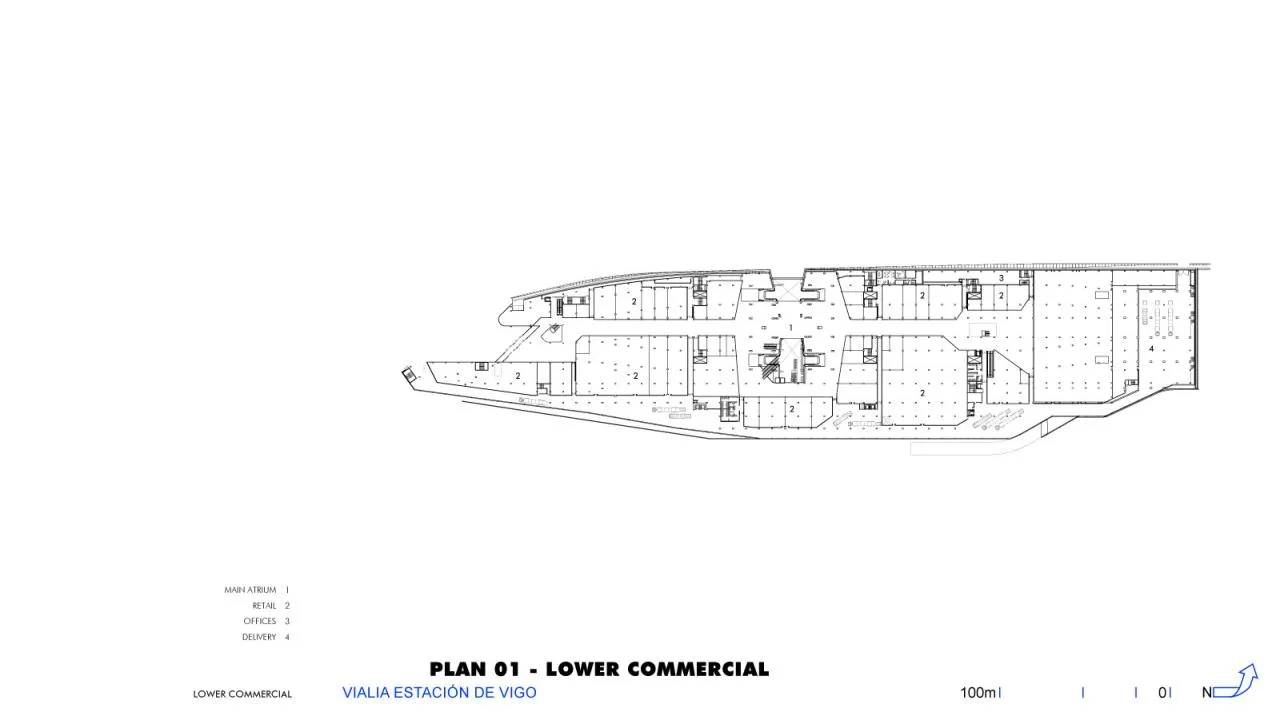
△ First floor plan
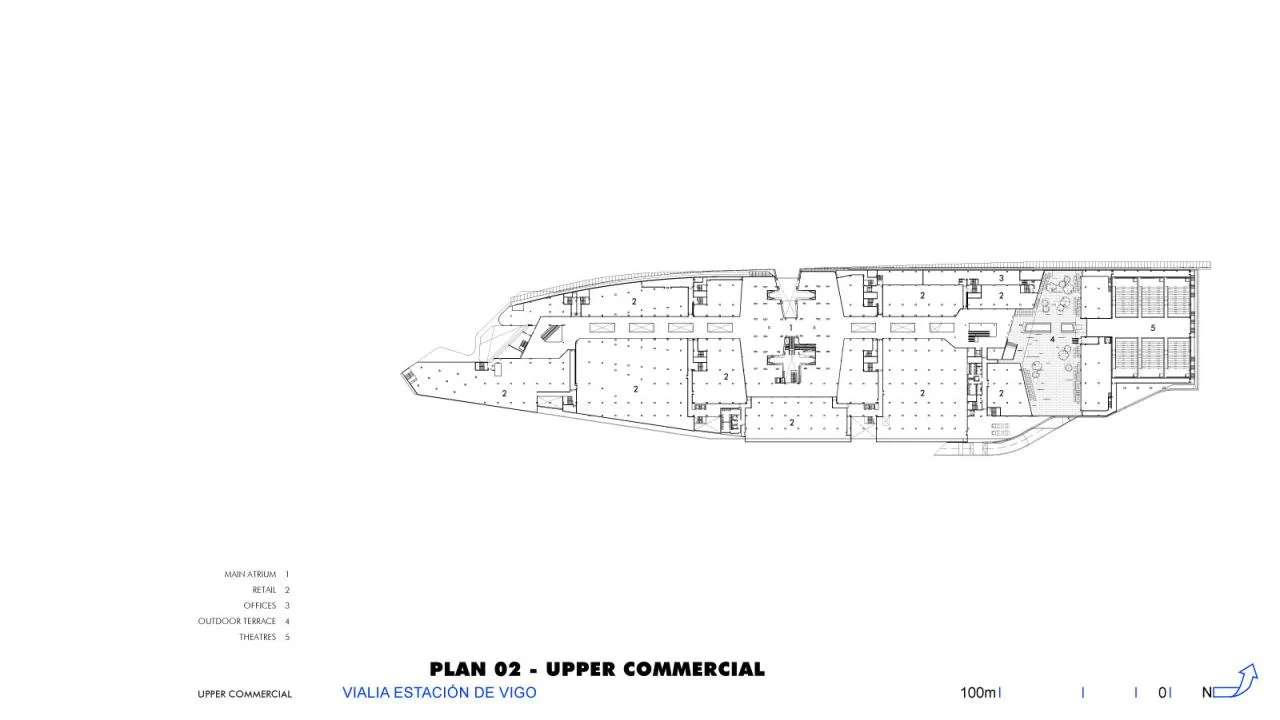
△ Second floor plan
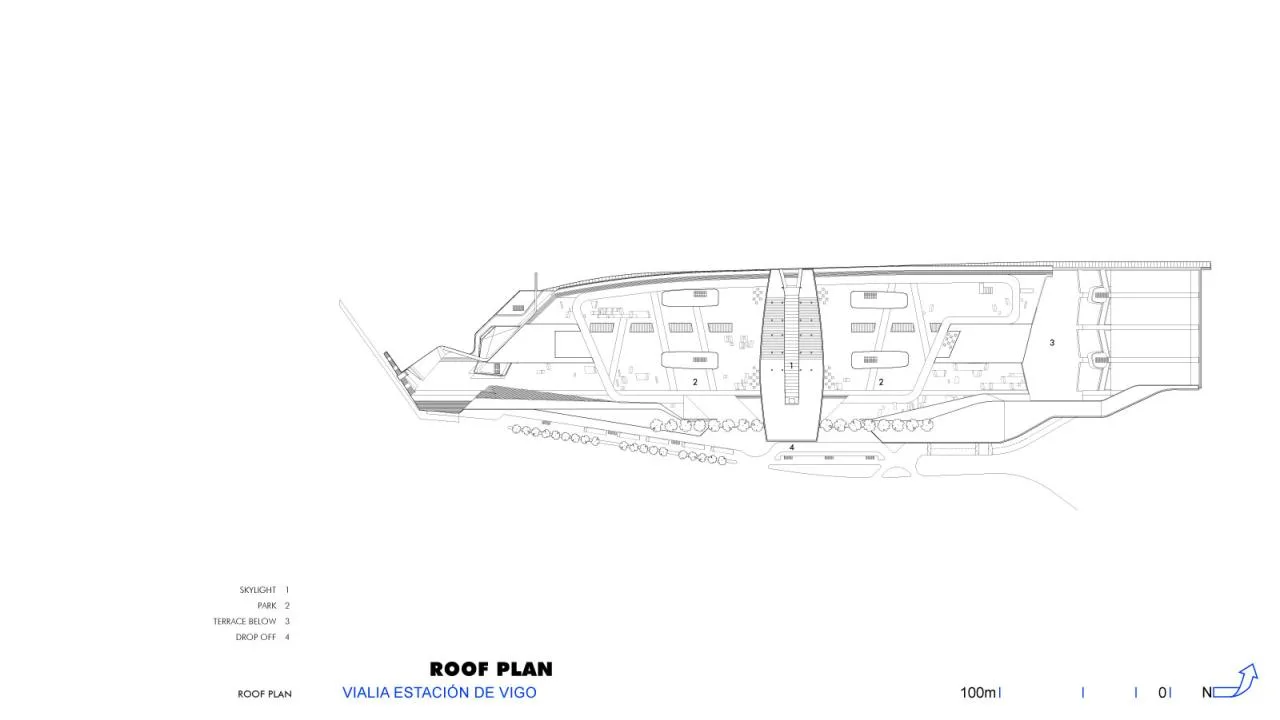
△ Roof plan
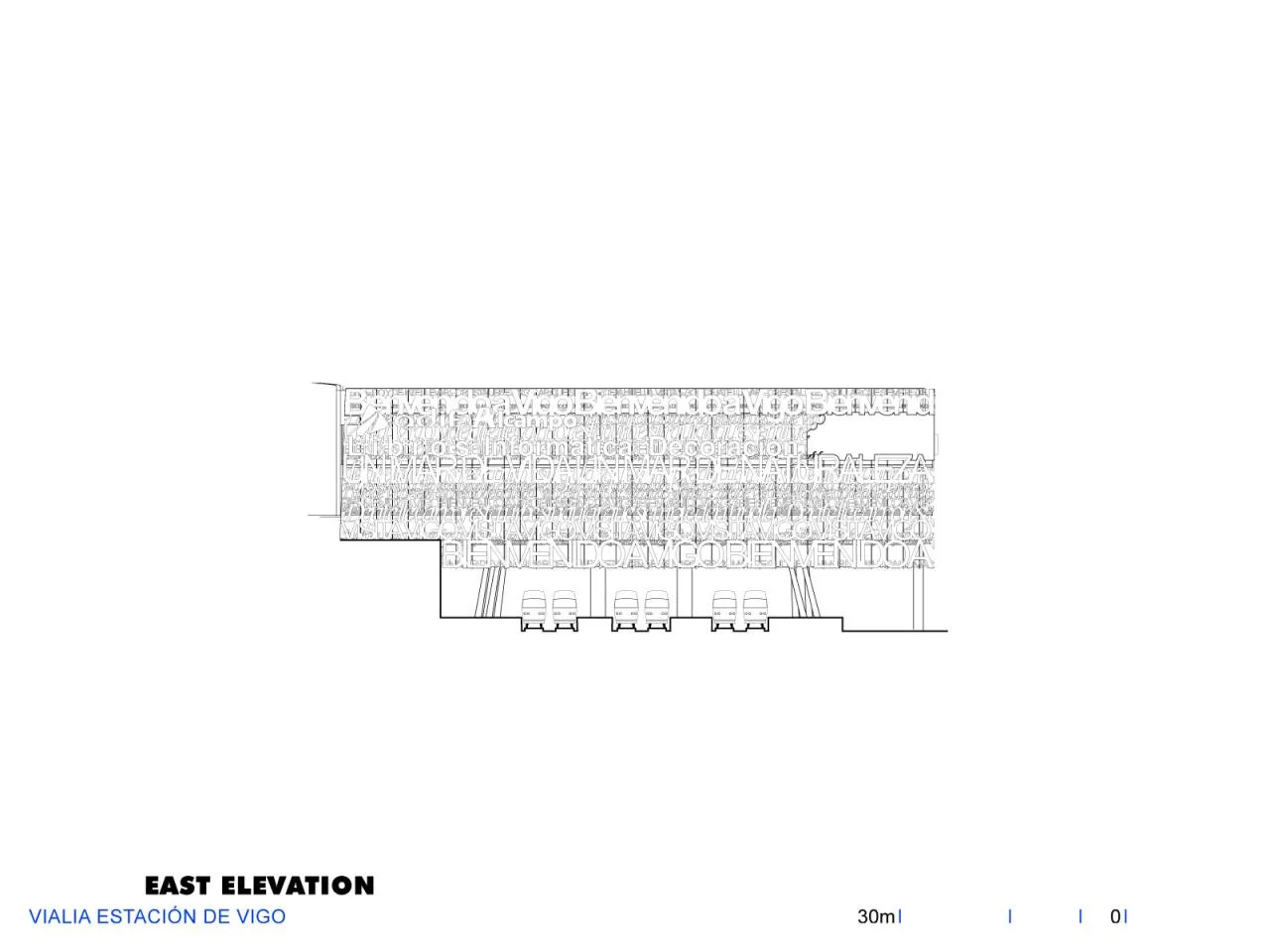
△ Elevation drawing
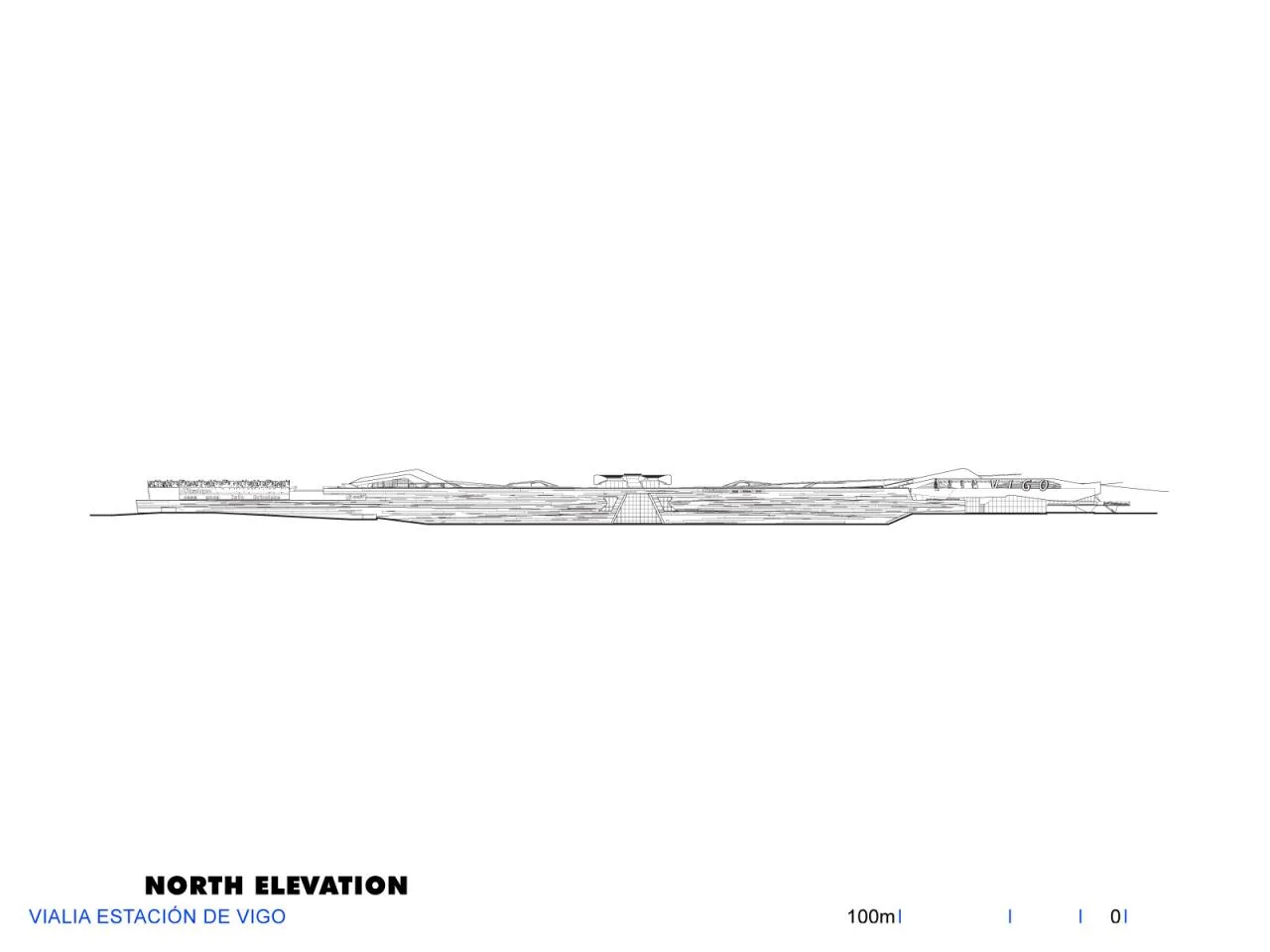
△ Elevation drawing
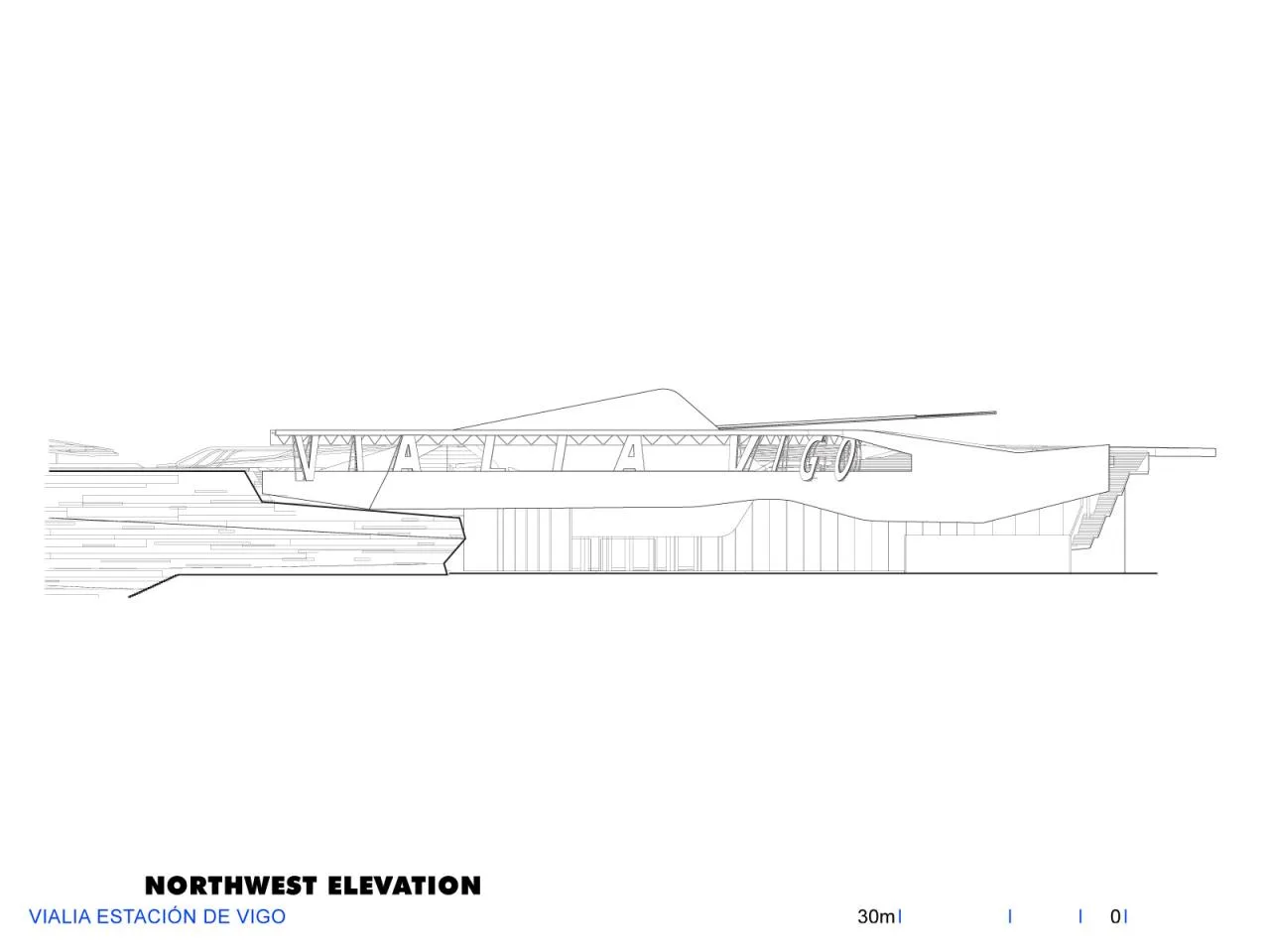
△ Elevation drawing
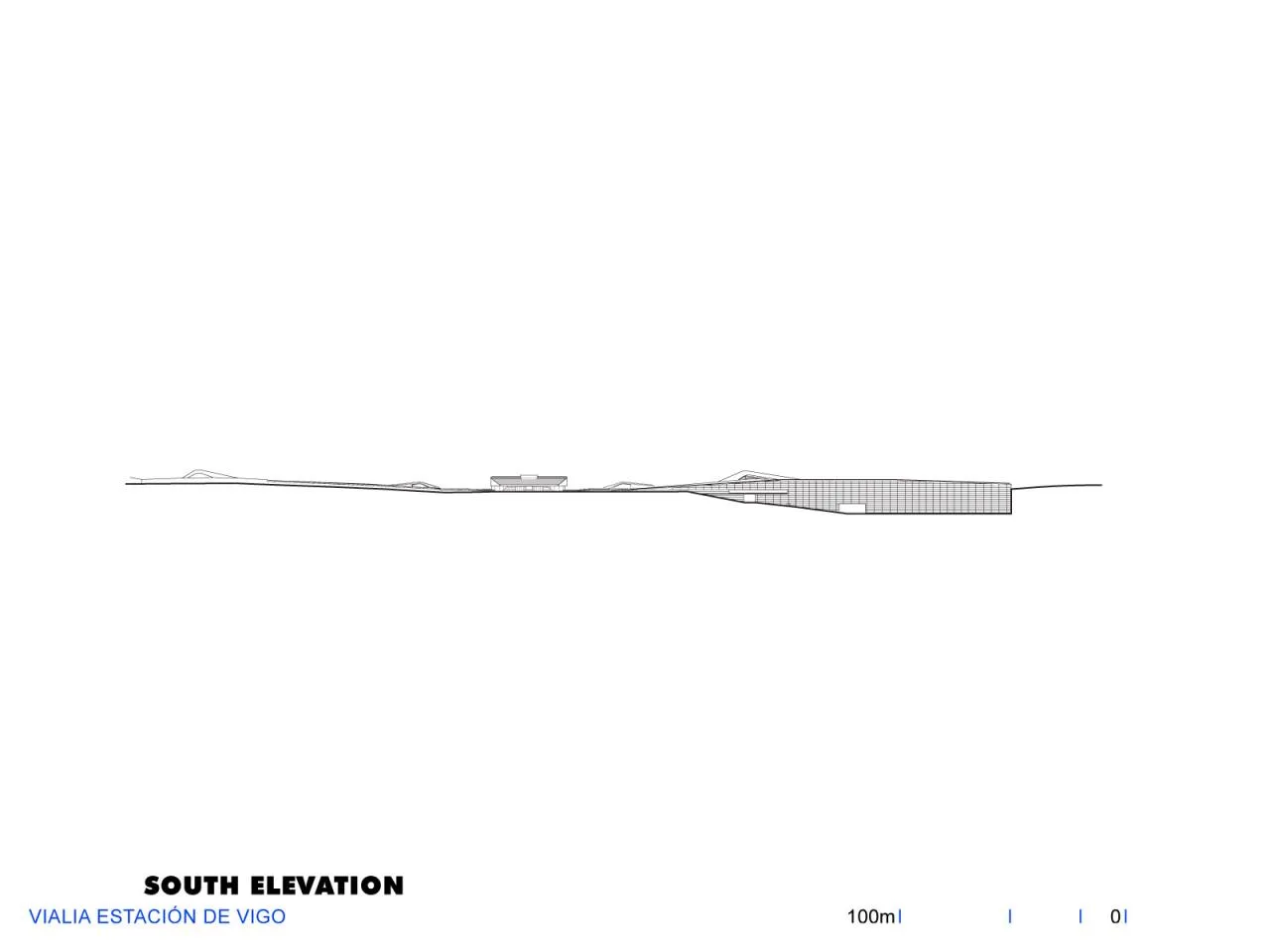
△ Elevation drawing
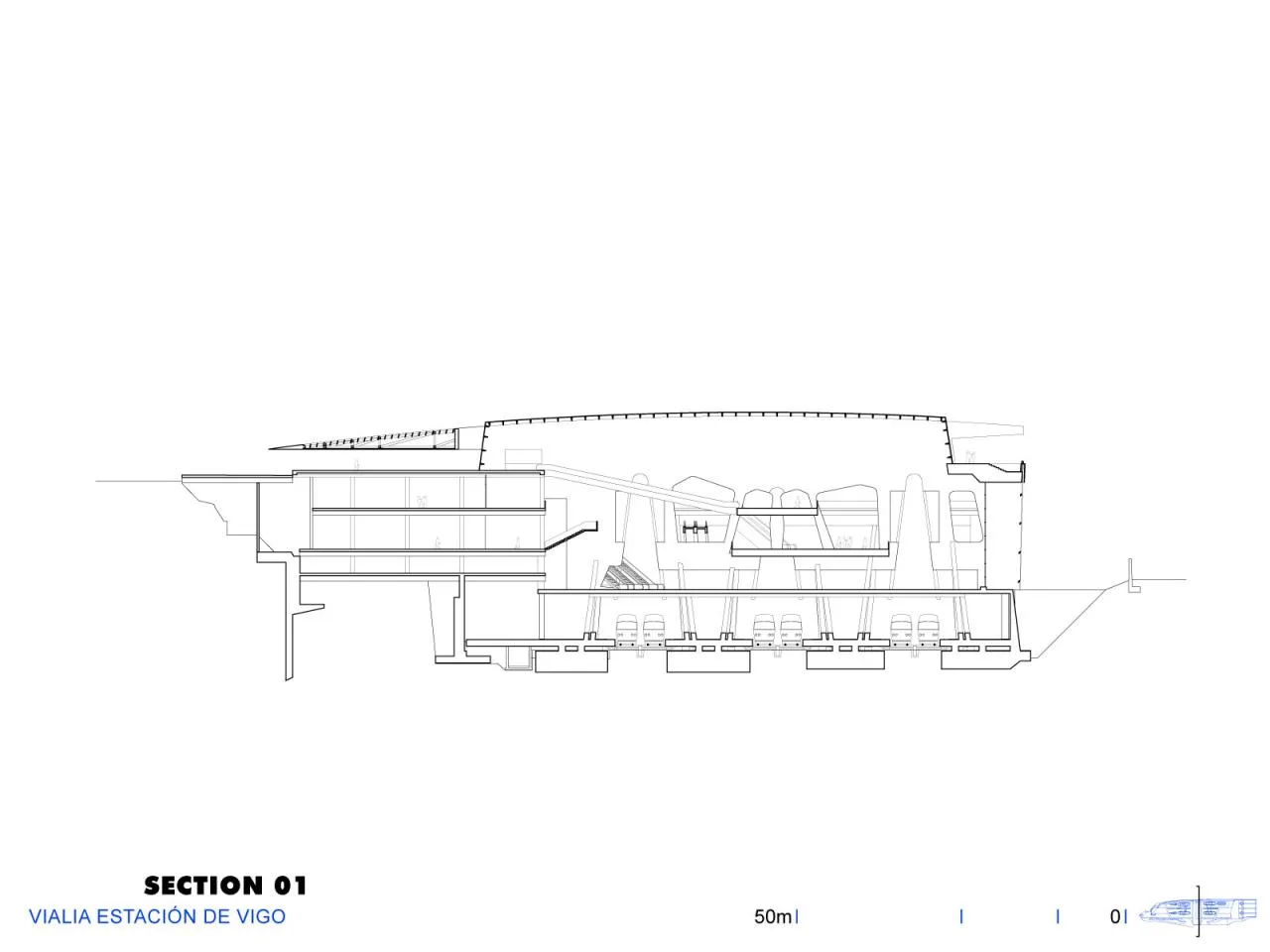
△ Section diagram
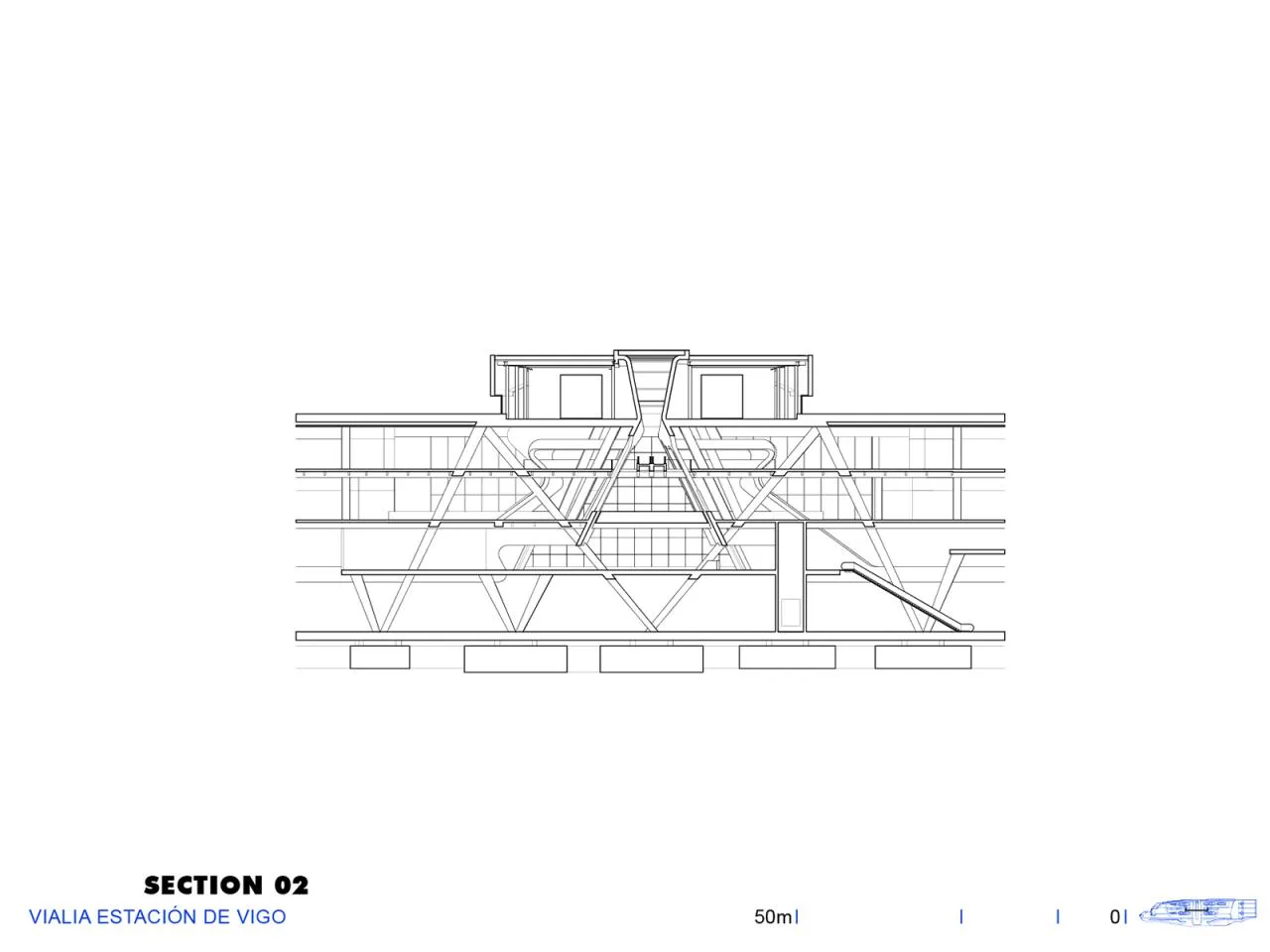
△ Section diagram
Project Details
Project Name: Vialia Vigo Integrated Transportation Hub Station
Location: Vigo City, Pontevedra Province, Spain
Owners: Spanish Railway Authority ADIF (Phase I), Commercial Operator NHood (Phase II)
Site Area: 47,500 square meters
Building Area: 122,550 square meters
Project Type: Government, Business, Infrastructure
Purpose: High-speed railway station and civic center incorporating public space, retail, commercial, and transportation functions
Design Period: 2008–2012
Construction Period: 2012–2015 (Phase I), 2018–2022 (Phase II)
Project Team
Design Team:
Creative Director: Thom Mayne
Project Lead Partner: Brandon Welling
Project Managers: Charles Lamy (Phase I), Crystal Wang (Phase II)
Project Designers: Hunter Knight, Daniel Pruske, Ben Toom
Team Members: Jessica Chang, Debbie Chen, Katherine Corsico, Kabalan Fares, Stuart Franks, Janice Kim, Jennie Matusova, Stephanie Rigolot, Go-Woon Seo, Aleksander Tamm-Seitz, Natalia Traverso Caruana
Digital Technology Team: Cory Brugger, Kerenza Harris, Stan Su, Atsushi Sugiuchi
Project Assistants: Fredy Gomez, Ibrahim Ibrahim, Darlene Ifeorah, Ilko Iliev, Matt Lake, Eric Lawler, Owen Merrick, Eric Meyer, Jean Oei, Danny Ortega, Yugin Sim, Alan Tai
Visual Production: Jasmine Park, Josh Sprinkling
Consultants
Collaborative Architectural Design: B+DU Estudio de Arquitectura
Co-Design Leads: Begoña Diaz Urgorri, Leon Benacerraf
Partner Project Architect: Alicia Berenguer
Project Team Members: Alicia Bautista, Manuel Cifuentes, Elisabeth González, Martín González-Garcés Mediero, Teresa Goyarrola, Borja Herrero, Eider Holgado, Agustín Sánchez, Esther Vidal
Joint Architectural Design: Coot Federico Sotomayor (Phase I), L35 (Phase II)
Project Management: Riofisa Sau
Structural Engineer: Fhecor, Luis Casas
MEP Engineer: Inypsa Sa












Must log in before commenting!
Sign Up