
The Luoyang project encompasses a 5.5 km stretch of the Luohe River, running from Luoyang Bridge to Linan Bridge, along with a 3.2 km section of the Yuhe River landscape. This initiative focuses on the preservation of ancient buildings.
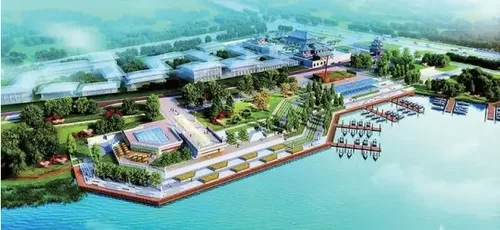
Project Challenges
1. The project involves numerous specialized trades, innovative construction processes, diverse structural types, and overlapping workflows.
2. It replicates architectural styles from the Tang and Song Dynasties, featuring many historic-style buildings. The complexity and irregularity of these structures present significant challenges for prefabrication and installation.
3. Located in the heart of a tourist city, this 5A-level scenic spot demands strict adherence to green construction standards. Balancing construction activities with the surrounding environment poses a major challenge.
BIM Application Team
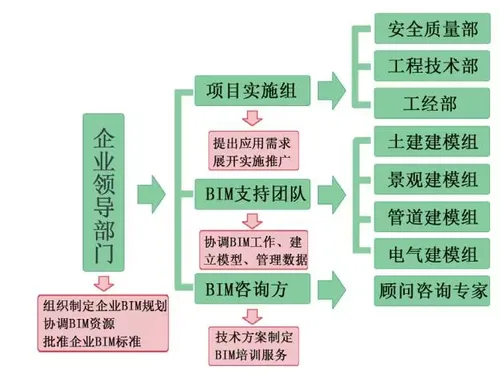
Collision Detection and Pipeline Optimization During Construction
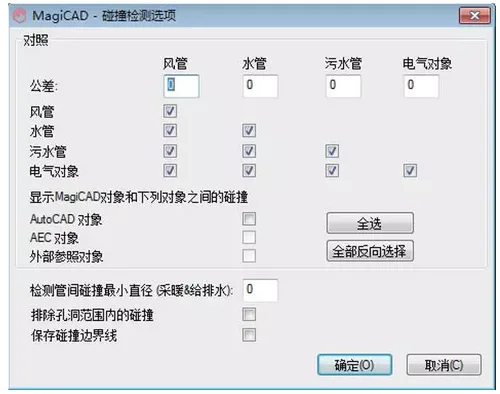
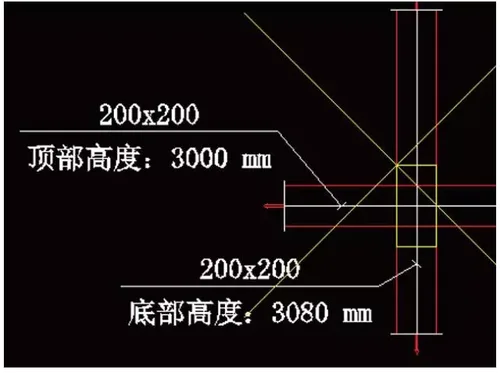
The pipeline installation in this project is intricate and complex. Traditional drawing reviews often fail to effectively detect conflicts, leading to rework and delays due to design issues. Prior to construction, Guanglian Da MagiCAD software was employed to perform collision checks in the underground parking garages by setting specific conditions for pipeline clashes and non-compliant layouts.
During this process, 167 collision points were identified indoors, with 25 on the bottom plate; notably, 52 of these posed significant impacts. Based on these findings, pipeline positions were adjusted to avoid conflicts. This optimization not only prevented pipeline collisions but also simplified construction by reducing the concentration of intersecting pipelines in the area.
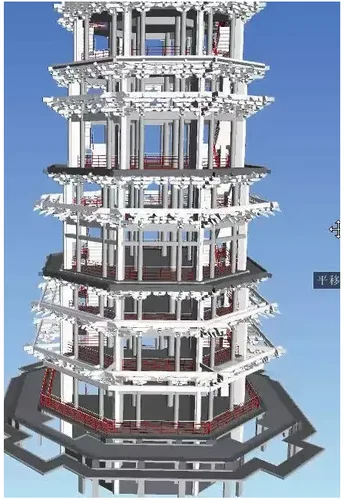
Simulation of Antique Architectural Processes
The antique building components were disassembled following the construction sequence, providing detailed dimensions, construction methods, and precautions through 3D visualization. This approach gave on-site management and operational personnel an intuitive understanding, enhancing both construction efficiency and quality.
Rapid Extraction of Project Quantities for Various Components
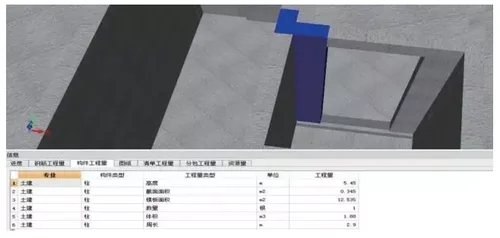
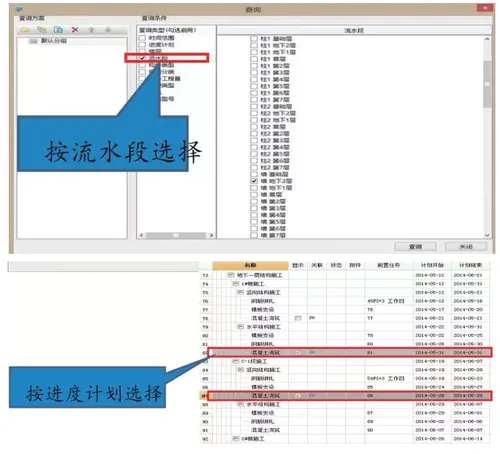
Manually calculating quantities for the project’s specialized and complex structures—such as roads shaped by the landscape terrain and ancient hyperbolic roofs—is challenging. The project leverages BIM’s automatic data generation capabilities to classify and extract quantities for structural, mechanical and electrical, landscape, and ancient construction elements. This provides essential data for material preparation and allows quick, accurate access to quantities for any project section, supporting efficient planning for labor, materials, and machinery.
Customer Feedback
This project is a key environmental governance initiative for Luoyang City. Supported by BIM technology for green construction material management, combined with database and CAD 3D visualization, the construction progress is integrated with building quantity information. Material requirements are tracked over time, enabling reasonable site arrangement and control of material usage during simulated construction. This approach saves costs, promotes green construction, and elevates the level of construction informatization to new heights.












Must log in before commenting!
Sign Up