
In practice, BIM technology’s visualization and simulation capabilities transform the traditional problem-solving approach into a proactive method that anticipates and prevents issues. This helps avoid rework and construction delays. Additionally, by adopting a modern platform-based management model and utilizing BIM software to oversee personnel, management practices become standardized. Integrating and sharing management data across the platform breaks down departmental barriers and information silos, ultimately establishing a completion model that supports project settlement.
Furthermore, BIM enables precise process quantity tracking and control, eliminating errors, omissions, losses, and material waste. Information transmission is enhanced through Internet Plus technologies, such as QR code apps, making management more convenient. Significant technological and economic benefits have been achieved through deep applications in bricklaying, template cutting, steel bar cutting, and other control measures.
The BIM workstation for Phase One of the Zhangjiajie People’s Hospital overall relocation project was officially established on November 30, 2015. This workstation comprises technical experts from Hunan Sixth Construction’s BIM Technology Center and Project Management Department. The project covers approximately 160,000 square meters, including two underground floors and 17 above-ground floors for the inpatient building. The Medical Technology Comprehensive Building consists of one underground floor and five above-ground floors; the outpatient building includes one underground floor and six above-ground floors; the general practitioner training base has one underground floor and six above-ground floors. The inpatient and general practitioner buildings feature frame shear wall structures, while the outpatient and medical technology buildings are framed structures. The foundation design level is Grade A, with foundation safety at Grade II, structural safety at Grade I, and a design service life of 50 years.
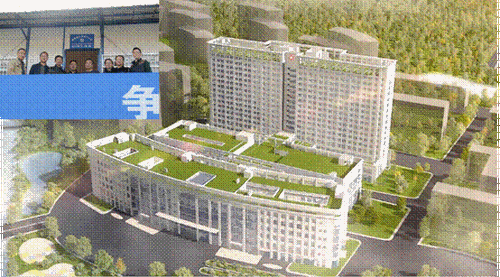
Phase One of the Zhangjiajie People’s Hospital relocation represents the largest civil medical construction project in the city since the founding of the People’s Republic of China. It has garnered significant attention from provincial, city, and hospital leaders. The tight schedule, strict quality requirements, heavy workload, complex management, and high standards for safety, civility, and environmental protection present considerable challenges.
To enhance project management, improve design and construction quality, refine cost control, and ensure timely completion and handover, the project team actively implemented BIM technology. Below is a summary of the key achievements during BIM application in this phase:
1. Establishing Structural and Architectural Models
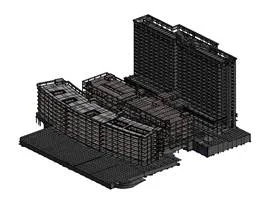
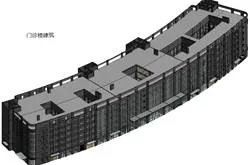
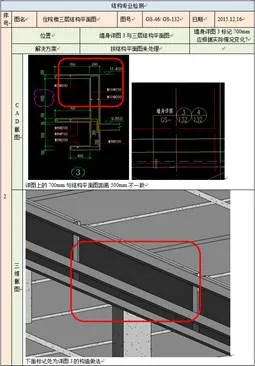
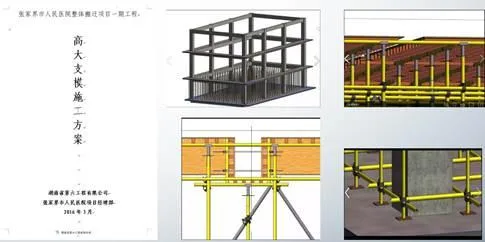
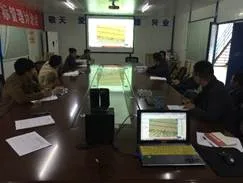
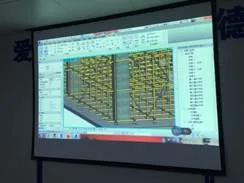
Creating detailed models allows the team to thoroughly understand the drawings and grasp the design intent. During modeling, multiple errors, omissions, clashes, and deficiencies were identified in the civil engineering drawings. These were promptly reported to the design institute for correction, preventing schedule delays caused by drawing issues. Additionally, BIM models were used to generate 3D drawings and technical briefings for the engineering, technical, and project teams, delivering clear and intuitive visual communication.
1. Civil Engineering Model
2. Problem Report
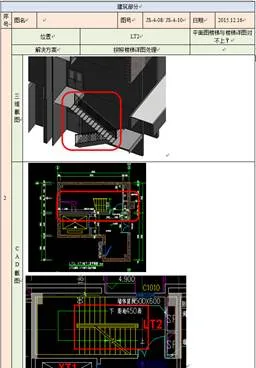
3. 3D Technical Briefing
2. 3D Site Layout
As a key company project, strict safety and civilized construction standards were required. To establish the “Hunan Province Construction Safety and Quality Standardization Demonstration Project” and the “AAA Level Safety and Civilization Standardization Site,” the project team used BIM technology to develop a staged 3D site layout model. Key elements such as entry and exit gates, construction roads, material warehouses, processing sheds, power distribution rooms, standard curing rooms, and tower cranes were arranged scientifically and efficiently. This optimized transportation routes, minimized material handling, and boosted work efficiency.
Aerial Photography of Construction Site | Model Rendering
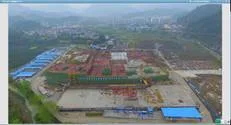
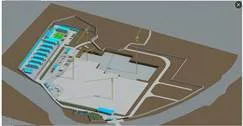
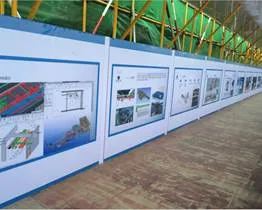
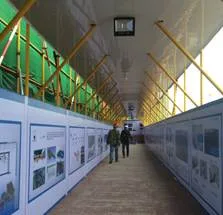
BIM also enhanced safety, civility, and quality promotion. Previously, safety passages and bulletin boards relied on text and 2D graphics, which were not intuitive and failed to engage on-site personnel effectively.
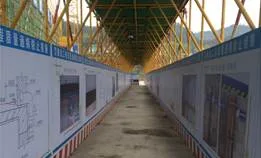
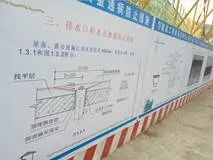
Now, the project department uses BIM to showcase standardized construction processes, sample rooms, and safety experience areas in 3D. This provides a more intuitive and comprehensive understanding of engineering products for on-site workers, significantly increasing engagement and improving work efficiency.
3. 3D Visualization and Quantity Tracking of Edge and Opening Safety Protections
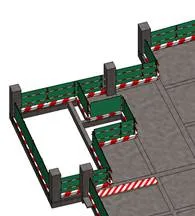
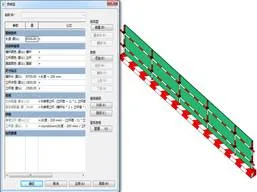
Since the main structure includes numerous edges and openings, BIM technology was used to simulate safety protections in advance. This allowed precise identification of protection areas and accurate reporting of required safety materials. As a result, the amount of standardized protective railing materials was effectively controlled, reducing waste significantly.














Must log in before commenting!
Sign Up