
Using Shenzhen Metro Line 9 as a case study, this research simulates and analyzes the coordination and collision issues encountered between conventional mechanical and electrical engineering and system mechanical and electrical engineering during the design and construction phases of post-station projects. By organizing comprehensive detailed design efforts and leveraging BIM technology, the main insights gained are summarized as follows:
1) Standardizing the deepening design workflow within management ensures smooth progress of BIM-related tasks;
2) Technologically applying BIM allows precise management of various disciplines, reducing pipeline installation conflicts and structural damages;
3) For interface coordination, BIM technology enables orderly scheduling of diverse professional constructions, ensuring synchronized design and construction as well as unified coordination across disciplines.
Introduction
With China’s rapid societal development and urbanization, above-ground urban space can no longer satisfy city growth demands, accelerating the development and utilization of underground urban space. Subway engineering, as a critical transportation infrastructure, efficiently utilizes this underground space. Currently, a surge in subway construction is underway in first and second-tier Chinese cities such as Beijing, Guangzhou, Shanghai, and Shenzhen.
Subway projects are characterized by their underground location and confined space. Installing subway infrastructure requires arranging numerous pipelines and equipment within these tight spaces, which often leads to conflicts and collisions during design and installation phases. Effectively maximizing underground space utilization has become a key focus. BIM technology offers a valuable tool to simulate underground installations in advance, enabling early prediction of pipeline and equipment layouts and avoiding installation clashes.
Regarding BIM-related research and applications:
Yu Jinyong investigated pipeline clashes and equipment room optimization during installation at Shanghai Metro Line 11’s Shilong Road Station, highlighting BIM’s value from installation through to operation and maintenance.
Zhang Jianping proposed a technical framework, system processes, and response strategies tailored to China’s construction management needs. By combining BIM with 4D technology, he developed a BIM modeling system and 4D construction project management software. This approach has been successfully applied to over ten large-scale projects, including the National Stadium, demonstrating BIM’s feasibility, broad applicability, and value in construction management.
Li Yong used reliability theory and probabilistic methods to account for uncertainties in construction processes and schedules. He analyzed complex relationships between target and predicted schedules, establishing a stochastic prediction model for construction timelines.
In recent years, with subway construction booming nationwide, BIM adoption has rapidly increased. The “2014 Development Report on BIM Technology Application Status of Construction Enterprises” by the Shanghai Construction Industry Association details the current state of BIM adoption and talent reserves among major domestic firms. Shenzhen has issued the “BIM Implementation Management Standards” through its Construction and Engineering Bureau, setting unified regulatory requirements based on China’s current BIM applications and national IT development needs. This foundation promotes BIM platform resource sharing and advances the construction of a BIM information technology base, unlocking further application opportunities.
Currently, BIM’s use in construction project management remains relatively limited, primarily focusing on 3D modeling for large-scale projects, construction simulation, and pipeline collision detection. However, large projects demand numerous BIM models and robust management to ensure models meet multi-disciplinary collaboration needs in an organized manner.
This article uses Shenzhen Metro Line 9 as an example, applying BIM technology to establish a detailed design organization and management system. It conducts detailed design for installation projects across 18 stations and depots along the line, simulating and analyzing interface coordination and collision challenges between conventional and system electromechanical disciplines. It also proposes feasible solutions and offers a technical platform to integrate design and construction.
1. Project Overview
Shenzhen Metro Line 9 (see Figure 1) runs from Hongshuwan Station in Nanshan District in the west to Wenjin Station in Luohu District in the east, passing through Nanshan, Futian, and Luohu Districts. The line spans approximately 25.38 km with 22 fully underground stations and sections. The mechanical and electrical installation work covers various specialties, including track engineering, conventional mechanical and electrical systems, interior decoration, communication, signaling, power supply, comprehensive monitoring, security, and access control systems.
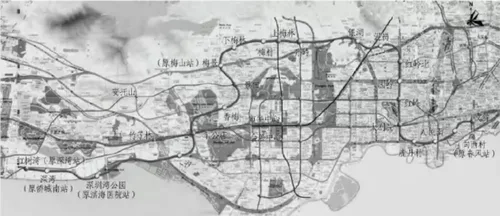
Figure 1: Schematic diagram of Shenzhen Metro Line 9 project route
Introduction to BIM Technology
Building Information Modeling (BIM) constructs digital building models based on comprehensive project data. BIM features five key attributes: visualization, coordination, simulation, optimization, and documentation. Through 3D modeling, a digital twin of the entire project is created, forming a digital engineering database populated with all relevant project information.
BIM enables information sharing among different disciplines, allowing design clash detection, energy consumption analysis, and cost estimation. During construction and management, BIM supports dynamic, integrated, and visualized project oversight. It facilitates real-time management of progress, labor, materials, equipment, costs, and site layout, while enabling visual simulations of construction sequences. Figure 2 illustrates the scope covered by BIM technology.
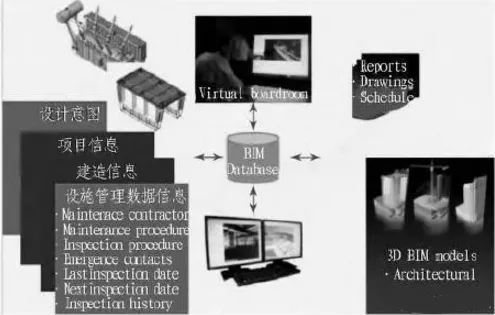
Figure 2: Scope covered by BIM technology
Establishing a BIM Application Management Framework
For Shenzhen Metro Line 9, the detailed design process leverages existing resources and organizational structures to standardize BIM modeling procedures. Figures 3 and 4 illustrate the detailed design and BIM modeling workflows, respectively.
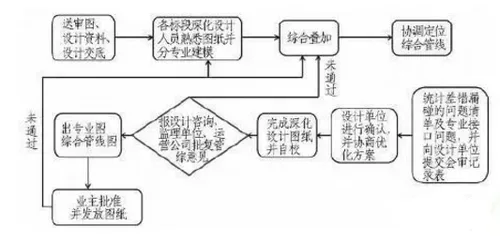
Figure 3: Deepening Design Workflow
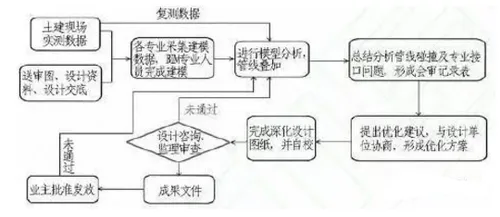
Figure 4: BIM Modeling Workflow
Upon receiving drawings and design materials from the design institute, deepening design personnel familiarize themselves with the content and intent. They organize design disclosure sessions, identify unclear or insufficiently detailed areas, and promptly submit queries to the design team. Following the design team’s confirmation, deepening design work proceeds. Autodesk Revit software was selected to model Shenzhen Metro Line 9 based on multiple comparisons.
The process involves:
1) Completing a preliminary civil engineering model based on civil engineering drawings (see Figure 5). This model is then refined using measured structural data after civil construction completion, laying the groundwork for subsequent mechanical and electrical modeling.
2) Performing electromechanical modeling based on specialty-specific drawings. Equipment, materials, and pipelines from various disciplines are integrated within the station civil engineering model to form a comprehensive station integration model. The first pipeline collision analysis is conducted, producing a list of discrepancies, errors, omissions, and collisions. This list is reviewed and confirmed in drawing review meetings, where optimization decisions are made. Approved design modifications are reflected in the updated integration model. After a second collision analysis verifies these adjustments, the finalized station construction design model is produced (see Figure 6).
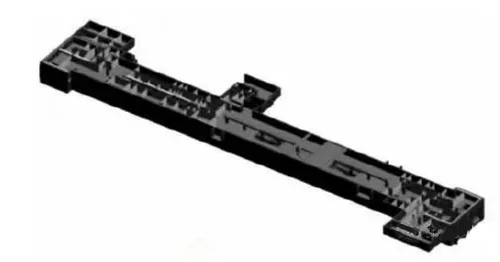
Figure 5: Station Civil Engineering Model
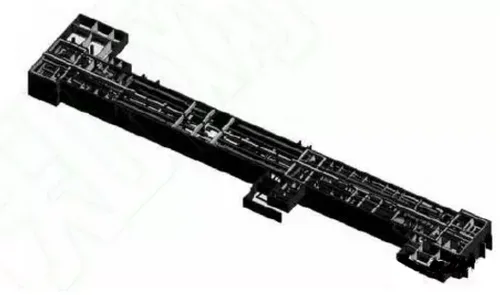
Figure 6: Station Electromechanical Integration Model












Must log in before commenting!
Sign Up