
Abstract: The Hangzhou Olympic Sports Center Sports Swimming Pool project features a highly complex architectural design and intricate internal spatial arrangements. Leveraging the versatility and user-friendliness of BIM software, the project ensures practical application throughout various design phases while maintaining strong collaboration and feedback across multiple disciplines.
1. Project Background
Project Name: Hangzhou Olympic Sports Center Sports Swimming Pool Project
Design Unit: Beijing Institute of Architectural Design and Research Co., Ltd.
Beijing Institute of Architectural Design and Research Co., Ltd. (BIAD) specializes in urban planning, investment planning, large-scale public building design, civil architecture, interior decoration, landscape design, intelligent building systems engineering, preliminary budget preparation, engineering supervision, and general contracting. Established over 60 years ago, BIAD has consistently provided high-quality design services, earning an excellent reputation and embracing the core value of “building services for society.”
As a renowned architectural design firm, BIAD has diversified its expertise in professional collaboration and synchronized design of complex, multi-functional buildings. BIM technology has been employed to varying extents in projects such as the Phoenix TV Media Center, CBD-Z15 China Zun Tower, and Shenzhen Airport Terminal 3. The Zhuhai Opera House project further showcases BIM as a central platform, delivering optimal solutions throughout the building lifecycle—from design to construction.
Software Used:
- Autodesk Revit
- Autodesk Infraworks
- Autodesk 3ds Max
- Autodesk Simulation CFD
- AutoCAD
BIM Application Evaluation and Feedback:
The adoption of BIM technology has transformed the traditional fragmented and labor-intensive engineering construction process into an integrated and industrialized workflow. Within the fixed asset investment industry, large civil architectural design firms capable of providing full-process consulting services are best positioned to lead integrated project delivery. This shift enables them to transcend fragmented design phases lacking holistic influence, becoming the core drivers of industrial chain integration.
— Zhu Xiaodi, Chairman of Beijing Institute of Architectural Design and Research Co., Ltd.
We value creativity, emphasize integration, and advocate rational, scientific design methodologies. By embracing advanced technology and tools aligned with BIM principles, Beijing Institute of Architectural Design and Research Co., Ltd. elevates architectural design to new heights.
— Xu Quansheng, General Manager of Beijing Institute of Architectural Design and Research Co., Ltd.
British scholar Christopher Jones highlights two major stages in design history: the evolutionary phase of primitive design processes and the era where drawings became the main design medium. The key difference lies in the tools used. BIM technology represents a revolutionary advancement in design tools—mastering it is essential to keep pace with contemporary demands.
— Hu Yue, Chief Architect of Beijing Institute of Architectural Design and Research Co., Ltd.
BIM serves as a crucial driving force behind modern architectural design methods. The continuous pursuit of better and more efficient approaches remains a fundamental goal for architects.
— Chen Yi, Chief Engineer of BIM Research Office, Beijing Institute of Architectural Design and Research Co., Ltd.
2. Main Text
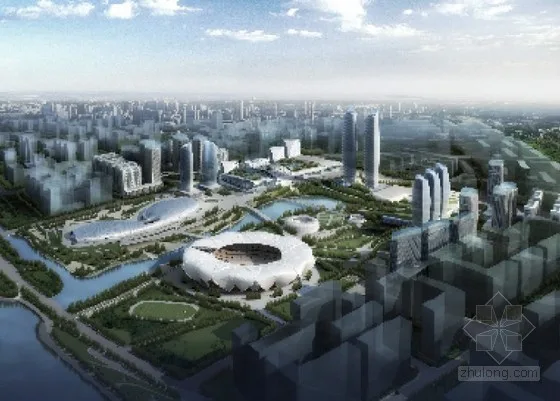
Figure 1: Aerial View of Hangzhou Olympic Sports Center
Project Overview
The Hangzhou Olympic Sports Center Sports Swimming Pool, located north of the Hangzhou Olympic Sports Expo Center, faces the Qiantang River to the north and the Qijia River to the west. This expansive complex integrates sports venues, swimming pools, commercial spaces, and parking facilities, covering nearly 400,000 square meters in total.
The architecture is divided into two main sections: a subdued, expansive platform at the base housing commercial and underground parking spaces, and an upper platform crowned by a dynamic, massive nonlinear surface. This surface envelops the two primary functional areas—the sports hall and the swimming pool. The nonlinear form is created by connecting a series of elliptical cross-sections, gradually varying their long and short axes.
Internally, supporting structures correspond precisely to the segmented blocks of the exterior surface, maintaining harmony between inside and outside. The grid system is arranged in a diamond pattern, resulting in a vast mesh shell. Due to the challenges of designing, optimizing, and fabricating such a complex form using traditional methods, BIAD introduced parametric modeling from the conceptual phase through to construction documentation.
Utilizing parametric techniques, the project team applied robust mathematical logic to define and control the main form and subcomponents of the mesh shell, efficiently organizing the structure and spatial components. This approach facilitated the design and optimization of enclosure systems and nodes, considering real-world fabrication constraints. Concurrently, conventional BIM design was applied within the building, enabling virtual construction of the upper shell, spatial structures, curtain walls, rainwater management, lighting, and ventilation systems, followed by thorough 3D verification and adjustments.
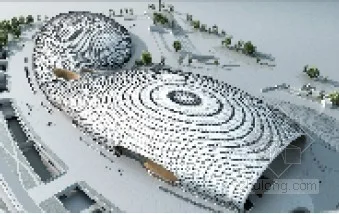
Figure 2: Outdoor Aerial View of Hangzhou Sports Swimming Pool
Situated on the southern bank of the Qiantang River, the Sports Swimming Pool is a landmark symbolizing Hangzhou’s cross-river development and a key part of the Olympic Sports Expo City. Surrounded by abundant water bodies and complex terrain, its design adopts a distinctive streamlined form.
Featuring a double-layered, fully covered silver-white metal roof and a platform with two open wings, the structure embodies Hangzhou’s cultural theme of “Butterfly Transformation.” Upon completion, it will be the world’s largest nonlinear design connecting two pavilions.
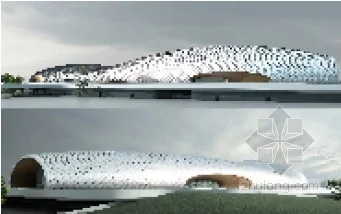
Figure 3: Rendering of Sports Swimming Pool
The architectural character of the Hangzhou Olympic Sports Center Sports Swimming Pool stems from its clear functional zoning. Beneath the curvilinear form lie an 18,000-seat sports hall and a 6,000-seat swimming pool, linked by a public space open to the city. The lower platform accommodates commercial and parking facilities.



Figure 4: Functional Distribution Diagram of the Sports Hall, Swimming Pool, Commercial, and Parking Facilities
The semi-outdoor sports plaza between the two pavilions offers a unique leisure space for the public, suitable for various formal and informal activities. The spatial design, traffic flow, and post-event usability are carefully coordinated, revealing a coherent and consistent relationship between the steel structure and the exterior facade.

Figure 5: Interior Space Rendering of the Central Connecting Section Between the Two Pavilions
The design philosophy emphasizes the essence of sports competitions by minimizing interior decoration. Exposed curved steel structures dominate the competition halls of both the sports arena and swimming pool. These streamlined surfaces and steel frameworks correspond precisely to the exterior facade, offering spectators a distinctive visual experience.
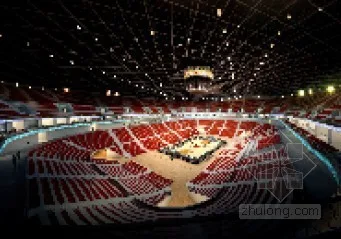
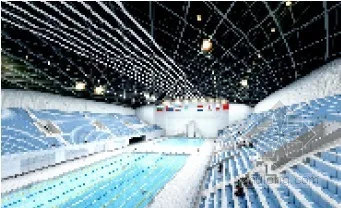
Figure 6: Indoor Rendering of the Competition Halls in the Two Pavilions
Project Challenges
- Adapting to Complex Environments: The rich urban context requires the architecture to resonate with the Olympic Sports Expo City’s stadium and exhibition center while also aligning with the city center axis across the Qiantang River. The form must harmonize with its surroundings in all directions. The site’s complex topography—including the Qiantang River, inland rivers, and underground waterways—demanded careful analysis to ensure safe and comprehensive terrain strategies.
- Parametric Generation of Complex Surfaces: Traditional projection methods are inadequate. Parametric scripting was essential to transform abstract mathematical logic into spatial surface forms, defining and positioning the entire process from the overall shape to subsystems and intricate details.
- Consistency Between Steel Structure and Building Form: The exposed steel structure inside reflects mechanical elegance and must seamlessly connect with the exterior curtain wall across multiple indoor and outdoor junctions, requiring logical coherence.
- Integration of Mechanical and Electrical Systems in Complex Spaces: The grid shell’s curved surface hosts all mechanical and electrical pipelines, necessitating BIM-based integration of these systems alongside steel structures to address challenges such as air circulation, insulation, maintenance, lighting, and rainwater drainage.
- Team Collaboration and Design Efficiency: Managing numerous design teams and diverse software platforms for a large-scale integrated project demands an effective BIM collaboration platform to ensure efficient teamwork.
Design Timeline and Process
Design Timeline:
- Early 2009: The overall Olympic Sports Center plan was established, adopting a two-hall connection approach for the sports swimming pool.
- June 2009: Sports Swimming Pool plan design finalized, determining scale, functions, and preliminary form and generation logic.
- June 2009 to March 2010: Preliminary design phase, including logical modeling, steel structure development, and initial BIM modeling by mechanical and electrical consultants.
- September 2010 to May 2011: Construction drawing design, enhancing collaboration platforms, completing BIM models, coordinating teams, and producing design outputs.
Design Process:
The construction drawing stage involved a complex network of disciplines within the design institute and consulting teams, forming a collaborative model focused on comprehensive BIM design of steel mesh shell structures and the underlying building. Parametric design, central to the mesh shell, played a pivotal role.
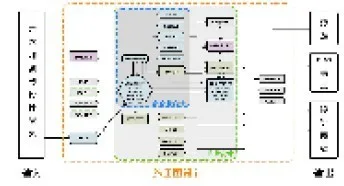
Figure 7: Construction Drawing Design Process
BIM in Early Scheme Development – Basic Analysis and Modeling
At the initial design phase, confronted with a complex environment, the team defined the building as a streamlined volume. This volume needed to accommodate the functional requirements of both venues. The team developed mathematical logic to compute volumetric relationships, defining parameters that govern the size and form. BIAD conducted parametric research linking volume size with seating capacity, revealing rules that allowed the form to adapt dynamically to functional needs. This established a direct relationship between form and function, providing a logical foundation for design evolution.
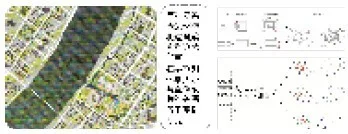
Figure 8: Basic Parameter Refinement of the Scheme
Given proximity to the Qiantang River and complex, multi-layered platforms, the team employed Autodesk Infraworks to simulate the site’s 3D topography and iteratively adjust elevation data.
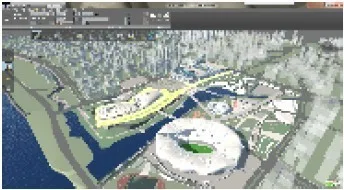
Figure 9: Consideration of Site Topography
The project’s most challenging aspect was the design integrity, primarily driven by steel structure shaping. Since steel structures are visibly prominent within the spatial experience and interior decoration was minimized, the importance of steel design was paramount. Early on, the team collaborated closely with structural engineers to calculate and optimize steel layout logic. The steel structure influenced and was influenced by the building form; parameters such as grid size, number, and height were iteratively adjusted, becoming essential determinants of the overall shape.

Figure 10: Coordination Between Shape and Steel Structure
By the end of the early phase, the project was split into two zones: the upper complex mesh shell, designed using parameterized logic and BIM, and the lower zone, designed with conventional BIM methods. The digital team concentrated on the mesh shell’s design.
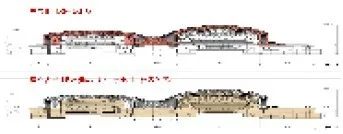
Figure 11: Vertical Zoning of BIM Areas
Parametric Automatic Generation
Parametric design was crucial to realizing the project’s form. BIAD’s initial concept envisioned a smooth spatial surface made of three interconnected parts, with the gymnasium and swimming pool roofs at either end, linked by a central connecting volume.
Modeling began with defining a basic curved surface that accommodated functional requirements via plans and sections. Additional features such as eaves, corridor entrances, north-south entrances, and a central bucket-shaped connector were added through parameterization and logic programming to complete the form.
Parametric design developed along two main paths: designing the exterior curtain wall and addressing internal structure, waterproofing, and construction details. Parametric logic unified both exterior and interior layouts, spanning conceptual “implementation design” and construction-oriented “optimization design,” effectively completing the parametric process.
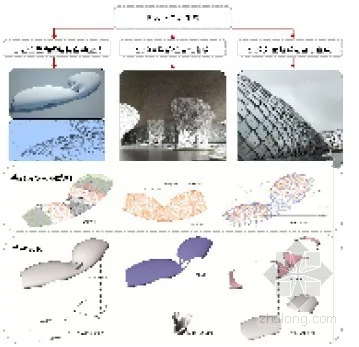
Figure 12: Schematic of Parameterized Division
The team established a baseline model through sequential steps including plane logic definition, horizontal segmentation, ridge line and elliptical section determination, and basic surface completion—forming the foundation of the design. Logical mesh divisions were applied to this base shape, creating a comprehensive network of relationships from plan to form. Adjusting any parameter dynamically updated the shape.
Next, the exterior curtain wall benchmark was generated, followed by grid division. Parameters fell into two groups: (1) body parameters controlling the curtain wall surface shape (ellipse equations, ridge coordinates), determining the overall volume; (2) density parameters controlling grid density (number of baseline and ellipse points), affecting panel sizes and synchronizing with the steel mesh shell’s mesh division.
Following this, the team applied consistent logic and varied parameters to design the steel structure’s centerlines for upper and lower chords, achieving a one-to-one correspondence between steel members, curtain wall surfaces, and grids.
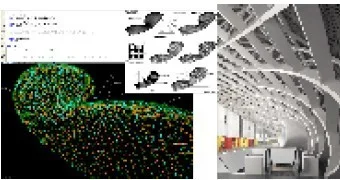
Figure 13: Parameterized Steel Structure Centerline Design
While the logically generated shape was smooth and complete, it did not fully meet functional needs. BIAD incorporated special components—including the central bucket-shaped connector, end eaves, four entrances, and vertical lock-edge drainage layers—to add functional detail and visual interest. These components operate independently but attach to the base surface without disrupting its logic. Their hierarchical design ensures that adjustments to the base surface affect special parts, whereas changes to special parts do not impact the base surface.
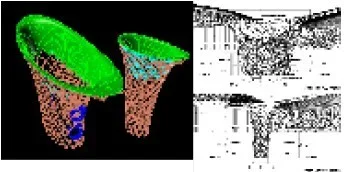
Figure 14: Special Component – Central Bucket-Shaped Connector
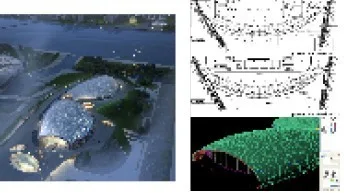
Figure 15: Special Components – Two End Eaves and Corridors

Figure 16: Special Area – North-South Entrance
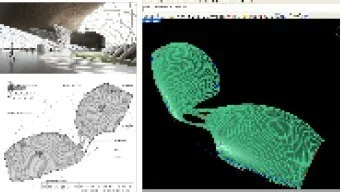
Figure 17: Special Component – Vertical Lock-Edge Drainage Roof
The exterior curtain wall skin consists of micro-units applied over the building’s macro surfaces, presenting a unique challenge in positioning and practical implementation. Initially inspired by biological scales, the parametric design linked overall morphology with individual structural units, establishing a reciprocal relationship.
Each diamond grid unit from the surface subdivision was assigned a 3D modeling unit. These units deform according to their position, adapting organically to the surface environment, resulting in a building skin with a gradient, scale-like appearance.
After evaluating multiple schemes, the perimeter size of each outer curtain wall unit was selected as a key parameter. Two variations were introduced: lifting one edge of each unit and creating transparent openings inversely proportional to unit circumference—smaller units have larger openings. The smallest units are located above the central connector, aligning with the design intent for greater openness in that area.
During design refinement, the team also developed detailed visual models for curtain wall components, including corner clips and bolts, conducting virtual assembly simulations to prevent component clashes.
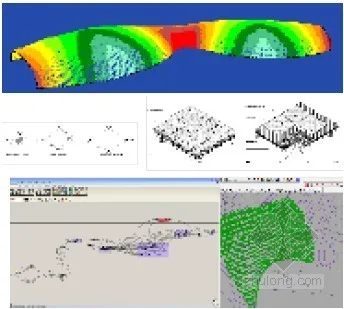
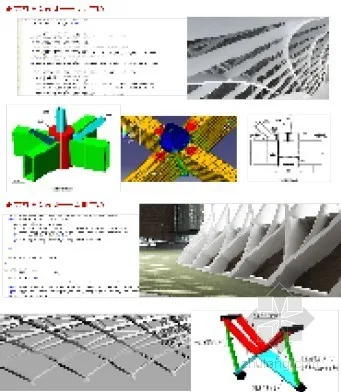
Figure 18: External Curtain Wall Unit Modeling—from Logical Design to Components
BIM Design of Steel Structures
While parametric design established the foundation, the logical systems and computational relationships existed primarily in the virtual realm. Steel structure BIM transforms these abstract elements—centerlines, surfaces—into tangible components. BIM’s visualization empowers the design team to transition smoothly from virtual models to actual fabrication, providing intuitive insights into the completed structure.
During steel structure refinement, BIAD analyzed each spatial member’s curvature, noting greater curvature near lower supports and less near the top. This correlated with structural stress analysis, indicating higher bending and internal stress at lower sections.
Consequently, the team designed the bottom two sections of members as twisted, while upper sections remained straight. This approach aligned with stress requirements, reduced costs, and matched the audience’s visual experience of the lower mesh shell. Similar considerations addressed complex spatial structural challenges, including aerial and landing nodes, completing the steel structure design.
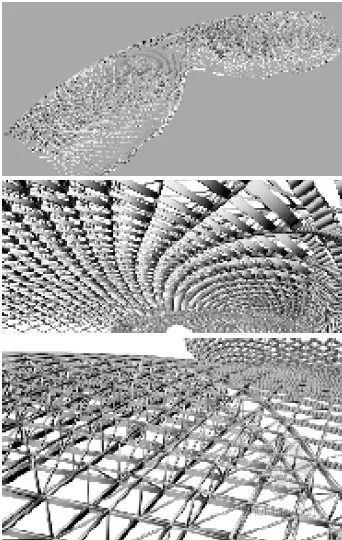
Figure 19: Steel Structure Layout

Figure 20: Steel Structure – From Logical Design to Member Fabrication
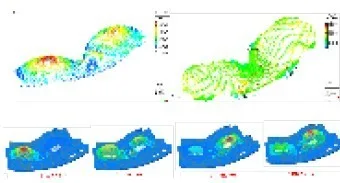
Figure 21: Stress Analysis on Steel Structure Members
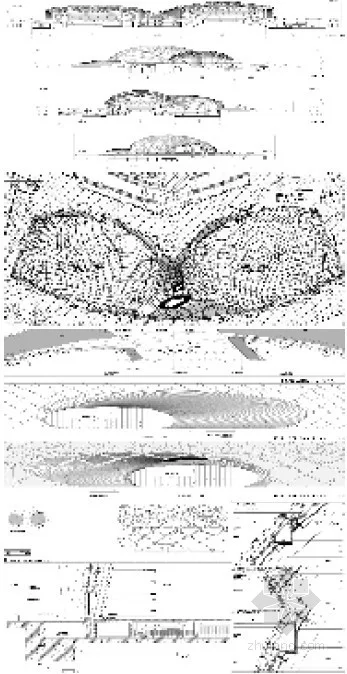
Figure 22: Challenges and Node Design of Steel Structure Members
Mechatronics Integration and Energy-Efficient Design
Mechanical and electrical (M&E) integration, along with energy-saving strategies, represent key BIM design focuses. The complex architectural form significantly increases the difficulty of routing M&E systems. BIAD employed BIM’s visualization capabilities to model, review, and detect clashes among all components, eliminating many issues difficult to identify in 2D drawings. These systems include pipelines, spatial ductwork, and rainwater management.
Additionally, the team assessed the impact of the building’s complex shape on energy efficiency from the earliest design stages. During construction documentation, simulation software was used to evaluate and validate energy-saving proposals.
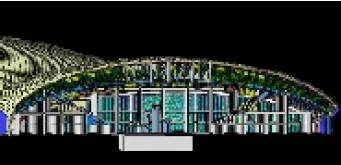
Figure 23: Internal Pipeline System Layout and Coordination within the Double-Layered Grid Structure
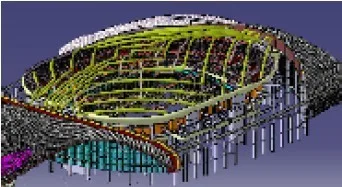
Figure 24: Air Duct Layout in the Swimming Pool’s Upper Space
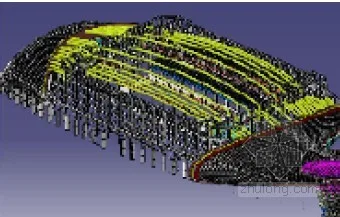
Figure 25: Air Duct Layout in the Swimming Pool’s Upper Space
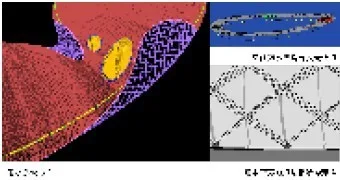
Figure 26: Spatial Rainwater System Layout and Inspection
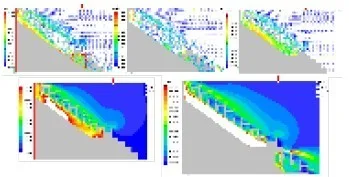
Figure 27: Indoor Wind Environment Simulation

Figure 28: Outdoor Wind Environment Simulation
Construction Preparation, Component Organization, and Quantity Estimation
One significant advantage of BIM is enabling comprehensive data analysis before construction begins. Under complex modeling conditions, BIM organizes component relationships, counts quantities, and calculates engineering metrics, providing clear references for both design and construction teams. Prior to project execution, all stakeholders require accurate statistical data from designers.
BIAD developed a complete data support system, delivering crucial pre-design data to guide construction. This included thorough clash detection within the fully visualized model, and coordinate positioning and quantity statistics for major systems like steel structures and curtain wall panels.

Figure 29: Collision Detection and Data Statistics
Team Collaboration and Design Deliverables
The ultimate aim of BIM is to enable construction teams to propose the most efficient and feasible design and construction methods for increasingly complex buildings, ensuring an orderly workflow. Establishing an effective collaboration platform is therefore essential. Rather than relying solely on software, collaboration represents a broader coordination mechanism. However, software accessibility significantly facilitates teamwork.
The Hangzhou Olympic Sports Center Sports Swimming Pool project spans multiple software platforms, requiring meticulous file naming and organization to ensure seamless collaboration. BIAD recommends that each project develop a tailored collaboration platform appropriate to its scale and needs—one that is “simplified to the greatest extent possible while accommodating necessary complexity.”
Transitioning from 3D models to 2D drawings remains a current challenge in BIM. For complex projects like this, direct 3D output is ideal; however, 2D documentation remains industry standard. The team invested significant effort in organizing 3D models for 2D output, establishing a robust drawing system. BIAD recognizes the tremendous potential of software and hopes providers like Autodesk will continue offering comprehensive solutions.
The project’s deliverables include traditional 2D drawings supplemented by data outputs and BIM models. These additions meet stakeholders’ needs, with data supporting construction references and BIM models aiding post-construction maintenance.
Figure 30: Two-Dimensional Design Drawing Output
Figure 31: Curtain Wall Panel Data Output
Figure 32: BIM Model Output
Summary
The Hangzhou Olympic Sports Center Sports Swimming Pool project presents significant structural and spatial complexities, including curtain walls, steel frameworks, competition and audience halls, internal supports, and integrated piping systems. Utilizing the versatility and accessibility of BIM software, the project maintains practical application across all design stages, fostering close interdisciplinary collaboration.
BIAD aspires to harness BIM technology throughout the architectural design lifecycle, providing precise visualization models for all disciplines. Through progressive BIM adoption, several insights have emerged:
- BIM is a pivotal driver of contemporary architectural design methods; pursuing improved efficiency and quality is a continual goal for architects. For projects involving unique spatial forms like this, BIM is indispensable for addressing curved, complex structures.
- The application of mathematics in architecture holds vast potential. Parametric platforms pave the way for integrating theoretical models from other scientific fields, broadening design methodologies and fostering new architectural evaluation and aesthetic systems. Architects should cultivate mathematical and logical thinking alongside traditional graphic skills.
- BIM and collaborative platforms liberate designers from isolated workflows, fostering detailed, close, and cooperative professional divisions of labor, which significantly enhance large-scale project efficiency.
- The success of BIM heavily depends on software maturity, usability, and performance aligning effectively with architectural design needs.














Must log in before commenting!
Sign Up