
Abstract Chongqing International Circus City ranks among the top ten cultural buildings in Chongqing. Beijing Institute of Architectural Design and Research Co., Ltd. implemented comprehensive BIM technology applications, spanning from schematic design to construction documentation, for this project.
1. Project Background
Project Name: Chongqing International Circus City
Design Firm: Beijing Institute of Architectural Design and Research Co., Ltd.
The Beijing Institute of Architectural Design and Research Co., Ltd. (BIAD) offers services encompassing urban planning, investment planning, large-scale public building design, civil building design, interior decoration, landscape design, intelligent building systems engineering, preliminary budget preparation, supervision, general contracting, and more. Since its founding in 1949, BIAD has completed architectural designs covering over 150 million square meters. From 1977 to present, its designs have received 1,166 awards. The Beijing Municipal Government has honored BIAD as a “Capital Architectural Design Outstanding Contribution Design Research Unit.” BIAD maintains 12 branch offices nationwide, with projects spanning 31 provinces, municipalities, and autonomous regions.
Software Used:
- Autodesk Revit Architecture
- Autodesk Revit Structure
- Autodesk Revit MEP
- Autodesk Navisworks
- AutoCAD
BIM Application Evaluation and Feedback:
“For building projects with complex shapes, spaces, functions, and performance requirements, completing them without 3D modeling and BIM technology would be nearly impossible. BIM has not only advanced architectural creativity but also become a fundamental driver for artistic innovation.”
— Xu Quansheng, General Manager, Beijing Institute of Architectural Design and Research Co., Ltd.
“From a trend to technological leadership, BIM applications have moved beyond mere showmanship. Returning to simplicity, BIM now stands out for its revolutionary nature and practical efficiency.”
— Zhang Hao, Director of Studio 4A2, Fourth Design Institute, Beijing Institute of Architectural Design and Research Co., Ltd.
“BIM brings not only technological change but also innovations in design methodology and project coordination. Its most tangible benefit is improved design accuracy and predictability, which enhances client trust.”
— Chen Wenqing, Deputy Director of Studio 4A2, Fourth Design Institute, Beijing Institute of Architectural Design and Research Co., Ltd.
2. Main Text
Chongqing International Circus City — Complex Building BIM Application Based on the Revit Platform
Project Overview
Located in Zone A of Danzishi Group, the heart of Chongqing’s urban area, Chongqing International Circus City occupies 3.333 hectares of land with a total construction area of 37,200 square meters. The building comprises four main functional zones: the main performance hall, supporting service facilities, animal training rooms, and office apartments. It is recognized as one of Chongqing’s top ten cultural landmarks.
The design concept draws inspiration from the harmonious and dynamic nature of circus performances. The two intertwining, flowing curves reflect Chongqing’s mountainous surroundings and the meandering Yangtze River, seamlessly blending with the city’s landscape. This unique form establishes an iconic architectural identity for the building.

Figure 1: Riverside rendering of Chongqing International Circus City
The main performance hall covers 21,847 square meters, rises 49.78 meters tall, and seats 1,489 spectators. Its architectural form consists of two curved surfaces that interlock around the central circus theater space. The inner surface is rounded and full, while the outer surface is smooth and flat, naturally extending into a ribbon-like roof. This roof integrates organically with commercial spaces such as ticket booths, dining, and retail areas.
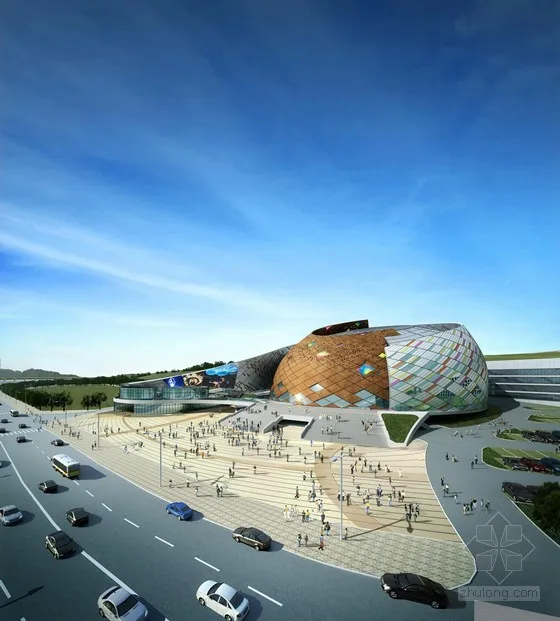
Figure 2: Rendering of the main performance hall
Project Challenges and Solutions
The complexity and significance of this project led the client to require a BIM deliverable capable of guiding construction and precise positioning. Beijing Institute of Architectural Design and Research Co., Ltd. successfully applied BIM technology across all disciplines from schematic design through to construction drawings.
Key technical challenges included:
- Developing detailed 3D models for architecture, structure, equipment, and electrical systems using Autodesk Revit;
- Integrating a parameterized exterior curtain wall model created in CATIA with interior Revit models to form a unified BIM;
- Utilizing 3D information models for design assistance, qualitative analysis, and quantitative calculations across disciplines;
- Enabling technical collaboration with subcontracted design units through 3D models.
To address these, a dedicated BIM design team was formed. They completed tasks such as model creation, complex spatial analysis, functional optimization, curtain wall design optimization, and comprehensive pipeline design during the preliminary and construction phases.
Comprehensive Professional BIM Model
During schematic design, Rhinoceros software transformed manual conceptual models into digital 3D forms. This enabled shape refinement, surface optimization, sightline analysis, and area control—transitioning intuitive creativity into precise, rational design.
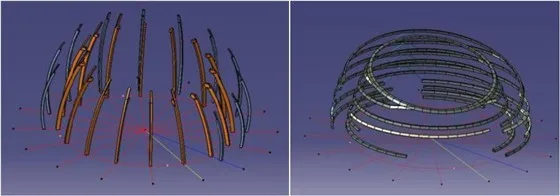
Figure 3: Schematic phase model
In preliminary and construction drawing phases, CAD drawings were imported into Autodesk Revit to develop a fully detailed BIM model. The project was divided into four model files: building structure, mechanical equipment (HVAC, plumbing, fire protection), electrical systems (power and communication), and site model. Real-time data synchronization was maintained via Revit’s “copy and monitor” function.
These 3D models allowed designers to visualize complex architectural spaces with precision, addressing limitations of traditional 2D drawings, directly guiding construction, and expressing design intent clearly.
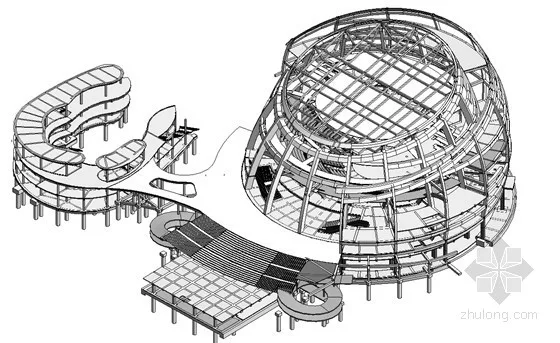
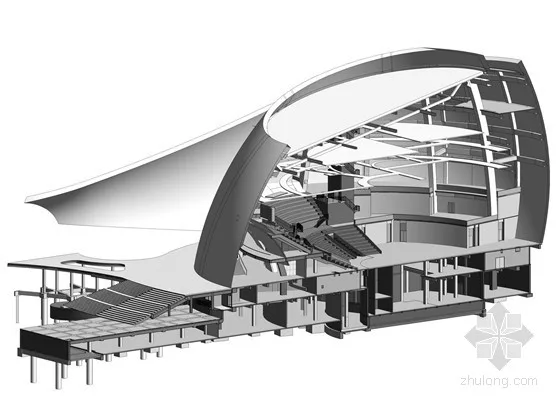
Figure 4: Revit model of the main performance hall
Exterior Curtain Wall Optimization and Detailing
The exterior curtain wall of the main hall is a complex double-curved surface. CATIA software was used to model components such as metal panels, keels, structural ring beams, and curved columns. These elements were imported into the Revit model via Rhinoceros and integrated into a cohesive BIM.
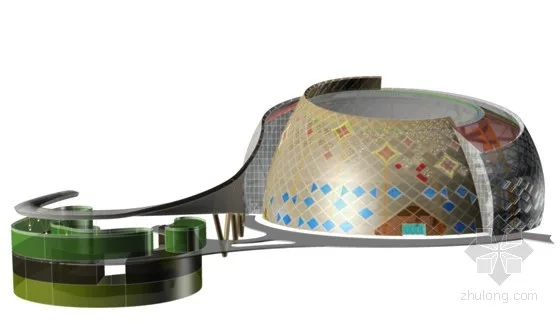
Figure 5: Outer curtain wall model of the main performance hall
Figure 6-1: Main structural column model Figure 6-2: Curtain wall ring beam model
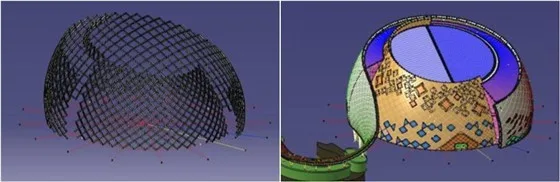
Figure 6-3: Curtain wall keel model Figure 6-4: Curtain wall panel model
Surface smoothness was analyzed, and curves optimized to ensure a highly smooth curtain wall without curvature discontinuities. The surface curvature was zoned and statistically analyzed, providing essential data for curtain wall detailing.
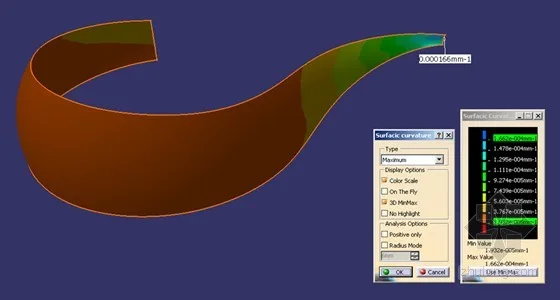
Figure 7: Surface curvature analysis
The curtain wall surface was divided into oblique diamond-shaped grids, with software controlling panel sizes. Architects reviewed multiple options before deciding on the final grid layout.
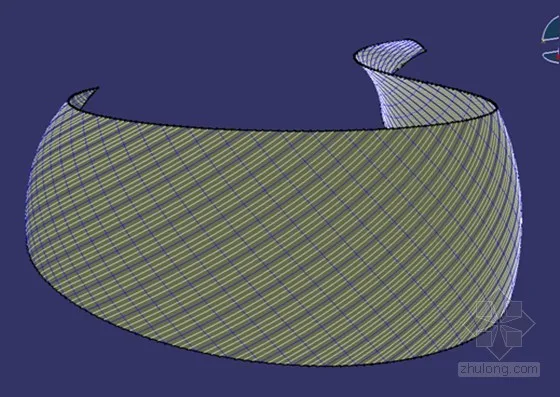
Figure 8: Curtain wall surface divided into grids
Each panel was hyperbolic and unique, which would have resulted in high construction costs. By analyzing maximum and corner point deviations from planar surfaces, 60% of hyperbolic panels were optimized into flat panels, with the remainder as singly curved panels. This optimization significantly reduced costs while maintaining the building’s aesthetic integrity.
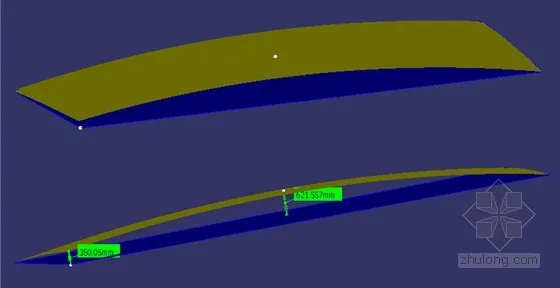
Figure 9: Optimizing hyperbolic panels to flat panels
Using advanced data analytics, each curtain wall panel was assigned a unique identifier with detailed positioning coordinates, color, material, opening count, size, and placement. This data facilitates precise construction guidance.
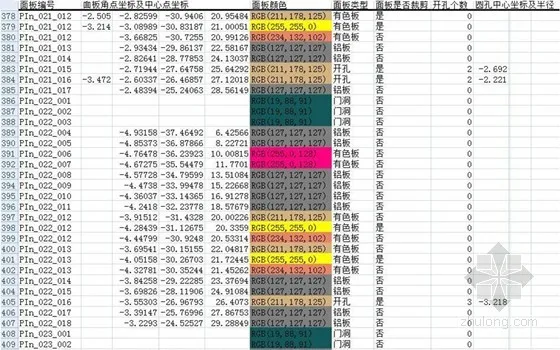
Figure 10: Curtain wall panel information statistics
BIM-Assisted Complex Spatial Design
The theater’s lower audience area, lobby, and stage form complex irregular spaces that require 3D analysis to validate usability and design logic.
The main hall’s lobby is separated from the audience seating by a curved wall serving structural and decorative roles. Its positioning is constrained by various factors: ensuring sufficient widths for ticketing, cloakroom, and retail on the first floor; maintaining appropriate corridor width and height on the second floor to prevent a cramped feel; and locating the intersection with the exterior curtain wall beneath the roof structure.
Using Autodesk Revit’s ability to generate multiple simultaneous plans and sections, architects rapidly refined the curved wall placement, ensuring optimal spatial experience.
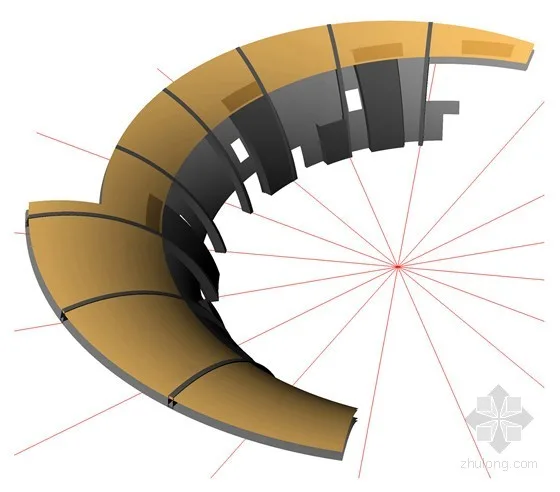
Figure 11: Arc wall model of the main hall lobby
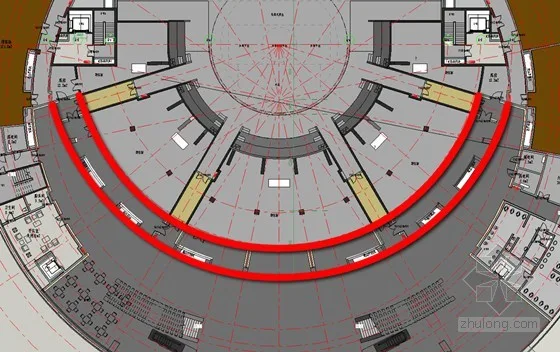
Figure 12-1: First floor constraint – adequate widths for ticketing, cloakroom, and retail
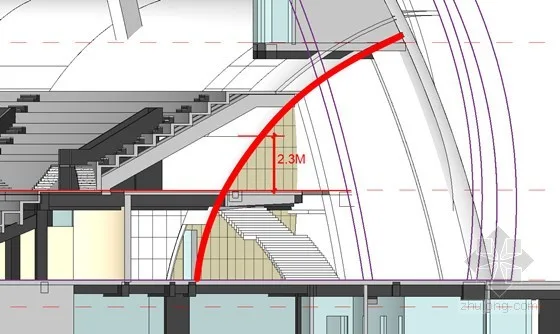
Figure 12-2: Second floor constraint – corridor width and height
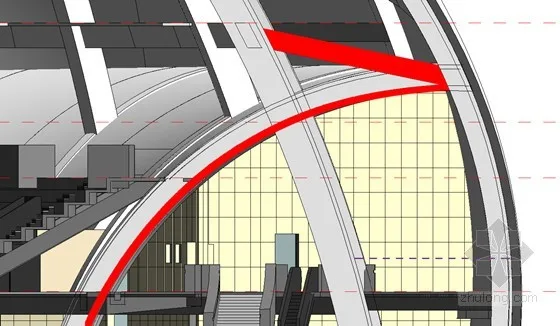
Figure 12-3: Intersection constraint – below roof structure
During detailed design, structural, mechanical, and electrical teams use specialized software for qualitative and quantitative analysis. BIM models export into compatible formats, avoiding redundant model creation and enhancing design efficiency.
Structural design integrates Revit models into Fluent for wind load simulations, pinpointing actual wind pressure distribution to inform structural and curtain wall design. Structural analysis software such as SAP2000 and Midas further evaluates structural deformation, leading to iterative refinements in the Revit model to support architectural and MEP detailing.
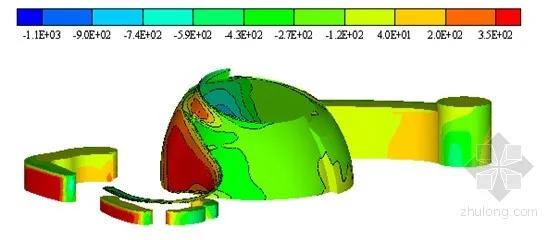
Figure 13: Wind load numerical simulation at 0° wind direction
Complex structural nodes are modeled in CATIA and imported into ANSYS Workbench 14 for detailed analysis. For example, steel roof truss nodes were optimized through five design improvements: increasing support points for better force transmission, adjusting grouting hole locations/sizes, modifying embedded angle steels for reinforcement installation, segmenting hoop reinforcement for construction ease, and refining steel bar bending and arrangement.
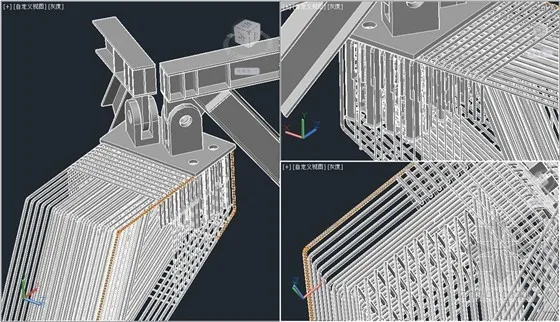
Figure 14: 3D layout model of roof steel frame nodes
Fire protection design utilizes Revit models to simulate coverage of fire water cannons at various elevations, verifying optimal placement to maximize protection with minimal equipment.
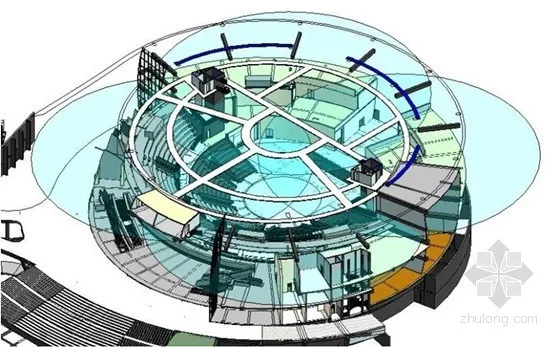
Figure 15: Fire water cannon protection range simulation
Since the audience hall and stage share an open space, lighting fixtures are installed on the stage runway structure. Using precise spatial data from Revit models, CalcuLuxArea lighting software analyzes illumination, enabling optimized lighting arrangements.
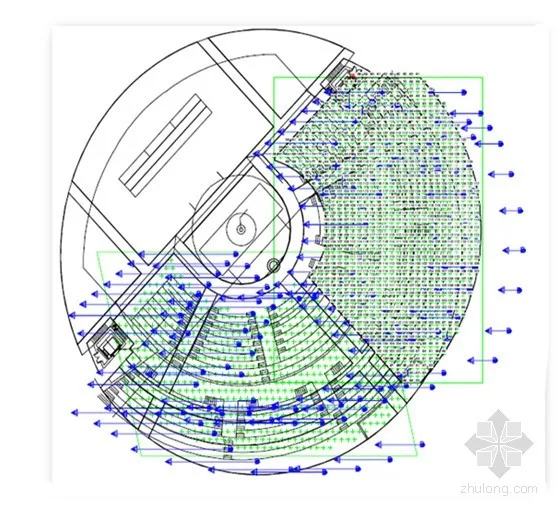
Figure 16: Illumination calculation in the audience hall
Comprehensive Pipeline Design and Clash Detection
The goal of comprehensive pipeline design and clash detection is to prevent conflicts, resolve interdisciplinary clashes, clarify pipeline elevations, and aid in construction sequencing.
Traditional 2D design coordinates pipelines through key point profiles, whereas 3D BIM models provide a direct visualization of each discipline’s components. Autodesk Navisworks is used to conduct clash detection, significantly improving coordination efficiency.
The mechanical and electrical rooms, primarily located on the first and second underground floors, include ventilation, air conditioning, water supply, drainage, fire protection, and electrical systems. Given the complexity, clash detection is performed separately between civil structures and MEP systems, as well as within MEP disciplines, to clearly identify and resolve ‘hard’ clashes. This process facilitates immediate adjustments and simplifies construction guidance without cluttering drawings with pipeline listings.
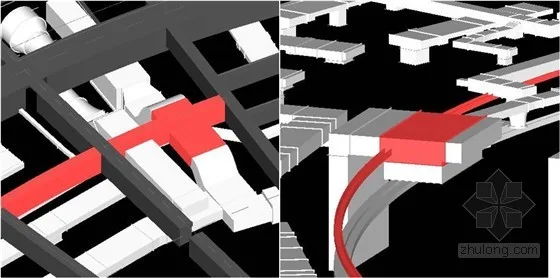
Figure 17-1: Clash between underground structural beams and air conditioning ducts Figure 17-2: Clash between air conditioning ducts and electrical cable trays
Collaborative BIM Applications
As a large-scale, multifunctional theater complex, Chongqing International Circus City requires specialized designs, including fire performance simulation, energy efficiency reviews, stage machinery, landscape, and interior decoration. These specialties collaborate with professional design firms, supported by the BIM model, which provides precise data for efficient, coordinated design development.
Because the main hall does not physically separate audience and stage areas, the design team engaged the Sichuan Fire Research Institute of the Ministry of Public Security for fire safety design. Using fire simulation software DFS and evacuation software STEPS, the institute conducted fire and evacuation analyses. The design team exported the Revit BIM model in .dxf format and integrated it with Pyrosim and DFS software, enabling seamless collaboration.
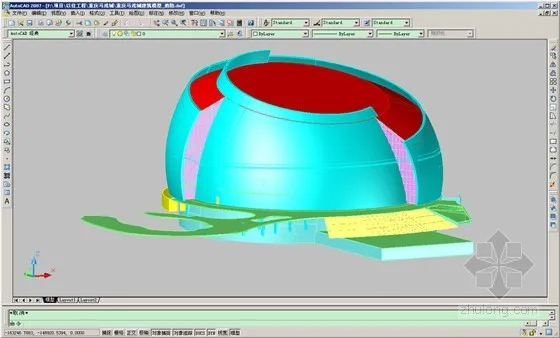
Figure 18-1: Importing DXF files into the Pyrosim tool
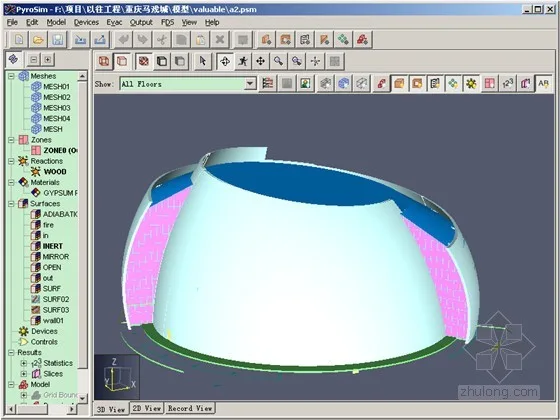
Figure 18-2: Adding fire parameter conditions to generate .fd files for simulations
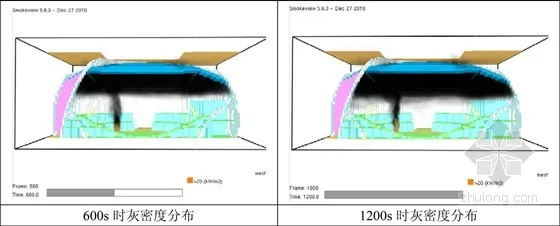
Figure 18-3: Fire simulation and smoke analysis results
The stage machinery for a circus theater is more complex than typical theaters. Besides standard horse tracks, multiple layers of barriers matching performance and audience areas, and numerous flying apparatuses are required. These systems closely interact with the building’s main structure, which features a complex internal space and roof steel framework.
Stage machinery designers require non-floor elevation plans and sectional views to clearly communicate their designs. The design team leverages Revit’s ability to generate sectional and plan views at any elevation or section, providing precise perspectives that facilitate understanding of spatial relationships.
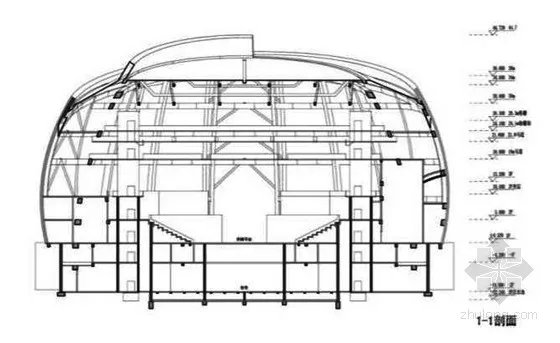
Figure 19-1: Sectional view provided to stage machinery designers
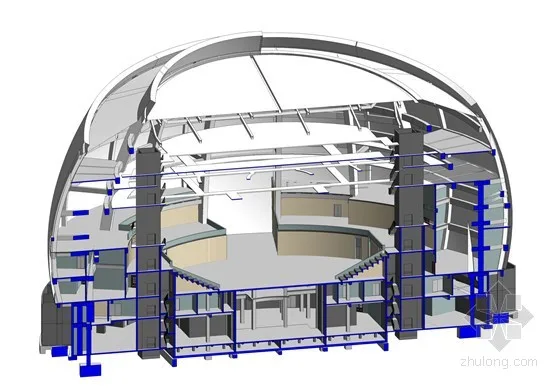
Figure 19-2: Sectional perspective view provided to stage machinery designers
BIM Outlook
From the outset, given the project’s complexity and client needs, BIM technology was selected for the Chongqing International Circus City project. As the design advanced, BIM’s strengths in project management, interdisciplinary collaboration, and data extraction became increasingly evident.
BIM provides a unified platform that connects owners, designers, builders, operators, and urban managers, facilitating information sharing and collaborative workflows. Through continued software development and BIM integration, this technology is set to drive innovation not only in architectural design but across the entire construction industry.















Must log in before commenting!
Sign Up