
Abstract During the design phase of the Tianjin West Station project, designers employed various software tools to complete the passenger station design. The resulting BIM data contained detailed information, which was effectively utilized in facility operation management, demonstrating the full lifecycle concept of BIM.
1. Project Background
Project Name: Heart Station – High-Speed Railway Station BIM Facility Operation Management
Project Design Unit: Railway Third Survey and Design Institute Group Co., Ltd.
Railway Third Survey and Design Institute Group Co., Ltd. (referred to as “Railway Third Institute”) was established in 1953. It is a large-scale, comprehensive Grade A survey and design enterprise group specializing in surveying, mapping, consulting, design, supervision, and engineering general contracting for railways, urban rail transit, highways, and other engineering projects. The institute plays a key role as a unified technology platform, research and development base, innovation hub, and talent training center for China’s railway industry. It boasts strong technical expertise, comprehensive professional capabilities, and ranks among China’s top 100 survey and design enterprises. Holding the “Engineering Design Comprehensive Class A Qualification” issued by the Ministry of Construction and recognized as a state high-tech enterprise, it excels in areas such as high-speed railways, maglev transportation, and large integrated transportation hubs. Several of its technologies have reached national advanced levels, contributing significantly to the development of China’s transportation infrastructure.
Related Software Applications Used:
- Autodesk Revit Architecture
- Autodesk Revit Structure
- Autodesk Revit MEP
- Autodesk Navisworks
- AutoCAD
BIM Application Evaluation and Feedback:
The construction of numerous large railway stations, characterized by their vast scale and extensive equipment, demands an advanced platform for operation and management to improve efficiency. BIM has effectively addressed this need by encompassing all professional systems and inheriting comprehensive data from the design phase. This not only reduces system construction costs but also ensures data accuracy.
—— Guo Weidong, President of the Architectural Branch, Third Railway Survey and Design Institute Group Co., Ltd.
The BIM concept will play an increasingly vital role in facility operation management. It extends the BIM lifecycle concept, reuses design phase models, and enhances the quality and efficiency of facility management.
—— Gu Qiongying, First-Class Registered Structural Engineer, Project Chief Engineer, and Senior Engineer at the Architecture Branch of the Third Railway Survey and Design Institute Group Co., Ltd.
Autodesk Navisworks continues the legacy of Autodesk Revit by maintaining consistent data and application integration, inheriting our design data seamlessly.
—— Li Hualiang, Deputy Chief Engineer and Senior Engineer, Railway Third Survey and Design Institute Group Co., Ltd.
With its efficient graphics and open development interface, Autodesk Navisworks will play a significant role in facility operation management.
—— Yu Yang, Director of Information Center and Senior Engineer, Railway Third Survey and Design Institute Group Co., Ltd.
2. Main Text
BIM Facility Operation and Management Technical Solution for Heart Station High-Speed Railway Passenger Station
Project Overview
China ranks among the world’s leaders in high-speed rail, both in terms of operating mileage and speed. According to the 12th Five-Year Plan and current construction pace, by the end of 2015, China’s railway network exceeded 120,000 kilometers, with over 600 new railway passenger stations constructed. Additionally, numerous existing stations require modernization. Updating management strategies and improving operational management of stations—especially large railway passenger stations—is critical to achieving the railway system’s goal of “good and fast development.”
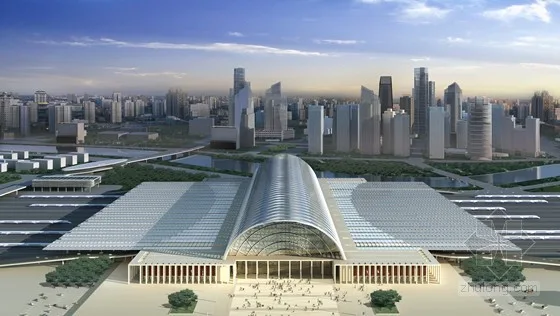
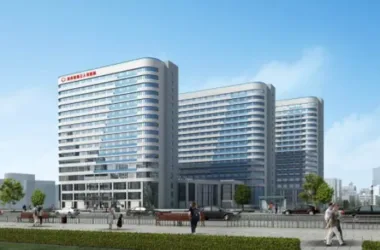
Figure 1: Rendering of Tianjin West Station
As public transportation hubs, the construction, operation, and management quality of railway stations directly impact passenger experience. Modern large-scale railway stations are enormous; for example, Beijing South Station covers 490,000 square meters with a building area of 310,000 square meters, accommodating up to 10,000 passengers simultaneously. Advanced equipment such as combined cooling, heating and power supply systems, ground source heat pumps, building automation systems (BAS), fire alarm and linkage control systems (FAS), large screen identification, high-capacity fire water cannons, automatic ticketing, and photovoltaic power generation are commonly deployed. These systems span multiple disciplines, including traditional building facilities like HVAC, AC/DC power distribution, broadcasting, fire protection, video surveillance, intelligent lighting, DPS emergency power supply, wiring, access control, and specialized railway operation systems.
Given this complexity, it is essential to develop a sophisticated 3D facility operation management platform that integrates building information, facility details, and control data. This platform should meet the current and future operational needs of the railway system.
Project Solution
The railway passenger station facility operation management system is a comprehensive platform designed to support collaborative workflows among personnel across different management levels and professional systems. Selecting the right technology platform is crucial for project success. BIM technology, with its rich 3D building information and visualization capabilities, offers distinct advantages and serves as an ideal foundation for facility operation and management.
During the design phase, designers utilized Autodesk Revit Architecture, Revit Structure, Revit MEP, and Autodesk Navisworks. The BIM data generated includes detailed information on structure, architecture, spatial layout, piping, and equipment. Leveraging design phase outputs in facility operation management ensures data continuity and embodies the full lifecycle concept of BIM. Therefore, the China Railway Third Survey and Design Institute developed the passenger station facility operation management system based on Autodesk Revit design data.
BIM Core Model
The BIM model construction for railway passenger stations involves converting 2D CAD design drawings into 3D models using Autodesk Revit series software. The model incorporates information from structure, architecture, water supply and drainage, fire protection, HVAC, and other specialties. To meet railway-specific management requirements, the China Railway Third Academy reclassified subsystems to align with the needs of different management levels and departments like railway bureaus and stations. This approach highlights key objects for management, hides irrelevant layers, focuses management efforts, improves efficiency, and fulfills operational needs.
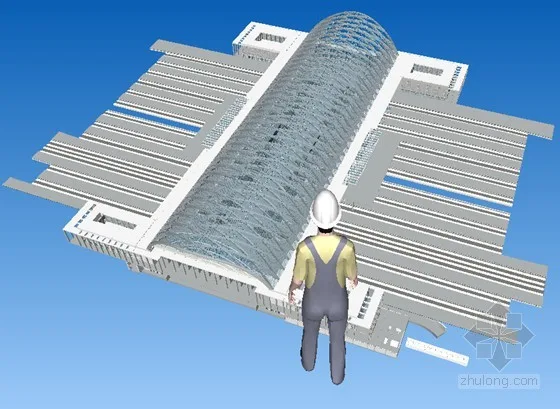
Figure 2: Overall Architectural Browsing Mode of Station Building
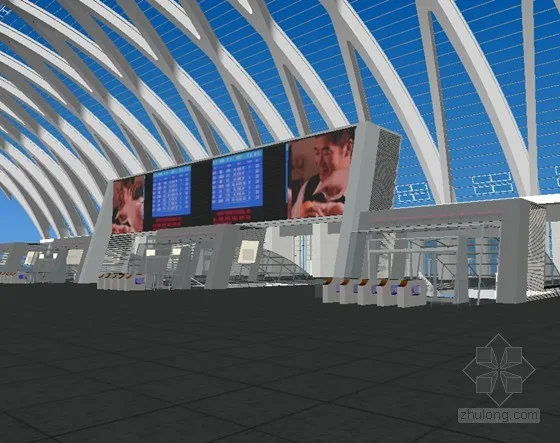
Figure 3: Viewing Mode of Waiting Hall
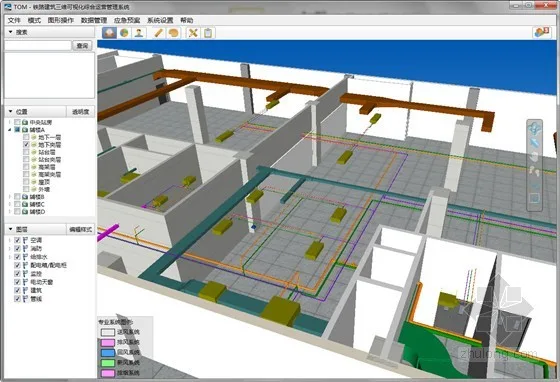
Figure 4: Floor Facility Management Mode
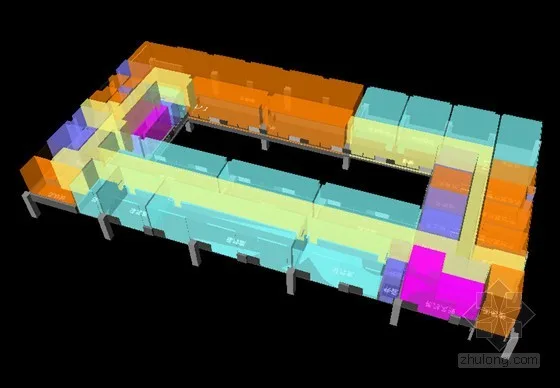
Figure 5: Floor Space Management Mode
Equipment Ledger Integration
The original equipment ledger, maintained in Excel format, is largely isolated from spatial entities, complicating effective correlation. The ledger contains facility names, models, specifications, parameters, suppliers, warranty providers, warranty periods, contacts, and phone numbers. When equipment requires maintenance or repair, personnel need quick access to accurate ledger information to coordinate with manufacturers and service providers. The system platform offers multiple ways to locate equipment quickly, such as 3D spatial roaming to specific locations or direct device searches by spatial position, providing an intuitive experience. Additionally, a fuzzy search function lists all matching results; by confirming and double-clicking an item, users can navigate directly to the device. These rapid navigation options enable efficient equipment identification, viewing of ledger details, and management of maintenance tasks.
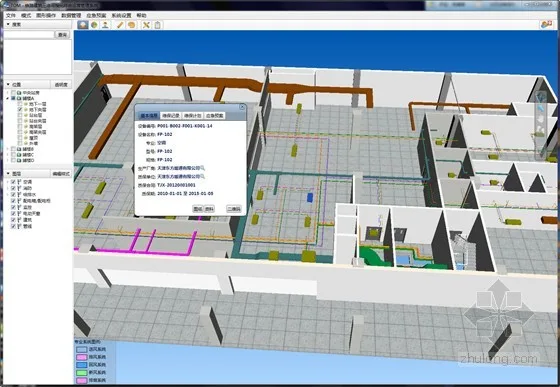
Figure 6: Basic Information Browsing of Facilities
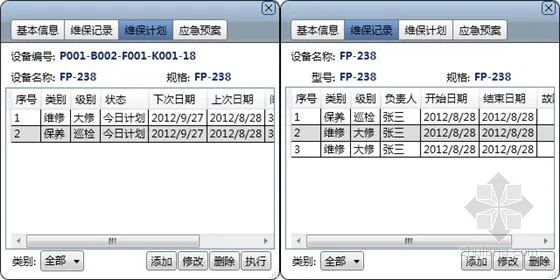
Figures 7-8: Facility Maintenance Plan and Record Management
Layer Classification
Modern large railway passenger stations feature complex and numerous equipment categories. Railway management departments assign different teams to manage specific equipment types, ensuring efficient division of labor and high-quality management. The system platform categorizes equipment into groups such as air conditioning, fire protection, water supply and drainage, and monitoring. Users can hide categories they don’t need to manage and highlight systems relevant to their focus.
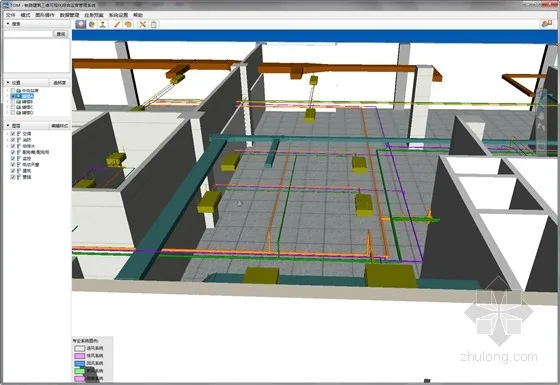
Figure 9: Facility Browsing by Layer
Integration of Design Drawings and Documentation
Effective search and browsing of as-built drawings and documentation are vital for station operation management. The system organizes as-built drawings by park, building, and floor levels, linking them to the BIM models. Within the system integration window, users can filter completion drawings by various criteria to view design documents. This data is organized and managed systematically through BIM association, location hierarchy, and system classification.
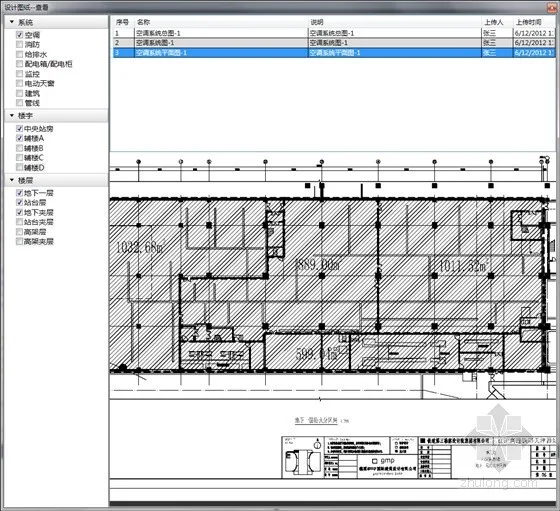
Figure 10: Design Drawing Access Window
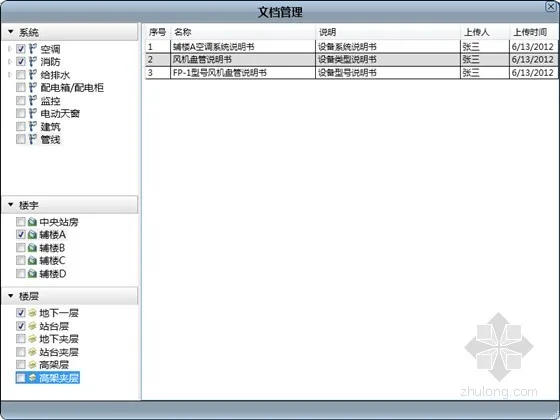
Figure 11: Document Retrieval Window
Commercial Space Management
Railway stations often include commercial areas to serve passengers, renting rooms to merchants. The station management department can efficiently manage room numbers, areas, heights, lessees, rents, lease start and end dates, and historical rental records in the system.
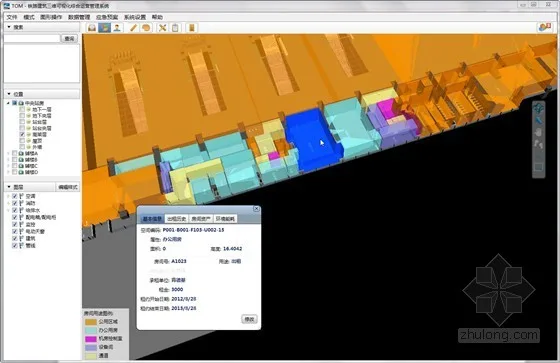
Figure 12: Basic Spatial Information View
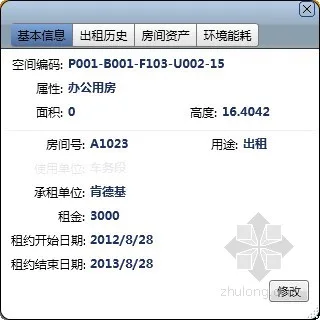
Figure 13: Historical Space Rental Management
Environmental Energy Monitoring
As a large public space, the station must ensure passenger comfort while controlling energy consumption in line with green building standards. The system collects real-time environmental data such as humidity, temperature, and carbon dioxide levels via Internet of Things (IoT) interfaces. These indicators are displayed through the BIM 3D model, with visual cues like room color gradients illustrating monitoring results. For instance, if the temperature exceeds 30°C, a red highlight alerts relevant departments to adjust air conditioning, ensuring a comfortable waiting environment.
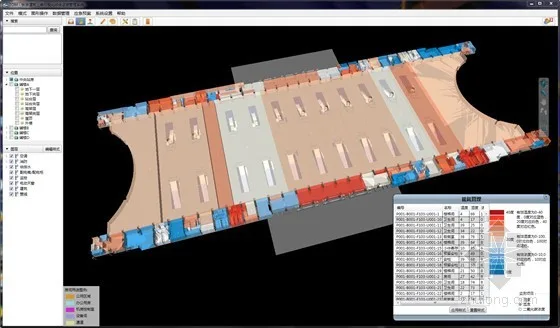
Figure 14: Environmental Energy Monitoring Display
Emergency Response Plan
Modern railway stations serve thousands of passengers daily. In emergencies, station management must implement effective measures prioritizing passenger safety and property protection, while minimizing incident impact. Given the large scale, complex systems, and numerous pieces of equipment, quick and informed responses are critical. For example, during a fire, staff must evacuate passengers promptly and be familiar with all escape routes. The facility management platform’s fire escape plan module supports staff training through realistic scenario exercises, helping memorize evacuation routes. Similarly, in a water pipe burst, the system enables rapid valve location and closure, exemplifying efficient emergency response capabilities.
Project Application Summary
China Railway Third Survey and Design Institute integrates BIM-based operation and management concepts with the needs of modern railway hubs and stations. Leveraging its technological strengths, it addresses numerous challenges in managing large stations. BIM’s value is evident in daily facility maintenance, space management, and emergency planning, with substantial progress made in enhancing operational management of station facilities.












Must log in before commenting!
Sign Up