
Abstract The relocation technology transformation project of Xuchang Cigarette Factory, operated by Henan Zhongyan Industry Co., Ltd., is situated within the urban-rural integration promotion zone stretching from Xuchang to Changge. The site is bounded by Weiwu Avenue to the east, Xueyuan Road to the west, Huangjin Avenue to the north, and Wantong Road to the south, covering a total land area of 680 acres, with 500 acres designated for construction.
1. Project Background
1. Project Name: Henan Tobacco Industry Co., Ltd. Xuchang Cigarette Factory Relocation Technology Transformation Project
2. Project Design Unit: Sixth Design and Research Institute of Machinery Industry Co., Ltd.
China Machinery Industry Sixth Design and Research Institute Co., Ltd. (referred to as “China Machinery Industry Sixth Institute”) was established in 1951. It is among China’s earliest and most influential design institutions and ranks within the top 100 comprehensive strength units in the national survey and design industry. Affiliated with China Machinery Industry Group Co., Ltd., a major central enterprise group, the institute achieved integrated certification in 2007 for ISO9001 (quality management), ISO14001 (environmental management), and GB/T28001 (occupational health and safety management systems).
China Machinery Sixth Institute stands as the sole professional design institute in China serving the machine tool and inorganic non-metallic material industries. It is a leading design institute across five major sectors: tobacco, casting, heavy mining, engineering machinery, and civil construction. The institute excels in large-scale factory and park planning, enterprise production process reengineering, complex structural design, HVAC, industrial dust removal, intelligent information systems, green building, municipal and environmental engineering, and serves as the chief editor of national green industrial building standards.
Over six decades, China Machinery Sixth Institute has delivered outstanding engineering design and research achievements as a comprehensive Class A design institute. It has completed over 10,000 engineering projects and contributed to 21 national and industry standards. The institute has earned prestigious recognitions including a second prize in the National Science and Technology Invention Award, the Zhan Tianyou Award (China’s highest civil engineering innovation award), six Luban Awards, 25 national awards for science and technology progress and excellent engineering design, and more than 300 provincial and ministerial accolades.
3. Related Software Applications:
- Autodesk Revit Architecture
- Autodesk Revit Structure
- Autodesk Revit MEP
- Autodesk Navisworks
- Autodesk Ecotect Analysis
- Autodesk 3ds Max
- Autodesk Showcase
- Autodesk Project Vasari
- Autodesk Simulation CFD
- AutoCAD
4. BIM Application Evaluation and Feedback:
By leveraging Autodesk’s BIM products as a development platform and integrating BIM concepts into factory operation and maintenance management, the project achieves comprehensive visualization and intelligent management of data and spatial information across the factory’s full lifecycle—from design and construction through operation and maintenance. This approach effectively prevents asset loss and significantly improves management efficiency.
— Zhang Xinsheng, Deputy Director of BIM Center and General Manager of BIM Application Development, Sixth Design and Research Institute of Machinery Industry Co., Ltd.
Through strategic and flexible division of 3D model work packages linked with scheduling plans, precise project progress control is attained via schedule simulation. Construction process simulation verifies the feasibility of construction plans, delivering enhanced visual management support for project oversight. Autodesk’s BIM-based software significantly aids project management.
— Ding Jinting, Software Development Leader for BIM Construction Stage, Sixth Design and Research Institute of Machinery Industry Co., Ltd.
Thanks to the persistent efforts and accumulated experience of company leaders and colleagues, the application level of BIM technology has been elevated, achieving technological breakthroughs and laying a solid foundation for BIM’s full lifecycle service in engineering construction.
— Lu Zichao, BIM Site Manager, Sixth Design and Research Institute of Machinery Industry Co., Ltd.
2. Main Text
China Machinery Sixth Institute employs BIM technology for full lifecycle application to enhance project quality.
Project Introduction
Henan Zhongyan Industry Co., Ltd. engages in the production and sales of tobacco products, management of tobacco materials and spare parts for tobacco machinery, and the import/export of tobacco leaves and cigarettes. The company operates eight cigarette factories located in Xinzheng, Zhengzhou, Xuchang, Anyang, Nanyang, Zhumadian, Luohe, and Luoyang, along with Henan Cigarette Industry Tobacco Thin Film Co., Ltd. With over 17,000 employees, it manufactures and sells 3.22 million boxes of cigarettes annually and holds total assets worth 13.4 billion yuan.
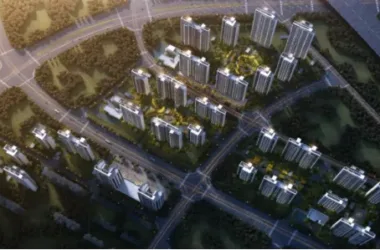
The relocation technology transformation project for the Xuchang Cigarette Factory lies within the urban-rural integration zone between Xuchang and Changge. The site is bordered by Weiwu Avenue (east), Xueyuan Road (west), Huangjin Avenue (north), and Wantong Road (south), covering 680 acres with 500 acres allocated for construction. The project includes building a new joint workshop of 92,700 square meters, featuring an 8,000 kg/h silk-making workshop and an 800 kg/h carbon dioxide expanded tobacco production line. Production logistics systems such as raw material formula warehouses, auxiliary material balance warehouses, and finished product temporary storage warehouses are also part of the development. The design and production scale aims for 30 billion units (600,000 boxes).
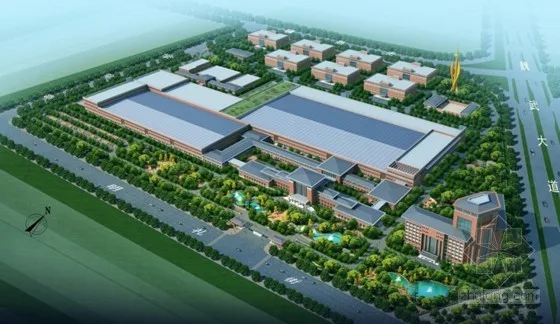
Figure 1: Aerial view of the Xuchang Cigarette Factory relocation technology transformation project
Project Challenges
1. Optimizing Factory Planning
Efficient and rational production logistics are critical to the factory park layout. Factors such as wind and noise environment, workshop noise control, and odor gas emissions must be addressed to ensure harmony between buildings and nature, as well as the health, functionality, and efficiency of building spaces. The production process is central to tobacco factory design; balancing the needs of improving quality, reducing consumption, cutting costs, and enhancing efficiency is essential to reflect modern factory features and increase production capacity.
2. Coordinating Multi-Disciplinary Design
Coordinating multiple disciplines and systems across spatial and temporal dimensions presents significant complexity. Tobacco processing equipment is diverse, with complex interfaces involving various public specialties, making integration challenging. Designing detailed drawings for complex components such as station buildings, equipment, and pipeline connections demands meticulous attention.
3. Integrated Pipeline Design
Traditional pipeline design, relying on 2D methods, often overlooks supports and hangers, focusing only on pipeline layout. True 3D integrated pipeline design must include efficient design and calculation of supports and hangers to guide construction effectively. Enhancing the quality and comprehensiveness of pipeline design in a 3D environment remains a pressing challenge.
Project Solutions
1. Project Implementation Organization
The Xuchang Cigarette Factory relocation technology transformation project is an industrial initiative centered on process design. Coordination around process equipment requirements is critical. Tobacco technology involves numerous pieces of equipment and a complex layout of public specialty pipelines and cable trays with many intersections. Traditional process design approaches fall short in addressing these complexities. Crisscrossing pipelines and difficult-to-determine gravity pipeline elevations increase collision risks, while project timelines and costs are sensitive, and rework costs are difficult to estimate.
To address these challenges, BIM technology is adopted using Autodesk Revit series software to create detailed 3D models across disciplines. The project employs a shared Autodesk Revit central file system in a workspace format, supported by RevitServer infrastructure that synchronizes data across central and local servers, improving collaboration efficiency and data management.
Upon project completion, a comprehensive 3D model delivery system is used. Autodesk Navisworks-based software enables all participants to collaborate on a unified building information model accessible via the Internet. This integrates construction materials from design through completion, delivering a rich information model to the owner suitable for integrated 3D operation and maintenance systems and digital factory platforms. Features include encrypted delivery of building models and drawings, real-time data synchronization between design and site servers, collaborative work based on a shared data source, and construction process data archiving with 3D/2D model visualization, cross-network design review, change analysis, and interactive progress simulation.
2. Project Design and Software Applications
1. Overall Planning and Design
Factory planning follows principles of comprehensive planning, one-time design, phased implementation, overall coordination, and proximity-based arrangement aligned with production and development needs. The design ensures clear functional zoning, streamlined processes, simple logistics, and comprehensive support facilities. Land use complies with urban planning, environmental protection, safety, hygiene, fire prevention, energy conservation, and landscaping requirements. BIM technology provides essential technical support to achieve these goals.
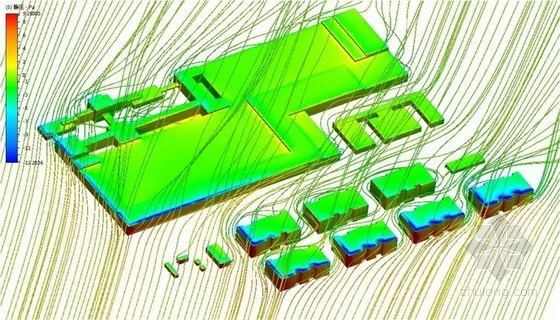
Figure 2: Atmospheric flow trajectory distribution
Using Autodesk Revit volume models, outdoor wind environment analysis was conducted with Autodesk Simulation CFD to optimize park planning, building spacing, and process layout. The goal is to maintain pedestrian wind speeds below 5 m/s at 1.5 meters above ground and limit pressure differences between building fronts and backs (except windward sides) to below 5 Pa in winter, supporting natural ventilation in summer and transitional seasons.
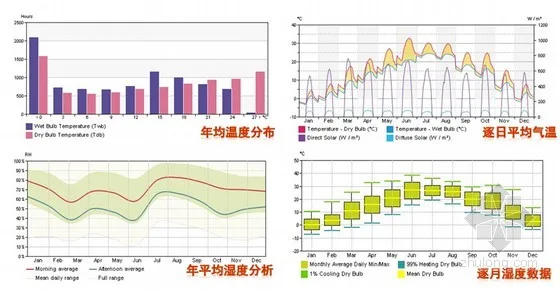
Figure 3: Meteorological data distribution
During early design stages, Autodesk Ecotect’s WeatherTool was used to analyze Xuchang’s climate data, informing building orientation, passive design strategies, and HVAC planning. The tool analyzed annual temperature frequencies and dry-wet bulb temperatures to guide architectural and equipment design.
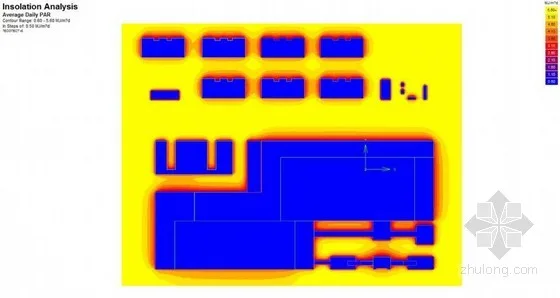
Figure 4: Solar radiation analysis at the site
Landscape design integrates Autodesk Ecotect’s annual cumulative daily average solar radiation analysis. Areas receiving less than 3 MJ/㎡·day are planted with shade-loving species, while zones with 3–6 MJ/㎡·day receive neutral plants.
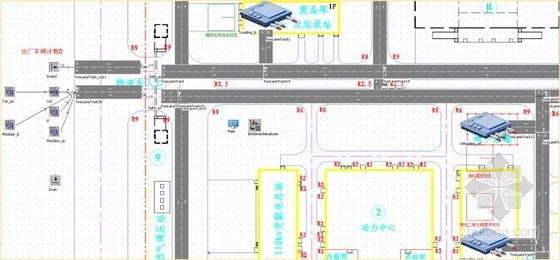
Figure 5: Factory area logistics simulation analysis
Smooth logistics are essential in overall planning. Tecnomatix Plant Simulation software was used to simulate logistics within the park, establishing a balanced model and performing quantitative analyses. This enabled identification and resolution of design issues, comparison of multiple schemes, reduction of transportation time and distance, and optimization based on data-driven decisions.
2. Process Design
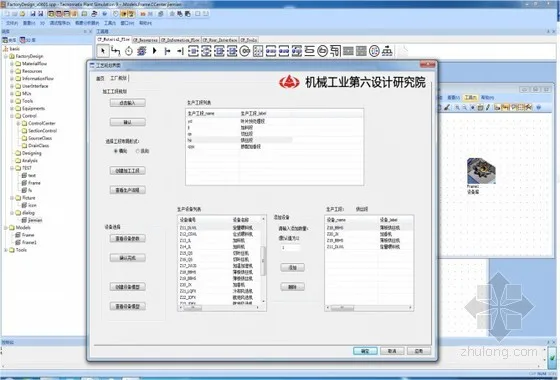
Figure 6: Simulation analysis of flexible platform control interface
A flexible simulation analysis platform and equipment model library were developed to facilitate factory and workshop process planning. This includes sectioning production areas, modifying equipment configurations, and layout planning. The equipment model library supports rapid logical model creation for simulation purposes.
By simulating the silk production line and integrating it with the production schedule, virtual trial production was conducted to visualize operations and enable real-time monitoring of work order execution, verifying scheduling plans.
3. Architectural Design
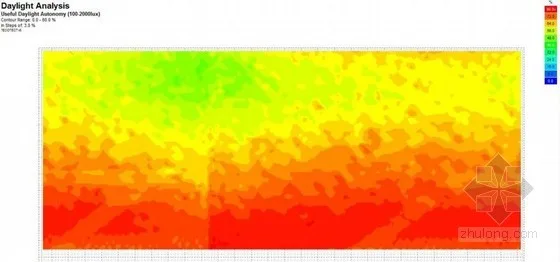
Figure 7: Percentage of total natural lighting time
To maximize natural light usage, multiple lighting schemes for the joint workshop were compared using Autodesk Ecotect during design. Lighting coefficients and natural lighting duration percentages were analyzed. Due to process layout constraints, side lighting was adopted, yielding suboptimal natural light in deep areas, necessitating artificial lighting. Autodesk Ecotect’s artificial lighting analysis guided the lighting design to maximize energy efficiency.
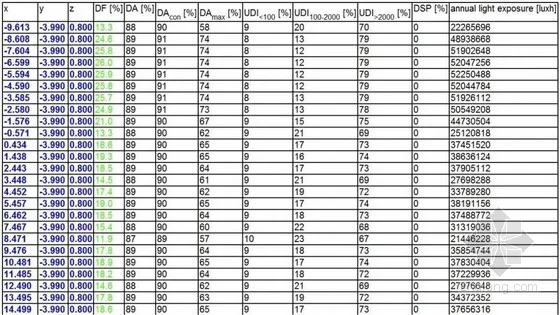
Figure 8: Interaction results between Autodesk Ecotect and Daysim
Autodesk Ecotect integrated with Daysim for more precise daylighting analysis, generating dynamic metrics such as maximum and effective natural daylighting time percentages. Daysim results were imported back into Ecotect for visual representation, facilitating easier analysis.
4. Structural Design
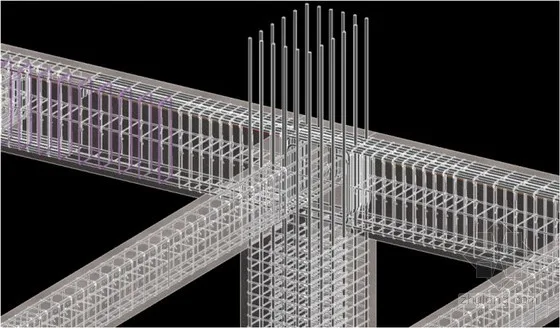
Figure 9: Reinforcement diagram of framework structure
Using the REX extension in Autodesk Revit Structure, accurate and intuitive 3D node diagrams of steel and reinforced concrete structures are efficiently created. Applying BIM technology in phases to structural drawings greatly enhances work efficiency, construction guidance, and quantity control.
5. Public Specialty Design
This encompasses over 20 specialized subsystems involving diverse pipeline types, complex valves and instruments, and varying insulation thicknesses. Pipeline elevations differ across functional zones and specialties, requiring precise connections to process equipment. Adopting 3D design enhances precision and intuitiveness in public specialty layouts.
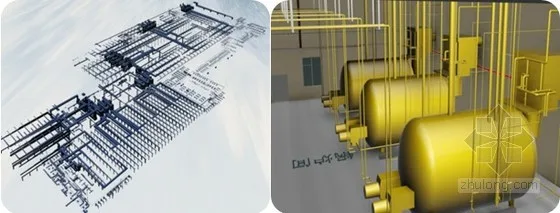
A-B HVAC Power
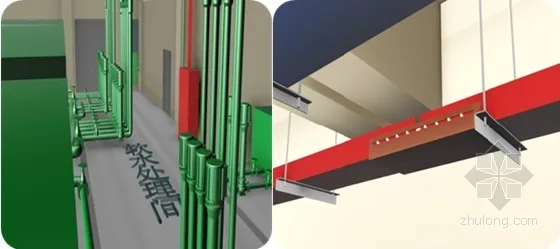
C-D Water Supply and Drainage – Strong and Weak Electricity
Figure 10: Public Specialty Design
6. Comprehensive Pipeline Deepening Design
Pipeline design optimizes limited space by considering routing, types, elevations, and diameters. Drawings present pipeline layouts from multiple perspectives—3D axonometric, sectional, and plan views—addressing the limitations of traditional 2D space representation. Maintenance and construction space requirements are met, while supports, hangers, and prefabricated components are designed in detail to improve design quality and construction guidance.
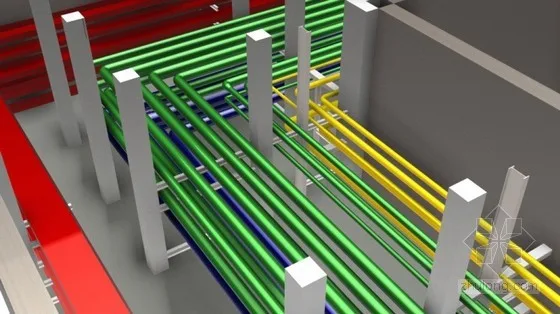
Figure 11: Comprehensive underground pipeline gallery design
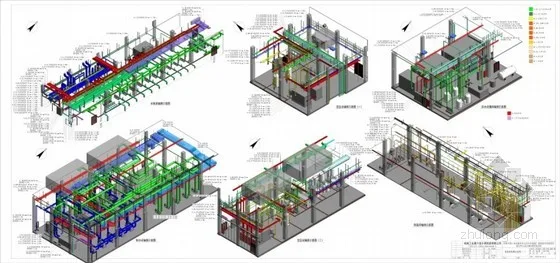
Figure 12: 3D axonometric drawing of comprehensive pipeline deepening design
3. Expanded Applications
1. Autodesk Revit 3D Auxiliary Design System
The Autodesk Revit software series offers an interface conducive to secondary development and auxiliary design tool creation. China Machinery Sixth Institute has developed auxiliary design plugins, including an enterprise 3D component library, integrated pipeline supports and hangers, and other design tools.
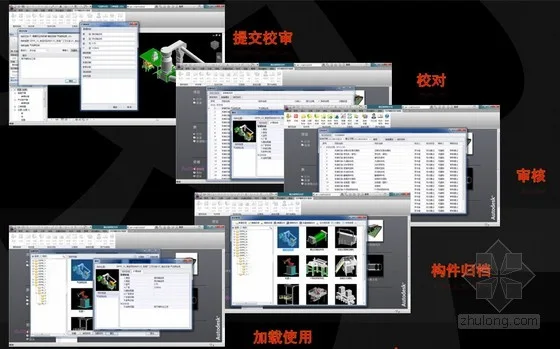
Figure 13: Enterprise 3D Component Library
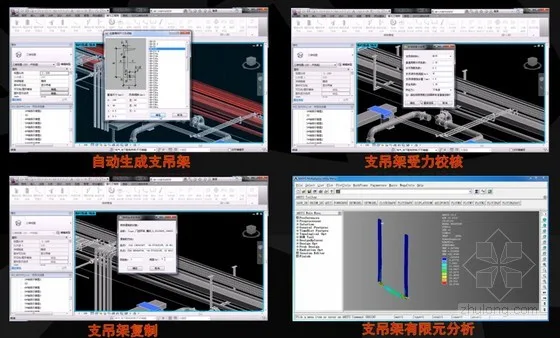
Figure 14: Integrated pipeline supports and hangers
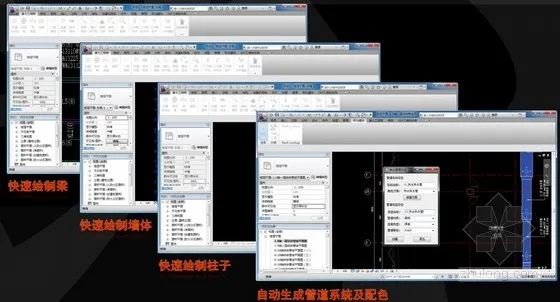
Figure 15: Additional auxiliary design tools
2. Design Specification Inspection and Collision Detection Cloud Service
The cloud service automatically saves and uploads Autodesk Revit files on schedule or per work order. It applies enterprise design standards and predefined collision detection rules, utilizing Autodesk Revit and Navisworks plugins to perform inspections and detect conflicts. Generated reports are promptly fed back to designers for correction.
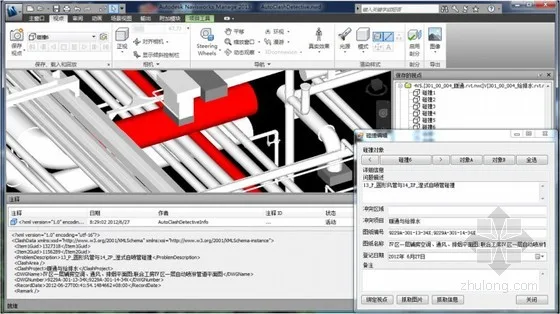
Figure 16: Collision Detection Cloud Service
3. BIM-Based Project Management System
BIM-driven project management offers a novel approach emphasizing information and resource sharing and integration. It addresses labor division, collaboration, and communication challenges within and between units at various project levels, thereby enhancing overall project quality, efficiency, and management standards.
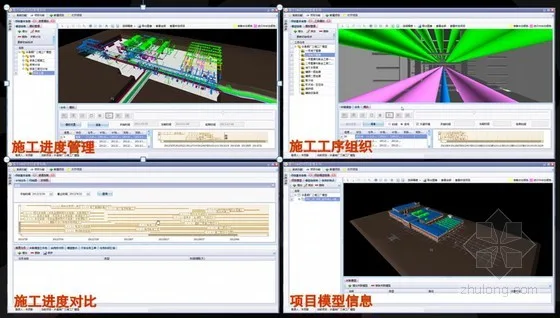
Figure 17: Project Management System Based on BIM
4. Factory 3D Operation and Maintenance Management System
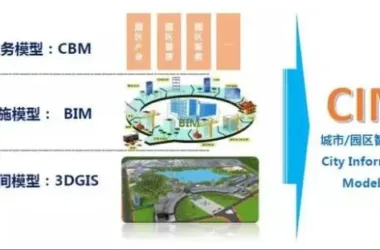
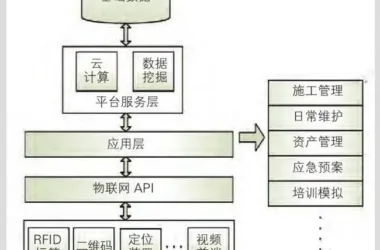
This system employs a parameterized 3D factory model as the information carrier, integrating data and spatial information across the factory’s entire lifecycle—from design and construction through operation and maintenance. It constructs a rich 3D information model that enables visual and intelligent management of factory operation and maintenance.
5. Mobile Terminal Applications
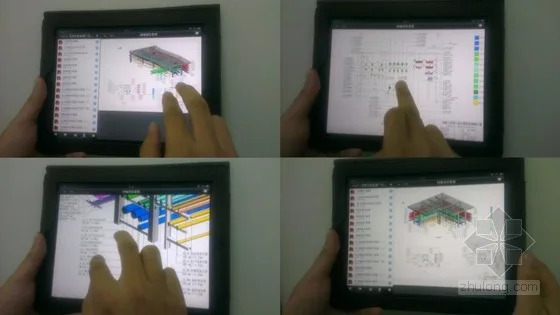
Loading BIM models on mobile devices enables real-time browsing and review of models and drawings, ensuring stakeholders stay updated on all project changes. This supports mobile, paperless workflows on construction sites.













Must log in before commenting!
Sign Up