
Abstract
The Zhuhai Opera House project is highly complex, involving intricate curtain walls and steel structure systems. Key elements such as the auditorium, internal support structures, and pipeline integration rely on the versatility and user-friendliness of Autodesk Revit software. This ensures strong practicality throughout various design stages while maintaining close collaboration and feedback across multiple disciplines. The project team aims to leverage BIM technology throughout the entire building lifecycle, delivering precise visual models for all professions and constructing comprehensive information models on a unified platform. This represents a pioneering effort in applying BIM technology to large, complex buildings.
1. Project Background
1. Project Name: Zhuhai Opera House Project
2. Project Design Unit: Beijing Institute of Architectural Design and Research Co., Ltd
The Beijing Institute of Architectural Design and Research Co., Ltd. (BIAD) specializes in urban planning, investment planning, large-scale public building design, civil architecture, interior decoration, landscape design, intelligent building system engineering, preliminary budget preparation, supervision, general contracting, and more. Since its founding in 1949, BIAD has completed over 150 million square meters of architectural design. Between 1977 and the present, the firm has received 1,166 awards and earned the honorary title “Capital Architectural Design Outstanding Contribution Design Research Unit” from the Beijing Municipal Government. BIAD operates 12 branch offices nationwide, covering architectural projects across all 31 provinces, municipalities, and autonomous regions.
3. Related Software Applications:
- Autodesk Revit Architecture
- Autodesk Revit Structure
- Autodesk Revit MEP
- Autodesk Navisworks
- Autodesk Maya
- Autodesk 3ds Max
4. BIM Application Evaluation and Feedback:
“The full-process collaboration between upstream and downstream sectors of the construction industry chain is the key solution. By leveraging the Internet, BIM, and cloud technologies, we can build an open construction engineering service platform that integrates consultation, planning, design, construction, and management, enabling seamless collaboration and lifecycle management of buildings.”
—— Zhu Xiaodi, Chairman, Beijing Institute of Architectural Design and Research Co., Ltd
“The third industrial revolution, merging informatization and industrialization, will fundamentally reshape 21st-century work and life. BIM technology will play a leading role in this transformation.”
—— Xu Quansheng, General Manager, Beijing Institute of Architectural Design and Research Co., Ltd
“The adoption of BIM technology in architecture reminds me of the shift twenty years ago when CAD replaced hand drawings. While doubts and uncertainties exist, waiting is not an option.”
—— Ma Long, Director of the Fourth Design Institute, BIAD and Project Lead for Zhuhai Opera House
2. Main Text
Application of BIM Technology in the Zhuhai Opera House Project
Beijing Institute of Architectural Design and Research Co., Ltd. (“Beijing Institute”), a leading architectural design firm, has diversified experience in professional collaboration and synchronous design for complex, large-scale buildings. BIM technology has been applied to projects such as the Phoenix TV Media Center, CBD-Z15 China Zun, and Shenzhen Airport T3 Terminal. The Zhuhai Opera House project also centers its design workflow around BIM technology, aiming to deliver optimized solutions throughout the building’s lifecycle—from design through construction.
Project Overview
Located in southern China, the Zhuhai Opera House stands on the artificially reclaimed Yeli Island in Zhuhai City, Guangdong Province. It serves as the landmark building in the newly reclaimed area of Yeli Island. Visible from multiple vantage points, including Xiangzhou Bay, the Pearl River Estuary, and Lovers Road, the opera house commands the landscape.
The total construction area measures 59,000 square meters, comprising a 1,550-seat opera house, a 550-seat multifunctional theater, as well as outdoor theater facilities, tourism, dining, and service amenities. As China’s first island theater, it is conceived as an elegant cultural and artistic palace and a renowned cultural and tourist destination. Its purpose is not only to provide a high-quality venue but also to create a unique regional and artistic landmark for Zhuhai city.

Figure 1: Outdoor Aerial View of Zhuhai Opera House
The architectural concept draws inspiration from the ocean, with the land layout resembling a graceful fish fin rising from the sea, emphasizing the iconic double-shell form. The design also evokes the sun and moon embracing the sea as the tide recedes—capturing the poetic theme “pearls born in shells, shells born in the sea.” This concept beautifully reflects Zhuhai’s historical and cultural heritage.
The color palette for the auditorium is inspired by evening hues—the gradual merging of sea and sky into a deep, serene atmosphere as stars appear, the beach glowing golden under the sunset, and the vast sea calming in anticipation of a magnificent symphony. This carefully crafted color scheme uses fading and contrast to balance darker tones near the stage entrance, while naturally transitioning from canopy to floor, creating an ethereal and immersive pre-performance ambiance unique to the Zhuhai Opera House.
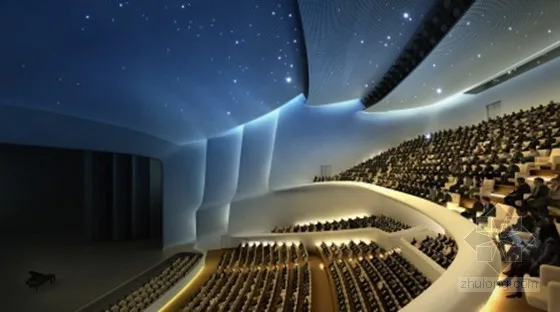
Figure 2: Interior Rendering of Zhuhai Opera House
Project Challenges
- Space Complexity: The theater’s complex curved geometry integrates diverse requirements from acoustics, stage lighting, and air conditioning disciplines. The curved surfaces of the auditorium embody both design intent and functional elements such as sound reflectors, diffusers, ear lights, and surface light bridges.
- Professional Expertise: The project engaged world-renowned consultants: KUNKEL (Netherlands) for stage machinery, Marshallday (Australia) for acoustics, SPEIR+MAJOR for lighting design, GK Corporation (Japan) for wayfinding systems, and Zhuhai Jingyi Curtain Wall Company for roofing and curtain wall systems. Coordinating this global team within the project schedule posed significant challenges for the workflow platform.
- Structural Design: The main building sits on the island’s inner ring road, reaching up to 90 meters in height. Besides its iconic shell form, the structure encloses vertical transportation for the theater. Although naturally well-lit and ventilated, the coastal environment presents challenges such as corrosion and pollution from typhoons and humidity, requiring robust structural solutions.
Typical BIM Applications in Architectural Design
During theater design, Autodesk BIM software facilitated parameterized seating arrangement and sightline analysis. This system enables rapid, effective adjustment of each seat’s line of sight by integrating seat dimensions as units within the model. Combined with a human body model, visual line of sight simulations are generated automatically from multiple angles, allowing architects to evaluate and fine-tune seat heights and angles individually.
Parameterization allows visual analysis for up to 1,550 seats—a task otherwise unimaginable without software assistance—improving efficiency and reducing errors.
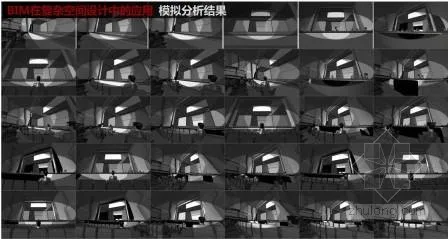
Figure 3: Visual Analysis Simulation
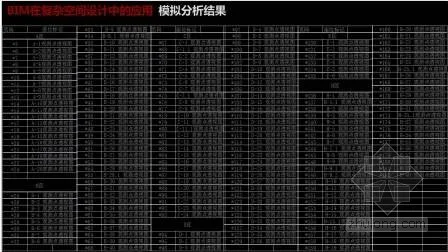
Figure 4: Sightline Model Analysis Results
Using BIM’s unified design platform, each phase synchronizes and shares outputs seamlessly among specialized teams. This approach accelerates design efficiency and prevents errors and rework caused by miscommunication. For theater-specific design, BIM software simulates lighting angles and projection surfaces (face light, slap light, chasing light) in real time, reducing workload and enhancing productivity.
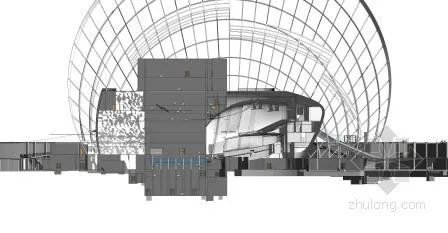
Figure 5: Integrated Theater Professional Design
Acoustic design of the auditorium ceiling panels is critical, balancing single reflection sound requirements with maximizing reverberation time. Using the BIM platform combined with Autodesk and Odeon acoustic software, a detailed acoustic model was quickly built to simulate and resolve design issues, providing timely feedback to architects.
Significance of Acoustic Modeling
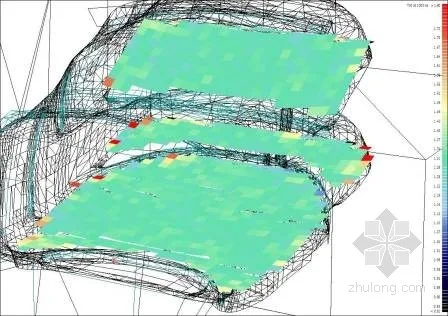
Figure 6: Reverberation Time Distribution
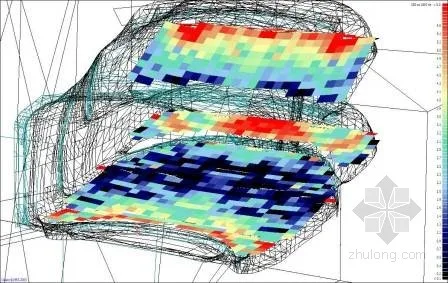
Figure 7: Early Decay Time (EDT) Distribution
Figure 8: Acoustic Clarity
Calculated acoustic parameters at 1m x 1m grid points across the audience area reveal spatial variations illustrated through color charts:
– Figure 6 shows reverberation time at 1000 Hz ranging from 0.8s to 1.8s, with a relatively uniform distribution typical of a sound-diffusing space.
– Figure 7 depicts Early Decay Time (EDT) at 1000 Hz, also between 0.8s and 1.8s. Seats at the rear and balcony show lower EDT values (darker areas), indicating reduced sound fullness and reverberation.
– Figure 8 highlights two critical regions for clarity. The darker center pool area receives less early reflected sound and experiences stronger reverberation, resulting in lower clarity.
Based on these insights, the indoor shape was iteratively refined to better suit performance acoustics.
A feedback mechanism was established in the BIM model to generate computational sequences from sound source to reflector panels and then to the audience. Adjusting soundboard angle, size, and height ensures precise sound delivery to seats. The integrated soundboard surface model was validated using Odeon acoustic software.
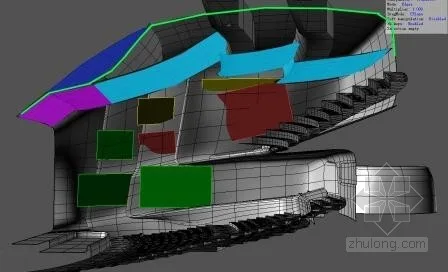
Figure 9: Audience Hall Exterior Before Adjustment
BIM in Structural and Shape Design
The architectural form, inspired by the double shell symbolizing Zhuhai’s history and culture, encloses the auditorium, main stage, and backstage within a pure and natural design language. Vertical circulation is integrated within the steel shell structure. Visitors enjoy views of sunlight, the sea, and rooftop greenery through glass and fine perforated metal panels, while appreciating the auditorium sphere and shell form through elegant louvers.
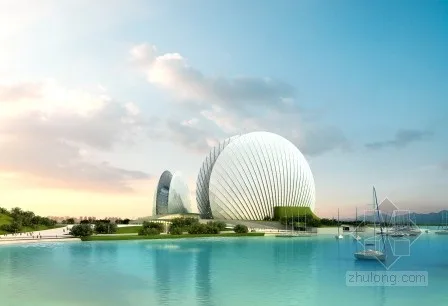
Figure 11: Outdoor View from Audience Perspective

Figure 12: Opera House Transportation Hall
BIM in Shape and Steel Structure Design
Situated on scenic Wild Cat Island, the Zhuhai Opera House embodies both artistic elegance and natural beauty, becoming a proud urban icon. The 57,670 sqm project concentrates major buildings inside the island’s ring road. Building height is restricted below 100 meters, and natural lighting and ventilation are excellent. However, the coastal environment demands special measures against corrosion and pollution from typhoons and humidity.
Structurally, the grand theater’s steel frame reaches 90 meters high, with a horizontal footprint of approximately 130 by 60 meters. The towering system on reclaimed land poses significant challenges.
Initially, the steel frame was imported into Autodesk Revit and integrated with concrete, equipment, and electrical models. The main structure consists of hollow trusses forming the shell and flat roof trusses, creating a massive frame.
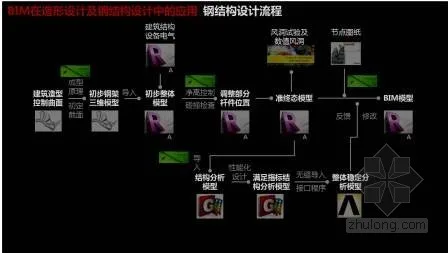
Figure 13: Steel Structure Design Process
For instance, resolving continuity issues on reference surfaces (highlighted in the red circle in Figure 14) required adjusting control points to generate continuous curves, enabling hyperbolic components suitable for steel calculations.
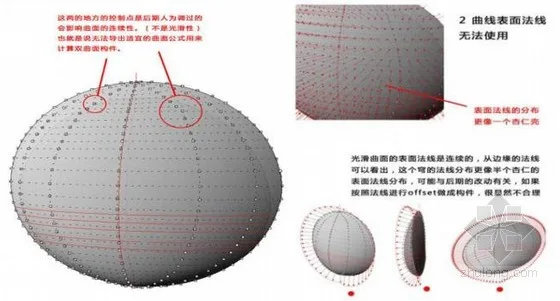
Figures 14-15: Surface Analysis
As seen in Figure 15, irregular surface normals could cause structural stress issues. Following architectural and engineering guidance, steel positioning lines were arranged on curved surfaces using eccentric circles and cubic curves. Considering aesthetics, cost, and constructability, a rational principle was selected to generate structural members.
Throughout the design, parameterized scripts controlled surface-to-rod arrangements, producing regular calculation models for structure analysis. This digital modeling supports current design stages and future requirements.
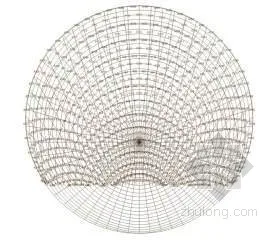
Figure 16: Data-Driven Model
Additionally, Autodesk Revit’s clash detection enabled the design team to identify conflicts within complex structural models, allowing early coordination, cost control, and problem resolution.
Using precise BIM-based wind tunnel models, experiments optimized the building’s shape for Zhuhai’s climate, enhancing adaptation to local environmental conditions.
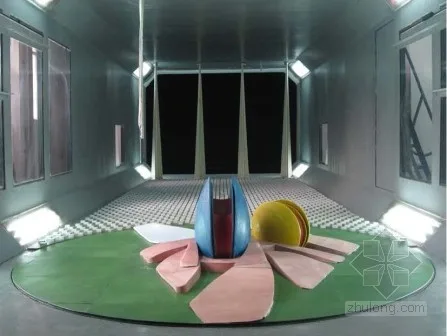
Figure 17: Wind Tunnel Pressure Measurement Report
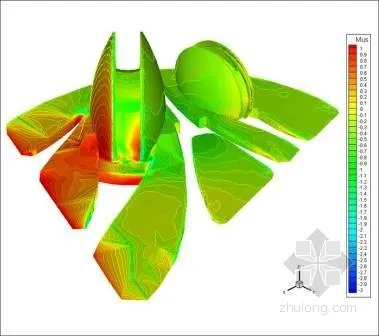
Figure 18: Wind Direction Angle Coefficient
To address welding and chamfering challenges in steel construction drawings, adaptive optimized nodes were developed. Node geometry is computed from the grid to solve the problem of connecting three rotated sections, which often required later modifications. This adaptive node strategy generates nodes at the interface of three sections.
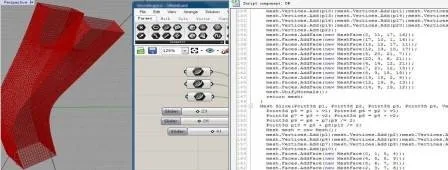
Figure 19: General Finite Element Analysis
For pipeline integration, BIM’s advantages allow exporting Autodesk Revit files as MWC format. Components can be selected in Autodesk Navisworks for clash detection, generating HTML collision reports. The localized 3D models can be indexed back into the Autodesk Revit master model to locate and adjust problematic pipelines.
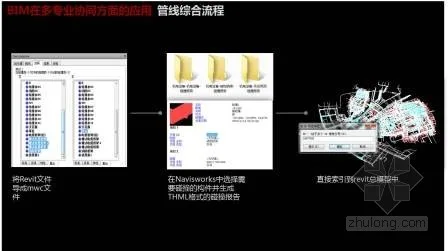
Figure 20: Pipeline Integration Process – Part 1
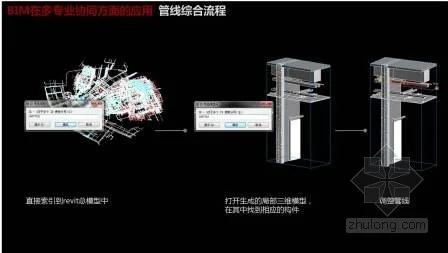
Figure 21: Pipeline Integration Process – Part 2
Summary
The Zhuhai Opera House project presents significant complexity, featuring sophisticated curtain wall and steel structure systems. Key components like the auditorium, internal supports, and pipeline integration rely on Autodesk Revit’s versatility to ensure practicality at all design stages while maintaining strong interdisciplinary collaboration and feedback. The project team endeavors to employ BIM technology throughout the building’s lifecycle, providing precise visual models for all disciplines and building comprehensive information models on a unified platform. This represents an early but promising application of BIM technology in large, complex architectural projects.












Must log in before commenting!
Sign Up