
Abstract
Gaoyin Financial 117 is a landmark building within the “Tianjin Gaoyin Metropolitan” project, designed by the internationally acclaimed Bama Dana firm. Standing approximately 600 meters tall with 117 floors, Gaoyin Financial 117 is set to become an iconic structure in China.
1. Project Background
1. Project Name: Tianjin CBD Development
2. Building Area: 1.3 million square meters, including a Phase I basement of 400,000 square meters
3. Project Scope: Multiple commercial, office, hotel, and other buildings
2. Main Text
Tianjin CBD Project
By Liang Zhixuan
1. Project Introduction:
Gaoyin Financial 117 serves as the centerpiece of the “Tianjin Gaoyin Metropolitan” project. Its distinctive exterior was crafted by the world-renowned Bama Dana design company. The building reaches approximately 600 meters in height, with 117 floors, destined to be a future landmark in China.
The main entrance conveys a sense of grandeur and transcendence. The structure houses Grade A international office spaces alongside a six-star hotel. The Grade A offices are targeted towards multinational corporations, creating a hub for global enterprises and elite professionals.
The six-star hotel occupies the top 10 floors, offering breathtaking views of Tianjin. It will be managed by an international hotel group, ensuring a world-class hospitality experience.
2. BIM Tasks:
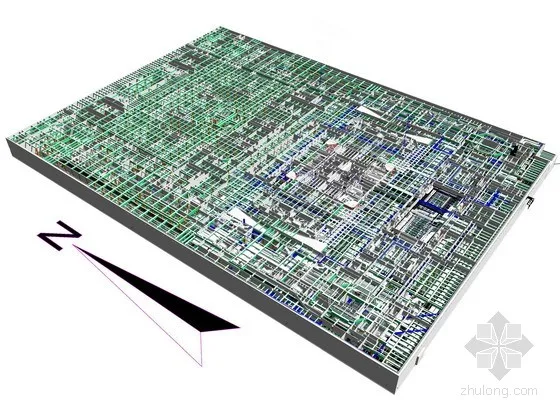
The BIM process involves modeling based on design drawings, verifying design details, and providing feedback to coordinate the design effectively. This approach allows the design team to address potential issues early on, optimizing the design to meet the owner’s requirements. Additionally, BIM enables the owner to visualize and understand the design outcomes clearly through the 3D model.
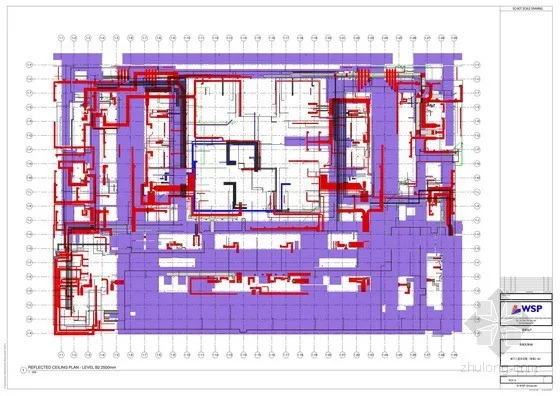
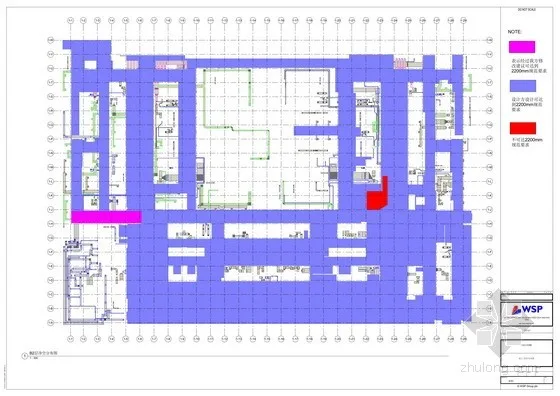
One significant achievement of using BIM is the clear assessment of whether the net height requirements are met for the 150m x 250m basement. Areas failing to meet these height requirements are highlighted on the floor plans, facilitating quick identification and resolution by the team.
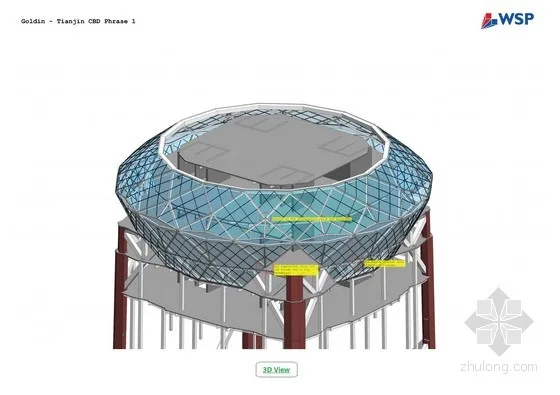
In addressing design challenges, BIM has shifted the traditional approach where downstream disciplines were solely responsible for coordination with upstream teams. Instead, BIM emphasizes collaborative problem-solving among all disciplines simultaneously. This reduces the burden on downstream professionals and encourages proactive teamwork to resolve issues efficiently.












Must log in before commenting!
Sign Up