
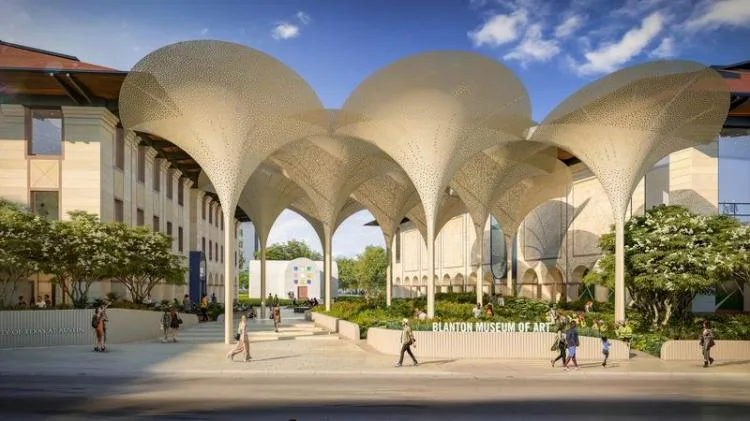
Snøhetta, in collaboration with the University of Texas at Austin, has proposed a renovation plan for the Brandon Art Museum that reinterprets classic elements through unique architectural forms and perspectives. The university aims to redesign both the architecture and landscape to unify and revitalize the museum park. Construction is scheduled to begin in early 2021, with completion expected by the end of 2022.
Founded in 1963, the Brandon Museum of Art holds the largest public art collection in Central Texas. The recent renovation plan covers 18,580 square meters and involves two main buildings. Curator Simone Wicha emphasized, “Art museums should be open like cities—inviting people to enter, engage with exceptional artworks, and linger, gather, and be inspired at every turn.”
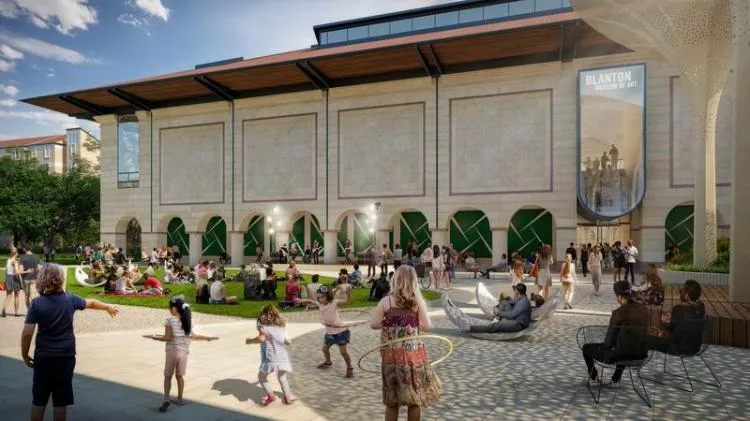
Led by Snøhetta Architects, the renovation project also marks the first large-scale public mural installation and exhibition space for Cuban American artist Carmen Herrera.
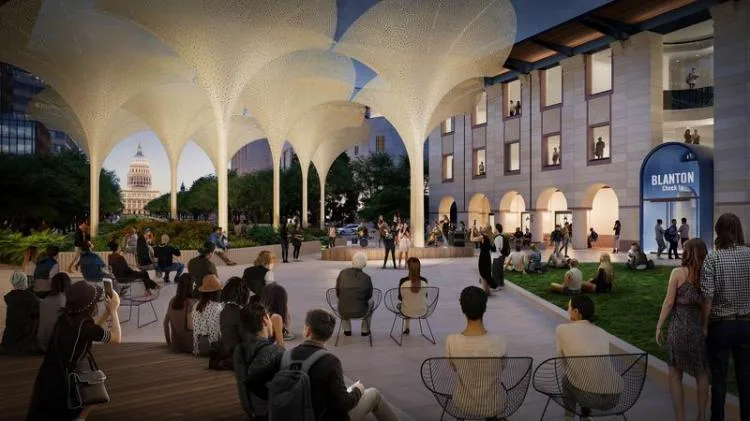
The design focuses on the Moody platform—an open area between existing buildings—featuring 15 elegant, flower bud-shaped sunshade roofs positioned south of Brandon Park. The architectural style draws inspiration from the dome of the original art gallery. New structures and venues are thoughtfully positioned along visitor pathways to enhance the overall experience. Additionally, two elevated terraces on the Moody platform offer spaces for concerts and other performances, supporting Brandon’s goal to provide an innovative music program.
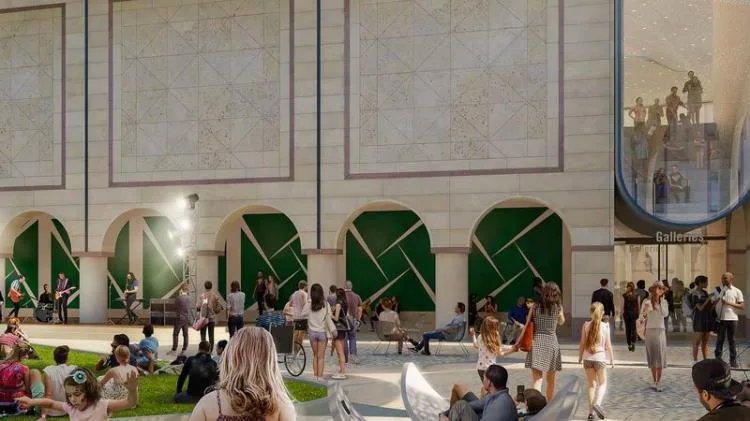
Brandon sits at a key intersection near the New Texas State Capitol complex and serves as a gateway to the university campus. Our innovative landscape design and custom building entrances will highlight its significance. “Snøhetta’s design expands the museum’s world-class art collection beyond the building itself, creating a vibrant public space for art and the city of Austin,” said Craig Dykers, founding partner of Snøhetta and an alumnus of the University of Texas School of Architecture.
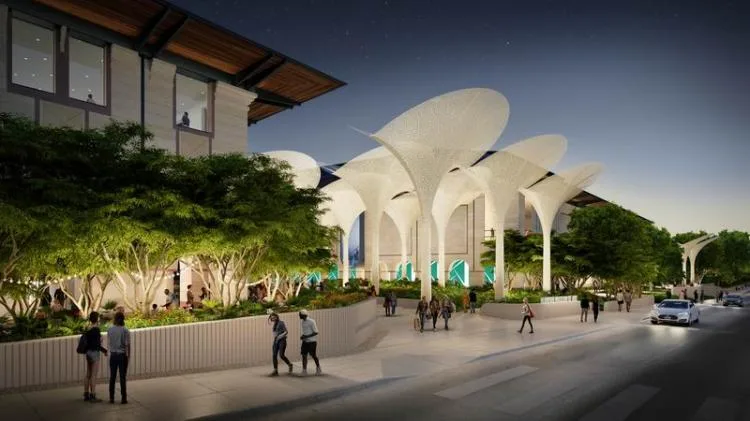
The project also includes landscape renovations that introduce new trails and gathering areas to enhance visitors’ exploration and leisure experiences. Curator Simone Wicha remarked, “I believe landscapes have the power to transform communities just as great artworks can change our hearts and minds.” To support this vision, the design incorporates 25,000 new plants on the museum grounds, 95% of which are native Texas species, emphasizing sustainability and local ecology.
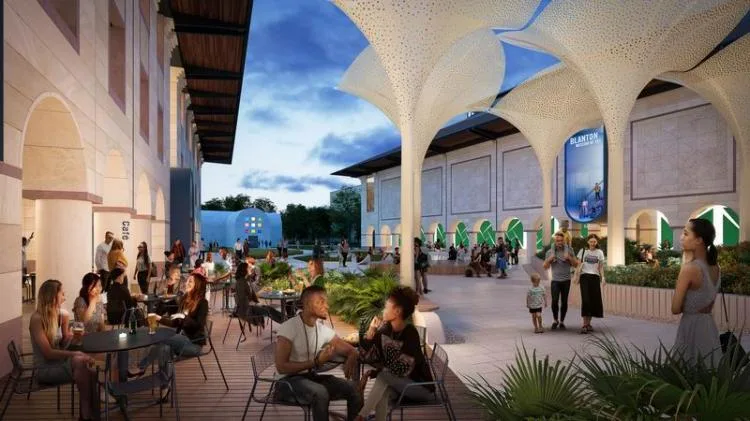
The redesigned grounds will serve both the university and the broader urban community by improving access points on the north and south sides of the museum. These enhancements facilitate visitor flow between the art museum and the University of Texas campus. The Brandon Plan acts as a cultural anchor within a rapidly evolving region, featuring winding paths lined with native plants that connect to museum entrances and create intimate garden spaces for relaxation and socializing. Additionally, the interiors of both buildings will be reconfigured to align with the overall park improvements.












Must log in before commenting!
Sign Up