
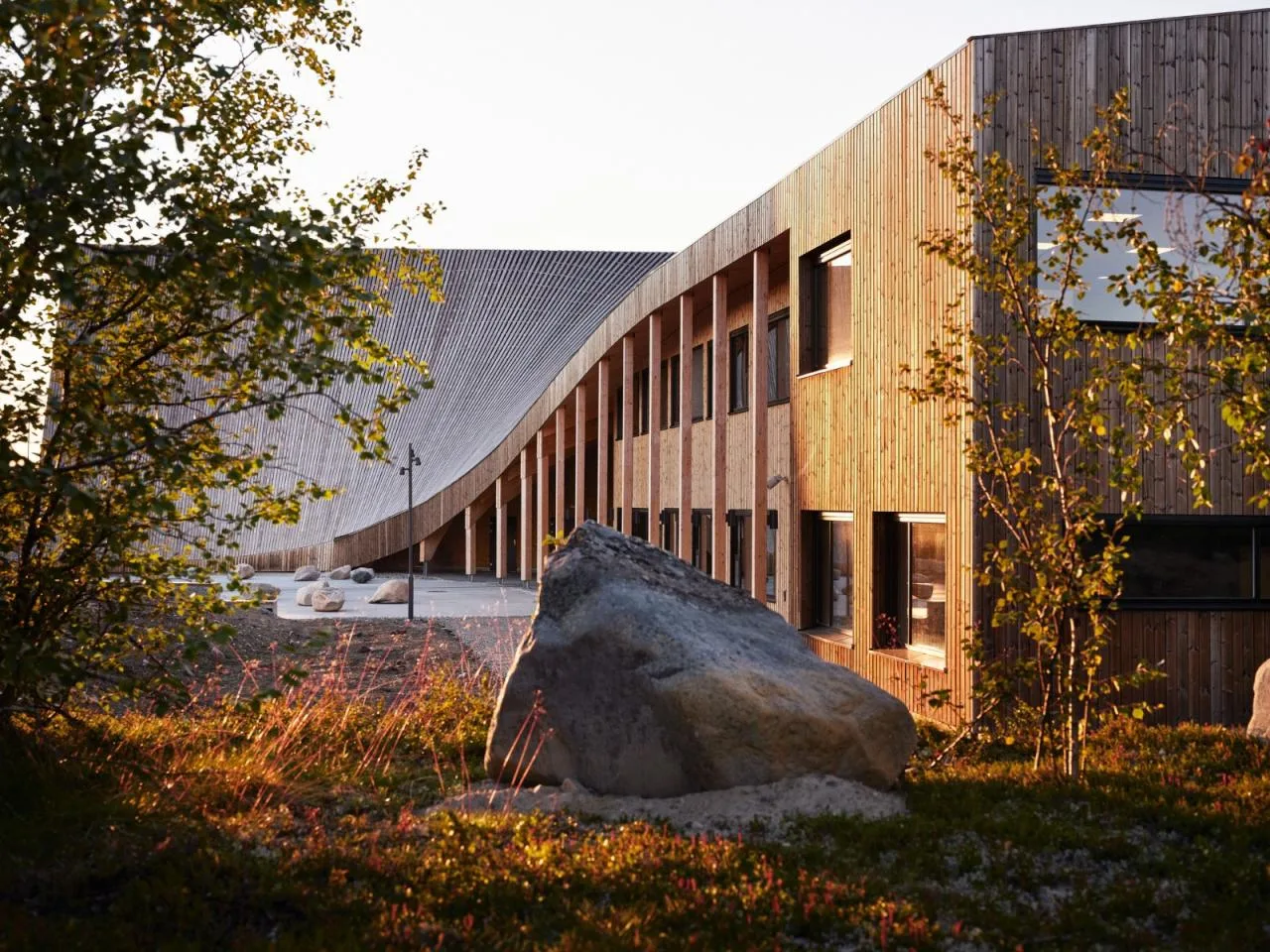
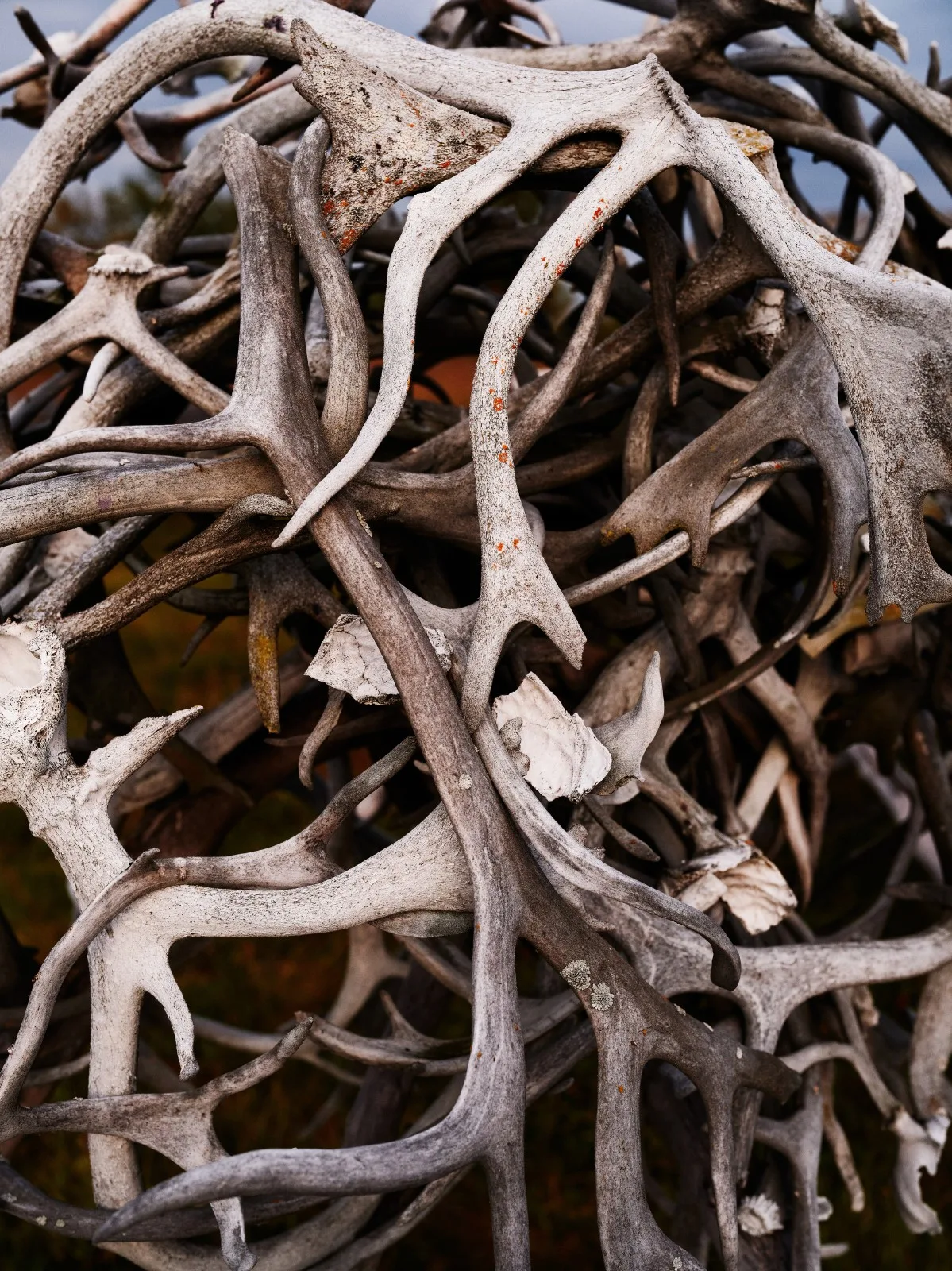
In 2021, Snøhetta Architects teamed up with 70 ° N Arkitektur and artist Joar Nango to win an architectural competition with their proposal for Čoarvemátta — a new cultural and educational center designed to house a Sami theater and school. This striking building is now officially open and in use. The name Čoarvemátta derives from the Sami words for “horn” and “root,” inspired by the central, sturdy part of reindeer antlers. It symbolizes strength, resilience, and unity among diverse groups. The building will serve as a shared home for the Sami National Theatre Beaivváš, the Sami High School, and the Reindeer Herding School.
Kjetil Trædal Thorsen, founder and partner of Snøhetta, expressed pride in contributing to this long-awaited and significant building. He noted, “Combining the theater with the reindeer herding school is a fascinating architectural challenge. By organizing two previously unrelated institutions through spatial design, this project highlights the powerful role architecture plays in integrating spaces and connecting communities.”
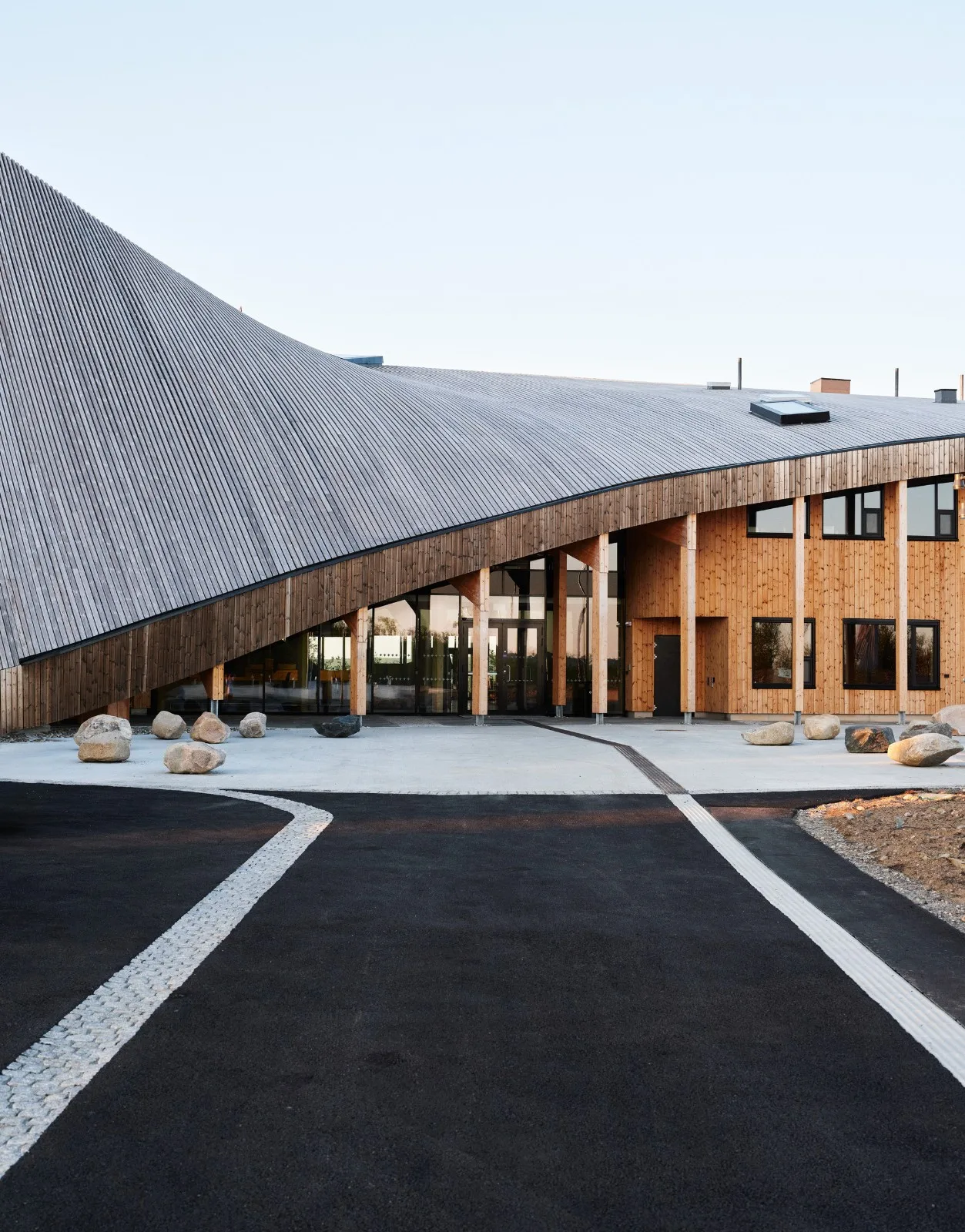
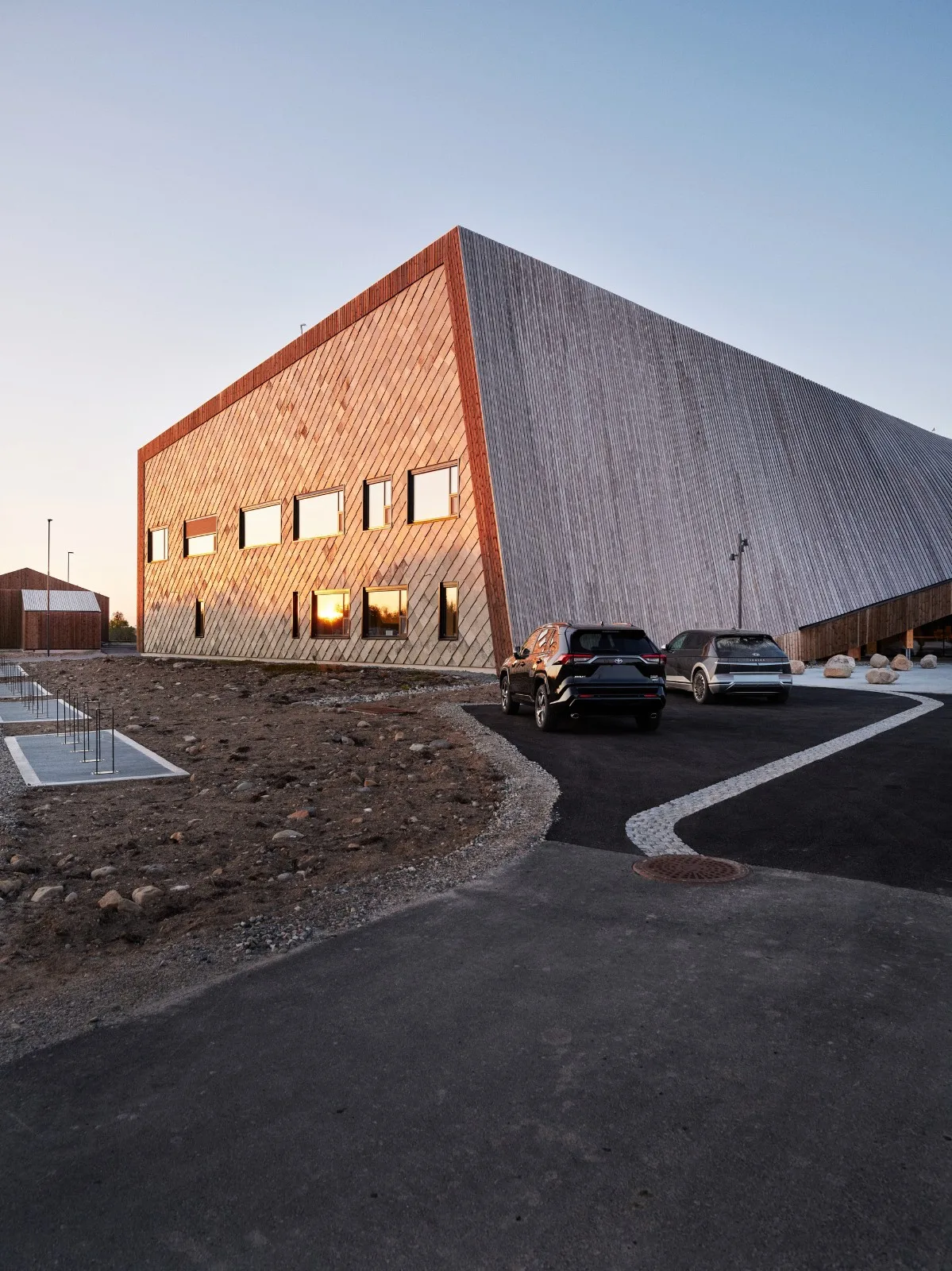
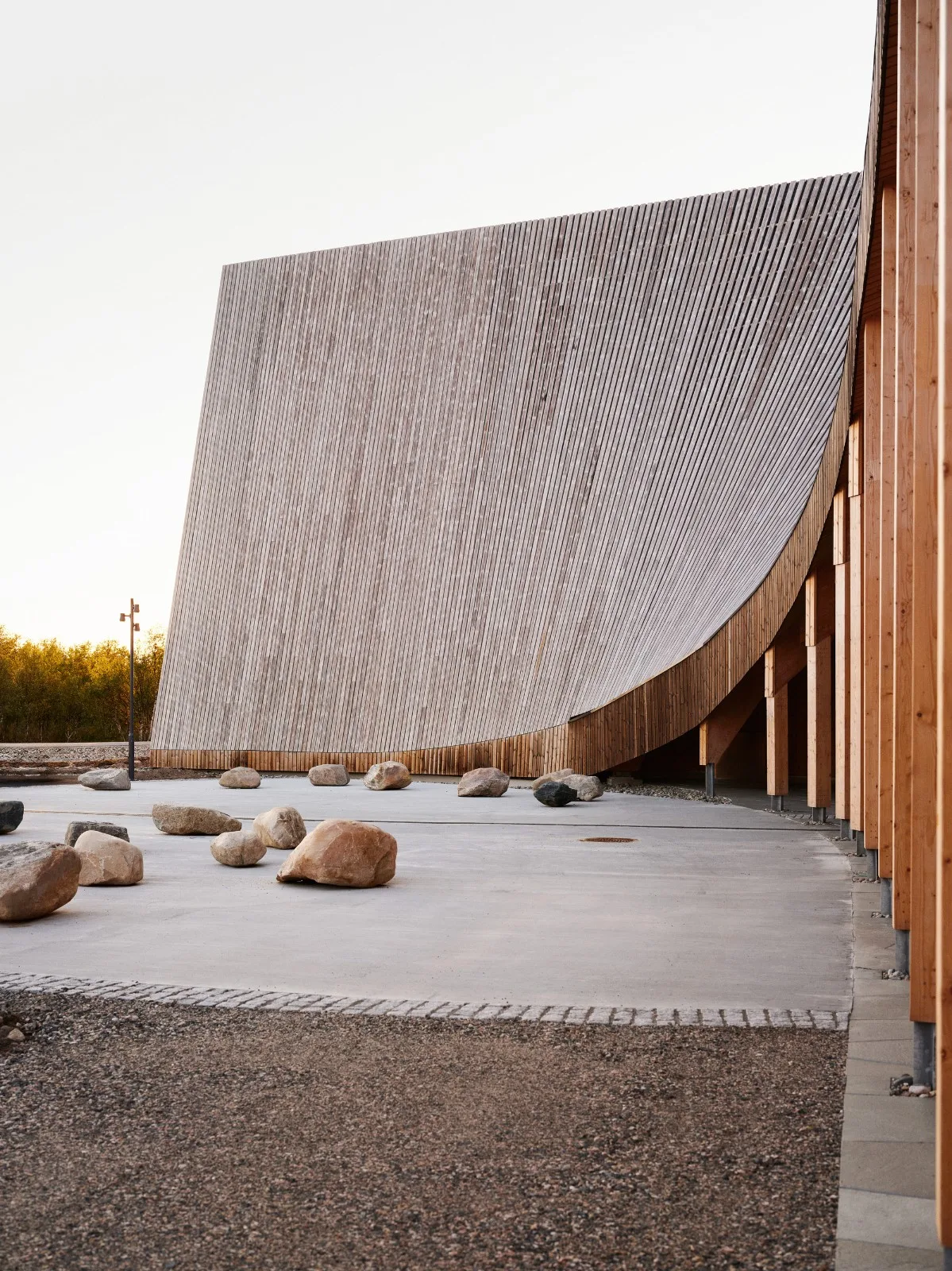
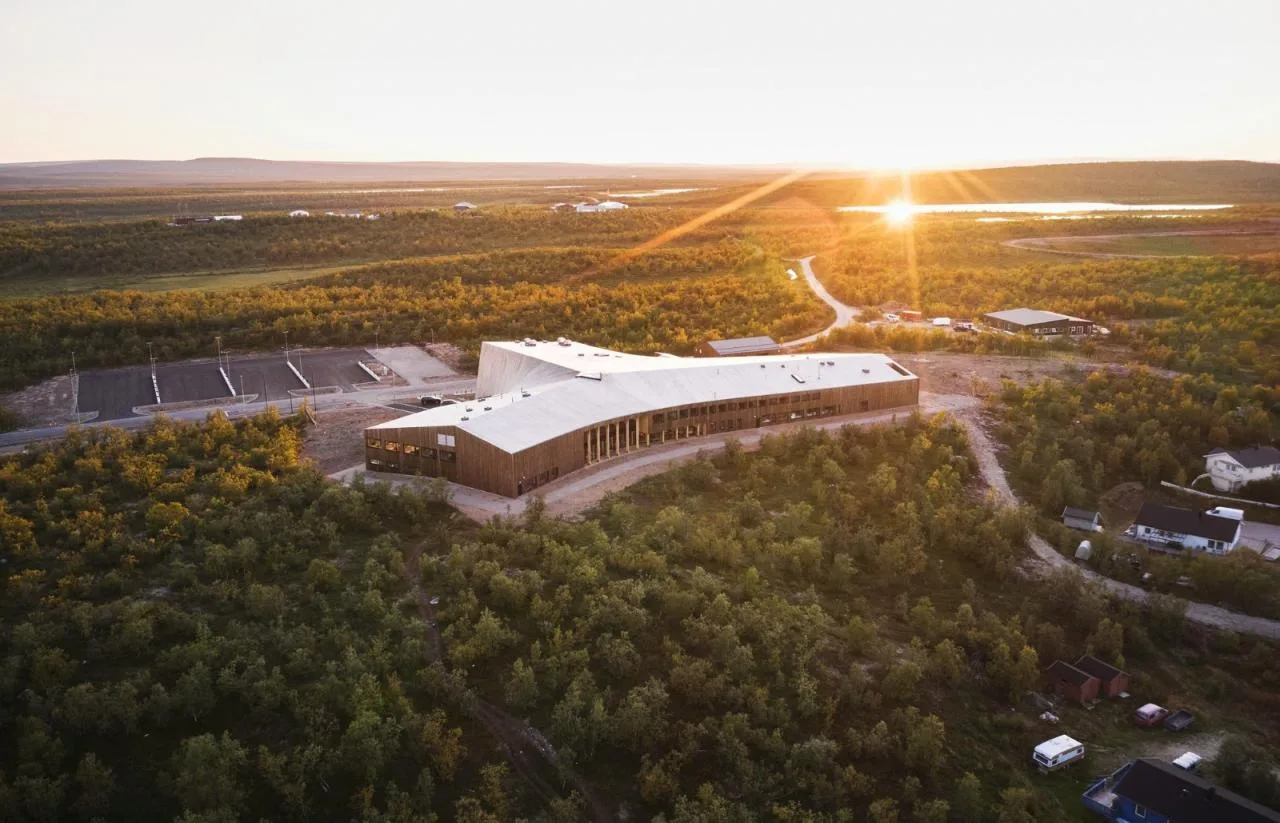
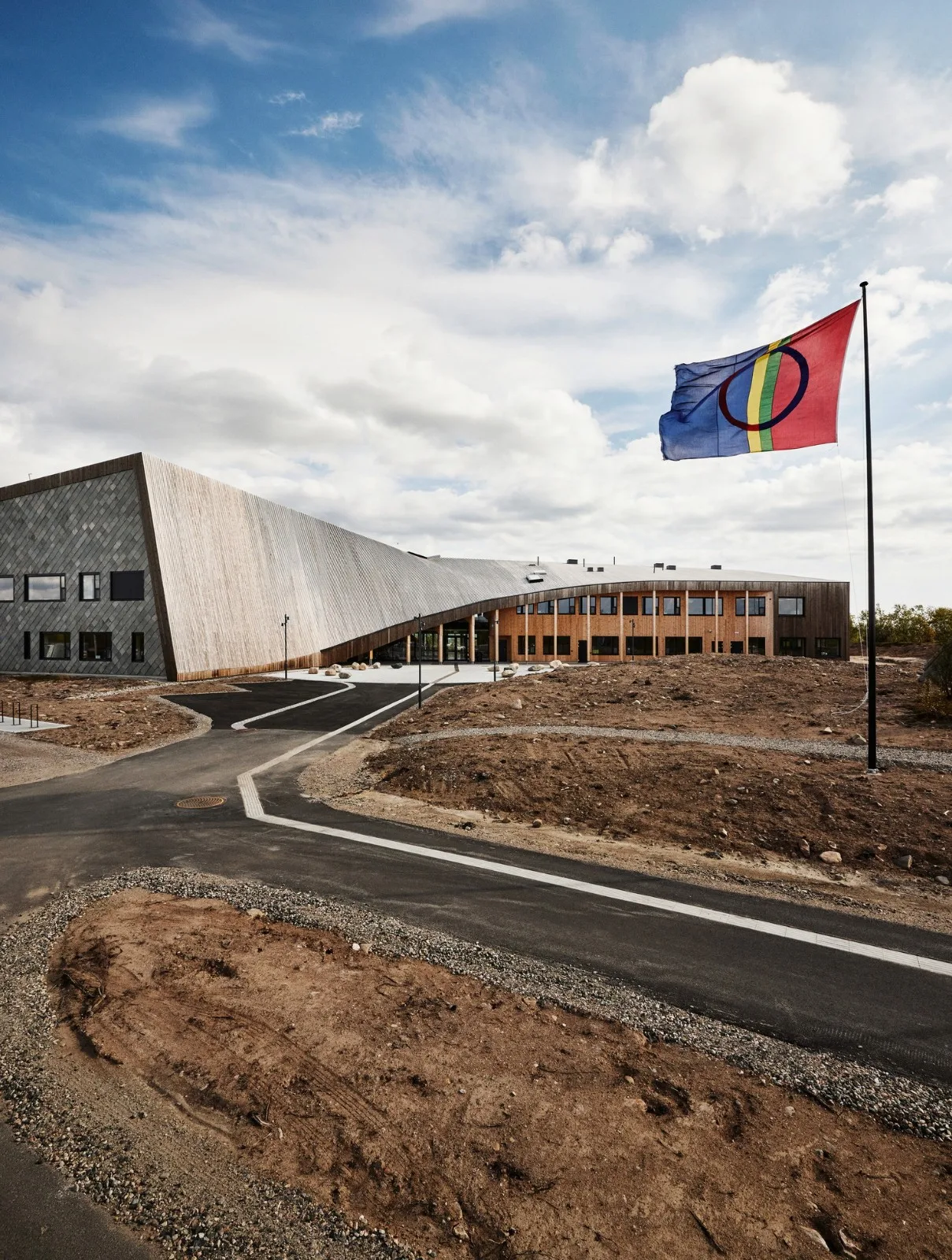
Design and Architecture — The new building is located in Kautokeino, central to the Finnmarksvidda Plateau, Norway’s largest and northernmost region. The structure’s four walls connect to the surrounding landscape in distinct ways. Situated in a low-lying area, its proportions harmonize with nearby hills and elevations.
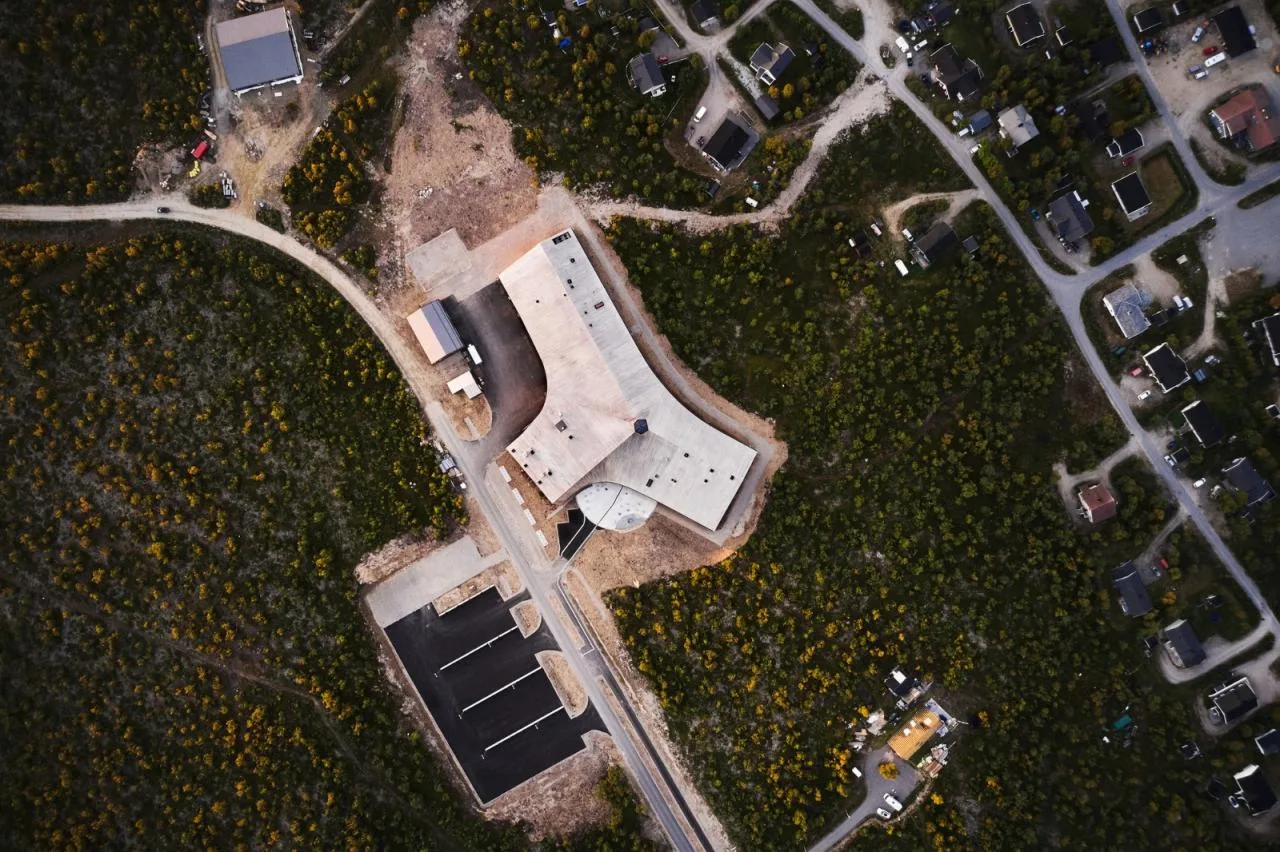
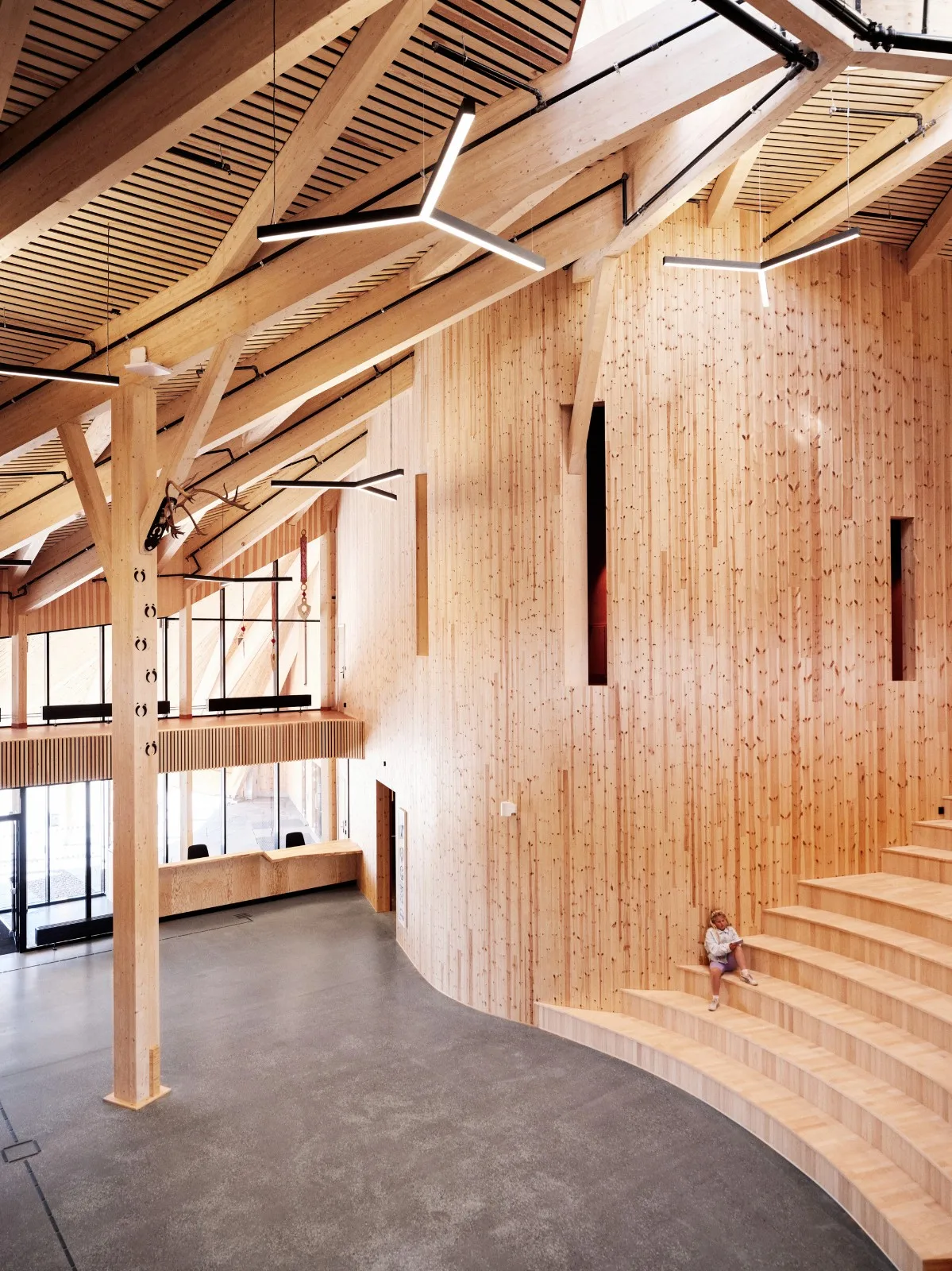
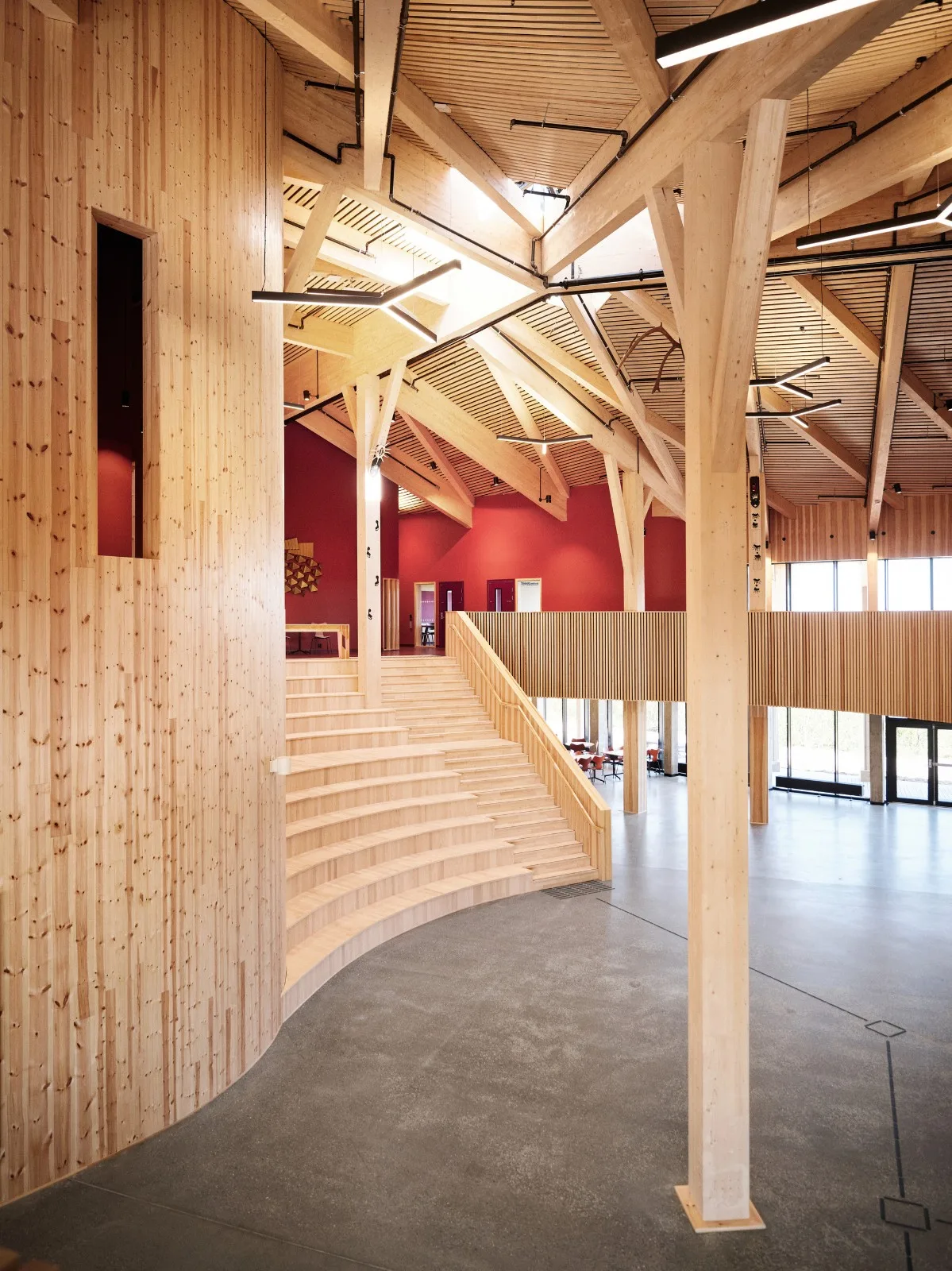
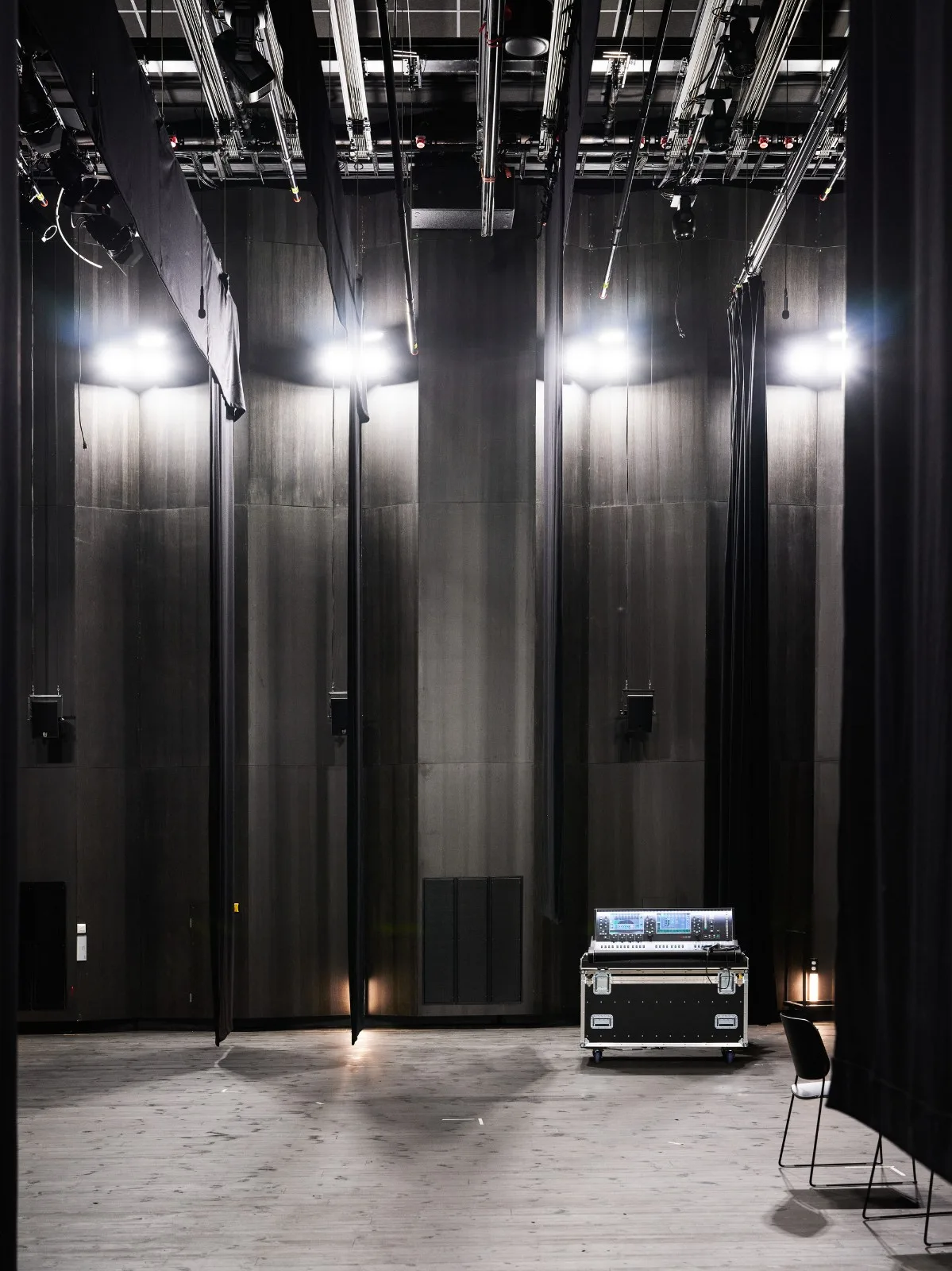
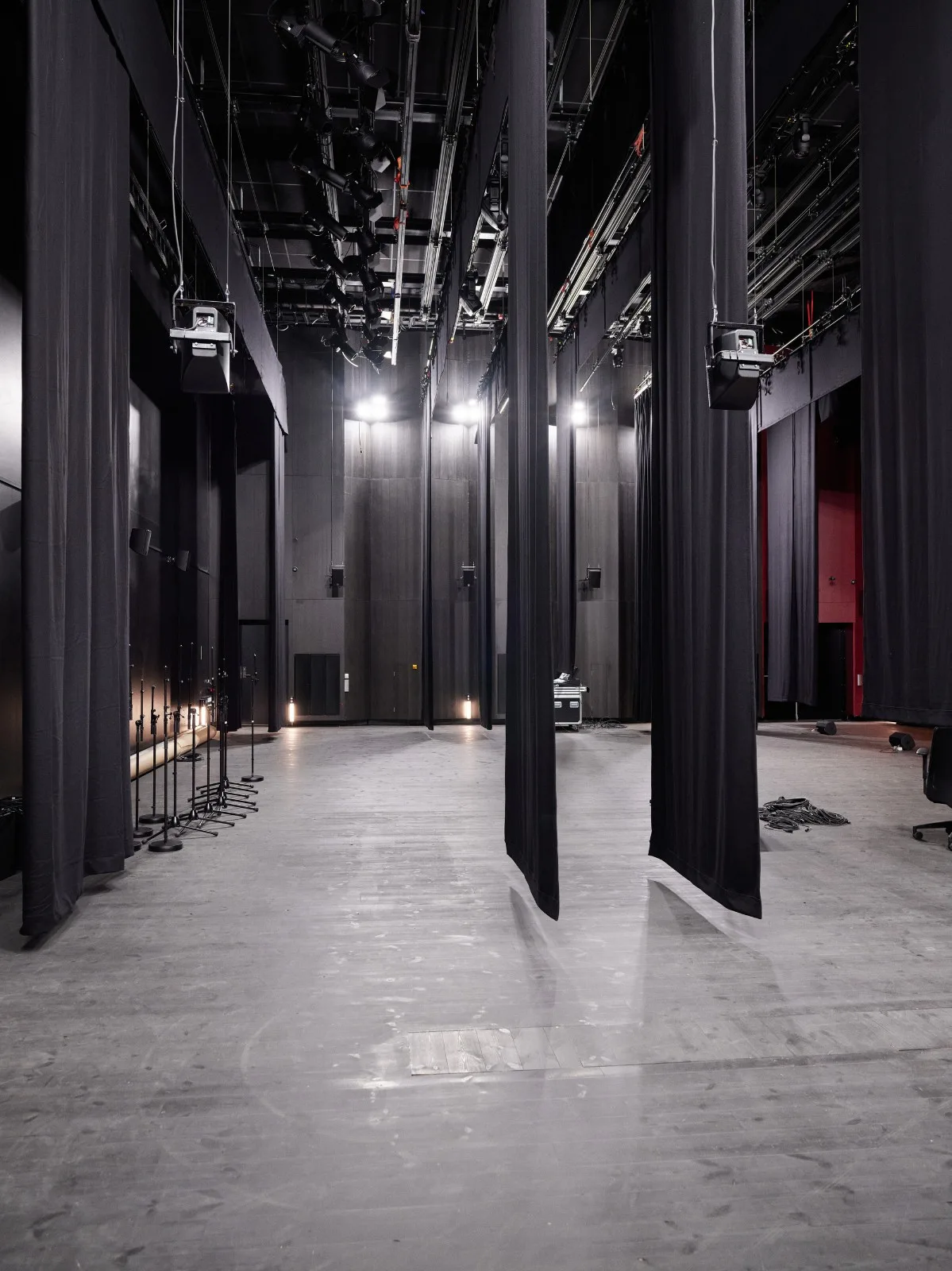
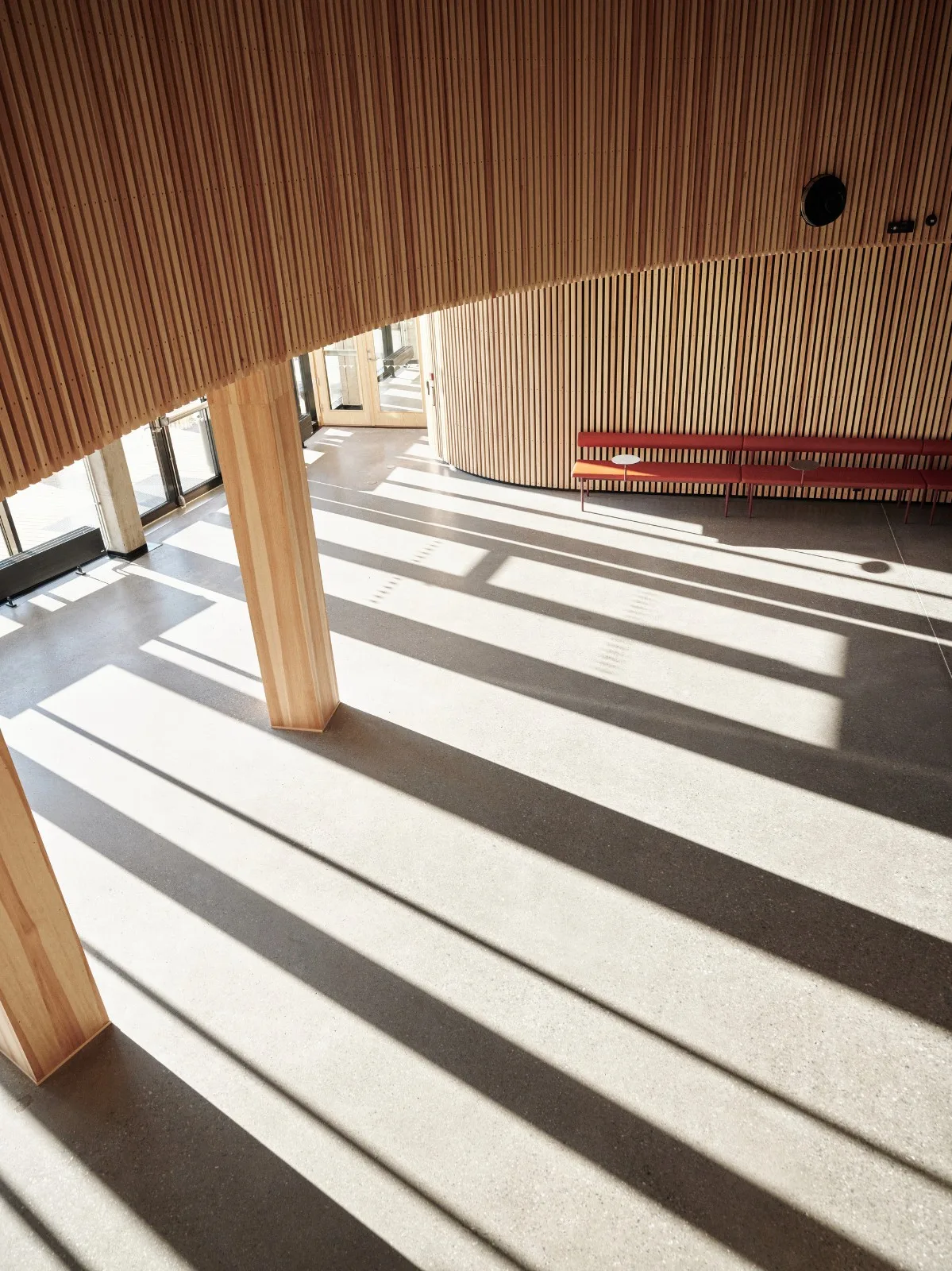
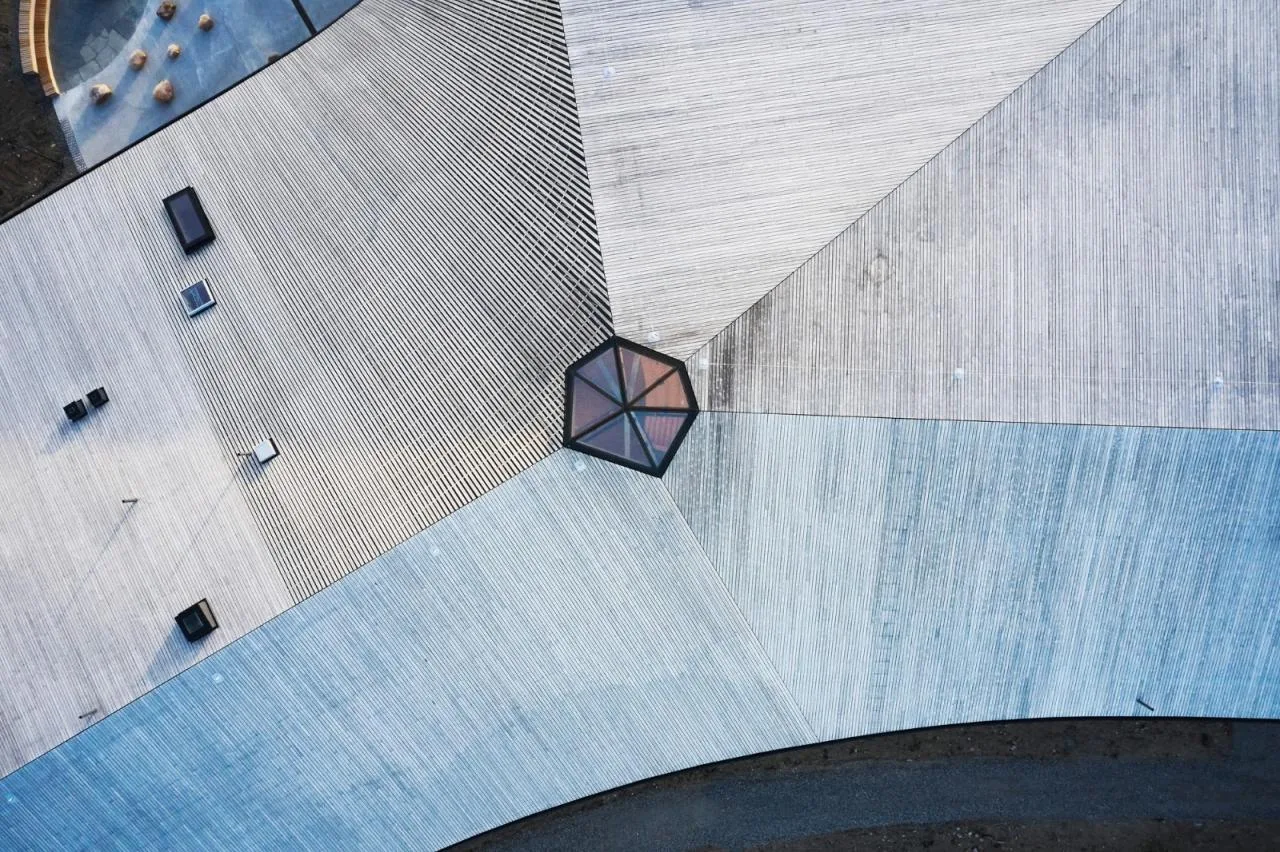
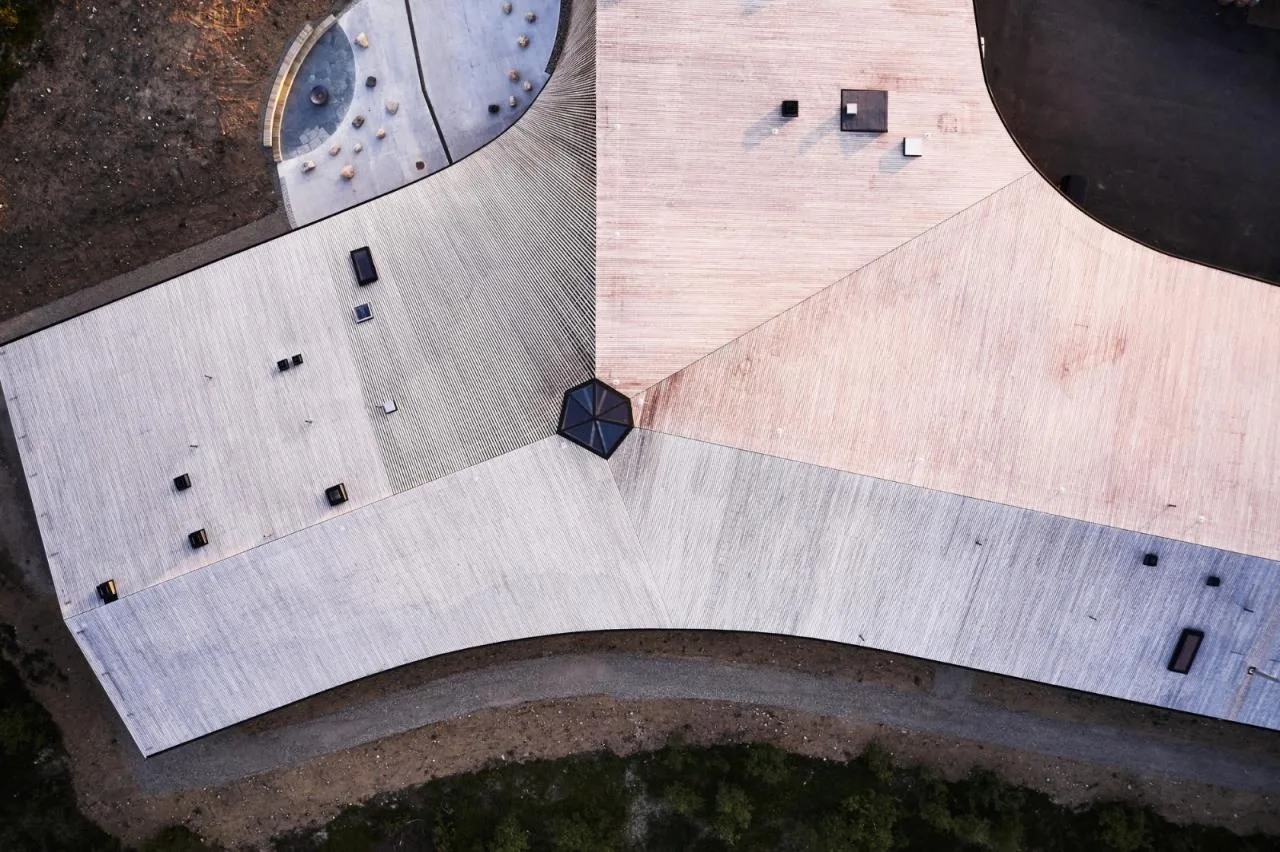
The building’s design features a branching form centered around the main entrance and front hall, which serves as a communal gathering space for students and theater audiences alike. From this central hub, the building extends in three directions to accommodate the theater, workshops, classrooms, and administrative offices.
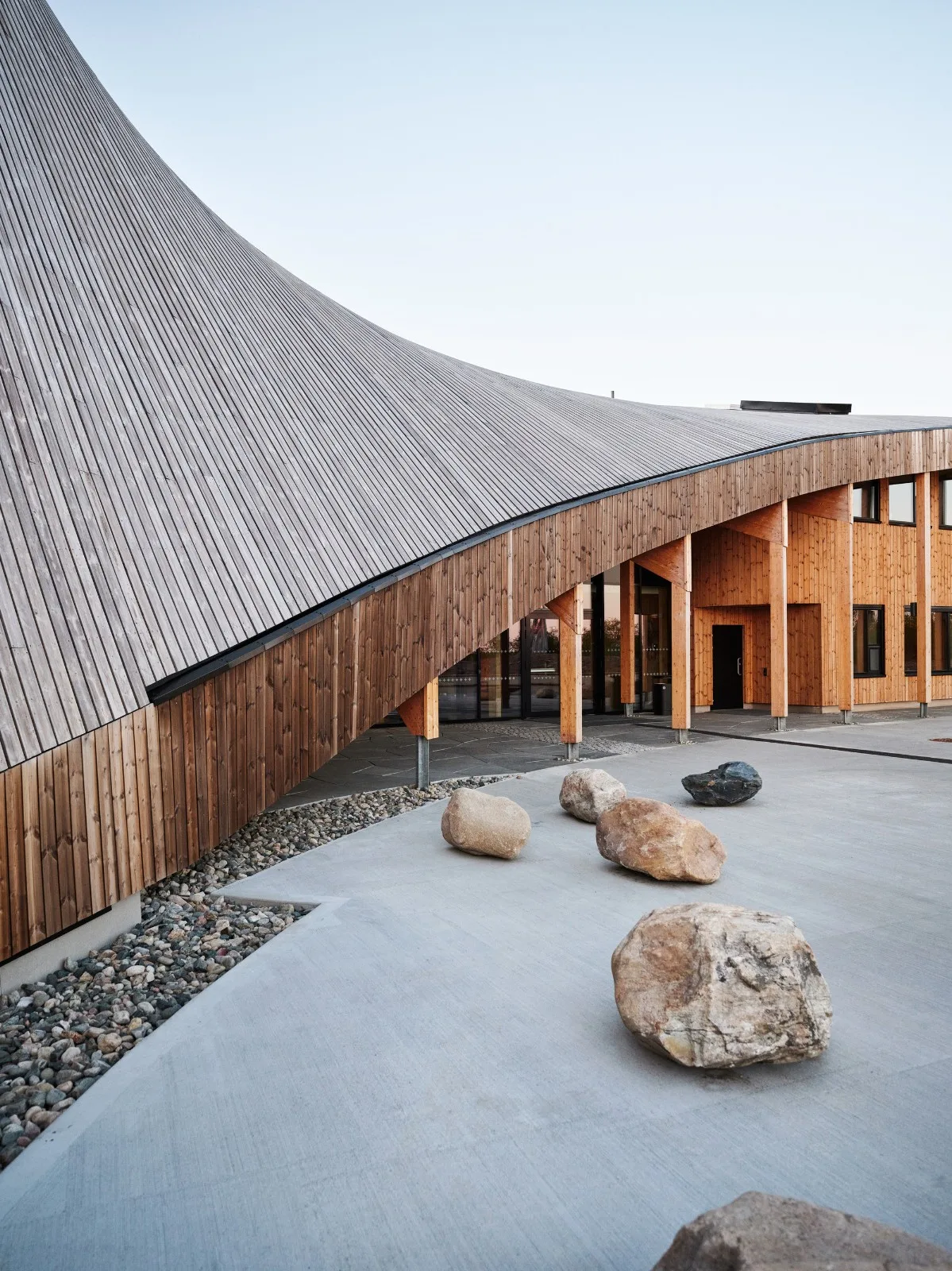
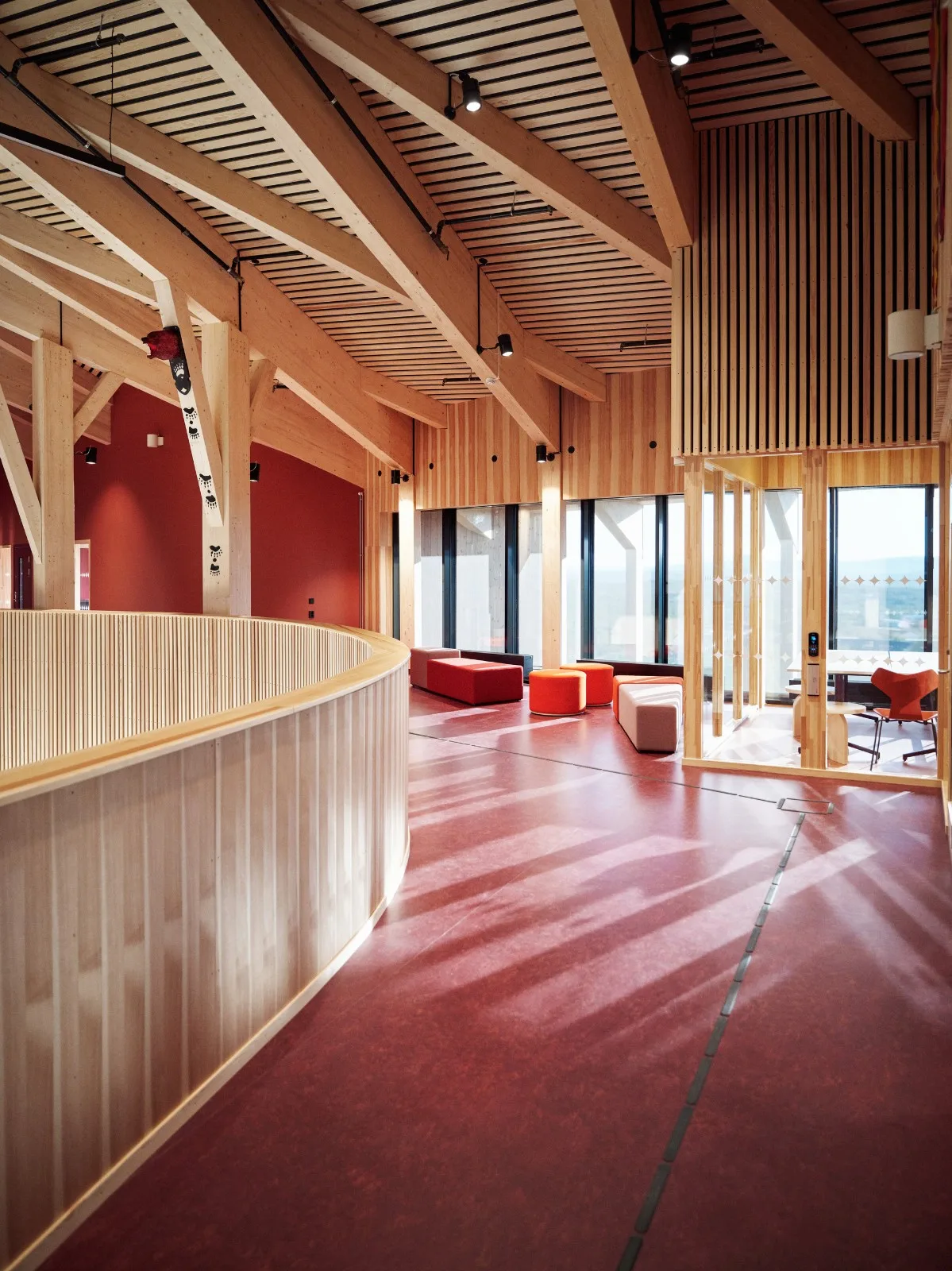
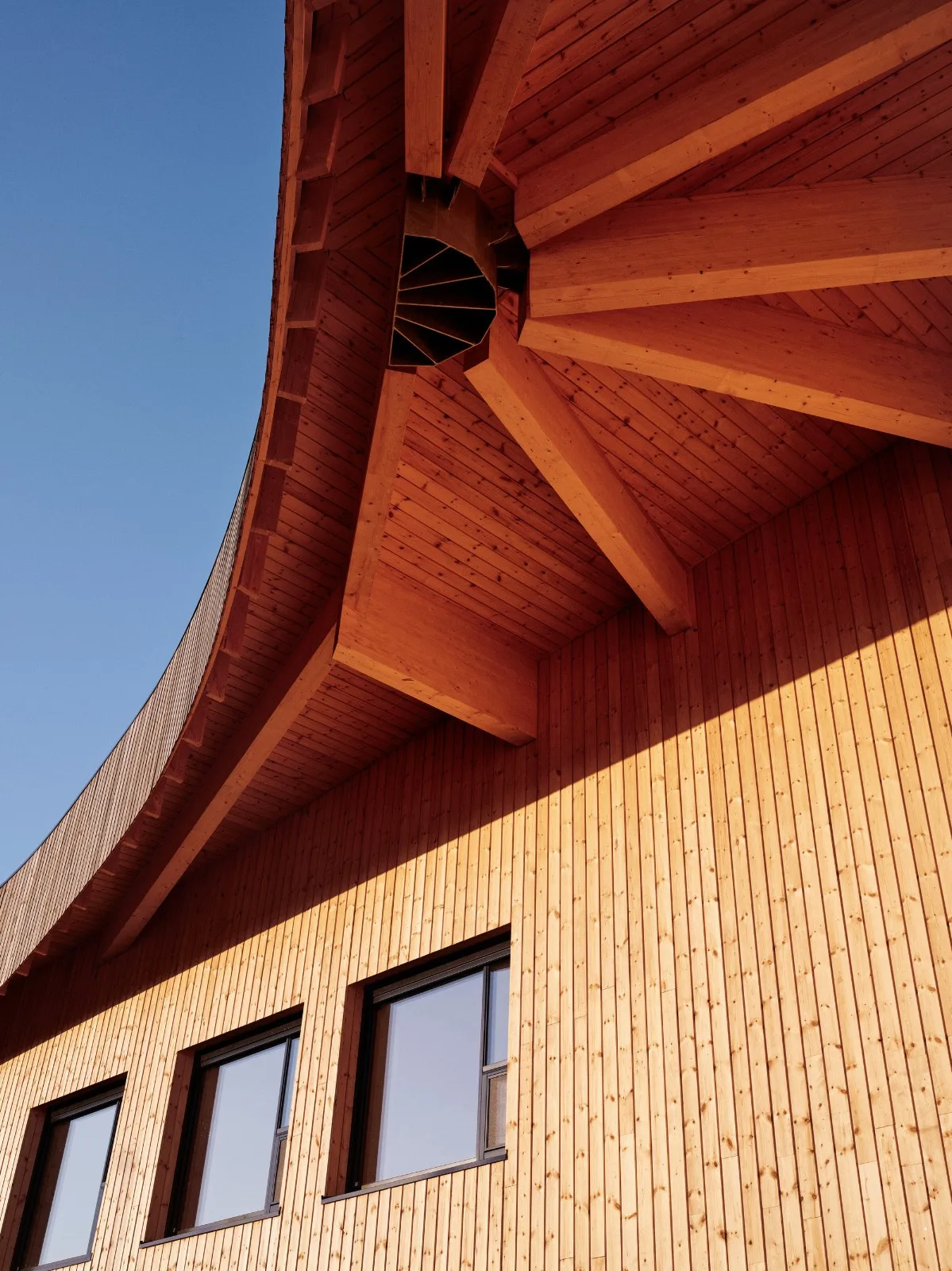
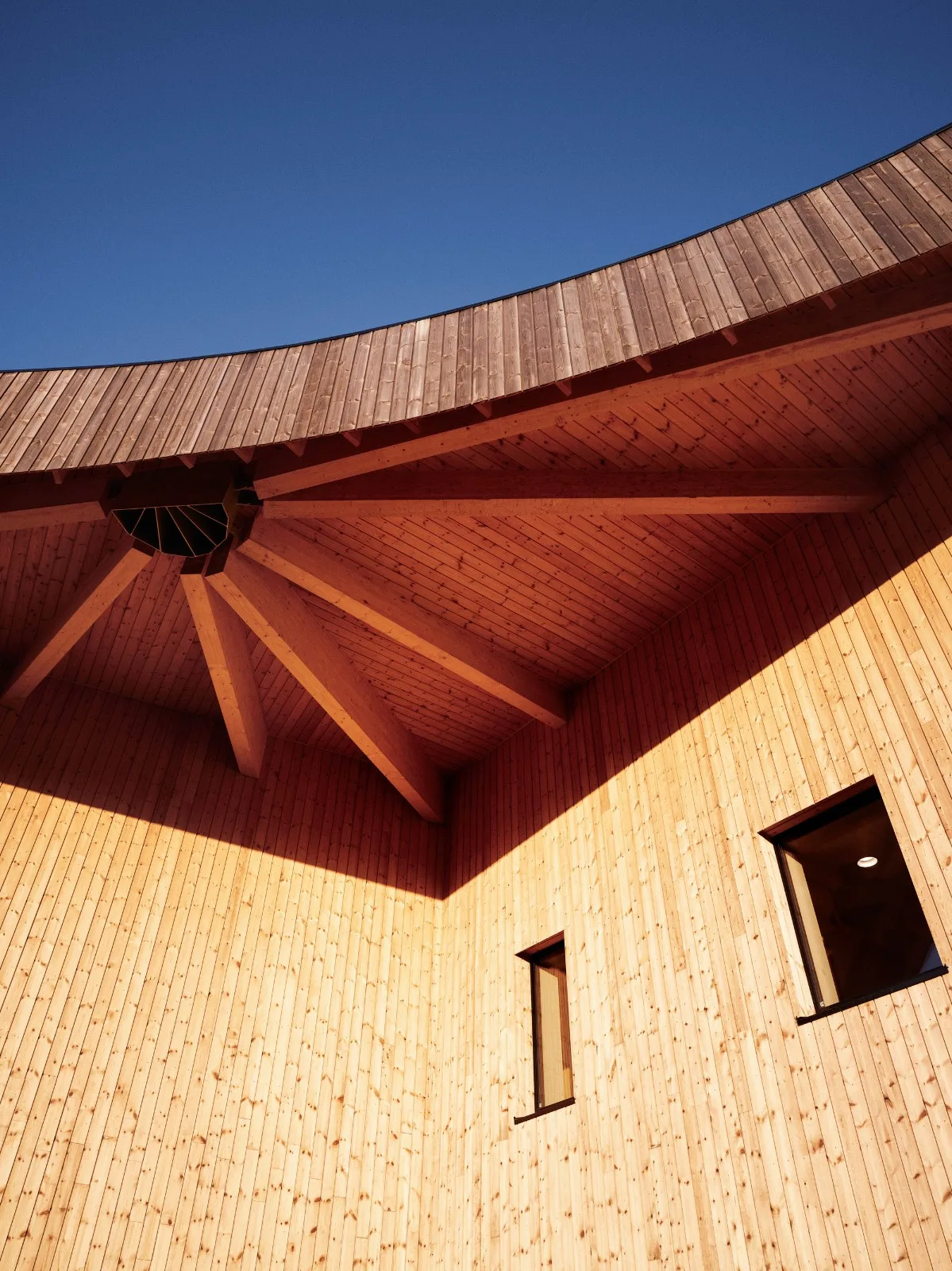
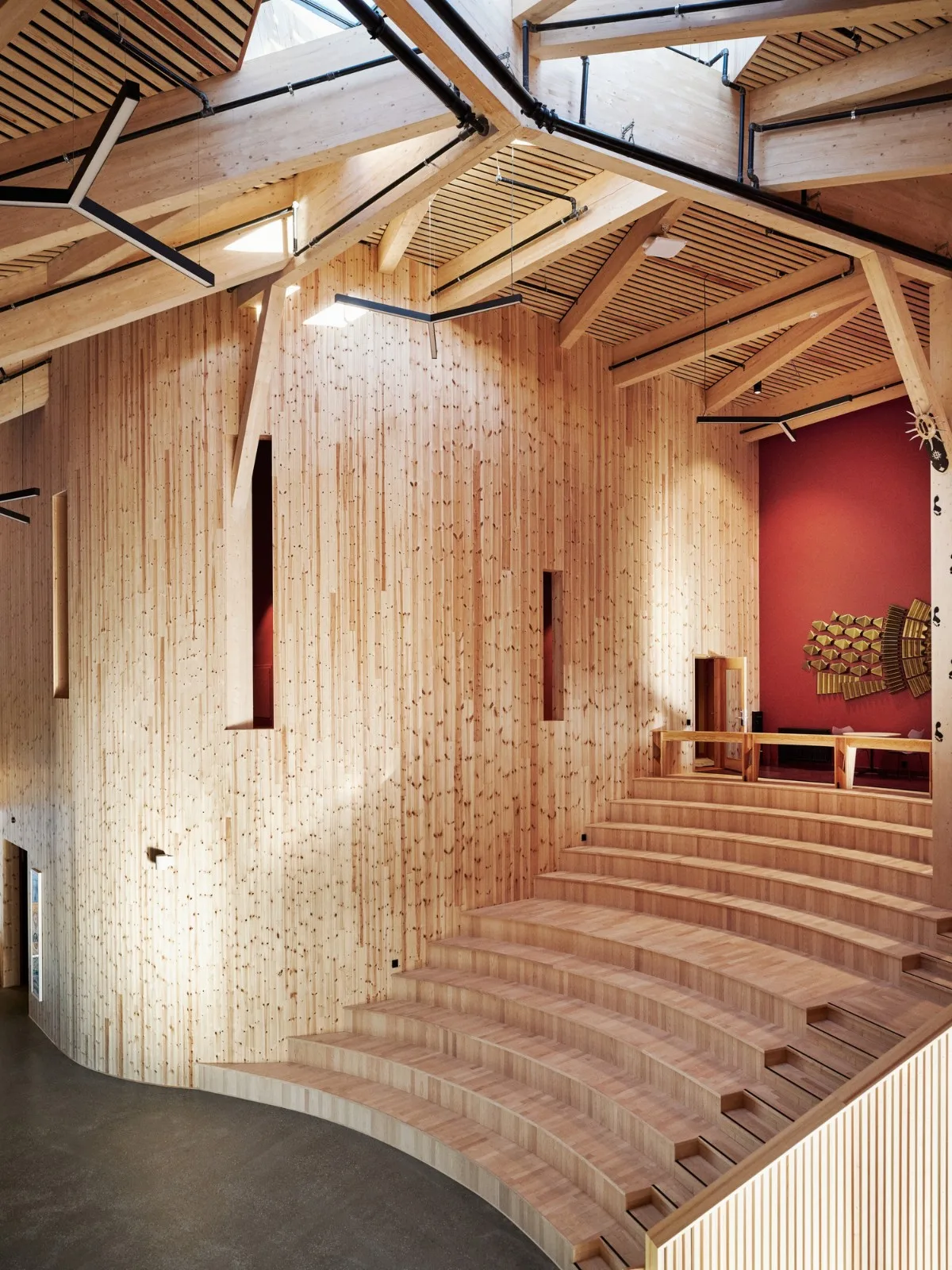
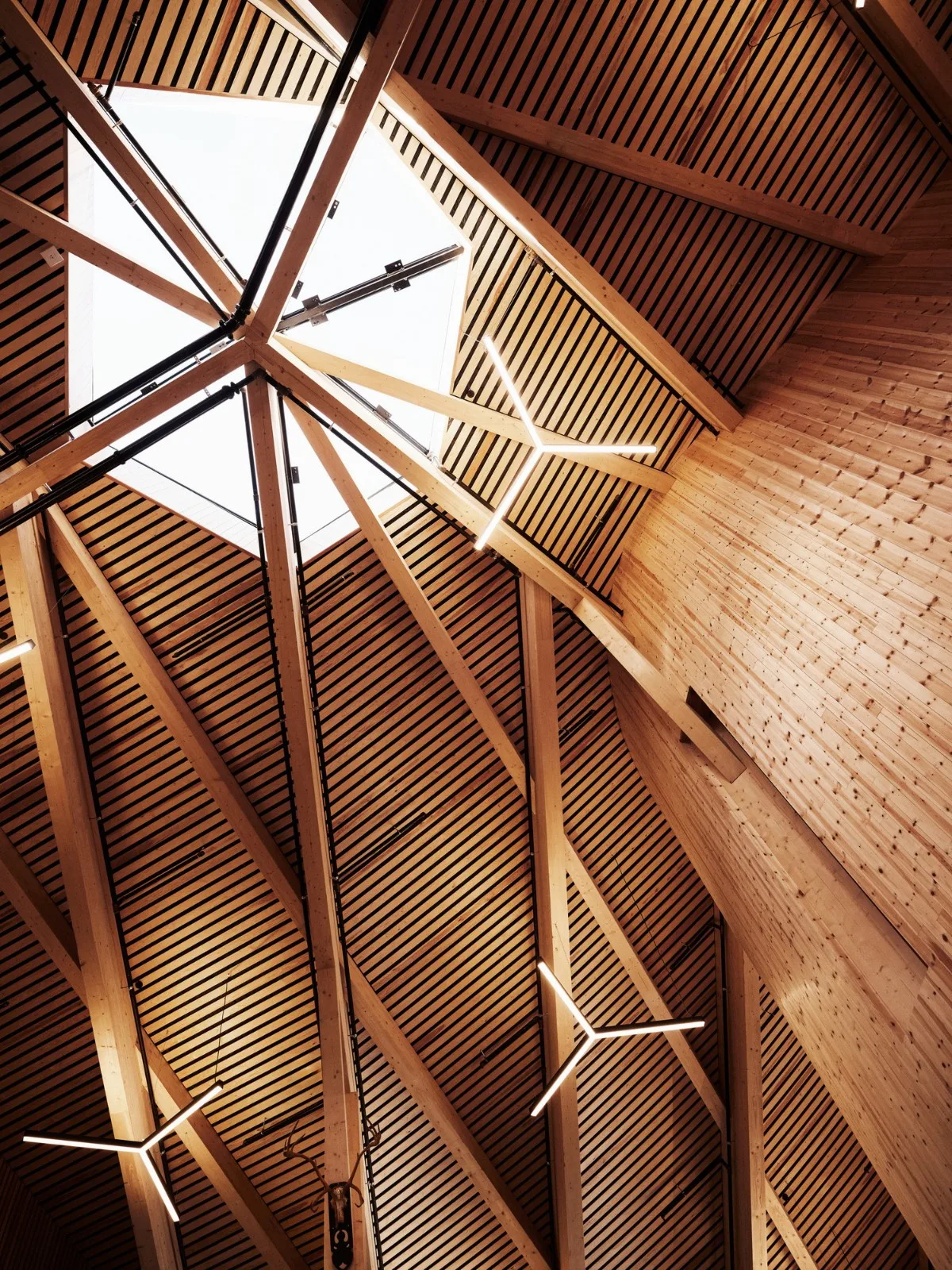
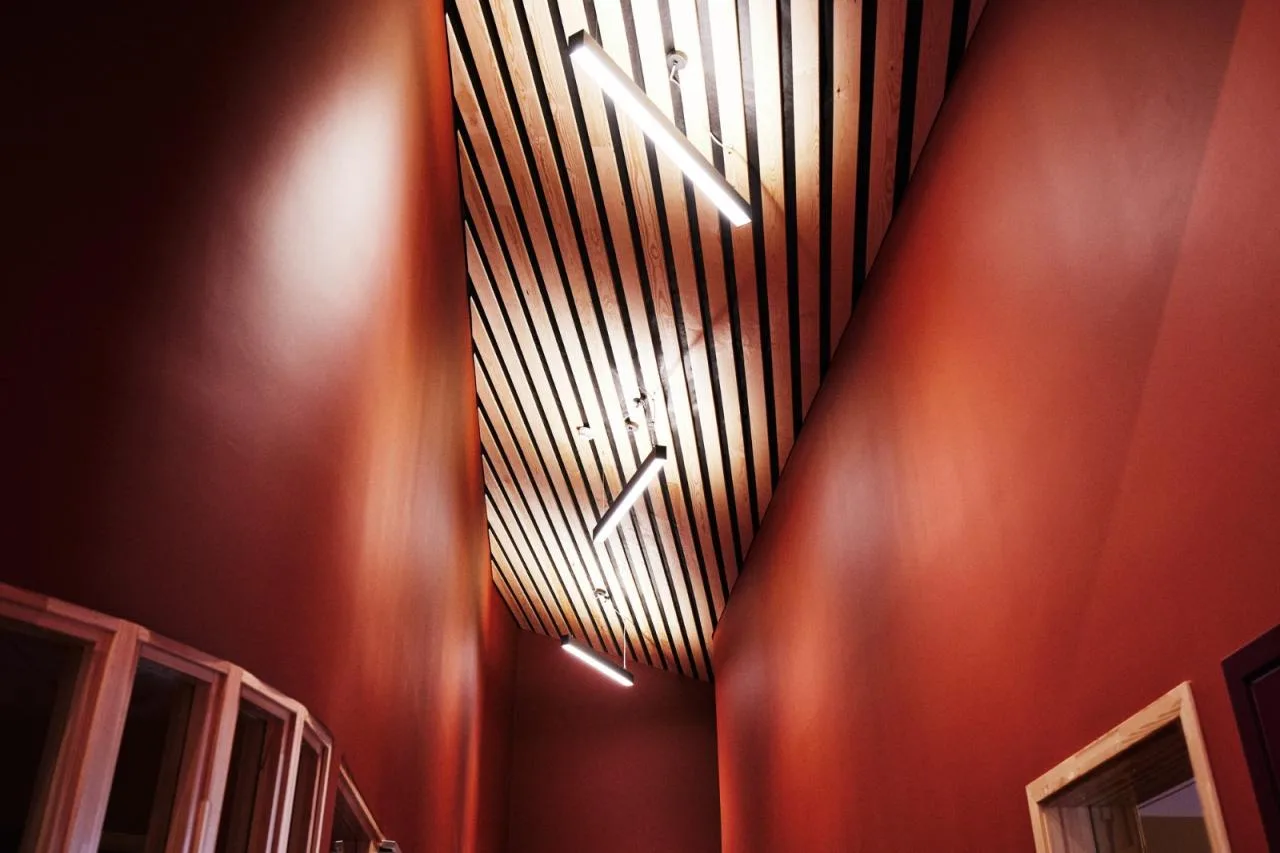
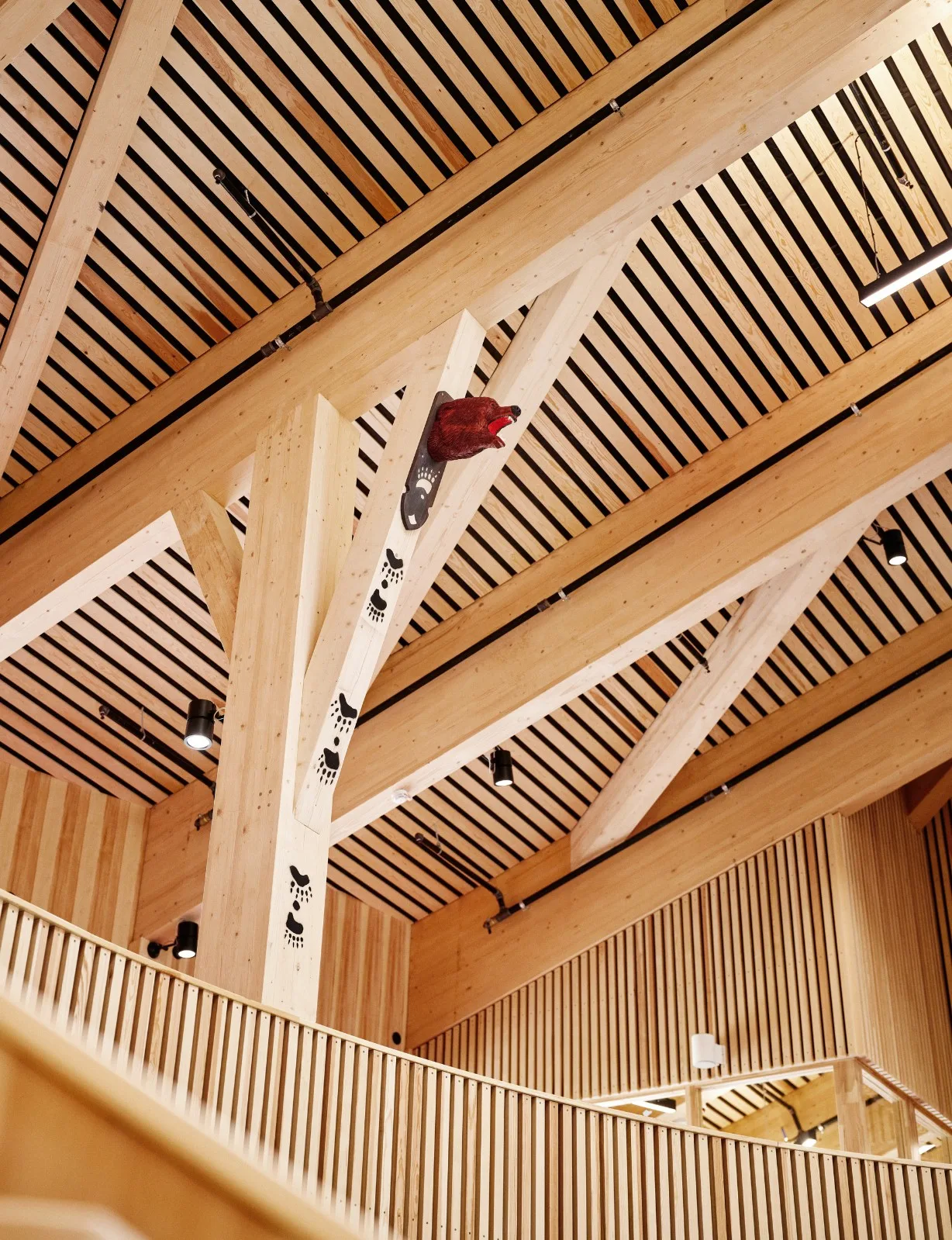
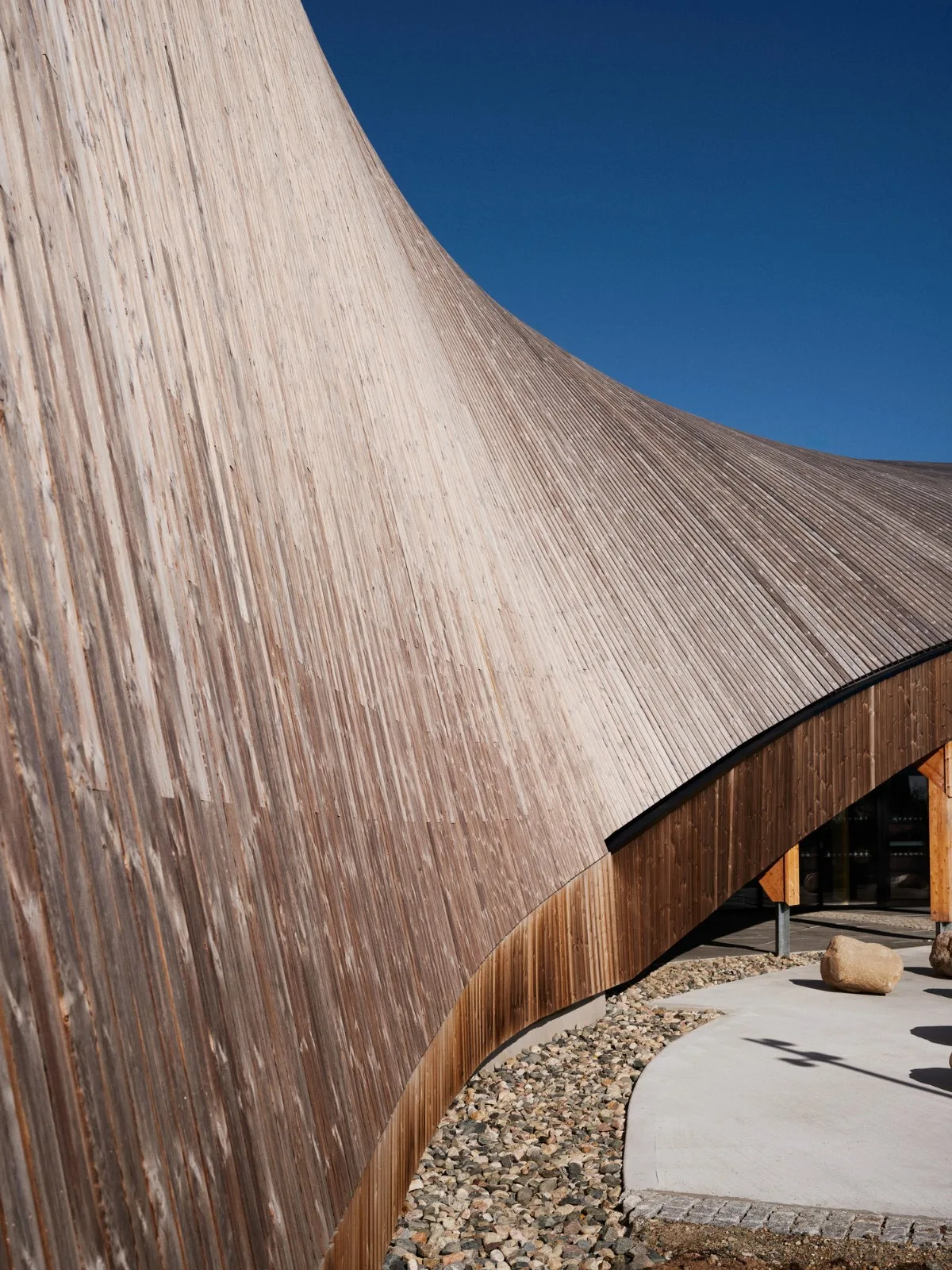
Curved architectural lines, skylit halls reminiscent of reindeer fences, chimneys, and exposed wooden load-bearing structures draw inspiration from traditional wooden Sami architecture. Bård Vaag Stangnes, Senior Architect at Snøhetta and Project Manager for Čoarvemátta, explained, “The exterior was conceived as a unified volume that merges the theater and school, organizing all functions around a central connection point.”
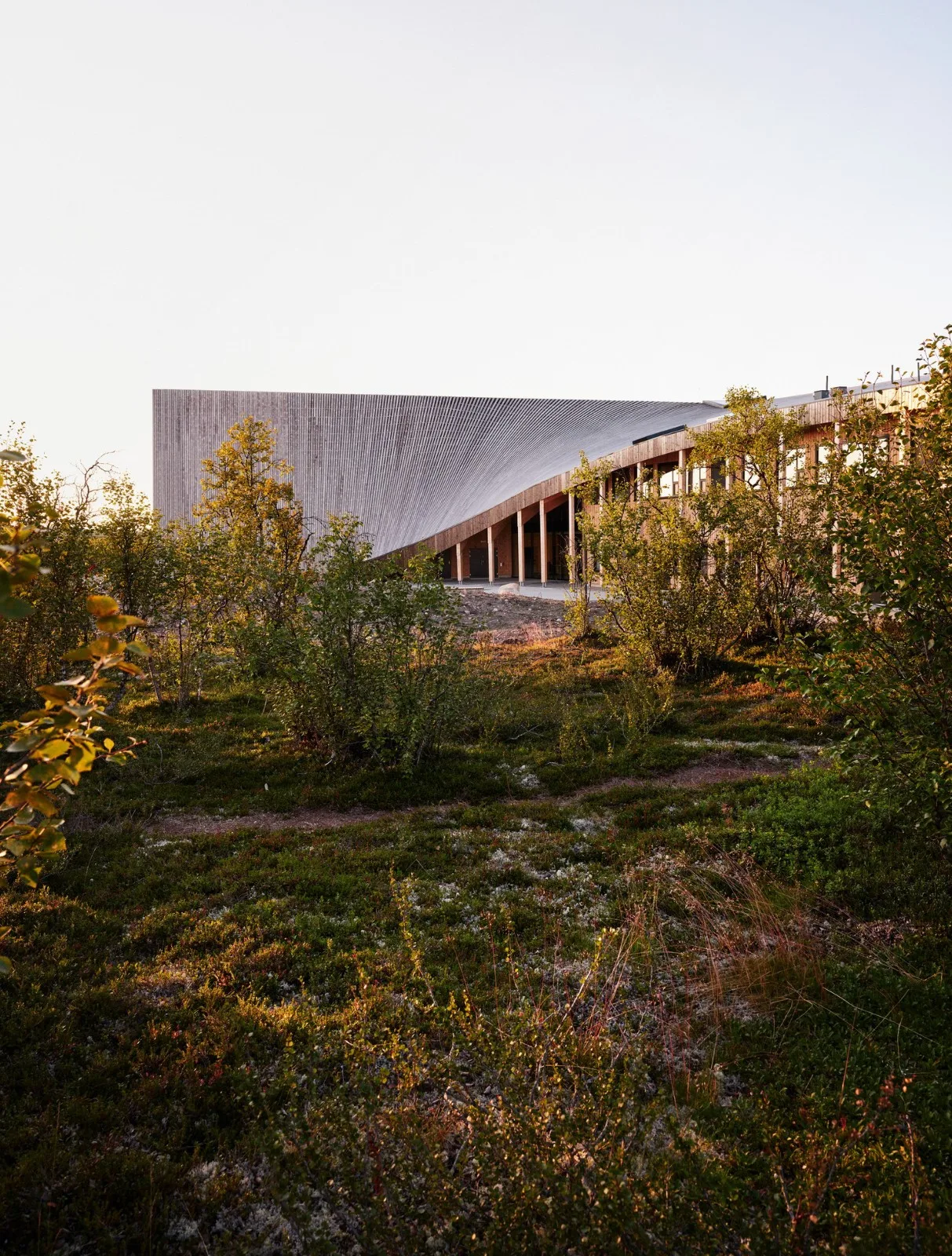
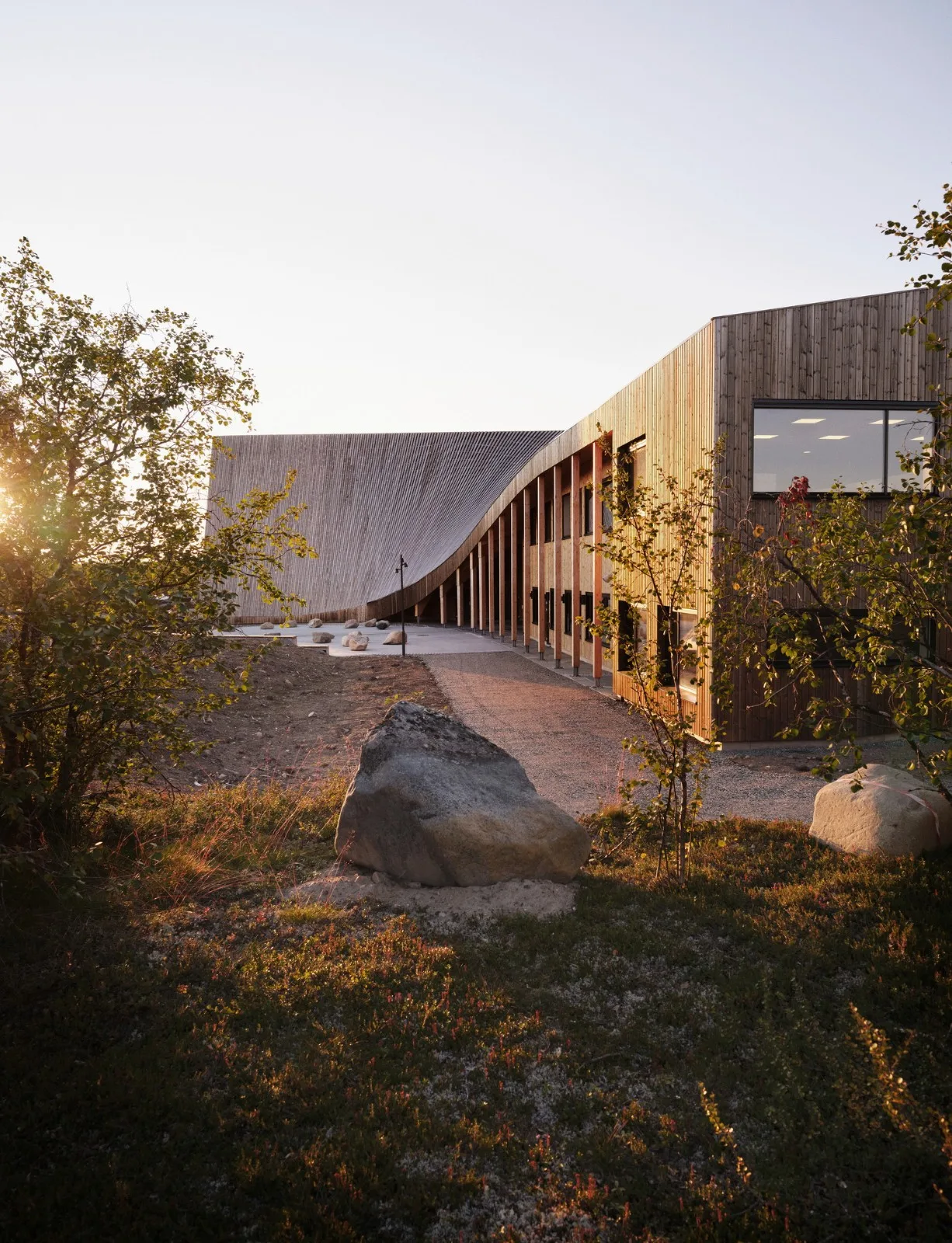
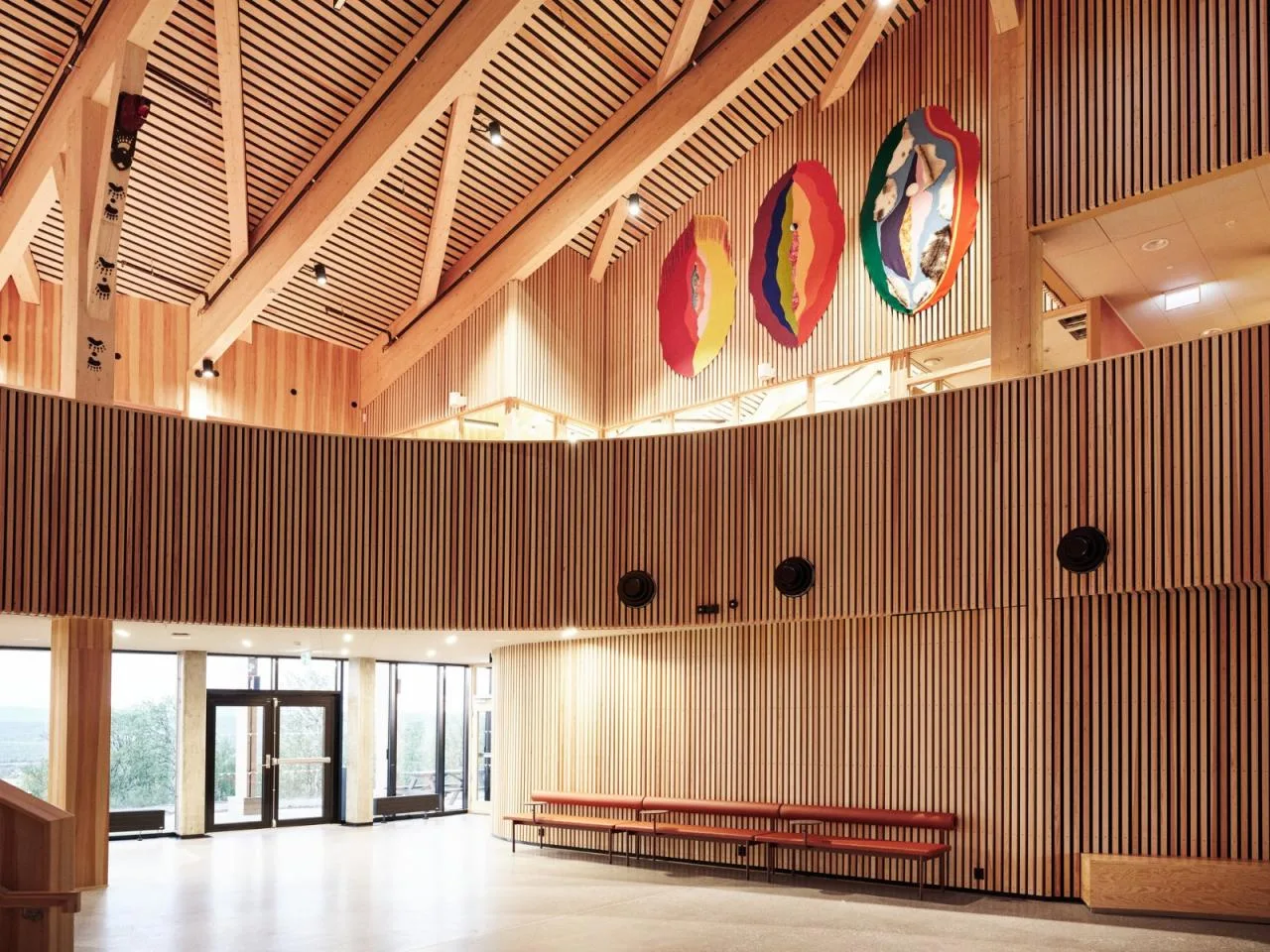
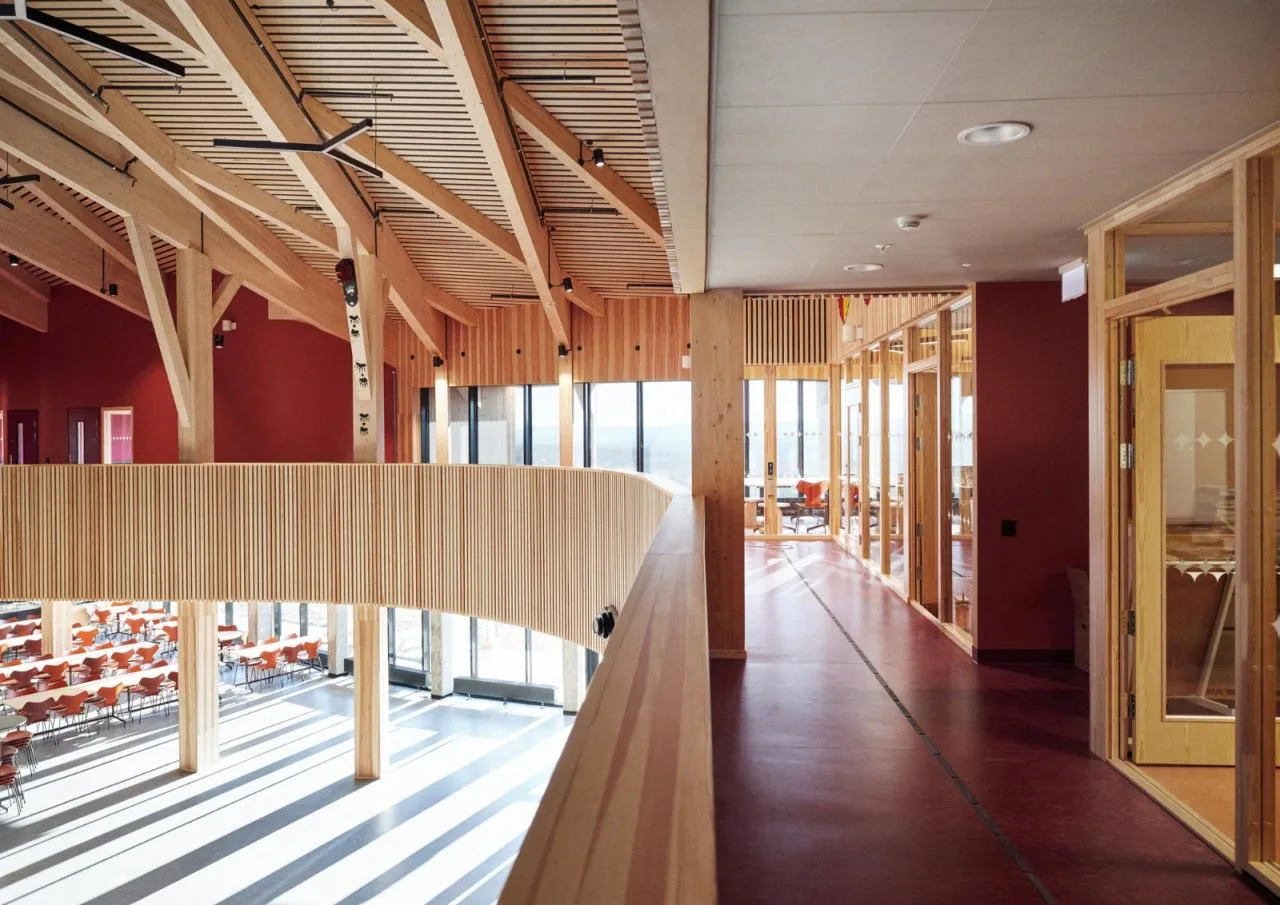
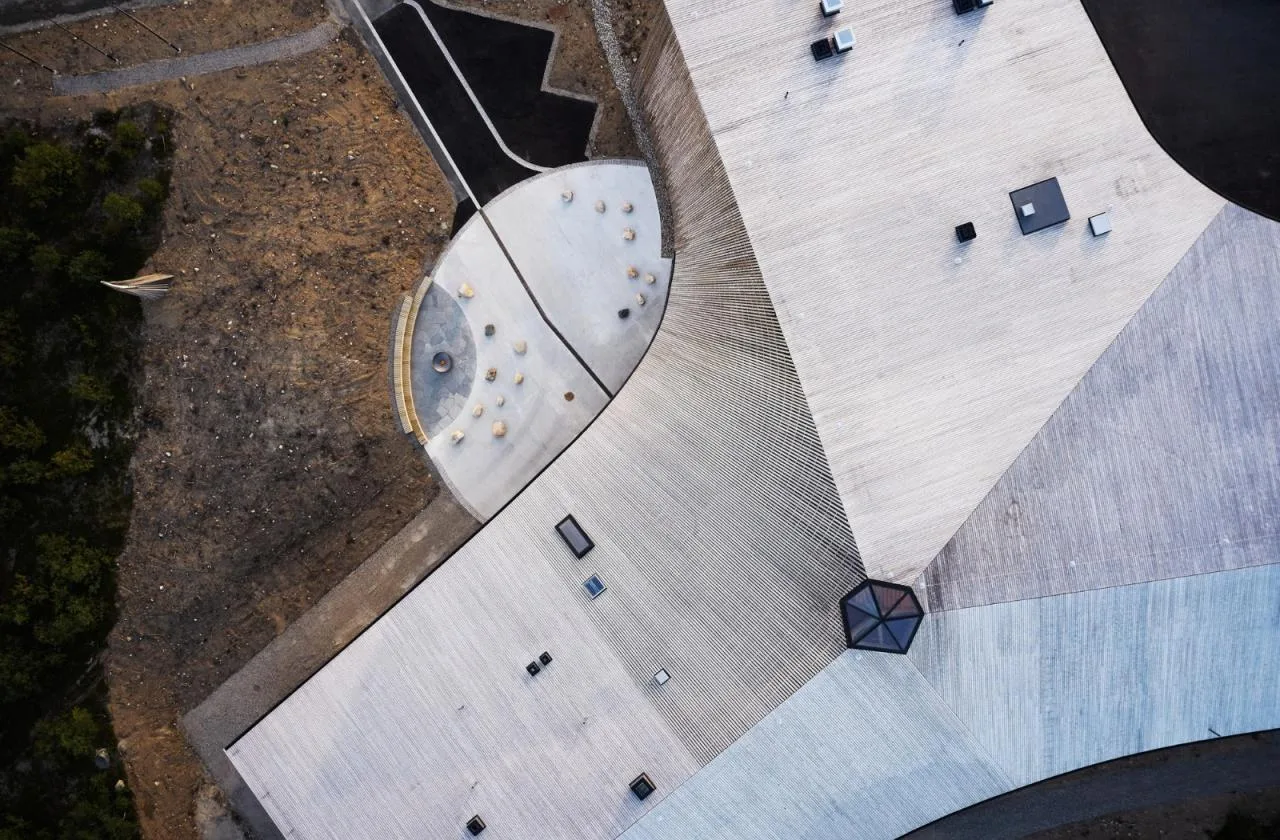
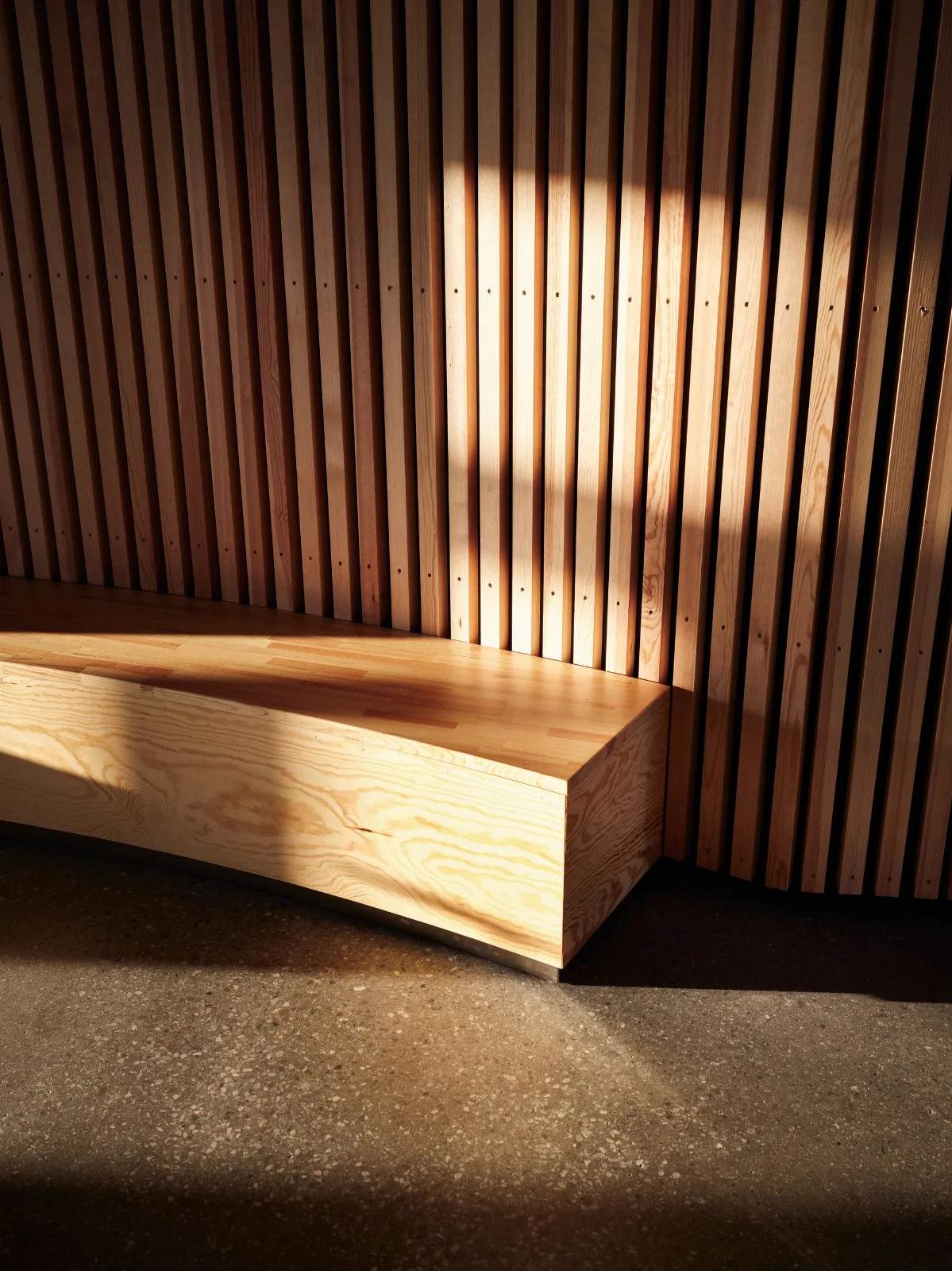
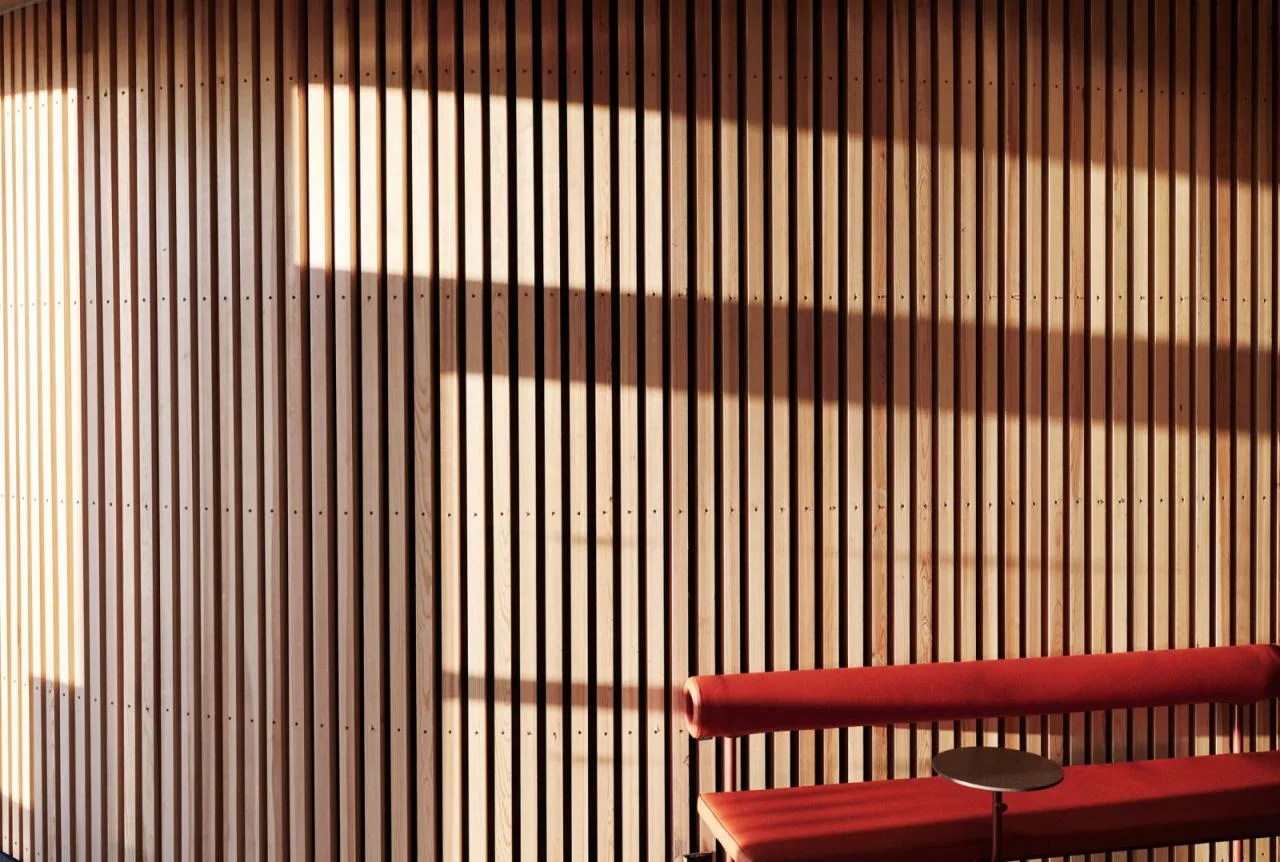
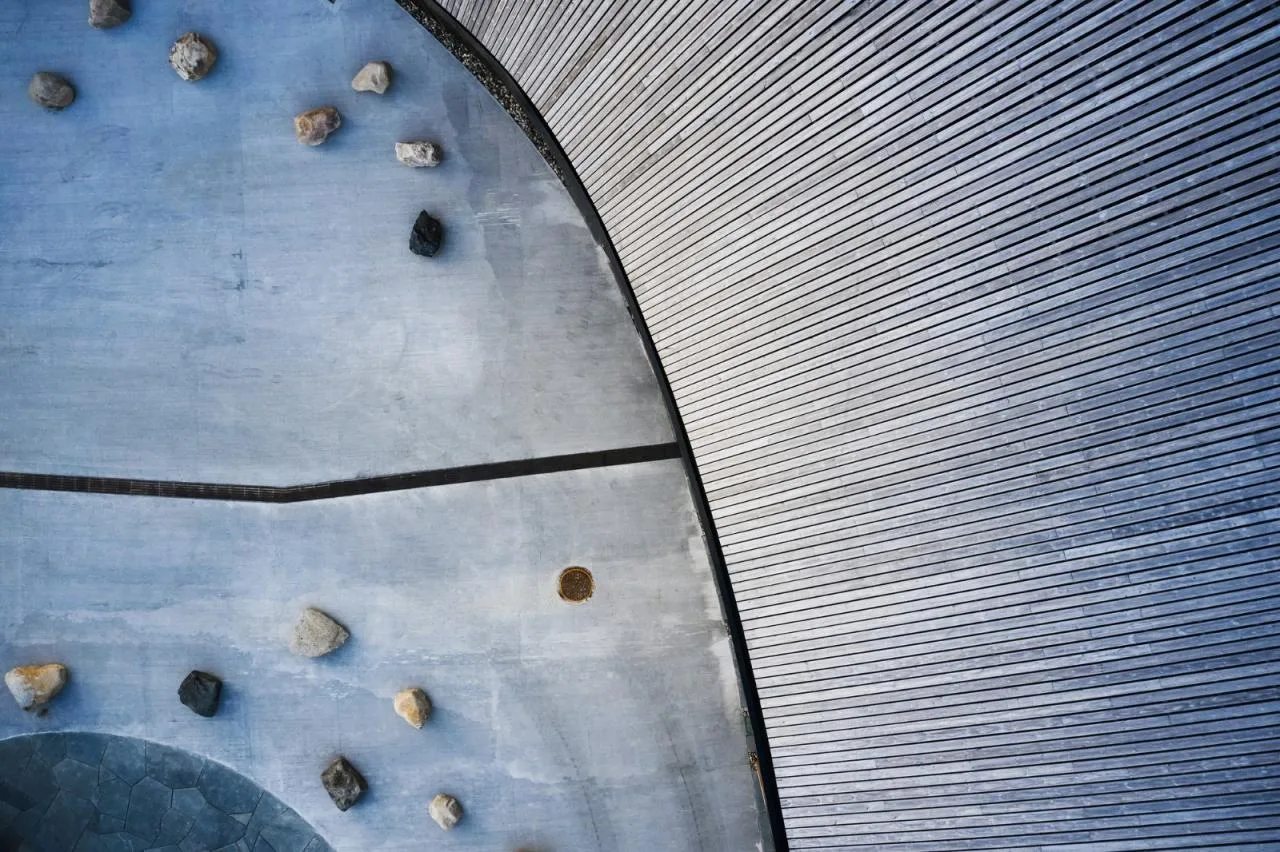
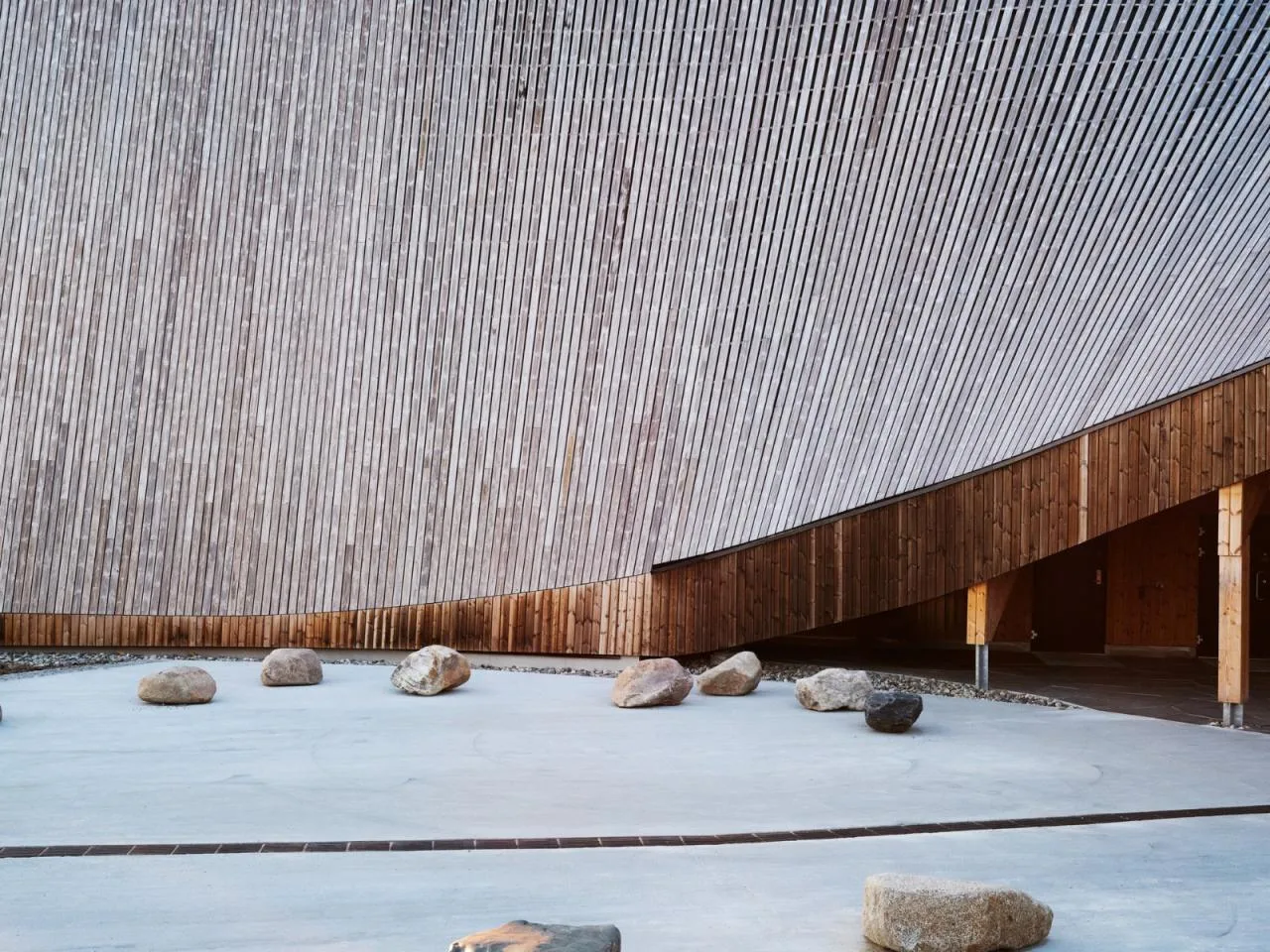
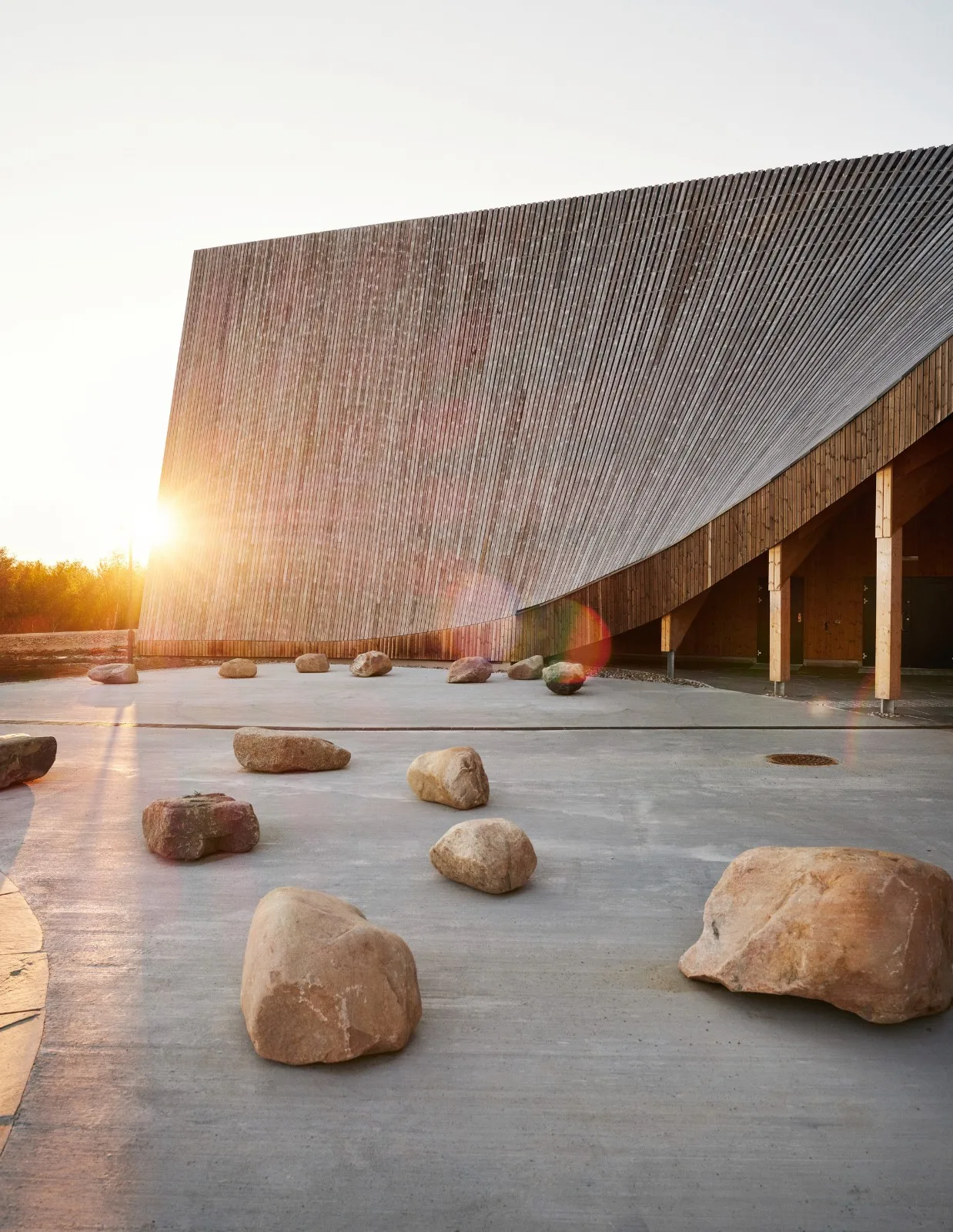
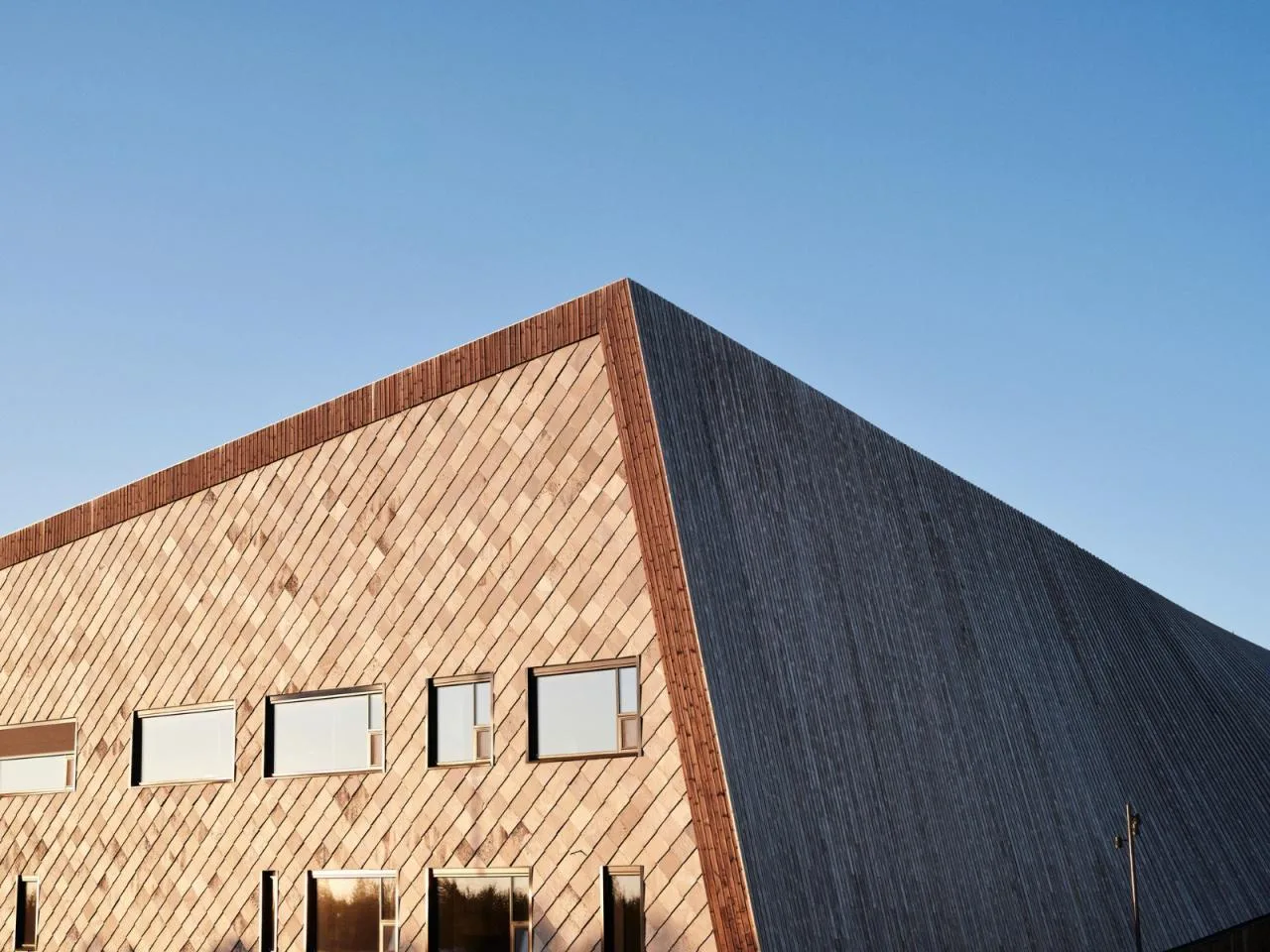
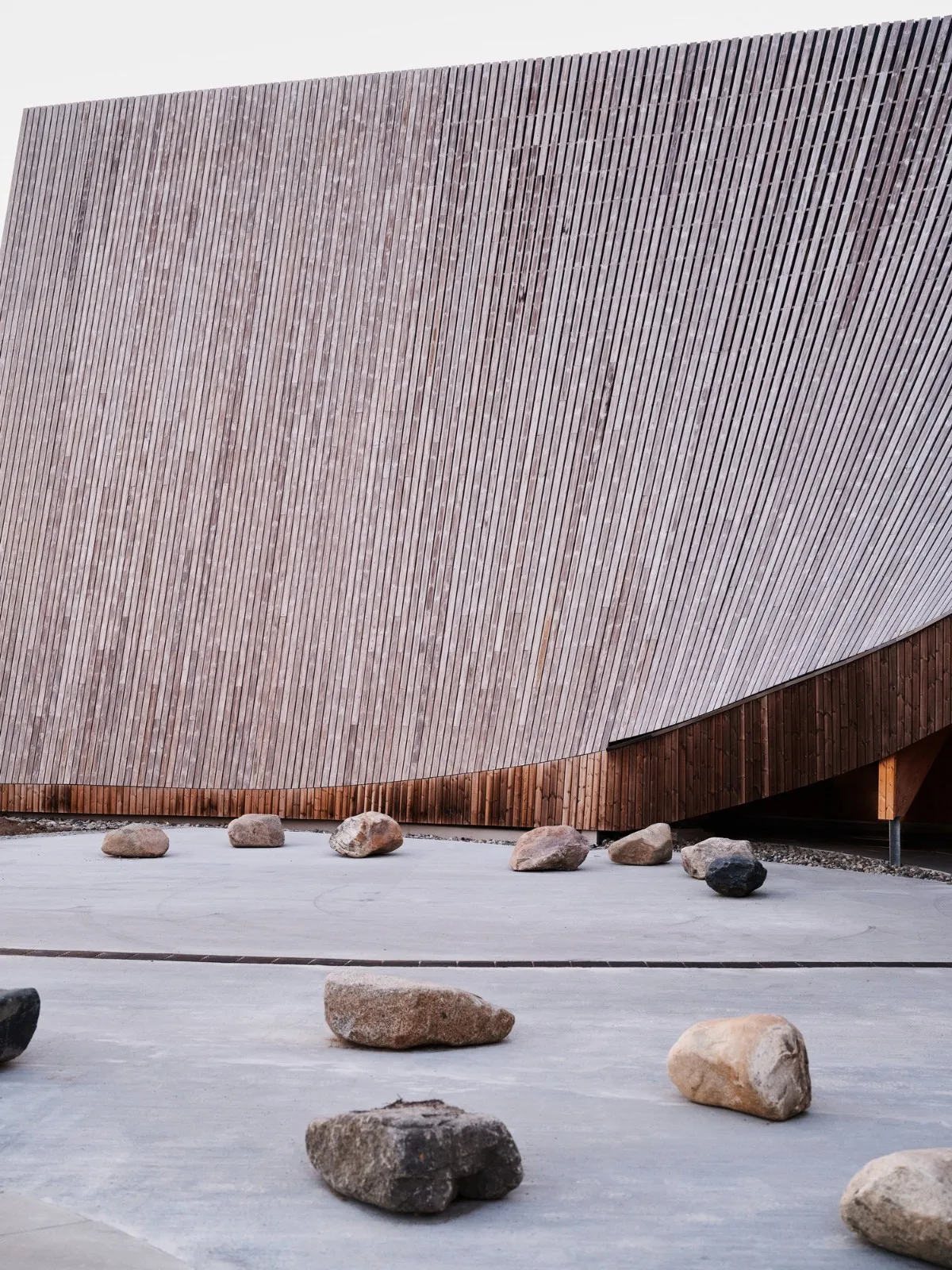
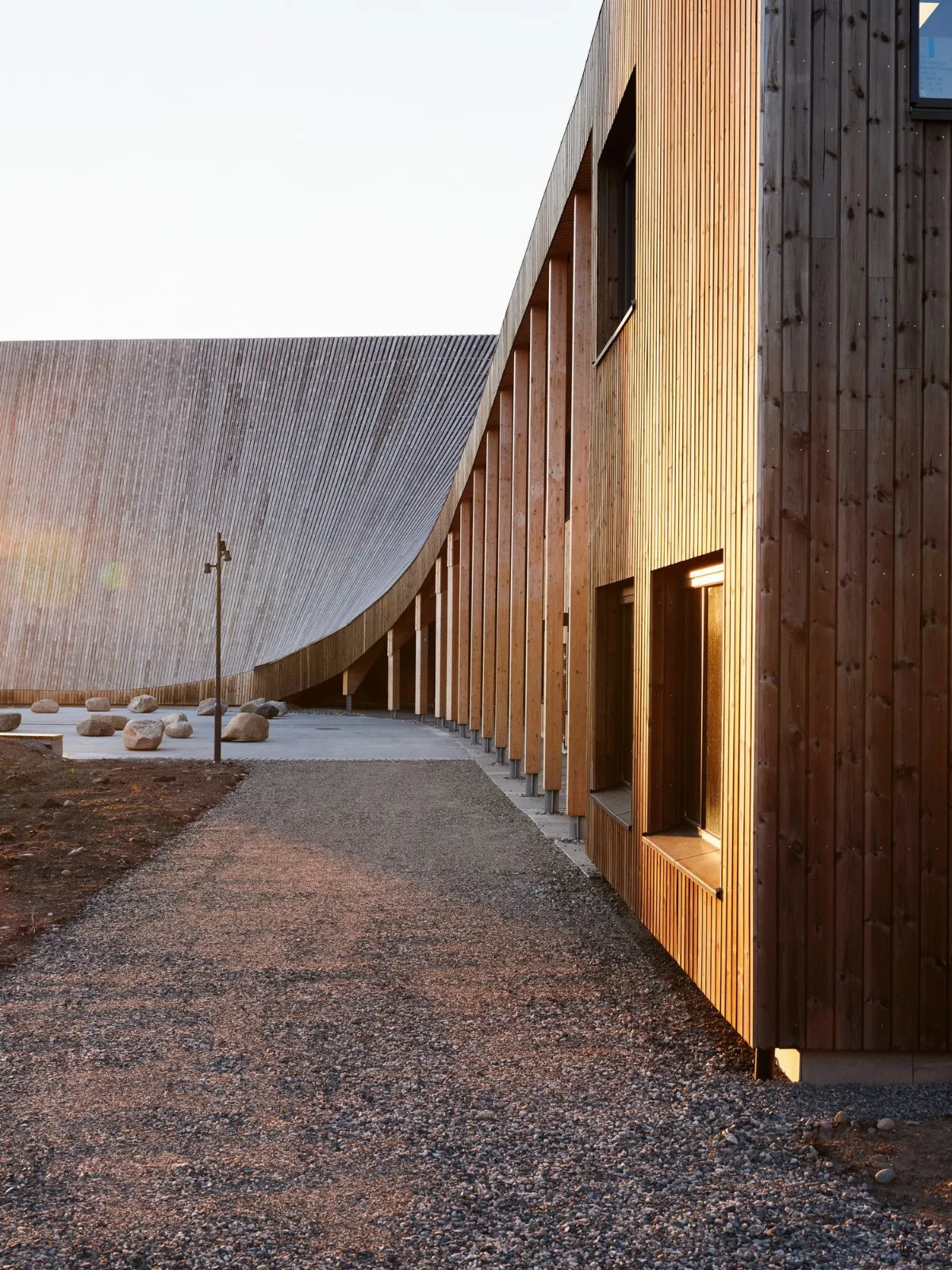
Materials and Colors — The building’s façade is clad in vertically arranged wood covered with mineral pine. Its expansive roof spans 4,930 square meters and is finished with 34,000 meters of Copernicus, a type of carbonized wood. The Alta slate featured on the theater gable was reclaimed from the village’s demolished old elementary school.
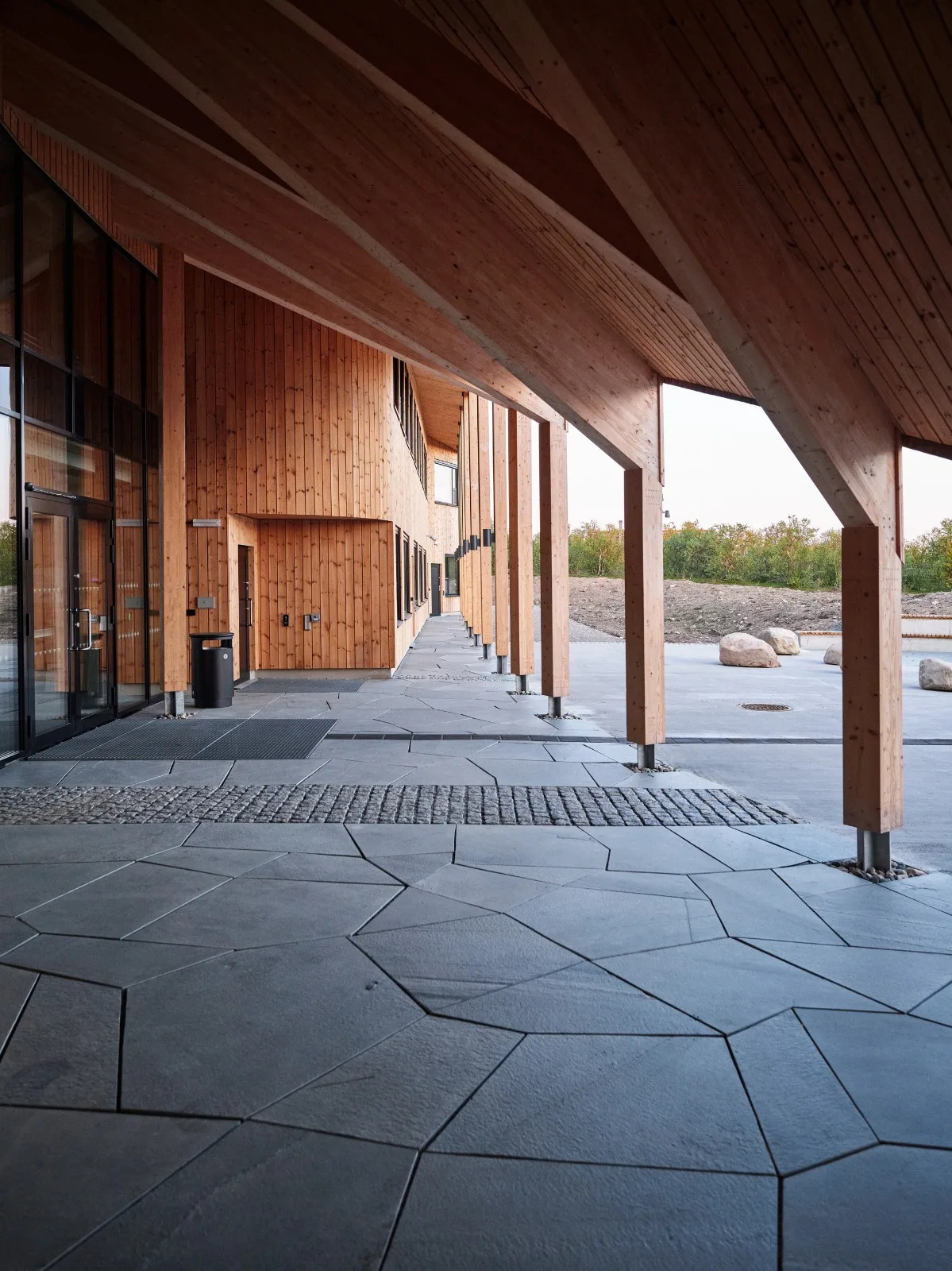
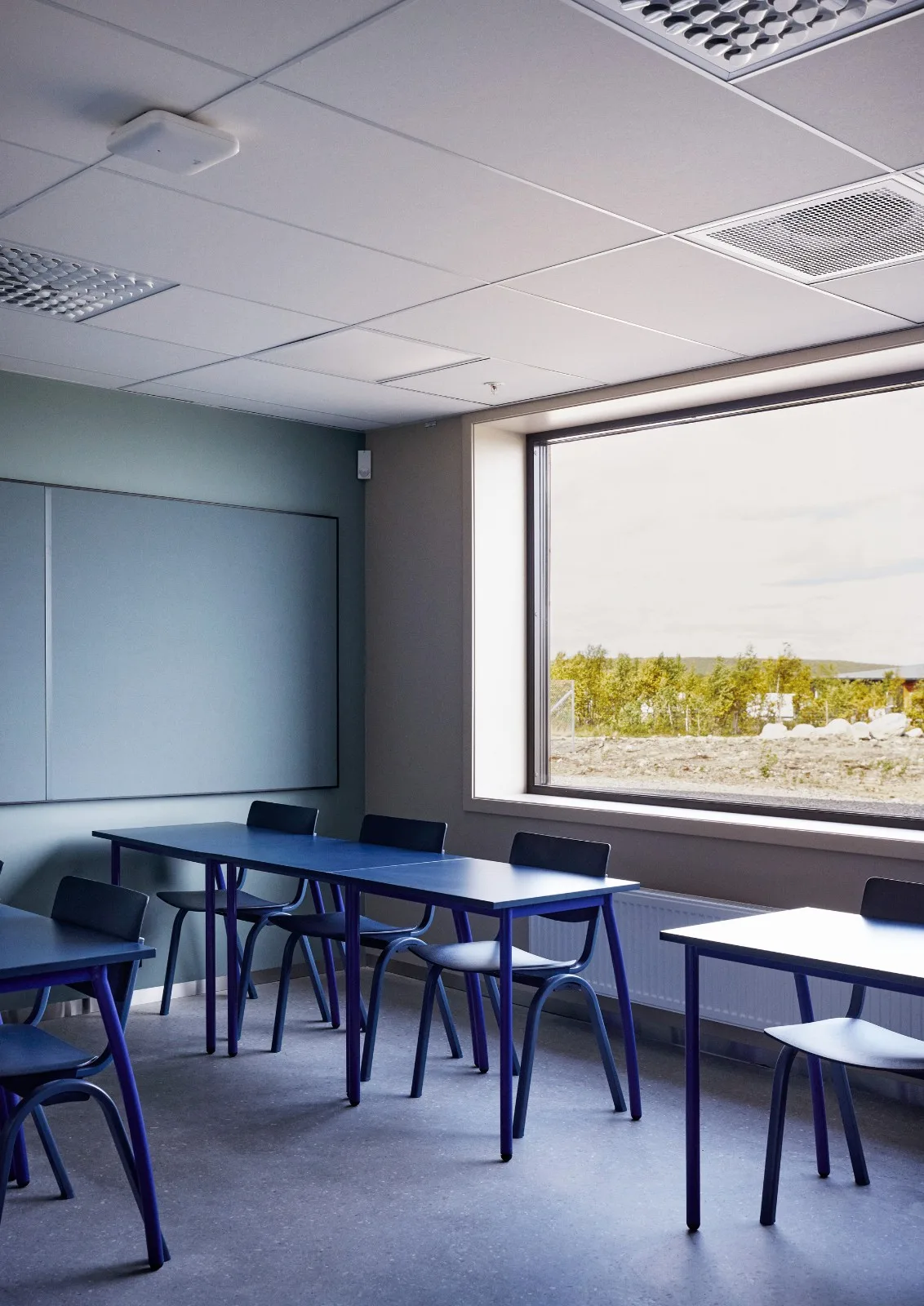
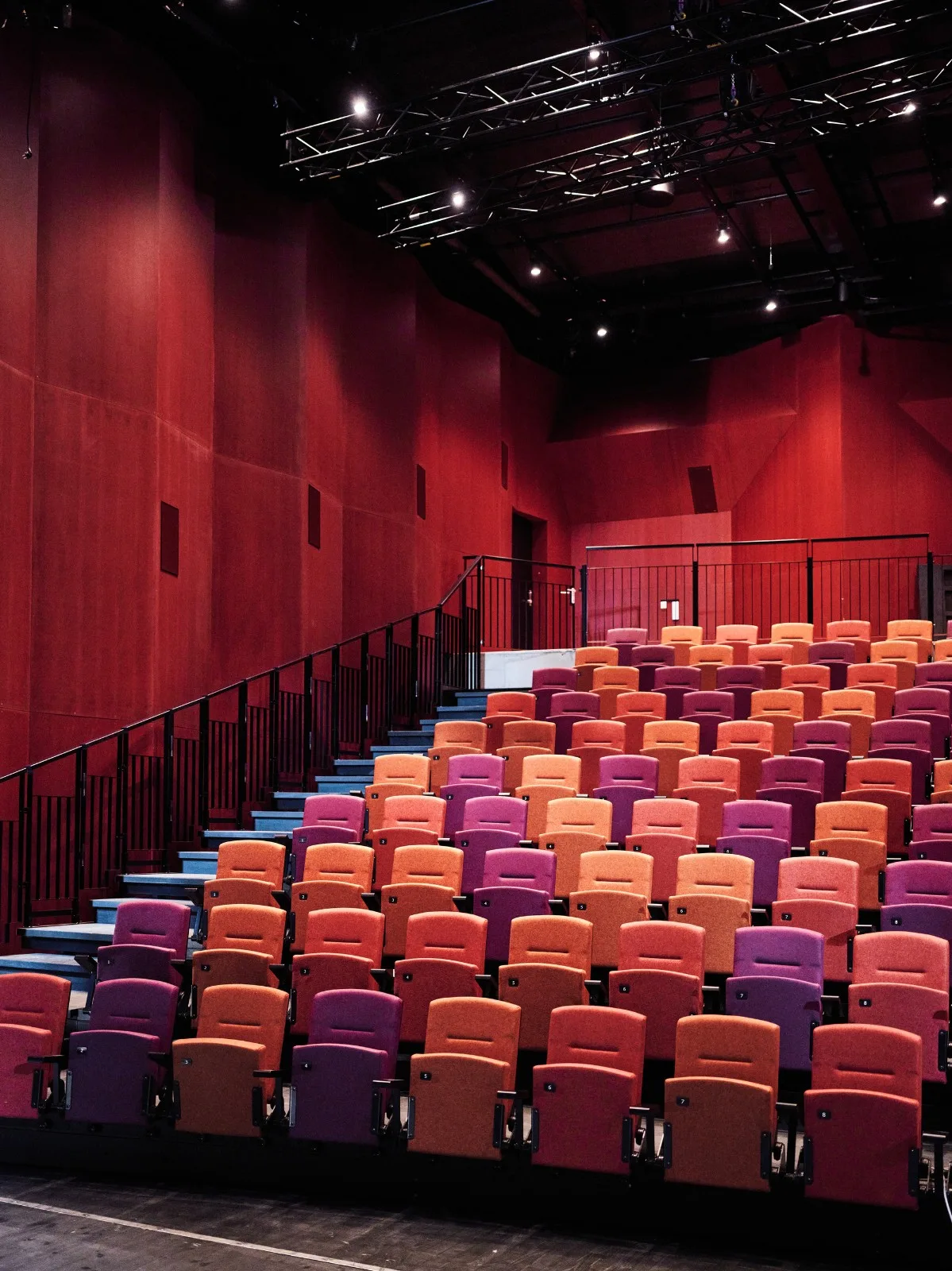
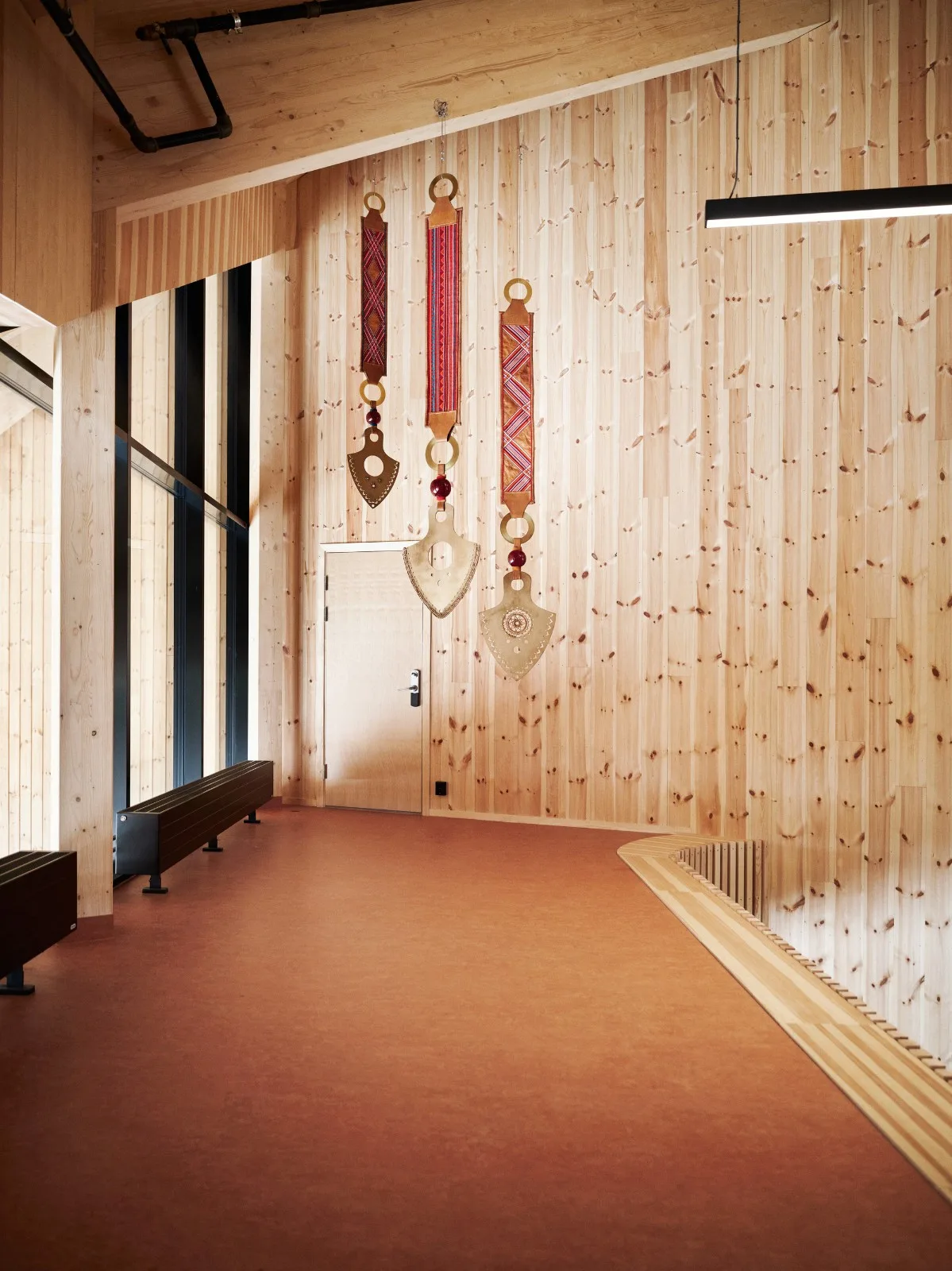
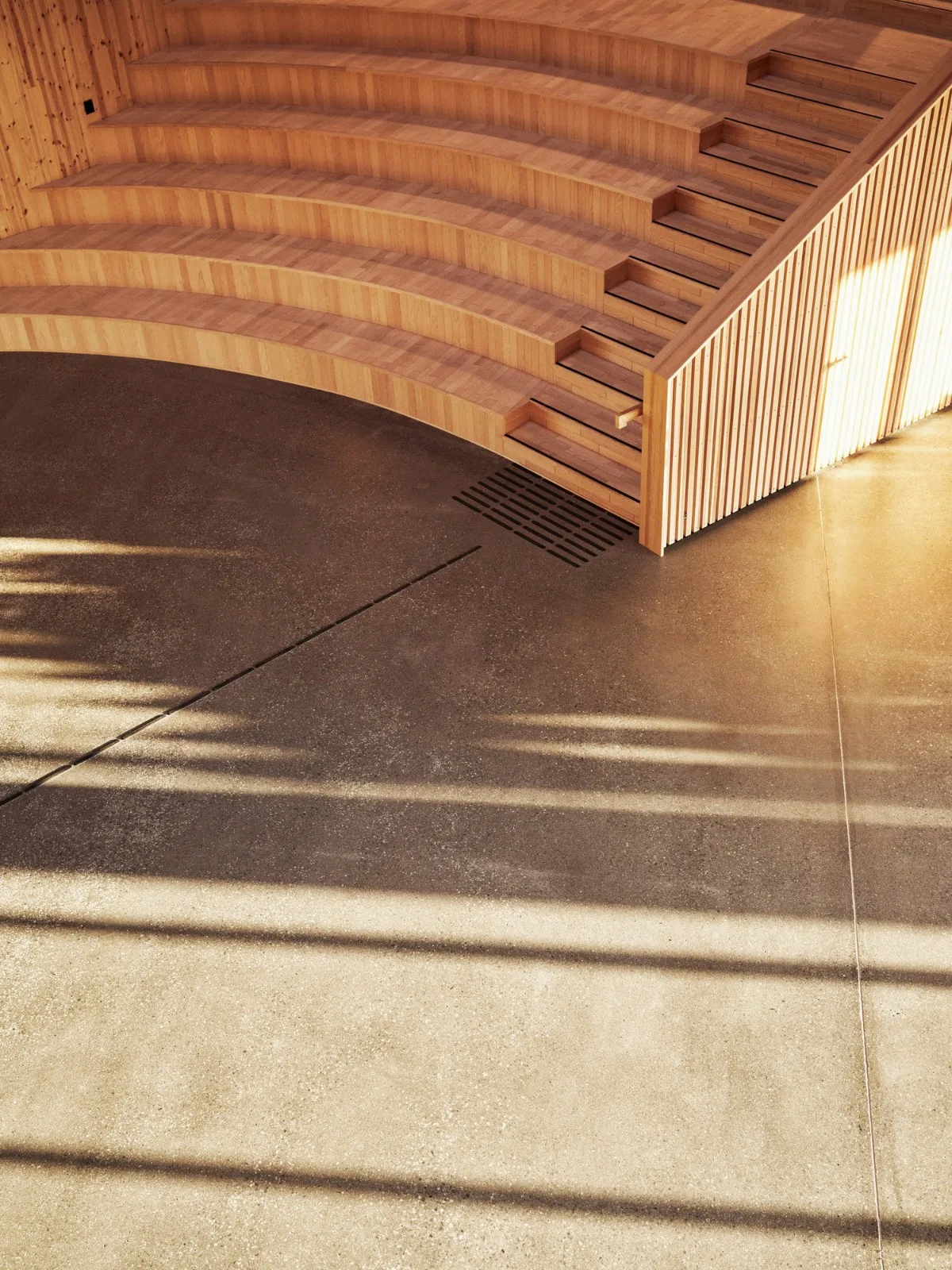
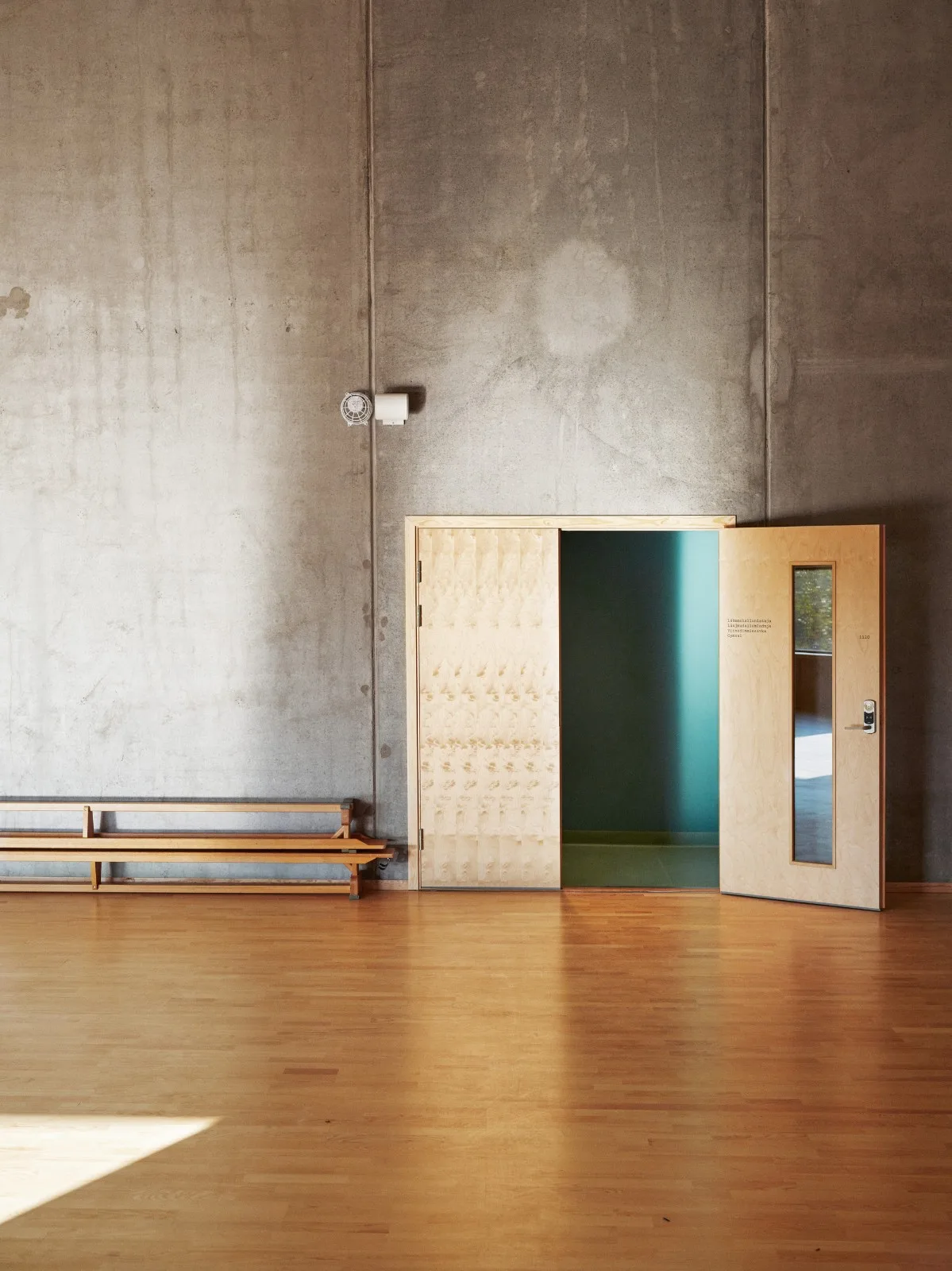
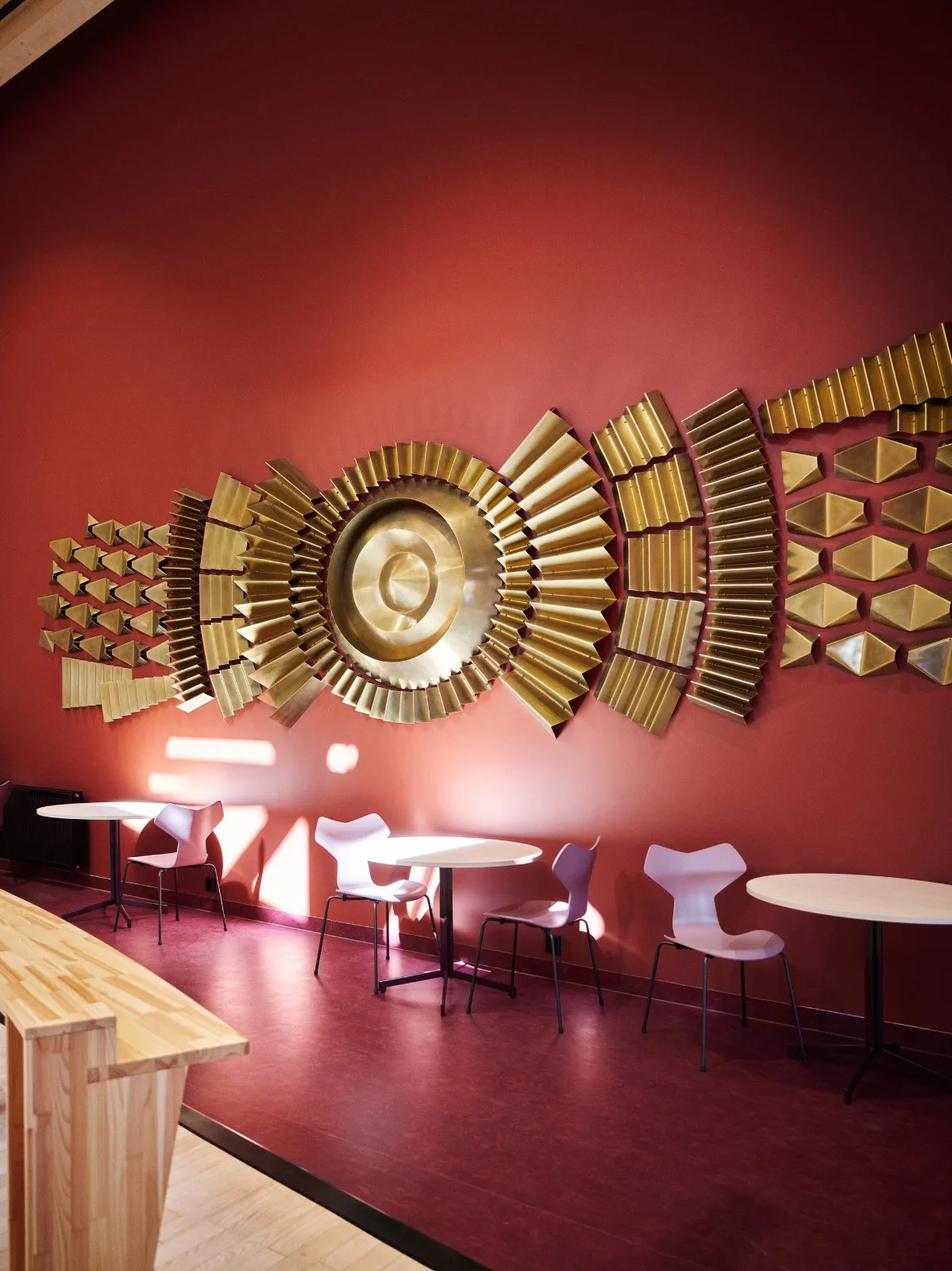
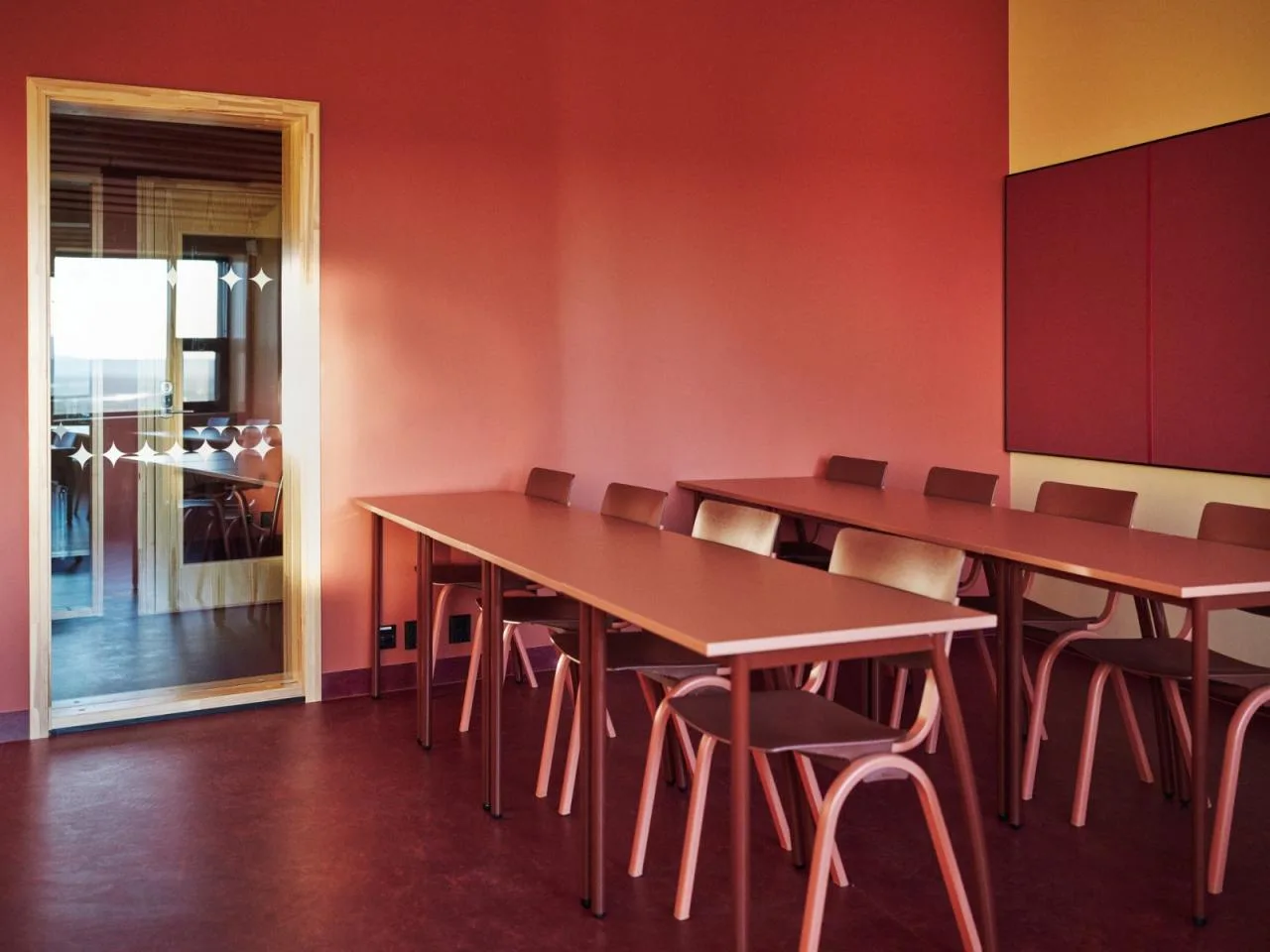
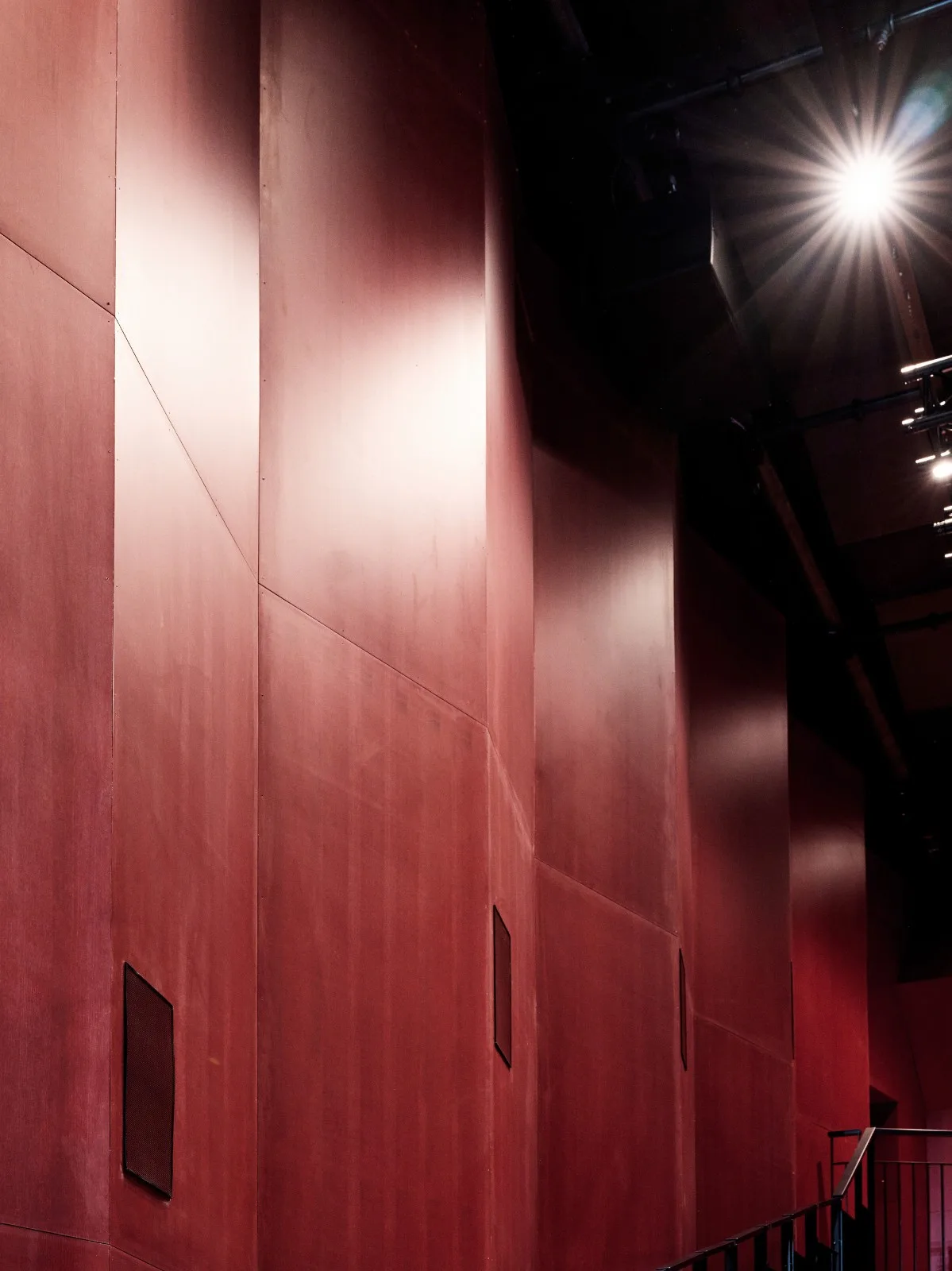
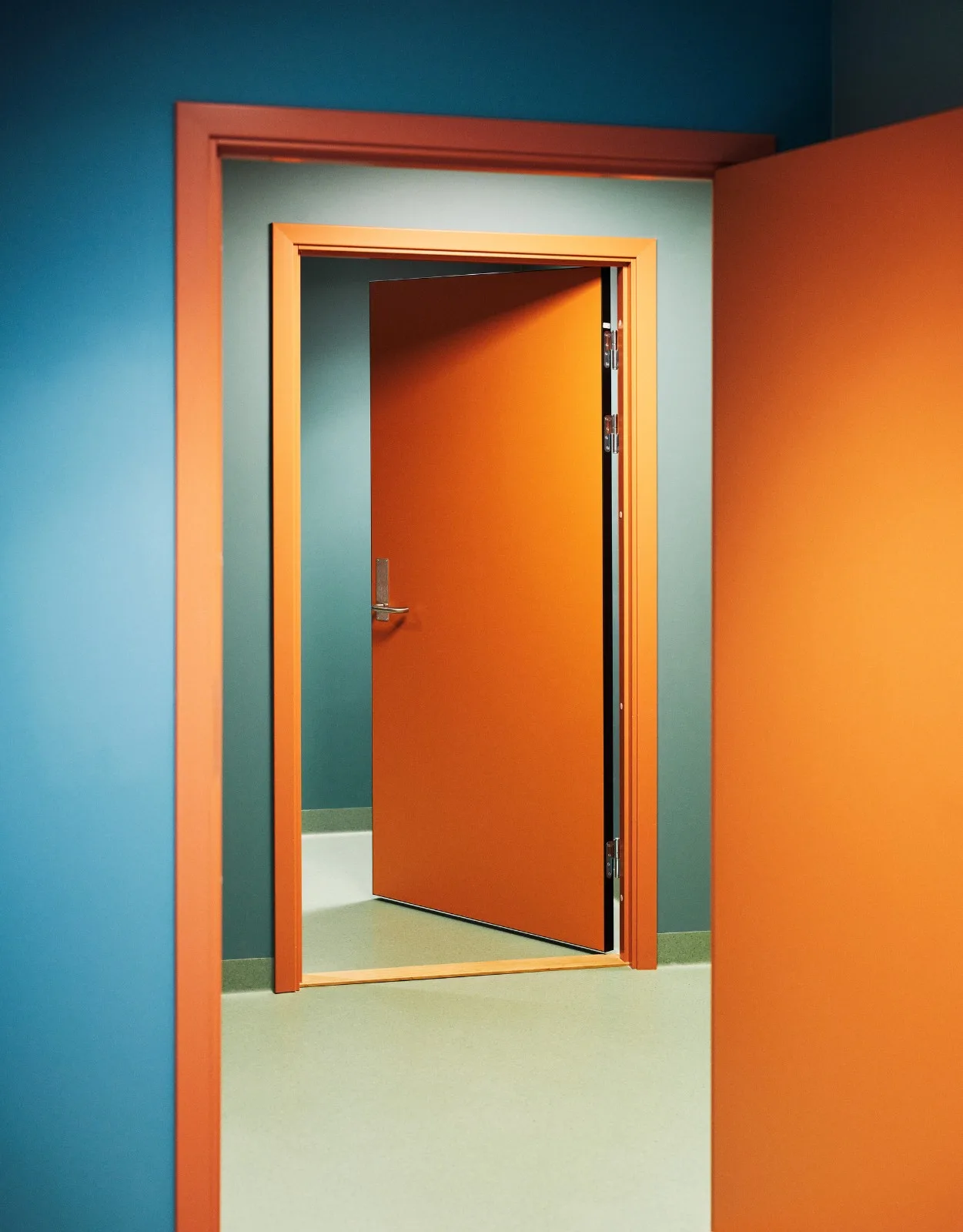
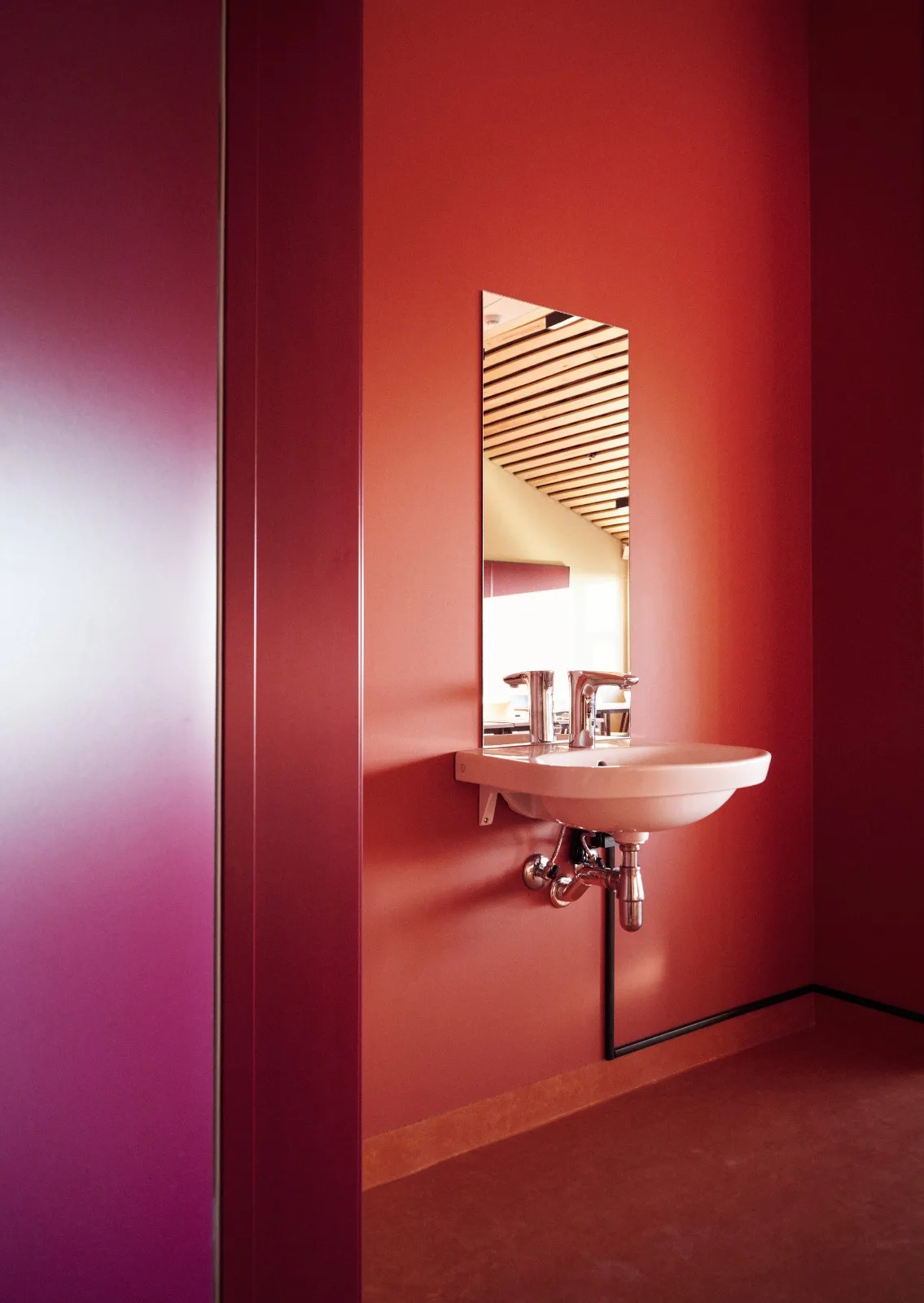
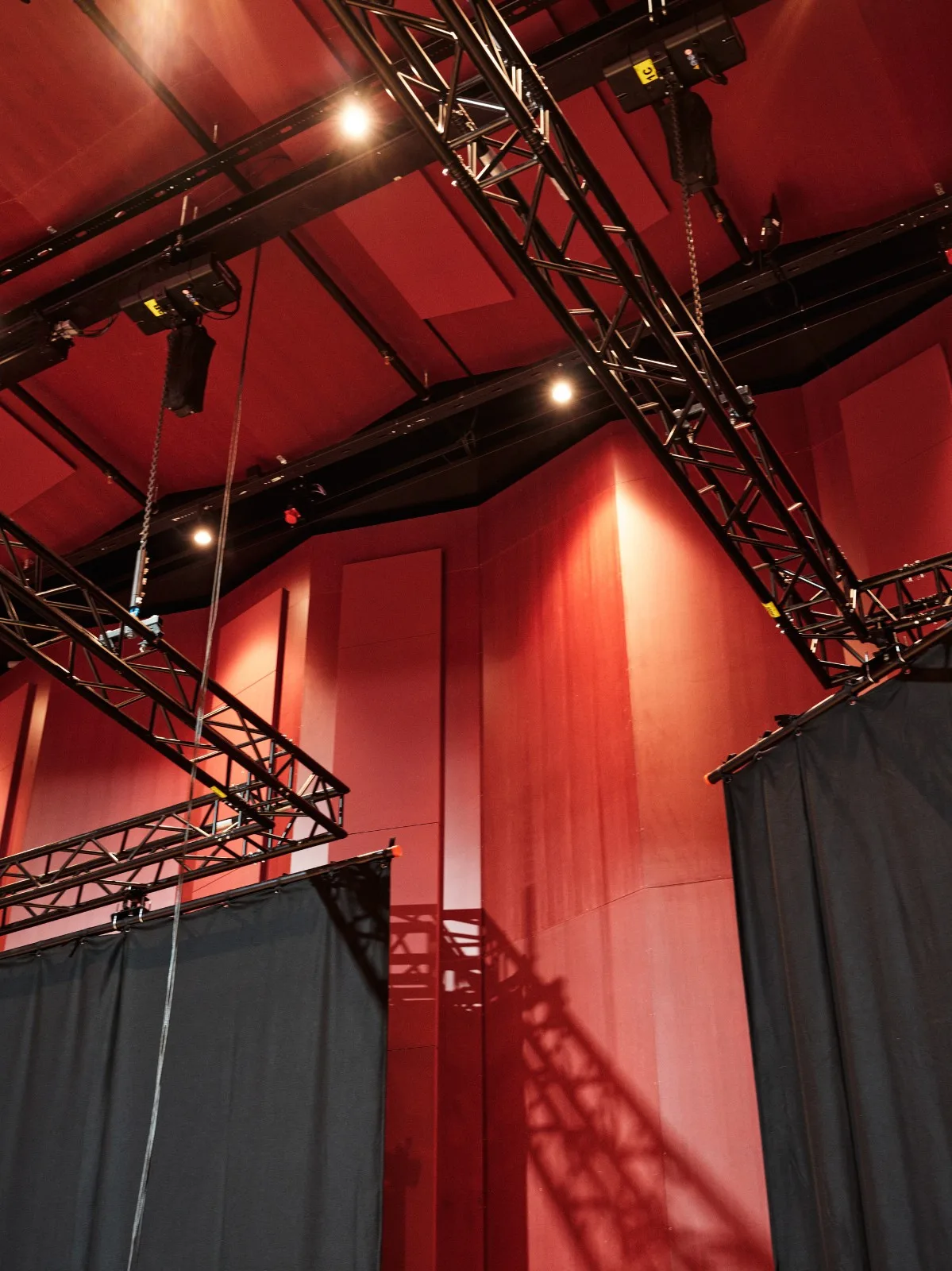
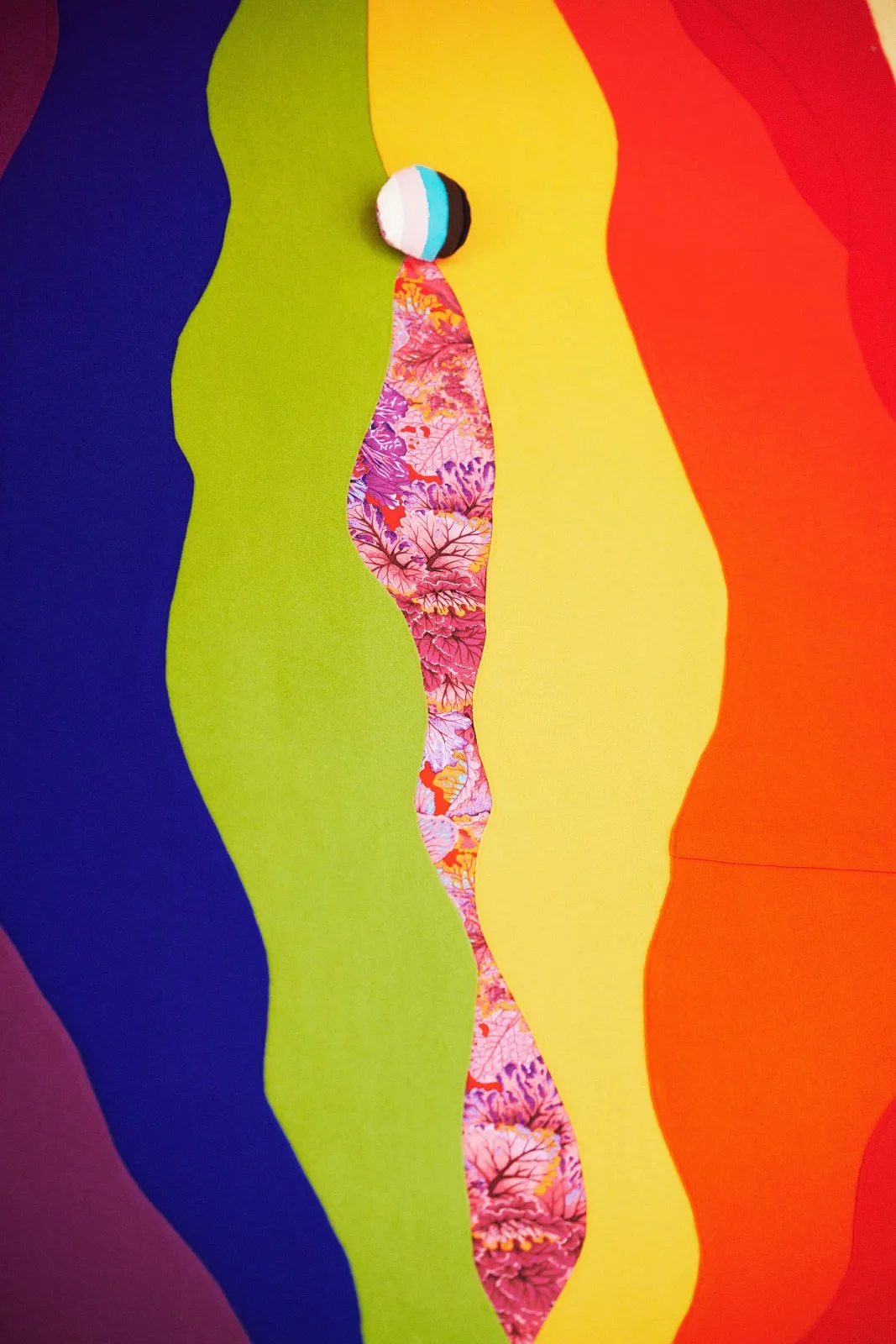
Inside the front hall and corridors, polished concrete floors mimic the exterior’s texture and incorporate locally sourced stones, including slate and Masi quartzite, exhibiting various shades of gray and green. The central spaces — foyer, front hall, and theater lobby — are painted warm red, with the color gradually shifting to cooler tones and ending in blue as one moves outward. This vibrant palette, inspired by Sami cultural use of color, contrasts strikingly with the predominantly white exterior.
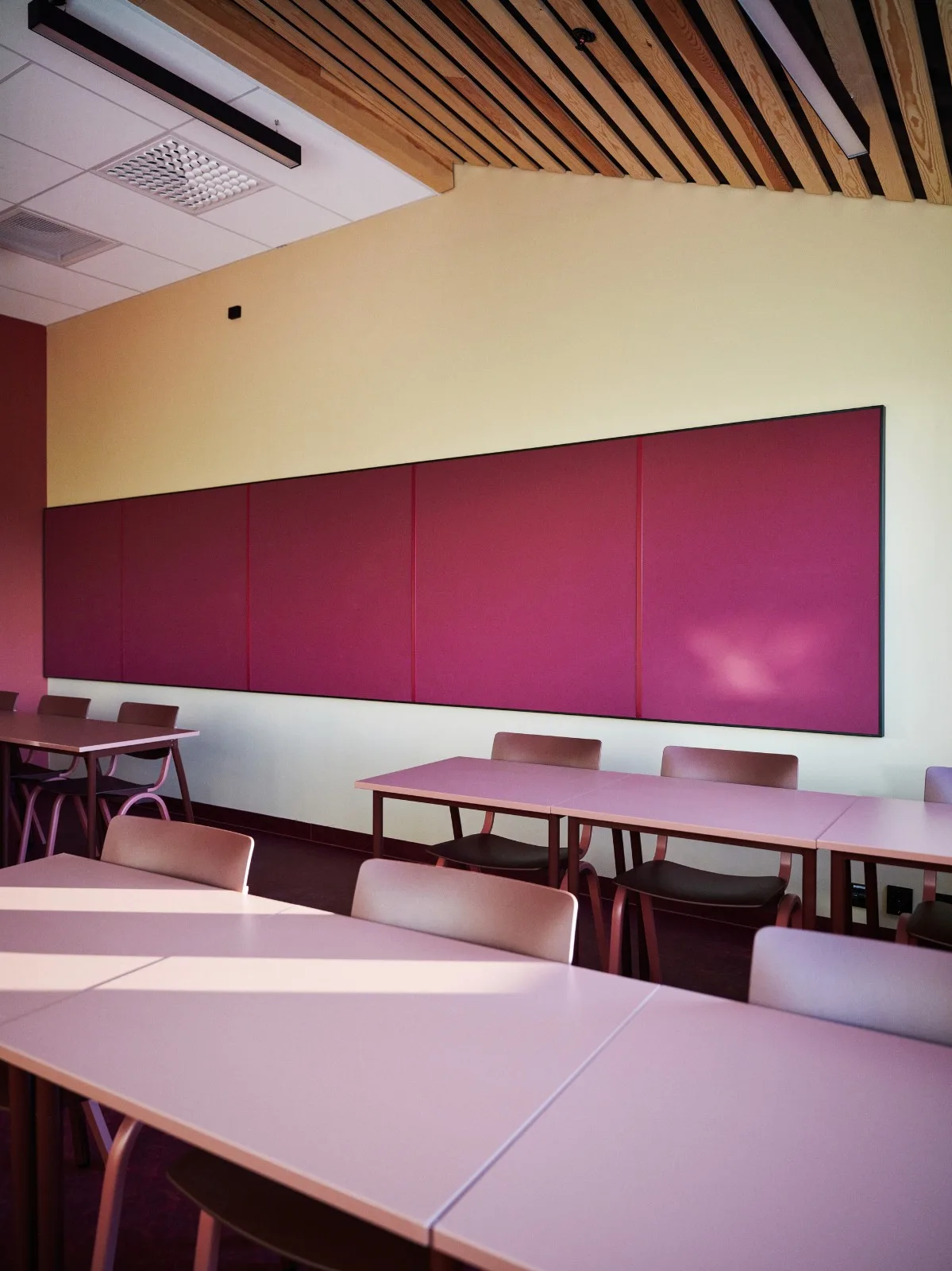
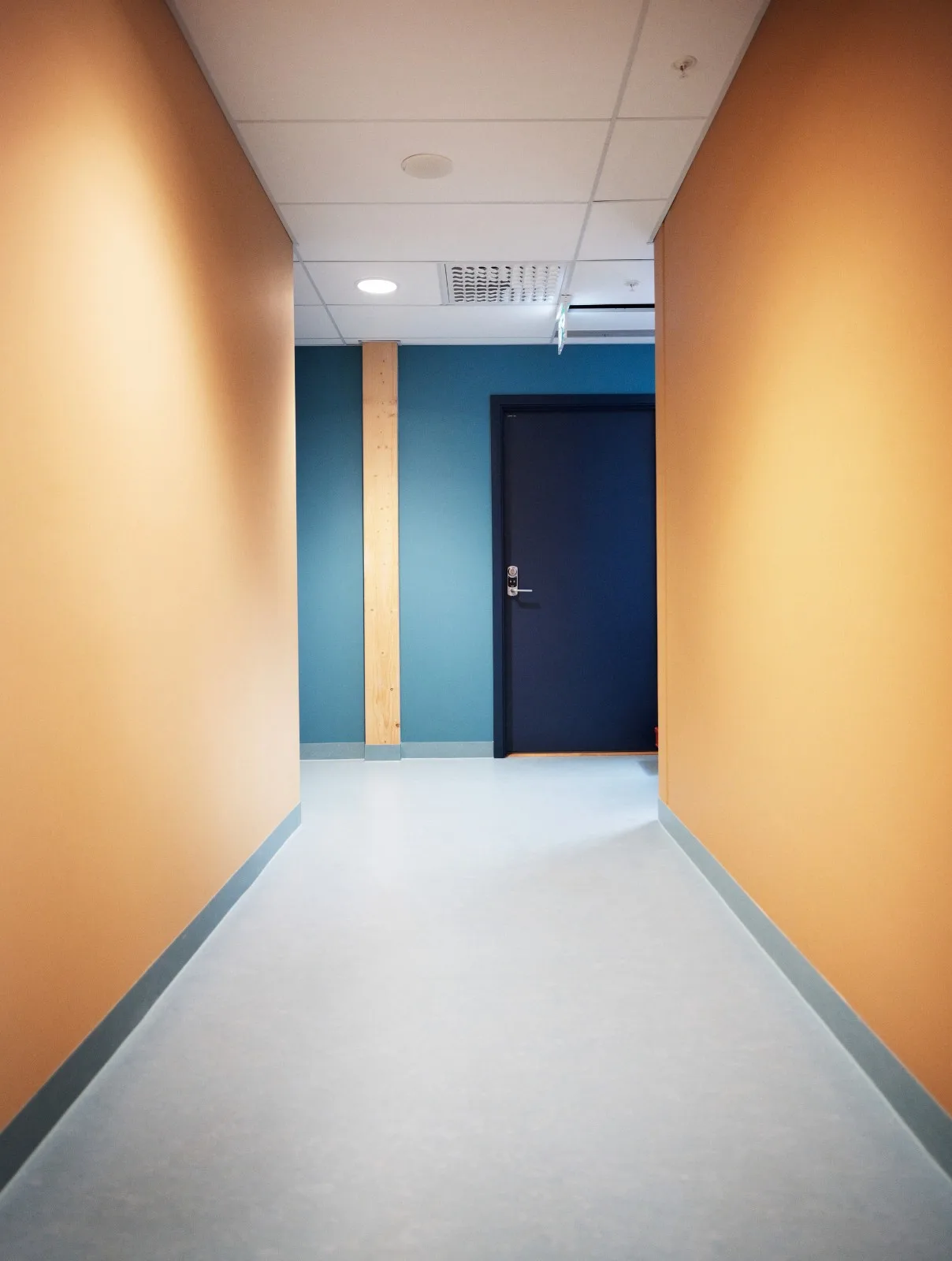
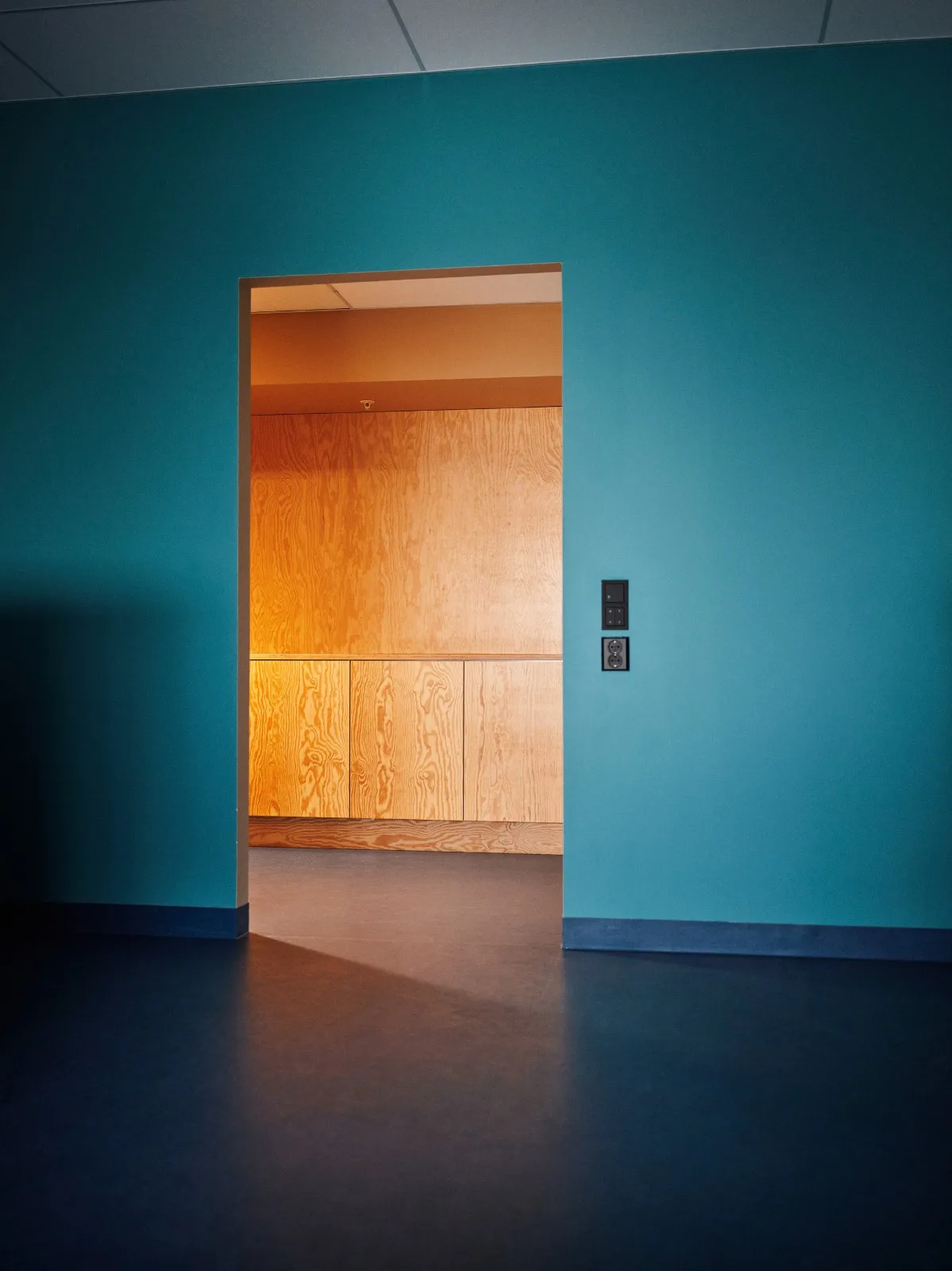
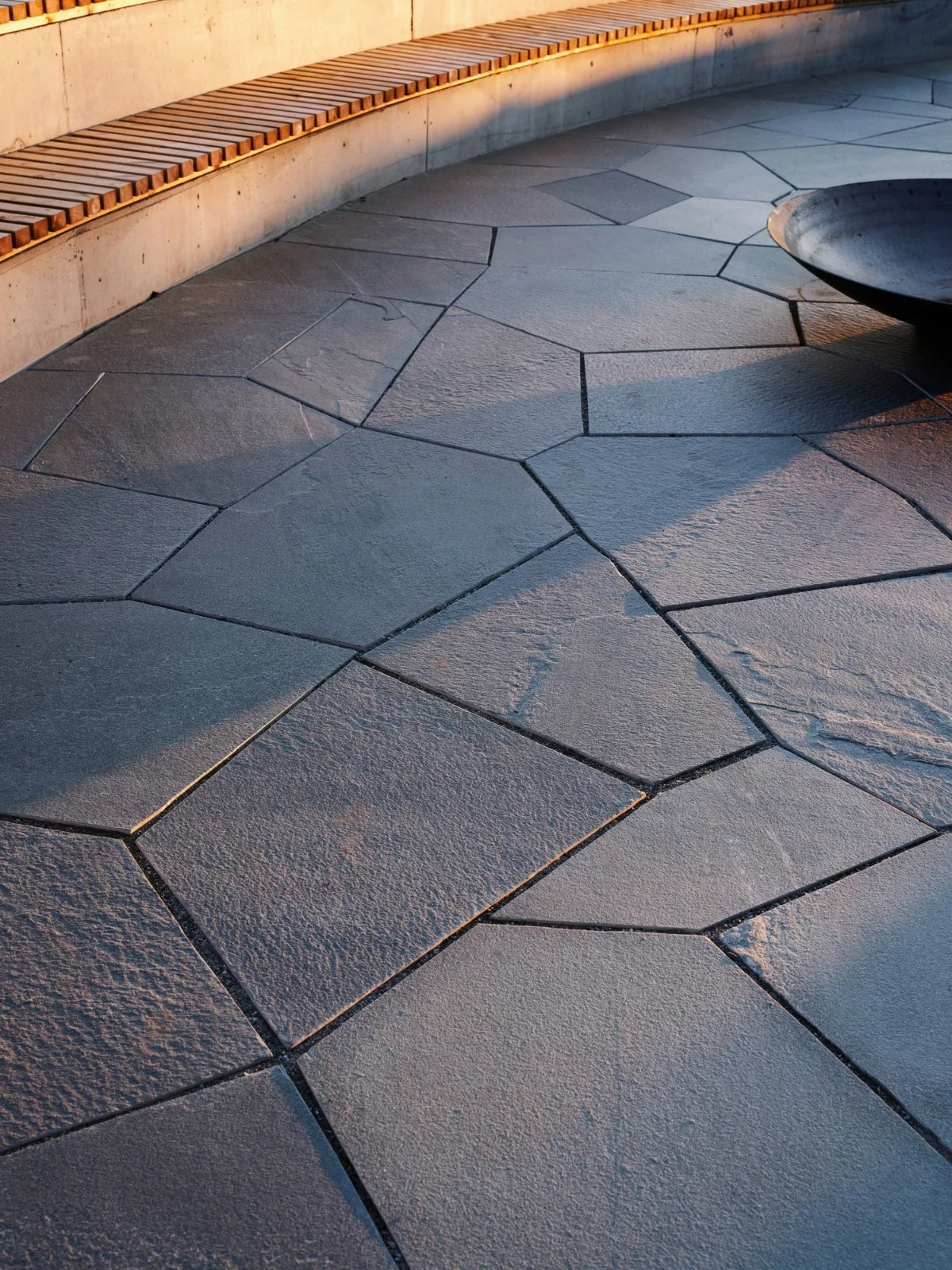
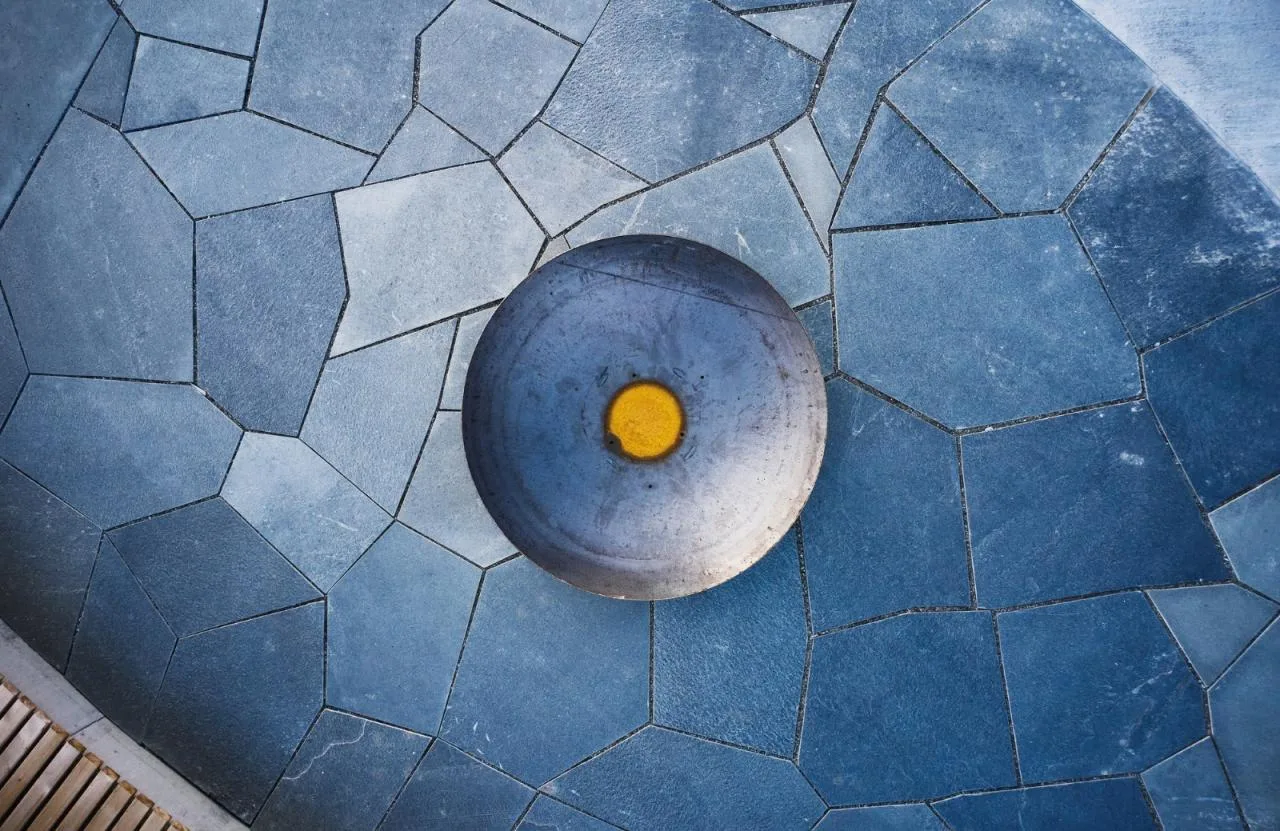
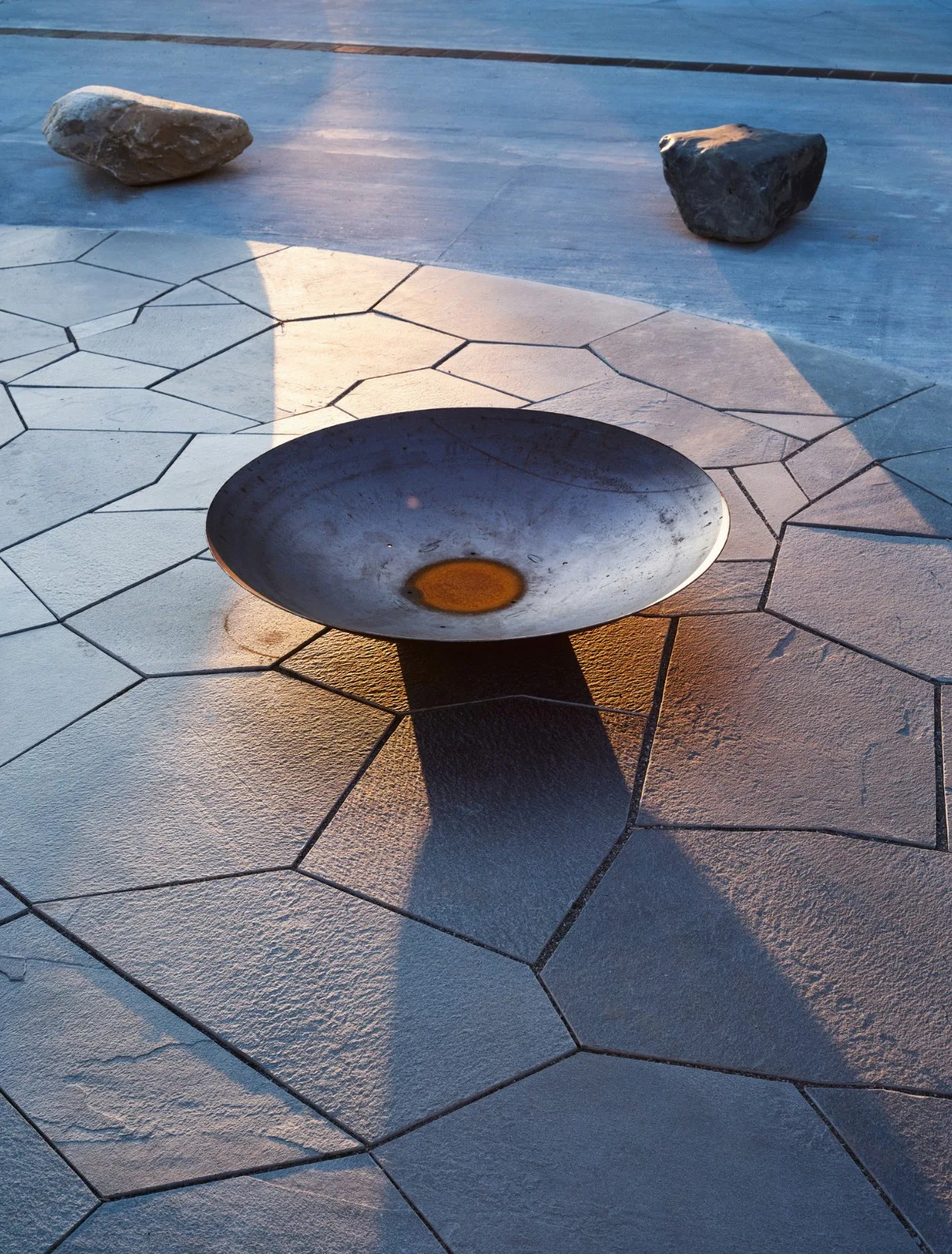
The building’s branching form naturally creates three outdoor areas. The southern-facing main entrance opens to a circular front yard featuring an arrán (traditional Sami fire pit), a fire pit, a seating stone, and an open-air theater. The seating stone, sourced from the plateau’s outskirts, offers a versatile space for both school activities and theater events. Alta slate, quarried nearby, is used in this circular area.
On the other side of the theater wing, an outdoor space serves the school’s building trade workshop, acting both as a visual barrier and protection from harsh weather. The north side reserves a large area for reindeer fences, directly linked to the reindeer herding department inside, constructed by local experts. To the east, the natural terrain and vegetation remain undisturbed, seamlessly connecting the building to the plateau.
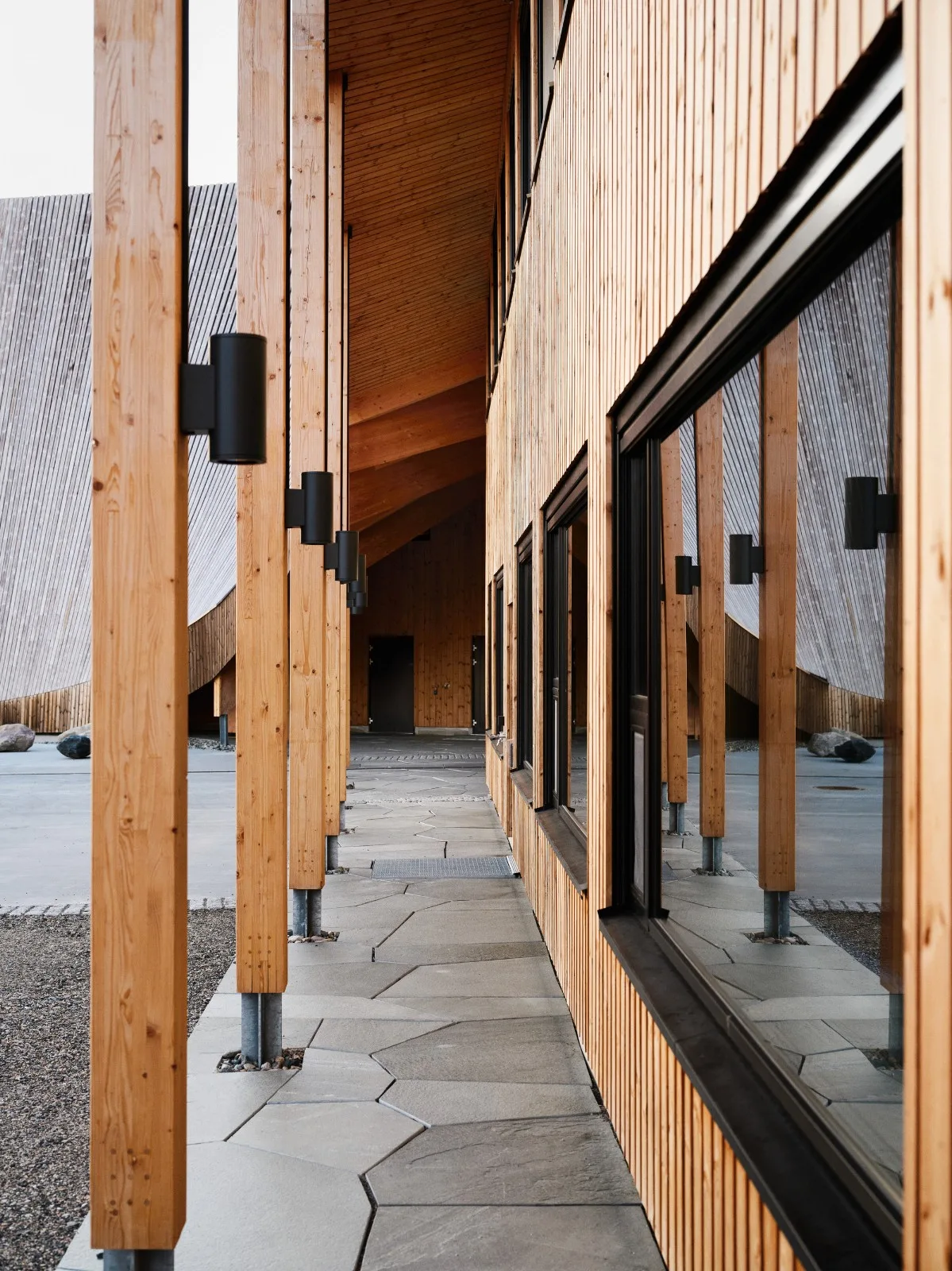
Natural Ground Heating — Čoarvemátta is designed according to passive house principles, ensuring excellent building quality, a comfortable indoor climate, and very low energy consumption. The system includes 40 geothermal wells drilled approximately 250 meters deep, enabling the building to meet 90% of its heating and cooling energy needs through geothermal energy.
Two heat pumps use this geothermal energy to regulate the building’s temperature, while heat exchangers return excess heat underground. On the coldest winter days, an electric boiler supplements the system. During construction, all excavated soil was carefully preserved and the surface soil stored temporarily before being replaced around the building to maintain the local seed bank.
Senior landscape architect Thea Kvamme Hartmann explained, “Sami culture does not traditionally cultivate landscapes into parks or urban spaces. Stepping out of a lavvu, a traditional Sami tent, immerses you directly into nature and the surrounding landscape.”
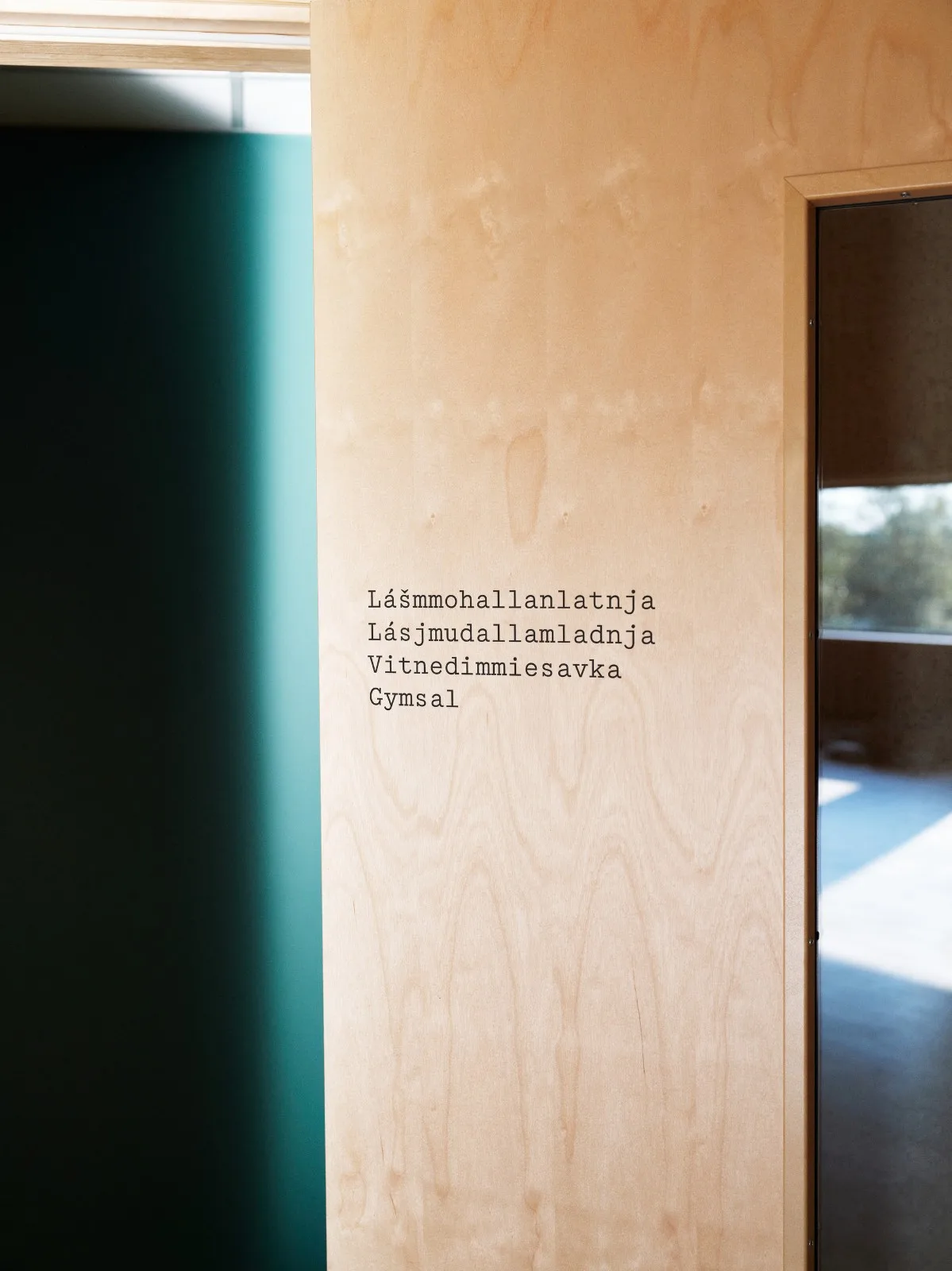
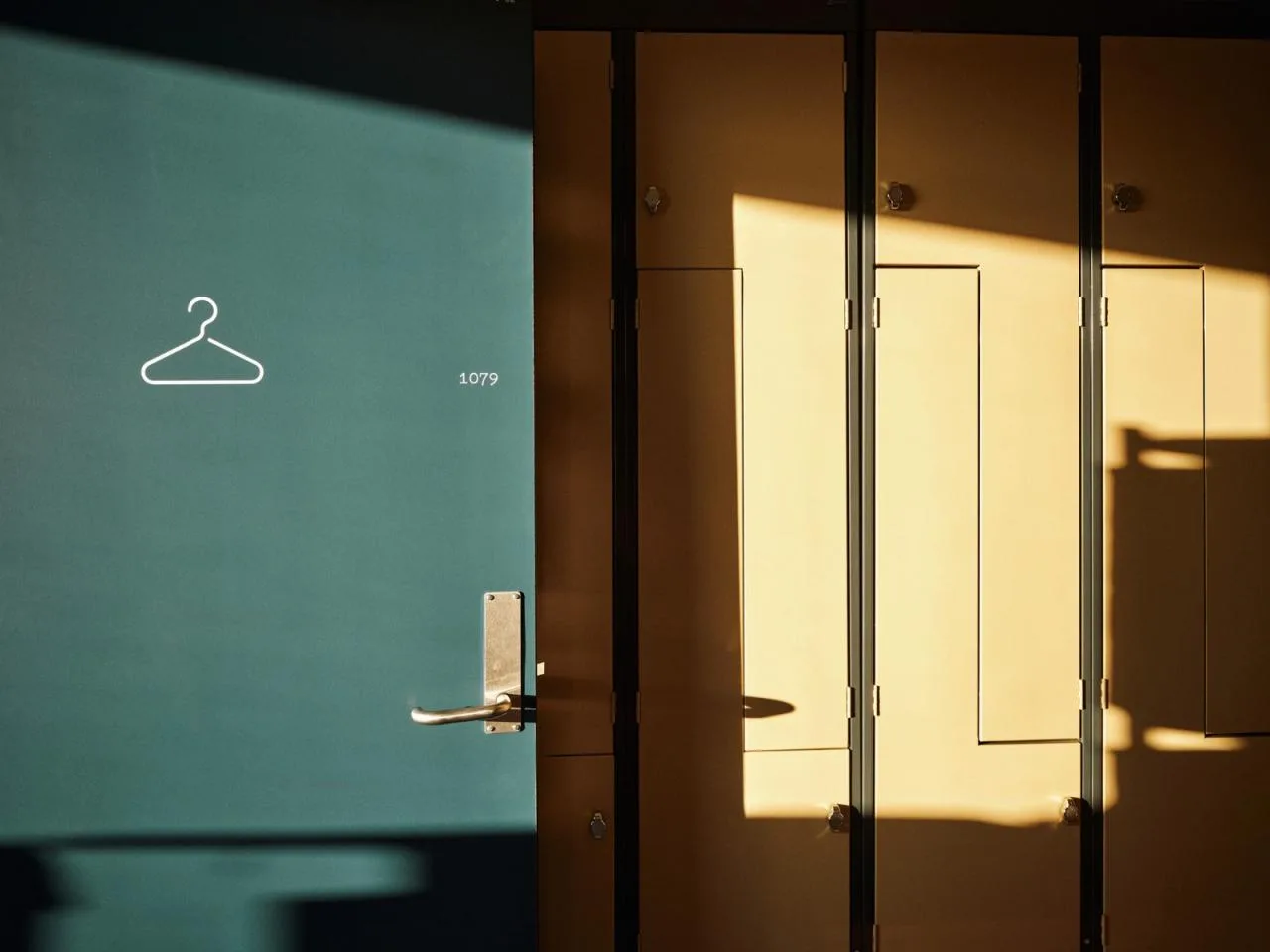
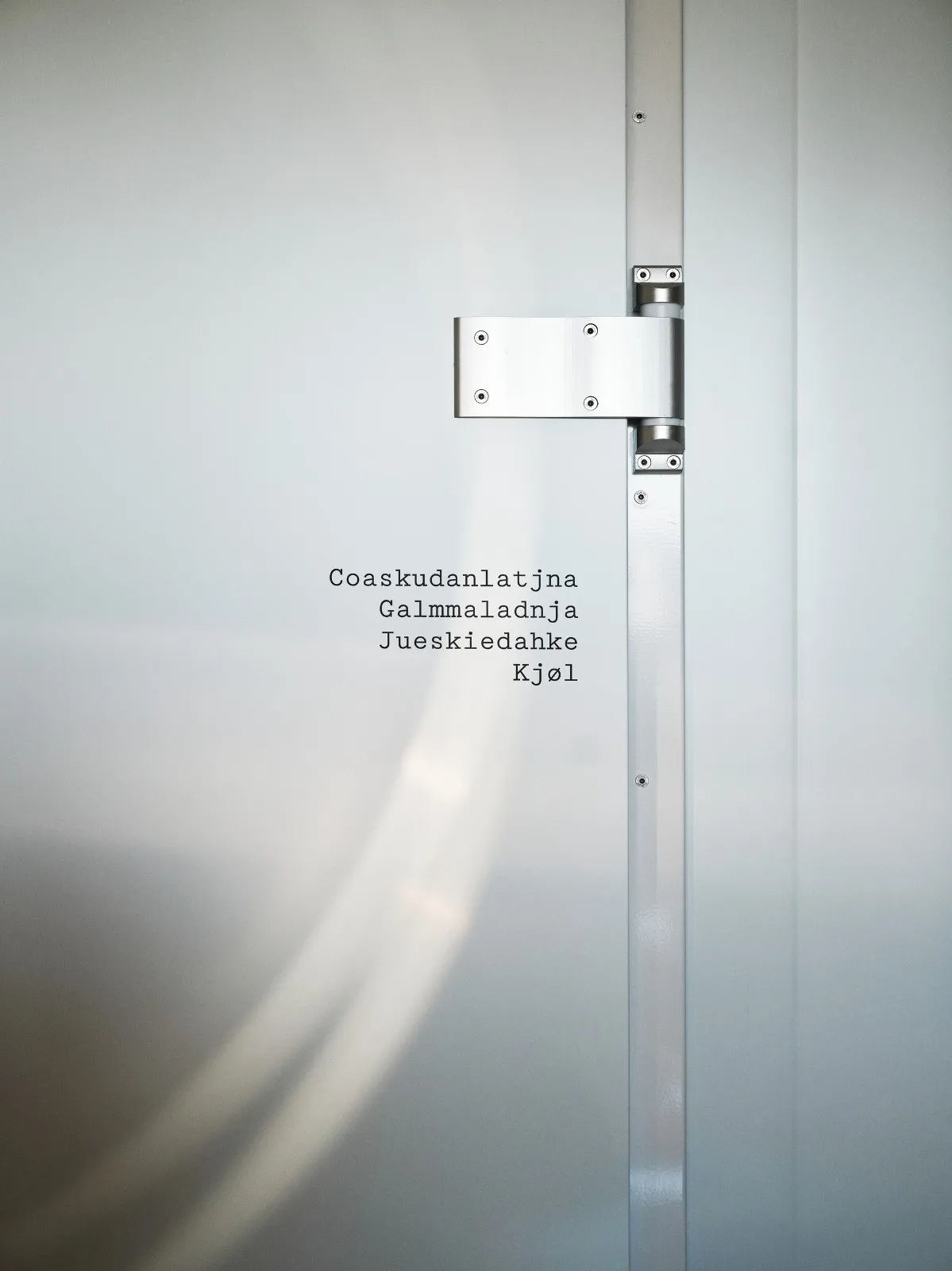
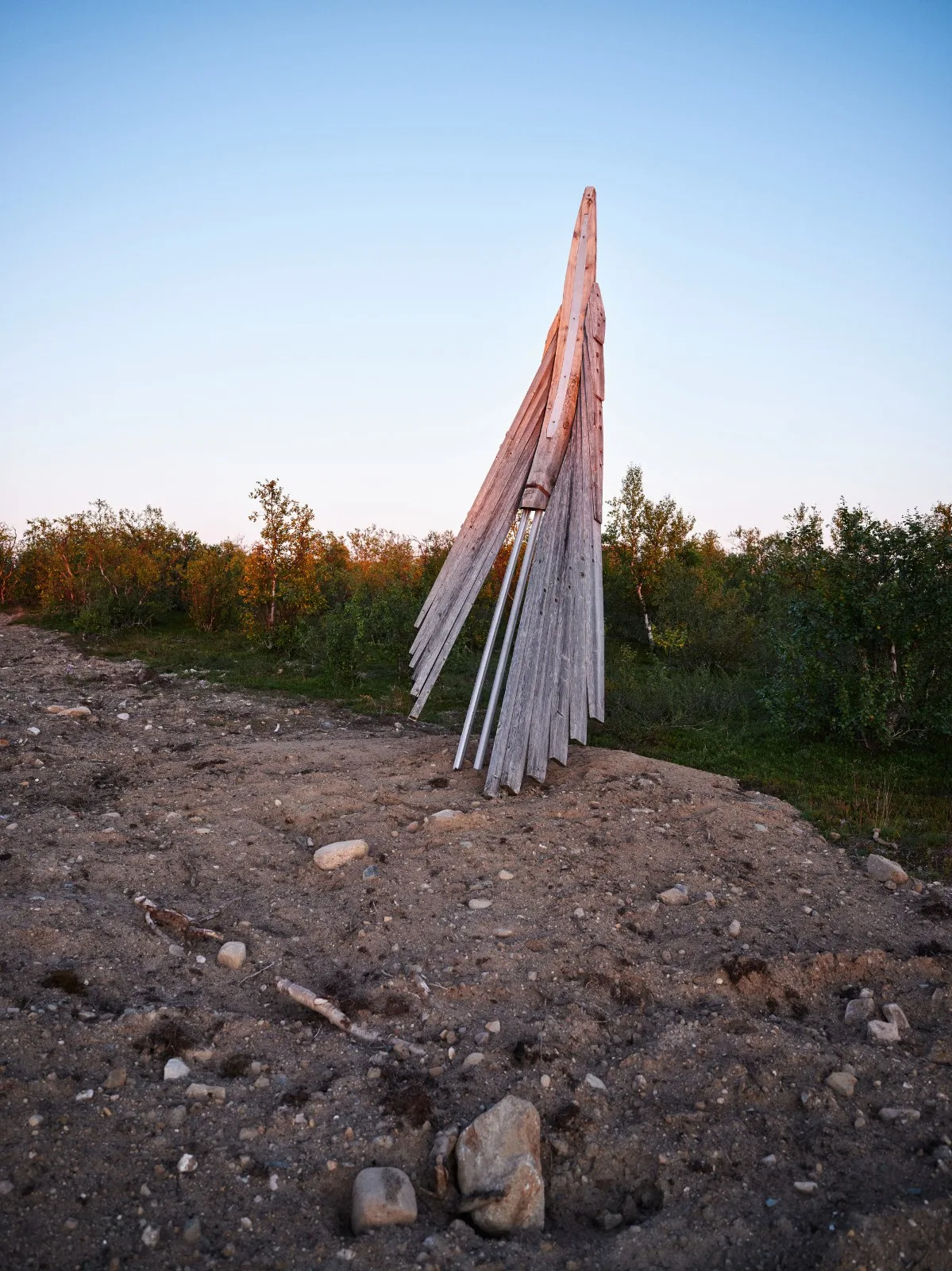
Signage and Navigation — Snøhetta Architects also developed a cohesive signage and wayfinding system that complements the architectural, interior, and landscape designs. While primarily functional, the signage subtly incorporates traditional craftsmanship and materials.
The logo is crafted from powder-coated steel and pine wood, and the graphic elements, including layouts and pictograms, align with the building’s design. To accommodate multiple languages—North Sami, South Sami, Lule Sami, and written Norwegian—the design team incorporated extensive iconography to enhance visibility and readability from a distance.
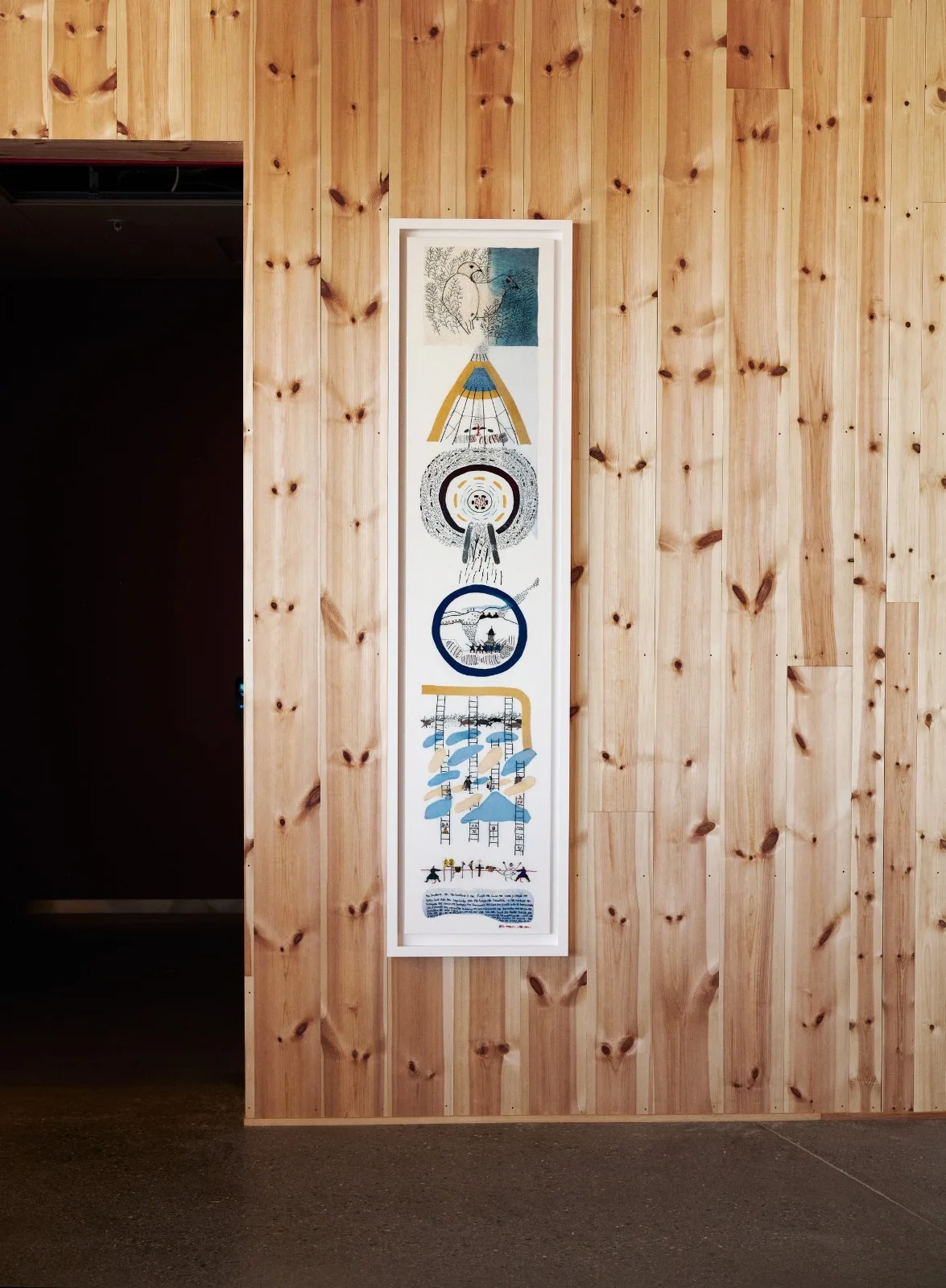
Notable Sami artist Britta Marakatt Labba (born 1951) created the embroidery piece “Miin Duoddarat / Our Plains” for the building’s public areas, directly referencing the theater’s heritage. Additionally, artworks by the influential Sami artists Aage Gaup (1943–2021) and Iver Jåks (1932–2007) have been relocated to this new center.
Project Information
Architects: 70 ° N Arkitektur, Joar Nango, Snøhetta
Area: 7,200 square meters
Project Year: 2024
Photographer: Lars Petter Pettersen
Design Team: Snøhetta
Collaborative Architect and Artist: Joar Nango
Art Collector: KORO
Art Curator: Monica Milch Gebhardt
Artists featured: Máret Ánne Sara, Laila Mari Brandsfjell, Fredrik Prost, Ellen Berit Dalbakk/Rámavuol, Elle Bigge, Merethe Ella Márjá Kuhmunen, Elle Valkeapää, Britta Marakatt-Labba, Iver Jåks, Aage Gaup
Collaborative Architect: 70 ° N Arkitektur
Client: Statsbygg
Architectural Engineer: Norconsult AS
Acoustic Design: Brekke & Strand Akustikk
HVAC Engineer: AFRY Norway
Pipeline Engineer: Sweco Norge AS
Electrical Engineer: Rambøll
Road Engineer: Asplan Viak
Location: Kautokeino, Norway














Must log in before commenting!
Sign Up