
In today’s internet-driven era, architecture transcends functionality, aesthetics, and economy; it becomes a powerful medium. In the revitalization and renewal project of Dongximen Village, we aim to break free from traditional architectural design boundaries. By integrating specific social contexts and policies, and leveraging upstream and downstream resources, we established a comprehensive project operation process—from planning and design to construction, operation, and communication. This innovative development model positions design as the driving engine, with architects serving as hubs connecting diverse fields. This approach transforms architects’ roles from mere “shapers” to “enablers.” —Meng Fanhao
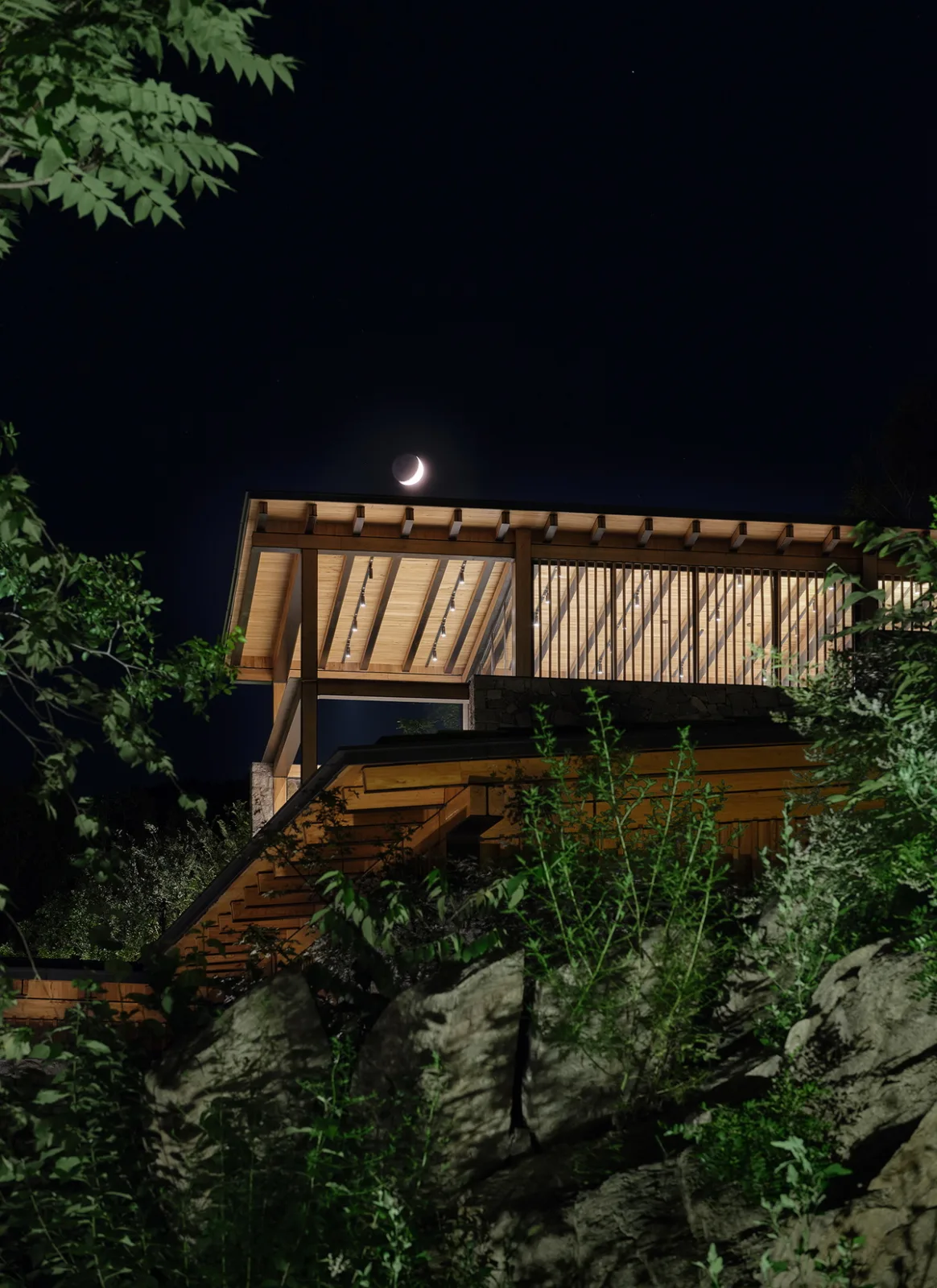
© Octopus sees architecture
Project Background: Opportunity 01
In 2017, General Secretary Xi Jinping introduced the rural revitalization strategy during the 19th National Congress of the Communist Party of China, marking it as a nationwide initiative. That same year, our resettlement housing project in Dongziguan, Zhejiang, rapidly gained traction online, amassing over one billion views. It was featured on prominent media platforms such as the CCTV Spring Festival Gala and People’s Daily, earning sustained social and economic impact as a landmark case of rural revitalization.
This project made us realize that architecture in the internet era extends its value far beyond physical space, acting as a medium to revive once-neglected villages.
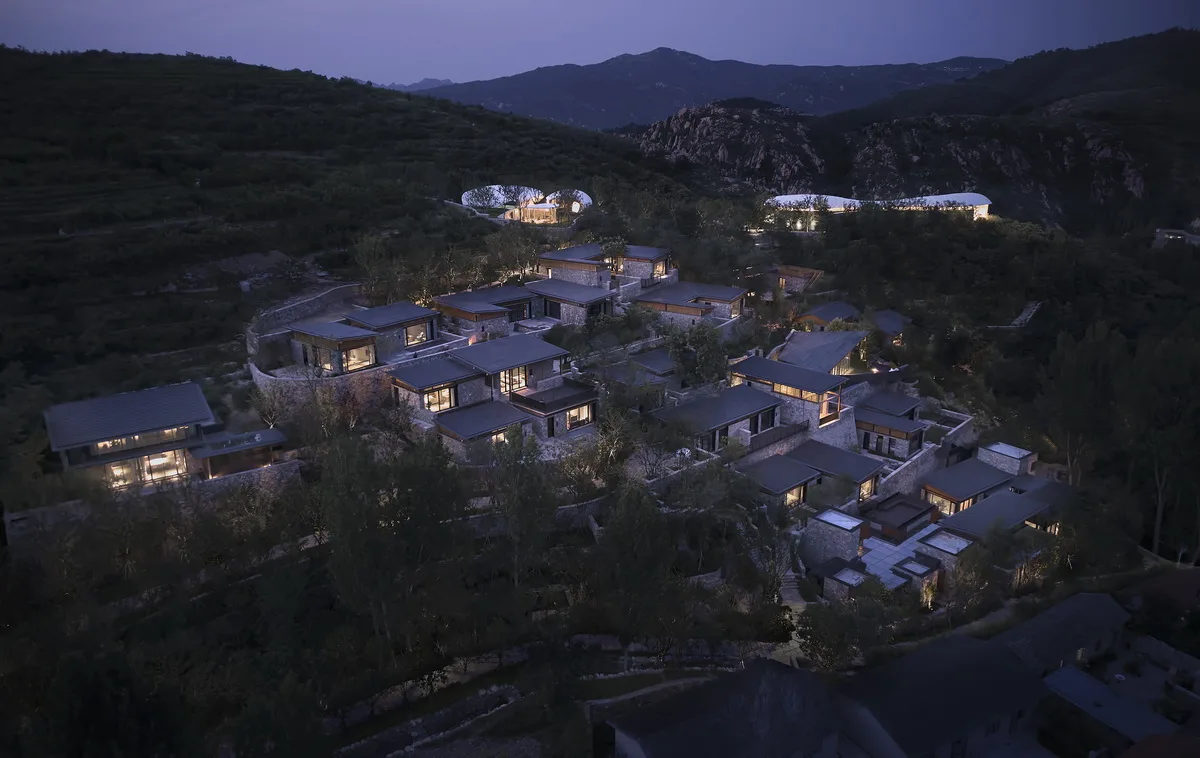
The renovated Dongximen Village © Octopus sees architecture
Following Dongziguan’s success, numerous rural projects emerged, focusing on renovation and new construction aimed at creating internet-famous villages to boost economic growth. However, my experience tells me that successful rural revitalization depends on the essential factors of timing, location, and community.
Rural challenges are complex and often extend beyond professional expertise, so we approach such projects with respect and caution, avoiding reckless large-scale rural construction.
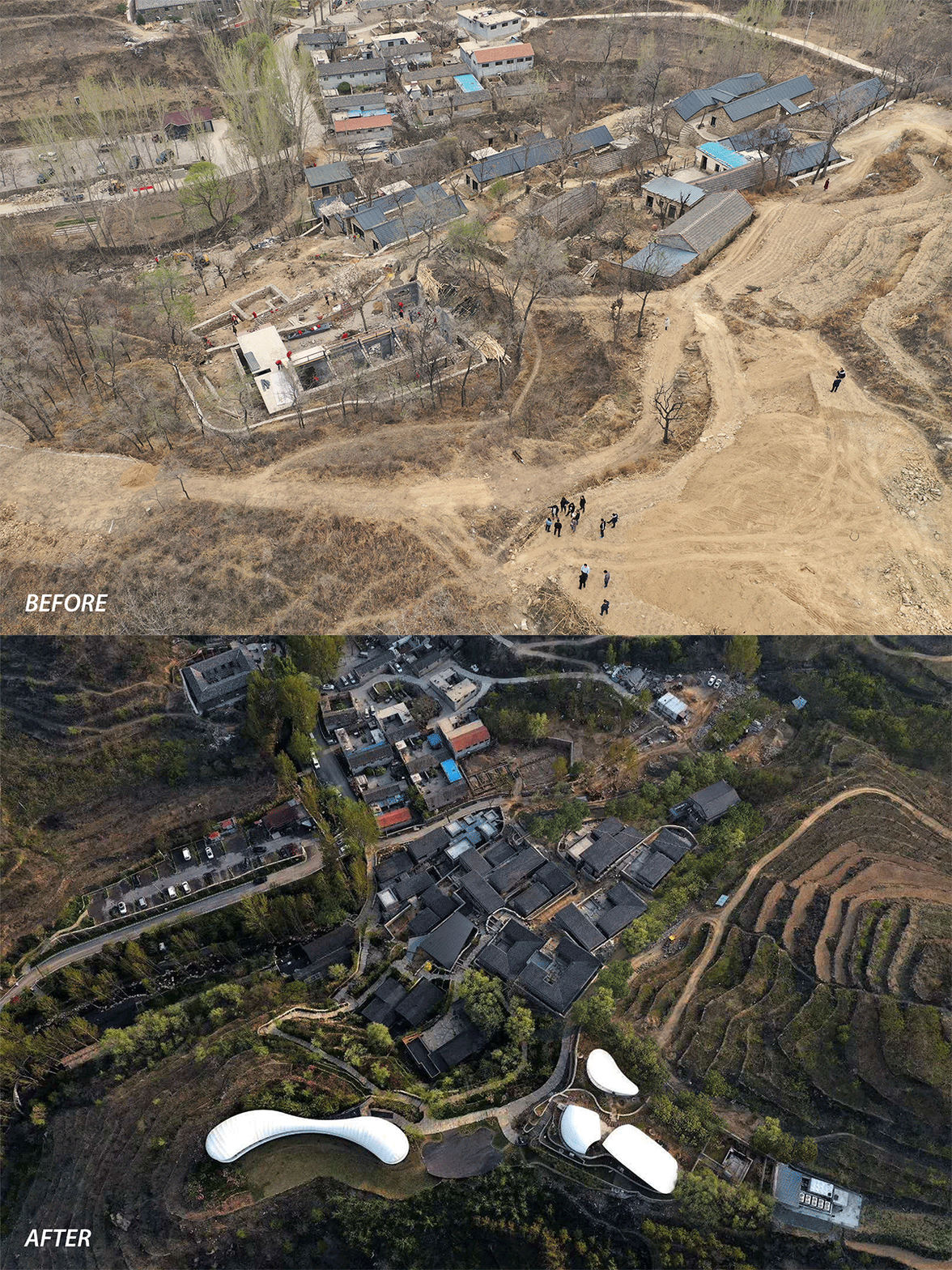
Before and after renovation of Dongximen Village
In October 2018, Gao Honglei, Party Secretary of Lushang Group, Zhao Yanfeng, Chief Strategy Officer, and Ma Chuntao, founder of Park Su Culture and Tourism, toured rural projects across Zhejiang’s Hangzhou, Songyang, and Moganshan. They visited our studio and invited us to develop a rural revitalization model in Shandong with influence comparable to Dongziguan.
Inspired by Secretary Gao’s vision and General Zhao’s determination, I committed to this challenge alongside them.
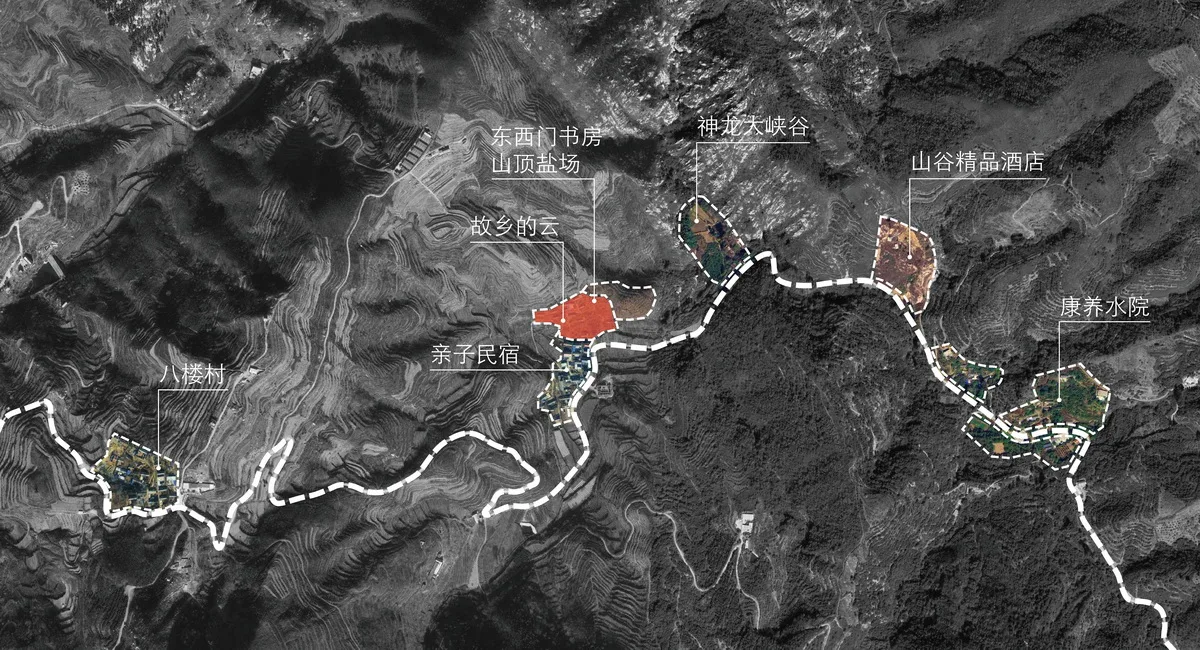
Village master plan © gad · line+ studio
In November, I joined a team from the Lu merchant community to Daolang Town in Tai’an City, Shandong Province. Nineteen villages at the foot of Jiunv Peak—the last stretch of Mount Taishan—are linked by a winding, rugged road. Due to poor infrastructure and land conditions, most young residents had left, leaving villages hollow.
Lushang Group decided to revitalize these scattered villages collectively through strategic capital investment and industry introduction. I advised against evenly spreading resources, recommending instead to target critical pain points to create rapid growth and value extension.
After discussion, Dongximen Village—the most remote and provincially designated poverty-stricken village—was chosen as the breakthrough site for renovation and reconstruction.
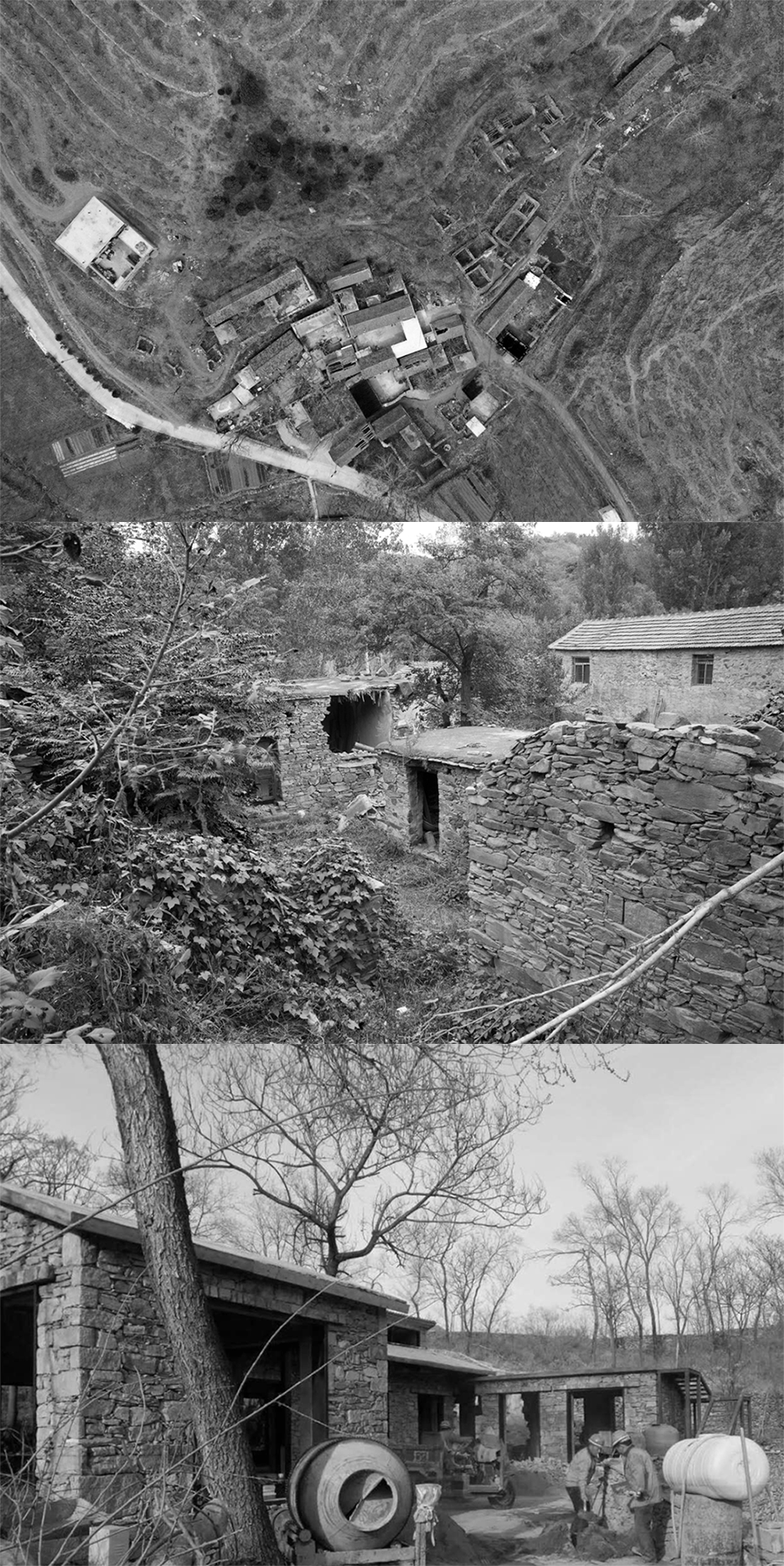
Dongximen Village before renovation
02 Parallel Strategy
The broader plan for the Jiunvfeng rural area aims to develop the nineteen villages into an integrated rural eco-tourism resort encompassing cultural tourism, health retreats, efficient agriculture, and educational tours.
Dongximen Village is designated as a high-end vacation homestay, but due to limited land expansion rights, the design focuses solely on existing homestead land. The village features sloping terrain, dense vegetation, and a small river flowing through, with views of Mount Taishan.
At project initiation, the site was largely uninhabited, with twelve stone houses, some dilapidated walls, and a few former pigsties—some recently built, others historic.
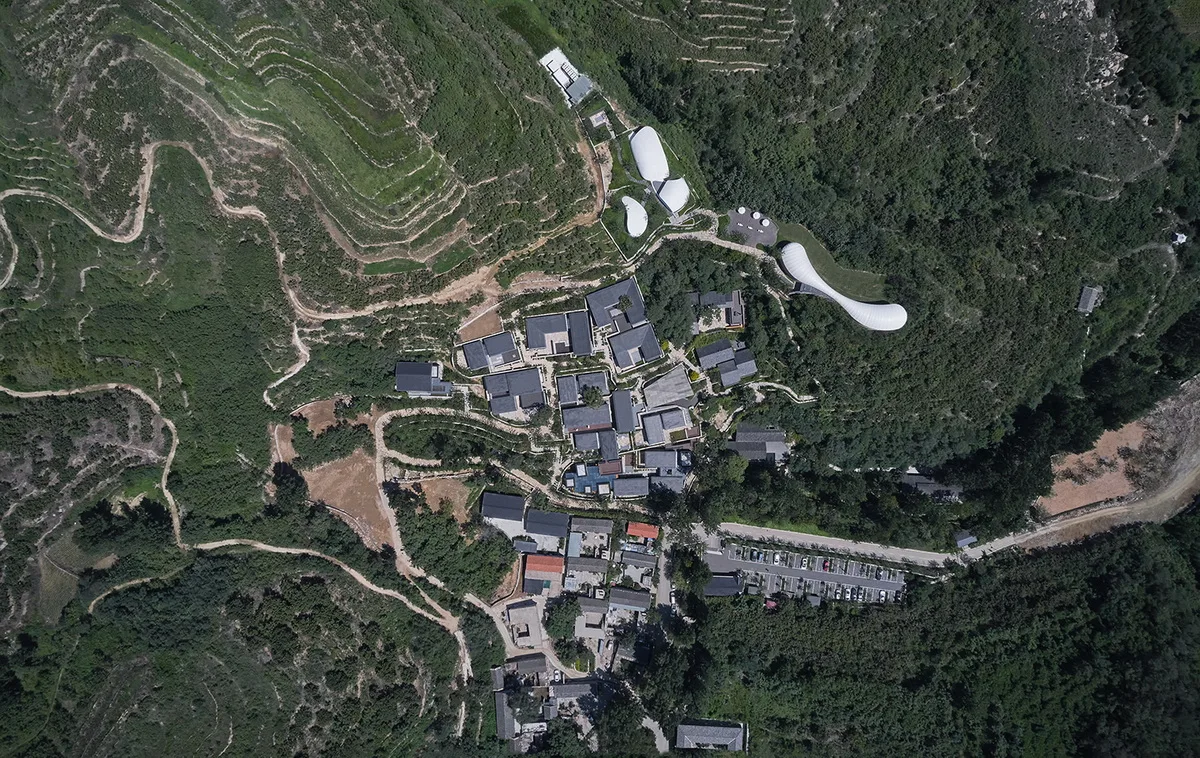
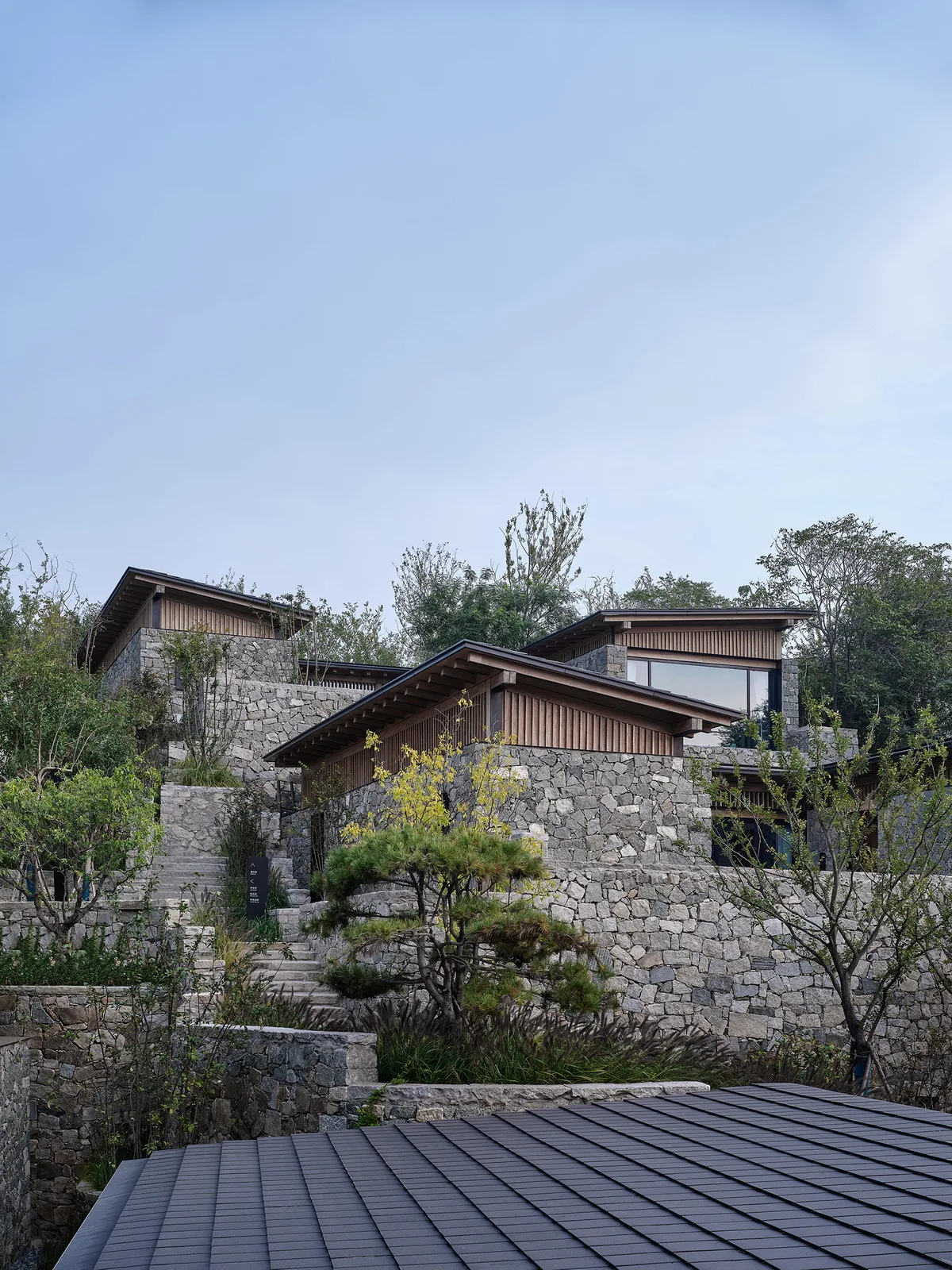
△ Texture of the renovated village © Octopus sees architecture
We faced key challenges: how to effectively use existing homesteads and collective construction land, how to divert resources to impoverished villages, generate economic benefits, and ensure sustainability.
Our design strategy, termed “double line parallel,” consists of two approaches:
- Targeted transformation focusing on activating existing buildings and restoring the original environment, while maintaining homestead boundaries to revive the village.
- Creation of public spaces to enhance media impact, converting existing residential land into resort hotels, and using limited collective land to build public facilities that boost visitor engagement.
© Octopus sees architecture
03 Design Challenges
At the start, the project faced three main contradictions:
- New functions vs. old settings: Large developments often demolish existing structures to build standardized guest rooms, preserving only natural surroundings. However, national policies restrict construction within existing homestead boundaries. The challenge was to modernize internal functions while preserving village textures.
© Octopus sees architecture
- New requirements vs. old construction: Owners and locals expected exquisite, urban-style buildings. Yet, remote location, limited transportation, lack of modern machinery, and construction skills hindered traditional urban techniques. The design had to accommodate these constraints while ensuring quality.
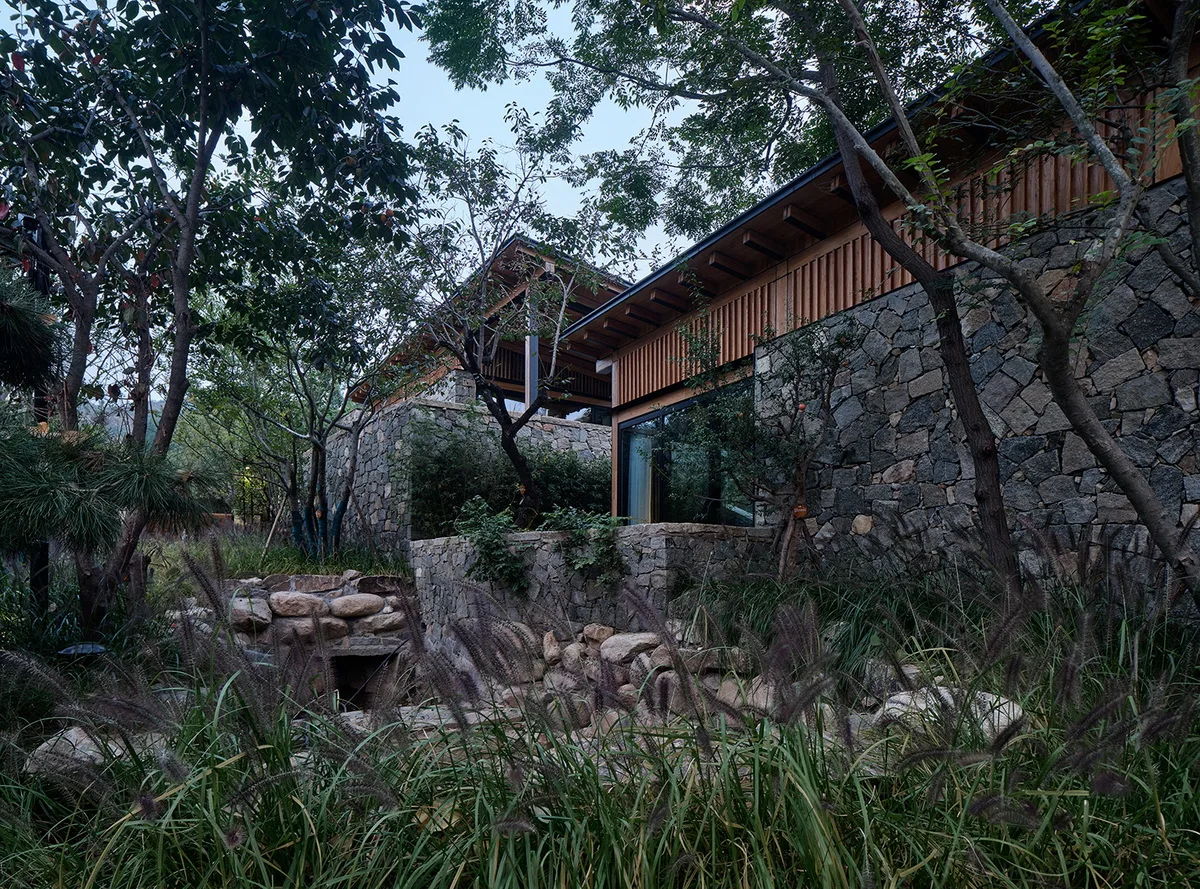
© Octopus sees architecture
- New architecture vs. old tradition: In modern architectural culture, how to respect traditional architectural styles while accommodating contemporary spatial needs and materials?
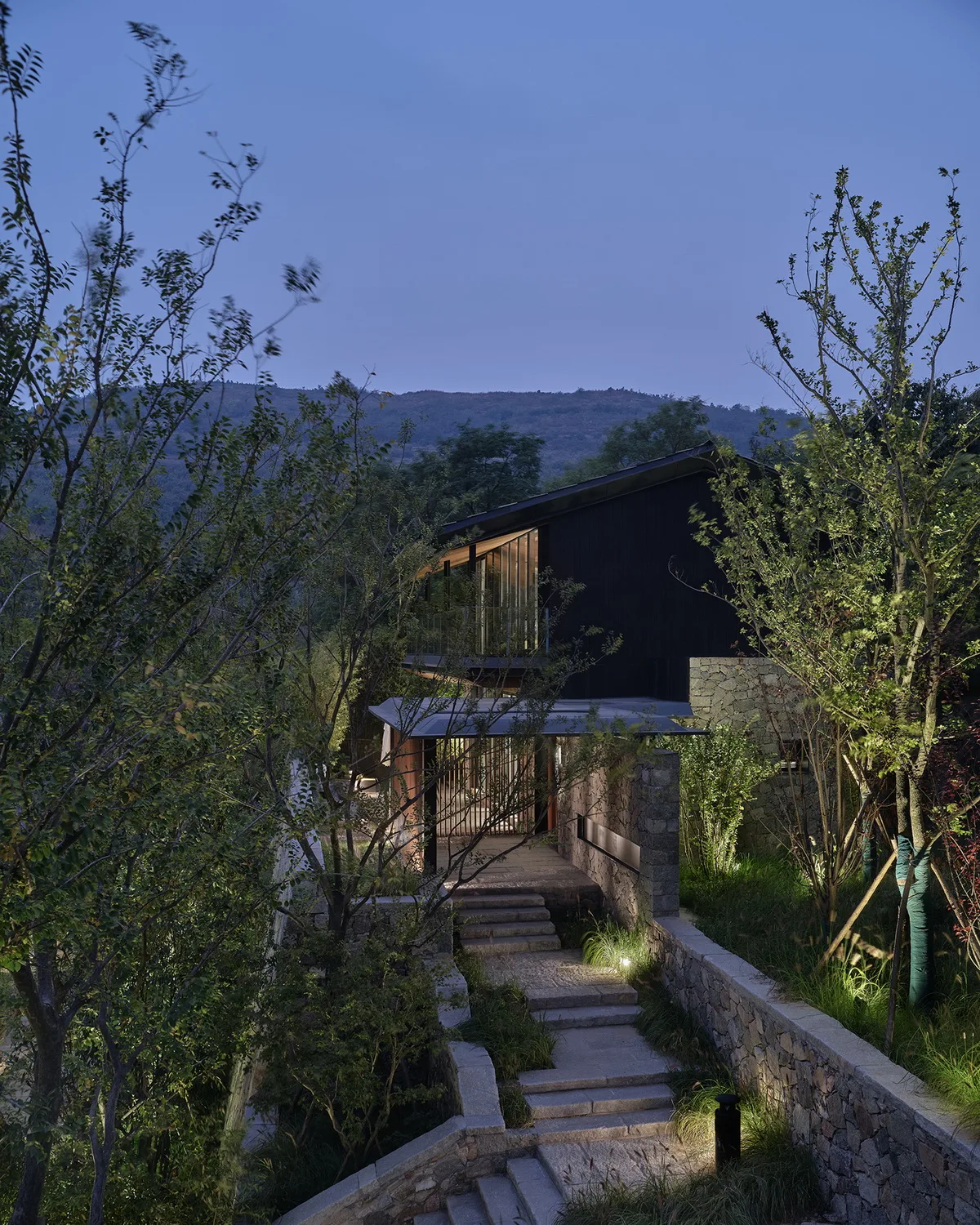
© Octopus sees architecture
04 Design Response
The traditional stone walls crafted by local stonemasons are a hallmark of Dongximen Village’s rural landscape and the most significant traces of its texture. Handling these stone walls was a core design challenge.
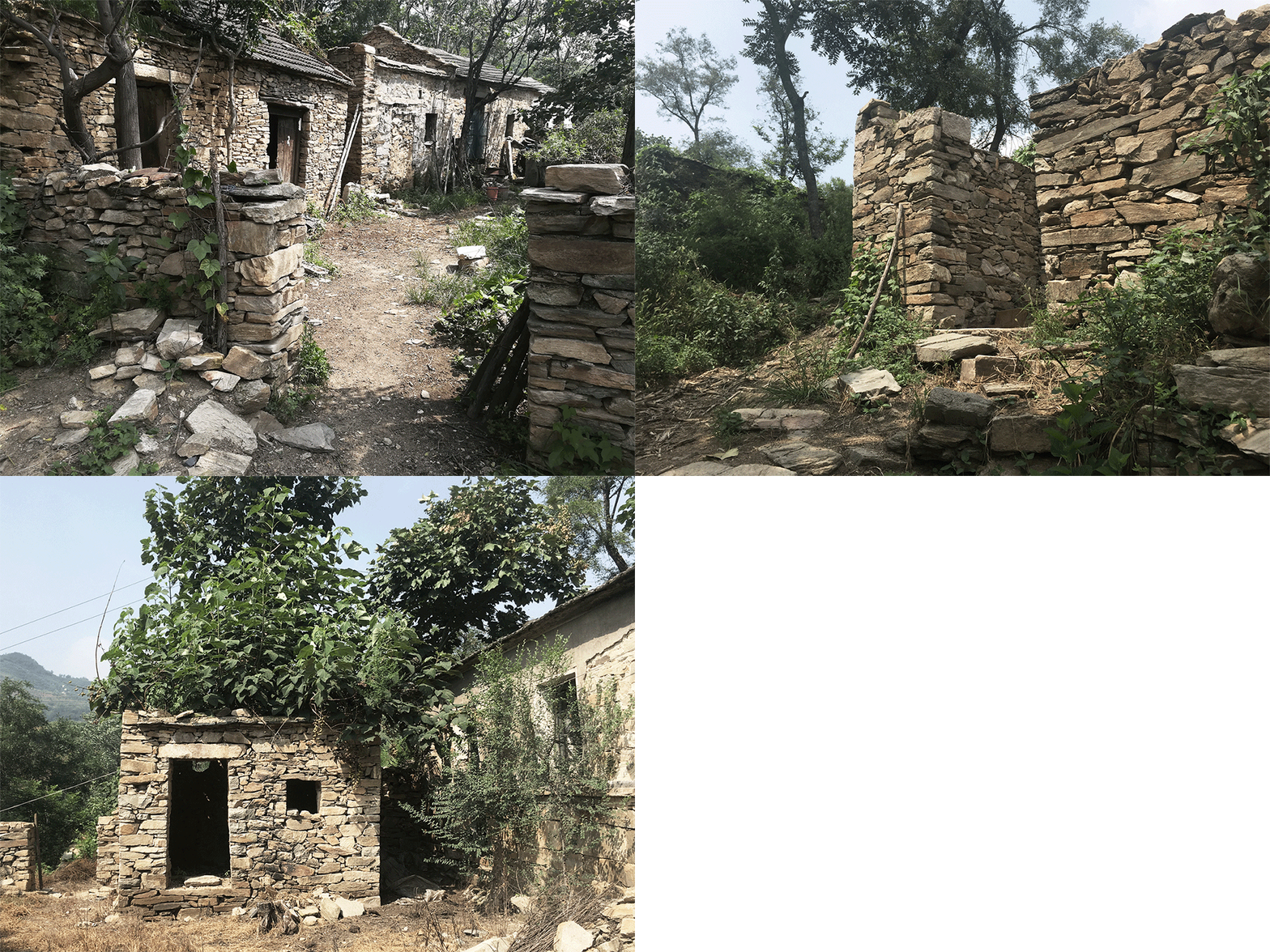
Stone walls of old buildings © gad · line+ studio
Early design stages involved detailed surveying of existing stone houses and walls to identify high-quality sections for preservation and documentation. Stone walls that were beyond preservation were carefully dismantled and stored for reconstruction on-site, anchoring new buildings to the old, ensuring natural continuity.
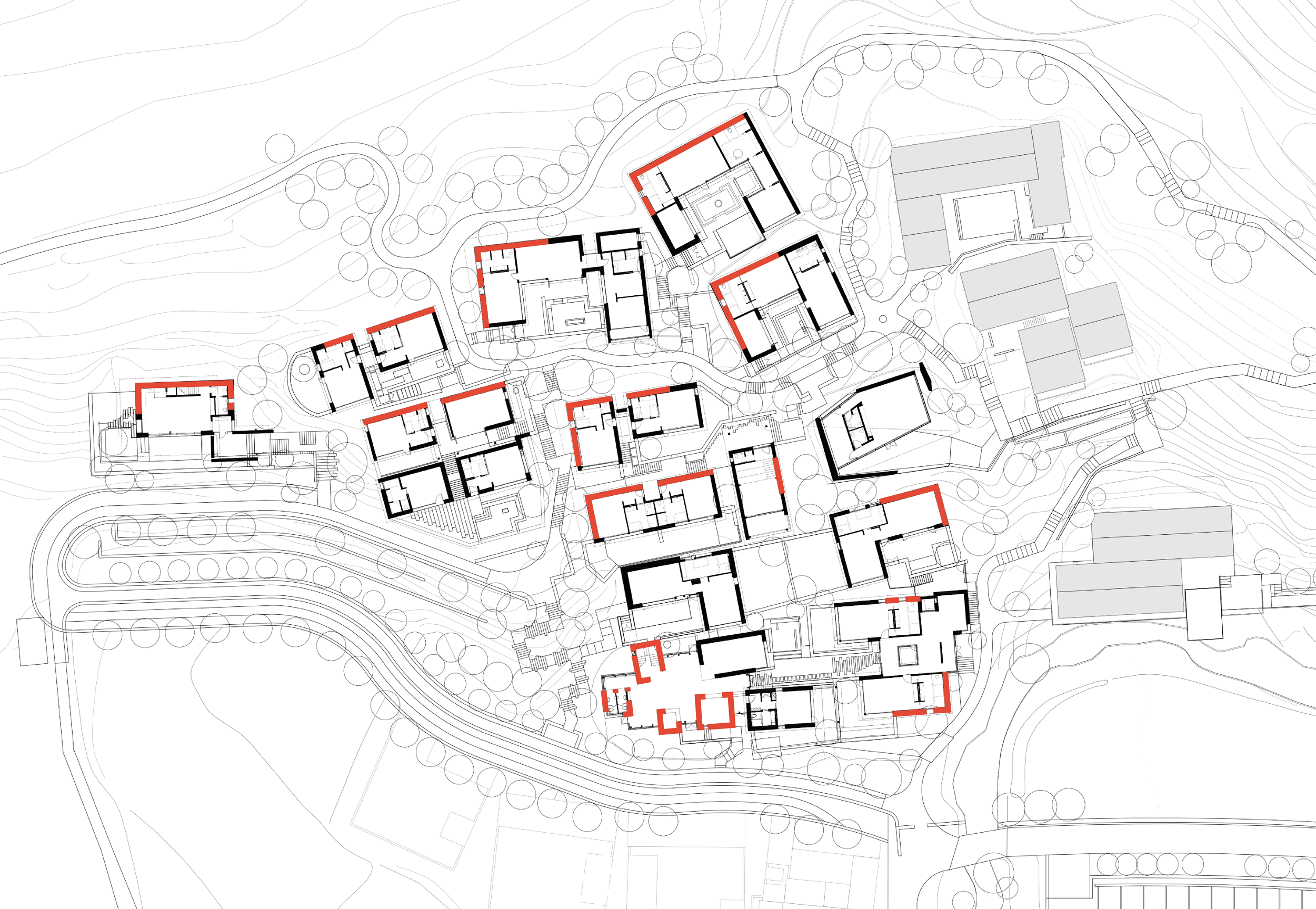
△ Preserved rubble wall © gad · line+ studio
Stone architecture offers thick walls and good insulation but is prone to material waste, poor waterproofing, and weak seismic resistance. We removed the load-bearing role of rubble walls, transforming them into enclosure elements. This freed the stone walls from structural constraints, allowing the material to be showcased.
An inner block wall was added, with insulation, waterproofing, and protective layers between it and the rubble wall to meet modern thermal and usability standards.
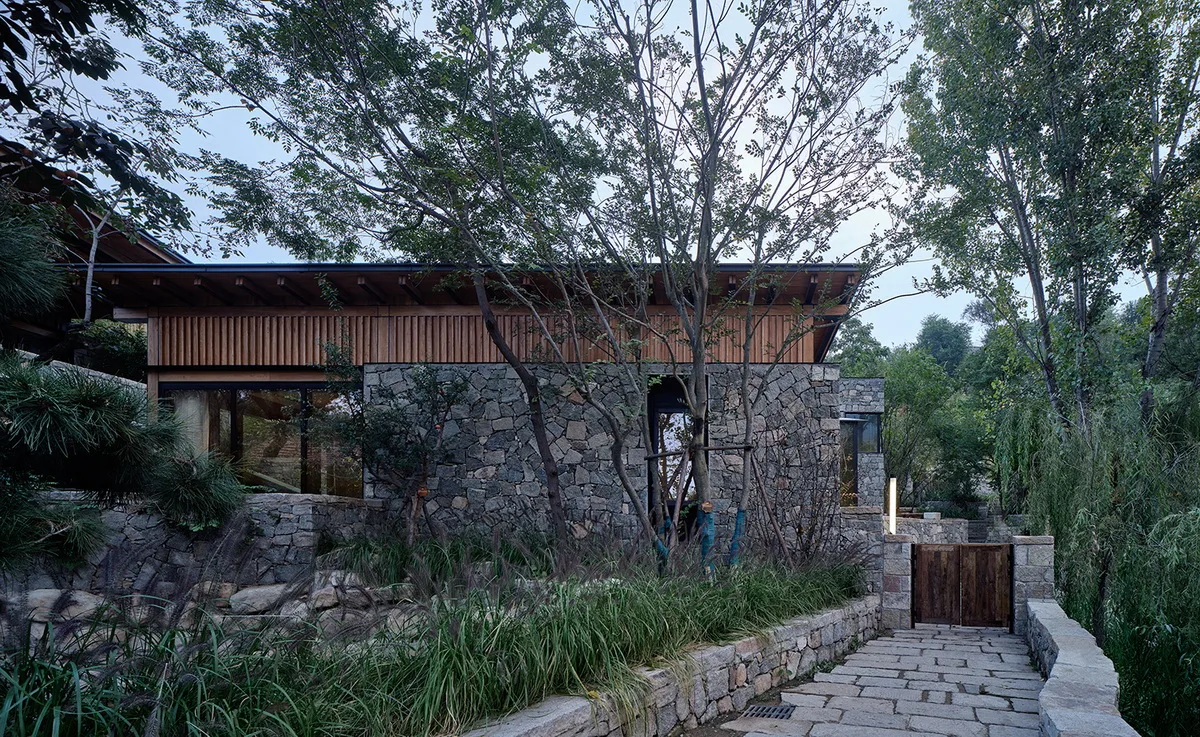
© Octopus sees architecture
The new buildings feature steel frames embedded within the old rubble walls. Considering local construction conditions, we selected widely available I-beams: 200×200 mm for beams and columns, and 100×148 mm for purlins, simplifying procurement and fabrication.
The structural design incorporates rigid connections for the main frame and overlapping joints between purlins and beams.
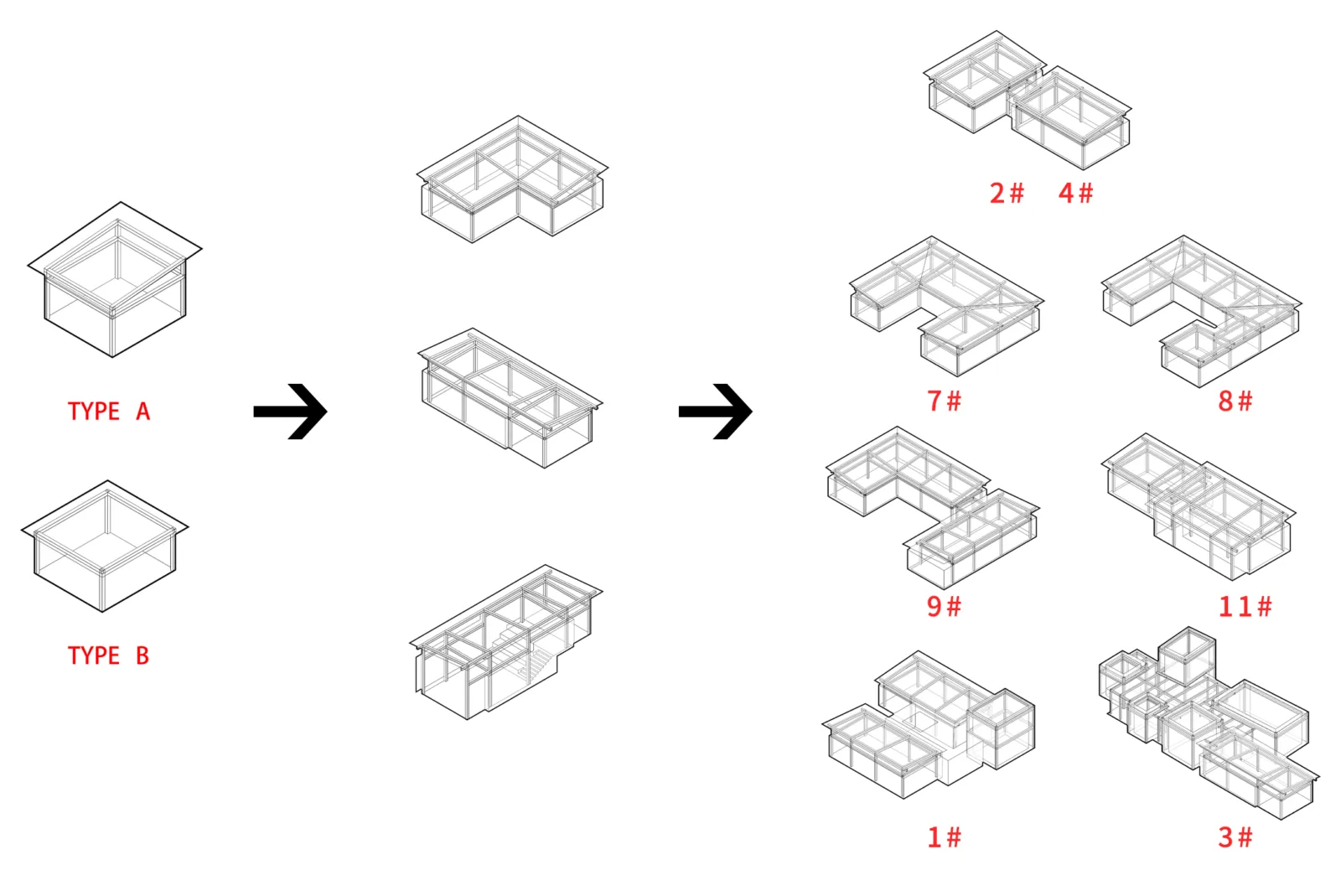
Implantation of I-beam frame © gad · line+ studio
This framework adapts flexibly to various homestead layouts—straight, L-shaped, U-shaped—addressing site complexities. Smaller frameworks serve as corridors; larger ones become rooms. This modular approach aligns with traditional settlement construction methods.
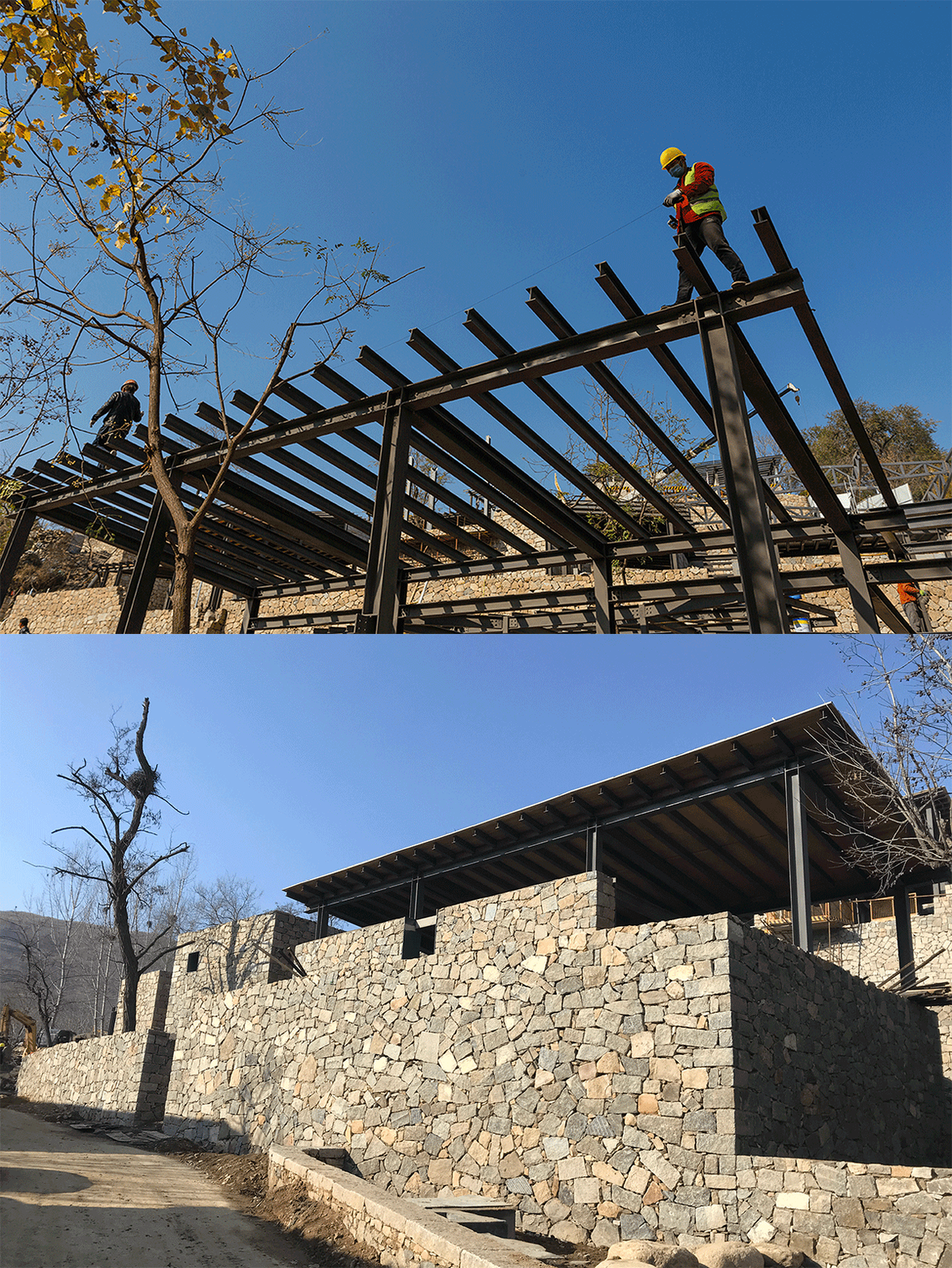
△ Steel frame construction process © gad · line+ studio
During construction, the clear, straightforward structural system reduced costs and helped workers accurately interpret designs, minimizing errors.
05 New Life in Twelve Courtyards
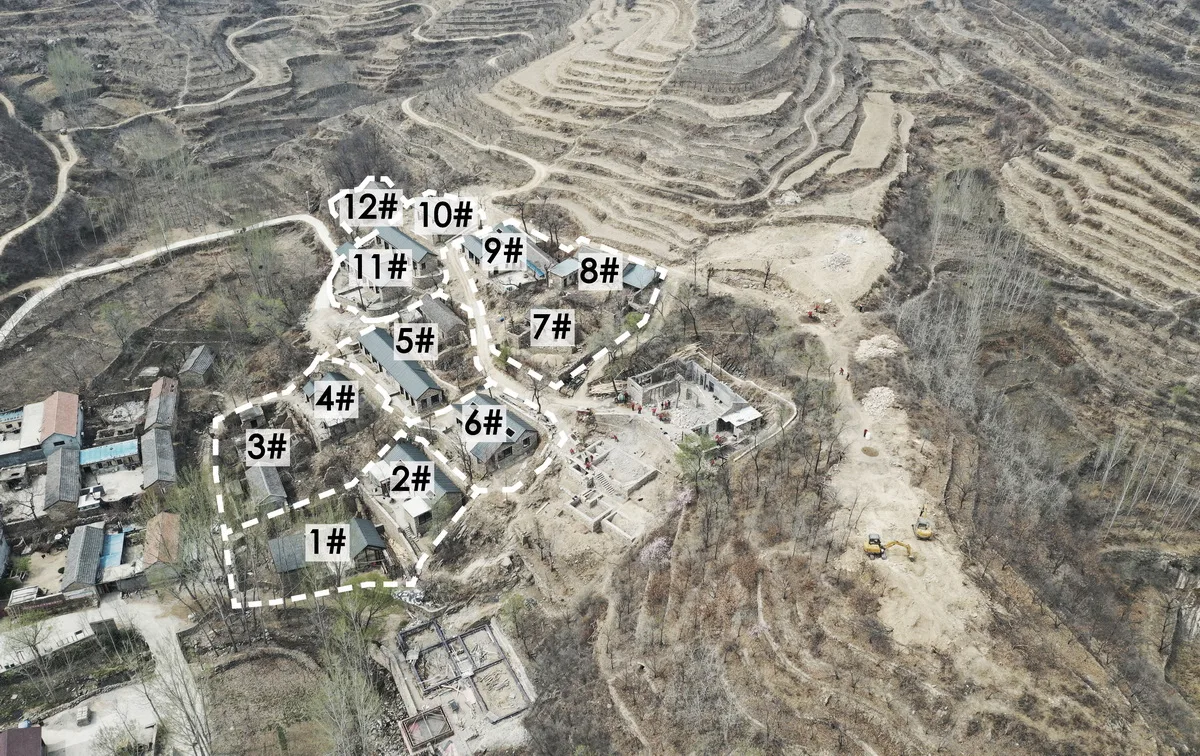
△ Aerial photo before Phase II renovation
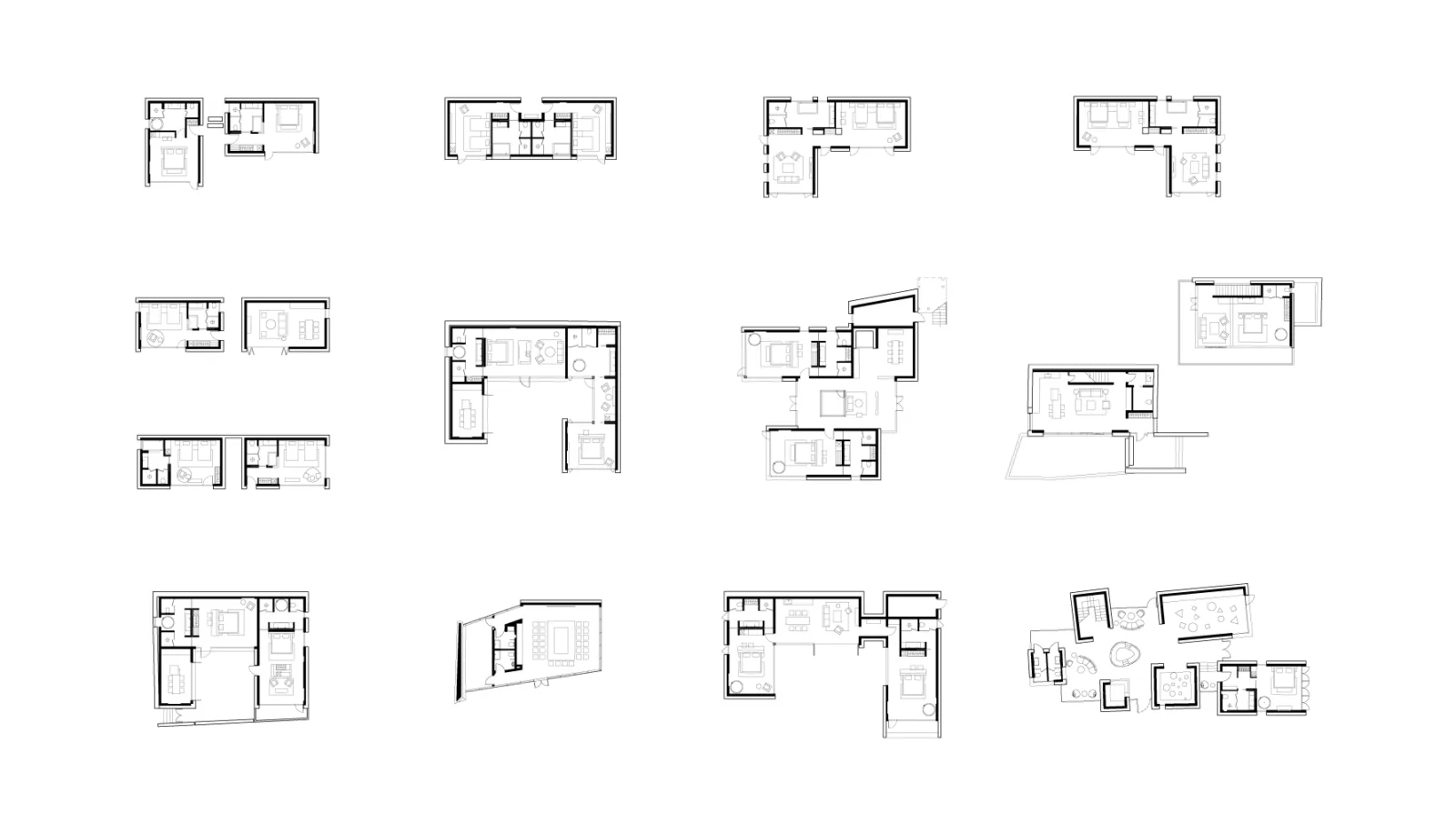
Spatial organization and functional layout of twelve courtyards © gad · line+ studio
The design strategies for the twelve courtyards include:
- The second and fourth courtyards feature newly built stone houses that retain some rubble walls, preserving the relationship between buildings and their sites. The first courtyard centers on a tree with buildings forming an inner courtyard around it. The second and fourth courtyards create L-shaped enclosed spaces.
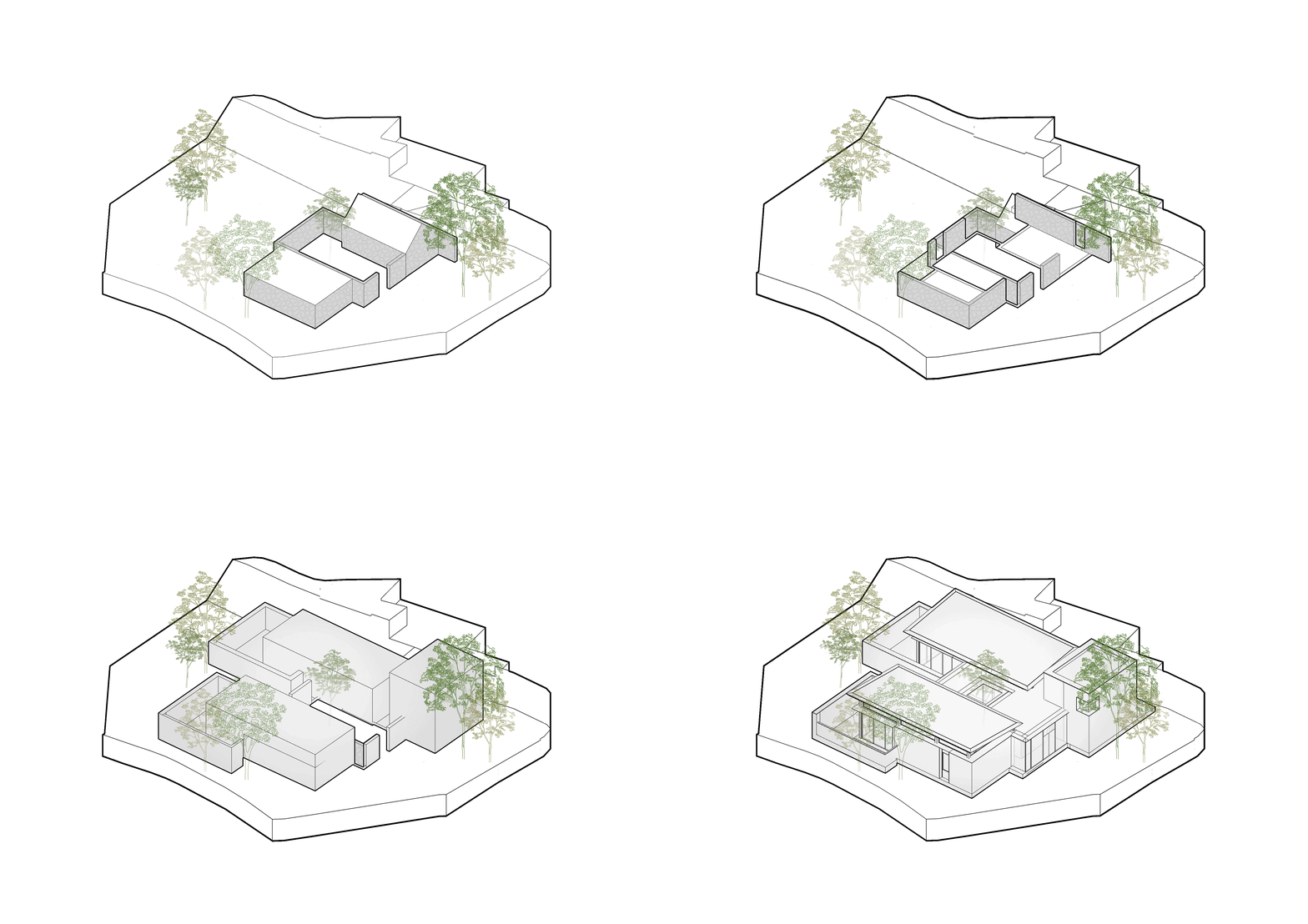
△ Generation map of Courtyard No. 1 © gad · line+ studio
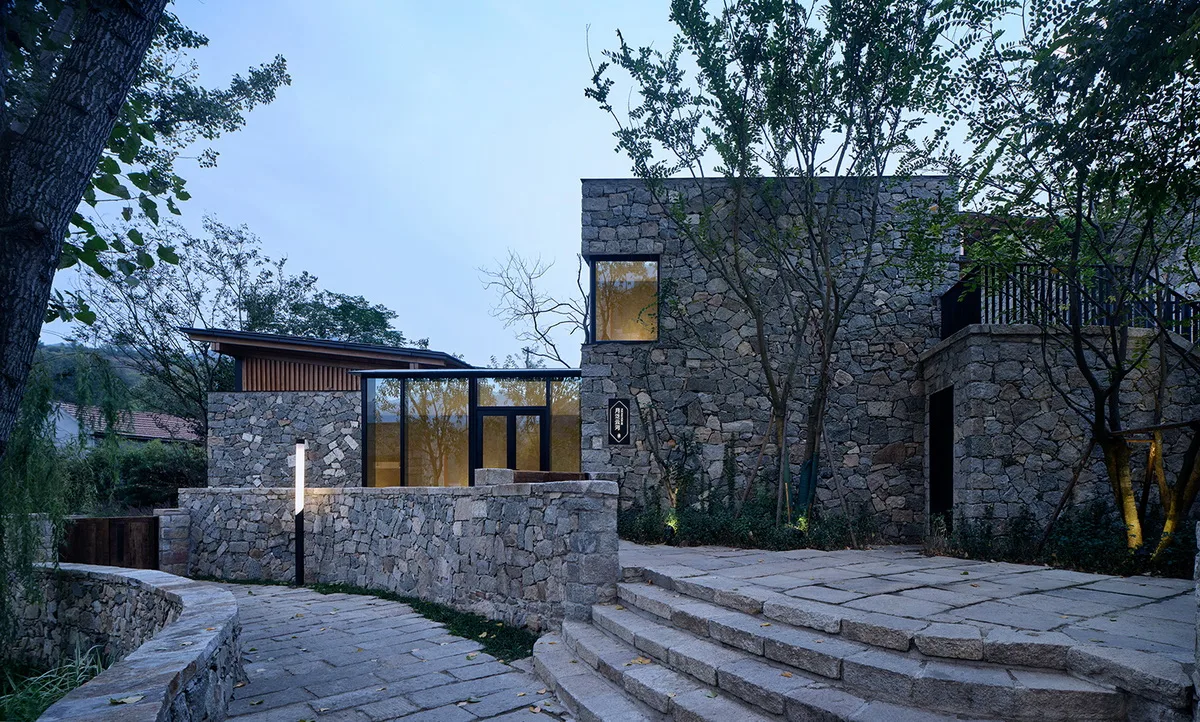
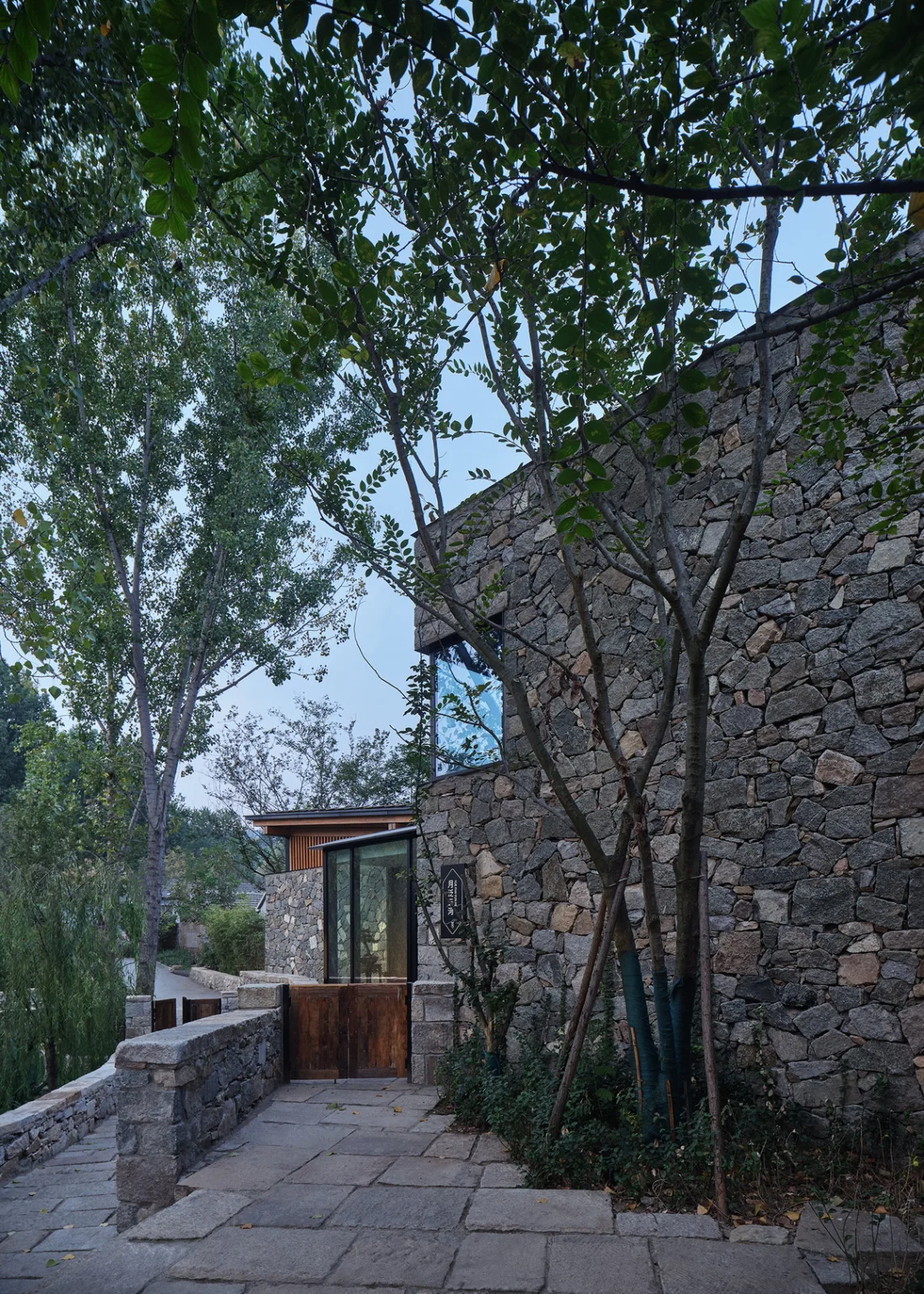
△ Courtyard No. 1 © Octopus sees architecture
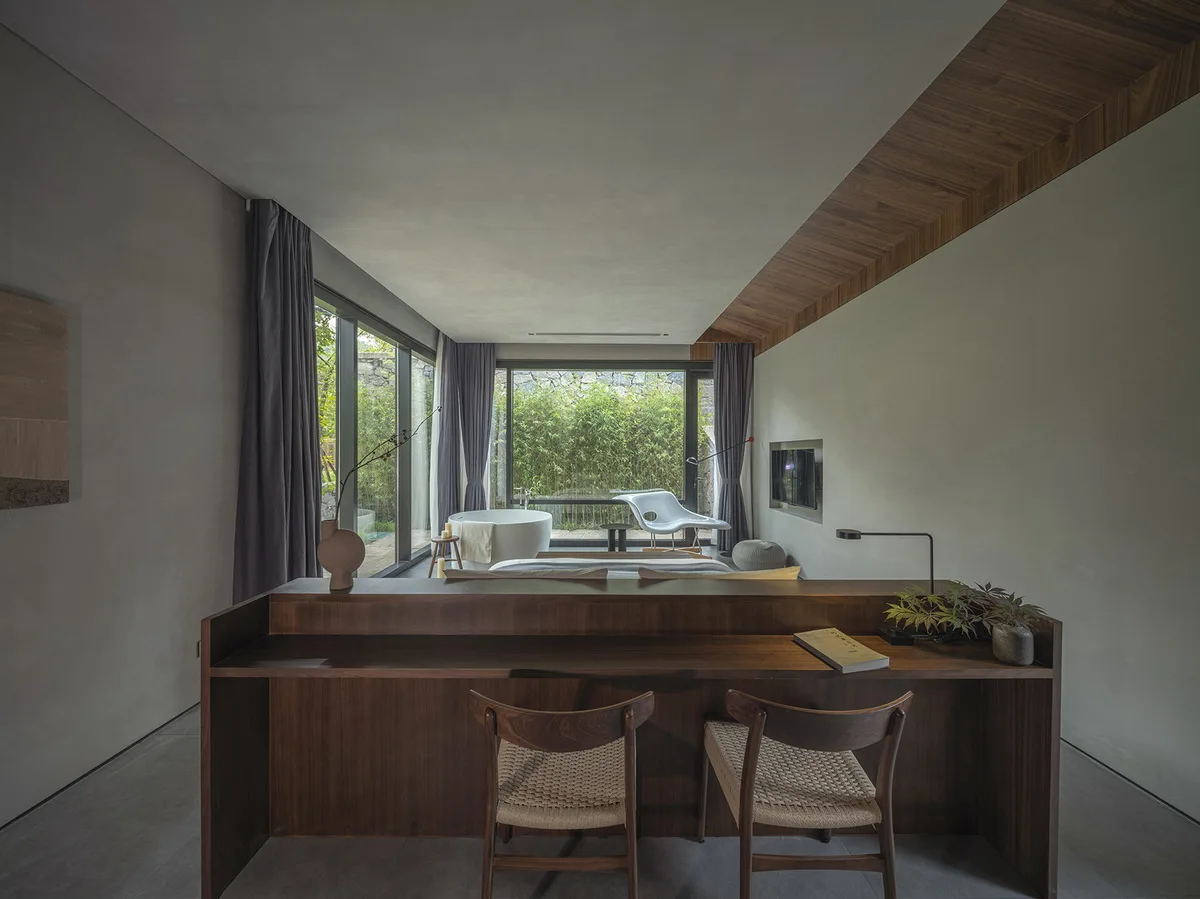
△ Internal space of Courtyard No. 1 © Pan Jie
The third courtyard contains small stone houses formerly used for storage and production. The design preserves the rubble stone volumes and inserts glass boxes to connect them, with stone boxes serving as bathrooms and bedrooms, and glass boxes as shared play areas for children.
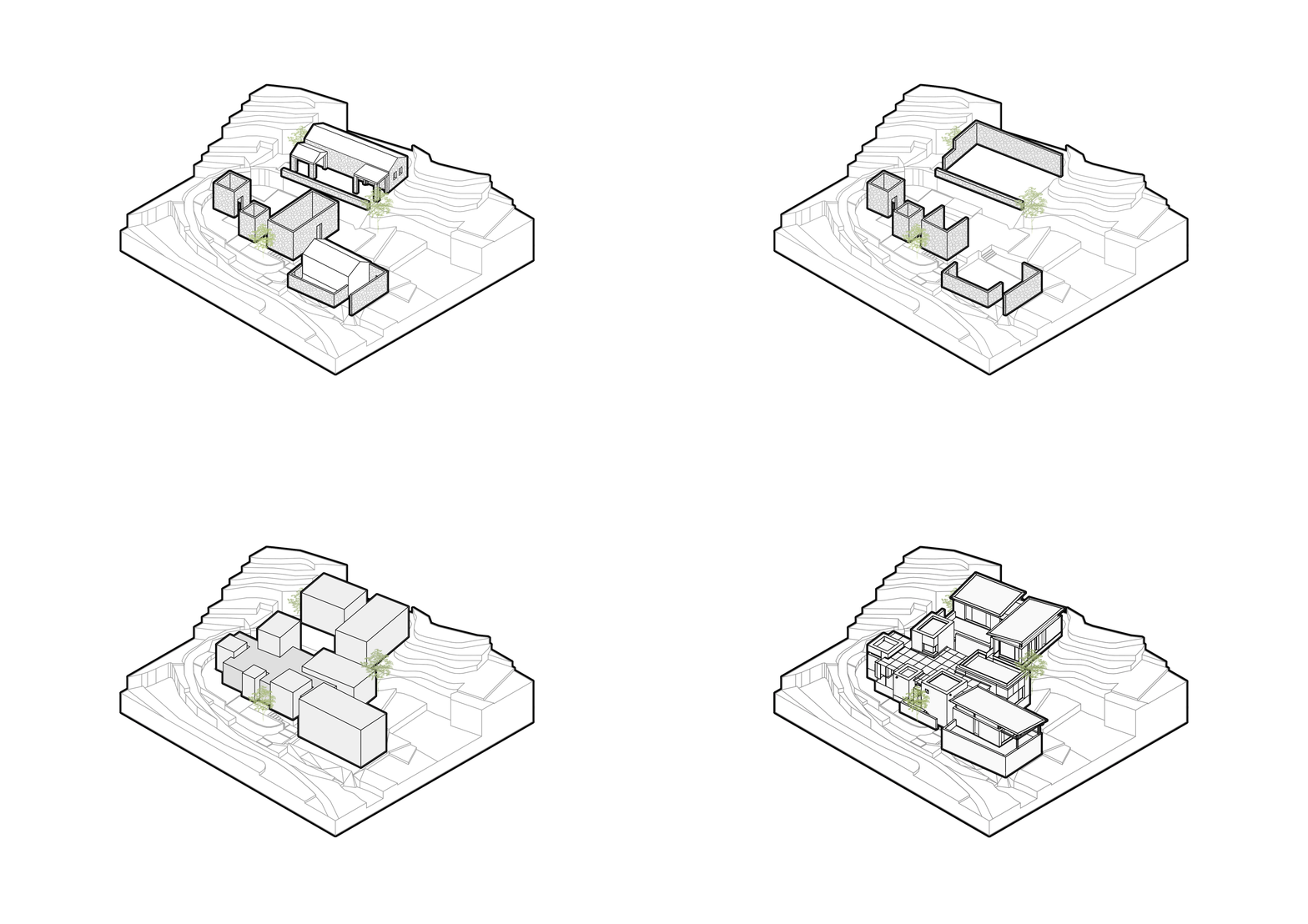
△ Generation map of Courtyard No. 3 © gad · line+ studio
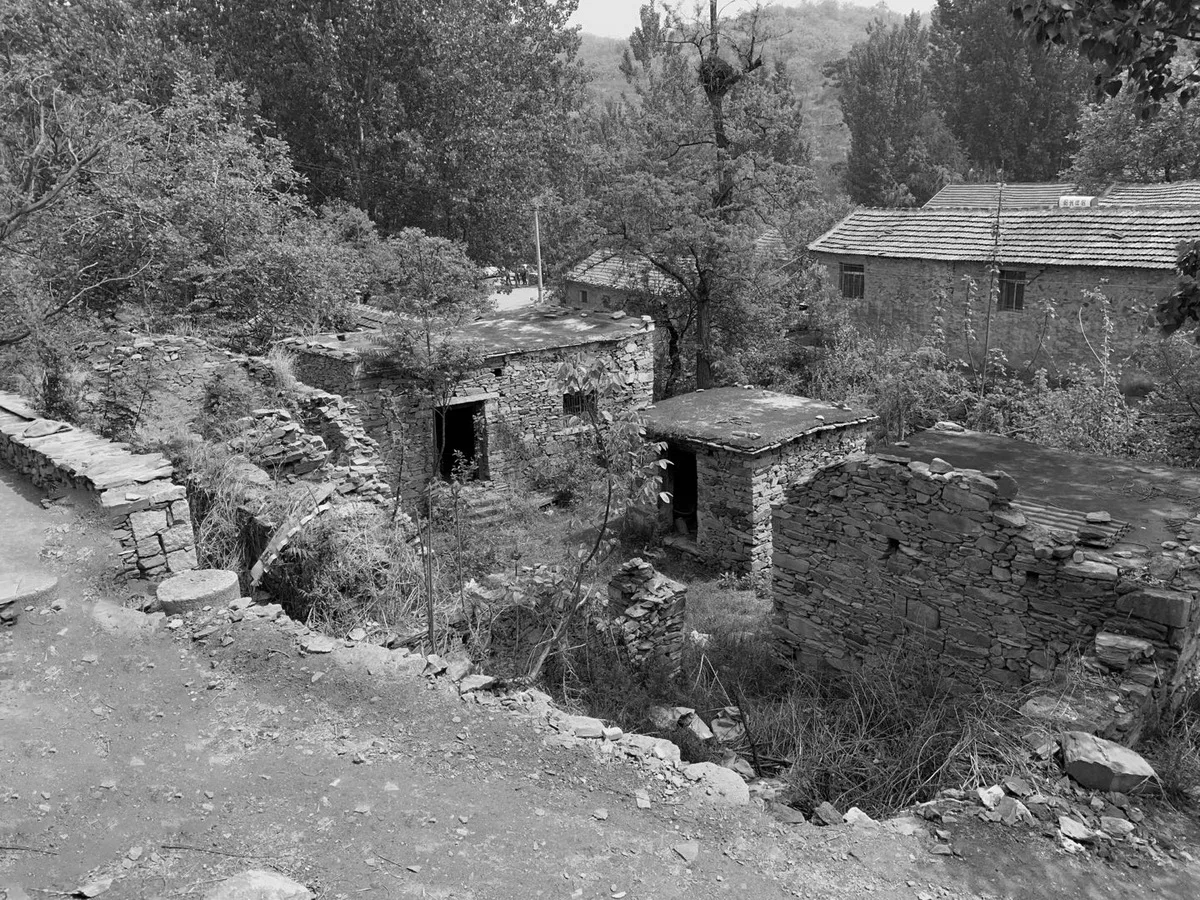
Before renovation of Courtyard No. 3 © gad · line+ studio
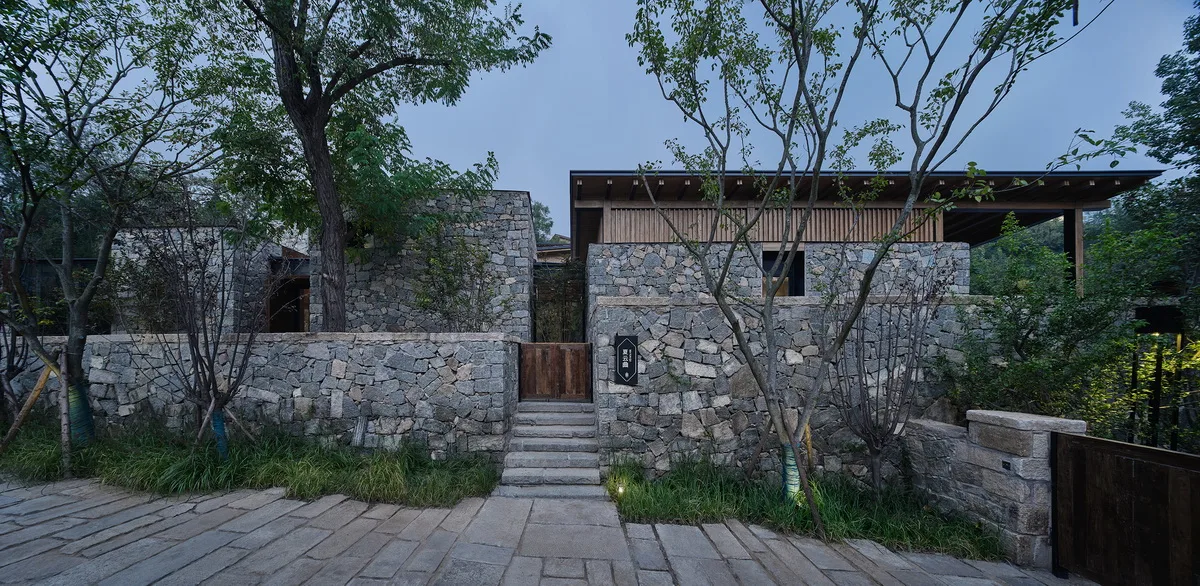
△ Courtyard No. 3 © Octopus sees architecture
The interplay of inside and outside, large and small, real and virtual, closed and open creates a striking contrast here.
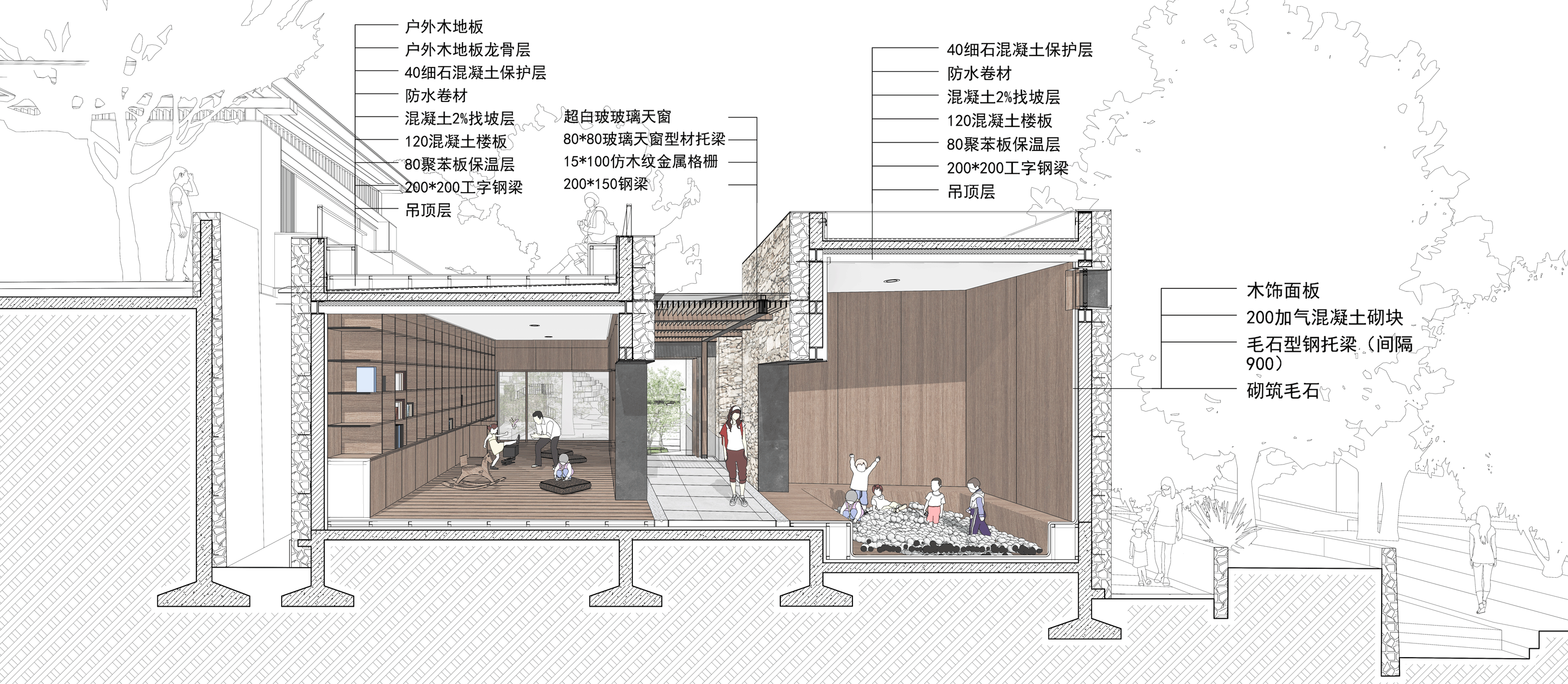
△ Perspective analysis of Courtyard No. 3 © gad · line+ studio
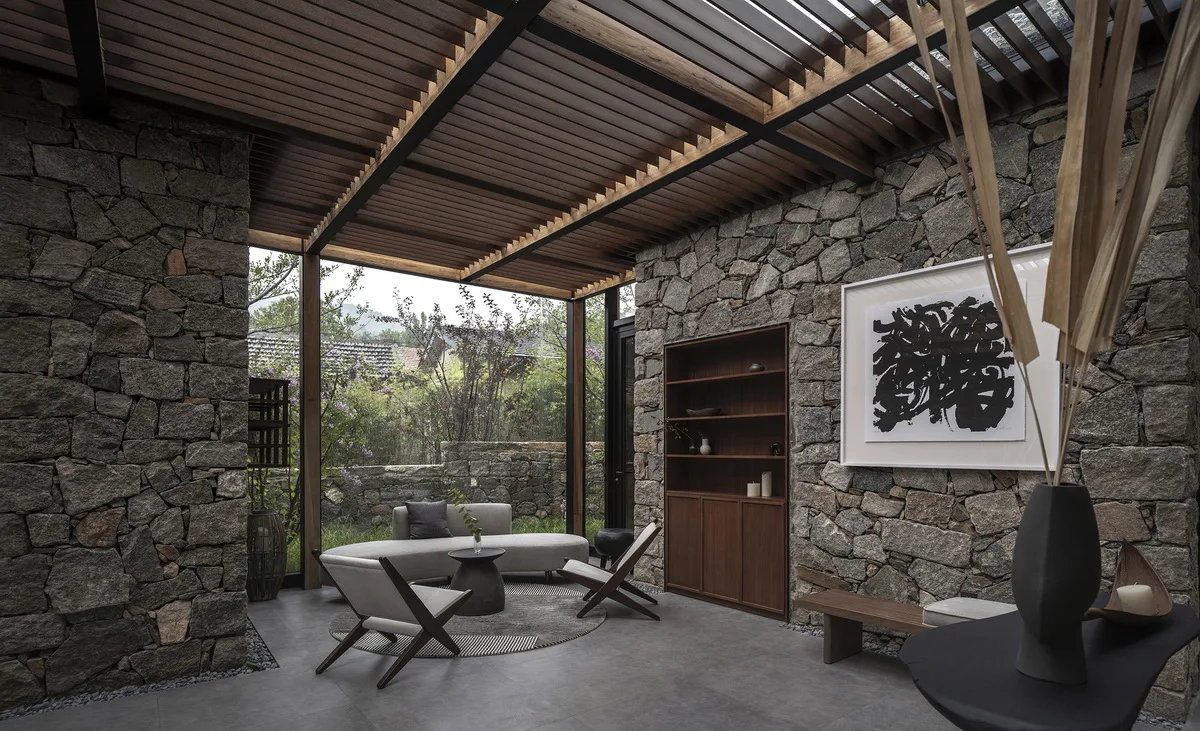
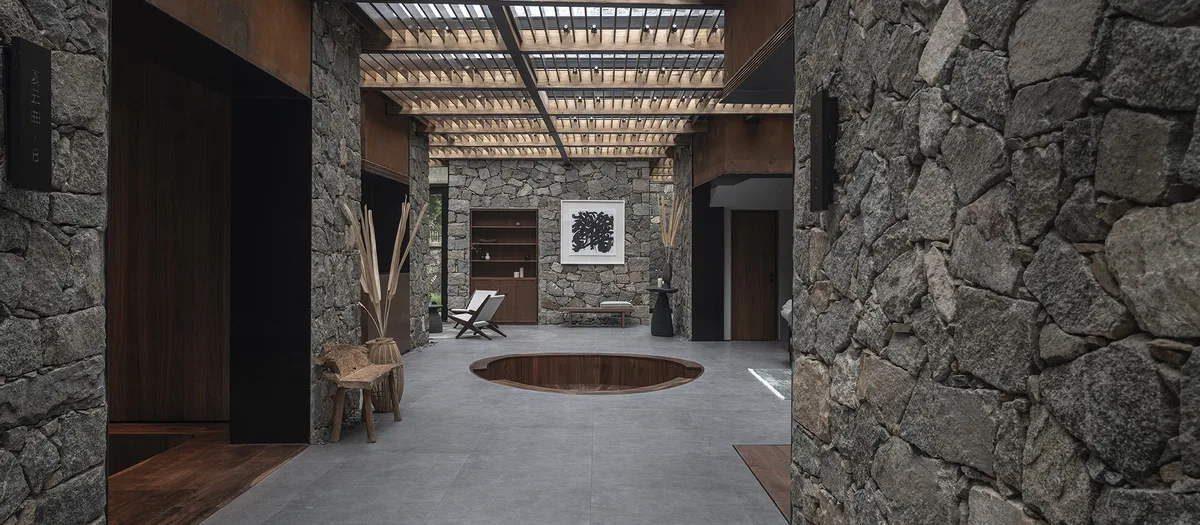
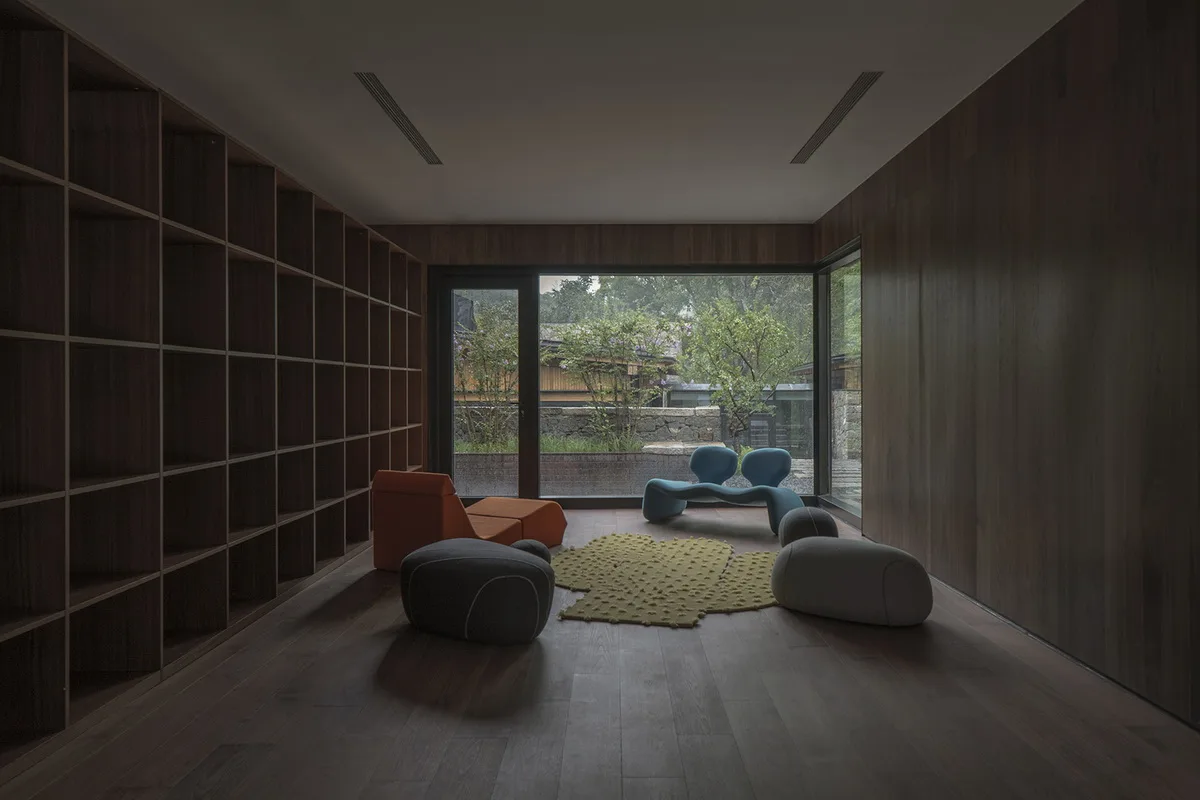
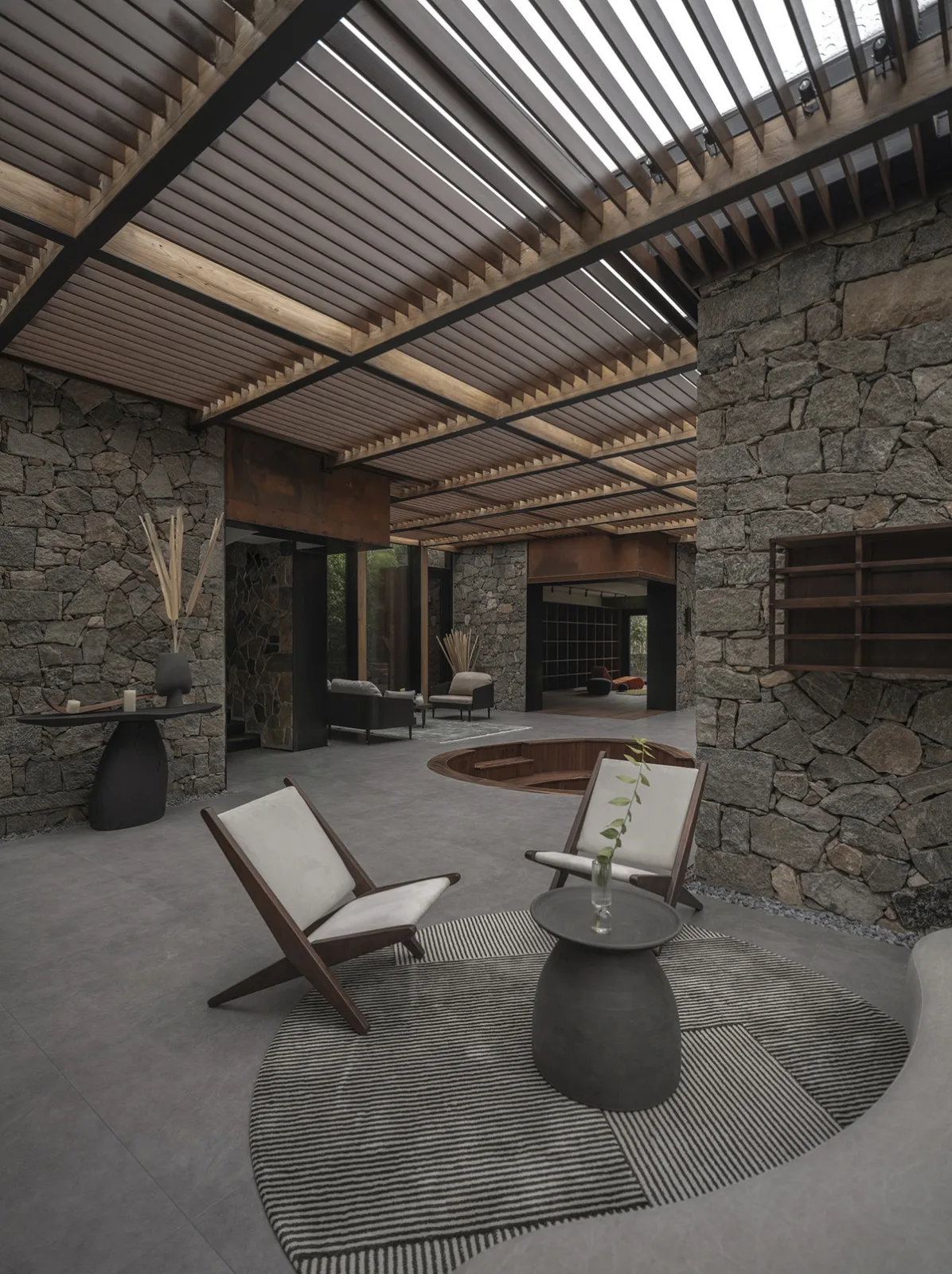
△ Internal space of Courtyard No. 3 © Pan Jie
The fifth courtyard originally comprised two parallel sections aligned north to south. The southern section is a long strip of recently constructed stone houses by local farmers, rigid in shape and poorly integrated with the terrain.
We divided the volume into two parts: the west retains a straight layout forming two guest rooms; the east introduces a vertical volume aligned with the terrain, establishing a public space serving guest rooms on the ground floor. Large interior steps accommodate height differences, enriching spatial hierarchy and functionality.
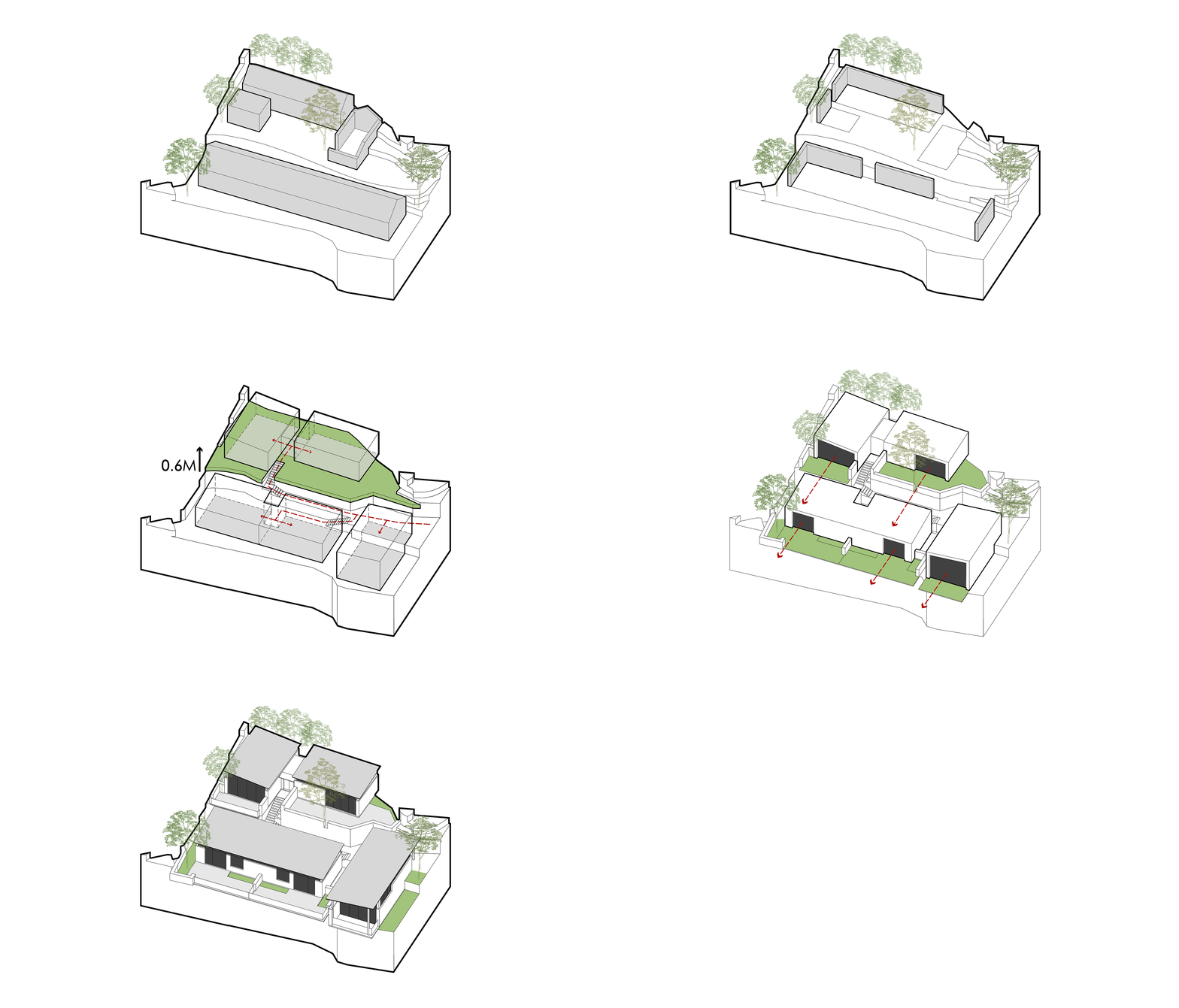
△ Generation map of Courtyard No. 5 © gad · line+ studio
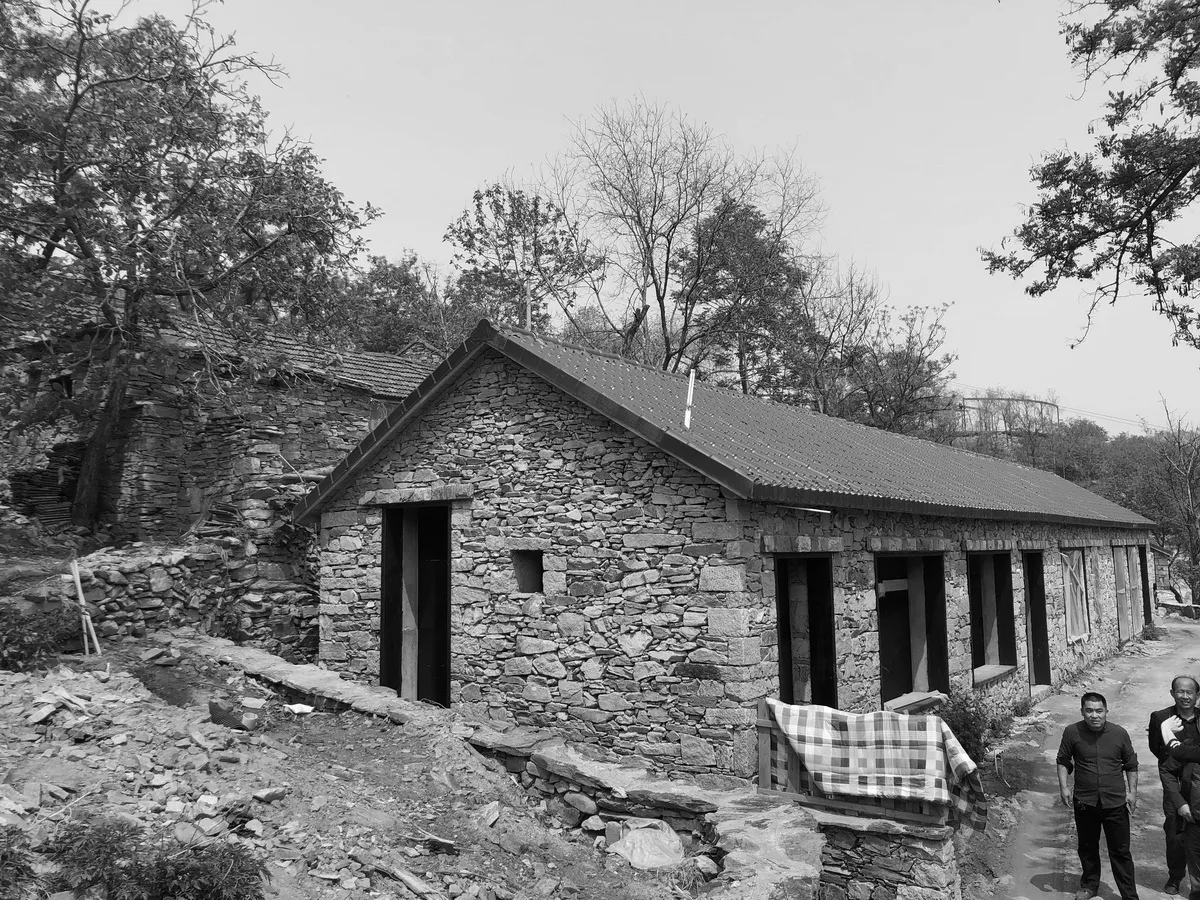
Before the renovation of Courtyard No. 5 © gad · line+ studio
To the north, an old L-shaped residential building remains intact. Our design preserves this spatial pattern, creating an L-shaped courtyard.
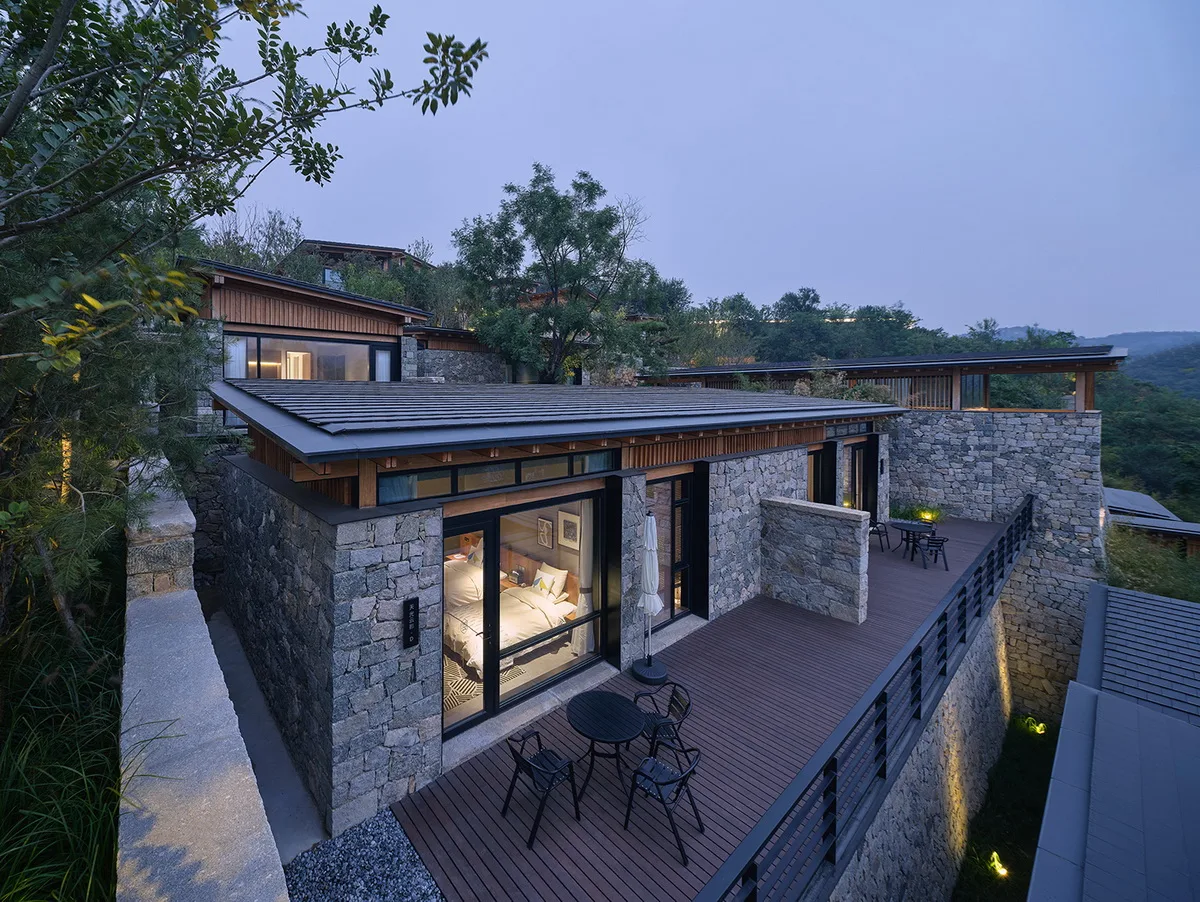
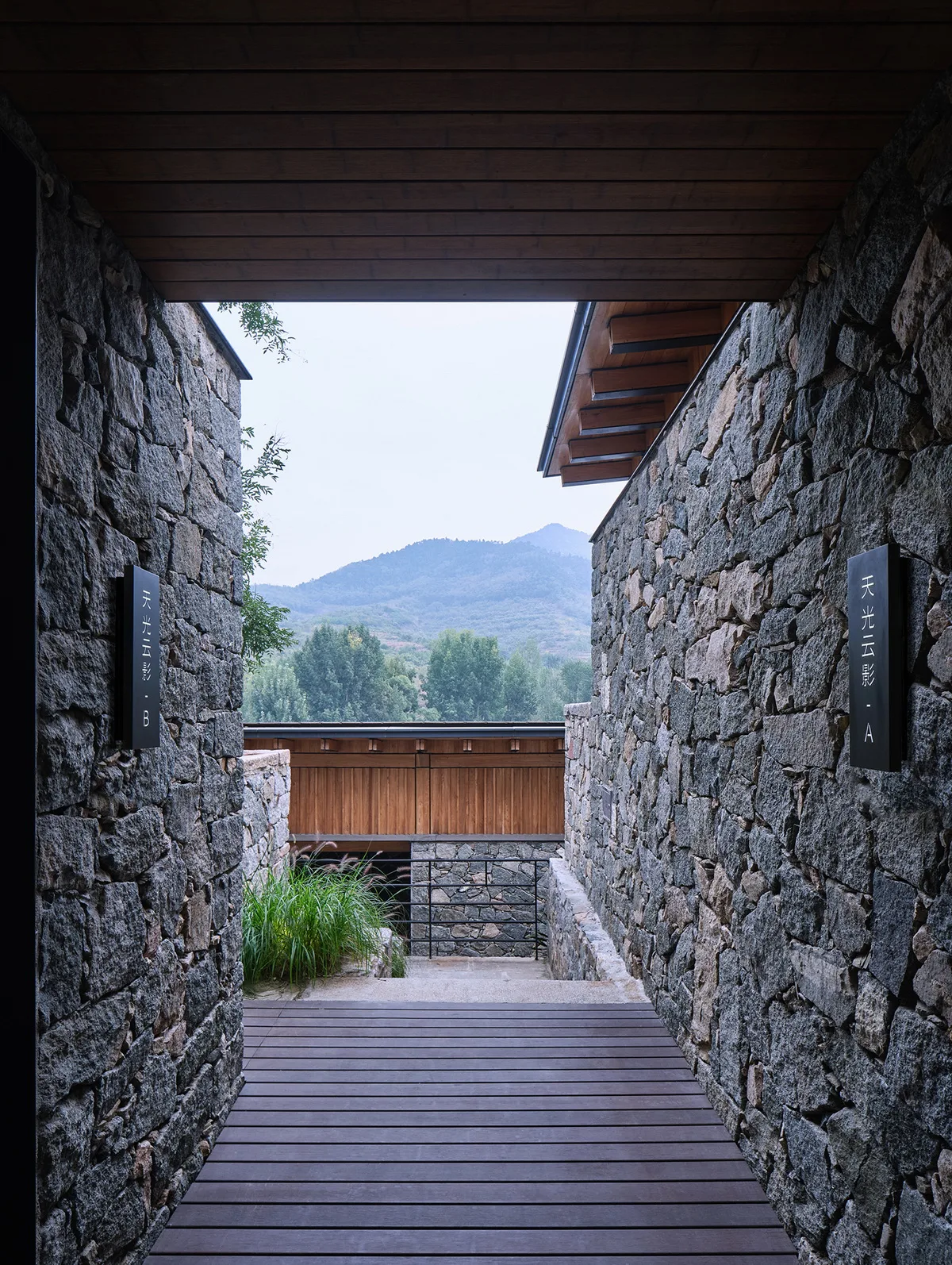
△ Courtyard No. 5 © Octopus sees architecture
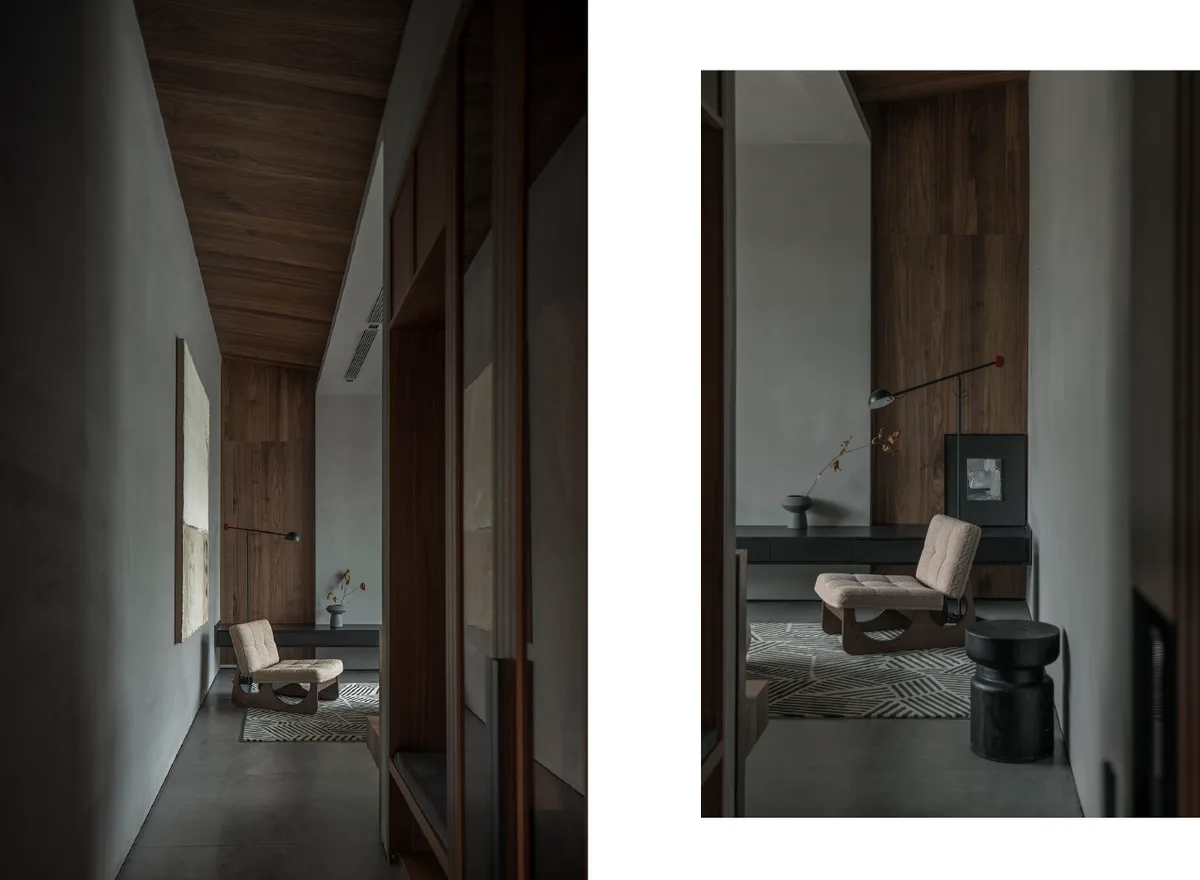
△ Internal space of Courtyard No. 5 © Pan Jie
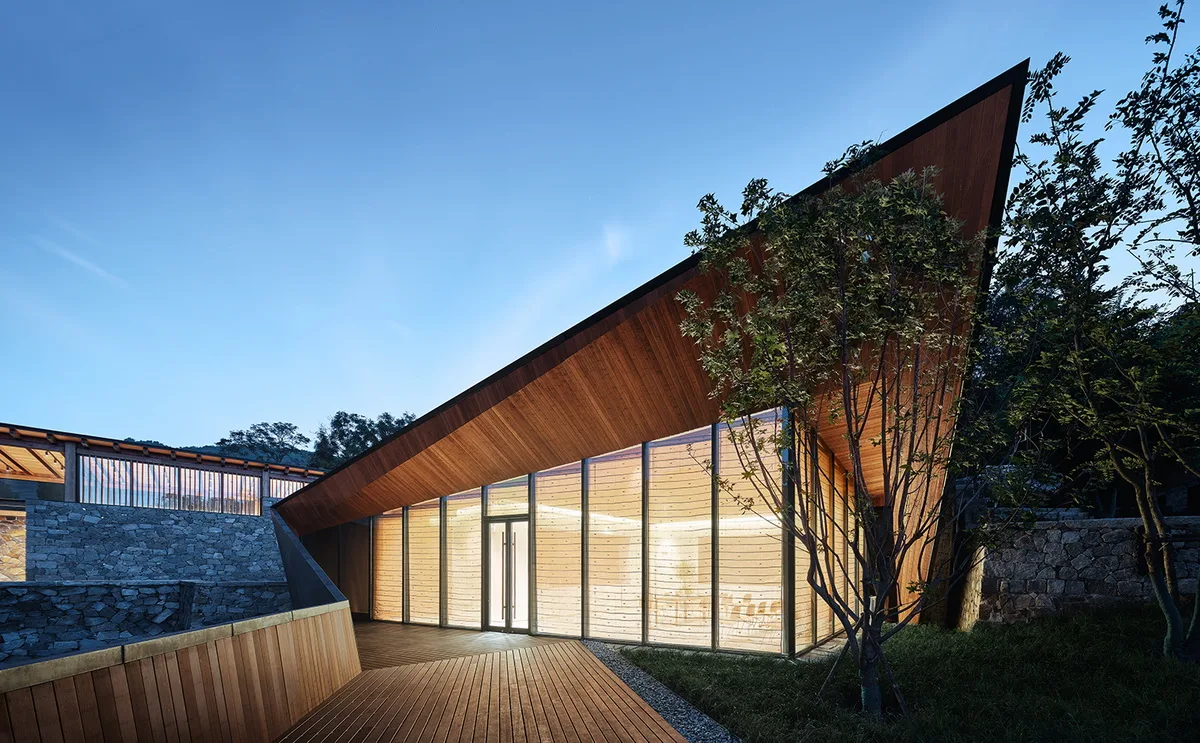
The sixth courtyard, built recently, lies near the main mountain road and serves as a homestay meeting and gathering space. To reflect its function and setting, we departed from traditional sloping roofs, opting instead for metal aluminum panels and a folded design concept.
The walls, roof, and railings form a continuous origami-like structure integrated with steps adjusting to terrain height differences. The lightweight design contrasts with the heavier guest room architecture.
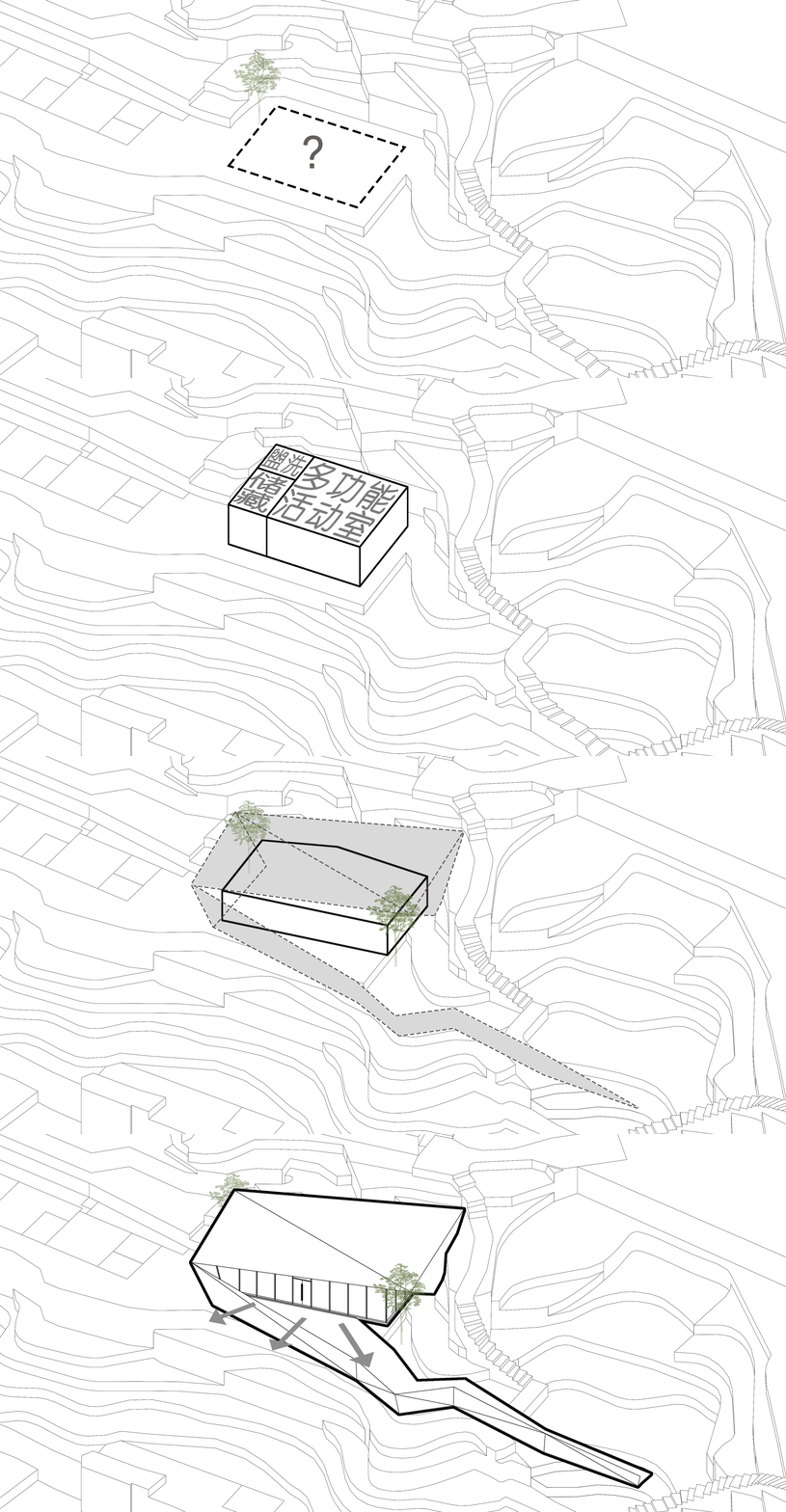
△ Generation diagram of Courtyard No. 6 © gad · line+ studio
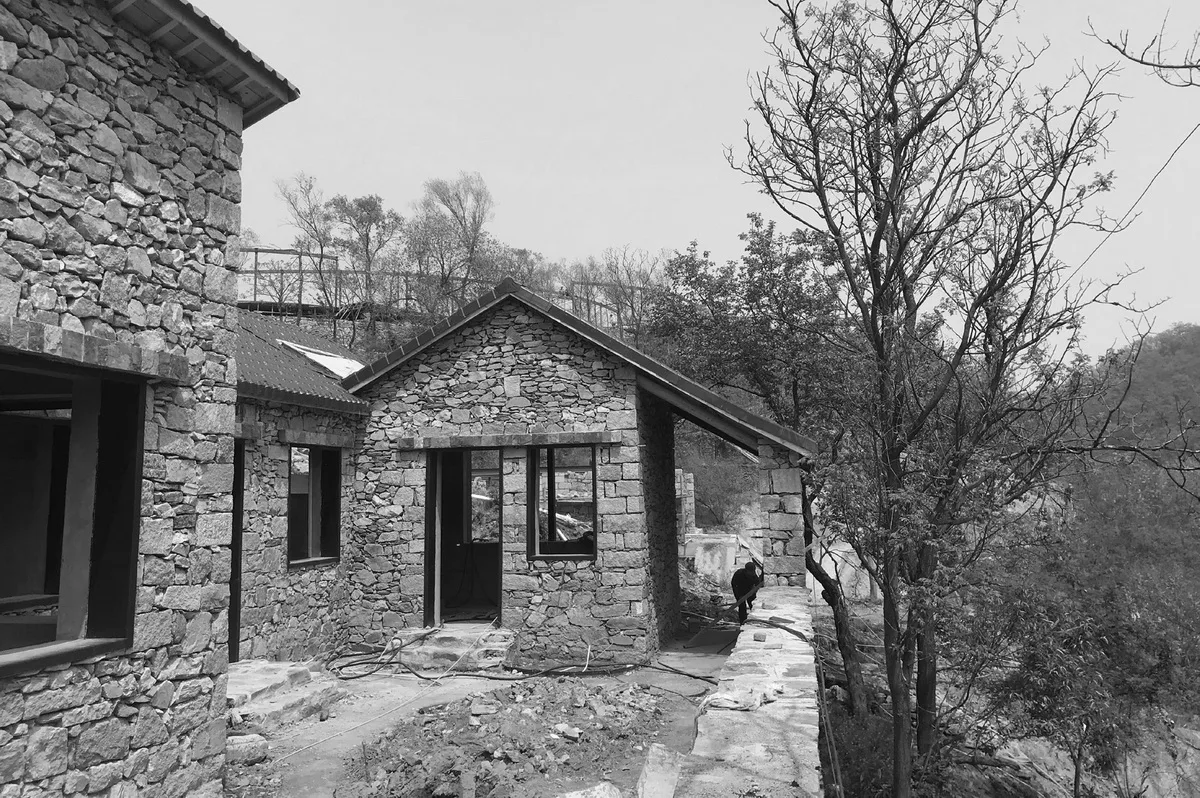
Before renovation of Courtyard No. 6 © gad · line+ studio
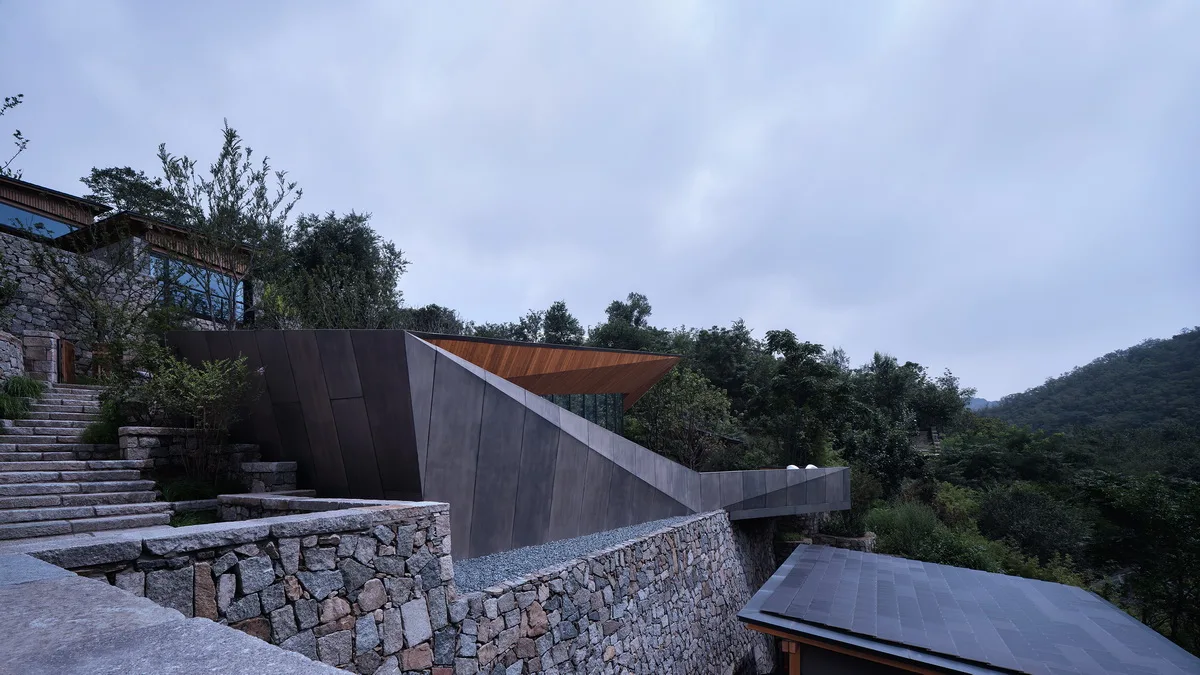
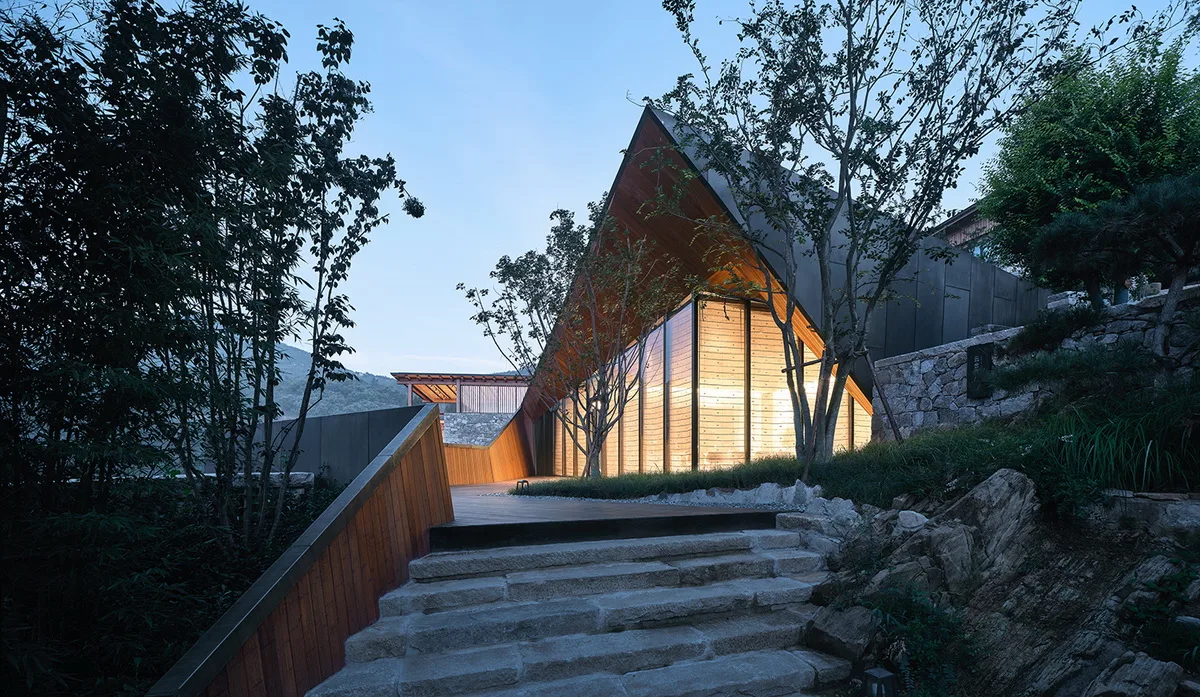
Courtyard No. 6 © Octopus sees architecture
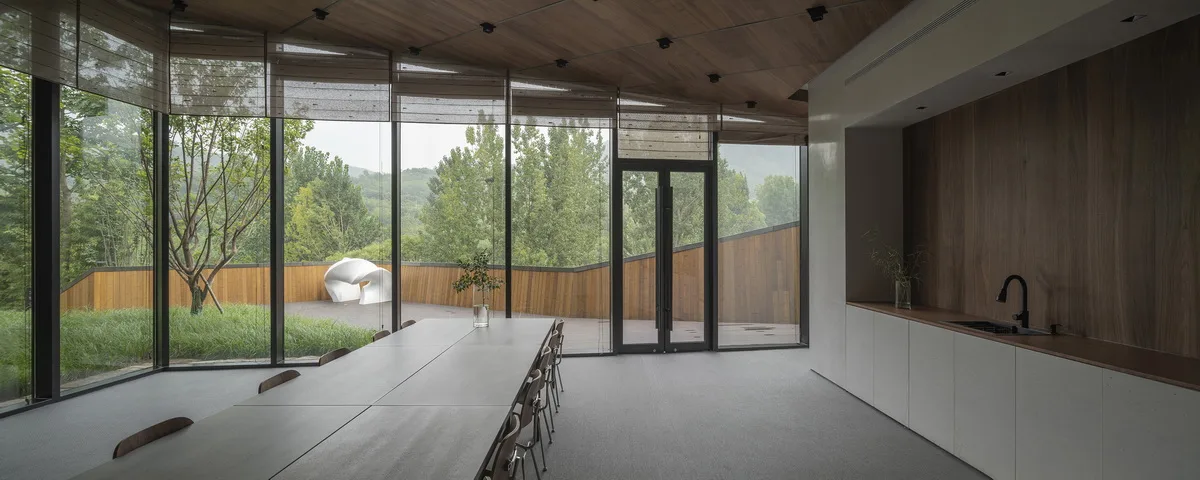
△ Internal space of Courtyard No. 6 © Pan Jie
The original buildings of courtyards 8 and 9 are old, enclosed residential structures. The new design maintains the texture and spatial form by enclosing three sides, adjusting volumes within original spatial logic to create courtyards that blend indoor and outdoor spaces with varied heights.
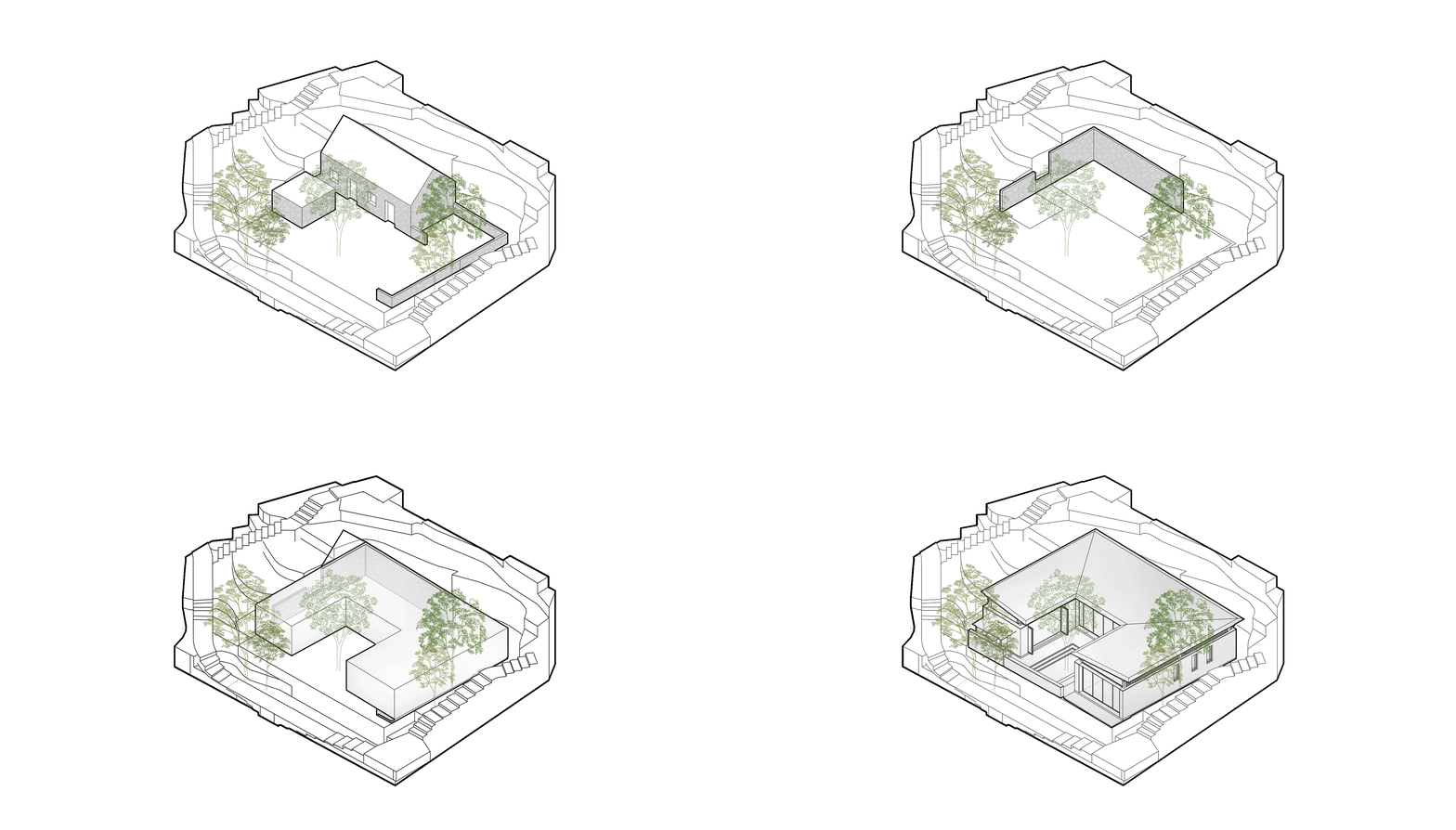
Generation diagram of Courtyard No. 7 © gad · line+ studio
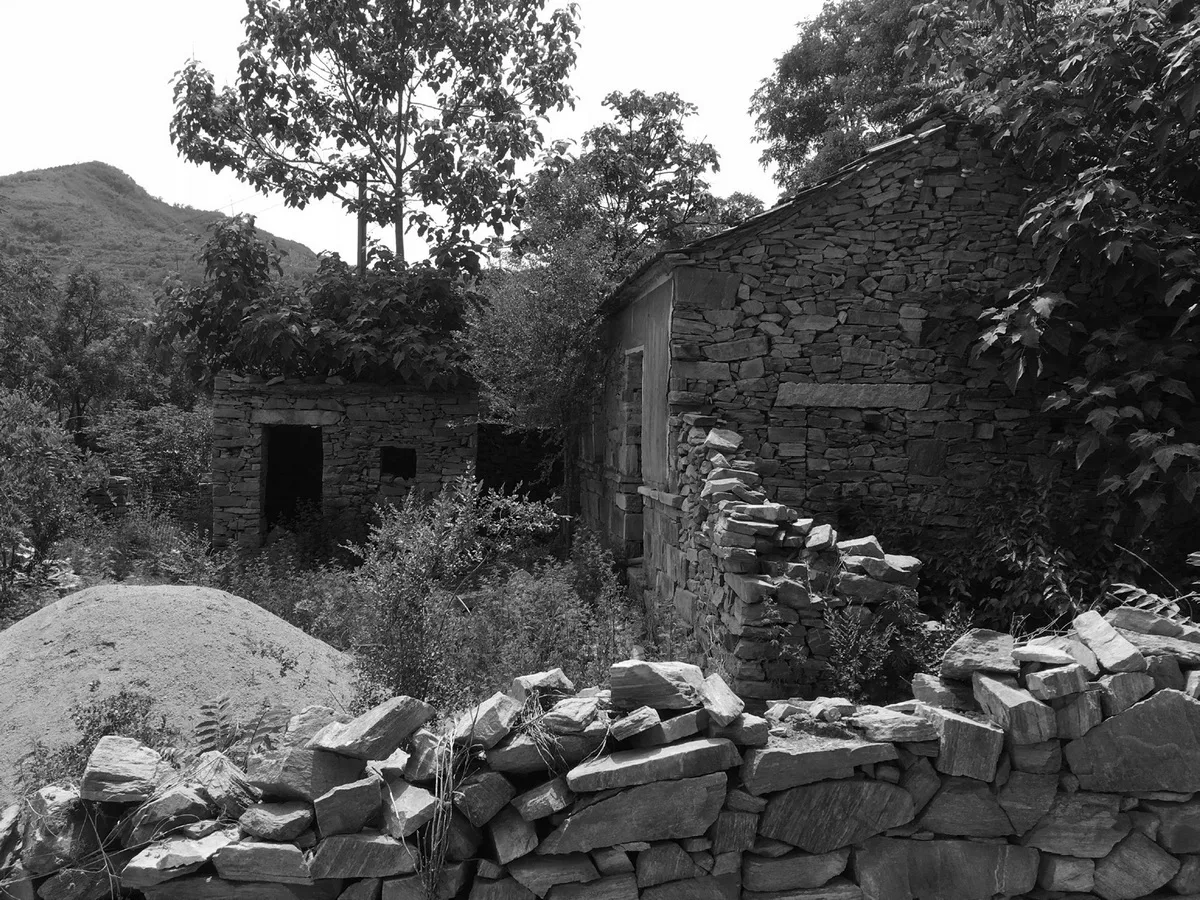
Before renovation of Courtyard No. 7 © gad · line+ studio
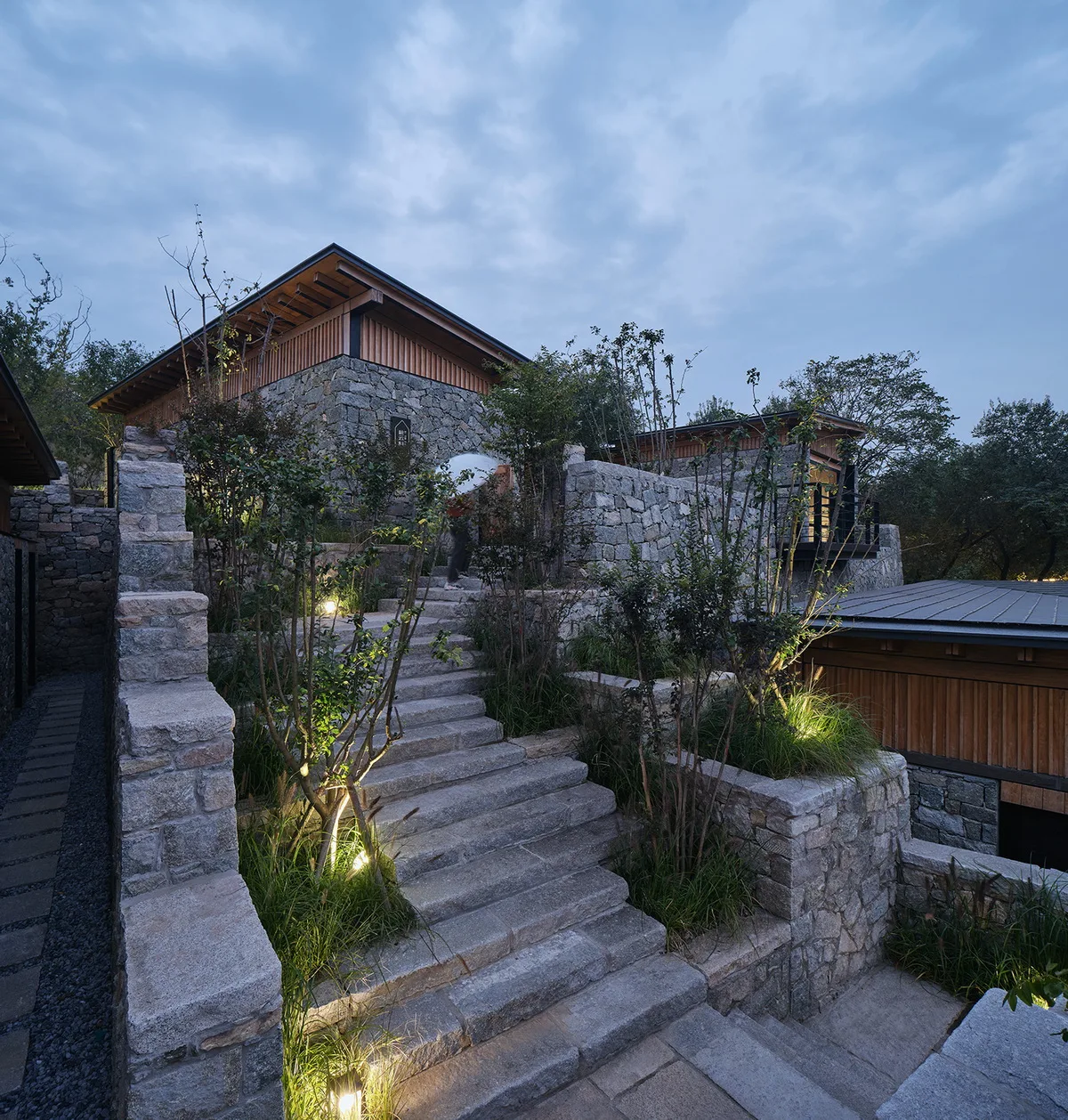
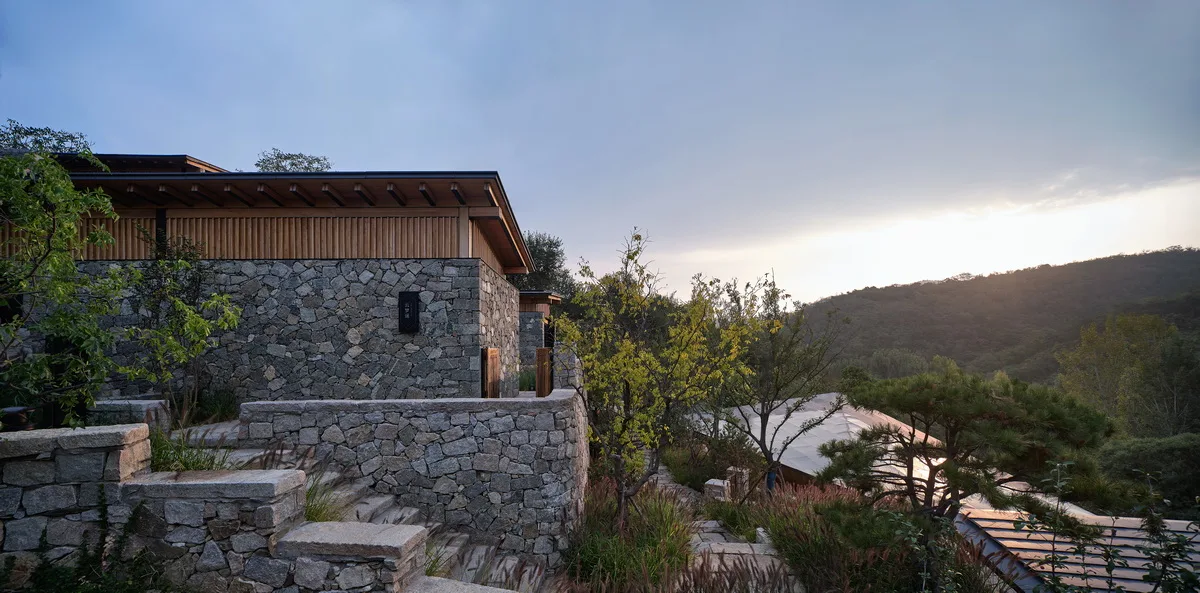
Courtyard No. 7 © Octopus sees architecture
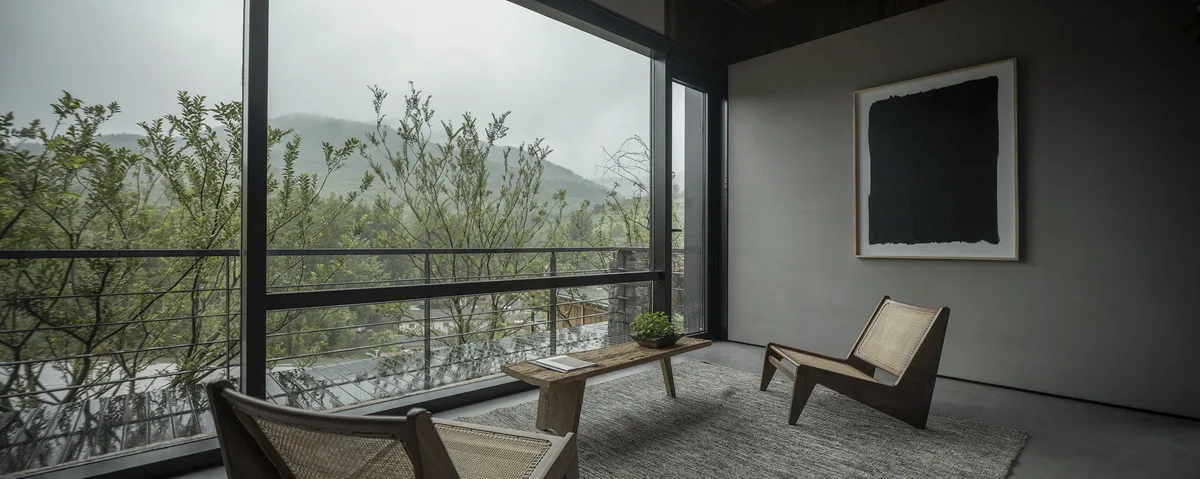
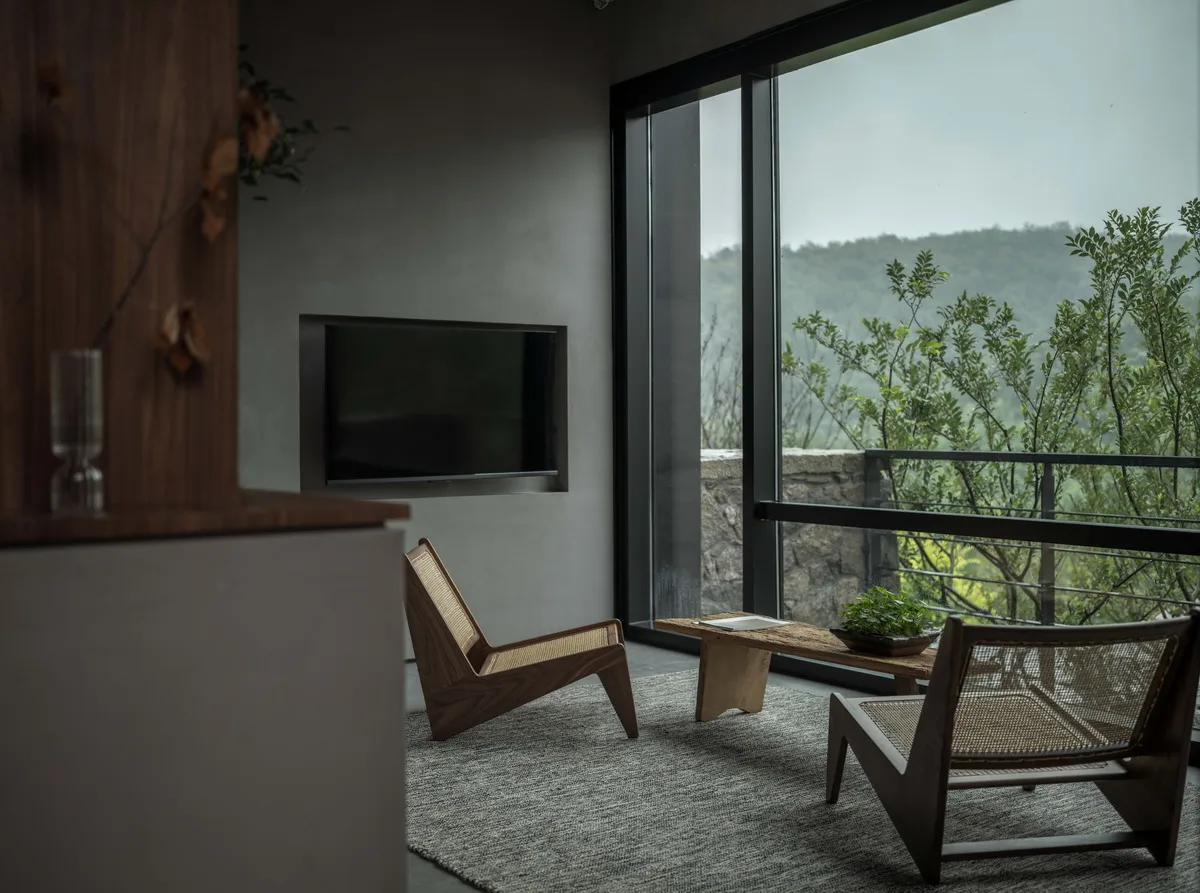
△ Internal space of Courtyard No. 7 © Pan Jie
The ancient trees on the eighth courtyard site were fully preserved. The building framework unfolds flexibly around these trees, creating an outdoor courtyard shaded by foliage and integrated interior spaces.
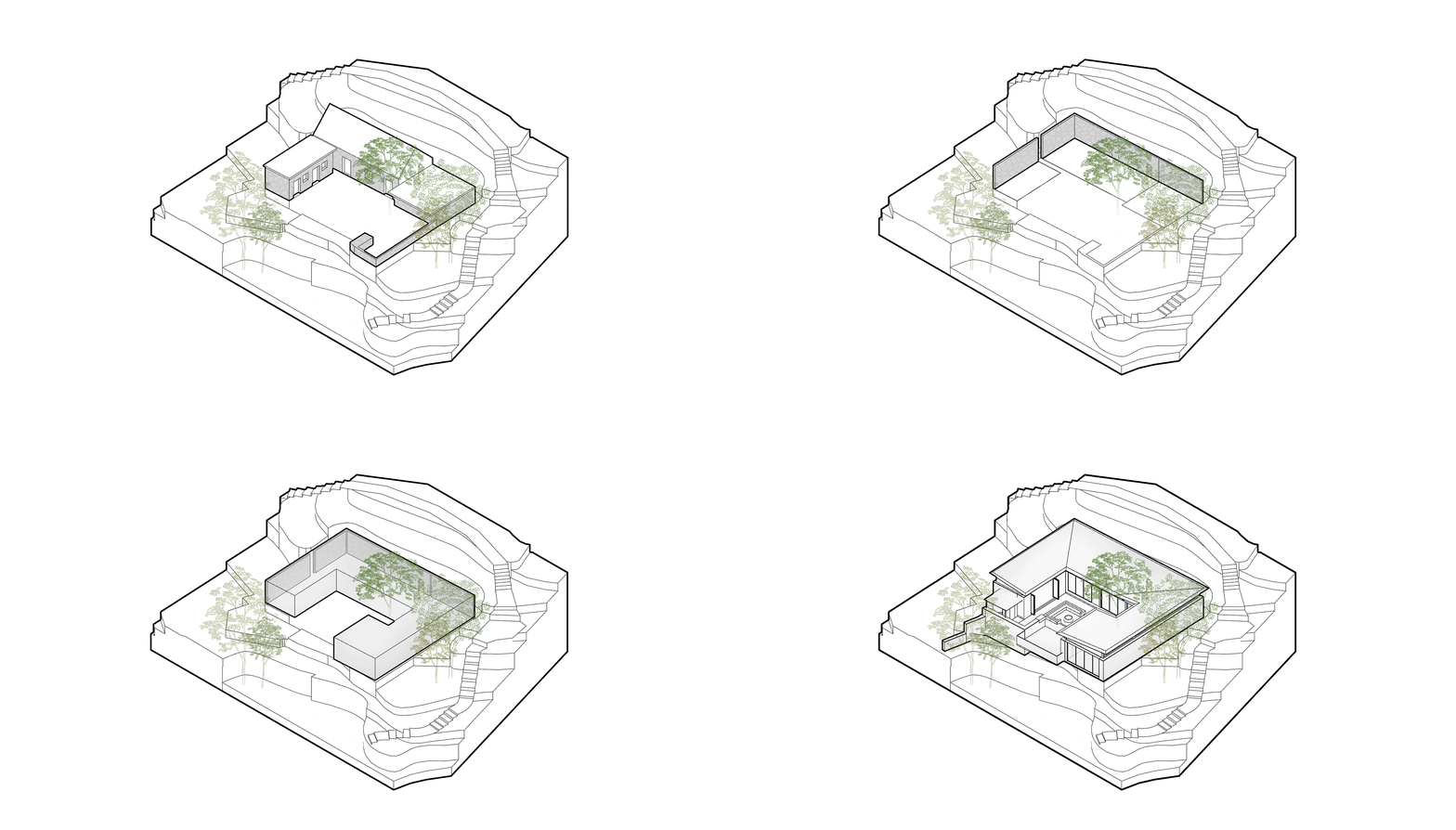
△ Generation diagram of Courtyard No. 8 © gad · line+ studio
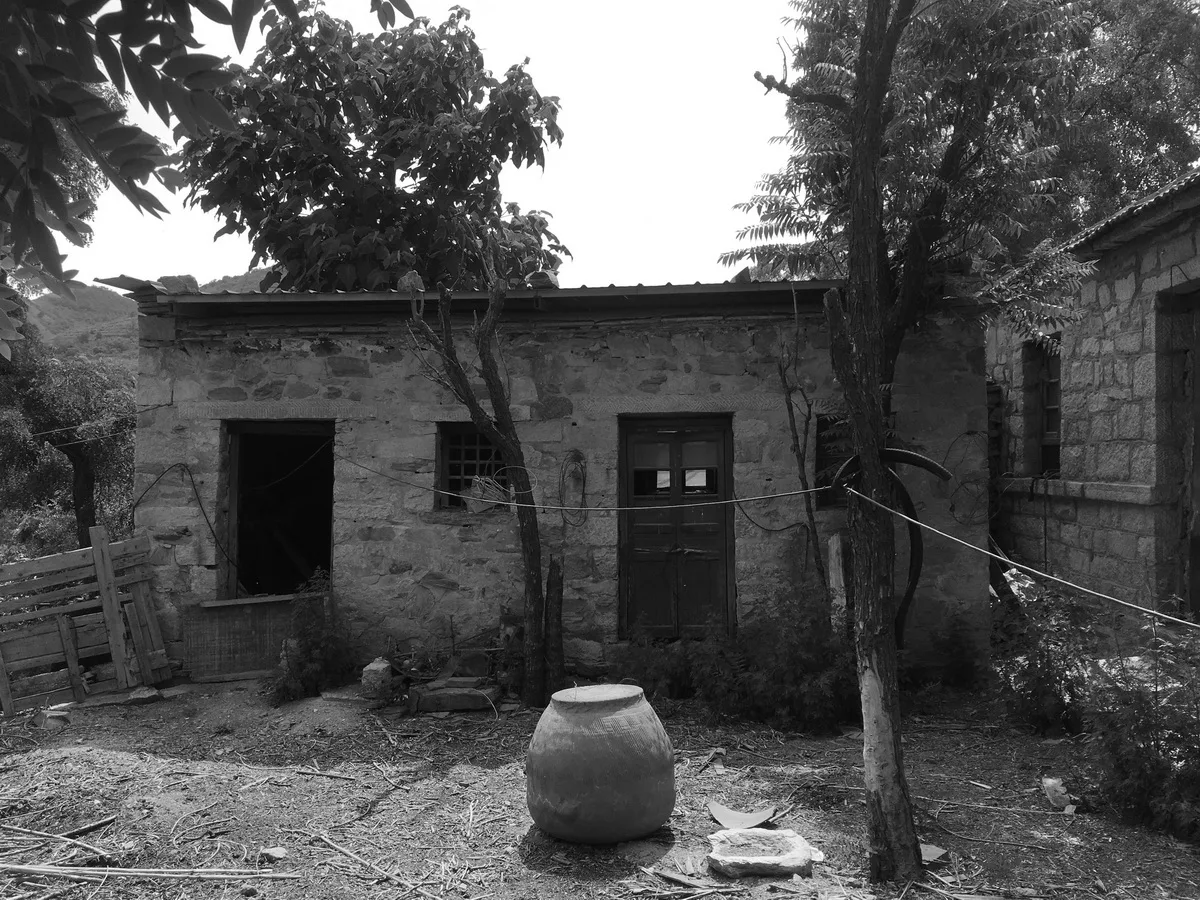
Before renovation of Courtyard No. 8 © gad · line+ studio
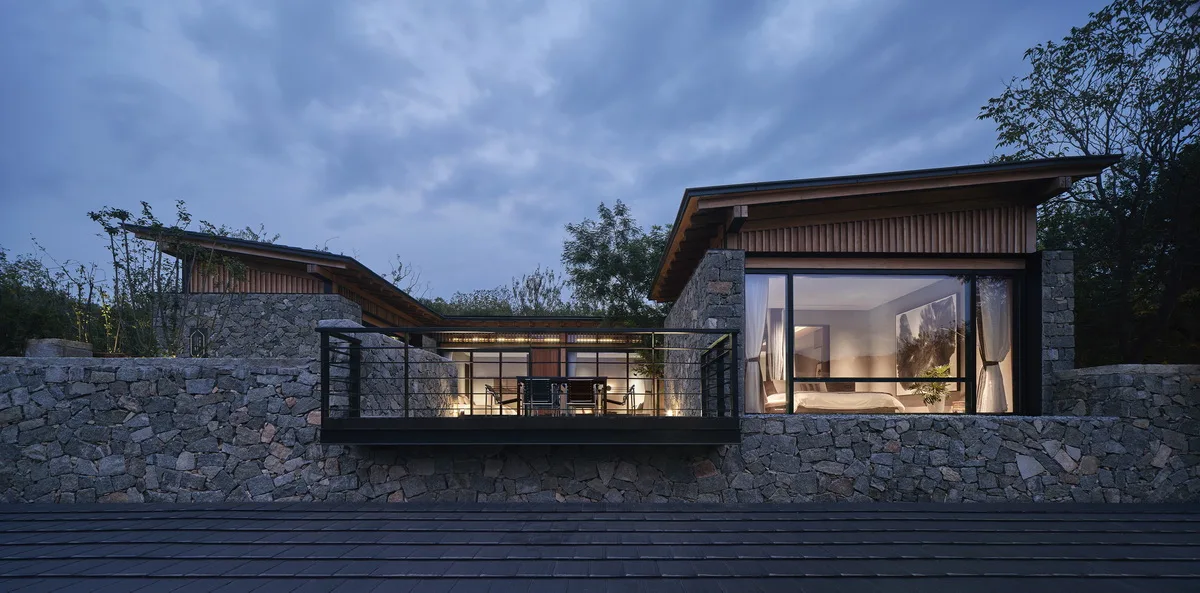
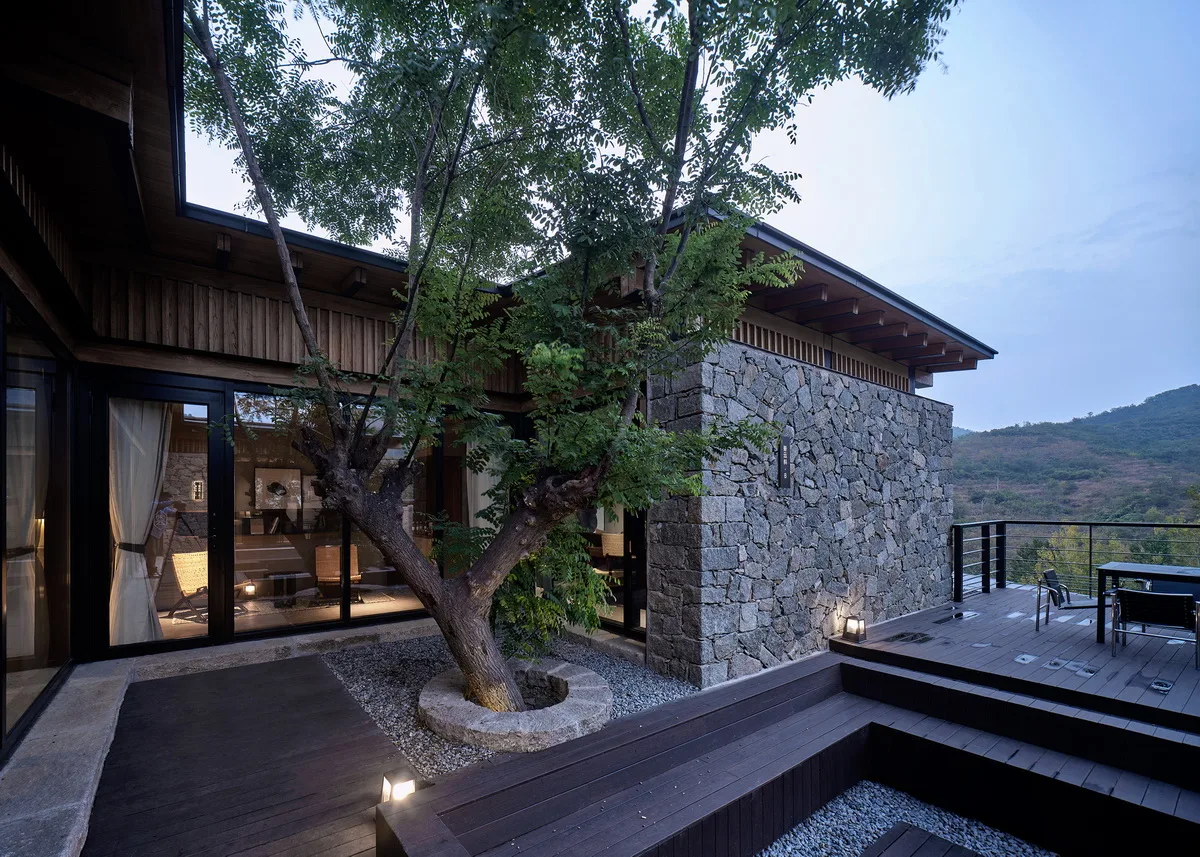
Courtyard No. 8 © Octopus sees architecture
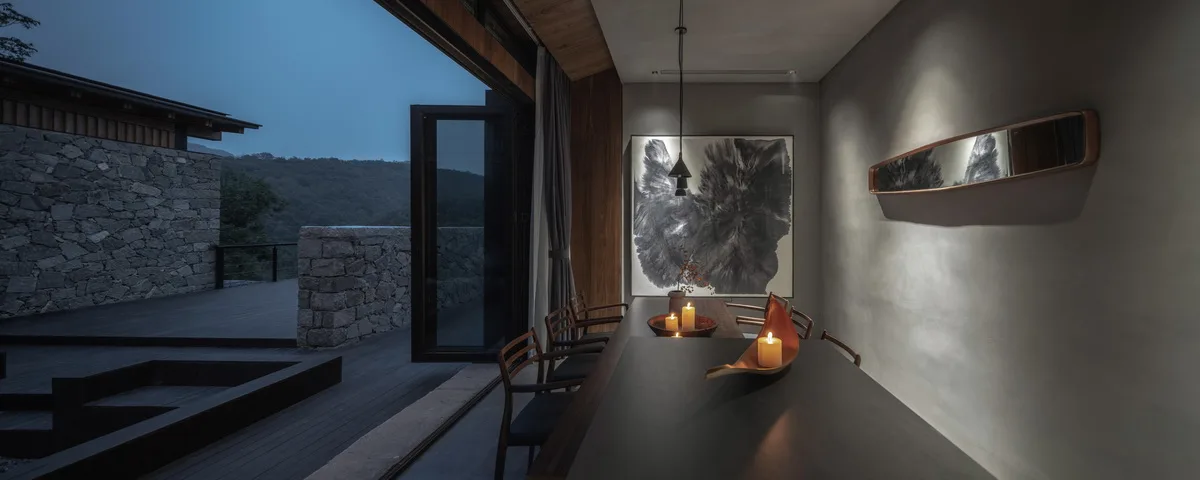
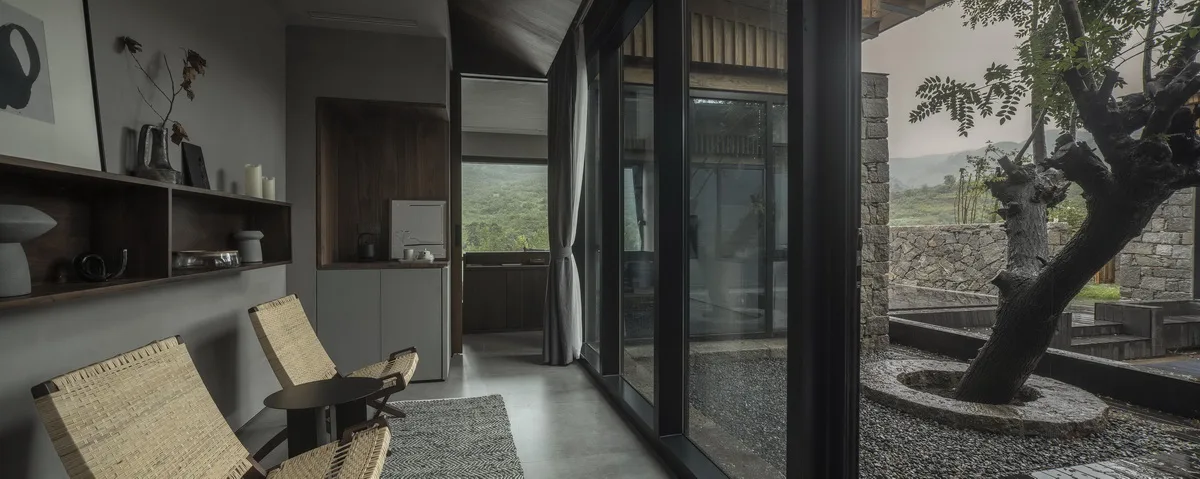
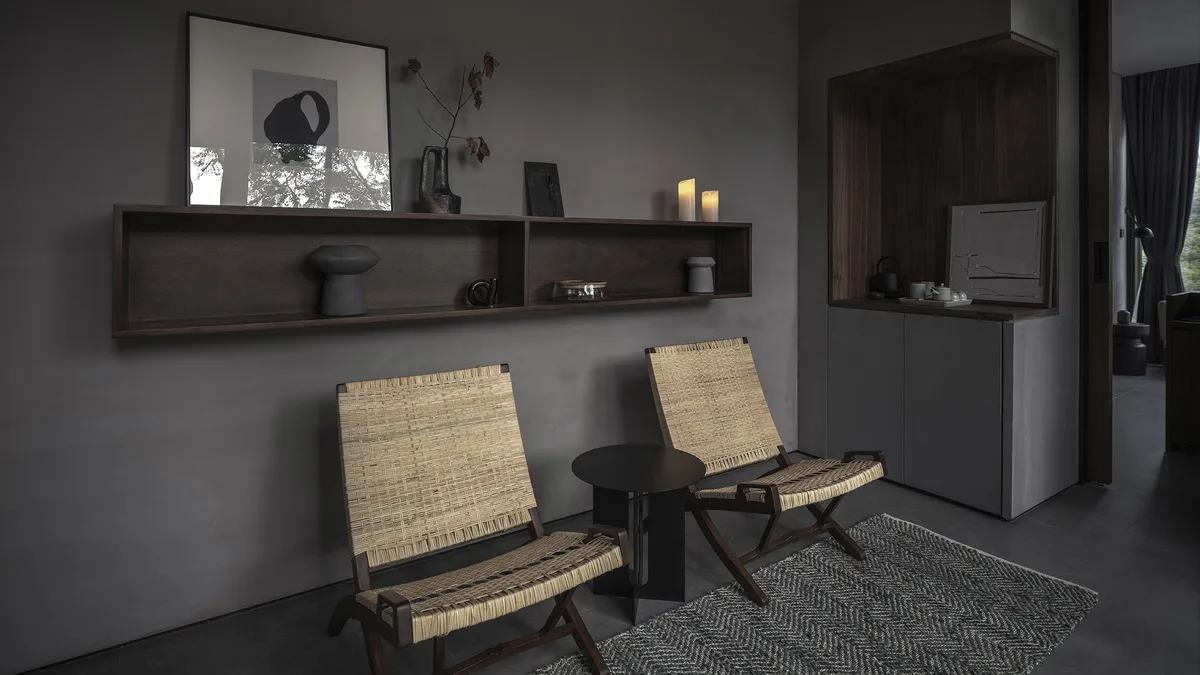
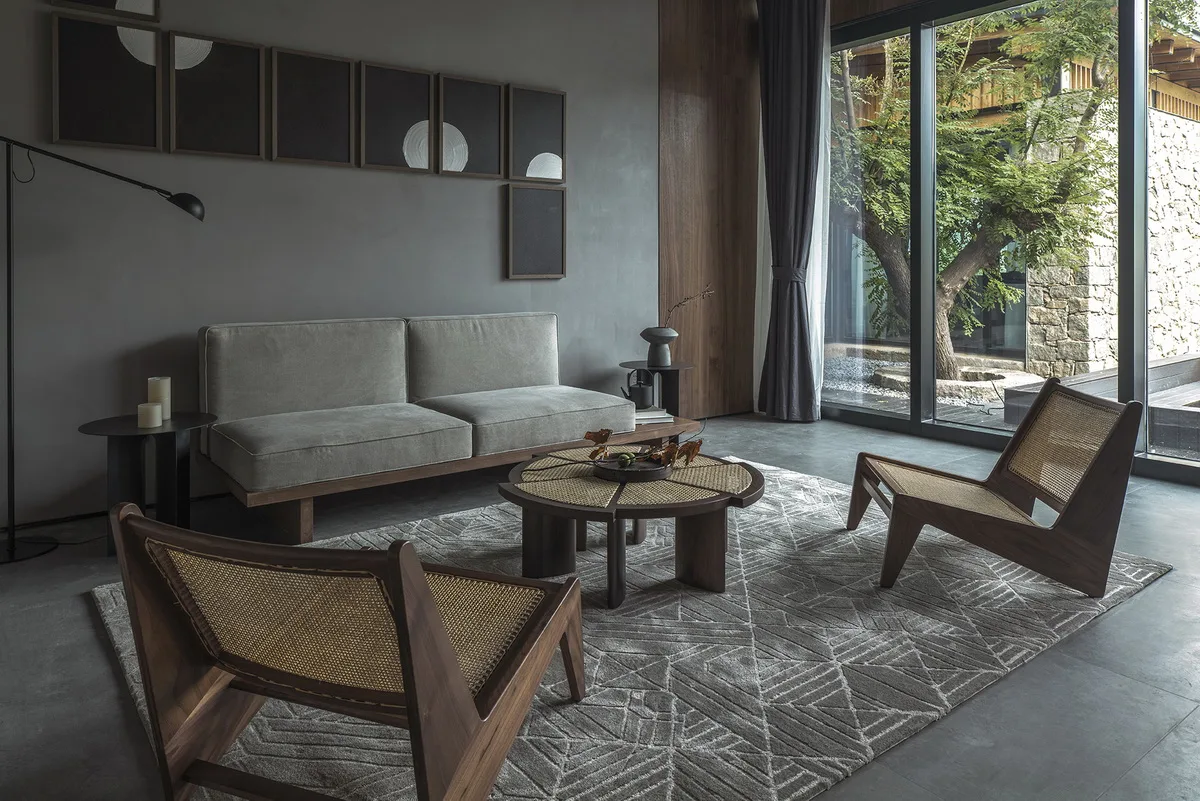
△ Internal space of Courtyard No. 8 © Pan Jie
The tenth courtyard was originally a newly constructed L-shaped building. The design respects this layout with an L-shaped courtyard, creating a stepped entrance that forms an outdoor platform overlooking the slope, offering unobstructed views of distant mountains.
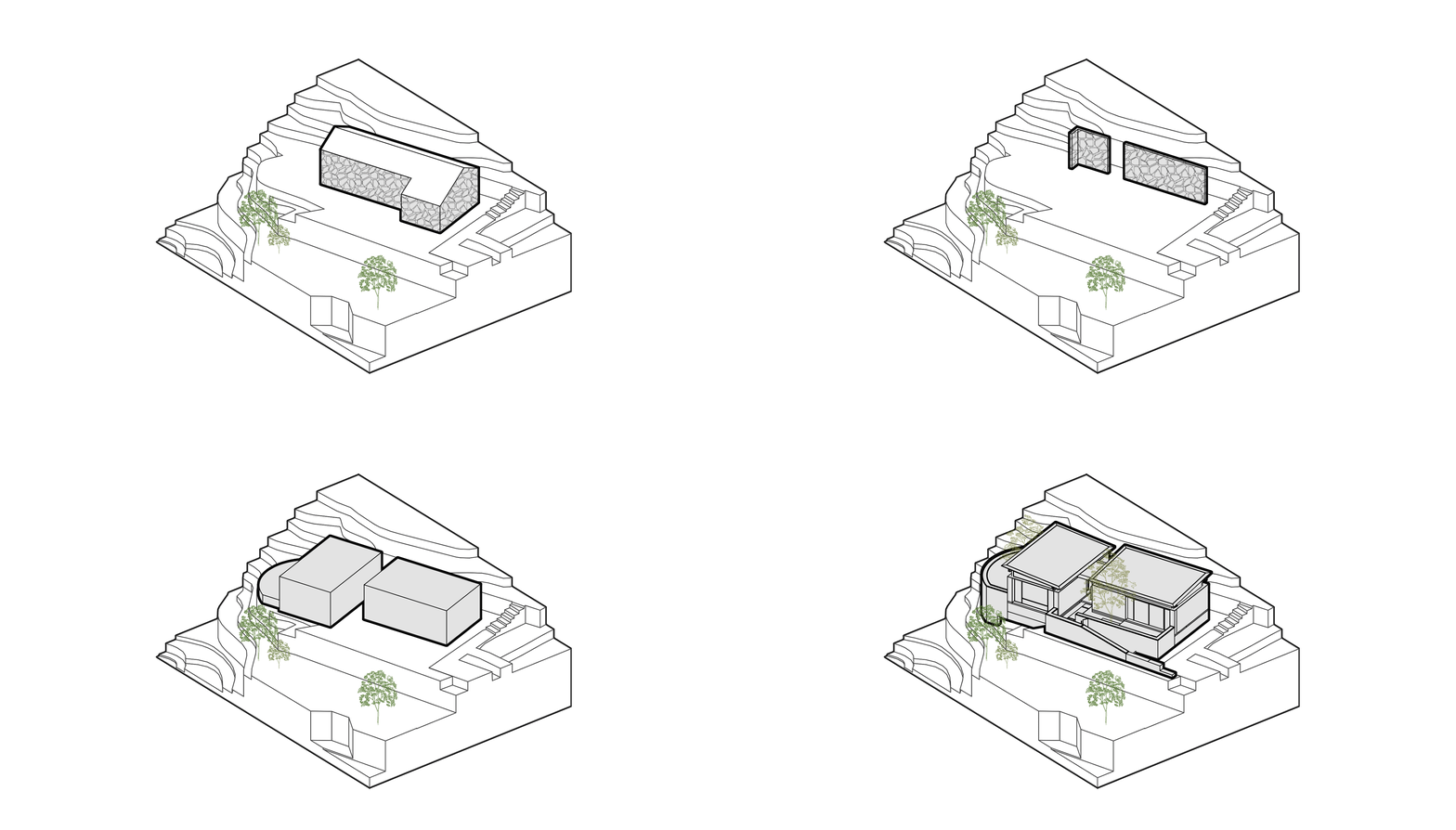
△ Generation map of Courtyard No. 10 © gad · line+ studio
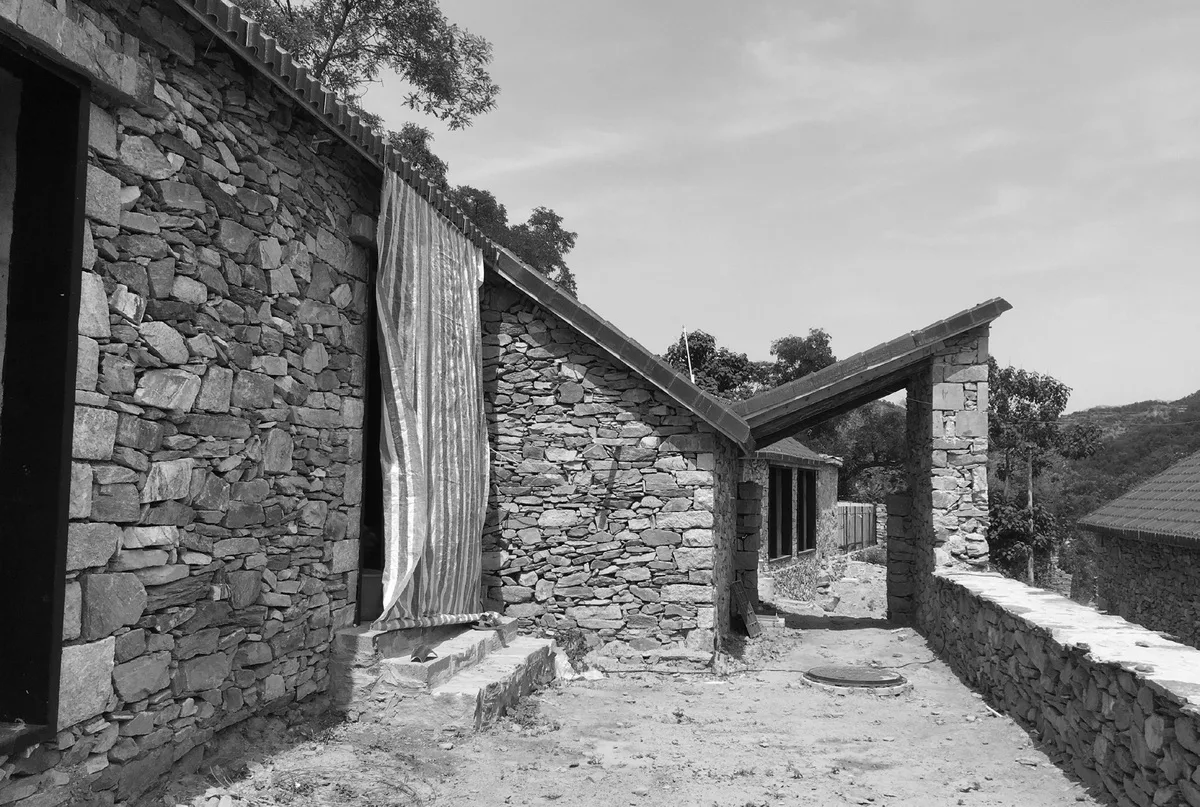
Before renovation of Courtyard No. 10 © gad · line+ studio
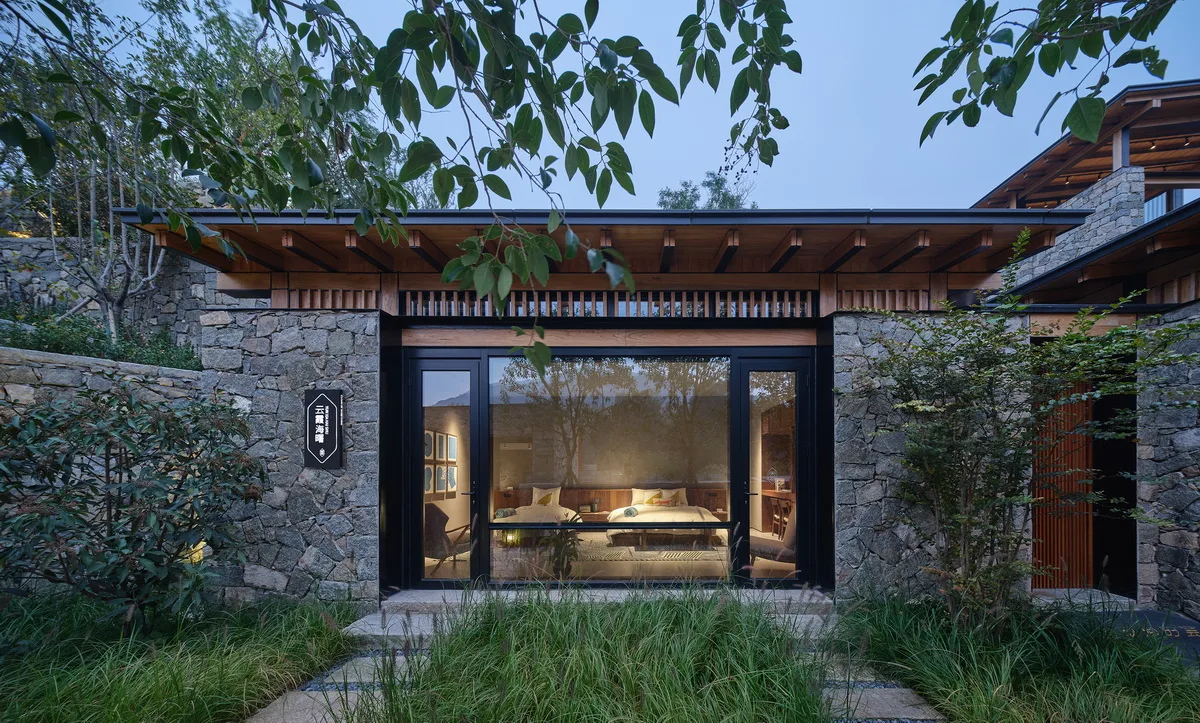
Courtyard No. 10 © Octopus sees architecture
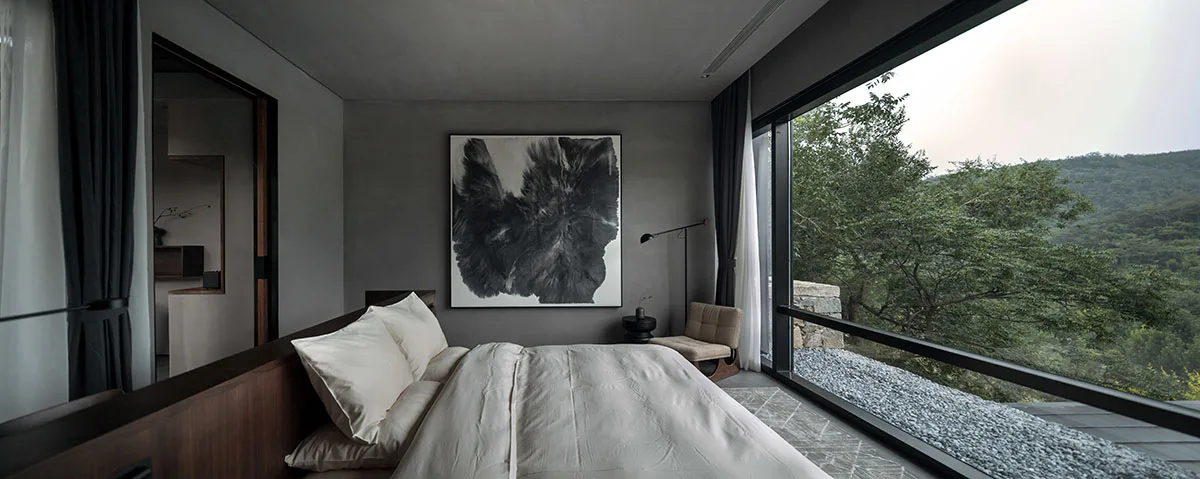
△ Internal space of Courtyard No. 10 © Pan Jie
The eleventh courtyard, a recent north-south building with a three-meter height difference between front and back, retains its original spatial layout. The design mediates height differences visually and enlarges the local roof, adding shared public gray spaces and rooftop platforms to enrich spatial experience.
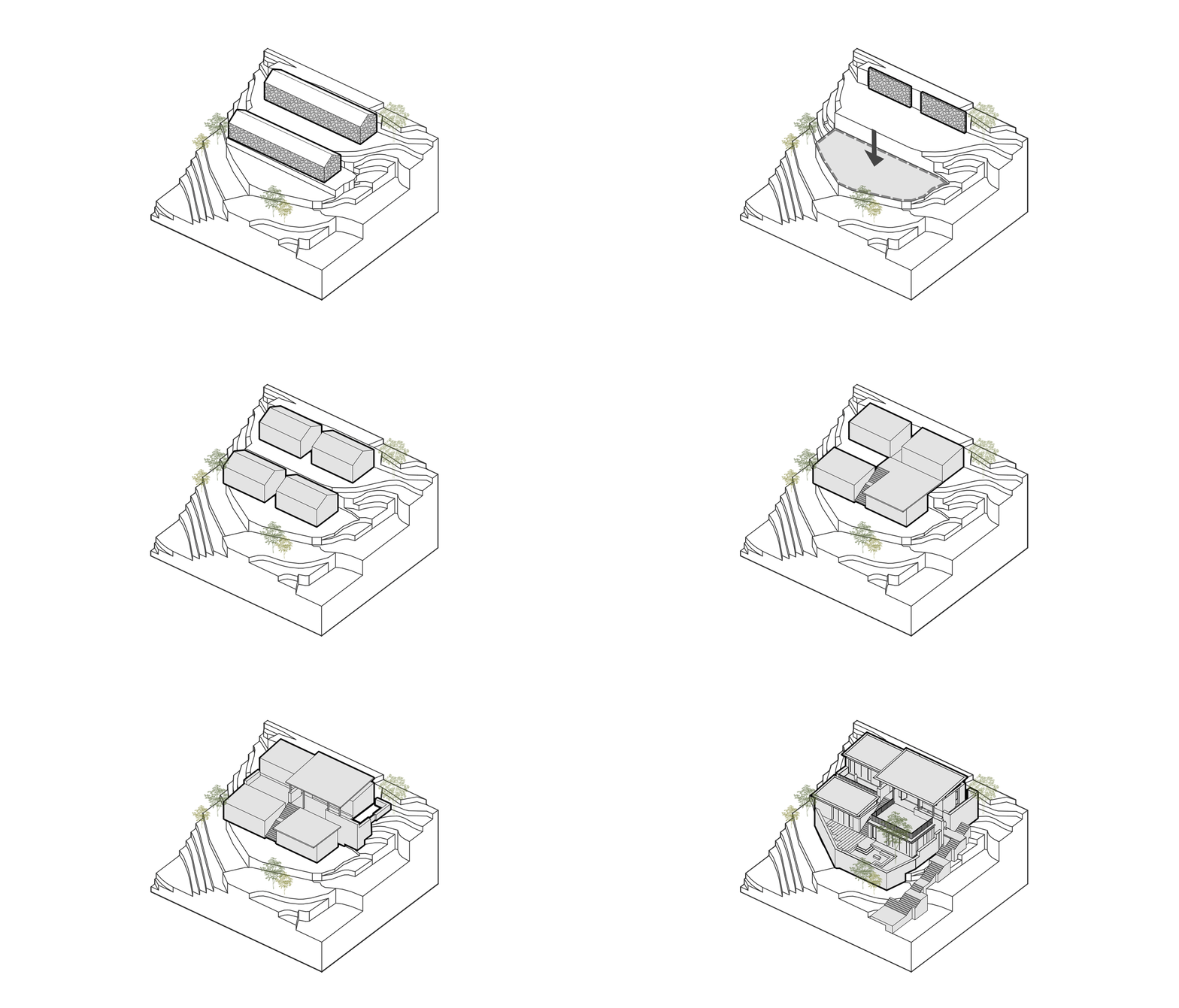
△ Generation map of Courtyard No. 11 © gad · line+ studio
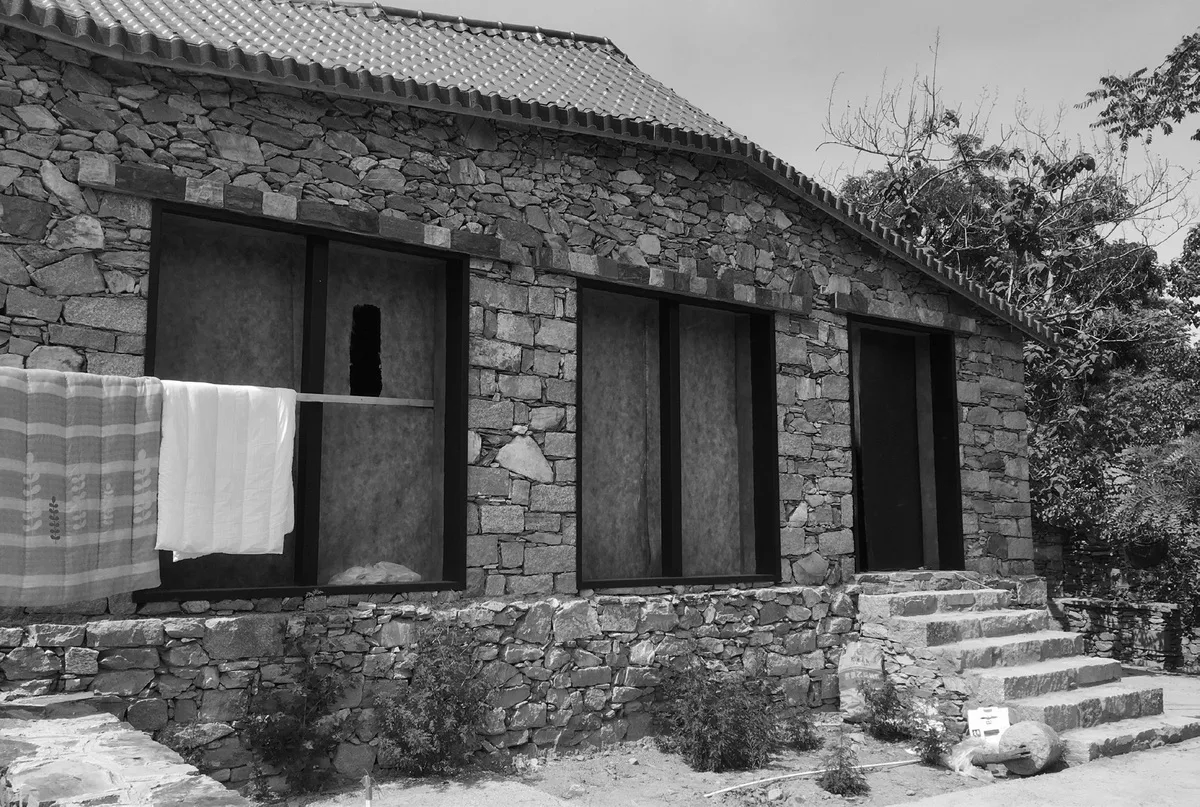
Before renovation of Courtyard No. 11 © gad · line+ studio
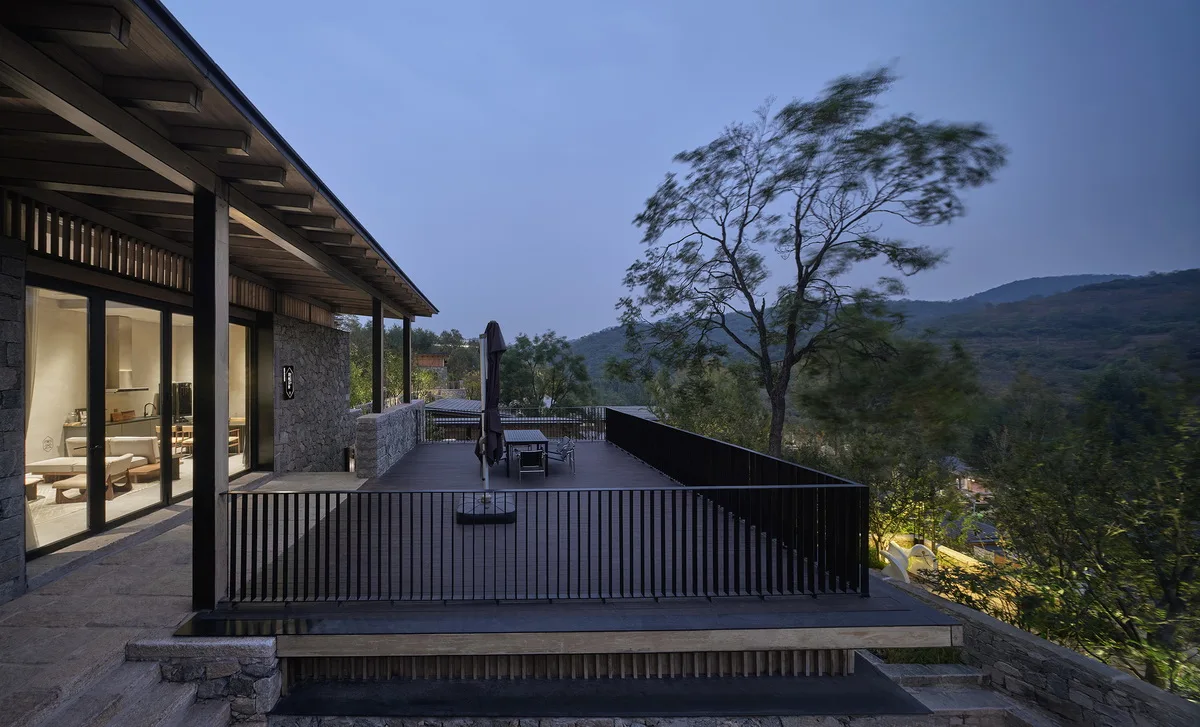
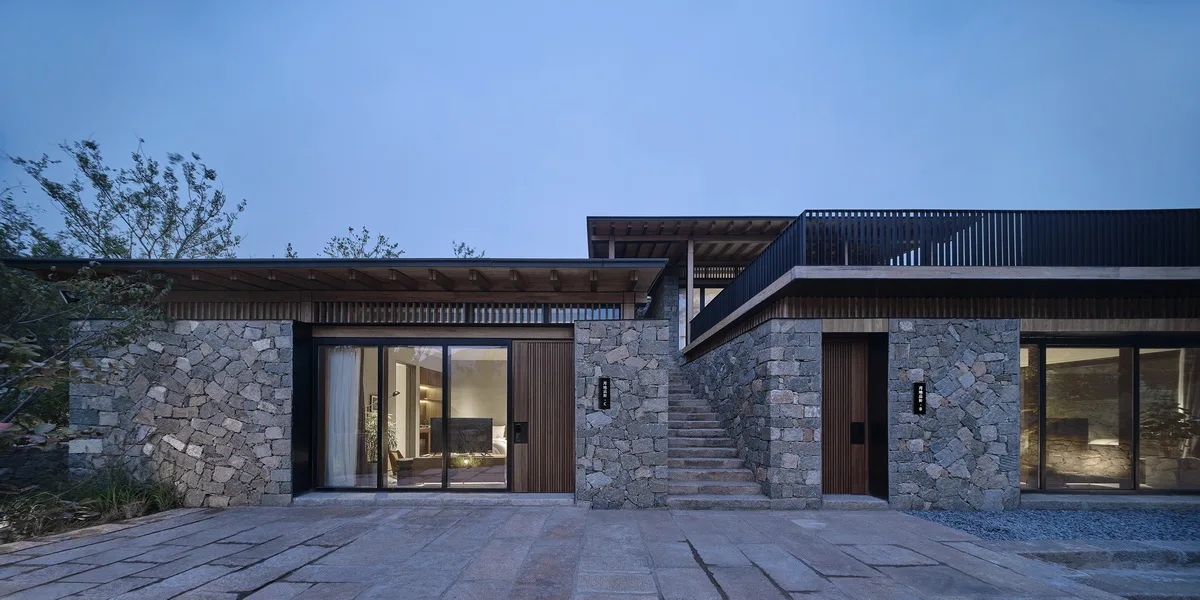
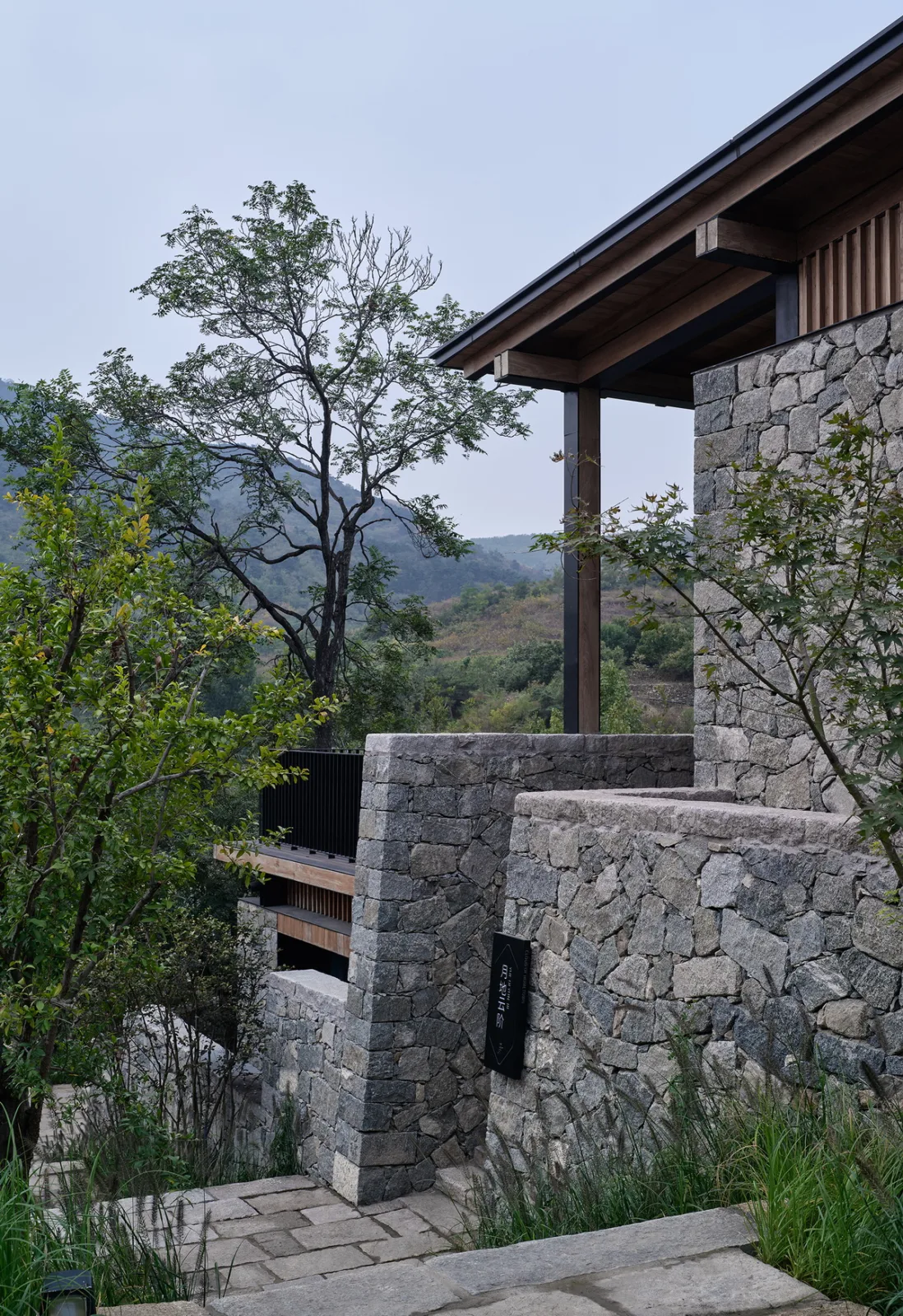
Courtyard No. 11 © Octopus sees architecture
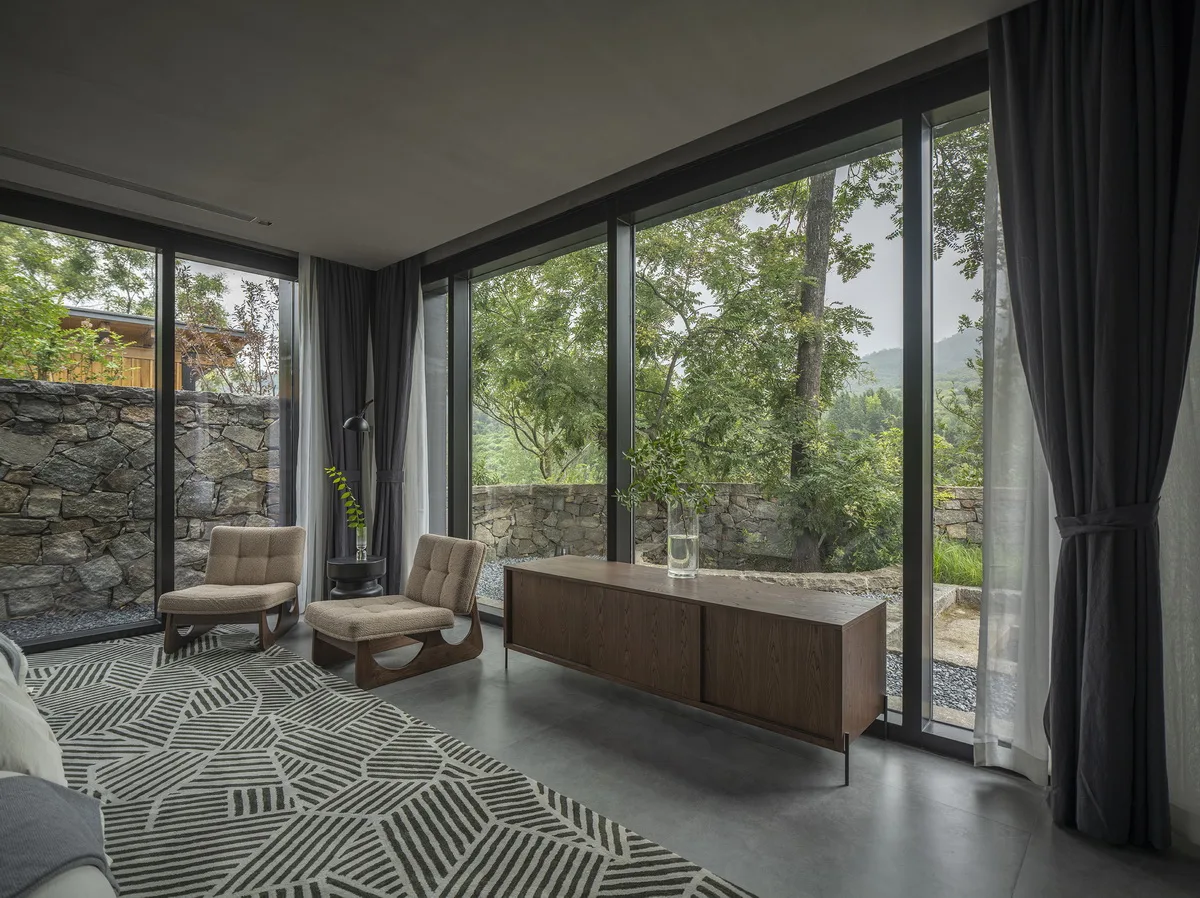
△ Internal space of Courtyard No. 11 © Pan Jie
The twelfth courtyard, located at the westernmost site edge, is the most independent and high-end guest room within the homestay. Existing buildings were old and dilapidated.
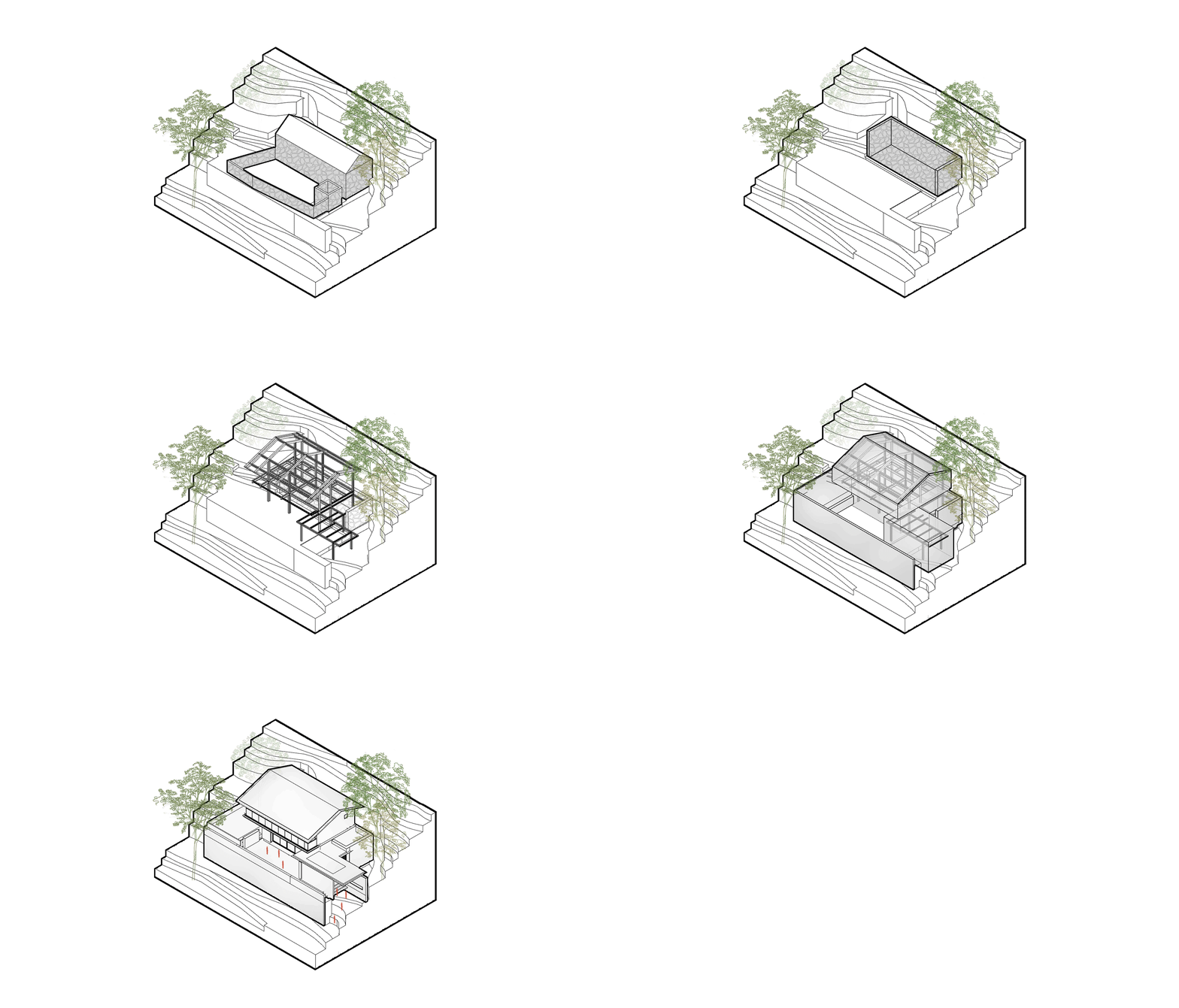
Generation map of Courtyard No. 12 © gad · line+ studio
The new building preserves old rubble walls and integrates a two-story steel structure with a double-sloped roof. The roof uses flat cement tiles to simplify construction, combining modern materials and techniques.
Metal closures at the junctions of tiles and eaves refine the design and reduce accessory use, lowering costs.
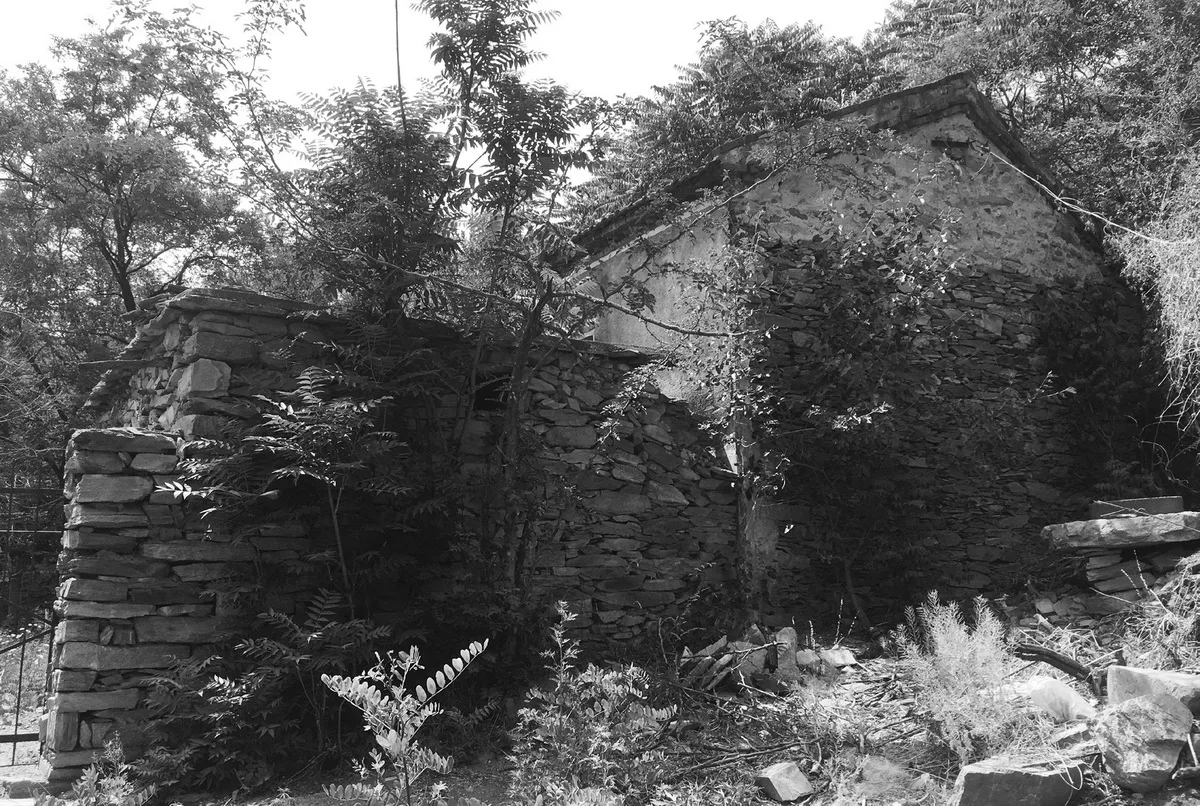
Before renovation of Courtyard No. 12 © gad · line+ studio
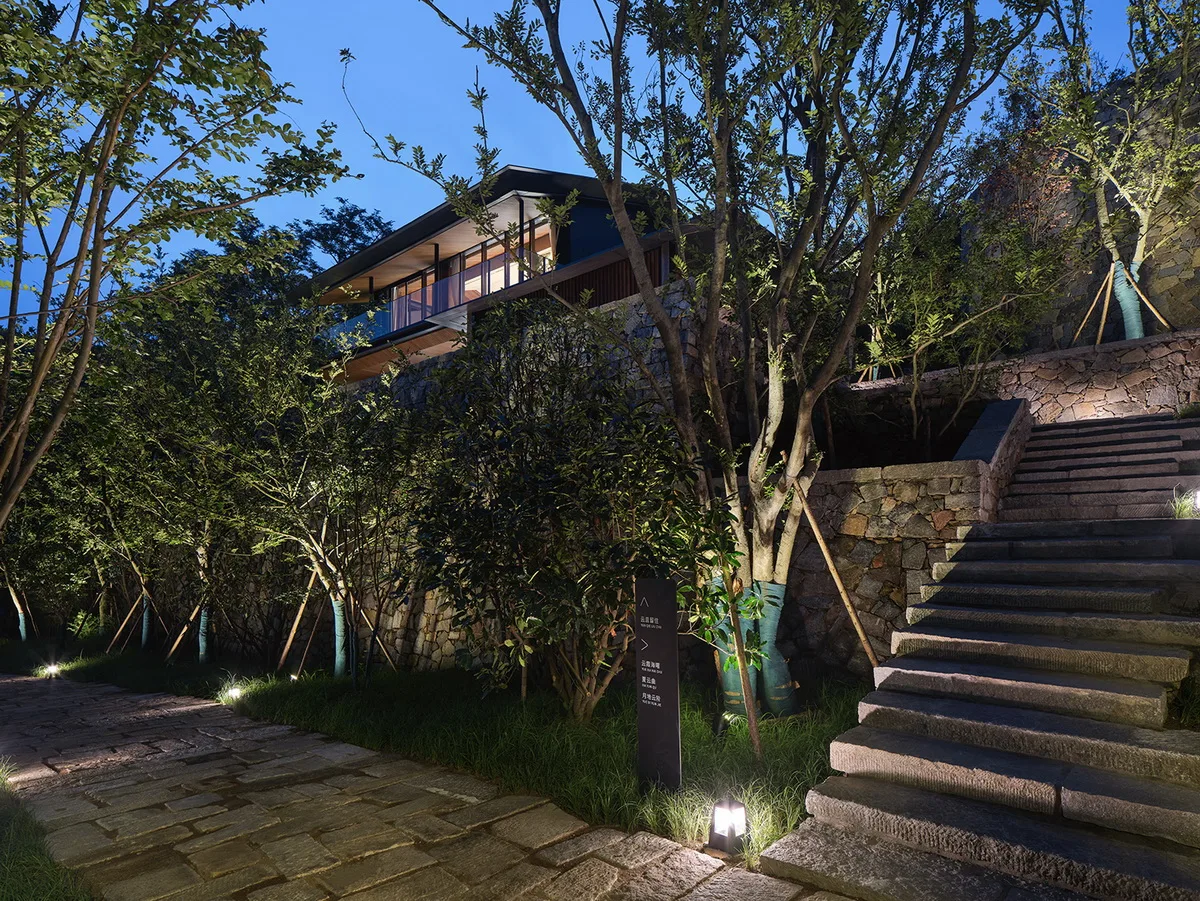
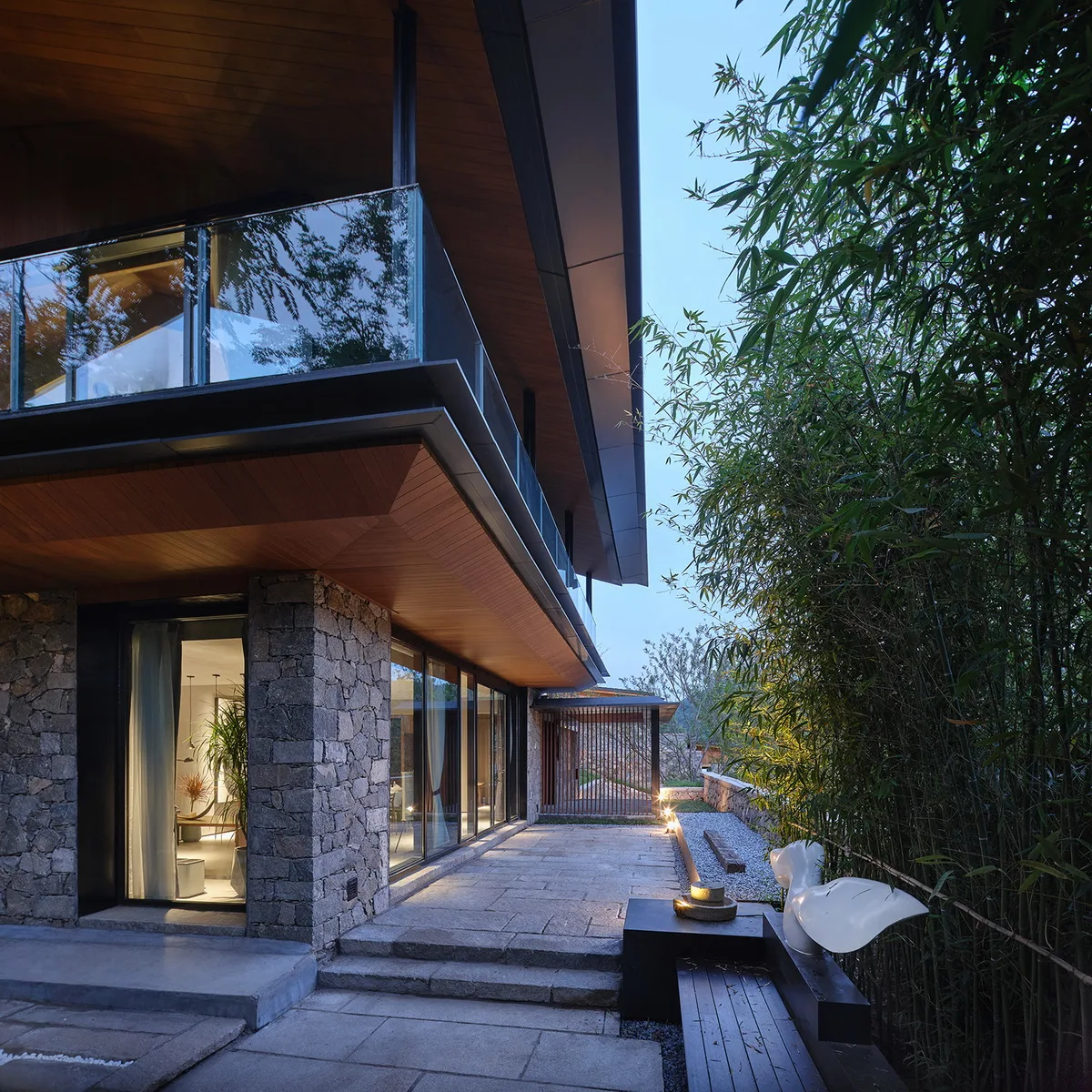
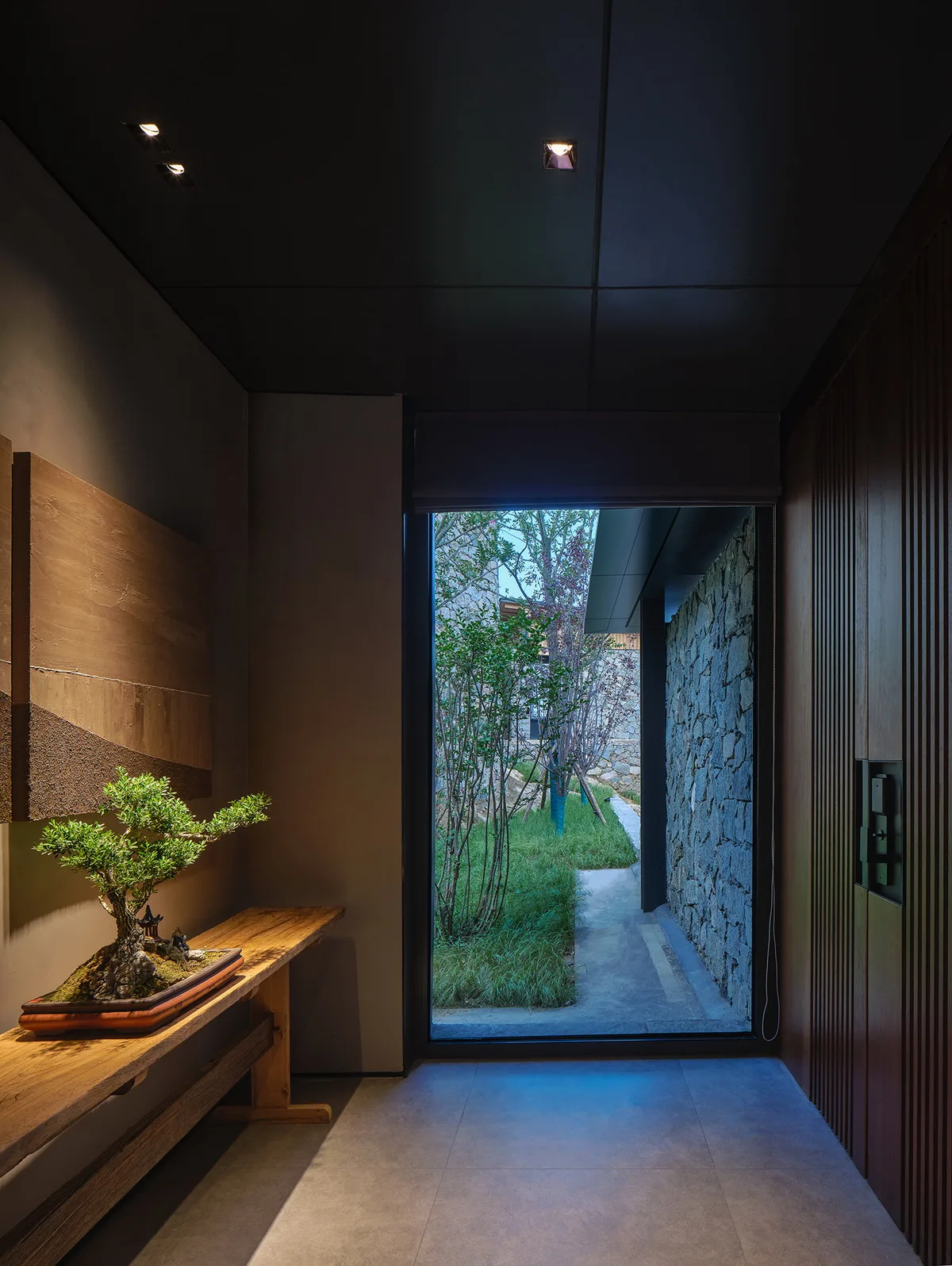
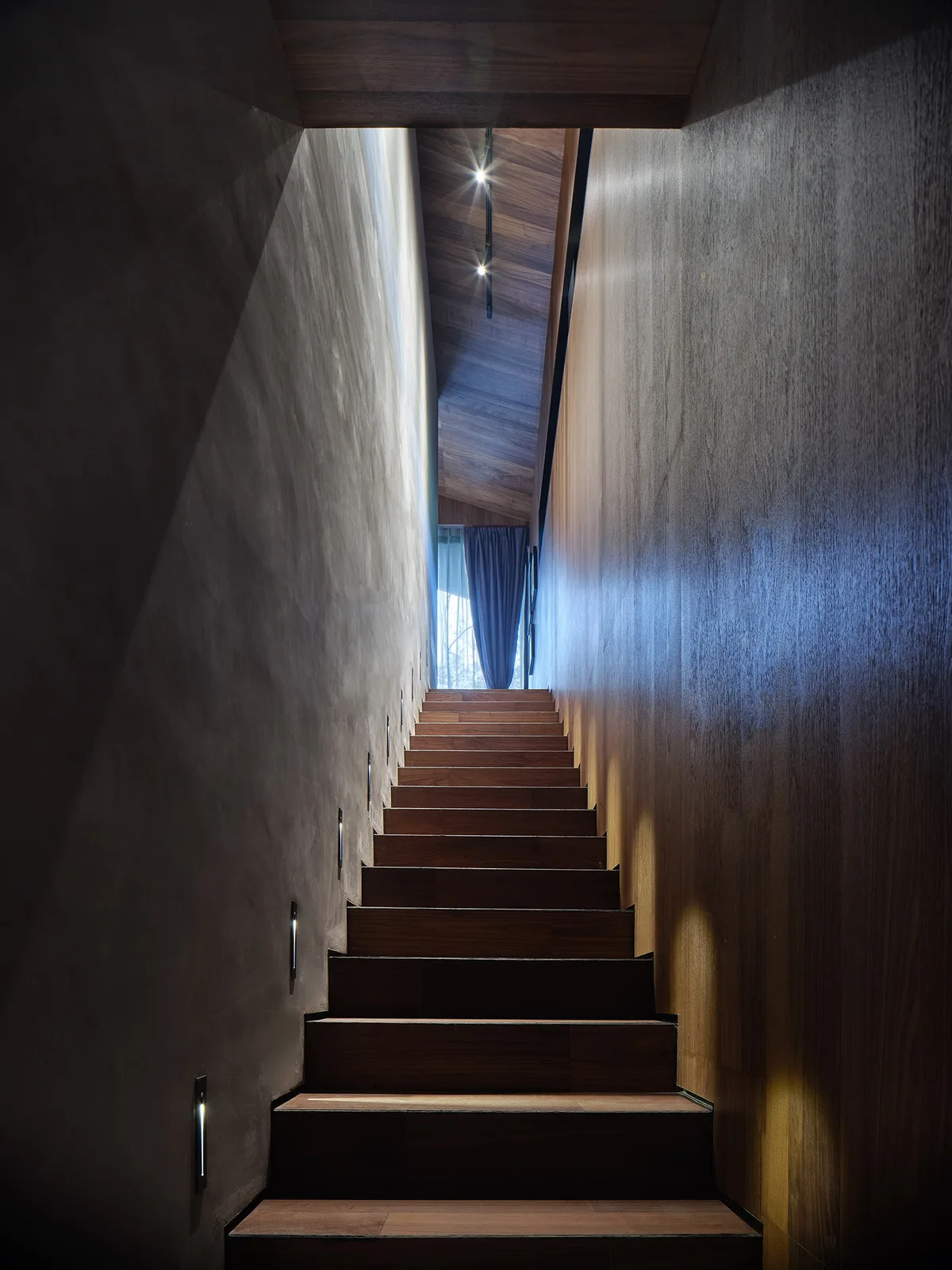
Courtyard No. 12 © Octopus sees architecture
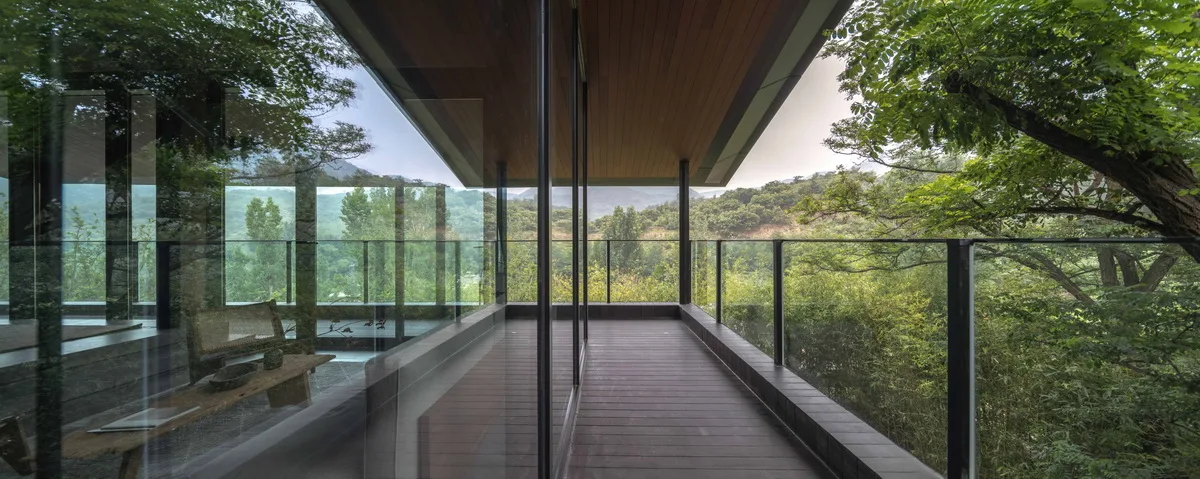
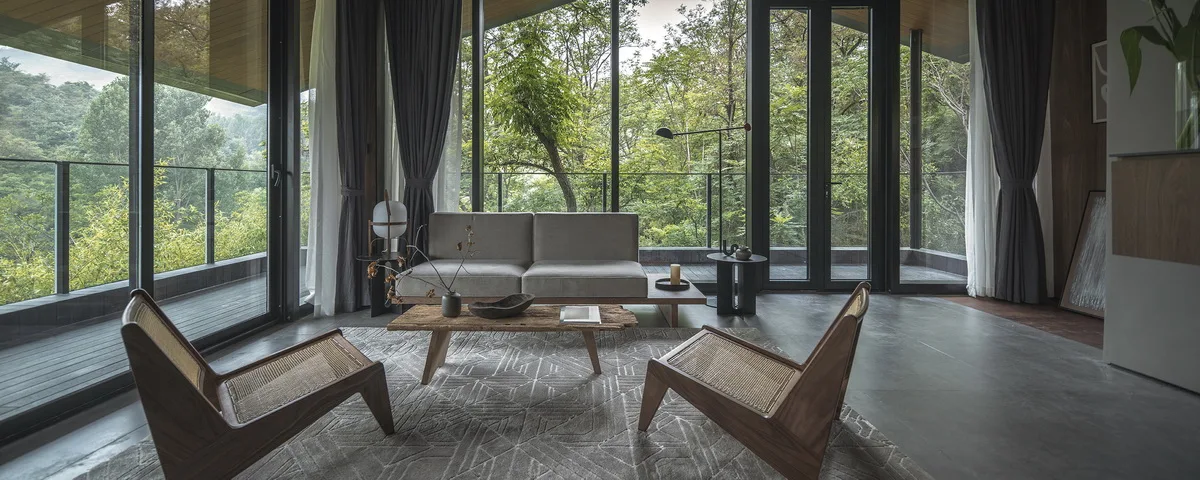
© Pan Jie
The building’s simple glass façade contrasts with the rough stone walls. Aluminum profiles trim eaves and floors, while warm bamboo and wood panels under the eaves create a modern rural aesthetic—simple yet refined.
Unlike other courtyards anchored to the earth by stone textures, the twelfth courtyard features a large L-shaped gray space on the second floor, suspended lightly among original trees, inviting visitors to engage directly with nature.
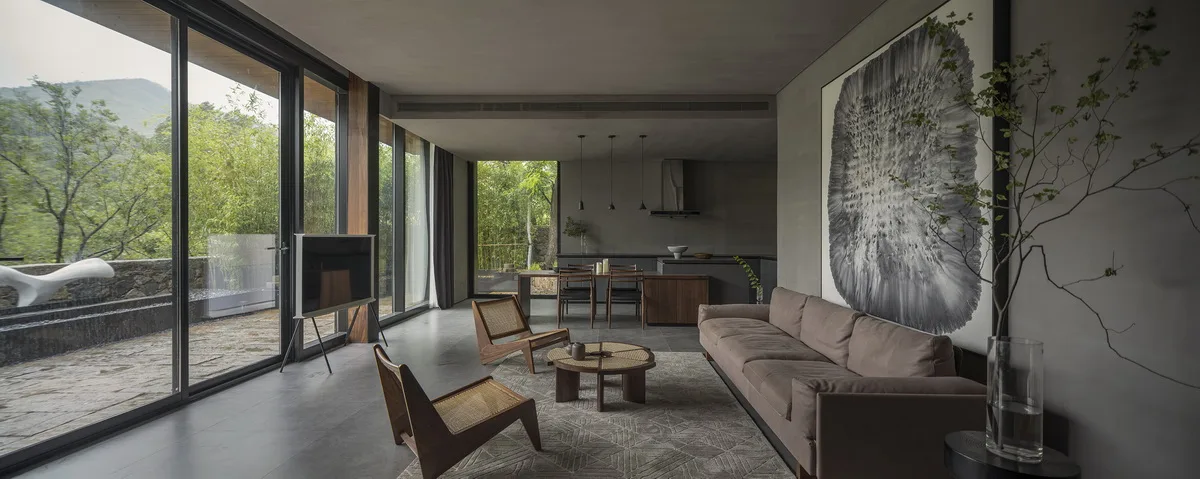
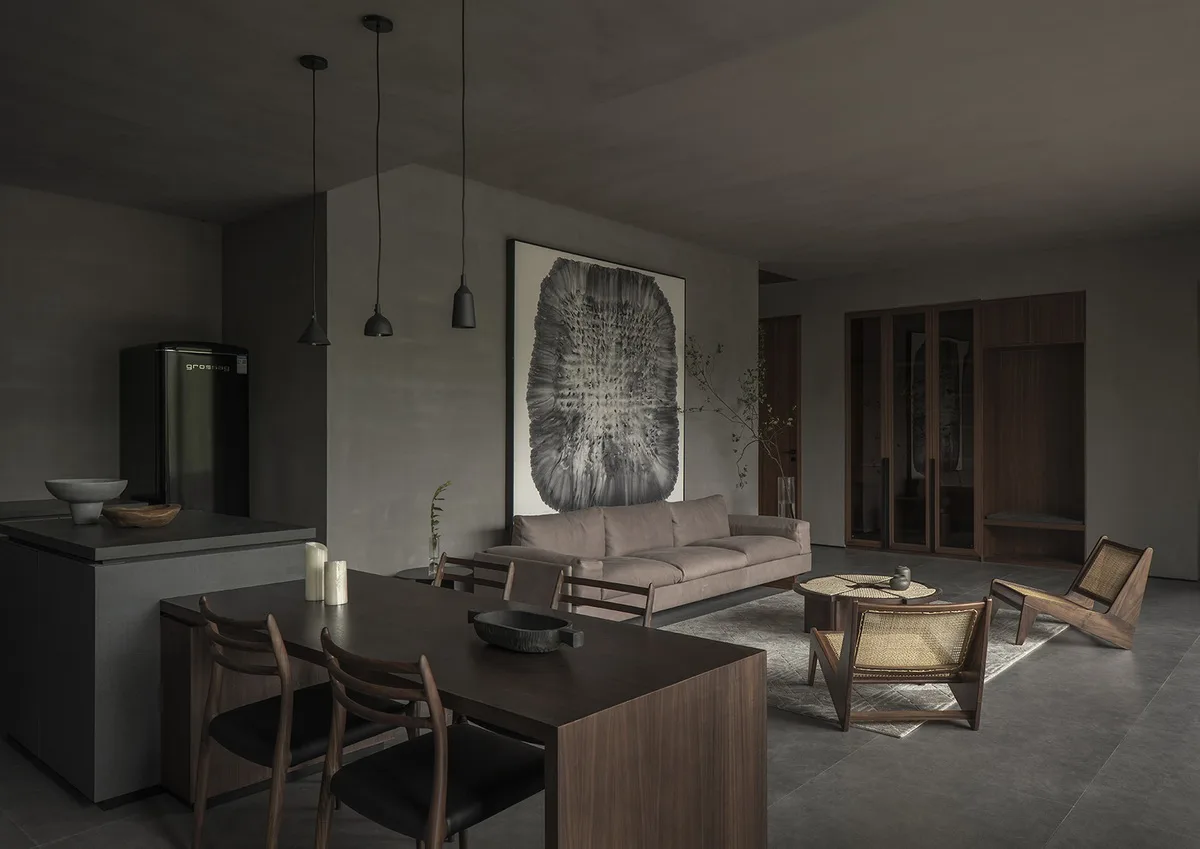
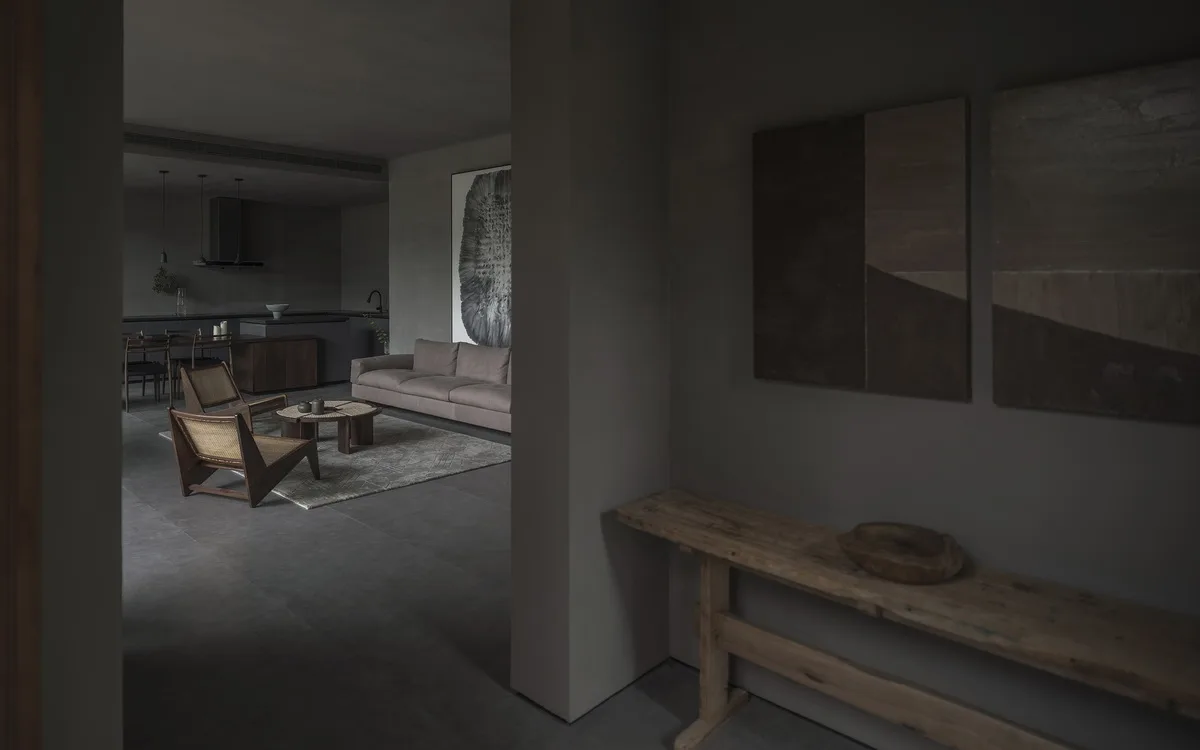
△ Internal space of Courtyard No. 12 © Pan Jie
06 Unified System and Construction Details
Lin Huiyin noted in the Journal of China Architecture Society (Vol. 3, Issue 1) that Chinese architecture shares principles with modern methods; only building materials need to evolve, with structural components remaining consistent. New developments arise from material possibilities, producing highly satisfactory new buildings.
Inspired by traditional dwellings and settlements, we began design thinking from basic materials and construction.
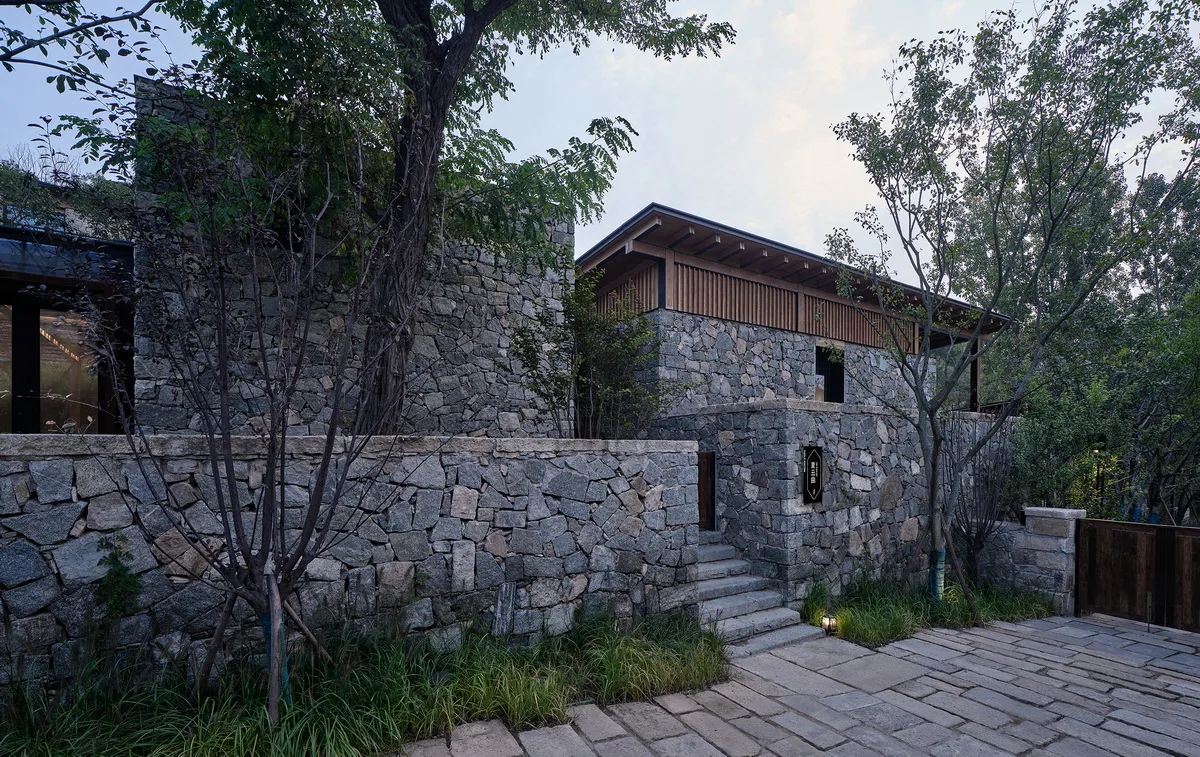
© Octopus sees architecture
At the plan level, the architectural framework prioritizes space enclosed by rubble walls, adjusted to a 0.3-meter modular layout. Vertically, each building frame has a crossbeam at 2.7 meters height, defining door and window upper edges and rubble wall height.
The single-slope roof’s main beam is cantilevered, with purlins overlapping at 0.6-meter spacing. Wooden boards, waterproofing, insulation, and other layers are installed above purlins. Clay tiles cover the roof, edged with aluminum panels to protect wooden boards and waterproofing.
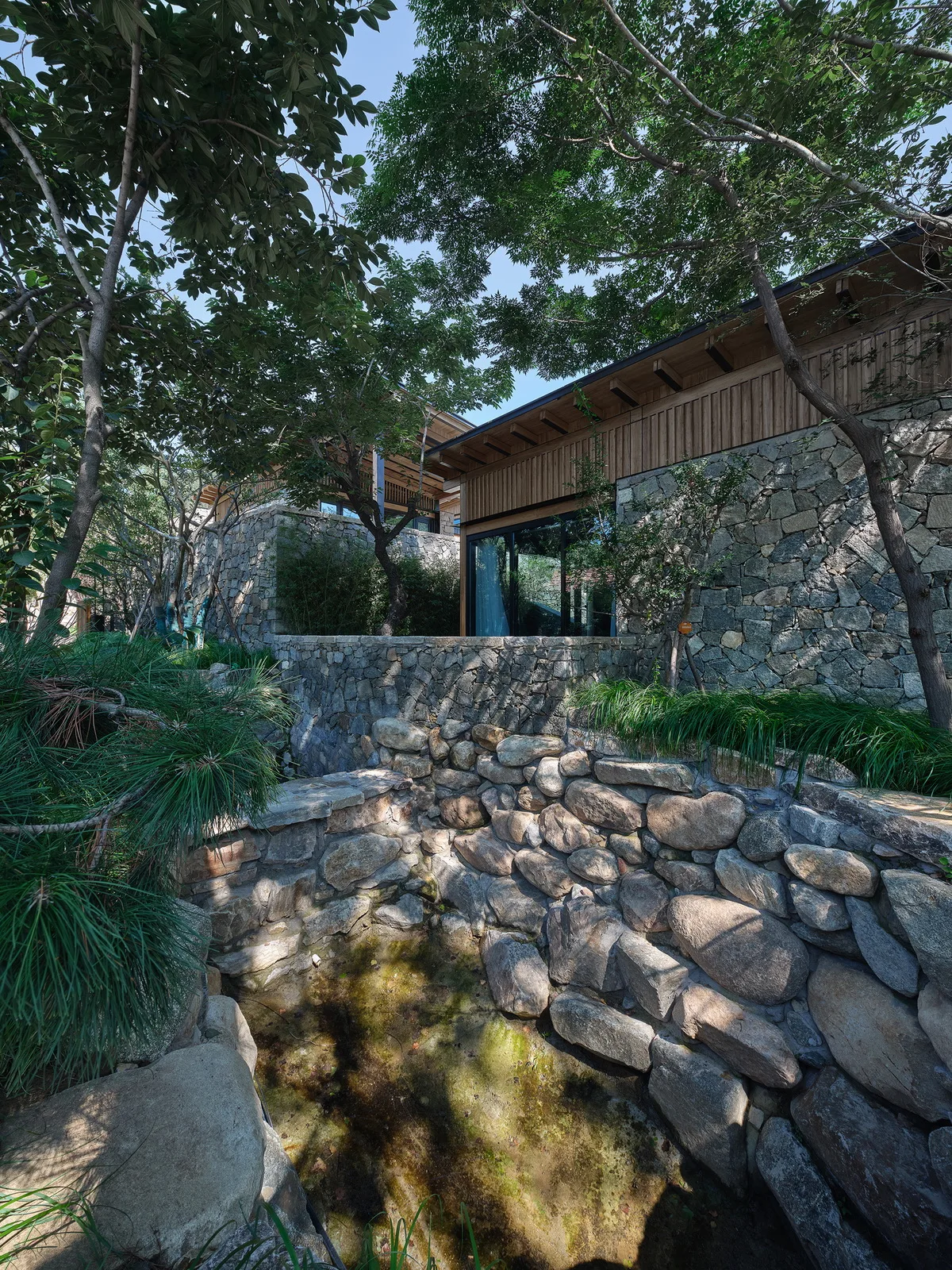
© Octopus sees architecture
There are three types of enclosure interfaces: rubble walls, glass doors/windows, and wooden veneers or grilles. Each has a distinct structural role.
Rubble walls wrap around the steel frames externally, trimmed with 10mm steel plates welded to frames to enhance waterproofing. Fillers between steel frames include block walls and glazed openings.
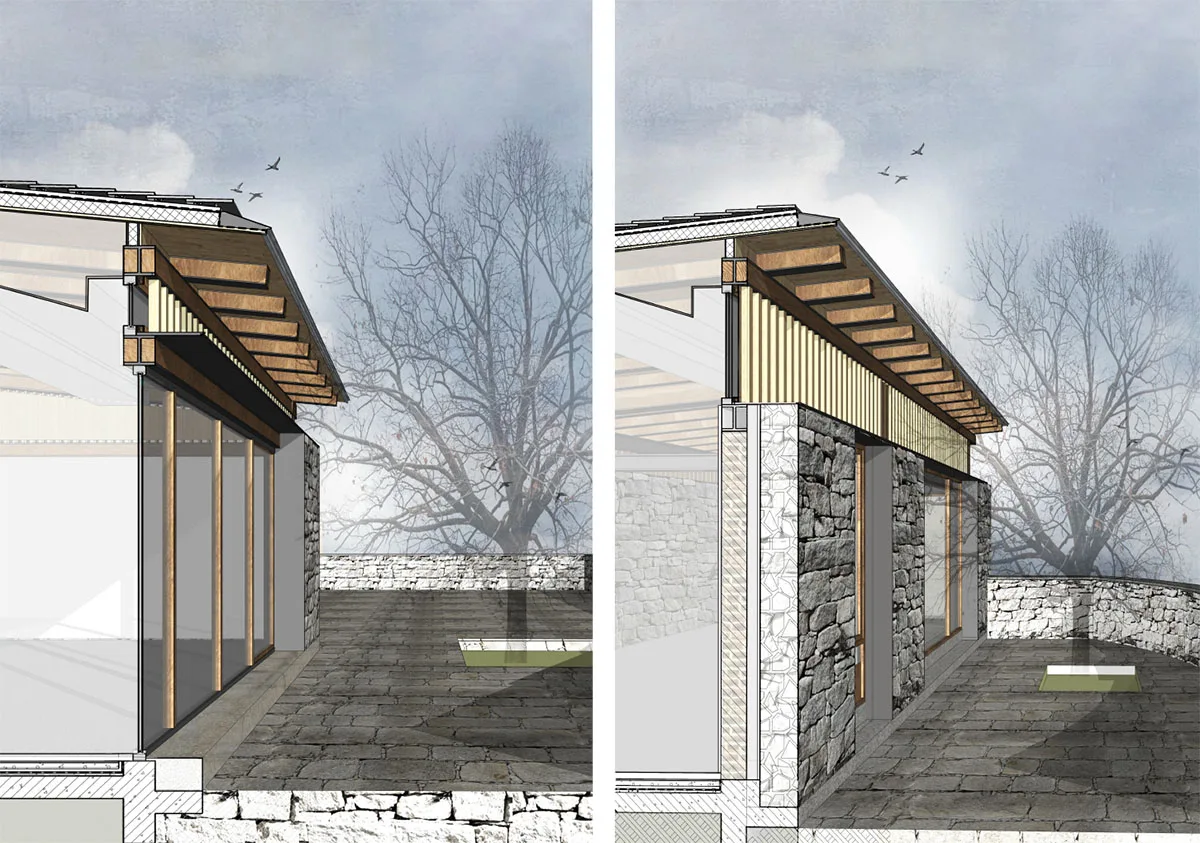
△ Standard wall sample © gad · line+ studio
Filling blocks occupy inner rubble wall sides or areas without natural light in taller frames. Wooden veneers and grilles appear above 2.7 meters near eaves, corresponding to internal solid walls and high windows, respectively.
Wood veneers and grilles share the same modular dimension, enhancing building cohesion. I-beam grooves embed wood, combining with veneers and grilles to create wood-dominated textures. The grooves also highlight wood’s decorative role.
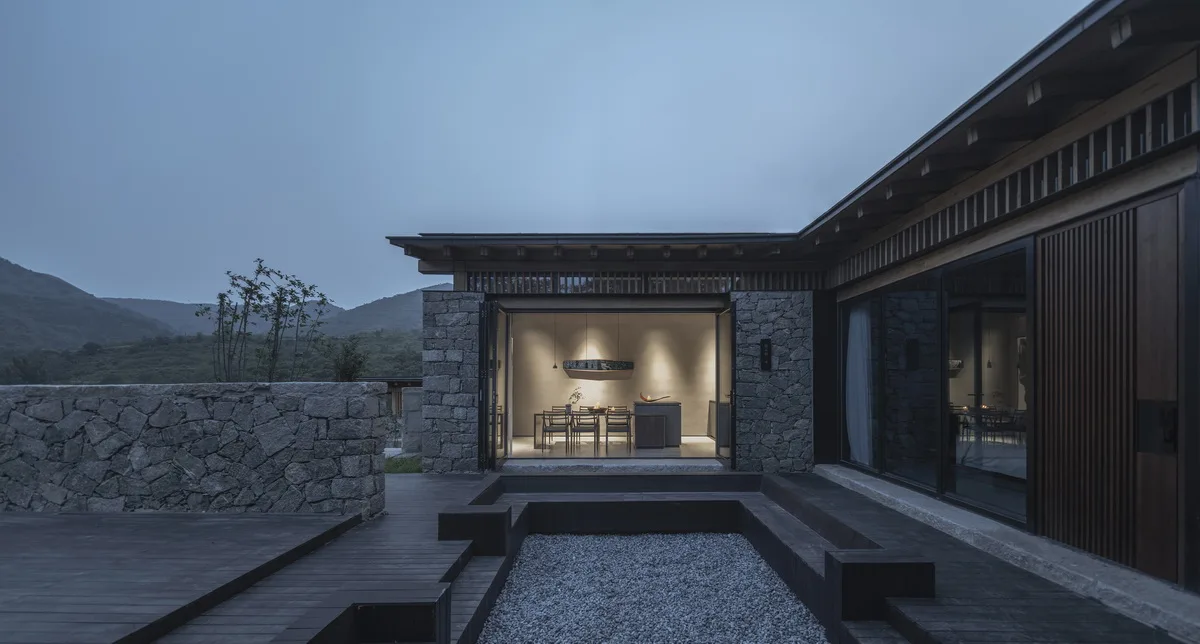
© Pan Jie
The steel frame, rubble wall-glass interfaces, combined with wooden veneers and grilles, generate rich contrasts: light and heavy, virtual and solid, closed and open. The building proudly exposes its structural framework, emphasizing structural beauty.
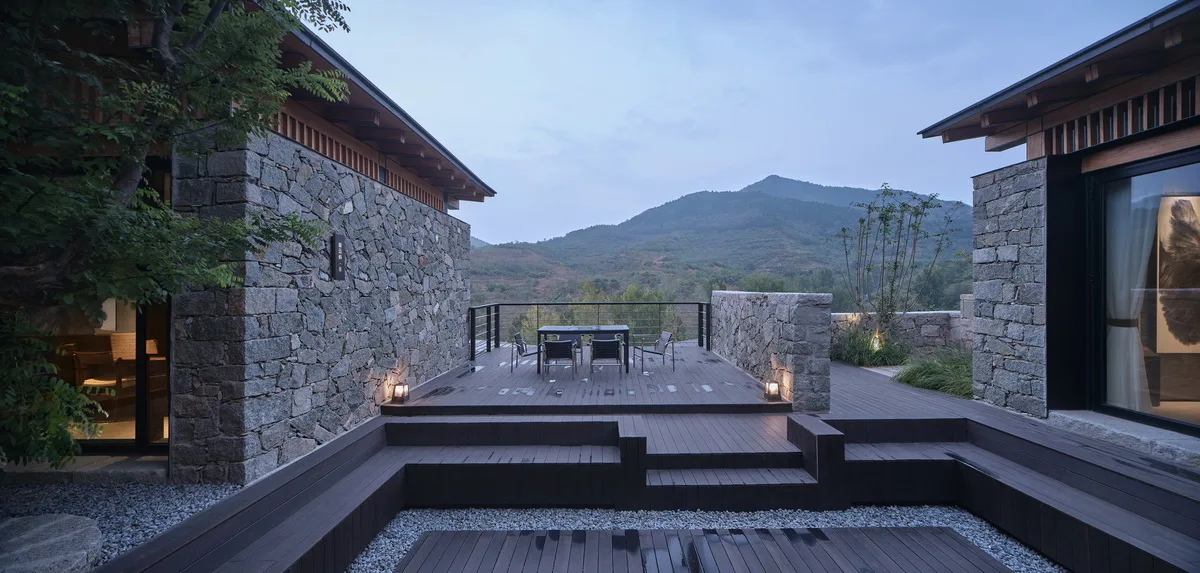
© Octopus sees architecture
The design merges simple industrial materials with flexible composition to form prototype frameworks that blend with original site elements like stone walls, combining units into cohesive sloping settlements. Preserving site traces and texture, inheriting residential architectural systems, and updating with modern industrial materials and systems are our core design strategies.
07 Conclusion
Dongximen Village, once a provincially designated poverty-stricken area, has achieved comprehensive poverty alleviation through homestay operations. The project features 25 guest rooms, a restaurant, and a study room, generating monthly revenues exceeding one million yuan and attracting continuous visitors.
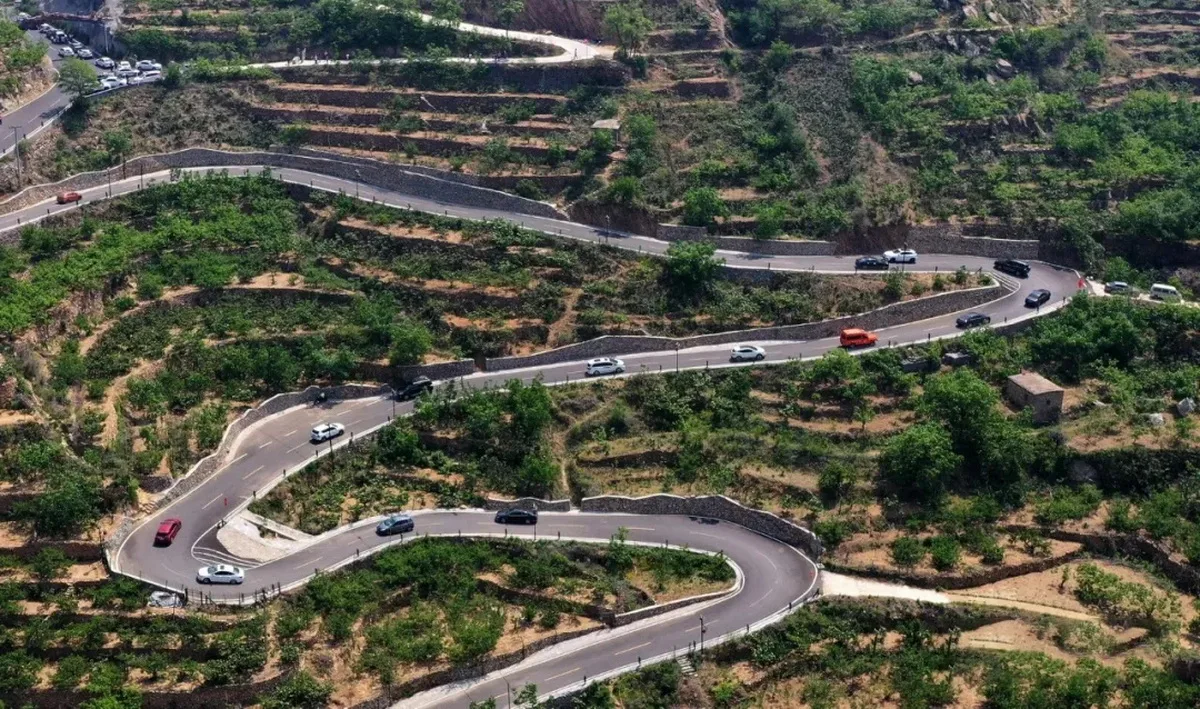
East and West Gate Village of Jiunvfeng during the 2020 May Day holiday © Pan Bing
The rural revitalization of Jiunvfeng has garnered extensive social attention, including coverage by CCTV News and the CCTV Tour of the Republic’s Development Achievements—Shandong chapter. The project was designated a provincial model for rural revitalization in Qilu and has become a new landmark for rural development in Shandong Province.
Leaders at national, provincial, and municipal levels have visited for inspections. Hundreds of visiting teams have shared Jiunvfeng’s rural revitalization experience nationwide, truly fulfilling the goal of offering “tourist food” at people’s doorsteps and enabling universal prosperity.
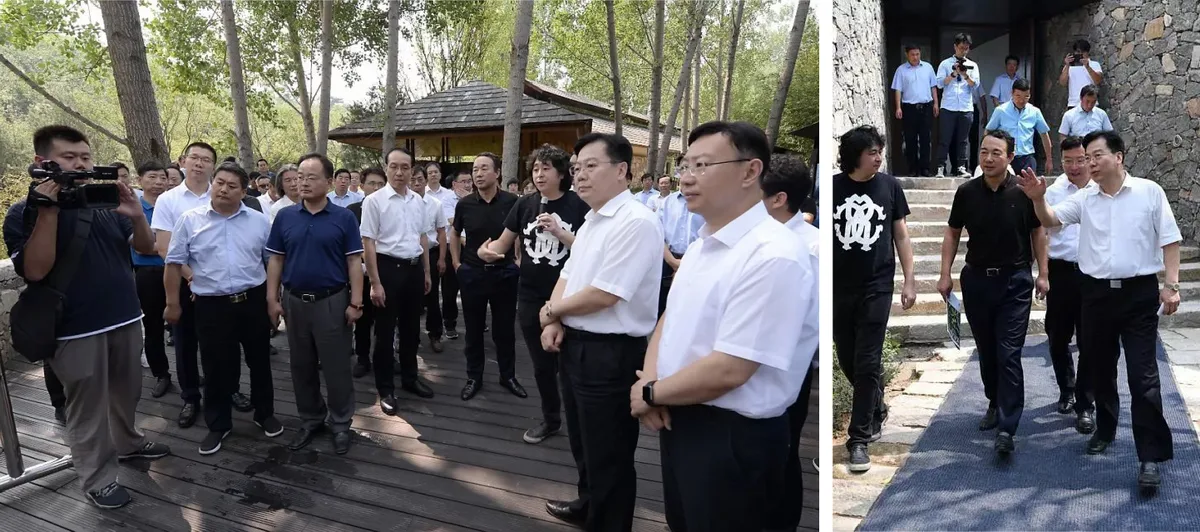
Leaders conducting inspections © Lushang Group
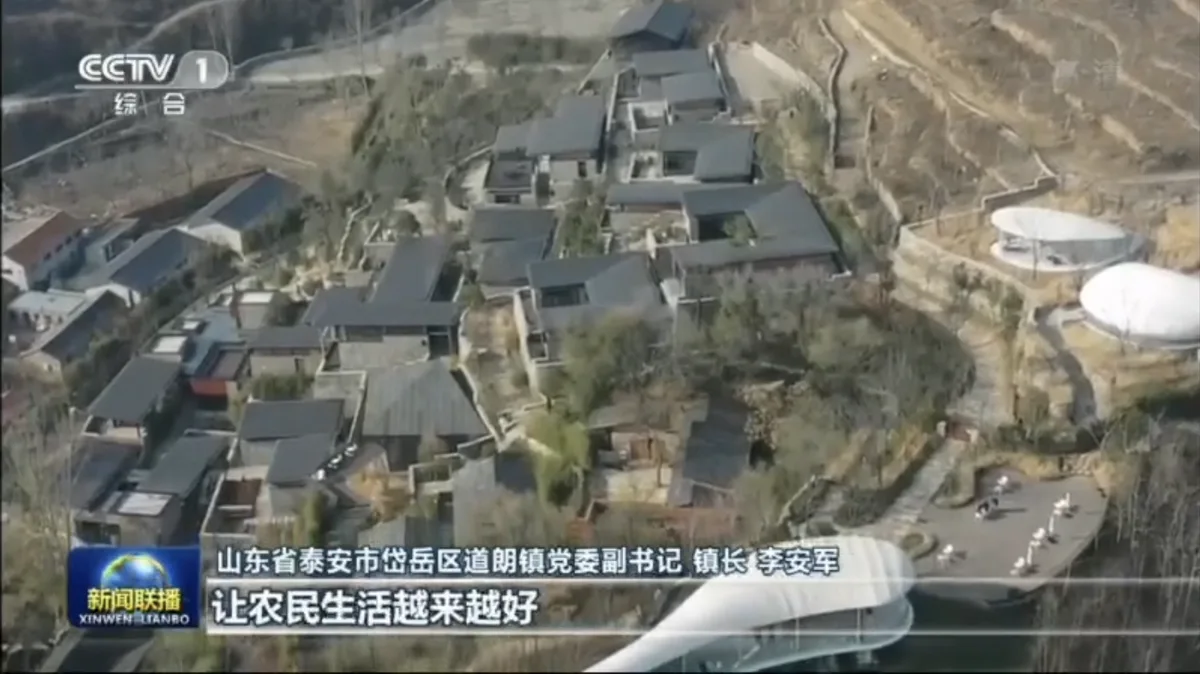
△ Dongximen Village featured on CCTV News © CCTV
In recent years, rural revitalization has seen significant urban resource influx. This project exemplifies cooperation between state-owned capital and local governments to drive overall development.
Rural revitalization demands support from multiple stakeholders, posing complex challenges for architects: governments seek replicable models; investors want balanced returns; villagers desire improved living standards and income; architecture aims to preserve cultural heritage and activate villages.
Architects act as mediators balancing these interests to achieve shared goals.
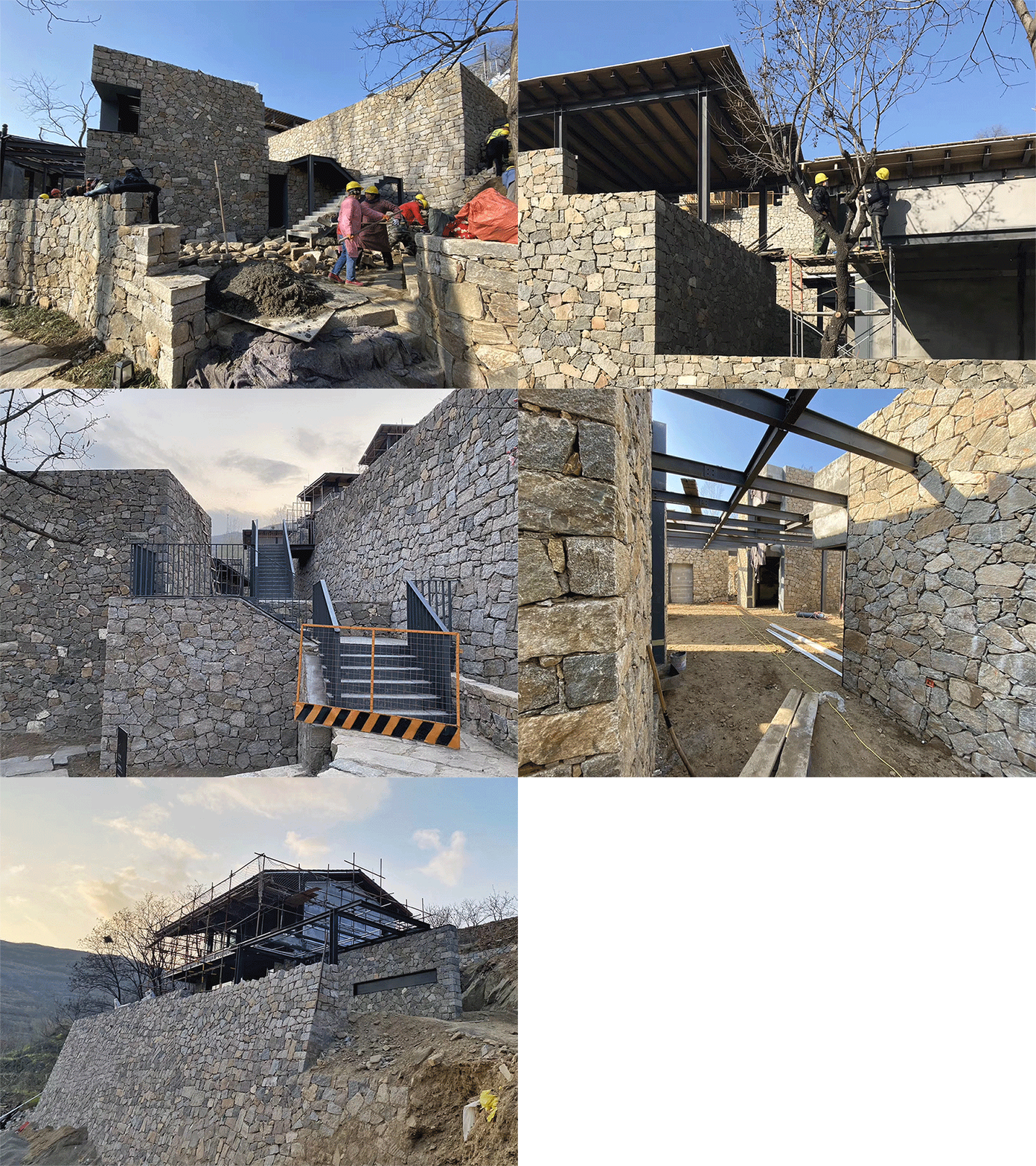
△ Construction process © gad · line+ studio
Technical Drawings
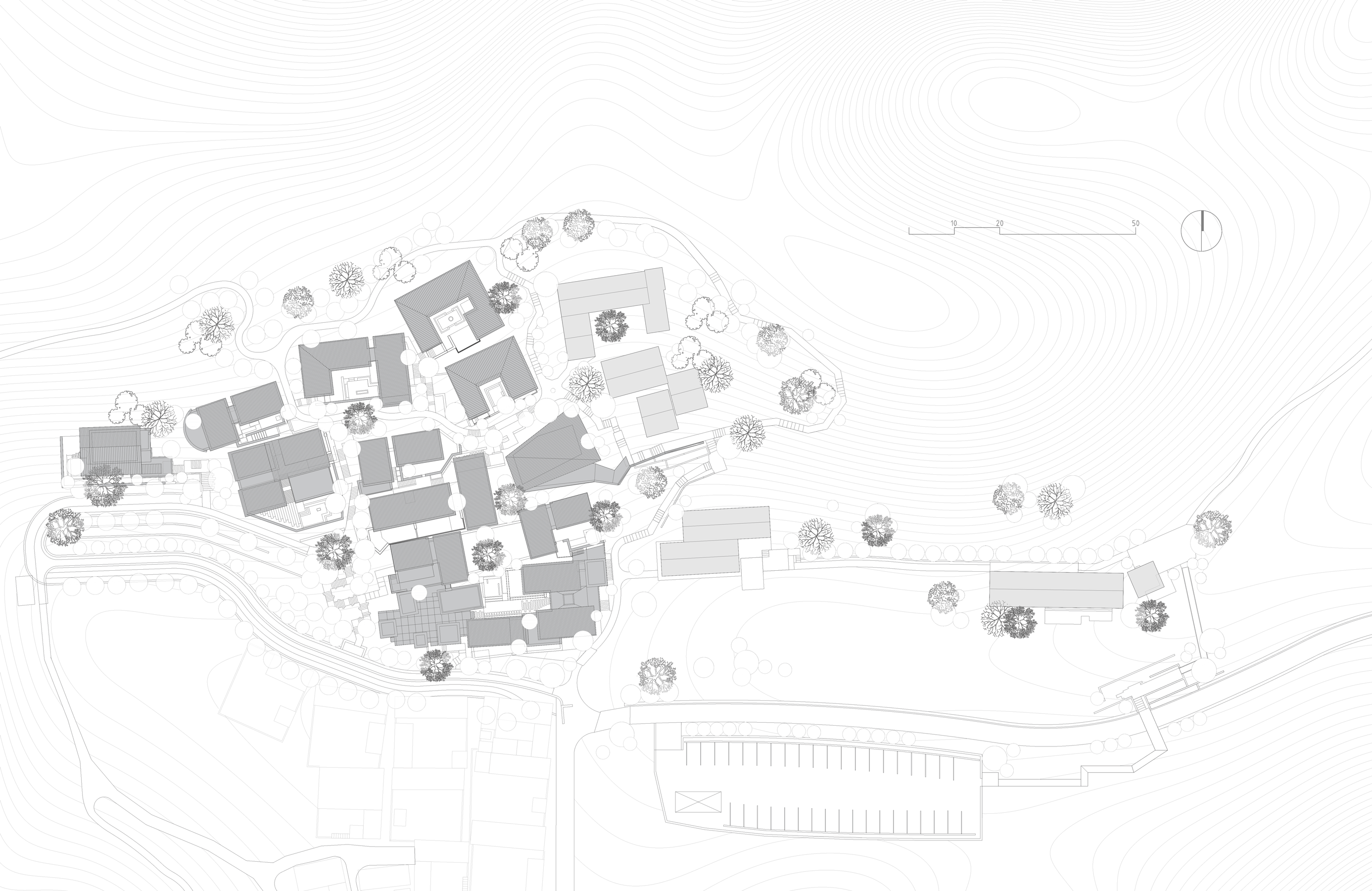
△ General layout plan
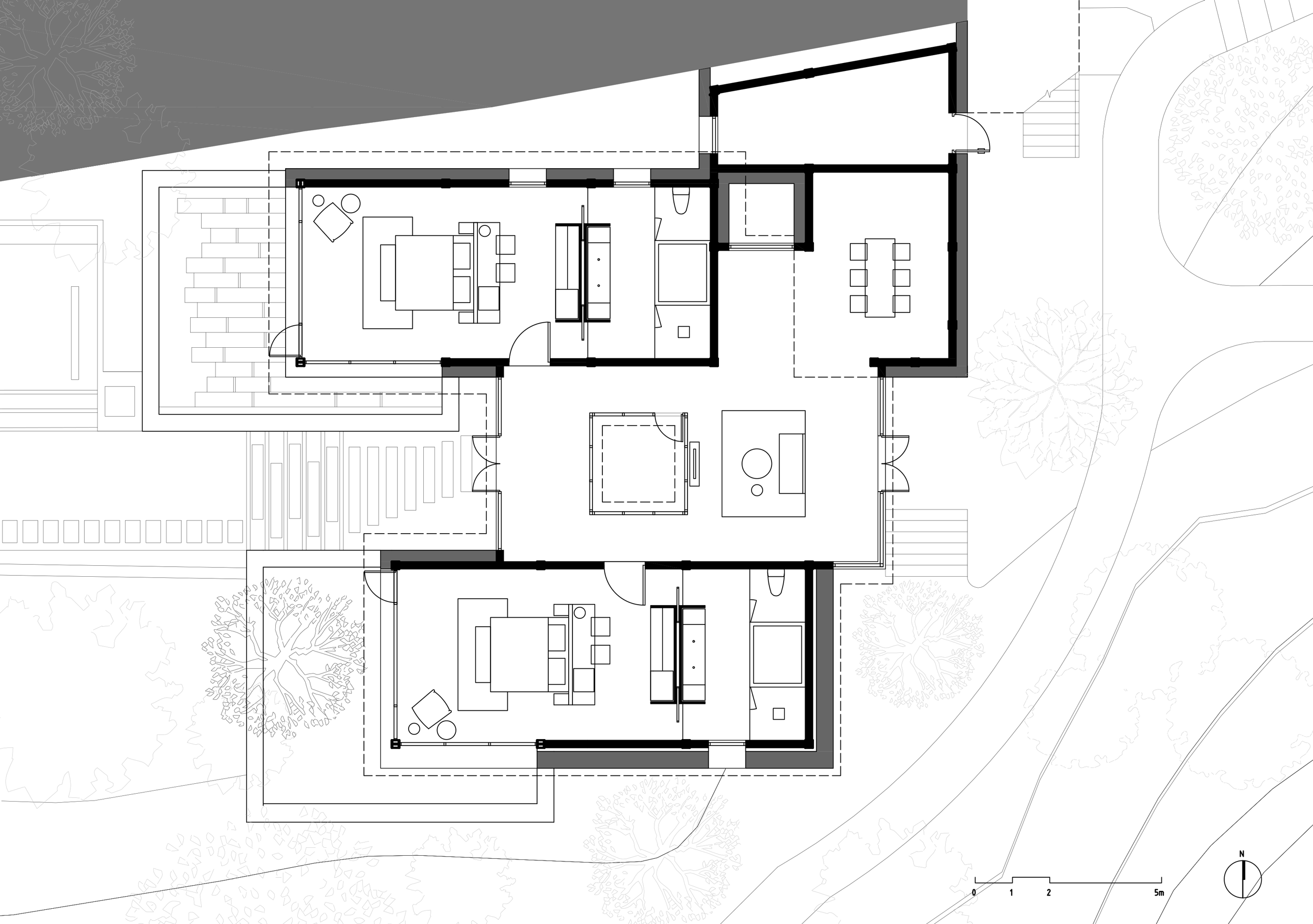
△ Plan of Courtyard No. 1
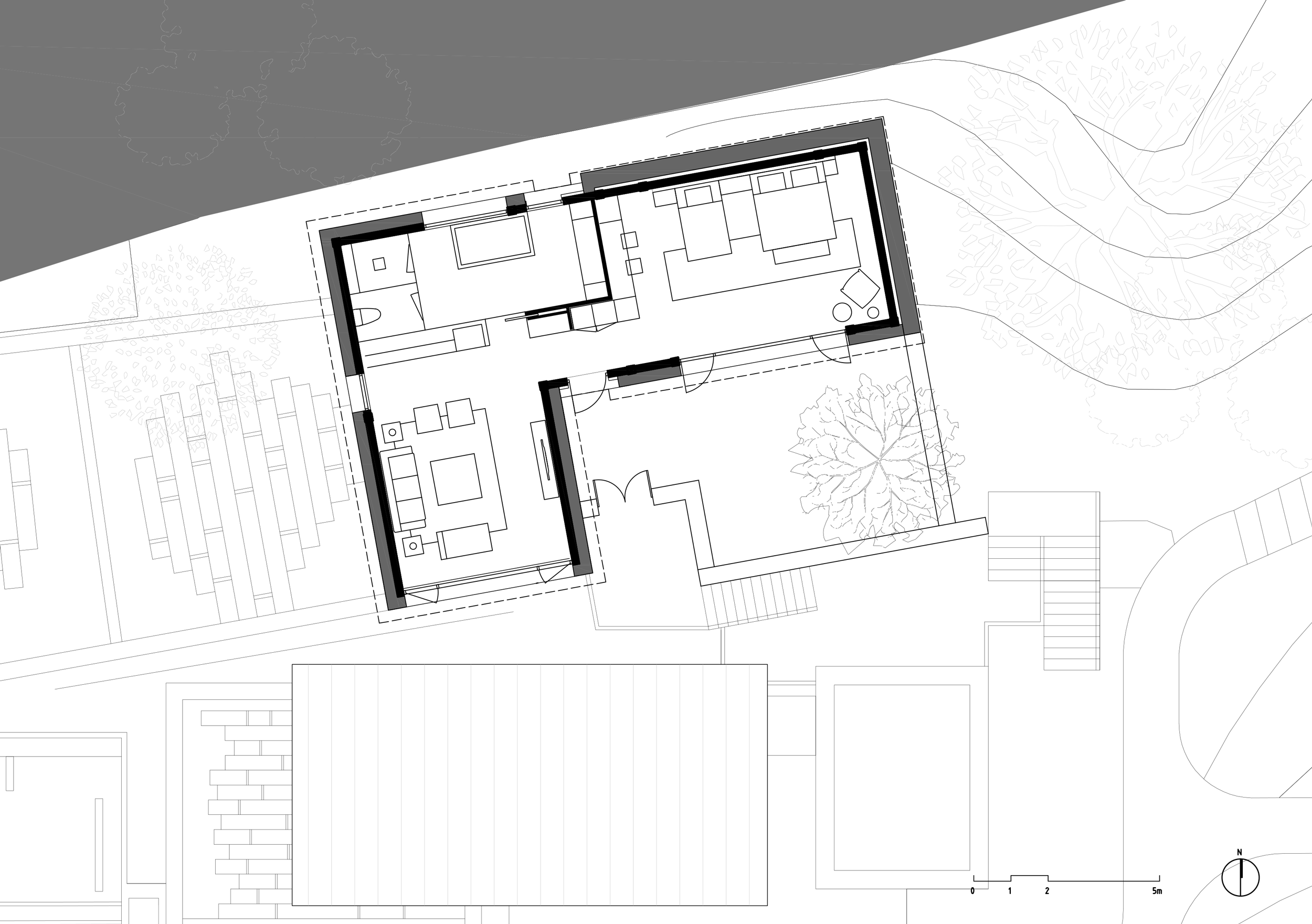
△ Plan of Courtyard No. 2
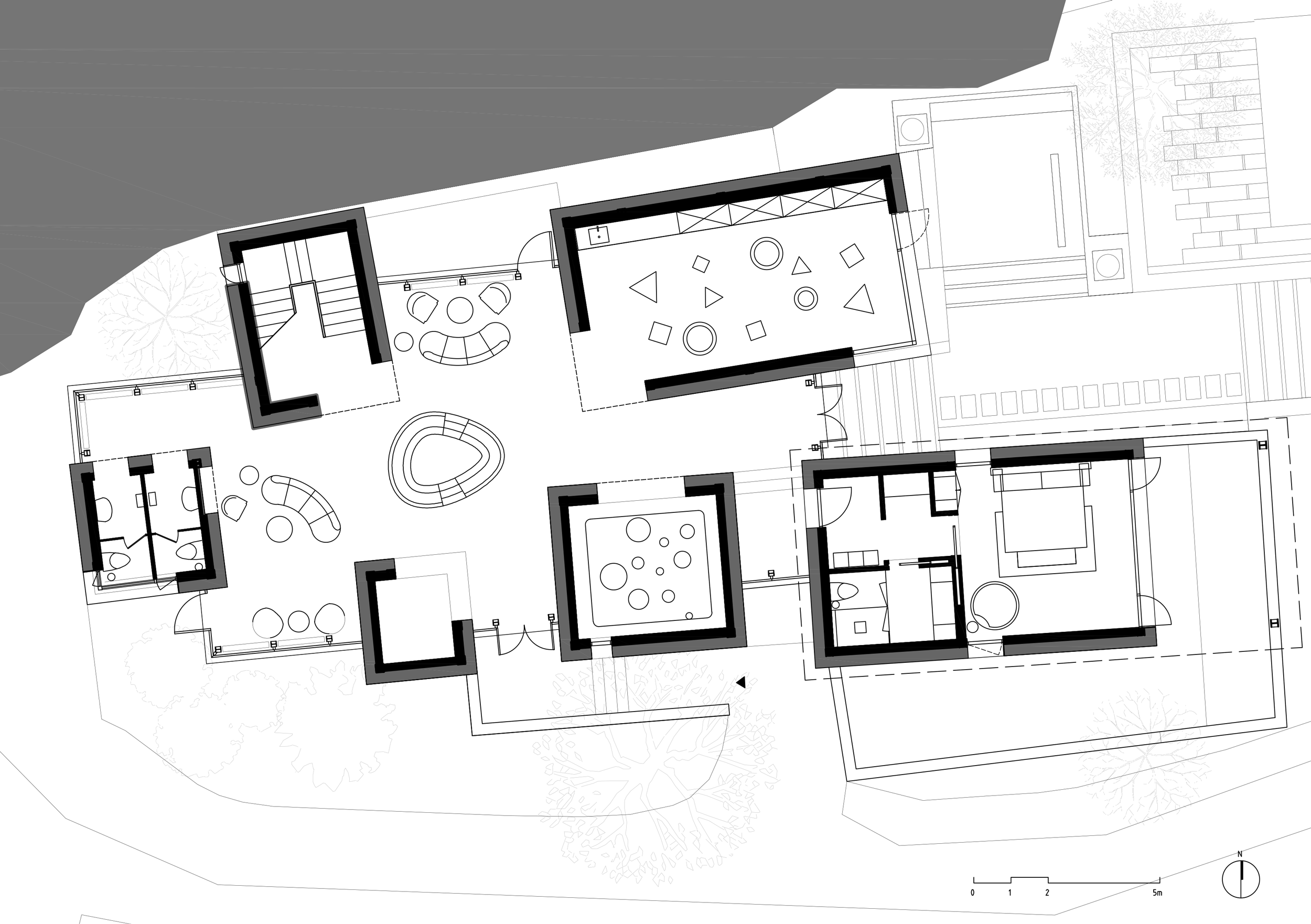
△ Plan of Courtyard No. 3
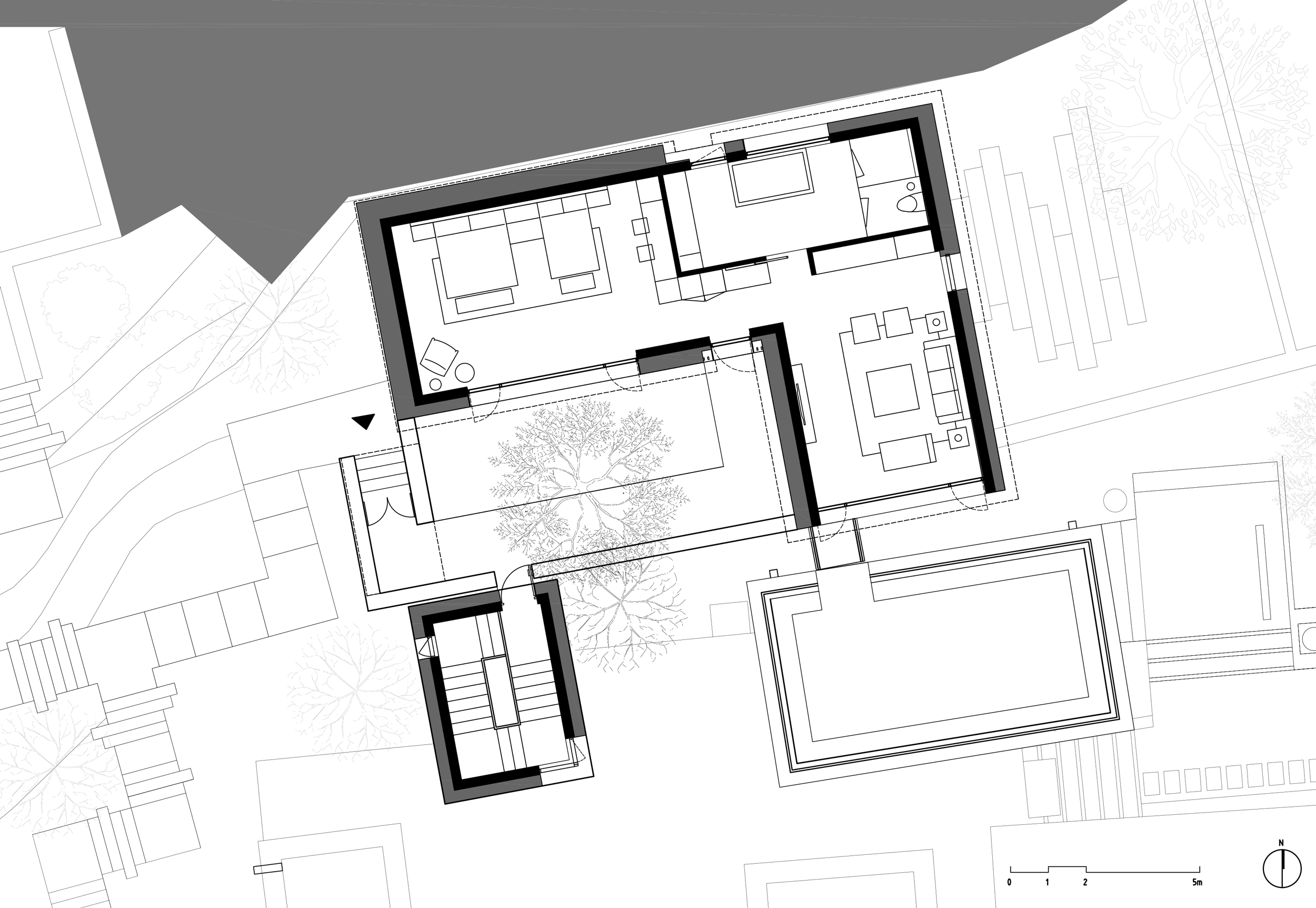
△ Plan of Courtyard No. 4
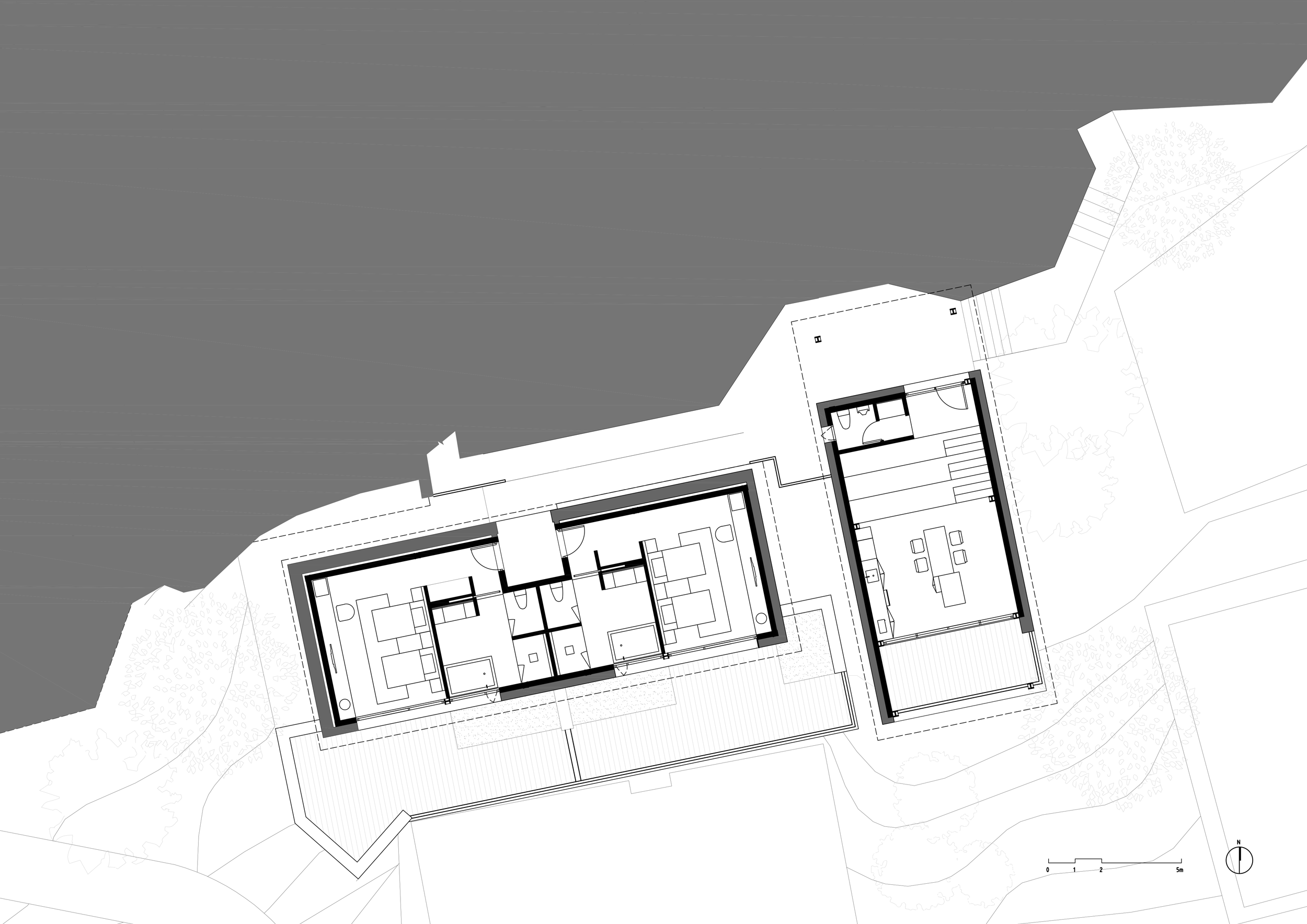
△ Plan of Courtyard No. 5 (elevation 290.500)
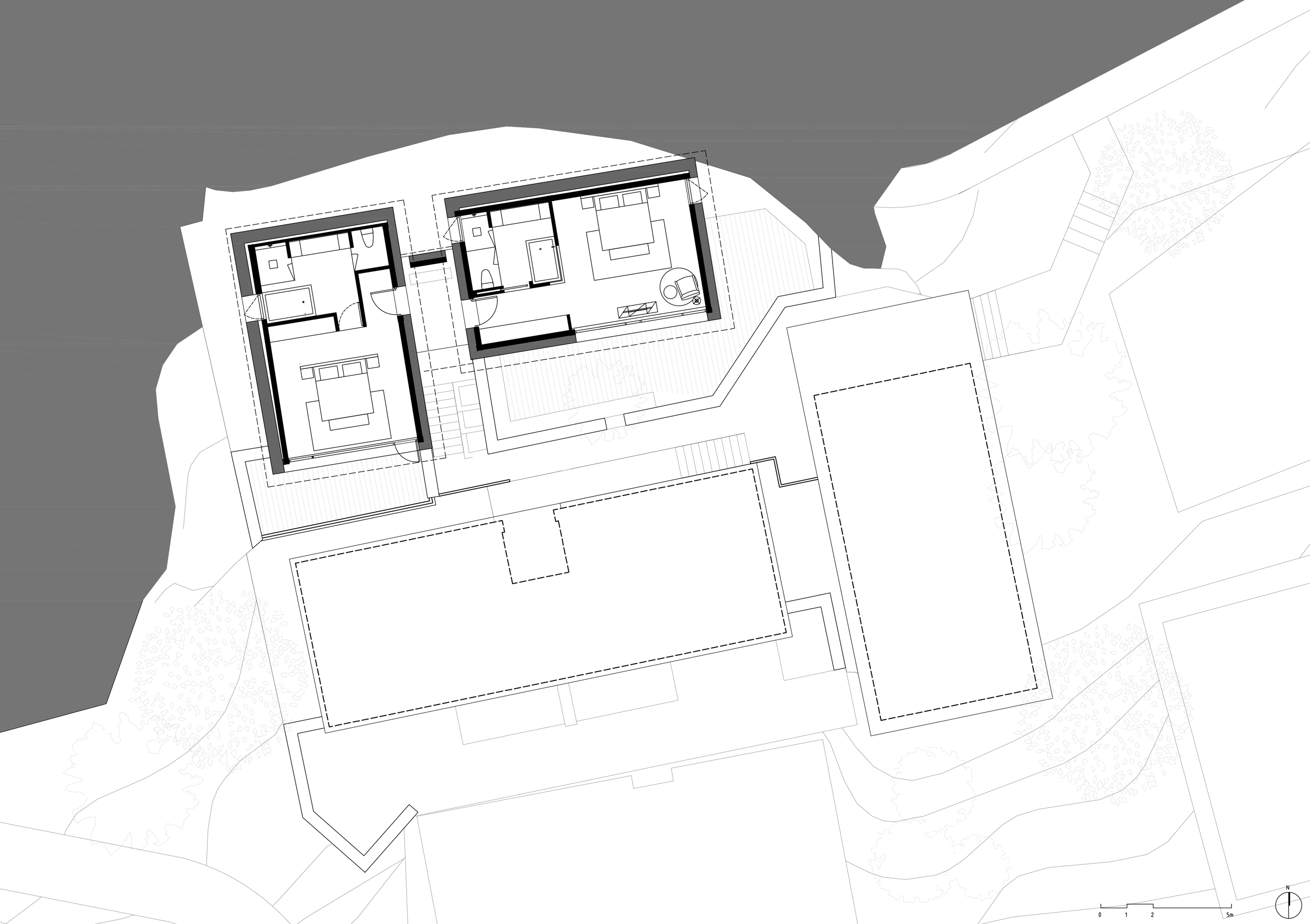
△ Plan of Courtyard No. 5 (elevation 293.600)
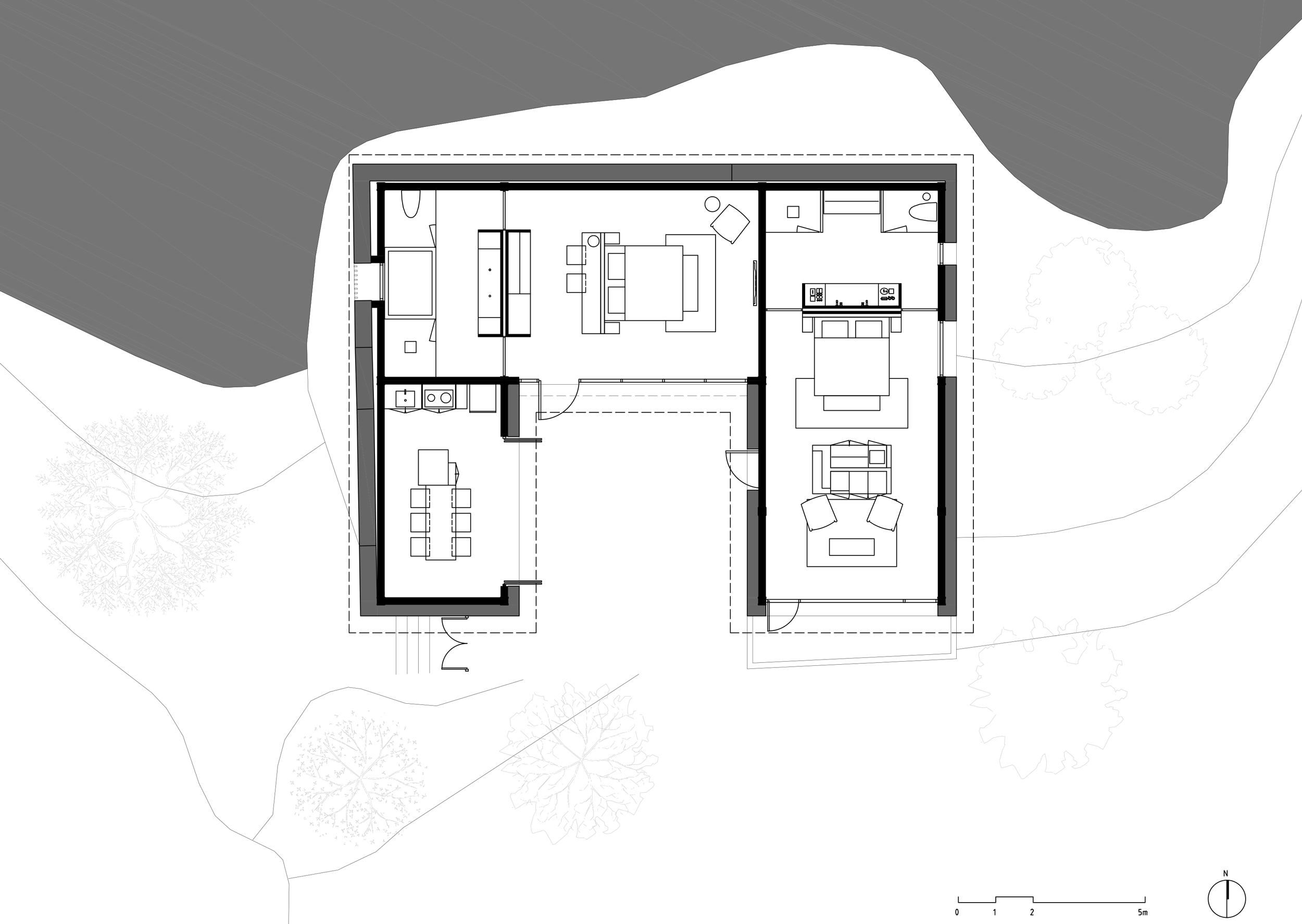
△ Plan of Courtyard No. 7
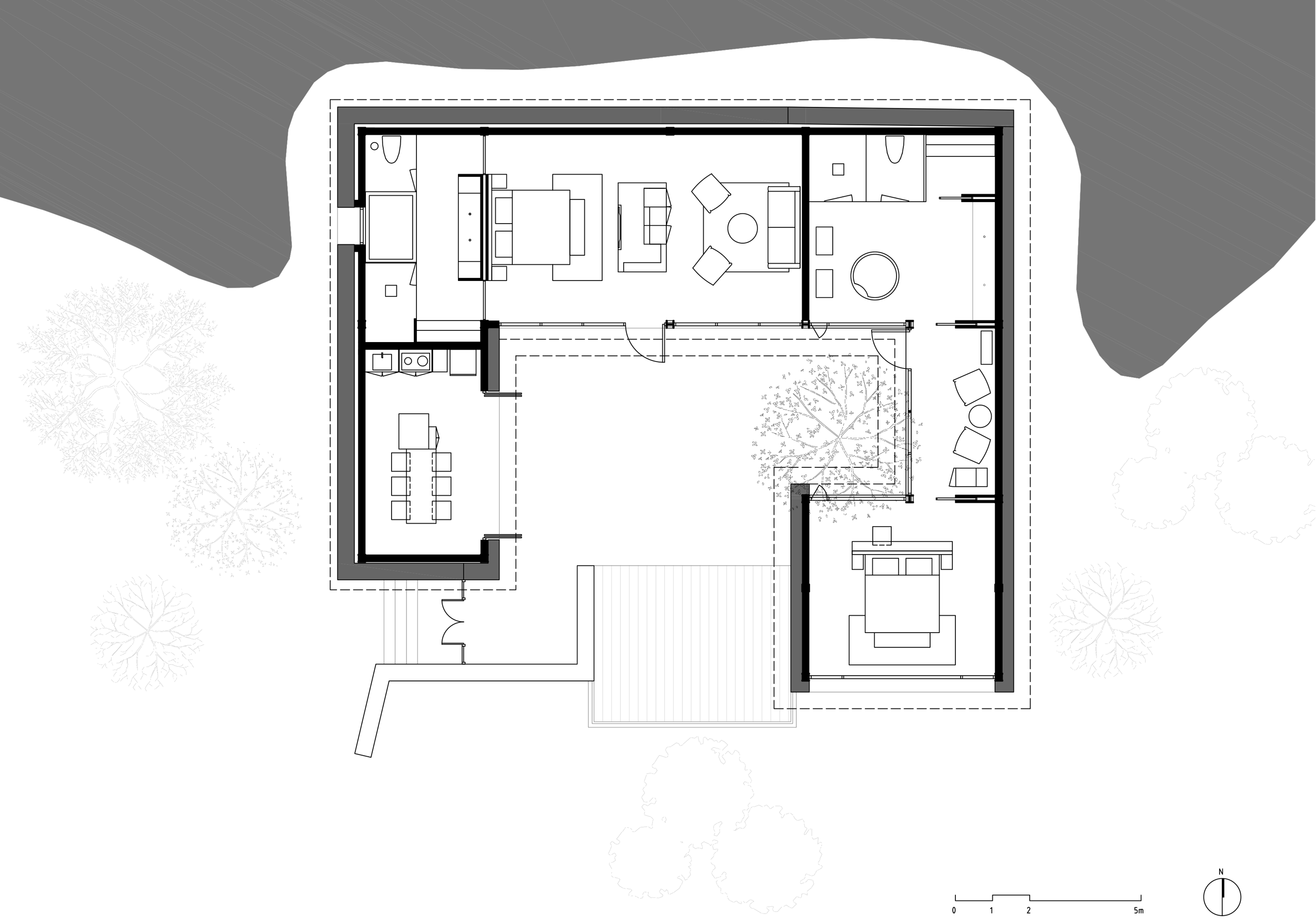
△ Plan of Courtyard No. 8
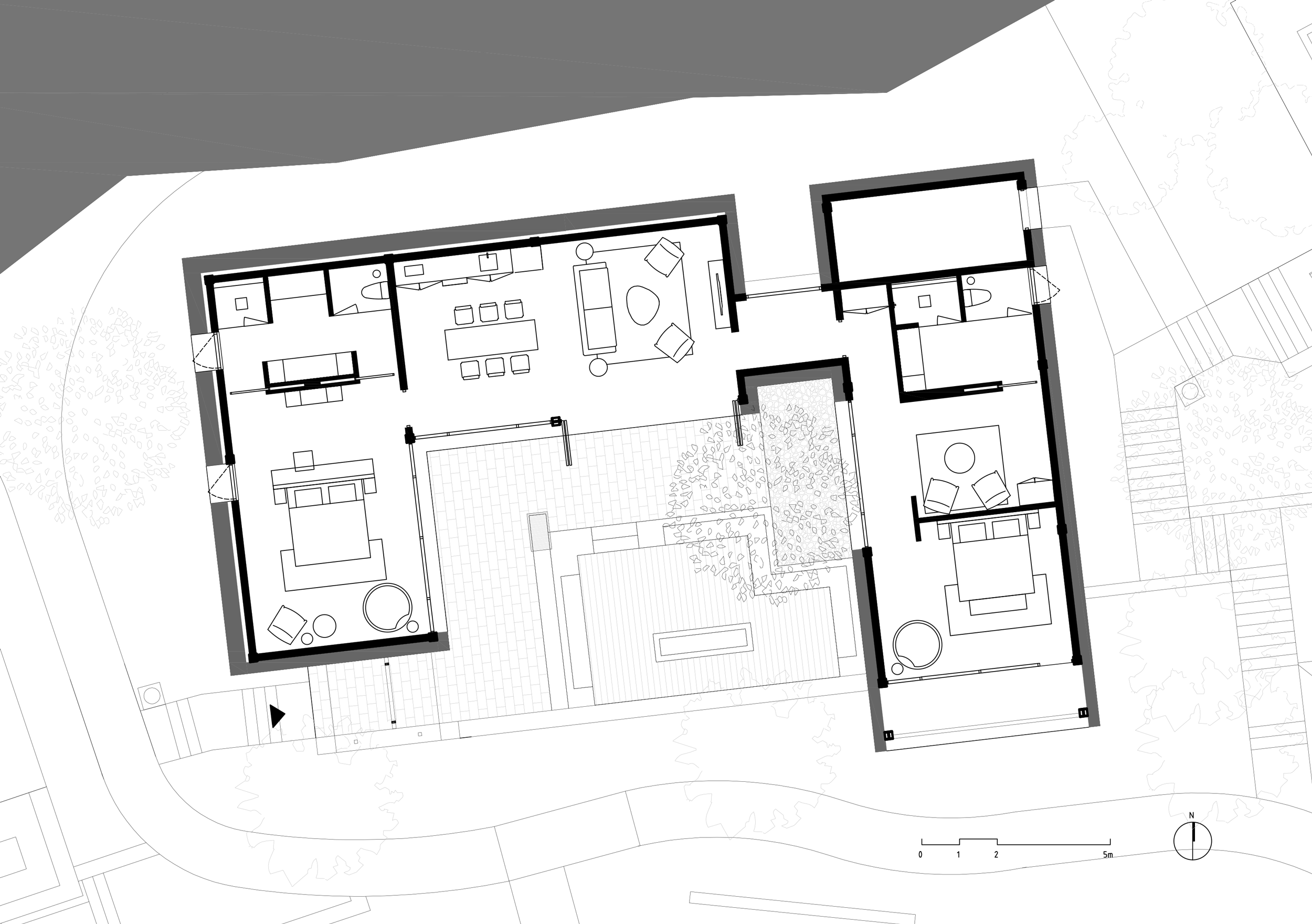
△ Plan of Courtyard No. 9
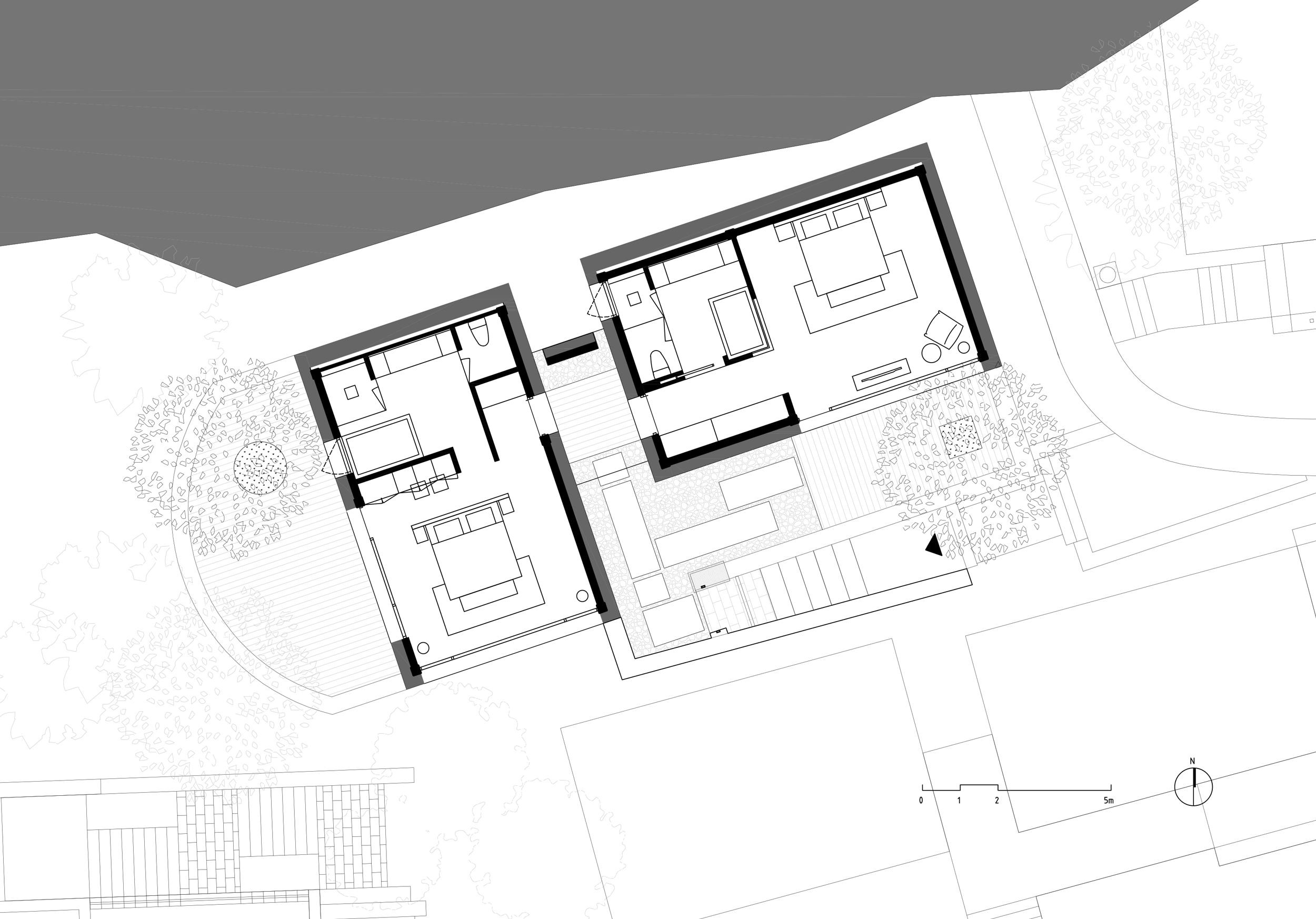
△ Plan of Courtyard No. 10
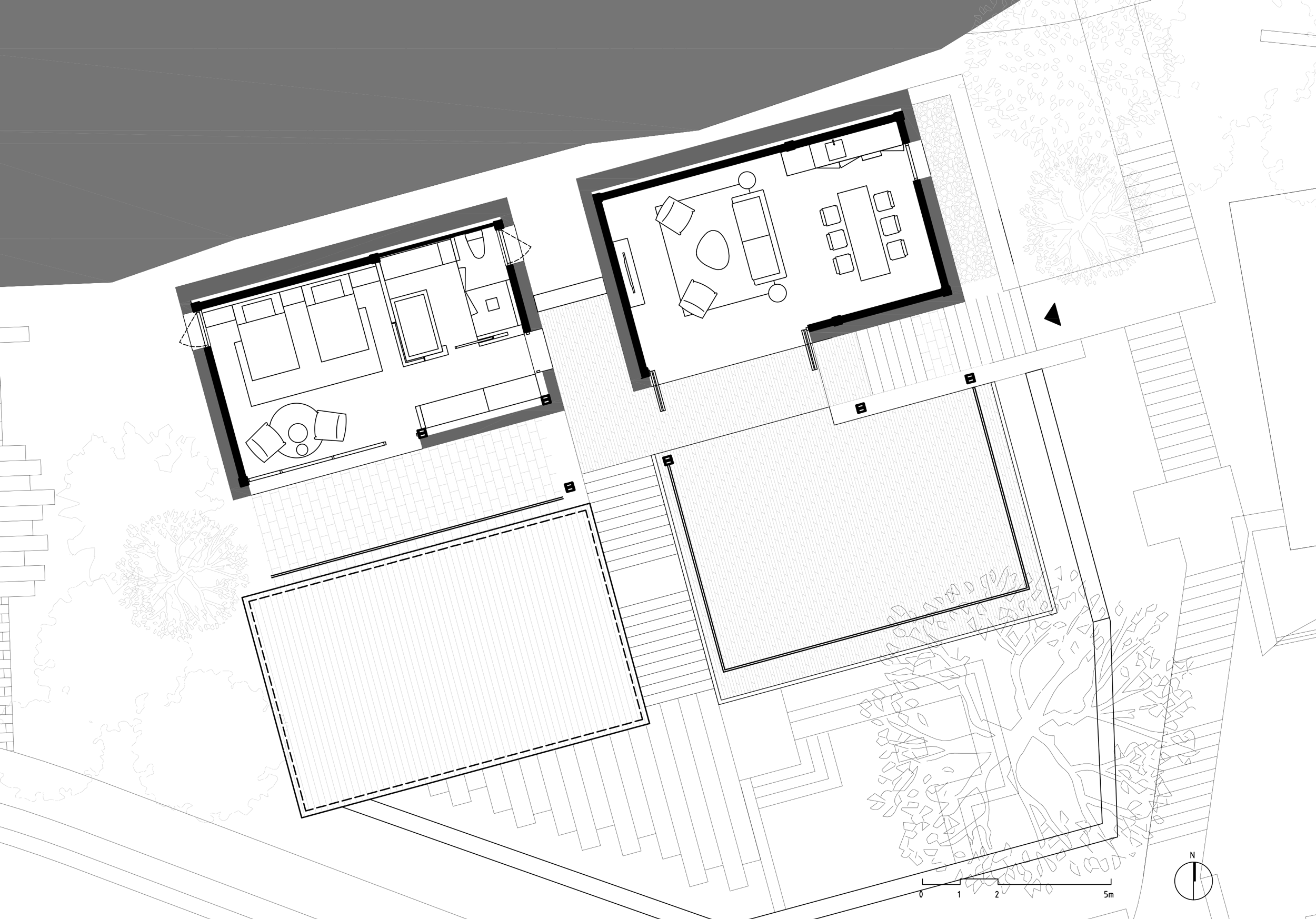
Plan of Courtyard No. 11 (elevation 297.400)
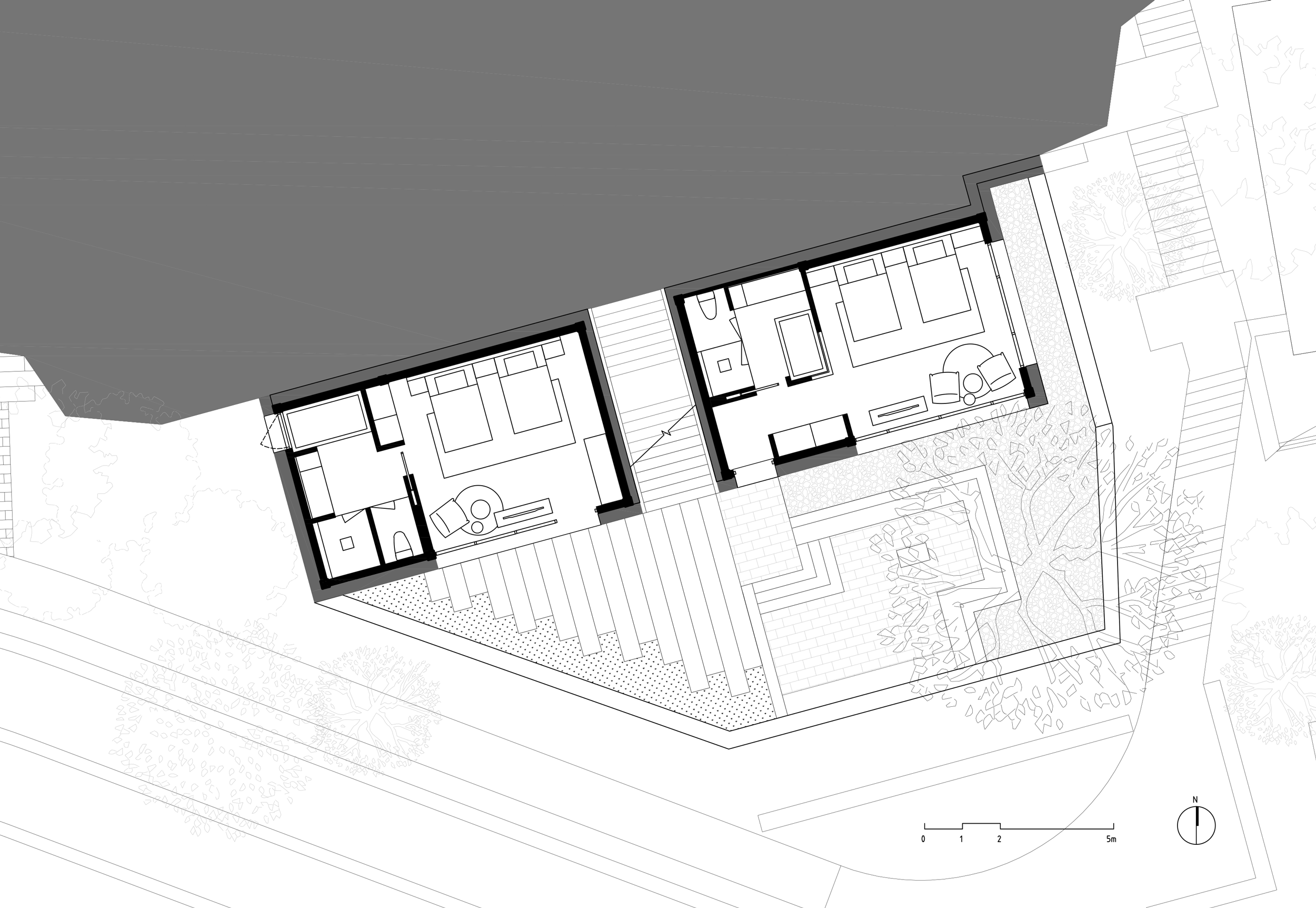
Plan of Courtyard No. 11 (elevation 293.800)
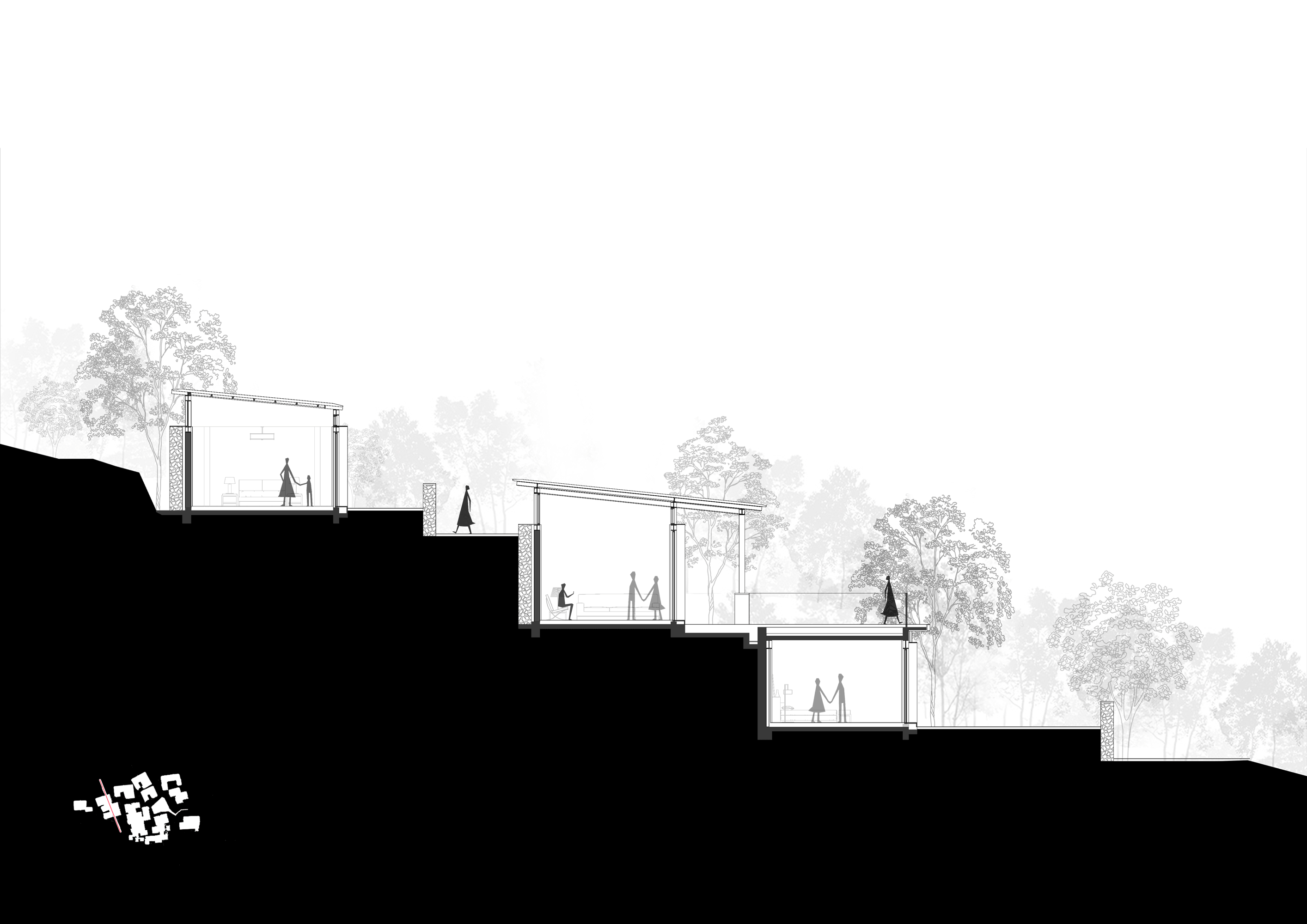
Section of Courtyard No. 10 and No. 11
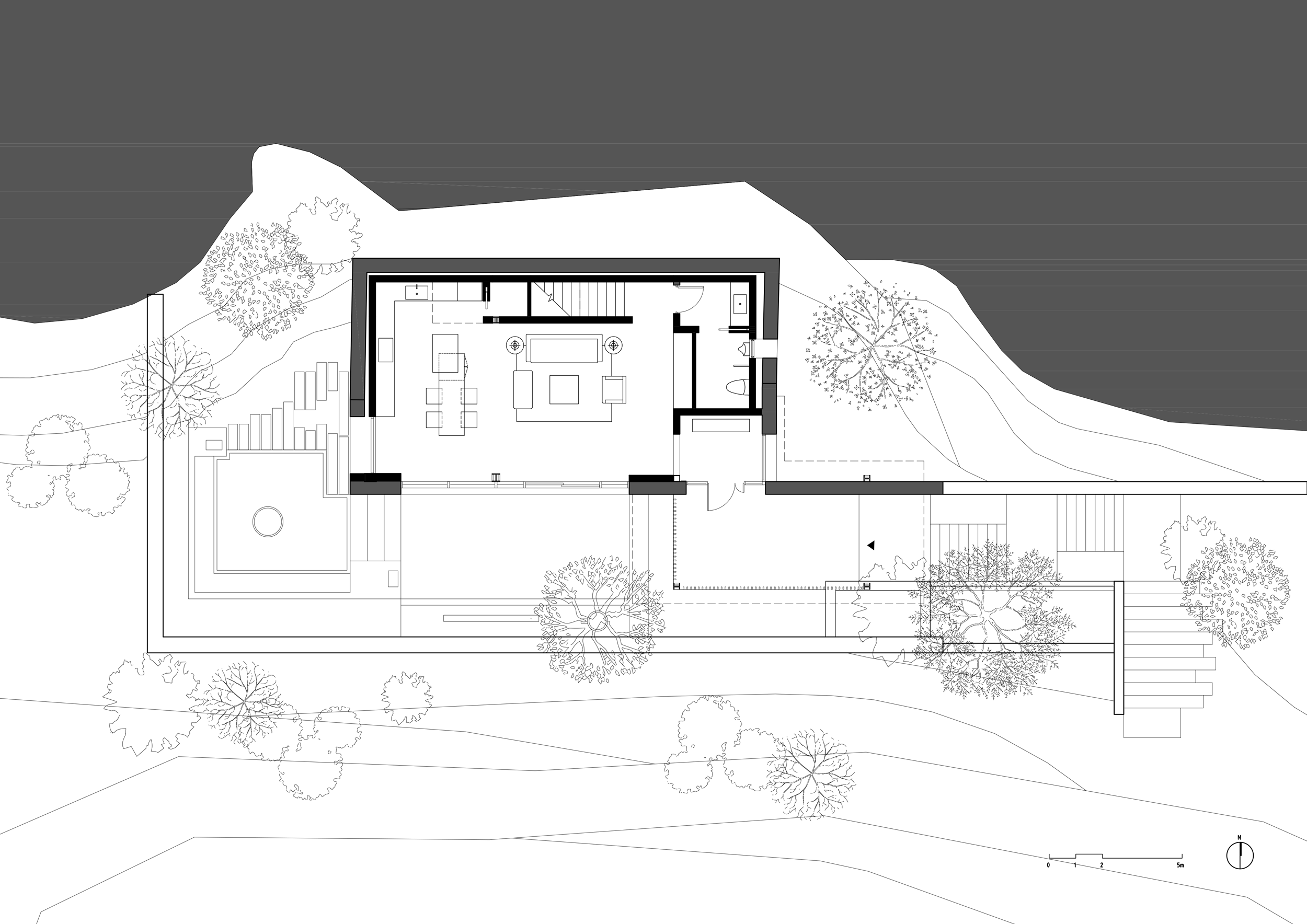
△ Plan of the first floor of Courtyard No. 12
Project Information
Project Name: Revitalization and Renewal of Dongximen Village in Tai’an
Location: Tai’an, Shandong
Architecture, Interior, and Landscape Design: Gad · Line+Studio
Website: www.lineplus.studio
Lead Architect/Project Creator: Meng Fanhao
Professional Responsibilities: Tao Tao (Architecture), Zhu Jun (Interior), Li Shangyang (Landscape)
Design Team: Xu Hao, Huang Guangwei, Yuan Dong, Li Sanjian, Xie Yuting, Hao Jun, Xu Tianju, Deng Hao, Zhang Sisi, Qiu Limin, Jin Jianbo, Chi Xiaomei
Soft Furnishings: Yang Jun Design Firm
Building Area: 2,216 m²
Design Period: March 2019 – August 2019
Construction Period: August 2019 – September 2020
Owner: Lushang Pusu (Tai’an) Cultural Tourism Development Co., Ltd.
Structure: Steel Structure
Writing: Meng Fanhao, Tao Tao, Fu Yu
Photography: Octopus Jianzhu, Pan Jie













Must log in before commenting!
Sign Up