
1. Project Overview
The inpatient comprehensive building project at the Third People’s Hospital of Xiangtan City is situated in Bantangpu, Yuetang District, Xiangtan City. It covers a total construction area of approximately 33,657.2 square meters. The building features a frame structure with dimensions of 80.4 × 44.3 meters and a height of 56.3 meters.
The construction timeline spans from April 10, 2015, to April 20, 2017. The building’s functions, scale, and layout include:
- First floor: Reserved for future development
- Second floor: Entrance and exit settlement center and radiology department
- Third floor: Central supply room and hemodialysis room
- Fourth floor: Transfusion department and pathology department
- Fifth floor: Pharmacy department and central warehouse
- Floors six to fifteen: Inpatient departments
- Sixteenth floor: Reserved
- Basement: Air defense basement and equipment room

2. Current BIM Applications
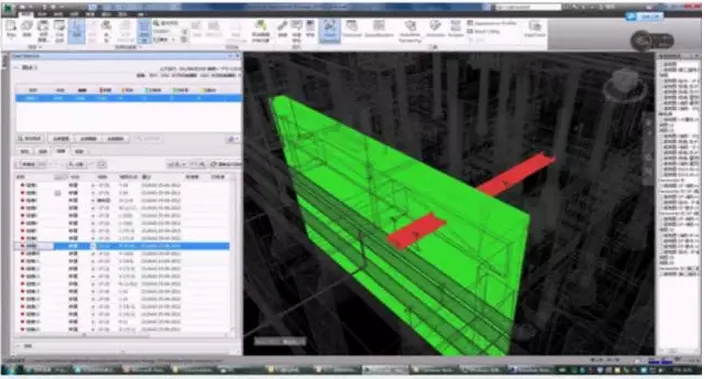
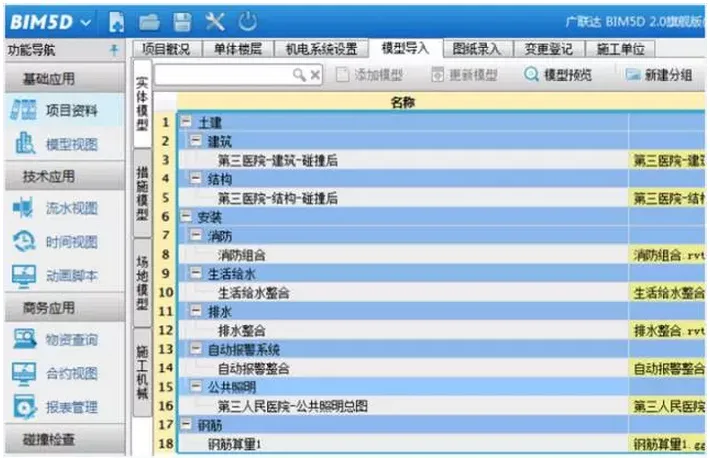
1. Comprehensive Clash Detection: Early in the project, clash detection was performed across multiple disciplines using established models. The collaborative design team adjusted specialty drawings to minimize rework during later stages and accelerate construction progress.
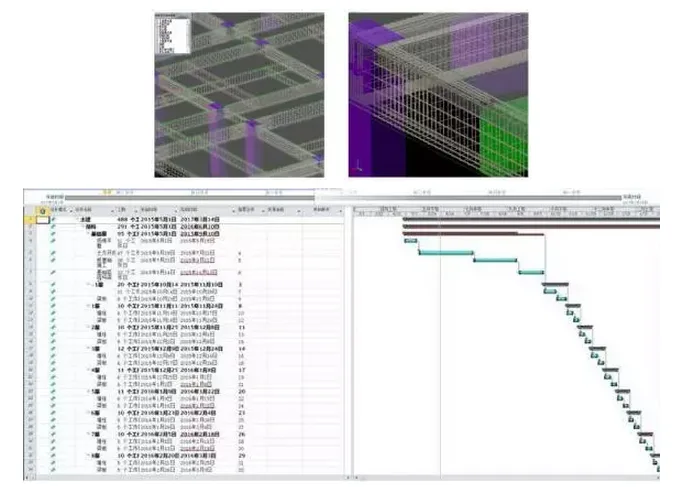
2. Visual Construction Simulation: Using Revit, a detailed model was created to simulate the construction process. This model served as a technical disclosure tool for management and teams, enabling progress tracking against key time milestones demonstrated by the model.
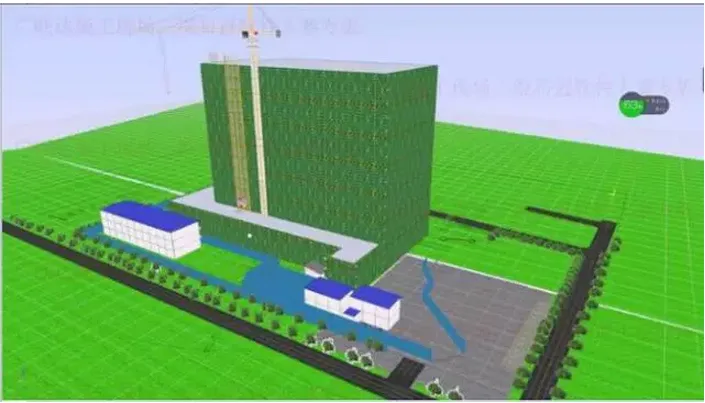
3. Optimized Construction Layout: Based on BIM simulations, material yards were strategically placed to avoid disruption during construction and reduce unnecessary material handling. Additionally, accurate material consumption was extracted for each section, allowing construction teams to transport only the necessary spare materials and avoid excess or missed deliveries.
3. Advancing BIM Applications in Later Phases
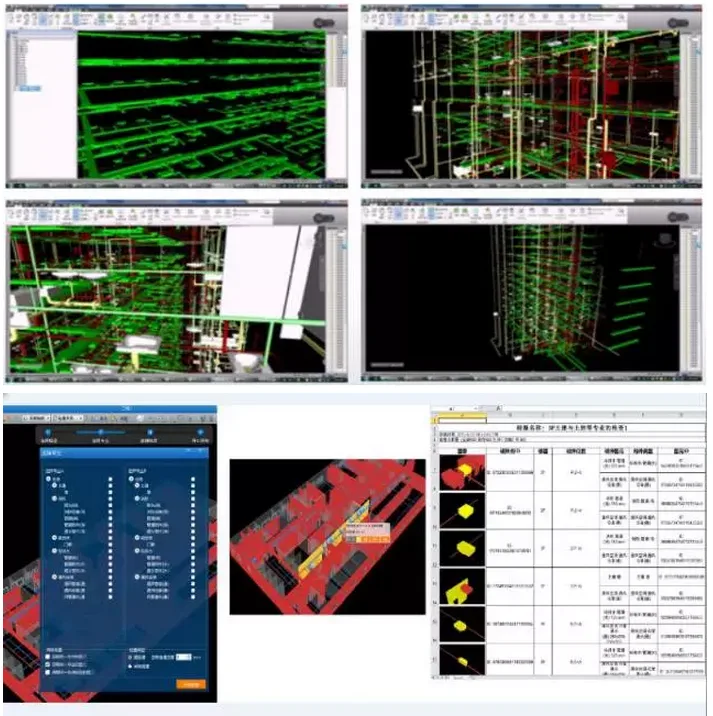
1. Integrated MEP Pipeline Optimization: The integration of mechanical, electrical, and plumbing (MEP) pipelines is deepened to prevent rework caused by conflicts among systems. BIM is also used to create precise location maps for reserved openings, avoiding errors in hole placement. Furthermore, BIM ensures accurate net height coordination to prevent installation issues related to pipeline elevation and ceiling height requirements.
2. Excellence in Project Execution: Aiming to win the provincial “Furong Award,” the BIM workstation conducts preliminary optimization and visual simulations for exterior wall stone dry hanging, interior floor and ceiling decorations, and roof construction. This approach ensures high-quality results on the first attempt, reducing labor and material waste in this and similar projects.
3. Rapid Quantity Takeoff: Once the BIM model is completed, construction teams can accurately extract required materials directly from the model. Material planners and approvers can shift away from traditional approval methods, using BIM model reviews to ensure precise material declarations and reduce procurement errors.













Must log in before commenting!
Sign Up