
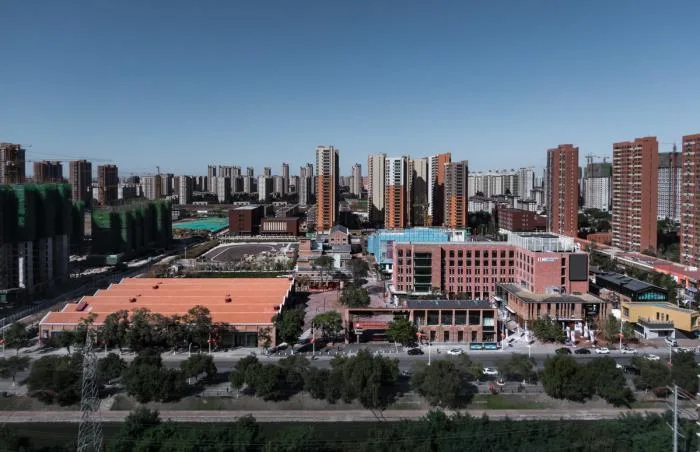
©Fancy Images
Northeast China is rich in culture—it simply awaits revival.
Architecture never ages; it only requires regeneration.
Design Background
Before the 1990s, Northeast China had the highest urban population ratio in the country, boasting a deeply rooted urban culture long before other regions.
Factories not only shaped the lives of Northeastern residents but also contributed significantly to their cultural identity. The renovation of the old factory buildings is deeply connected to their historical context, reflecting industrial revolutions and urban development. The birth of the Hongmei Cultural and Creative Park is intertwined with the city’s evolution.
The Tiexi District is named for its location west of the Changda Railway. It lies at the intersection of east-west and north-south railways, forming an irregular square that defines the Shenyang Tiexi District.
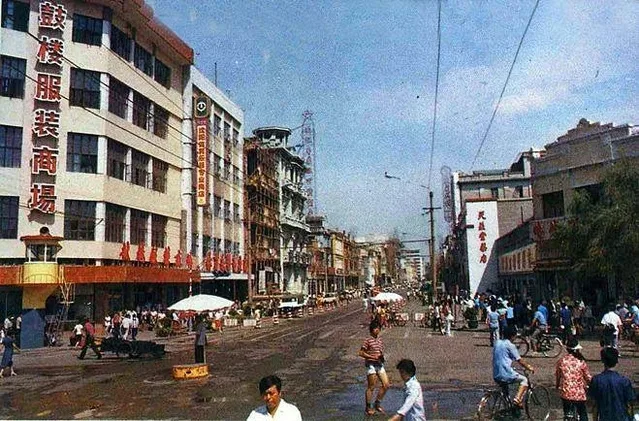
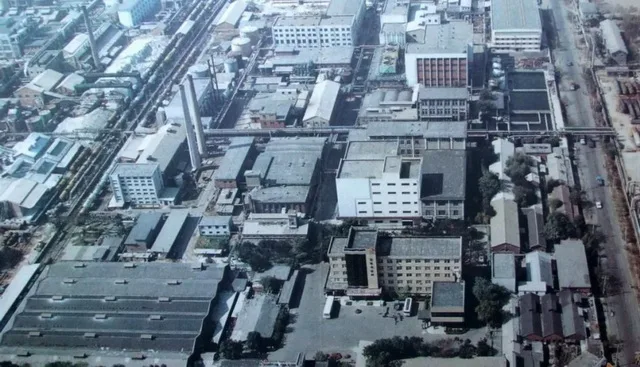
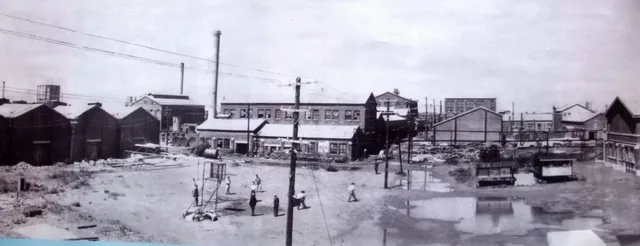
△ Old Red Plum
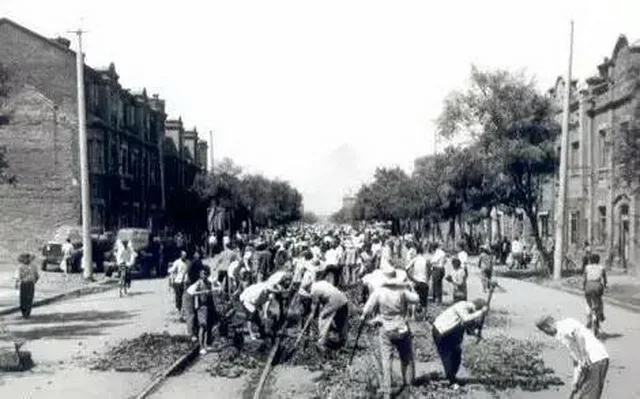
△ Laotiexi
This area is an industrial hub in China and a hallmark of Shenyang, known historically as the “Equipment Department of the Republic.” Among its many factories, the Hongmei Monosodium Glutamate Factory stands out, with origins dating back to 1939 and a rich architectural heritage reflecting generations of change.
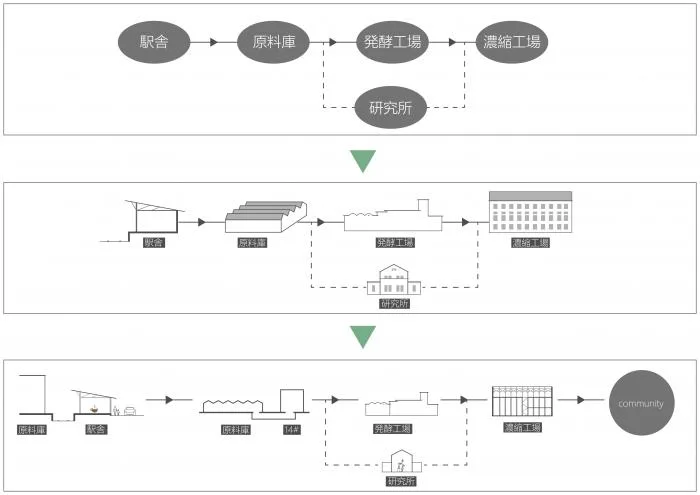
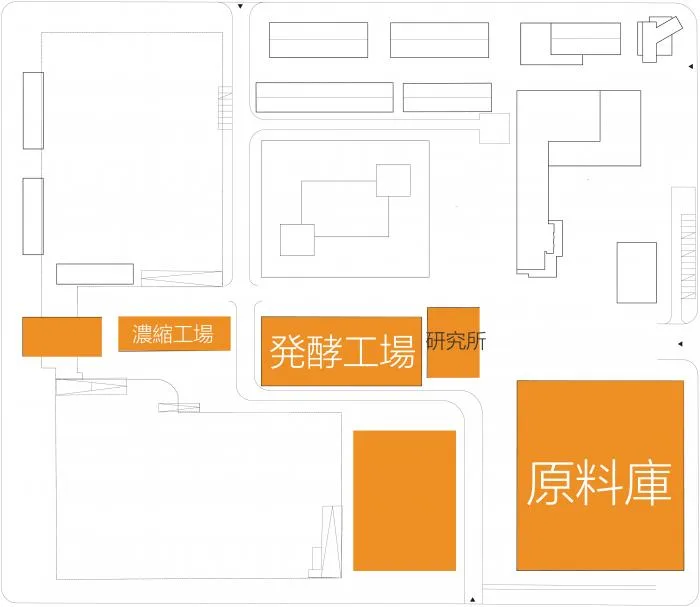
△ Factory sequence
Design Strategy
The site consists of four buildings of varying sizes and states of disrepair, creating a diverse and engaging spatial experience. The intact sequence between buildings preserves the factory’s original production flow: raw materials arrived by rail, unloaded onto platforms, stored in warehouses, tested in laboratories, fermented in fermentation plants, and purified in workshops.
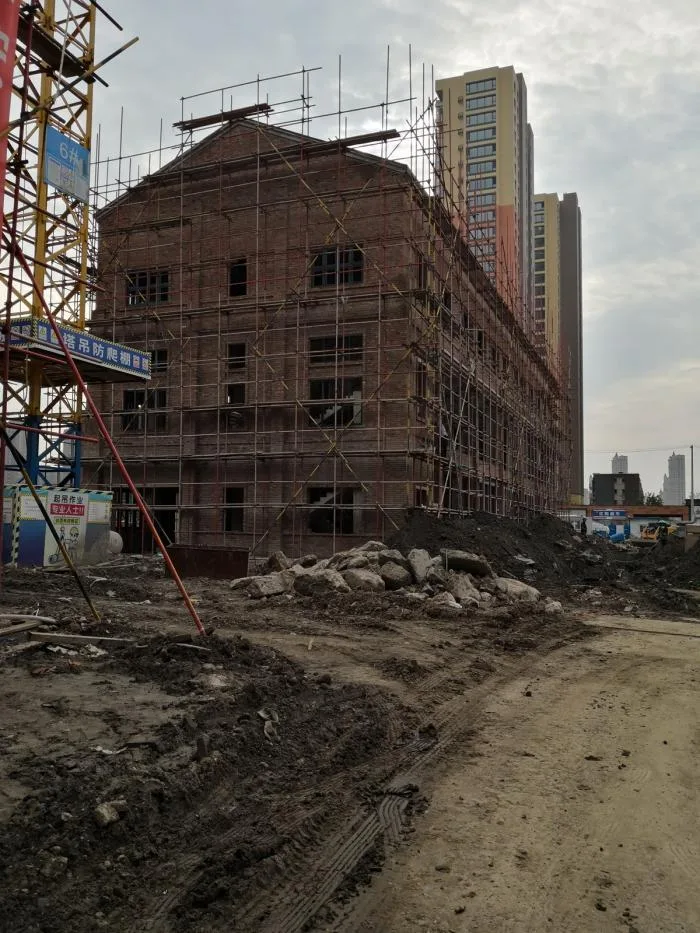
Renovation in progress, Building #12.
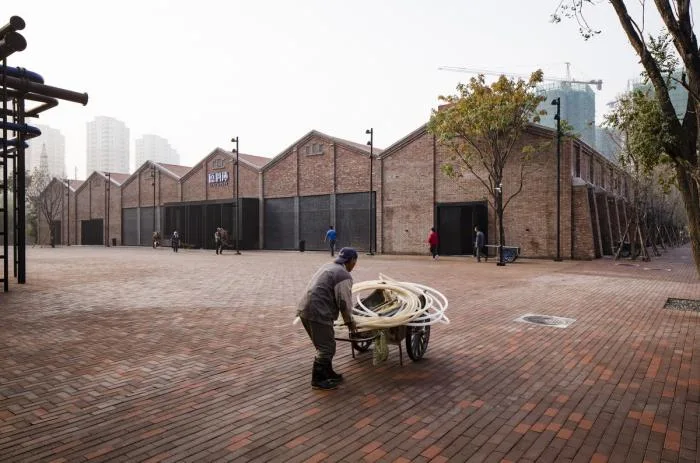
Renovation in progress, Building #1.
The design process began by reestablishing the relationship between site and structures, incorporating new cultural functions within existing buildings. Damaged buildings were repaired, reinforced, and restored to present a fresh public face.
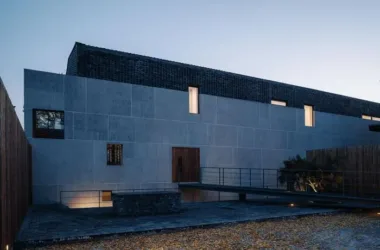
The “Six Fold Gables” of Building 1’s raw material warehouse symbolize the factory’s large-scale production capacity and energy. Located at the southeast corner beside the street, this building now houses a large Livehouse performance venue, injecting new cultural vitality and attracting visitors for diverse cultural experiences.
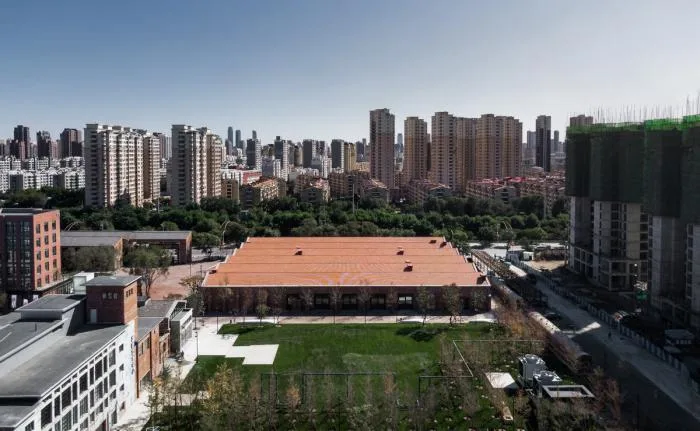
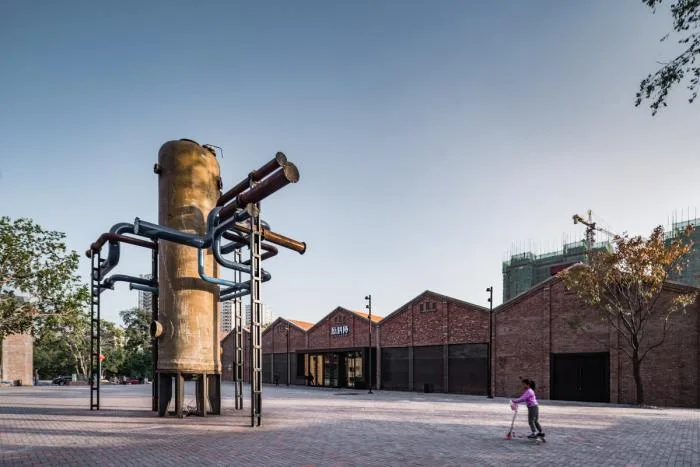
△ Building #1 after renovation © Fancy Images
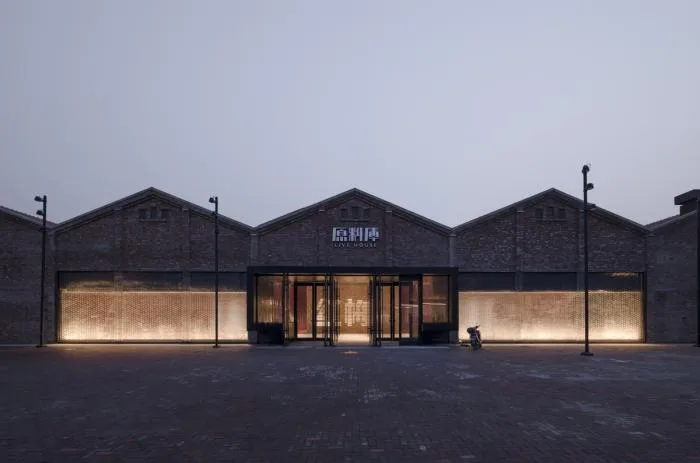
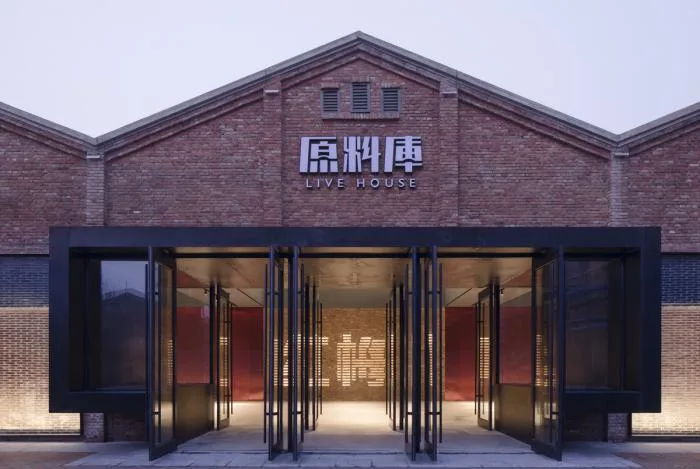
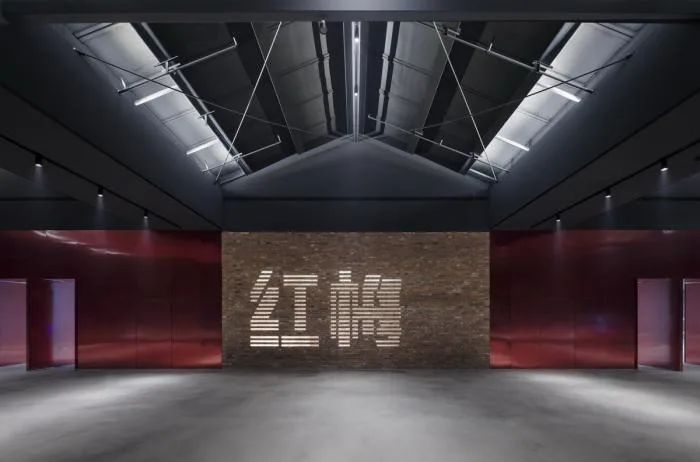
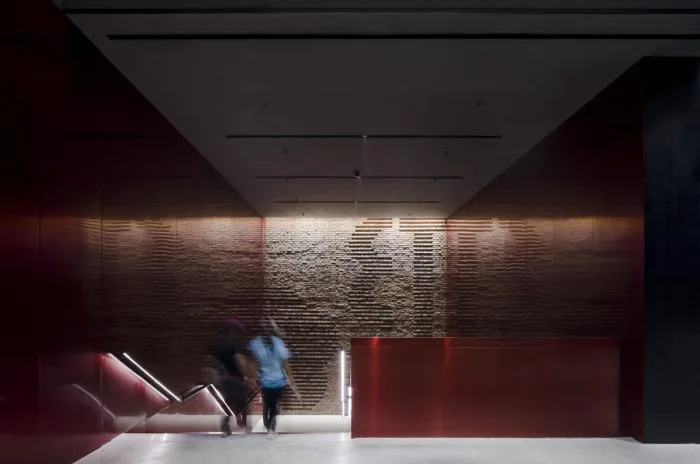
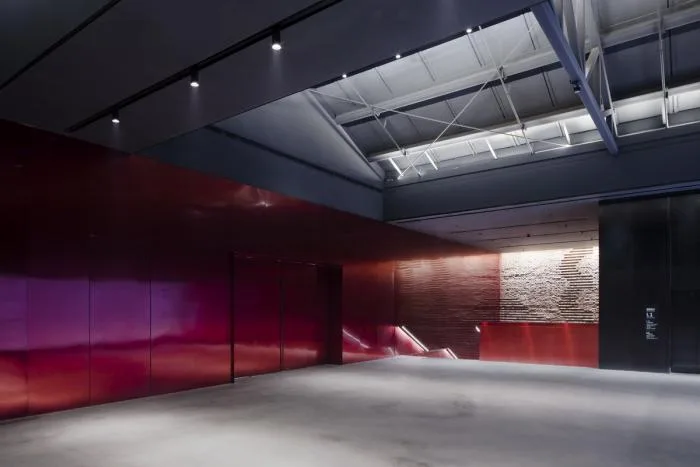
△ Building #1 after renovation © LOTAN Architectural Photography – Peter dicix
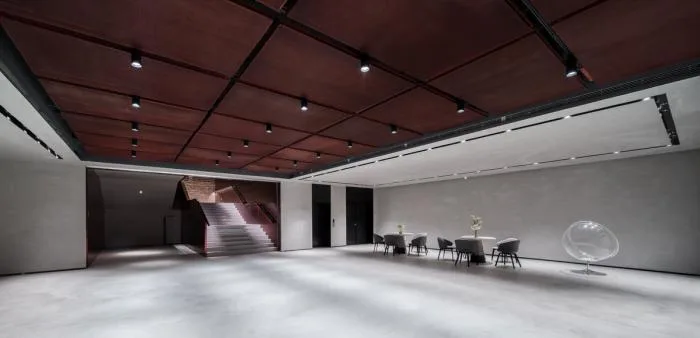
△ Building #1 after renovation © Fancy Images
Building 2 is the smallest among the four buildings, yet it holds critical production stages. Experimentation data generated here informs various workshops. The building’s east facade faces the park’s main entrance, the west facade is separated from Building 16 by a wall, the south facade overlooks the park’s green square, and the north facade faces the main road. Each facade serves distinct purposes, facilitating connection and interaction.
Due to severe damage on the south facade, the renovation enlarged the entrance while maintaining the original facade’s scale, emphasizing the building’s openness and inclusiveness toward the city and green space.
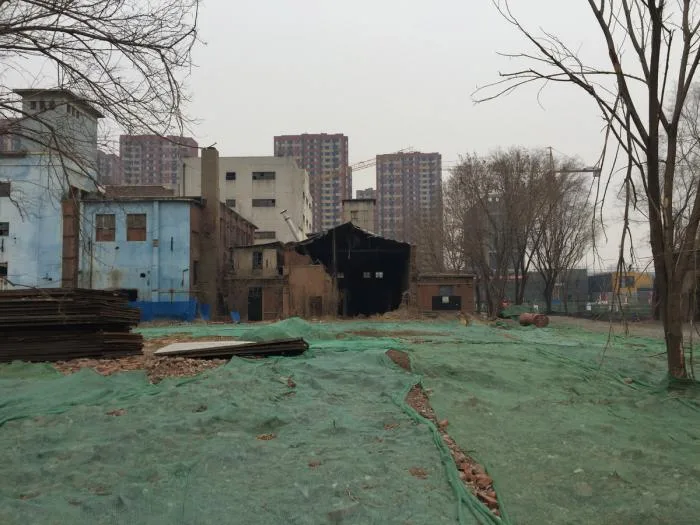
Before renovation
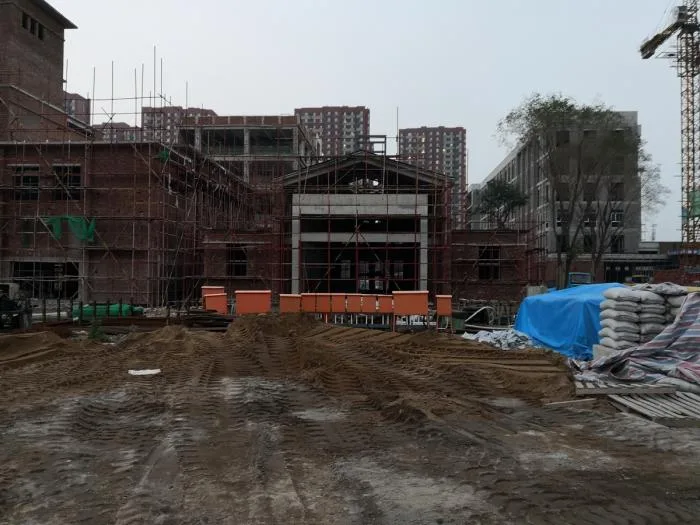
△ Construction process
Functionally, the building continues to serve as a cultural and creative goods store. Vertical U-shaped glass elements replicate the original chimney’s height, creating a semi-transparent milky-white feature during the day and an illuminated landmark at night—a signature beacon upon entering the park.
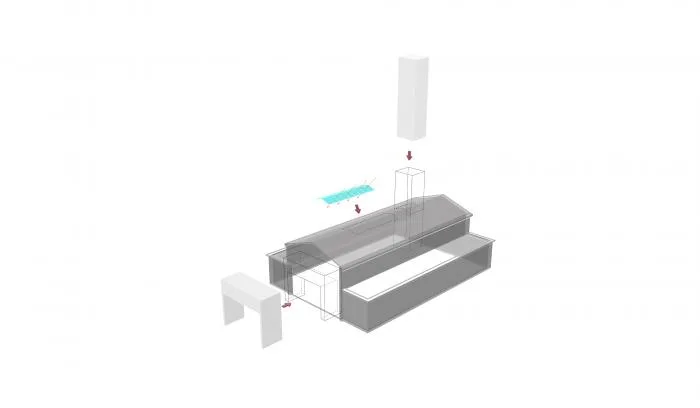
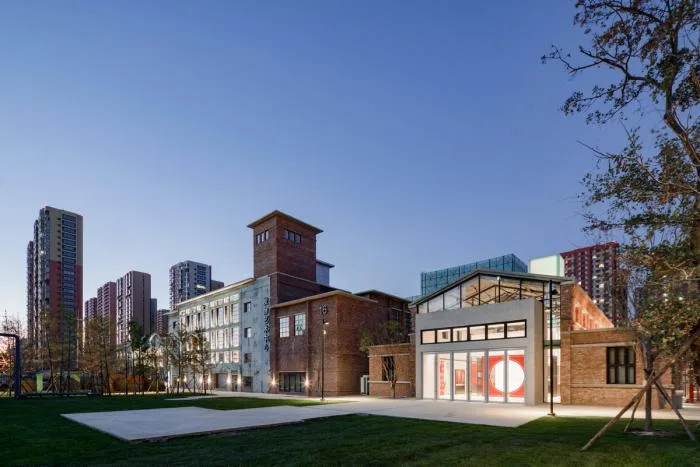
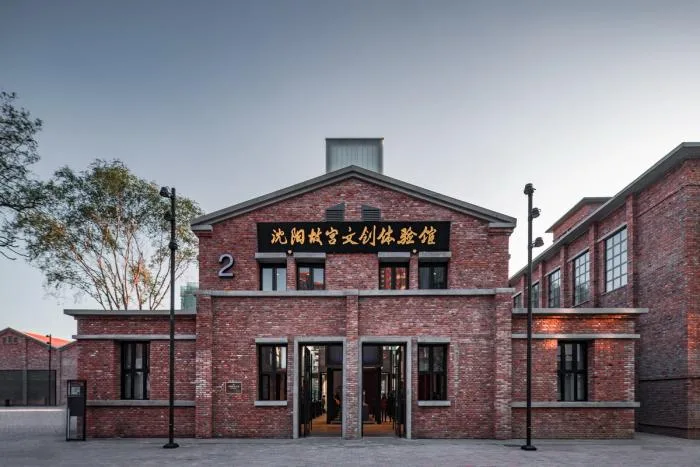
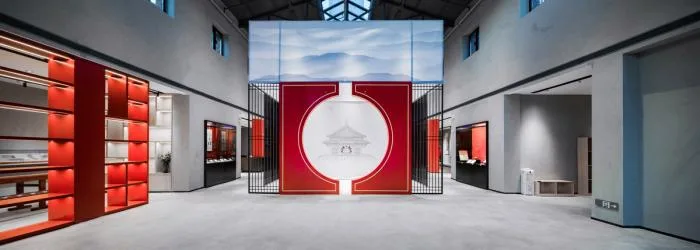
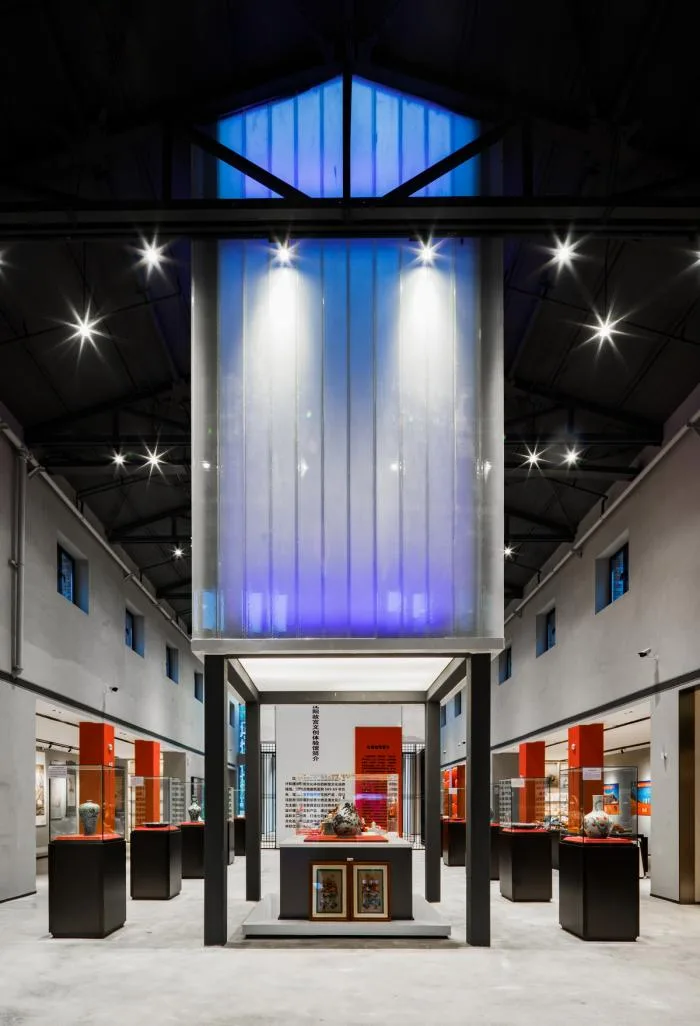
△ Building #2 after renovation © Fancy Images
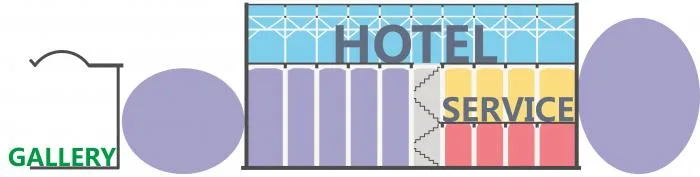
Compared to other park buildings, Building 12 is modest in appearance but offers a rich interior with varied ceiling heights creating an engaging spatial experience. The client envisioned a creative bookstore here—Hongmei Bookstore—that combines office, display, and multipurpose spaces for reading, coffee, small exhibitions, and publishing. The layout flows dynamically from active to quiet zones, layered according to varying floor heights.
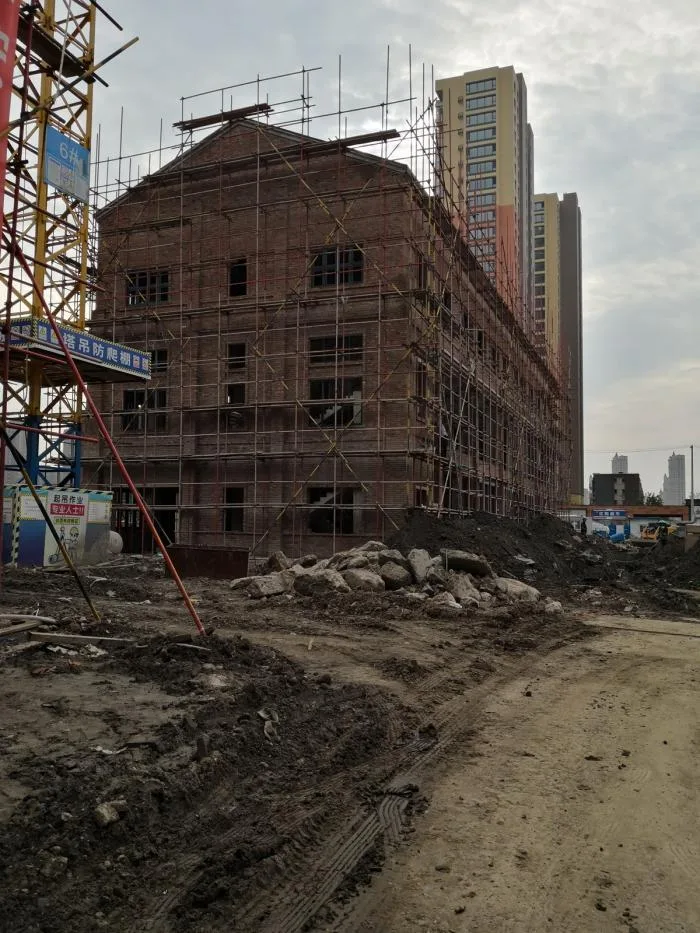
△ Construction process
The north facade faces the park’s main road and sports square. The design integrates bookshelf elements into the first-floor facade to hint at the building’s function and attract visitors from the surrounding area.
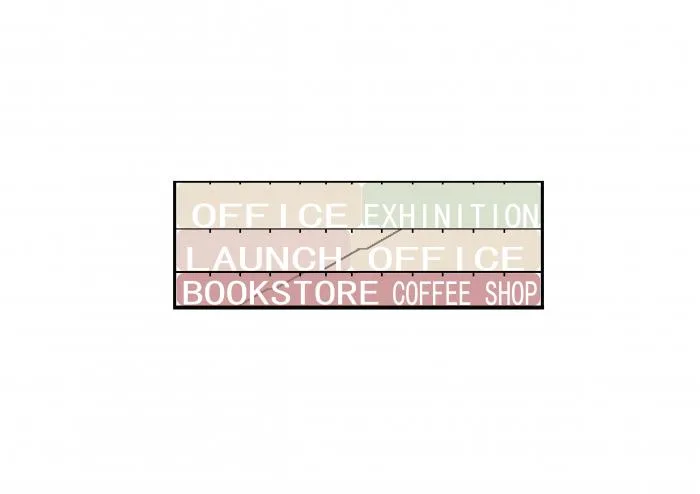
△ Building #12 Function Analysis
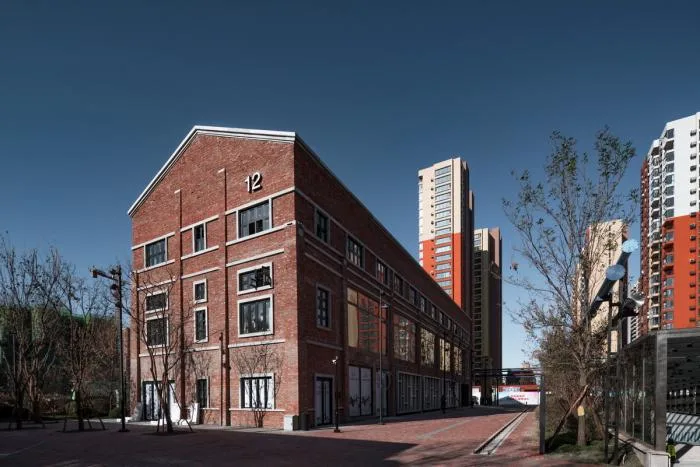
△ Building #12 after renovation © Fancy Images
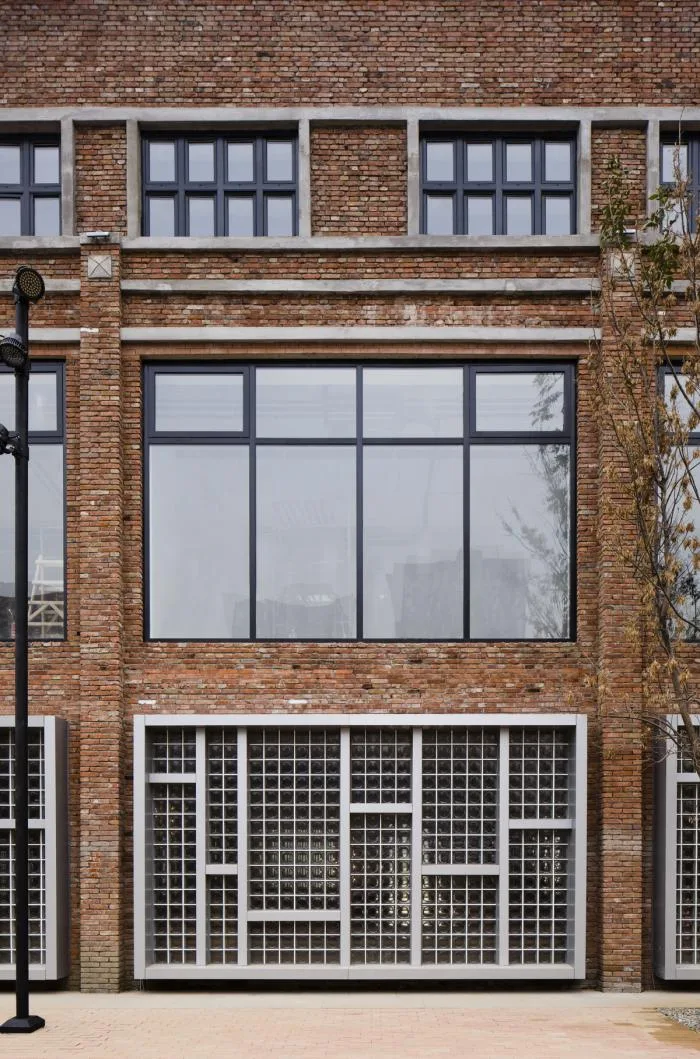
△ Building #12 after renovation © LOTAN Architectural Photography – Peter dicix
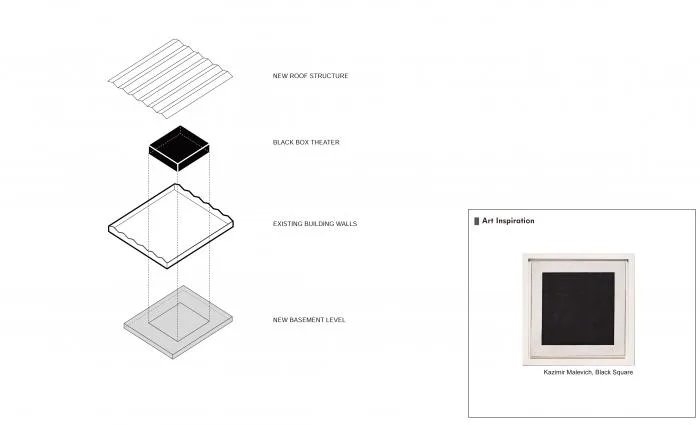
Building 16 is the tallest and moderately sized building, serving as the park’s central hub. It features a touring art museum as its highlight. The original factory floor had large openings for heavy equipment; during renovation, some openings were preserved and replaced with glass floors to maintain the heritage while creating spatial interest.
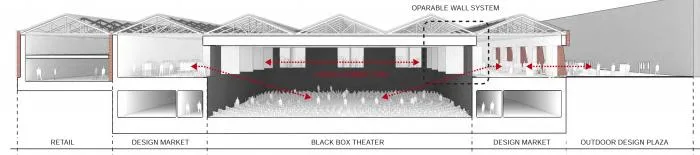
The building’s triple-arched section reflects the factory construction techniques of its era, blending structural and spatial elegance. It houses the museum’s large exhibition hall.
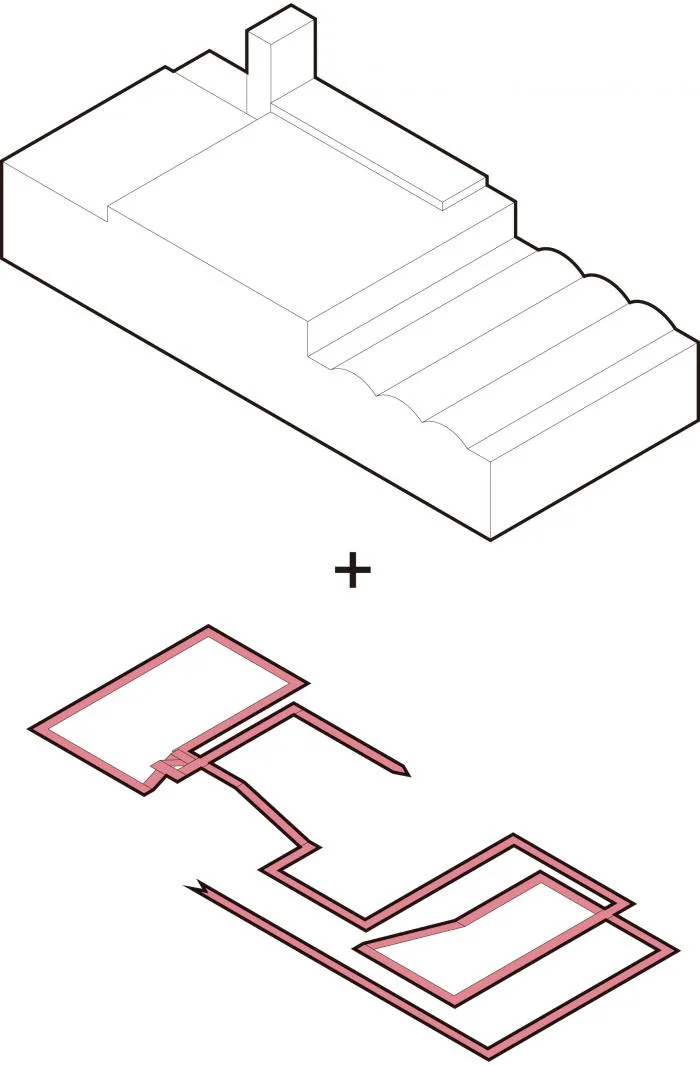
△ Spatial analysis
Newly added ramps connecting the 2nd and 3rd floors allow interaction with surrounding buildings and park activities through façade glass facing the main roads. The triple-arched section also preserves two original fermentation tanks, commemorating the site’s industrial past.
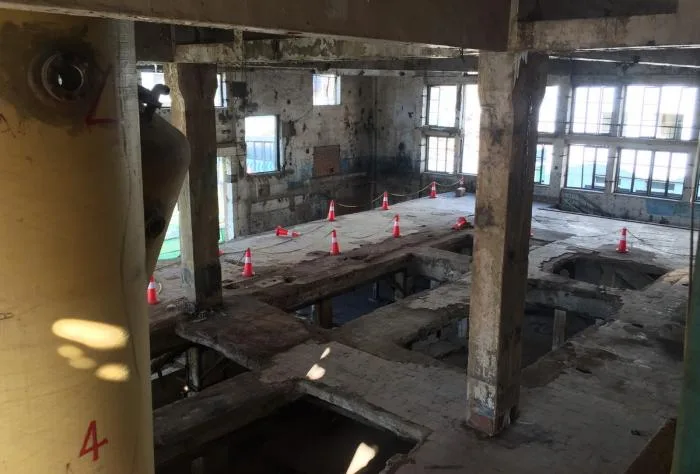
△ Construction process
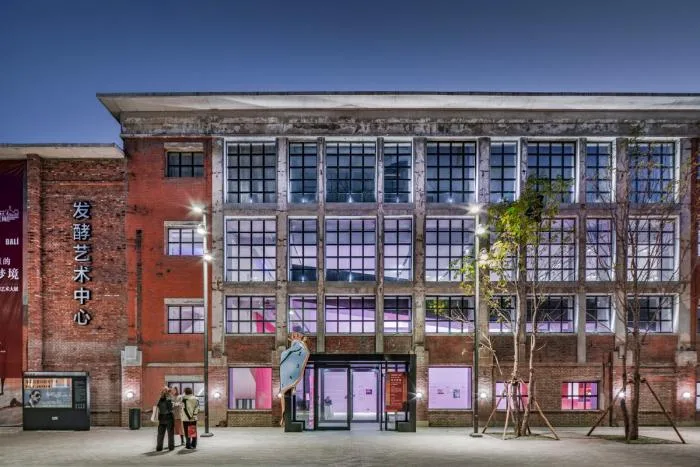
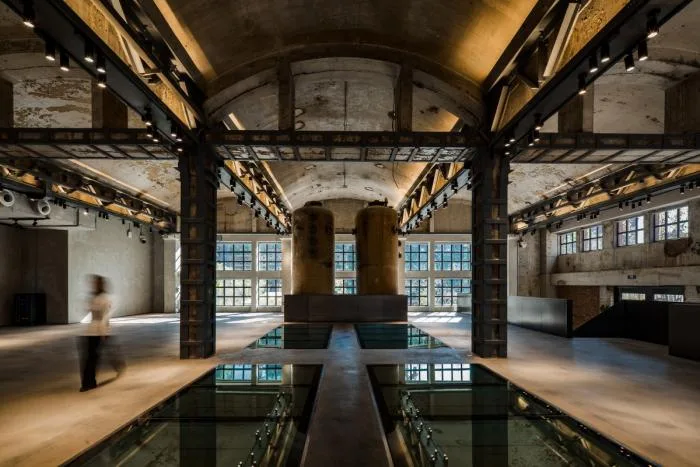
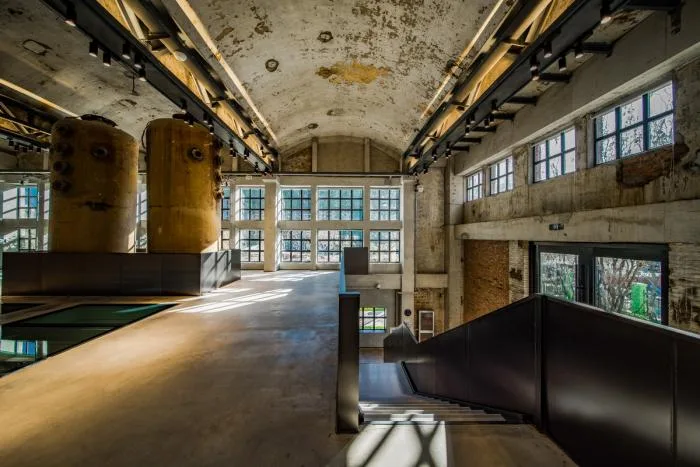
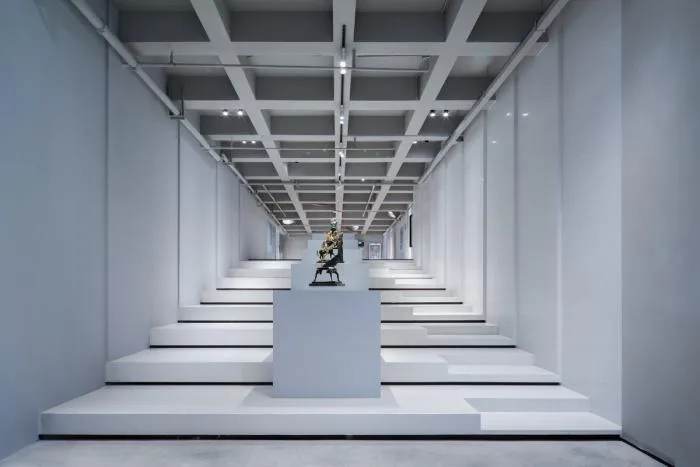
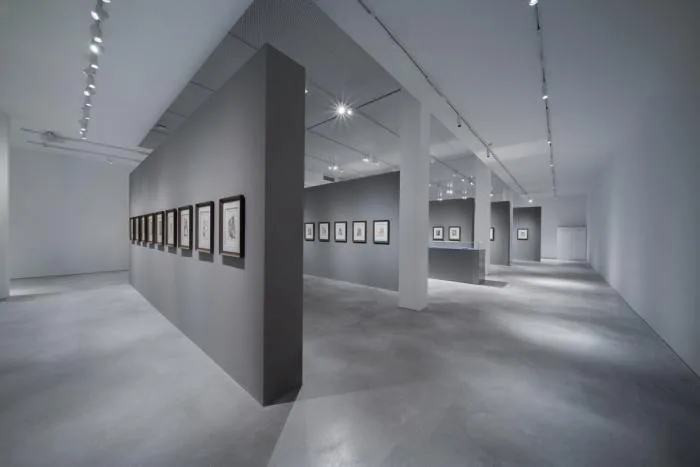
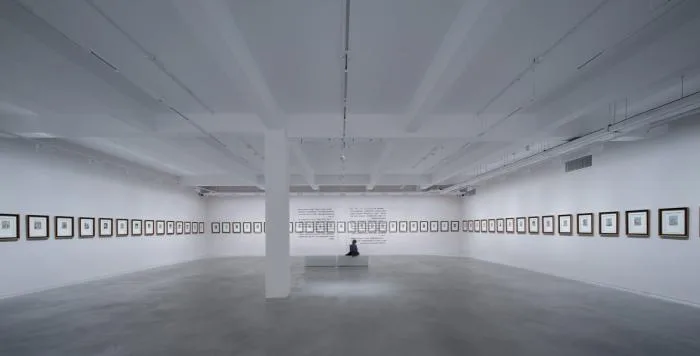
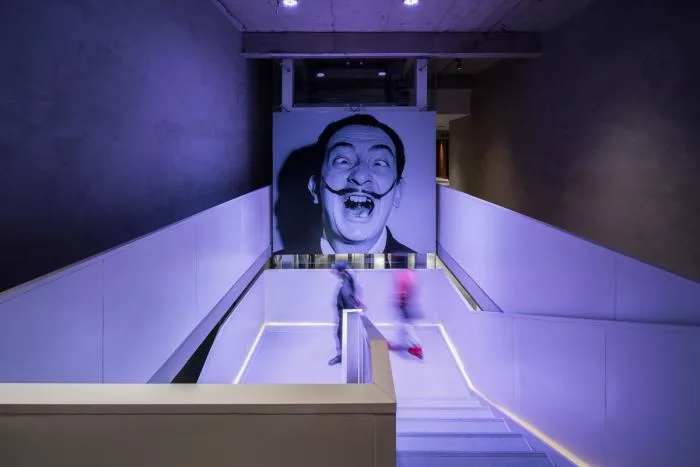
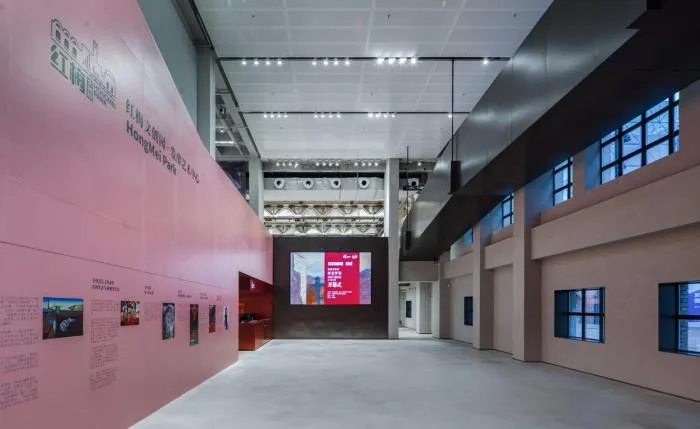
△ Building #16 after renovation © Fancy Images
Cultural and creative parks represent urban renewal, reflecting evolving times, industrial revolutions, and progress. Over the past 30 years, new production methods have emerged, requiring the factories and associated spaces built for previous industrial eras to be updated continuously to meet new functional demands.
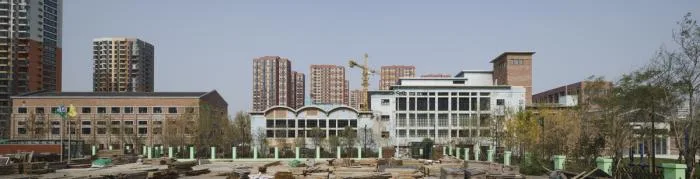
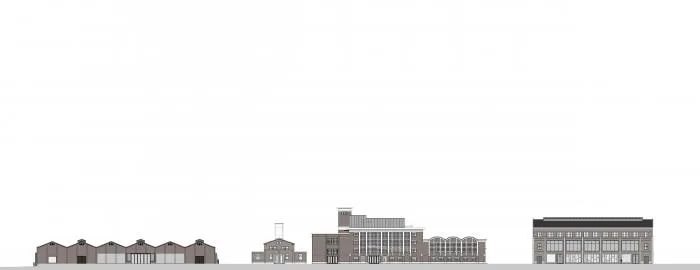
Technical Drawings
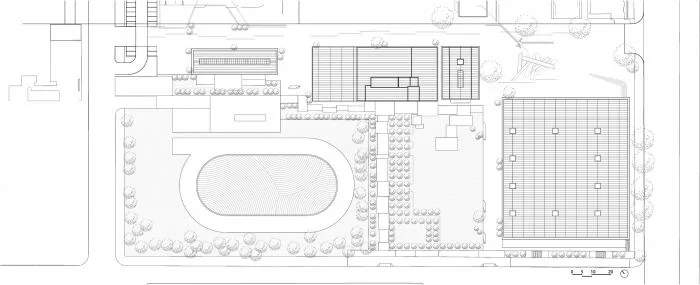
△ General Layout Plan
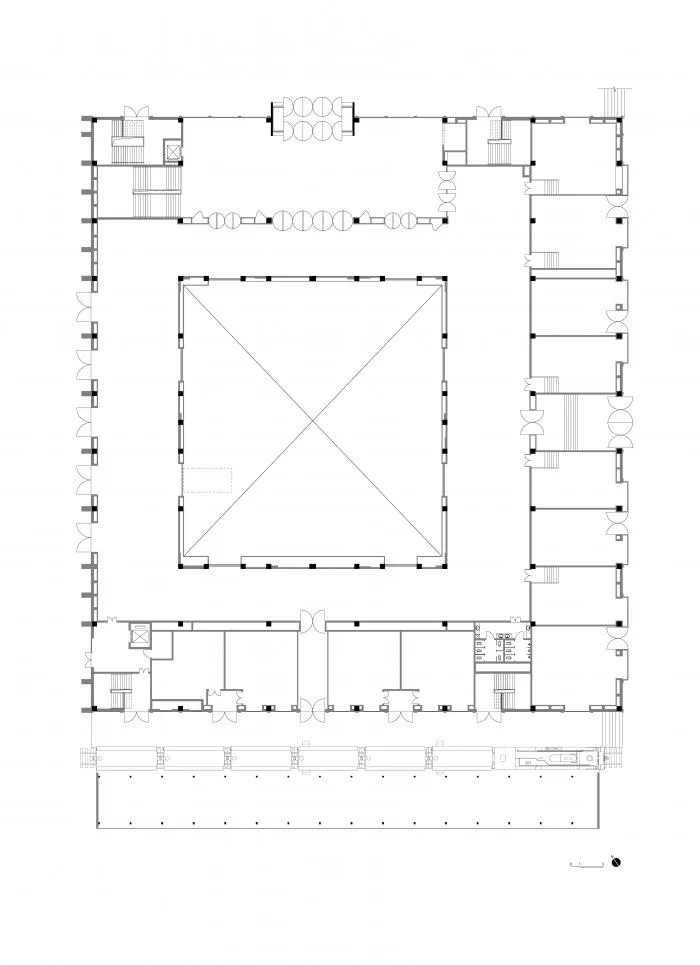
△ Building #1 Floor Plan
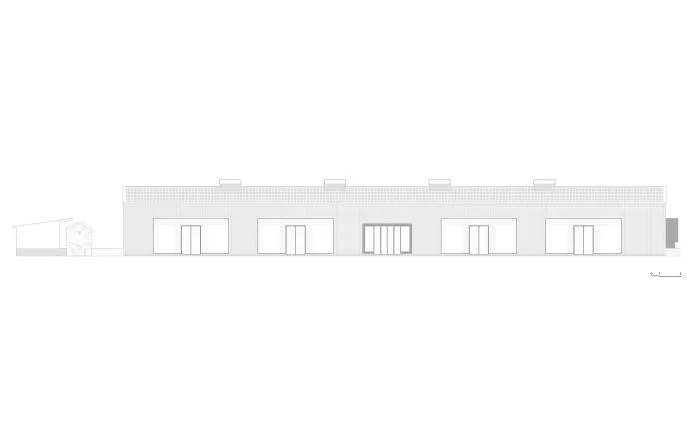
△ Building #1 East Elevation
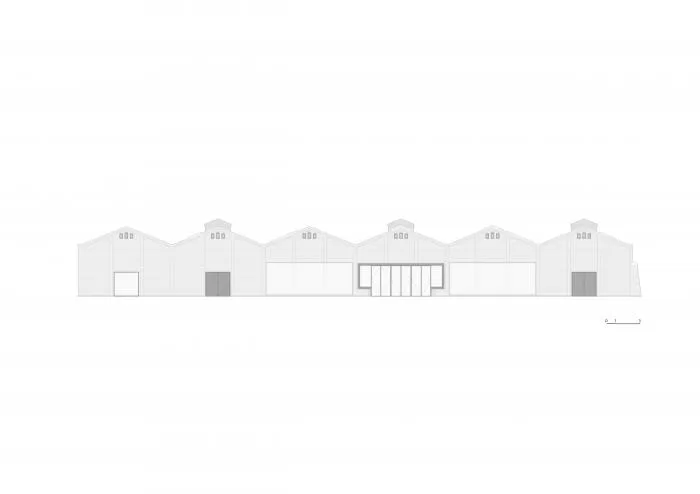
△ Building #1 North Elevation
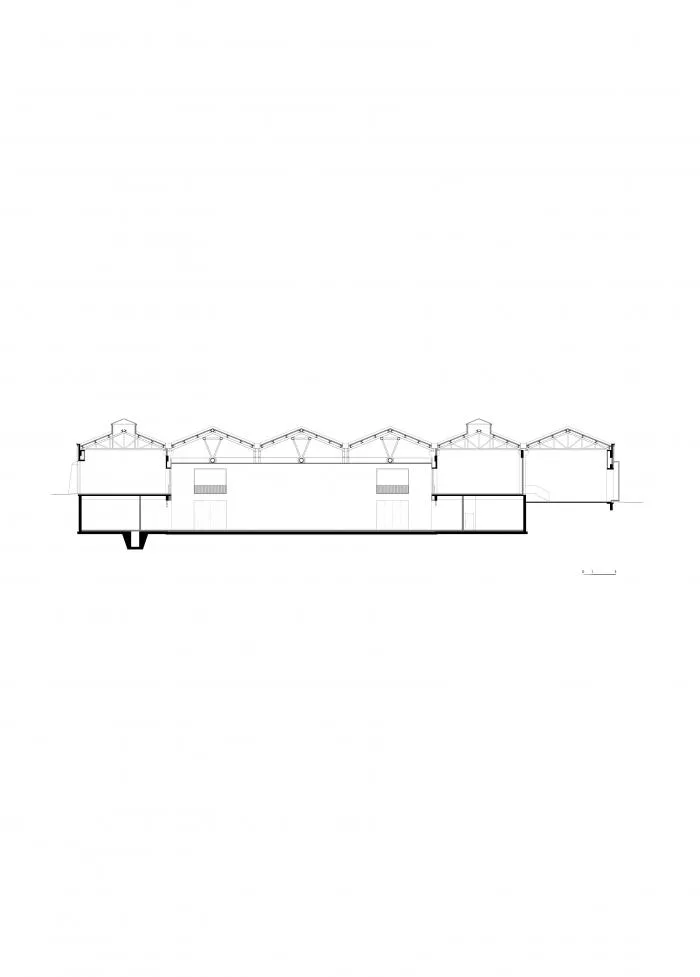
△ Building #1 Section
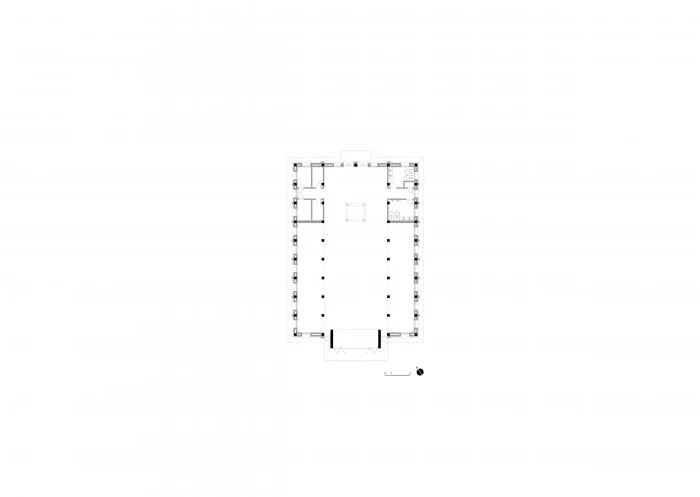
△ Building #2 Floor Plan
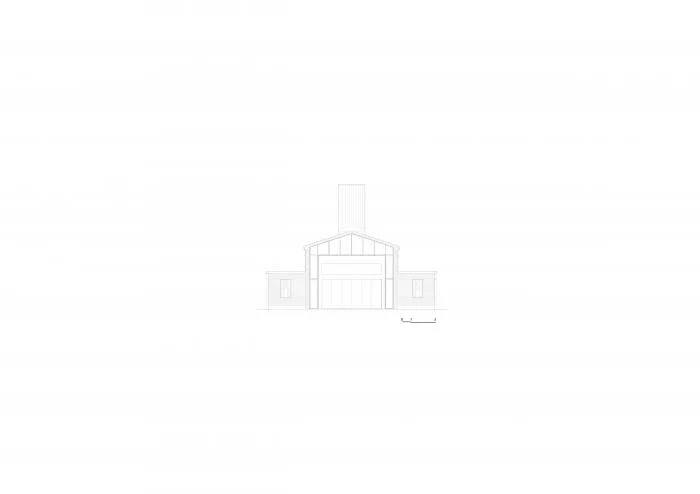
△ Building #2 Elevation
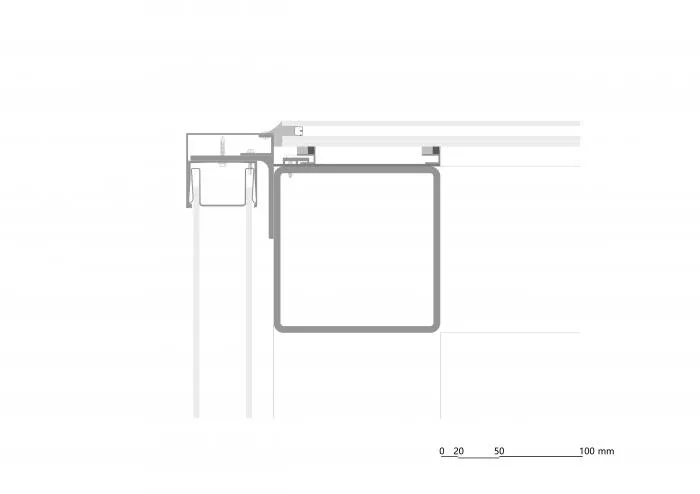
△ Building #2 Node Detail
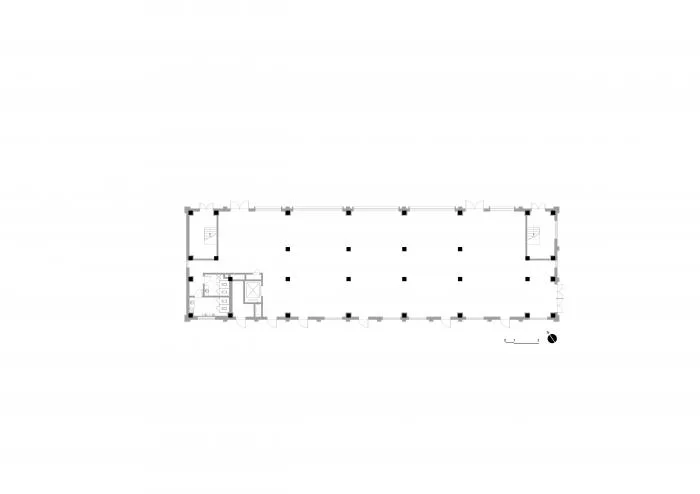
△ Building #12 Floor Plan
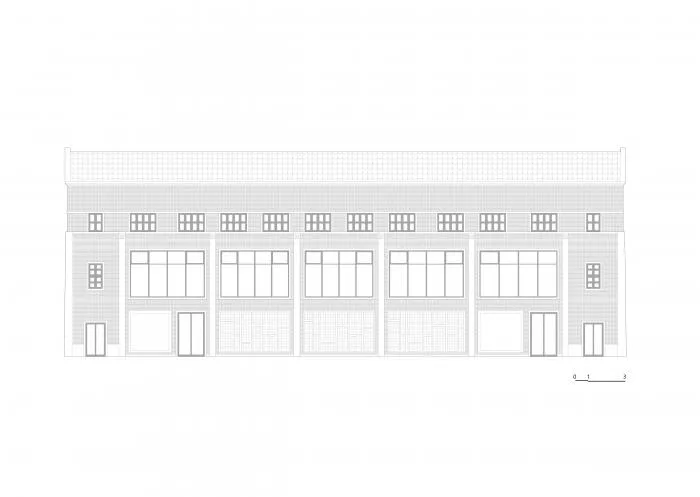
△ Building #12 Elevation
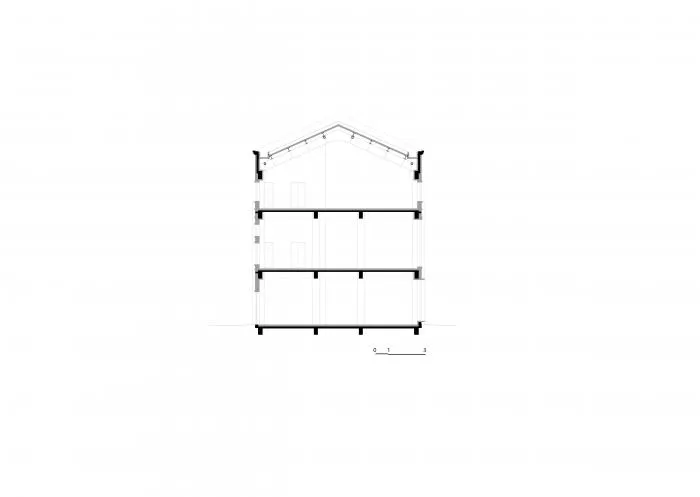
△ Building #12 Section
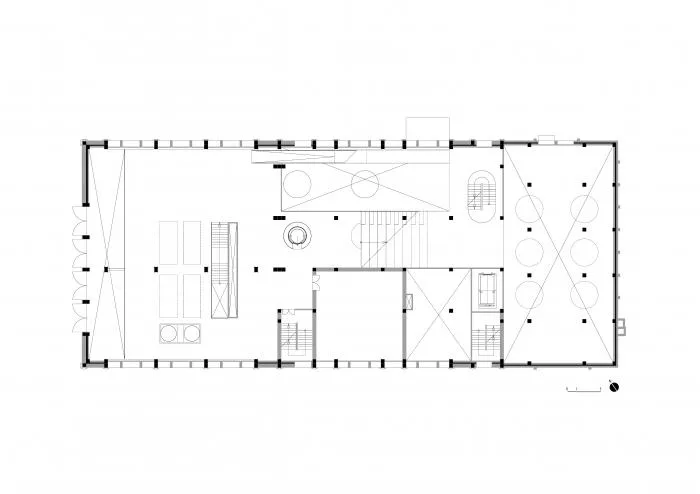
△ Building #16 Floor Plan
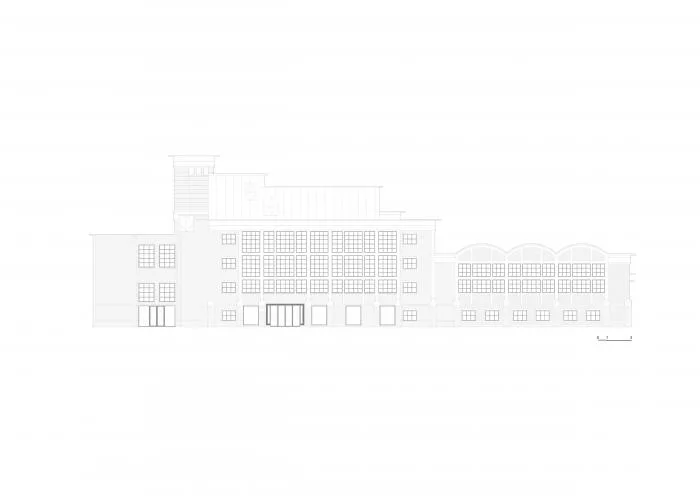
△ Building #16 North Elevation
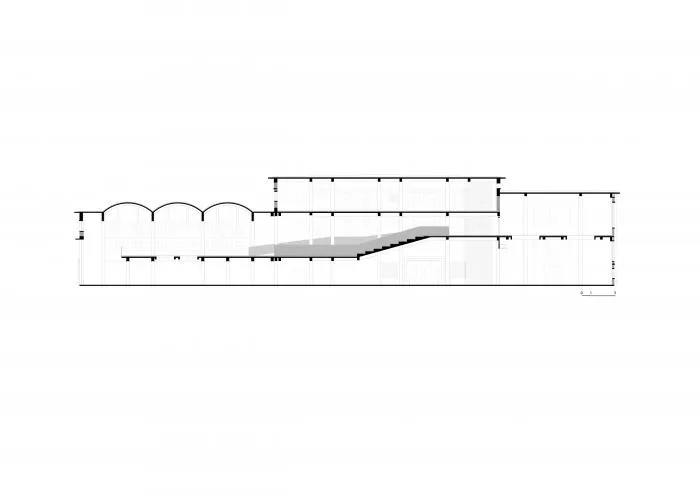
△ Building #16 Section
Project Information
Project Name: Shenyang Hongmei Cultural and Creative Park
Type: Renovation of old factory
Location: No. 44 Weigong North Street, Tiexi District, Shenyang City, Liaoning Province, China
Architectural Design: AAarchitects + IIA Atelier
Office Website: __AI_ST_URL_0__
Email Contact: __AI_S_SC0__
Owner Contact: __AI_S_SC0__
Lead Architects: Hiroshi Aoki, Yoshiko Sato
Design Team:
AAarchitects: Hiroshi Aoki, Toru Uno, Ko Oono, Sayantan Chakraborty, Ewa Scroczynska;
IIA Atelier: Yoshiko Sato, Naoki Sato, Yue Chen, Xingpeng Wang, Xu Wujian
Design Period: December 2018 – September 2019
Duration: 10 months
Completion Year: 2020
Total Building Area: 14,489.71 m² (#1: 8,031.63 m², #2: 568.84 m², #12: 1,780.8 m², #16: 4,108.44 m²)
Photography: Shanghai Luotang (Architecture) Photography Co., Ltd., Fancy Vision
Owner: Shenyang Sansi Investment Co., Ltd.
Structural Design Consultant: Yuan Xin
Owner’s Design Team: Sun Mingjun, Li Yuanting, Li Yuelin, Wang Chengqi, Li Xingyi, Yang Siyi, Fu Tong, Sun Wei
Construction Drawing Design (Architecture, Structure, Equipment, Interior, Landscape): Shenyang New Continent Architectural Design Co., Ltd.
Interior Design (#1, #16): Du Wenbiao (Guangzhou)
Interior Design (#2): Tokyo Architectural Design Firm
Interior Design (#12): Hongmei Bookstore
Landscape Design: Ratz and Partner Landscape Planning (Germany); Shenyang Greenfield Architecture Landscape Environment Design Co., Ltd.
Lighting Design: Rui International Lighting Design
Curtain Wall Design: Shanghai Jiachun Decoration Design Engineering Co., Ltd; Jingci Glass Technology (Shanghai) Co., Ltd.
Construction Contractor: Shenyang Jianye Construction Engineering Co., Ltd.












Must log in before commenting!
Sign Up