
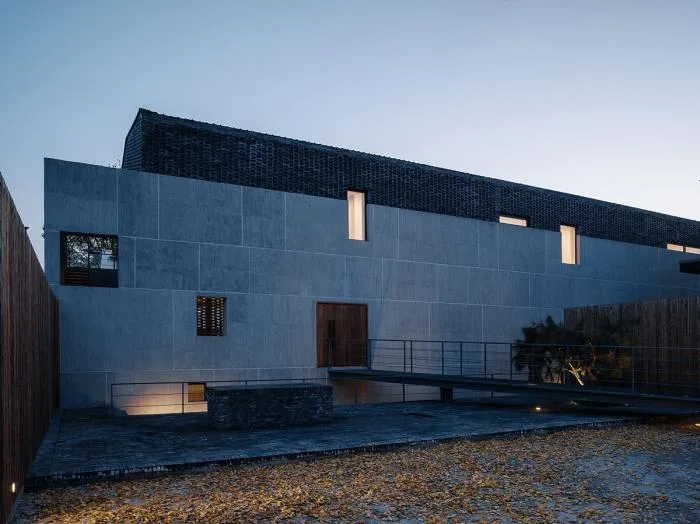
© Sun Haiting
From “Restoring the Old as New” to “Making the New Feel Old”
In the context of today’s urban renewal, we are increasingly faced with projects that involve renovation rather than new construction. However, these “old renovation” projects are often not about preserving historically significant buildings, but rather about repurposing urban “waste” — remnants of large-scale developments from recent decades. Interestingly, these structures are often not truly old but relatively new, lacking the emotional depth and lasting connections that people associate with genuinely historic places. Because of this, they are easily discarded amid rapid social changes. In this sense, many of the so-called “old renovations” we encounter are actually “new renovations.”
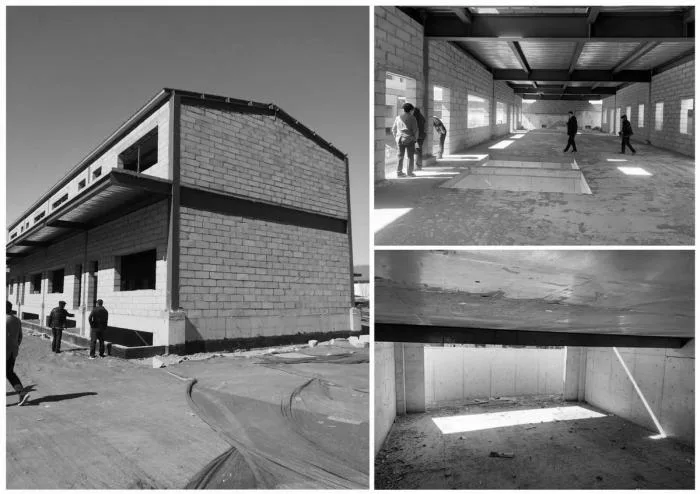
▲ The original building of Wu Yueshi Art Museum, a newly constructed structure now facing transformation as “new” urban waste
For these “new renovation” projects, the traditional strategy of “restoring the old as new” no longer applies. History offers us many lessons, especially through European architectural renovations that span centuries. Classic projects, such as those by Scapa, and innovative approaches from emerging firms like Spain’s TEP’A, provide valuable insights. Typically, renovation standards focus on fulfilling today’s functional requirements, often downplaying the notion of “renovation” itself. However, if we can successfully integrate old elements into new designs, allowing them to evolve into a cohesive whole, the renovated building loses its sense of abruptness and blends naturally into its surroundings, as if it had always existed, merely restarted. This concept can be summarized as “making the new feel like before.” Our work on the Wu Yueshi Art Museum embodies this bold attempt to “create something new as if it were old.”
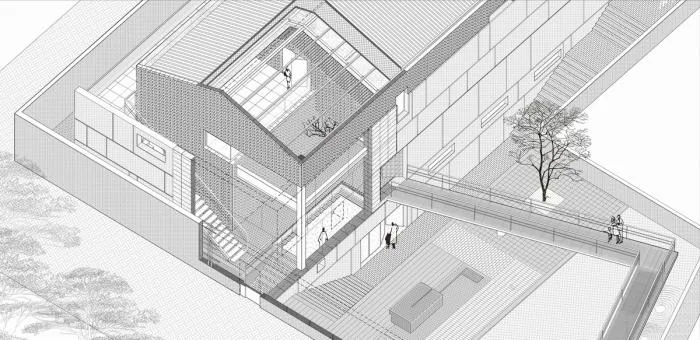
▲ Diagram showing the reconstruction and disassembly process of the “Old Garden”
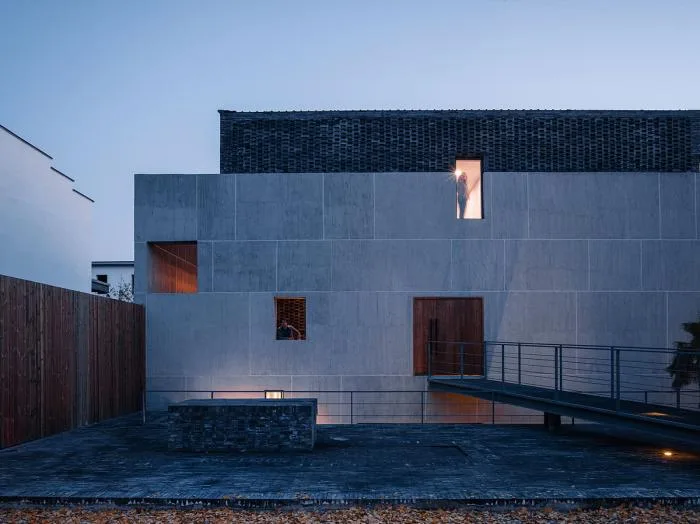
▲ Renovated Ruyuan Fengting
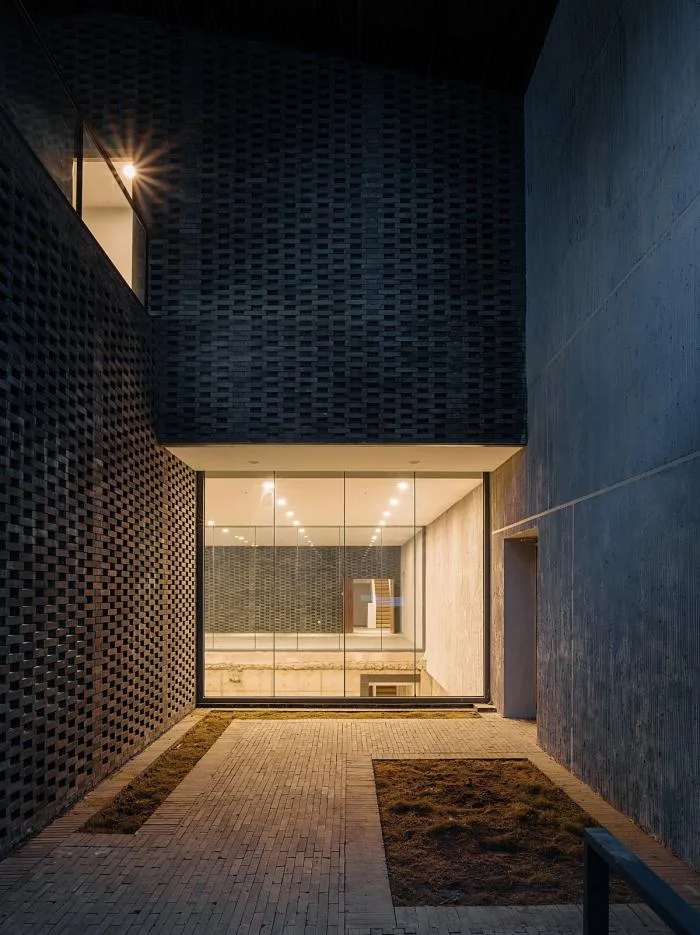
▲ Renovated Ruyuan Fengting © Sun Haiting
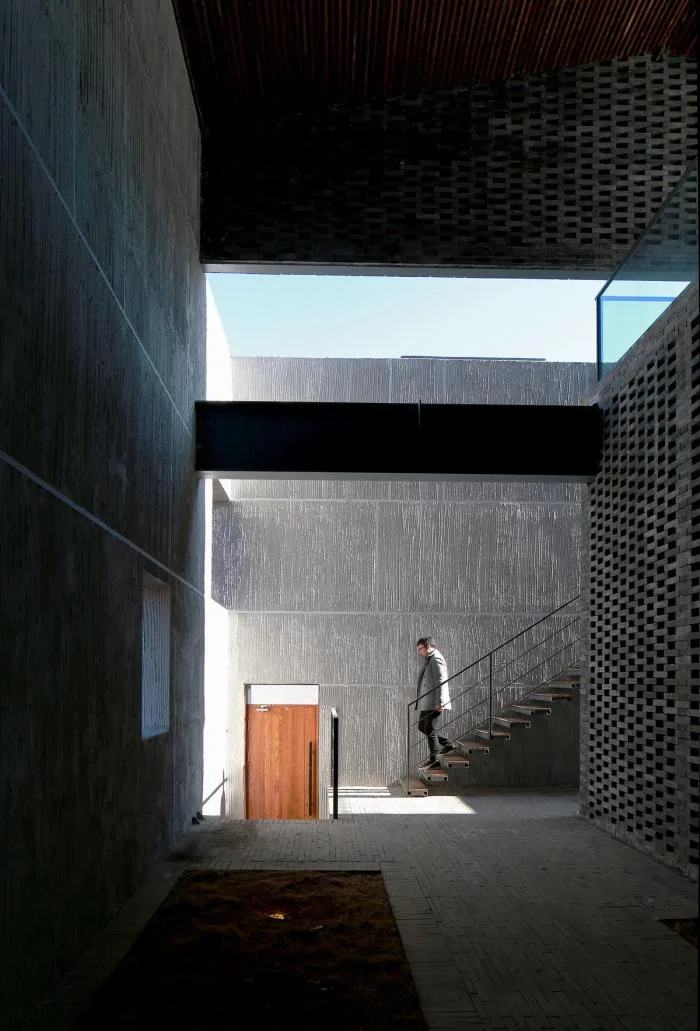
▲ Renovated Ruyuan Fengting © Chang Ke
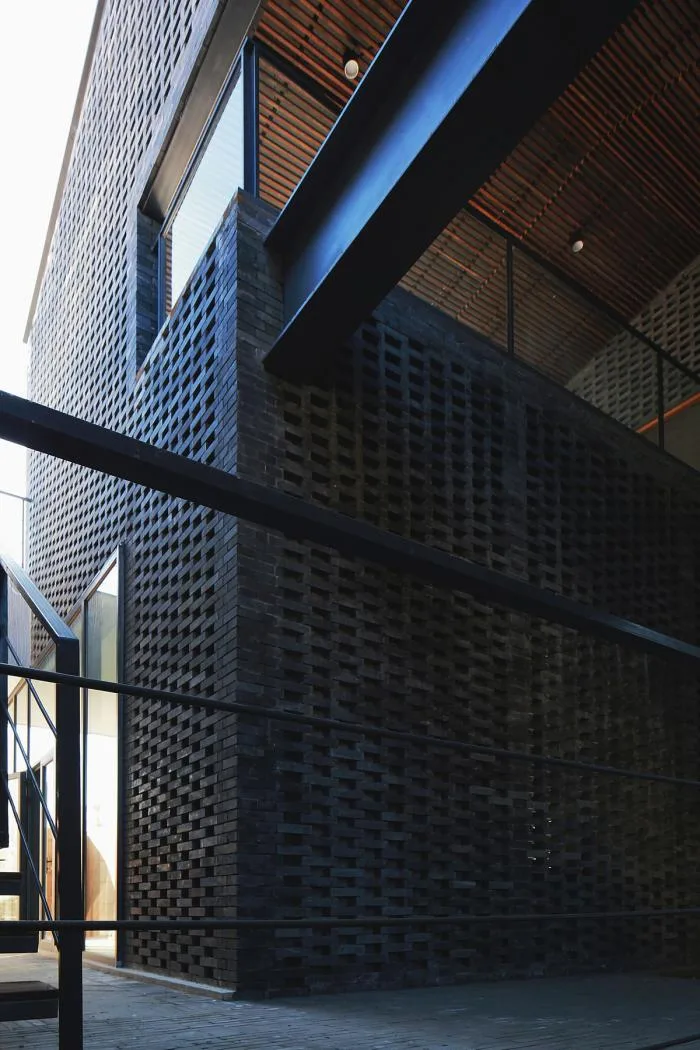
▲ Renovated Ruyuan Fengting © Chang Ke
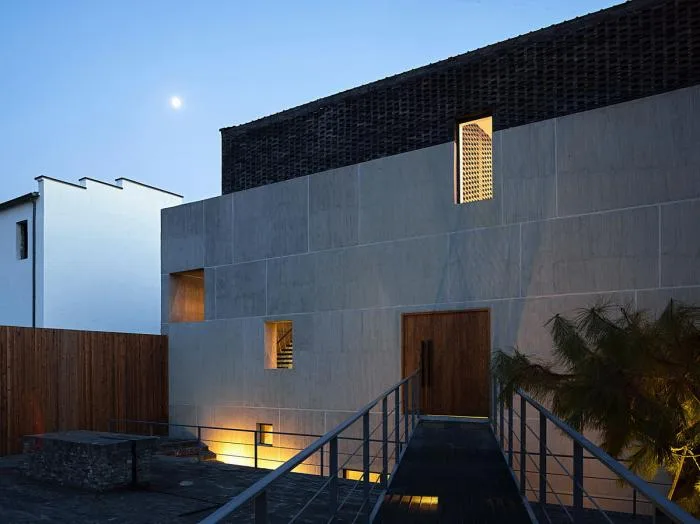
▲ Renovated Ruguyuan Xuyuan © Sun Haiting
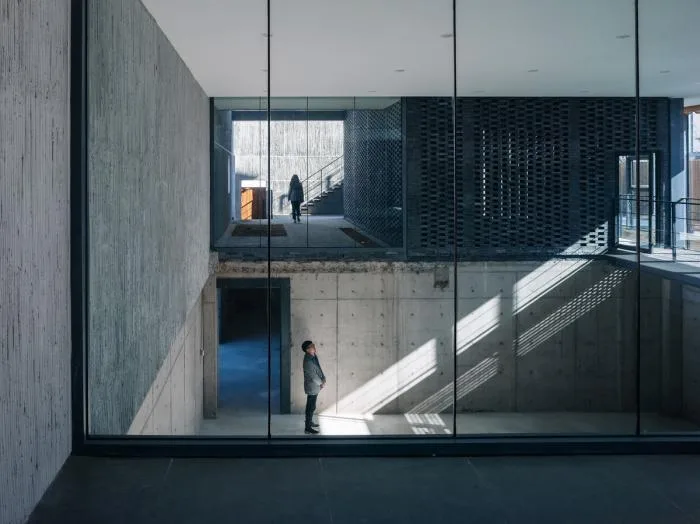
▲ Renovated Ruyuan Lecture Hall © Sun Haiting
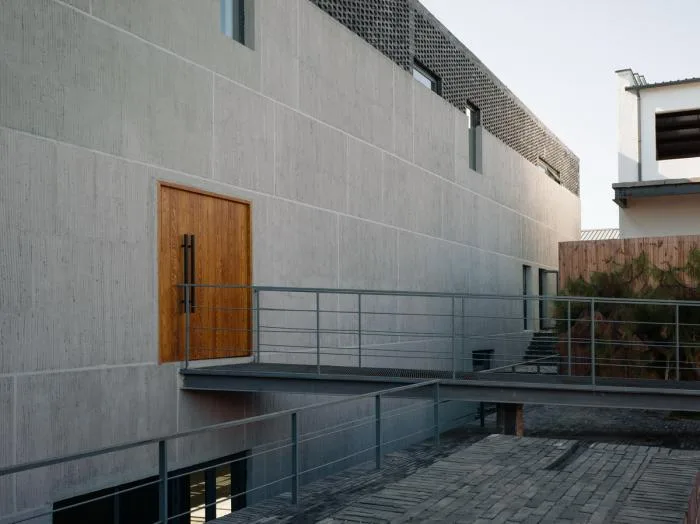
▲ Renovated Ruyuan Floating Stack © Sun Haiting
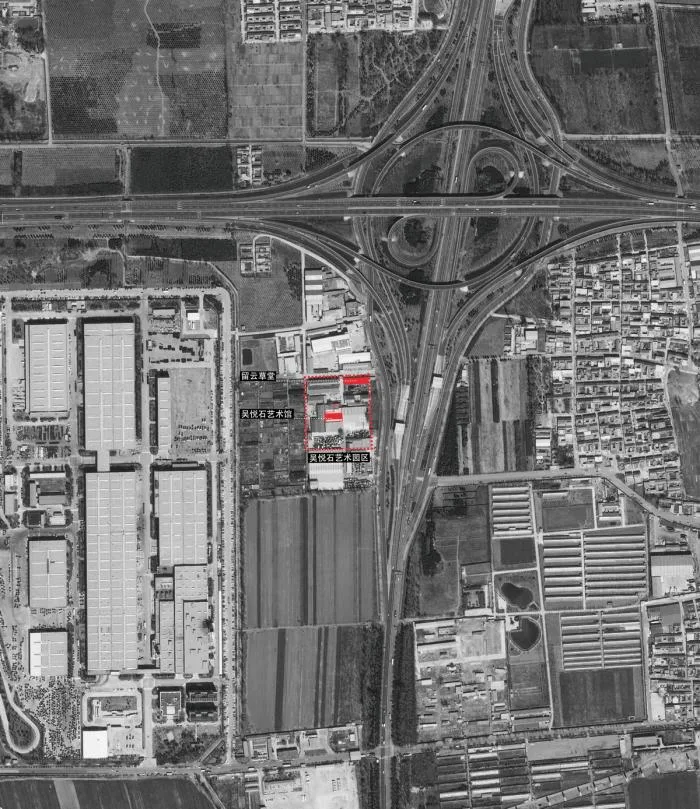
Location of Wu Yueshi Art Museum and Jiaocun Art Park
Inspired by the Origins of an Old Garden
The story begins in 2016 when we transformed a metal factory in Jiaocun, Huairou, into the studio and gallery of painter Mr. Xu Hongquan, known as “Liuyun Caotang.” As the first artist’s studio converted from a factory building in the park, it sparked renewed interest and accelerated the transformation of the entire industrial area, gradually forming the present-day Jiaocun Art Park. This year, Mr. Wu Yueshi invited us once again to take on the challenge of designing the Wu Yueshi Art Museum.
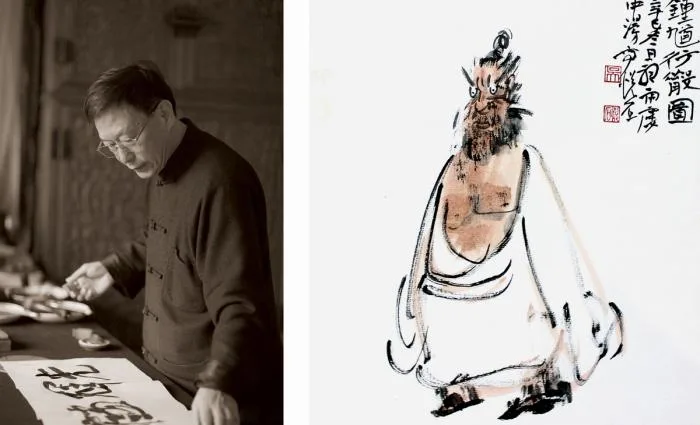
Teacher Wu Yueshi at work on his current paintings
Mr. Wu Yueshi is a distinguished master of traditional Chinese painting and a leading figure in China’s art community. Having studied painting from a young age, he was personally mentored by senior artists in the 1950s and 1960s, becoming a disciple of famous painters Wang Zhujiu and Dong Shouping. Our vision for the Wu Yueshi Art Museum extends beyond a mere functional building; it is intended as a spiritual home and a welcoming space for friends to gather. In line with the philosophy of “being as old as ever,” the museum aims not only to present a new structure but to bring an “old friend” to Teacher Wu — reminiscent of an “old garden.”
From “Heavy Screen” to “Triple Garden”: A Contemporary Literati’s Spatial Prototype
1. Revisiting the Psychological Landscape of the “Screen”
In designing Liuyun Thatched Cottage, we explored the artist’s psychological structure to reinterpret the traditional Chinese painting concept of the “heavy screen.” Through multi-layered inward excavation, corridors were eliminated to create clusters of rooms. Nested frames layered deeply express spatial “depth” while maintaining unobstructed visibility throughout. However, this approach focused only on horizontal nesting within interiors, lacking a three-dimensional connection extending outward. For the Wu Yueshi Art Museum, we aimed to further enhance this multi-layered artistic scene, enriching spatial relationships in all dimensions.
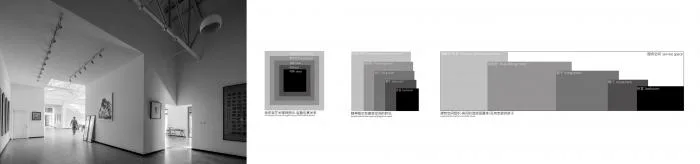
▲ Nested spatial relationships of the “heavy screen” in Liuyun Thatched Cottage
2. From “Screen” to an Ideal Model: The “Triple Garden”
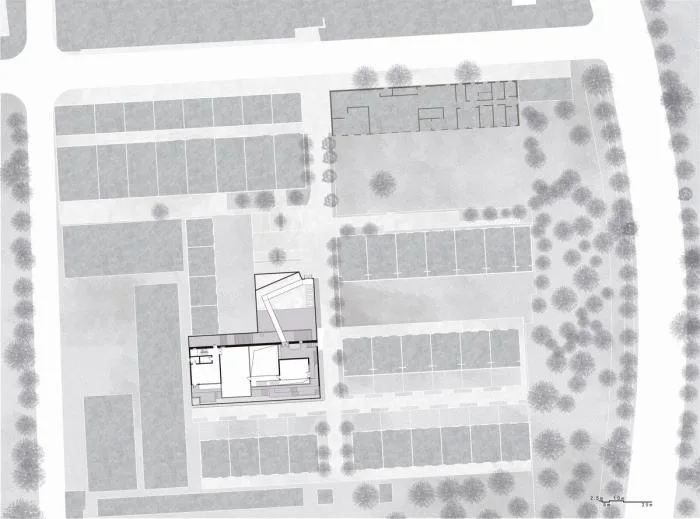
▲ General plan of the ancient garden showing its relation to Liuyun Thatched Cottage
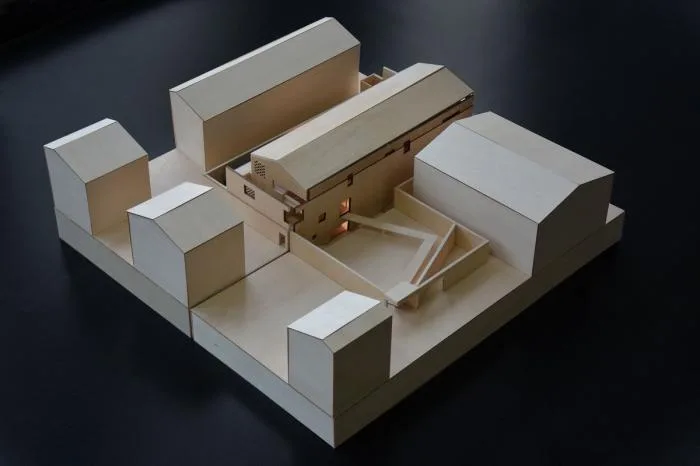
▲ Overall model of the ancient garden
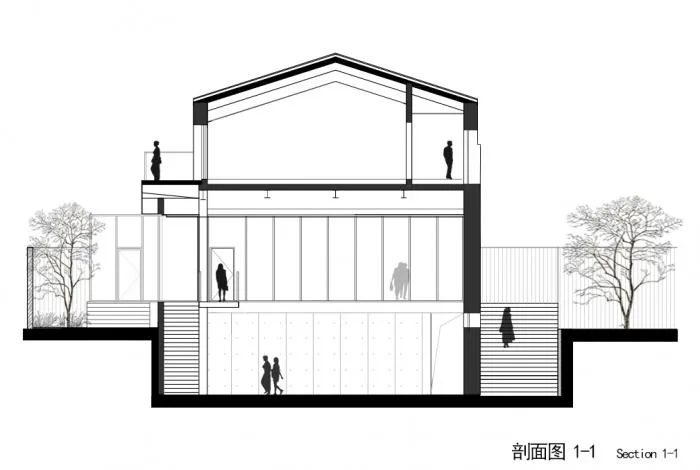
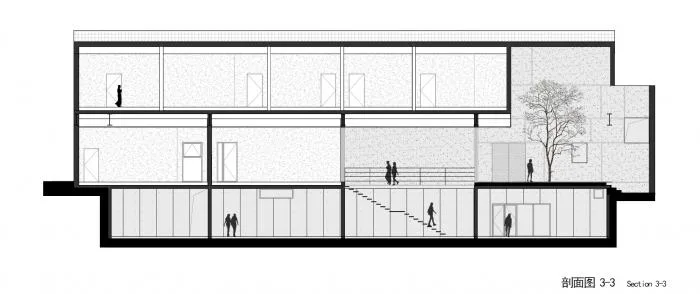
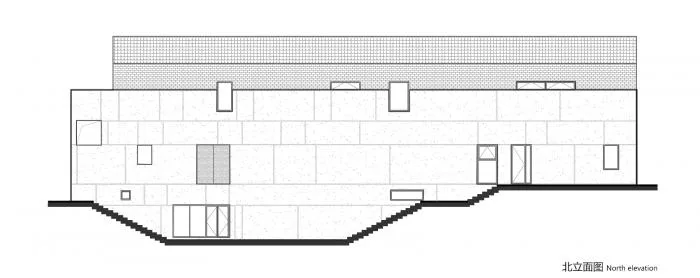
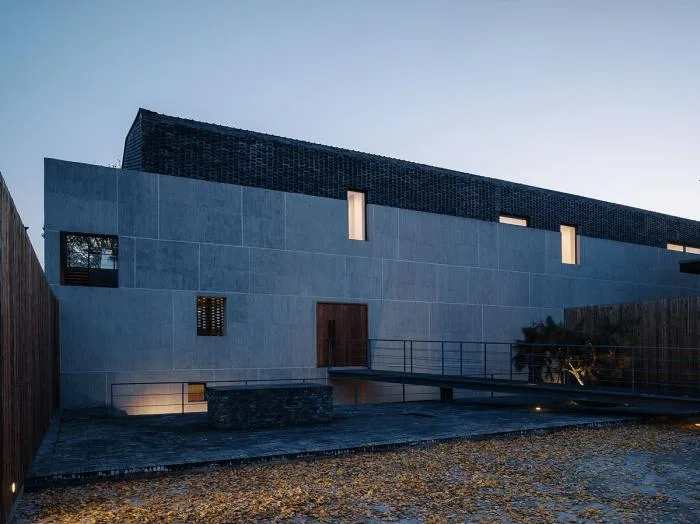
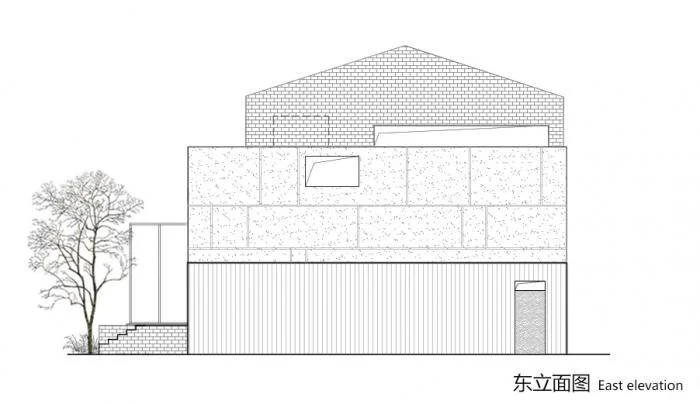
The Wu Yueshi Art Museum is located behind the Liuyun Grass Hall, adjacent to the park’s central courtyard and facing a spacious north-facing plaza. The original structure was a simple shell with two above-ground floors and one basement level. Teacher Wu envisioned the basement as an exhibition hall, the first floor as his personal studio, and the second floor to house study rooms, rest areas, and accommodation. Although this functional zoning appears straightforward, it represents a psychological hierarchy embodying different stages of artistic creation: “thinking, expression, and display.” We named the basement “Chenyuan” — a calm exhibition space sunk into the earth; the first floor “Youyuan” — a space for hosting, exchanging, and creating; and the second floor “Floating Garden” — a serene place elevated above the world. This vertical arrangement forms the initial “three-layer garden.”

▲ Diagram illustrating the spatial generation of the “Triple Garden”
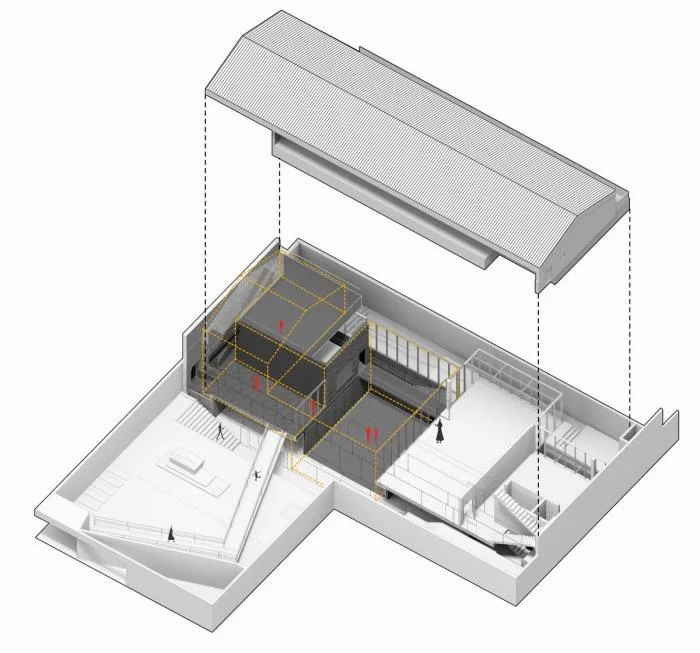
Spatial structure of the “Triple Garden” featuring intersecting sightlines and shifting identities
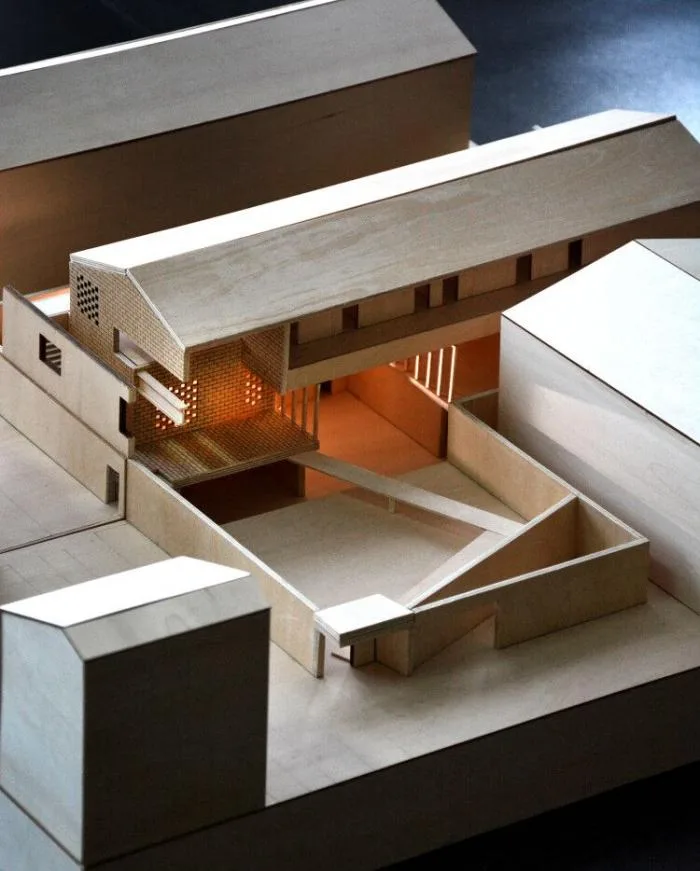
▲ Vertical communication space model of the “Triple Garden”
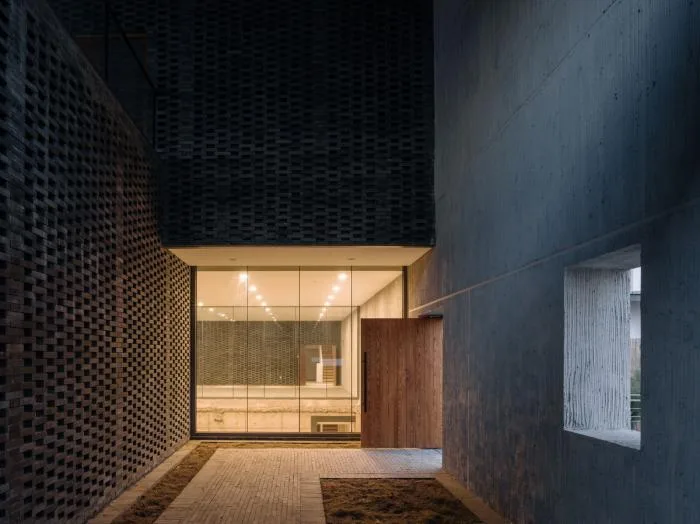
▲ Fengting © Sun Haiting
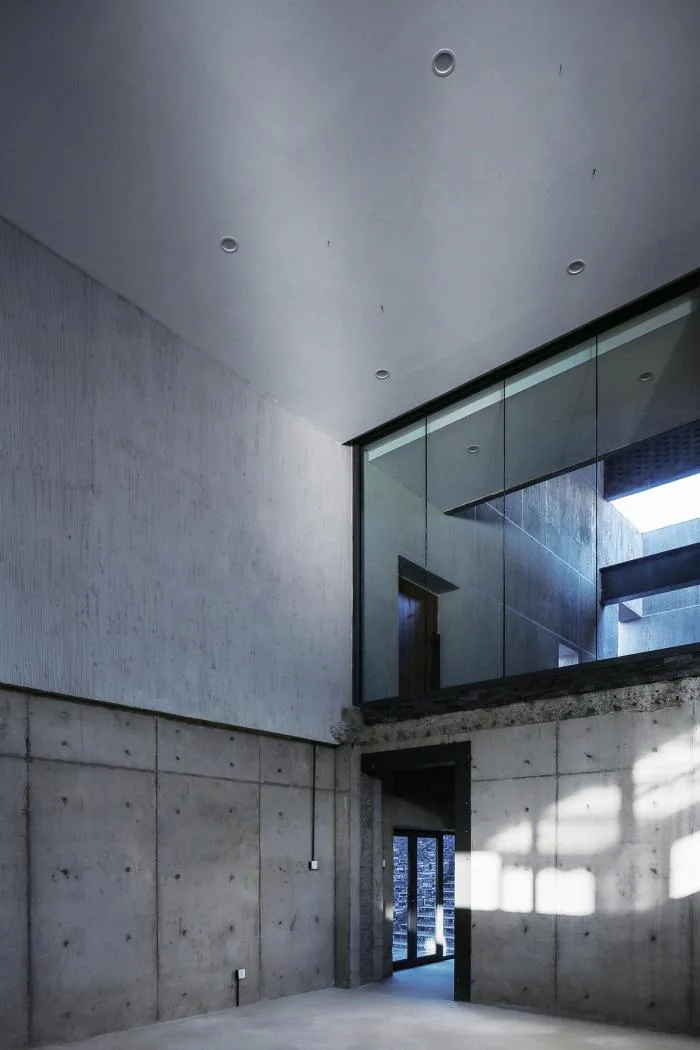
▲ The “Triple Garden” spatial structure linking basement, first, and second floors © Chang Ke
Yet, art is not a simple hierarchy — these stages of creation happen simultaneously and influence each other, much like Teacher Wu’s paintings that evolve both gradually and spontaneously. To reflect this, we connected the basement to the first floor by creating a double-height lecture hall, and linked the first and second floors with a two-story “wind garden” that blends outdoor and indoor spaces. Horizontally and vertically, the “Wind Garden” and “Lecture Hall” interconnect, forming a complex, layered spatial hierarchy, evolving the “Three-layer Garden” into the dynamic “Triple Garden.”
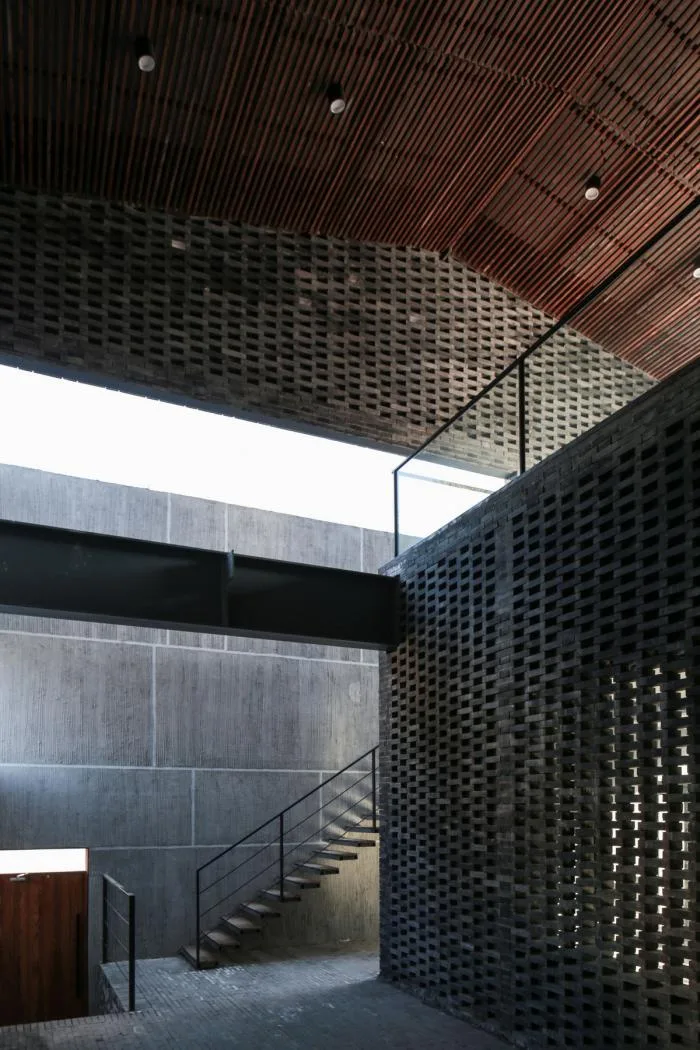
▲ Connecting space between the wind courtyard and floating garden in the “Triple Garden” © Chang Ke
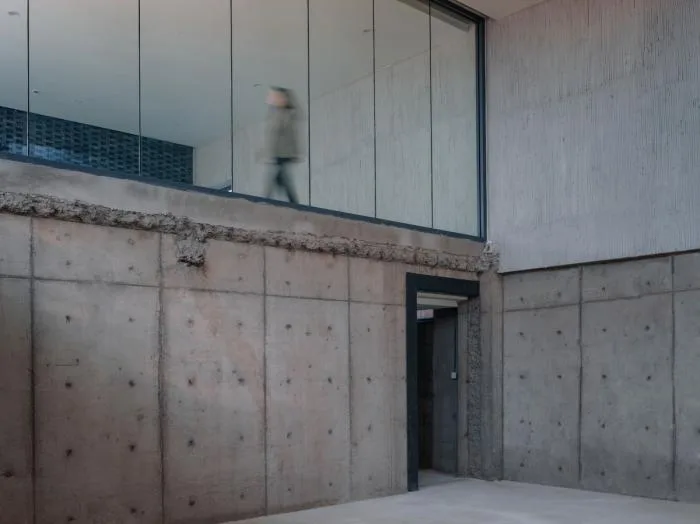
▲ Visual connections between the lecture hall and the art studio © Sun Haiting
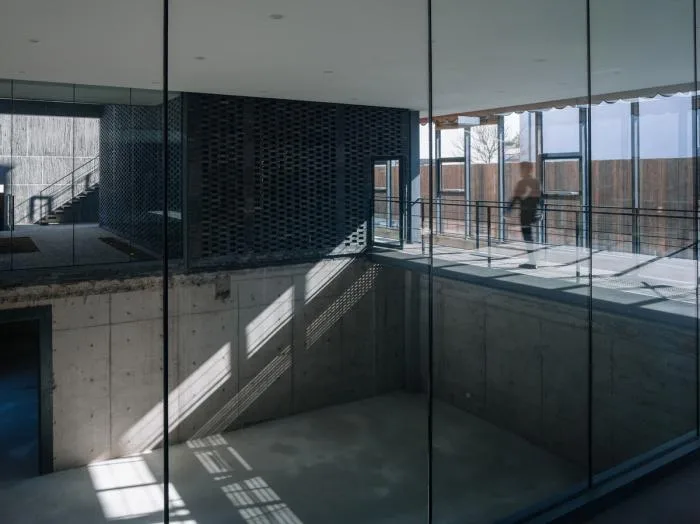
▲ A complex, interconnected artistic space © Sun Haiting
As an ideal spatial prototype, the “Triple Garden” creates a complex yet clear network of spatial and social relationships. It connects Mr. Wu, his friends, disciples, and visitors, whose roles shift as they move through the space. Visitors descend to the exhibition area to become “invited guests,” then return to the studio, gradually becoming “friends of the owner.” The Triple Garden acts as a spatial system guiding these interactions, making the art space a living, evolving environment.
The “Three Entrance Courtyard”: Layered Pathways Leading Into Depth
At the outset, we asked ourselves: what should the ideal artistic space for a contemporary literati look like? Looking back at architectural history, we recalled Bawa’s mansion — plain on the outside but uniquely rich on the inside — as well as Balagan’s home, which evolved through incremental changes into a house that reaches toward the sky. These homes reveal how an individual’s inner world can engage with broader society by creating a small, personal universe. Through the Wu Yueshi Art Museum project, we sought to express the spiritual landscape of our local artists externally.
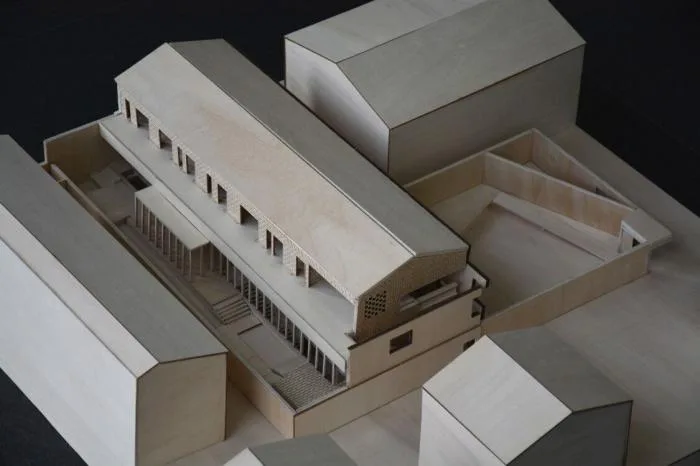
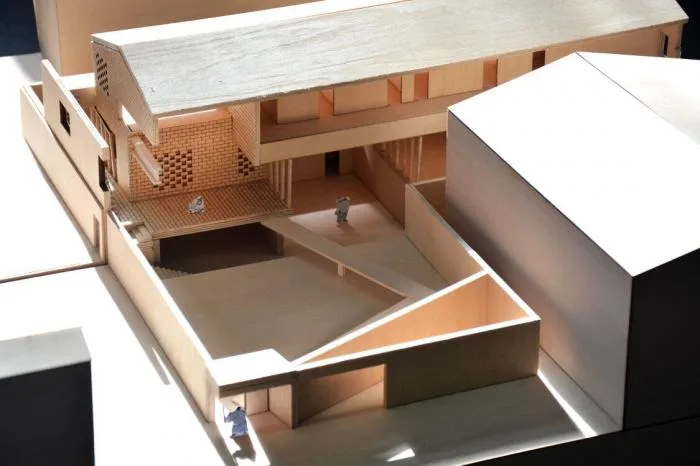
▲ Overall model of the courtyard in the old garden
Outside the main building of the “Triple Garden,” we constructed an additional “Three Entrance Courtyard.” Dramatic elements like “floating stacks” and “connecting bridges” guide visitors from the gate to the studio, gradually folding and stretching their journey. This process helps visitors mentally detach from the outside world through a series of shifting spatial experiences, ultimately leading them into the realm of art through tactile engagement.
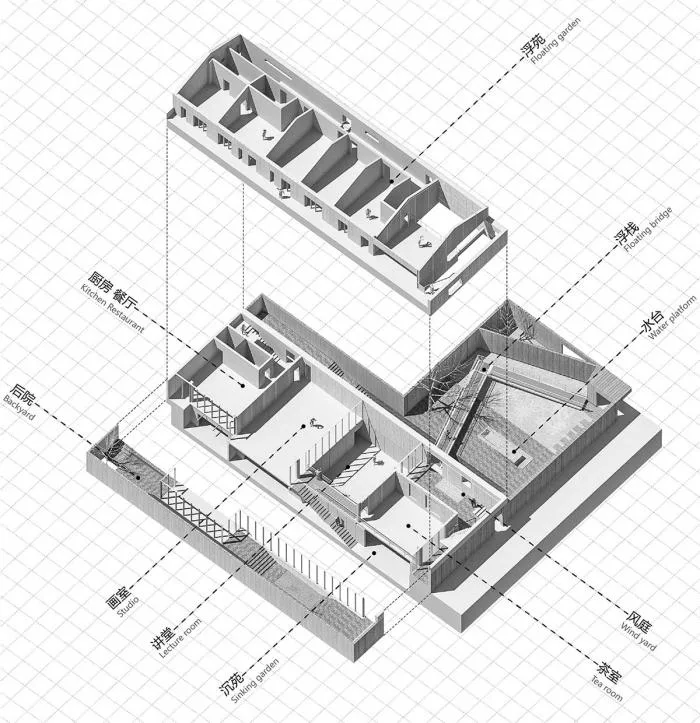
Analysis of the “Three Entrance Courtyard” structure
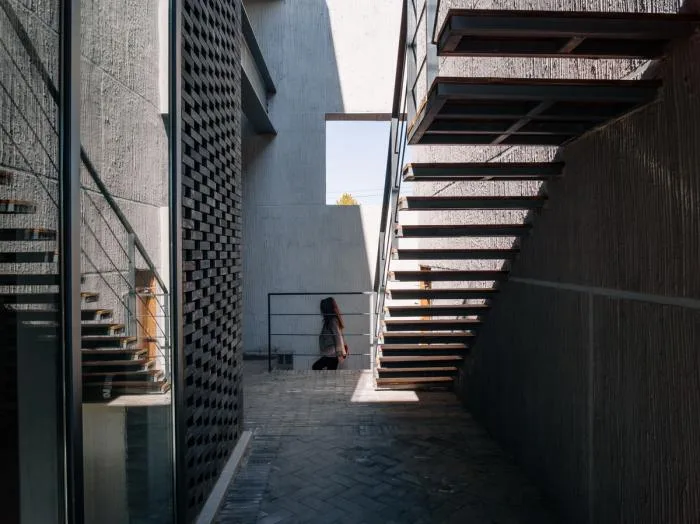
▲ The “Heavenly Ladder” in the Wind Pavilion © Sun Haiting
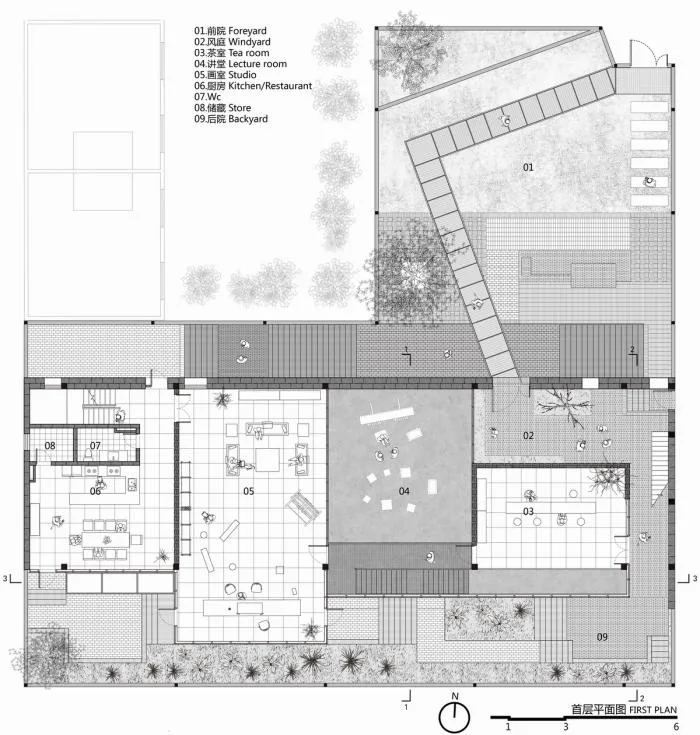
▲ First-floor plan of Ruguyuan
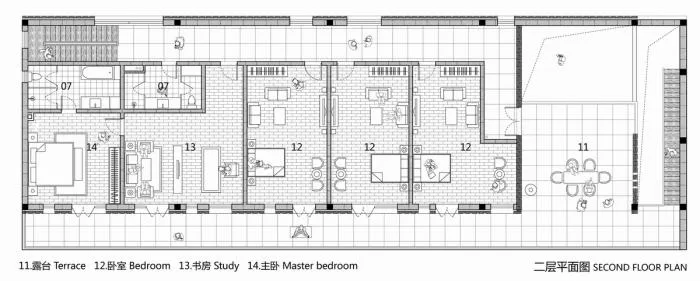
▲ Second-floor plan of Ruguyuan
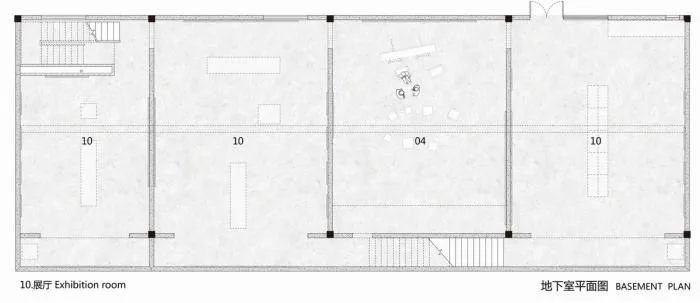
▲ Basement floor plan of the old garden
▲ The spatial “story” of the old garden
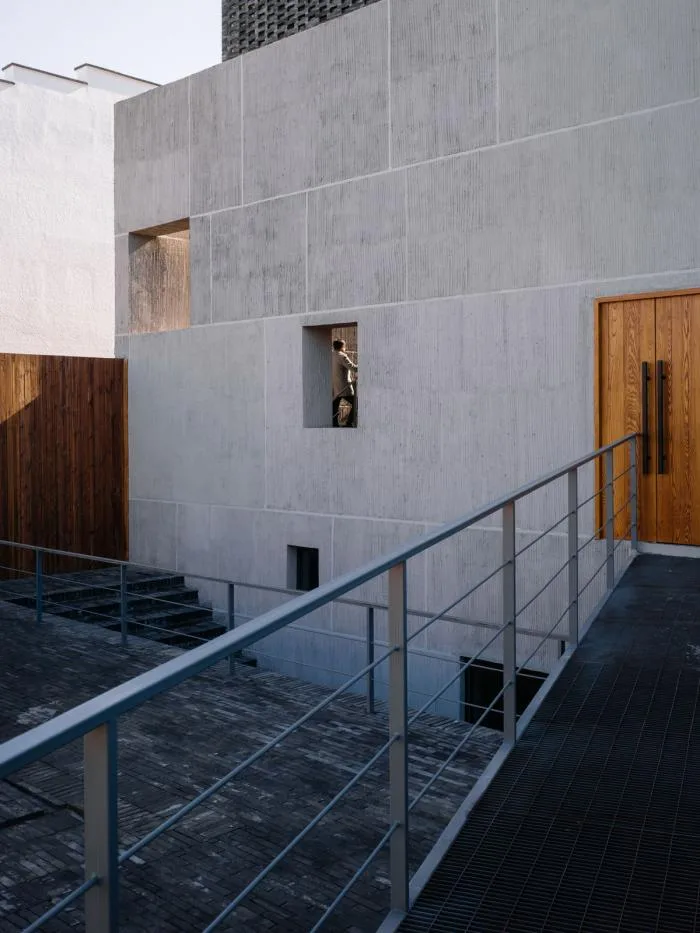
The profound spatial connection created by the cave entrance © Chang Ke
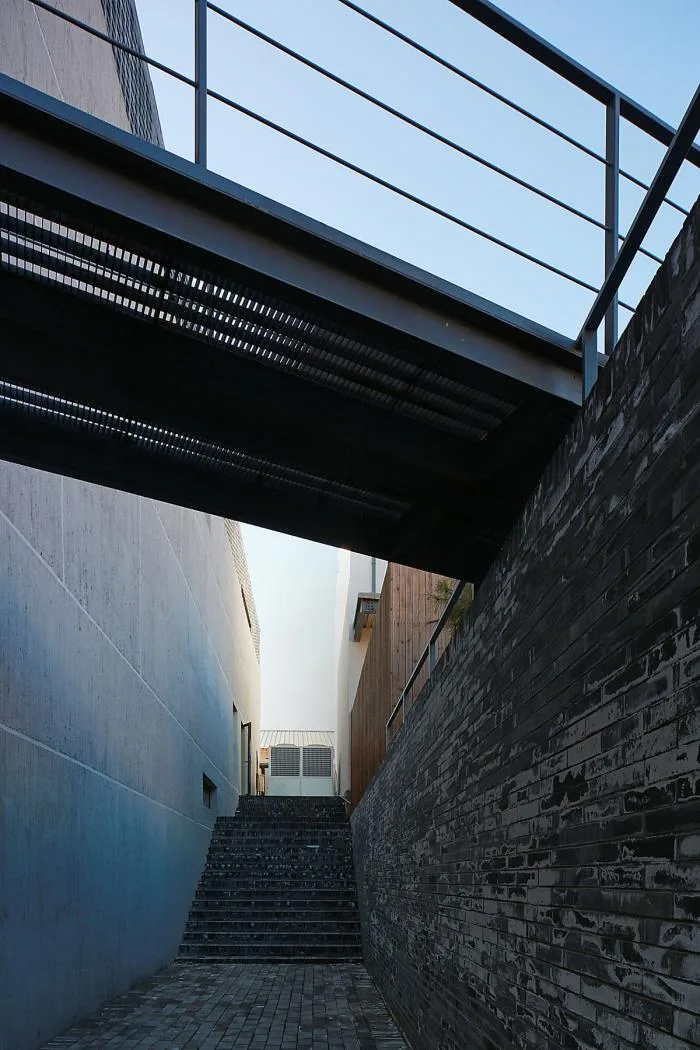
▲ Floating Stack © Chang Ke
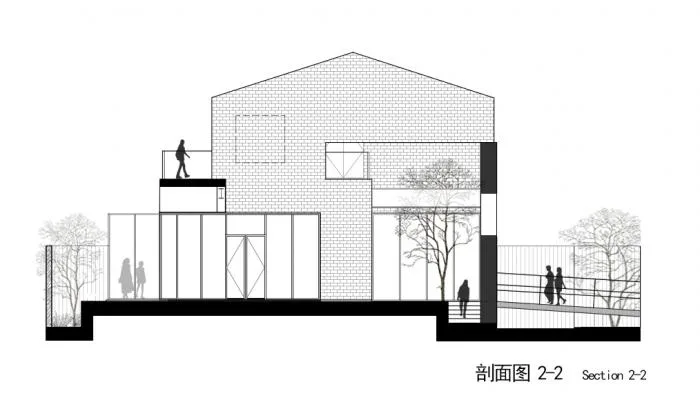
The “Preface Courtyard” marks the beginning of the “Triple Courtyard.” The “Water Platform” and “Brick Courtyard” serve as outdoor spaces for art exhibitions or gatherings. The “Water Platform” guides visitors down a sunken crack between the Brick Courtyard and the building, providing direct access to the underground exhibition hall and minimizing disruption to the creative spaces above. Alternatively, visitors cross a “floating stack,” traversing the crack to enter the “wind courtyard” on the first floor via the building’s entrance. The “Fengting” — a semi-outdoor pavilion — serves as the heart of the museum, acting as a node for identity transformation and spatial navigation. Integrated with the entrance bridge and each floor, Fengting offers varied views of staircases, window wells, and courtyards, delivering a layered natural experience that reinterprets traditional garden spaces in a modern context.
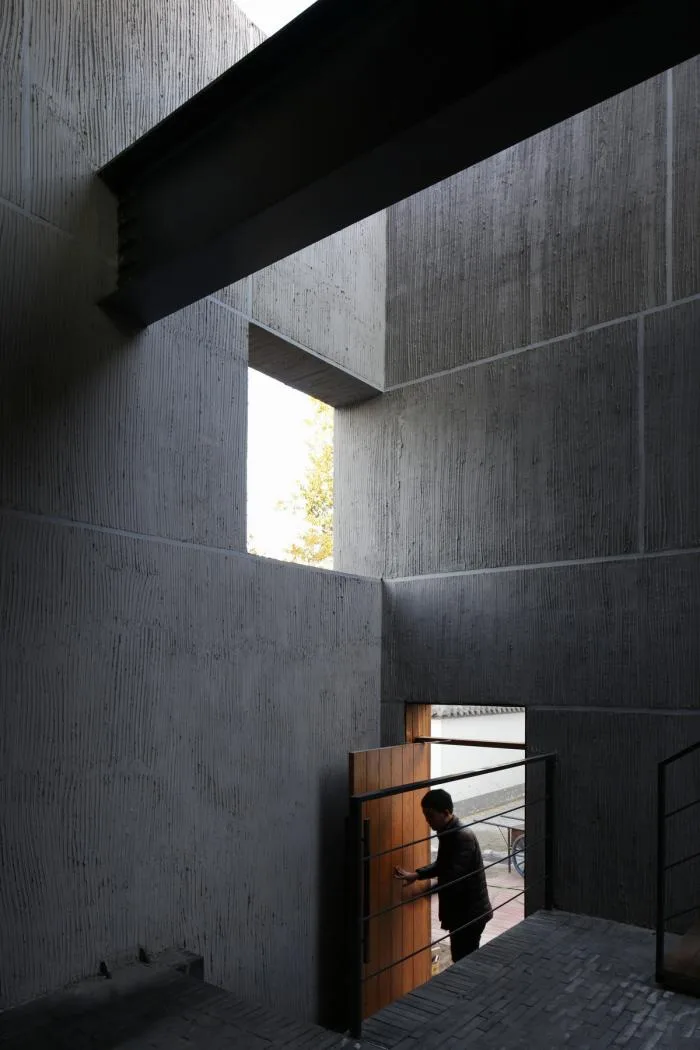
▲ Secondary entrance in Fengting, allowing Teacher Wu direct access to the building © Chang Ke
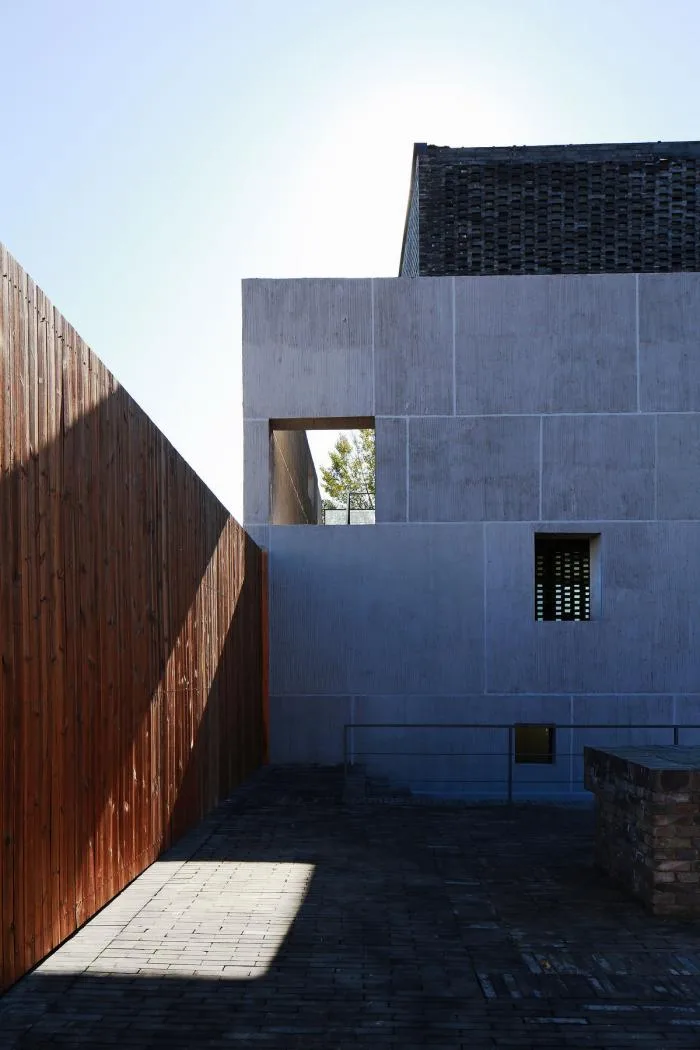
At noon, the opening on the north facade captures a “beam of light” for the northern courtyard © Chang Ke
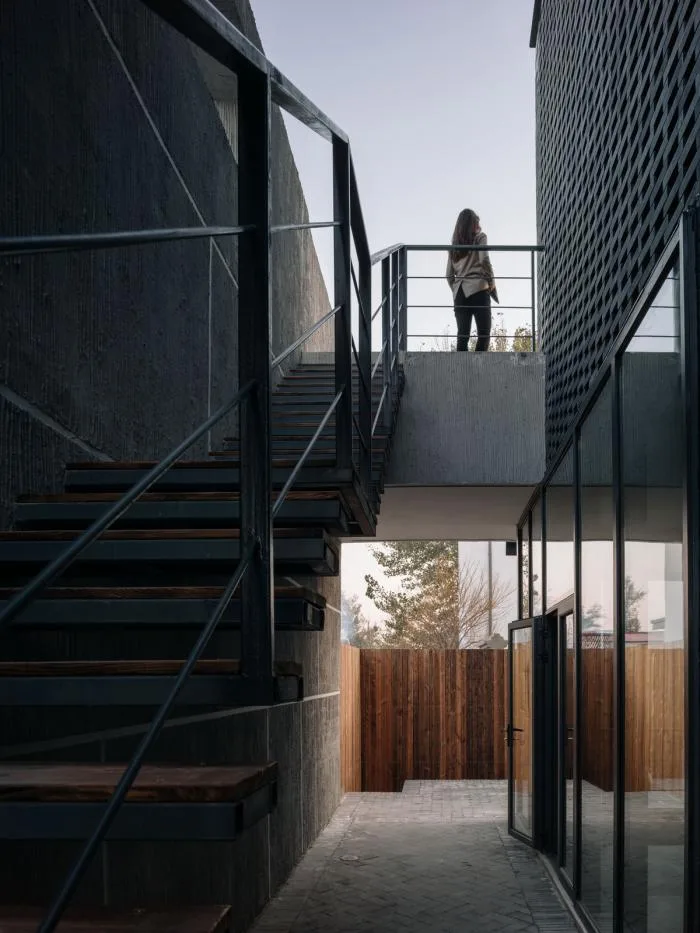
▲ The “Heavenly Ladder” leading to the floating garden on the second floor in Fengting © Sun Haiting
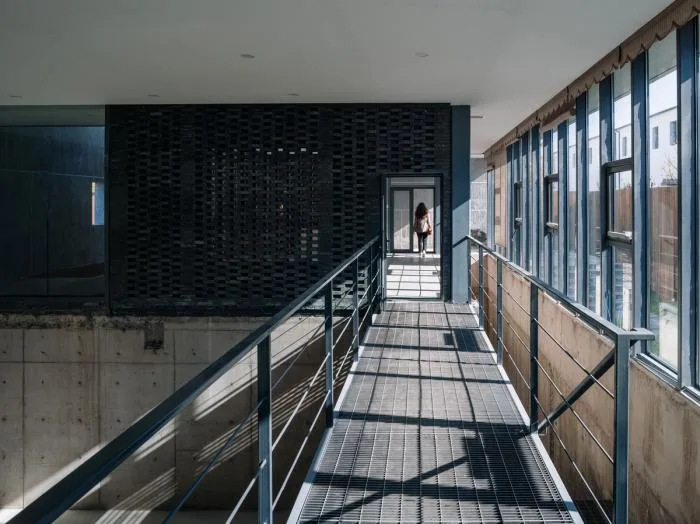
▲ Corridor above the lecture hall © Sun Haiting
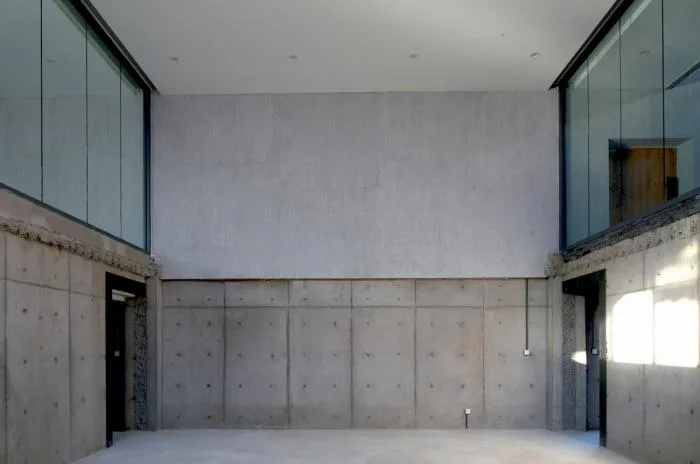
▲ Lecture Hall © Chang Ke
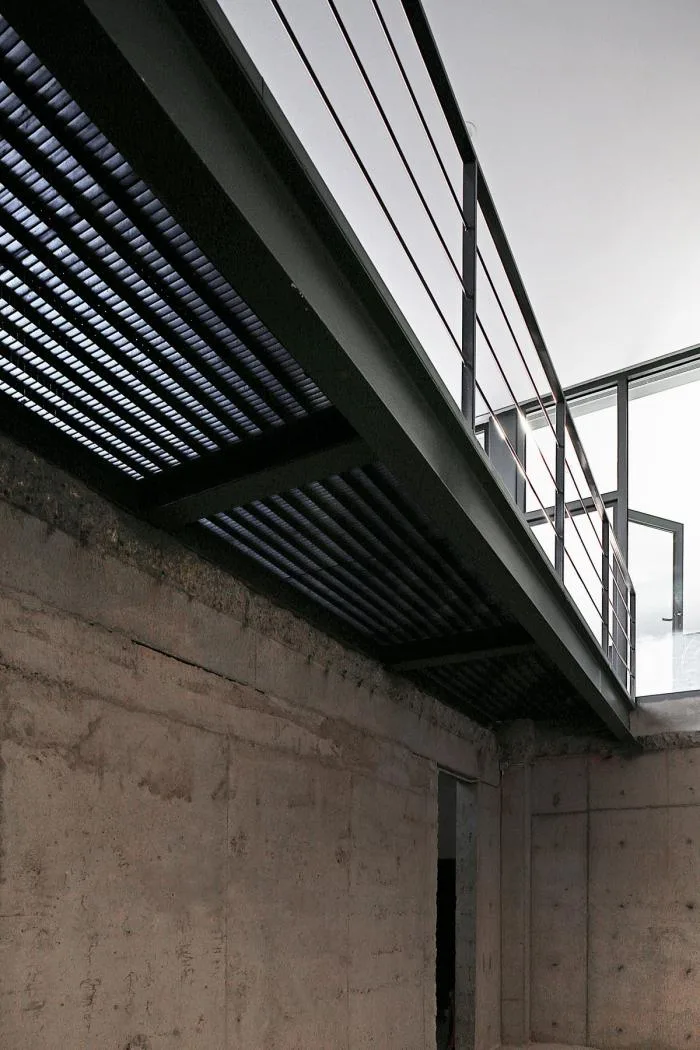
The steel grating floor of the corridor allows “soft light” to filter down to the exhibition walls below © Chang Ke
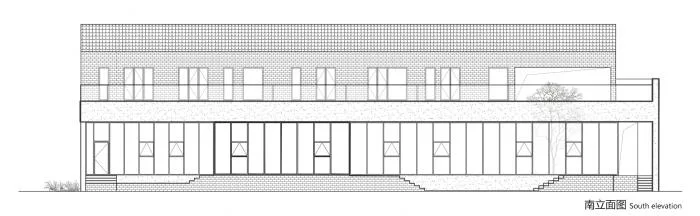
The first-floor space, “Youyuan,” consists of a tea room, an art studio, and a restaurant. Serving as the heart of Mr. Wu’s creative and social life, “Youyuan” features a large south-facing glass wall that fills the space with natural light. Except for the fully enclosed studio, the tea room opens toward the underground exhibition hall, creating a flowing connection with the surroundings. A steel-grated corridor links the tea room to the studio, offering views into the lecture hall below and access to the exhibition via stairs. This area has become an exclusive retreat for Teacher Wu to create and relax freely.
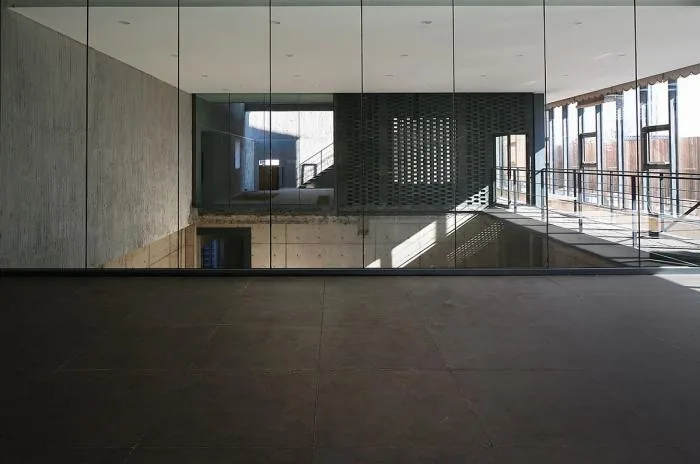
▲ View toward the Wind Pavilion and Corridor from the Studio © Chang Ke
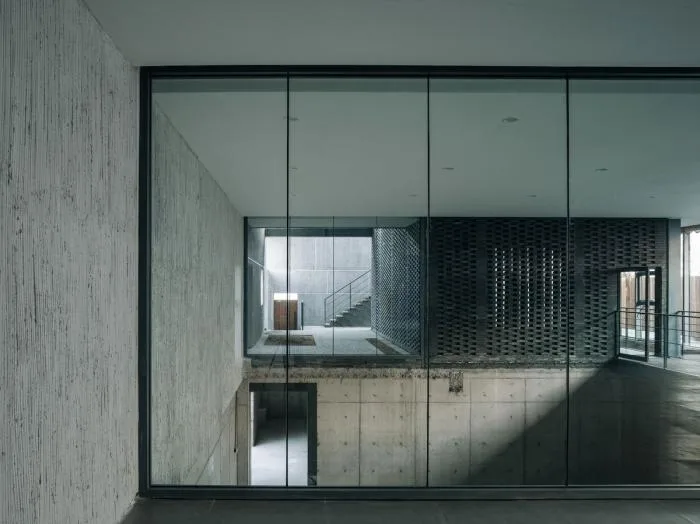
▲ Changes in interior lighting throughout the day © Sun Haiting
Physical Reflections on Environment: Light, Materials, and Construction
The foundational atmosphere of the house was inspired by the warm light and shadow on the raw, unfinished concrete basement walls. Despite its roughness, the tactile quality and subtlety of the concrete created a sense of “sinking” that defines the space’s character. This led us to consider how light and materials transform the environment throughout the seasons, with “light” taking center stage and materiality receding, turning the body into the main vehicle of sensation. To evoke a sense of “oldness,” we selected materials such as clear water concrete, green bricks, hand-roughened diatomaceous earth, steel, and weather-resistant wood.
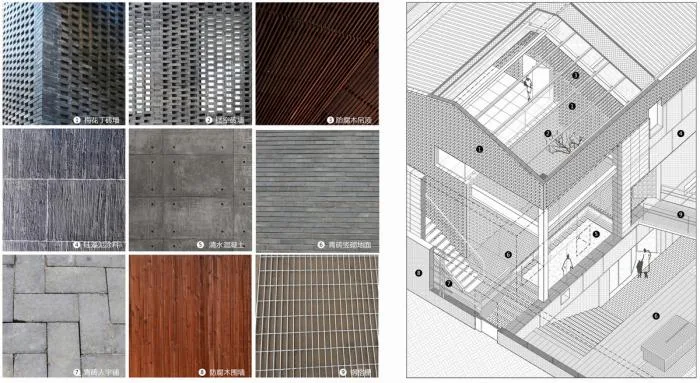
▲ Material selection for the ancient garden
In the underground “Chenyuan” section, we preserved the original concrete walls, only carving out passages where necessary. The notches and imperfections on the original surfaces were intentionally retained as architectural imprints — not decorative, but authentic traces of construction.
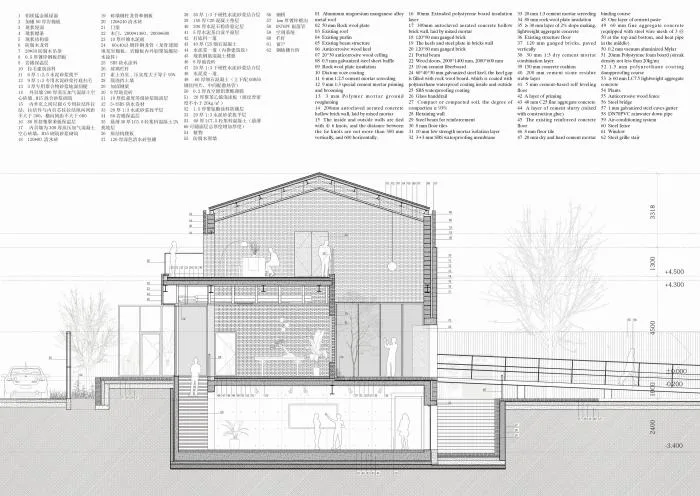
▲ Section sample and material application
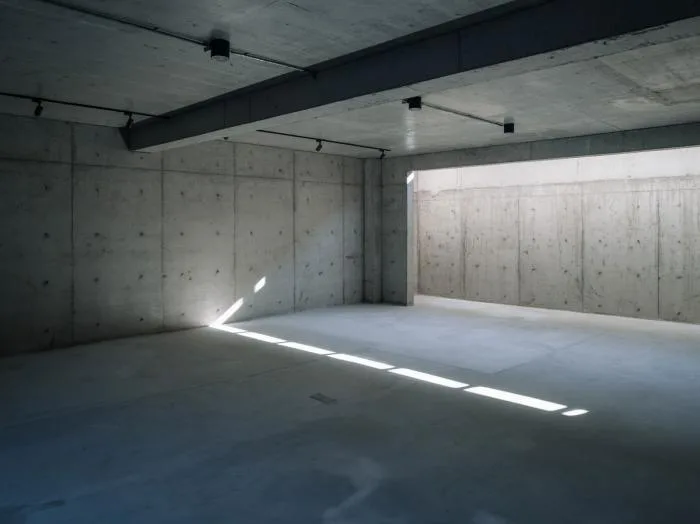
Natural light shaping the atmosphere in the underground exhibition halls © Sun Haiting
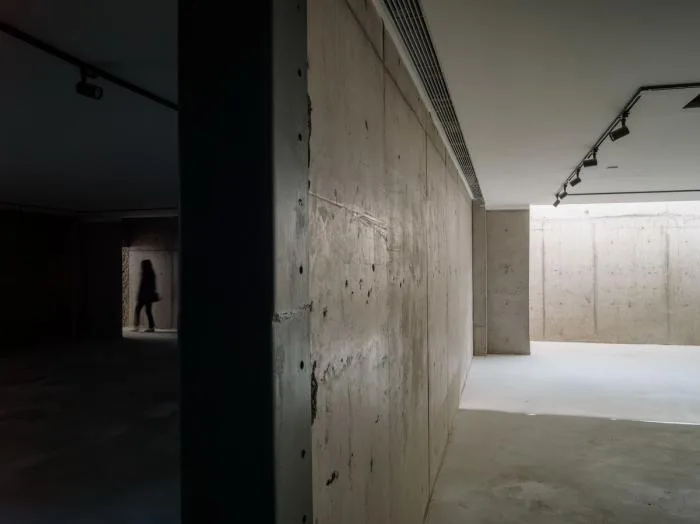
▲ Light and shadow guiding spatial experience © Sun Haiting
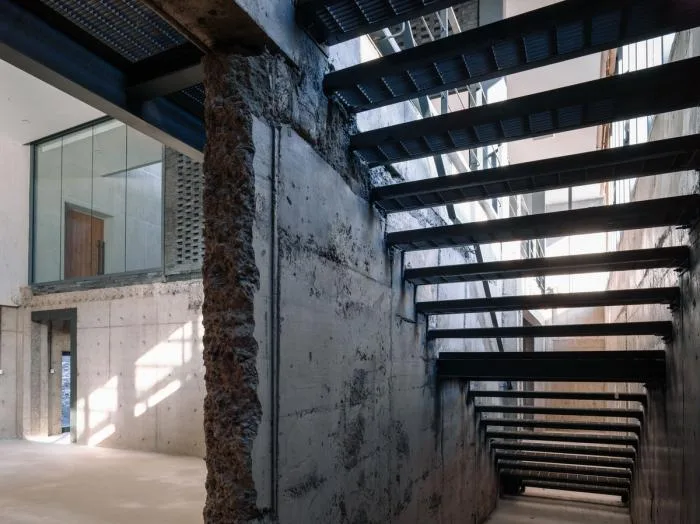
▲ “Old” traces left by the raw construction in the underground exhibition hall © Sun Haiting
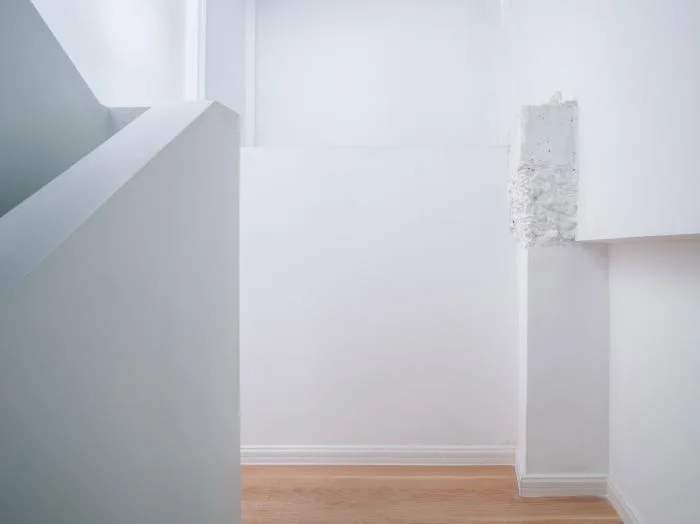
▲ “Old” traces in the stairwell’s primitive structure © Sun Haiting
In “Youyuan,” we removed most solid walls and replaced them with glass curtain walls, maximizing connectivity with the surrounding natural space in front and back yards. The space captures and follows sunlight year-round, creating dynamic light effects within the glass volumes. Green bricks were chosen as the primary material for new walls, laid in varied masonry patterns. This approach both marks the “newly added” elements and reflects the flexible spirit of “Youyuan,” emphasizing the non-load-bearing and free nature of partition walls. The green brick walls physically connect with the concrete basement walls, symbolizing our respect for history and contemporaneity. Rather than emphasizing cultural symbolism, we valued the tactile experience of the materials. In the “Wind Garden,” green bricks extend from walls to floors and onto the semi-outdoor second-floor platform, guiding visitors through the spatial sequence of the “Triple Garden.”
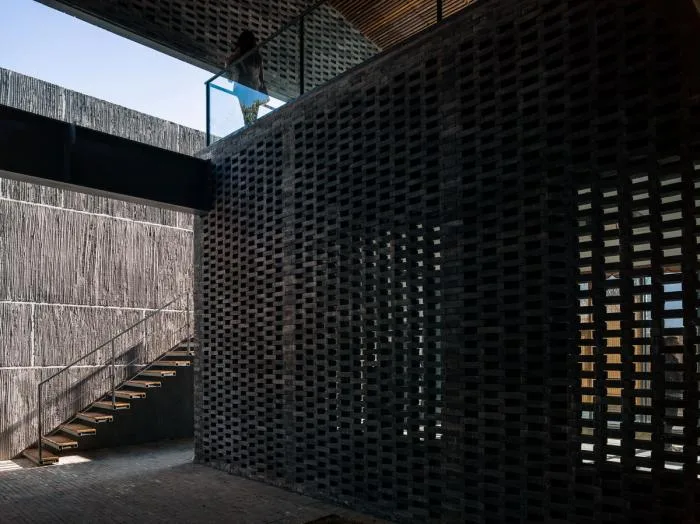
▲ Matte wall in strong light contrasts with blue brick wall in soft light © Sun Haiting
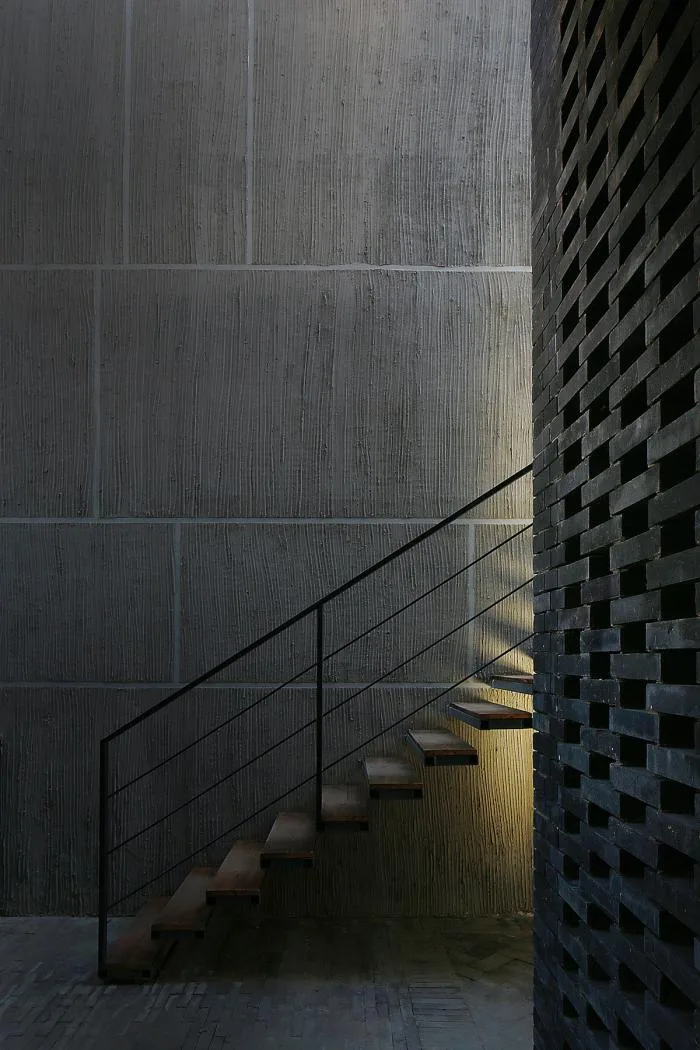
▲ Diatomaceous earth wall and blue brick wall under low light © Chang Ke
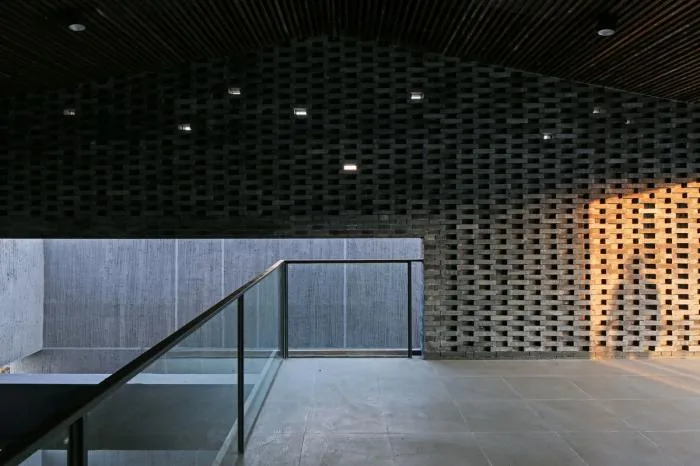
Juxtaposition of hollow blue brick walls and diatomaceous earth surfaces on the second-floor floating garden rest area © Chang Ke
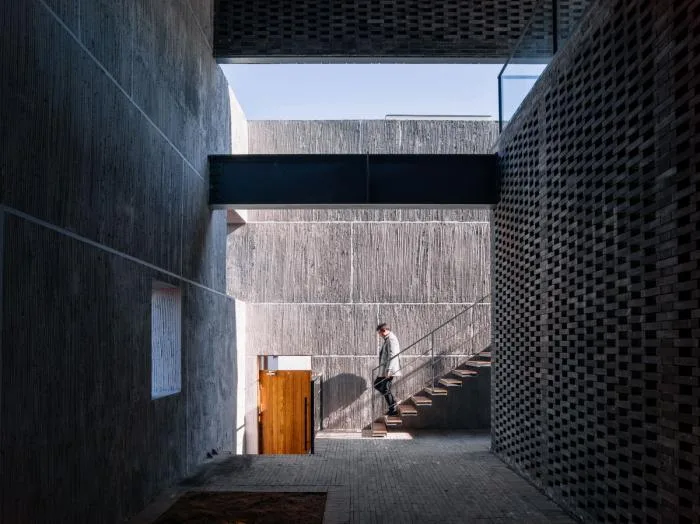
Hollowed blue brick wall in the wind garden, with adjacent diatomaceous earth flooring © Sun Haiting
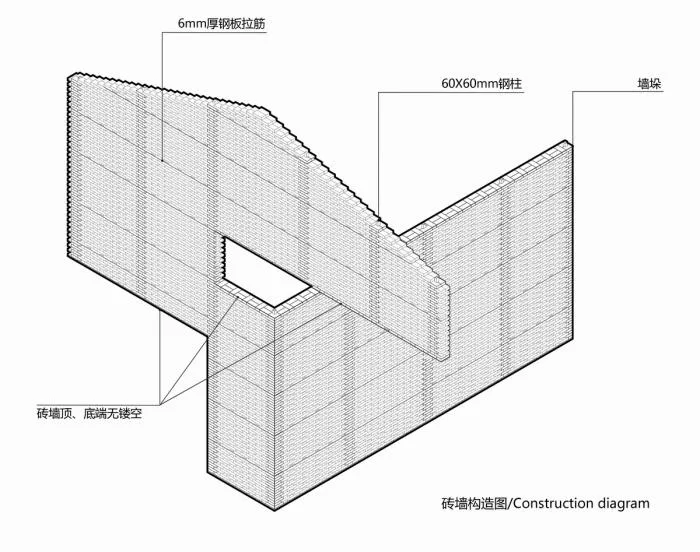
▲ Construction and corner details of hollow blue brick wall
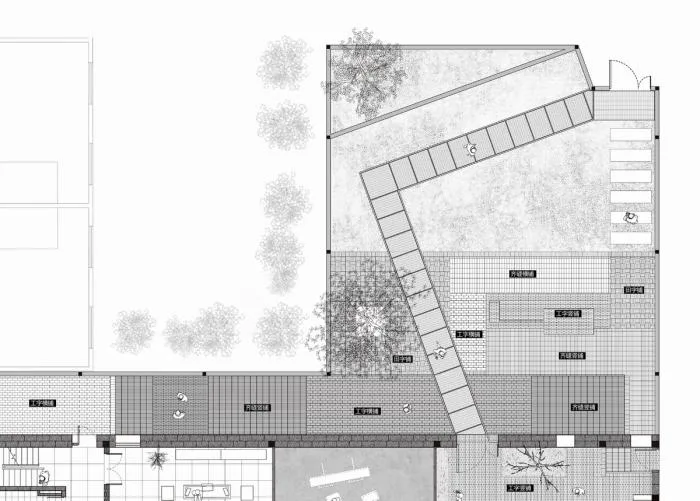
▲ Composite mosaic flooring of green bricks in the Preface Courtyard
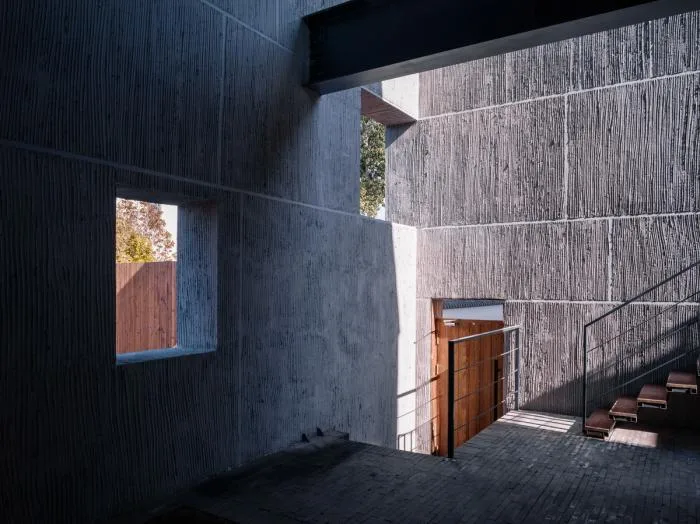
▲ Diatomaceous earth wall textures under direct and diffuse lighting © Sun Haiting
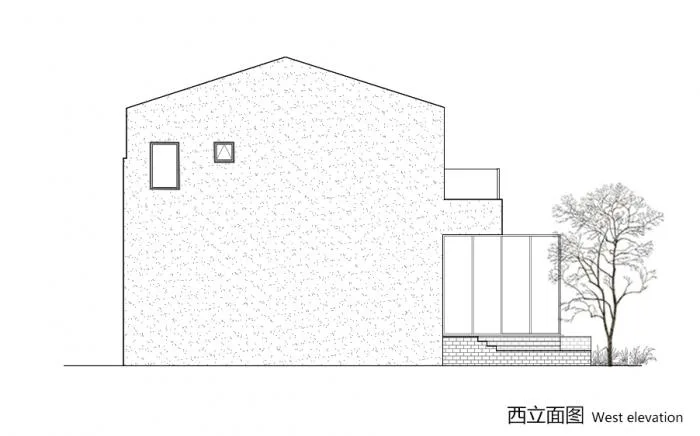
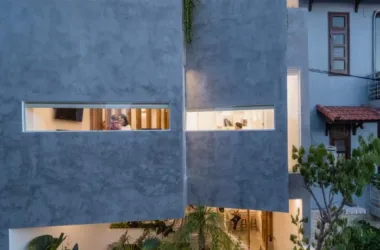
For the exterior of the “Triple Garden,” we selected hand-brushed walls to echo the original style. The brush strokes capture the movement of the hand, preserving the memory of craftsmanship beyond the surface. The natural unevenness of the wall interacts with light to evoke a sense of age. To facilitate construction, the exterior walls were subdivided, enhancing the building’s modular feel and allowing visitors to experience the “new as old” effect up close.
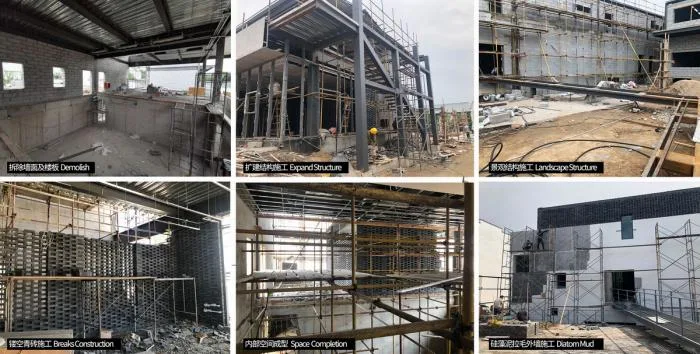
▲ Construction process of the ancient garden
▲ Moments of calm in the old garden © Sun Haiting
Architecture and “Old Friendship”
What emotions should an ideal space hold? Throughout the design process, this question resonated deeply with us. In Mr. Wu’s home, we believe an ideal space should embody a spectrum of emotions — sometimes a quiet whisper, sometimes a burst of excitement. Art, to some extent, reflects the secular world: as daylight flows, so do longing, expectation, waiting, anger, joy, and indifference. This creates a model for both the ideal and the everyday human.
The “old” in “making the new feel old” transcends mere age; it evokes the warmth of an “old friendship.” For Teacher Wu, the art museum is a place to meet new friends and reconnect with old ones. New acquaintances gradually become old friends here, just as new spaces become familiar and cherished. The entire process is like moving from an “old garden” to an “old friend” — encapsulated by the phrase “like an old garden.”
Project Information
Project Location: Huairou District, Beijing
Project Type: Art Museum / Studio
Design Period: March 2019 to May 2019
Construction Period: May 2019 to November 2019
Building Area: 967 square meters
Design Firm: ProBuilding Office Project
Lead Designers: Chang Ke, Li Wenhan, Liu Minjie
Design Team: Zhao Jianwei, Jiang Honghui, Zhang Hao, Feng Panao, Yuan Bo, Qiao Yu (intern), Wang Jiatong (intern), Wu Xiangdan (intern)
Photography: Sun Haiting, Chang Ke
Website: officeproject.cn












Must log in before commenting!
Sign Up