
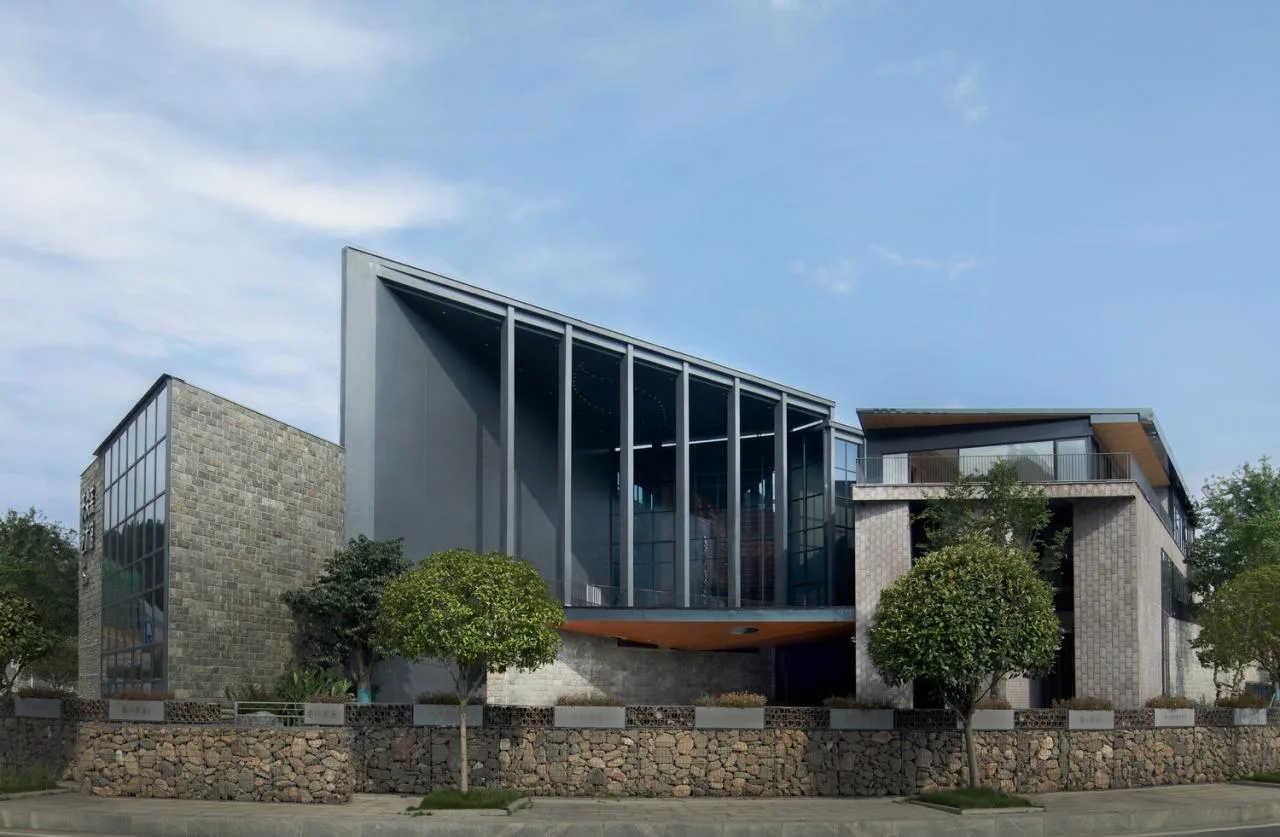
Can industrial “settlements” in urban areas become new public spaces that foster urban culture?
In China’s county-level regions, there exists an “intermediate” urban-rural structure. Unlike large cities that leverage new technology industries as cultural drivers, or rural areas that rely solely on agricultural landscapes as buffer zones, these regions experience aggressive urbanization. The modern urban structures they seek to develop often clash with the relatively primitive industries present, resulting in conflicting urban-rural phenomena. This “spectacle” contributes to the unique character of the “real city” but also disrupts continuous urban spatial development, hindering the formation of a cohesive regional culture. Consequently, these areas often become undefined and fragmented, displaying a “one side of a thousand cities” phenomenon. Anhua, Hunan exemplifies a typical industry-driven county-level city.
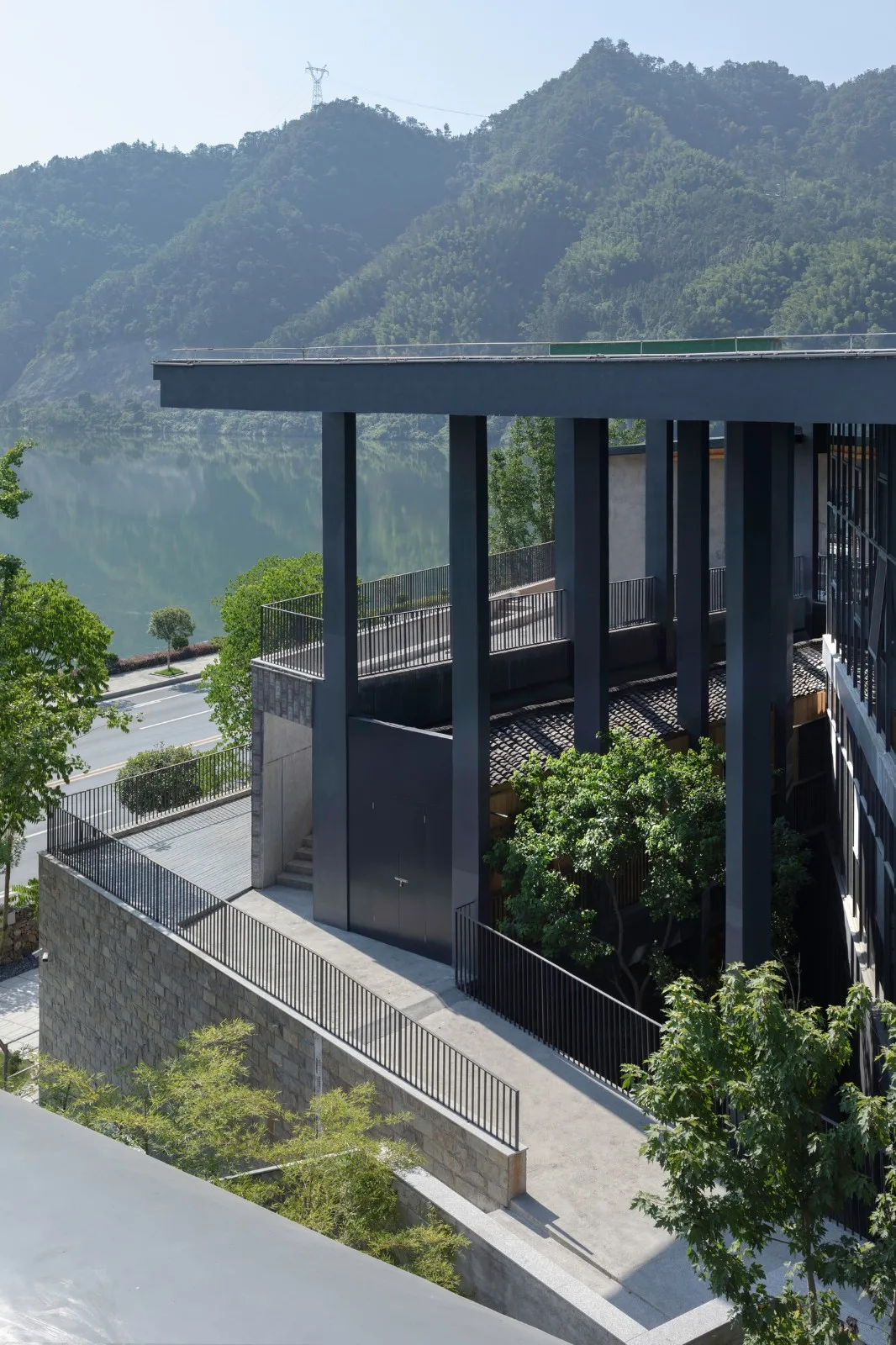
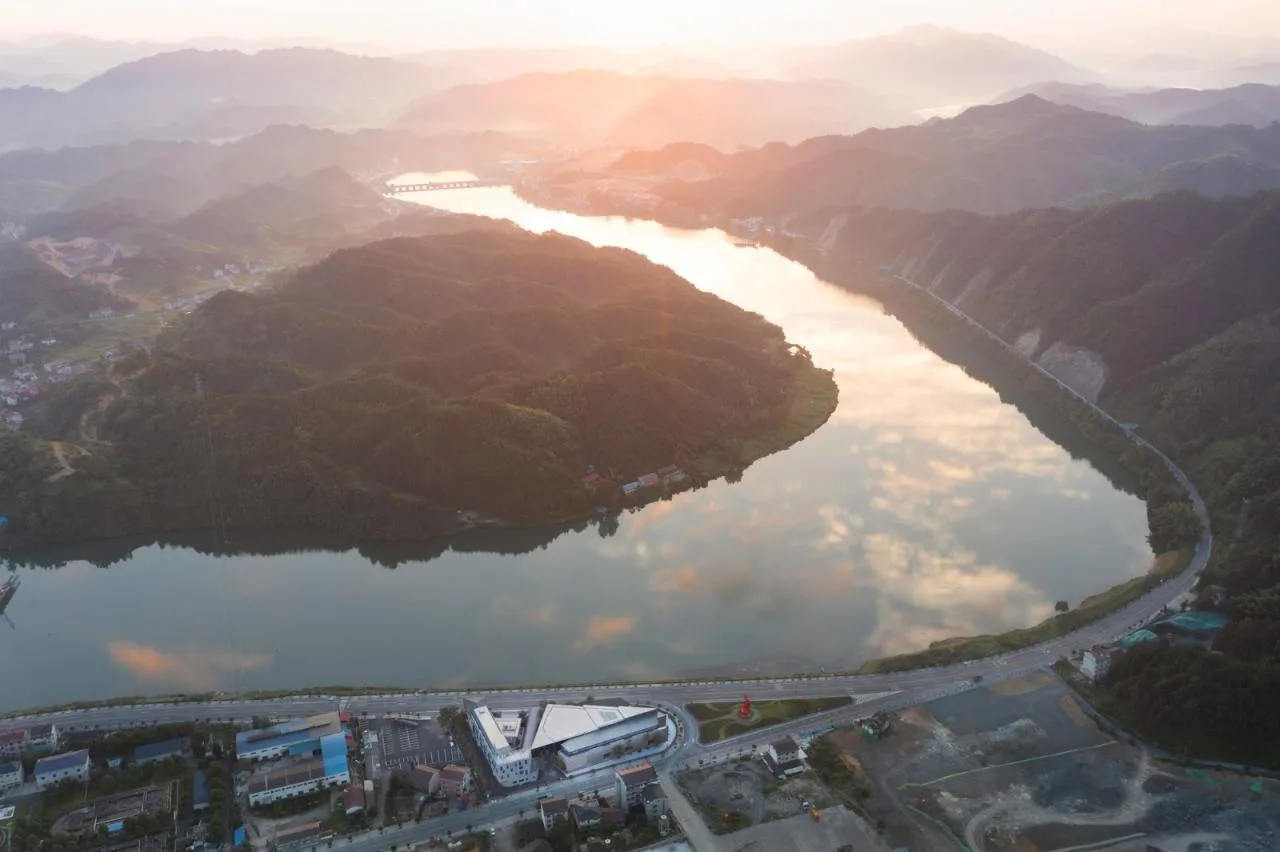
The Ancha Museum Factory is situated at the forefront of the Anhua Black Tea Industry Development Zone, adjacent to the Zishui River. Here, the breathtaking natural landscape of mountains and rivers sharply contrasts with the sprawling enclosed industrial area. This energetic industry attracts resources and people, creating new hubs for gathering. The position and characteristics of the Ancha Museum Factory will shape the new urban spatial culture of Anhua’s black tea industry, setting a precedent for local industrial spatial design.
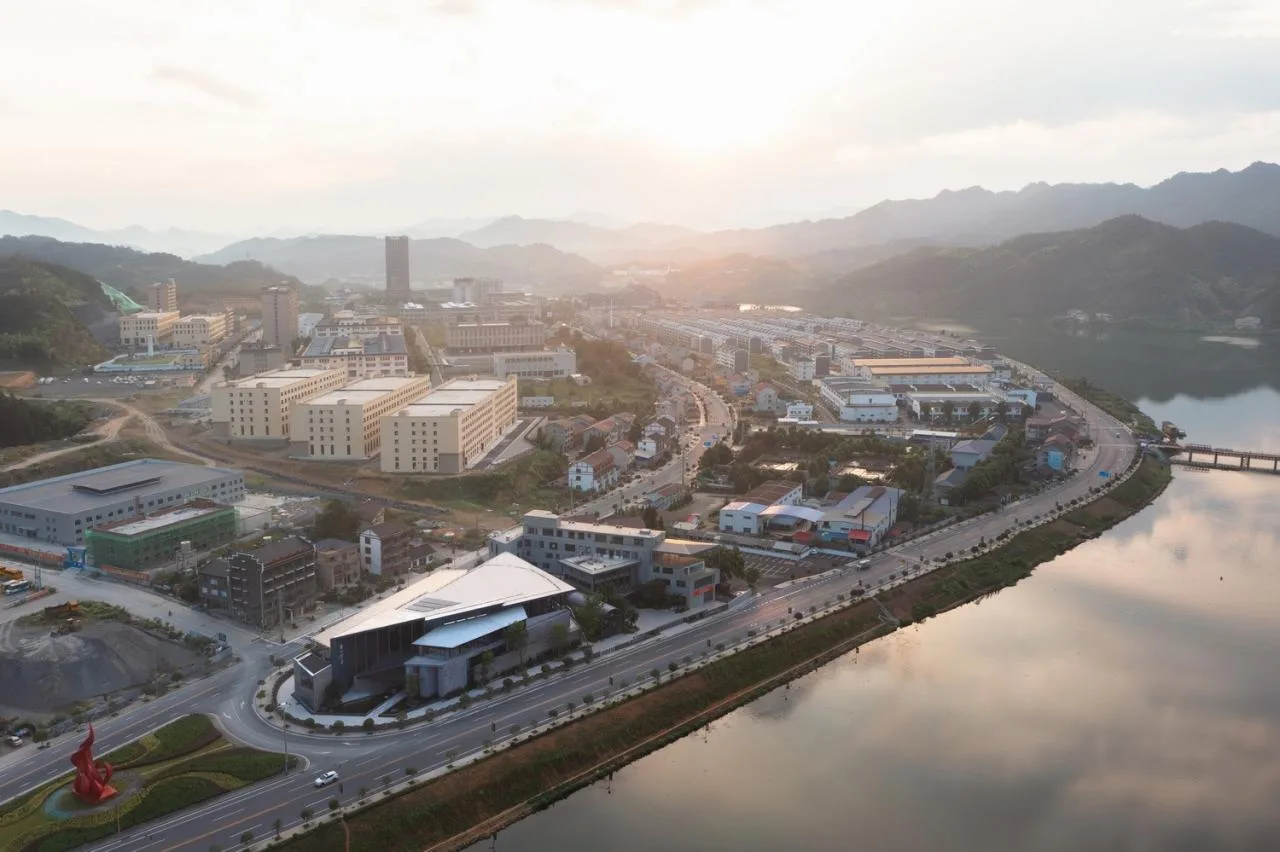
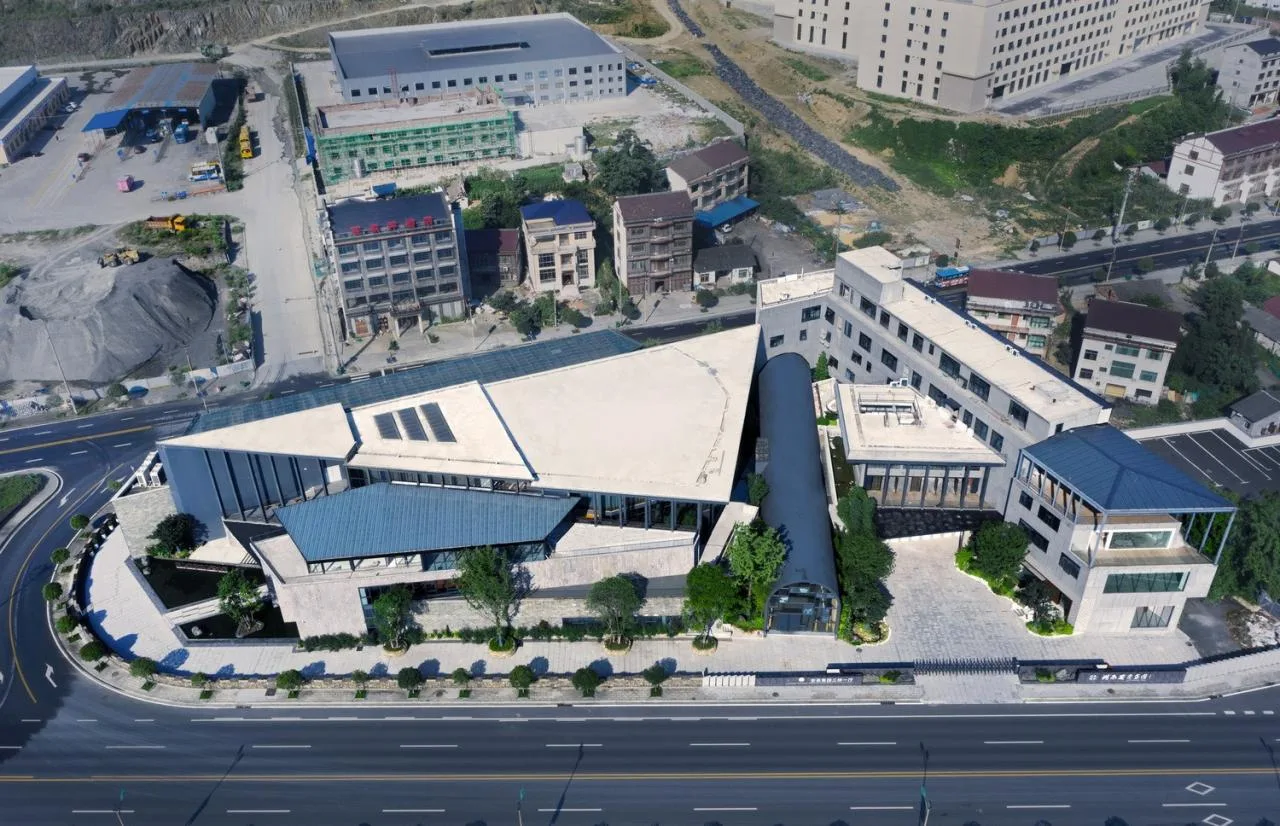
How can the crude industrial development model of this township be optimized and improved? The project aims to explore and establish a “model” that both preserves local customs and culture and accommodates the growth of large-scale industries, ultimately fostering cultural evolution within the local industrial space.
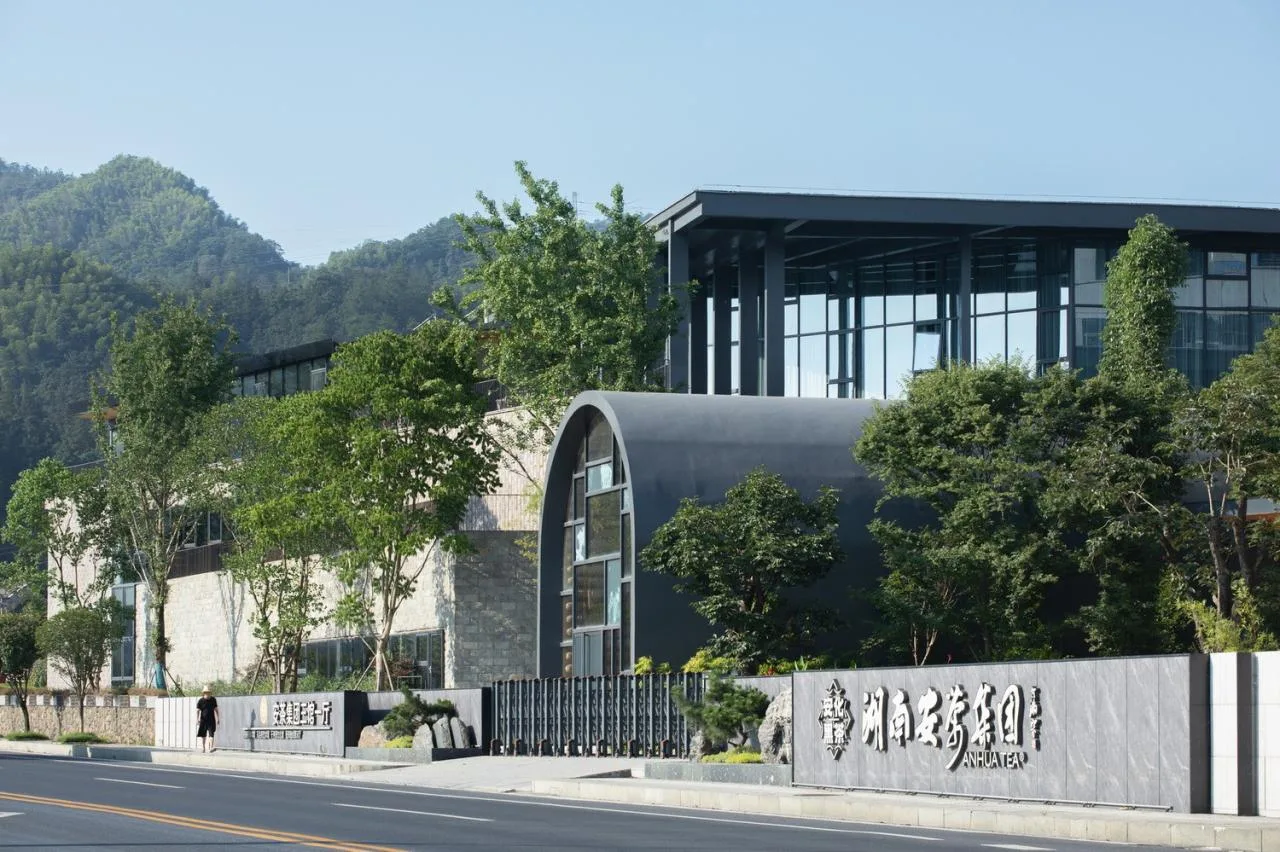
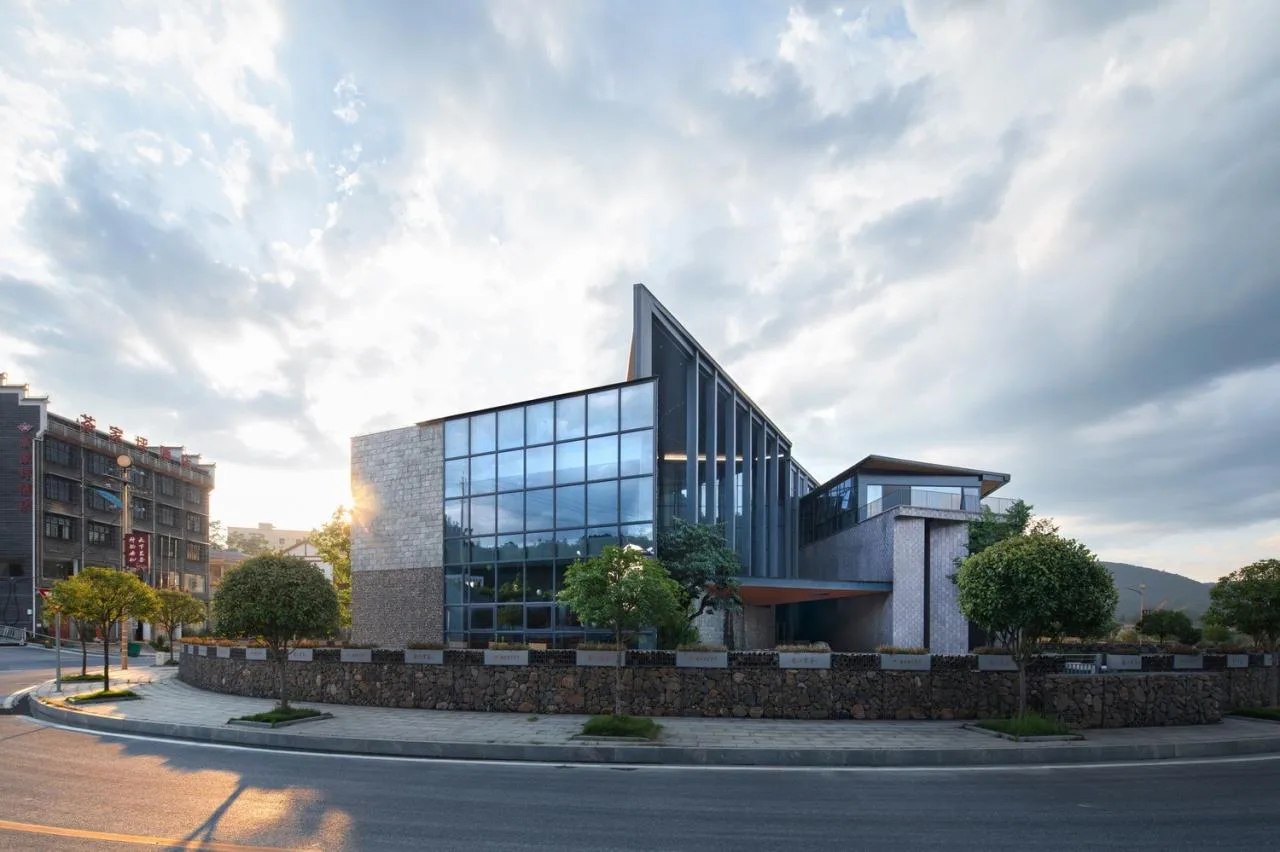
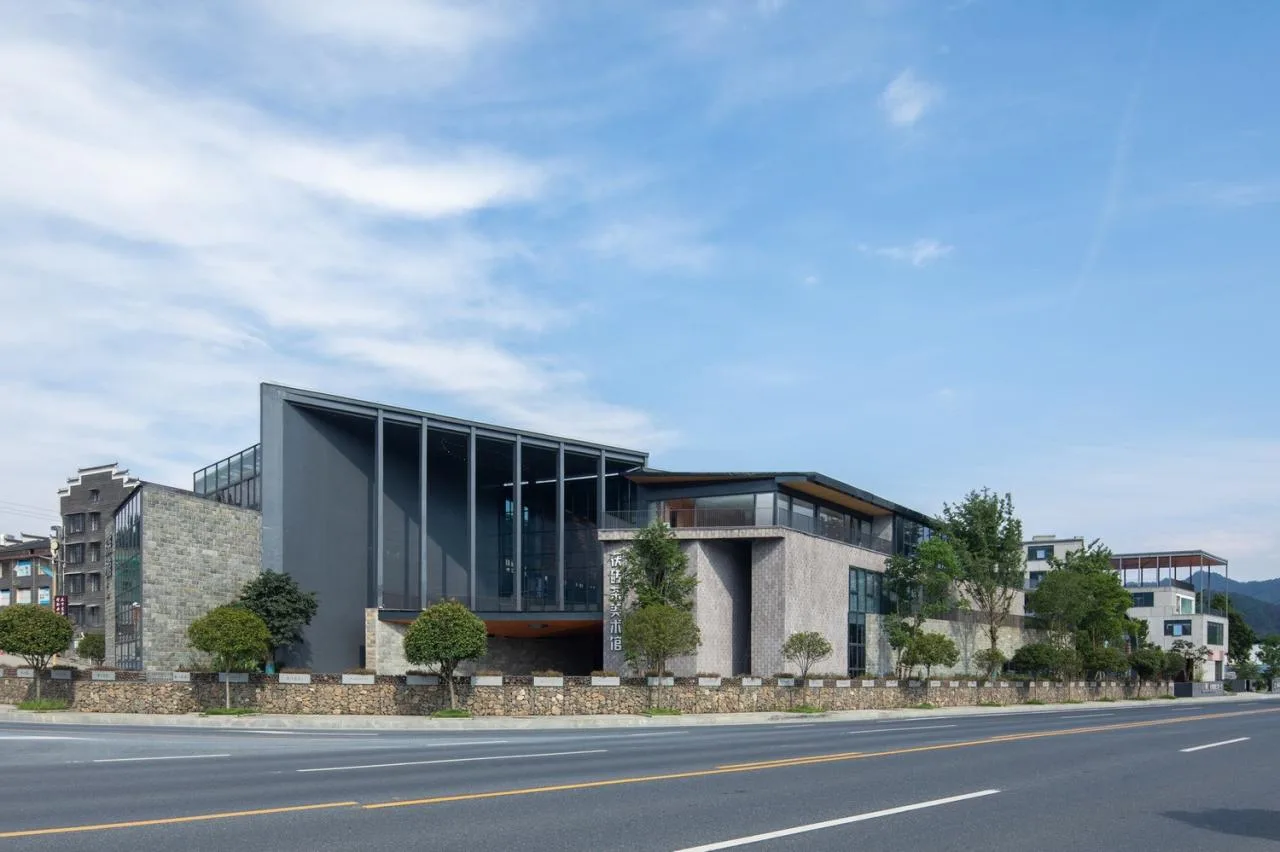
Transforming the factory into an “urban settlement” allows the integration of massive industrial structures with natural surroundings, reshaping the local spatial and cultural fabric. This transformation serves as a powerful demonstration for the evolution of Anhua’s entire industrial space.
When a factory is no longer viewed as a monolithic functional unit but rather as multiple irregular stones drifting and eventually converging along a river, it transitions from a “factory” to a “workshop.” The complex, random interactions between its various parts create transitional spaces between urban public areas and natural landscapes. Ultimately, this results in an open urban settlement by the river.
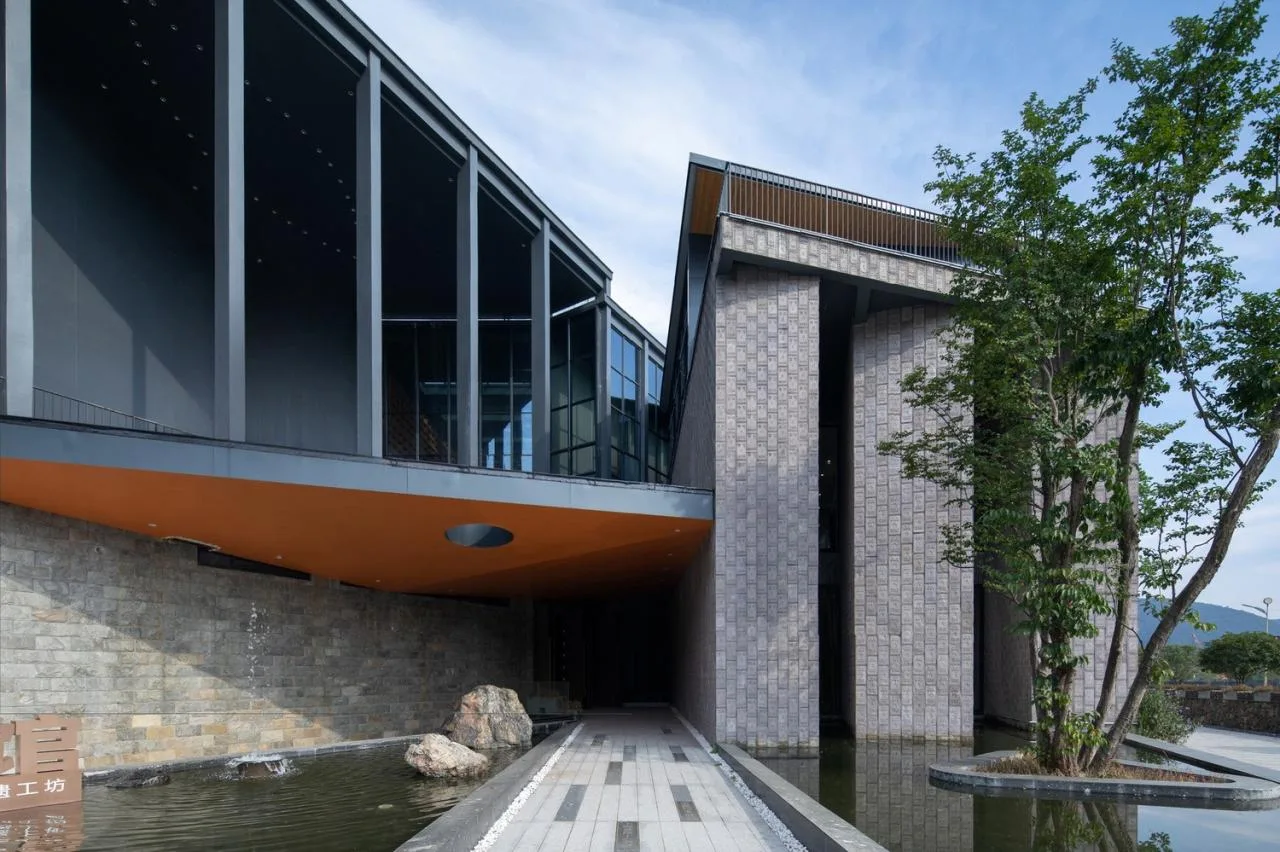
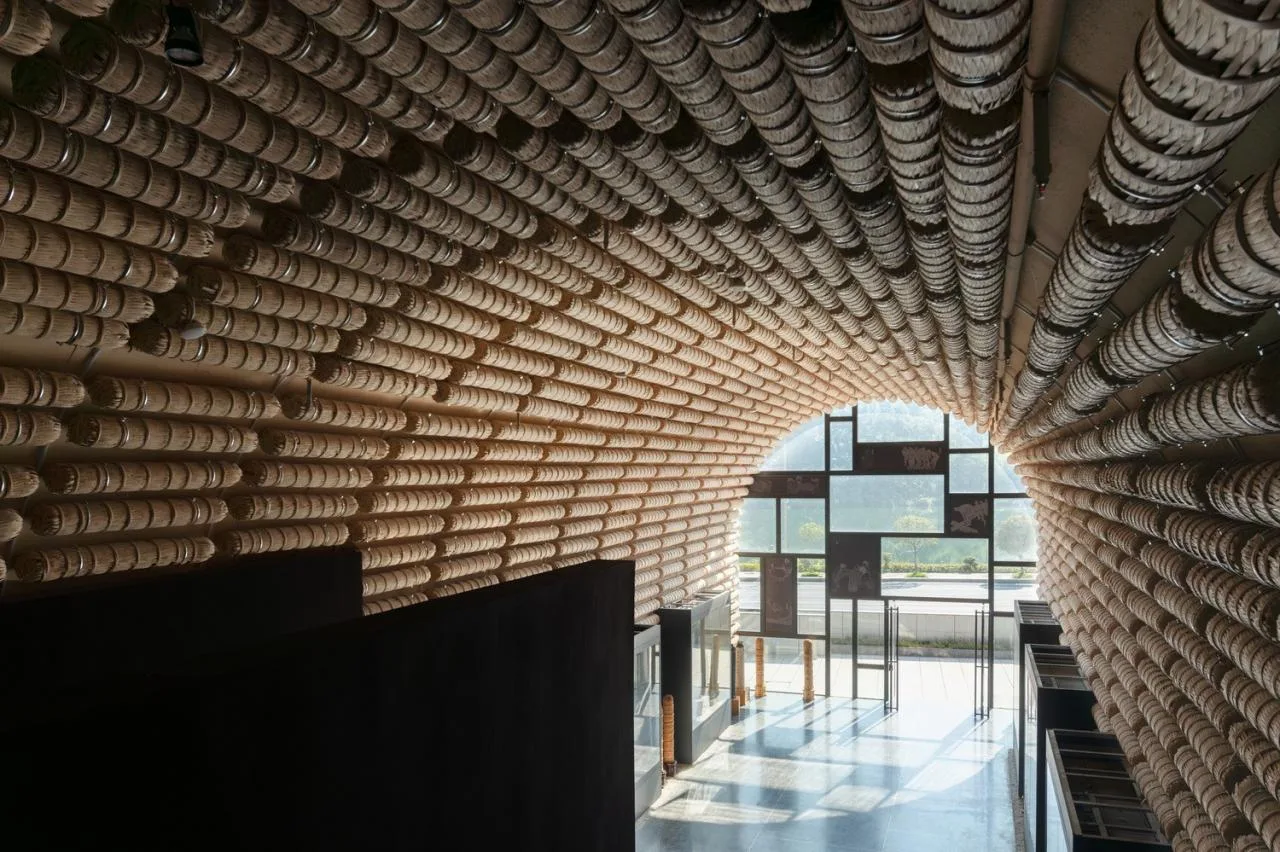
In this new settlement, culture, nature, place, knowledge, logistics, and emotions form a dynamic flow, reshaping the core humanistic values of the tea industry. These values are expressed and experienced within the urban space. Simultaneously, the tea factory itself becomes an artistic landmark on the banks of the Zijiang River, serving as a man-made “lighthouse.”
Cultural Settlement—Cultural Tourism and New Public Space Integration
Traditional factory spaces focus on maximizing resource efficiency and function as private domains primarily for goods gathering. They typically lack spaces for human activity or urban public interaction, often characterized by isolation and barriers.
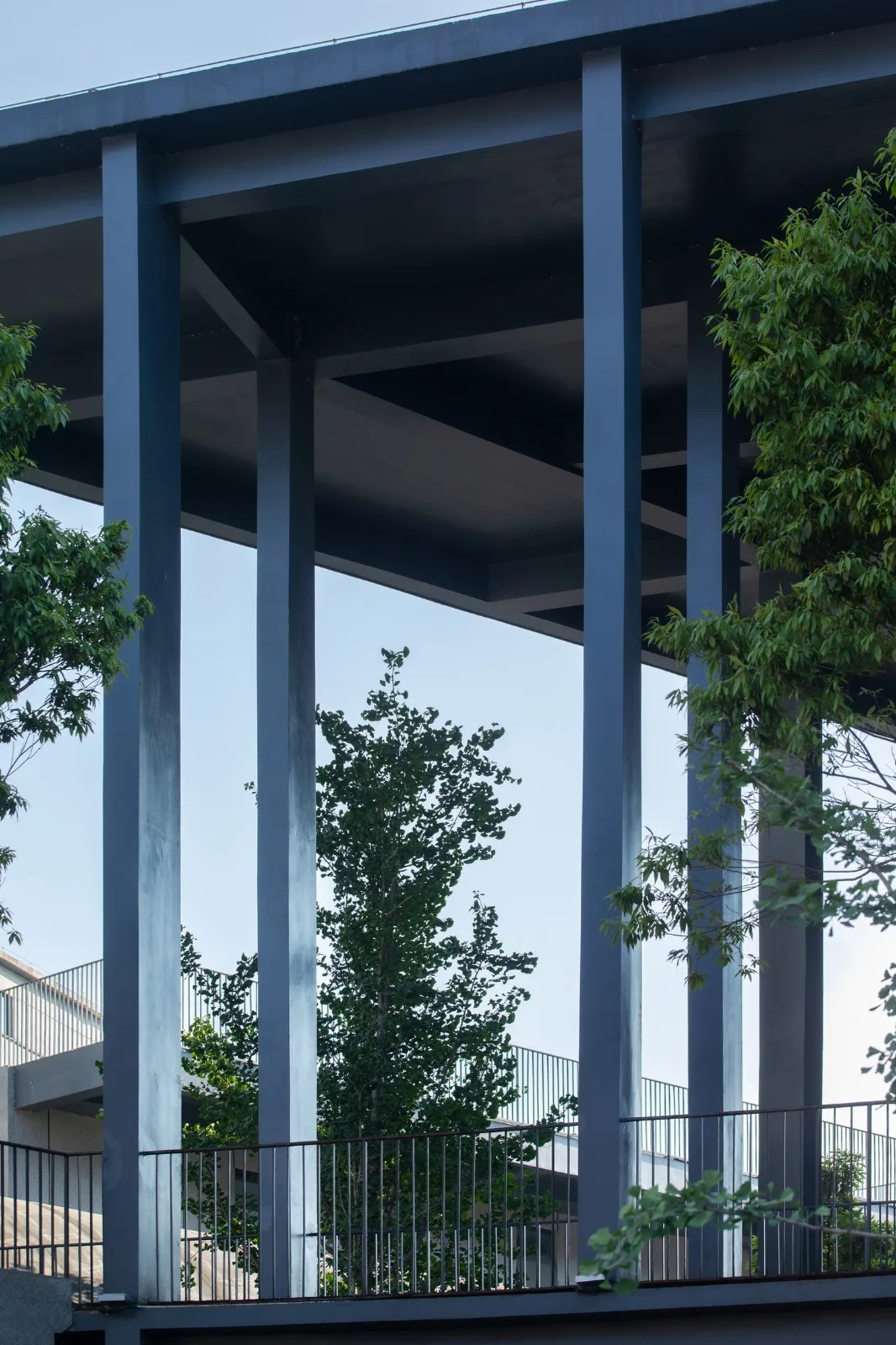
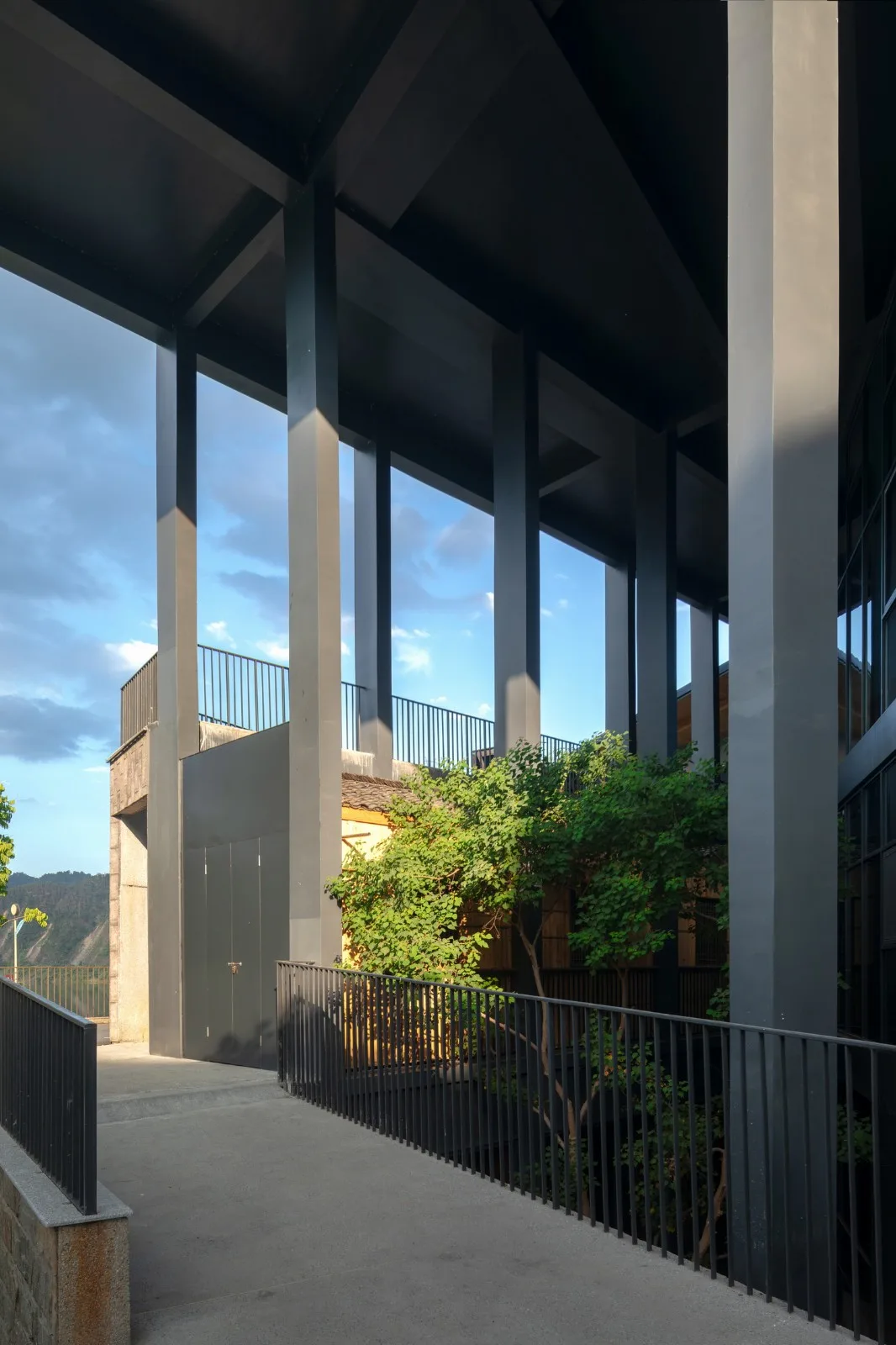
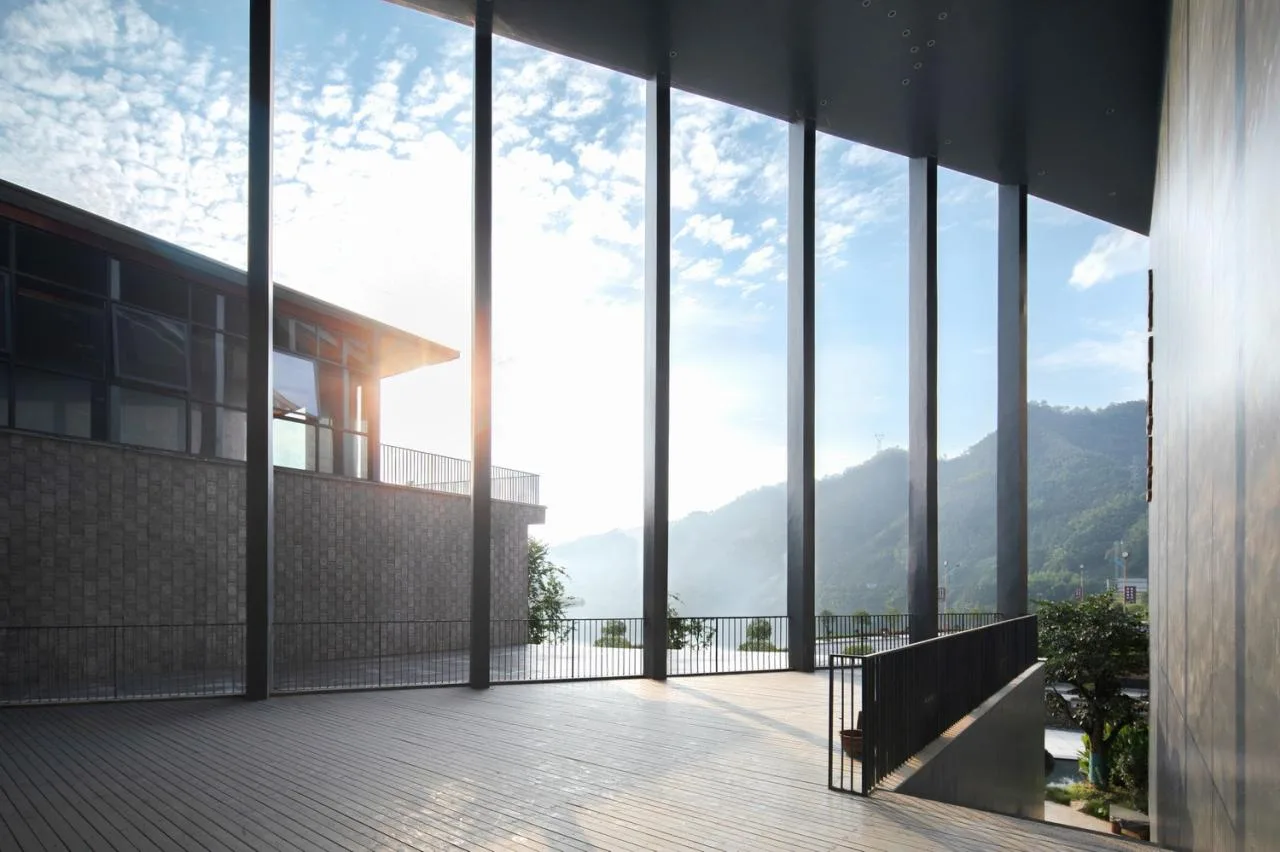
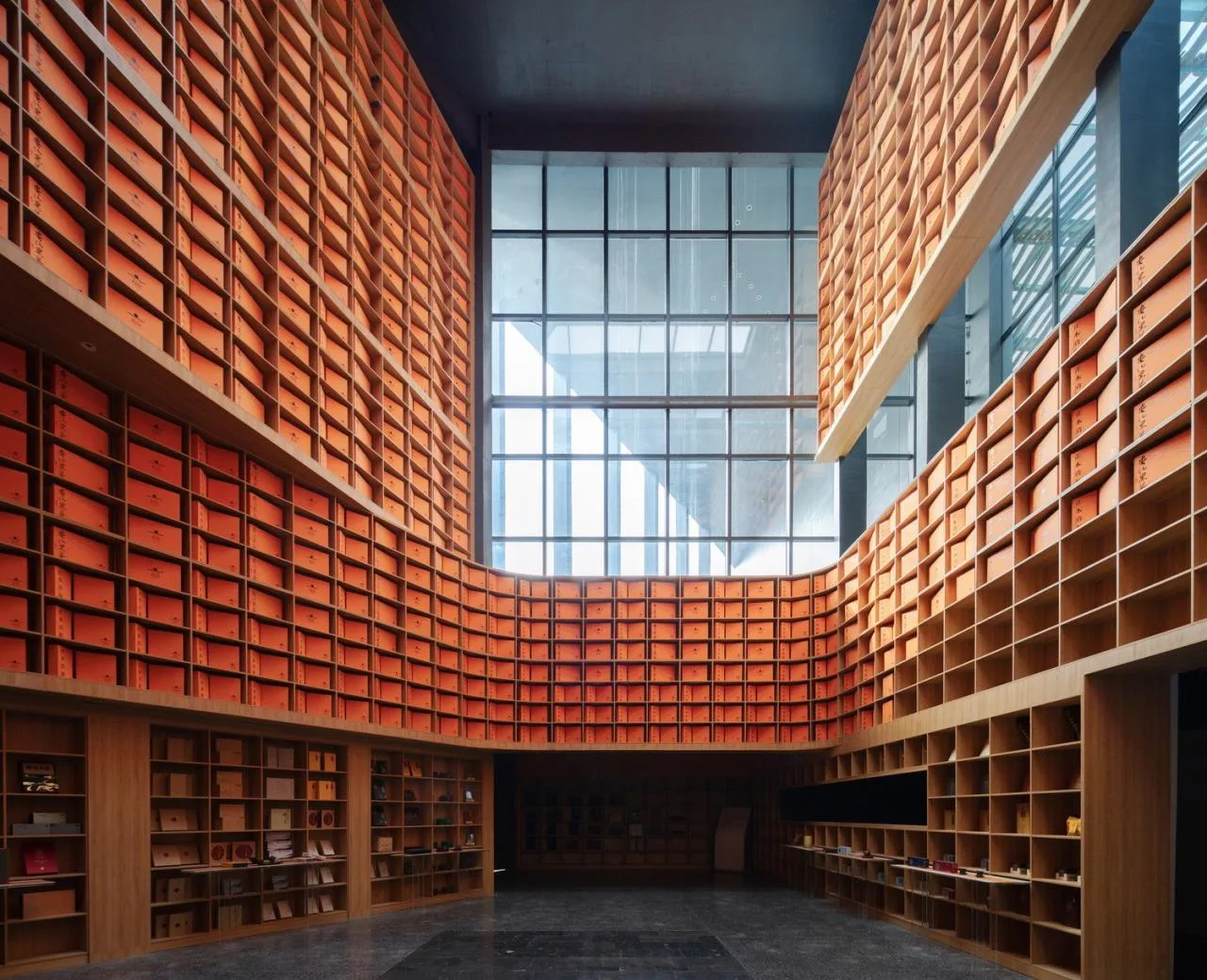
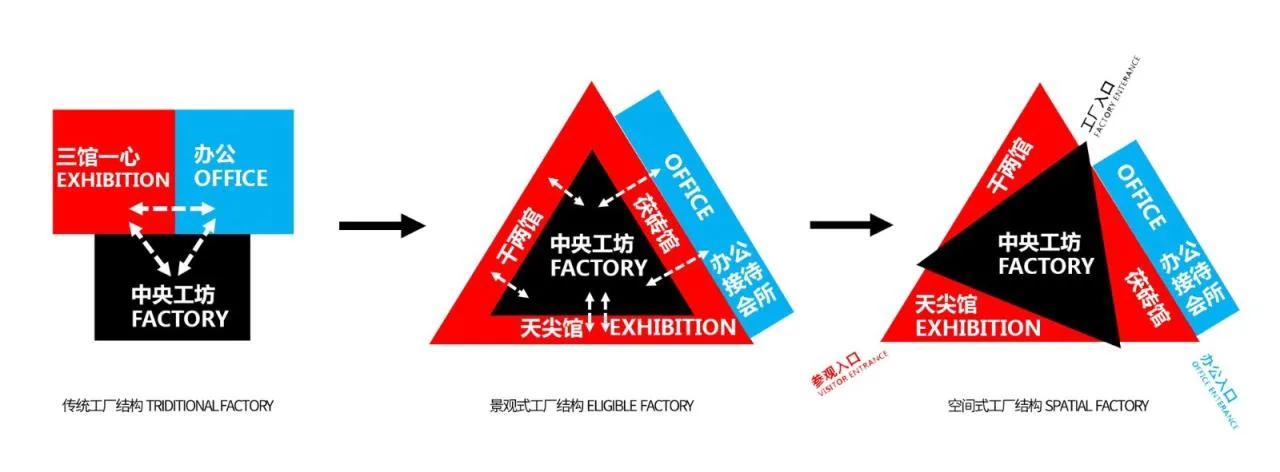
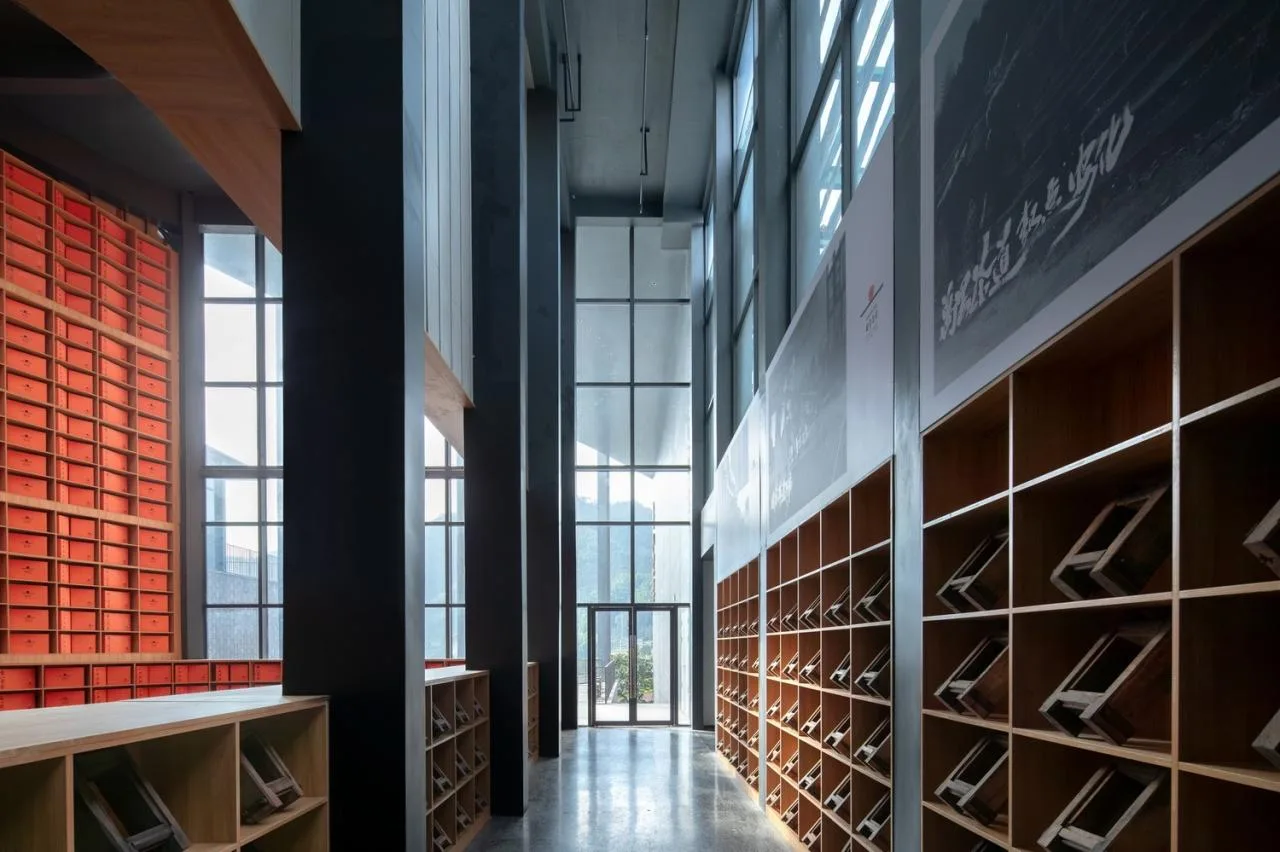
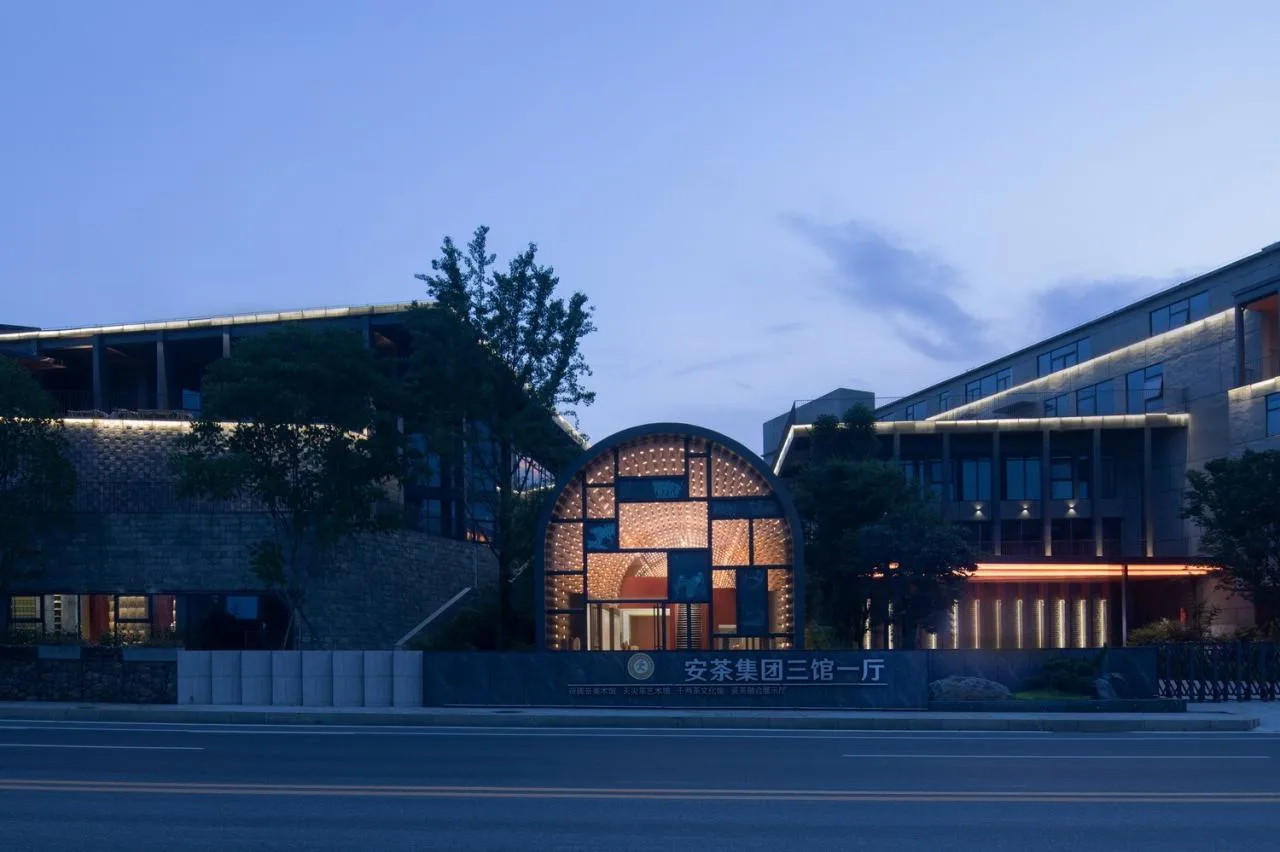
The Ancha Museum Factory differs from conventional product factories. The production and packaging of black tea is an intangible cultural heritage. By reinterpreting black tea—a product deeply intertwined with regional culture and the natural environment—the project aims to redesign a factory that showcases the entire handmade black tea production process, including packaging, storage, display, sales, and cultural exchange, organized spatially as a “museum factory.” Exhibition spaces featuring three types of black tea surround the central factory, creating a modern “new settlement” dedicated to black tea culture.
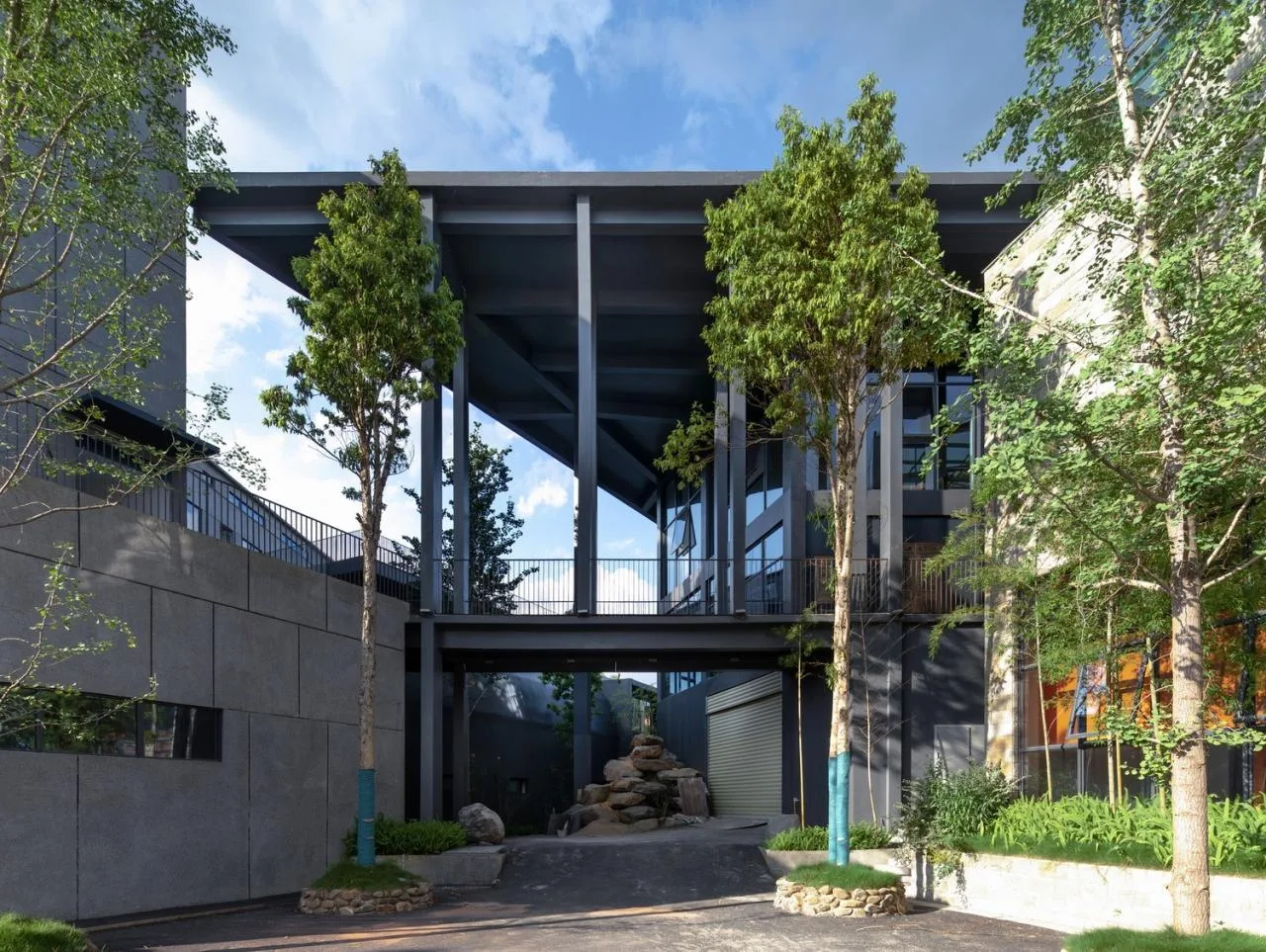
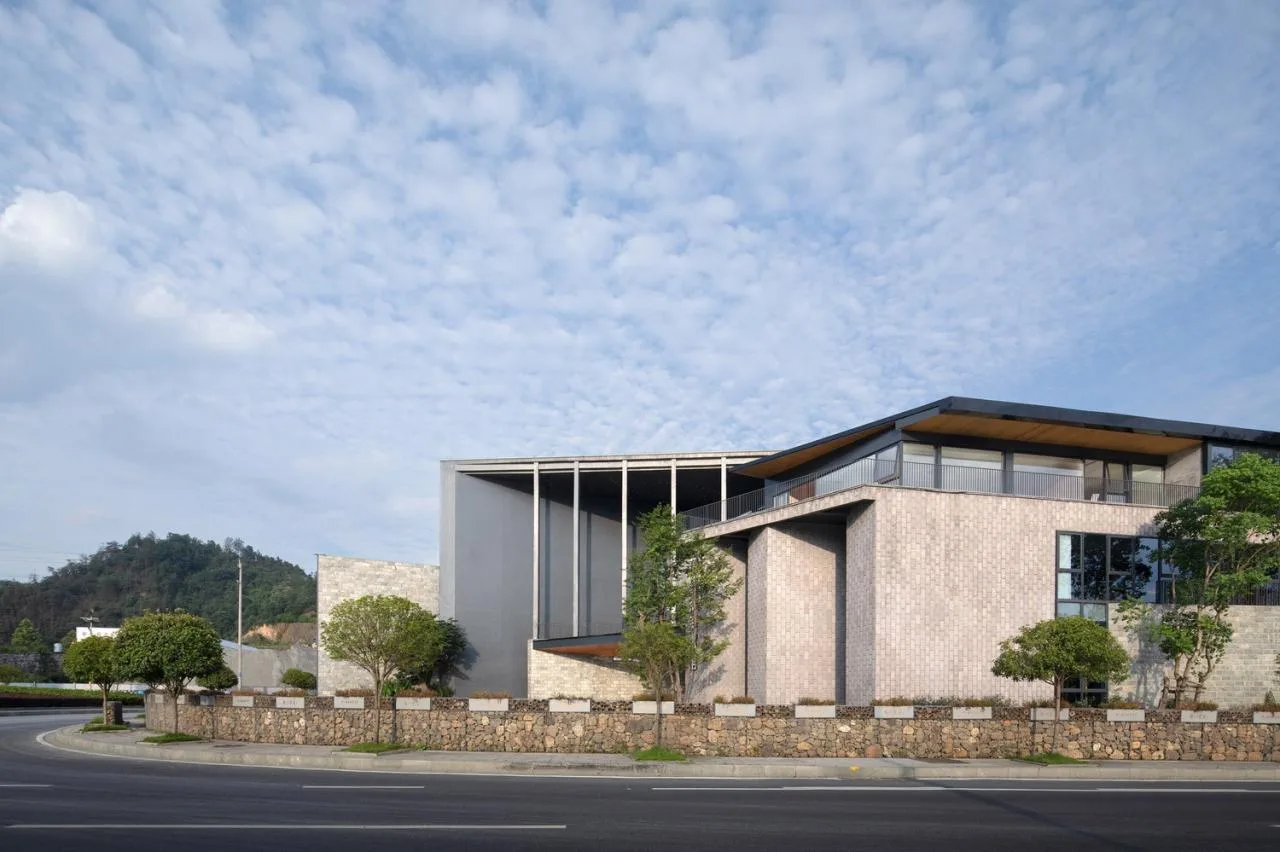
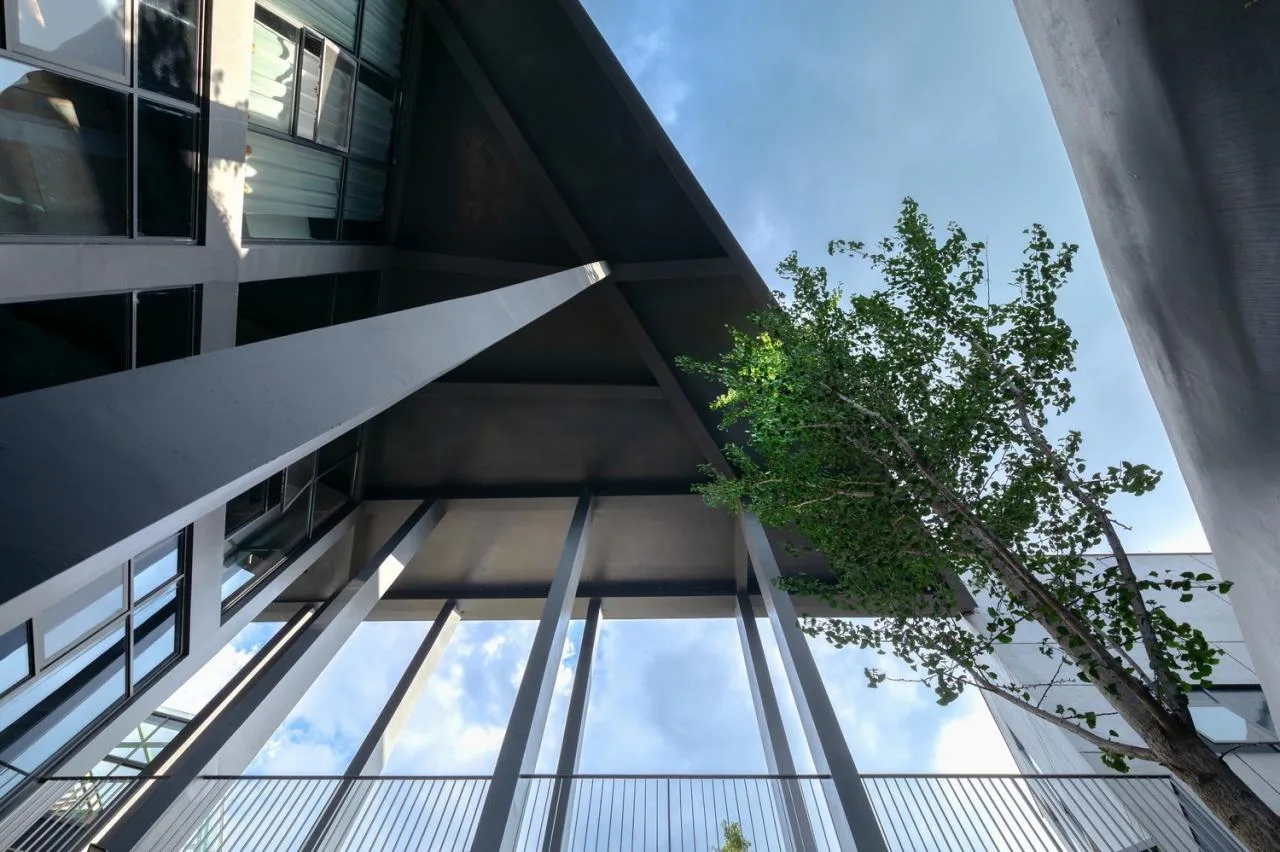
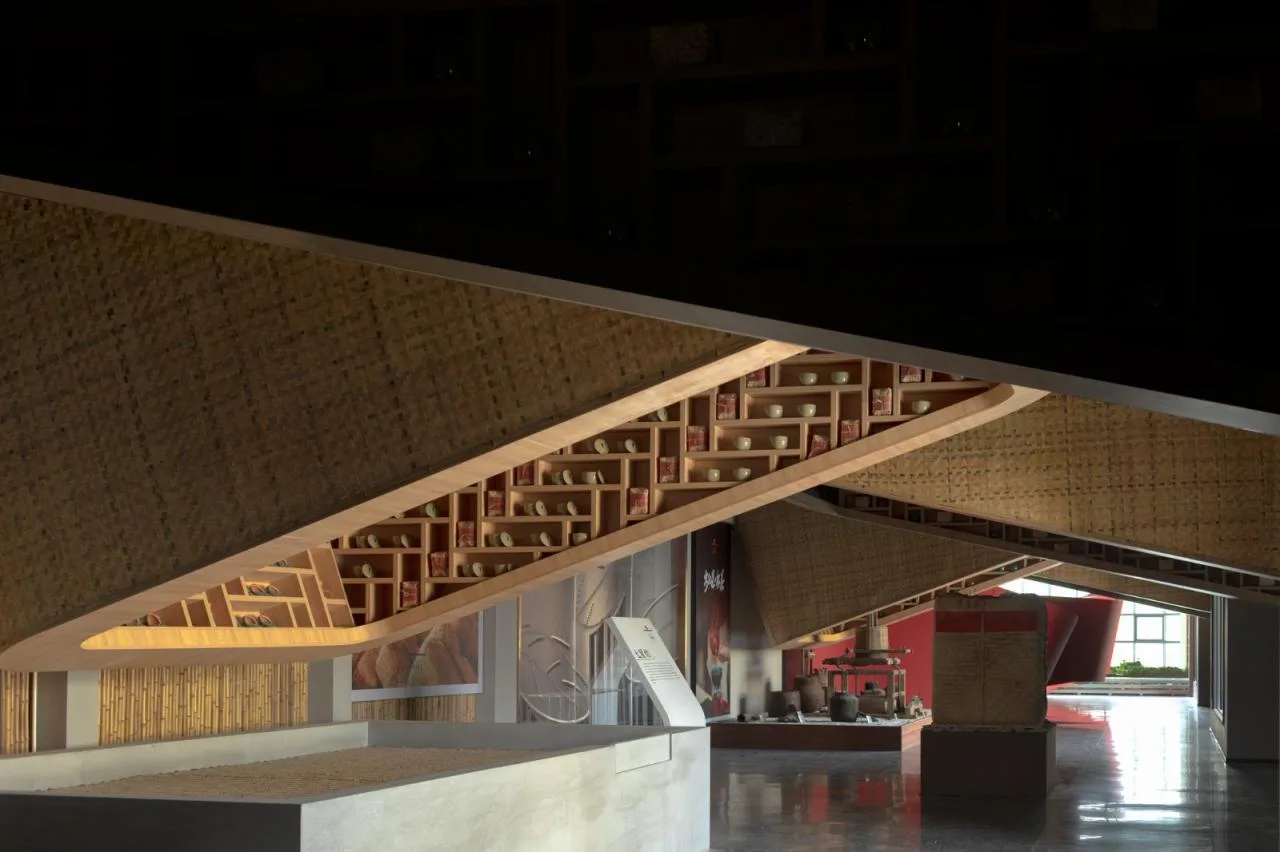
Additionally, a large triangular concrete structure and a “ring corridor” have been incorporated to integrate the surrounding natural environment into the spaces between settlements. This corridor serves as an aerial scenic walkway and a new type of urban public space within the factory. It connects the interior and exterior, providing essential lighting and ventilation. Along the corridor, exhibition halls dedicated to Qianliang tea, Tianjian tea, and Fuzhuan tea present three distinct spatial experiences reflecting their unique characteristics.
Growing Settlement—A Fusion of Scenery, Space, and Materials
Incorporating natural elements from the surrounding environment into the building’s interior is key to creating a natural settlement. Through architectural features such as corridors, windows, and narrow slits, views of the Zijiang River and mountains become integral parts of the space. Inside the settlement, plants grow alongside the building, evoking a “wild” atmosphere reminiscent of an “artificial mountain.” The building’s complex gaps and scattered layout serve as spaces for vegetation to flourish, offering an immersive sense of nature’s vitality indoors.
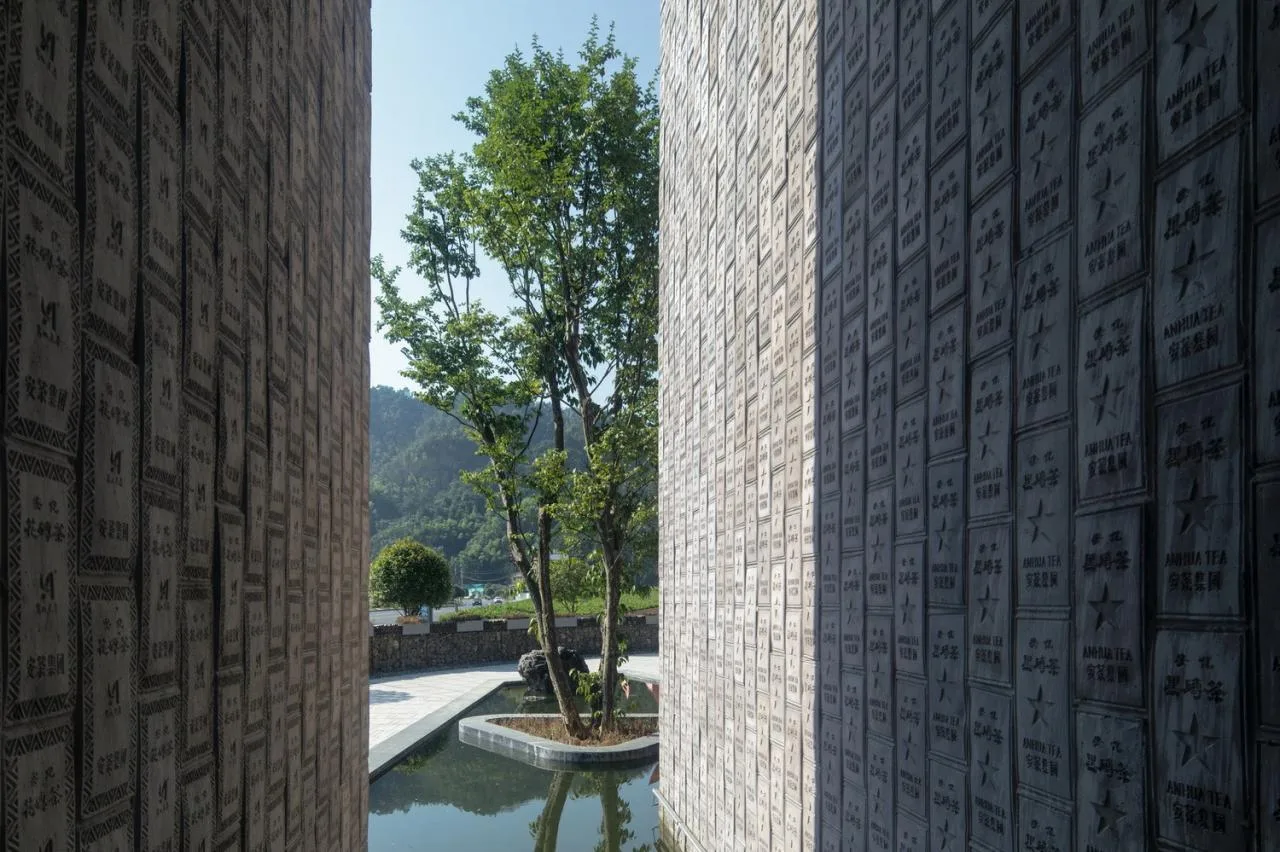
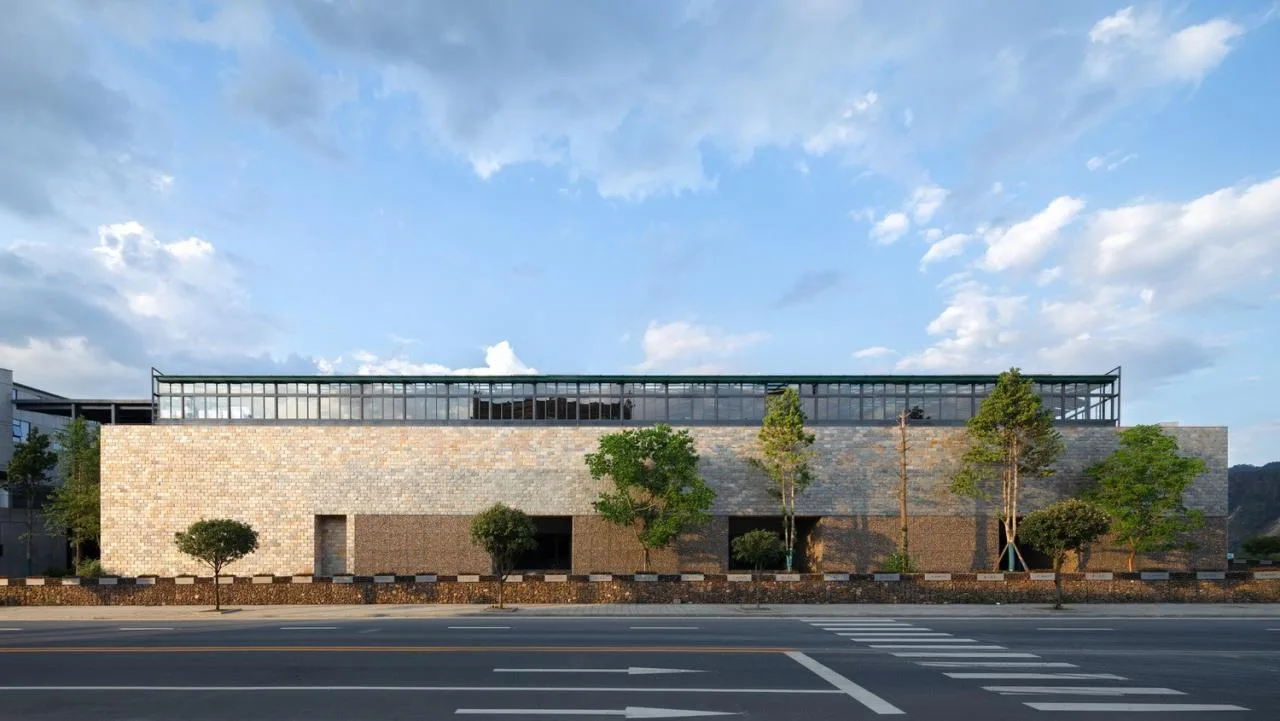
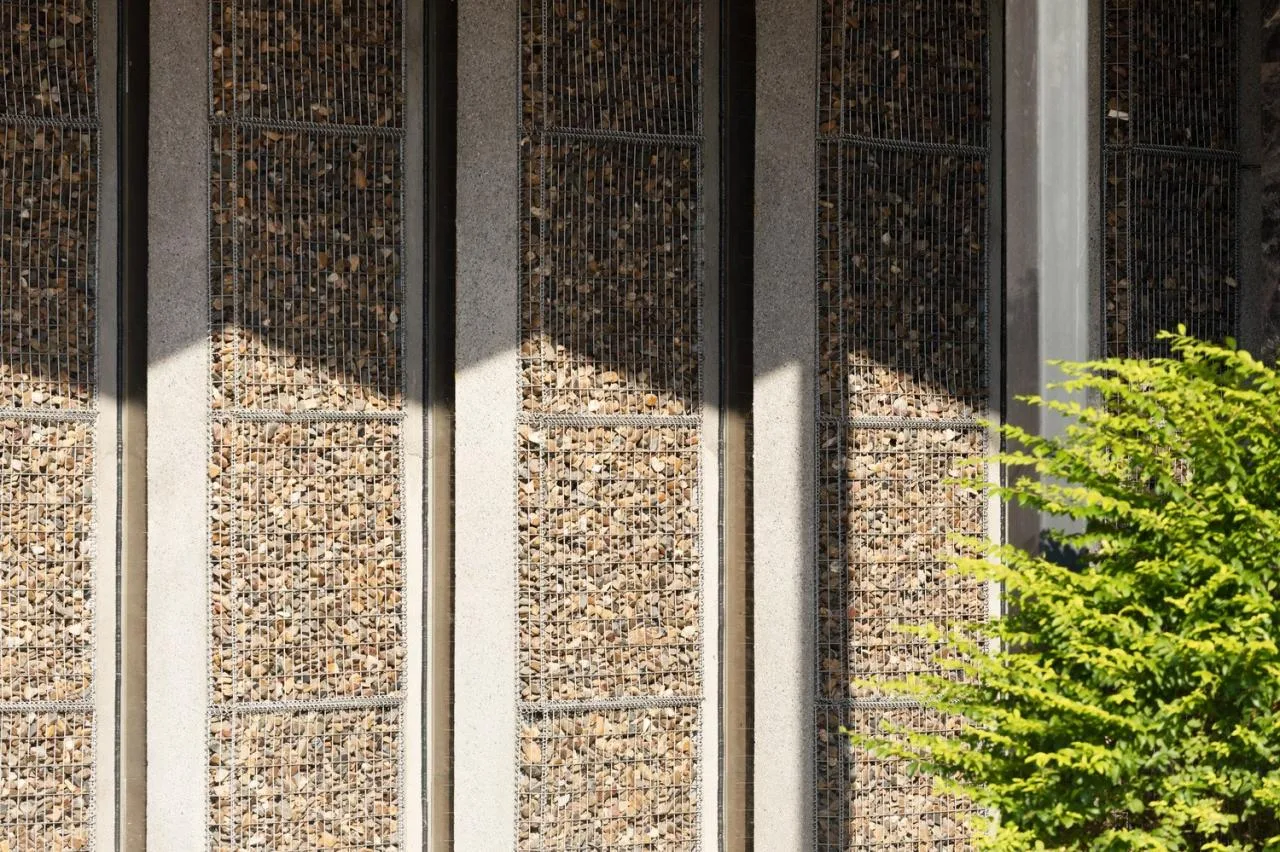
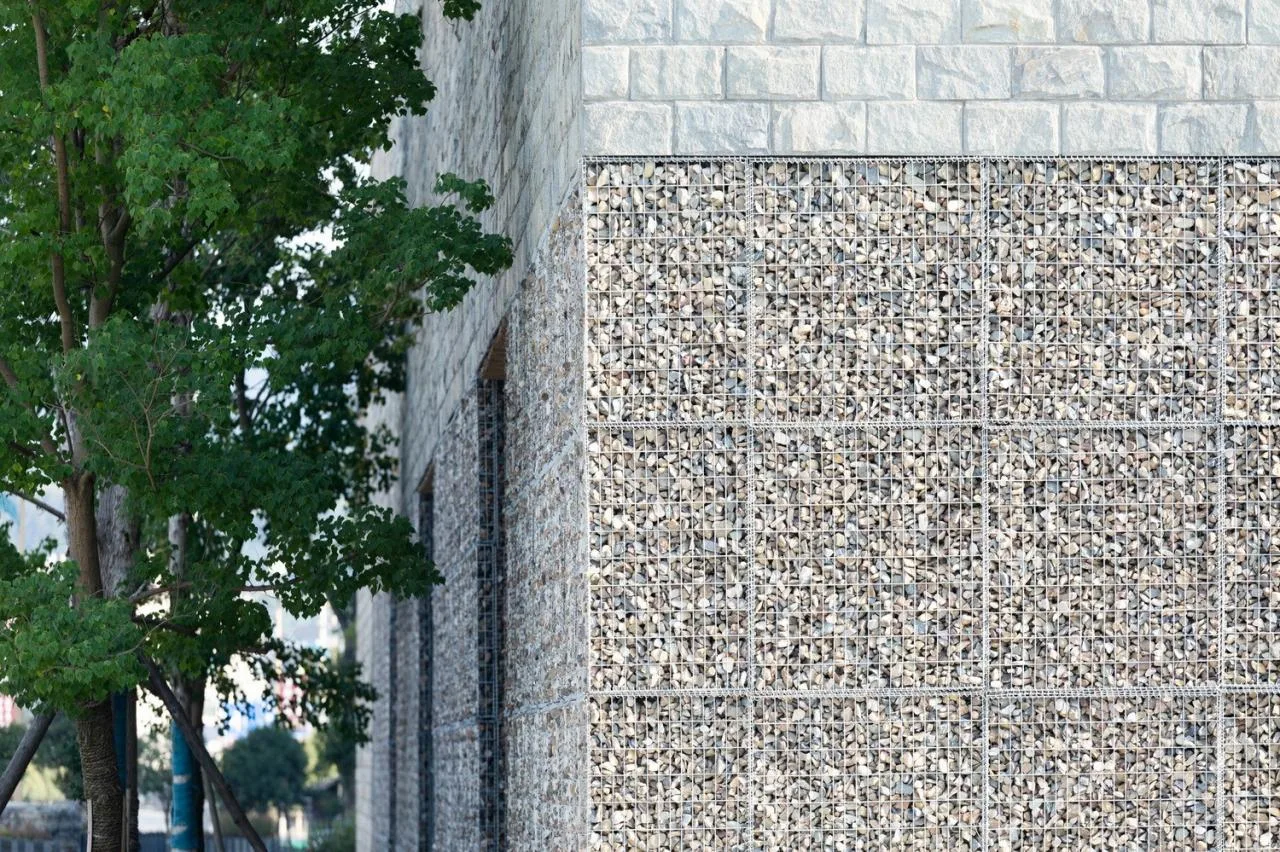
The Ancha Museum Factory seeks to embody the spirit of regional culture through black tea production. Locally sourced materials are used throughout the building, including Anhua’s mushroom stones, stone cages made from crushed stones of the Zijiang River banks, concrete bricks molded with Fuzhuan tea residue, bamboo weaving inspired by Tianjian tea, and containers crafted from Qianliang tea itself. This approach allows the architecture to evolve beyond the conventional realm of “pure architecture” and become a living, growing environment that meets local cultural and practical needs. In fact, with the addition of new functional areas such as rooftop tea drying spaces by users, the settlement continuously enriches itself, becoming a vibrant “living settlement.”
Yanshen—Bridging the Urban and Rural Divide
Currently, iconic buildings, popular stores, urban renewal, and rural revitalization form the primary arenas where architects strive to improve living environments. Yet, in the broader “middle zone” between modern cities and pastoral life, numerous industrial spaces quietly and chaotically encroach, creating an environmental void that is neither urban nor rural. These unregulated spaces, often overlooked by urban planning and architectural systems, nonetheless significantly shape our living context.
Anhua is a prime example of this phenomenon. Integrating extensive industrial areas into the regional spatial culture, engaging in dialogue with the natural environment, and highlighting the positive cultural contributions of industry to local spatial development are not only design challenges but also crucial social development issues. The goal is to translate these factors into innovative architectural expressions.
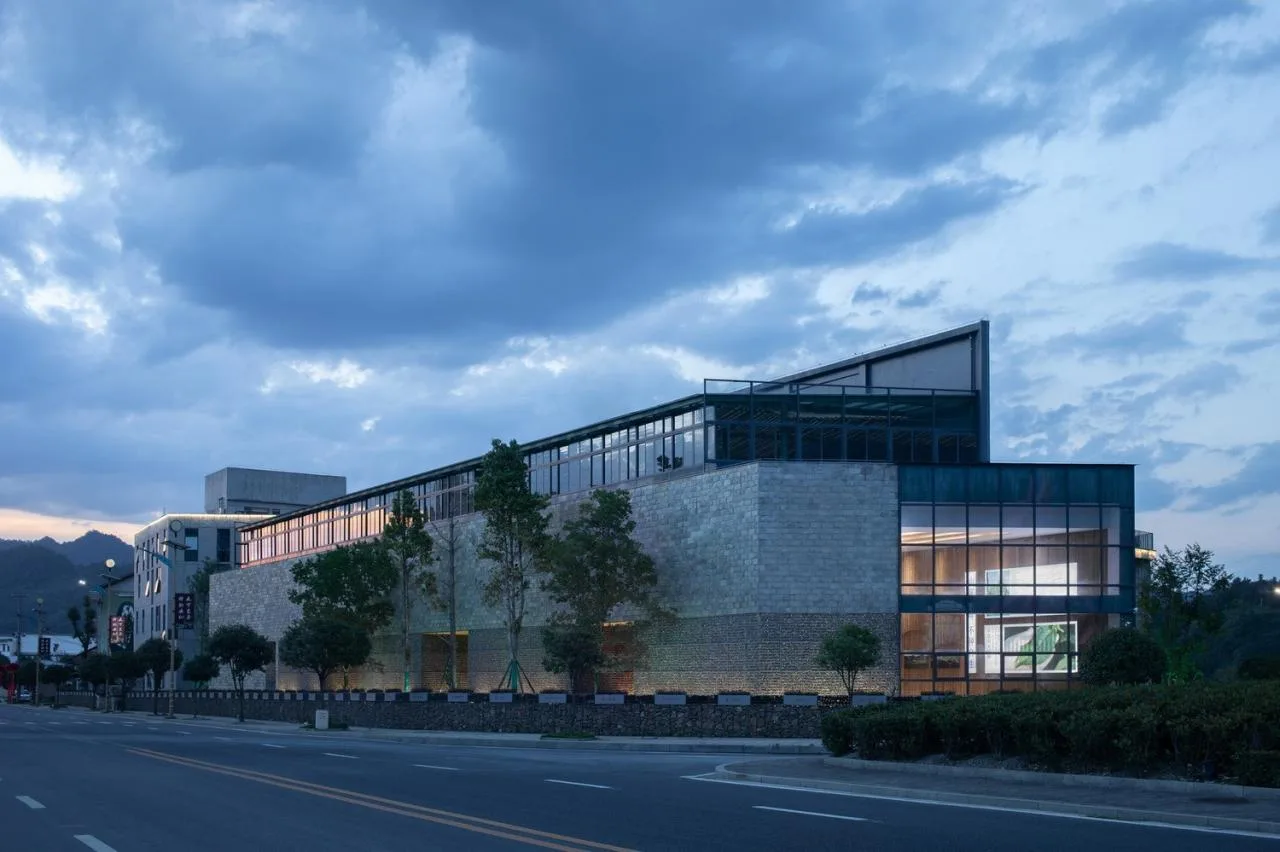
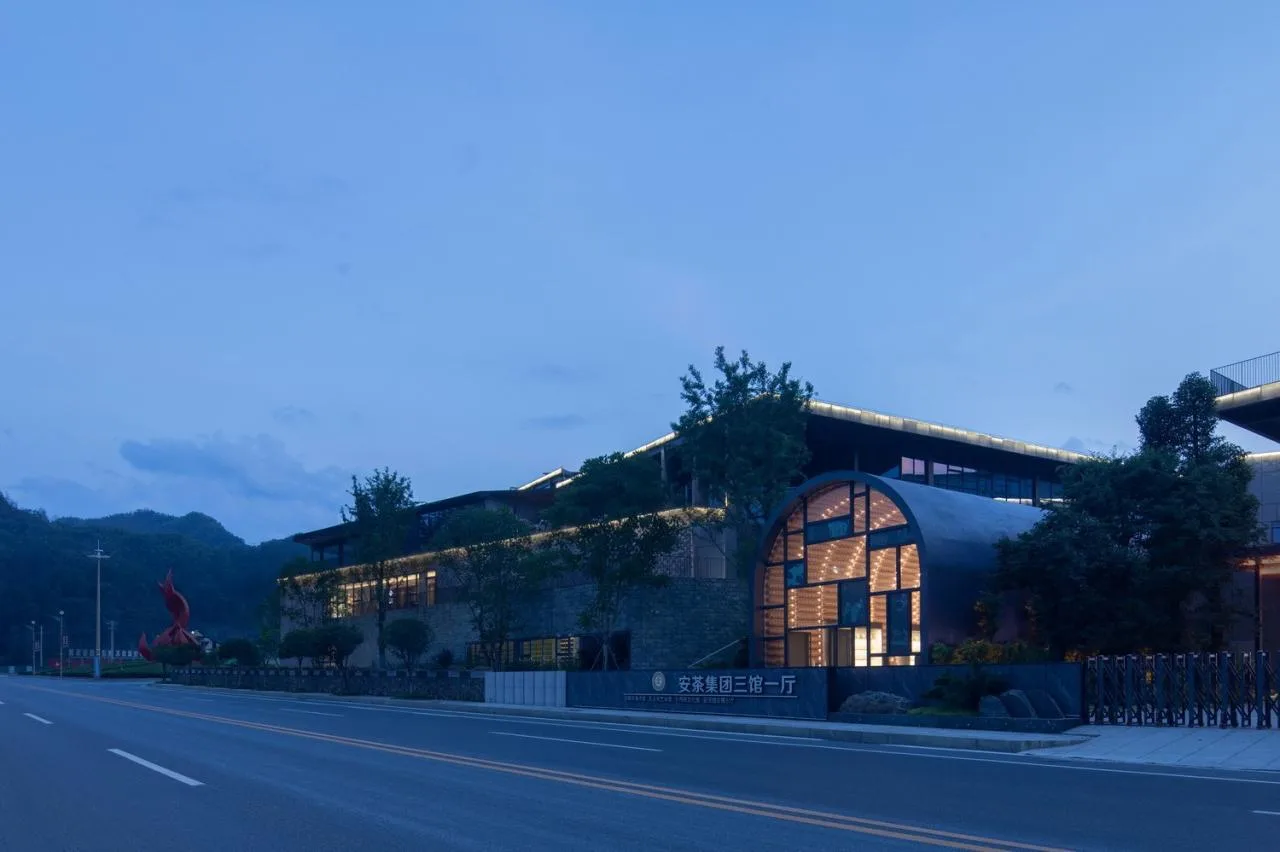
The Ancha Museum Factory combines a museum-style factory, a factory-style settlement, and a settlement-style park. We believe that when a building embodies enough inclusivity, it can become a city in itself. And when its vision is clear and resolute, it will ultimately harmonize with nature.
Project Drawings
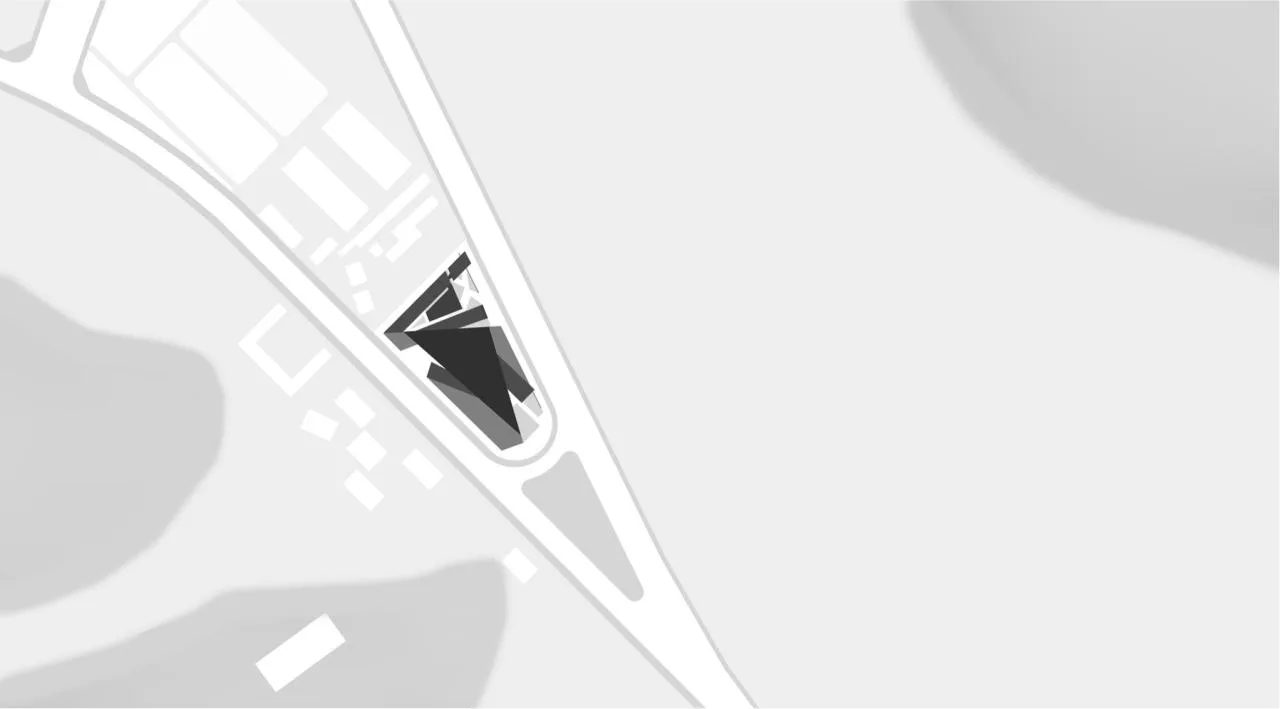
△ General layout plan
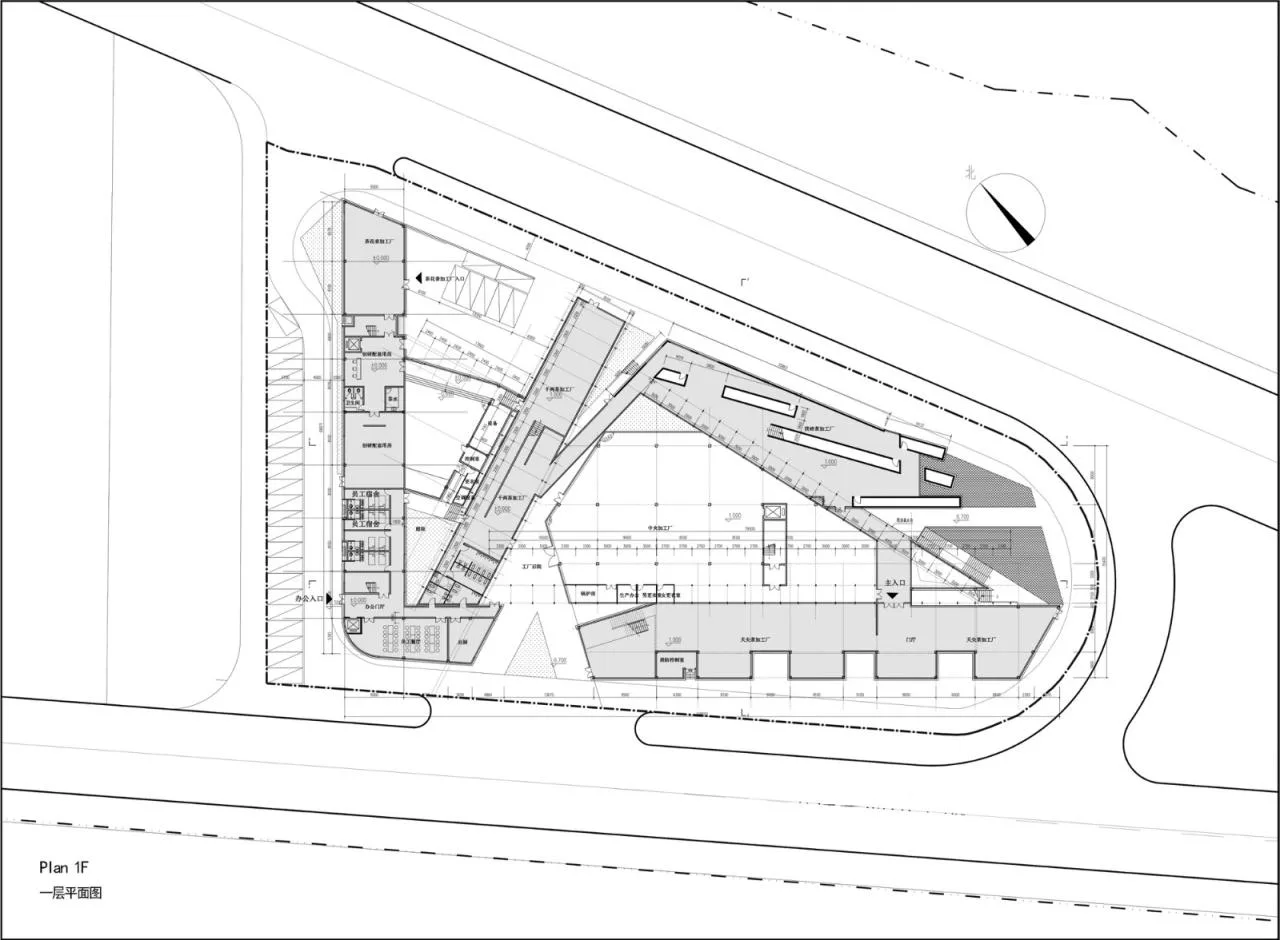
△ First floor plan
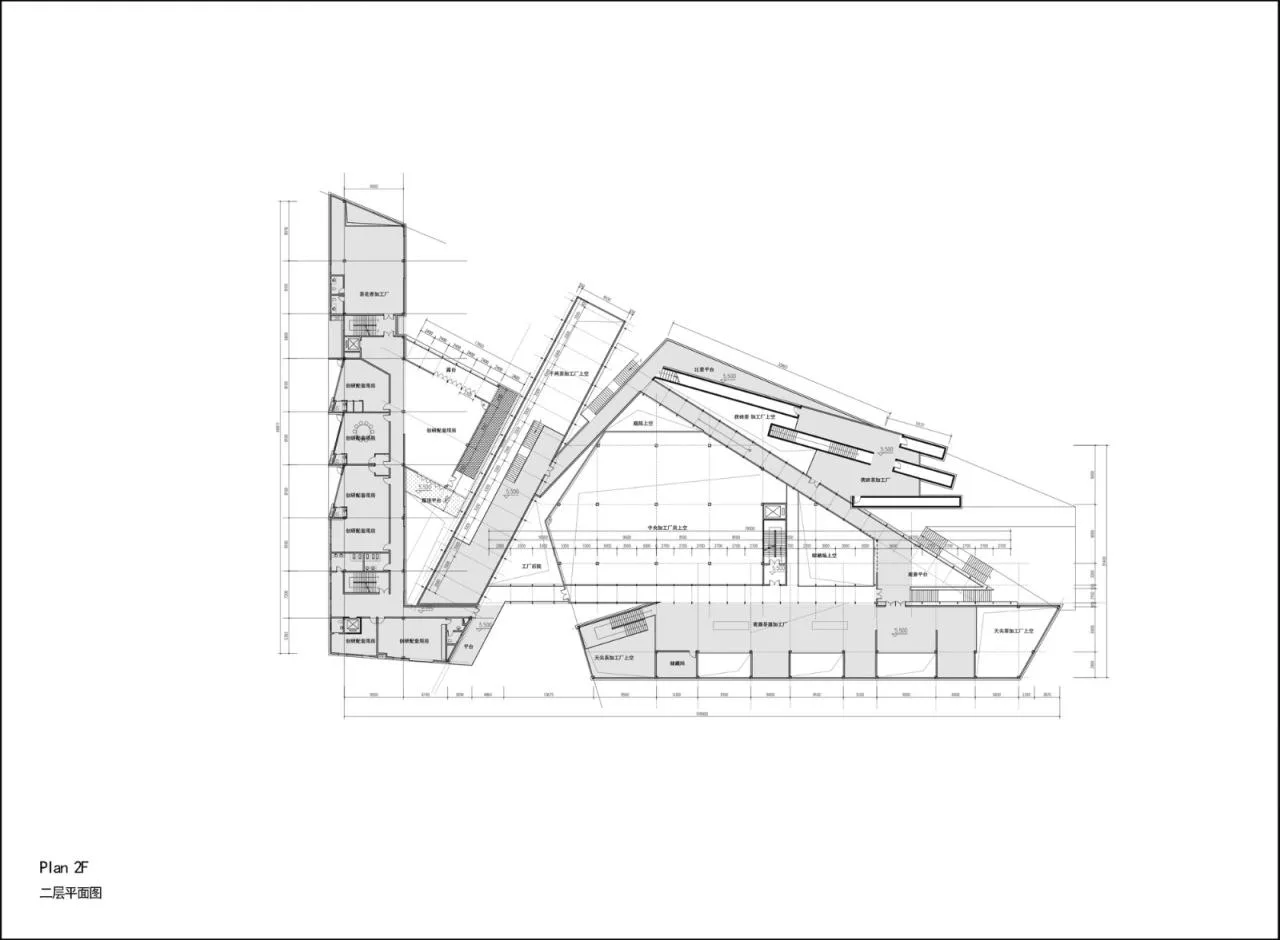
△ Second floor plan
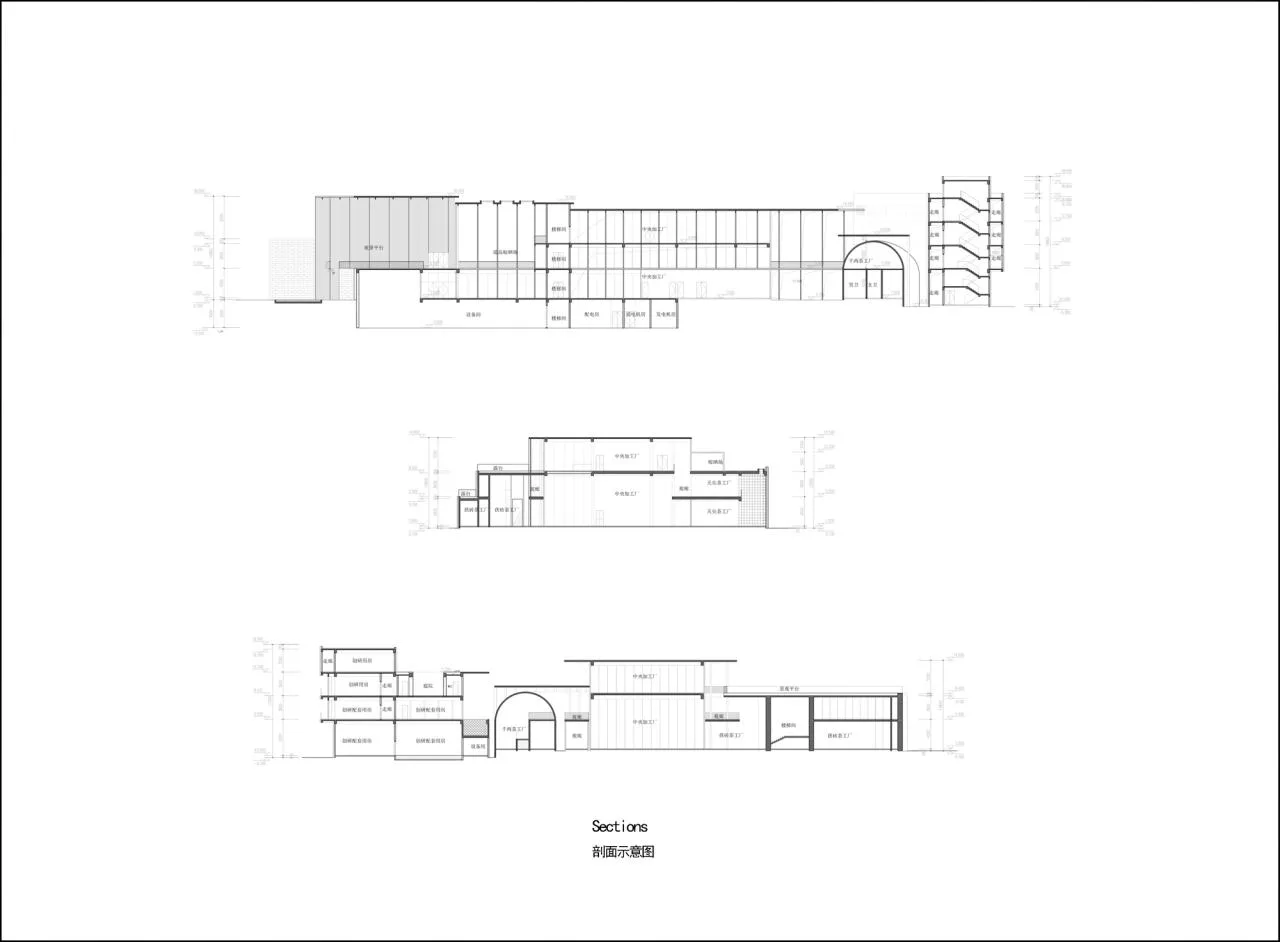
△ Section diagram
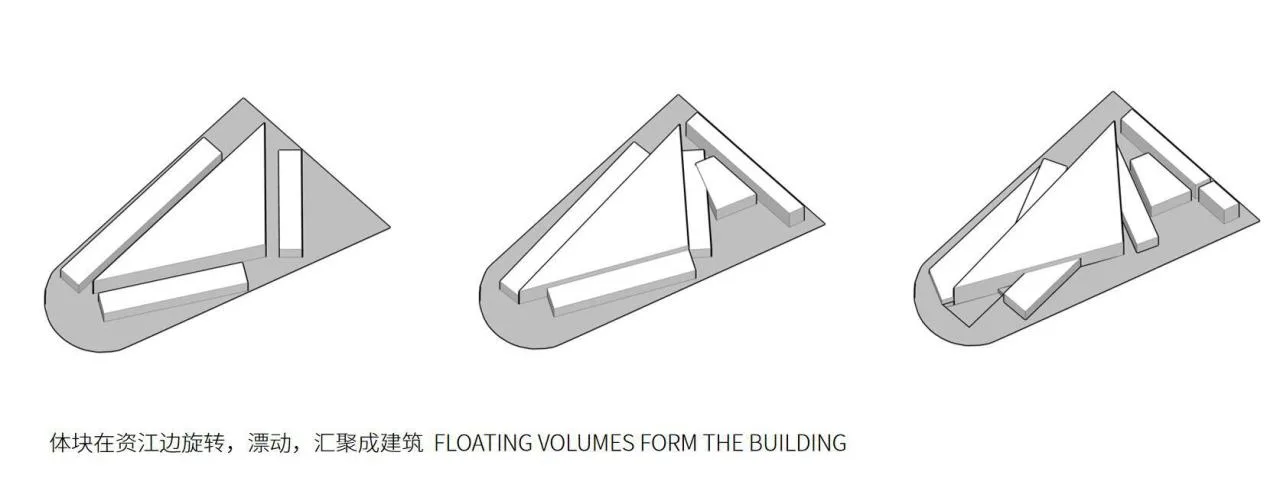
△ Analysis chart
Project Information
Architect: Prolo Architecture
Area: 10,000 m²
Project Year: 2024
Photographer: Existence of Architecture
Lead Designers: Chang Ke, Li Wenhan
Design Team: Zhao Jianwei, Jiang Honghui, Zhang Hao, Feng Panao, Yuan Bo, Chen Jiyuan
Construction Drawing Design Unit: Friendship Design Group
Project Type: Factory / Exhibition Hall / Cultural Center / Civic Center
Design Period: 2020–2023
Construction Period: 2020–2024
Location: Yiyang














Must log in before commenting!
Sign Up